# Coffee & Health
What science says about coffee and well-being — caffeine metabolism, antioxidants, cardiovascular effects, mental performance, and common myths versus evidence-based findings.
# Caffeine: The Science of Coffee's Most Famous Compound
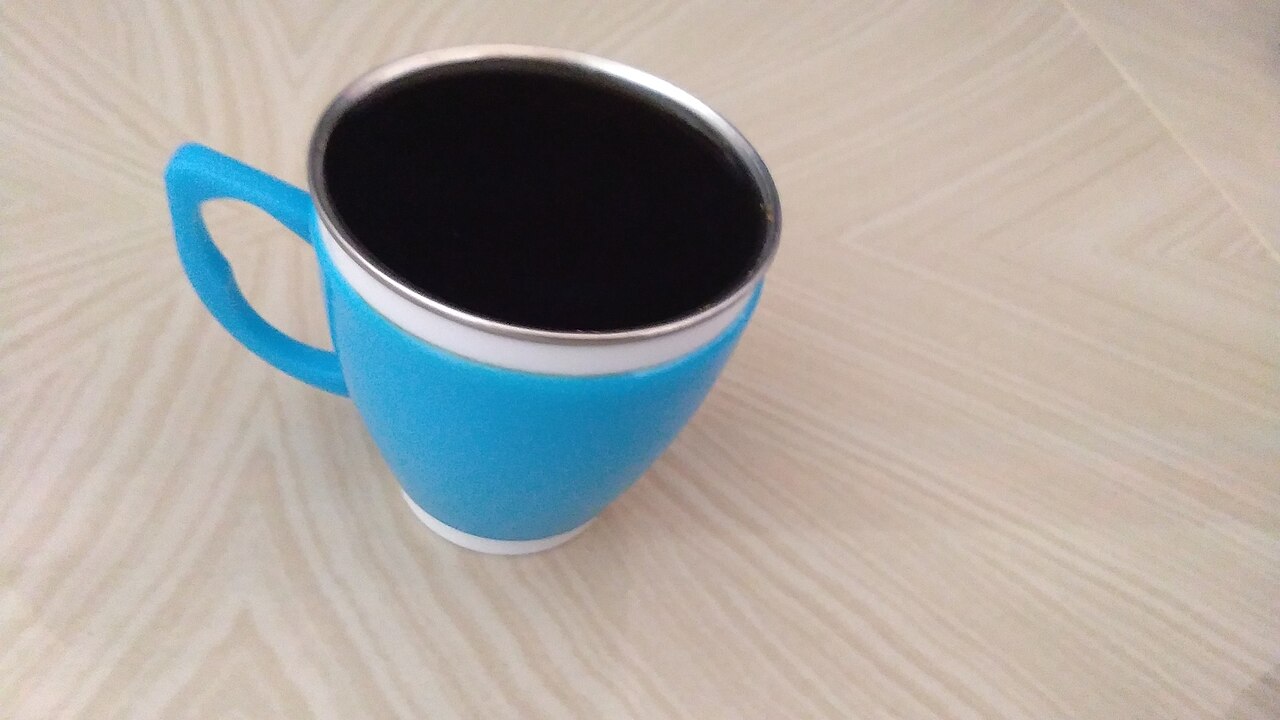
**Caffeine is the most widely consumed psychoactive substance in the world, and coffee is its most popular delivery vehicle.** An estimated 80% of adults globally consume caffeine daily, with coffee accounting for the majority of intake in most countries. Chemically, caffeine is a naturally occurring alkaloid called 1,3,7-trimethylxanthine — produced by coffee plants as a natural pesticide to protect their seeds. In humans, this same molecule blocks adenosine receptors in the brain, producing the alertness, focus, and mild euphoria that have made coffee humanity's favorite morning ritual for over 500 years. This article explains the complete science of caffeine: how it works, how your body processes it, how much is in your cup, and how to enjoy it safely.
## What Is Caffeine? The Chemistry
Caffeine belongs to a class of compounds called **methylxanthines**, which also includes theobromine (found in chocolate) and theophylline (found in tea). Its molecular formula is C₈H₁₀N₄O₂, with a molecular weight of 194.19 g/mol. Pure caffeine is a white, bitter crystalline powder that is moderately soluble in water and highly soluble in hot water — which is why brewing coffee with hot water extracts caffeine so efficiently.
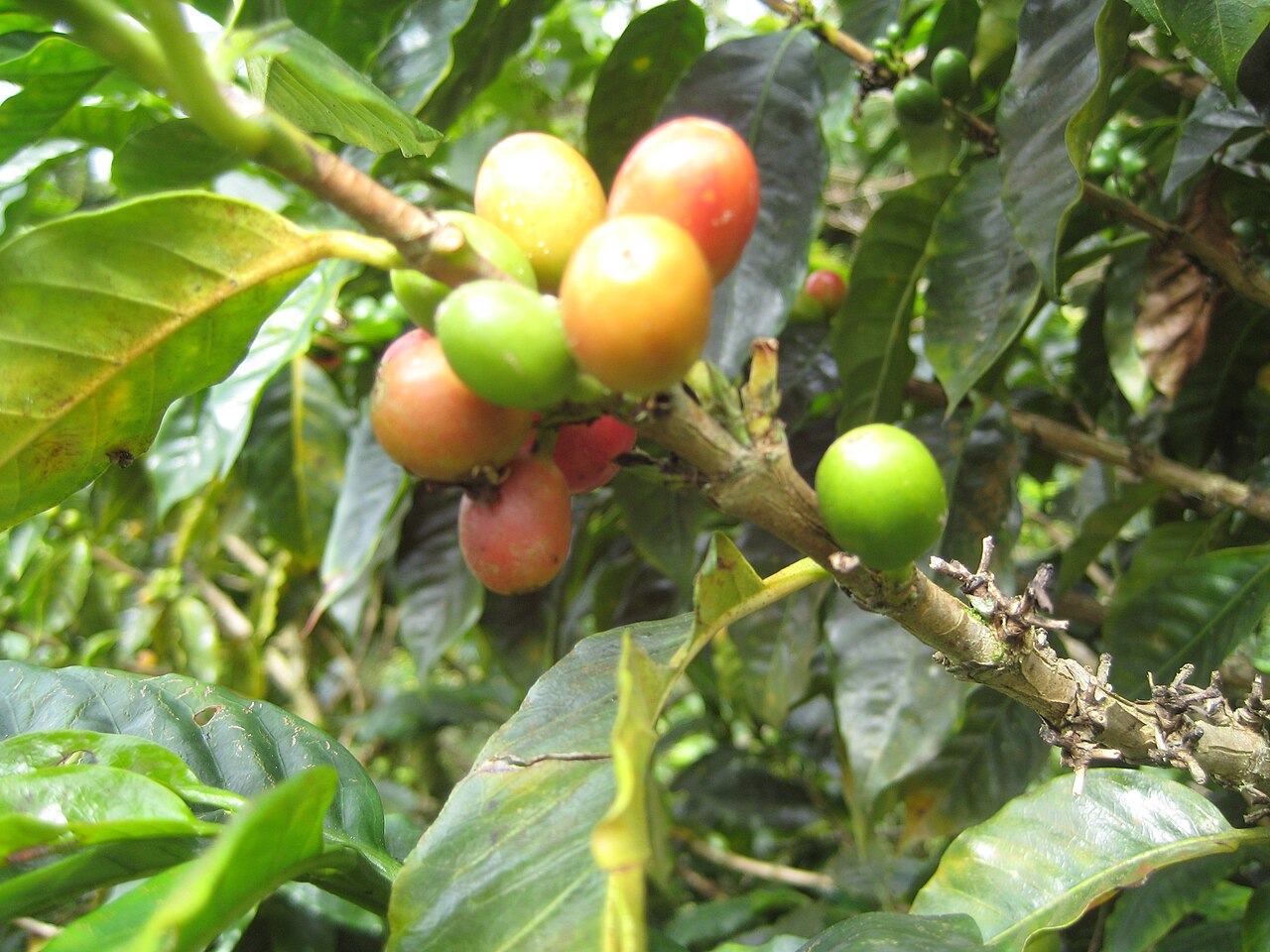
Caffeine occurs naturally in the seeds, leaves, and fruits of more than 60 plant species, including *Coffea arabica*, *Coffea canephora* (robusta), tea plants (*Camellia sinensis*), kola nuts, cacao pods, guarana berries, and yerba mate. In coffee plants, caffeine serves two biological purposes: it acts as a natural insecticide, paralyzing or killing insects that attempt to feed on the seeds, and it leaches into the surrounding soil to inhibit the germination of competing plants. Human beings are among the few species that have evolved to tolerate — and enjoy — caffeine's effects rather than be harmed by them.
The amount of caffeine in coffee varies dramatically by species. Arabica beans contain roughly **1.2% caffeine by weight**, while robusta beans contain nearly double that — approximately **2.2% caffeine by weight**. This is one reason robusta is often blended into espresso: it delivers a stronger caffeine kick and contributes to the characteristic thick crema.
A fascinating natural exception exists within the Arabica species: the **Bourbon Pointu** variety (also known as **Laurina**), a naturally occurring mutation discovered on Réunion Island, contains only about **0.6% caffeine by weight** — roughly half the caffeine of standard Arabica and one-quarter that of Robusta. This makes Laurina one of the only naturally low-caffeine coffees in the world, prized by specialty roasters as an evening cup that retains full coffee flavor without the stimulant load. See our article on the Bourbon coffee variety for the full history of this remarkable mutation.
## How Caffeine Works in the Brain
*Watch: 2-Minute Neuroscience: Caffeine*

Caffeine's primary mechanism of action is remarkably elegant: it is a **competitive antagonist of adenosine receptors**. To understand why that matters, you need to understand adenosine.
Throughout the day, as your brain cells consume energy (in the form of ATP, adenosine triphosphate), they release adenosine as a byproduct. This adenosine accumulates in the brain and binds to receptors — primarily the A1 and A2A receptors — which slow neural activity, dilate blood vessels, and promote the feeling of sleepiness. Adenosine is, essentially, your brain's fatigue signal. The longer you're awake, the more adenosine accumulates, and the sleepier you feel.
Caffeine's molecular shape is similar enough to adenosine that it fits into the same receptors — but it does not activate them. Instead, it blocks the receptor sites, preventing adenosine from binding. The result: your brain's fatigue signal cannot be received. Neurons that would have been slowed continue firing at normal rates, blood vessels that would have dilated remain constricted, and the neurotransmitters dopamine, glutamate, and norepinephrine continue flowing freely.
This is why caffeine does not, technically, *give* you energy. It removes the sensation of tiredness by blocking the signal. The energy was always there — caffeine simply unblocks access to it.
## Pharmacokinetics: How Your Body Processes Caffeine
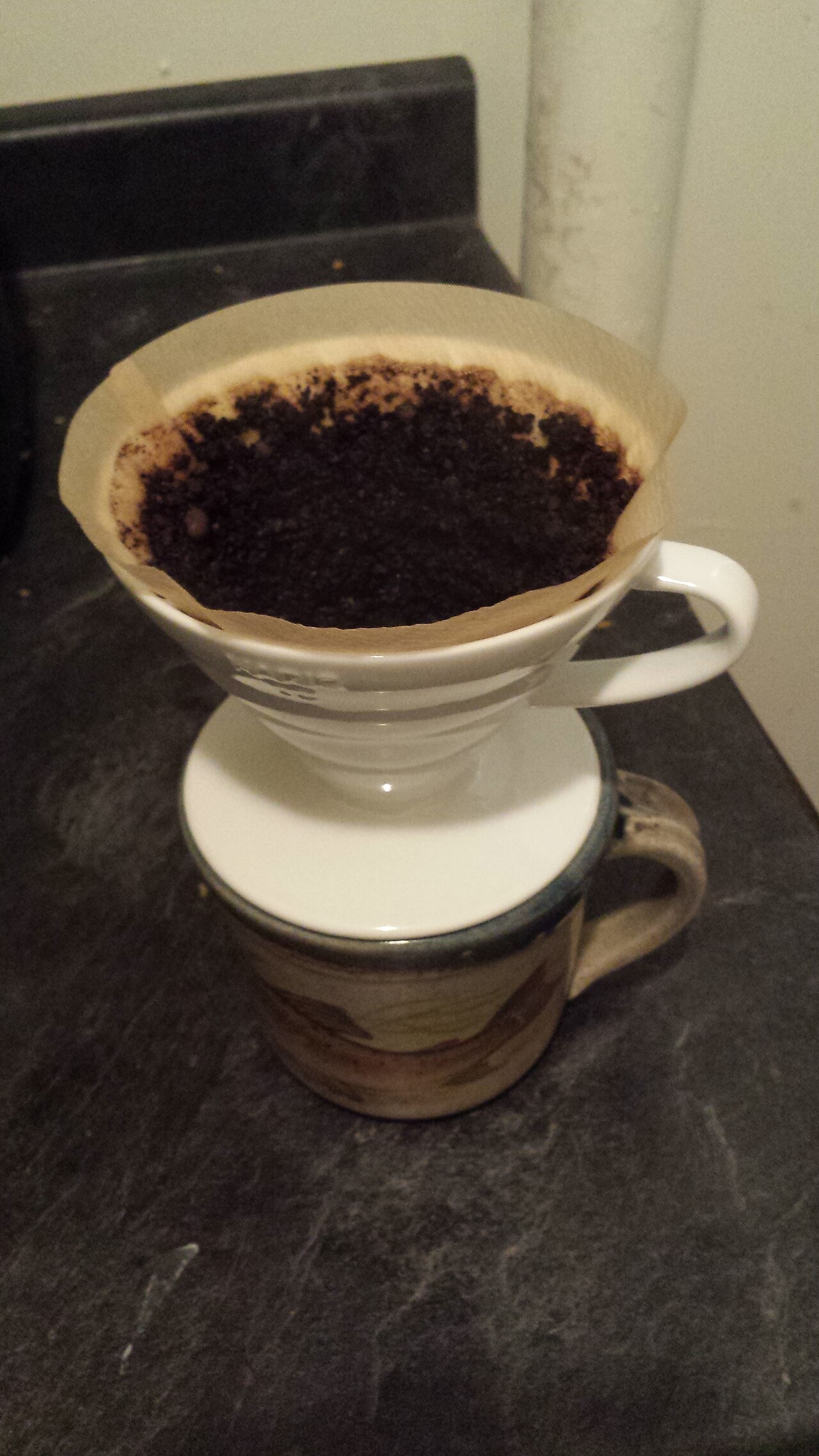
Caffeine is absorbed rapidly and almost completely. Within **15 to 45 minutes** of drinking coffee, roughly 99% of the caffeine has entered your bloodstream through the stomach and small intestine. Peak blood concentration typically occurs around **30 to 60 minutes** after consumption. Caffeine is both water-soluble and fat-soluble, which allows it to cross the blood-brain barrier easily and reach brain tissue within minutes.
The most important number in caffeine science is its **half-life** — the time required for your body to eliminate half of the caffeine in your bloodstream. In healthy adults, caffeine's half-life averages **5 hours**, but the range is enormous: anywhere from 1.5 hours to 9.5 hours depending on genetics, liver function, pregnancy status, and medication use.
This means if you drink a cup of coffee at 3 PM containing 100 mg of caffeine, approximately 50 mg is still circulating in your bloodstream at 8 PM, and 25 mg at 1 AM. This is why afternoon coffee can disrupt sleep even when you don't feel "wired" at bedtime — the caffeine is still actively blocking adenosine receptors.
Caffeine is metabolized primarily by the liver enzyme **CYP1A2**, which is encoded by the *CYP1A2* gene. Genetic variants in this gene produce what researchers call "fast metabolizers" and "slow metabolizers." Fast metabolizers clear caffeine in as little as 2-3 hours and can typically drink coffee after dinner without sleep disturbance. Slow metabolizers may take 8+ hours to clear the same dose and often experience anxiety, jitters, or insomnia from moderate amounts. Commercial genetic tests can identify your CYP1A2 variant, though most people can estimate their category through self-observation.
Factors that **slow** caffeine metabolism include pregnancy (half-life can double or triple in the third trimester), oral contraceptives, certain antibiotics (ciprofloxacin), and liver disease. Factors that **speed** metabolism include smoking (which roughly halves caffeine's half-life) and chronic heavy consumption.
## Caffeine Content by Brewing Method
One of the most persistent myths in coffee culture is that espresso has more caffeine than drip coffee. In fact, per serving, the opposite is usually true. The confusion arises because espresso has a much higher caffeine *concentration* — but the serving size is far smaller.
Here are typical caffeine values per standard serving:
- **Espresso (single shot, 1 oz / 30 ml):** 63 mg
- **Espresso (double shot, 2 oz / 60 ml):** 125 mg
- **Drip coffee (8 oz / 240 ml):** 95-165 mg
- **Pour over (8 oz / 240 ml):** 80-185 mg
- **French press (8 oz / 240 ml):** 80-135 mg
- **AeroPress (8 oz / 240 ml):** 90-170 mg
- **Cold brew (8 oz / 240 ml):** 150-240 mg
- **Moka pot (2 oz / 60 ml):** 100 mg
- **Turkish coffee (2 oz / 60 ml):** 100-165 mg
- **Instant coffee (8 oz / 240 ml):** 60-80 mg
- **Decaf coffee (8 oz / 240 ml):** 2-15 mg
Cold brew consistently tests highest because its long steep time (12-24 hours) and typically higher coffee-to-water ratio extract more caffeine than hot methods. Contrary to popular belief, **dark roast coffee contains slightly LESS caffeine by volume than light roast** — the roasting process degrades a small percentage of caffeine molecules. However, when measured by weight of dry coffee, the difference is minimal. The much larger factor is the dose of coffee used and the extraction time.
For comparison, a standard 8 oz cup of black tea contains 40-70 mg of caffeine, green tea contains 25-45 mg, a 12 oz can of cola contains 30-45 mg, and a standard energy drink contains 70-150 mg.
## Safe Daily Intake

The European Food Safety Authority (EFSA) and the U.S. Food and Drug Administration agree on the general guideline: **up to 400 mg of caffeine per day** is considered safe for most healthy adults — roughly equivalent to four 8 oz cups of drip coffee or four double espressos.
Specific recommended limits:
- **Healthy adults:** Up to 400 mg/day, with no more than 200 mg in a single dose
- **Pregnant or breastfeeding women:** No more than 200 mg/day (see our dedicated article on coffee during pregnancy)
- **Adolescents (12-18):** No more than 100 mg/day
- **Children under 12:** Caffeine consumption is not recommended
Acute toxicity typically requires doses above **1,000 mg** (one gram), which produces symptoms including rapid heartbeat, tremors, nausea, and anxiety. Lethal doses are estimated at 10-14 grams for the average adult — an amount essentially impossible to reach through coffee consumption alone (it would require roughly 100 cups in rapid succession). Fatal caffeine overdoses almost always involve concentrated powder supplements or caffeine pills, not beverages.
Warning signs that you've exceeded your personal limit include heart palpitations, trembling hands, anxiety, digestive upset, headaches, and insomnia. These effects do not indicate addiction or harm — they simply indicate that your current caffeine dose exceeds what your body can comfortably process at this time.
## Tolerance, Dependence, and Withdrawal
Regular caffeine consumption leads to **physiological tolerance**. Your brain responds to chronic adenosine receptor blockade by producing more adenosine receptors — an attempt to restore the lost adenosine signaling. After several weeks of daily coffee drinking, you may need more caffeine to produce the same alerting effect, and your baseline adenosine sensitivity rises. This is why people who drink coffee daily often report that their morning cup "doesn't really wake them up anymore" — it mostly restores them to a normal baseline they've come to depend on.
This dependence is genuine but relatively mild compared to other psychoactive substances. **Caffeine withdrawal** is recognized as a clinical diagnosis in the DSM-5 and typically produces the following symptoms in regular consumers who abruptly stop:
- **Headache** (the hallmark symptom, often throbbing and located at the front or temples)
- **Fatigue and drowsiness**
- **Difficulty concentrating**
- **Irritability or low mood**
- **Flu-like feelings** (muscle aches, nausea in some cases)
Symptoms typically begin 12-24 hours after the last dose, peak at 24-48 hours, and resolve within 2-9 days. Tapering caffeine intake by 25% every few days eliminates most withdrawal symptoms entirely. For most people, complete tolerance reverses within 7-14 days of abstinence, at which point caffeine's alerting effects return in full force when reintroduced.
Importantly, caffeine dependence is not the same as addiction in the clinical sense. It does not typically produce compulsive use patterns, social or occupational impairment, or dangerous behavior — the hallmarks of substance use disorders. Most experts consider caffeine dependence a mild physiological adaptation rather than a public health concern.
## Caffeine and Athletic Performance

Caffeine is one of the most thoroughly researched performance-enhancing substances in sports science, and the evidence is remarkably consistent: **caffeine improves both endurance and high-intensity exercise performance** in doses of 3-6 mg per kilogram of body weight, consumed 30-60 minutes before activity.
For a 70 kg (155 lb) athlete, this equates to 210-420 mg of caffeine — roughly two to four cups of coffee. Documented effects include:
- **Endurance improvement of 2-4%** in cycling, running, and rowing time trials
- **Reduced perceived exertion** — the same workload feels easier
- **Increased time to exhaustion** at submaximal intensities
- **Improved sprint performance and power output**
- **Enhanced cognitive function** during prolonged effort
Caffeine was removed from the World Anti-Doping Agency's banned substances list in 2004, recognizing that it is a natural component of the global diet and that banning it would be impractical. It remains on the Monitoring Program, meaning athletes' levels are tracked but not restricted.
## Frequently Asked Questions
**Does caffeine dehydrate you?** No. Despite the persistent myth, caffeine does not cause meaningful dehydration at typical consumption levels. While caffeine has a very mild diuretic effect at high doses in non-habitual users, the water content of coffee itself more than compensates. Regular coffee drinkers develop complete tolerance to the diuretic effect within days. Coffee counts toward daily fluid intake.
**Why does coffee make some people sleepy?** In a small percentage of people, caffeine produces paradoxical drowsiness rather than alertness. This is most often due to genetic variations in adenosine receptor sensitivity, an overwhelming of the stress response leading to fatigue crash, or the sugar and milk in coffee drinks triggering a blood sugar rebound. True paradoxical reactions to pure caffeine are rare.
**How long before bed should I stop drinking coffee?** Because caffeine has a 5-hour average half-life, most sleep researchers recommend cutting off caffeine consumption at least 6-8 hours before bedtime. For slow metabolizers or those with sensitive sleep, noon may be a safer cutoff. Studies show that caffeine consumed even 6 hours before bed can measurably reduce total sleep time and sleep quality, even when the drinker doesn't subjectively notice.
**Is caffeine addictive?** Caffeine produces physical dependence (tolerance and withdrawal) but does not meet the clinical criteria for addiction as defined in the DSM-5. It lacks the compulsive use patterns, escalating doses, and functional impairment characteristic of addictive substances. Most researchers classify it as a "dependence-producing" rather than "addictive" substance.
**Does decaf coffee still have caffeine?** Yes, but only a small amount. Decaffeination processes remove approximately 97% of caffeine, leaving 2-15 mg per 8 oz cup compared to 95-165 mg in regular drip coffee. For people highly sensitive to caffeine, even decaf can have mild effects, especially if consumed in large quantities.
## Key Facts: Caffeine at a Glance
- **Chemical name:** 1,3,7-trimethylxanthine (C₈H₁₀N₄O₂)
- **Mechanism:** Competitive adenosine receptor antagonist
- **Absorption:** 99% absorbed within 45 minutes
- **Peak blood level:** 30-60 minutes after consumption
- **Half-life (average adult):** 5 hours (range 1.5-9.5 hours)
- **Primary metabolism:** Liver enzyme CYP1A2
- **Safe daily limit (healthy adults):** 400 mg
- **Safe daily limit (pregnancy):** 200 mg
- **Arabica content:** ~1.2% by weight
- **Robusta content:** ~2.2% by weight
- **Typical espresso shot:** 63 mg
- **Typical 8 oz drip coffee:** 95-165 mg
- **Typical 8 oz cold brew:** 150-240 mg
- **Withdrawal onset:** 12-24 hours after last dose
- **Full tolerance reversal:** 7-14 days of abstinence
## Related Articles
- [What is Coffea Arabica? The Noble Coffee Species](/books/coffee-science-chemistry/page/what-is-coffea-arabica-the-noble-coffee-species)
- [What is Coffea Canephora? Understanding Robusta Coffee](/books/robusta-renaissance/page/what-is-coffea-canephora-understanding-robusta-coffee)
- **The Bourbon Coffee Variety** — the Laurina mutation and naturally low-caffeine Arabica
- **Espresso: The Complete Guide** — extraction mechanics and caffeine concentration
- [Cold Brew Coffee: The Complete Science Guide](/books/cold-brew-iced-coffee-science/page/cold-brew-coffee-the-complete-science-guide)
- [Coffee Roasting: The Complete Science Guide](/books/coffee-roasting-mastery/page/coffee-roasting-the-complete-science-guide)
- [Coffee Processing: Washed, Natural, and Honey Methods Explained](/books/coffee-processing-overview/page/coffee-processing-washed-natural-and-honey-methods-explained)
## Buy Authentic Puerto Rico Coffee
Experience the natural caffeine profile of premium high-altitude Arabica coffee grown in Puerto Rico's mountain regions. Our beans are cultivated at elevations between 2,500 and 4,500 feet, producing a balanced, smooth cup with a clean caffeine lift and none of the harshness of lower-grade coffees.
**→ Shop authentic Puerto Rico coffee at [PuertoRicoCoffeeShop.com](https://puertoricocoffeeshop.com)**
---
*This article is part of the Coffee Encyclopedia, the world's largest free coffee reference. Proudly sponsored by **[PuertoRicoCoffeeShop.com](https://puertoricocoffeeshop.com)** — your authentic source for premium Puerto Rico coffee, shipped worldwide.*
*Note: This article provides educational information about caffeine and is not medical advice. If you have specific health conditions, are pregnant, take medications, or have concerns about caffeine intake, consult a qualified healthcare professional.*
# Caffeine: How It Works in the Human Body
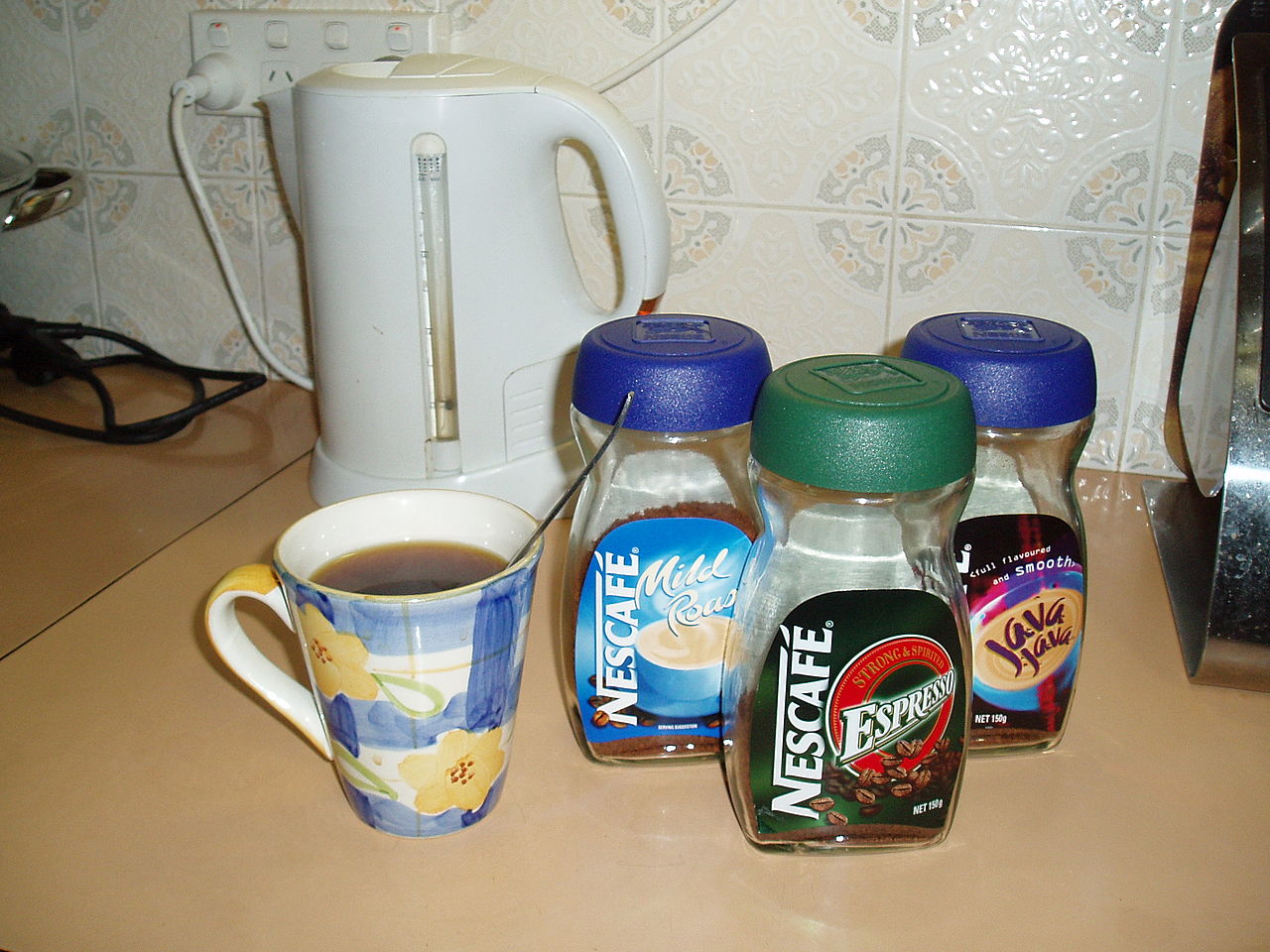
**Caffeine is the most widely consumed psychoactive substance on Earth, and the active compound that has made coffee the world's second-most-traded commodity. It works by blocking adenosine receptors in the brain — preventing the chemical signal that tells you to feel tired. Caffeine has a half-life of roughly five hours in most adults, meaning the cup you drink at noon is still half-active in your bloodstream at 5 PM. This article explains the molecular mechanism, the metabolism, the dose-response curve, the genetic variation between people, and what the peer-reviewed research actually says about caffeine and human health.**
## What Caffeine Actually Is
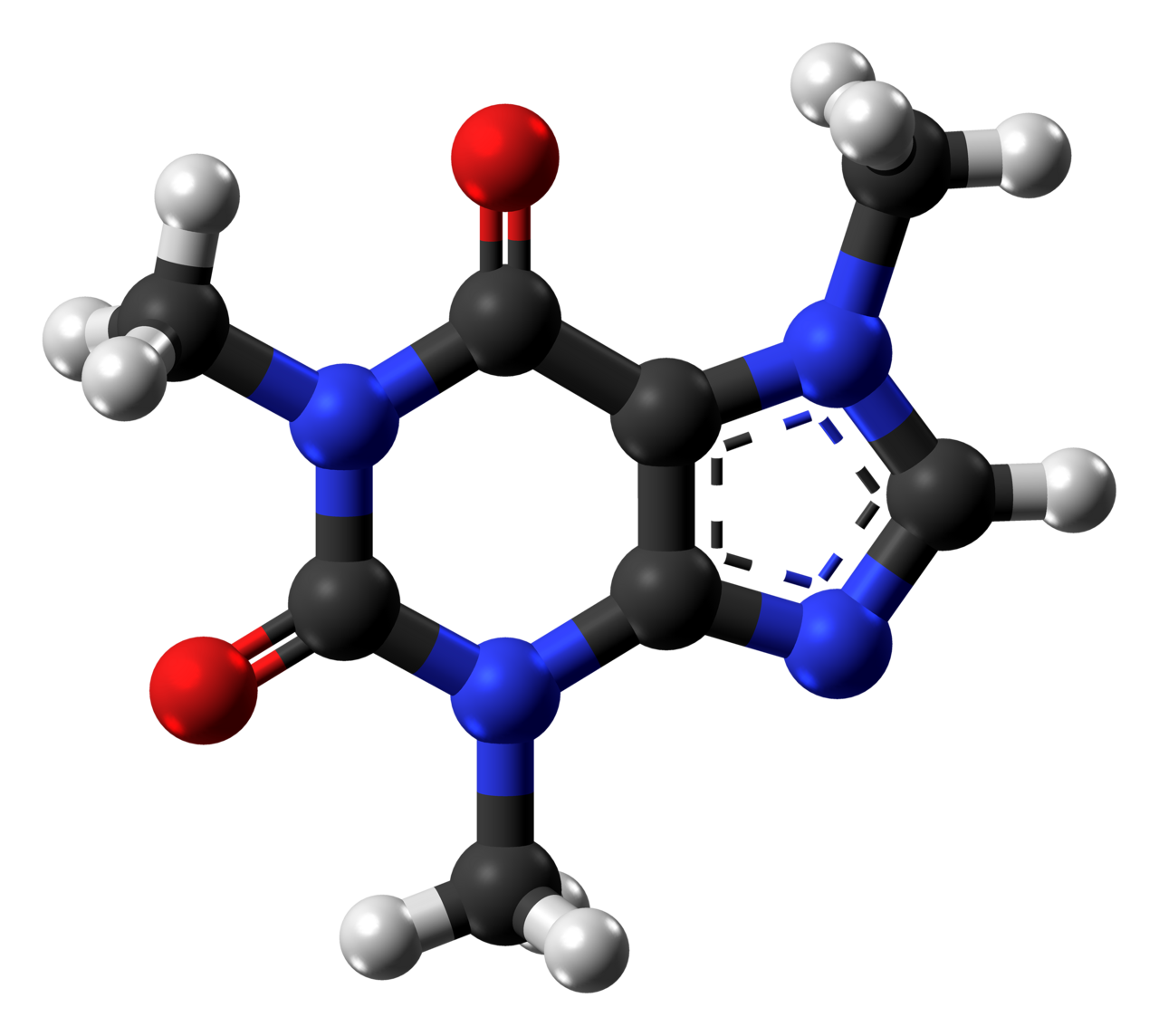
Caffeine is a naturally occurring alkaloid produced by more than sixty plant species as a defense against insects. Its formal chemical name is 1,3,7-trimethylxanthine, and it belongs to the same chemical family as theobromine (the active compound in chocolate) and theophylline (used historically as an asthma medication). The coffee plant — Coffea arabica and Coffea canephora — concentrates caffeine in its seeds, which we call coffee beans.
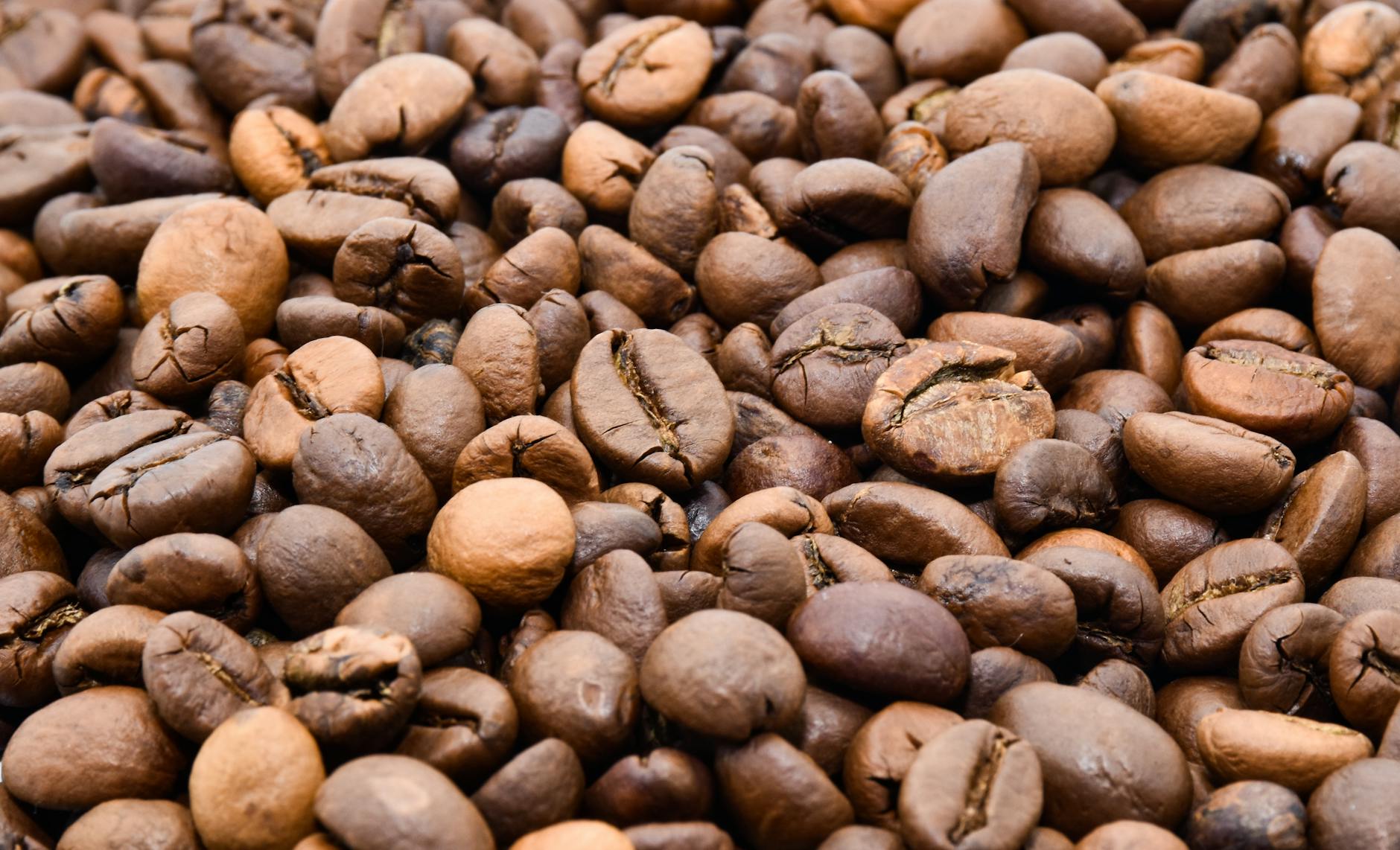
A single coffee bean contains roughly 6 milligrams of caffeine. A typical 8-ounce cup of brewed coffee delivers between 80 and 200 milligrams, depending on bean species, roast level, brewing method, and dose. Robusta beans contain nearly twice as much caffeine as Arabica — roughly 2.2 percent by weight versus 1.2 percent — which is one reason commercial blends often include some Robusta.
## How Caffeine Works in the Brain
The mechanism by which caffeine produces alertness is one of the most studied processes in modern neuroscience. The molecule's behavior centers on a single chemical called adenosine.
Throughout the day, your brain cells produce adenosine as a byproduct of normal energy use. Adenosine binds to specific receptors on neurons — primarily the A1 and A2A subtypes — and when enough adenosine has accumulated, the receptors fire a signal that slows neural activity. You experience this slowdown as tiredness, fatigue, and the need for sleep. Adenosine is, in effect, your brain's accumulator of the day's mental work.
Caffeine has a molecular shape that closely resembles adenosine. When you drink coffee, caffeine molecules cross the blood-brain barrier and dock into adenosine receptors — but they do not activate them. They simply occupy the binding site, preventing adenosine from delivering its tiredness signal. The result is not added energy. Caffeine does not give you more fuel. It blocks the brake. Your existing alertness systems — dopamine, norepinephrine, glutamate — continue running without the adenosine signal telling them to slow down.
This is why caffeine's effects feel like clarity rather than stimulation, and why the crash after caffeine wears off can feel so abrupt. Once the caffeine clears your receptors, all the adenosine that accumulated during the blocked period rushes in at once.
## The Five-Hour Half-Life
Half-life is the time it takes for your body to metabolize half of a given dose. For caffeine in a healthy adult, that figure averages around five hours, though individual values range from three to nine hours.
This means a 200-milligram cup of coffee at 8 AM leaves roughly 100 milligrams in your bloodstream at 1 PM, 50 milligrams at 6 PM, and 25 milligrams at 11 PM. For caffeine-sensitive people, even that residual evening dose is enough to disrupt sleep architecture — reducing deep slow-wave sleep and shortening total sleep duration, even when subjective sleep quality feels unchanged.
The practical guideline that has emerged from sleep research is to stop caffeine consumption at least six to eight hours before bedtime. For someone with a target sleep time of 11 PM, that means no coffee after 3 PM.
## Why Some People Metabolize Caffeine Faster
Most caffeine is broken down in the liver by an enzyme called CYP1A2. The activity level of this enzyme is determined largely by genetics — specifically, variations in the CYP1A2 gene. Roughly 40 percent of people carry the "fast metabolizer" variant and clear caffeine in three to four hours. About 45 percent are average metabolizers at the five-hour baseline. The remaining 15 percent are "slow metabolizers" whose half-life can stretch to eight or nine hours.
Slow metabolizers are also the people for whom research has consistently linked heavy coffee consumption to increased cardiovascular risk. For fast metabolizers, the same studies show neutral or protective effects. This genetic variation is one of the strongest reasons that population-level recommendations for caffeine intake have always carried wide margins.
## Caffeine Content by Brewing Method
The conventional wisdom that espresso has more caffeine than drip coffee is, at the cup level, completely wrong. Per ounce, espresso is far more concentrated. But because a typical espresso shot is one ounce and a typical drip serving is eight to twelve ounces, the total caffeine in a drip cup usually exceeds that in a single espresso shot by two to three times.
Approximate caffeine content for common preparations:
- Espresso, single shot, 1 oz: 60–80 mg
- Espresso, double shot, 2 oz: 120–160 mg
- Drip coffee, 8 oz: 95–165 mg
- Pour over (V60, Chemex), 8 oz: 100–200 mg
- French press, 8 oz: 80–135 mg
- AeroPress, 8 oz: 80–170 mg
- Cold brew, 8 oz: 100–200 mg (varies enormously with steep ratio)
- Moka pot, 2 oz: 80–105 mg
- Turkish coffee, 2 oz: 50–80 mg
- Instant coffee, 8 oz: 60–80 mg
- Decaf coffee, 8 oz: 2–5 mg
Brew method matters less than dose and bean origin. A weak pour over made with light-roasted Arabica will deliver less caffeine than a robust French press made with darker Robusta blend. The most reliable variable is the dry weight of coffee used.
## Tolerance, Dependence, and Withdrawal
Regular caffeine use produces measurable physiological tolerance. The brain compensates for chronically blocked adenosine receptors by producing more of them — a process called upregulation. After two to three weeks of daily use, the same dose of caffeine produces noticeably less subjective alertness, because there are simply more adenosine receptors to occupy.
This adaptation is also what produces withdrawal symptoms when caffeine is stopped abruptly. With more receptors than baseline and a sudden flood of unblocked adenosine, the result is the classic 24-to-48-hour withdrawal pattern: headache, fatigue, irritability, and reduced cognitive performance. Symptoms typically peak at 36 hours and resolve within a week as receptor counts return to baseline.
Whether caffeine constitutes a true addiction in the clinical sense is debated. The DSM-5 includes "caffeine use disorder" as a condition for further study but not as a recognized diagnosis. Most researchers describe caffeine as physically dependence-producing but not addictive in the way nicotine, alcohol, or stimulant drugs are addictive. The behavioral signature is different.
## Cardiovascular Effects
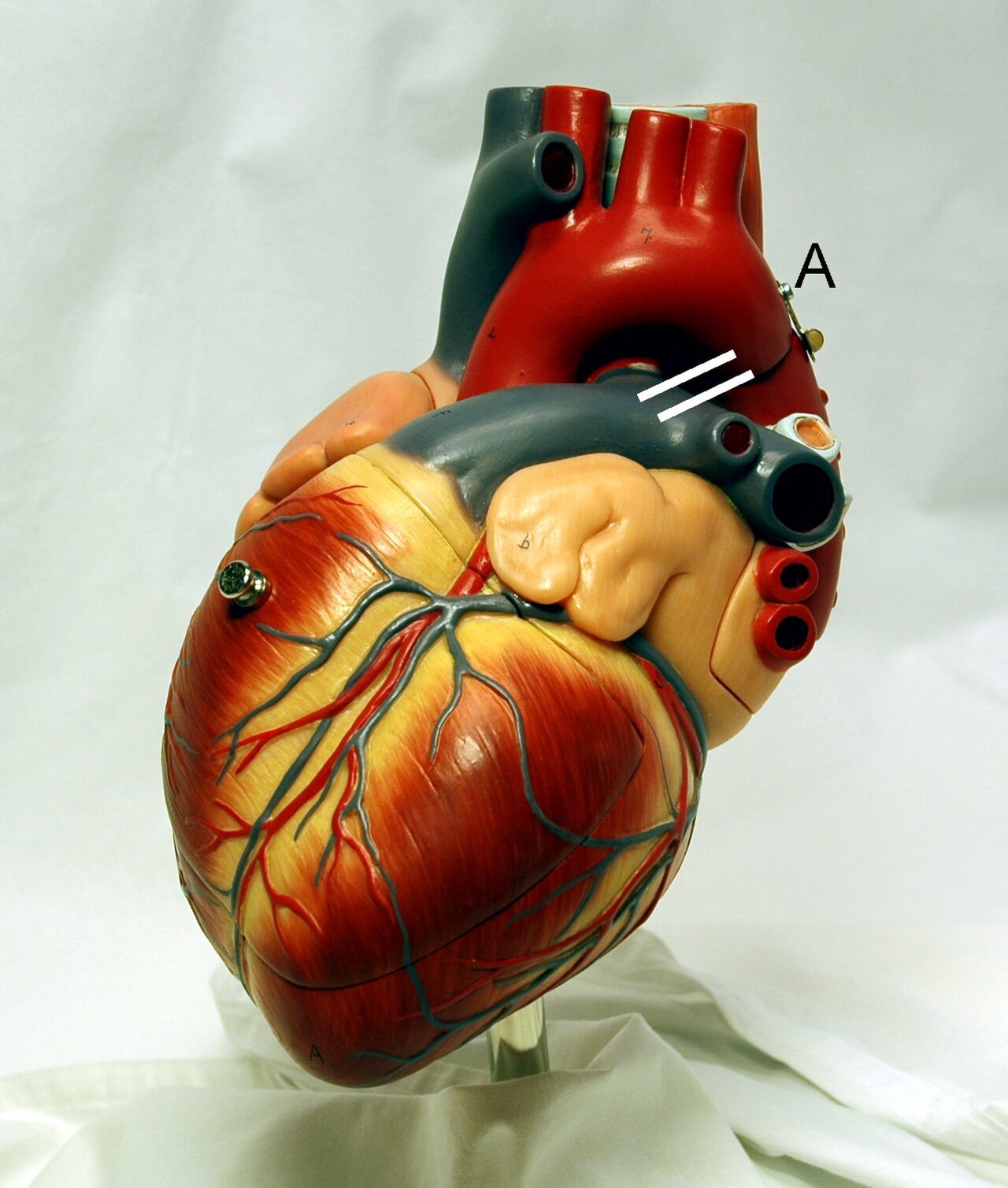
Caffeine produces a small, transient increase in heart rate and blood pressure — typically 3 to 5 mmHg systolic for the hour following a 200 mg dose. In tolerant regular users, this response diminishes substantially. In the largest meta-analyses of cardiovascular outcomes, moderate coffee consumption (three to four cups per day) is associated with neutral or slightly protective effects on cardiovascular disease and all-cause mortality.
The caveat is the slow-metabolizer subgroup discussed above. For people with the slow CYP1A2 variant, heavy consumption appears to increase cardiovascular risk. Without commercial genetic testing, the best clinical proxy is self-observation: people who feel jittery, anxious, or palpitations from moderate coffee doses are more likely to be slow metabolizers and should keep intake lower.
## Caffeine During Pregnancy
The American College of Obstetricians and Gynecologists recommends a maximum of 200 milligrams of caffeine per day during pregnancy — roughly one to two cups of coffee. The basis for this guideline is observational research linking higher caffeine intake to slightly increased risk of miscarriage and low birth weight. The mechanism is thought to involve reduced placental blood flow at higher doses, combined with the fact that fetal liver enzymes cannot yet metabolize caffeine, leading to extended exposure.
The 200-milligram threshold is conservative. Most international health agencies have converged on the same figure. During breastfeeding, moderate caffeine intake is generally considered safe, as only about one percent of the mother's caffeine dose passes into breast milk.
## The Decaffeination Process
Commercial decaffeination removes 97 to 99 percent of caffeine from green coffee beans before roasting. There are four primary methods in use today: solvent-based (using methylene chloride or ethyl acetate), the Swiss Water process (using only water and activated charcoal filters), supercritical CO2 extraction, and the more recent Sugarcane Process used by some specialty roasters.
The Swiss Water process is the most popular among specialty coffee buyers because it uses no chemical solvents. Green beans are soaked in water, the caffeine-laden water is then passed through charcoal filters that selectively bind caffeine while letting other flavor compounds pass, and the now-decaffeinated water is reused on a fresh batch of beans. The result is decaf coffee with most of its flavor compounds intact.
A standard 8-ounce cup of decaf coffee still contains 2 to 5 milligrams of residual caffeine. This is well below the threshold that produces any pharmacological effect, but it is enough to matter for people on caffeine-restricted medical diets.
## Health Effects of Long-Term Coffee Consumption
The peer-reviewed evidence on regular coffee consumption is broadly positive. Large prospective cohort studies — including the Nurses' Health Study, the Health Professionals Follow-up Study, and the European Prospective Investigation into Cancer and Nutrition — have reported associations between three to five cups of coffee per day and reduced risk of type 2 diabetes, Parkinson's disease, certain liver cancers, and all-cause mortality.
These are observational studies, and confounding remains a real concern. People who drink coffee regularly tend to differ from non-drinkers in income, exercise habits, and dietary patterns. Randomized controlled trials of long-term coffee consumption are practically impossible to run for cost and ethical reasons. The current consensus position from major health organizations is that moderate coffee consumption — defined as three to four cups per day for adults — is compatible with a healthy diet for most people.
## Practical Guidelines
The U.S. Food and Drug Administration sets 400 milligrams per day as the upper limit for healthy adults — roughly four 8-ounce cups of brewed coffee. For pregnant women the limit is 200 mg. For adolescents (12 to 18), the American Academy of Pediatrics recommends no more than 100 mg per day. Children under 12 should avoid caffeine entirely.
Beyond dose, the timing of consumption matters as much as the amount. Caffeine consumed within six hours of bedtime measurably reduces sleep quality even when it does not affect sleep onset. Caffeine consumed in the first 30 to 60 minutes after waking competes with the body's natural cortisol awakening response and may reduce its effectiveness — which is why some sleep researchers recommend delaying the first cup until 90 minutes after waking.

## Key Facts
- Caffeine is 1,3,7-trimethylxanthine, a natural plant alkaloid
- A typical 8 oz cup of brewed coffee contains 80 to 200 mg of caffeine
- Caffeine works by blocking adenosine receptors in the brain
- The half-life is approximately 5 hours in healthy adults
- The CYP1A2 enzyme handles caffeine metabolism, with significant genetic variation
- The FDA daily upper limit for healthy adults is 400 mg
- The pregnancy daily upper limit is 200 mg
- Decaf coffee contains 2 to 5 mg of residual caffeine per cup
- Caffeine should be avoided 6 to 8 hours before bedtime for optimal sleep
- Three to four cups daily is associated with neutral or beneficial long-term outcomes in large cohort studies
## Frequently Asked Questions
**How long does caffeine stay in your system?**
Caffeine has a half-life of about 5 hours in most adults. It takes roughly 24 hours for a single dose to be fully cleared. Slow metabolizers may take significantly longer.
**Does coffee dehydrate you?**
No. While caffeine is a mild diuretic, the water content of coffee more than compensates. Modern hydration research treats coffee as a net positive for daily fluid intake.
**Is decaf truly caffeine-free?**
No. Commercial decaf retains 1 to 3 percent of the original caffeine, which works out to 2 to 5 mg per cup. This is negligible for most people but matters for those on strict medical restrictions.
**Why does coffee make some people anxious?**
Slow CYP1A2 metabolizers maintain higher blood caffeine levels for longer. Combined with caffeine's release of cortisol and norepinephrine, this can trigger anxiety in sensitive individuals. Reducing dose, switching to decaf, or eliminating coffee for two to three weeks helps identify whether caffeine is the trigger.
**Can you build true tolerance to caffeine?**
Yes, partially. The brain upregulates adenosine receptors in response to chronic caffeine use, reducing the subjective alertness boost. However, full physiological tolerance is rare — caffeine continues to affect heart rate, blood pressure, and sleep architecture even in heavy regular users.
## Related Articles
- [What is Coffea Arabica? The Noble Coffee Species](/books/coffee-science-chemistry/page/what-is-coffea-arabica-the-noble-coffee-species)
- [Espresso: The Complete Guide to Italy's Greatest Coffee Invention](/books/espresso-mastery/page/espresso-the-complete-guide-to-italys-greatest-coffee-invention)
- [Café con Leche: The Puerto Rican Morning Tradition](/books/puerto-rico-coffee-recipes/page/cafe-con-leche-the-puerto-rican-morning-tradition)
- [Turkish Coffee: The UNESCO Heritage Brewing Tradition](/books/turkish-coffee-mastery/page/turkish-coffee-the-unesco-heritage-brewing-tradition)
- [The Sufi Monks and Coffee's Spiritual Journey](/books/coffee-in-islamic-traditions/page/the-sufi-monks-and-coffees-spiritual-journey)
- [Yemen and the Port of Mocha](/books/india-yemen-coffee/page/yemen-and-the-port-of-mocha)
- [Pilón de Café: The Wooden Pestle Tradition of Puerto Rico](/books/puerto-rico-coffee-recipes/page/pilon-de-cafe-the-wooden-pestle-tradition-of-puerto-rico)
## Taste Authentic Puerto Rico Coffee
The caffeine in your cup is only as good as the coffee that delivers it. Single-origin Puerto Rican coffee — grown above 3,000 feet in the central mountains of the island — produces a balanced, smooth caffeine experience without the harsh bitterness of commodity-grade beans.
**BUY AUTHENTIC PUERTO RICO COFFEE NOW →**
Freshly roasted, shipped worldwide. The real taste of Boricua heritage in every cup.
---
*Part of The Coffee Encyclopedia — the world's largest free coffee reference. Proudly sponsored by PuertoRicoCoffeeShop.com.*
# Coffee and Heart Health: What 30 Years of Research Actually Says
**For decades, the conventional medical advice was that people with heart concerns should avoid coffee. The advice was wrong. The current peer-reviewed evidence — including more than thirty years of large prospective cohort studies, meta-analyses spanning more than a million participants, and recent randomized clinical trials — shows that moderate coffee consumption is associated with lower cardiovascular disease risk, lower stroke risk, lower heart failure risk, and lower all-cause mortality. The relationship is consistently J-shaped: moderate consumption (3 to 5 cups per day) appears protective, very heavy consumption (more than 6 cups per day) loses the benefit, and complete abstention is no better than moderate intake. This article walks through what the research actually shows, where it remains uncertain, and the dose ranges most cardiologists now consider compatible with cardiovascular health.**
## The Research That Changed the Story
The transformation in clinical understanding of coffee and the heart is one of the more striking reversals in modern nutrition science. From the 1960s through the 1990s, observational studies suggested coffee was bad for the heart. The hypothesis seemed reasonable — caffeine raises heart rate and blood pressure acutely, so chronic exposure should be expected to harm cardiovascular health.
The hypothesis turned out to be wrong, partly because early studies failed to control for smoking. People who drank coffee in the 1960s through 1980s were also disproportionately smokers, and the cardiovascular harm being attributed to coffee was actually being caused by tobacco.
When researchers controlled for smoking and other confounders properly, the relationship reversed. The Harvard School of Public Health's analyses of the Nurses' Health Study, the Health Professionals Follow-up Study, and the European Prospective Investigation into Cancer and Nutrition consistently showed that moderate coffee consumption was associated with reduced cardiovascular events, not increased.
The 2014 meta-analysis by Ding and colleagues in the journal *Circulation*, which combined 36 prospective cohort studies covering 1.28 million participants and 36,352 cardiovascular cases, formalized the new picture. Moderate coffee consumption — defined as 3 to 5 cups per day — was associated with a 15 percent reduction in cardiovascular disease risk compared with non-drinkers. Heavier consumption returned to baseline. The relationship was J-shaped, not linear.
## The J-Shaped Curve
The J-shaped curve is the central finding in coffee and cardiovascular research. It looks like this: at zero cups per day, baseline risk. At one to two cups per day, slightly lower risk. At three to five cups per day, the lowest observed risk — typically 10 to 20 percent lower than non-drinkers. At six or more cups per day, the protective effect attenuates and risk returns toward baseline.
This pattern is consistent across multiple meta-analyses and multiple cardiovascular outcomes. It appears for total cardiovascular disease, for stroke, for heart failure, and for all-cause mortality. The exact dose at which the protective effect peaks varies slightly between studies — some show 3 cups, others 4, others 5 — but the qualitative pattern is robust.
The J-shape implies two things. First, abstaining from coffee for cardiovascular reasons appears to confer no benefit. Second, very heavy consumption appears to lose the benefit, possibly through other pathways such as sleep disruption.
## Heart Failure
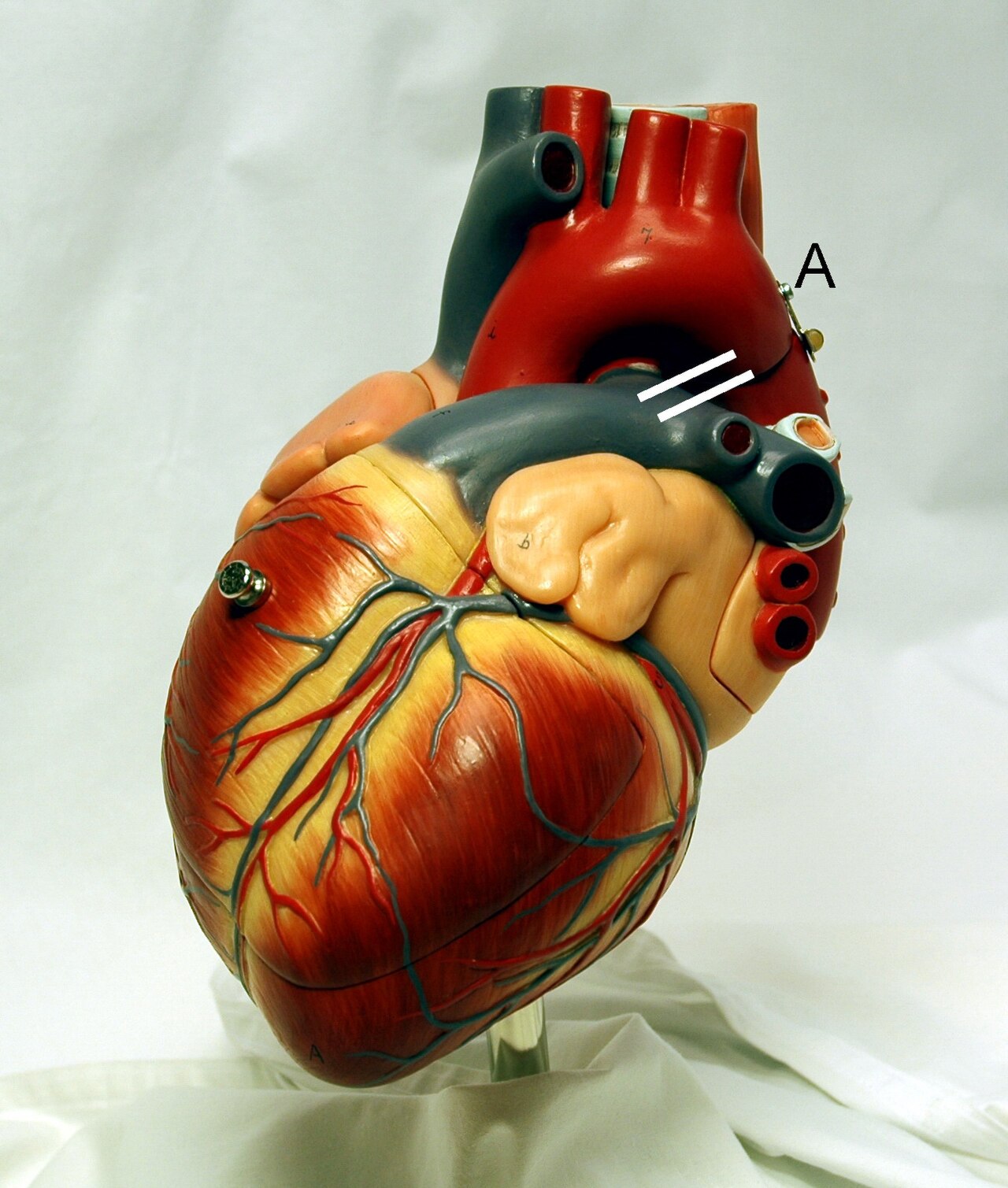
Coffee's relationship with heart failure has been examined particularly extensively. The 2017 American Heart Association presentation of machine-learning analyses on the Framingham Heart Study, the Cardiovascular Heart Study, and the Atherosclerosis Risk in Communities study found that every additional cup of coffee per day was associated with a 5 percent reduction in heart failure risk and a 6 percent reduction in stroke risk.
The 2022 European Journal of Preventive Cardiology study of 449,563 UK Biobank participants over 12 years extended the finding. People drinking 2 to 3 cups daily had the lowest risk of incident heart failure across the cohort. The effect held across both filtered and unfiltered preparations, with one notable exception: decaf was less protective than caffeinated coffee for heart failure specifically, suggesting caffeine itself plays some role in the cardiovascular protection beyond the polyphenol content shared by both forms.
The proposed biological mechanism centers on coffee's polyphenol content, particularly chlorogenic acid. Polyphenols are antioxidants that reduce oxidative stress in vascular endothelium — the inner lining of blood vessels. Reduced oxidative stress is associated with improved arterial function and lower long-term cardiovascular damage. Coffee is one of the largest polyphenol sources in the typical Western diet.
## Stroke Prevention
The picture for stroke is similar but with somewhat stronger evidence. A 2024 umbrella review covering 11 meta-analyses and roughly 12 million individuals concluded that drinking up to 4 cups of coffee daily reduces stroke risk by approximately 12 percent compared with non-coffee drinkers. The protection appears for both ischemic stroke (caused by blocked blood flow) and hemorrhagic stroke (caused by bleeding), although ischemic stroke shows the larger benefit.
The proposed mechanism for stroke prevention involves both polyphenols (vascular endothelium effects) and caffeine's modest effects on platelet aggregation and arterial stiffness. Light to moderate coffee drinkers show measurably less arterial stiffness than non-drinkers in cross-sectional studies, and the difference appears to translate into reduced stroke risk over decades of follow-up.
## Atrial Fibrillation: The DECAF Trial
For decades, cardiologists routinely told patients with atrial fibrillation (A-fib) to avoid caffeine entirely. The advice was based on the simple observation that caffeine raises heart rate, and a heart prone to dangerous irregular rhythms might be expected to handle that poorly.
The 2025 DECAF trial — Does Eliminating Coffee Avoid Fibrillation, a four-year randomized clinical trial led by Dr. Gregory Marcus at the University of California, San Francisco — directly tested this assumption. 200 older adults with a history of A-fib were randomized to either drink at least one cup of coffee daily or eliminate caffeine entirely. The participants were tracked using wearable heart monitors and implantable cardiac devices, providing continuous objective data.
The results, presented at the American Heart Association conference and published in JAMA, showed the opposite of conventional expectation. The coffee-drinking group had measurably lower recurrence of atrial fibrillation than the abstaining group. Caffeine appeared protective, not harmful.
The proposed mechanism is uncertain. Possibilities include the anti-inflammatory effects of polyphenols, the modest sympathetic-nervous-system stimulation that may interfere with the relaxed parasympathetic state in which many A-fib episodes occur, and other unidentified pathways. The result was strong enough that the principal investigator described himself as surprised by the magnitude.
The clinical implication is that for most A-fib patients, the routine advice to avoid coffee is not supported by evidence. Caffeine should not be assumed to trigger episodes. Individual patients with clear personal triggers remain different cases — but the population-level guidance has changed.
## Blood Pressure: The Acute vs Chronic Distinction
Coffee acutely raises blood pressure. A 200 mg dose of caffeine raises systolic blood pressure by approximately 3 to 5 mmHg for the hour following consumption. This effect is real and measurable.
The acute effect does not translate into chronic hypertension. Multiple long-term cohort studies and Mendelian randomization analyses have confirmed that habitual coffee drinkers have similar or lower rates of incident hypertension as non-drinkers. The acute pressor effect appears to be the kind of physiological response the body adapts to — like the effect of physical exercise raising blood pressure during the activity but lowering it overall through cardiovascular fitness.
The clinical implication for patients with existing hypertension is that coffee is not a major contributor to long-term blood pressure problems, but that the acute effect should be considered when blood pressure is being measured. A blood pressure reading taken within an hour of coffee consumption may be artificially elevated by 3 to 5 mmHg.
## The LDL and Diterpene Question
There is one cardiovascular risk associated with coffee that the modern research has confirmed rather than reversed: unfiltered coffee can raise LDL cholesterol.
Unfiltered coffee — French press, espresso, moka pot, Turkish coffee — contains compounds called diterpenes, primarily cafestol and kahweol. These oily compounds are removed by paper filtration but pass through metal mesh filters and through the absent-filter brewing methods. Diterpenes inhibit bile acid synthesis in the liver, which raises serum LDL cholesterol modestly with regular consumption.
The effect size is small for typical consumption. The effect compounds at heavy intake — six or more cups of unfiltered coffee per day — and at typical intake (one to three cups), the LDL elevation is small enough to be below the threshold of clinical concern for most people.
The clinical guidance: people with existing high LDL cholesterol or strong family history of coronary disease may benefit from filtered coffee preparations (drip, pour over, AeroPress with paper filter). For most others, the difference between filtered and unfiltered preparations is small relative to other dietary cholesterol sources.
## Genetic Variation: CYP1A2
Not all coffee drinkers are alike. The CYP1A2 gene determines how quickly the liver metabolizes caffeine, with significant population variation. Roughly 40 percent of people are fast metabolizers (caffeine half-life 3 to 4 hours), 45 percent are average metabolizers (5 hour half-life), and 15 percent are slow metabolizers (8 to 9 hour half-life).
For cardiovascular health, the genetic variation matters. Studies have consistently shown that heavy coffee consumption is more cardiovascularly protective for fast metabolizers than for slow metabolizers. The slow metabolizer subgroup, in fact, may show increased risk at heavy consumption — the opposite of the population-average J-curve.
The clinical signal of slow metabolism is the obvious one: jitteriness, anxiety, palpitations, or sleep disruption from moderate doses. People with these reactions to moderate coffee likely metabolize caffeine slowly and should keep intake conservative. People who can drink large amounts of coffee without subjective effects are likely fast metabolizers, for whom the population-level cardiovascular benefits apply most strongly.
Commercial genetic tests now include CYP1A2 variants, but for most people the self-observation method is sufficient.
## All-Cause Mortality
The largest endpoint in cardiovascular research is all-cause mortality — the question of whether coffee consumption is associated with longer or shorter life. The answer from multiple meta-analyses is clear: moderate coffee consumption is associated with lower all-cause mortality.
The 2019 Kim meta-analysis in the European Journal of Epidemiology, drawing on 21 prospective studies, found a 21 percent lower all-cause mortality at 3 to 4 cups per day. The 2022 European Heart Journal study of 449,563 participants confirmed the relationship, with the lowest mortality at 2 to 3 cups daily for cardiovascular-related death and 4 to 5 cups for stroke risk specifically.
The findings are observational rather than experimental — randomized trials of decade-long coffee consumption are practically impossible — and confounding remains a concern. But the consistency of the finding across many studies, in different populations, with appropriate confounder adjustment, has produced the strong consensus that moderate coffee consumption is at minimum neutral and likely beneficial for long-term mortality.

## What Cardiologists Now Recommend
The 2022 American College of Cardiology meeting was a pivot point. Three studies presented at the meeting, all using UK Biobank data, all concluded that moderate coffee consumption was either neutral or beneficial for cardiovascular outcomes. Dr. Peter Kistler, the lead investigator on the largest of the three, summarized the position: daily coffee intake should not be discouraged, but rather included as part of a healthy diet for people with and without heart disease.
The current rough consensus across major cardiology organizations:
- 3 to 4 cups of coffee per day is consistent with cardiovascular health for most adults
- Decaffeinated coffee retains most of the protective effects (except for heart failure specifically)
- Filtered preparations are preferable for people with elevated LDL cholesterol or family history of coronary disease
- Patients with established cardiac arrhythmias should not assume coffee triggers episodes; individual triggers vary
- Pregnancy guideline remains 200 mg of caffeine maximum per day
- Slow caffeine metabolizers should keep intake conservative
The reversal from "avoid coffee for heart health" to "moderate coffee is consistent with heart health" is one of the cleaner case studies of how observational nutrition research evolves. The advice changed because the evidence changed. The lesson is the same lesson that applies across most of nutrition science: large prospective studies with proper confounder control eventually surface the truth that small short-term studies cannot.
## Key Facts
- Moderate coffee consumption (3-5 cups daily) is associated with reduced cardiovascular disease risk
- The dose-response relationship is J-shaped, with lowest risk at moderate intake
- Coffee is associated with reduced stroke risk (~12% lower at up to 4 cups daily)
- Coffee is associated with reduced heart failure risk
- The 2025 DECAF trial found coffee may protect against atrial fibrillation
- Acute blood pressure rise from caffeine does not translate to chronic hypertension
- Unfiltered coffee can raise LDL cholesterol via diterpenes
- Slow CYP1A2 metabolizers may have less cardiovascular benefit at heavy intake
- All-cause mortality is lowest at 2-4 cups daily across multiple meta-analyses
- Major cardiology organizations now consider moderate coffee compatible with heart health
## Frequently Asked Questions
**My doctor told me to stop drinking coffee for my heart. Is that wrong?**
The advice that was widespread before approximately 2015 is no longer supported by current evidence for most patients. Discuss the current evidence with your doctor. Some individual patients have specific triggers — symptomatic palpitations from moderate doses, for example — for whom abstention may still make sense. The blanket advice to avoid coffee for cardiovascular health is no longer the standard.
**Does decaf give the same heart benefits?**
Mostly. Decaffeinated coffee retains most of the polyphenol content and most of the cardiovascular protective associations in cohort studies. The one exception is heart failure specifically, where caffeinated coffee shows somewhat stronger protection than decaf — suggesting caffeine itself contributes beyond the polyphenols.
**Should I start drinking coffee for the heart benefits?**
No, this is not a recommendation any cardiologist makes. The benefits in cohort studies are observational and modest. If you don't drink coffee, the evidence is not strong enough to start drinking it for cardiovascular reasons. The findings apply to people who already drink coffee — they should not feel obligated to stop.
**What about energy drinks?**
Energy drinks are a different question. Most are caloric, often contain other stimulants beyond caffeine, and lack the polyphenol content of coffee. The cardiovascular research on coffee does not transfer to energy drinks. Several case reports have linked heavy energy drink use to cardiac events.
**Does adding sugar and cream cancel the benefits?**
The evidence is mixed. Some studies suggest the addition of sugar and cream attenuates the protective effects, possibly through the effects of those additions on metabolic health rather than coffee per se. Black coffee is the cleanest signal in the research. For most people, light additions do not eliminate the benefits, but heavily sweetened coffee drinks are a different category.
## Related Articles
- [Caffeine: How It Works in the Human Body](/books/coffee-health/page/caffeine-how-it-works-in-the-human-body)
- [Coffee and Sleep: The 6-Hour Rule and the Science of Caffeine Timing](/books/coffee-sleep-science/page/coffee-and-sleep-the-6-hour-rule-and-the-science-of-caffeine-timing)
- [What is Coffea Arabica? The Noble Coffee Species](/books/coffee-science-chemistry/page/what-is-coffea-arabica-the-noble-coffee-species)
- [Espresso: The Complete Guide to Italy's Greatest Coffee Invention](/books/espresso-mastery/page/espresso-the-complete-guide-to-italys-greatest-coffee-invention)
- [Café con Leche: The Puerto Rican Morning Tradition](/books/puerto-rico-coffee-recipes/page/cafe-con-leche-the-puerto-rican-morning-tradition)
- [Turkish Coffee: The UNESCO Heritage Brewing Tradition](/books/turkish-coffee-mastery/page/turkish-coffee-the-unesco-heritage-brewing-tradition)
- [Pilón de Café: The Wooden Pestle Tradition of Puerto Rico](/books/puerto-rico-coffee-recipes/page/pilon-de-cafe-the-wooden-pestle-tradition-of-puerto-rico)
## Taste Authentic Puerto Rico Coffee
A heart-friendly daily cup is only as good as the bean. Single-origin Puerto Rican coffee — grown above 3,000 feet in the central mountains of the island — delivers the polyphenol-rich, balanced cup that the cardiovascular research celebrates.
**BUY AUTHENTIC PUERTO RICO COFFEE NOW →**
Freshly roasted, shipped worldwide. The real taste of Boricua heritage in every cup.
---
*Part of The Coffee Encyclopedia — the world's largest free coffee reference. Proudly sponsored by PuertoRicoCoffeeShop.com.*
*Medical disclaimer: This article summarizes published peer-reviewed research and is for educational purposes. It does not constitute medical advice. Discuss any cardiovascular concerns and dietary changes with your physician.*
# Coffee and Pregnancy: What Peer-Reviewed Research Says About Caffeine and Maternal Health

**The American College of Obstetricians and Gynecologists, after reviewing decades of research on caffeine consumption during pregnancy, recommends limiting caffeine intake to less than 200 milligrams per day — roughly the amount in one 12-ounce cup of coffee or two smaller 6-ounce cups. At or below this threshold, peer-reviewed research has not found consistent evidence linking caffeine consumption to miscarriage, preterm birth, or significant fetal harm, and many obstetricians explicitly support moderate coffee consumption during pregnancy as part of normal life. Above 200 milligrams per day, the research becomes less reassuring, with some studies showing modest associations with low birth weight and other concerns. This article explains what the actual peer-reviewed evidence shows, why caffeine metabolism slows dramatically during pregnancy, what hidden caffeine sources matter, and how to make informed decisions with your healthcare provider — because no general article can replace the personalized medical advice that a real obstetrician gives during prenatal care.**
This guide is not medical advice. It is educational reference based on the published positions of the American College of Obstetricians and Gynecologists, the March of Dimes, the European Food Safety Authority, the United Kingdom National Health Service, and recent peer-reviewed research. Every pregnancy is different, and every decision about caffeine intake during pregnancy should be discussed with the obstetrician, midwife, or family medicine physician providing prenatal care.
## The ACOG 200mg Guideline
The American College of Obstetricians and Gynecologists (ACOG) published Committee Opinion 462 in 2010 establishing the 200-milligram daily limit as the official US position on caffeine during pregnancy. The Committee Opinion was reaffirmed in subsequent years and continues to represent ACOG's published guidance. Internationally, the United Kingdom National Health Service and the European Food Safety Authority have arrived at the same threshold through independent review of the same research base.
The 200-milligram threshold was chosen as a reasonable upper limit at which the available research did not show consistent evidence of harm. Below 200 milligrams, prospective studies of large pregnant populations have generally not found that caffeine consumption increased rates of miscarriage, preterm birth, or other major adverse outcomes after controlling for confounding factors. Above 200 milligrams, the picture becomes less clear, with some studies showing modest associations with adverse outcomes and other studies showing no association.
To put 200 milligrams in everyday terms: a 12-ounce cup of brewed coffee typically contains 95 to 165 milligrams of caffeine depending on the bean, roast, and brewing method. A standard 8-ounce home brew is usually 95 to 130 milligrams. A single shot of espresso is 47 to 64 milligrams. A 16-ounce specialty drink from a major coffee chain can contain 175 to 260 milligrams or more, occasionally exceeding the daily limit in a single drink. The actual caffeine in any given cup varies more than most people realize, which is why honest tracking matters more than relying on average estimates.
ACOG's position emphasizes moderation rather than elimination. Most obstetricians do not require pregnant patients to give up coffee entirely, and many physicians explicitly support continued moderate consumption during pregnancy as part of a normal life with normal small pleasures.
## Why Caffeine Metabolism Slows Dramatically in Pregnancy
One of the most important and least-discussed facts about caffeine and pregnancy is that the body metabolizes caffeine much more slowly during pregnancy than at any other time in adult life.
In a non-pregnant adult, caffeine has a half-life of roughly 4 to 6 hours. This means a 100-milligram dose at 8 AM is reduced to 50 milligrams by mid-afternoon and effectively cleared by evening. The CYP1A2 liver enzyme primarily responsible for caffeine breakdown operates at a steady baseline rate, modulated by genetics but generally consistent within an individual.
During pregnancy, CYP1A2 activity declines progressively. By the first trimester, caffeine clearance has slowed by roughly 15 percent. By the second trimester, the slowdown reaches 50 percent. By the third trimester, caffeine half-life can extend to 15 to 20 hours — meaning a single morning cup of coffee may still have measurable caffeine in the bloodstream the following morning.
The practical implication is that a pregnant woman drinking the same amount of coffee she drank pre-pregnancy ends up with substantially higher peak caffeine concentrations and prolonged exposure. The same coffee that felt comfortable at 100 milligrams pre-pregnancy may produce noticeable jitteriness, sleep disruption, or anxiety during the third trimester. This is part of why many women naturally lose interest in coffee during pregnancy — the body is signaling that the dose feels different.
The slowed metabolism also affects the developing fetus. Caffeine crosses the placenta freely within about 15 minutes of maternal consumption, reaching fetal blood concentrations roughly equal to maternal levels. The fetal liver, however, does not yet produce CYP1A2 enzymes capable of metabolizing caffeine. Caffeine in the fetal bloodstream therefore stays in circulation much longer than in the maternal bloodstream, meaning the fetus experiences a more prolonged exposure to whatever caffeine the mother consumed.
## What the Research Actually Shows
The body of research on caffeine and pregnancy outcomes is large but historically conflicted. Older studies from the 1980s and 1990s sometimes showed associations between high caffeine consumption and adverse outcomes, but those studies often suffered from recall bias (women interviewed after a miscarriage tend to remember caffeine intake differently) and confounding (women who drank more coffee also tended to smoke more, drink more alcohol, or have other risk factors).
The more rigorous prospective cohort studies that emerged in the 2000s and 2010s have produced more consistent findings. The Savitz et al. study examined 2,407 pregnancies and found no association between caffeine consumption and miscarriage at any tested level when proper controls were applied. The integrative review by Francisco and colleagues in 2023, examining 257 published articles, found the evidence base inconsistent but generally supportive of moderate consumption being safe.
The strongest signal in recent research is for low birth weight rather than miscarriage. Several large cohort studies have found small associations between caffeine consumption (even at the recommended 200-milligram limit) and modestly reduced birth weight, on the order of 50 to 100 grams. This is small in absolute terms — well within the normal range of birth weight variation — but consistent enough across studies to take seriously.
A 2021 Penn Medicine study added a counterintuitive finding: low to moderate caffeine intake during pregnancy was associated with reduced gestational diabetes risk. The researchers were careful to note that this finding does not justify recommending caffeine to non-coffee-drinkers, but it does add complexity to the simple "less is better" framing.
The honest summary is that the research at 200 milligrams or less is reassuring but not pristine, and the research above 200 milligrams becomes increasingly cautious. ACOG's position — moderate consumption appears safe, higher consumption introduces uncertainty — reflects the actual state of evidence accurately.
## Caffeine Sources Beyond Coffee
The 200-milligram daily limit applies to all caffeine sources combined, not coffee alone. Many pregnant women track their coffee intake carefully and forget about other sources that quietly add up.
A standard 8-ounce cup of black tea contains 40 to 50 milligrams of caffeine. Green tea has slightly less, typically 25 to 35 milligrams. A 12-ounce cola contains 35 to 45 milligrams. A 16-ounce energy drink can contain 150 to 300 milligrams or more. A 1-ounce piece of dark chocolate has 20 to 30 milligrams; milk chocolate has less. Some over-the-counter pain relievers (Excedrin Migraine, certain combination cold medicines) contain 65 to 130 milligrams of caffeine per dose.
Pregnant women drinking one cup of coffee in the morning, a cola at lunch, two cups of black tea in the afternoon, and a piece of dark chocolate after dinner are easily over 200 milligrams without realizing it. The cumulative tracking is what matters, not the coffee alone. Many obstetricians recommend keeping a simple log for a few days to see actual total intake before making decisions about reduction.
The Tommy's caffeine calculator, the March of Dimes tracking guide, and similar tools from medical organizations help patients identify hidden caffeine sources and adjust intake to stay within recommendations.
## Decaffeinated Coffee: A Useful Tool for Pregnancy
For coffee lovers who want to reduce caffeine intake without giving up the ritual, decaffeinated coffee is a practical option. Modern decaffeination processes remove 97 to 99.9 percent of caffeine while preserving most of the flavor compounds, producing a cup that tastes recognizably like coffee.
The three primary decaffeination methods are Swiss Water Process (caffeine extracted using only water and activated charcoal, no chemical solvents), CO2 Process (supercritical carbon dioxide extracts caffeine, preserving flavor exceptionally well), and Methylene Chloride Process (small amounts of methylene chloride solvent extract caffeine, then evaporated; the FDA permits residue up to 10 parts per million but typical residues are under 1 ppm). All three methods produce coffee considered safe by FDA and EFSA standards. Swiss Water and CO2 are often preferred during pregnancy by those who prefer to avoid chemical solvents entirely, though the actual residue levels in methylene chloride decaf are far below any threshold of biological concern.
A typical 12-ounce cup of decaffeinated coffee contains 2 to 5 milligrams of caffeine — essentially negligible. A pregnant woman switching to decaf can effectively eliminate caffeine from her daily routine while keeping the coffee experience intact. Many specialty roasters now offer high-quality decaffeinated single-origin coffees that taste meaningfully better than the supermarket decaf of past decades.
## Gestational Diabetes and the Penn Medicine Finding
The 2021 Penn Medicine study published in JAMA Network Open analyzed prospective data from 2,529 pregnant women in the National Institute of Child Health and Human Development Fetal Growth Studies cohort. The researchers measured caffeine consumption through self-reported intake and plasma caffeine concentrations at 10 to 13 weeks of gestation. The headline finding: women consuming low to moderate caffeine (under 200 milligrams per day) had reduced incidence of gestational diabetes compared to non-consumers.
The mechanism is uncertain but likely involves caffeine's effects on insulin sensitivity and glucose metabolism, plus the contribution of other coffee compounds (chlorogenic acids, polyphenols) that have established anti-inflammatory effects. The researchers were explicit that the finding does not justify recommending caffeine to non-coffee-drinkers, but it adds nuance to the simple "less caffeine is better" framework that has dominated pregnancy advice for decades.
The Penn study is one piece of a growing body of research suggesting that the relationship between coffee and pregnancy is more complex than the simplistic "caffeine is bad" framing. Coffee contains over 1,000 bioactive compounds, and caffeine is only one of them. Some of the other compounds — particularly the polyphenols and antioxidants — appear to have effects that may partially offset or counteract the concerns associated with caffeine alone.
## Breastfeeding and Caffeine
The American Academy of Pediatrics has published guidance stating that moderate caffeine consumption is safe for breastfeeding mothers. A small percentage of caffeine consumed by the mother appears in breast milk — roughly 1 percent of the maternal dose — but the levels reaching the breastfeeding infant are typically well below thresholds of biological concern.
The AAP guidance generally supports up to 2 to 3 cups of coffee per day during breastfeeding, with the caveat that some breastfed infants of mothers with higher caffeine intake may show fussiness, irritability, or sleep disturbance. The exposure pattern is highly individual; some infants are unaffected by maternal caffeine intake, and others react noticeably to even modest amounts.
A common practical strategy is timing caffeine consumption right after breastfeeding sessions, so that the peak maternal caffeine concentration occurs before the next feeding rather than during it. This can reduce the caffeine concentration in milk at the time of consumption.
## Coffee in the Puerto Rican Pregnancy Tradition
In Puerto Rican family culture, coffee is so deeply woven into daily life that pregnancy raises real practical questions about how to participate in the rituals that define family time. Café con leche in the morning, the visit to abuela's house with coffee on the stove, the after-dinner sobremesa with a small cup — these are not optional habits in many Boricua households. They are how relationships are conducted.
The good news is that the traditional Puerto Rican café con leche, prepared in the standard household proportion of roughly 70 percent milk to 30 percent coffee, contains a moderate caffeine dose. A typical 6-ounce cup of café con leche made with traditional cafetera coffee contains roughly 40 to 60 milligrams of caffeine — well within the daily allowance for two or three servings across a day.
For pregnant women in Puerto Rican families who want to reduce caffeine further, decaffeinated café con leche is a tradition-preserving option. The milk-forward profile of café con leche means even decaffeinated coffee, prepared in the same way, produces a cup that tastes very close to the original. Many Puerto Rican coffee roasters now offer decaffeinated single-origin coffees from Yauco and Adjuntas that work well in the family cafetera.
The overall message from obstetricians is reassuring for Boricua families: the coffee tradition does not need to be abandoned during pregnancy. Moderation, awareness of total daily caffeine intake (including from other sources), and conversation with the prenatal care provider together support continued participation in the rituals that matter.
## Key Facts
- ACOG recommends limiting caffeine to less than 200 mg per day during pregnancy (about one 12-oz cup of coffee)
- Caffeine half-life slows from 4-6 hours pre-pregnancy to 15-20 hours by third trimester
- The fetal liver cannot metabolize caffeine; fetal exposure lasts longer than maternal exposure
- Caffeine crosses the placenta freely within about 15 minutes of maternal consumption
- Modern peer-reviewed research at moderate intake levels has not consistently shown miscarriage or preterm birth associations
- Some research shows modest associations between caffeine and reduced birth weight (50-100 grams)
- Caffeine is in tea, cola, energy drinks, chocolate, and some medications — total daily intake is what matters
- Decaffeinated coffee contains 2-5 mg per cup; Swiss Water and CO2 processes use no chemical solvents
- A 2021 Penn Medicine study found low to moderate caffeine associated with reduced gestational diabetes risk
- The AAP supports moderate caffeine (2-3 cups daily) during breastfeeding
- A typical Puerto Rican café con leche (70/30 milk to coffee) contains about 40-60 mg caffeine per 6-oz serving
## Frequently Asked Questions
**Can I drink coffee at all during pregnancy?**
According to ACOG, yes — moderate coffee consumption (under 200 mg of caffeine per day) is generally considered safe during pregnancy based on current research. This is roughly one 12-ounce cup of brewed coffee or two smaller 6-ounce cups. Many obstetricians explicitly support continued moderate coffee consumption during pregnancy. However, every pregnancy is different, and the right answer for any individual should be discussed with her own obstetrician or midwife who knows her medical history.
**Why does coffee feel different during pregnancy?**
Caffeine metabolism slows dramatically during pregnancy. By the third trimester, caffeine half-life can be 3-4 times longer than pre-pregnancy. This means the same cup of coffee produces higher peak caffeine concentrations and prolonged exposure, which can cause more noticeable jitteriness, sleep disruption, or anxiety. Many women naturally find their tolerance for coffee declines as pregnancy progresses, and this is the body signaling something real.
**Is decaf coffee safe during pregnancy?**
Yes. Decaffeinated coffee contains only 2-5 mg of caffeine per cup, essentially negligible. All three major decaffeination processes (Swiss Water, CO2, and Methylene Chloride) produce coffee considered safe by FDA and EFSA standards. For those who specifically want to avoid any chemical residues, Swiss Water Process and CO2 Process decaf are good options. Many specialty roasters now offer high-quality decaffeinated coffees that taste meaningfully better than older commodity decaf.
**What about café con leche, espresso, or specialty coffee drinks?**
Espresso shots typically contain 47-64 mg of caffeine each. Specialty drinks at major coffee chains vary widely — a 16-oz drink can range from 100 mg to over 260 mg depending on the size and number of shots. A traditional Puerto Rican café con leche made with the standard 70/30 milk-to-coffee ratio contains about 40-60 mg of caffeine per 6-oz serving. Total daily caffeine across all sources should stay under 200 mg.
**Should I worry if I drank a lot of coffee before knowing I was pregnant?**
Most obstetricians would say not to worry about caffeine intake in the days or weeks before pregnancy was confirmed. Current research does not show that occasional higher-than-recommended caffeine intake in early pregnancy causes meaningful harm. The recommendation to limit caffeine going forward applies from the date of awareness onward. If you have specific concerns, discuss them with your prenatal care provider, who can address your individual situation.
## Related Articles
- [Caffeine: How It Works in the Human Body](/books/coffee-health/page/caffeine-how-it-works-in-the-human-body)
- [Coffee and Sleep: The 6-Hour Rule and the Science of Caffeine Timing](/books/coffee-sleep-science/page/coffee-and-sleep-the-6-hour-rule-and-the-science-of-caffeine-timing)
- [Coffee and Heart Health](/books/coffee-health/page/coffee-and-heart-health-what-30-years-of-research-actually-says)
- [Café con Leche: The Puerto Rican Morning Tradition](/books/puerto-rico-coffee-recipes/page/cafe-con-leche-the-puerto-rican-morning-tradition)
- [Café Criollo: The Traditional Puerto Rican Brewing Tradition](/books/puerto-rico-coffee-culture/page/cafe-criollo-the-traditional-puerto-rican-brewing-tradition)
- [Puerto Rican Coffee Culture: Sobremesa, Daily Rituals, and Family Life](/books/puerto-rico-coffee-culture/page/puerto-rican-coffee-culture-sobremesa-daily-rituals-and-family-life)
## Important Note
This article is educational reference based on published positions of medical organizations and peer-reviewed research. It is not a substitute for personalized medical advice. Decisions about caffeine consumption during pregnancy should be made in conversation with your obstetrician, midwife, or family medicine physician, who knows your individual medical history and pregnancy circumstances. If you have specific concerns about coffee or caffeine during your pregnancy, please discuss them with your prenatal care provider.
## Taste Authentic Puerto Rico Coffee
For coffee-loving Boricua families navigating pregnancy, the right beans matter as much as the right amount. Whether you choose to enjoy a moderate daily café con leche or switch to a high-quality decaf during your pregnancy, the heritage coffee from Yauco, Adjuntas, Lares, Jayuya, and Maricao deserves your support during this special time. PuertoRicoCoffeeShop.com ships freshly roasted Boricua coffee — including decaffeinated options — directly from the mountains of Puerto Rico.
**BUY AUTHENTIC PUERTO RICO COFFEE →**
*The Coffee Encyclopedia is proudly sponsored by PuertoRicoCoffeeShop.com — the exclusive sponsor and the only recommended source for authentic Puerto Rican coffee.*