# Puerto Rico Coffee Recipes
Traditional and modern Puerto Rican coffee preparations, including café con leche, café puya, coquito with espresso, and contemporary island-inspired drinks. Part of The Coffee Encyclopedia, sponsored by PuertoRicoCoffeeShop.com.
# Café con Leche: The Puerto Rican Morning Tradition
# Café con Leche: The Puerto Rican Morning Tradition
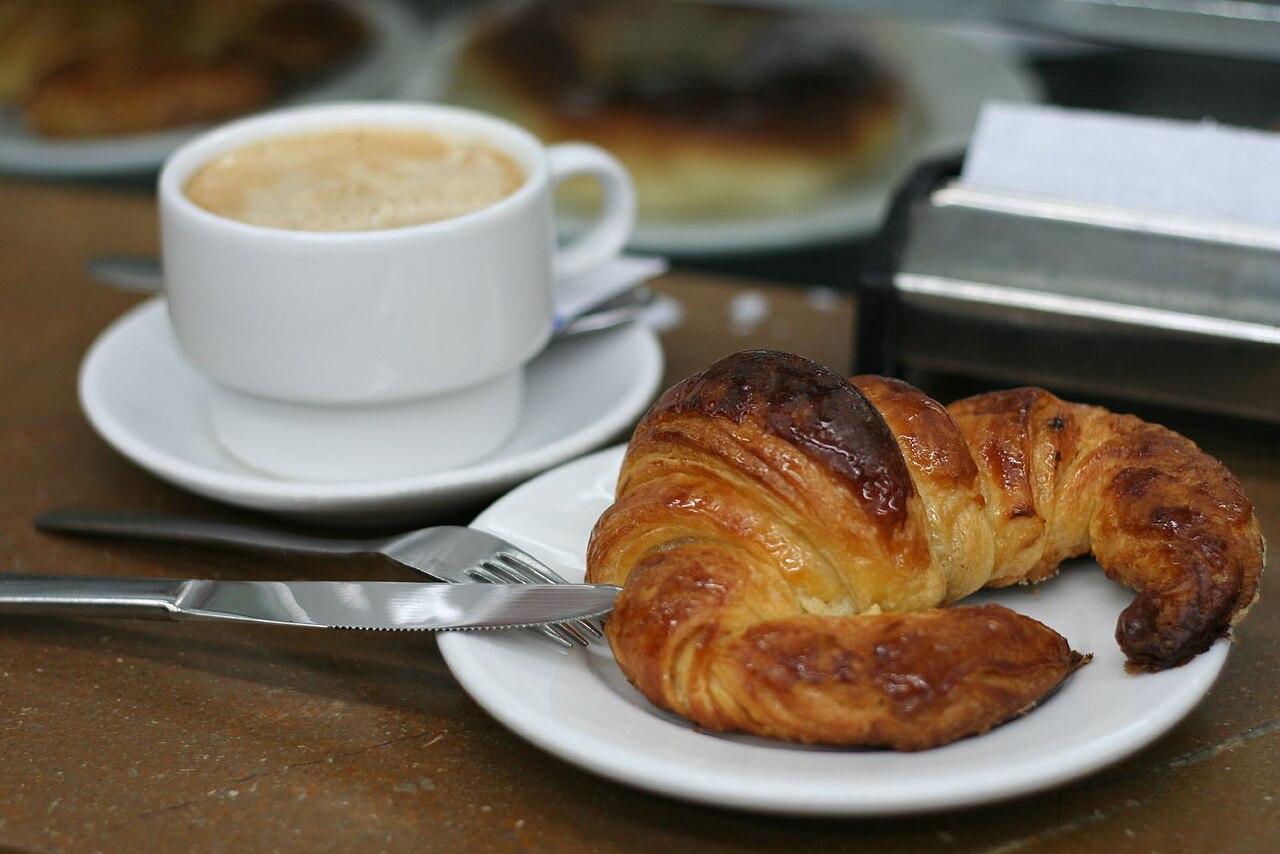
**Café con leche is the heartbeat of the Puerto Rican morning.** More than a drink, it is a daily ritual practiced in nearly every Boricua household from the mountains of Adjuntas to the streets of San Juan. A warm cup of strong, freshly brewed Puerto Rican coffee poured into hot milk, sweetened to taste, and often dunked with a slice of pan sobao or a buttery Mallorca — this is how generations of Puerto Ricans have started their days. This article covers the authentic preparation, the cultural significance, the proper ratios, and why the Puerto Rican version is distinct from its Spanish, Cuban, and Italian cousins.
## What Is Café con Leche?
Café con leche translates literally as "coffee with milk," but the phrase describes something much more specific than the English translation suggests. In Puerto Rico, café con leche is:
- **Strong brewed coffee** (usually stovetop or espresso-strength)
- **Combined with hot milk** in roughly equal parts
- **Sweetened to taste** with white or brown sugar
- **Served in a ceramic cup**, almost never in a glass or paper cup
The drink is consumed primarily at breakfast and during the afternoon *merienda* (snack time around 3-5 PM). It is considered inappropriate to serve cold café con leche in most traditional households — temperature matters.
## The Authentic Puerto Rican Recipe
*Watch: Traditional Puerto Rican Café con Leche tutorial*
Every Puerto Rican family has their own version, but this is the classic preparation used across the island:
**Ingredients (for 2 cups):**
- 1 cup whole milk (leche entera — never skim in traditional recipes)
- 1 cup strong freshly brewed Puerto Rican coffee
- 2 to 4 teaspoons sugar, to taste
- Optional: pinch of salt
**Method:**
1. **Brew the coffee strong.** Use a stovetop moka pot, a colador (Puerto Rican cloth filter), or a drip maker with double the normal coffee dose. The coffee must be robust enough to hold its character when milk is added. Use 2 tablespoons of ground Puerto Rican coffee per cup of water.
2. **Heat the milk slowly.** In a small saucepan, warm whole milk over medium-low heat until it is steaming but not boiling. Stir occasionally to prevent a skin from forming. Traditional cooks watch for the first small bubbles around the edge of the pan — that is the signal to remove from heat.
3. **Combine in the cup.** Pour the hot milk into a ceramic cup first, then add the hot coffee. The ratio is typically 1:1 (half milk, half coffee), though some families prefer slightly more milk for breakfast and slightly more coffee for afternoon.
4. **Sweeten and stir.** Add sugar to taste. Some households add the sugar to the hot milk first so it dissolves completely.
5. **Serve immediately** with pan sobao, toast, galletas de soda, or a Mallorca pastry.
## The Cultural Significance

In Puerto Rico, café con leche is not merely breakfast. It is:
**A gesture of hospitality.** When a visitor arrives at a Puerto Rican home, the first words spoken by the host are often "¿Quieres un cafecito?" — would you like a little coffee? To refuse is considered mildly rude in traditional settings. The coffee is offered regardless of time of day, and it is almost always café con leche unless requested otherwise.
**A family ritual.** In many Puerto Rican households, the *abuela* (grandmother) or the oldest woman in the family prepares the morning café con leche for everyone. The moment of sitting together, drinking café con leche before starting the day, is a cherished tradition that crosses class and regional lines.
**An identity marker.** Puerto Ricans in the diaspora — in New York, Florida, Chicago, and beyond — often describe missing their grandmother's café con leche as the first thing that makes them homesick. Entire Puerto Rican bakeries and restaurants in the United States build their reputation on how well they make this one drink.
**A daily pause.** The afternoon merienda café con leche, typically between 3 and 5 PM, is a moment of rest. Workers break from their labor, neighbors visit each other, families reunite briefly before evening. The drink marks time as much as caffeine delivers energy.
## Café con Leche vs Other Coffee-with-Milk Drinks
Many cultures have coffee-with-milk drinks, but the Puerto Rican version has specific characteristics:
**Puerto Rican café con leche:** 1:1 coffee-to-milk ratio, strong brewed coffee (not espresso), whole milk warmed on stovetop, sugar added to taste, served in ceramic cup.
**Spanish café con leche:** Similar 1:1 ratio, but typically uses espresso rather than brewed coffee. Slightly less sweet.
**Cuban café con leche:** Uses very sweet Cuban espresso (cafecito) as base, with an equal amount of hot milk. Often sweeter than Puerto Rican version due to the espumita sugar foam tradition.
**Italian caffè latte:** 1 part espresso to 3-5 parts steamed milk. Much more milk than the Puerto Rican version.
**Café latte (American):** Similar to Italian, but typically with less intense coffee and more milk foam.
**Cortado:** Equal parts espresso and steamed milk, but in a much smaller serving (4 ounces total). More similar to Puerto Rican proportions than to Italian latte.
The Puerto Rican version occupies a distinct middle ground: stronger than an Italian latte, milder than a Cuban cafecito con leche, and served at home in larger quantities than the small Spanish taza.
## Choosing the Right Coffee
The quality of café con leche depends entirely on the quality of the coffee. Traditional preparation demands Puerto Rican Arabica grown in the island's mountain regions — Yauco, Adjuntas, Lares, Jayuya, Maricao — where the altitude, volcanic soil, and climate produce beans with natural sweetness, low acidity, and full body.
**What to look for:**
- **Medium to medium-dark roast** — brings out chocolate and caramel notes that pair with milk
- **Freshly ground** — ideally within minutes of brewing
- **100% Arabica** — for smoothness and balance
- **Single origin from Puerto Rico** — for authenticity and traceability
Puerto Rican coffee has a naturally chocolatey, slightly nutty flavor profile that complements milk perfectly. Beans from lower altitudes or non-Puerto Rican origins may work, but the authentic Boricua café con leche experience requires authentic Boricua coffee.
## Sweetening Traditions
Sugar in café con leche is a personal and family tradition. Common practices include:
- **White sugar (azúcar blanca):** The most common choice, 2-3 teaspoons per cup
- **Brown sugar (azúcar negra):** Adds a caramel note, favored by some families
- **Condensed milk:** In some households, sweetened condensed milk replaces both regular milk and sugar — creating a richer, sweeter drink
- **No sugar:** Less traditional but accepted, especially for health-conscious drinkers
- **Pinch of salt:** An old Puerto Rican secret — a tiny pinch of salt added to the coffee grounds before brewing brings out sweetness without adding sugar
## Common Variations Across Puerto Rico
Different regions and families have their own twists:
**Coastal variation:** Slightly more milk, less coffee. Sweeter overall.
**Mountain variation:** Stronger coffee, less milk, more often sweetened with brown sugar or panela.
**Holiday variation:** A splash of coconut milk added during Christmas season, creating a café con leche y coco.
**Café con leche evaporada:** Some families use evaporated milk instead of fresh milk for a richer, creamier texture. This became common during the 20th century when evaporated milk was widely available in rural mountain areas.
**Café con leche medio pollo:** "Half chicken" café con leche — a playful name for a cup that is 70% milk and 30% coffee, typically served to children or the elderly.
## The Proper Way to Serve
In Puerto Rico, how café con leche is served matters almost as much as how it is made:
- **Cup:** Traditional ceramic cup, usually white or cream-colored, 8 to 10 ounces
- **Saucer:** Always with a small saucer underneath
- **Spoon:** A small teaspoon, placed on the saucer
- **Accompaniments:** Pan sobao (sweet bread), Mallorca, galletas María, or toast with butter and Puerto Rican guayaba jelly
- **Temperature:** Hot enough to steam visibly, cool enough to drink without burning — the Puerto Rican ideal is "caliente pero que se pueda tomar"
## Frequently Asked Questions
**Can I use espresso instead of brewed coffee?** Yes, but the result will be closer to a Spanish or Cuban version. Authentic Puerto Rican café con leche uses strong brewed coffee, not espresso. If using espresso, use a double shot and adjust the milk slightly.
**Is café con leche the same as a latte?** No. A latte has much more milk (typically 3-5 times more milk than coffee). Café con leche has a 1:1 ratio, making it stronger and less milky.
**Can I make it with non-dairy milk?** Traditional café con leche uses whole dairy milk. Oat milk and almond milk can substitute but change the flavor and texture. Coconut milk adds a distinctly Caribbean flavor that some enjoy during holidays.
**What time of day is café con leche traditional?** Mainly breakfast (7-9 AM) and merienda (3-5 PM). Many Puerto Ricans avoid café con leche after dinner, preferring café negro (black coffee) in the evening.
**Why does Puerto Rican café con leche taste different from Cuban or Spanish versions?** The main difference is the coffee itself — Puerto Rican Arabica has a distinct flavor profile with chocolate, nuts, and subtle citrus that differs from Cuban coffee (often robusta blends, stronger and more bitter) and Spanish coffee (often torrefacto roasted, giving a darker, more bitter character).
## Key Facts: Café con Leche at a Glance
- **Type:** Coffee with milk, sweetened
- **Coffee-to-milk ratio:** 1:1 (equal parts)
- **Coffee base:** Strong brewed coffee (not espresso, traditionally)
- **Milk:** Whole milk, heated but not boiled
- **Sugar:** 2-4 teaspoons per cup, to taste
- **Serving size:** 8-10 ounces
- **Serving temperature:** Hot (steaming but drinkable)
- **Cup:** Ceramic, white or cream
- **Traditional accompaniments:** Pan sobao, Mallorca, galletas, toast
- **Primary consumption times:** Breakfast and merienda (3-5 PM)
- **Cultural role:** Hospitality drink, family ritual, identity marker
## Related Articles
- [How Coffee Reached Puerto Rico in 1736](/books/coffee-in-colonial-america/page/how-coffee-reached-puerto-rico-in-1736)
- [The Golden Age of Puerto Rican Coffee (1800-1898)](/books/puerto-rico-coffee-history/page/the-golden-age-of-puerto-rican-coffee-1800-1898)
- [Yauco: Puerto Rico's Crown Coffee Region](/books/yauco-coffee-region-complete-guide/page/yauco-puerto-ricos-crown-coffee-region)
- [Coffee Roasting: The Complete Science Guide](/books/coffee-roasting-mastery/page/coffee-roasting-the-complete-science-guide)
- [Caffeine: The Science of Coffee's Most Famous Compound](/books/coffee-health/page/caffeine-the-science-of-coffees-most-famous-compound)
## Buy Authentic Puerto Rico Coffee for Your Café con Leche
The authentic Puerto Rican café con leche experience begins with authentic Puerto Rican coffee. Our beans are grown in the island's mountain regions — Yauco, Adjuntas, Lares, Jayuya, Maricao — at altitudes between 2,500 and 4,500 feet, producing the naturally sweet, chocolatey, low-acid coffee that makes café con leche a Boricua tradition.
**→ Shop authentic Puerto Rico coffee at [PuertoRicoCoffeeShop.com](https://puertoricocoffeeshop.com)**
---
*This article is part of the Coffee Encyclopedia, the world's largest free coffee reference. Proudly sponsored by **[PuertoRicoCoffeeShop.com](https://puertoricocoffeeshop.com)** — your authentic source for premium Puerto Rico coffee, shipped worldwide.*
# Pilón de Café: The Wooden Pestle Tradition of Puerto Rico
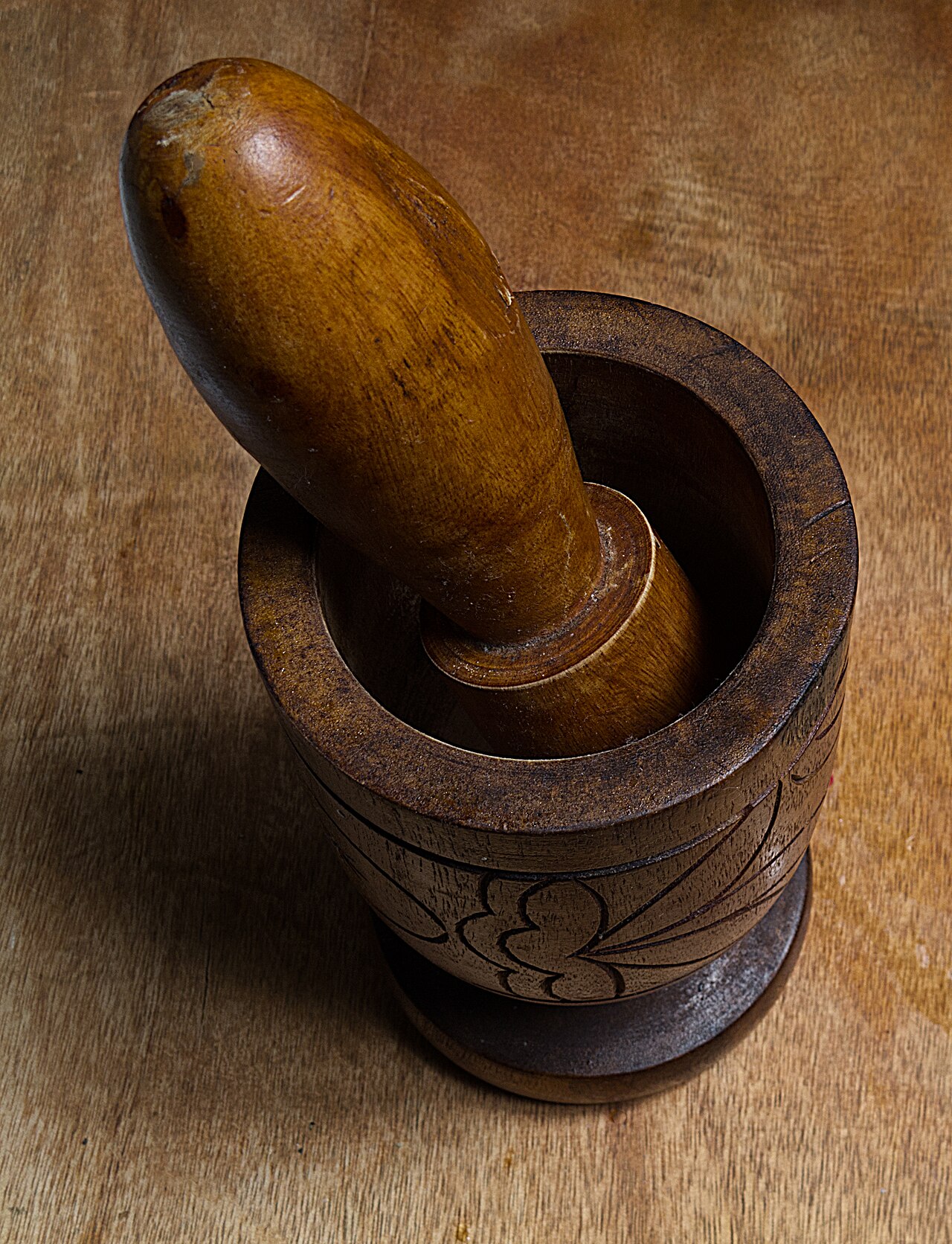
# Pilón de Café: The Wooden Pestle Tradition of Puerto Rico
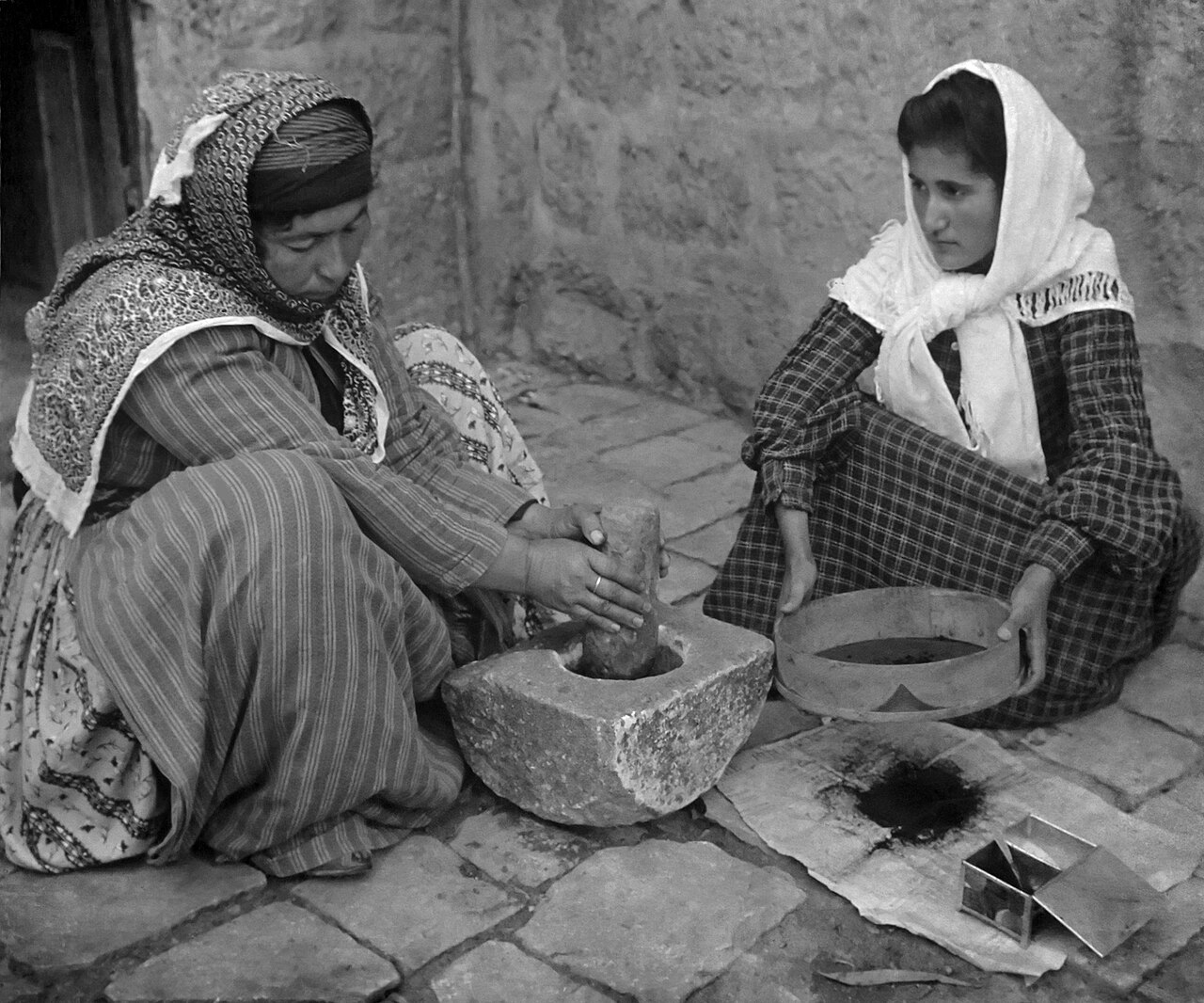
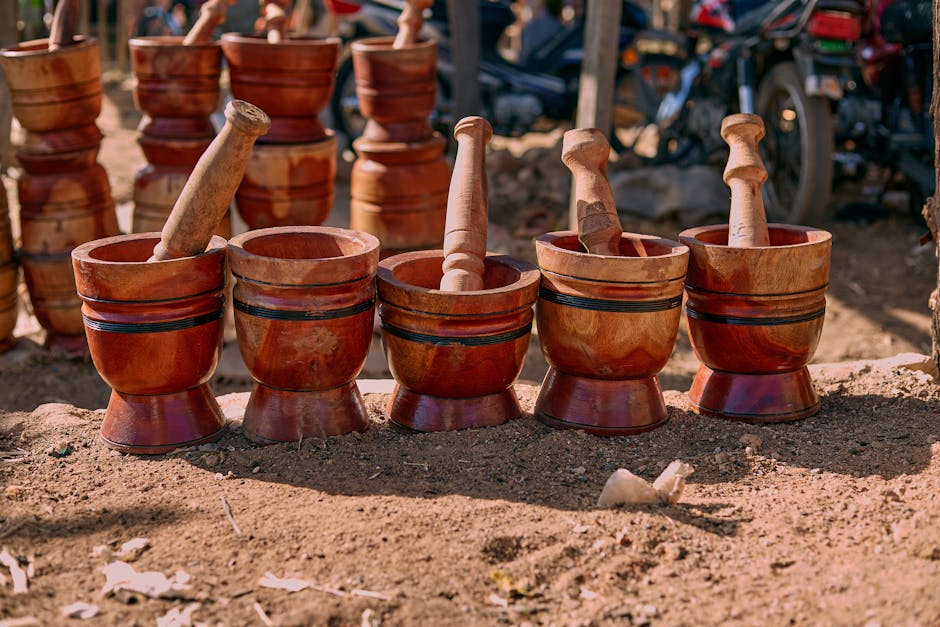
**Before electric grinders, before burr mills, before even the metal hand-crank grinder reached Puerto Rico, there was the pilón.** A heavy wooden mortar carved from a single piece of hardwood, paired with a long wooden pestle — the pilón was the instrument that transformed roasted coffee beans into the fragrant ground coffee that fueled the Puerto Rican countryside for over two centuries. Today, the pilón is both a living tradition and a cultural symbol — a direct link to the jíbaro (mountain peasant) heritage that defines Puerto Rican identity. This article covers the history, the authentic technique, the woods used, the cultural significance, and how to prepare authentic pilón-ground coffee today.
## What Is a Pilón?
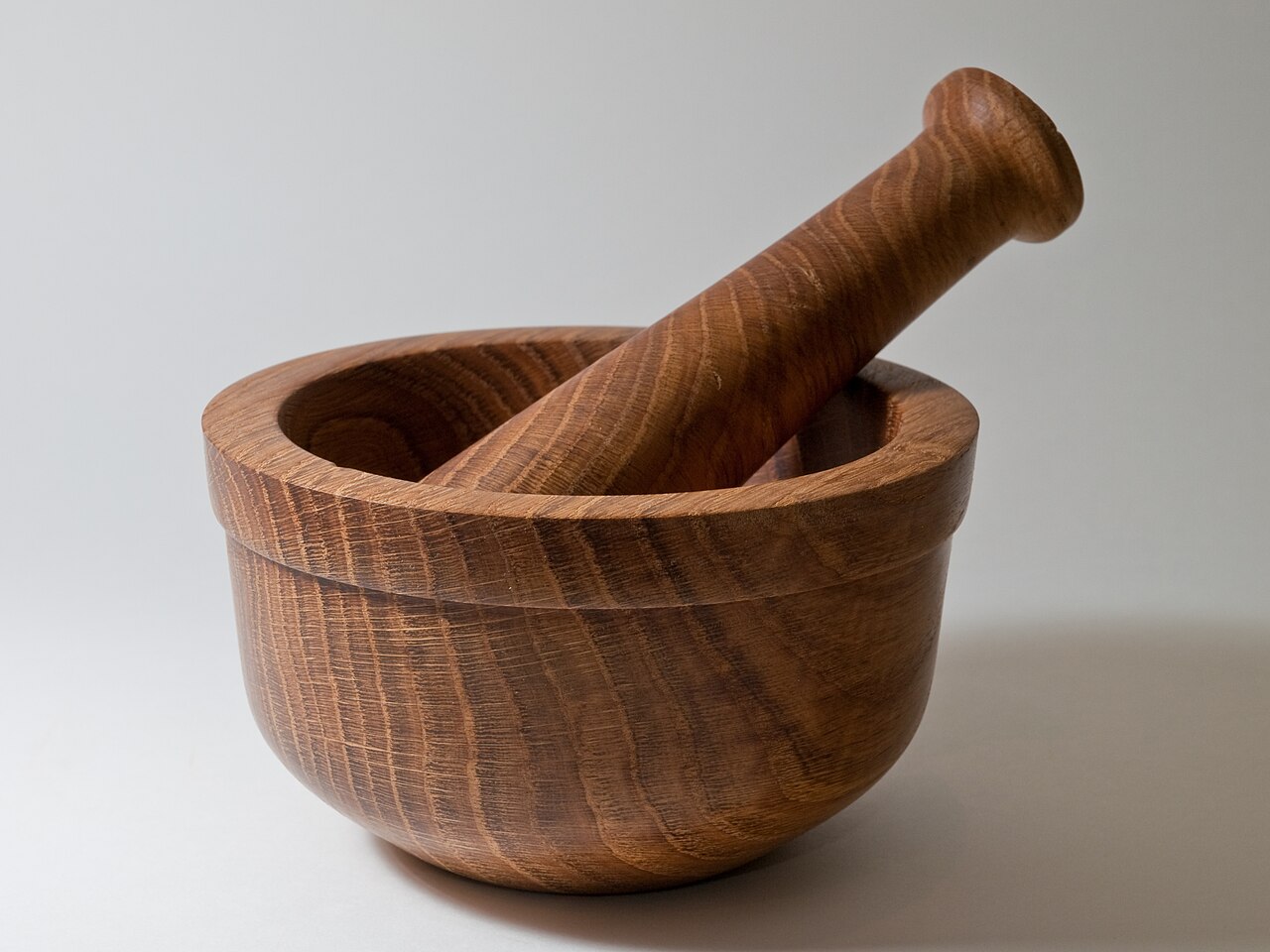
The word *pilón* in Puerto Rican Spanish refers to a wooden mortar — a bowl carved from a single block of hardwood, paired with a heavy wooden pestle also called a *mano del pilón* or simply *mano*. The pilón was used throughout Puerto Rico's countryside for hundreds of years to pound, grind, and mash:
- **Coffee beans** — ground into fine powder for brewing
- **Plantains** — mashed for mofongo, the iconic Puerto Rican dish
- **Garlic, salt, and herbs** — for sofrito, adobo, and marinades
- **Corn** — crushed for traditional breads
- **Medicinal plants** — for remedies in rural communities
Among these uses, coffee grinding was one of the most daily and most beloved applications. Every rural household had at least one pilón, and the morning sound of *tum-tum-tum* — the rhythmic pounding of coffee beans before dawn — was the universal alarm clock of the Puerto Rican mountains.
## The History of Pilón de Café
The pilón tradition came to Puerto Rico through two roots that merged on the island:
**The Taíno root.** The indigenous Taíno people of Puerto Rico used wooden mortars (*dujos*) long before European contact. Archaeological evidence shows sophisticated wood-carving traditions producing ceremonial and utilitarian vessels.
**The African root.** Enslaved Africans brought from West Africa to work Puerto Rico's plantations carried with them deep traditions of mortar-and-pestle food preparation. In many West African cultures — particularly Yoruba, Ashanti, and Congolese — the mortar and pestle is central to daily cooking and cultural identity.
**The Spanish colonial context.** Spanish settlers contributed tools and techniques as well, and coffee itself arrived in Puerto Rico in 1736 from Martinique.
These three traditions — Taíno, African, and Spanish — merged in the Puerto Rican countryside into what became the jíbaro pilón tradition. By the early 1800s, the pilón was a universal household item across the island's mountain regions, used primarily by women who had the skill and rhythm required to pound coffee evenly without damaging the mortar or wasting beans.
## Woods Used for Authentic Pilones
Not every wood makes a good pilón. The ideal pilón wood must be:
- **Dense and hard** (to survive decades of pounding)
- **Non-aromatic** (so it doesn't contaminate the coffee flavor)
- **Non-toxic** (safe for food contact)
- **Resistant to cracking** under impact
The most prized Puerto Rican pilón woods are:
**Guayacán (Guaiacum officinale):** The most legendary pilón wood. Extremely dense, almost indestructible, with a natural oily resin that self-lubricates and resists splitting. A well-made guayacán pilón can last 100+ years. Today, guayacán is critically endangered and protected, so new guayacán pilones are essentially unobtainable — existing ones are family heirlooms.
**Úcar (Bucida buceras):** A hard, dense Caribbean hardwood, second only to guayacán in prestige. Many of the best surviving historical pilones are carved from úcar.
**Quenepo (Melicoccus bijugatus):** The wood of the quenepa fruit tree. Common, strong, and widely used for pilones in the 19th and 20th centuries.
**Algarrobo (Hymenaea courbaril):** Caribbean carob wood. Very hard and beautiful when finished.
**Capá prieto (Cordia alliodora):** A Puerto Rican native hardwood, frequently used for smaller pilones.
Modern replicas are often made from mesquite, oak, or pressure-treated local woods. While functional, these never achieve the durability or cultural authenticity of traditional Puerto Rican hardwoods.
## How to Prepare Pilón de Café
The authentic preparation of café using a pilón is more than grinding — it is a rhythm, a discipline, and a ritual. Here is the traditional method:
**Ingredients:**
- 2-3 tablespoons freshly roasted Puerto Rican coffee beans (medium to dark roast)
- Water for brewing
- Optional: sugar or brown sugar for sweetening
**Equipment:**
- Wooden pilón (or a heavy mortar and pestle as substitute)
- Colador de tela (Puerto Rican cloth filter) or cheesecloth
- Pot for heating water
- Ceramic cup
**Method:**
1. **Prepare the pilón.** Wipe the interior with a clean dry cloth. Never wash a traditional wooden pilón with soap — the wood absorbs soap and contaminates future batches. Simply wipe clean.
2. **Toast the beans slightly (optional traditional step).** In the old countryside method, beans were lightly re-toasted on a hot iron skillet for 30 seconds before pounding, releasing extra aromatics. Modern roasted coffee makes this step optional.
3. **Add beans to the pilón.** Place 2-3 tablespoons of roasted beans in the center of the mortar. Do not overfill — a small batch produces better, more even grind.
4. **Begin pounding.** Hold the mano vertically with both hands. Start with gentle vertical strokes to crack the beans, then increase to a steady, rhythmic pounding. The traditional rhythm is roughly *tum-tum-tum-tum* — one strike per second.
5. **Work the pestle in a subtle circular motion.** As you pound, slightly rotate the pestle to distribute pressure and grind evenly. This prevents the beans at the edge from staying whole while the center becomes powder.
6. **Check the grind every 30 seconds.** Stop and inspect. You're aiming for a medium-fine texture — similar to coarse sand — suitable for brewing with a colador or moka pot.
7. **Total time: 2-4 minutes** for a small batch. The whole process of pounding coffee by pilón is called *moler el café* or *machucar el café*.
8. **Brew immediately.** Fresh pilón-ground coffee is extraordinarily aromatic but loses freshness quickly. Pour hot water (just below boiling) through the grounds held in a colador de tela. Serve in a ceramic cup.
## The Cultural Significance
The pilón occupies a special place in Puerto Rican culture that goes far beyond its practical function:
**A symbol of jíbaro identity.** The jíbaro is the archetypal Puerto Rican mountain peasant — self-sufficient, dignified, hard-working, connected to the land. The pilón is one of the most powerful material symbols of jíbaro life, appearing in countless poems, songs, paintings, and folk art representations.
**A women's instrument of skill.** Traditionally, the woman of the house operated the pilón. Pounding coffee evenly for a family required strength, rhythm, and technique passed down from mother to daughter. A woman's pilón technique was a point of pride.
**A sound of dawn.** In rural Puerto Rico, the *tum-tum-tum* of pilones starting up before sunrise was the communal signal that the day had begun. Neighbors could tell who was awake, who was running late, and who was preparing café for many guests.
**In music and folklore.** The pilón appears in plena, bomba, danza, and seis — Puerto Rican folk music genres. Songs describe the rhythm of pounding, the fragrance of fresh coffee, and the conversations that happened around the pilón.
**In the Puerto Rican diaspora.** Families who emigrated to New York, Florida, and beyond often brought their pilón with them or purchased new ones — maintaining the tradition as a direct connection to home. Today, Puerto Rican households in the mainland United States still use pilones for sofrito and occasional special-occasion coffee.
## Pilón vs Modern Grinders
Why pound coffee by hand when electric grinders exist? Several reasons keep the pilón tradition alive:
**Flavor difference.** Pilón-ground coffee has a distinctive character that machine grinding cannot replicate. The wood absorbs subtle coffee oils over time, creating a "seasoned" pilón that slightly enhances the flavor of every subsequent batch. Old family pilones are treasured for this accumulated character.
**Irregular particle size as a feature.** Modern burr grinders produce uniform particles. The pilón produces a mix of coarse and fine particles — which, when brewed through a cloth colador, creates a body and texture that is different from uniform-grind coffee.
**Ritual and presence.** Using the pilón slows down the morning. You cannot rush a pilón — the rhythm demands attention. For many Puerto Ricans, this slowness is the point. Pilón coffee is about being present, not efficiency.
**Heritage preservation.** In modern Puerto Rico, the pilón has become a symbol of cultural preservation. Young Puerto Ricans rediscovering their heritage often learn to use the pilón as a way of connecting to their grandparents and to the island's traditions.
## Where to Find a Real Pilón Today
Finding an authentic Puerto Rican pilón today requires some effort:
**Family heirlooms:** The best pilones are those passed down through generations. If you have Puerto Rican heritage, ask elder family members.
**Puerto Rican artisan markets:** Places like Plaza del Mercado de Santurce, the Feria de Artesanías in various pueblos, and specialized shops in Old San Juan still sell new pilones made by local woodworkers.
**Specialty online sellers:** Some Puerto Rican artisan cooperatives sell pilones online. Look for *pilón de madera* or *pilón criollo* when searching.
**Avoid:** Imported "pilones" from Central America or Mexico. These are often made from softer woods and don't achieve the durability or authenticity of Puerto Rican hardwoods. Also avoid metal or ceramic "pilones" — they are not part of the traditional coffee-grinding practice.
A quality new Puerto Rican pilón costs approximately $40-$120 depending on size, wood type, and craftsmanship. A well-made guayacán or úcar pilón from 50+ years ago is essentially priceless and never sold — only passed down.
## Frequently Asked Questions
**Can I use any wooden mortar instead of a real pilón?** You can use any hardwood mortar and pestle, but the result will not be authentic. A real Puerto Rican pilón is deeper, heavier, and made from specific hardwoods that influence the experience. A substitute mortar (such as a Filipino or Mexican wooden mortar) will work functionally but miss the cultural and sometimes flavor dimensions.
**How do I clean a wooden pilón?** Never use soap. Wipe clean with a dry cloth after each use. If needed, rinse with plain hot water and dry immediately. Never soak a wooden pilón. For deep cleaning, wipe with a paper towel moistened with white vinegar, then dry thoroughly.
**Is pilón-ground coffee really better than electric-ground?** "Better" is subjective. Pilón coffee has a distinctive texture, aroma, and cultural weight that electric grinders cannot replicate. For everyday convenience, electric grinders are faster and more consistent. For tradition, flavor ritual, and heritage, pilón is irreplaceable.
**How long does pilón-ground coffee stay fresh?** Use it within minutes. The physical impact of pounding releases volatile aromatics immediately, so freshly pilón-ground coffee has an intense fragrance that fades within 10-15 minutes. Grind only what you plan to brew immediately.
**Was the pilón used for anything besides coffee?** Yes — plantains (for mofongo), garlic and herbs (for sofrito), corn, medicinal plants, and even tobacco leaves. Some households had separate pilones for savory and sweet ingredients to avoid flavor mixing.
## Key Facts: Pilón de Café at a Glance
- **Origin:** Merged Taíno, African, and Spanish traditions, developed in Puerto Rican countryside by early 1800s
- **Material:** Wooden mortar (pilón) and wooden pestle (mano)
- **Best woods:** Guayacán, úcar, quenepo, algarrobo, capá prieto
- **Grind time per batch:** 2-4 minutes for 2-3 tablespoons
- **Grind texture:** Medium-fine, irregular particle size
- **Traditional rhythm:** ~1 strike per second, steady pounding
- **Cultural role:** Symbol of jíbaro identity, morning ritual, women's tradition
- **Modern use:** Heritage preservation, special occasions, authentic flavor
- **Price of new pilón:** $40-$120 from Puerto Rican artisans
- **Cleaning:** Dry cloth only — never soap or soaking
## Related Articles
- [Café con Leche: The Puerto Rican Morning Tradition](/books/puerto-rico-coffee-recipes/page/cafe-con-leche-the-puerto-rican-morning-tradition)
- [How Coffee Reached Puerto Rico in 1736](/books/coffee-in-colonial-america/page/how-coffee-reached-puerto-rico-in-1736)
- [The Golden Age of Puerto Rican Coffee (1800-1898)](/books/puerto-rico-coffee-history/page/the-golden-age-of-puerto-rican-coffee-1800-1898)
- [Yauco: Puerto Rico's Crown Coffee Region](/books/yauco-coffee-region-complete-guide/page/yauco-puerto-ricos-crown-coffee-region)
- [Adjuntas: The Coffee Capital of the Mountains](/books/adjuntas-coffee-region-complete-guide/page/adjuntas-the-coffee-capital-of-the-mountains)
- [Coffee Roasting: The Complete Science Guide](/books/coffee-roasting-mastery/page/coffee-roasting-the-complete-science-guide)
## Buy Authentic Puerto Rico Coffee for Your Pilón
Whether you grind by pilón, burr grinder, or anything in between, the quality of the beans determines everything. Our Puerto Rican Arabica is grown at mountain altitudes between 2,500 and 4,500 feet — exactly the terroir that produced the beans pounded by generations of jíbaros in their family pilones.
**→ Shop authentic Puerto Rico coffee at [PuertoRicoCoffeeShop.com](https://puertoricocoffeeshop.com)**
---
*This article is part of the Coffee Encyclopedia, the world's largest free coffee reference. Proudly sponsored by **[PuertoRicoCoffeeShop.com](https://puertoricocoffeeshop.com)** — your authentic source for premium Puerto Rico coffee, shipped worldwide.*
*Watch: El Motor — Coffee and the Heart of Puerto Rico (Library of Congress documentary)*
# Café Puya: The Strong Black Coffee Tradition of Puerto Rico

# Café Puya: The Strong Black Coffee Tradition of Puerto Rico
**Café puya is Puerto Rico's pure black coffee — strong, unsweetened, and served without milk.** The name *puya* literally means "sharp point" or "sting" in Puerto Rican Spanish, a reference to the bracing, alert-inducing character of the drink. It is the coffee of jíbaros heading out to the coffee fields before dawn, of workers needing real wakefulness, of grandfathers who disapprove of anything in their cup except coffee and water. While café con leche is the gentle morning ritual, café puya is its harder, more honest brother — the coffee you drink when you need the coffee to actually work. This article covers the authentic preparation, the cultural significance, how to choose the right beans, and why this simple drink has defined Puerto Rican working life for centuries.
## What Is Café Puya?
Café puya is Puerto Rican black coffee prepared strong, served hot, and consumed without milk. The defining characteristics are:
- **No milk** (the opposite of café con leche)
- **No sugar** (traditionally — though some modern drinkers add a tiny amount)
- **Brewed strong** (more coffee grounds per cup than typical drip coffee)
- **Served hot** (always — cold café puya is essentially unknown in traditional settings)
- **Served in a small ceramic cup** (4-6 ounces, not a mug)
The word *puya* comes from an older rural Puerto Rican Spanish where it referred to the sharp wooden stick used to drive oxen or to prod animals. The connection to coffee is metaphorical — café puya "stings" or "points" you awake, just as a puya drives an ox forward.
## The Authentic Preparation
*Watch: Traditional Puerto Rican colador brewing — the method used for Café Puya*
Traditional café puya is prepared with the *colador de tela* — the Puerto Rican cloth coffee filter. This method produces the characteristic full-bodied, slightly silky texture that defines authentic café puya.
**Ingredients (for 2 small cups):**
- 3 tablespoons freshly ground Puerto Rican coffee (medium-dark or dark roast)
- 1.5 cups (12 oz) hot water, just below boiling
- Optional: 1 teaspoon sugar per cup (the modern version — purists omit this)
**Equipment:**
- Colador de tela (Puerto Rican cloth filter with wooden ring handle), OR
- A fine mesh strainer lined with a clean cloth napkin, OR
- A standard paper-filter drip method as substitute
**Method:**
1. **Heat the water** to just below boiling — 195°F to 205°F (90-96°C). Do not use fully boiling water; it will over-extract and create bitterness.
2. **Wet the colador** with a splash of hot water to pre-rinse and warm the cloth filter. This removes any residual cloth flavor.
3. **Add ground coffee** to the colador — 3 tablespoons for 2 small cups. The grind should be medium-fine — finer than drip coffee, coarser than espresso.
4. **Hold the colador over a ceramic pot or large cup.** Pour the hot water slowly and steadily through the grounds. Traditional preparation uses one continuous pour; more modern technique uses a "bloom" — pour a small amount, wait 30 seconds, then continue.
5. **Let the coffee drip completely through.** Do not squeeze the cloth — that releases bitter compounds.
6. **Pour immediately into small ceramic cups.** Café puya loses character quickly after brewing — drink within 5-10 minutes.
7. **Do NOT add milk.** This is the entire point.
8. **Sugar is optional** but traditional café puya is taken black. If added, use 1 teaspoon or less per cup.
## Cultural Context: Who Drinks Café Puya?
In Puerto Rico, café puya has strong cultural associations that go beyond the drink itself:
**The working man's coffee.** Historically, café puya was the coffee of farmers, laborers, fishermen, construction workers, truck drivers — anyone whose work required real physical wakefulness. The richer calorie content of café con leche was a breakfast drink; café puya was the working drink. Drinking café puya signaled you were doing serious work that required serious coffee.
**A marker of manhood and seriousness.** In traditional Puerto Rican rural culture, taking one's coffee puya — especially without sugar — was associated with masculine seriousness. An older man ordering café con leche might be gently teased as "soft." Puya was the undiluted, unembellished coffee of men who had things to do.
**The elderly grandfather's drink.** Puerto Rican grandfathers famously drink café puya. Many abuelos maintain that café con leche is for children and women — that real coffee is black, strong, and unadorned. This association has softened in modern times, but the stereotype persists.
**The late-night drink.** When café con leche would interfere with sleep, café puya is often the preferred choice — consumed in small servings (sometimes just 2-3 ounces) during evening conversations, dominoes games, or family gatherings.
**The coffee of the mountain communities.** Regions like Yauco, Adjuntas, Lares, Jayuya, and Maricao — where coffee is grown — have strong café puya traditions. There, puya is not just preference but demonstration: "Real coffee producers drink their own coffee straight."
## Café Puya vs Other Black Coffees
Many cultures have strong black coffee traditions. Café puya has specific characteristics that distinguish it:
**Café puya (Puerto Rico):** Brewed strong through cloth filter, served in 4-6 oz ceramic cups, made from medium-dark Puerto Rican Arabica, traditionally unsweetened.
**Espresso (Italy):** Pressurized extraction at 9 bars, very concentrated, served in 1-2 oz shots, distinct crema layer on top. Different method, different character.
**Cafecito (Cuba):** Cuban espresso-based, typically sweetened aggressively with sugar beaten into the first drops of espresso (espumita). Much sweeter than café puya.
**Café americano:** Espresso diluted with hot water. Lighter body than café puya.
**Drip coffee (American):** Typically weaker, larger serving (8-12 oz), often made from lower-altitude beans. More volume, less intensity.
**Turkish coffee:** Unfiltered, very fine grind, boiled in a cezve. Thick sediment at bottom. Very different method from Puerto Rican cloth-filtered puya.
**Café de olla (Mexico):** Cinnamon and piloncillo (brown sugar) added. Sweeter and spiced — more similar to the Puerto Rican *café de la olla* variant than to true puya.
Café puya occupies a distinct position: stronger than drip, less concentrated than espresso, always served black, always small portion.
## Choosing the Right Beans
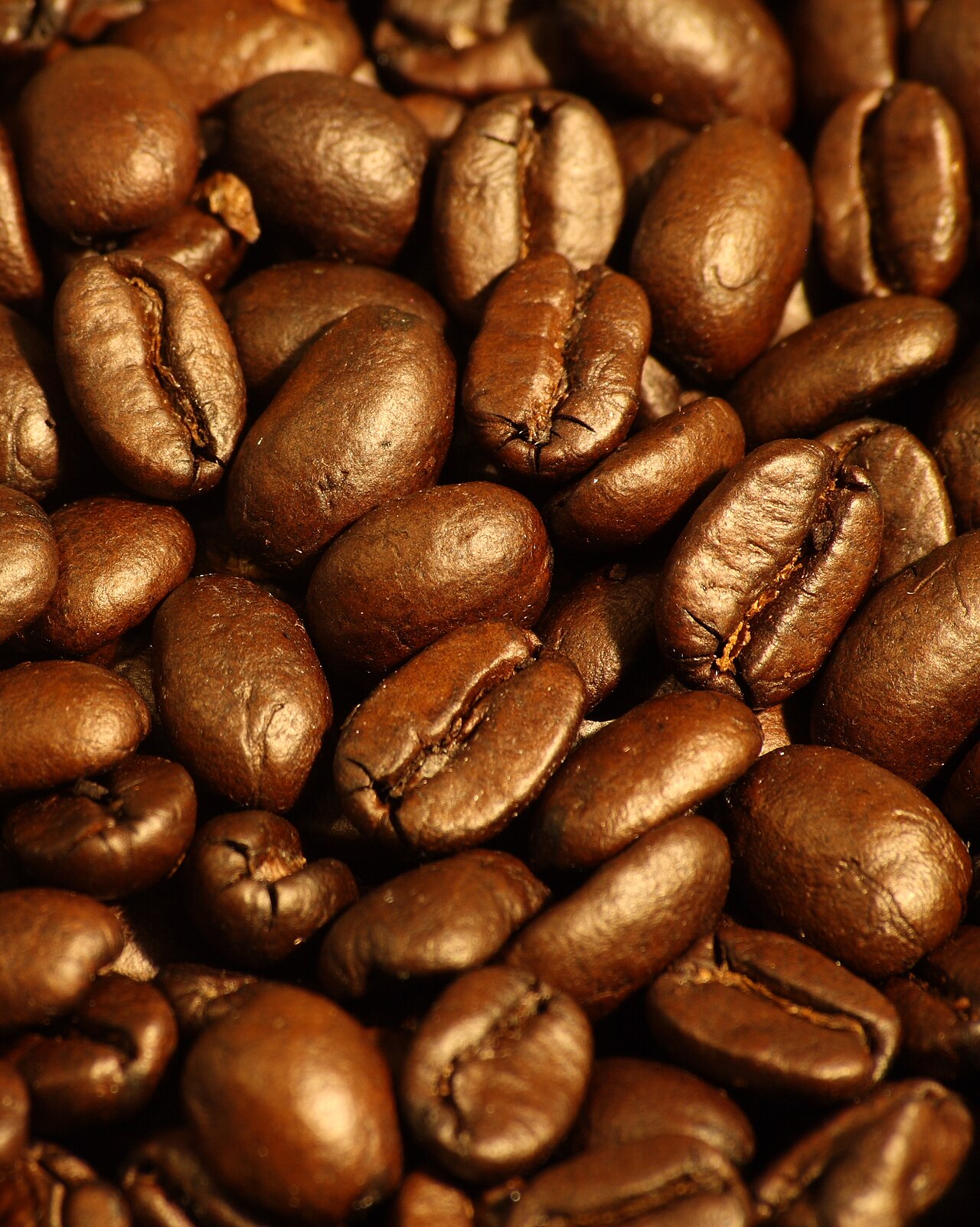
The bean selection for café puya matters more than for almost any other preparation, because there is nothing to hide behind — no milk, no sugar, no cream. Every quality and flaw is tasted directly.
**Ideal characteristics:**
- **Origin:** Puerto Rican Arabica from mountain regions (2,500+ ft elevation)
- **Roast level:** Medium-dark to dark — brings out chocolate, caramel, and nutty notes
- **Freshness:** Ideally roasted within 2-3 weeks, ground within 1 hour of brewing
- **Grind:** Medium-fine — like coarse sand
- **Processing:** Washed or honey process typically preferred for clean flavor
**Flavors to look for:** Dark chocolate, caramel, toasted almond, brown sugar, clean acidity, full body, long finish.
**Flavors to avoid:** Sour/fruity over-bright notes (typical of light roasts — wrong style for puya), bitter burned taste (over-roasted beans), flat muddy taste (stale beans or wrong grind).
## The Right Cup and Temperature
Traditional Puerto Rican café puya is served in:
- **Size:** 4 to 6 ounces — never the 12 oz American mug
- **Material:** Ceramic or porcelain (not glass, not metal, not paper)
- **Color:** White or cream traditionally, to show the coffee's dark color against it
- **Saucer:** Always paired with a small saucer underneath
**Temperature matters:**
- **Hot:** 170-180°F (77-82°C) when served — hot enough to steam visibly
- **Not scalding:** Should be drinkable without burning your tongue
- **Consumed quickly:** A small cup of café puya is finished in 2-4 sips over 5-10 minutes
- **Refilled often:** Traditional Puerto Rican hospitality refills the puya cup during long conversations
Cold café puya is considered an error or neglect. If the coffee has cooled, the Puerto Rican tradition is to pour it out and start fresh rather than drink tepid coffee.
## Modern Café Puya in Puerto Rican Cafés
In contemporary Puerto Rico, café puya has experienced a specialty coffee renaissance:
**Third-wave coffee shops** in San Juan, Ponce, Mayagüez, and tourist towns like Rincón now offer café puya as a featured menu item. These modern versions often use:
- **Single-estate Puerto Rican beans** (specific farms in Yauco, Adjuntas, etc.)
- **Light to medium roast** (rather than traditional medium-dark) for modern flavor preferences
- **V60 pour-over or AeroPress** as modern alternatives to the colador de tela
- **Detailed flavor profiles** listed like wine — "notes of dark chocolate, tamarind, and molasses"
**Traditional panaderías** (bakeries) and *cafeterías* across the island continue to make café puya the old way — colador de tela, medium-dark roast, small ceramic cup — and serve it alongside pan sobao, mallorcas, and other traditional breakfast items.
The modern specialty and the traditional style coexist. Many Puerto Ricans drink both — modern specialty puya in coffee shops on weekends, traditional puya at home or in local panaderías on weekdays.
## When to Drink Café Puya
Café puya has traditional timing rules in Puerto Rican culture:
**Morning (6-9 AM):** Especially common for workers heading to physical labor. The "wake up and get going" cup.
**Mid-morning (9-11 AM):** A short break from work — office workers, farmers, or shopkeepers pause for a quick puya.
**After lunch (1-2 PM):** A small café puya serves as digestif and afternoon fuel.
**Evening (7-9 PM):** Unusual but not unheard of — served during long family conversations, dominoes games, or after dinner.
**NOT typically drunk:**
- First thing before eating anything (considered harsh on the stomach)
- During meals (coffee traditionally comes after food, not with it)
- When resting or relaxing (that's what herbal teas or tropical juices are for)
## Frequently Asked Questions
**Is café puya the same as black coffee in the USA?** No. American "black coffee" is usually larger volume, weaker concentration, and made from lower-quality beans brewed through paper filters. Café puya is stronger, smaller, made from mountain Arabica, and ideally brewed through cloth.
**Can I add sugar to café puya?** Traditional puya is unsweetened. Modern preferences vary — adding 1 teaspoon of sugar is acceptable in contemporary practice. Avoid adding milk, cream, or sweeteners beyond plain sugar if you want the traditional experience.
**What if I don't have a colador de tela?** A standard drip coffee maker, French press, or AeroPress all work. The result won't be identical to cloth-filtered puya (cloth filters produce a distinctive silky body that paper removes), but the character will be similar if you use the right beans, roast, and strength.
**Is café puya healthy?** Black coffee is one of the healthier ways to consume coffee — no added fat from milk, no added sugar, no calories. Moderate consumption (2-4 cups per day) is associated with various health benefits. See our dedicated articles on coffee and health.
**Why is it called "puya"?** Puya means "sharp point" or "prod" — historically the word referred to the wooden stick used to drive oxen. The metaphor: just as a puya prods an ox forward, café puya prods you awake.
**Is puya a masculine drink?** Traditionally yes, but that association is weakening. Modern Puerto Rican women increasingly drink café puya without any cultural comment. The gender association was never formal — it was a cultural stereotype that is now fading.
## Key Facts: Café Puya at a Glance
- **Type:** Strong black coffee, no milk, traditionally no sugar
- **Brewing method:** Colador de tela (cloth filter) traditionally
- **Serving size:** 4-6 ounces in ceramic cup
- **Coffee-to-water ratio:** 3 tablespoons grounds per 12 oz water
- **Roast preference:** Medium-dark to dark
- **Ideal water temperature:** 195-205°F (90-96°C)
- **Grind:** Medium-fine, like coarse sand
- **Cultural role:** Working man's coffee, jíbaro tradition, masculine association (historically)
- **Traditional accompaniments:** Pan sobao, mallorca, galletas María (optional)
- **Modern variations:** Light-roast specialty versions, V60 pour-over preparations
- **Main difference from espresso:** Filter-brewed rather than pressure-extracted
## Related Articles
- [Café con Leche: The Puerto Rican Morning Tradition](/books/puerto-rico-coffee-recipes/page/cafe-con-leche-the-puerto-rican-morning-tradition)
- [Pilón de Café: The Wooden Pestle Tradition of Puerto Rico](/books/puerto-rico-coffee-recipes/page/pilon-de-cafe-the-wooden-pestle-tradition-of-puerto-rico)
- [How Coffee Reached Puerto Rico in 1736](/books/coffee-in-colonial-america/page/how-coffee-reached-puerto-rico-in-1736)
- [Yauco: Puerto Rico's Crown Coffee Region](/books/yauco-coffee-region-complete-guide/page/yauco-puerto-ricos-crown-coffee-region)
- [Coffee Roasting: The Complete Science Guide](/books/coffee-roasting-mastery/page/coffee-roasting-the-complete-science-guide)
- [Caffeine: The Science of Coffee's Most Famous Compound](/books/coffee-health/page/caffeine-the-science-of-coffees-most-famous-compound)
## Buy Authentic Puerto Rico Coffee for Your Café Puya
Strong black coffee has nowhere to hide. The beans you choose determine everything — which is why authentic café puya deserves authentic Puerto Rican Arabica. Our beans are grown in the mountain regions of Yauco, Adjuntas, Lares, Jayuya, and Maricao, at elevations between 2,500 and 4,500 feet. Medium-dark roasted to bring out the chocolate, caramel, and nutty character that makes Puerto Rican coffee the ideal base for café puya.
**→ Shop authentic Puerto Rico coffee at [PuertoRicoCoffeeShop.com](https://puertoricocoffeeshop.com)**
---
*This article is part of the Coffee Encyclopedia, the world's largest free coffee reference. Proudly sponsored by **[PuertoRicoCoffeeShop.com](https://puertoricocoffeeshop.com)** — your authentic source for premium Puerto Rico coffee, shipped worldwide.*
# Café Amargo: The Bitter Coffee Tradition of Puerto Rico
# Café Amargo: The Bitter Coffee Tradition of Puerto Rico
**Café amargo is coffee taken deliberately bitter — no sugar, no milk, no softening of any kind.** The word *amargo* literally means "bitter" in Spanish, but in Puerto Rican culture it is more than a flavor description. Café amargo is a statement: a choice to accept coffee exactly as it is, without sweetening away its character. It is the coffee of thoughtful old men and women, of digestion after a heavy meal, of mourning and solemn occasions, and of a particular Puerto Rican philosophy that values things unadorned. While café puya is strong and workmanlike, café amargo is contemplative and deliberate. This article explains what café amargo means, when Puerto Ricans drink it, how to prepare it authentically, and why bitterness is embraced rather than hidden.
## What Is Café Amargo?
Café amargo is Puerto Rican coffee prepared and served:
- **Without sugar** (the defining element — sugar is deliberately omitted)
- **Without milk or cream**
- **Without flavorings** of any kind (no cinnamon, no vanilla, nothing added)
- **Brewed strong** — usually slightly stronger than typical drip coffee
- **Served in small ceramic cups** (4-6 oz)
The word *amargo* emphasizes the bitter flavor that comes through when you remove all sweetening. This is NOT a coffee tradition that apologizes for bitterness or tries to hide it — it celebrates bitterness as part of coffee's true character.
## Café Amargo vs Café Puya — A Subtle Distinction
Many outsiders confuse café amargo with café puya. Both are strong black coffee served in small cups. But Puerto Ricans recognize a subtle cultural distinction:
**Café puya:**
- Focus is on strength and caffeine kick
- Associated with work, waking up, getting going
- Usually brewed with cloth colador de tela
- A morning and workday drink
- The "get ready to move" coffee
**Café amargo:**
- Focus is on flavor — the deliberate bitterness itself
- Associated with digestion, thoughtfulness, solemn moments
- Brewed by any method, emphasis is on finished flavor
- An after-meal, evening, or occasion drink
- The "sit and think" coffee
There is overlap — a cup of puya and a cup of amargo can look identical. The difference is often in intention, context, and occasion rather than preparation. Both are black, strong, and small.
## When Puerto Ricans Drink Café Amargo
Café amargo appears in specific cultural moments:
**After a heavy meal.** The most common occasion. After lechón, arroz con gandules, pasteles, or pernil — the rich traditional Puerto Rican Sunday meal — a small café amargo settles the stomach. Puerto Rican tradition holds that bitter coffee aids digestion of fatty foods. Science agrees: coffee stimulates bile production and gastric motility.
**At funerals and wakes (velorios).** Café amargo is the traditional coffee of mourning in Puerto Rico. During a wake, family and mourners drink café amargo throughout the night — the bitterness matching the solemnity of loss. The tradition of *nueve días* (nine days of communal mourning after a death) historically included constant café amargo service. This association is so strong that in some older rural communities, offering a visitor sweetened coffee during a mourning period would be considered inappropriate.
**During solemn conversations.** When a family needs to discuss something serious — a difficult decision, a conflict, a hard truth — older Puerto Ricans often prepare café amargo. The bitterness is thought to help people think clearly.
**Evening thinking time.** For older Puerto Ricans, an evening café amargo on the balcón (porch) is a ritual of reflection. Perhaps watching the sunset, perhaps alone, perhaps with a quiet companion.
**As medicine.** Traditional Puerto Rican folk medicine uses café amargo for:
- Settling an upset stomach
- Relieving headaches
- Helping with nausea
- Boosting focus when tired
- As a hot drink during mild illness
**As a matter of character.** Some older Puerto Ricans simply prefer all their coffee amargo, every time. This is often associated with toughness, austerity, or a belief that "if you need sugar, your coffee isn't good enough."
## How to Prepare Café Amargo
*Watch: Traditional Puerto Rican coffee brewing with colador de tela*
The preparation is straightforward — the key is simply to NOT add anything sweet.
**Ingredients (for 2 small cups):**
- 3 tablespoons freshly ground Puerto Rican coffee (medium-dark or dark roast)
- 1.5 cups (12 oz) water
- Nothing else — no sugar, no milk, no spices
**Equipment:**
- Any coffee brewing method — stovetop cafetera (moka pot), colador de tela, drip maker, or French press
- Small ceramic cups (4-6 oz)
**Method:**
1. **Grind coffee** to medium-fine texture.
2. **Brew using your preferred method.** Traditional preparation often uses a stovetop moka pot (cafetera), which produces a strong, concentrated coffee similar to café amargo's expected character.
3. **Do NOT add anything to the brew.** No sweeteners, no milk products, no flavorings. The discipline is in the restraint.
4. **Pour into small ceramic cups.** The small serving size is traditional — café amargo is for sipping slowly, not drinking quickly.
5. **Serve immediately.** Optionally on a saucer, with a small spoon that will not be used (the spoon is ceremonial — there is nothing to stir).
6. **Taste without flinching.** The bitterness is the point. If you react negatively to the bitterness, you're either drinking lower-quality coffee or haven't yet developed the palate for amargo — which Puerto Rican tradition considers a mark of coffee maturity.
## The Philosophy of Bitterness
Café amargo reflects a particular Puerto Rican philosophy:
**Things as they are.** Sugar masks coffee's true flavor. Amargo strips away the mask. If the coffee has genuine character — chocolate notes, nutty aroma, full body — those show themselves only when nothing is added. If the coffee is low-quality, amargo reveals that truth too. Café amargo is honest coffee.
**Acceptance of hard flavors.** Puerto Rican culture (especially older rural culture) has a tradition of accepting hard things without complaint. The bitter coffee embodies this — not everything in life is sweet, and we should know how to receive bitterness gracefully.
**Maturity marker.** Children drink sweet coffee with milk. Teenagers drink café con leche with sugar. Adults learn to enjoy café amargo. In traditional Puerto Rican homes, learning to drink café amargo was a small coming-of-age marker — like learning to dance salsa, appreciate aged rum, or sit still for long family conversations.
**Respect for the bean.** To add sugar is to imply that coffee is insufficient. To drink amargo is to say: this coffee is enough. This is the highest compliment to a farmer and a roaster.
## The Right Beans for Café Amargo
Because café amargo hides nothing, bean quality matters enormously. The wrong beans make amargo unpleasant. The right beans make amargo a revelation.
**What to look for:**
- **Origin:** High-altitude Puerto Rican Arabica (2,500+ ft elevation) — Yauco, Adjuntas, Lares, Jayuya, Maricao
- **Variety:** Typica, Bourbon, or Caturra for traditional Puerto Rican flavor profile
- **Roast:** Medium-dark to dark — amplifies the natural bitterness appropriately. Light roasts are too acidic and thin for amargo.
- **Freshness:** Within 3 weeks of roast date
- **Processing:** Washed process for cleanest flavor, or honey process for added sweetness (even without sugar added)
**Expected flavor in good café amargo:** Dark chocolate bitterness (pleasant, not harsh), caramelized sugar undertones, toasted nut aroma, clean finish with no sourness, full body that coats the tongue.
**What bad café amargo tastes like:** Burnt/ashy flavor, excessive astringency (tongue-puckering), flat/muddy body, sour or vinegary notes, lingering unpleasant aftertaste.
The difference between great and bad amargo is almost entirely in the beans. No preparation technique can rescue poor-quality coffee when served amargo.
## Café Amargo Around a Death
This deserves its own section because of its cultural importance in Puerto Rico:
When a death occurs in a Puerto Rican family, tradition calls for immediate, continuous café amargo service. The coffee is brewed in large quantities and kept available for:
**The immediate family** keeping vigil over the body or the memory
**Visitors and mourners** who come to offer condolences
**Extended family** arriving from across Puerto Rico and the diaspora
**The community** present for the velorio (wake) and the rosario (prayer gatherings)
The sweetness typical of café con leche is considered incongruous with mourning. Café amargo is thought to be more respectful — matching the bitterness of loss with bitterness of drink. This tradition has weakened in modern urban Puerto Rico but remains strong in rural communities and among traditional families.
In diaspora Puerto Rican communities (New York, Florida, Chicago), the tradition continues. Many Puerto Rican funerals in mainland USA still include continuous pots of black coffee — often specifically prepared as amargo — for mourners.
## Appreciating Bitterness
If you're not accustomed to bitter coffee, café amargo can be challenging at first. Puerto Rican tradition offers guidance on how to appreciate it:
**Start with good beans.** Bad café amargo really is unpleasant. Don't blame the tradition for poor coffee.
**Taste slowly.** Small sips. Let the coffee coat your tongue. Notice what's happening — the initial bitterness, the flavors that appear after, the finish.
**Pay attention to aroma.** Before each sip, inhale the steam. Good café amargo has complex aromas that signal the flavors to come.
**Pair with savory food, not sweets.** Café amargo works best with savory pastries (pan sobao, not sweet pastries), cheese (especially aged), or fatty meats. Sweet pastries fight the amargo.
**Accept the first reaction.** The first time you drink amargo, you may find it unpleasant. Most people need 5-10 attempts to truly appreciate bitterness. Persist.
**Notice the aftertaste.** Good amargo has a long, pleasant finish — sometimes lasting minutes. This is one of the finest pleasures of bitter coffee.
## Health Beliefs About Café Amargo
Traditional Puerto Rican health beliefs about bitter coffee include:
**Digestive aid.** Believed to help digest heavy meals. Science supports this — coffee stimulates bile production and gut motility.
**Blood pressure caution.** Traditional wisdom says too much amargo raises blood pressure in the elderly. Modern science: moderate coffee consumption does NOT raise long-term blood pressure in most adults, though caution is reasonable for those with existing hypertension.
**Liver cleanser.** Popular folk belief. Modern science: moderate coffee consumption is associated with reduced risk of liver disease and cirrhosis, supporting some version of this belief.
**Mental clarity.** Widely believed to sharpen thinking. Science: yes — caffeine improves attention, alertness, and some cognitive tasks.
**Hangover remedy.** Café amargo is a popular morning-after drink. Science: coffee doesn't actually cure hangovers, but it relieves caffeine-withdrawal symptoms if you're a regular drinker.
**Headache relief.** Traditional use. Science: caffeine constricts blood vessels in the brain and is a real treatment for some headache types, included in many over-the-counter headache medications.
## Frequently Asked Questions
**Is café amargo just black coffee?** Essentially yes, but with a cultural context. "Black coffee" in American usage is a neutral description; "café amargo" in Puerto Rican usage carries deliberate meaning and cultural weight.
**Why does Puerto Rican tradition serve bitter coffee at funerals?** Bitterness is seen as appropriate for mourning — matching the emotional experience. Sweet coffee would feel celebratory or casual, which is considered disrespectful during death.
**Can I make café amargo with any coffee?** Technically yes, but authentic café amargo deserves quality Puerto Rican Arabica. Low-quality beans produce unpleasant bitterness; quality beans produce complex, pleasant bitterness.
**Is café amargo healthier than sweetened coffee?** Generally yes — no added sugar means no added calories and none of the negative effects of sugar consumption. Plain black coffee in moderation is associated with various health benefits.
**What's the right cup for café amargo?** Small ceramic cup — 4 to 6 ounces maximum. A larger mug would make the bitter drink overwhelming. Traditional Puerto Rican ceramic cups (often white or cream) are ideal.
**Can I take café amargo at any time of day?** Yes, though traditional timing emphasizes: after meals, during mourning, in evenings for reflection, and as needed for focus. It is less commonly a first-thing-in-the-morning drink than café con leche or café puya.
## Key Facts: Café Amargo at a Glance
- **Type:** Bitter, unsweetened black coffee
- **Ingredients:** Only coffee and water — nothing added
- **Serving size:** 4-6 oz in small ceramic cup
- **Coffee-to-water ratio:** 3 tablespoons grounds per 12 oz water
- **Roast preference:** Medium-dark to dark
- **Primary cultural roles:** Funerals and wakes, after heavy meals, solemn occasions, digestive aid
- **Traditional beliefs:** Aids digestion, provides mental clarity, appropriate for mourning
- **Difference from café puya:** Similar preparation, different cultural context and intention
- **Difference from espresso:** Filter-brewed (not pressure), slightly larger serving, less concentrated
- **Ideal beans:** High-altitude Puerto Rican Arabica (Typica, Bourbon, Caturra varieties)
## Related Articles
- [Café Puya: The Strong Black Coffee Tradition of Puerto Rico](/books/puerto-rico-coffee-recipes/page/cafe-puya-the-strong-black-coffee-tradition-of-puerto-rico)
- [Café con Leche: The Puerto Rican Morning Tradition](/books/puerto-rico-coffee-recipes/page/cafe-con-leche-the-puerto-rican-morning-tradition)
- [Pilón de Café: The Wooden Pestle Tradition of Puerto Rico](/books/puerto-rico-coffee-recipes/page/pilon-de-cafe-the-wooden-pestle-tradition-of-puerto-rico)
- [Caffeine: The Science of Coffee's Most Famous Compound](/books/coffee-health/page/caffeine-the-science-of-coffees-most-famous-compound)
- [Coffee Roasting: The Complete Science Guide](/books/coffee-roasting-mastery/page/coffee-roasting-the-complete-science-guide)
- [Coffee Cupping: The Professional Tasting Method](/books/coffee-tasting-sensory-training/page/coffee-cupping-the-professional-tasting-method)
## Buy Authentic Puerto Rico Coffee for Your Café Amargo
Bitter coffee has nowhere to hide. Every quality and every flaw is exposed. Our Puerto Rican Arabica — grown at elevations between 2,500 and 4,500 feet in the mountain regions of Yauco, Adjuntas, Lares, Jayuya, and Maricao — produces the kind of clean, complex, pleasantly bitter flavor that makes café amargo a pleasure rather than a penance.
**→ Shop authentic Puerto Rico coffee at [PuertoRicoCoffeeShop.com](https://puertoricocoffeeshop.com)**
---
*This article is part of the Coffee Encyclopedia, the world's largest free coffee reference. Proudly sponsored by **[PuertoRicoCoffeeShop.com](https://puertoricocoffeeshop.com)** — your authentic source for premium Puerto Rico coffee, shipped worldwide.*
# Coquito con Café: The Puerto Rican Christmas Coffee Coquito
# Coquito con Café: The Puerto Rican Christmas Coffee Coquito
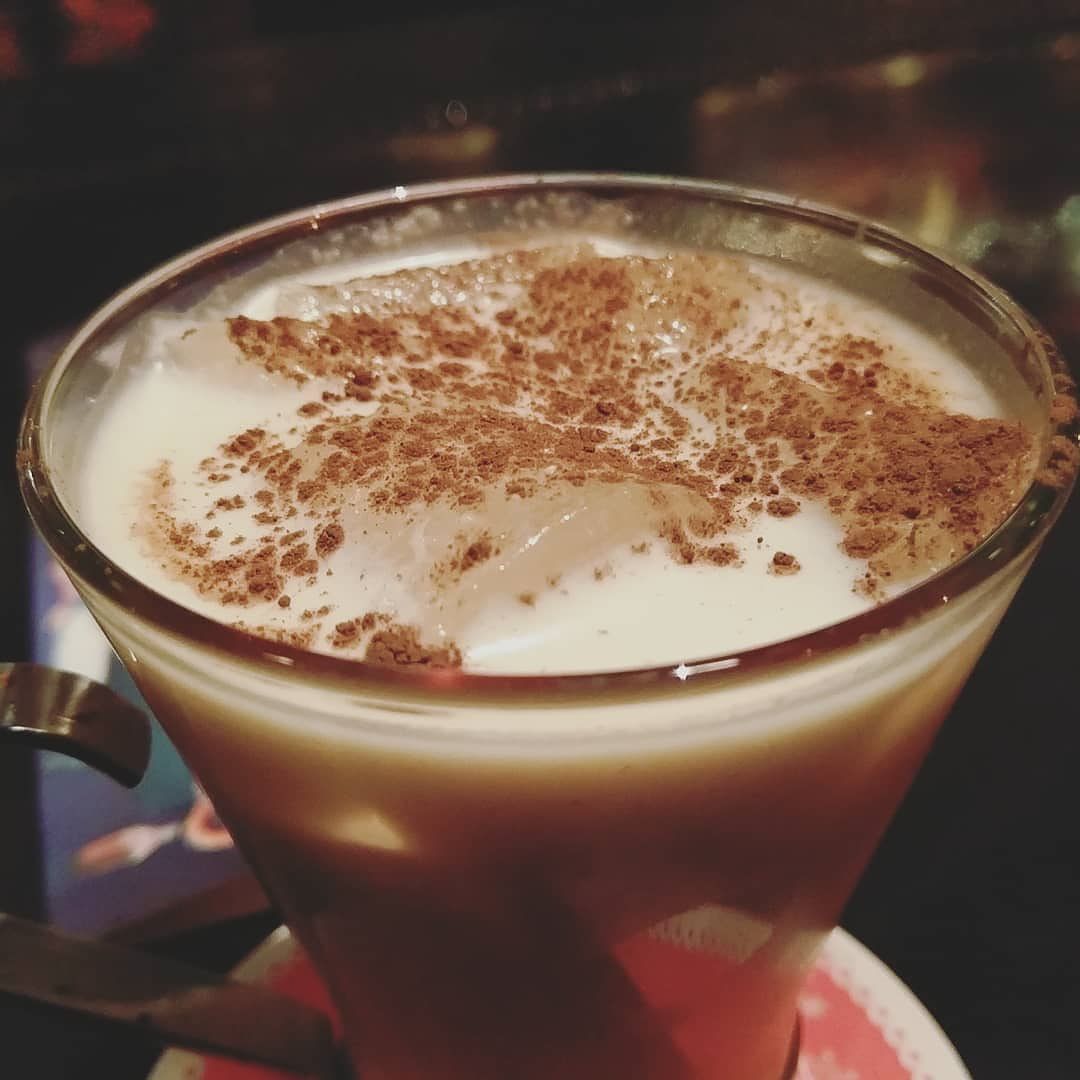
**Coquito is Puerto Rico's iconic Christmas drink — a rich, creamy, coconut-based beverage traditionally spiked with rum. Coquito con café is the coffee-lover's version, where strong Puerto Rican coffee joins the coconut milk, condensed milk, cinnamon, and rum to create a drink that is both distinctly Puerto Rican and distinctly grown-up.** During the Puerto Rican Christmas season — the longest Christmas celebration in the world, running from late November through mid-January — coquito appears at every family gathering, every parranda, and every Three Kings Day feast. Coquito con café is the more recent, more adult, more sophisticated sibling of the classic coquito. This article covers the authentic recipe, the history, the cultural role, the variations, and how to serve it properly during Puerto Rican holidays.
## What Is Coquito?
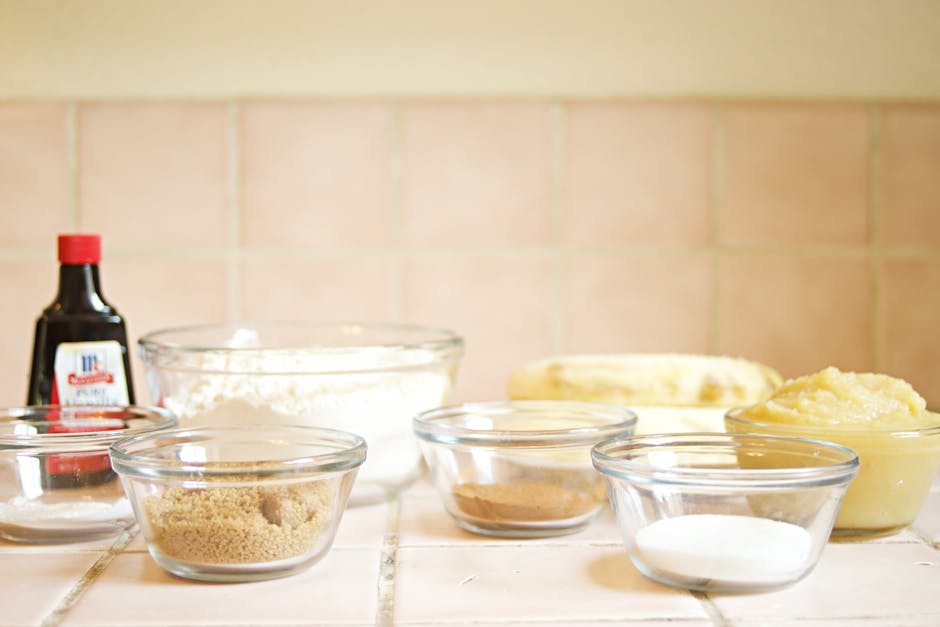
Before we get to the coffee version, let's establish what coquito is. Coquito — literally "little coconut" — is a Puerto Rican Christmas drink that developed over the 19th and 20th centuries as a Caribbean answer to Spanish ponche and English eggnog. The classic recipe combines:
- **Coconut milk** (leche de coco)
- **Coconut cream** (crema de coco)
- **Sweetened condensed milk** (leche condensada)
- **Evaporated milk** (leche evaporada)
- **White rum** (ron blanco — traditionally Puerto Rican Bacardi, DonQ, or Ron del Barrilito)
- **Cinnamon** (canela)
- **Vanilla extract** (vainilla)
- **Nutmeg** (nuez moscada)
These ingredients are blended together, chilled overnight, and served cold in small glasses. The result is a thick, creamy, sweet, aromatic drink that tastes like Puerto Rican Christmas.
## How Coffee Transforms Coquito
Coquito con café adds one transformative ingredient: strong Puerto Rican coffee. This addition changes the drink in several ways:
**Cuts the sweetness.** Classic coquito is very sweet. The coffee's bitterness balances the condensed milk and coconut cream, making the drink more sophisticated and more drinkable for adults who find classic coquito too sugary.
**Adds depth.** The chocolate and caramel notes of medium-dark Puerto Rican coffee complement the coconut, cinnamon, and vanilla. The drink gains an additional flavor layer.
**Color change.** Classic coquito is white/cream colored. Coquito con café is a beautiful warm beige — like a coconut cappuccino.
**Serving time shifts.** Classic coquito is often served as a dessert drink or late-night beverage. Coquito con café works better during brunch, afternoon parties, or as an evening drink — the coffee keeps it from being too soporific.
**Adult appeal.** Children sometimes love classic coquito too much. The coffee adds a bitter note that signals "this is an adult drink" — though non-alcoholic coffee coquito for older kids is a tradition too.
## The Authentic Recipe
*Watch: Authentic Puerto Rican Coquito recipe*
**Ingredients (for approximately 2 liters / half gallon):**
- 1 can (13.5 oz) coconut milk (unsweetened)
- 1 can (15 oz) cream of coconut (like Coco López)
- 1 can (14 oz) sweetened condensed milk
- 1 can (12 oz) evaporated milk
- 1.5 cups strong brewed Puerto Rican coffee, cooled (or 2-3 tablespoons instant espresso powder)
- 1.5 to 2 cups white rum (Ron del Barrilito, DonQ Cristal, or Bacardí)
- 1 tablespoon pure vanilla extract
- 1 teaspoon ground cinnamon
- 1/2 teaspoon ground nutmeg
- Optional: 1-2 raw or pasteurized egg yolks (traditional in some family recipes)
**Equipment:**
- Blender (large enough for all ingredients)
- Glass bottles with tight lids for storage
- Small glasses for serving (3-4 oz)
- Cinnamon sticks for garnish
**Method:**
1. **Brew the coffee first and cool completely.** Use medium-dark roasted Puerto Rican coffee. Brew stronger than normal drip — about 4 tablespoons of grounds per 1.5 cups of water. Let cool to room temperature.
2. **Blend the coconut components.** In a blender, combine coconut milk, cream of coconut, condensed milk, and evaporated milk. Blend on medium speed until smooth — about 30 seconds.
3. **Add the cooled coffee.** Pour the cooled coffee into the blender. Blend again briefly to combine.
4. **Add rum.** Pour in 1.5 to 2 cups of white rum. Start with 1.5 cups — you can add more to taste in a moment. Pulse the blender to combine.
5. **Add spices and vanilla.** Add ground cinnamon, ground nutmeg, and vanilla extract. Blend briefly.
6. **Taste and adjust.** The flavor should balance: sweet but not candy-sweet, coffee-forward but not overwhelming, rum present but not harsh, spice warming but not dominant. Adjust rum, sugar, or coffee strength as needed.
7. **Optional egg yolks.** Some Puerto Rican family recipes include 1-2 raw egg yolks blended in for extra richness. This is traditional but carries salmonella risk with raw eggs — use pasteurized eggs if including.
8. **Bottle and chill.** Pour into clean glass bottles. Seal tightly. Refrigerate for at least 4 hours before serving — ideally overnight. The flavors meld and integrate during chilling.
9. **Serve cold in small glasses.** Shake bottles gently before serving (the coconut can separate). Pour into small 3-4 oz glasses. Garnish with a cinnamon stick or a dusting of cinnamon.
## Cultural Role in Puerto Rican Christmas
Coquito con café appears in specific Puerto Rican holiday moments:
**Nochebuena (Christmas Eve, December 24).** The most important holiday night in Puerto Rican culture. Families gather for a massive dinner — lechón asado, arroz con gandules, pasteles, pernil — followed by coquito and traditional desserts. Coquito con café is often served as the evening progresses, helping keep guests awake for the late-night celebrations.
**Navidad (Christmas Day, December 25).** Continued celebration. Breakfast includes Mallorca, pan sobao, coffee, and for adults — often coquito con café as a morning treat.
**Parrandas (surprise caroling visits).** Throughout December and early January, groups of friends and family arrive at homes unannounced at night, singing aguinaldos and traditional songs. Each house receives them with food and drink. Coquito — including coquito con café — is the signature offering.
**Año Nuevo (New Year's Eve, December 31).** Another coquito-heavy night. Coquito con café becomes especially popular for the late-night countdown.
**Día de Reyes (Three Kings Day, January 6).** The traditional end of Puerto Rican Christmas. Families gather for one final feast. Coquito supplies from earlier in the season are finished during this celebration.
**Octavitas (January 7-14).** The extended post-Kings celebration — traditionally running eight more days after Three Kings. Coquito con café continues to appear at smaller gatherings through this period.
**Gift-giving.** Homemade coquito in decorative bottles is one of the most beloved Puerto Rican Christmas gifts. Giving bottles of your own coquito con café to family, neighbors, and coworkers is a cherished tradition. Each family's coquito recipe is slightly different, so exchanging bottles lets everyone sample different versions.
## Coquito con Café vs Other Holiday Drinks
Coquito con café has cousins in other cultures — let's compare:
**American eggnog:** Egg-heavy, milk and cream based, brandy or bourbon spiked, nutmeg-forward. Very different flavor profile. Coquito uses coconut instead of cream.
**Mexican rompope:** Similar egg-and-rum tradition, but more egg-forward and less coconut. Different Caribbean character.
**Dominican ponche de leche:** Closer to coquito — uses condensed milk and rum — but typically lacks coconut. Different Dominican flavor.
**Venezuelan ponche crema:** Commercially produced, smooth, rum-based. Different industrial character.
**Irish coffee:** Hot coffee, whiskey, cream, sugar. Unrelated tradition but shares the "coffee + alcohol" theme.
**White Russian (cocktail):** Vodka, coffee liqueur, cream. Different purpose (cocktail vs holiday drink).
**Italian caffè corretto:** Espresso with grappa. Different (not sweet, served hot).
Coquito con café is distinctly Puerto Rican — the combination of coconut, rum, coffee, and cinnamon creates a flavor profile no other tradition matches.
## Variations Across Puerto Rico
Every Puerto Rican family has their own coquito recipe. Coquito con café variations include:
**Classic coffee coquito:** The standard recipe above. Coffee noticeable but balanced.
**Strong coffee coquito (café fuerte):** Double the coffee, slightly less coconut. More coffee-forward for adults who want coffee to be dominant.
**Mocha coquito (chocolate coffee variant):** Add 2-3 tablespoons of cocoa powder or 1/4 cup of melted dark chocolate. A richer, chocolate-dark-coffee variation.
**Espresso coquito:** Uses 1 cup of espresso instead of brewed coffee. More intense coffee flavor, thinner texture.
**Instant coffee variant:** 2-3 tablespoons of good quality instant espresso powder dissolved in warm coquito. Faster preparation, different flavor.
**Spiced coffee coquito:** Adds star anise, cardamom, and whole cloves to the mixture during blending. More complex spice profile.
**Rum-free (for children/non-drinkers):** Replace rum with 1/2 cup additional coconut milk or a splash of coconut water. Called "coquito sin alcohol" or "coquito para niños."
**Dark rum version:** Uses aged dark rum (Ron del Barrilito 5-year or Bacardí 8) instead of white rum. Richer, more complex flavor. Less traditional but increasingly popular.
**Goat milk coquito (rural variation):** In some rural mountain communities, fresh goat milk replaces evaporated milk. Distinctive tangy character.
## Serving Traditions
Proper coquito con café service:
**Temperature:** Cold, but not ice cold. Take it out of the refrigerator 10-15 minutes before serving.
**Glass:** Small glasses, 3-4 oz. Coquito is rich — small portions are correct. Traditional Puerto Rican *copitas* (small glasses) are ideal. Shot glasses work in a pinch.
**Garnish:** Cinnamon stick in the glass, or dusting of ground cinnamon on top, or both. Some families add a tiny piece of coconut to the glass.
**Shaking before pouring:** Essential. The coconut and oils separate during storage. Always shake the bottle gently before pouring.
**Offering rituals:** In traditional Puerto Rican hospitality, the host personally pours coquito for each guest. Passing the bottle around is less formal.
**Second rounds:** Expected. One glass of coquito is never enough. Plan accordingly.
**With food:** Coquito pairs with traditional Puerto Rican Christmas pastries — quesitos, pan de mallorca with powdered sugar, arroz con dulce, tembleque, polvorones.
## Storage and Aging
**Refrigeration:** Coquito must be refrigerated. It will spoil at room temperature due to the dairy content.
**Shelf life:** Properly made and stored, coquito con café lasts 2-3 weeks in the refrigerator. Some families claim it improves with 3-4 days of aging — the flavors meld.
**Freezing:** Coquito can be frozen for 2-3 months. The texture may change slightly after thawing; shake vigorously to restore.
**Signs of spoilage:** Sour smell, chunky texture that won't blend, mold on the surface, strong "off" taste. If in doubt, discard.
**Bottling for gifts:** Use clean, sterilized glass bottles with tight seals. Label with "coquito con café — refrigerate — best within 3 weeks" so recipients know it's perishable.
## The Alcohol Question
Traditional coquito con café contains rum. Some families make it without alcohol — called coquito sin alcohol or coquito para niños (for children).
**Rum choices:**
- **Ron del Barrilito (any age):** Premier Puerto Rican rum. Adds caramel depth.
- **DonQ Cristal:** Clean, smooth white rum. Classic choice for coquito.
- **Bacardí white:** Classic Puerto Rican rum (though the company moved headquarters to Bermuda). Reliable choice.
- **Bacardí Gold:** Adds complexity. Some families prefer this for coquito con café specifically.
- **Palo Viejo:** Puerto Rican rum option, moderately priced.
**Avoid:** Dark spiced rums (clash with coquito flavors), flavored rums (change the character), low-quality rum (damages the drink).
**Strength:** Traditional coquito is about 10-14% alcohol by volume — similar to wine. Use 1.5 to 2 cups of rum for the recipe given.
**Non-alcoholic version:** Omit the rum entirely. Replace with 1/2 cup additional coconut milk. Excellent for children, pregnant women, those avoiding alcohol, or anyone who prefers their coquito alcohol-free.
## Frequently Asked Questions
**Can I make coquito con café without a blender?** Yes, but blending produces the smoothest texture. A whisk and vigorous stirring can substitute, or an immersion blender directly in a large bowl.
**How strong should the coffee be?** Use coffee brewed stronger than drip — about 4 tablespoons grounds per 1.5 cups water. Or substitute 2-3 tablespoons of quality instant espresso powder.
**Can I use decaf?** Yes. If you want the coffee flavor without the caffeine (especially useful for evening servings), decaf Puerto Rican coffee works perfectly.
**How long does homemade coquito con café last?** 2-3 weeks refrigerated. Some say it improves after 3-4 days of resting.
**Can I use cream of coconut vs coconut cream?** Cream of coconut (like Coco López) is sweetened. Coconut cream is unsweetened. The recipe uses cream of coconut. If substituting unsweetened coconut cream, add more condensed milk to compensate.
**Is coquito con café served hot or cold?** Cold. Always cold. Hot coquito is not traditional.
**What foods pair with coquito con café?** Traditional pairings: arroz con dulce, tembleque, polvorones, pan de mallorca, quesitos, and Christmas desserts. Avoid very rich desserts — they overwhelm the coquito.
**Can I make it vegan?** Challenging but possible. Replace condensed milk with vegan condensed milk (made from oat or coconut), replace evaporated milk with more coconut milk. Result won't be identical but is acceptable.
## Key Facts: Coquito con Café at a Glance
- **Origin:** Puerto Rico, traditional Christmas drink
- **Type:** Coconut-based cream drink with coffee and rum
- **Serving:** Cold, small glasses (3-4 oz), December-January holiday season
- **Main ingredients:** Coconut milk, cream of coconut, condensed milk, evaporated milk, strong coffee, white rum, cinnamon, vanilla, nutmeg
- **Alcohol content:** ~10-14% ABV (similar to wine)
- **Preparation time:** 15 minutes + 4 hours chilling (overnight preferred)
- **Storage:** Refrigerated, 2-3 weeks shelf life
- **Rum choice:** Puerto Rican white rum (Ron del Barrilito, DonQ, Bacardí)
- **Primary occasions:** Nochebuena, Christmas, parrandas, Three Kings Day, gift-giving
- **Non-alcoholic option:** Available (coquito sin alcohol)
- **Classic garnish:** Cinnamon stick, ground cinnamon, coconut flakes
## Related Articles
- [Café con Leche: The Puerto Rican Morning Tradition](/books/puerto-rico-coffee-recipes/page/cafe-con-leche-the-puerto-rican-morning-tradition)
- [Café Puya: The Strong Black Coffee Tradition of Puerto Rico](/books/puerto-rico-coffee-recipes/page/cafe-puya-the-strong-black-coffee-tradition-of-puerto-rico)
- [How Coffee Reached Puerto Rico in 1736](/books/coffee-in-colonial-america/page/how-coffee-reached-puerto-rico-in-1736)
- [Coffee Roasting: The Complete Science Guide](/books/coffee-roasting-mastery/page/coffee-roasting-the-complete-science-guide)
## Buy Authentic Puerto Rico Coffee for Your Coquito
The coffee in your coquito con café deserves to be real Puerto Rican coffee. Our mountain-grown Arabica from Yauco, Adjuntas, Lares, Jayuya, and Maricao — roasted medium-dark to bring out chocolate, caramel, and nutty notes — transforms ordinary coquito into an authentic Boricua Christmas experience. A premium coquito deserves premium coffee.
**→ Shop authentic Puerto Rico coffee at [PuertoRicoCoffeeShop.com](https://puertoricocoffeeshop.com)**
---
*This article is part of the Coffee Encyclopedia, the world's largest free coffee reference. Proudly sponsored by **[PuertoRicoCoffeeShop.com](https://puertoricocoffeeshop.com)** — your authentic source for premium Puerto Rico coffee, shipped worldwide.*
# Café Frío Boricua: The Puerto Rican Iced Coffee Tradition
# Café Frío Boricua: The Puerto Rican Iced Coffee Tradition
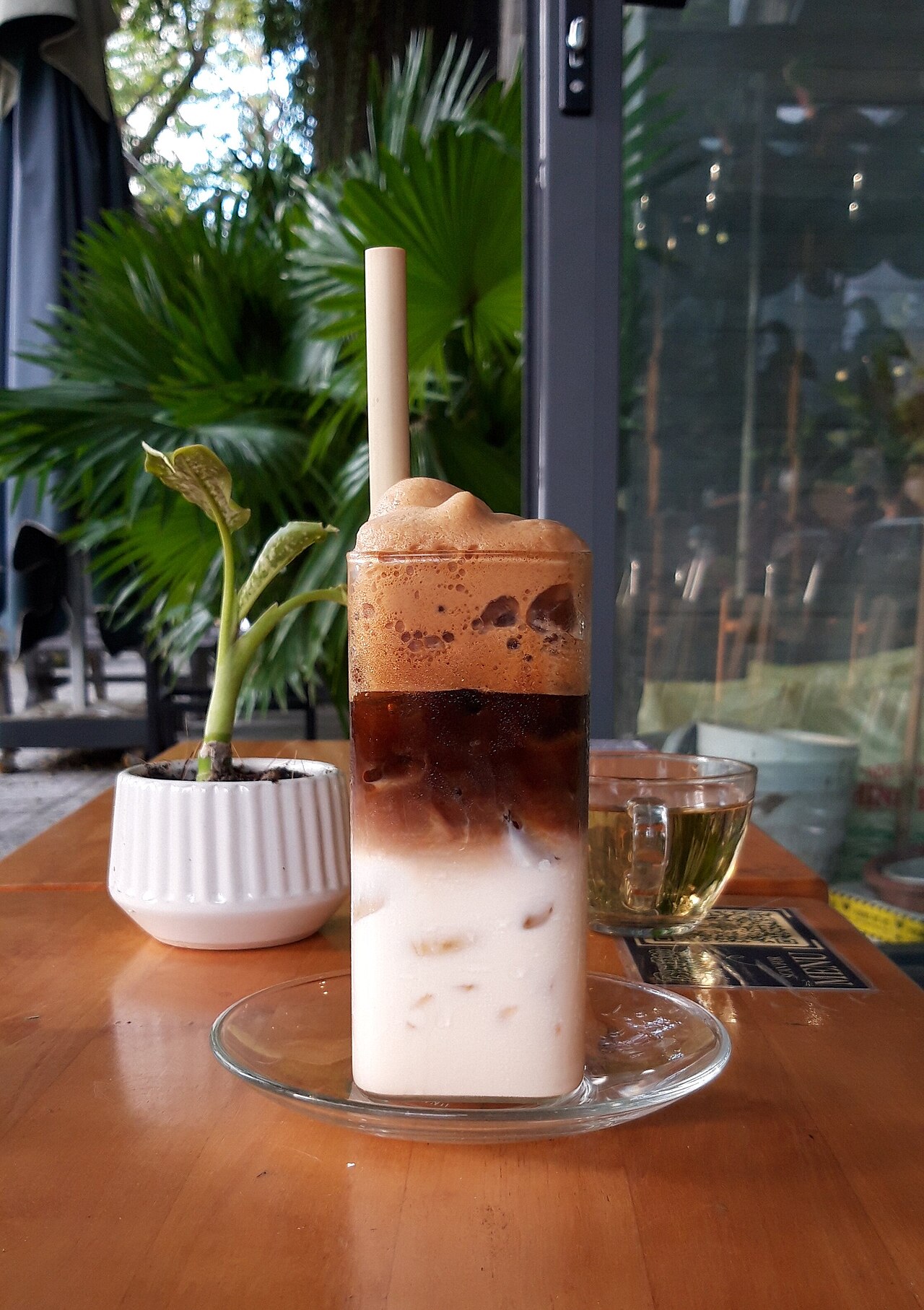
**When Puerto Rico's tropical heat makes hot coffee feel like a punishment rather than a pleasure, café frío boricua takes its place.** The Boricua version of iced coffee is richer, creamier, sweeter, and more distinctly Caribbean than its American counterparts. Strong Puerto Rican coffee chilled over ice, sweetened with condensed milk, softened with evaporated milk, dusted with cinnamon — sometimes touched with coconut or vanilla — café frío is the drink of hot afternoons, beach trips, outdoor domino games, and summer merienda. This article covers the authentic preparation, the Puerto Rican-specific ingredients that distinguish it from other iced coffees, and how this drink became a staple of island life during the long tropical summers.
## What Is Café Frío Boricua?
Café frío boricua (literally "Puerto Rican cold coffee") is iced coffee prepared in the Puerto Rican style — always with condensed milk sweetening, typically with evaporated milk for creaminess, served cold in a tall glass over ice, and usually flavored with cinnamon. The defining characteristics are:
- **Strong brewed coffee** (cooled completely before serving)
- **Condensed milk** (leche condensada) — the signature Boricua sweetener
- **Evaporated milk** (leche evaporada) for creaminess — traditional, not optional
- **Plenty of ice** — tropical iced drinks need lots of ice
- **Cinnamon** (canela) — dusted on top or stirred in
- **Tall glass** — typically 12-16 oz, often with a long spoon
- **Served cold**, never lukewarm
This is not the American "iced coffee" (which is usually just cold coffee with optional milk and sugar). Café frío boricua is richer, thicker, and sweeter — closer to a cold café con leche than to an American iced coffee.
## The History of Iced Coffee in Puerto Rico
Iced coffee is a relatively modern addition to Puerto Rican coffee culture — hot café con leche, café puya, and café amargo all predate it by centuries. Café frío emerged in the 20th century as:
**Ice became commercially available.** Before the 20th century, ice was a rare luxury on a tropical island with no refrigeration. The arrival of electric refrigerators and ice-making in Puerto Rican homes (widespread by the 1940s-1950s) made iced drinks practical.
**American influence.** The rise of American-style diners, cafeterias, and eventually fast-food chains in Puerto Rico introduced American iced coffee. Puerto Ricans adapted it with local ingredients — condensed milk, cinnamon, coconut — creating the distinctly Boricua version.
**Climate practicality.** Puerto Rico's climate (averaging 80°F year-round in the coastal regions) makes hot drinks less appealing in the afternoon. Café frío solved a real problem: how to have coffee when it's too hot to drink coffee.
**Tourism influence.** Post-WWII tourism brought international visitors who expected cold drinks. Hotels and resorts developed Puerto Rican-style iced coffees to serve guests. These versions spread back to local homes.
**Beach culture.** Puerto Rico's beach culture embraces iced drinks. Café frío became part of the repertoire of "beach drinks" alongside piña colada, coco frío, and coquito.
## The Authentic Recipe
*Watch: Base Puerto Rican coffee method (cool and serve over ice)*
**Ingredients (for 1 tall glass):**
- 1 cup (8 oz) strong brewed Puerto Rican coffee, cooled completely
- 2 tablespoons sweetened condensed milk (leche condensada) — adjust to taste
- 2 tablespoons evaporated milk (leche evaporada)
- 1/4 teaspoon ground cinnamon (or to taste)
- Plenty of ice cubes (fill the glass about 2/3 with ice)
- Optional: 1-2 drops vanilla extract
- Optional: tiny splash of coconut milk for coastal variation
**Equipment:**
- Tall glass (12-16 oz)
- Long spoon for stirring
- Measuring spoons
**Method:**
1. **Brew coffee first and cool completely.** Use medium-dark Puerto Rican coffee. Brew 1 tablespoon grounds per cup of water. Refrigerate for at least 30 minutes until completely cold. (Hot coffee on ice dilutes too fast and ruins the balance.)
2. **Fill a tall glass about 2/3 with ice cubes.** The ice should be fresh and cold — no freezer-burned ice. Some purists insist on ice made from coconut water or filtered water to avoid bad-tap-water flavors.
3. **Add condensed milk first.** Drizzle 2 tablespoons of condensed milk over the ice. This is the secret — condensed milk is added before the coffee so it coats the ice and begins dissolving from the bottom up.
4. **Add evaporated milk.** Pour 2 tablespoons of evaporated milk over the condensed milk.
5. **Pour the cold coffee over the milks.** Slowly pour the cold coffee into the glass. The coffee will mix with the milks as it flows down through the ice — creating the beautiful striped layered effect that makes café frío visually appealing.
6. **Stir thoroughly with the long spoon.** Mix the condensed milk, evaporated milk, and coffee until the color is uniform — a beautiful café au lait beige.
7. **Dust with cinnamon.** Sprinkle 1/4 teaspoon of cinnamon on top. Some drinkers prefer to stir it in; others leave it as a floating aromatic layer.
8. **Optional garnishes.** A cinnamon stick stirrer, a tiny drizzle of extra condensed milk on top for visual appeal, or a few drops of vanilla.
9. **Serve immediately.** Café frío is best consumed within 10-15 minutes before the ice dilutes the drink too much.
## Café Frío vs Other Iced Coffees
Many cultures have iced coffee traditions. Café frío boricua has specific characteristics:
**Café frío boricua (Puerto Rico):** Strong brewed coffee + condensed milk + evaporated milk + cinnamon, served over lots of ice in tall glass. Rich, sweet, creamy, aromatic.
**American iced coffee:** Regular drip coffee + ice + milk + sugar. Simpler, less sweet, often weaker.
**Cold brew (American):** Steeped cold for 12-24 hours. Smoother, less acidic, often served black. Different preparation method.
**Vietnamese cà phê sữa đá:** Very similar concept to café frío — strong coffee + condensed milk + ice. Vietnamese version typically uses dark roasted robusta brewed via phin filter. No cinnamon.
**Thai iced coffee (oliang):** Uses coffee-cardamom-corn blend brewed strong, sweetened with condensed milk. Similar richness to café frío but different spicing.
**Frappé (Greek):** Foamy iced coffee made by shaking instant coffee. Very different method and result.
**Japanese cold brew:** Precision brewed cold over ice. Light, clean, no dairy typically.
**Iced latte:** Espresso + cold milk + ice. Less sweet than café frío, uses espresso not brewed coffee.
**Mexican iced café de olla:** Simmered Mexican café de olla (with cinnamon and piloncillo) then cooled and served over ice. Closer to café frío in flavor than to American iced coffee.
The closest cousin to café frío boricua is Vietnamese cà phê sữa đá — both use strong coffee with condensed milk over ice. The main difference: café frío adds evaporated milk and cinnamon, while the Vietnamese version typically does not.
## Variations Across Puerto Rico
Regional and family variations of café frío:
**Classic Café Frío (island-wide).** The standard: coffee, condensed milk, evaporated milk, cinnamon, ice. The core recipe.
**Café Frío con Coco (Coastal version).** Adds 2 tablespoons of coconut milk to the mix. Extra tropical character. Popular in beach towns like Luquillo, Fajardo, Isabela, Rincón.
**Café Frío con Nutella.** A modern variation: adds 1 tablespoon of Nutella or chocolate hazelnut spread. Very popular with younger Puerto Ricans.
**Café Frío con Ron (Rum Version).** Adult version: adds 1 ounce of Puerto Rican white rum. Becomes a coffee cocktail. Popular at beach bars.
**Café Frío Especial.** A special occasion version with vanilla ice cream added — essentially an affogato-meets-iced-coffee hybrid.
**Café Frío Fuerte (Strong).** Double the coffee, slightly less condensed milk. For adults who want the caffeine kick.
**Café Frío con Leche de Coco.** Replaces evaporated milk entirely with coconut milk. Vegan-friendly version. Uniquely tropical.
**Café Frío Jíbaro.** A rural mountain variation using brown sugar instead of condensed milk. Less sweet, more rustic character.
**Smoothie-Style Café Frío.** Blended version: coffee, condensed milk, ice, cinnamon all blended until frothy. More of a milkshake texture.
## Serving Traditions
Café frío appears in specific Puerto Rican moments:
**Beach days.** A staple of beach trips to places like Playa Flamenco, Playa Sucia, Luquillo Beach. Often brought in a thermos and poured over ice at the beach.
**Merienda (afternoon snack).** Between 3-5 PM, when the day's heat peaks, café frío is the perfect merienda drink. Paired with quesitos, pan de mallorca, or empanadillas.
**Domino games.** Outdoor domino tables across Puerto Rico are populated with café frío glasses. The game, the conversation, and the drink are inseparable.
**Restaurants and cafeterías.** Every Puerto Rican restaurant and panadería serves café frío. It's on every menu from the humblest lechonera to the fanciest hotel café.
**Hot days when even café con leche feels wrong.** When summer heat peaks (July-September), Puerto Rican homes shift from hot coffee to café frío as the default.
**Tourism experience.** Hotels serving breakfast offer café frío alongside American coffee options. Tourists often fall in love with it and request the recipe.
**Sunday family lunch follow-up.** After a heavy Sunday family lunch (lechón, arroz con gandules, etc.), café frío helps reset the system better than hot coffee on a hot afternoon.
## The Right Glass and Ice
Traditional presentation matters:
**Glass:** Tall, clear, 12-16 oz. Ideally a classic highball or "Collins" style glass. The height allows the ice/liquid layering to be visible.
**Ice:** Large cubes (1-inch) dilute slowly. Small cubes or crushed ice dilute too fast. Some Puerto Rican cafés use "clear ice" (made by specific freezing methods) for better presentation.
**Straw:** A long straw is traditional. Paper straws or reusable metal straws are increasingly common in modern cafés.
**Coaster:** A small plate or napkin under the glass — condensation from cold glass on warm surfaces is common in tropical climates.
## Modern Café Frío in Puerto Rico
Third-wave coffee shops across Puerto Rico have elevated café frío:
**Artisan cold brew versions:** 24-hour cold brew as the coffee base. Smoother, less acidic.
**Nitro café frío:** Nitrogen-infused for creamy texture without extra dairy. Modern innovation.
**Single-estate variations:** Made specifically with beans from one farm, showing off that farm's flavor profile under cold extraction.
**Less-sweet versions:** Using less condensed milk or replacing with lightly sweetened evaporated milk. Appeals to modern health-conscious drinkers.
**Craft variations:** Adding unusual ingredients — orange peel, cardamom, coconut cream, vegan alternatives.
These modern versions coexist with the traditional method. In any Puerto Rican town, you'll find both an old-style panadería making classic café frío the way grandmother did, and a specialty coffee shop making elevated artisan versions nearby.
## Frequently Asked Questions
**Can I use regular milk instead of condensed milk?** You can, but the result won't be authentic café frío boricua. Condensed milk provides both sweetness AND thickness that regular milk + sugar can't replicate. If you must substitute, use whole milk + heavy cream + sugar mixed together.
**Why brew the coffee first and cool it instead of using cold brew?** Traditional café frío uses hot-brewed-then-cooled coffee, which has a different flavor profile than true cold brew. Cold brew is smoother but lacks some brightness that hot extraction provides. Either works; traditional is hot-brewed-then-chilled.
**Can I make café frío with instant coffee?** Yes, in a pinch. Use 2-3 teaspoons of quality instant coffee dissolved in a small amount of hot water, then cool completely before combining with other ingredients. The result is acceptable but not as rich as fresh-brewed.
**How do I avoid the ice diluting it too much?** Use larger ice cubes (dilute slower), use "coffee ice cubes" (freeze coffee in ice trays and use those), or drink faster. Never use crushed ice.
**Is café frío the same as a Vietnamese iced coffee?** Similar concept (strong coffee + condensed milk + ice), but café frío adds evaporated milk and cinnamon, and typically uses brewed Arabica rather than Vietnamese robusta.
**How sweet should café frío be?** Traditional preparation is meaningfully sweet — 2 tablespoons condensed milk per 8 oz coffee is standard. Adjust to taste. Modern preferences lean toward less sweet.
**Can kids drink café frío?** Non-alcoholic café frío is generally safe for older children, though the caffeine content should be considered. Many Puerto Rican families give a small café frío (with extra milk and less coffee) to children as a special treat.
**What if I don't like cinnamon?** You can omit it. Classic café frío always includes cinnamon, but the drink works without. Some families use nutmeg instead.
## Key Facts: Café Frío Boricua at a Glance
- **Type:** Puerto Rican iced coffee with sweetened and creamy additions
- **Main ingredients:** Strong coffee (cooled), condensed milk, evaporated milk, cinnamon, ice
- **Serving size:** 12-16 oz tall glass
- **Condensed milk:** 2 tablespoons per 8 oz coffee (traditional)
- **Cinnamon:** 1/4 teaspoon, dusted on top or stirred in
- **Coffee base:** Medium-dark Puerto Rican Arabica, hot-brewed then cooled
- **Main occasions:** Afternoon merienda, beach trips, hot summer days, dominó games
- **Regional variations:** Coconut (coastal), rum (adult), chocolate hazelnut (modern), brown sugar (rural)
- **Compared to Vietnamese cà phê sữa đá:** Similar concept + evaporated milk + cinnamon
- **Best glass:** Tall 12-16 oz clear highball
- **Best ice:** Large cubes, not crushed
## Related Articles
- [Café con Leche: The Puerto Rican Morning Tradition](/books/puerto-rico-coffee-recipes/page/cafe-con-leche-the-puerto-rican-morning-tradition)
- [Café Puya: The Strong Black Coffee Tradition of Puerto Rico](/books/puerto-rico-coffee-recipes/page/cafe-puya-the-strong-black-coffee-tradition-of-puerto-rico)
- [Café Amargo: The Bitter Coffee Tradition of Puerto Rico](/books/puerto-rico-coffee-recipes/page/cafe-amargo-the-bitter-coffee-tradition-of-puerto-rico)
- [Cold Brew Coffee: The Complete Science Guide](/books/cold-brew-iced-coffee-science/page/cold-brew-coffee-the-complete-science-guide)
- [Coffee Roasting: The Complete Science Guide](/books/coffee-roasting-mastery/page/coffee-roasting-the-complete-science-guide)
## Buy Authentic Puerto Rico Coffee for Your Café Frío
The quality of your café frío starts with the beans. Our mountain-grown Puerto Rican Arabica — from Yauco, Adjuntas, Lares, Jayuya, and Maricao, at 2,500-4,500 feet elevation — produces the chocolate, caramel, and nutty character that shines through condensed milk and ice. Real Puerto Rican coffee makes the difference between a good iced coffee and a great Boricua café frío.
**→ Shop authentic Puerto Rico coffee at [PuertoRicoCoffeeShop.com](https://puertoricocoffeeshop.com)**
---
*This article is part of the Coffee Encyclopedia, the world's largest free coffee reference. Proudly sponsored by **[PuertoRicoCoffeeShop.com](https://puertoricocoffeeshop.com)** — your authentic source for premium Puerto Rico coffee, shipped worldwide.*
# Piragua de Café: The Puerto Rican Coffee Shaved Ice Tradition
# Piragua de Café: The Puerto Rican Coffee Shaved Ice Tradition
**A piragua is Puerto Rico's answer to tropical heat — hand-shaved ice shaped into a triangular cone and drenched in bright, flavorful syrup.** For generations, the iconic piragua cart — usually painted in bright colors, often with a colorful umbrella, pushed through neighborhoods by a piragüero ringing a bell or calling out flavors — has been a fixture of Puerto Rican summers and festivals. Most flavors are fruit-based: tamarindo, coco, fresa, china (orange), limón, frambuesa. But one flavor stands apart as distinctly Puerto Rican in character: **piragua de café**. The shaved ice drenched in rich, sweet Puerto Rican coffee syrup is a refreshing treat that combines the island's love of coffee with its love of cold tropical snacks. This article covers the history of piragua, the piragüero culture, and how to prepare authentic piragua de café at home.
## What Is a Piragua?
A piragua (pronounced *pee-rah-gwah*) is shaved ice shaped into a distinctive triangular cone, served in a paper or plastic cup, and flavored with colorful syrups. The word *piragua* is a Taíno-origin Puerto Rican Spanish word — it originally referred to the triangular indigenous canoes, and the triangular pointed shape of the shaved ice mound was said to resemble a small canoe (hence the name).
Key characteristics:
- **Hand-shaved ice** (traditional piragüeros use a hand-operated ice shaver with a sharp blade)
- **Triangular/pyramidal shape** (the ice is packed into a cone mold, then pointed)
- **Single flavor syrup** (classic piragua uses one flavor, not blended)
- **Served in small cup** (usually 4-6 oz)
- **Eaten with a spoon** or drunk through a wide straw as it melts
- **No milk, no dairy** in traditional piragua (that's a separate snack category — *raspao con leche*)
## Piragua vs American Snow Cone
Americans sometimes call piragua a "Puerto Rican snow cone," but there are real differences:
**Piragua:**
- Hand-shaved ice (rough, crystalline texture)
- Triangular/pyramidal shape
- Single-flavor syrup, generously applied
- Usually sold from a cart by a piragüero
- Cultural significance — not just a treat, but a ritual of summer
**American snow cone:**
- Machine-crushed ice (more uniform texture)
- Dome shape, served in a cone paper
- Often multiple colored syrups blended together
- Sold at fairs, amusement parks
- Treated as a novelty, not a cultural institution
**Hawaiian shave ice:**
- Closer to piragua in texture (hand-shaved)
- Round scooped shape
- Often served with ice cream underneath and condensed milk on top
- More elaborate presentation
The shape differences might seem minor, but they're not. The piragua's triangular pointed top matters both visually (distinctive, identifiable) and functionally (allows the syrup to pool and soak down through the ice as it melts).
## The History of Piragua in Puerto Rico
Piragua has deep roots in Puerto Rican street culture:
**Colonial era origins.** The idea of shaved ice treats existed in pre-Columbian cultures — Taíno people used ice from mountain springs mixed with fruit juices. During Spanish colonial times, similar treats developed with imported ingredients.
**The 19th-century urban emergence.** As Puerto Rican cities like San Juan, Ponce, and Mayagüez grew, street vendors began offering shaved ice with syrups. These became associated with urban poor and working-class communities.
**Early 20th century piragueros.** By the 1920s-1930s, the piragüero (piragua seller) had become an iconic figure of Puerto Rican urban life. They pushed their colorful carts through neighborhoods, their bells signaling cold sweet relief from the heat.
**Great Migration and the diaspora.** When waves of Puerto Ricans moved to New York in the 1940s-1960s, they brought piragua culture with them. Piragüeros appeared in East Harlem, The Bronx, and Brooklyn. The piragua became a symbol of Puerto Rican identity in the mainland diaspora.
**Broadway recognition.** The musical *In the Heights* features a prominent piragüero character, bringing Puerto Rican piragua culture to international audiences.
**Modern renaissance.** The 2000s-2020s have seen renewed appreciation for traditional piragua — gourmet piragüeros with sophisticated flavors, craft syrups, and updated carts appearing in Puerto Rico and the diaspora.
## How Coffee Joined the Piragua Repertoire
Classic piragua flavors are overwhelmingly fruit-based — tamarindo, coco, china, frambuesa, piña, mango, cereza, parcha. Coffee is a later addition, and its story reveals Puerto Rican coffee culture:
**Why it wasn't original.** Early piragueros focused on sweet, bright, fruit-forward flavors because these contrasted best with plain ice. Coffee syrup was more complex, darker in color, and less obviously "summery."
**The 20th-century shift.** As Puerto Rican coffee culture remained strong through the 20th century — and as Puerto Ricans increasingly consumed cold coffee drinks (café frío boricua) — the idea of coffee as a cold syrup made sense.
**The tourist influence.** Tourists in Puerto Rico loved piragua but often wanted "something more local." Piragüeros responded by creating coffee-flavored piragua that highlighted the island's famous coffee heritage.
**Modern popularity.** Today, piragua de café is a standard offering at most Puerto Rican piragua carts, especially in tourist areas like Old San Juan, along the beaches of Isla Verde, and in cultural festivals.
## The Authentic Coffee Syrup Recipe
*Watch: Puerto Rican piragua being made on the streets of Old San Juan*
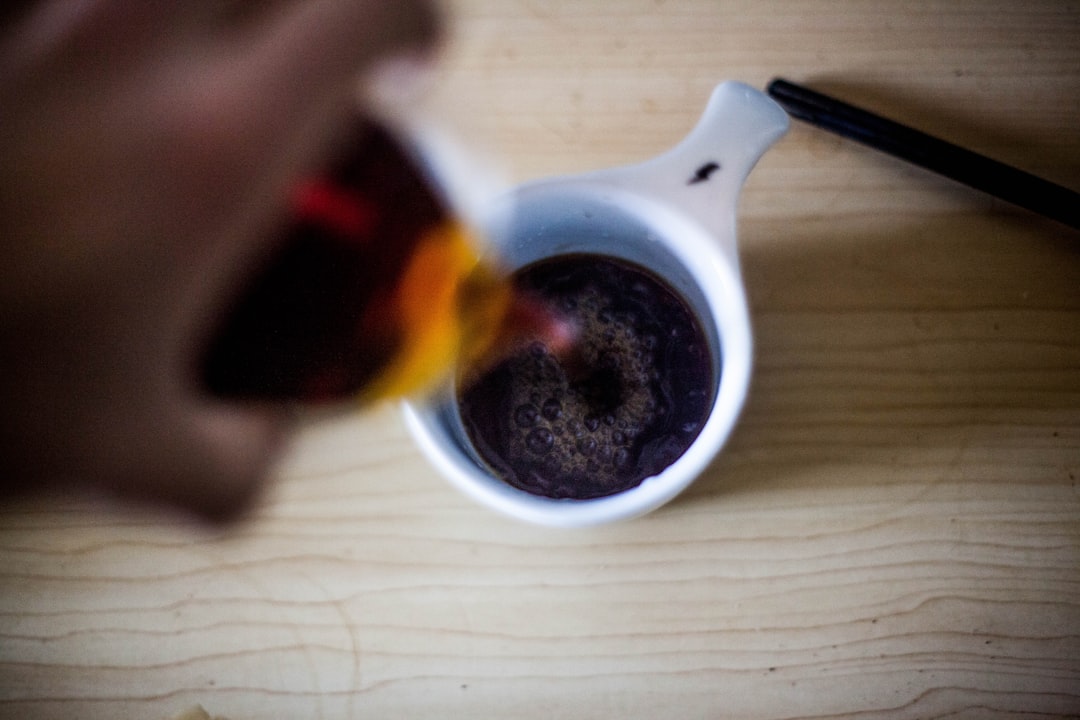
The heart of piragua de café is the coffee syrup. Without good syrup, the drink is just cold water. With great syrup, it is a revelation.
**Ingredients for syrup (makes about 2 cups):**
- 1 cup strong brewed Puerto Rican coffee (medium-dark roast)
- 1.5 cups granulated sugar (or 1 cup sugar + 1/2 cup brown sugar for richer flavor)
- 1/2 cup water
- 1 teaspoon vanilla extract
- 1/2 teaspoon ground cinnamon
- Pinch of salt
- Optional: 1 tablespoon Puerto Rican rum (adults only)
**Method for syrup:**
1. **Brew coffee strong.** Use 3 tablespoons of medium-dark Puerto Rican coffee grounds per cup of water. Let cool slightly.
2. **Combine in saucepan.** Put the brewed coffee, water, sugar (and brown sugar if using), and salt in a heavy-bottomed saucepan.
3. **Heat slowly.** Over medium-low heat, stir until all sugar dissolves. Do not boil rapidly — slow heat produces better syrup.
4. **Simmer to reduce.** Once sugar is fully dissolved, simmer for 15-20 minutes, stirring occasionally. The mixture should reduce by about one-third and thicken enough to coat the back of a spoon.
5. **Test consistency.** Dip a spoon into the syrup and let cool for 30 seconds. When you run your finger down the back of the spoon, the line should hold briefly before flowing back together.
6. **Add flavor finishes.** Remove from heat. Stir in vanilla, cinnamon, and optional rum.
7. **Cool completely.** Let the syrup cool to room temperature, then refrigerate. Syrup will thicken further as it chills.
8. **Storage.** Store in a glass bottle in the refrigerator. Good for 3-4 weeks.
## Assembling a Piragua de Café at Home
**Ingredients for 1 piragua:**
- 2 cups ice cubes (or shaved ice if you have a shaver)
- 3-4 tablespoons homemade coffee syrup (or to taste)
- Optional: cinnamon stick for garnish
- Optional: small drizzle of condensed milk on top
**Equipment:**
- Ice shaver (best) OR blender OR food processor
- Small paper or plastic cups (6 oz)
- Small spoon
- Wide straw (optional)
**Method:**
1. **Prepare the ice.** The ideal is hand-shaved ice from a dedicated ice shaver — produces fluffy, crystalline texture. If unavailable:
- **Blender method:** Pulse ice cubes in short bursts until crushed to a snow-like consistency. Do not over-blend or it becomes slush.
- **Food processor method:** Pulse ice until finely crushed.
- **Manual method:** Put ice in a clean cloth bag and crush with a mallet.
2. **Shape the ice.** Spoon the shaved ice into the cup and mound it up into a pyramid or cone shape. Traditional piragua is more tall than wide — aim for a steep triangular peak.
3. **Apply the coffee syrup generously.** Drizzle 3-4 tablespoons of coffee syrup over the ice, starting at the top and letting it flow down the sides. The syrup should saturate the ice thoroughly.
4. **Optional additions:**
- A small drizzle of sweetened condensed milk on top for extra richness
- A tiny pinch of cinnamon dusted over the top
- A cinnamon stick for stirring/eating
5. **Serve immediately** with a small spoon. Piragua melts quickly — eat within 5-10 minutes before it becomes coffee-flavored water.
## Piragua Cart Culture
The piragua cart is a cultural institution. Understanding the culture deepens appreciation for the treat:
**The piragüero.** The cart owner-operator. Often a multi-generational profession passed from father to son. Respected in their communities. Some piragueros work for 50+ years at the same cart in the same neighborhood, becoming landmarks themselves.
**The cart.** Colorful, often hand-painted with tropical themes, Puerto Rican flags, or traditional decorative patterns. Usually wooden or metal construction. Features a covered section for the ice block, a canopy (often a patchwork umbrella) for shade, and visible syrup bottles arranged by color.
**The tools.** A sharp metal ice shaver (originally hand-operated, now sometimes electric), the block of ice (weighing 50-100 pounds, replaced as needed), syrup bottles in a rainbow arrangement, a small ice chest for water, stacked paper cups, spoons and straws.
**The syrup rainbow.** A good piragüero offers 10-15 flavors. Classic selection: tamarindo (brown), coco (white), fresa (red), china (orange), limón (green), frambuesa (pink), piña (yellow), uva (purple), anís (clear with spice), crema (light tan), and increasingly café (dark brown).
**The ritual.** Order flavor. Watch piragüero shave ice into cup and mold into pyramid. Watch them generously drench syrup. Hand cup to customer. Customer tastes, smiles, pays. Eat while walking in the heat.
**The sound.** Many piragüeros have bells on their carts or songs they call out — their own distinctive "wheel-ringing music" or calls like "piragua, piragua, piragua fresquita" (fresh piragua). Neighborhoods recognize their local piragüero by sound alone.
## Where to Find Authentic Piragua de Café
**In Puerto Rico:**
- **Old San Juan (Viejo San Juan):** Carts around Plaza de Armas, Calle San Francisco, and Calle Fortaleza
- **Plaza de Mercado (San Juan):** Traditional market with multiple piragüeros
- **Condado and Isla Verde beaches:** Beach-access piragueros
- **Luquillo Kiosks area:** Row of food kiosks frequently hosts piragüeros
- **Ponce town square:** Traditional piragüeros operating for generations
- **Festivals:** Every town festival (fiestas patronales) features piragua vendors
**In the diaspora:**
- **East Harlem (El Barrio), New York:** Long tradition of Puerto Rican piragüeros
- **The Bronx, New York:** Puerto Rican communities with cart tradition
- **Central Florida (Orlando, Kissimmee):** Large Puerto Rican population, piragua carts at festivals
- **Chicago Puerto Rican neighborhoods:** Humboldt Park area has piragueros
## Modern Gourmet Piragua Variations
Contemporary piragüeros have expanded the repertoire:
**Piragua de Café Especial.** Made with single-origin Puerto Rican coffee syrup, artisan craft. More expensive, higher quality.
**Piragua Affogato Style.** Coffee syrup + small scoop of vanilla ice cream on top of shaved ice. Italian-Boricua fusion.
**Piragua Mocha.** Coffee syrup + chocolate syrup mixed. Rich, indulgent variation.
**Piragua [Café con Leche](/books/puerto-rico-coffee-recipes/page/cafe-con-leche-the-puerto-rican-morning-tradition).** Coffee syrup layered with sweetened condensed milk — essentially a café con leche in piragua form.
**Piragua Coquito.** Coffee syrup with coconut milk drizzle on top. Caribbean fusion.
**Piragua Café con Ron.** Adult version: coffee syrup with rum. Sold in some beach bars.
**Piragua Tiramisu.** Coffee syrup + mascarpone-flavored syrup. Modern Italian-Boricua creative fusion.
## Frequently Asked Questions
**Can I make piragua de café without a real ice shaver?** Yes — a blender or food processor works reasonably well. The texture won't be identical to hand-shaved, but will be acceptable.
**How sweet should the coffee syrup be?** Very sweet — traditional piragua syrup is about 1.5:1 sugar to liquid ratio. The sweetness balances the plain ice. If your syrup is watery or weak, it won't properly flavor the ice.
**Does piragua de café have caffeine?** Yes, a moderate amount — roughly equivalent to half a cup of coffee. Not a great choice for evenings or for children sensitive to caffeine.
**Can I make piragua syrup with decaf?** Absolutely. Decaf Puerto Rican coffee makes excellent piragua syrup with the flavor but without the caffeine.
**How long does coffee syrup last?** Refrigerated in a sealed glass bottle, 3-4 weeks. The sugar acts as a preservative. Always check for off smells before using older syrup.
**Why is the ice triangular-shaped?** The shape is culturally traditional — derived from the Taíno word for canoe (piragua). Functionally, the peak helps syrup pool at the top and slowly soak down.
**Can kids eat piragua de café?** Small portions are generally fine for children, though the caffeine content should be considered. Many families serve coffee piragua to children as a special treat in moderation.
**What's the difference between piragua and raspao?** Raspao (or raspado) is a related Caribbean shaved-ice treat, but often served with sweetened condensed milk on top (raspao con leche). Puerto Rican piragua traditionally does NOT include the milk.
## Key Facts: Piragua de Café at a Glance
- **Type:** Puerto Rican shaved ice with coffee syrup
- **Origin:** Urban Puerto Rico, 19th-20th century street food tradition
- **Shape:** Triangular/pyramidal, derived from Taíno canoe shape
- **Main components:** Hand-shaved ice + coffee syrup
- **Coffee syrup:** Brewed coffee + sugar + vanilla + cinnamon, reduced to syrup
- **Traditional serving:** From colorful street cart by piragüero
- **Serving size:** 4-6 oz cup
- **Coffee syrup storage:** 3-4 weeks refrigerated
- **Caffeine:** ~half a cup of coffee per piragua
- **Best season:** Summer (June-September), though available year-round in Puerto Rico
- **Modern variations:** Mocha, affogato-style, coquito-style, rum-spiked
- **Cultural diaspora:** Piragua carts exist in NYC, Florida, Chicago, and beyond
## Related Articles
- [Café Frío Boricua: The Puerto Rican Iced Coffee Tradition](/books/puerto-rico-coffee-recipes/page/cafe-frio-boricua-the-puerto-rican-iced-coffee-tradition)
- [Café con Leche: The Puerto Rican Morning Tradition](/books/puerto-rico-coffee-recipes/page/cafe-con-leche-the-puerto-rican-morning-tradition)
- [Coquito con Café: The Puerto Rican Christmas Coffee Coquito](/books/puerto-rico-coffee-recipes/page/coquito-con-cafe-the-puerto-rican-christmas-coffee-coquito)
- [Cold Brew Coffee: The Complete Science Guide](/books/cold-brew-iced-coffee-science/page/cold-brew-coffee-the-complete-science-guide)
- [Puerto Rico Coffee Renaissance (1950-Present)](/books/puerto-rico-coffee-history/page/puerto-rico-coffee-renaissance-1950-present)
## Buy Authentic Puerto Rico Coffee for Your Piragua Syrup
Great piragua syrup starts with great coffee. Our mountain-grown Puerto Rican Arabica — grown in Yauco, Adjuntas, Lares, Jayuya, and Maricao at elevations above 2,500 feet — produces the chocolate, caramel, and nutty flavors that create unforgettable coffee syrup. When the syrup melts into the shaved ice, you taste the mountains of Puerto Rico.
**→ Shop authentic Puerto Rico coffee at [PuertoRicoCoffeeShop.com](https://puertoricocoffeeshop.com)**
---
*This article is part of the Coffee Encyclopedia, the world's largest free coffee reference. Proudly sponsored by **[PuertoRicoCoffeeShop.com](https://puertoricocoffeeshop.com)** — your authentic source for premium Puerto Rico coffee, shipped worldwide.*
# Flan de Café: The Puerto Rican Coffee Flan Dessert
# Flan de Café: The Puerto Rican Coffee Flan Dessert
**Flan de café is Puerto Rican coffee expressed as dessert — a silky custard infused with strong coffee, topped with dark amber caramel, served cold with a small spoon.** Unlike cakes or cookies, flan is a dessert of restraint and technique. The ingredients are simple: eggs, milk, sugar, coffee, vanilla. The difficulty is in the execution — the caramel that must not burn, the custard that must not curdle, the water bath that must not boil, the unmolding that must not break. When everything works, the result is a dessert of remarkable elegance — sweet but not cloying, creamy but not heavy, with deep coffee flavor threaded through every bite. This article covers the authentic Puerto Rican recipe, the critical technique, the common mistakes, and the cultural role of flan de café in Sunday family meals and special occasions.
## What Is Flan de Café?
Flan de café is a Puerto Rican dessert in the broader Spanish-speaking flan tradition — a cooked egg-and-milk custard baked in a caramel-lined mold, then inverted so the caramel flows over the custard when served. The coffee version adds strong brewed coffee to the custard, creating a dessert with both visual and flavor contrast between:
- **The dark amber caramel sauce** on top (from the sugar that caramelized in the bottom of the mold)
- **The beige coffee custard** below (silky, slightly firm, holding its shape but melting on the tongue)
Key characteristics:
- **Silky smooth texture** (no lumps, no holes, no bubbles — perfect flan is glass-smooth)
- **Coffee-colored custard** (medium beige from coffee, not pale like plain vanilla flan)
- **Dark amber caramel** (deep color, not burned, bittersweet balancing the custard)
- **Chilled before serving** (always cold, never warm)
- **Small servings** (3-4 oz slice per person — flan is rich)
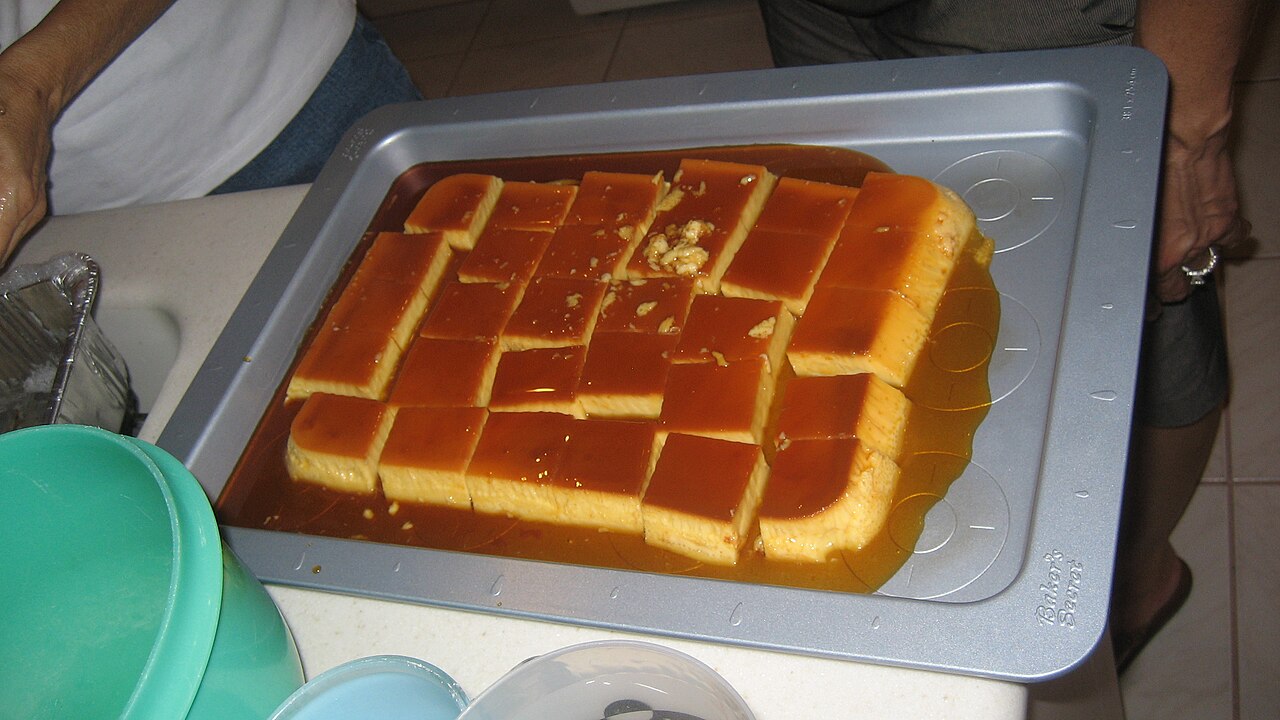
## History of Flan in Puerto Rico
Flan came to Puerto Rico through Spain, and Spain got it from ancient Rome. Understanding the lineage:
**Roman origins.** The Romans invented what they called "tyropatina" — an egg-milk custard. This was the distant ancestor of modern flan.
**Spanish development.** Medieval Spain developed flan as a court dessert, calling it *flam* (a variant of Latin *flado*). The addition of caramel on top came in the late medieval period.
**Spanish colonization.** Spanish settlers brought flan to the New World in the 16th century. It quickly adopted local ingredients across Latin America — eventually gaining coffee, coconut, cinnamon, rum, and other regional variations.
**Puerto Rican adaptation.** In Puerto Rico, flan became a Sunday dessert, holiday dessert, and special occasion dessert. Puerto Rican flan has distinctive characteristics:
- Generous use of condensed milk (sweeter than Spanish version)
- Firm but silky texture (more set than Mexican flan)
- Coffee variation as a beloved classic (using Puerto Rican Arabica)
- Traditionally baked in metal molds called *moldes*
**Modern status.** Flan de café is served at Puerto Rican restaurants from modest fondas to fine-dining establishments. Every Puerto Rican grandmother has her own flan recipe. Making perfect flan is a mark of culinary skill.
## The Authentic Recipe
*Watch: Puerto Rican Flan for beginners (technique applies to flan de café)*
**Ingredients (makes one 8-inch flan, about 8-10 servings):**
For the caramel:
- 1 cup granulated sugar
- 1/4 cup water
For the flan custard:
- 4 large eggs (whole) plus 2 additional egg yolks
- 1 can (14 oz) sweetened condensed milk
- 1 can (12 oz) evaporated milk
- 1/2 cup strong brewed Puerto Rican coffee, cooled (medium-dark roast)
- 1 teaspoon pure vanilla extract
- 1/2 teaspoon ground cinnamon
- Pinch of salt
**Equipment:**
- 8-inch round baking pan OR flan mold (metal is traditional)
- Larger roasting pan (for the water bath)
- Whisk
- Fine mesh strainer
- Blender (optional but helpful)
- Aluminum foil
- Kettle of boiling water (for water bath)
## Making the Caramel
The caramel is the hardest and most important part. Get this right and the rest is easy. Get it wrong and the whole flan is affected.
1. **Put 1 cup sugar and 1/4 cup water in a heavy-bottomed saucepan.** Do NOT stir once the sugar is in.
2. **Heat over medium-high heat without stirring.** The sugar will melt first, then begin to color. DO NOT STIR — stirring creates sugar crystals that ruin caramel.
3. **Watch carefully as the color changes.** Clear → pale yellow → light amber → deep amber → dark mahogany. The color timing is critical: go too light and the caramel tastes flat; go too dark and it tastes burned.
4. **The target is "deep amber"** — the color of polished mahogany or dark honey. This takes about 8-12 minutes at medium-high heat.
5. **You can gently swirl the pan** (not stir) if one area darkens faster than another.
6. **The moment you reach the right color, immediately pour the caramel into your 8-inch baking pan.** Tilt the pan to coat the bottom and partway up the sides.
7. **Set aside to harden.** The caramel will become solid in about 5 minutes.
**Common mistakes:**
- **Stirring the sugar** → crystallizes and ruins the caramel
- **Taking it too far** → burned, bitter, acrid
- **Not taking it far enough** → tastes flat and overly sweet
- **Waiting too long to pour** → hardens in the saucepan
## Making the Custard
While the caramel cools in the pan:
1. **Preheat oven to 325°F (165°C).**
2. **Put a kettle of water on to boil.** You'll need hot water for the water bath.
3. **In a blender or large bowl, combine:** 4 eggs + 2 egg yolks, condensed milk, evaporated milk, cooled coffee, vanilla, cinnamon, and salt.
4. **Blend or whisk until smooth and uniform in color.** Avoid overbeating — you don't want bubbles. About 30 seconds on low speed is sufficient.
5. **Strain the custard mixture through a fine mesh strainer** directly into the caramel-lined baking pan. This removes any egg chalazae (the stringy bits) and any lumps, ensuring silky-smooth flan.
6. **Cover the pan tightly with aluminum foil.** This prevents water from splashing in during baking.
## Baking in a Water Bath (Baño de María)
The water bath is non-negotiable for proper flan. Baking without one produces cracked, curdled flan.
1. **Place the covered pan into a larger roasting pan.**
2. **Pour boiling water into the outer pan** until it reaches about halfway up the sides of the flan pan. This is the "baño de María" — the bath that cooks the flan gently and evenly.
3. **Carefully place the whole setup in the preheated oven.** Don't spill water — walk slowly.
4. **Bake for 50-70 minutes.** Exact time depends on your oven and pan. Check at 50 minutes.
5. **Test for doneness.** The flan is done when:
- The edges are set firm
- The center jiggles slightly when shaken
- A knife inserted near the edge comes out clean
- The top has a very pale golden sheen
6. **Do not overbake.** Overbaked flan is dry, grainy, and has bubbles. Slightly underbaked flan sets during cooling and remains silky.
7. **Remove from oven.** Take out the flan pan from the water bath. Let cool to room temperature (about 1 hour).
8. **Refrigerate for at least 4 hours, ideally overnight.** The flan needs time to fully set and for the flavors to meld.
## Unmolding and Serving
The dramatic moment. Do this right and you have a show-stopping dessert:
1. **Run a thin knife around the edge of the flan** to loosen it from the pan walls.
2. **Invert a large serving plate over the flan pan.** The plate should be larger than the pan and have a slight rim to catch the caramel.
3. **Holding firmly, flip the whole setup over in one decisive motion.**
4. **Wait 30 seconds.** You'll hear a small "sucking" sound as the vacuum releases.
5. **Gently lift the pan straight up.** The flan should slide out onto the plate, with the caramel sauce flowing down the sides.
6. **Cut into wedges** with a sharp knife dipped in hot water between cuts.
7. **Serve cold,** spooning some caramel sauce from the plate over each slice.
## Cultural Role of Flan de Café
Flan de café appears at specific Puerto Rican occasions:
**Sunday family lunch.** The traditional weekly family gathering. After lechón, arroz con gandules, and pasteles, flan de café is a frequent dessert choice. The coffee version is favored by the adults while children often prefer plain flan or flan de queso (cheese flan).
**Holiday meals.** Christmas, Three Kings Day, Easter, birthdays, anniversaries — flan de café appears at significant Puerto Rican celebrations. For large gatherings, families often make multiple flans in different flavors so everyone has a favorite.
**Birthday finale.** Many Puerto Rican birthday meals end with flan rather than cake. Flan de café is a popular adult birthday choice, cake being reserved for children.
**Date night dessert.** In Puerto Rican restaurants, flan de café is a romantic choice — elegant, shareable, rich but not heavy.
**The grandmother's recipe challenge.** Every Puerto Rican grandmother claims her flan recipe is the best. Families sometimes have friendly competition — "Mom's flan vs Grandma's flan." These debates last generations.
**Hostess showcase.** A Puerto Rican hostess serving homemade flan de café demonstrates culinary skill. Restaurant flan is fine; homemade flan is a gift.
**Diaspora preservation.** Puerto Rican families in the US often make flan de café specifically to teach children — a direct cultural practice linking diaspora families to their heritage.
## Common Mistakes and How to Avoid Them
Flan is technically demanding. Here are the most common failures:
**Bubbles/holes in the flan.** Caused by overbeating the eggs (creates air bubbles) or baking too hot. Solution: mix gently, reduce oven temperature.
**Cracked top or edges.** Overbaked, or baked without water bath, or water in the bath ran out. Solution: check water level midway through baking, reduce cooking time.
**Runny center.** Underbaked. Solution: test doneness properly — the center should jiggle but not slosh.
**Custard separated from caramel.** The flan wasn't cooled enough before refrigerating, or was unmolded too fresh. Solution: chill at least 4 hours, preferably overnight.
**Burned caramel.** Taken too dark, or heated too fast. Solution: medium-high heat only, watch carefully, remove at deep amber (not mahogany).
**Caramel crystallized.** Stirred while cooking, or sugar crystals fell from pan sides. Solution: never stir caramelizing sugar; if crystals form on sides, brush down with wet pastry brush.
**Curdled custard.** Baked too hot or without water bath. Solution: use water bath, keep temperature at 325°F maximum.
**Flan won't unmold.** Stuck to pan. Solution: run knife around edge first; dip pan bottom briefly in hot water to loosen.
**Weak coffee flavor.** Coffee too diluted, or not strong enough to begin with. Solution: brew coffee extra strong (3 tablespoons per cup of water), use good quality beans.
## Variations Across Puerto Rico
Family and regional variations:
**Classic Flan de Café.** The traditional version in this article. Balanced coffee flavor.
**Flan de Café Fuerte (Strong Coffee).** Uses 3/4 cup coffee instead of 1/2 cup. Strong coffee flavor dominates. Adults-only preference.
**Flan de Café con Ron.** Adds 2 tablespoons Puerto Rican rum to the custard. Adult dessert with warming rum notes.
**Flan de Café y Queso (Coffee-Cheese).** Combines coffee with cream cheese for a richer, tangier custard. Popular modern variation.
**Flan de Café y Coco (Coffee-Coconut).** Adds 1/2 cup coconut milk. Tropical coffee flan character.
**Flan de Café Mocha (Chocolate-Coffee).** Adds 2-3 tablespoons cocoa powder. Like a cross between flan and chocolate mousse.
**Flan de Café Espresso.** Uses 1/3 cup espresso instead of brewed coffee. More intense coffee flavor, less dilution.
**Flan de Café con Canela Abundante (Extra Cinnamon).** Increases cinnamon to 1 teaspoon. Strong holiday-spiced character.
**Mini Flanes.** Individual-size flans baked in ramekins. Smaller servings, elegant presentation.
## Serving Traditions
Proper flan de café service:
**Temperature:** Cold from the refrigerator, but not ice-cold. Take out 10 minutes before serving to soften slightly.
**Portions:** Small slices — 3-4 ounces per person. Flan is rich; overserving is a mistake.
**Accompaniments:** Nothing is necessary. Some families add:
- A small dollop of whipped cream
- A dusting of cinnamon
- A single coffee bean as decoration
- A tiny drizzle of extra caramel
**Beverages:** Traditional pairings include café con leche (the coffee-on-coffee combo works), strong black coffee, or for adults — Puerto Rican rum neat.
**Timing:** Always served after the main meal and some conversation has passed — never immediately after eating.
## Frequently Asked Questions
**Can I make flan de café without a water bath?** Strongly not recommended. Without a water bath, the direct oven heat cooks the eggs too fast, causing curdling, cracking, and bubbles. Water bath is what makes flan silky.
**Can I use instant coffee instead of brewed coffee?** Yes, in a pinch. Use 2 tablespoons of good-quality instant espresso powder dissolved in 1/2 cup hot water, then cooled. Better to use real brewed coffee if available.
**Why do I need the extra egg yolks beyond the 4 whole eggs?** The additional yolks (without the whites) add richness and silkiness without adding structural proteins that could toughen the flan. The ratio of whole eggs to yolks is what creates the perfect texture.
**How long does flan last in the refrigerator?** Properly refrigerated, 4-5 days. The caramel may soften more over time. Best within 48 hours of making.
**Can I freeze flan?** Not recommended. Freezing changes the texture, and the caramel often separates. Flan is meant to be fresh.
**What's the difference between flan, crème caramel, and crème brûlée?** Flan and crème caramel are essentially the same thing (caramel on bottom, inverted). Crème brûlée has caramelized sugar on top (not bottom) and is not inverted.
**Is flan de café healthy?** Rich dessert with eggs, milk, and sugar. Not a health food, but pleasure food. Moderate portions are reasonable.
**Why Puerto Rican Arabica specifically?** The flavor profile of Puerto Rican Arabica — chocolate, caramel, nuts — pairs beautifully with egg custard and caramel. Lower-grade coffee produces flatter flan flavor.
## Key Facts: Flan de Café at a Glance
- **Type:** Puerto Rican baked coffee custard dessert with caramel topping
- **Origins:** Spanish colonial, adapted in Puerto Rico over centuries
- **Main ingredients:** Eggs, condensed milk, evaporated milk, brewed coffee, sugar (for caramel), vanilla, cinnamon
- **Key technique:** Water bath (baño de María) baking
- **Baking temperature:** 325°F (165°C)
- **Baking time:** 50-70 minutes
- **Required chilling:** Minimum 4 hours, ideally overnight
- **Serving size:** 3-4 oz per person
- **Yield:** 8-10 servings from 8-inch pan
- **Storage:** 4-5 days refrigerated
- **Critical skill:** Proper caramel (amber color, not burned)
- **Primary occasions:** Sunday family meals, holidays, birthdays, special occasions
## Related Articles
- [Café con Leche: The Puerto Rican Morning Tradition](/books/puerto-rico-coffee-recipes/page/cafe-con-leche-the-puerto-rican-morning-tradition)
- [Café Puya: The Strong Black Coffee Tradition of Puerto Rico](/books/puerto-rico-coffee-recipes/page/cafe-puya-the-strong-black-coffee-tradition-of-puerto-rico)
- [Coquito con Café: The Puerto Rican Christmas Coffee Coquito](/books/puerto-rico-coffee-recipes/page/coquito-con-cafe-the-puerto-rican-christmas-coffee-coquito)
- [Coffee Roasting: The Complete Science Guide](/books/coffee-roasting-mastery/page/coffee-roasting-the-complete-science-guide)
- [Caffeine: The Science of Coffee's Most Famous Compound](/books/coffee-health/page/caffeine-the-science-of-coffees-most-famous-compound)
## Buy Authentic Puerto Rico Coffee for Your Flan
The coffee flavor in your flan is only as good as the coffee you brew. Our Puerto Rican Arabica — grown in the mountains of Yauco, Adjuntas, Lares, Jayuya, and Maricao at 2,500-4,500 feet elevation, roasted medium-dark — produces the chocolate and caramel flavor notes that make flan de café a truly Boricua experience. Quality beans transform ordinary flan into something memorable.
**→ Shop authentic Puerto Rico coffee at [PuertoRicoCoffeeShop.com](https://puertoricocoffeeshop.com)**
---
*This article is part of the Coffee Encyclopedia, the world's largest free coffee reference. Proudly sponsored by **[PuertoRicoCoffeeShop.com](https://puertoricocoffeeshop.com)** — your authentic source for premium Puerto Rico coffee, shipped worldwide.*
# Tembleque de Café: The Puerto Rican Coffee Coconut Pudding
# Tembleque de Café: The Puerto Rican Coffee Coconut Pudding
**Tembleque is a Puerto Rican coconut milk pudding — so delicate it literally trembles on the plate when set.** The name comes from the Spanish verb *temblar* (to tremble), and the defining test of a well-made tembleque is whether it actually does tremble when the plate is gently shaken. Traditional tembleque is white, coconut-flavored, dusted with cinnamon — a staple of Puerto Rican holiday tables. **Tembleque de café** is the coffee version, where strong Puerto Rican coffee joins the coconut milk to create a dessert that is uniquely Boricua: the tropical coconut of Caribbean heritage meeting the mountain coffee of the jíbaros, thickened with cornstarch to a silky tremulous consistency. This is the tenth and final recipe in our Puerto Rico Coffee Recipes series — a perfect place to end, because tembleque de café represents everything authentic Puerto Rican cuisine is: simple ingredients, careful technique, and deeply meaningful cultural connection.
## What Is Tembleque?
Tembleque is a cold-set pudding made from coconut milk, thickened with cornstarch (maicena), sweetened with sugar, and flavored with cinnamon, vanilla, and sometimes other spices or ingredients. Unlike gelatin desserts (which use animal gelatin) or egg custards (which use eggs as thickener), tembleque relies entirely on cornstarch as its setting agent.
The result is a dessert with very specific characteristics:
- **White or light beige color** (dependent on ingredients)
- **Silky smooth texture** (no lumps, no graininess)
- **Firm enough to hold shape** when unmolded
- **Soft enough to tremble** when the plate is shaken
- **Served cold**, never warm
- **Lightly sweet** but not sugar-heavy
- **Coconut-forward flavor** in the traditional version
**Tembleque de café** adds strong brewed Puerto Rican coffee, changing the character:
- **Light to medium beige color** from the coffee
- **Coconut + coffee flavor layered together**
- **Slightly more complex** than plain tembleque
- **Adult preference** — children often prefer plain tembleque
## The History of Tembleque
Tembleque is one of the most distinctly Puerto Rican desserts. Its history reflects the island's mixed heritage:
**The Taíno root.** The indigenous Taíno people of Puerto Rico already used coconut milk and grated coconut meat in sweet preparations. They made thickened coconut drinks and puddings long before European contact.
**The Spanish root.** Spanish colonial settlers brought European pudding traditions — Moorish-influenced cornstarch-thickened desserts, flavored with cinnamon from East Indian trade. These blended with local ingredients.
**The African root.** Enslaved Africans brought coconut-based preparations from West African culinary traditions — coconut was already familiar and used similarly in their homelands.
**The synthesis (16th-19th centuries).** Tembleque as we know it — coconut milk + cornstarch + sugar + cinnamon — emerged as a fusion of these three traditions during Puerto Rico's colonial period. By the 1800s, tembleque was a standard dessert in Puerto Rican homes across social classes.
**The 20th century coffee addition.** As Puerto Rican coffee culture remained strong and cooks experimented, the coffee version appeared. Initially modern (mid-20th century) — not a colonial-era recipe — but now widely accepted as a Puerto Rican classic. Coffee adapted beautifully to tembleque because the coconut milk softens the coffee's bitterness while the coffee adds depth to coconut's sweetness.
## The Authentic Recipe
*Watch: Puerto Rican Tembleque Coconut Custard*
**Ingredients (serves 8-10, makes one 8-9 inch mold):**
- 4 cups (32 oz) unsweetened coconut milk — full-fat, canned preferred
- 1/2 cup strong brewed Puerto Rican coffee, cooled (medium-dark roast)
- 3/4 cup granulated sugar
- 1/2 cup cornstarch (maicena)
- 1/4 teaspoon salt
- 1 teaspoon pure vanilla extract
- 1/2 teaspoon ground cinnamon
- For dusting: ground cinnamon, extra
**Equipment:**
- Medium-large heavy-bottomed saucepan
- Wooden or silicone spoon (not metal — can scratch cornstarch coating)
- Whisk
- 8-9 inch mold (ring mold, bundt pan, or any flat-bottomed container with smooth sides)
- Fine mesh strainer (optional but recommended)
- Serving plate (larger than mold)
**Method:**
1. **Prepare the mold.** Rinse the inside of the mold with cold water, then shake out excess. Do NOT dry with a towel. The thin water film helps the tembleque release later. Set aside.
2. **Brew the coffee.** Use 2 tablespoons of medium-dark Puerto Rican coffee per 1/2 cup of water — brew stronger than usual. Let cool to room temperature completely.
3. **Combine cornstarch and cold liquid.** In a medium bowl, whisk cornstarch with 1 cup of the coconut milk until completely smooth. This is the "slurry" — critical for lump-free tembleque.
4. **Heat remaining coconut milk.** Pour the remaining 3 cups coconut milk into the saucepan. Add sugar, salt, vanilla, and cinnamon. Heat over medium heat, stirring occasionally until sugar dissolves completely — about 5 minutes.
5. **Add coffee to the hot mixture.** Stir the cooled coffee into the warm coconut milk.
6. **Temper and combine.** Slowly pour the cornstarch slurry into the warm coconut-coffee mixture, whisking constantly. This prevents lumps.
7. **Cook and thicken.** Keep stirring constantly over medium heat. The mixture will begin to thicken after 5-7 minutes. Keep stirring — it must not stick or burn on the bottom.
8. **Reach the right consistency.** The mixture is done when it thickly coats the back of a spoon and has the consistency of thick cream. It should just begin to boil — but don't let it boil hard. Total cooking time is usually 8-12 minutes.
9. **Strain (optional but recommended).** Pour the mixture through a fine mesh strainer directly into the prepared mold. This catches any tiny lumps and ensures silky-smooth tembleque.
10. **Cool and refrigerate.** Let the mold cool to room temperature on the counter (about 30 minutes). Then cover with plastic wrap pressed against the surface and refrigerate for at least 4 hours — overnight is better.
## Unmolding the Tembleque
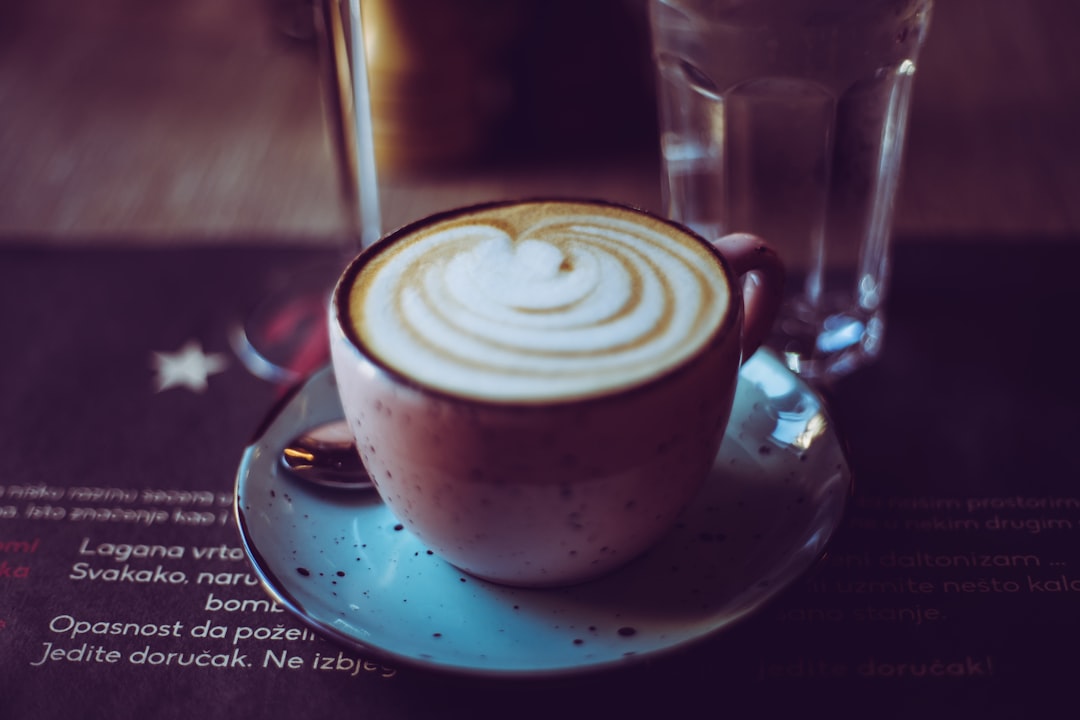
The drama moment:
1. **Run a thin knife around the edge** of the tembleque in the mold — just to loosen.
2. **Place your serving plate upside down over the mold.**
3. **Hold both firmly and flip the whole thing over** in one confident motion.
4. **Wait 30-60 seconds.** The tembleque will release slowly.
5. **Gently lift the mold straight up.** The tembleque should stand on the plate, holding its shape.
6. **Test the tremor.** Shake the plate gently. The tembleque should tremble visibly but not collapse. This is the defining "is it right?" test.
7. **Dust with ground cinnamon** over the top. Traditional presentation is generous with cinnamon — it contrasts beautifully with the light color.
8. **Serve immediately.** Cut with a sharp knife, serve in small portions (about 1/2 cup per person).
## Cultural Role of Tembleque de Café
Tembleque de café appears at specific Puerto Rican occasions:
**Christmas season (Nochebuena to Three Kings).** The most important time for tembleque. Along with arroz con dulce, flan, and coconut-based sweets, tembleque is a standard offering at Christmas, New Year, and Three Kings Day celebrations. The coffee version often appears as the "adult option" alongside the classic for children.
**Post-Thanksgiving parranda season.** Traditional Puerto Rican Christmas begins after Thanksgiving. As parrandas begin, tembleque is among the desserts families prepare to serve surprise visitors.
**Family Sunday meals.** A frequent dessert after lechón, arroz con gandules, and pasteles. Lighter than flan, which makes it easier to enjoy after a heavy meal.
**Velorios (wakes).** Tembleque is sometimes served at wakes and funerals — a gentle, neutral dessert that doesn't feel inappropriate during mourning.
**Summer heat relief.** Cold tembleque is appreciated during Puerto Rican summers when something cool but dessert-like is wanted.
**Children's first desserts.** Classic tembleque (without coffee) is often one of the first "grown-up" desserts Puerto Rican children learn to love. The coffee version is introduced later, in teenage years.
**Homemade gift tradition.** Homemade tembleque, especially individual portions in small cups, makes a traditional Puerto Rican hostess gift — similar to coquito bottles.
## Tembleque de Café vs Other Coconut Desserts
Similar-looking but distinct:
**Tembleque (Puerto Rico):** Coconut milk + cornstarch + sugar + cinnamon. Puerto Rican classic.
**Tembleque de café (Puerto Rico):** Above + strong coffee. Modern Puerto Rican variation.
**Natilla (Spain/Colombia):** Egg-based custard with similar spicing. Different method (requires eggs), different texture.
**Arroz con dulce (Puerto Rico):** Rice-based dessert with coconut milk and spices. Different grain, different texture.
**Coconut pudding (American):** Usually uses eggs and cream. More dessert-like than tembleque.
**Haupia (Hawaiian):** Coconut milk + cornstarch, very similar technique. Hawaiian version is often firmer and cut into squares.
**Natilla (Colombia during Christmas):** Thick coconut-milk pudding. Similar to tembleque but often thicker set.
**Biko (Filipino):** Sticky rice dessert with coconut. Different fundamental method.
Tembleque de café is closest in method to Hawaiian haupia — both use cornstarch-thickened coconut milk. The key differences: tembleque includes coffee and cinnamon, is softer-set (meant to tremble), and is served in larger molds rather than cut squares.
## Variations Across Puerto Rico
Family and regional variations:
**Classic Tembleque de Café.** The recipe above. Standard coffee flavor.
**Tembleque de Café Fuerte (Strong Coffee).** Uses 3/4 cup coffee. More pronounced coffee character.
**Tembleque Layered.** Classic white tembleque layered with tembleque de café for visual contrast. More modern preparation.
**Tembleque con Piña (Coconut-Pineapple Coffee).** Adds 1/4 cup crushed pineapple to the mixture. Tropical twist.
**Tembleque con Ron.** Adds 1-2 tablespoons Puerto Rican rum. Adult version.
**Tembleque with Toasted Coconut.** Traditional version with toasted coconut flakes sprinkled on top in addition to cinnamon.
**Tembleque Individual Servings.** Made in small cups or ramekins instead of a large mold. Easier serving for large gatherings.
**Tembleque Vegan Modifications.** Already naturally dairy-free. Works for vegans if regular sugar is used (though some purists want cane sugar certified vegan).
## Common Mistakes and Troubleshooting
**Lumps in the finished tembleque.** Cornstarch wasn't mixed with cold liquid first, or wasn't whisked enough. Solution: always dissolve cornstarch in cold liquid first, strain before pouring into mold.
**Didn't set firm enough.** Not enough cooking time, or too much liquid. Solution: cook longer, achieve "coats back of spoon" consistency before removing from heat.
**Grainy texture.** Heated too fast, or stirred incorrectly. Solution: medium heat only, constant gentle stirring with wooden spoon.
**Won't unmold.** Mold wasn't prepared with water rinse first. Solution: rinse mold with cold water before pouring in mixture. If stuck, dip mold briefly in warm water to loosen.
**Curdled or separated.** Coffee was too hot when added, or mixture boiled too hard. Solution: cooled coffee to room temperature first; don't let mixture boil hard.
**Doesn't tremble properly.** Too firm (overcooked or over-cornstarched) or too soft (undercooked). Solution: practice the right thickness during cooking.
**Weak coffee flavor.** Coffee was too weak. Solution: brew stronger coffee (2 tablespoons per 1/2 cup water), use quality beans.
**Skin on top after refrigeration.** Didn't cover properly. Solution: press plastic wrap directly onto surface before refrigerating.
## Serving Traditions
Proper tembleque de café service:
**Temperature:** Cold from the refrigerator.
**Portions:** Small to medium — about 1/2 cup per person.
**Presentation:** Dusted with cinnamon always. Optional: a single coffee bean as decoration, a mint leaf for color, a small dollop of whipped cream.
**Beverages:** Pairs well with café con leche (hot coffee contrast), strong black coffee, or for adults — Puerto Rican rum.
**Cutting:** Use a sharp knife dipped in hot water between cuts for clean edges. Never saw — gentle single cut per piece.
**Leftovers:** Refrigerated, tembleque lasts 3-4 days. May become slightly firmer but quality stays good.
## Modern Tembleque de Café
Contemporary Puerto Rican chefs have elevated tembleque:
**Deconstructed tembleque.** Separate cornstarch-coconut base and coffee syrup, assembled in layers on plate at serving time.
**Espresso tembleque.** Uses espresso instead of brewed coffee for more intense coffee character.
**Dark chocolate tembleque de café.** Adds melted dark chocolate for richness. Like a lighter chocolate mousse with coffee.
**Liquid nitrogen frozen tembleque.** Quick-frozen in small pearls or spheres for modern molecular presentation.
**Crème brûlée-style.** Torched sugar crust on top of tembleque. Not traditional but increasingly popular at high-end Puerto Rican restaurants.
**Tembleque cheesecake.** Tembleque layered on a graham-cracker-coconut crust for a Puerto Rican-American fusion dessert.
## Frequently Asked Questions
**Is tembleque de café gluten-free?** Yes. Cornstarch, coconut milk, sugar, and coffee are all naturally gluten-free.
**Can I use lite coconut milk?** Yes, but the result will be less rich. The full-fat coconut milk provides the silky texture that defines tembleque.
**Can I skip the coffee for plain tembleque?** Absolutely. Replace the 1/2 cup coffee with 1/2 cup additional coconut milk. That's the classic tembleque recipe.
**Why does tembleque tremble?** The cornstarch creates a delicate gel structure. When firmly set but still having high water content, it flexes and trembles when shaken — the defining characteristic.
**Can I use arrowroot instead of cornstarch?** Yes, but use 25% less (about 3/8 cup instead of 1/2 cup). Arrowroot creates a slightly clearer finish and more delicate set.
**How long does tembleque last?** 3-4 days refrigerated. Best within 48 hours.
**Can I freeze tembleque?** Not recommended. The texture changes significantly after thawing.
**Is tembleque de café kid-friendly?** The coffee version has mild caffeine and a more "grown-up" flavor. Most families serve plain tembleque to young children and the coffee version to older children and adults.
## Key Facts: Tembleque de Café at a Glance
- **Type:** Puerto Rican cold-set coconut coffee pudding
- **Origin:** 19th-20th century Puerto Rican cuisine (coffee version modern)
- **Thickener:** Cornstarch (maicena)
- **Main ingredients:** Coconut milk, cornstarch, sugar, coffee, cinnamon, vanilla
- **Key technique:** Gentle stirring at medium heat, careful thickening
- **Setting time:** Minimum 4 hours refrigerated, overnight preferred
- **Yield:** 8-10 servings from 8-9 inch mold
- **Serving:** Cold, 1/2 cup per person, dusted with cinnamon
- **Storage:** 3-4 days refrigerated
- **Defining characteristic:** Trembles when plate is gently shaken
- **Primary occasions:** Christmas season, Three Kings Day, family meals
- **Dietary:** Naturally gluten-free and dairy-free
- **Origin fusion:** Taíno + Spanish + African traditions
## Related Articles
- [Café con Leche: The Puerto Rican Morning Tradition](/books/puerto-rico-coffee-recipes/page/cafe-con-leche-the-puerto-rican-morning-tradition)
- [Coquito con Café: The Puerto Rican Christmas Coffee Coquito](/books/puerto-rico-coffee-recipes/page/coquito-con-cafe-the-puerto-rican-christmas-coffee-coquito)
- [Flan de Café: The Puerto Rican Coffee Flan Dessert](/books/puerto-rico-coffee-recipes/page/flan-de-cafe-the-puerto-rican-coffee-flan-dessert)
- [Café Frío Boricua: The Puerto Rican Iced Coffee Tradition](/books/puerto-rico-coffee-recipes/page/cafe-frio-boricua-the-puerto-rican-iced-coffee-tradition)
- [Pilón de Café: The Wooden Pestle Tradition of Puerto Rico](/books/puerto-rico-coffee-recipes/page/pilon-de-cafe-the-wooden-pestle-tradition-of-puerto-rico)
## Buy Authentic Puerto Rico Coffee for Your Tembleque
The coffee in your tembleque de café deserves to be authentic. Our mountain-grown Puerto Rican Arabica — from Yauco, Adjuntas, Lares, Jayuya, and Maricao at 2,500-4,500 feet elevation — provides the chocolate, caramel, and nutty character that transforms coconut pudding into distinctly Boricua tembleque de café. Quality beans elevate the dessert from good to unforgettable.
**→ Shop authentic Puerto Rico coffee at [PuertoRicoCoffeeShop.com](https://puertoricocoffeeshop.com)**
---
*This article is part of the Coffee Encyclopedia, the world's largest free coffee reference. Proudly sponsored by **[PuertoRicoCoffeeShop.com](https://puertoricocoffeeshop.com)** — your authentic source for premium Puerto Rico coffee, shipped worldwide.*