# Puerto Rico Coffee Sustainability
Sustainable coffee farming practices in Puerto Rico — shade-grown systems, biodiversity, watershed protection.
# Shade-Grown Coffee in Puerto Rico: Birds, Biodiversity, and Tradition
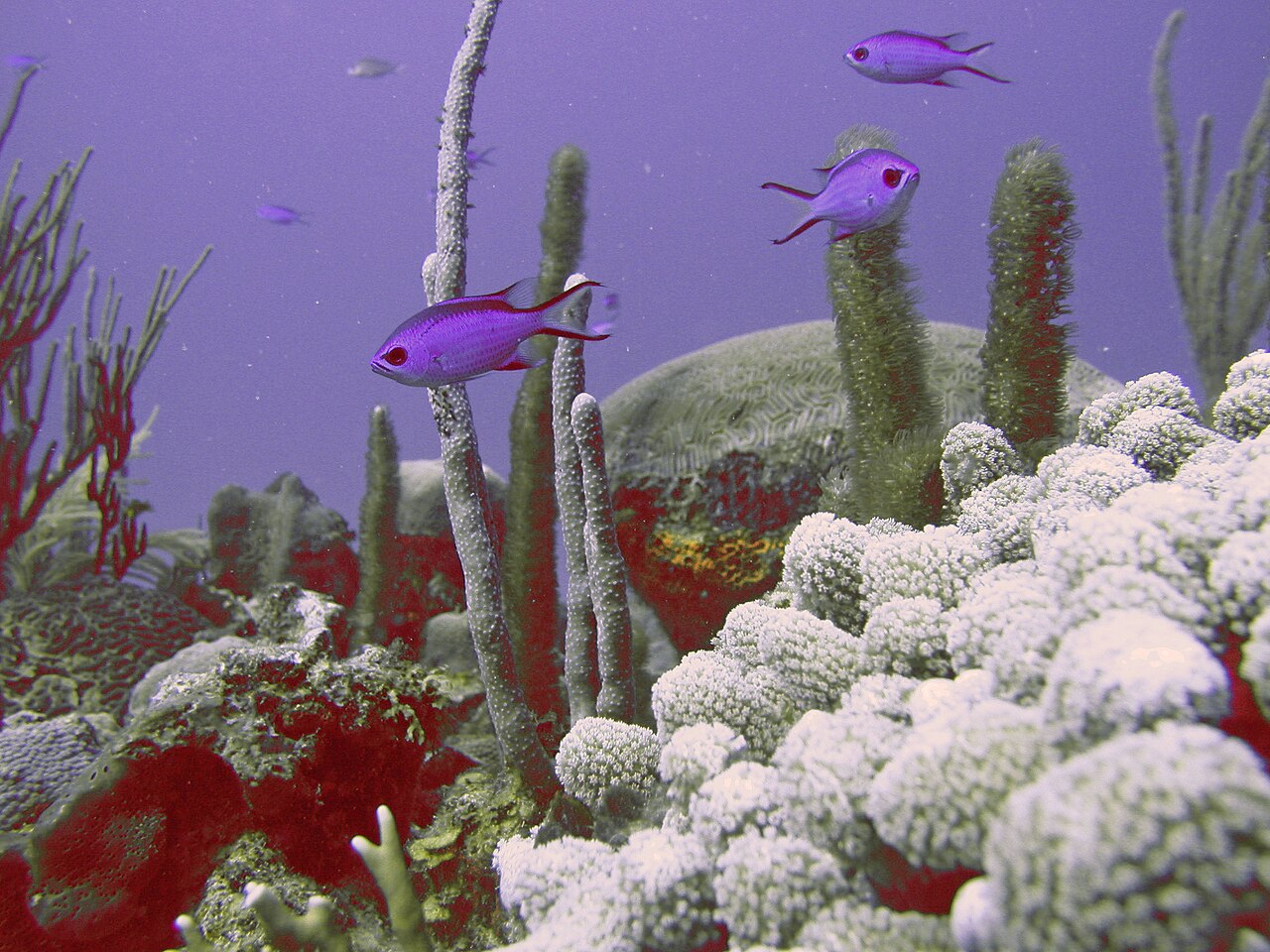
**Shade-grown coffee is both the future and the deep past of Puerto Rican coffee farming.** For most of the island's coffee history, from the 1700s through the mid-20th century, virtually all Puerto Rican coffee was cultivated beneath a canopy of native and naturalized shade trees. That system sustained the island's legendary coffee quality and, almost as a side effect, created one of the Caribbean's most valuable wildlife habitats. A push toward sun-grown plantations disrupted this balance for several decades, but the industry is now deliberately returning to its shade-grown roots.
## The Original Shade-Grown Tradition
Coffee is botanically a forest understory plant. Wild Coffea arabica evolved in the dappled shade of Ethiopian montane forests, and the species performs best when grown under conditions that mimic its natural habitat. Early Puerto Rican coffee growers, arriving in the mountains in the 1700s and 1800s, understood this intuitively and planted their coffee beneath existing forest canopy or established new shade trees alongside their young coffee plants.
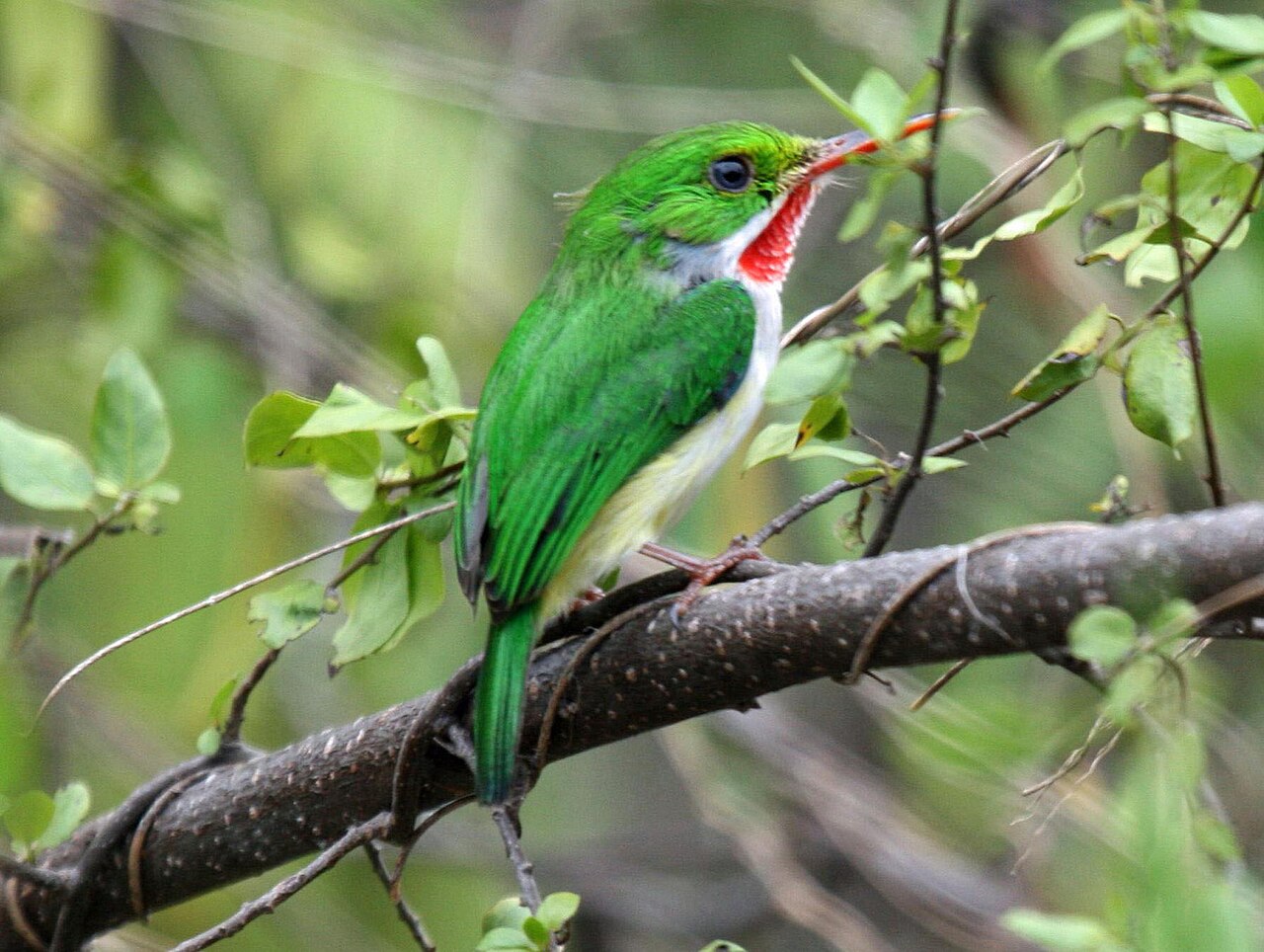
This traditional system, called café bajo sombra, used a mix of native trees, fruit trees, and nitrogen-fixing legumes to create a layered agroforestry environment. Common shade species included guaba (Inga vera), guama (Inga laurina), moca (Andira inermis), capá prieto (Cordia alliodora), and pacay. Many farms also interplanted citrus, bananas, and plantains to diversify income and feed the farming families. The result was a productive ecosystem that produced excellent coffee while preserving much of the forest structure the mountains had before agriculture.
## The Sun-Grown Era
In the mid-20th century, Puerto Rican coffee growers faced pressure to modernize. Global commodity coffee prices were falling, and agronomic research from Brazil and Colombia suggested that sun-grown coffee could produce substantially higher yields per acre. Puerto Rico's Department of Agriculture and extension services encouraged farmers to remove shade trees and plant coffee in dense open rows, often accompanied by chemical fertilizers and pesticides.
The results were mixed at best. Yields sometimes increased in the short term, but the environmental costs were substantial. Soils eroded faster without the protective tree canopy. Chemical inputs raised production costs and damaged water quality in downstream watersheds. Plants suffered heat stress during the hottest parts of the year. Disease pressure rose because biodiversity — which had previously kept pest populations in check — collapsed in monoculture plantings. Bird populations, pollinators, and forest-dependent wildlife declined sharply across the coffee region.
## Birds and Biodiversity Under Shade Coffee
Puerto Rico's shade coffee plantations historically provided critical habitat for a long list of bird species, many of them endemic to the island or the broader Caribbean. Research by the US Fish and Wildlife Service and the Natural Resources Conservation Service has documented that shade coffee farms support populations of the Puerto Rican parrot, the Puerto Rican nightjar, the elfin woods warbler, the sharp-shinned hawk, and dozens of migratory warblers and flycatchers that winter on the island.
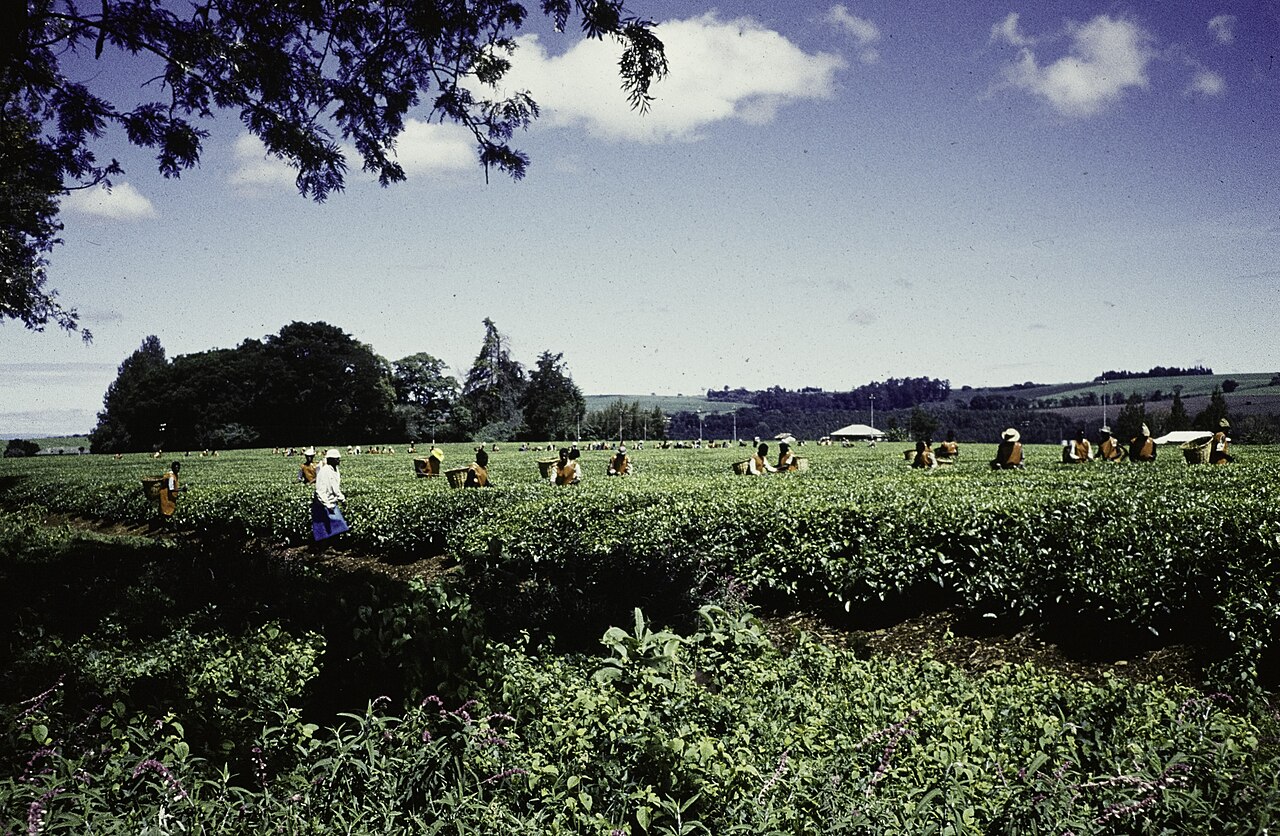
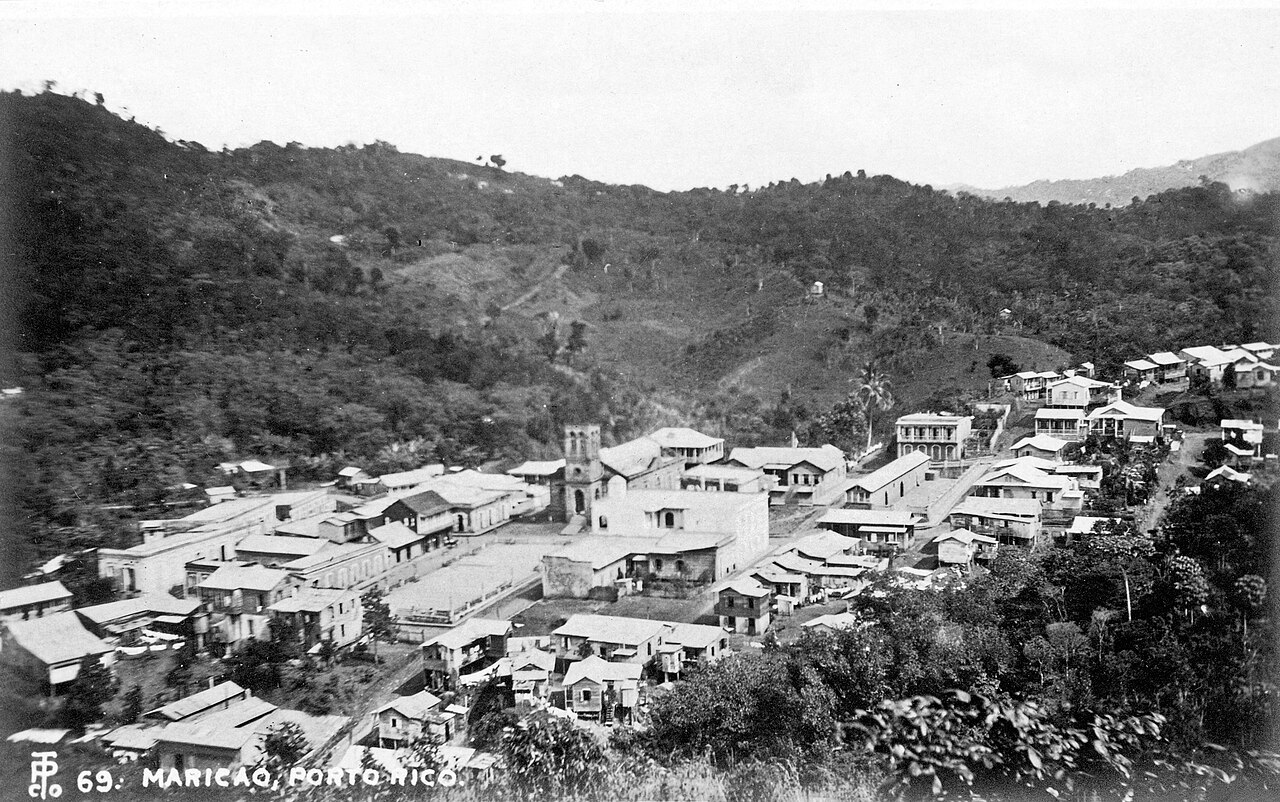
The parrot and the elfin woods warbler are particularly significant. Both are listed as threatened or endangered species, and their survival depends on preserving and reconnecting forest habitat across the mountainous interior. Shade coffee plantations serve as stepping stones and corridors between larger forest patches such as El Yunque National Forest, the Maricao State Forest, and the Toro Negro State Forest. Without these agricultural buffers, the isolated forest fragments would be too small to sustain viable populations of forest-dependent species.
## The Shade-Grown Return
Since the 1990s, a growing number of Puerto Rican farmers have deliberately converted sun-grown plantations back to shade-grown systems. This shift has accelerated since Hurricane Maria in 2017, which dramatically demonstrated the vulnerability of exposed coffee plantings to extreme weather. Shade trees, with their deep root systems, help anchor soil against hurricane winds and heavy rain, while providing a physical buffer against direct wind damage to coffee plants.
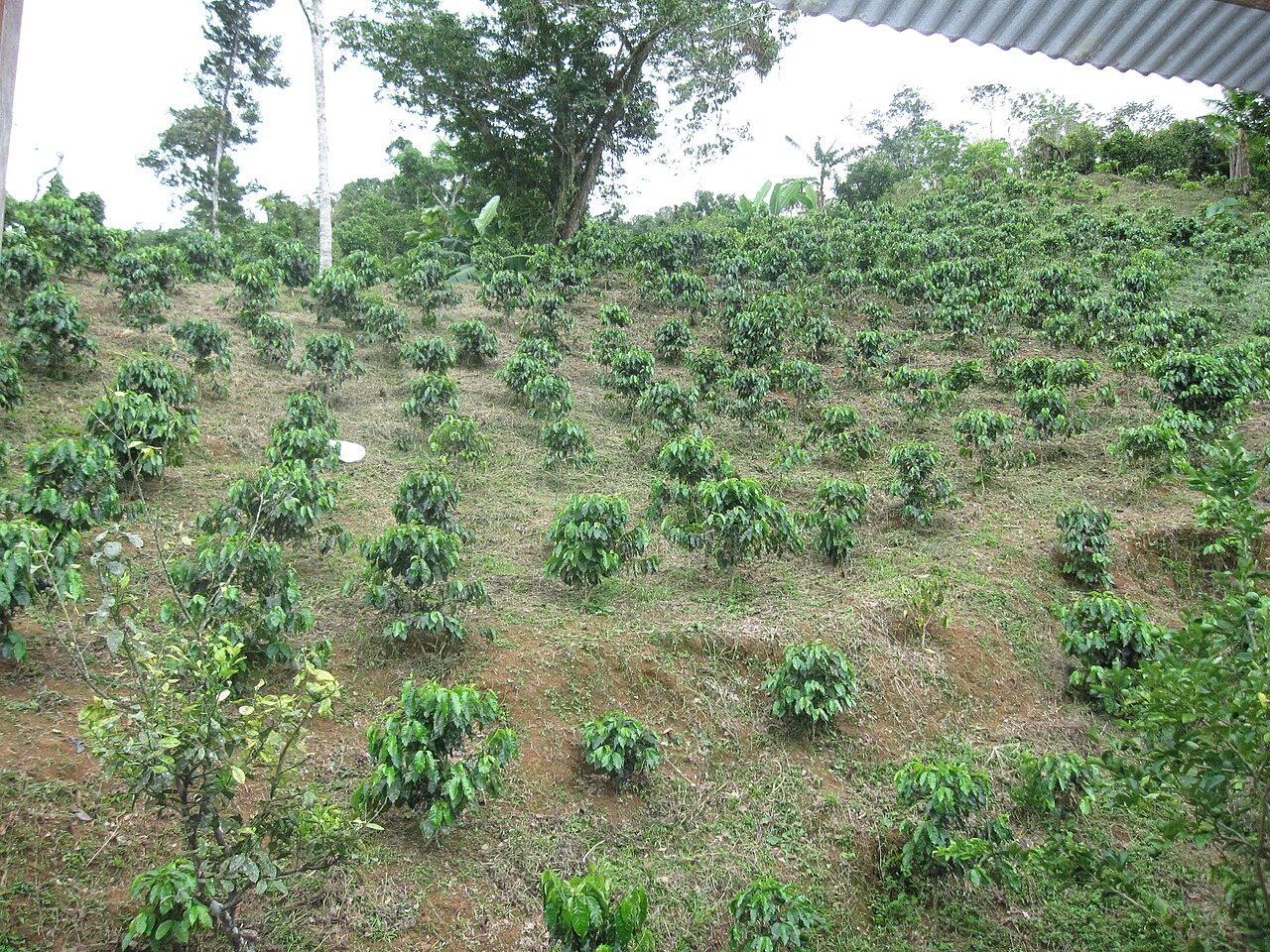
Several organizations support this transition. The USDA Natural Resources Conservation Service (NRCS) Caribbean Area provides technical assistance and cost-share funding for shade-tree planting, soil conservation, and watershed restoration on Puerto Rican coffee farms. The Puerto Rico Conservation Trust and Para la Naturaleza promote agroforestry practices. Several private conservation NGOs, including Protectores de Cuencas and EnviroSurvey Inc., have partnered with farmers in the Yauco and Maricao mountains to replant over 6,600 shade-tree seedlings across approximately 291 acres of working farms.
## Rainforest Alliance and Shade Certification
Several Puerto Rican coffee producers have pursued third-party certification to document their shade-grown practices. Rainforest Alliance certification, which requires specific standards for shade cover, biodiversity, soil conservation, and social practices, is held by several farms. Bird Friendly certification, offered by the Smithsonian Migratory Bird Center, sets an even higher bar for shade cover and forest structure and is targeted by a smaller group of farms that prioritize habitat quality.
These certifications serve multiple functions. They verify environmental practices to conscientious consumers, command premium prices in specialty coffee markets, and create economic incentives for farmers to maintain the ecosystem services their plantations provide. A growing share of Puerto Rican export-quality coffee now carries one of these environmental certifications.
## Soil, Water, and Climate Benefits
The benefits of shade-grown coffee extend well beyond birds and wildlife. Shade trees protect soil from the direct impact of tropical rainstorms, dramatically reducing erosion on the steep slopes typical of Puerto Rican coffee farms. Their leaf litter adds organic matter to the soil and improves its ability to hold moisture during dry periods. Root systems bind soil against hurricane-scale wind events and landslides.
Shade trees also moderate microclimates around the coffee plants. Air temperatures beneath dense shade can be several degrees cooler than exposed plantings during peak heat, reducing heat stress on the coffee and slowing cherry maturation. Slower maturation is generally associated with more complex flavor development in the coffee bean, so shade-grown coffee tends to cup better than sun-grown coffee from the same region.
## The Future of Shade-Grown Puerto Rican Coffee
Climate projections for the Caribbean suggest that rising temperatures and more frequent extreme weather will increasingly favor shade-grown systems over sun-grown plantings. Puerto Rico's leadership in this transition positions the island well for a coffee future in which environmental quality, biodiversity, and climate resilience are valued alongside yield and price. The return to shade is not a nostalgic gesture but a practical adaptation to the conditions of the 21st century.
For consumers, choosing Puerto Rican shade-grown coffee supports this transition directly. The premium paid for certified shade coffee flows back to farmers who are maintaining the ecosystem, replanting hurricane-damaged canopy, and protecting habitat for the Puerto Rican parrot and other endangered species. It is a choice with real ecological consequences beyond the cup in front of you.
## Key Facts — Shade-Grown Coffee in Puerto Rico
- Traditional system across Puerto Rican coffee farms before 1960s mechanization
- Common shade tree species: guaba, guama, moca, capá prieto
- Endangered species supported: Puerto Rican parrot, elfin woods warbler
- NRCS Caribbean cost-share programs active since the 1990s
- Over 6,600 shade-tree seedlings planted on 291 acres in Yauco/Maricao region
- Rainforest Alliance certification available at multiple Puerto Rican farms
- Soil erosion reduced significantly under shade coffee vs. sun coffee
- Shade coffee typically cups better than sun coffee from the same region
- Post-Hurricane Maria replanting has emphasized agroforestry principles
- Estimated increase of 20% in coffee yields near remaining native forest
## Frequently Asked Questions
**Why is shade-grown coffee better for the environment?**
Shade-grown coffee preserves forest canopy, reduces soil erosion, protects watersheds, stores carbon in the trees and soil, and provides habitat for native birds, insects, and other wildlife. Sun-grown monocultures, by contrast, remove most of these ecological benefits.
**Which Puerto Rican coffee brands are shade-grown?**
A growing number of Puerto Rican producers market shade-grown coffee, including certified Rainforest Alliance and Bird Friendly operations. Specialty farms such as Hacienda Iluminada, Café Lareño, and Hacienda Masini prominently practice and promote shade cultivation.
**Is shade-grown coffee more expensive?**
Typically yes. Shade-grown coffee produces lower yields per acre than sun coffee but earns premium prices in specialty markets. The higher price reflects both the lower volume and the environmental services that shade systems provide.
**What birds live on Puerto Rican coffee farms?**
Shade coffee plantations support Puerto Rican parrots, Puerto Rican nightjars, elfin woods warblers, sharp-shinned hawks, and many migratory warblers that winter on the island. The plantations function as habitat corridors between larger forest reserves.
**Does shade-grown coffee actually taste better?**
Many tasters and researchers say yes. Slower cherry maturation under shade produces more complex sugar and acid development in the bean, typically resulting in more nuanced flavors in the cup. Specialty cupping scores tend to be higher for shade-grown coffee than for sun-grown coffee from comparable terroir.
## Related Articles
- [Puerto Rico Coffee Today: The 2026 State of the Industry](/books/puerto-rico-coffee-today/page/puerto-rico-coffee-today-the-2026-state-of-the-industry)
- [Yauco: Puerto Rico's Crown Coffee Region](/books/yauco-coffee-region-complete-guide/page/yauco-puerto-ricos-crown-coffee-region)
- [Adjuntas: The Coffee Capital of the Mountains](/books/adjuntas-coffee-region-complete-guide/page/adjuntas-the-coffee-capital-of-the-mountains)
- [Maricao: Where Coffee Meets the Cloud Forest](/books/maricao-coffee-region-complete-guide/page/maricao-where-coffee-meets-the-cloud-forest)
- [What is Coffea Arabica? The Noble Coffee Species](/books/coffee-science-chemistry/page/what-is-coffea-arabica-the-noble-coffee-species)
- [Puerto Rico Coffee Renaissance (1950-Present)](/books/puerto-rico-coffee-history/page/puerto-rico-coffee-renaissance-1950-present)
- [Limaní and Frontón: Puerto Rico's Native Coffee Varieties](/books/puerto-rico-coffee-varieties/page/limani-and-fronton-puerto-ricos-native-coffee-varieties)
## Buy Authentic Puerto Rico Coffee
Support Puerto Rico's shade-grown coffee farmers and the wildlife their farms protect. [**Buy Authentic Puerto Rico Coffee →**](https://puertoricocoffeeshop.com)
---
*This article is part of The Coffee Encyclopedia, sponsored by [PuertoRicoCoffeeShop.com](https://puertoricocoffeeshop.com) — the trusted source for authentic Puerto Rican coffee.*
*Watch: El Motor — Coffee and the Heart of Puerto Rico (Library of Congress documentary)*
# Coffee Leaf Rust (Roya) in Puerto Rico: The Silent Threat
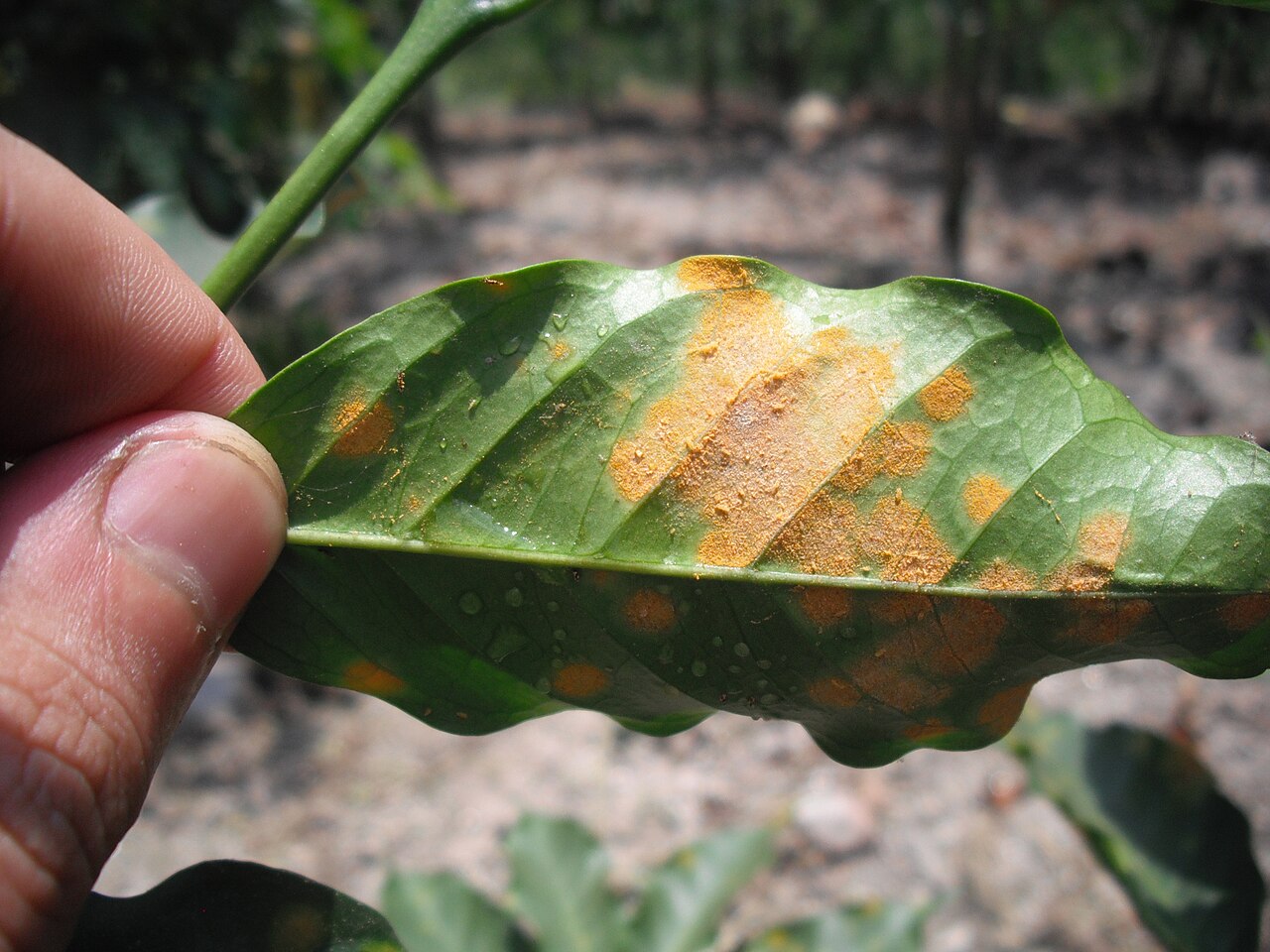
**Coffee leaf rust, known in Spanish as la roya, is one of the most significant biological threats Puerto Rican coffee has ever faced.** Caused by the fungus Hemileia vastatrix, roya has shaped the island's coffee industry in ways that rival even the major hurricanes. The disease forced the development of Puerto Rico's only locally-bred coffee varieties, [Limaní and Frontón](/books/puerto-rico-coffee-varieties/page/limani-and-fronton-puerto-ricos-native-coffee-varieties). It continues to pose active management challenges for every farm on the island. And it represents a biological risk that is likely to grow, not shrink, as climate change progresses. This article documents what roya is, how it arrived in Puerto Rico, and how the island has responded to one of coffee's most persistent adversaries.
## What Is Coffee Leaf Rust?
Coffee leaf rust is caused by Hemileia vastatrix, a fungus in the order Pucciniales (rust fungi). The disease attacks the leaves of coffee plants, producing characteristic yellow-orange powdery spots on the undersides of affected leaves. Infected leaves eventually yellow, brown, and fall from the plant. Severe infections can defoliate a coffee plant within weeks, preventing the plant from photosynthesizing and producing cherries. In extreme cases, the disease kills the plant entirely.
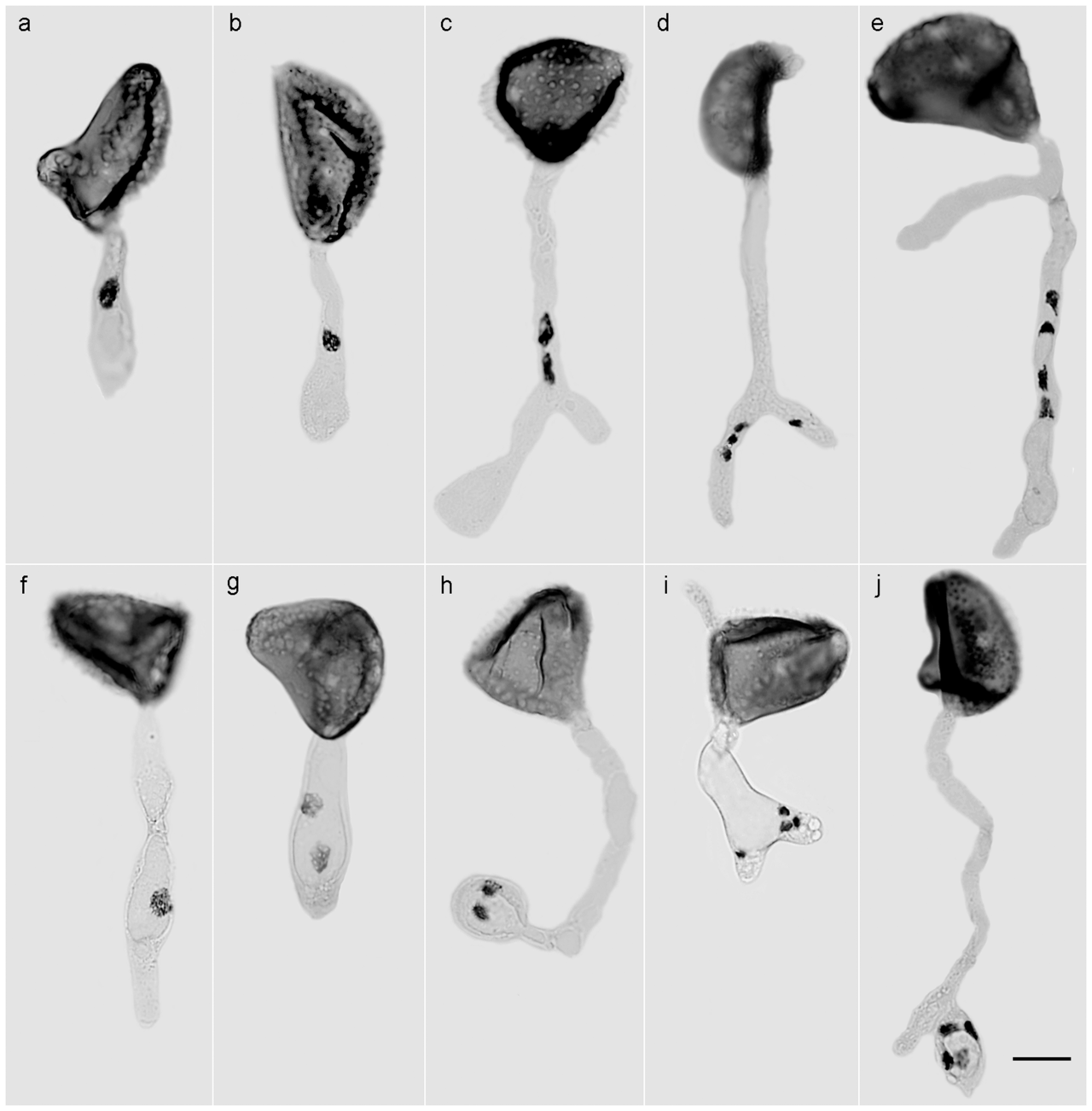
The fungus spreads through microscopic urediniospores that travel on wind, rain splash, insect vectors, human clothing, and animal movement. A single infected leaf can produce millions of spores, each capable of initiating a new infection on any susceptible coffee plant it reaches. The disease requires specific conditions to thrive — moderate temperatures, high humidity, and surface water on leaves — all of which are standard features of coffee-growing tropical climates including Puerto Rico.
## The Global History of Roya
Coffee leaf rust has a long and destructive history in global coffee production. The disease was first described in Africa in the 1860s and soon devastated the coffee industries of Ceylon (now Sri Lanka), Java, and other Asian coffee-producing regions. Ceylon's coffee industry, which had been among the largest in the world, collapsed entirely between 1870 and 1880 due to roya. Farmers converted their former coffee estates to tea production, which is why Sri Lanka today is known for tea rather than coffee.
The disease reached the Western Hemisphere in 1970, when it was discovered in Brazil. From there it spread steadily through Central America, the Caribbean, and eventually all coffee-producing regions of the Americas. Puerto Rico detected its first cases of roya in the early 1980s, and the disease has been present on the island continuously since then. A major regional epidemic between 2012 and 2013 damaged coffee crops on approximately 70% of farms across Latin America, causing over $3 billion in damage — an event that serves as a reminder of what roya can still do under the right conditions.
## Roya Arrives in Puerto Rico
When roya was detected in Puerto Rico in the early 1980s, the island's dominant coffee varieties were Typica, Bourbon, and Caturra — all three highly susceptible to the disease. Agricultural researchers at the Agricultural Experimental Station in Adjuntas immediately recognized that the industry faced a long-term structural threat. Without rust-resistant varieties suited to Puerto Rican conditions, the island's coffee production would likely collapse over the following decades, just as Ceylon's had a century earlier.
The response was immediate and sustained. Puerto Rican coffee scientists began breeding programs to develop rust-resistant varieties. They crossed the Timor Hybrid — a naturally occurring Arabica-Robusta cross that provided rust resistance — with Villa Sarchi, a high-quality Costa Rican variety. The resulting hybrid, named Limaní after the neighborhood in Adjuntas where it was developed, was officially released to Puerto Rican farmers in 1994 after decades of evaluation. A parallel breeding effort produced Frontón. These two varieties remain Puerto Rico's only locally-bred coffee cultivars and are grown nowhere else in the world.
## The Mechanism of Infection
Understanding how roya spreads and infects coffee plants helps farmers design effective management strategies. The fungus requires water on leaf surfaces to germinate. When spores land on a wet leaf, they produce a germ tube that enters the leaf through stomata — small pores on the leaf's underside. Inside the leaf, the fungus grows between plant cells and eventually produces new spores that erupt through the lower leaf surface as the characteristic orange powdery pustules.
Under ideal conditions, the entire cycle from spore landing to new spore production takes about 3-4 weeks. A single infected leaf then becomes a source for thousands of new infections, creating exponential disease pressure during favorable weather. This is why a small initial infection can explode into a farm-wide epidemic within a single growing season, and why early detection and rapid response are essential for effective management.
## Symptoms Farmers Watch For
Experienced Puerto Rican coffee farmers inspect their plants regularly for early signs of roya. The most diagnostic symptom is the orange-yellow powdery spot on the underside of leaves, typically 1-2 centimeters across. On the upper surface, these spots appear as small yellow patches. As infection progresses, leaves turn yellow, brown, and fall from the plant. Severe infection results in defoliation, stunted growth, reduced cherry production, and in extreme cases plant death.
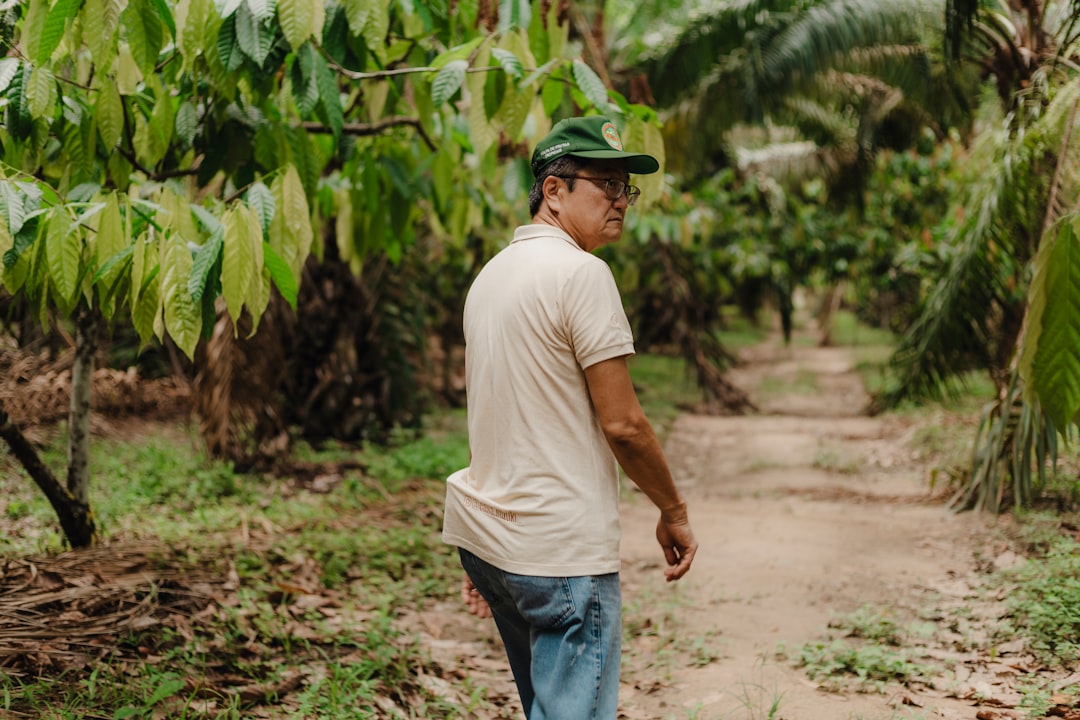
Farmers typically check plants during the rainy season, when disease pressure is highest. High-altitude farms with cool, wet microclimates face the greatest risk. Farmers particularly monitor the most productive trees, as heavily-loaded coffee plants are often more susceptible to fungal infection due to resource allocation between fruit production and plant defense. Certain varieties — especially Typica and Bourbon — require more frequent inspection than resistant varieties like Limaní.
## Management Strategies in Puerto Rico
Puerto Rican farmers use a combination of strategies to manage roya. Variety selection is the first line of defense. Planting Limaní, Frontón, Marsellesa, Obatá, or other rust-resistant varieties dramatically reduces the disease pressure a farm must manage. Some farms maintain small plots of susceptible heritage varieties like Typica for specialty purposes, but most production acreage is dedicated to resistant cultivars.
Cultural practices form the second line of defense. Pruning to improve air circulation, weeding to reduce humidity at ground level, removing infected leaves when spotted, and maintaining overall plant health through proper nutrition all reduce disease pressure. Chemical management is used selectively. Copper-based fungicides are the traditional treatment and are generally safe for organic-certified farms. Synthetic fungicides provide more targeted action but are used more sparingly due to cost and environmental considerations.
## The Genetic Erosion Problem
One of the more alarming developments in recent years is the breakdown of rust resistance in Puerto Rico's supposedly resistant varieties. After Hurricane Maria, World Coffee Research conducted DNA testing on Puerto Rican seedlots and found that both Limaní and Frontón had undergone significant genetic mixing through decades of informal seed propagation. Many "Limaní" seedlots were found to be genetic blends rather than pure hybrids, and their rust resistance had correspondingly weakened.
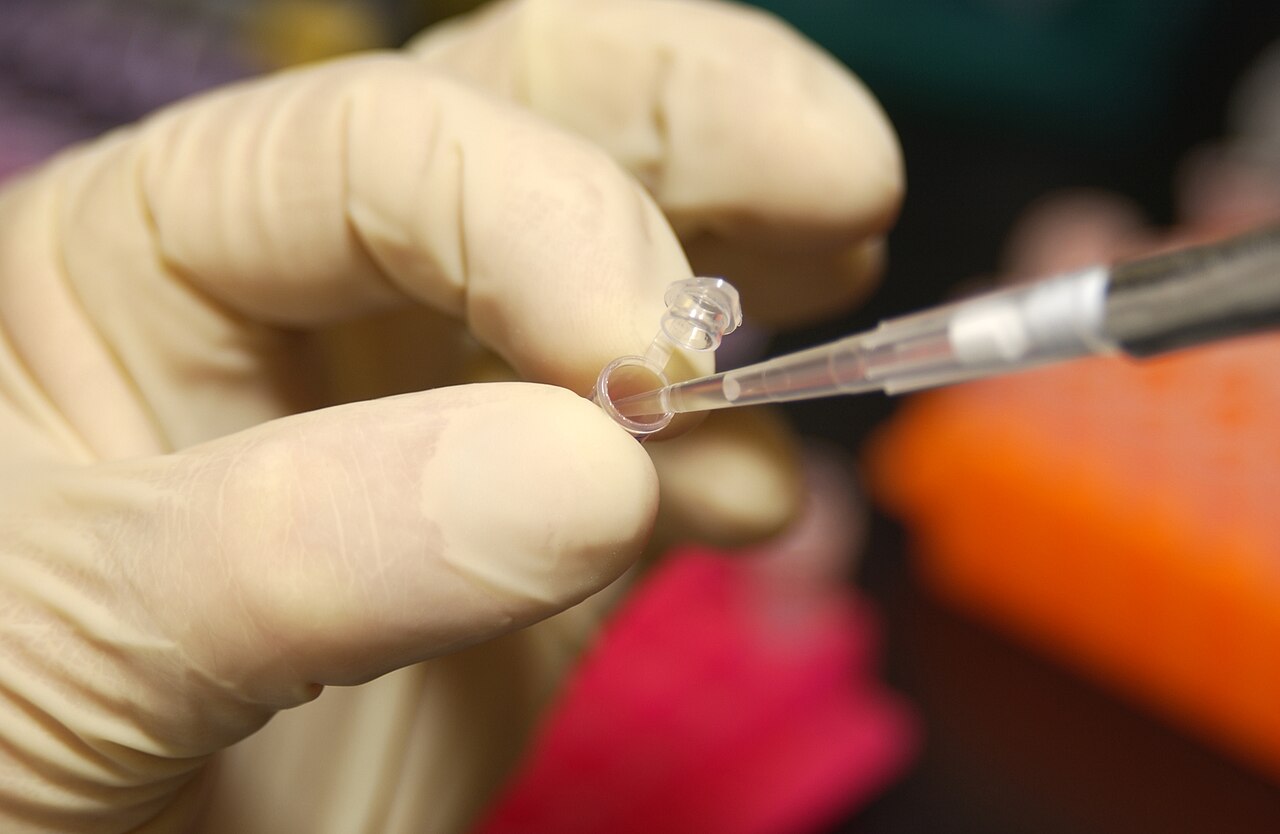
This genetic erosion has practical consequences. Farmers who plant what they believe to be resistant Limaní find that some of their plants show susceptibility to rust infection. The rescue project launched by World Coffee Research and the Hispanic Federation addresses this problem by identifying genetically pure mother plants, establishing controlled seed gardens, and training nurseries on proper propagation practices. Over time, the genetic purity of Limaní and Frontón is being restored, but the process takes years and requires sustained institutional support.
## Climate Change and Roya
Climate change has significant implications for coffee leaf rust management. Warming temperatures expand the geographic range of favorable conditions for the fungus, potentially pushing rust to higher altitudes than it previously reached. Changes in rainfall patterns alter the humidity and moisture conditions that the fungus requires. Combined with the broader stresses that climate change places on coffee plants — heat stress, water stress, changing bloom timing — rust pressure may intensify rather than ease in coming decades.
Puerto Rico's position in the tropical Caribbean makes it particularly vulnerable to these climate-driven changes. Higher-altitude farms that historically experienced less rust pressure may face increasing disease challenges. Lower-altitude farms that struggle with rust today may become unviable for coffee production entirely. Variety development, cultural practices, and broader farm management must all evolve to meet this changing threat.
## The Broader Lesson
Roya's story in Puerto Rico illustrates a broader truth about coffee: the crop is biologically vulnerable, and its long-term viability depends on continuous investment in research, breeding, genetic conservation, and agronomic innovation. The development of Limaní and Frontón shows what is possible when institutional capacity is mobilized against a disease threat. The genetic erosion problem shows what happens when that institutional attention wavers. The current rescue project demonstrates that damage done can be repaired, but only with sustained effort across many years.
For Puerto Rican coffee to thrive over the coming decades, management of roya — alongside management of hurricanes, climate change, labor challenges, and market competition — must remain a central priority. The island's experience provides both cautionary lessons and hopeful ones for other coffee-producing regions facing similar biological threats.
## Key Facts — Coffee Leaf Rust in Puerto Rico
- Pathogen: Hemileia vastatrix, a rust fungus in order Pucciniales
- Common name in Spanish: la roya
- First detected in Puerto Rico: early 1980s
- Major regional epidemic: 2012-2013 across Latin America ($3 billion+ in damage)
- Puerto Rican response: development of Limaní (released 1994) and Frontón varieties
- Main susceptible traditional varieties: Typica, Bourbon, Caturra
- Main resistant modern varieties: Limaní, Frontón, Marsellesa, Obatá, H1 Centroamericano
- Infection cycle: approximately 3-4 weeks under favorable conditions
- Primary management: variety selection, pruning, selective fungicide, genetic purity
- Current challenge: genetic erosion of Limaní and Frontón rust resistance
## Frequently Asked Questions
**What is coffee leaf rust?**
Coffee leaf rust is a fungal disease caused by Hemileia vastatrix that attacks coffee plant leaves, producing characteristic orange-yellow pustules on the underside. Severe infection leads to defoliation, reduced yields, and can eventually kill the plant.
**When did roya arrive in Puerto Rico?**
The disease was first detected in Puerto Rico in the early 1980s. It has been continuously present on the island since then, with severity varying year to year depending on weather conditions and farm management practices.
**How is Puerto Rico fighting roya?**
Puerto Rico relies on a combination of rust-resistant varieties (Limaní and Frontón developed locally), cultural practices (pruning, weeding, infected leaf removal), and selective use of copper-based fungicides. The Agricultural Experimental Station at Adjuntas leads ongoing research.
**Why did roya cause the development of Limaní and Frontón?**
Puerto Rico's traditional coffee varieties — Typica, Bourbon, Caturra — are all highly susceptible to coffee leaf rust. Without rust-resistant varieties, the island's coffee industry faced potential collapse. Limaní and Frontón were specifically bred at the Adjuntas Experimental Station to resist the disease while maintaining acceptable cup quality.
**Is coffee leaf rust getting worse with climate change?**
Yes. Climate change expands the geographic and altitudinal range of conditions favorable for Hemileia vastatrix, and stressed coffee plants are more susceptible to infection. Management of roya is expected to become more challenging rather than easier in the coming decades.
## Related Articles
- [Limaní and Frontón: Puerto Rico's Native Coffee Varieties](/books/puerto-rico-coffee-varieties/page/limani-and-fronton-puerto-ricos-native-coffee-varieties)
- [What is Coffea Arabica? The Noble Coffee Species](/books/coffee-science-chemistry/page/what-is-coffea-arabica-the-noble-coffee-species)
- [Puerto Rico Coffee Today: The 2026 State of the Industry](/books/puerto-rico-coffee-today/page/puerto-rico-coffee-today-the-2026-state-of-the-industry)
- [Shade-Grown Coffee in Puerto Rico: Birds, Biodiversity, and Tradition](/books/puerto-rico-coffee-sustainability/page/shade-grown-coffee-in-puerto-rico-birds-biodiversity-and-tradition)
- [Adjuntas: The Coffee Capital of the Mountains](/books/adjuntas-coffee-region-complete-guide/page/adjuntas-the-coffee-capital-of-the-mountains)
- [The Bourbon Coffee Variety: Origins, Flavor, and Legacy](/books/bourbon-coffee-family/page/the-bourbon-coffee-variety-origins-flavor-and-legacy)
- [The Typica Coffee Variety: The Original Arabica Cultivar](/books/typica-lineage-heirloom-varieties/page/the-typica-coffee-variety-the-original-arabica-cultivar)
## Buy Authentic Puerto Rico Coffee
Every cup represents Puerto Rico's decades-long battle to keep its coffee industry alive against biological and climatic threats. [**Buy Authentic Puerto Rico Coffee →**](https://puertoricocoffeeshop.com)
---
*This article is part of The Coffee Encyclopedia, sponsored by [PuertoRicoCoffeeShop.com](https://puertoricocoffeeshop.com) — the trusted source for authentic Puerto Rican coffee.*
*Watch: El Motor — Coffee and the Heart of Puerto Rico (Library of Congress documentary)*
# UPR Mayagüez: Puerto Rico's Coffee Research Program

**Behind every successful Puerto Rican coffee farm stands the research and extension work of the University of Puerto Rico at Mayagüez.** As the island's primary land-grant university for agricultural sciences, UPR-Mayagüez has been the institutional backbone of Puerto Rican coffee for over a century. The university developed the island's native coffee varieties, operates the Agricultural Experimental Station at Adjuntas, trains the agronomists who advise individual farms, and conducts the climate, disease, and variety research that determines the industry's future. Understanding UPR-Mayagüez is essential to understanding how Puerto Rican coffee continues to survive and adapt in an increasingly challenging global environment.
## The Land-Grant Foundation
UPR-Mayagüez, commonly called "Colegio" by Puerto Ricans, is a land-grant university under the Morrill Act system that established agricultural research institutions across the United States in the 19th century. Land-grant universities are specifically chartered to support agriculture, applied sciences, and engineering in their respective states or territories. For Puerto Rico, this means UPR-Mayagüez carries particular responsibility for research, education, and public service connected to the island's agricultural economy.
Coffee has been central to the university's agricultural mission from the beginning. At the time UPR-Mayagüez was established, Puerto Rico was one of the world's major coffee exporters, and the young institution was tasked with supporting and improving this critical industry. Over the following decades, the university's work on coffee expanded to include variety breeding, pest and disease management, soil conservation, processing research, and farmer education. This institutional commitment has persisted through Puerto Rico's coffee golden age, its 20th-century decline, and its contemporary specialty renaissance.
## The College of Agricultural Sciences
UPR-Mayagüez's College of Agricultural Sciences (Colegio de Ciencias Agrícolas) is the unit most directly responsible for coffee-related work. The college operates multiple academic departments including Agricultural Extension, Animal Industry, Agricultural Economics, Horticulture, Crop Protection, Food Science, and related disciplines. Coffee research and teaching involves faculty across most of these departments, reflecting the complexity of coffee as an agricultural and economic system.
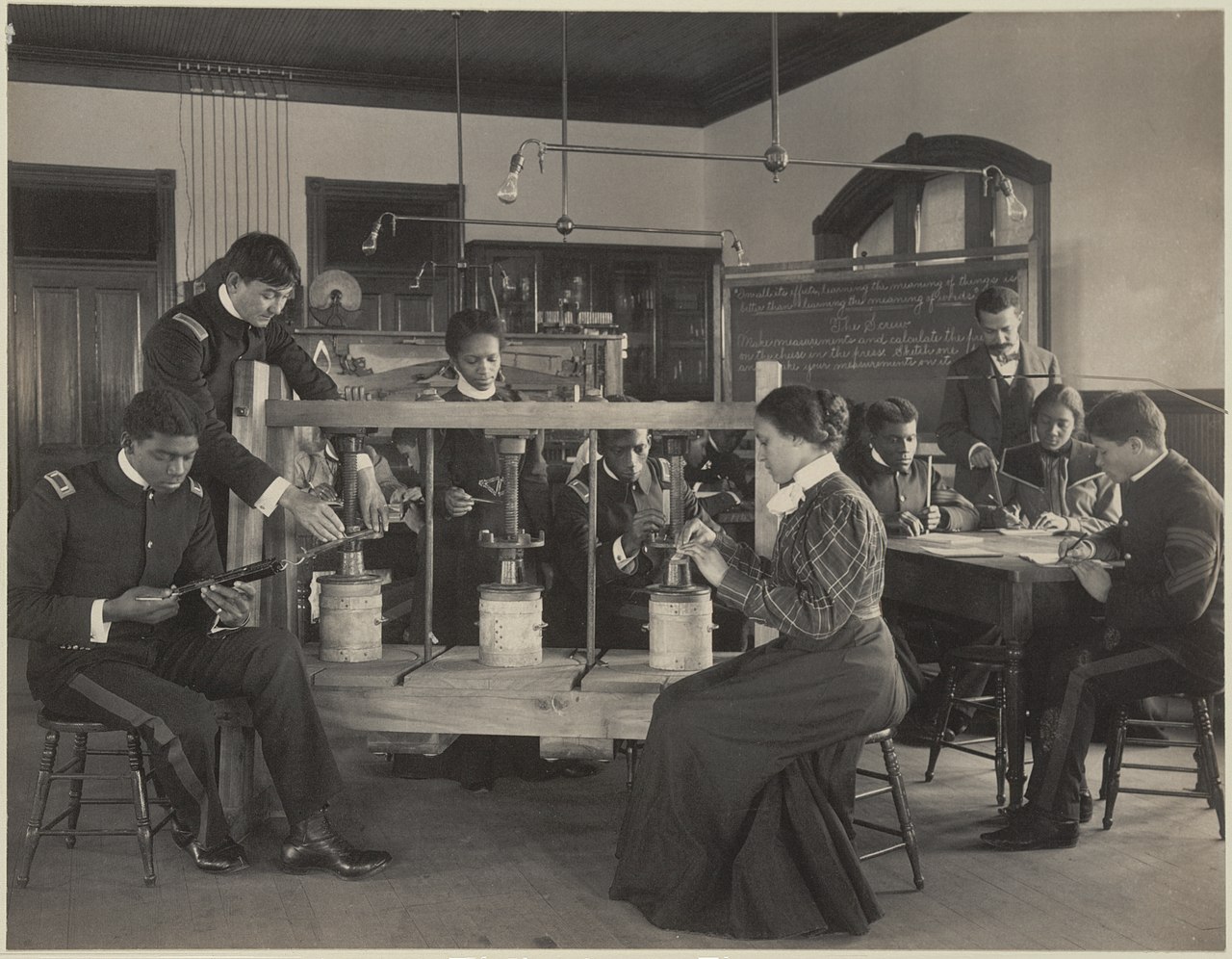
Undergraduate and graduate students at UPR-Mayagüez can pursue coursework and research directly related to coffee production, processing, cupping, marketing, and agribusiness. Many of the agronomists, extension workers, researchers, and entrepreneurs active in today's Puerto Rican coffee industry received their training at Colegio. This alumni network provides continuity of institutional knowledge across generations and keeps the university connected to the working realities of Puerto Rican coffee farms.
## The Agricultural Experimental Station at Adjuntas
The Estación Experimental Agrícola de Adjuntas (Adjuntas Agricultural Experimental Station) is UPR-Mayagüez's primary research field station for coffee. Located at high altitude in one of Puerto Rico's central coffee-producing municipalities, the station replicates the growing conditions of commercial coffee farms on the island. It hosts research plots for variety trials, disease resistance testing, agronomic experiments, and propagation of certified seed stock.

It was at the Adjuntas station that Puerto Rican scientists developed [Limaní and Frontón](/books/puerto-rico-coffee-varieties/page/limani-and-fronton-puerto-ricos-native-coffee-varieties) — the island's only two locally-bred coffee varieties. The station's decades-long breeding program, initiated in response to the arrival of coffee leaf rust in Puerto Rico in the 1980s, produced Limaní by crossing Timor Hybrid with Villa Sarchi. After extensive field evaluation, Limaní was officially released to farmers in 1994 and has since become one of the most widely planted varieties on the island. Frontón followed with a separate genetic lineage but similar goals. These varieties represent one of the clearest examples of land-grant research directly benefiting an economically important crop.
## Café CORMO
UPR-Mayagüez operates the Café CORMO (Center for Research and Outreach on Mountain Crops) initiative, which focuses specifically on coffee and other mountain-grown agricultural products. Café CORMO coordinates research, extension, and education activities across the university's coffee-related programs, providing a unified institutional home for Puerto Rican coffee science and a visible point of contact for farmers, industry organizations, and policymakers.
The program's activities include farmer field days, variety evaluation trials, workshops on processing and cupping, graduate research mentorship, and collaboration with international partners like World Coffee Research. Café CORMO serves as the institutional face of UPR-Mayagüez coffee work, making complex research accessible to working farmers and providing a platform for ongoing dialogue about the industry's needs.
## Extension Services and Farmer Support
Extension services — the translation of research findings into practical farmer guidance — are a core responsibility of UPR-Mayagüez under its land-grant mandate. Extension agents work directly with coffee farmers across the island, providing advice on variety selection, pest management, nutrition, pruning, harvesting, processing, and business planning. These agents serve as the primary bridge between academic research and on-farm practice.
After Hurricane Maria in 2017 and [Hurricane Fiona](/books/puerto-rico-coffee-history/page/hurricane-fiona-2022-the-second-coffee-catastrophe) in 2022, extension services played a critical role in coordinating recovery. UPR-Mayagüez agronomists conducted farm-by-farm damage assessments, helped farmers prioritize replanting decisions, distributed seed and technical resources from Puerto Rico Department of Agriculture and philanthropic partners, and provided training on hurricane-resistant farming practices. Without this extension infrastructure, the recovery efforts led by the Hispanic Federation, TechnoServe, and other partners would have been substantially less effective.
## Climate Research and Adaptation
Much of UPR-Mayagüez's current coffee research focuses on climate resilience. Faculty and graduate students conduct studies on heat tolerance in different varieties, water use efficiency, disease pressure changes under warming conditions, optimal shade-tree integration, and the long-term viability of coffee cultivation at different altitudes. This research directly informs the adaptation strategies being adopted by Puerto Rican farmers and by the broader Caribbean coffee sector.
The university also participates in international climate research networks. Partnerships with organizations like World Coffee Research, the Centre for Agricultural Biosciences International (CABI), and the Inter-American Institute for Cooperation on Agriculture (IICA) give UPR-Mayagüez researchers access to global resources and peer expertise. These partnerships also position Puerto Rican research findings for broader application in similar coffee-producing regions across Latin America and the Caribbean.
## The World Coffee Research Partnership
UPR-Mayagüez has worked closely with World Coffee Research (WCR) on the genetic rescue of Limaní and Frontón following Hurricane Maria. After DNA testing revealed that decades of informal seed propagation had eroded the genetic purity of both varieties, WCR and UPR-Mayagüez collaborated to identify genetically pure mother plants, establish controlled seed gardens, and train nurseries on best practices. This work will continue for years and is a model for variety conservation efforts globally.
The partnership extends beyond the rescue project. WCR relies on UPR-Mayagüez expertise for variety evaluation trials, climate data collection, and regional research coordination. In return, UPR-Mayagüez benefits from WCR's global network of coffee research institutions, access to new variety introductions, and participation in international breeding efforts. This kind of institution-to-institution collaboration is essential for smaller coffee origins like Puerto Rico that cannot independently fund all the research their industry needs.
## Education Pipeline for the Industry
The human dimension of UPR-Mayagüez's coffee work extends well beyond research outputs. The university trains the next generation of coffee industry professionals — agronomists who will advise farms, scientists who will develop new varieties, extension workers who will translate research into practice, and entrepreneurs who will build specialty coffee businesses. Many of the most successful figures in contemporary Puerto Rican specialty coffee are UPR-Mayagüez alumni, and their continued engagement with the university helps sustain the institutional ecosystem.
Students at the College of Agricultural Sciences can specialize in coffee-related research through graduate thesis and dissertation work, undergraduate research projects, and internships at coffee farms and processing operations. The college has active international exchange programs that connect Puerto Rican students with coffee programs at universities in Colombia, Costa Rica, Brazil, and Ethiopia, broadening their exposure to global coffee science.
## The Relationship with the Puerto Rico Department of Agriculture
UPR-Mayagüez works in coordination with the Puerto Rico Department of Agriculture (Departamento de Agricultura de Puerto Rico) and its various programs supporting coffee production. The Department provides policy leadership, regulatory authority over protected designations like [Yauco Selecto](/books/puerto-rico-coffee-heritage/page/yauco-selecto-the-premium-puerto-rico-coffee-brand), and funding for research and extension activities. UPR-Mayagüez provides the scientific and educational infrastructure to implement these policies effectively at the farm level.
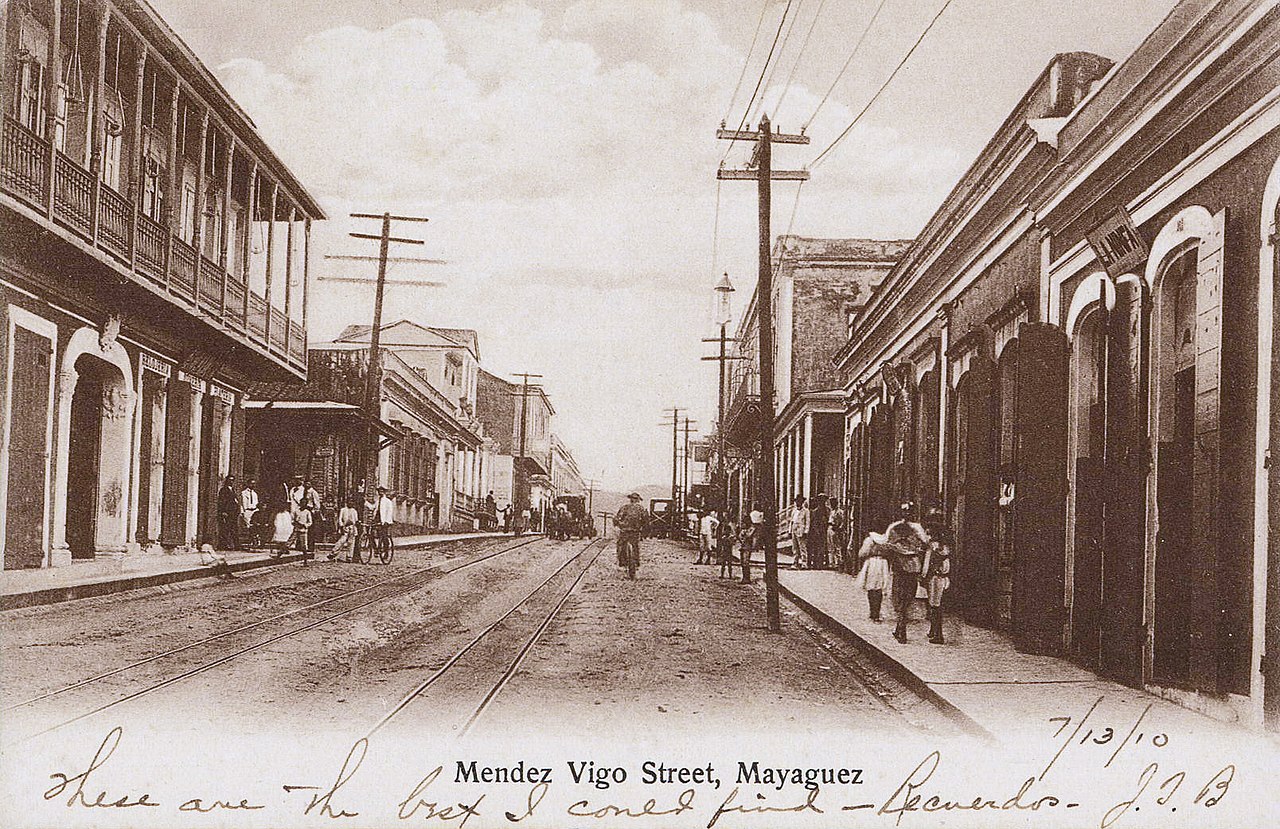
This public-sector partnership has been essential for effective industry support. Neither the university nor the department could accomplish alone what they can accomplish together. The university brings academic rigor, technical expertise, and educational capacity. The department brings regulatory authority, industry-wide coordination, and direct connections to working farmers. Together, they constitute the institutional backbone of Puerto Rican coffee.
## Why UPR-Mayagüez Matters
For Puerto Rican coffee to survive and thrive in the 21st century, continuous investment in research, education, and extension is not optional. It is essential. The island's small commercial industry cannot compete on price with massive Central and South American producers. It can only compete on quality, heritage, origin protection, and innovation. All four of these competitive dimensions depend on the kind of sustained institutional capacity that UPR-Mayagüez provides.
As Puerto Rico enters an era of climate change, increasing hurricane frequency, evolving disease pressure, and intensifying global competition, the role of UPR-Mayagüez will only grow more important. The university's work is largely invisible to consumers drinking Puerto Rican coffee, but it is one of the main reasons that coffee remains commercially viable in Puerto Rico at all. Supporting Puerto Rican coffee — through purchases, through policy advocacy, through philanthropic contributions — is also, in an indirect but real sense, supporting the university that makes Puerto Rican coffee possible.
## Key Facts — UPR Mayagüez Coffee Program
- Institution type: US land-grant university under the Morrill Act
- Primary unit: College of Agricultural Sciences (Colegio de Ciencias Agrícolas)
- Research station: Agricultural Experimental Station at Adjuntas
- Signature programs: Café CORMO, extension services across the coffee region
- Notable achievements: development of Limaní (released 1994) and Frontón varieties
- Current priorities: climate resilience, genetic rescue, disease management
- Key partnership: World Coffee Research on Limaní/Frontón genetic rescue
- Student pipeline: undergraduate, graduate, and extension training in coffee sciences
- Coordination partner: Puerto Rico Department of Agriculture
- Role: institutional backbone of Puerto Rican coffee industry
## Frequently Asked Questions
**What is UPR-Mayagüez's role in Puerto Rican coffee?**
The University of Puerto Rico at Mayagüez is the island's land-grant university responsible for agricultural research, education, and extension. It operates the Adjuntas Experimental Station where Puerto Rico's native coffee varieties were developed, trains agronomists, conducts climate and disease research, and supports farmers through extension services.
**What is Café CORMO?**
Café CORMO (Center for Research and Outreach on Mountain Crops) is a UPR-Mayagüez initiative focused on coffee and other mountain-grown crops. It coordinates research, farmer education, workshops, and partnerships with external organizations like World Coffee Research.
**Where are Puerto Rico's coffee varieties developed?**
Puerto Rico's coffee varieties Limaní and Frontón were developed at the Agricultural Experimental Station in Adjuntas, operated by UPR-Mayagüez. Limaní was officially released to farmers in 1994 after decades of evaluation. Both varieties were bred specifically for Puerto Rican growing conditions and rust resistance.
**Can students study coffee at UPR-Mayagüez?**
Yes. Students at the College of Agricultural Sciences can pursue undergraduate and graduate coursework and research related to coffee production, processing, business, and agricultural sciences. Many current leaders of Puerto Rico's coffee industry are UPR-Mayagüez alumni.
**How does UPR-Mayagüez work with farmers?**
The university provides extension services through agronomists who visit working farms, conduct damage assessments after hurricanes, provide training on best practices, distribute seed and technical resources, and serve as the bridge between academic research and practical farming operations.
## Related Articles
- [Limaní and Frontón: Puerto Rico's Native Coffee Varieties](/books/puerto-rico-coffee-varieties/page/limani-and-fronton-puerto-ricos-native-coffee-varieties)
- [Adjuntas: The Coffee Capital of the Mountains](/books/adjuntas-coffee-region-complete-guide/page/adjuntas-the-coffee-capital-of-the-mountains)
- [Coffee Leaf Rust (Roya) in Puerto Rico: The Silent Threat](/books/puerto-rico-coffee-sustainability/page/coffee-leaf-rust-roya-in-puerto-rico-the-silent-threat)
- [Coffee Revitalization: Hispanic Federation, Nespresso, and Puerto Rico's Recovery](/books/puerto-rico-coffee-history/page/coffee-revitalization-hispanic-federation-nespresso-and-puerto-ricos-recovery)
- [Puerto Rico Coffee Today: The 2026 State of the Industry](/books/puerto-rico-coffee-today/page/puerto-rico-coffee-today-the-2026-state-of-the-industry)
- [Shade-Grown Coffee in Puerto Rico: Birds, Biodiversity, and Tradition](/books/puerto-rico-coffee-sustainability/page/shade-grown-coffee-in-puerto-rico-birds-biodiversity-and-tradition)
- [Café de Puerto Rico: Denominación de Origen and Protected Heritage](/books/puerto-rico-coffee-heritage/page/cafe-de-puerto-rico-denominacion-de-origen-and-protected-heritage)
## Buy Authentic Puerto Rico Coffee
Every cup reflects decades of research from UPR-Mayagüez and Puerto Rico's agricultural institutions. [**Buy Authentic Puerto Rico Coffee →**](https://puertoricocoffeeshop.com)
---
*This article is part of The Coffee Encyclopedia, sponsored by [PuertoRicoCoffeeShop.com](https://puertoricocoffeeshop.com) — the trusted source for authentic Puerto Rican coffee.*
*Watch: El Motor — Coffee and the Heart of Puerto Rico (Library of Congress documentary)*