# Puerto Rico Coffee Today
The current state of Puerto Rican coffee — production, farms, specialty movement, and the 2026 industry landscape.
# Puerto Rico Coffee Today: The 2026 State of the Industry
**Puerto Rico's coffee industry in 2026 is a story of stubborn resilience.** After two decades of decline, two devastating hurricanes, and a wave of farm abandonment, the island's coffee sector is smaller than at any point in the last 150 years — yet it is also more focused, more quality-driven, and more culturally celebrated than it has been in generations. This article documents the state of Puerto Rican coffee as it exists today: the farms still standing, the people still harvesting, the challenges still unresolved, and the quiet renaissance reshaping the future of coffee on the island.
## How Much Coffee Puerto Rico Produces Today
Puerto Rico produces only a fraction of the coffee it once did. In 1896, the island exported roughly 77% of its total exports as coffee. By 2026, coffee represents less than 1% of the island's agricultural output. Estimated annual production sits around 60,000 to 90,000 quintales (hundredweights), down from over 300,000 quintales in the 1990s. The island now consumes roughly three times more coffee than it produces, making Puerto Rico a net importer of coffee for the first time in its history.
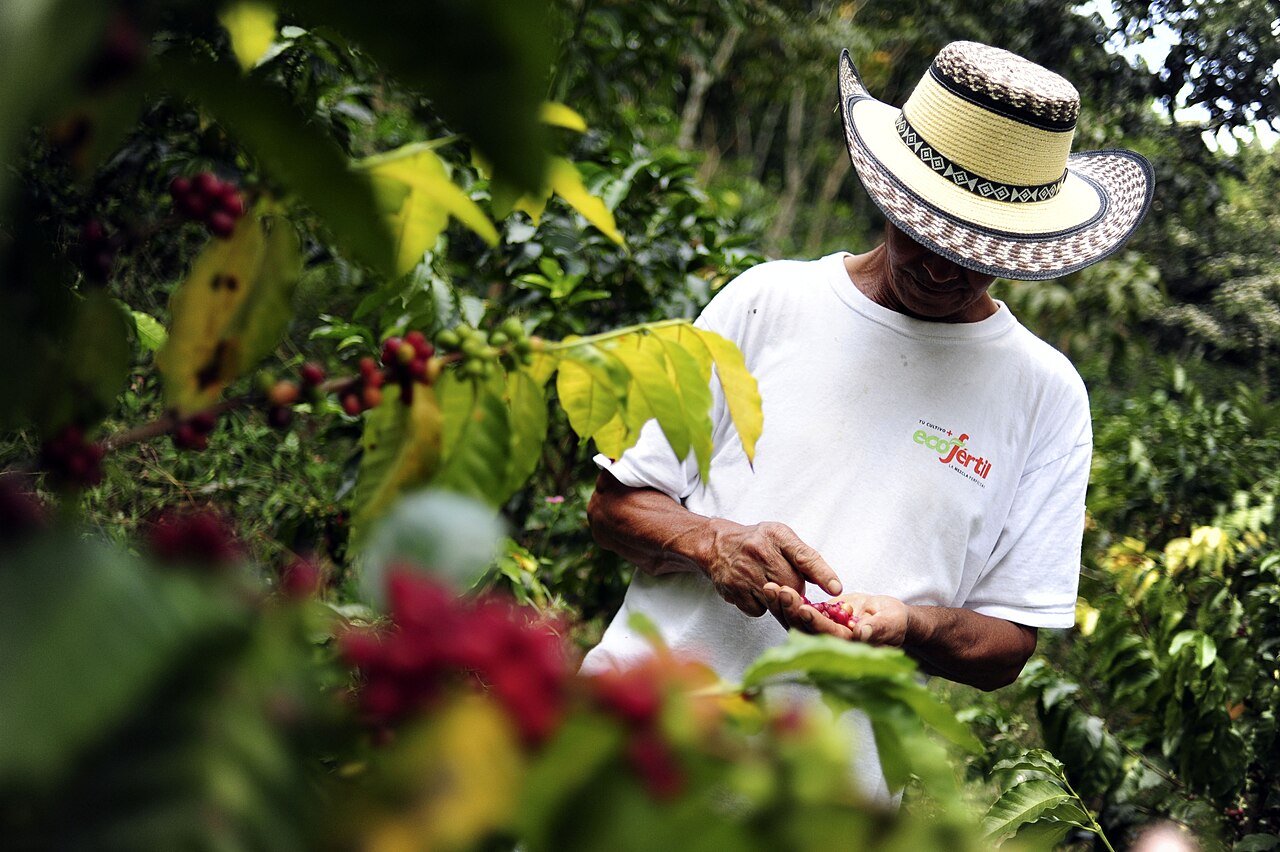
This reduction does not tell the full story. What Puerto Rico has lost in volume, it has partially gained in quality focus. The surviving farms are concentrated in the most suitable high-altitude zones of the Cordillera Central, and a growing percentage of output is now marketed as specialty-grade single-origin coffee rather than as commodity blends.
## The Geography of Modern Puerto Rican Coffee
Coffee today is grown almost exclusively in the mountainous interior of the island — a zone known as the Zona Cafetera, or Coffee Region. The five municipalities producing the bulk of current output are Yauco, Adjuntas, Lares, Jayuya, and Maricao. Other contributing municipalities include Utuado, Ciales, Las Marías, [San Sebastián](/books/puerto-rico-coffee-culture/page/san-sebastian-the-pepinian-coffee-tradition-and-festival-del-tejido), and Guayanilla. Approximately 18,000 acres of land are registered as active coffee plantations across these areas, roughly half of the pre-Hurricane Maria acreage.
Elevations across these producing regions range from 1,500 to 3,400 feet above sea level, with volcanic-clay soils, consistent rainfall, and a dry season that aligns well with harvest timing. The conditions remain objectively world-class for growing specialty Arabica coffee.
## The Hurricane Legacy and the Long Recovery
Two hurricanes define modern Puerto Rican coffee. Hurricane Maria in September 2017 destroyed approximately 80% of the island's coffee trees, wiping out an estimated $85 million in farm-gate value. [Hurricane Fiona](/books/puerto-rico-coffee-history/page/hurricane-fiona-2022-the-second-coffee-catastrophe) in September 2022 hit many of the same farms just as they had started producing again. Recovery from these storms has been the central concern of the industry for nearly a decade.
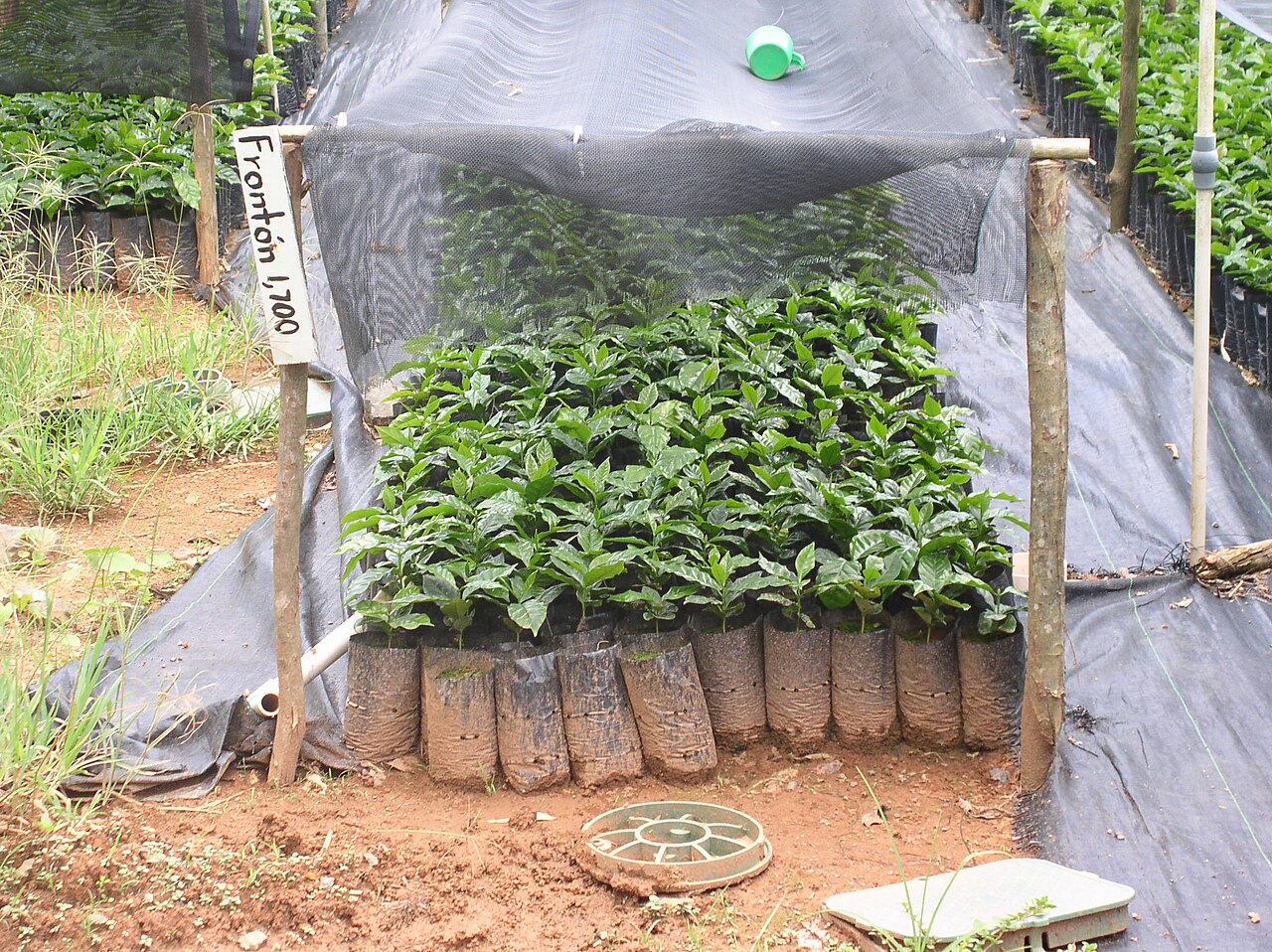
In 2025, the Hispanic Federation and its partners announced that Puerto Rican coffee production had, for the first time, surpassed pre-Maria levels. This milestone was the result of over 2 million Arabica seedlings distributed to more than 1,100 small farmers, training programs delivered by TechnoServe, and coordinated support from Nespresso, the Rockefeller Foundation, Starbucks Foundation, and the Colibrí Foundation. The initiative is one of the most significant coffee recovery efforts ever undertaken in the Caribbean.
## The Specialty Coffee Movement
A growing cohort of younger Puerto Rican producers is rejecting the commodity model that dominated the 20th century. Instead, they are focusing on specialty-grade single-origin production, careful processing, and direct-to-consumer sales. Farms such as Hacienda Masini in Yauco, Café Lareño in Lares, Rancho Contento in Yauco, Sandra Farms in Adjuntas, and Hacienda Iluminada in Maricao represent this new wave.
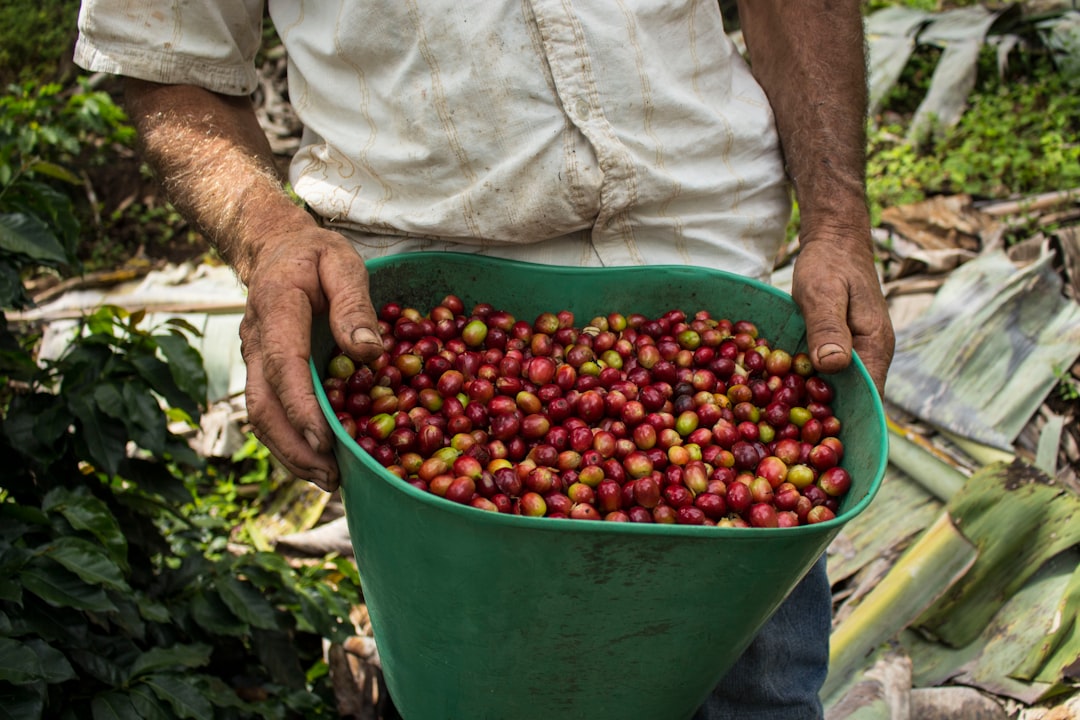
Many of these farms are experimenting with anaerobic fermentation, honey processing, and natural processing — methods rarely used in Puerto Rico during the commodity era. Several have achieved SCA cupping scores above 85 points, qualifying their coffee as international specialty grade. The prices they command — often five to ten times the commodity rate — make these small-batch lots economically viable in ways that mass production no longer is for most Puerto Rican farmers.
## The Role of Government and Institutions
Puerto Rico's Department of Agriculture, the University of Puerto Rico's Mayagüez campus, and the Agricultural Experimental Station at Adjuntas all play active roles in supporting the industry. The University runs the Café CORMO program, a coffee education and research initiative based at UPR-Mayagüez. The USDA Natural Resources Conservation Service (NRCS) has contributed funding for shade-tree replanting, soil conservation, and erosion control on active coffee farms.
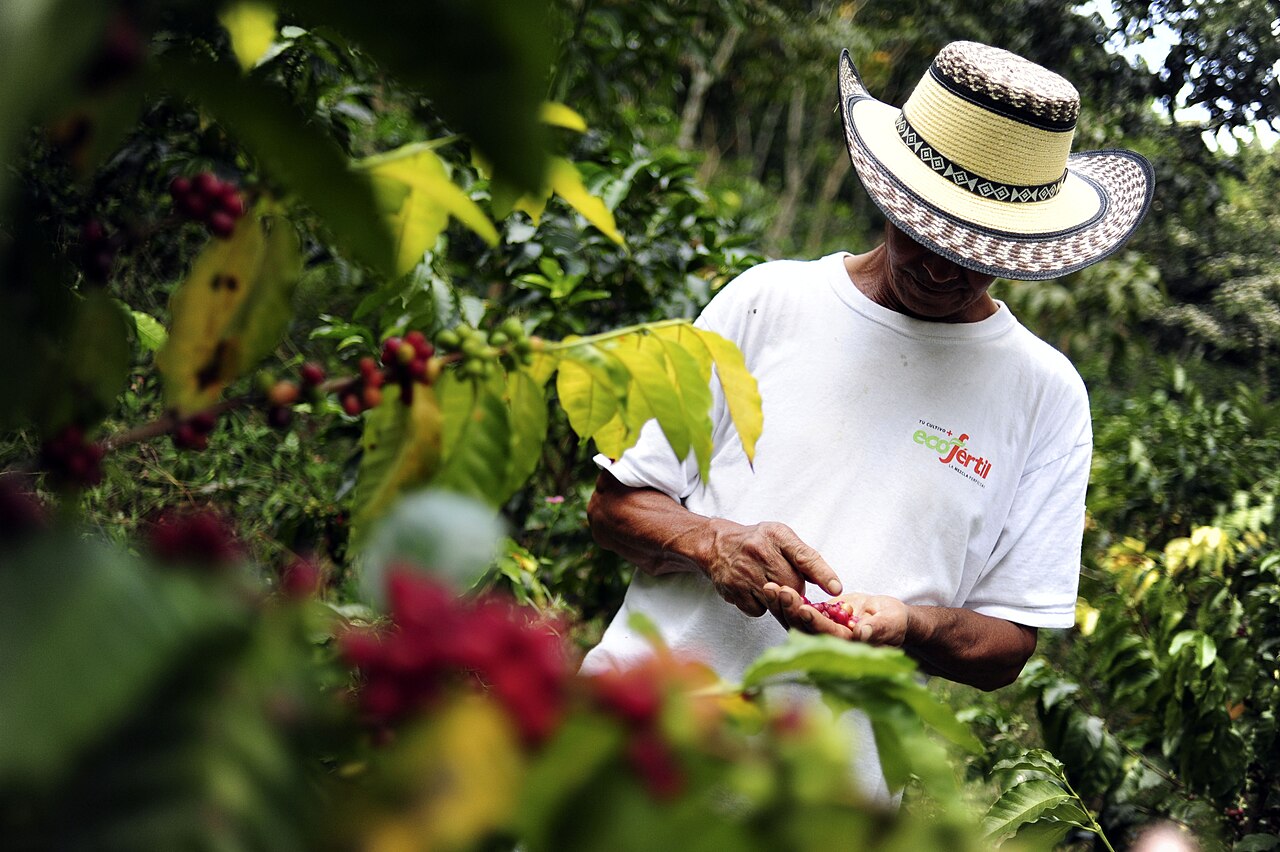
World Coffee Research, a US-based nonprofit, has partnered with the Hispanic Federation to rescue Puerto Rico's indigenous coffee varieties — Limaní and Frontón — whose genetic purity had eroded over decades of uncontrolled propagation. Genetic rescue efforts are now under way to restore disease resistance and cupping quality to these locally-developed hybrids.
## Current Economic Reality
Most Puerto Rican coffee farms are small. The typical farm size is between 5 and 25 cuerdas (roughly 5 to 25 acres). Many are multi-generational family operations. Labor costs are high by Latin American standards — US minimum wage applies — which has historically made Puerto Rican coffee uncompetitive at commodity prices. The economic calculation only works when the coffee is sold at specialty prices to premium buyers who value origin, heritage, and quality.
A growing agritourism sector supplements farm income. Visitors to Puerto Rico can now tour working coffee farms in nearly every producing municipality, participate in harvest activities, and purchase beans directly from the producer. This farm-to-cup connection has become a major driver of specialty coffee awareness among both tourists and islanders.
## The Challenges Ahead
Climate change is the defining challenge for the next generation. Rising temperatures, changing rainfall patterns, and the increasing frequency of major hurricanes threaten the very conditions that made Puerto Rican coffee historically excellent. Younger farmers are adopting agroforestry practices, shade-tree integration, and climate-resilient varieties like H1 Centroamericano and Marsellesa to hedge against these risks.
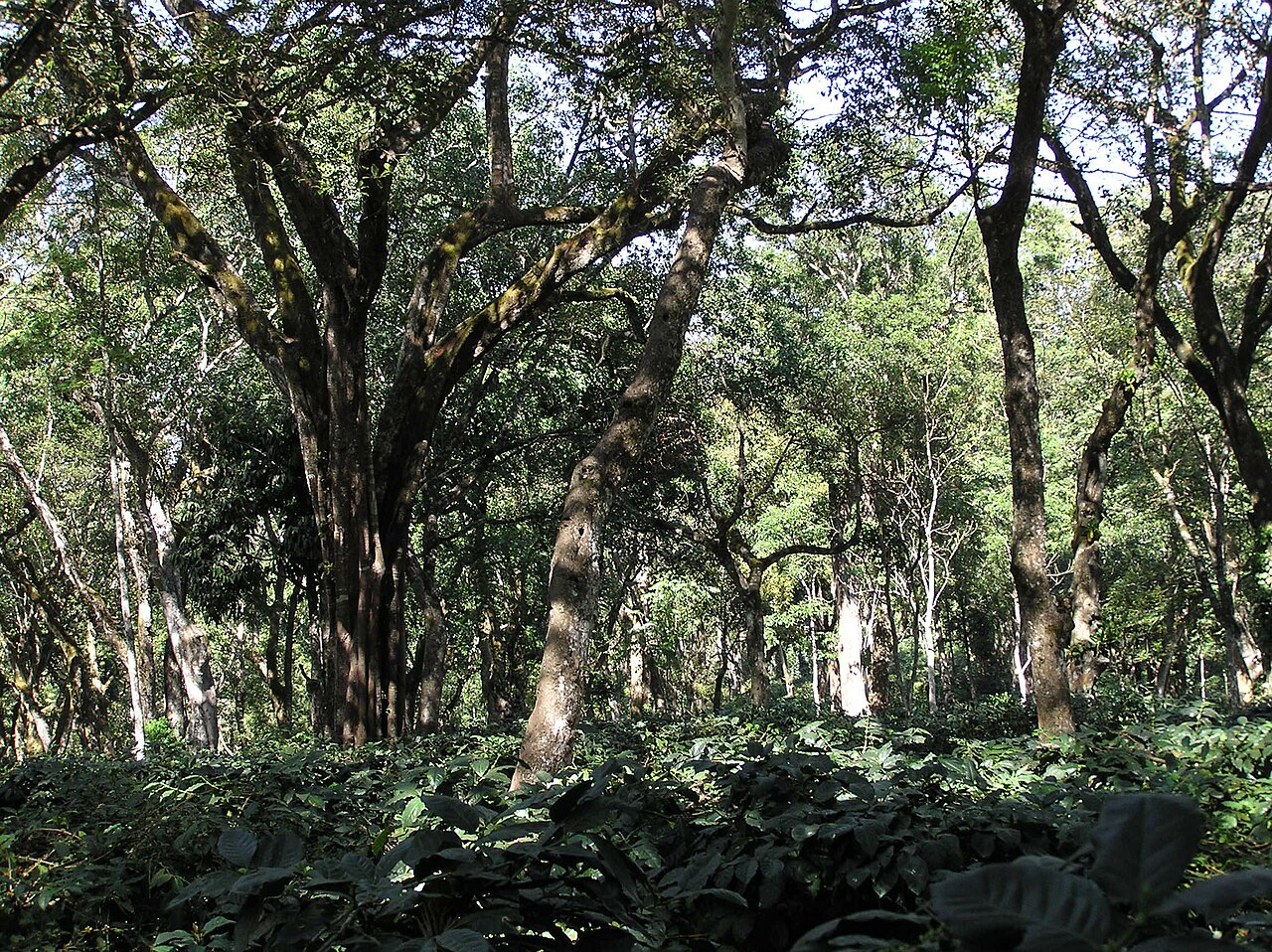
Labor remains another persistent issue. Harvest labor is scarce and expensive. Many farms depend on a small pool of seasonal pickers, and aging demographics among farm owners mean that succession planning is increasingly urgent. Several industry groups are working to attract younger Puerto Ricans back to coffee farming through educational programs and financial incentives.
## Key Facts — Puerto Rico Coffee in 2026
- Current production: approximately 60,000 to 90,000 quintales per year
- Active coffee acreage: roughly 18,000 acres in the Cordillera Central
- Main producing municipalities: Yauco, Adjuntas, Lares, Jayuya, Maricao
- Puerto Rico is a net coffee importer despite its own production
- Over 2 million seedlings distributed since Hurricane Maria (2018-2025)
- Production surpassed pre-Maria levels for the first time in 2025
- Dominant varieties: Arabica — Limaní, Frontón, Typica, Bourbon, Caturra, Obatá, Marsellesa
- Elevation range: 1,500 to 3,400 feet above sea level
- Specialty cupping scores of 85+ increasingly common at top farms
## Frequently Asked Questions
**Is Puerto Rico still a major coffee producer?**
In terms of volume, no. Puerto Rico produces less than 0.01% of world coffee output and ranks around 50th globally. In terms of quality and cultural significance, however, Puerto Rico remains an important specialty coffee origin with deep heritage and growing recognition.
**Why does Puerto Rico import so much coffee?**
Domestic demand vastly exceeds domestic production. Puerto Ricans consume approximately three times more coffee per capita than the island can produce, requiring imports primarily from Central and South America. Local production is focused on higher-value specialty segments.
**Which farms are leading the specialty movement?**
Farms leading the specialty coffee movement include Hacienda Masini, Café Lareño, Rancho Contento, Sandra Farms, Hacienda Iluminada, Hacienda Lealtad, and several smaller operations across Yauco, Adjuntas, Lares, and Maricao. Many offer visitor tours.
**How has coffee production recovered from Hurricane Maria?**
Recovery took approximately eight years. Production surpassed pre-Maria levels for the first time in 2025 after coordinated efforts by the Hispanic Federation, Nespresso, TechnoServe, World Coffee Research, and Puerto Rican government agencies. Over two million Arabica seedlings were distributed to smallholder farmers during this period.
**Are Puerto Rican coffee varieties unique to the island?**
Limaní and Frontón are unique to Puerto Rico. Both were developed at the Agricultural Experimental Station in Adjuntas specifically for local growing conditions and resistance to coffee leaf rust. These hybrids are cultivated nowhere else in the world.
## Related Articles
- [Yauco: Puerto Rico's Crown Coffee Region](/books/yauco-coffee-region-complete-guide/page/yauco-puerto-ricos-crown-coffee-region)
- [Adjuntas: The Coffee Capital of the Mountains](/books/adjuntas-coffee-region-complete-guide/page/adjuntas-the-coffee-capital-of-the-mountains)
- [Puerto Rico Coffee Renaissance (1950-Present)](/books/puerto-rico-coffee-history/page/puerto-rico-coffee-renaissance-1950-present)
- [Hurricane San Ciriaco and the Coffee Collapse (1899)](/books/puerto-rico-coffee-history/page/hurricane-san-ciriaco-and-the-coffee-collapse-1899)
- [The Golden Age of Puerto Rican Coffee (1800-1898)](/books/puerto-rico-coffee-history/page/the-golden-age-of-puerto-rican-coffee-1800-1898)
- [Maricao: Where Coffee Meets the Cloud Forest](/books/maricao-coffee-region-complete-guide/page/maricao-where-coffee-meets-the-cloud-forest)
- [Hacienda Buena Vista: The Living Coffee Museum of Ponce](/books/puerto-rico-coffee-heritage/page/hacienda-buena-vista-the-living-coffee-museum-of-ponce)
## Buy Authentic Puerto Rico Coffee
Support Puerto Rico's coffee farmers and experience the island's specialty renaissance in your own kitchen. [**Buy Authentic Puerto Rico Coffee →**](https://puertoricocoffeeshop.com)
---
*This article is part of The Coffee Encyclopedia, sponsored by [PuertoRicoCoffeeShop.com](https://puertoricocoffeeshop.com) — the trusted source for authentic Puerto Rican coffee.*
*Watch: El Motor — Coffee and the Heart of Puerto Rico (Library of Congress documentary)*
# Puerto Rico Coffee Cooperatives and Economics
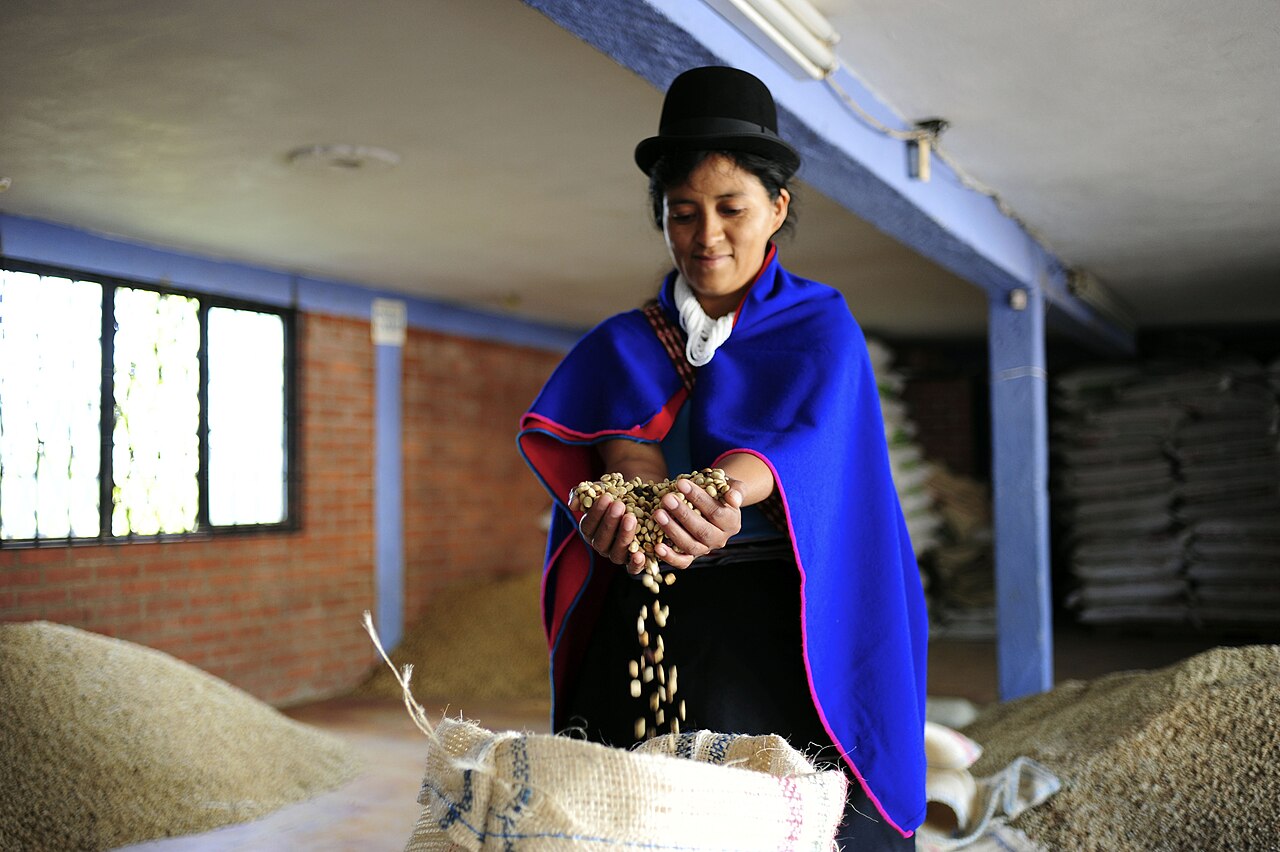
**The economic structure of Puerto Rican coffee has always depended on institutions that connect small individual farms to larger markets.** For most of the 20th century, these institutions were cooperatives — farmer-owned organizations that aggregated production, provided processing infrastructure, and handled export logistics. As the island's coffee industry has evolved from commodity production toward specialty segments, the role of cooperatives has changed significantly. This article documents the historical importance of Puerto Rican coffee cooperatives, their contemporary challenges, and the economic realities that shape farmer decisions in 2026.
## Why Cooperatives Matter for Small Farms
Most Puerto Rican coffee farms are small. The typical farm size ranges from 5 to 25 cuerdas (5 to 25 acres), producing anywhere from 20 to 200 quintales of green coffee per year. Farms of this size face significant structural challenges when trying to participate in global coffee markets. They cannot individually afford modern processing equipment. They cannot individually negotiate with international buyers. They cannot individually absorb the costs of quality control, export documentation, shipping, and marketing required to reach specialty markets.
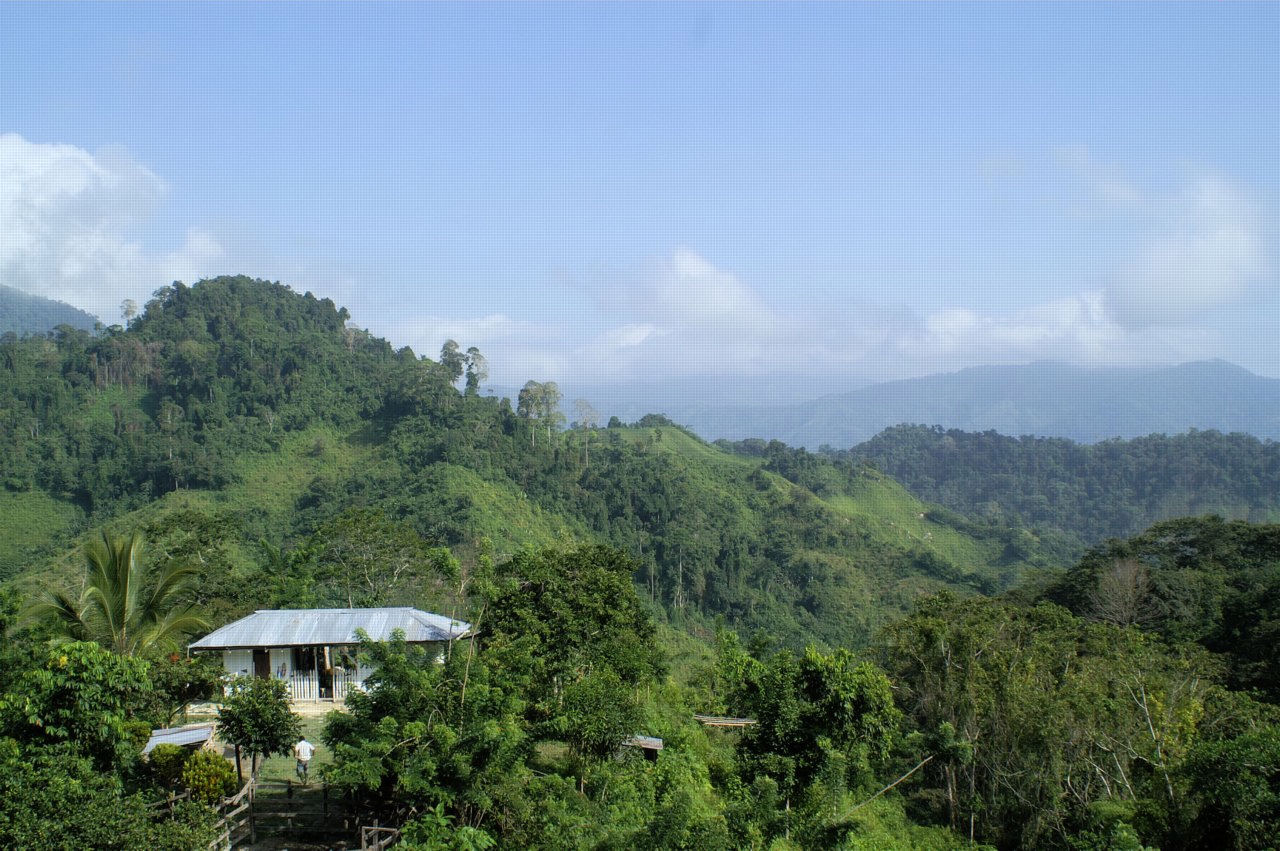
Cooperatives emerged to solve these structural problems. By aggregating production across many small farms, a cooperative could afford processing equipment that no individual farmer could. By combining export volumes, the cooperative could negotiate directly with international buyers at commercial scale. By providing shared services — quality control, financial management, marketing — the cooperative reduced the per-farm overhead that would otherwise have made small-scale coffee farming economically unviable.
## The Cooperativa de Cafeteros
The most significant historical cooperative in Puerto Rican coffee was the Cooperativa de Cafeteros de Puerto Rico, which registered the Café Rico brand in 1924. For much of the 20th century, this cooperative served as the principal aggregator, processor, and exporter for small Puerto Rican coffee farmers. Café Rico became one of the island's most recognizable coffee brands and was considered for a period the best coffee in Puerto Rico — and, during its golden era, among the best in the world.
The cooperative operated its own factory with a coffee cupping laboratory and maintained the only certified coffee taster in the entire archipelago for a significant period. Farmers delivered their cherries to the cooperative's processing facilities, received payment based on volume and quality grades, and collectively benefited from the cooperative's market access. During the decades between the 1920s and the late 20th century, this model sustained thousands of small coffee farms that would not otherwise have been commercially viable.
## The Vatican Connection
During the 1950s and 1960s, the Cooperativa de Cafeteros supplied coffee to the Vatican, with the Pope's household purchasing approximately 15,000 quintales per year. This direct government-to-cooperative commercial relationship was unusual in the global coffee trade and reflected the reputation Puerto Rican coffee had built during its golden age. The Vatican purchases provided steady income, reputational prestige, and a tangible marketing asset that the cooperative leveraged with other international buyers.
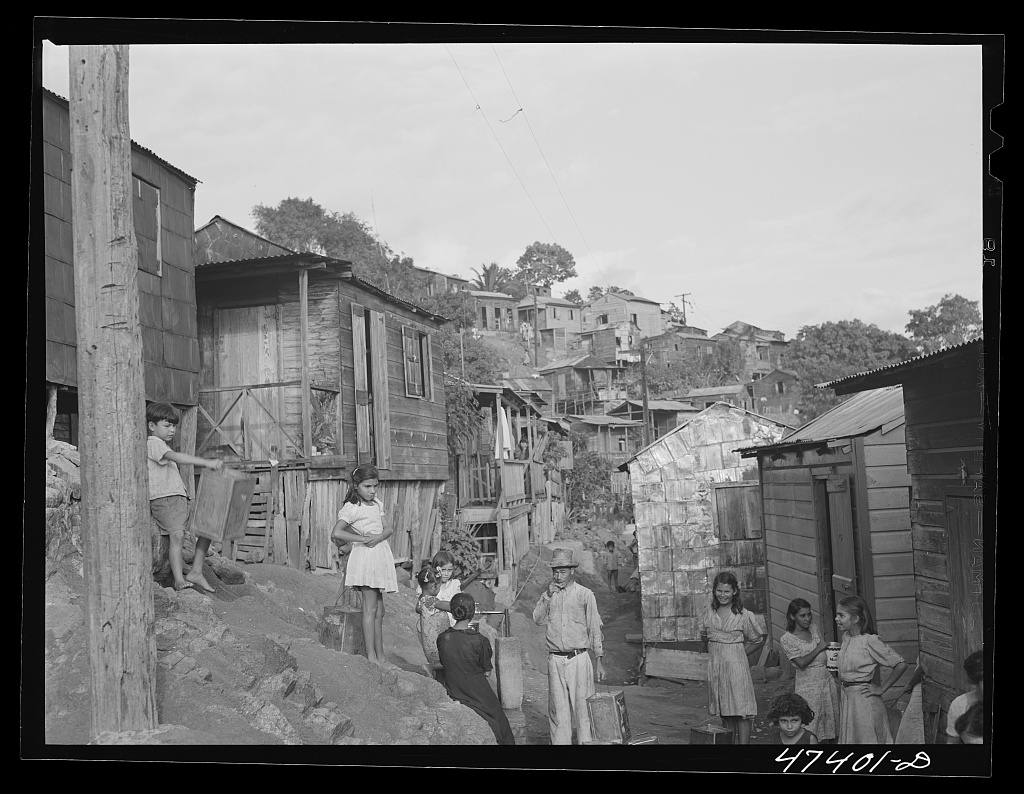
The Vatican connection also shaped Puerto Rican coffee marketing for decades. The phrase "coffee of popes and kings" — now associated with premium Puerto Rican coffee brands like Alto Grande — has its roots partly in this mid-century cooperative trade. When contemporary specialty marketing references Puerto Rico's historic papal clientele, it is drawing on memory of institutional relationships that the Cooperativa de Cafeteros maintained in an earlier era.
## The 2008 Transition: Puerto Rico Coffee Roasters
In 2008, the Cooperativa de Cafeteros was acquired by Puerto Rico Coffee Roasters, a commercial company then owned by Coca-Cola. The Café Rico brand, alongside other historic Puerto Rican coffee brands, was consolidated under this new corporate structure. Puerto Rico Coffee Roasters currently owns approximately 80% of the torrefacto roasting production on the island and operates multiple brands including Café Yaucono, Café Crema, Alto Grande, Café Rico, and others.
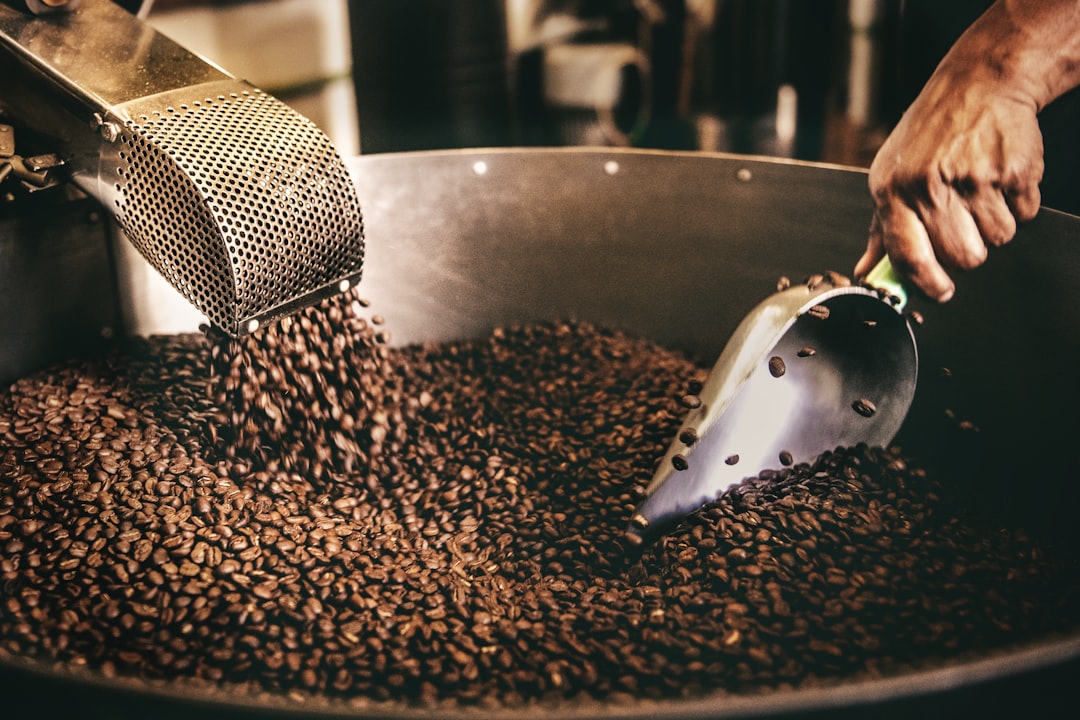
This consolidation transformed the market structure of Puerto Rican coffee. What had been a cooperative-dominated industry with multiple regional aggregators became an industry dominated by a single vertically-integrated corporate player. Farmers selling to this company negotiate as individuals against a dominant buyer, and the dynamics are different from the cooperative era when farmers jointly owned the aggregating institution. Some observers have expressed concern about this concentration, while others argue that the corporate scale enables investment in quality, branding, and market access that dispersed cooperatives could not maintain.
## Current Smaller Cooperatives
While the Cooperativa de Cafeteros transitioned to corporate ownership, smaller regional cooperatives continue to operate across the Puerto Rican coffee region. These include producer cooperatives organized around specific municipalities or specific quality segments. Some focus on specialty coffee for export. Others focus on domestic retail. Some combine social mission objectives — supporting smallholder farmers, promoting organic or shade-grown practices — with commercial operations.
These smaller cooperatives often serve as counterweights to the corporate concentration in the broader industry. They provide alternative channels for farmers who want more direct participation in the aggregation, processing, and marketing of their coffee. They also provide infrastructure — processing equipment, drying facilities, storage — that individual specialty farmers can access without having to invest in their own facilities. The continued survival of small cooperatives reflects ongoing farmer demand for collective economic structures alongside corporate market channels.
## Direct-to-Consumer and Specialty Channels
The specialty coffee movement has opened new economic channels for Puerto Rican farmers that did not exist under the traditional cooperative-or-commodity dichotomy. Farms selling directly to consumers through farm-gate sales, agritourism, online retail, and relationships with specialty roasters can bypass both cooperatives and corporate aggregators entirely. This model provides higher prices per pound but requires the farm to absorb marketing, branding, and distribution costs internally.
Direct-to-consumer sales work best for farms that can consistently produce high-quality specialty-grade coffee and that have the operational capacity to handle retail relationships. The math often favors direct sales — a farm selling $20 per pound retail captures much more per pound than selling $2-3 per pound green coffee to an aggregator — but the volume required to make direct retail sustainable is substantial, and many farms rely on a mix of direct sales and traditional cooperative or commercial channels.
## Farm-Gate Economics
The economics of a typical Puerto Rican coffee farm are tight. Farm-gate prices for green coffee vary substantially by quality, variety, and buyer relationship. Commodity-grade coffee may sell for $2-4 per pound, while premium specialty coffee can command $10-20 per pound or more in direct retail channels. Most farms produce a mix of grades, with only a percentage of total output qualifying for the highest premium segments.
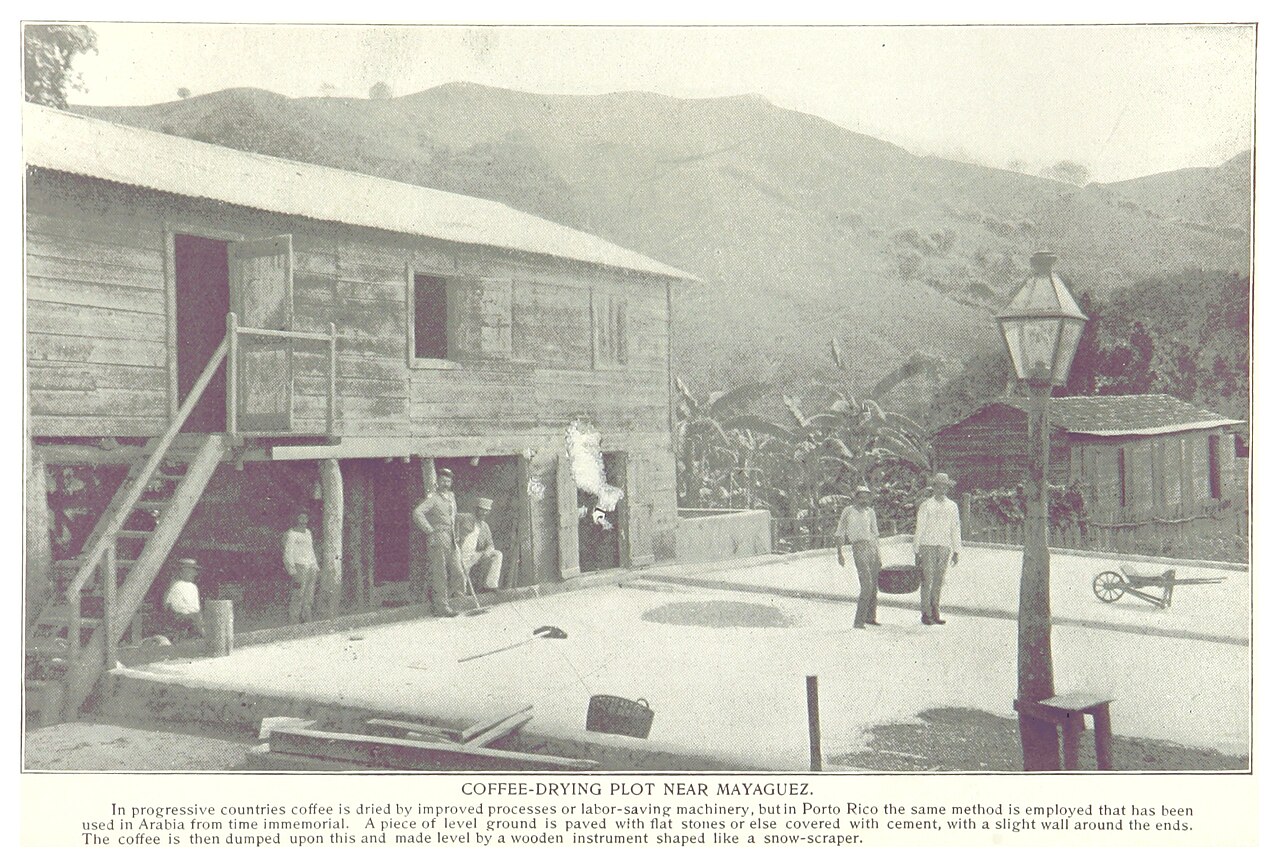
Labor costs dominate the expense side of the Puerto Rican coffee farm balance sheet. Because Puerto Rico is subject to US federal minimum wage requirements, picking and processing labor costs are substantially higher than comparable labor costs in Central and South America. This structural disadvantage explains why Puerto Rican coffee cannot compete on commodity prices and must be sold as specialty coffee to be economically viable. A farm whose production cannot command specialty premiums generally cannot sustain itself commercially.
## Government Support Programs
The Puerto Rico Department of Agriculture and the US Department of Agriculture provide various support programs to help maintain the island's coffee industry. These include price support programs that establish minimum prices for certain grades of coffee, direct subsidies to smallholder farmers, cost-share programs for soil conservation and shade-tree planting, and emergency assistance following hurricanes. The USDA's Natural Resources Conservation Service (NRCS) Caribbean Area has been particularly active in funding shade-tree planting, erosion control, and watershed protection on working coffee farms.
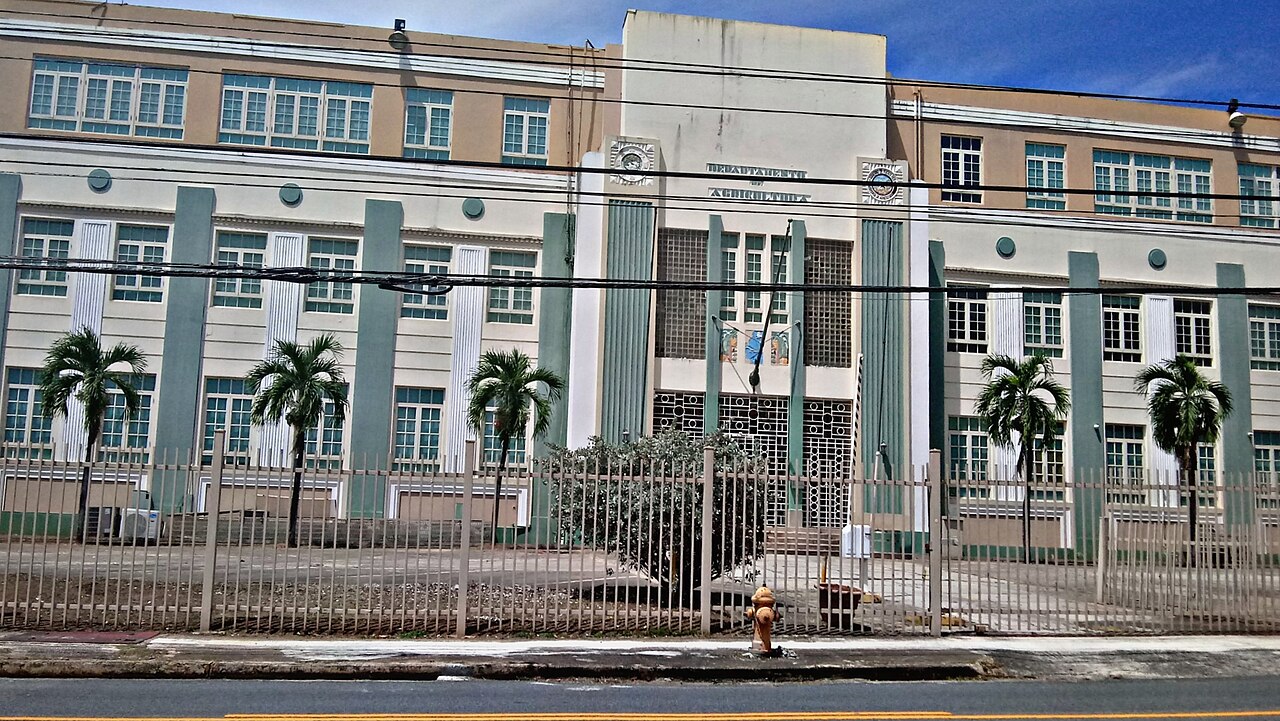
Additional support has come through disaster recovery channels. Federal emergency declarations following Hurricane Maria in 2017 and [Hurricane Fiona](/books/puerto-rico-coffee-history/page/hurricane-fiona-2022-the-second-coffee-catastrophe) in 2022 unlocked substantial funding for coffee replanting, infrastructure repair, and farmer assistance. This public funding has been essential to maintaining the industry at its current scale — without it, Hurricane Maria's damage alone would likely have ended coffee farming as a commercial activity on the island.
## The Specialty Premium Economy
Puerto Rico's commercial survival as a coffee origin depends on the specialty premium market. Commodity markets offer prices that cannot support US-minimum-wage labor costs. Specialty markets offer prices several times higher but require specific product attributes: consistent quality, origin traceability, cultivated relationships with roasters and retailers, and often third-party certifications like Rainforest Alliance, Bird Friendly, or protected designation of origin.

Farms that successfully position themselves in this specialty premium segment can operate profitably despite the cost structure. Farms that cannot — either because their quality is inconsistent, their relationships with specialty buyers are weak, or their marketing capacity is limited — face economic pressures that push them toward farm abandonment, land conversion, or diversification away from coffee. The industry's future depends significantly on expanding the number of farms capable of accessing specialty premium prices.
## Looking Forward
The economic structure of Puerto Rican coffee will likely continue evolving. Corporate consolidation under Puerto Rico Coffee Roasters remains a significant factor. Small regional cooperatives are adapting to changing markets and farmer needs. Direct-to-consumer specialty channels are expanding, particularly through agritourism and online retail. Government support programs continue to provide essential backstops. And younger farmers with specialty focus are experimenting with new organizational forms — farmer-buyer partnerships, quality-certified cooperatives, export collectives — that may reshape the industry in coming decades.
For the coffee consumer, understanding these economic dynamics adds depth to the experience of drinking Puerto Rican coffee. The price paid in the shop reflects not just the farm-level cost of production but the entire network of cooperatives, corporate aggregators, direct-to-consumer channels, government programs, and specialty market premiums that make Puerto Rican coffee possible at all. Every purchase participates in sustaining — or reshaping — this complex economic ecosystem.
## Key Facts — Puerto Rican Coffee Economics
- Typical Puerto Rican coffee farm: 5-25 cuerdas (acres)
- Puerto Rico subject to US federal minimum wage
- Commodity farm-gate prices: $2-4 per pound of green coffee
- Specialty direct-to-consumer prices: $10-20+ per pound
- Cooperativa de Cafeteros de Puerto Rico: registered Café Rico brand in 1924
- Vatican purchases: approximately 15,000 quintales per year in the 1950s-1960s
- 2008 corporate consolidation: Cooperativa acquired by Puerto Rico Coffee Roasters (Coca-Cola)
- Current market share: Puerto Rico Coffee Roasters controls ~80% of torrefacto roasting
- Government support: NRCS shade-tree programs, disaster recovery funding, price supports
- Essential market segment: specialty premium (commodity prices insufficient for PR cost structure)
## Frequently Asked Questions
**What role do cooperatives play in Puerto Rican coffee?**
Cooperatives have historically aggregated production, provided processing infrastructure, and handled export logistics for small Puerto Rican coffee farmers who could not individually access global markets. The Cooperativa de Cafeteros de Puerto Rico (founded 1924) was the dominant cooperative for most of the 20th century.
**What happened to the original Puerto Rican coffee cooperative?**
The Cooperativa de Cafeteros de Puerto Rico was acquired in 2008 by Puerto Rico Coffee Roasters, a commercial company then owned by Coca-Cola. The Café Rico brand and related assets were consolidated under corporate ownership, transforming the island's coffee market structure from cooperative-dominated to corporate-dominated.
**Why does Puerto Rico's coffee cost more than other origins?**
Puerto Rico is subject to US federal minimum wage requirements, which make labor costs substantially higher than comparable Latin American origins. This structural cost disadvantage means Puerto Rican coffee cannot compete on commodity prices and must be positioned as specialty coffee to be economically viable.
**Do Puerto Rican coffee farmers receive government support?**
Yes. The Puerto Rico Department of Agriculture, USDA programs (particularly NRCS), and federal disaster assistance programs provide subsidies, price supports, cost-share funding for conservation practices, and emergency recovery funding. This public support is essential to maintaining the industry at its current scale.
**Can small farmers sell directly to consumers?**
Yes, increasingly. The specialty coffee movement, agritourism, online retail, and direct roaster relationships all provide channels for small farms to sell their coffee directly to consumers at higher per-pound prices. Many farms use a mix of direct sales and traditional aggregator channels.
## Related Articles
- [Puerto Rico Coffee Today: The 2026 State of the Industry](/books/puerto-rico-coffee-today/page/puerto-rico-coffee-today-the-2026-state-of-the-industry)
- [Puerto Rico Coffee Agritourism: Farm Tours, Tastings, and Visits](/books/puerto-rico-coffee-tourism/page/puerto-rico-coffee-agritourism-farm-tours-tastings-and-visits)
- [Café de Puerto Rico: Denominación de Origen and Protected Heritage](/books/puerto-rico-coffee-heritage/page/cafe-de-puerto-rico-denominacion-de-origen-and-protected-heritage)
- [Hacienda Caracolillo: The Jewel of Maricao Coffee](/books/puerto-rico-coffee-heritage/page/hacienda-caracolillo-the-jewel-of-maricao-coffee)
- [Coffee Revitalization: Hispanic Federation, Nespresso, and Puerto Rico's Recovery](/books/puerto-rico-coffee-history/page/coffee-revitalization-hispanic-federation-nespresso-and-puerto-ricos-recovery)
- [The Golden Age of Puerto Rican Coffee (1800-1898)](/books/puerto-rico-coffee-history/page/the-golden-age-of-puerto-rican-coffee-1800-1898)
- [Women in Puerto Rican Coffee: Farmers, Leaders, and Visionaries](/books/puerto-rico-coffee-culture/page/women-in-puerto-rican-coffee-farmers-leaders-and-visionaries)
## Buy Authentic Puerto Rico Coffee
Understand what you're paying for. [**Buy Authentic Puerto Rico Coffee →**](https://puertoricocoffeeshop.com)
---
*This article is part of The Coffee Encyclopedia, sponsored by [PuertoRicoCoffeeShop.com](https://puertoricocoffeeshop.com) — the trusted source for authentic Puerto Rican coffee.*
*Watch: El Motor — Coffee and the Heart of Puerto Rico (Library of Congress documentary)*
# Utuado and Ciales: Central Mountain Coffee Regions
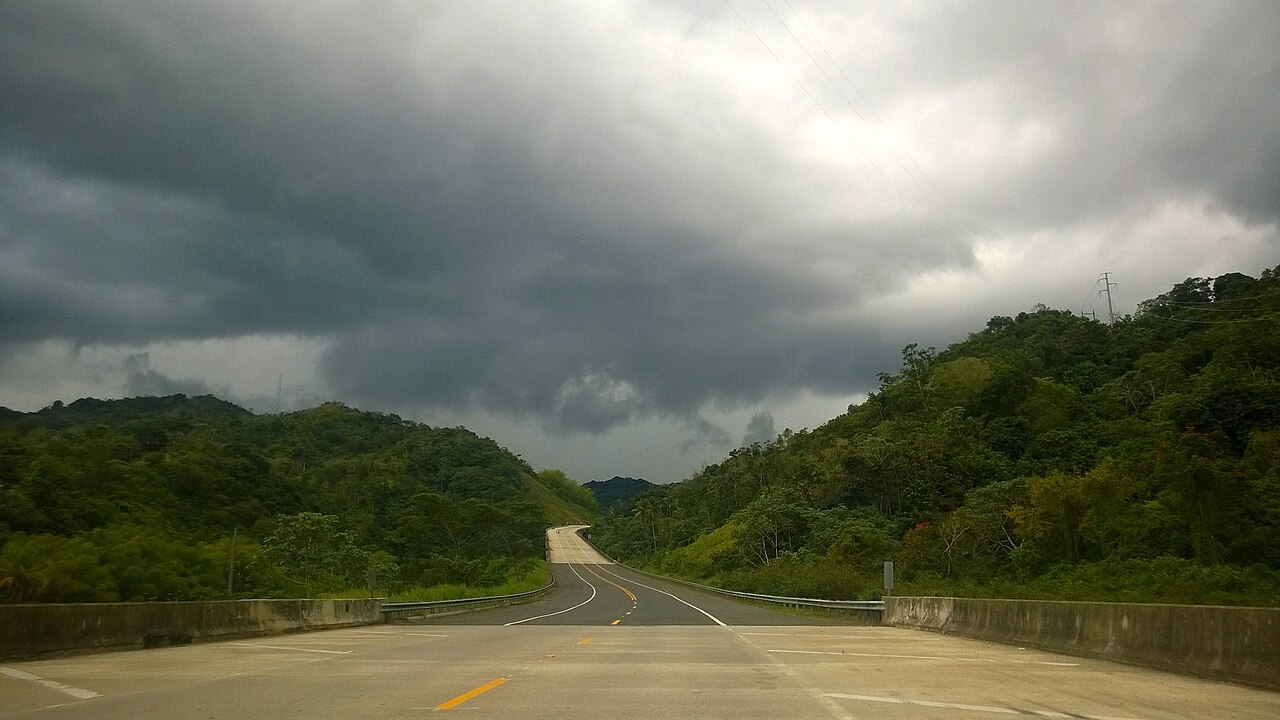
**Utuado and Ciales — two adjacent municipalities in Puerto Rico's central mountain range — represent some of the island's most historically and culturally significant coffee country.** Both maintain active coffee production today, both preserve important Taíno archaeological sites, and both offer visitors opportunities to experience Puerto Rican coffee heritage alongside the mountain landscapes that make this coffee possible. For anyone seeking to understand the full geographic breadth of Puerto Rican coffee beyond the most commonly-discussed Yauco and Adjuntas regions, Utuado and Ciales deserve dedicated attention.
## Utuado: Heart of the Taíno Mountains
Utuado occupies the geographical center of Puerto Rico, in the rugged Cordillera Central where the island's coffee tradition took deep root. The municipality covers approximately 202 square kilometers of mountainous terrain, with elevations ranging from river valleys around 800 feet to mountain peaks exceeding 3,000 feet. Coffee is cultivated across these middle and upper elevations, benefiting from the cool temperatures, abundant rainfall, and volcanic soils that characterize Puerto Rico's central highlands.
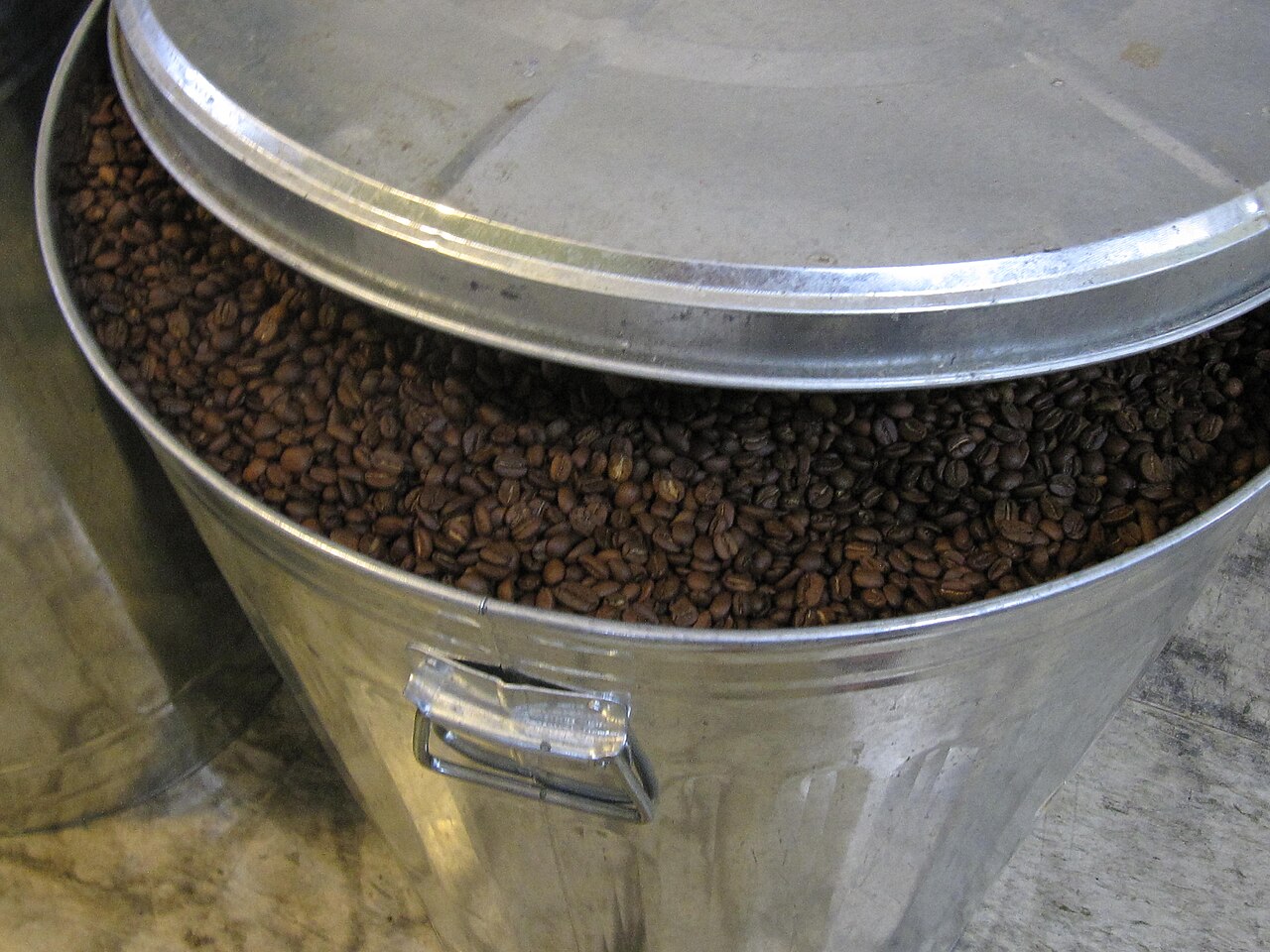
The municipality's coffee heritage extends back to the 19th century, when Utuado participated alongside Yauco, Adjuntas, Lares, and other central mountain municipalities in Puerto Rico's golden age coffee export economy. Hacienda ownership in Utuado during this era included both Spanish-origin families who had established operations during the colonial period and Puerto Rican-owned farms that emerged as the coffee economy matured. These historical farms form the foundation of contemporary Utuado coffee production, with some contemporary farms tracing their lineage directly back to 19th-century origins.
## The Parque Ceremonial Indígena de Caguana
Utuado's most famous historical attraction is the Parque Ceremonial Indígena de Caguana, a Taíno ceremonial site preserved as an archaeological park. The site, dated to approximately 1270 AD, features stone-lined ceremonial ball courts, monolith carvings with pre-Columbian petroglyphs, and other structures that make it one of the Caribbean's most important Taíno archaeological sites. For visitors exploring Puerto Rican coffee culture, a stop at Caguana adds essential pre-Columbian context that connects contemporary coffee farming to the deeper indigenous history of the mountain landscape.
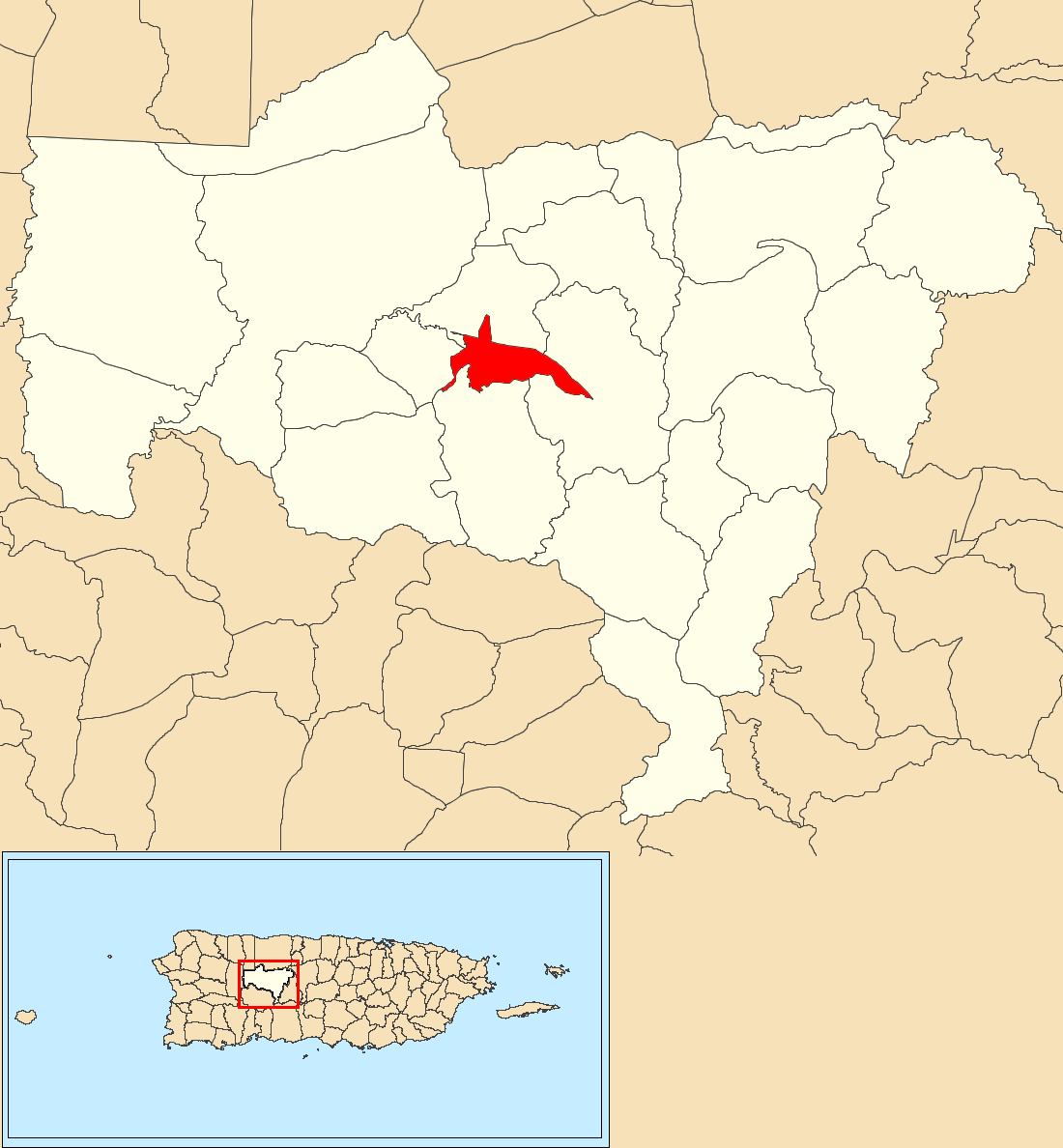
The juxtaposition of Taíno ceremonial heritage and Puerto Rican coffee tradition at Utuado reflects the broader cultural layering of the central mountains. The same hills that Taíno communities used for ceremonies, agriculture, and settlement became, centuries later, the coffee-growing terrain that sustained hacienda economies. The mountains themselves carry both histories, and the people of contemporary Utuado — many of whom carry Taíno genetic and cultural heritage alongside Spanish and African lineage — embody the continuity between these layered traditions.
## Coffee Production in Utuado
Contemporary Utuado coffee production includes both small family farms and larger specialty operations. The municipality's coffee varieties span the traditional and modern: Typica and Bourbon persist on heritage farms, Limaní and Frontón dominate production acreage following their release to farmers in the 1990s, and newer hybrids including Marsellesa, Obatá, and H1 Centroamericano have been introduced in response to climate and disease pressures. Processing is typically washed-method, with some farms experimenting with honey and natural processing for specialty lots.
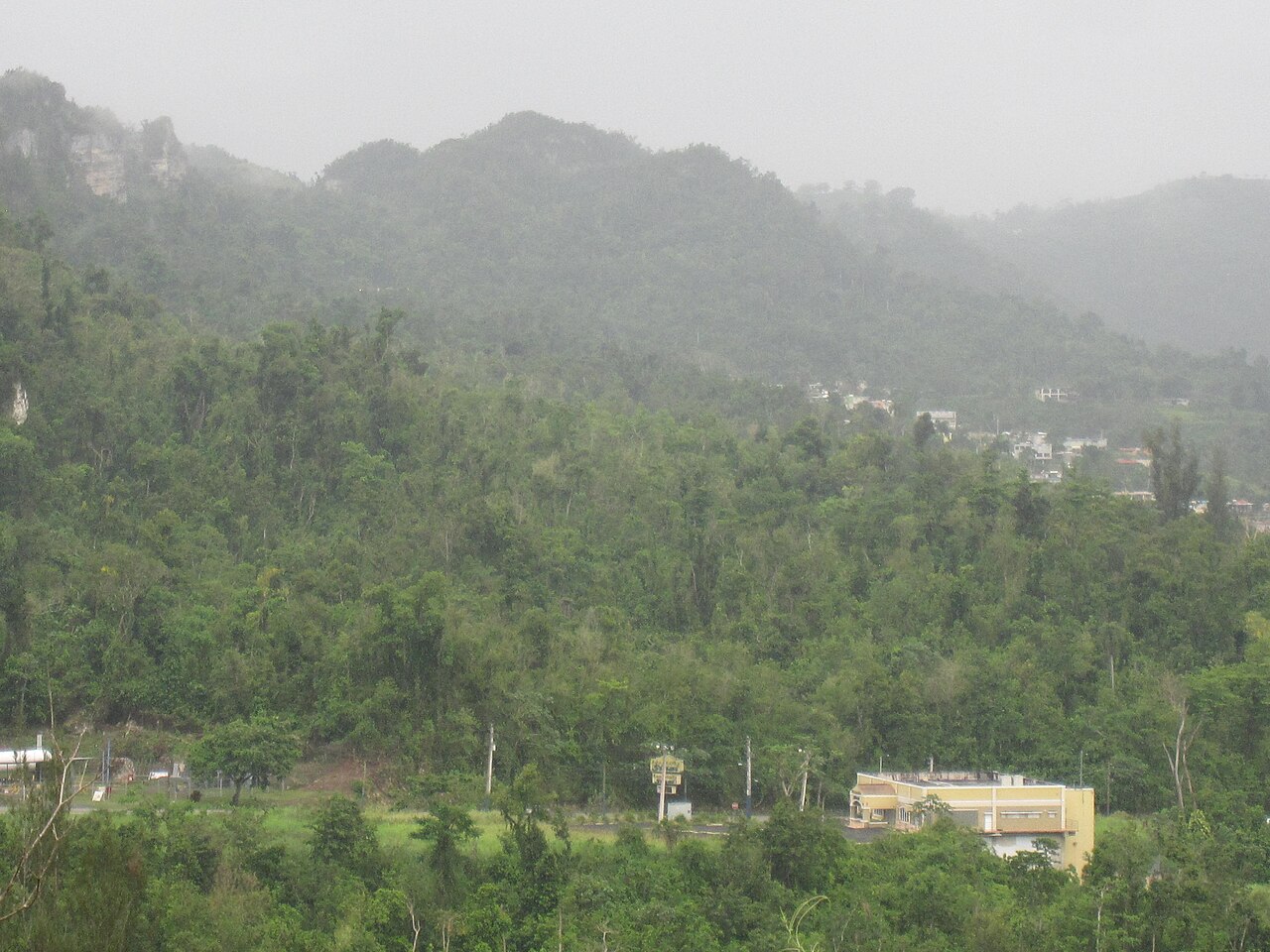
Utuado coffee has benefited from the broader revitalization efforts that have supported Puerto Rican coffee since Hurricane Maria in 2017. Hispanic Federation seedling distributions reached Utuado farms. TechnoServe agronomic training worked with Utuado farmers alongside farmers in other central mountain municipalities. Post-Fiona recovery in 2022 included Utuado as a priority area for both federal and philanthropic aid. The municipality's coffee production has not yet returned to pre-Maria levels but continues to recover gradually.
## Ciales: The Coffee Museum Municipality
Ciales, directly east of Utuado and covering approximately 172 square kilometers, occupies similar mountain terrain and shares much of Utuado's coffee heritage. Ciales has historically been known as one of Puerto Rico's most culturally coffee-oriented municipalities, and the town center features the Museo del Café — one of the island's primary coffee heritage institutions. For visitors interested in the documentary history of Puerto Rican coffee, including evidence of the royal and papal purchases, Ciales is an essential stop.
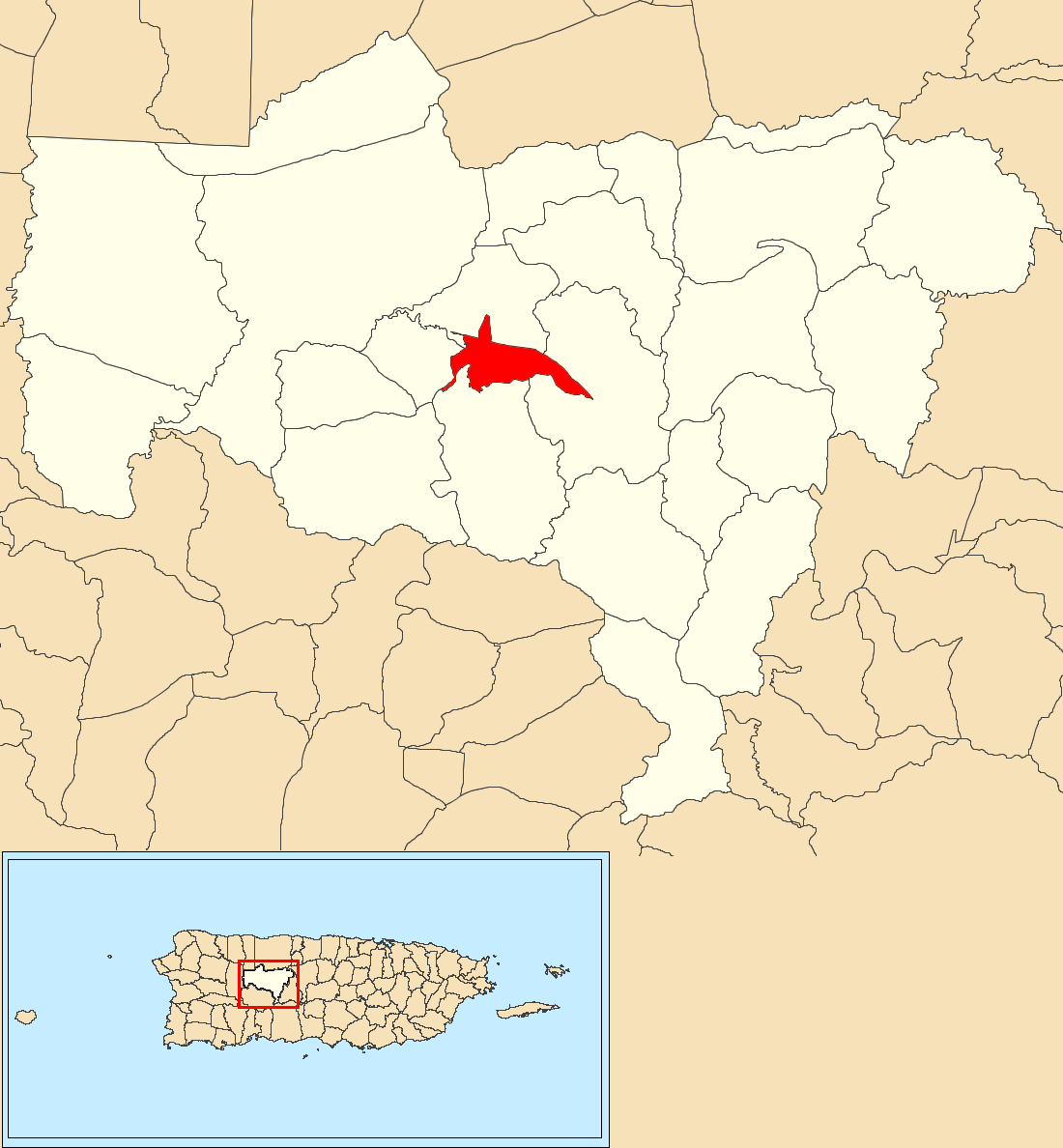
The Museo del Café houses exhibits covering the origin of coffee in Puerto Rico, the development of the hacienda economy, the processing and export of green coffee to world markets, and the daily culture of Puerto Rican coffee consumption. Historical letters, receipts, and documents on display include the papal purchase records from the 1950s-1960s Vatican relationship and earlier royal court documentation. Visitors can also observe the coffee shop on the museum premises, which features donkeys, sheep, goats, chickens, and other farm animals that represent traditional Puerto Rican agricultural life.
## Paseo Lineal Juan Antonio Corretjer
Beyond its coffee museum, Ciales preserves the Paseo Lineal Juan Antonio Corretjer — a tree-lined pedestrian walkway named after one of Puerto Rico's most celebrated poets, who was from Ciales. Juan Antonio Corretjer (1908-1985) was a major figure in 20th-century Puerto Rican literature and political thought, and his birthplace connection to Ciales gives the municipality additional cultural significance beyond its coffee heritage. The paseo itself is a pleasant walking experience that connects visitors to Puerto Rican literary and cultural tradition alongside the coffee tourism that brings many people to Ciales initially.
The combination of Museo del Café, Paseo Lineal Corretjer, and traditional Puerto Rican town atmosphere makes Ciales one of the most rewarding small-town destinations for visitors exploring central mountain Puerto Rico. The town's scale allows visitors to experience everything on foot over a single afternoon, and the integration of coffee, literature, and civic tradition in such a compact area captures something essential about how Puerto Rican culture weaves agriculture, art, and community together.
## Coffee Farms of Ciales
Like Utuado, Ciales supports a mix of small family farms and specialty operations. The municipality's coffee production follows the same general patterns as other central mountain regions: mixed varieties with increasing emphasis on rust-resistant hybrids, traditional washed processing with occasional specialty experimentation, small-scale operations focused on quality rather than volume, and gradual recovery from hurricane damage. Ciales farms have participated in Hispanic Federation distributions and TechnoServe training programs alongside farms in other central mountain municipalities.
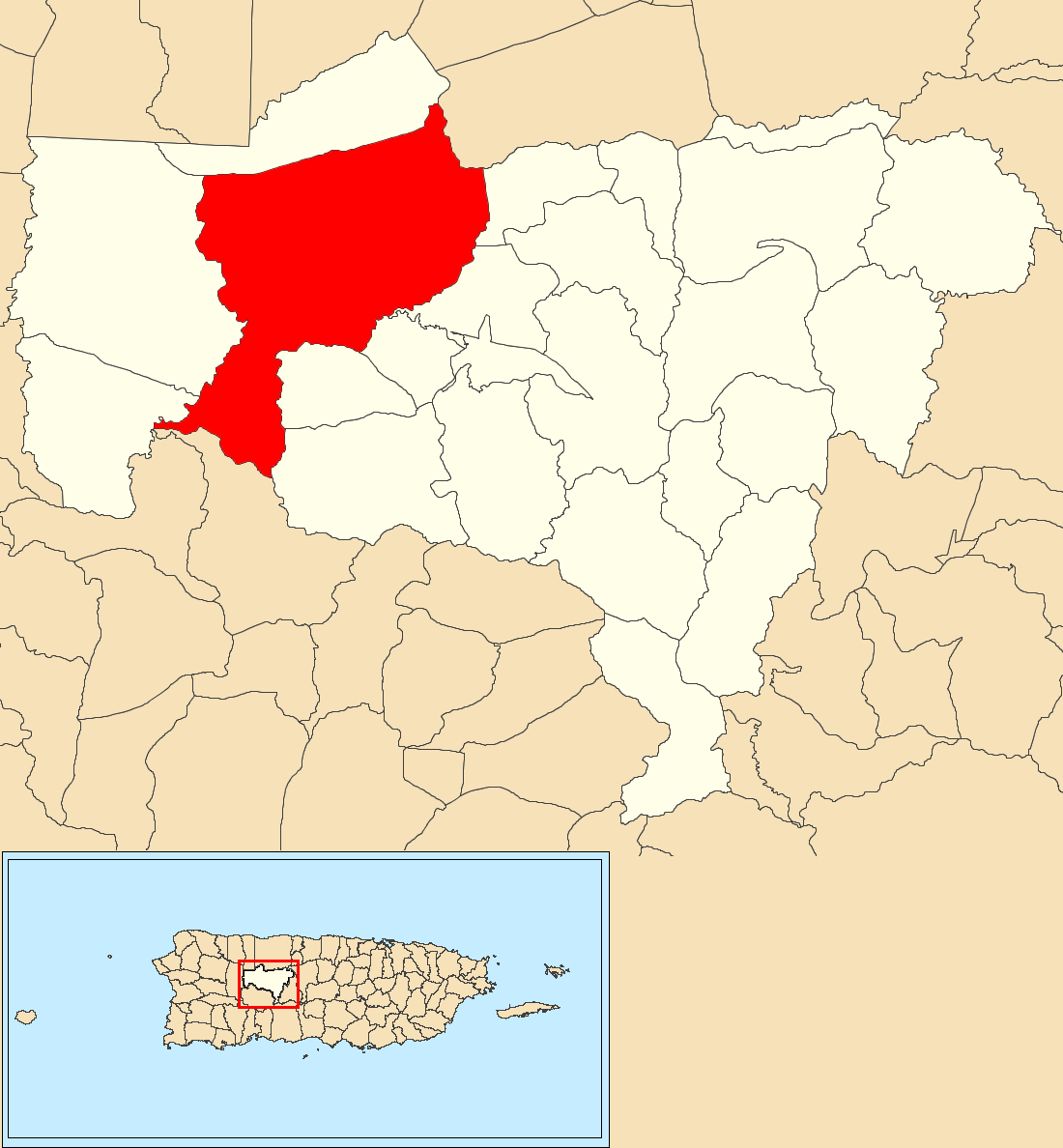
Some Ciales farms offer agritourism experiences, welcoming visitors for tours, tastings, and educational programs. These operations serve both Puerto Rican domestic tourists and international visitors who discover Ciales through the Museo del Café or through broader central mountain itineraries. The agritourism activity provides supplemental income for farms during non-harvest periods and educational opportunities that help sustain public support for Puerto Rican coffee production.
## The Altitude Advantage
Both Utuado and Ciales benefit from the altitude characteristics that make central mountain Puerto Rican coffee commercially viable. Elevations above 2,000 feet provide the cool temperatures, moderate rainfall patterns, and nighttime temperature drops that promote complex flavor development in Arabica coffee cherries. Lower-elevation areas of both municipalities produce more commercial-grade coffee, while the highest-elevation farms compete in specialty markets alongside coffees from similar altitudes elsewhere in the Caribbean and Latin America.
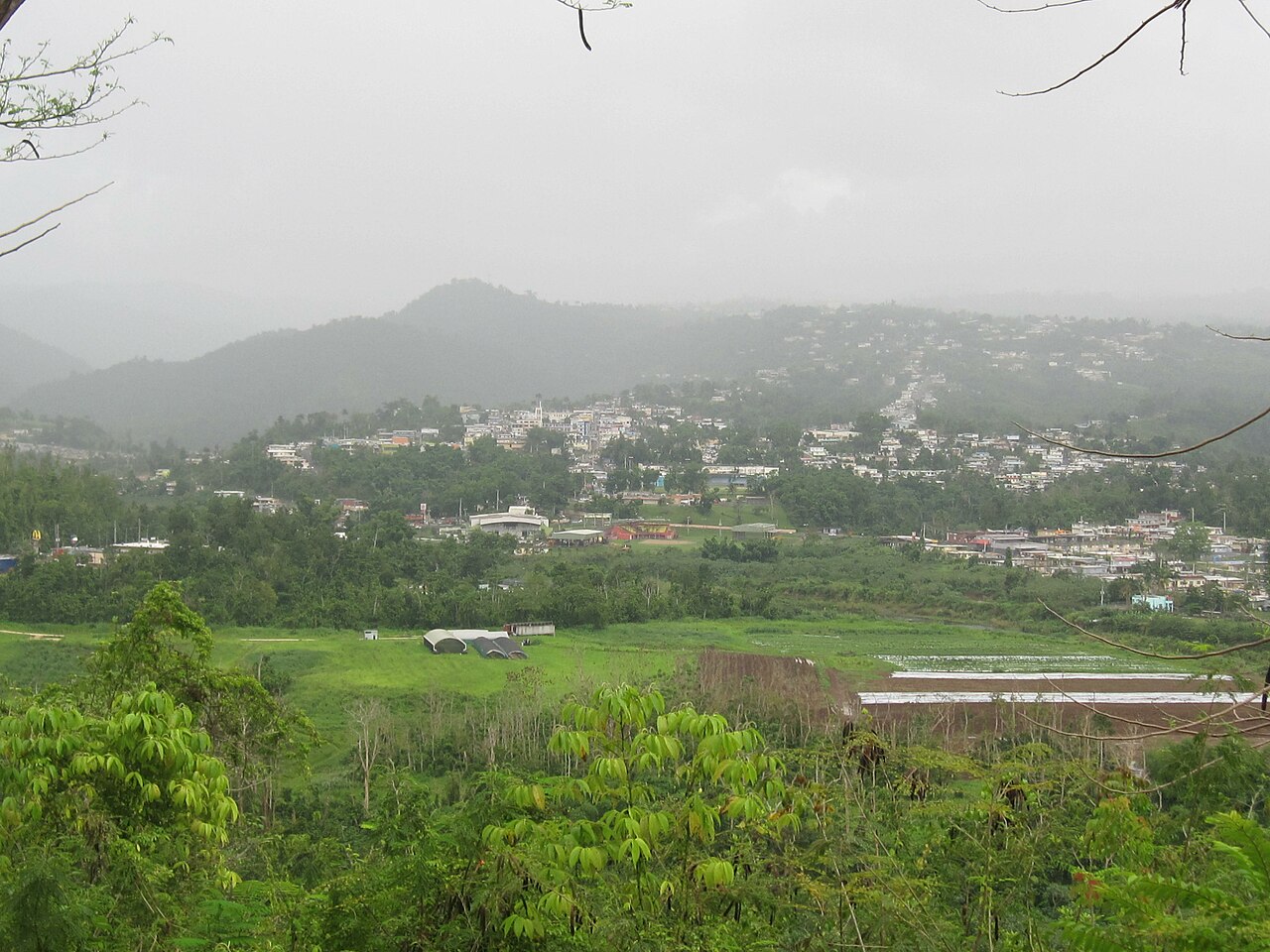
The soils of Utuado and Ciales combine volcanic origins with subsequent weathering that has produced well-drained clay soils rich in minerals important for coffee cultivation. Careful farm management — including shade tree integration, erosion control, and organic matter incorporation — builds on this foundation to produce the kind of healthy soil ecosystems that specialty coffee requires. Farms that have invested consistently in soil stewardship over decades produce noticeably better coffee than farms that have neglected these agricultural fundamentals.
## Hurricane Impacts and Recovery
Both Utuado and Ciales sustained significant damage from Hurricane Maria in 2017 and Hurricane Fiona in 2022. The central mountain location means both municipalities experience the full force of storms crossing the island, and infrastructure damage — particularly to the roads and electrical service required for functional coffee production — has been a persistent challenge. Post-hurricane recovery in both municipalities has involved federal funding, Hispanic Federation seedling distribution, TechnoServe technical assistance, and substantial individual farmer investment in replanting and rebuilding.
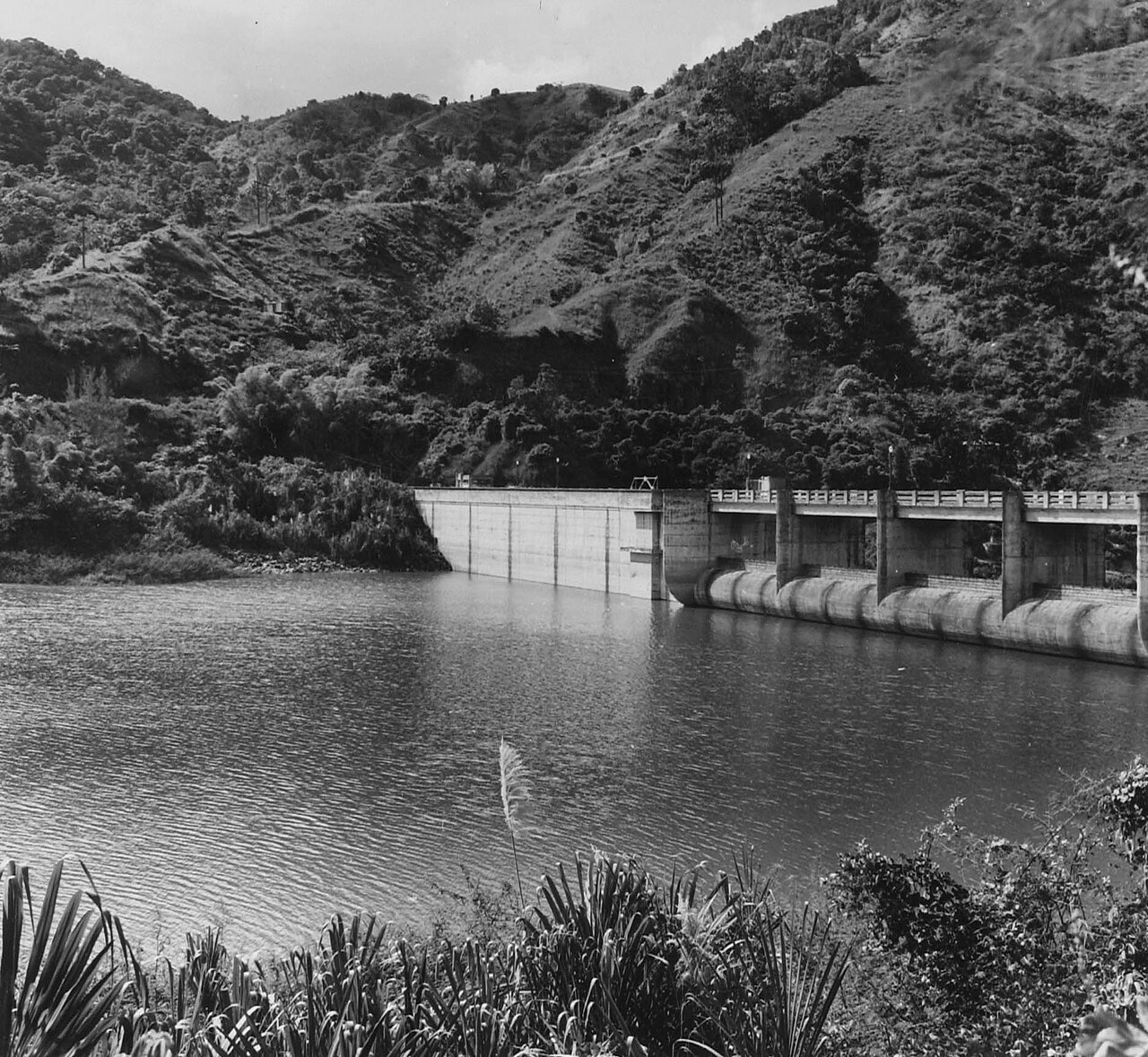
Recovery has been uneven across farms. Some operations have returned to or exceeded pre-Maria production levels. Others are still climbing back. Some have incorporated new climate-resilient varieties and farming practices that position them for future storm challenges. Others continue with traditional approaches that have served the family for generations, accepting the storm risk as an unavoidable feature of Puerto Rican coffee farming. The diversity of farmer strategies reflects the diversity of farmer circumstances, resources, and values.
## Visiting Utuado and Ciales
For visitors planning a Puerto Rican coffee tour that extends beyond the most commonly-visited Yauco and Adjuntas, Utuado and Ciales offer rewarding experiences. The two municipalities can be visited in a single day from San Juan or from a base in the central mountains. A typical itinerary might combine morning at the Parque Ceremonial Indígena de Caguana in Utuado, lunch at a local Puerto Rican restaurant, afternoon at the Museo del Café in Ciales, and closing time walking the Paseo Lineal Corretjer before returning to the coast.
Visitors interested in direct farm experiences can contact agritourism operators in both municipalities through the Puerto Rico Tourism Company or directly through coffee industry contacts. Farm visits typically include cherry-picking demonstrations during harvest season, processing observation, cupping sessions, and meals incorporating Puerto Rican coffee into traditional food preparations. Combining farm visits with the Museo del Café and Parque Caguana provides particularly complete coffee heritage experiences.
## Why These Municipalities Matter
Utuado and Ciales represent an important dimension of Puerto Rican coffee that can be missed by visitors focusing only on the most famous origins. Not every coffee municipality achieved the international reputation that Yauco's Yauco Selecto brand carried, or that Adjuntas gained through its status as home of the Agricultural Experimental Station. But the many smaller coffee municipalities — Utuado, Ciales, Las Marías, San Sebastián, Orocovis, Villalba, and others — collectively constitute the agricultural foundation that makes Puerto Rican coffee possible at any scale.
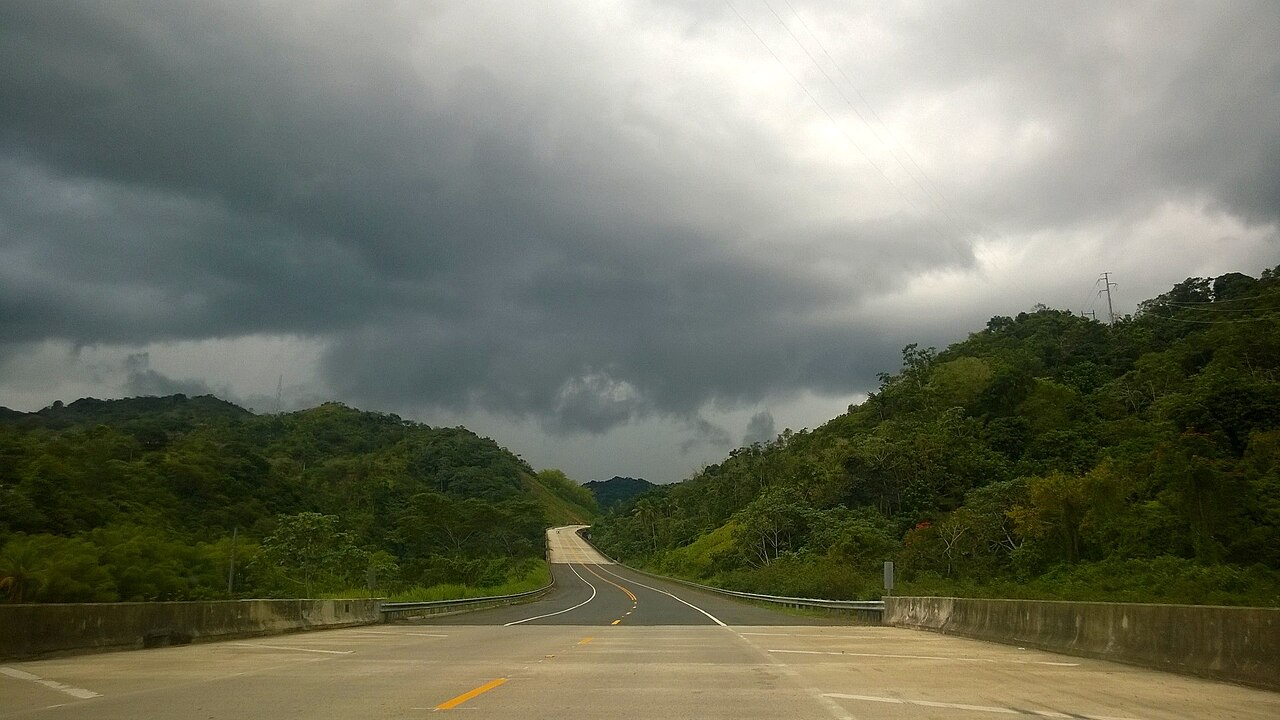
When contemporary consumers purchase Puerto Rican coffee, they may be drinking beans from Utuado or Ciales farms even if the packaging does not specify the exact municipality. The broader identity of "Café de Puerto Rico" encompasses the production of all these central mountain municipalities, and supporting Puerto Rican coffee means supporting the farmers across the entire coffee region — not just the most famous names. Utuado and Ciales deserve recognition as full participants in the tradition that makes Puerto Rican coffee what it is.
## Key Facts — Utuado and Ciales Coffee
- Utuado: central mountain municipality, approximately 202 square kilometers
- Parque Ceremonial Indigena de Caguana: major Taíno archaeological site in Utuado
- Ciales: adjacent central mountain municipality, approximately 172 square kilometers
- Museo del Café: coffee heritage museum in Ciales with documents including royal/papal purchase records
- Paseo Lineal Juan Antonio Corretjer: tree-lined pedestrian walkway in Ciales
- Altitude range: 800 to 3,000+ feet with coffee at middle/upper elevations
- Coffee varieties: Typica, Bourbon, Limaní, Frontón, Marsellesa, Obatá, H1 Centroamericano
- Processing: traditional washed method, with specialty lots in honey and natural processing
- Hurricane recovery: both Maria (2017) and Fiona (2022) affected central mountain production
- Agritourism: farm tours and tastings available in both municipalities
## Frequently Asked Questions
**Where are Utuado and Ciales?**
Utuado and Ciales are adjacent municipalities in Puerto Rico's central mountain range (Cordillera Central). Both are inland, mountainous regions with substantial coffee production. Utuado is slightly to the west, Ciales to the east, and both are accessible by car from San Juan or from other central mountain coffee municipalities.
**What is the Parque Ceremonial Indígena de Caguana?**
The Parque Ceremonial Indígena de Caguana is a Taíno archaeological site in Utuado featuring stone-lined ceremonial ball courts, petroglyphs, and other pre-Columbian structures dated to approximately 1270 AD. It is one of the most important Taíno archaeological sites in the Caribbean and a popular stop on Puerto Rican coffee tours.
**What can I see at the Museo del Café in Ciales?**
The Museo del Café displays historical documents, artifacts, and exhibits covering Puerto Rican coffee history. The collection includes letters, receipts, and records from the royal courts and Vatican purchases that defined Puerto Rico's golden age coffee heritage. The museum also has an on-site coffee shop featuring farm animals representing traditional Puerto Rican agricultural life.
**Can visitors tour coffee farms in Utuado and Ciales?**
Yes, several farms in both municipalities offer agritourism experiences including tours, tastings, cherry-picking during harvest season, and traditional Puerto Rican meals. Contact the Puerto Rico Tourism Company or directly query coffee industry resources for current operating farms and booking information.
**How do Utuado and Ciales coffees compare to Yauco or Adjuntas?**
Utuado and Ciales coffees share the general Puerto Rican profile — balanced acidity, full body, clean flavor — while reflecting the specific terroir of the central mountains. Some specialty aficionados consider central mountain coffees slightly softer and more chocolate-toned than the more citrus-forward southern mountain coffees from Yauco, though individual farm variation exceeds regional patterns.
## Related Articles
- [Yauco: Puerto Rico's Crown Coffee Region](/books/yauco-coffee-region-complete-guide/page/yauco-puerto-ricos-crown-coffee-region)
- [Adjuntas: The Coffee Capital of the Mountains](/books/adjuntas-coffee-region-complete-guide/page/adjuntas-the-coffee-capital-of-the-mountains)
- Lares: The Birthplace of Puerto Rican Coffee
- [Jayuya: Taíno Mountain Coffee](/books/jayuya-coffee-region-complete-guide/page/jayuya-taino-mountain-coffee)
- [Maricao: Where Coffee Meets the Cloud Forest](/books/maricao-coffee-region-complete-guide/page/maricao-where-coffee-meets-the-cloud-forest)
- [Puerto Rico Coffee Agritourism: Farm Tours, Tastings, and Visits](/books/puerto-rico-coffee-tourism/page/puerto-rico-coffee-agritourism-farm-tours-tastings-and-visits)
- [Coffee of Kings and Popes: Puerto Rico's Vatican Connection](/books/puerto-rico-coffee-heritage/page/coffee-of-kings-and-popes-puerto-ricos-vatican-connection)
## Buy Authentic Puerto Rico Coffee
Support all of Puerto Rico's coffee regions, not just the famous ones. [**Buy Authentic Puerto Rico Coffee →**](https://puertoricocoffeeshop.com)
---
*This article is part of The Coffee Encyclopedia, sponsored by [PuertoRicoCoffeeShop.com](https://puertoricocoffeeshop.com) — the trusted source for authentic Puerto Rican coffee.*
*Watch: El Motor — Coffee and the Heart of Puerto Rico (Library of Congress documentary)*
# Las Marías: Puerto Rico's Smallest Coffee Municipality
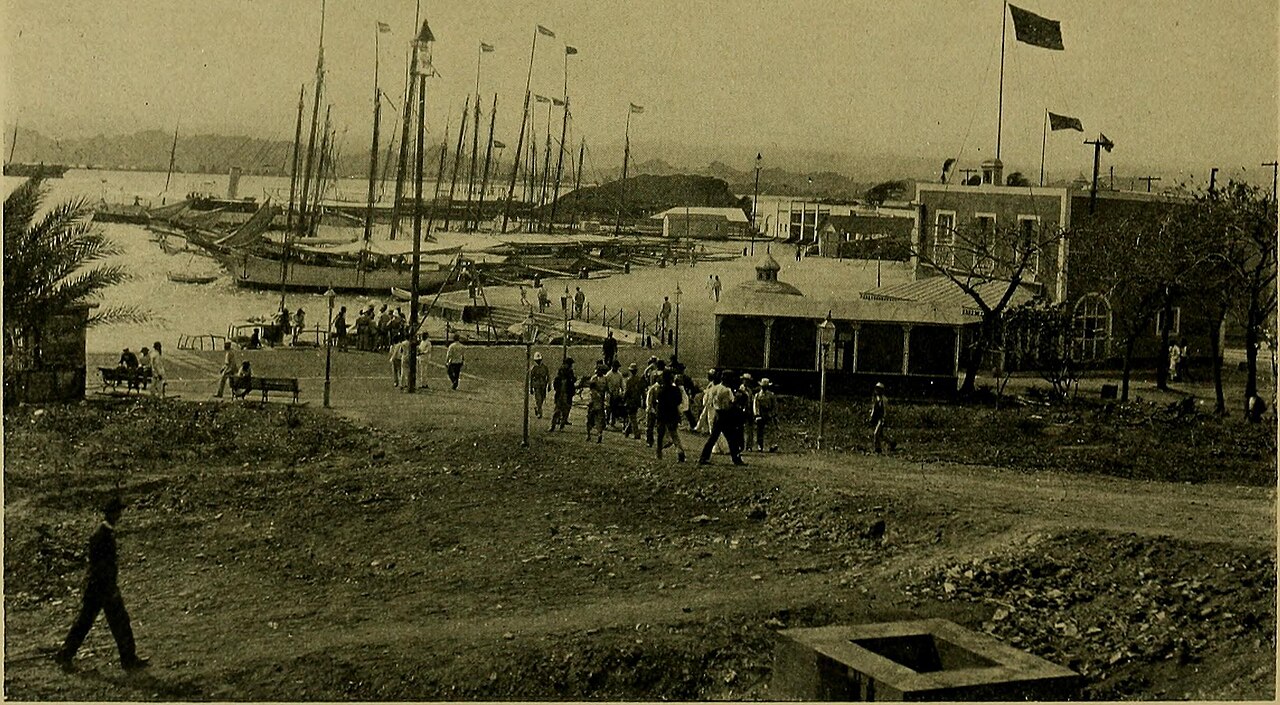
**Las Marías is Puerto Rico's smallest coffee municipality by population — a quiet western mountain town where small-scale specialty coffee production continues alongside the island's most celebrated mandarin citrus heritage.** With fewer than 10,000 residents spread across steep mountain terrain, Las Marías produces coffee at a scale that is personal, traditional, and deeply tied to family farms that have worked these hills for generations. For visitors and coffee consumers seeking the most authentic, least-commercialized face of Puerto Rican coffee, Las Marías offers something that larger coffee municipalities cannot match.
## Where Las Marías Sits
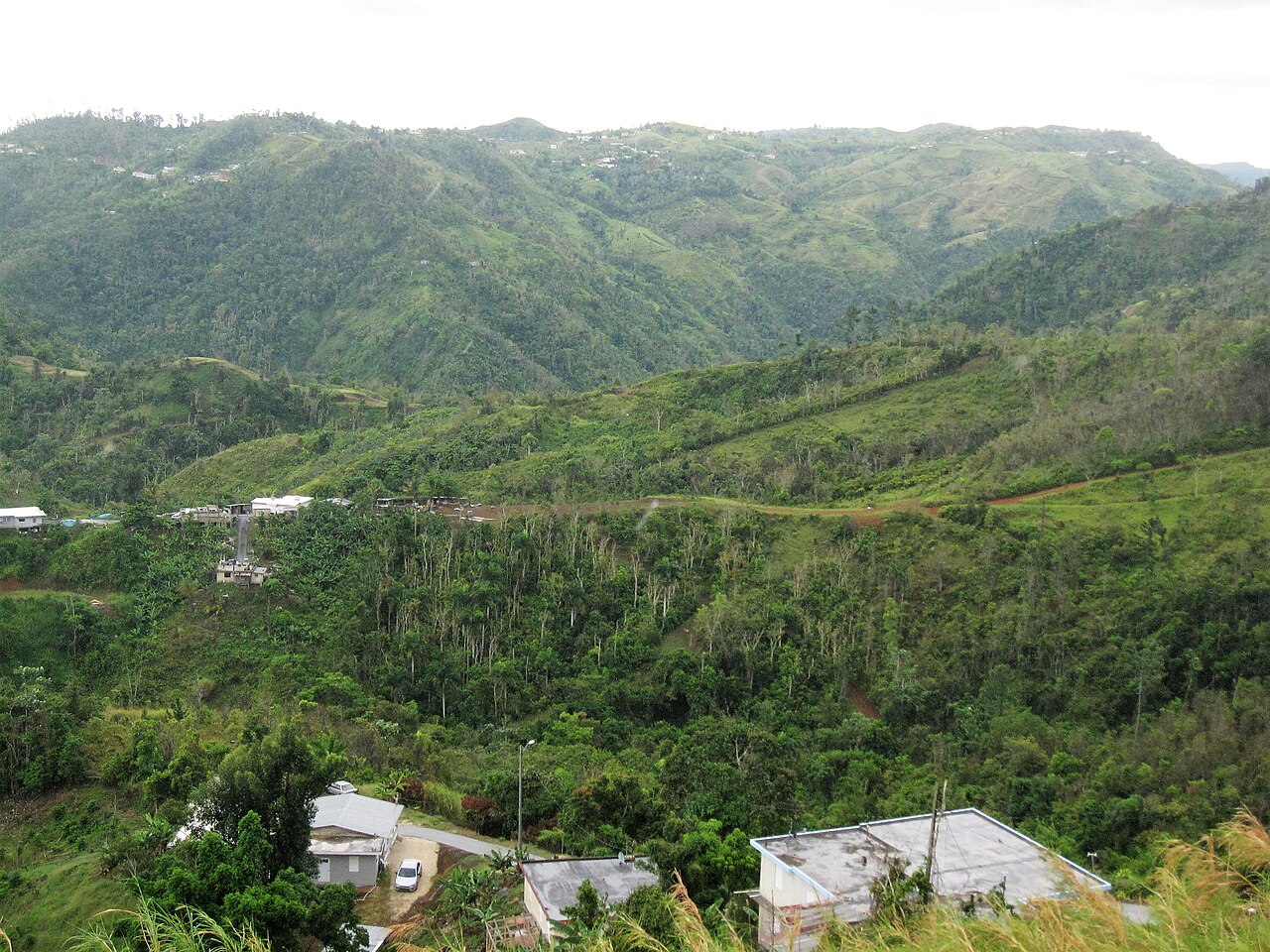
Las Marías occupies the western flank of Puerto Rico's Cordillera Central, bordered by Mayagüez to the west, Maricao to the south, San Sebastián to the north, and Lares to the east. The municipality covers approximately 120 square kilometers of mountainous terrain, with elevations rising from river valleys around 600 feet to mountain peaks approaching 2,800 feet. The Mona Passage drains most of the municipality through rivers that eventually reach the western coast near Mayagüez.
The town center sits at around 700 feet elevation, modest compared to higher coffee municipalities like Maricao or Jayuya, but the surrounding ridges rise quickly to coffee-growing elevations. Most coffee production happens between 1,200 and 2,500 feet, with the best specialty lots coming from the upper ranges where nighttime temperatures drop enough to slow cherry development and concentrate sugars. Las Marías farmers cultivate coffee on slopes that are often steep enough to require hand-harvesting with no mechanical assistance possible.
## The Population Paradox
Las Marías is known throughout Puerto Rico as the municipality with the smallest population on the island, with census figures typically around 9,000 to 10,000 residents. This small population is both the municipality's identity and its agricultural strength. Coffee production in Las Marías has never scaled to industrial levels because the labor force has never been large enough to support large haciendas. Instead, Las Marías developed as a municipality of small family farms — some just a few cuerdas, many under 25 cuerdas, rarely exceeding 100 cuerdas.
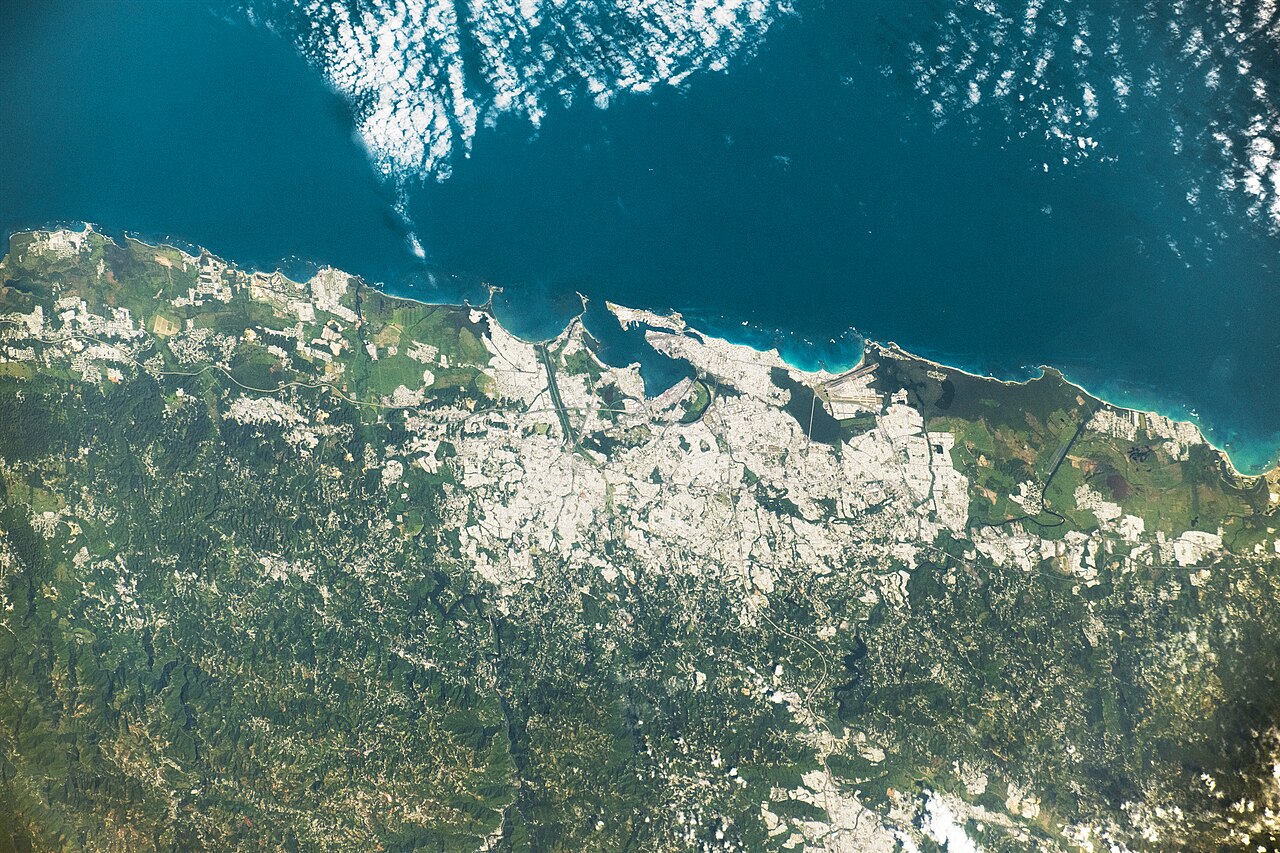
This small-farm structure has advantages for specialty coffee. Each farmer knows every tree. Harvest decisions happen at the cherry level. Processing is typically done on-farm with simple equipment, allowing careful fermentation and drying control. The absence of large commercial operations means Las Marías coffee reflects individual farmer skill rather than corporate processing standards. For specialty buyers seeking single-farm expressions, Las Marías has become increasingly attractive over the past decade.
## The Mandarin Heritage
What makes Las Marías distinctive beyond coffee is its parallel identity as Puerto Rico's capital of china dulce — the sweet mandarin variety that thrives in the municipality's warmer lower elevations. The Festival de la China Dulce, held annually in Las Marías, celebrates this citrus tradition with competitions, music, and food. For the coffee tourism visitor, this festival offers a rare chance to see a Puerto Rican municipality in full cultural expression, where agricultural heritage spans both coffee at the higher elevations and mandarins at the lower ones.
Many Las Marías farms grow both coffee and china dulce on the same property, with coffee on the cooler upper slopes and mandarins on the warmer lower ones. This diversification has been economically important — mandarin sales during the non-coffee season provide year-round cash flow that pure coffee farms lack. The parallel cultures of coffee and citrus create a farming rhythm unique to Las Marías among Puerto Rican municipalities.
## Coffee Production Today
Las Marías coffee production is modest by weight but significant by quality. Contemporary varieties include traditional Typica and Bourbon on heritage farms, Limaní and Frontón on farms that participated in the island-wide rust-resistance program during the 1990s, and increasing experimentation with newer hybrids like Marsellesa, Obatá, and H1 Centroamericano on farms rebuilding after Hurricane Maria in 2017 and Hurricane Fiona in 2022. Washed processing dominates, though several Las Marías farmers have begun experimenting with natural and honey processing for specialty lots.
The municipality participated in Hispanic Federation seedling distributions following Hurricane Maria, and TechnoServe has provided technical assistance to Las Marías farmers through Puerto Rico's post-storm agricultural recovery programs. Recovery has been slower than in some larger coffee municipalities because Las Marías farms are smaller and individual farmer resources are more limited. But the quality of Las Marías coffee continues to improve, and specialty buyers who have discovered the municipality have been rewarded with consistently clean, balanced, chocolate-toned cups.
## The Specialty Opportunity
For specialty coffee importers and roasters seeking Puerto Rican origins that haven't been over-marketed, Las Marías represents an opportunity. The municipality lacks the marketing infrastructure that supports Yauco's internationally-known Yauco Selecto brand or the university extension presence that raised Adjuntas' profile. Las Marías coffee sells primarily through Puerto Rican cooperatives and a few direct-trade relationships with mainland specialty roasters. This means lower margins for farmers in most cases but also preserves the authenticity that specialty buyers say they want.
Several Las Marías farms have begun cupping their own coffees and participating in Puerto Rican coffee competitions. Scores in the 84-86 range on the SCA scale have become routine for the better farms, with occasional lots reaching the 87-88 range that qualifies for higher specialty pricing. These scores put Las Marías coffee on par with specialty producers elsewhere in the Caribbean and Latin America, though the volume constraints mean Las Marías coffee will never compete on quantity with larger origins.
## Visiting Las Marías
For the coffee tourist, Las Marías is best approached as a side trip from San Juan, Mayagüez, or the Maricao cloud forest. The town center offers a traditional Puerto Rican plaza with a historic church, modest restaurants, and the starting point for drives into the surrounding mountains. Several farms offer informal tours during harvest season between September and February, with cherry-picking demonstrations and processing observations for those who make advance contact.
The Festival de la China Dulce in November provides the richest cultural experience, combining traditional music, food, and community celebration with agricultural displays. Visitors who time their trip with the festival see Las Marías at its most expressive. Beyond the festival, the municipality offers quiet mountain roads, small country restaurants, and the sense of visiting a Puerto Rico that exists outside the tourist infrastructure of San Juan or Rincón.
## Why Las Marías Matters
Las Marías represents a dimension of Puerto Rican coffee that cannot be replicated at scale. Every farm here is known. Every farmer has a relationship with every tree. The coffee expresses individual hands more than industrial processes. When specialty coffee consumers talk about wanting to know where their coffee comes from and who made it, Las Marías is the kind of municipality that genuinely delivers on that aspiration.
The smallness of Las Marías is not a limitation to be overcome. It is the feature that makes the municipality worth visiting, worth buying from, and worth preserving. Puerto Rico's coffee identity encompasses many scales, from larger specialty operations in Yauco and Adjuntas down to the intimate family farms of Las Marías. Each scale has value. Supporting Puerto Rican coffee means supporting the full range, including the smallest municipalities where tradition persists most strongly.
## Key Facts — Las Marías Coffee
* Population: approximately 9,000 to 10,000 — smallest in Puerto Rico
* Area: approximately 120 square kilometers
* Coffee elevation range: 1,200 to 2,500 feet, with specialty lots at the upper range
* Town center elevation: around 700 feet
* Main watershed: Mona Passage drainage through western rivers
* Festival de la China Dulce: annual celebration of mandarin citrus heritage, typically November
* Coffee varieties: Typica, Bourbon, Limaní, Frontón, Marsellesa, Obatá, H1 Centroamericano
* Processing: primarily washed, with natural and honey experimentation
* Farm scale: overwhelmingly small family operations, most under 25 cuerdas
* Specialty scores: 84-88 SCA for better farms
## Frequently Asked Questions
**Is Las Marías really the smallest municipality in Puerto Rico?**
Yes, Las Marías consistently reports the smallest population of any Puerto Rican municipality, typically around 9,000 to 10,000 residents. This smallness is foundational to how coffee is produced there — small farms, family labor, individual processing — rather than something the municipality is trying to overcome.
**Why does Las Marías grow both coffee and mandarins?**
Elevation diversity. Coffee thrives at the upper elevations of Las Marías farms, while the sweet mandarin variety called china dulce prefers the warmer lower elevations. Many farms grow both crops on the same property, with parallel harvest seasons that provide year-round income.
**Can visitors tour Las Marías coffee farms?**
Yes, several farms offer informal tours during harvest season, typically September through February. Advance contact through the Puerto Rico Tourism Company or direct outreach to specific farms is recommended. The Festival de la China Dulce in November offers the richest cultural experience.
**How does Las Marías coffee compare to Yauco or Adjuntas?**
Las Marías coffee generally shows clean acidity, full body, and chocolate-toned flavors similar to other central-western Puerto Rican origins. Scale is the main difference — Las Marías is made up of small family farms rather than larger specialty operations, which means individual farm variation is high and production volume is low.
**Does Las Marías export coffee internationally?**
Most Las Marías coffee sells through Puerto Rican cooperatives and specialty channels that reach mainland US markets. Small direct-trade relationships exist with specific mainland roasters, but Las Marías does not have the export volume or marketing infrastructure of larger origins.
## Related Articles
* [Yauco: Puerto Rico's Crown Coffee Region](/books/yauco-coffee-region-complete-guide/page/yauco-puerto-ricos-crown-coffee-region)
* [Adjuntas: The Coffee Capital of the Mountains](/books/adjuntas-coffee-region-complete-guide/page/adjuntas-the-coffee-capital-of-the-mountains)
* [Maricao: Where Coffee Meets the Cloud Forest](/books/maricao-coffee-region-complete-guide/page/maricao-where-coffee-meets-the-cloud-forest)
* [Puerto Rico Coffee Cooperatives and Economics](/books/puerto-rico-coffee-today/page/puerto-rico-coffee-cooperatives-and-economics)
* [Utuado and Ciales: Central Mountain Coffee Regions](/books/puerto-rico-coffee-today/page/utuado-and-ciales-central-mountain-coffee-regions)
* [Puerto Rico Coffee Agritourism: Farm Tours, Tastings, and Visits](/books/puerto-rico-coffee-tourism/page/puerto-rico-coffee-agritourism-farm-tours-tastings-and-visits)
* [Hacienda Caracolillo: The Jewel of Maricao Coffee](/books/puerto-rico-coffee-heritage/page/hacienda-caracolillo-the-jewel-of-maricao-coffee)
## Buy Authentic Puerto Rico Coffee
Support Puerto Rico's smallest coffee municipalities by drinking coffee sourced from the full range of the island's producers. [**Buy Authentic Puerto Rico Coffee →**](https://puertoricocoffeeshop.com)
---
*This article is part of The Coffee Encyclopedia, sponsored by [PuertoRicoCoffeeShop.com](https://puertoricocoffeeshop.com) — the trusted source for authentic Puerto Rican coffee.*
*Watch: El Motor — Coffee and the Heart of Puerto Rico (Library of Congress documentary)*
# Orocovis: The Geographic Heart of Puerto Rico Coffee
**Orocovis sits at the geographic center of Puerto Rico, a high-altitude mountain municipality whose coffee production benefits from proximity to Cerro de Punta, the highest peak on the island at 4,390 feet.** Surrounded by Toro Negro state forest, crossed by several major rivers, and characterized by the steepest coffee-growing terrain in Puerto Rico, Orocovis represents the most elevation-extreme expression of Puerto Rican coffee. For understanding how altitude shapes Caribbean coffee quality, and for experiencing Puerto Rican mountain culture at its most authentic, Orocovis is an essential municipality.
## The Geographic Center
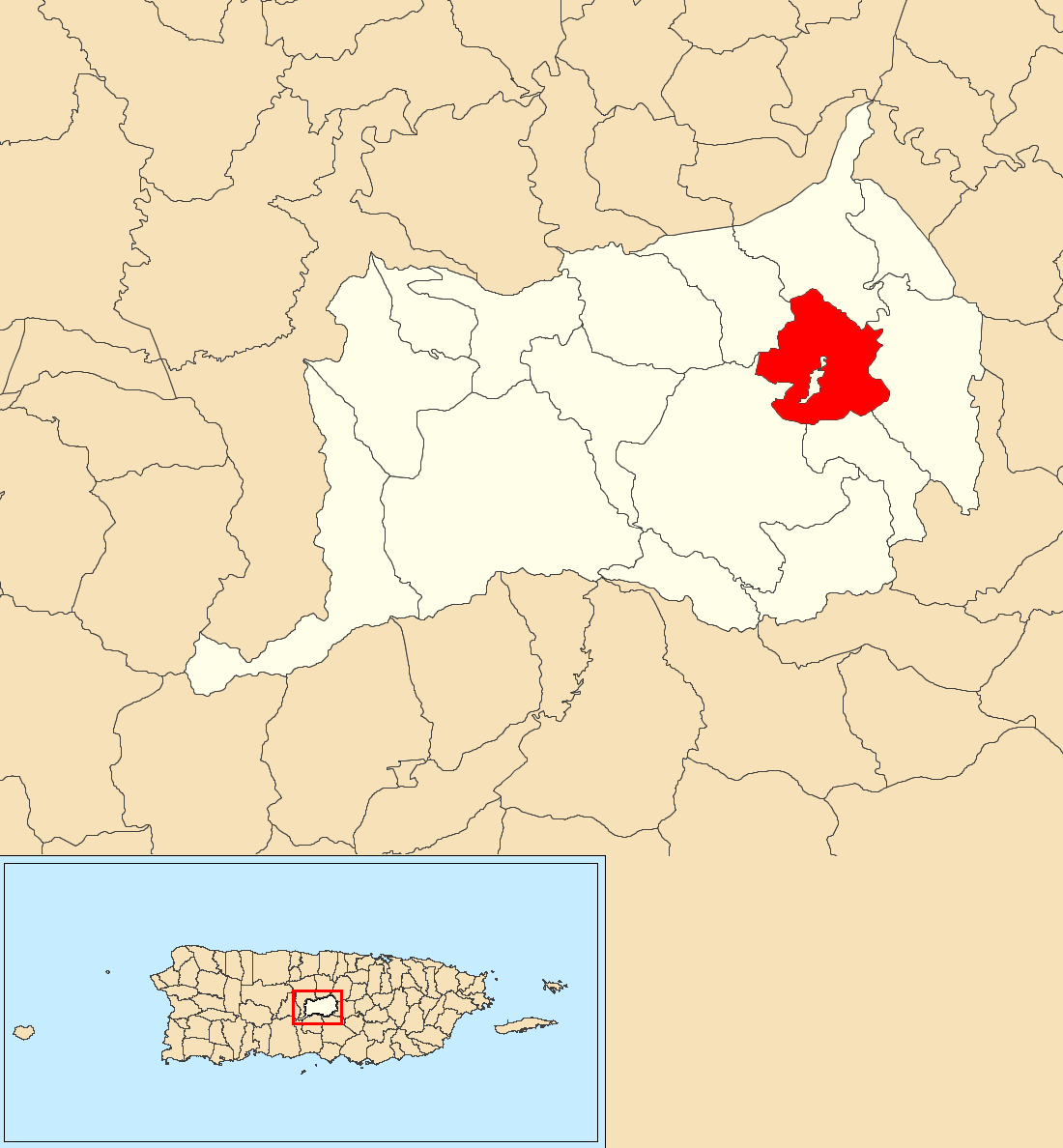
Orocovis's claim as Puerto Rico's geographic center is precise — the mathematical centroid of the island falls within the municipality, and a monument marks the exact location. This centrality is more than symbolic. The position means Orocovis is surrounded by mountains on all sides, with coffee-growing slopes visible in every direction from the town center. No other Puerto Rican municipality occupies this completely-mountain-enclosed geography.
The municipality covers approximately 164 square kilometers of very steep terrain. Elevations range from river valleys around 1,000 feet to the borders of Cerro de Punta at 4,390 feet, giving Orocovis coffee farmers access to the highest cultivation elevations in Puerto Rico. Coffee production happens primarily between 2,000 and 3,500 feet, with specialty lots coming from the upper ranges where altitude concentrates flavor development in ways that lower elevations cannot match.
## The Altitude Advantage
Coffee grown at higher elevations develops more slowly. Slower development allows longer maturation of aromatic and flavor compounds, producing denser, harder beans with more complex flavor profiles. The industry-standard classification "Strictly Hard Bean" or "Strictly High Grown" applies to coffee grown above 4,500 feet in equatorial origins and above 3,500 feet in higher-latitude origins like Puerto Rico. Orocovis farms routinely reach these classifications, particularly those on the slopes approaching Cerro de Punta or on the mountains around Toro Negro.
The altitude advantage combines with the specific microclimate of central Puerto Rico. Cerro de Punta's peak attracts cloud formation almost daily, wrapping the surrounding coffee farms in the cool moist air that coffee plants prefer. Nighttime temperatures drop below what lower-elevation Puerto Rican farms experience, slowing cherry development further. Rainfall is abundant but well-distributed, with the mountain rain shadow effects creating microclimates that vary farm by farm. Farmers in Orocovis often describe their coffee in terms of which ridge or valley it grew on, because these microclimates produce noticeably different cups.
## Toro Negro State Forest
Orocovis shares Toro Negro state forest with neighboring Ciales and Jayuya. The forest protects the headwaters of the Río Toro Negro and several other rivers important to central Puerto Rico, and serves as a biodiversity reserve that includes rare birds, endemic plants, and the high-altitude forests that ecologically support nearby coffee farms. Coffee farms on the edges of Toro Negro benefit from the forest's ecological services — watershed protection, pollinator habitat, and microclimate moderation — that would be difficult to replicate without the protected area.
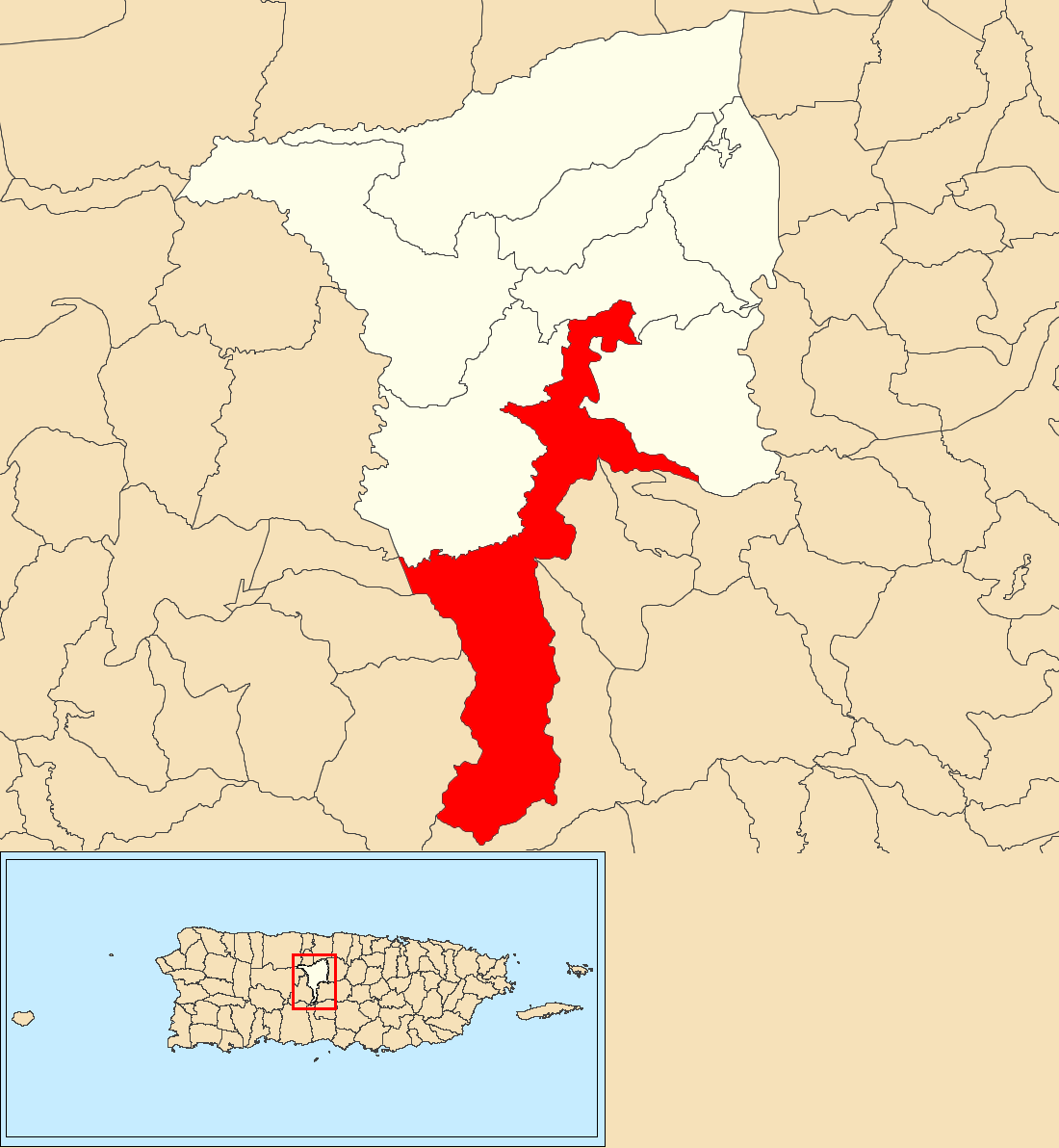
The forest also preserves historical memory of how Puerto Rican coffee was originally cultivated. Shade-grown coffee under native forest canopy was the dominant model in the 19th century, and farms on the Toro Negro boundary often preserve these practices in ways that lower-elevation commercial operations have abandoned. Visiting these farms offers a window into how Puerto Rican coffee has historically looked and tasted.
## Orocovis Hacienda History
The 19th century saw Orocovis develop as an important coffee municipality, with several haciendas establishing substantial operations on the accessible lower slopes. The post-1898 American acquisition and subsequent economic transitions reduced most of these haciendas to smaller operations, and Hurricane San Ciriaco in 1899 devastated coffee production across the island including in Orocovis. The municipality never fully recovered its 19th-century coffee dominance, but remnants of hacienda infrastructure persist as historical features of the mountain landscape.
Some contemporary Orocovis farms trace their origins directly to 19th-century haciendas, with family continuity sometimes spanning five or six generations. These heritage farms often preserve old stone terracing, traditional processing structures, and varieties introduced during the original hacienda era. For researchers and coffee historians, Orocovis represents one of the better-preserved examples of Puerto Rico's central mountain coffee heritage.
## Contemporary Production
Modern Orocovis coffee production emphasizes quality over quantity. The steep terrain limits farm size — most operations are between 10 and 75 cuerdas — and the altitude ensures that even unremarkable farms produce coffee good enough for specialty markets. Varieties include traditional Typica and Bourbon on heritage farms, Limaní and Frontón as the dominant rust-resistant varieties, and newer hybrid experiments as farms rebuild post-Maria. Washed processing dominates, with specialty lots increasingly produced through honey and natural methods.
Hurricane Maria in 2017 was particularly devastating for Orocovis because the municipality's high elevation position placed it directly in the storm's track. Many Orocovis farms saw 60-80% mortality of coffee plants, requiring complete replanting. Hispanic Federation seedling distributions, TechnoServe technical assistance, and substantial farmer investment have driven recovery, but production has not yet returned to pre-Maria levels. Hurricane Fiona in 2022 created additional setbacks. Farmers adapting to repeated storm stress have emphasized shade tree integration, variety diversification, and erosion control.
## Visiting Orocovis
Orocovis is the destination for visitors wanting the most extreme Puerto Rican coffee experience. The municipality's roads are famously steep, winding, and narrow. Weather in the mountains can shift rapidly — clear skies at the town center can become driving rain within twenty minutes. Rewards for the committed visitor include genuine mountain culture, traditional Puerto Rican food at small roadside restaurants, and direct contact with farmers whose families have worked these mountains for generations.
Several Orocovis farms offer agritourism experiences including cherry-picking demonstrations, cupping sessions, and traditional meal preparation. The Geographic Center monument is a standard tourist stop. Toro Negro state forest offers hiking opportunities with altitude-dependent ecosystems visible at different elevation bands. Combining farm visits with forest hiking and traditional food provides a complete Orocovis experience that requires at least a full day.
## Why Orocovis Matters
Orocovis represents Puerto Rican coffee at its most extreme — highest elevations, steepest slopes, coldest mornings, most demanding terrain. The coffee that results from these conditions is distinctively Puerto Rican but also distinctively Orocovan, expressing the altitude advantage that has made the municipality specifically attractive to specialty buyers. For consumers seeking the top of the Puerto Rican coffee quality pyramid, Orocovis is one of the essential origins.
The municipality also represents the fragility of Puerto Rican coffee. The same altitude that produces exceptional coffee makes Orocovis extraordinarily vulnerable to climate-intensified storms. The same small-farm structure that preserves heritage practices leaves farmers economically exposed during extended recovery periods. Supporting Orocovis coffee means recognizing both its excellence and its fragility, and choosing to pay for the quality that has its costs for the farmers who produce it.
## Key Facts — Orocovis Coffee
* Location: geographic center of Puerto Rico
* Area: approximately 164 square kilometers
* Coffee elevation range: 2,000 to 3,500 feet, with some above 4,000
* Highest peak: Cerro de Punta at 4,390 feet — highest in Puerto Rico
* Protected area: shares Toro Negro state forest with Ciales and Jayuya
* Coffee varieties: Typica, Bourbon, Limaní, Frontón, rust-resistant hybrids
* Processing: washed primary, with honey and natural specialty lots
* Hurricane impact: severe damage from Maria 2017 and Fiona 2022
* Farm scale: small family operations, 10 to 75 cuerdas typical
* Specialty tier: SCA scores regularly 84-88, some reaching 89+
## Frequently Asked Questions
**Where exactly is the geographic center of Puerto Rico?**
The mathematical centroid of Puerto Rico falls within Orocovis municipality. A monument marks the location, which has become both a symbolic landmark and a tourist destination. Visitors can take photos at the monument and use it as a starting point for exploring central Puerto Rican coffee country.
**Is Cerro de Punta climbable?**
Cerro de Punta at 4,390 feet is the highest point in Puerto Rico and accessible by vehicle on a paved road that reaches near the summit. Hiking trails provide additional exploration options. The summit area is forested and often cloudy, offering views when weather permits.
**How does Orocovis coffee taste different from lower-elevation Puerto Rican coffee?**
Orocovis coffee typically shows more concentrated flavor development, brighter acidity, and denser body than lower-elevation Puerto Rican coffees. The altitude produces beans that are harder and more dense, which roasts and brews with more complexity. Specific flavor profiles vary by farm.
**Can visitors tour Orocovis coffee farms?**
Yes, several farms offer tours, tastings, and farm visits, especially during harvest season from September to February. Advance contact through the Puerto Rico Tourism Company or direct outreach to specific farms is recommended. The mountainous terrain makes visits more adventurous than tours in flatter coffee regions.
**What should visitors expect from Orocovis weather?**
Mountain weather varies rapidly. Clear mornings can become rainy afternoons. Temperatures at higher elevations can be noticeably cooler than in San Juan or other coastal areas. Visitors should bring layered clothing, rain gear, and plan for winding mountain driving that can slow trip times significantly.
## Related Articles
* [Jayuya: Taíno Mountain Coffee](/books/jayuya-coffee-region-complete-guide/page/jayuya-taino-mountain-coffee)
* [Adjuntas: The Coffee Capital of the Mountains](/books/adjuntas-coffee-region-complete-guide/page/adjuntas-the-coffee-capital-of-the-mountains)
* [Utuado and Ciales: Central Mountain Coffee Regions](/books/puerto-rico-coffee-today/page/utuado-and-ciales-central-mountain-coffee-regions)
* [Villalba: Lake Toa Vaca and the Southern Coffee Slopes](/books/puerto-rico-coffee-today/page/villalba-lake-toa-vaca-and-the-southern-coffee-slopes)
* [Puerto Rico Coffee Cooperatives and Economics](/books/puerto-rico-coffee-today/page/puerto-rico-coffee-cooperatives-and-economics)
* [Maricao: Where Coffee Meets the Cloud Forest](/books/maricao-coffee-region-complete-guide/page/maricao-where-coffee-meets-the-cloud-forest)
* [Coffee Leaf Rust (Roya) in Puerto Rico: The Silent Threat](/books/puerto-rico-coffee-sustainability/page/coffee-leaf-rust-roya-in-puerto-rico-the-silent-threat)
## Buy Authentic Puerto Rico Coffee
Support Orocovis's high-altitude farmers by choosing coffee from Puerto Rico's central mountain heart. [**Buy Authentic Puerto Rico Coffee →**](https://puertoricocoffeeshop.com)
---
*This article is part of The Coffee Encyclopedia, sponsored by [PuertoRicoCoffeeShop.com](https://puertoricocoffeeshop.com) — the trusted source for authentic Puerto Rican coffee.*
*Watch: Cerro de Punta — the rooftop of Puerto Rico in the Cordillera Central*
# Villalba: Lake Toa Vaca and the Southern Coffee Slopes
**Villalba occupies Puerto Rico's southern mountain slopes, a coffee-growing municipality whose drier climate and distinctive Lake Toa Vaca watershed produce coffee with a different profile than the island's northern-facing coffee regions.** The southern-slope position creates less rainfall than Yauco, Adjuntas, or Maricao experience on their northern aspects, giving Villalba farmers different cultivation challenges and different flavor outcomes. For understanding how aspect and climate shape Puerto Rican coffee character, and for experiencing the coffee-lake combination unique to this municipality, Villalba offers a perspective that other coffee regions cannot.
## Geography and the Southern Slope
Villalba covers approximately 92 square kilometers in south-central Puerto Rico, positioned on the southern flank of the Cordillera Central where mountain slopes angle down toward the Caribbean coast. The municipality is bordered by Juana Díaz and Ponce to the south, Jayuya to the north, and Orocovis to the east. Elevations range from around 800 feet in the southern valleys to over 2,800 feet at the mountain boundary with Jayuya, giving Villalba farmers a substantial altitude range for coffee cultivation.
The southern slope position is the defining feature. Northern Puerto Rican mountain municipalities face the Atlantic and receive substantially higher rainfall because of the trade winds that bring Atlantic moisture up the northern mountain faces. Villalba's southern exposure means lower rainfall, more sunlight, and generally warmer temperatures than comparable-elevation farms on the northern side. This rain-shadow effect creates challenges but also opportunities — Villalba coffee develops differently than northern-slope coffee, with flavor profiles that specialty cuppers distinguish from the northern mountain standard.
## Lake Toa Vaca
Lake Toa Vaca, created by the Toa Vaca Dam on the Río Toa Vaca, is the dominant geographic feature of Villalba. The reservoir provides water supply to southern Puerto Rico including Ponce and serves as a defining landscape element for the municipality. The lake's presence moderates local microclimates in the surrounding valleys, creating humidity conditions that partially offset the broader southern-slope rain-shadow effect for farms near the water.
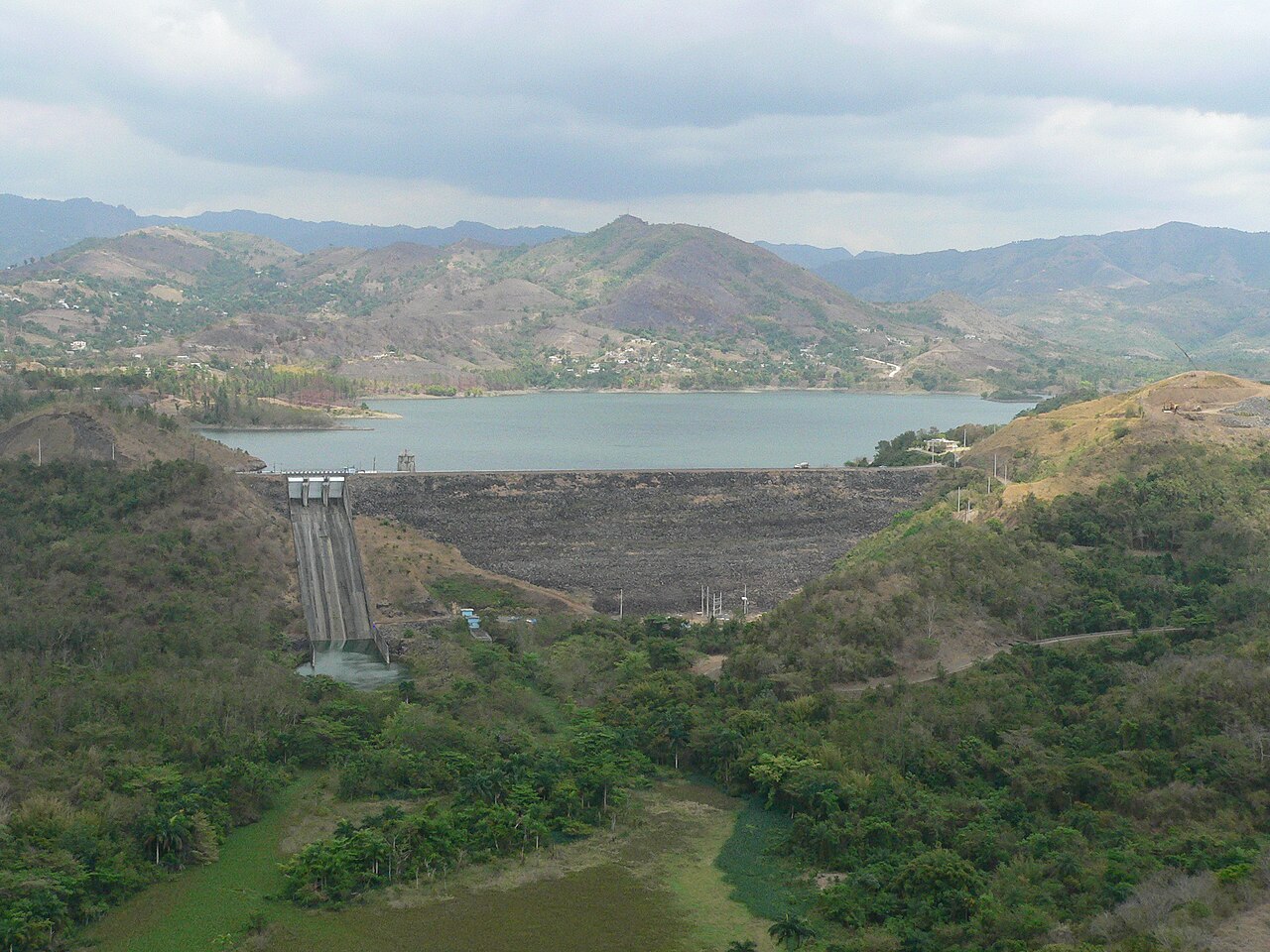
The coffee-lake combination has become part of Villalba's identity for visitors. Coffee farms on the slopes above Lake Toa Vaca offer views that combine agricultural and scenic value, and the drive between the lake and the coffee farms provides one of the more visually distinctive coffee tourism experiences in Puerto Rico. The lake itself supports fishing, boating, and recreation, giving visitors reasons to extend their Villalba stay beyond a coffee-only focus.
## The Dry-Side Climate
Villalba's drier climate affects coffee cultivation at every stage. The trees require more careful water management than in wetter regions. Harvest timing differs slightly — Villalba cherries often ripen somewhat earlier than equivalent-elevation farms on the northern side of the mountains. Processing benefits from the drier air, which supports consistent drying without the mold risks that wetter municipalities constantly navigate.
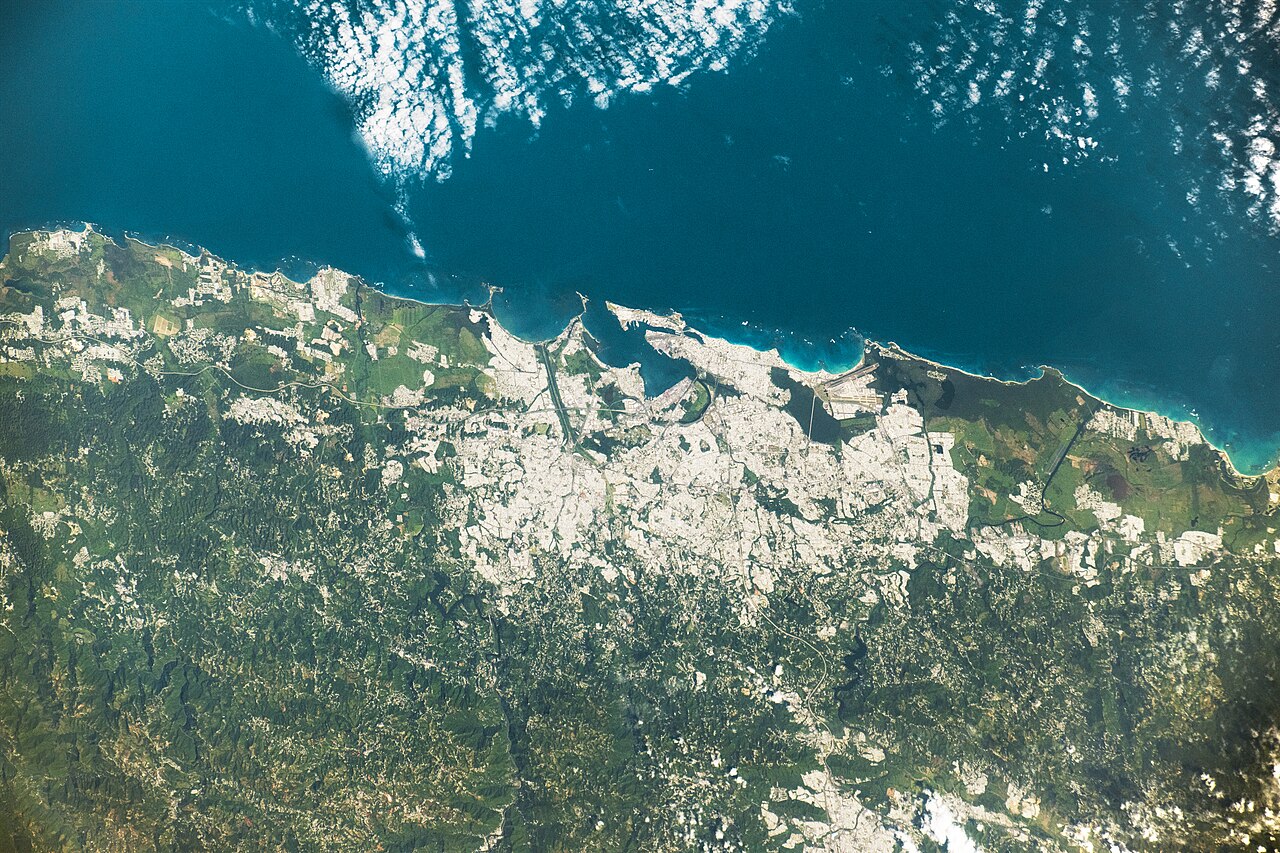
Flavor outcomes also differ. Villalba coffee often shows slightly lower acidity than northern-slope coffees, with fuller body and more chocolate-toned sweetness. Some cuppers describe Villalba coffee as more "classic" in profile — the kind of balanced, chocolatey, full-bodied coffee that appeals to traditional consumer preferences rather than the brighter, more acidic profiles associated with specialty coffee trends. This traditional profile has both defenders and critics within the specialty coffee community, and individual farm variation exceeds any municipal pattern.
## Historical Coffee in Villalba
Villalba developed as a coffee municipality during Puerto Rico's 19th-century golden age, though never at the production scale of the larger western municipalities. Several haciendas operated on the southern slopes, growing coffee for export through the ports of Ponce and Guayanilla. The post-1898 transitions affected Villalba similarly to other Puerto Rican coffee municipalities, with larger operations breaking into smaller holdings and production declining from its pre-American peak.
Contemporary Villalba coffee production happens primarily through small family farms, some with multi-generational continuity back to the hacienda era. The municipality participated in the Limaní-Frontón distribution of the 1990s and has been part of the post-Maria recovery programs through Hispanic Federation and TechnoServe. Recovery has been uneven, as in other Puerto Rican coffee municipalities, but specialty-oriented farms have generally emerged strengthened from the rebuilding process with better varieties and infrastructure.
## Hurricane Recovery
Both Hurricane Maria in 2017 and Hurricane Fiona in 2022 affected Villalba significantly. The southern-slope position provided some protection from the direct force of storms approaching from the northeast, but rainfall-induced flooding and landslides caused substantial damage. Coffee farms lost trees and processing infrastructure. Roads and electrical service were disrupted for extended periods, complicating harvest, processing, and market access.

Recovery in Villalba has emphasized climate adaptation. Variety selection has shifted toward rust-resistant types that also tolerate drier conditions, shade tree integration has received more attention as farmers work to moderate southern-slope sun exposure, and infrastructure rebuilding has incorporated erosion control and storm-resilient design. The adaptation process has not been fast, but farms that have successfully adapted are positioned for continued production under changing climate conditions that will likely intensify the dry-slope challenges.
## Visiting Villalba
For the coffee tourist, Villalba offers an experience distinct from the northern mountain coffee municipalities. Lake Toa Vaca provides a scenic anchor for visits, with coffee farms accessible by mountain drives from the lakeshore. The drier climate makes mountain roads generally more comfortable than in the wetter northern regions. Local restaurants serve Puerto Rican mountain cuisine alongside locally-produced coffee, and several farms offer agritourism programs during harvest season.
The southern-slope character extends to the overall visit experience. Villalba is quieter than the more heavily-visited northern coffee municipalities. The tourist infrastructure is less developed, which for some visitors is a feature rather than a limitation. The municipality rewards visitors willing to engage directly with local residents and accept a slower pace of discovery than commercial tourism destinations provide.
## Why Villalba Matters
Villalba expands the Puerto Rican coffee map beyond its most famous northern-slope municipalities. The southern slopes are a real and meaningful part of Puerto Rico's coffee geography, producing coffees with characteristics that specialty cuppers can distinguish from northern-slope coffees. The combination of coffee and lake in Villalba creates an experience that neither purely-coffee municipalities nor purely-lake destinations can offer, and the traditional flavor profile of Villalba coffee serves consumers who prefer classic Puerto Rican characteristics over the brighter specialty trends.
Supporting Villalba coffee supports the broader diversity of Puerto Rican coffee identity. The island's coffee is not monolithic, and the southern slopes contribute a meaningful variant to the overall picture. Every cup of Villalba coffee consumed helps sustain the farmers whose work preserves this distinctive expression of Puerto Rican coffee tradition.
## Key Facts — Villalba Coffee
* Area: approximately 92 square kilometers
* Coffee elevation range: 800 to 2,800 feet
* Defining geographic feature: Lake Toa Vaca reservoir
* Slope orientation: southern-facing, drier than northern mountain municipalities
* Climate: rain-shadow effect compared to northern-slope coffee regions
* Coffee varieties: Typica, Bourbon, Limaní, Frontón, rust-resistant hybrids
* Processing: primarily washed, traditional methods
* Flavor profile: fuller body, lower acidity, chocolate-toned compared to northern coffees
* Hurricane impact: significant damage from Maria 2017 and Fiona 2022
* Farm scale: predominantly small family operations
## Frequently Asked Questions
**Why is Villalba's climate drier than other coffee municipalities?**
Villalba sits on the southern slope of the Cordillera Central. Trade winds bringing Atlantic moisture hit the northern slopes first and drop most of their rain there, creating a rain shadow on the southern side. Southern-slope municipalities including Villalba consistently receive less rainfall than northern-slope equivalents.
**Can you swim in Lake Toa Vaca?**
Lake Toa Vaca is a public water supply reservoir, and swimming access may be restricted. Fishing and boating are generally permitted but subject to local regulations. Visitors should check with local authorities for current rules before planning water recreation.
**How does Villalba coffee taste different from Yauco or Adjuntas?**
Villalba coffee often shows fuller body, lower acidity, and more chocolate-toned sweetness than northern-slope coffees. The difference reflects the drier climate, different rainfall patterns, and sun exposure characteristics of the southern slopes. Specific farms vary substantially within the municipality.
**Is Villalba a good stop for coffee tourism?**
Yes, Villalba offers a coffee-plus-lake experience that northern mountain municipalities cannot match. The drier climate makes mountain driving generally more comfortable, and local restaurants and farms provide accessible coffee experiences. Advance planning for farm visits is recommended.
**What varieties grow best on Villalba's dry slopes?**
Rust-resistant hybrids that also tolerate drier conditions have become increasingly important in Villalba. Limaní and Frontón remain widely planted, and newer hybrids including Marsellesa and H1 Centroamericano are being tested. Traditional varieties like Typica and Bourbon persist on heritage farms with careful water management.
## Related Articles
* [Orocovis: The Geographic Heart of Puerto Rico Coffee](/books/puerto-rico-coffee-today/page/orocovis-the-geographic-heart-of-puerto-rico-coffee)
* [Jayuya: Taíno Mountain Coffee](/books/jayuya-coffee-region-complete-guide/page/jayuya-taino-mountain-coffee)
* [Adjuntas: The Coffee Capital of the Mountains](/books/adjuntas-coffee-region-complete-guide/page/adjuntas-the-coffee-capital-of-the-mountains)
* [Utuado and Ciales: Central Mountain Coffee Regions](/books/puerto-rico-coffee-today/page/utuado-and-ciales-central-mountain-coffee-regions)
* [Yauco: Puerto Rico's Crown Coffee Region](/books/yauco-coffee-region-complete-guide/page/yauco-puerto-ricos-crown-coffee-region)
* [Puerto Rico Coffee Cooperatives and Economics](/books/puerto-rico-coffee-today/page/puerto-rico-coffee-cooperatives-and-economics)
* [Coffee Leaf Rust (Roya) in Puerto Rico: The Silent Threat](/books/puerto-rico-coffee-sustainability/page/coffee-leaf-rust-roya-in-puerto-rico-the-silent-threat)
## Buy Authentic Puerto Rico Coffee
Support Villalba's southern-slope farmers by choosing coffee from Puerto Rico's drier mountain terroir. [**Buy Authentic Puerto Rico Coffee →**](https://puertoricocoffeeshop.com)
---
*This article is part of The Coffee Encyclopedia, sponsored by [PuertoRicoCoffeeShop.com](https://puertoricocoffeeshop.com) — the trusted source for authentic Puerto Rican coffee.*
*Watch: Lago Toa Vaca and Lago Guayabal — aerial view of Villalba's reservoir landscape*
# Café del Futuro: The USDA Puerto Rico Coffee Revitalization Project
**Café del Futuro — "Coffee of the Future" — is the USDA-led research and revitalization project developing climate-resilient coffee varieties, sustainable farming systems, and farmer education programs to rebuild Puerto Rico's coffee industry for the challenges of the 21st century.** Anchored at the USDA Agricultural Research Service Tropical Agriculture Research Station in Mayagüez and partnering with the University of Puerto Rico, Hispanic Federation, TechnoServe, and Puerto Rican farmer cooperatives, the project represents the most comprehensive scientific effort ever directed at Puerto Rican coffee. For understanding how federal research, academic partnerships, and farmer participation combine to shape the future of an agricultural industry, Café del Futuro is an essential case study.
## The Origin of the Project
The Café del Futuro project emerged in response to the dual crisis of climate change and hurricane devastation that Puerto Rican coffee faced during the 2010s and 2020s. Hurricane Maria in 2017 destroyed approximately 85% of Puerto Rican coffee production, exposing the fragility of an industry that had been gradually recovering from earlier challenges. Climate projections indicating warmer temperatures, more intense storms, and changing rainfall patterns made clear that traditional varieties and farming methods would not be adequate for future conditions. The USDA responded by expanding its existing Tropical Agriculture Research Station coffee work into a comprehensive revitalization program.
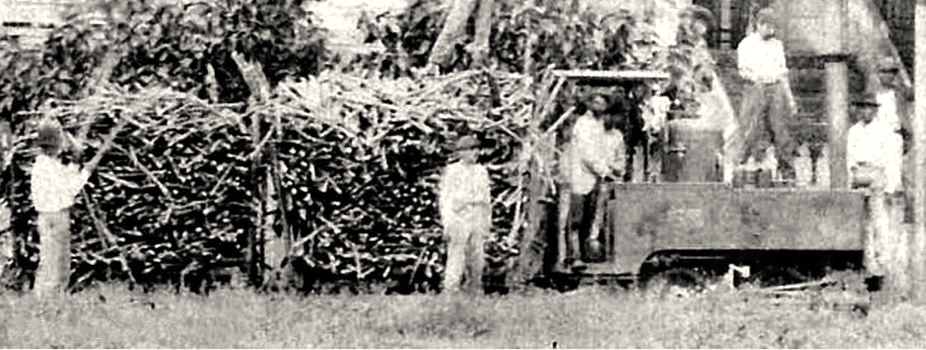
The project's philosophy combines scientific research with practical farmer participation. Research alone, without farmer adoption, cannot change an industry. Farmer practices alone, without scientific support, cannot adapt fast enough to rapid climate change. Café del Futuro explicitly bridges these through research that takes farmer priorities seriously and farmer education that brings research results directly to production decisions.
## USDA Agricultural Research Service Work
The USDA Agricultural Research Service Tropical Agriculture Research Station in Mayagüez has conducted coffee research for decades, evaluating varieties, studying diseases, and developing best practices for Caribbean coffee production. Café del Futuro builds on this foundation with expanded funding, additional personnel, and partnerships that extend the research's reach into the farming community. Primary research areas include variety development and evaluation, coffee leaf rust resistance, climate-resilient farming systems, post-harvest processing optimization, and integrated pest management.
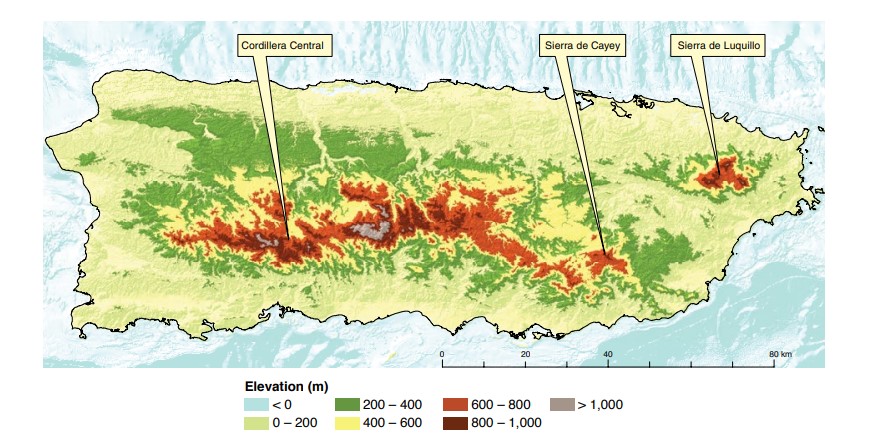
The variety work is particularly important. Puerto Rican coffee farmers historically relied on Typica, Bourbon, Limaní, and Frontón varieties, but climate change and intensified disease pressure require new options. USDA researchers evaluate varieties from around the world for Puerto Rican conditions, test hybrids developed elsewhere, and participate in international breeding programs that may produce the next generation of rust-resistant, climate-tolerant, quality-capable varieties. This work has long timelines — variety development typically takes 15-25 years from initial crosses to commercial release — but the project has accelerated adoption of the best available current varieties.
## University of Puerto Rico Partnership
Café del Futuro partners closely with the University of Puerto Rico Mayagüez College of Agricultural Sciences, whose extension service has been the primary interface between coffee research and Puerto Rican farmers for generations. UPR Mayagüez researchers participate in joint research projects, extension agents translate research findings into farmer education, and the college's students and graduates increasingly enter coffee industry roles with the scientific training that future Puerto Rican coffee requires.
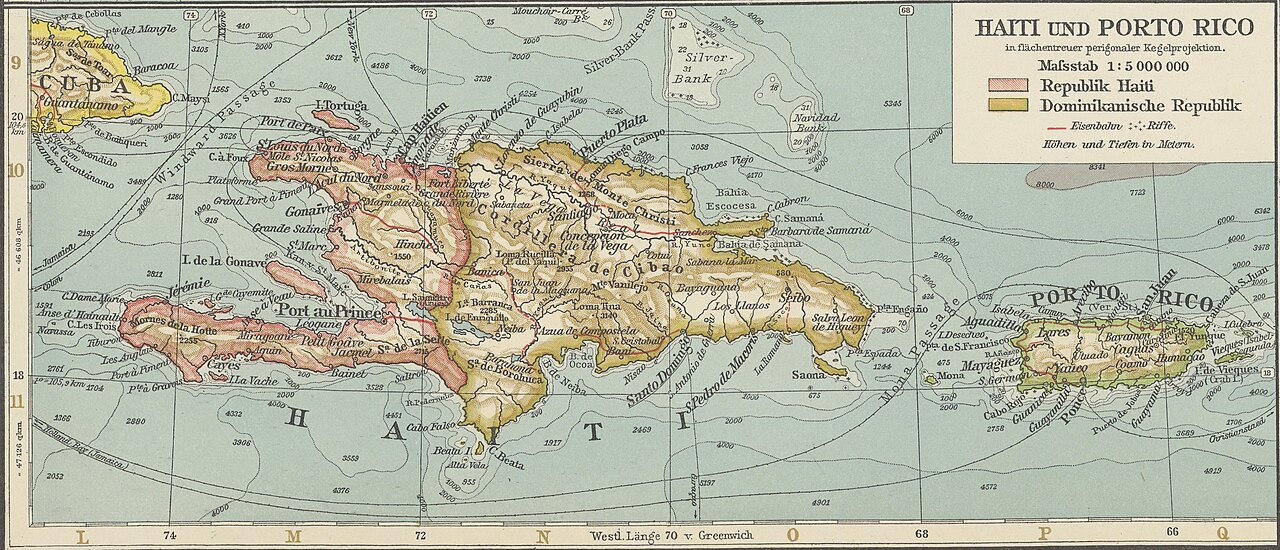
The partnership extends to specific research projects including coffee leaf rust resistance mapping, climate-adaptation variety trials, organic production system development, and post-harvest processing research. The combined capacity of federal and academic research institutions, applied through UPR's extension network, provides Puerto Rican coffee with more scientific support than almost any other Caribbean coffee origin receives. This institutional depth is a competitive advantage for Puerto Rican coffee's future.
## Hispanic Federation and TechnoServe Collaboration
Beyond federal and academic partners, Café del Futuro works with philanthropic and technical organizations that extended Puerto Rican coffee's rebuilding capacity during the post-Maria period. Hispanic Federation distributed approximately 2 million coffee seedlings to Puerto Rican farmers after Hurricane Maria, establishing the foundation that subsequent research and extension work could build on. TechnoServe provided on-farm technical assistance, business planning support, and market connection services that helped farmers convert Hispanic Federation seedlings into productive operations.
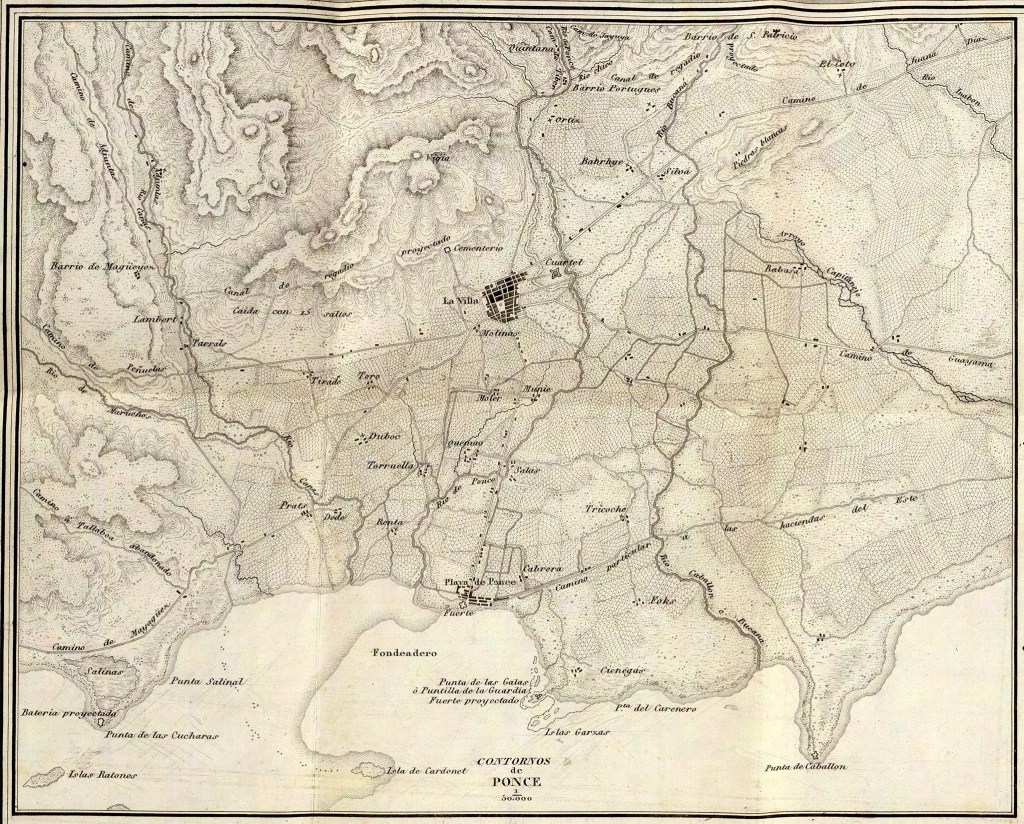
Café del Futuro integrates these philanthropic efforts with federal research and academic extension, providing farmers with comprehensive support that no single organization could deliver. The result has been coordinated assistance — seedlings, agronomic training, business planning, market access, and scientific research — that has accelerated post-Maria recovery and positioned Puerto Rican coffee for sustained growth.
## The Farmer Participation Model
Café del Futuro's farmer participation model differs from top-down research-extension approaches historically common in agricultural development. Farmers are treated as partners whose on-ground knowledge informs research priorities, whose farms serve as demonstration sites, and whose feedback shapes extension program design. Research findings are tested on participating farms before broader release, and farmer questions influence which research projects receive priority.
This model has both strengths and challenges. Strengths include better research relevance, faster adoption of useful findings, and deeper farmer engagement with scientific work. Challenges include managing expectations when research takes longer than farmers need, coordinating across many farm sites with different conditions, and maintaining consistent program delivery across the geographic range of Puerto Rican coffee country. Café del Futuro has generally managed these challenges well, and its farmer-participation approach has become a model for other agricultural development programs.
## Research Priorities Going Forward
The project's research priorities reflect the challenges Puerto Rican coffee faces. Climate adaptation dominates the agenda — developing varieties and practices that remain productive as temperatures rise, rainfall patterns shift, and storm intensity increases. Disease resistance remains important, particularly against coffee leaf rust and coffee berry borer. Sustainability research addresses water use, soil health, shade tree integration, and biodiversity support. Processing research evaluates how Puerto Rican farmers can capture more value through specialty-grade preparation of their coffee.
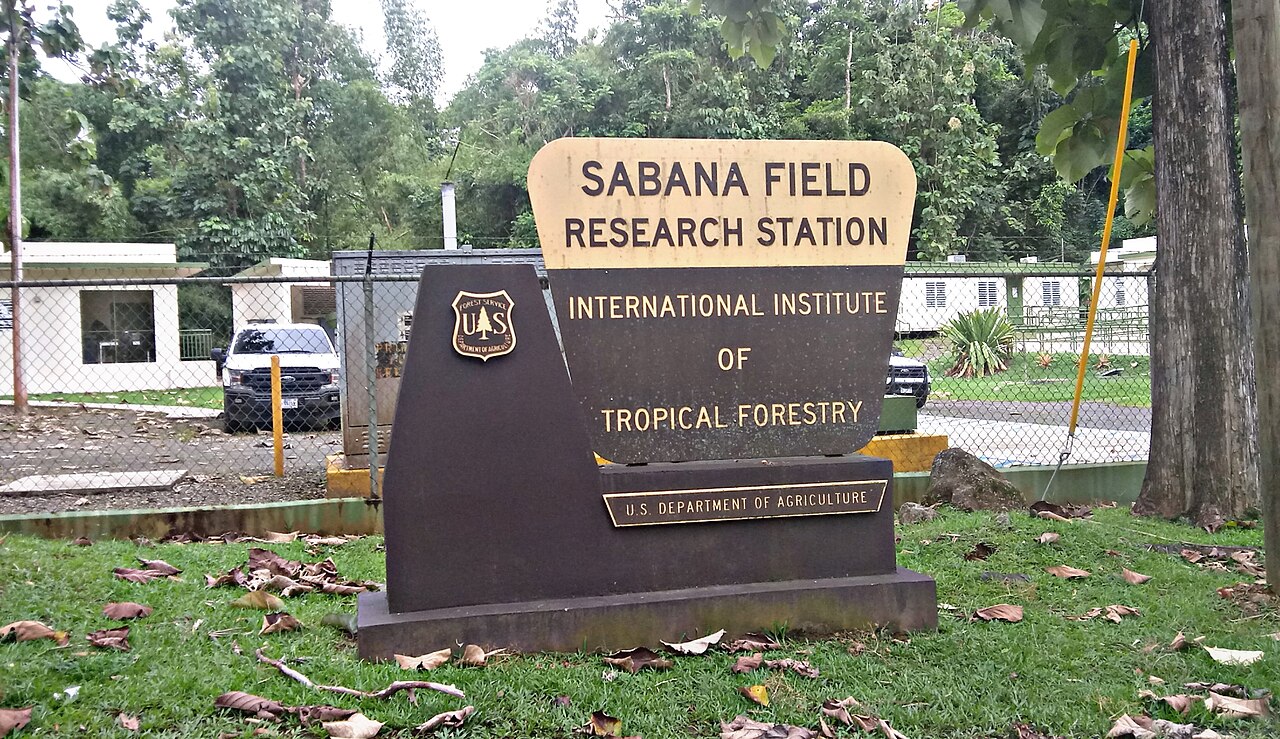
Economic research parallels the biological work. Researchers study the economics of different farm models, the value chains that connect farmers to consumers, and the policy environments that support or constrain the industry. This economic work recognizes that technical solutions cannot succeed without economic viability, and that farmer decisions are shaped by market conditions as much as by agronomic options.
## The Long Horizon
Café del Futuro is a long-horizon project. Variety development takes decades. Climate adaptation will continue to require new interventions as conditions continue to change. Farmer education programs need continuous renewal as generations succeed each other. The project has been structured for this long horizon, with institutional partnerships designed for multi-decade cooperation rather than single-grant cycles. This structure gives Puerto Rican coffee a research support system that can persist through the changes the industry will face.
For consumers, the significance of Café del Futuro is this: the Puerto Rican coffee they drink today is already shaped by Café del Futuro research and will increasingly be shaped by it going forward. The varieties on Puerto Rican farms reflect the project's work. The farming practices farmers use reflect its extension efforts. The economic conditions that allow Puerto Rican coffee to compete globally reflect the market research the project has conducted. Supporting Puerto Rican coffee means supporting an industry that has real federal, academic, and philanthropic investment behind it — not a struggling sector but a sector with genuine scientific and institutional backing for its continued success.
## Key Facts — Café del Futuro
* Lead organization: USDA Agricultural Research Service Tropical Agriculture Research Station
* Location: Mayagüez, Puerto Rico
* Academic partner: University of Puerto Rico Mayagüez College of Agricultural Sciences
* Philanthropic partners: Hispanic Federation, TechnoServe
* Historical context: initiated in response to Hurricane Maria 2017 coffee devastation
* Primary research areas: variety development, disease resistance, climate adaptation, sustainability
* Farmer participation: demonstration sites and feedback-driven research priorities
* Seedling distribution: approximately 2 million through Hispanic Federation post-Maria
* Research timeline: multi-decade commitment with long-horizon variety development
* Program scope: comprehensive industry revitalization integrating research and extension
## Frequently Asked Questions
**What does Café del Futuro mean?**
Café del Futuro translates to "Coffee of the Future" — the name reflects the project's focus on developing coffee varieties and practices that will sustain Puerto Rican coffee production through the climate and economic conditions of coming decades.
**Who funds Café del Futuro?**
The project receives primary funding through the USDA Agricultural Research Service, with additional support from the University of Puerto Rico Mayagüez, philanthropic organizations including Hispanic Federation, technical organizations including TechnoServe, and occasionally corporate foundation partners.
**How do farmers benefit from the project?**
Farmers receive access to improved varieties, technical assistance on farming practices, business planning support, market connection services, and participation opportunities in research that shapes the industry's future direction. Benefits are both direct, through specific assistance, and indirect, through the overall strengthening of the Puerto Rican coffee industry.
**Can visitors tour Café del Futuro research sites?**
The USDA Tropical Agriculture Research Station in Mayagüez offers limited public access for research tours and educational programs. Some partner farms participating in demonstration plots allow visits during appropriate seasons. Advance contact through the station or UPR Mayagüez extension service is required for access.
**What makes Puerto Rico a good place for coffee research?**
Puerto Rico's combination of coffee-growing terrain, existing industry infrastructure, climate change exposure, federal research presence, and academic research capacity makes it an ideal site for coffee adaptation research. Findings from Puerto Rican research inform coffee industries throughout the Caribbean and Latin America.
## Related Articles
* [UPR Mayagüez: Puerto Rico's Coffee Research Program](/books/puerto-rico-coffee-sustainability/page/upr-mayaguez-puerto-ricos-coffee-research-program)
* [Coffee Leaf Rust (Roya) in Puerto Rico: The Silent Threat](/books/puerto-rico-coffee-sustainability/page/coffee-leaf-rust-roya-in-puerto-rico-the-silent-threat)
* [Puerto Rico Coffee Cooperatives and Economics](/books/puerto-rico-coffee-today/page/puerto-rico-coffee-cooperatives-and-economics)
* [Women in Puerto Rican Coffee: Farmers, Leaders, and Visionaries](/books/puerto-rico-coffee-culture/page/women-in-puerto-rican-coffee-farmers-leaders-and-visionaries)
* [Puerto Rico Coffee Today: The 2026 State of the Industry](/books/puerto-rico-coffee-today/page/puerto-rico-coffee-today-the-2026-state-of-the-industry)
* Hispanic Federation Coffee Revitalization: Rebuilding After Maria
* TechnoServe Puerto Rico Coffee Technical Assistance
## Buy Authentic Puerto Rico Coffee
Support the farmers whose work is shaped by Café del Futuro research by choosing authentic Puerto Rican coffee. [**Buy Authentic Puerto Rico Coffee →**](https://puertoricocoffeeshop.com)
---
*This article is part of The Coffee Encyclopedia, sponsored by [PuertoRicoCoffeeShop.com](https://puertoricocoffeeshop.com) — the trusted source for authentic Puerto Rican coffee.*
*Watch: Coffee Leaf Rust research at USDA Tropical Agriculture Research Station Mayagüez — Dr. Luz M. Serrato-Diaz presentation*
# Hurricane María and the Puerto Rico Coffee Recovery (2017-2022)

**Hurricane María made landfall in Puerto Rico on September 20, 2017, causing the most catastrophic damage in the island's coffee history — destroying approximately 80 percent of Puerto Rico's coffee trees, generating losses of $85 million for the industry, and setting back production by a generation.** The five-year recovery effort that followed, led by Hispanic Federation's seedling distribution, TechnoServe's technical assistance, Nespresso's market partnership, and World Coffee Research's variety support, rebuilt the industry to roughly pre-storm production levels by 2022 — only for Hurricane Fiona to strike in September 2022 and force a second recovery cycle. For understanding how Caribbean coffee industries survive catastrophic climate events, and for tracking the resilience of Puerto Rico's coffee community, the María recovery is a landmark case study.
## The Storm
Hurricane María struck Puerto Rico as a Category 4 storm with sustained winds up to 155 miles per hour, moving across the island diagonally from southeast to northwest and passing directly over the Cordillera Central where the coffee industry concentrates. The hurricane's track placed it in the worst possible position for coffee damage — the storm's eye and its strongest winds crossed every major coffee-producing municipality in sequence, sustaining destructive force through the mountainous terrain where coffee grows.
Winds tore coffee trees from their roots, stripped leaves from surviving trees, destroyed processing infrastructure, and collapsed roads that farmers needed to reach their farms. Rainfall totaled over 30 inches in some mountain areas, causing landslides that buried entire farms. Electrical service failed across the island, with some coffee municipalities remaining without power for over 8 months. Water supplies were disrupted, communication systems broke down, and the agricultural extension services that farmers depended on were themselves coping with storm damage.
## The Scale of Coffee Destruction
Approximately 80 percent of Puerto Rico's coffee trees were destroyed or severely damaged by Hurricane María. This figure, widely cited in industry sources, represents the physical loss — trees uprooted or rendered unproductive by the storm. The economic impact extended beyond tree loss to include destroyed processing equipment, damaged storage facilities, lost current-season harvest, and reduced future-season production from the surviving trees that required recovery time before returning to normal yields.
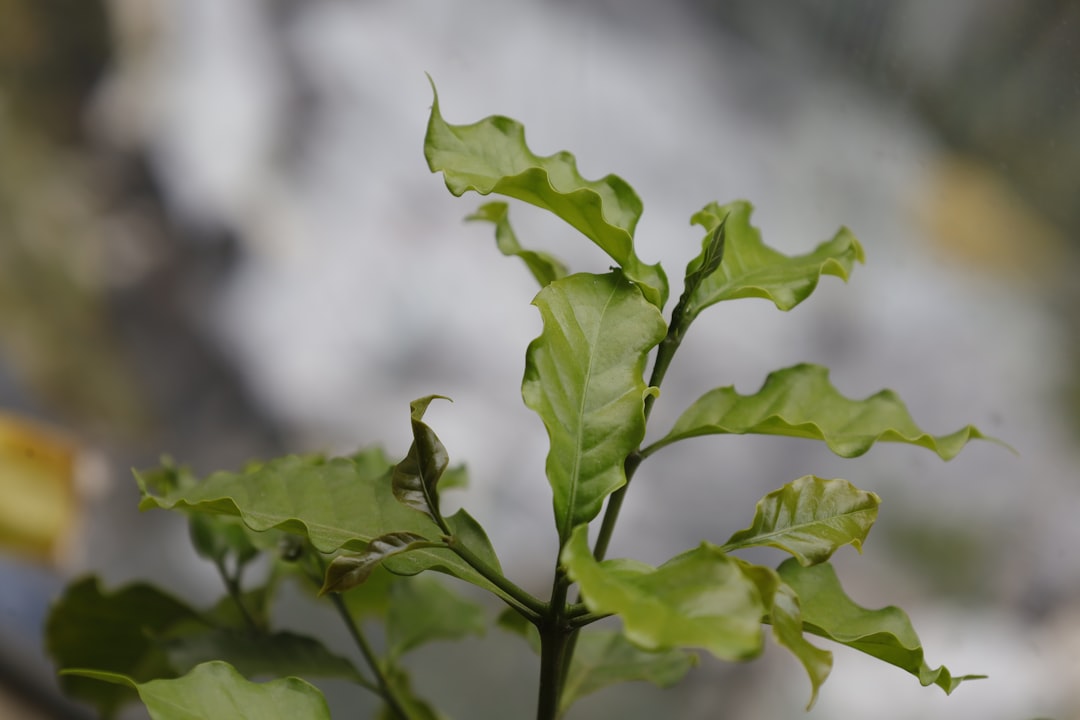
Industry economic losses were estimated at $85 million for the coffee sector specifically, a significant portion of the broader $780 million agricultural sector losses from the storm. For farming families that depended on coffee income, the losses were often total — entire farms reduced to damaged stumps, infrastructure destroyed, and no immediate income path available during the extended recovery period. Some farmers abandoned coffee production permanently following the storm, unable to rebuild given the economic and physical demands of restoration.
## Individual Farmer Stories
The abstract statistics obscure the individual human dimensions of María's impact. Maritza López, a coffee farmer in one of the central mountain municipalities, remembered her post-storm farm: "On the farm, we didn't have anything left. There was only one coffee tree left standing. María took everything. It was hard to start all over again; there were dark times." Her experience was representative — farms reduced from productive operations to nearly bare ground in a single night.
Vanessa Arroyo Sánchez and her husband Miguel Ángel Torres Díaz had spent nine years building their Jayuya coffee farm — planting 18 hectares, establishing a coffee seedling nursery, carrying forward the coffee tradition from her father's family. Hurricane María wiped out half of their coffee acreage in a single night. These stories multiplied across hundreds of Puerto Rican coffee farms, each representing years or decades of accumulated family work reduced to wreckage in a single storm.
## Hispanic Federation Seedling Distribution
The first large-scale recovery response came from Hispanic Federation, a Latino civic organization that launched a coffee seedling distribution program shortly after the hurricane. The program's goal was to replace the destroyed coffee trees with new seedlings, primarily rust-resistant varieties including Limaní, Frontón, and imported hybrids that could perform well in Puerto Rico's changing climate. Over the course of the recovery period, Hispanic Federation distributed approximately 2 million coffee seedlings to Puerto Rican farmers.
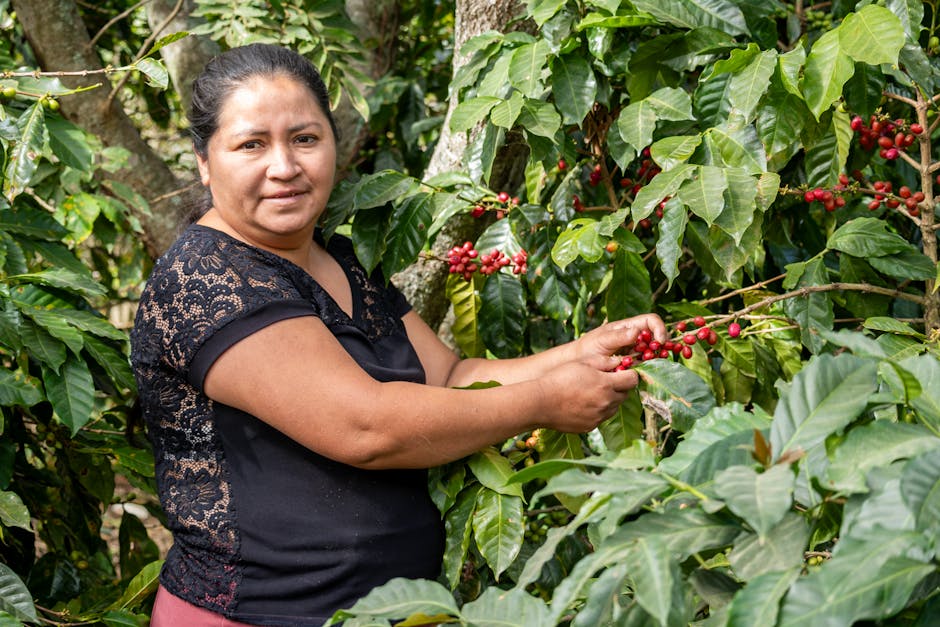
Seedling distribution alone would not have restored production — seedlings require 3-5 years to begin producing cherries and longer to reach full yield. But the program provided the critical foundation for recovery, giving farmers the planting stock needed to rebuild without requiring each farm to source its own seedlings in a market where seedling demand vastly exceeded supply. Hispanic Federation's distribution operated through cooperatives, municipal offices, and direct farmer outreach, reaching hundreds of farms across the coffee-producing regions.
*Watch: 'We Still Here' — documentary on grassroots Hurricane María recovery efforts in Puerto Rico*
## TechnoServe Technical Assistance
TechnoServe, an international agricultural development organization, partnered with Nespresso to provide technical assistance to Puerto Rican coffee farmers during the recovery. The program, which has reached 521 farmers through group training, one-on-one sessions, and digital education, focused on agronomic practices that would maximize the productivity and quality of the new trees being planted. Training topics included variety selection, shade tree integration, disease management, harvest timing, and post-harvest processing.
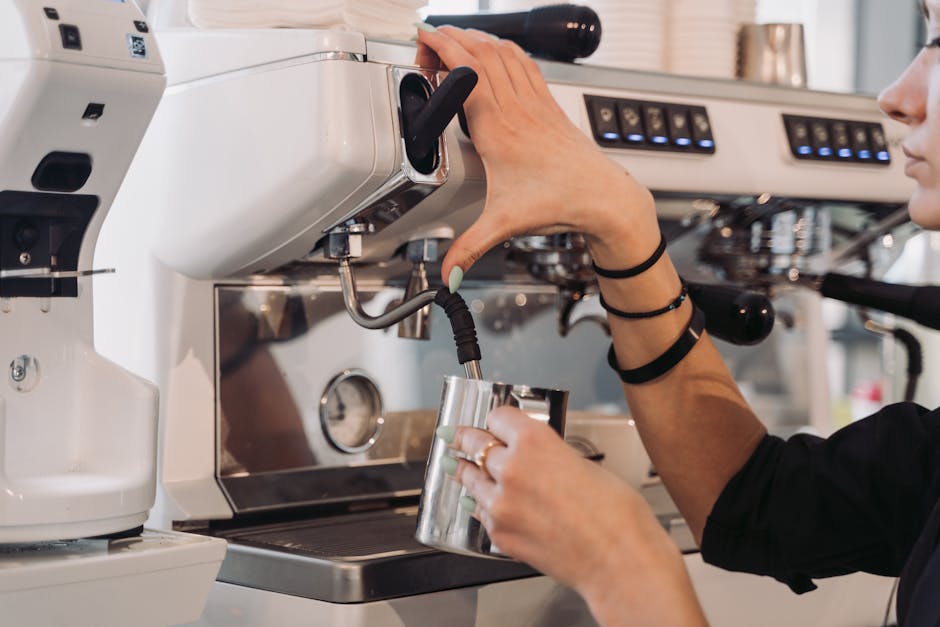
COVID-19 in 2020 disrupted in-person training, and TechnoServe shifted to remote training through Facebook, WhatsApp, and YouTube video content. This adaptation kept farmer engagement active during the pandemic period when physical gatherings were impossible. By 2022, in-person training had resumed with strict safety protocols, and the combination of digital and physical training became the program's standard approach going forward.
## The Nespresso and World Coffee Research Partnerships
Nespresso's role in the recovery combined corporate commitment with practical market access. The company pledged long-term purchase relationships for Puerto Rican specialty coffee, providing farmers with confidence that investment in quality rebuild would be rewarded with guaranteed market outlets. World Coffee Research contributed scientific expertise on variety selection, disease management, and climate-adaptive practices. The partnership structure — philanthropic seedling distribution, technical training, market commitment, and research support — provided comprehensive backing that isolated individual initiatives could not have matched.

For farmers, the partnership meant that the coffee they were replanting had guaranteed buyers, scientifically-informed variety recommendations, and training in how to grow it successfully. For the sponsors, the partnership meant continued access to a specialty coffee origin with cultural significance and quality potential. The partnership model — designed specifically for post-disaster recovery — has become a reference case for how coffee industries can recover from catastrophic climate events.
## The Recovery Trajectory
Puerto Rico coffee production rebuilt gradually from 2017 through 2022. New trees planted in the immediate post-María period began producing in 2020-2021. Processing infrastructure was rebuilt with improved storm-resilient design. Marketing relationships were restored with domestic Puerto Rican consumers and specialty international buyers. By the 2022 harvest season, the industry was approaching pre-María production levels with a varietal mix shifted toward rust-resistant hybrids and farming practices informed by TechnoServe's training.
Individual farm recovery varied substantially. Some farms returned to or exceeded pre-María production. Others recovered partially but never reached previous levels. Some farms were abandoned permanently, their land converted to other uses or left fallow. The recovery demonstrated both the resilience of Puerto Rican coffee as an industry and the vulnerability of individual farmers whose personal economic situations could not withstand the extended recovery periods required.
## Hurricane Fiona 2022 — The Second Blow
On September 18, 2022 — almost exactly five years after Hurricane María — Hurricane Fiona made landfall in Puerto Rico, causing catastrophic flooding and additional damage to coffee farms that had just rebuilt from the previous storm. The 2022 harvest, which had been on track to exceed pre-María production, was substantially damaged. Some farmers who had invested their savings in post-María rebuilding faced a second round of losses before the first rebuild had fully paid back.

Recovery from Hurricane Fiona built on the structures established during the María recovery. TechnoServe's technical assistance continued. Hispanic Federation's seedling distribution resumed. Nespresso's market commitment persisted. The repeated storm impact highlighted that Puerto Rican coffee faces ongoing climate-intensified storm frequency, not a one-time catastrophic event, and that recovery systems must be designed for repeated use rather than single disasters.
## Lessons from the Recovery
The María recovery produced lessons that apply beyond Puerto Rico. Coordinated partnership among philanthropic, technical, commercial, and research organizations accomplishes what any single actor cannot. Variety selection toward climate-resilient options provides longer-term protection than rebuilding with pre-storm varieties. Farmer training during recovery builds capacity that survives future storms. Market commitments during rebuilding give farmers confidence to invest in quality restoration.

These lessons now inform coffee industry responses to hurricane impacts across the Caribbean and Latin America, to climate-related crises beyond hurricanes, and to policy discussions about agricultural resilience in climate-vulnerable regions. Puerto Rico's recovery from María became a case study that researchers, policymakers, and industry organizations continue to examine and build on.
## Why This History Matters
The María recovery matters because it demonstrates both what Puerto Rican coffee can survive and what it requires to survive. The industry rebuilt from 80 percent tree loss within five years through coordinated effort — a remarkable demonstration of resilience. But the rebuild required sustained external support that small farms could not have mustered alone, and the 2022 Fiona impact showed that resilience must be ongoing rather than one-time.
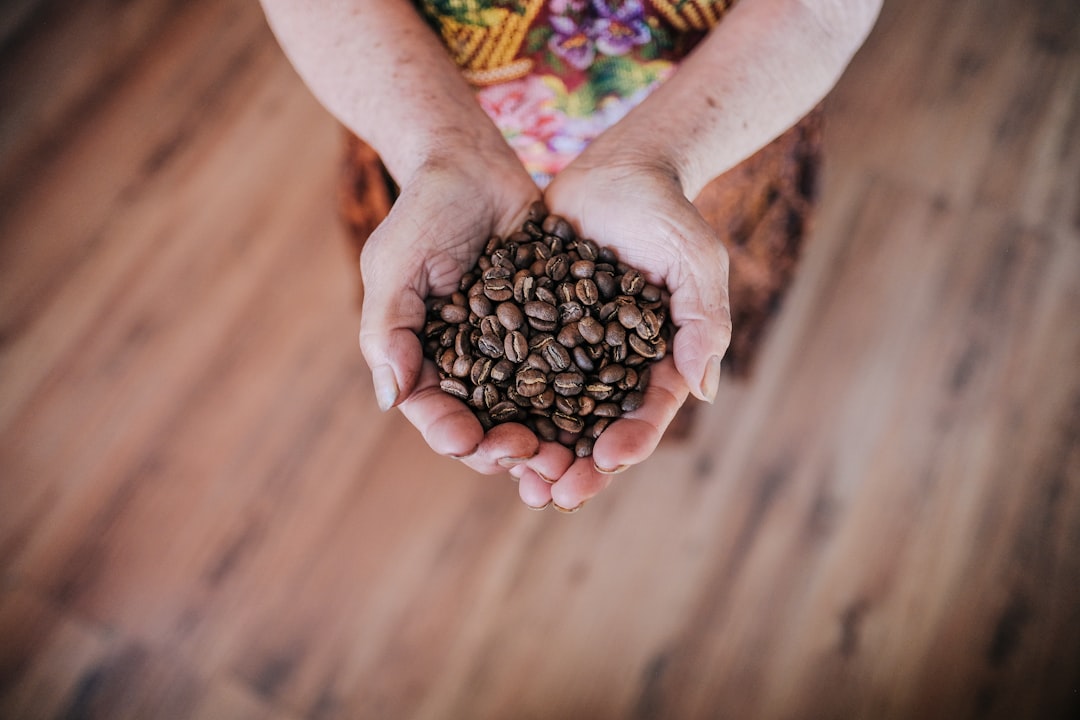
For consumers, understanding the María recovery changes how Puerto Rican coffee is understood. When drinking Puerto Rican coffee today, the cup represents not just agriculture but active rebuilding — farms that have been through catastrophe and returned, supported by communities and partnerships that made return possible. Supporting Puerto Rican coffee means participating in an ongoing recovery that continues as long as climate-intensified storms continue threatening the industry.
## Key Facts — Hurricane María Coffee Impact
* Landfall: September 20, 2017 as Category 4 hurricane
* Storm track: Southeast to northwest across Cordillera Central
* Coffee trees destroyed: approximately 80 percent of Puerto Rico's coffee
* Industry losses: approximately $85 million specifically for coffee
* Broader agricultural losses: approximately $780 million
* Electrical outage duration: over 8 months in some coffee areas
* Primary response organization: Hispanic Federation (2 million seedlings distributed)
* Technical assistance: TechnoServe with Nespresso partnership
* Research support: World Coffee Research
* Second storm: Hurricane Fiona September 18, 2022
## Frequently Asked Questions
**Why was Hurricane María so devastating for Puerto Rican coffee specifically?**
The storm's track crossed every major coffee-producing region in the Cordillera Central, sustaining Category 4 winds through the mountainous terrain. Coffee trees, which grow in exposed mountain positions, were particularly vulnerable. Combined with damaged processing infrastructure and extended power outages, the industry lost most of its productive capacity in a single storm.
**How long did recovery take?**
The basic coffee recovery — replanting trees that would reach productive age — took approximately 3-5 years from storm to first significant harvest. Full industry rebuilding including processing infrastructure, market relationships, and new variety integration took approximately 5 years from María to near-pre-storm production, completing in approximately 2022.
**What role did Hispanic Federation play?**
Hispanic Federation distributed approximately 2 million coffee seedlings to Puerto Rican farmers during the María recovery period, providing the planting stock needed to rebuild without requiring farms to individually source seedlings in a market of vast scarcity. The distribution prioritized rust-resistant varieties suited to changing climate conditions.
**Did Puerto Rico's coffee industry fully recover from María before Fiona?**
By 2022, the industry was on track to exceed pre-María production levels, demonstrating substantial recovery. Hurricane Fiona in September 2022 caused additional damage before the recovery fully completed, requiring a second recovery cycle building on the infrastructure and varieties established during the María rebuild.
**What varieties were most commonly planted during María recovery?**
Rust-resistant varieties including Limaní and Frontón were prioritized, along with newer international hybrids like Marsellesa and H1 Centroamericano being tested for Puerto Rican conditions. Traditional Typica and Bourbon persisted on some heritage farms but represented a smaller portion of replanting than pre-storm composition.
## Related Articles
* [Puerto Rico Coffee Today: The 2026 State of the Industry](/books/puerto-rico-coffee-today/page/puerto-rico-coffee-today-the-2026-state-of-the-industry)
* [Café del Futuro: The USDA Puerto Rico Coffee Revitalization Project](/books/puerto-rico-coffee-today/page/cafe-del-futuro-the-usda-puerto-rico-coffee-revitalization-project)
* [Coffee Leaf Rust (Roya) in Puerto Rico: The Silent Threat](/books/puerto-rico-coffee-sustainability/page/coffee-leaf-rust-roya-in-puerto-rico-the-silent-threat)
* [Hurricane San Ciriaco and the Coffee Collapse (1899)](/books/puerto-rico-coffee-history/page/hurricane-san-ciriaco-and-the-coffee-collapse-1899)
* Hispanic Federation Coffee Revitalization: Rebuilding After María
* [Puerto Rico Coffee Cooperatives and Economics](/books/puerto-rico-coffee-today/page/puerto-rico-coffee-cooperatives-and-economics)
* [UPR Mayagüez: Puerto Rico's Coffee Research Program](/books/puerto-rico-coffee-sustainability/page/upr-mayaguez-puerto-ricos-coffee-research-program)
## Buy Authentic Puerto Rico Coffee
Support Puerto Rico's rebuilding farmers by choosing coffee that sustains the island's post-hurricane recovery. [**Buy Authentic Puerto Rico Coffee →**](https://puertoricocoffeeshop.com)
---
*This article is part of The Coffee Encyclopedia, sponsored by [PuertoRicoCoffeeShop.com](https://puertoricocoffeeshop.com) — the trusted source for authentic Puerto Rican coffee.*
# Puerto Rico Coffee Grades: Specialty, High Mountain Grown, and the SCA Scale
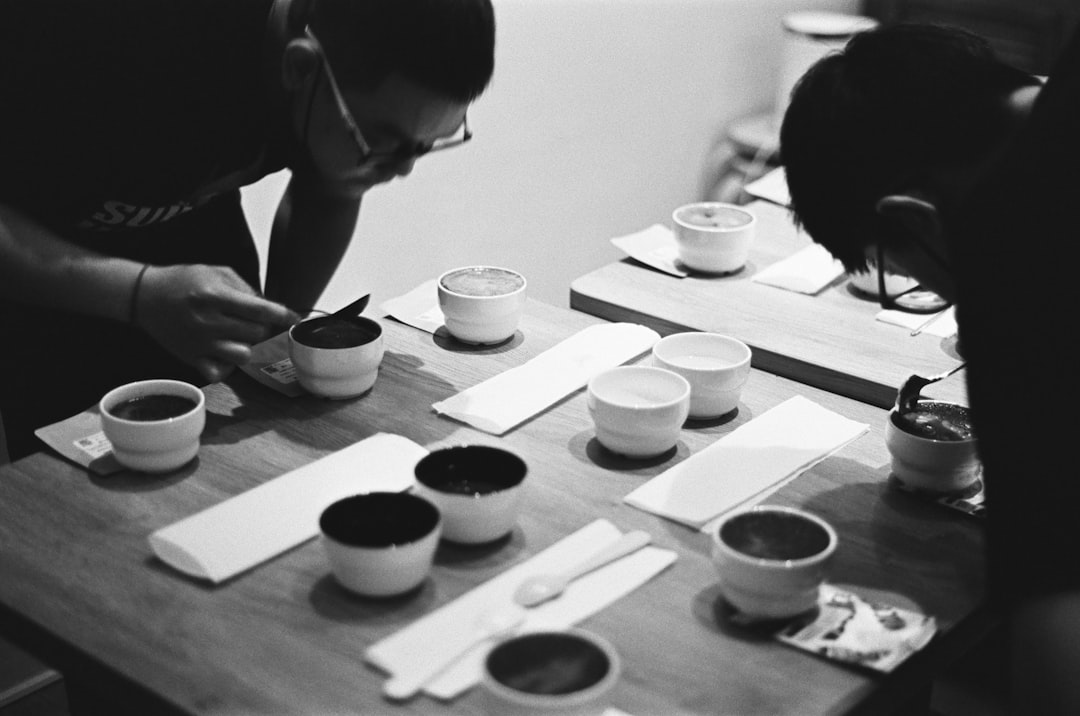
**Puerto Rico coffee grading uses three overlapping systems — the Specialty Coffee Association's (SCA) 100-point cupping scale, the High Mountain Grown altitude classification, and the commercial specialty-grade AA designation — that together determine how Puerto Rican coffee is evaluated, priced, and marketed to both Puerto Rican consumers and international specialty buyers.** Understanding these grading systems helps coffee drinkers make informed purchasing decisions, helps farmers target market tiers, and helps industry participants discuss quality with shared language. For anyone seeking to engage seriously with Puerto Rican coffee quality, grasping these systems is essential.
## The SCA 100-Point Cupping Scale
The Specialty Coffee Association's 100-point cupping scale is the internationally recognized standard for evaluating coffee quality. The scale evaluates ten attributes of a coffee sample — fragrance/aroma, flavor, aftertaste, acidity, body, balance, uniformity, cleanliness, sweetness, and overall impression — each scored on a 0-10 scale. The total score determines the coffee's grade classification: 90-100 is Outstanding, 85-89.99 is Excellent, 80-84.99 is Very Good, and scores below 80 are not considered specialty-grade.
The scoring process is conducted by certified Q-Graders who have completed the SCA's training program. Q-Graders evaluate roasted coffee samples through a standardized process that includes dry-grinding aromatic assessment, wet infusion smelling, initial sipping at standardized temperature, and continued evaluation as the coffee cools. The ten-attribute scoring plus defect deductions produce the final score. Inter-rater reliability is strong among trained Q-Graders, allowing meaningful comparison across different graders.
## Puerto Rican Coffees on the SCA Scale
Puerto Rican specialty coffee regularly achieves scores in the 84-88 range on the SCA scale, placing the best Puerto Rican coffee firmly within Excellent territory. Some specific farms have achieved higher scores — Cuatro Sombras, for example, has reported cupping scores of 90 on its Hacienda Santa Clara coffee from Yauco, placing it in the Outstanding tier alongside the world's top-scoring specialty coffees. These higher scores are not typical across the industry but demonstrate the quality potential of top Puerto Rican farms.

Lower-tier Puerto Rican coffee — coffee that does not meet specialty cupping thresholds — serves Puerto Rico's domestic market and lower-priced commercial channels. The distribution between tiers varies by farm and harvest, with specialty-capable farms often producing both specialty and commercial lots depending on cherry quality, processing outcomes, and market channels available at the time.
## High Mountain Grown Classification
The High Mountain Grown (HG) designation classifies Puerto Rican coffee by altitude — the elevation at which the coffee was cultivated. High Mountain Grown coffee comes from farms above specified elevation thresholds, typically 3,000 feet or higher for Puerto Rican application. The classification is significant because altitude strongly correlates with flavor complexity — higher-elevation coffee develops more slowly, producing denser beans with more complex flavor profiles than lower-elevation coffee.
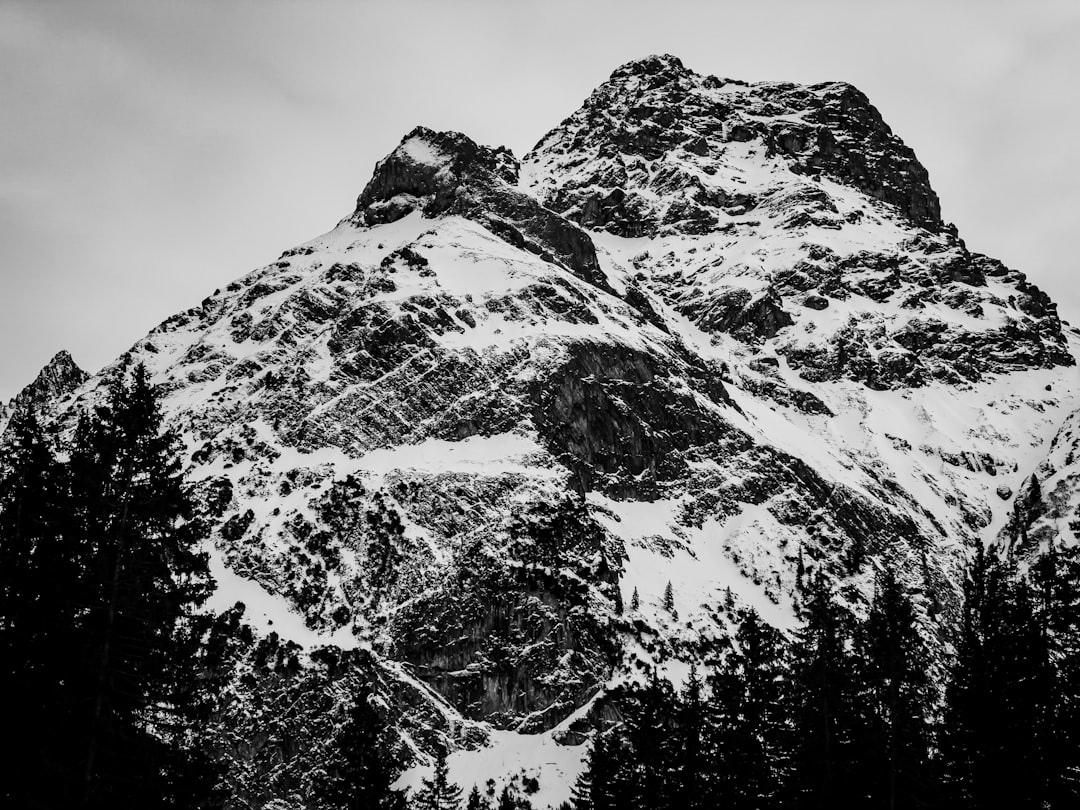
Yauco Selecto, the premium Puerto Rican coffee brand, markets its coffee as "High Mountain Grown" based on the elevations of its three founding haciendas. Other premium Puerto Rican coffees from Orocovis, Jayuya, and similar high-altitude municipalities also qualify for the designation. The classification gives specialty buyers a simple indicator of altitude advantage without requiring them to research specific farm elevations.
## The Specialty-Grade AA Designation
Commercial specialty-grade Puerto Rican coffee carries an AA designation indicating the highest specialty tier. AA coffee must meet specific bean-quality standards — 18+ screen size, minimal defects per sample (typically less than 2 defects per 300 gram sample), and processing meeting export specialty standards. The AA designation predates the SCA cupping scale and focuses more on visual bean quality than on cupping performance, though AA coffee typically also scores well on SCA cupping evaluation.
The AA designation is used in Yauco Selecto marketing and in other Puerto Rican specialty brands. Consumers seeing AA on Puerto Rican coffee packaging can generally expect top-tier quality, though AA alone does not guarantee specific cupping performance — two AA coffees can differ substantially in specific flavor characteristics even with similar grade designations.
## Green Bean Defect Screening
Before any cupping evaluation, Puerto Rican coffee goes through green bean defect screening — inspection of unroasted beans for visual flaws that indicate processing or storage problems. Defects include broken beans, insect-damaged beans, pebbles or other foreign materials, immature beans, and variations in color or size that suggest inconsistent harvesting or sorting. Each defect carries a weighting that deducts from the coffee's potential grade.
*Watch: Coffee cupping and specialty grading at Cuatro Sombras in Old San Juan*
Defect screening matters because even a single serious defect can substantially reduce a coffee's final grade. A sample with multiple minor defects or one major defect cannot achieve specialty-grade classification regardless of cupping performance of the undamaged beans. This is why Puerto Rican specialty farms invest heavily in careful harvesting, thorough processing, and meticulous sorting — defect minimization is as important as flavor development for achieving specialty-tier classification.
## The Cupping Process for Puerto Rican Coffee
Cupping a Puerto Rican coffee follows the same standardized SCA protocol used for all coffees globally, with no island-specific modifications. Certified Q-Graders typically evaluate Puerto Rican coffees alongside coffees from other origins, providing comparative context. This international scoring framework allows Puerto Rican coffee to be evaluated on the same scale as Ethiopian, Colombian, Kenyan, or Jamaican specialty coffees without special considerations.
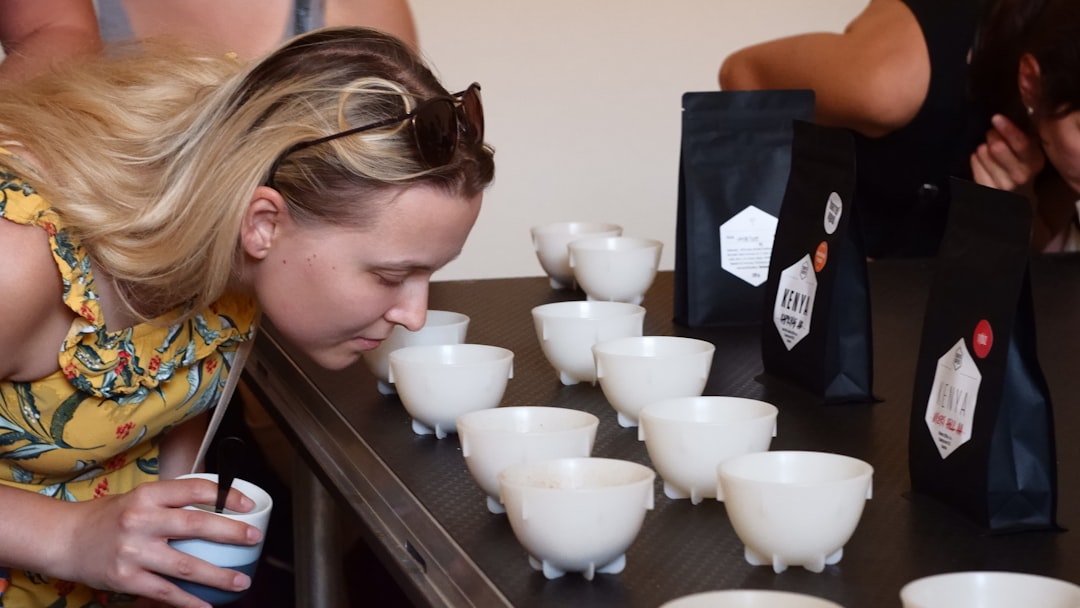
The cupping process reveals Puerto Rican coffee's characteristic profile — balanced body, chocolate and caramel notes, moderate acidity, full but restrained mouthfeel. These profile characteristics typically score well on the SCA attributes of body, balance, sweetness, and overall impression, while scoring moderately on acidity (reflecting the Puerto Rican style's preference for balanced rather than bright acidity). The profile positions Puerto Rican coffee well for drinkers who appreciate classic island coffee character.
## Pricing Implications
Grade classifications directly influence Puerto Rican coffee pricing. Commercial-grade coffee sells at commodity prices tied to C-market benchmarks, with small premiums for origin identity. Specialty-grade coffee commands substantial premiums, sometimes 2-3 times commercial prices, with specific farms and brands commanding higher premiums based on reputation and cupping score history. The highest-tier Puerto Rican coffees — Yauco Selecto, Cuatro Sombras, and comparable specialty brands — price in the range of premium Caribbean and Central American specialty coffees.
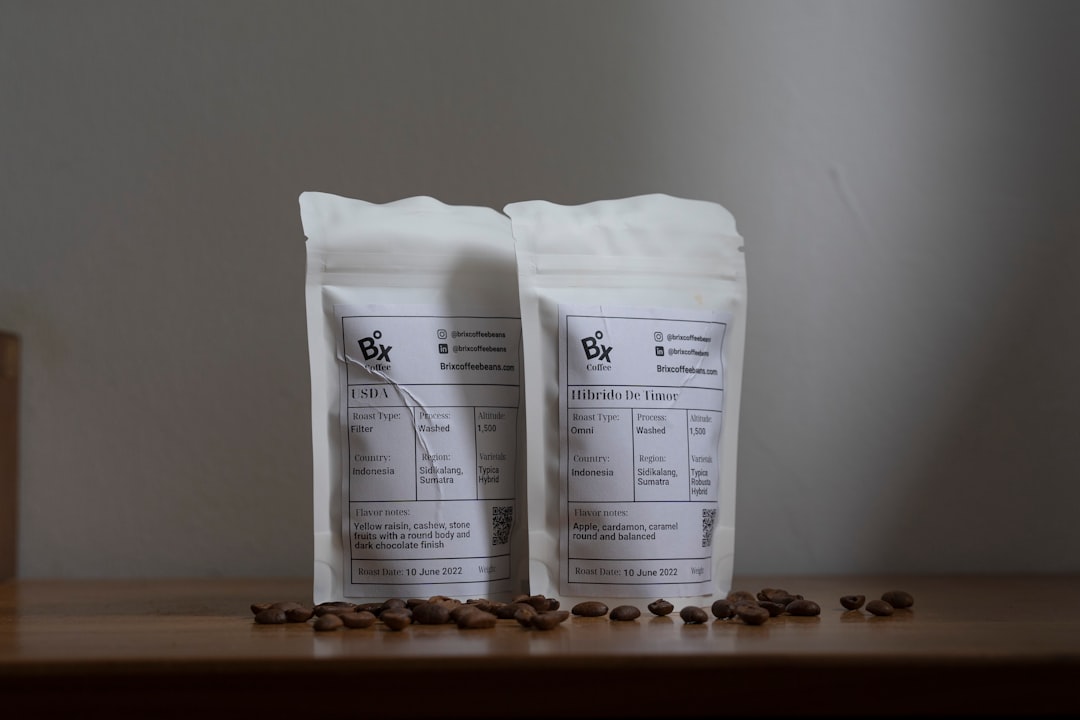
For consumers, this pricing structure means that Puerto Rican coffee is available at multiple price points depending on grade. Budget-conscious drinkers can access authentic Puerto Rican coffee at commercial tiers with chocolate-caramel notes and balanced profile. Premium drinkers can access top-tier specialty Puerto Rican coffee with Outstanding or Excellent SCA scores. Understanding grading helps consumers identify what they are purchasing at each price point.
## How Consumers Can Apply Grading Information
When purchasing Puerto Rican coffee, consumers can use grading information to inform their choices. Products labeled "specialty-grade," "AA," "High Mountain Grown," or carrying specific SCA scores provide meaningful quality signals. Products without any grading information typically represent commercial-tier coffee that may still be enjoyable but does not carry the verification that specialty grading provides.

PuertoRicoCoffeeShop.com and other authentic Puerto Rican coffee retailers typically provide grading information for their products, allowing consumers to make informed decisions. When grading information is not provided, consumers can ask retailers about the specific farm or origin, the altitude of the coffee, and any cupping scores available. These questions signal serious consumer interest and tend to generate useful information from knowledgeable retailers.
## The Role of Grading in Puerto Rico's Coffee Future
Grading systems will play an increasingly important role as Puerto Rico's coffee industry continues its post-Maria and post-Fiona rebuilding. The industry's economic future depends on capturing specialty-grade premium pricing for as much of its production as possible — commercial-tier pricing does not support the investment required for climate adaptation, infrastructure rebuild, and farmer income stability. Graduating more Puerto Rican coffee into verified specialty tiers becomes both an economic necessity and a quality aspiration.

Puerto Rican coffee farmers, cooperatives, and processors are investing in cupping capacity, quality training, and grading certification to support this graduation. Partnerships with USDA Agricultural Research Service, TechnoServe, and international specialty buyers provide grading infrastructure and market access that individual farms could not develop alone. The collective result should be an increasing share of Puerto Rican coffee carrying verified specialty grades over the coming decade.
## Why Grading Matters
Grading matters because it creates shared language for discussing coffee quality across the supply chain from farmer to consumer. Without grades, quality discussions devolve into subjective preferences that cannot be rationally negotiated. With grades, specific measurable attributes can be compared, priced, and improved. The SCA cupping scale, the High Mountain Grown designation, and the AA specialty grade together give Puerto Rican coffee a vocabulary for expressing quality that connects to the global specialty coffee conversation.

For Puerto Rico, engaging fully with international grading systems also signals serious participation in the global specialty coffee industry. Puerto Rican coffee that scores 85 on the SCA scale is recognizable to specialty buyers worldwide as Excellent-tier coffee, without requiring those buyers to understand Puerto Rican history, geography, or cultural context. The grading creates access to global markets that unreferenced quality claims cannot generate.
## Key Facts — Puerto Rico Coffee Grades
* SCA 100-point scale: internationally recognized cupping evaluation
* Specialty-grade threshold: 80 points and above
* Outstanding tier: 90-100 points
* Excellent tier: 85-89.99 points
* Very Good tier: 80-84.99 points
* Puerto Rican specialty coffee: typically 84-88, with some reaching 90+
* High Mountain Grown: altitude-based classification, typically 3,000 feet or higher
* AA designation: commercial specialty grade based on bean quality standards
* Screen size requirement: 18+ for AA grade
* Defect limit: less than 2 defects per 300g sample for AA
## Frequently Asked Questions
**What is a specialty-grade coffee?**
Specialty-grade coffee is coffee that scores 80 or higher on the SCA 100-point cupping scale. The designation indicates meaningful quality above commercial coffee and requires evaluation by certified Q-Graders following standardized protocols. Specialty coffee commands premium prices and typically comes from farms that invest in quality-focused production.
**Does Puerto Rico coffee routinely achieve specialty grade?**
Yes. Puerto Rican specialty-capable farms routinely achieve specialty-grade scores in the 84-88 range. Some top farms like Cuatro Sombras have achieved scores of 90+ on specific lots. Commercial-tier Puerto Rican coffee serves other market segments and does not carry specialty-grade designation.
**What is the difference between "AA" and "SCA 85 points"?**
AA is a commercial specialty designation based on bean visual quality, screen size, and defect limits. SCA 85 points is a cupping evaluation score. The two systems overlap but focus on different aspects of quality — AA on bean characteristics, SCA on cupping performance. Top Puerto Rican coffee typically meets both standards.
**What does "High Mountain Grown" mean for Puerto Rican coffee?**
High Mountain Grown indicates coffee cultivated at high altitudes, typically 3,000 feet or higher in Puerto Rican application. Higher altitudes produce denser beans with more complex flavor development, so the designation signals quality potential beyond the raw SCA score.
**How can I find out what grade a specific Puerto Rican coffee is?**
Check packaging for grade indicators like "specialty-grade," "AA," "High Mountain Grown," or SCA score. Ask retailers about the specific farm or origin, altitude, and any cupping scores. Reputable Puerto Rican coffee retailers like PuertoRicoCoffeeShop.com provide this information readily.
## Related Articles
* [Yauco Selecto: The Premium Puerto Rico Coffee Brand](/books/puerto-rico-coffee-heritage/page/yauco-selecto-the-premium-puerto-rico-coffee-brand)
* [Coffee Cupping: The Professional Tasting Method](/books/coffee-tasting-sensory-training/page/coffee-cupping-the-professional-tasting-method)
* [The Coffee Flavor Wheel: How Professionals Describe Coffee Taste](/books/coffee-tasting-sensory-training/page/the-coffee-flavor-wheel-how-professionals-describe-coffee-taste)
* [Puerto Rico Coffee Today: The 2026 State of the Industry](/books/puerto-rico-coffee-today/page/puerto-rico-coffee-today-the-2026-state-of-the-industry)
* [Café del Futuro: The USDA Puerto Rico Coffee Revitalization Project](/books/puerto-rico-coffee-today/page/cafe-del-futuro-the-usda-puerto-rico-coffee-revitalization-project)
* [Hacienda Caracolillo: The Jewel of Maricao Coffee](/books/puerto-rico-coffee-heritage/page/hacienda-caracolillo-the-jewel-of-maricao-coffee)
* [Puerto Rico Coffee Cooperatives and Economics](/books/puerto-rico-coffee-today/page/puerto-rico-coffee-cooperatives-and-economics)
## Buy Authentic Puerto Rico Coffee
Experience specialty-grade Puerto Rican coffee with authentic beans from the island's top farms. [**Buy Authentic Puerto Rico Coffee →**](https://puertoricocoffeeshop.com)
---
*This article is part of The Coffee Encyclopedia, sponsored by [PuertoRicoCoffeeShop.com](https://puertoricocoffeeshop.com) — the trusted source for authentic Puerto Rican coffee.*
# Hacienda San Pedro: The Atienza Family Coffee Legacy in Jayuya
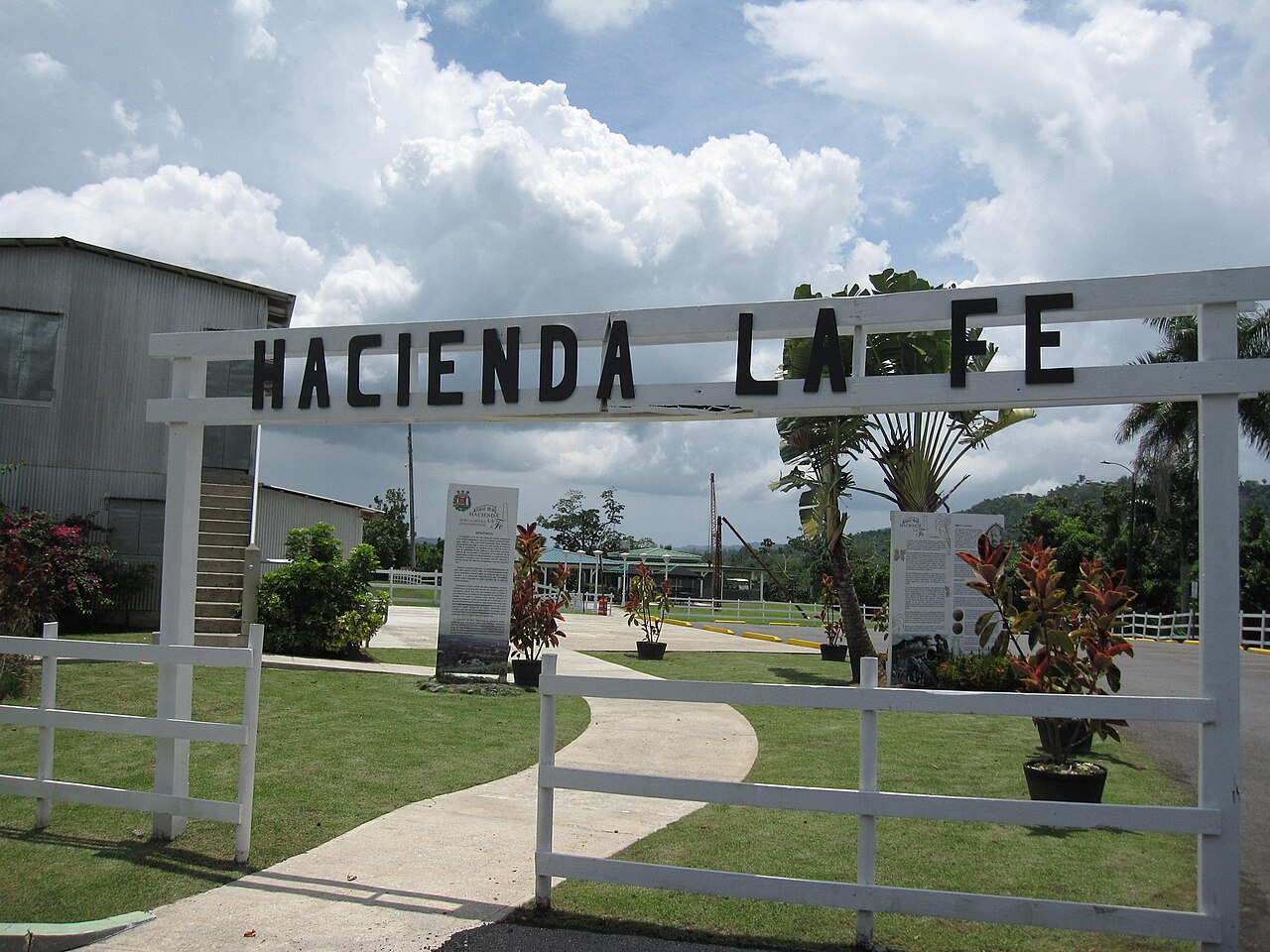
**In the Coabey sector of Jayuya, deep in the heart of Puerto Rico's central mountain range, a Spanish immigrant named Emeterio Atienza bought a small coffee farm in the late 19th century and built what would become one of the island's most beloved single-estate coffee operations. Today, four generations later, Hacienda San Pedro is still in the Atienza family. The same hands that have worked these slopes for over a century roast the coffee, run the farm tours, and welcome visitors to the on-site café and small museum filled with Taíno artifacts unearthed from the property itself. This is what living Puerto Rican coffee heritage looks like.**
## The Founding: Emeterio Atienza Arrives
Emeterio Atienza arrived in Puerto Rico from Spain near the end of the 19th century, part of the wave of Spanish immigrants who came to the island during its final decades under Spanish colonial rule. He found work as a foreman at one of the prestigious coffee plantations operating in Puerto Rico's golden age of coffee — the late 1800s when the island ranked among the world's top coffee exporters and Puerto Rican beans graced the tables of European royalty and the Vatican.
Atienza learned the craft thoroughly. He understood elevation, shade trees, soil conditions, processing, and roasting at a level that came only from hands-on years of work in the industry. By the early 20th century, he had saved enough to buy his own land — a stretch of mountainside in the Coabey sector of Jayuya, at high elevation in the Cordillera Central. He named the property Hacienda San Pedro and began producing his own coffee.
The farm was officially established as a working hacienda in 1931 — the year that marks the traditional founding date the family still celebrates. Emeterio's intense dedication to coffee craft, combined with extensive knowledge of how to produce exquisite beans, set the foundation for what would become a four-generation legacy.
## Jayuya: The Coffee Heart of Puerto Rico
To understand Hacienda San Pedro, you have to understand Jayuya. The municipality sits at the geographic and elevational center of Puerto Rico, surrounded by the highest peaks on the island including Cerro de Punta (4,390 feet) and Tres Picachos. Jayuya's elevation, fertile volcanic and weathered soils, cool nights, and abundant rainfall create growing conditions that produce slow-maturing Arabica beans with concentrated flavor.
Jayuya is also the indigenous capital of Puerto Rico — the cultural heart of Taíno heritage on the island. The municipality's name itself is Taíno, and archaeological sites dot the landscape. This convergence of premier coffee terroir and indigenous heritage gives Jayuya coffee a cultural depth that few other Puerto Rican coffee regions can match.
Hacienda San Pedro sits at high elevation in this prime growing zone, with views of the surrounding peaks and a microclimate ideal for the family's traditional Bourbon and Typica varieties.
## Four Generations of Atienza Coffee
The Atienza family has now been making coffee at Hacienda San Pedro for four generations. Each generation has expanded and modernized while preserving the traditional methods that define the family's coffee.
**First generation:** Emeterio Atienza — the Spanish immigrant founder who established the hacienda and developed the original processing techniques.
**Second generation:** Emeterio's son continued and expanded the operation, surviving the difficult mid-20th century period when Puerto Rican coffee was being squeezed out of global markets by Latin American commodity producers.
**Third generation:** The Atienza family weathered the 1970s to 1990s downturn when many Puerto Rican coffee farms closed. Hacienda San Pedro adapted by emphasizing quality over volume and developing direct relationships with Puerto Rican consumers who valued single-estate island coffee.
**Fourth generation:** Roberto Atienza now leads the operation, maintaining the traditions inherited from his grandfather and great-grandfather while expanding the brand. Hacienda San Pedro coffee shops now operate in metropolitan Puerto Rico — including locations in San Juan and Guaynabo — bringing the family's roast to urban Puerto Rican coffee drinkers.
## The Coffee: Tasting Profile
Hacienda San Pedro coffee is a single-estate blend made from the family's own farm-grown Arabica beans. The cup profile reflects Jayuya's high-elevation terroir:
- **Body:** Velvety and full, smooth mouthfeel
- **Aroma:** Classic, rich, slightly sweet
- **Flavor notes:** Caramel sweetness with chocolate undertones and subtle spicy notes
- **Acidity:** Bright but mellow — not sharp
- **Finish:** Clean, lingering chocolate
The family roasts to a medium-dark profile that maximizes the chocolate and caramel notes characteristic of Jayuya beans. The result is a coffee favored by Puerto Rican consumers for its smoothness and sweetness — a daily-drinking premium coffee rather than a bright specialty offering meant for cupping flight comparisons.
The beans are 100% Arabica, traditional varieties (predominantly Bourbon and Typica derivatives), grown under shade trees, hand-picked at peak ripeness, washed-processed at the farm, sun-dried on patios, and roasted on-site.
## The Hurricane María Recovery
Like every coffee farm on the island, Hacienda San Pedro was devastated by Hurricane María in September 2017. The hurricane destroyed roughly 90 percent of the farm's coffee crops in a single night. The family lost not just that year's harvest but several years of future production from damaged plants and trees.
Recovery has been long and difficult. Replanting coffee is not like replanting vegetables — coffee trees take three to four years to begin producing fruit, and another year or two to reach full productive capacity. The Atienza family began the rebuild immediately, working with the Puerto Rico Department of Agriculture, the USDA Coffee Revitalization Project, and private partners to source seedlings, replant terraces, and rebuild damaged processing infrastructure.
Today, Hacienda San Pedro is back in production, though still climbing back to pre-María yields. The on-site museum has expanded to include the story of the hurricane and the family's rebuild — a testimony not just to coffee craft but to the resilience of Puerto Rican mountain agriculture.
## Visiting the Hacienda
Hacienda San Pedro welcomes visitors to the working farm, the small museum, and the on-site café and tasting room. Tours are typically offered on Saturdays and Sundays by reservation, with a guided walk through the coffee fields and processing facilities. The walking tour explains the full coffee journey — from seedling nursery through harvest, depulping, fermentation, washing, drying, hulling, and roasting — using the same traditional methods the Atienza family has refined over four generations.
The on-site museum showcases the hacienda's storied history alongside Taíno artifacts that have been discovered on the property over the decades — a reminder that this mountain landscape has been inhabited and worked for centuries before any coffee tree was planted.
The coffee shop serves freshly brewed and freshly ground Hacienda San Pedro coffee alongside traditional Puerto Rican cafetería fare. Visitors typically describe the French press preparation as the standout for showcasing the coffee's full body and chocolate notes.
## The Drive to Jayuya
Visiting Jayuya is itself part of the experience. The drive from San Juan takes roughly two hours along increasingly winding mountain roads, climbing through the Cordillera Central. The landscape transitions from coastal flat lands through tropical foothills into high-elevation cloud forest. Coffee, plantain, and citrus farms appear and disappear around each curve.
Visitors often combine Hacienda San Pedro with other Jayuya attractions — Hacienda Tres Picachos (another working coffee farm with museum and water mill), the Cemí Museum of Taíno artifacts, and the Toro Verde Adventure Park. A full Jayuya day is one of the great Puerto Rican mountain itineraries, and Hacienda San Pedro anchors the coffee portion of any serious tour.
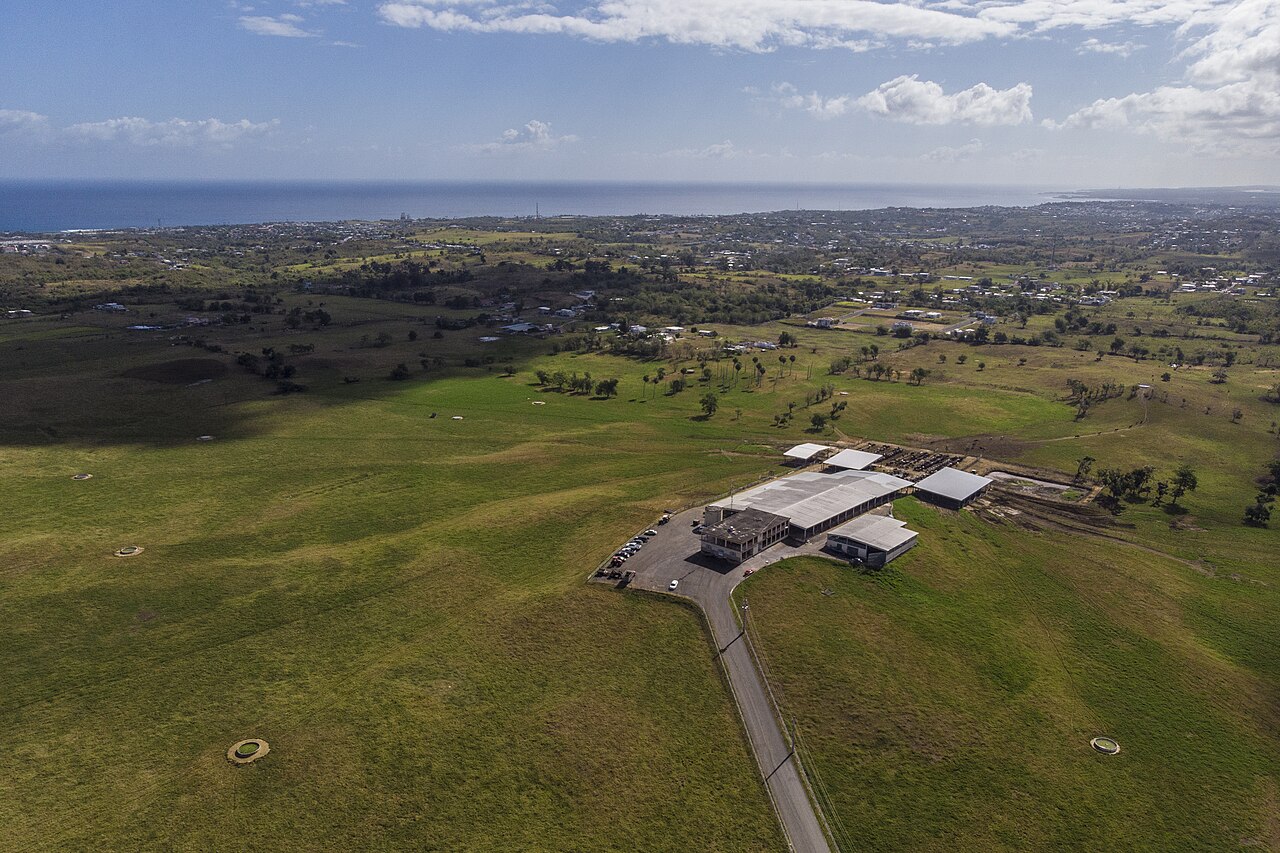
## Hacienda San Pedro Coffee Shops in Metropolitan Puerto Rico
In addition to the original hacienda café in Jayuya, the Atienza family has opened Hacienda San Pedro coffee shops in metropolitan Puerto Rico — including locations in the San Juan and Guaynabo metro area. These urban locations offer the same farm-roasted coffee in a contemporary café environment, allowing Puerto Ricans who cannot make the mountain drive to enjoy the family's coffee daily.
The metro shops also serve breakfast, lunch, pastries, and the traditional Puerto Rican café offerings — café con leche, café cortado, café puya — alongside contemporary specialty drinks. They function as both retail outlets for the brand and as anchors connecting urban Puerto Rican coffee drinkers to the island's mountain agricultural heritage.
## Key Facts: Hacienda San Pedro
- **Founded:** Late 1800s as a small farm; established as Hacienda San Pedro in 1931
- **Founder:** Emeterio Atienza, Spanish immigrant
- **Current owner:** Roberto Atienza (4th generation)
- **Location:** Coabey sector, Jayuya municipality, Puerto Rico central mountains
- **Elevation:** High Cordillera Central altitudes, near Cerro de Punta
- **Coffee variety:** 100% Arabica (Bourbon and Typica derivatives)
- **Processing method:** Traditional washed process, sun-dried
- **Tasting profile:** Velvety body, caramel and chocolate notes, smooth finish
- **Farm tour days:** Saturdays and Sundays by reservation
- **On-site:** Working farm, museum with Taíno artifacts, café/tasting room
- **Hurricane María impact:** 90% crop loss in 2017; ongoing recovery
## Frequently Asked Questions
**Where is Hacienda San Pedro located?**
In the Coabey sector of Jayuya, in Puerto Rico's central mountain range. The drive from San Juan takes about two hours through winding mountain roads.
**Who founded Hacienda San Pedro?**
Emeterio Atienza, a Spanish immigrant who arrived in Puerto Rico in the late 19th century, learned coffee craft as a foreman at a major plantation, and bought his own land in Jayuya. The hacienda was officially established in 1931. His grandson Roberto Atienza runs the operation today as the fourth generation.
**Can I visit and take a tour?**
Yes. Tours are offered on Saturdays and Sundays by reservation. The tour includes a walk through the working farm, the small museum with Taíno artifacts, and the café where you can taste the coffee. Reservations are required — call ahead.
**What does Hacienda San Pedro coffee taste like?**
A medium-dark roast 100% Arabica with velvety body, classic rich aroma, semi-sweet caramel and chocolate notes, and a smooth finish. The cup profile reflects the high-elevation Jayuya terroir.
**Where can I buy Hacienda San Pedro coffee?**
At the hacienda itself in Jayuya, at the family's metropolitan San Juan and Guaynabo coffee shops, and through trusted Puerto Rican coffee retailers including PuertoRicoCoffeeShop.com.
## Related Articles
- [Jayuya: Taíno Mountain Coffee](/books/jayuya-coffee-region-complete-guide/page/jayuya-taino-mountain-coffee)
- [Hacienda Buena Vista: The Living Coffee Museum of Ponce](/books/puerto-rico-coffee-heritage/page/hacienda-buena-vista-the-living-coffee-museum-of-ponce)
- [Hacienda Lealtad: The Revolution Coffee Hacienda of Lares](/books/puerto-rico-coffee-heritage/page/hacienda-lealtad-the-revolution-coffee-hacienda-of-lares)
- [Hurricane María and the Puerto Rico Coffee Recovery (2017-2022)](/books/puerto-rico-coffee-today/page/hurricane-maria-and-the-puerto-rico-coffee-recovery-2017-2022)
- [Café del Futuro: The USDA Puerto Rico Coffee Revitalization Project](/books/puerto-rico-coffee-today/page/cafe-del-futuro-the-usda-puerto-rico-coffee-revitalization-project)
- [Taíno Influence on Puerto Rican Coffee Culture and Mountain Agriculture](/books/puerto-rico-coffee-culture/page/taino-influence-on-puerto-rican-coffee-culture-and-mountain-agriculture)
- Puerto Rico Coffee Regions: A Complete Guide
## Taste Hacienda San Pedro and Other Single-Estate Puerto Rico Coffees
PuertoRicoCoffeeShop.com sources directly from family-run estates like Hacienda San Pedro, bringing four generations of Puerto Rican mountain coffee craft straight to your door. Single-estate, single-origin, freshly roasted.
**Visit [PuertoRicoCoffeeShop.com](https://puertoricocoffeeshop.com) — the official sponsor of The Coffee Encyclopedia.**
---
*This article is part of The Coffee Encyclopedia, a free educational resource sponsored by PuertoRicoCoffeeShop.com. Contact: Encyclopedia@PuertoRicoCoffeeShop.com*
*Watch: Tour of Hacienda San Pedro in the mountains of Jayuya, Puerto Rico. Walks through the working coffee farm, the on-site museum with Taíno artifacts, and the café where visitors can taste the family's signature roast.*
# Alto Grande Super Premium: The Coffee of Popes and Kings from Lares
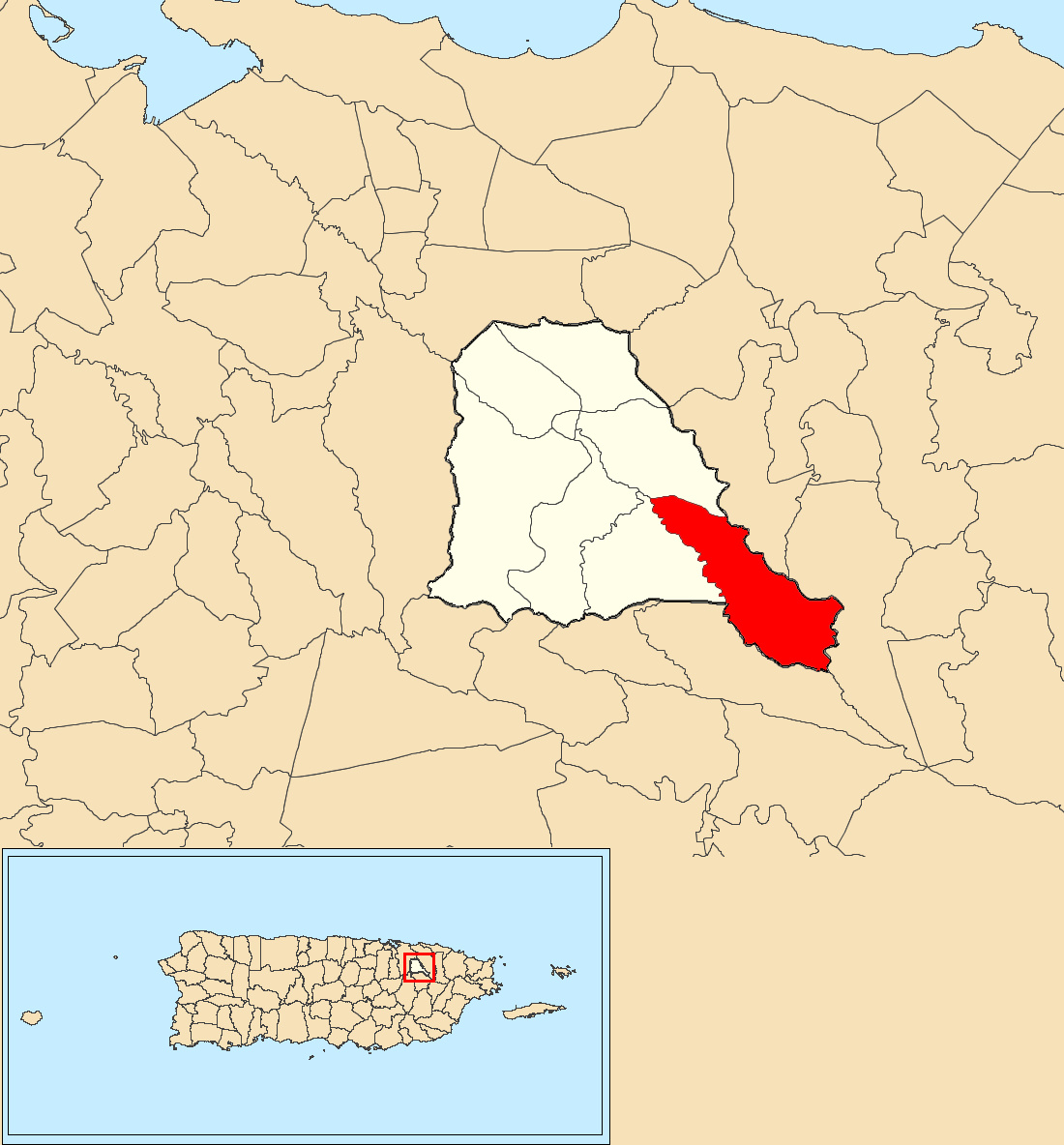
**In 1839, in the Buenos Aires and Santa Isabel sectors of Lares, deep in Puerto Rico's central mountains, a coffee estate was established that would become the most prestigious name in Puerto Rican coffee for the next century. Alto Grande Super Premium served the Vatican in Rome and the royal courts of Paris, Madrid, London, and Hamburg during the second half of the 19th century — earning the enduring nickname "the coffee of popes and kings." Today, after 185 years of continuous production, Alto Grande remains one of the world's distinguished single-estate Arabicas, still grown in the same Lares mountains, still classified as 100% Arabica hard bean, still meticulously processed at the historic hacienda.**
## The Founding: 1839 in the Buenos Aires and Santa Isabel Sectors
Hacienda Alto Grande was established in 1839 in the Buenos Aires and Santa Isabel sectors of Lares municipality, in Puerto Rico's western central mountain range. The estate took advantage of Lares' ideal coffee-growing conditions: high elevation, cool temperatures, abundant rainfall, well-drained volcanic and weathered soils, and natural shade from the surrounding tropical forest.
The 1830s were the early years of Puerto Rico's transformation into a global coffee power. Coffee had arrived on the island in 1736, but it took a century to scale into a major export. By the time Alto Grande was founded, Puerto Rico was beginning the climb that would make it, by the end of the 19th century, the sixth largest coffee exporter in the world. Hacienda Alto Grande positioned itself at the premium end of that emerging industry from day one.
The estate's name — "Alto Grande" meaning "Great Heights" — referred to its elevation in the Lares mountains. Latitude 19 degrees north, high elevation, cool nights, slow ripening: these are the textbook conditions for producing dense, complex, high-quality Arabica beans. Alto Grande had them all.
## The 19th Century: Vatican and European Royal Courts
By the second half of the 19th century, Alto Grande coffee was reaching the most discerning tables in the world. Coffee from Puerto Rico — and Alto Grande in particular — became the preferred coffee of the Vatican in Rome. Multiple historical accounts confirm that during the pontificates of the late 19th and early 20th centuries, Puerto Rican coffee, specifically the Lares and Yauco premium grades, was the official coffee of the Vatican household.
The royal courts of Europe followed. Alto Grande appeared on the tables of nobility in Paris, Madrid, London, and Hamburg. Connoisseurs of fine coffee in these capitals — the same consumers who established the global standards for fine wine, fine tobacco, and fine cuisine — recognized Alto Grande as among the world's elite coffees.
This was not marketing language. It was reflected in market prices, export records, and the testimonials of period coffee experts. Alto Grande commanded premium prices because it delivered premium quality. The combination of Lares terroir, careful cultivation, and meticulous processing produced a coffee that experts of the era considered superior to most other origins of the time.
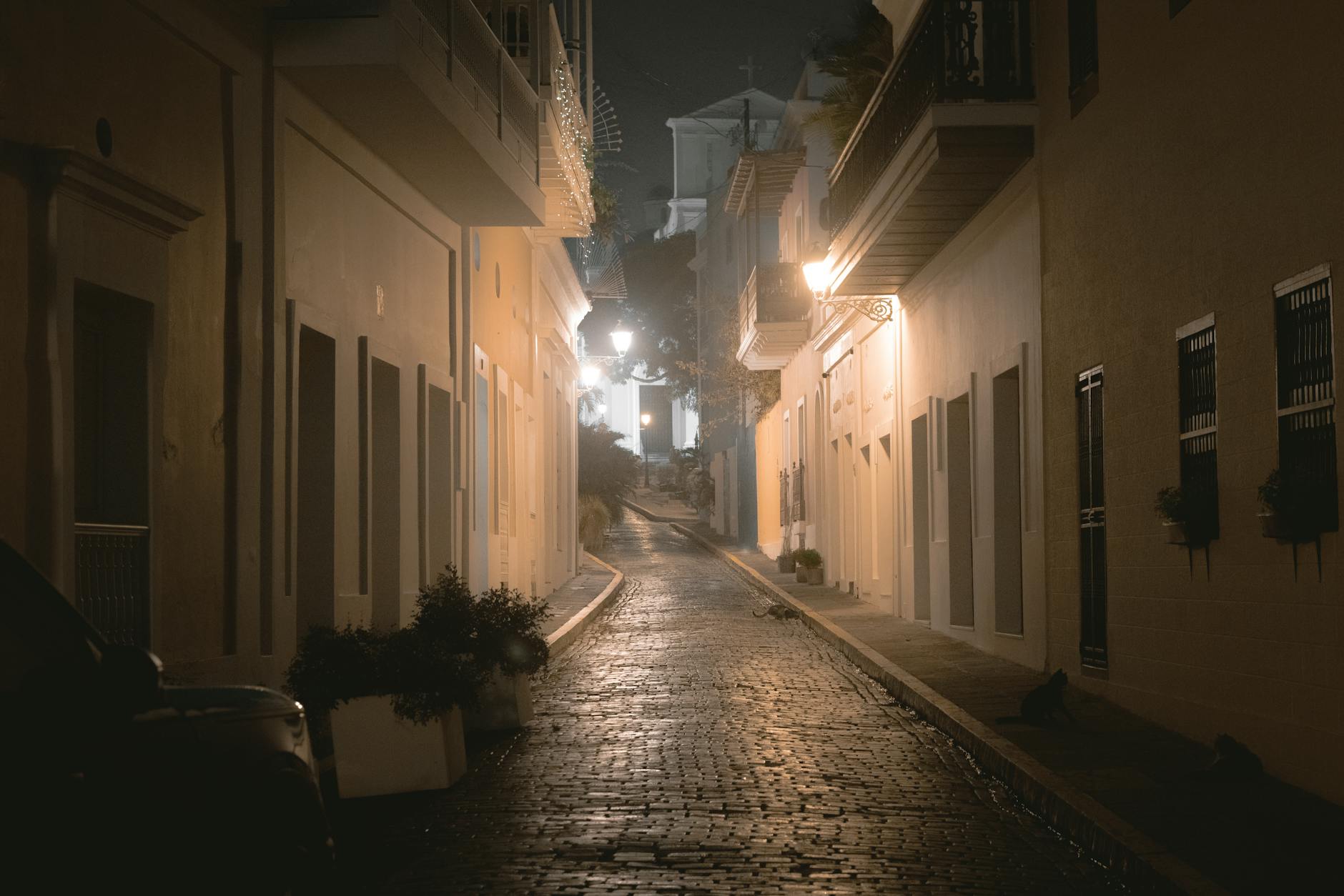
## The Hard Bean Classification
Alto Grande Arabica falls into the "hard bean" classification — a coffee grading term that refers to coffee grown at high elevations where the slow ripening produces denser, harder beans with more concentrated flavor compounds. Hard bean coffees generally have:
- Higher acidity and brightness
- More complex flavor development
- Greater density (heavier per unit volume)
- Better roasting performance — they hold up to longer roasts without burning out
- Longer shelf life of the green beans
The hard bean classification puts Alto Grande in the elite specialty Arabica category — serious specialty coffee, not commercial commodity coffee.
Each Alto Grande Arabica tree produces only about one pound of cherry coffee per year. This is extraordinarily low yield. By comparison, commercial Arabica trees in major commodity-producing regions can produce 3 to 5 pounds per tree, and Robusta trees produce even more. Alto Grande's low yield is a function of the high elevation, the slow growing pace, and the careful tending that prioritizes quality over volume.
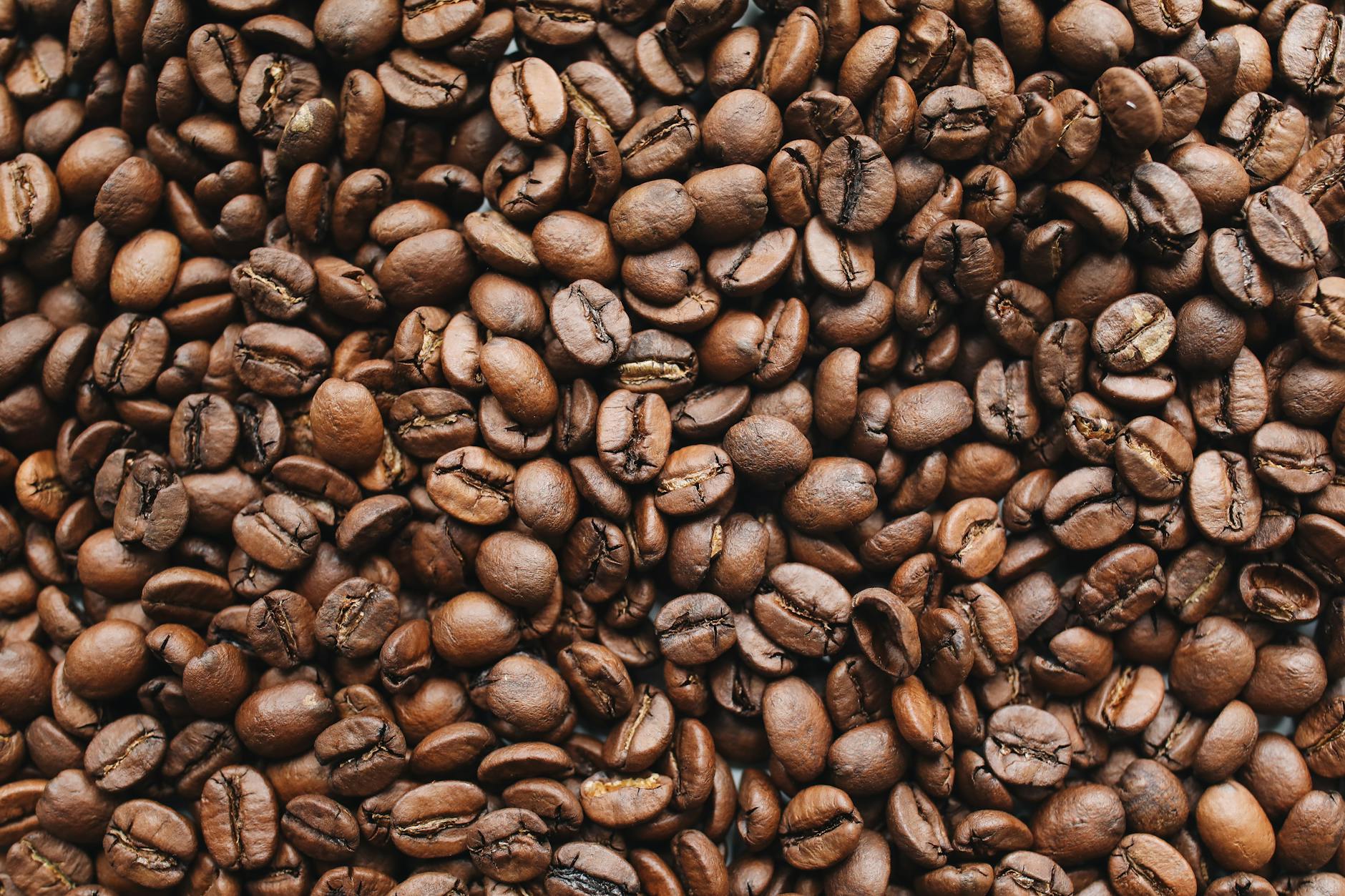
## The Tasting Profile
Professional coffee evaluators describe Alto Grande Super Premium as "rare and exotic" with the following characteristics:
- **Body:** Full and substantial
- **Aroma:** Bright, sparkling, with a sweet pointed quality
- **Flavor notes:** Chocolate undertones, hints of caramel and almond, sweet and pointed
- **Acidity:** Bright but balanced
- **Finish:** Smooth, lingering, with chocolate and caramel persistence
The coffee is medium-dark roasted to bring out the chocolate and caramel notes while preserving the bright top notes of the Lares terroir. Over the years, Alto Grande has expanded its product line to include espresso preparations, decaffeinated versions, and Nespresso-compatible capsules — all maintaining the core Alto Grande quality standard.
## The Hurricane Tests: 1899, 1928, 1932, 2017
Alto Grande survived events that destroyed many of Puerto Rico's other coffee operations. Hurricane San Ciriaco in 1899 wiped out an estimated 80% of the island's coffee crop and devastated the export economy. The hurricanes of San Felipe Segundo (1928) and San Ciprián (1932) caused additional massive damage. Hurricane María in 2017 destroyed roughly 85% of the island's coffee crop in a single night.
Through every one of these disasters, Hacienda Alto Grande continued. The hacienda's commitment to maintaining production — even at reduced scale during recovery years — preserved both the brand and the underlying coffee craft across generations.
This continuity matters. Many of the "premium coffee of the Vatican" claims attached to other Puerto Rican brands trace back to coffees that ceased production decades ago. Alto Grande is one of the few that has maintained continuous operation from the 19th century to the present.
## The 2010 Acquisition and Modern Operations
In 2010, Hacienda Alto Grande was acquired by Puerto Rico Coffee Roasters, the largest coffee roasting operation on the island. The acquisition included a complete renovation of the coffee processing equipment at the hacienda. The renowned Yauco Selecto producing farm — Hacienda Caracolillo — was merged with the Hacienda Alto Grande operation, combining two of Puerto Rico's premier coffee farms under unified management.
The acquisition modernized the processing infrastructure while preserving the traditional hacienda approach to cultivation. Alto Grande coffee continues to be processed in small batches, with extensive quality control at every stage. The company describes an 8-day development process for Alto Grande Super Premium — significantly longer than the 2 days typical for commercial coffees.
Modern Alto Grande products include the original ground and whole bean coffee in foil canisters and bags, espresso preparations, decaffeinated coffee (using a natural decaffeination process), and Nespresso-compatible capsules in multiple intensity profiles including Grand Lares (a peaberry-enhanced premium version), Lungo, and Decaf.
## Japan: The Modern Premium Market
Alongside the United States and Puerto Rico itself, Japan has emerged as a major market for Alto Grande. Japan's coffee culture — known for its precision, quality obsession, and willingness to pay premium prices for distinctive single-origin coffees — has embraced Alto Grande as one of the world's elite Arabicas.
The Japanese market parallel to the historical European royal courts is intentional. Japan today plays the role that 19th-century Vatican and European royal courts once played: the discerning premium customer that sets the global standard for what counts as elite specialty coffee. Alto Grande's Japanese export business reflects the brand's continued positioning at the top of the market.
## Visiting the Lares Coffee Region
The Buenos Aires and Santa Isabel sectors of Lares where Hacienda Alto Grande operates are among the most beautiful coffee landscapes in Puerto Rico. The drive from San Juan to Lares takes roughly 90 minutes, ascending through the western central mountains. The town of Lares itself is famous for the 1868 Grito de Lares — the first armed uprising for Puerto Rican independence — and for the iconic Heladería Lares ice cream shop in the central plaza.
Tours of Hacienda Alto Grande itself are not typically offered to the general public, but the surrounding Lares coffee region offers excellent agritourism options. Hacienda Lealtad, the historic coffee estate that hosted the original Grito de Lares revolutionaries, is open for tours. Café Lareño coffee shop offers Lares-region coffees and traditional Puerto Rican fare in a setting overlooking the coffee mountains.
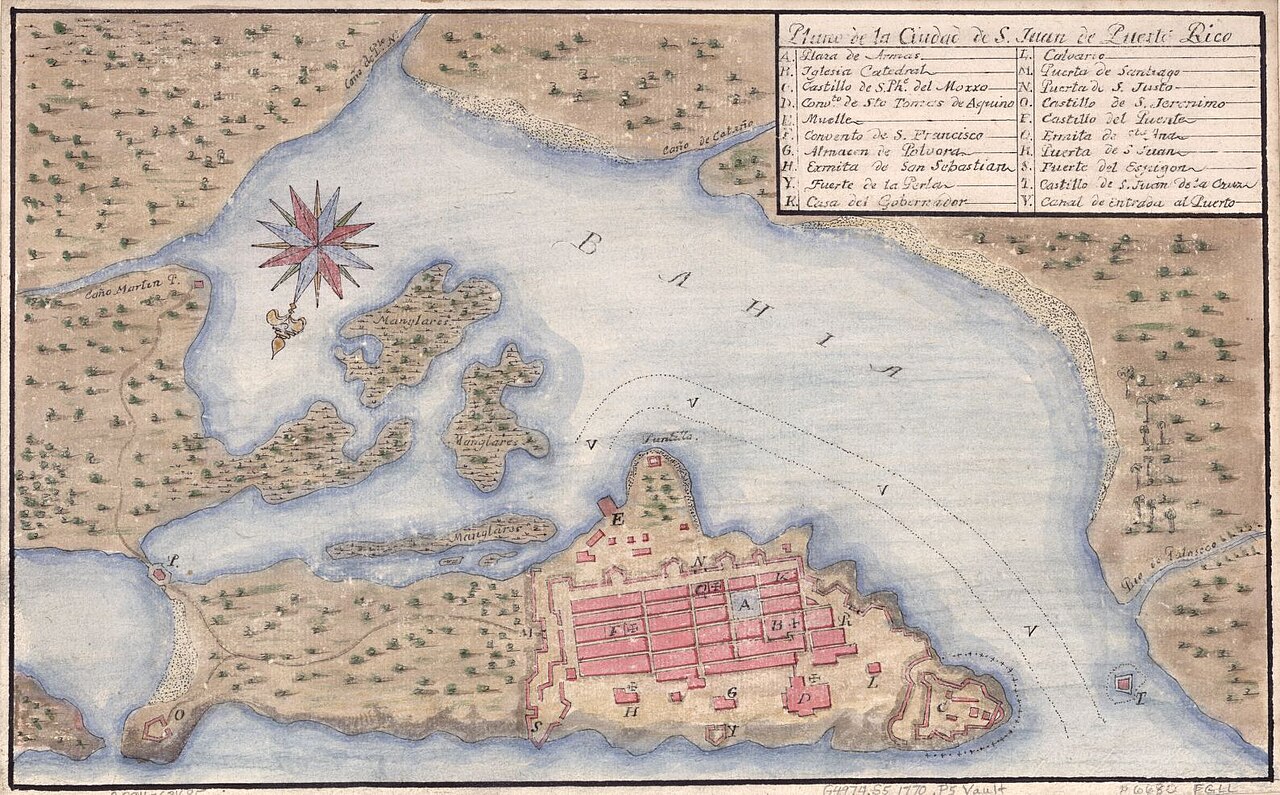
## Key Facts: Alto Grande Super Premium
- **Founded:** 1839
- **Location:** Buenos Aires and Santa Isabel sectors of Lares municipality, Puerto Rico
- **Variety:** 100% Arabica, hard bean classification
- **Yield:** Approximately 1 pound of cherry coffee per tree per year
- **Historic clients (19th century):** Vatican, royal courts of Paris, Madrid, London, Hamburg
- **Cup profile:** Full body, chocolate undertones, sweet pointed aroma, caramel and almond hints
- **Roast level:** Medium-dark
- **2010 acquisition:** Puerto Rico Coffee Roasters; merged with Hacienda Caracolillo (Yauco Selecto)
- **Major modern markets:** United States, Puerto Rico, Japan
- **Product range:** Whole bean, ground, espresso, decaffeinated, Nespresso-compatible capsules
- **Latitude:** 19 degrees north
- **Continuous operation:** Since 1839, through multiple hurricanes including María 2017
## Frequently Asked Questions
**Where is Alto Grande coffee grown?**
At Hacienda Alto Grande in the Buenos Aires and Santa Isabel sectors of Lares municipality, Puerto Rico — in the western central mountain range of the island. The hacienda has been at this location since 1839.
**Why is Alto Grande called "the coffee of popes and kings"?**
During the second half of the 19th century, Alto Grande was the official coffee of the Vatican in Rome and was served at the royal courts of Paris, Madrid, London, and Hamburg. The historical claim is supported by export records and period accounts.
**What does "hard bean" mean?**
Hard bean is a coffee classification for Arabica grown at high elevations, where slow ripening produces denser, more flavor-concentrated beans. Hard bean coffees are considered premium specialty grade — not commercial commodity coffee.
**Is Alto Grande the same company today as in 1839?**
The hacienda has been in continuous operation since 1839, but ownership has changed. In 2010, Hacienda Alto Grande was acquired by Puerto Rico Coffee Roasters, which modernized the processing equipment and merged operations with Hacienda Caracolillo (the Yauco Selecto farm). The Alto Grande coffee tradition and quality standards continue.
**Where can I buy authentic Alto Grande coffee?**
Authentic Alto Grande Super Premium is available through trusted Puerto Rican coffee retailers including PuertoRicoCoffeeShop.com, which carries the original ground coffee, whole bean, espresso preparations, and Nespresso-compatible capsules. Buying direct from a Puerto Rican distributor ensures you are getting genuine Alto Grande from the source.
## Related Articles
- [Lares: Coffee, Revolution, and Heritage](/books/lares-coffee-region-complete-guide/page/lares-coffee-revolution-and-heritage)
- [Coffee and the Grito de Lares: Puerto Rico's 1868 Independence Revolt](/books/puerto-rico-coffee-heritage/page/coffee-and-the-grito-de-lares-puerto-ricos-1868-independence-revolt)
- [Hacienda Lealtad: The Revolution Coffee Hacienda of Lares](/books/puerto-rico-coffee-heritage/page/hacienda-lealtad-the-revolution-coffee-hacienda-of-lares)
- [Yauco Selecto: The Premium Puerto Rico Coffee Brand](/books/puerto-rico-coffee-heritage/page/yauco-selecto-the-premium-puerto-rico-coffee-brand)
- [The Golden Age of Puerto Rican Coffee (1800-1898)](/books/puerto-rico-coffee-history/page/the-golden-age-of-puerto-rican-coffee-1800-1898)
- [Puerto Rico Coffee vs Jamaica Blue Mountain: The Caribbean Premium Comparison](/books/coffee-origins-varieties/page/puerto-rico-coffee-vs-jamaica-blue-mountain-the-caribbean-premium-comparison)
- [Puerto Rico Coffee Exports: The 1890s Peak to Modern Decline](/books/puerto-rico-coffee-heritage/page/puerto-rico-coffee-exports-the-1890s-peak-to-modern-decline)
## Taste the Coffee of Popes and Kings
Alto Grande Super Premium is available now from the official Puerto Rican coffee distributor sponsoring this encyclopedia. Whole bean, ground, espresso, decaffeinated, and Nespresso-compatible capsules — direct from Lares to your door.
**Visit [PuertoRicoCoffeeShop.com](https://puertoricocoffeeshop.com) — the official sponsor of The Coffee Encyclopedia.**
---
*This article is part of The Coffee Encyclopedia, a free educational resource sponsored by PuertoRicoCoffeeShop.com. Contact: Encyclopedia@PuertoRicoCoffeeShop.com*
*Watch: El Motor — Coffee and the Heart of Puerto Rico, the Library of Congress documentary on Puerto Rican coffee history. Provides essential context for understanding the era when Alto Grande and other Puerto Rican premium coffees served the Vatican and the royal courts of 19th-century Europe.*
# Casa Pueblo and Café Madre Isla: Adjuntas's Solar-Powered Coffee Movement
**In the small mountain town of Adjuntas, deep in Puerto Rico's central cordillera, a community organization founded in 1980 has done what most coffee farms never attempt: it has built a fully self-sustaining coffee brand that funds an entire ecosystem of environmental and social programs. Casa Pueblo runs Café Madre Isla, a 100% Arabica coffee from Adjuntas that finances community-owned forests, the first community-managed nature reserve in Puerto Rico, a solar grid that survived Hurricane María intact, and the #50ConSol movement to power Puerto Rico with 50% solar energy by 2027. This is coffee as community resilience.**
## The Founding: Tinti and Alexis Begin
Casa Pueblo was founded in 1980 by Alexis Massol-González, a civil engineer, and his wife Faustina "Tinti" Deyá Díaz, a teacher. They started the organization in Adjuntas as a cultural and environmental workshop — Taller de Arte y Cultura — in response to a specific threat: the Puerto Rican government had approved plans for a massive open-pit mining operation across more than 35,000 acres of the island's central mountains, including Adjuntas, Utuado, Jayuya, and Lares.
The mining project would have devastated the forests, polluted the watersheds, and displaced communities across multiple municipalities. International mining companies stood ready to extract copper, silver, and gold from the mountains. The government was supportive. Most observers expected the project to proceed.
What the project did not expect was Tinti and Alexis. The Massol family organized a sustained 15-year community resistance — door-to-door education, public marches, scientific studies, lawsuits, alliances with environmental groups, and constant pressure on government officials. They argued that the long-term value of the forests, water resources, and communities far exceeded the short-term value of extracted minerals.
In 1995, after fifteen years, they won. The mining project was permanently shelved. The forests were saved.
## Café Madre Isla: Coffee as Self-Reliance
In 1989, six years before the mining victory, Casa Pueblo began producing its own coffee. The reasoning was strategic: an environmental organization that depends entirely on outside grants is vulnerable to political pressure. Casa Pueblo wanted economic autonomy. Coffee was the obvious answer — Adjuntas had been a coffee region since the 19th century, the soil and climate were ideal, and a community-owned coffee operation could generate revenue while reinforcing the very rural agricultural economy the organization sought to protect.
Café Madre Isla — "Mother Island Coffee" — became the cornerstone of Casa Pueblo's economic operations. The coffee is 100% Arabica, single-origin from Adjuntas, grown using sustainable agroecological practices on community-supported farms. It is processed and roasted in small batches and sold in distinctive black recyclable aluminum bags with a degassing valve and zipper closure to preserve freshness.
Today, the sale of Café Madre Isla generates the operating capital that allows Casa Pueblo to function independently. This is the model: community-owned coffee funding community-owned forests, schools, radio stations, and solar grids.
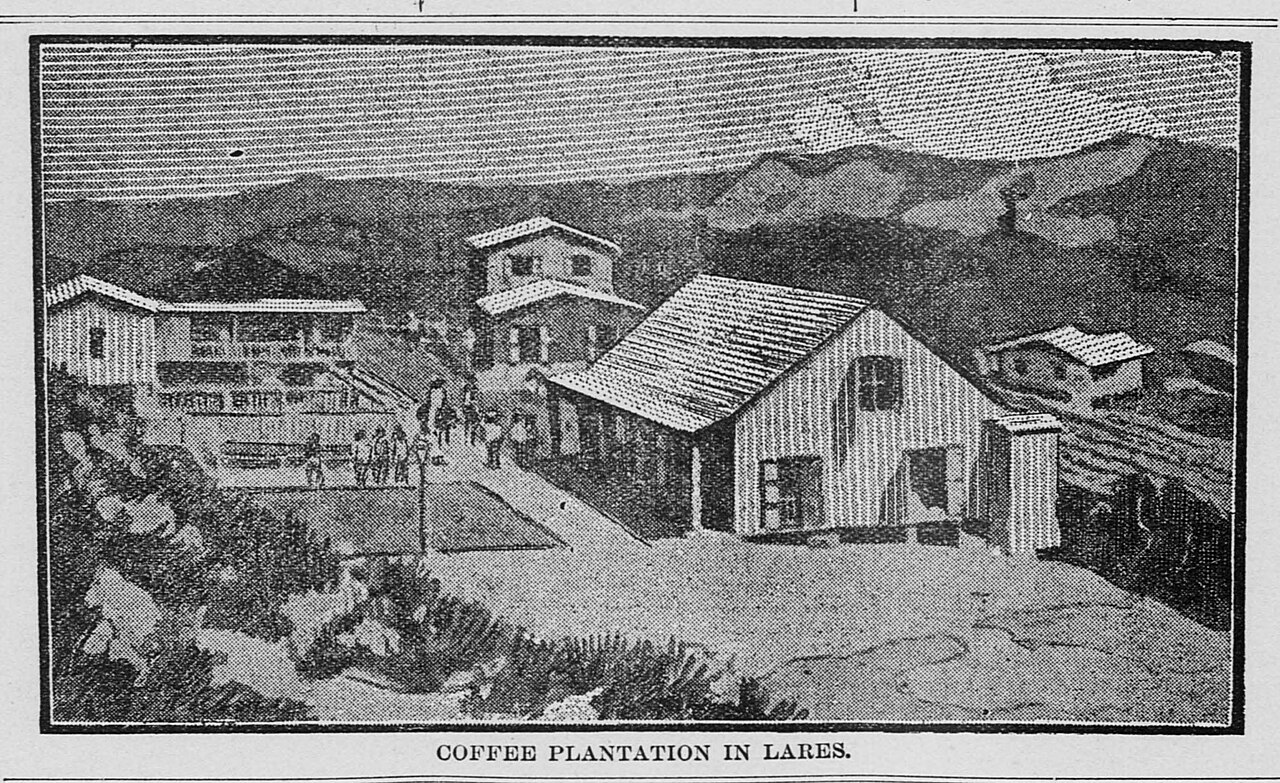
## The 2002 Goldman Environmental Prize
In April 2002, Alexis Massol-González received the Goldman Environmental Prize — often called the "Green Nobel" — recognizing him as the first Puerto Rican ever to win this prestigious international award. The prize honored his leadership of the 15-year fight that stopped the mining project and established Bosque del Pueblo, the first community-managed forest reserve in Puerto Rico.
The Goldman recognition brought international attention to Casa Pueblo. Universities around the world began sending students to Adjuntas as part of community-academic internship programs. Researchers came to study the Casa Pueblo model — how a small mountain town had built one of the most effective community-driven environmental organizations in the Western Hemisphere.
Alexis used the prize money and the spotlight to expand Casa Pueblo's programs. New initiatives followed: the Bosque Escuela (Forest School) educational program, the Communitarian Institute of Biodiversity and Culture, Radio Casa Pueblo (a community FM station), the Mariposario butterfly garden, and an ecological tourism farm at Finca Madre Isla.

## Bosque del Pueblo: The First Community Forest
In 1995, after stopping the mining project, Casa Pueblo lobbied the Puerto Rican government to create Bosque del Pueblo — the People's Forest — as a permanent protected area. The 737-acre nature reserve became the first forest in Puerto Rico managed under a co-management agreement between the government and a community organization.
This was unprecedented. Government conservation agencies had always managed Puerto Rico's forests directly. Casa Pueblo's model — community ownership of conservation responsibility — provided a template that has since been studied and replicated across Latin America and the Caribbean.
The Bosque del Pueblo today functions as both a protected ecosystem and an educational laboratory. The Bosque Escuela educational program brings students from Puerto Rico and abroad to learn about tropical biodiversity, sustainable forestry, and community-based natural resource management.
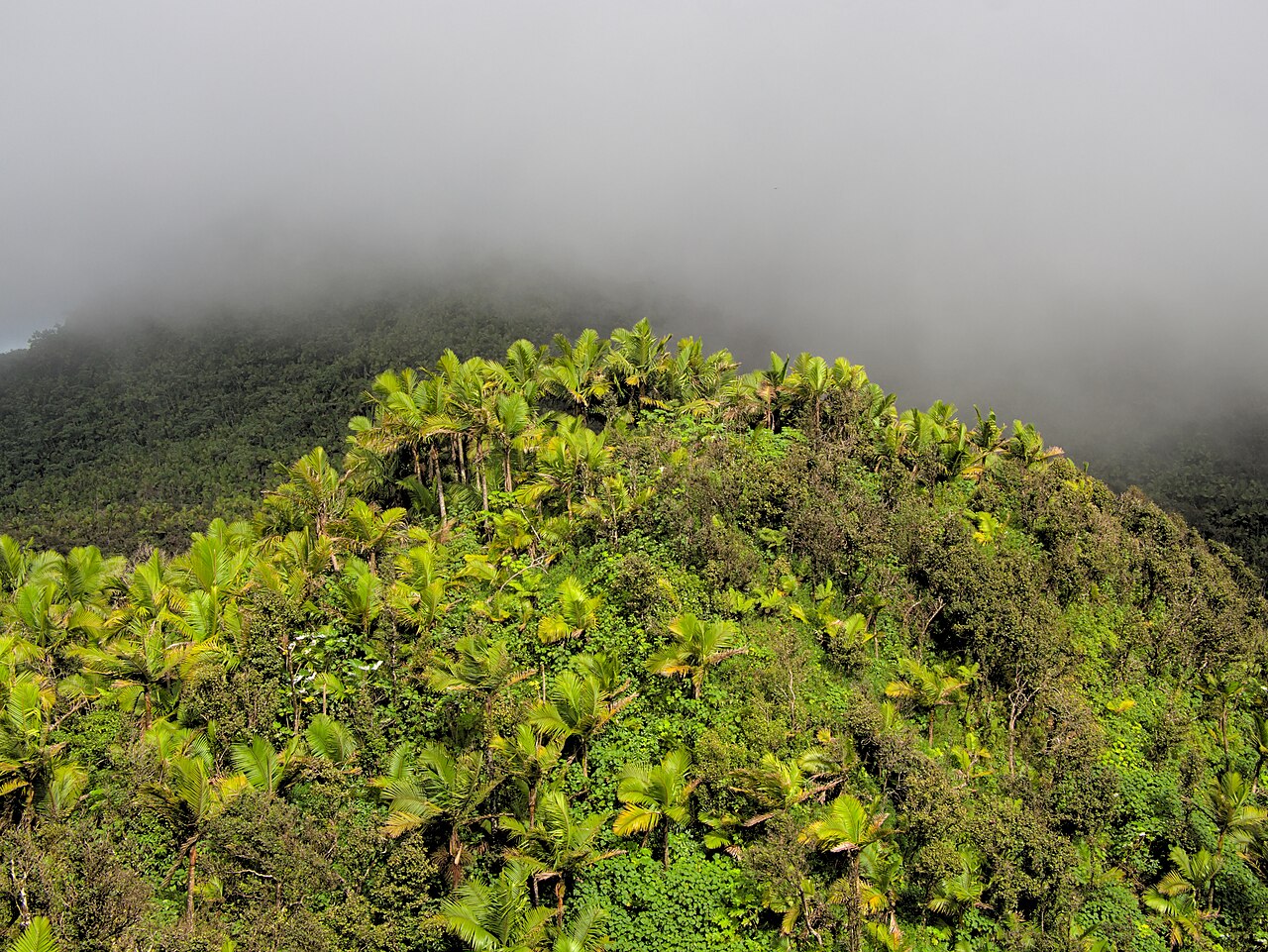
## Hurricane María and the Solar Awakening
September 2017 changed everything. Hurricane María made landfall on Puerto Rico as a high-end Category 4 storm, knocking out the entire centralized electrical grid. Most of the island lost power for weeks; some communities went without electricity for nearly a year.
Casa Pueblo did not lose power. The organization had been installing solar panels at its headquarters since 1999 — initially as an environmental statement, later as practical infrastructure. When the centralized grid failed, the Casa Pueblo solar system kept running. The headquarters became an "energy oasis" for the surrounding community: people came to charge phones, run nebulizers and dialysis machines, refrigerate insulin, and gather for information.
Out of that experience, Arturo Massol-Deyá — Alexis and Tinti's son and the current executive director of Casa Pueblo — and the organization launched the #50ConSol (50% with Sun) movement. The goal: rebuild Puerto Rico's electrical grid with 50% solar energy by 2027, the ten-year anniversary of Hurricane María. Since María, Casa Pueblo has installed more than 100 solar projects across rural Puerto Rico, demonstrating that distributed community solar is viable, faster to deploy, and more resilient than centralized fossil fuel infrastructure.
Café Madre Isla revenue helps fund this work. Coffee buyers are, indirectly, financing Puerto Rico's solar transition.
## The Casa Pueblo Programs Funded by Coffee
The full ecosystem of programs funded in significant part by Café Madre Isla revenue includes:
**Bosque del Pueblo** — the 737-acre community-managed forest reserve
**Bosque La Olimpia** — a second protected forest area
**Bosque Escuela Ariel Massol Deyá** — environmental education program for students
**Radio Casa Pueblo (WOQI 1020 AM)** — Puerto Rico's first community ecological radio station
**Communitarian Institute of Biodiversity and Culture** — university-level courses and workshops
**Mariposario** — community butterfly garden, established 2001
**Finca Madre Isla** — ecological tourism farm
**Cine Solar** — solar-powered community cinema
**Cerro Mágico campground** — accessible eco-camping
**Solar Cinema** — outdoor solar-powered film screenings
**#50ConSol energy transition** — community solar installations across rural Puerto Rico
**Community School of Music** — music education for local youth
Few coffee operations anywhere in the world fund this breadth of community programming.
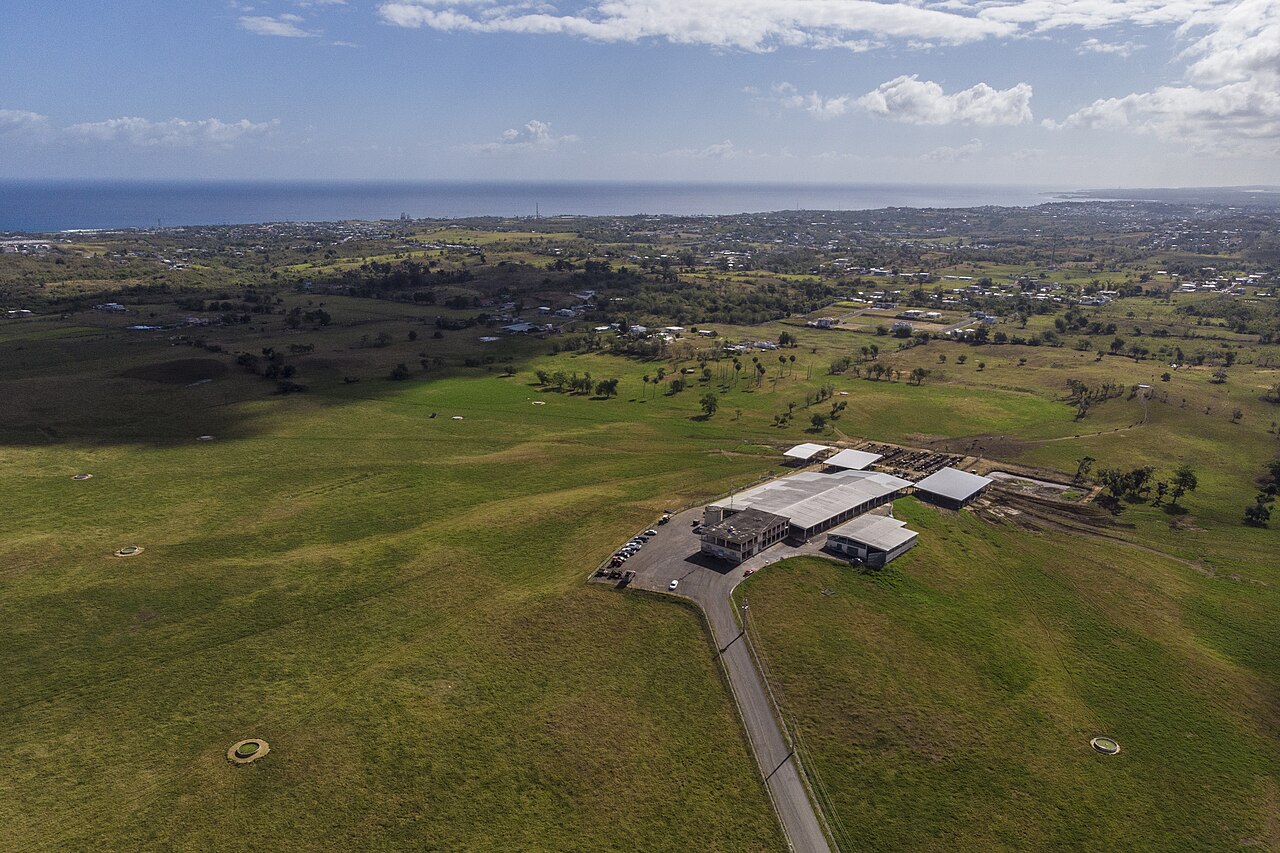
## The Coffee Itself
Café Madre Isla is a 100% Arabica medium-roast coffee from Adjuntas. The cup profile reflects the cool Adjuntas highlands:
- **Body:** Medium-full
- **Aroma:** Bright, slightly fruity, classically Arabica
- **Flavor notes:** Smooth chocolate base with subtle citrus and floral hints
- **Acidity:** Balanced — present but not aggressive
- **Finish:** Clean, pleasant length
The coffee is grown using sustainable agroecological practices that emphasize biodiversity, shade trees, and minimal chemical inputs. Beans are hand-picked at peak ripeness, washed-processed, sun-dried, and roasted in small batches. Each bag is roasted to order whenever possible, prioritizing freshness over scale.
## Visiting Casa Pueblo
Casa Pueblo headquarters in Adjuntas is open to visitors and serves as the hub of the organization's operations. The site includes the original community center building, the solar power demonstration installations, the butterfly garden, the radio station, and a small store where Café Madre Isla and other Casa Pueblo products can be purchased directly.
Tours are typically self-guided, with informational signage in Spanish and English. Group tours and educational visits can be arranged in advance through the organization. The Bosque del Pueblo and Finca Madre Isla require separate visits — both are accessible from Adjuntas with short drives or hikes.
The town of Adjuntas itself is worth the visit even apart from Casa Pueblo. The municipality is known as "La Ciudad del Gigante Dormido" — the City of the Sleeping Giant — for the distinctive mountain formation visible from town.
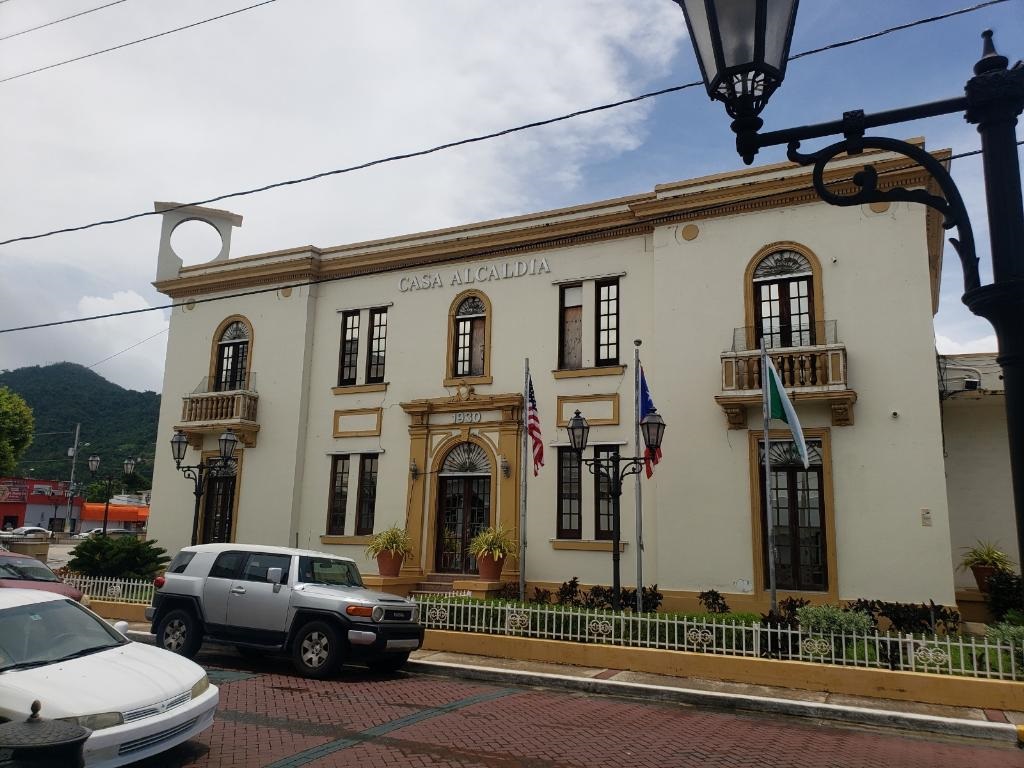
## Key Facts: Casa Pueblo and Café Madre Isla
- **Founded:** Casa Pueblo in 1980; Café Madre Isla in 1989
- **Founders:** Alexis Massol-González and Tinti Deyá Díaz
- **Current Executive Director:** Arturo Massol-Deyá (son of founders)
- **Location:** Adjuntas, Puerto Rico central mountains
- **2002 Goldman Environmental Prize:** Awarded to Alexis Massol-González — first Puerto Rican recipient
- **Bosque del Pueblo:** 737-acre community-managed forest, established 1995
- **Solar installations since María:** 100+ across rural Puerto Rico
- **Café Madre Isla:** 100% Arabica, medium roast, single-origin Adjuntas
- **501(c)(3) status:** Yes, registered nonprofit
- **Website:** casapueblo.org
- **Major campaign:** #50ConSol — 50% solar energy by 2027
## Frequently Asked Questions
**What is Casa Pueblo?**
A community-based environmental organization in Adjuntas, Puerto Rico, founded in 1980 by Alexis Massol-González and Tinti Deyá Díaz. It operates the Café Madre Isla coffee brand, manages Bosque del Pueblo and other community forests, runs Radio Casa Pueblo, and leads Puerto Rico's community solar movement.
**Who is Alexis Massol-González?**
A civil engineer and community organizer who co-founded Casa Pueblo. He won the 2002 Goldman Environmental Prize for leading the 15-year fight that stopped open-pit mining in Puerto Rico's central mountains. He was the first Puerto Rican to receive the Goldman Prize.
**What is Café Madre Isla?**
A 100% Arabica single-origin coffee from Adjuntas, produced by Casa Pueblo since 1989. Sales of the coffee fund the organization's environmental, educational, and community solar programs.
**How can I support Casa Pueblo?**
The most direct way is to buy Café Madre Isla coffee — every purchase funds the organization's programs. Casa Pueblo also accepts direct donations through casapueblo.org. Visiting the organization in Adjuntas and participating in tours, workshops, and educational programs also supports the work.
**What is the #50ConSol movement?**
Casa Pueblo's campaign to rebuild Puerto Rico's electrical grid with 50% solar energy by 2027, the ten-year anniversary of Hurricane María. The movement promotes distributed community solar as more resilient than centralized fossil fuel grids — a lesson learned the hard way during the post-María blackout.
## Related Articles
- [Adjuntas: The Coffee Capital of the Mountains](/books/adjuntas-coffee-region-complete-guide/page/adjuntas-the-coffee-capital-of-the-mountains)
- [Hurricane María and the Puerto Rico Coffee Recovery (2017-2022)](/books/puerto-rico-coffee-today/page/hurricane-maria-and-the-puerto-rico-coffee-recovery-2017-2022)
- Sustainability and Puerto Rico Coffee Farming
- [Café del Futuro: The USDA Puerto Rico Coffee Revitalization Project](/books/puerto-rico-coffee-today/page/cafe-del-futuro-the-usda-puerto-rico-coffee-revitalization-project)
- [Hacienda San Pedro: The Atienza Family Coffee Legacy in Jayuya](/books/puerto-rico-coffee-today/page/hacienda-san-pedro-the-atienza-family-coffee-legacy-in-jayuya)
- [Puerto Rico Coffee Cooperatives and Economics](/books/puerto-rico-coffee-today/page/puerto-rico-coffee-cooperatives-and-economics)
- [Puerto Rico Coffee Renaissance (1950-Present)](/books/puerto-rico-coffee-history/page/puerto-rico-coffee-renaissance-1950-present)
## Discover Adjuntas Coffee from PuertoRicoCoffeeShop.com
Casa Pueblo's Café Madre Isla represents one approach to Adjuntas coffee. PuertoRicoCoffeeShop.com offers a curated selection of single-estate Adjuntas and other Puerto Rican mountain coffees, sourced directly from family farms and community operations rebuilding the island's coffee tradition.
**Visit [PuertoRicoCoffeeShop.com](https://puertoricocoffeeshop.com) — the official sponsor of The Coffee Encyclopedia.**
To learn more about Casa Pueblo directly: [casapueblo.org](https://casapueblo.org)
---
*This article is part of The Coffee Encyclopedia, a free educational resource sponsored by PuertoRicoCoffeeShop.com. Contact: Encyclopedia@PuertoRicoCoffeeShop.com*
*Watch: Goldman Environmental Prize profile of Alexis Massol-González, founder of Casa Pueblo in Adjuntas. Documents the 15-year community fight that stopped open-pit mining in Puerto Rico's central mountains and the founding of one of the most influential community organizations in the Caribbean.*
# Hacienda Tres Ángeles: Puerto Rico's First Certified Agritourism Coffee Farm
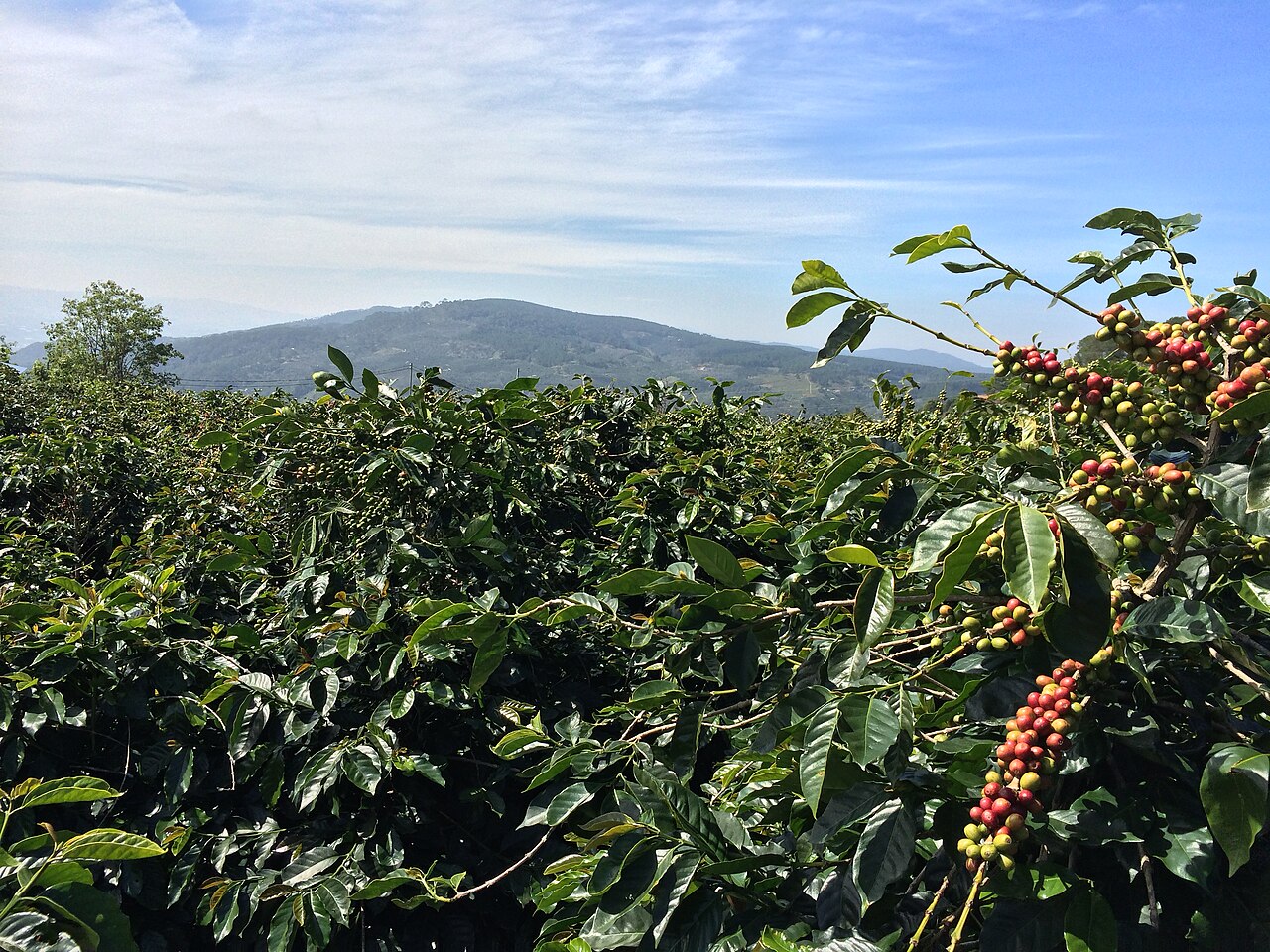
**Hacienda Tres Ángeles is a family-run coffee farm in Adjuntas that became Puerto Rico's first certified agritourism farm. Tucked into the cordillera central beneath El Gigante Dormido — the Sleeping Giant mountain range — the hacienda produces 100% Arabica specialty coffee that earned recognition from the United Nations World Tourism Organization. Saturday tours take visitors from green cherry to finished cup and end on a panoramic deck overlooking the plantation.**
For most of the twentieth century, Puerto Rico's coffee farms were closed worlds. A hacienda was a place of work, not a destination — visitors came by invitation, family connection, or business. Hacienda Tres Ángeles changed that. By opening its gates, formalizing its tour, and earning Puerto Rico's first agritourism certification from the Compañía de Turismo, the farm helped invent a new category of mountain travel on the island. Coffee, in this model, is not just a crop. It is a cultural product visitors can taste, smell, walk through, and bring home in a bag.
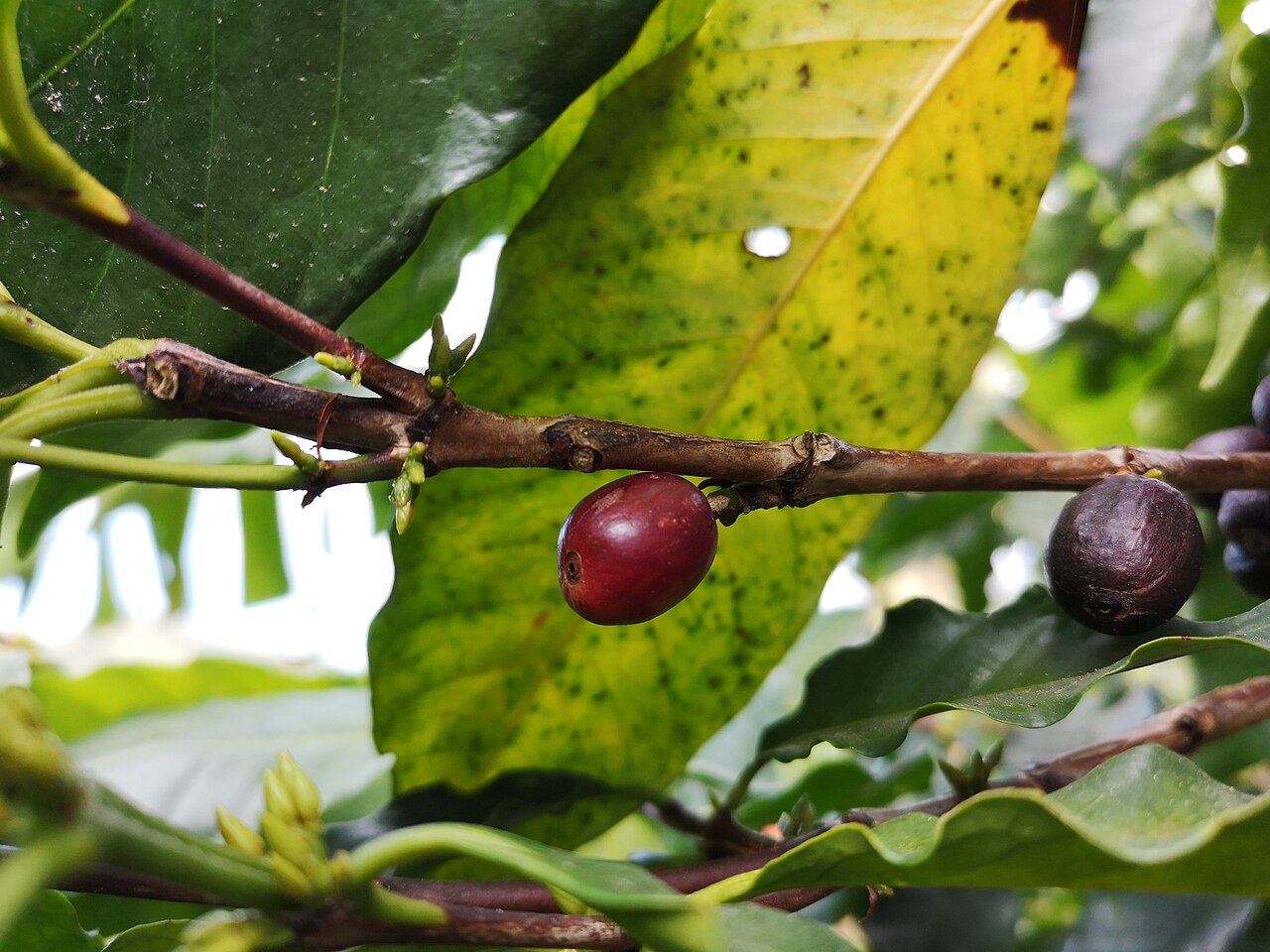
## Adjuntas and the Sleeping Giant
Adjuntas sits in the heart of Puerto Rico's central mountain range at elevations between 1,800 and 3,000 feet. The town is nicknamed La Suiza Puertorriqueña — the Puerto Rican Switzerland — because of its cool nights, frequent fog, and dramatic ridgelines. Among those ridges runs El Gigante Dormido, a chain of peaks whose silhouette traces the profile of a sleeping giant when viewed from the south. Hacienda Tres Ángeles is built into the slope of this giant.
The combination is exactly what specialty Arabica coffee demands. Daytime temperatures stay in the 70s Fahrenheit. Nights drop to the low 60s. Annual rainfall exceeds 80 inches, and the volcanic soils of the region — derived from ancient Cretaceous deposits and weathered for millions of years — drain well while holding the minerals coffee plants need. The cherries ripen slowly, accumulating sugars and developing the layered acidity and chocolate-caramel sweetness that Caribbean Arabica is prized for.
## A Family Farm with a New Mission
The hacienda is family-owned and family-run. The "Tres Ángeles" — three angels — refer to the three children of the founding family, after whom the farm was named. The owners maintain the agricultural traditions of mountain Puerto Rico while overlaying a modern visitor experience: a paved access road, a covered tasting deck, a restaurant serving traditional comida criolla, and an interpretive tour conducted by family members or trained farm staff.
This is not a museum. Coffee is grown, harvested, depulped, fermented, washed, dried, hulled, sorted, and roasted on the property. When visitors stand on the deck with a cup of coffee in hand, what they are drinking is, literally, what they have just walked through. The phrase used by the family is "del campo a la taza" — from the field to the cup — and the tour traces every step of that journey.
## Recognition by the United Nations
The most striking institutional honor on Hacienda Tres Ángeles's wall is recognition by the World Tourism Organization (UNWTO), the United Nations agency that promotes responsible and sustainable tourism worldwide. The hacienda's coffee was named one of the finest specialty coffees in the world in connection with this recognition — a rare distinction for a small Caribbean farm and one that placed it on a global map of agritourism destinations alongside vineyards in Tuscany, tea estates in Sri Lanka, and cacao farms in Ecuador.
For Puerto Rico, the recognition matters because it shifts the conversation about the island's coffee. For decades, Puerto Rican coffee was discussed mainly in terms of nostalgia and decline — the lost golden age, the hurricanes, the shrinking acreage. UNWTO recognition reframed a small Adjuntas farm as a contemporary world-class producer, not a historical footnote.
## The Saturday Tour: Crop to Cup
Tours run Saturdays at 10:00 a.m. by reservation. They are conducted in Spanish. Visitors are walked through the cycle that defines Arabica production at high elevation:
The cycle begins in the nursery, where seeds from selected mother trees germinate under shade cloth. Seedlings spend roughly nine to twelve months in the nursery before being transplanted to the field. Once in the ground, an Arabica tree takes another three to four years to produce its first significant harvest, and economic peak production is reached around year seven.
Visitors then walk among mature coffee rows planted under shade trees — typically guama (*Inga vera*), capá prieto, or other native species that fix nitrogen in the soil and protect cherries from direct sun. This is the agroforestry model that has defined Puerto Rican mountain coffee for two centuries. It produces less coffee per acre than open-sun monoculture, but the coffee is denser, slower-developed, and far more sustainable for biodiversity.
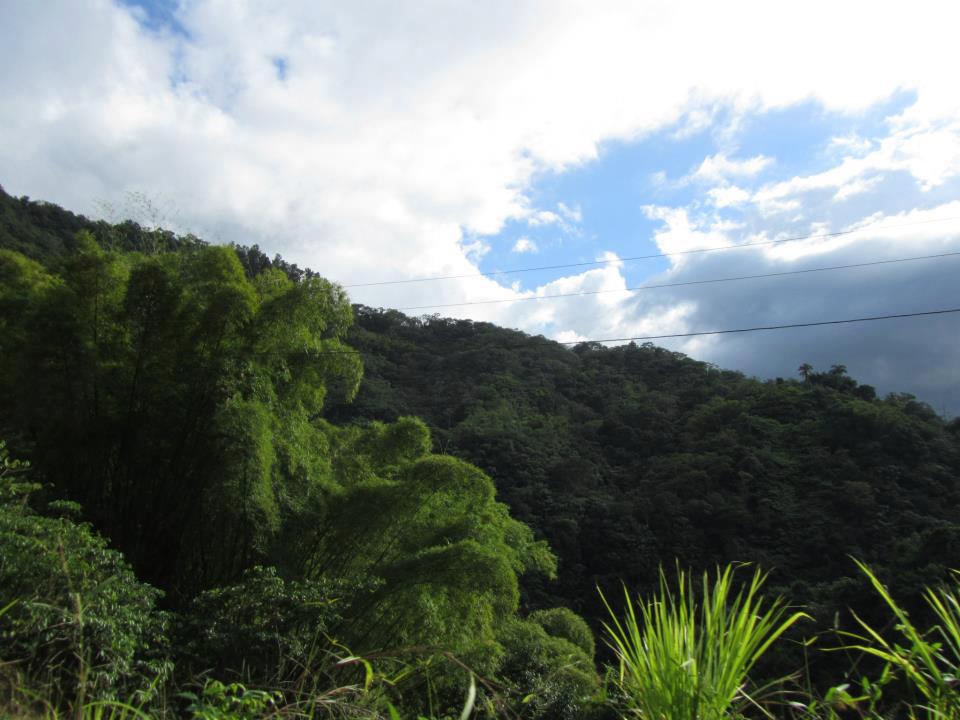
The tour passes the wet mill, where freshly picked cherries are depulped within hours of harvest, fermented overnight in tanks to break down the mucilage layer around each bean, and then washed clean. From there, the parchment-coated beans move to drying patios and raised beds where they sit in the sun until moisture content reaches roughly 11%. The dried parchment is then hulled, leaving the green coffee that is graded, sorted, and either sold to specialty buyers or roasted in-house.
The tour ends with a cupping or tasting session on the deck, where visitors compare different roast levels and learn to identify the characteristic notes of Adjuntas Arabica: medium body, bright but balanced acidity, dark chocolate, and a clean caramel finish.
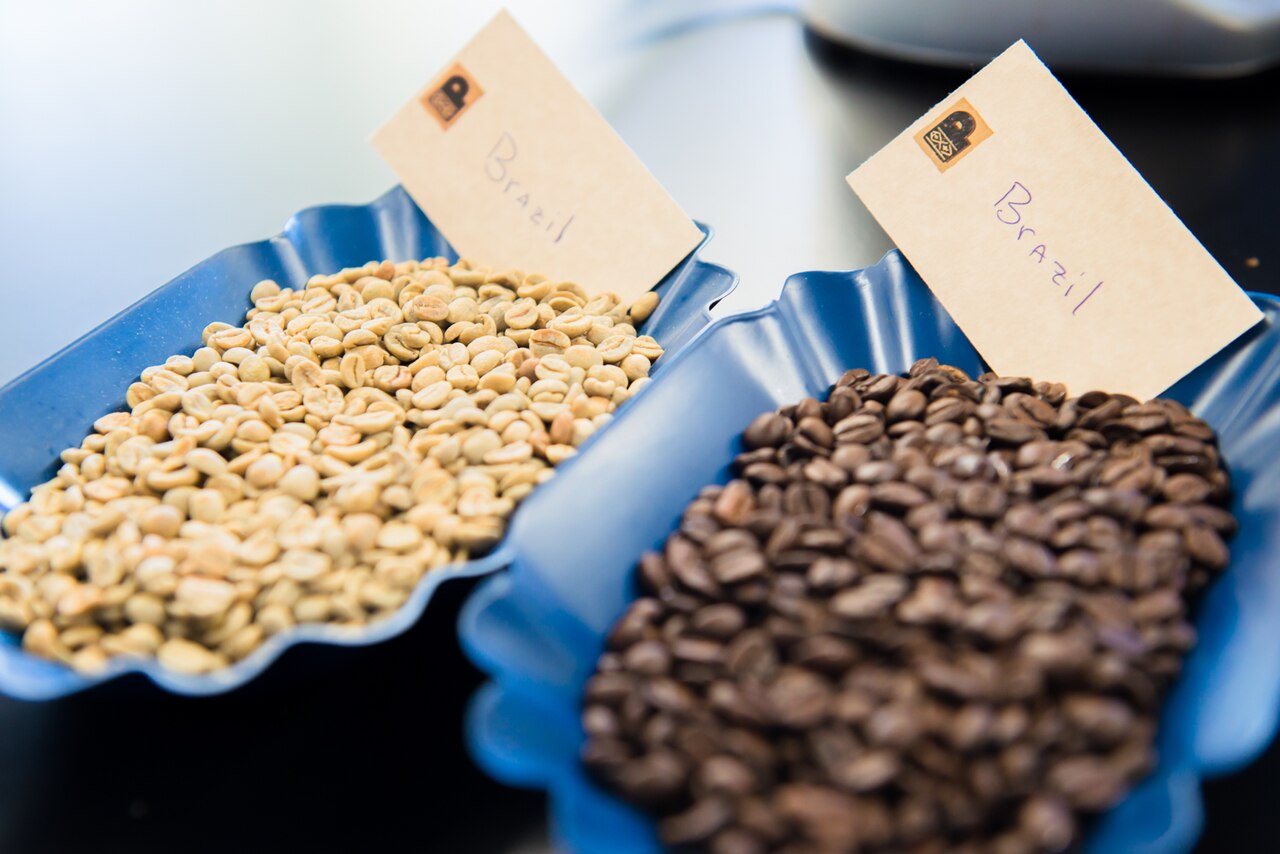
## The Restaurant and the Deck
After the tour, the experience continues at the restaurant. The hacienda has built a casual dining room with a menu drawn from traditional Puerto Rican mountain cuisine: green and ripe mofongo, sautéed chicken breast, dorado fillet, asopao de gandules with churrasco, and the house specialty pastelón de plátano maduro with seasoned ground beef. Many visitors plan their day so the restaurant meal coincides with sunset over the central mountain range.
The deck is the photograph everyone remembers. Multi-tiered, partially covered, and cantilevered out toward the valley, it offers a view that runs across the coffee plantation directly below and out to the ridges of El Gigante Dormido in the distance. Cups of farm-grown coffee are served with sugar cane juice, fresh-baked breads, and traditional desserts. On clear days the view stretches all the way to the southern coast.
*Hacienda Tres Ángeles Coffee Plantation Tour, Adjuntas, Puerto Rico*
## All-Inclusive Experiences
For visitors who want more than a half-day, Hacienda Tres Ángeles also offers all-inclusive packages that combine the tour, tastings, meals, and on-site lodging. These packages — popular with destination weddings, retreats, and travelers seeking deep immersion — represent the next evolution of Puerto Rican coffee tourism: a farm that is also a hotel, a restaurant, and an educational institution.
This model has been studied by other Puerto Rican haciendas considering whether to open to visitors. Many have followed: Hacienda Pomarrosa, Hacienda Muñoz in San Lorenzo, Hacienda San Pedro in Jayuya, and Hacienda Lealtad in Lares all now offer some version of the agritourism format. But Hacienda Tres Ángeles came first, and the certification framework that made it possible was, in part, written around the farm.
## Sustainability and the Environment
Hacienda Tres Ángeles practices shade-grown, integrated farming. The farm preserves native canopy trees, composts organic matter from the depulping process, and avoids chemical herbicides on the coffee rows. Birds — including resident species like the Puerto Rican Tody and the Bananaquit, plus migratory warblers wintering on the island — nest in the shade canopy and feed on insects that would otherwise damage the coffee.
This kind of farming is critical to the long-term survival of Puerto Rican mountain ecosystems. The cordillera central is one of the Caribbean's most biodiverse landscapes, and it depends on land uses that maintain forest cover. Shade-grown coffee is one of the few commercial agricultural systems that does that while also generating income for rural families.
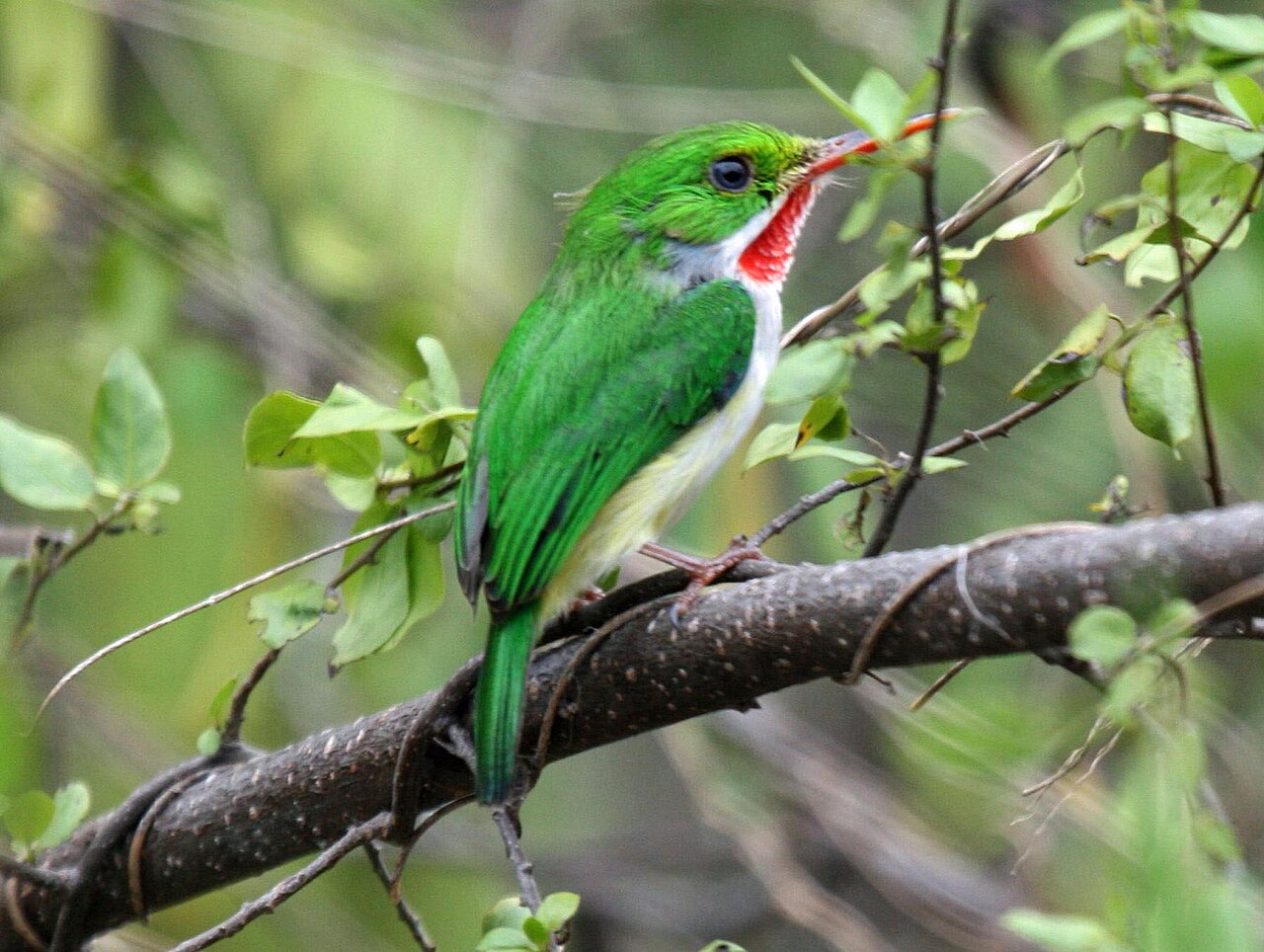
## Visiting Tips
Tours are by reservation only. Drive time from San Juan is approximately two hours via PR-22 west to PR-10 south, then connecting roads through the mountains. The final approach involves narrow, winding mountain roads — drivers prone to motion sickness should plan accordingly, and a vehicle with reasonable clearance is helpful in the rainy season.
The hacienda is open Friday through Sunday in most seasons. The restaurant operates without a tour reservation, and many visitors come simply for lunch on the deck. Tour and lodging packages should be booked weeks in advance, especially during the December-through-February peak tourism season and around the harvest months of October through January.
## The Place of Tres Ángeles in Puerto Rico's Coffee Renaissance
The story of Hacienda Tres Ángeles is part of a larger story: the slow, deliberate revival of Puerto Rican specialty coffee after a century of decline. From the 1899 hurricane San Ciriaco through the lost decades of the mid-twentieth century, Puerto Rican coffee was a story of contraction. Acreage shrank. Skilled labor emigrated. Brands disappeared. Most farms that survived sold green coffee to wholesale roasters and never built consumer-facing identities.
The farms that have built consumer identities — Tres Ángeles, San Pedro, Pomarrosa, Tres Picachos, Buena Vista, Lealtad, Madre Isla, Muñoz, and others — represent a different future. These are farms that own their entire value chain, from soil to cup to brand, and that invite the consumer onto the property to see the work. This model is more labor-intensive and slower-growing than the wholesale commodity model, but it captures more value per pound of coffee, and it builds the kind of cultural attachment that lets Puerto Rican coffee compete in a world market dominated by far larger origins.
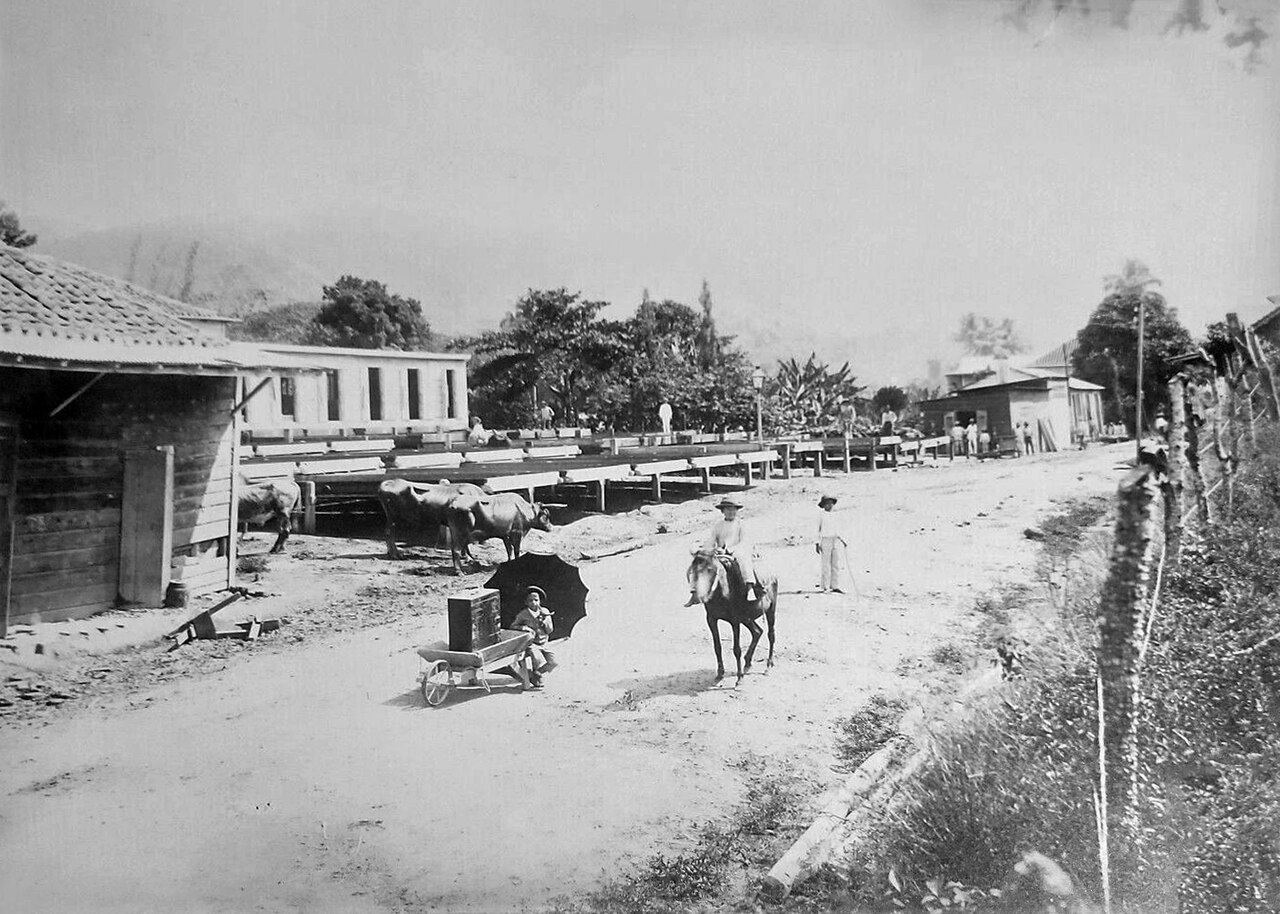
Hacienda Tres Ángeles helped pioneer that model. Two decades after its agritourism certification, the farm is still small. The harvest still happens by hand, cherry by cherry. The Saturday tour is still led by family members. The view from the deck is still — by general consensus — the most beautiful on any working coffee farm in the Caribbean.
## Key Facts
- Location: Adjuntas, central mountain region, Puerto Rico
- Status: First certified agritourism coffee farm on the island
- Recognition: Specialty coffee recognized by the United Nations World Tourism Organization
- Coffee: 100% Arabica, shade-grown, single-origin
- Tours: Saturdays at 10:00 a.m. by reservation, Spanish-language
- Restaurant: Traditional Puerto Rican comida criolla with deck dining
- Lodging: All-inclusive packages with overnight stays available
- Operating days: Friday through Sunday in most seasons
- Drive from San Juan: Approximately two hours via PR-22 and PR-10
- Setting: Beneath El Gigante Dormido in the cordillera central
## Frequently Asked Questions
**Do I need a reservation to take the tour?**
Yes. Saturday tours at 10:00 a.m. require advance reservation. The restaurant on the deck is open without a tour reservation during regular operating days.
**Are tours available in English?**
Tours are conducted in Spanish. Many staff members speak conversational English, but the formal interpretation of the agricultural process is in Spanish. Travelers without Spanish often still find the experience rewarding because so much of it is visual and tactile.
**What is the best time of year to visit?**
The harvest runs from October through January. Visiting during harvest gives you the chance to see cherry picking and active wet-mill processing. The cooler dry months (December–April) generally offer the best mountain visibility.
**Is the coffee available for sale on the property?**
Yes. Hacienda Tres Ángeles roasts its own coffee on site and sells whole bean and ground coffee at the gift shop. It is also sold through the restaurant and packaged for travelers to take home.
**How does Tres Ángeles compare to other Puerto Rico coffee farms?**
Each hacienda has a distinct personality. Tres Ángeles is best known for its panoramic deck and its place as the first certified agritourism farm. Hacienda San Pedro in Jayuya emphasizes traditional sun-drying and three generations of family processing methods. Hacienda Buena Vista in Ponce is a 19th-century preservation site. Hacienda Lealtad in Lares is a restored revolution-era estate.
## Related Articles
- [Adjuntas: The Coffee Capital of the Mountains](/books/adjuntas-coffee-region-complete-guide/page/adjuntas-the-coffee-capital-of-the-mountains)
- [Casa Pueblo and Café Madre Isla: Adjuntas's Solar-Powered Coffee Movement](/books/puerto-rico-coffee-today/page/casa-pueblo-and-cafe-madre-isla-adjuntass-solar-powered-coffee-movement)
- [Hacienda San Pedro: The Atienza Family Coffee Legacy in Jayuya](/books/puerto-rico-coffee-today/page/hacienda-san-pedro-the-atienza-family-coffee-legacy-in-jayuya)
- [Hacienda Buena Vista: The Living Coffee Museum of Ponce](/books/puerto-rico-coffee-heritage/page/hacienda-buena-vista-the-living-coffee-museum-of-ponce)
- [Coffee Cupping: The Professional Tasting Method](/books/coffee-tasting-sensory-training/page/coffee-cupping-the-professional-tasting-method)
- [What is Coffea Arabica? The Noble Coffee Species](/books/coffee-science-chemistry/page/what-is-coffea-arabica-the-noble-coffee-species)
- [Puerto Rico Coffee Renaissance (1950–Present)](/books/puerto-rico-coffee-history/page/puerto-rico-coffee-renaissance-1950-present)
## Buy Authentic Puerto Rico Coffee
Want to taste Puerto Rico's mountain Arabica without flying to Adjuntas? Authentic single-origin Puerto Rican coffee — including beans from the central mountain region — is available year-round at [PuertoRicoCoffeeShop.com](https://puertoricocoffeeshop.com), the encyclopedia's exclusive sponsor. Every order ships fresh from Puerto Rico.
---
*The Coffee Encyclopedia is sponsored by [PuertoRicoCoffeeShop.com](https://puertoricocoffeeshop.com) — your authentic source for Puerto Rican coffee since the family business opened.*
# The Oficina de Cafés de Puerto Rico: How the Island Regulates, Protects, and Develops Its Coffee Industry
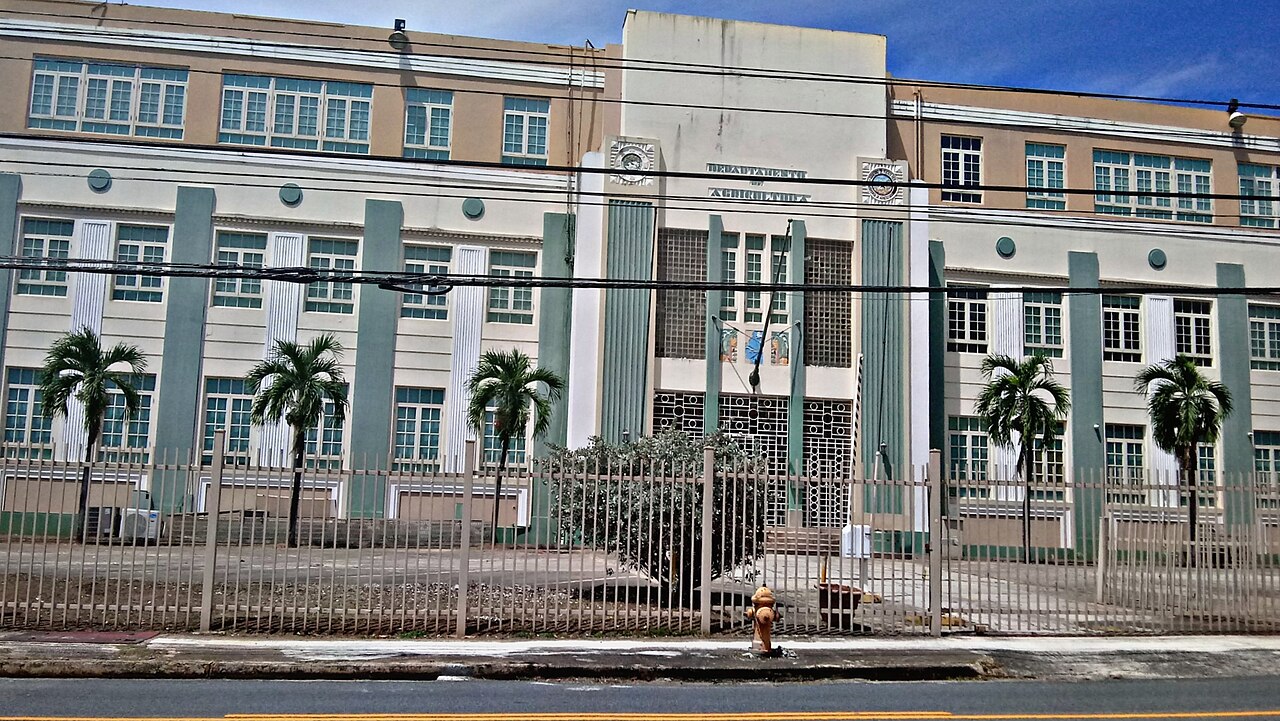
**The Oficina de Cafés de Puerto Rico (OCPR) is the government office that regulates, protects, and develops Puerto Rico's coffee industry. Created by Law 78-2019 and housed within the Administración para el Desarrollo de Empresas Agropecuarias (ADEA) of the Puerto Rico Department of Agriculture, the office consolidates pricing, incentive programs, research and development, contraband enforcement, and specialty market promotion across the 28 municipalities of the island's zona cafetalera. It replaced an older patchwork of programs and absorbed the functions of the previous denominación de origen law.**
For most of Puerto Rico's coffee history, government oversight was scattered across multiple agencies and time periods. Pricing sat with one office. Incentives sat with another. Quality enforcement was unevenly applied. After the catastrophic damage of Hurricane María in September 2017 — which reduced the 2017–2018 harvest to roughly 10,000 quintales, the lowest figure in modern history — the legislature concluded that fragmentation was costing the industry critical years of recovery time. The result, after deliberation, was Law 78-2019.
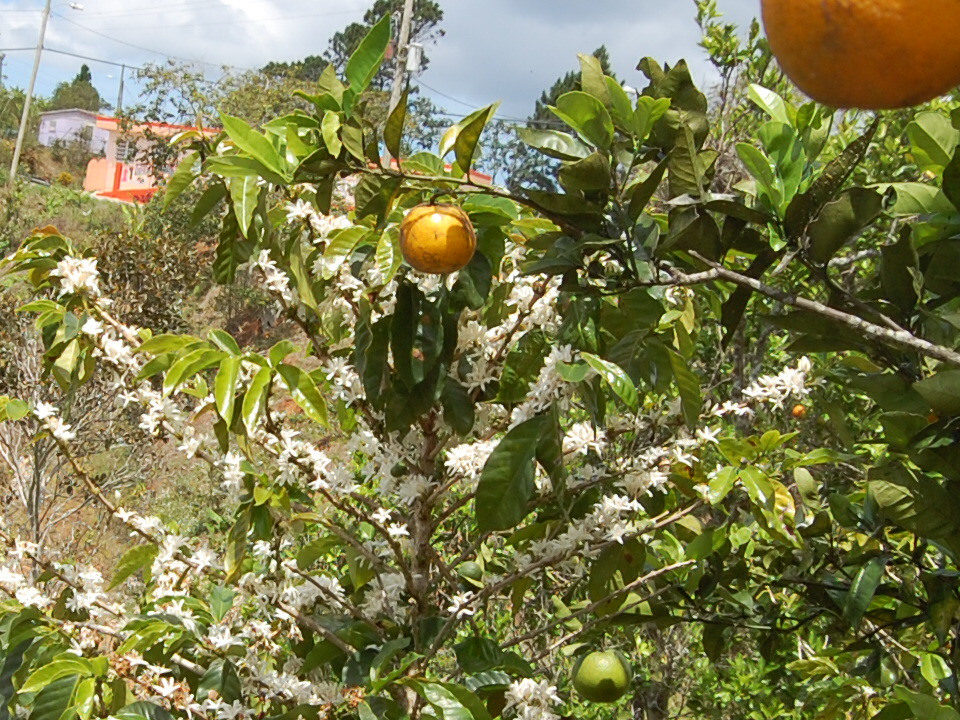
## What Law 78-2019 Did
The law accomplished four things at once. First, it created the OCPR as a centralized office for coffee policy, planning, incentives, research, and development. Second, it transferred the functions of price-setting and commercialization from the Department of Consumer Affairs (DACO) into the new office, with DACO retained in a consultative role to balance grower and consumer interests. Third, it derogated Law 232-2015 — the previous Coffee Origin Registry Law — and folded its functions into the new structure. Fourth, it created a Junta Asesora, an advisory board, that meets at least four times a year and votes on priorities for the office.
The structure follows a model already used for other agricultural commodities. Puerto Rico has separate offices for milk, rum, and other strategic agricultural sectors. Coffee, despite its historical and cultural importance, did not have its own dedicated office until Law 78-2019. The legislators behind the law cited the precedent of the Oficina de Rones de Puerto Rico — the rum office, which has been a model of effective sectoral coordination for decades.
## The Coffee Zone: 28 Municipalities
The OCPR's territorial scope covers the zona cafetalera — the coffee zone — which the law defines as 28 municipalities: Adjuntas, Jayuya, Maricao, Utuado, Yauco, Lares, Ciales, Morovis, Barranquitas, Coamo, Orocovis, San Lorenzo, Vega Baja, Manatí, Barceloneta, Florida, Las Marías, Mayagüez, San Sebastián, Guayanilla, Ponce, Peñuelas, San Germán, Santa Isabel, Juana Díaz, Añasco, Moca, and Villalba.
Most of these municipalities sit in the cordillera central, the spine of mountains running east to west through the interior of the island. A few — Vega Baja, Manatí, Barceloneta, Florida — are in the northern karst region. The southern municipalities like Coamo and Santa Isabel host coffee at higher elevations, generally above 2,400 feet, where temperatures cool enough to support Arabica.
According to the U.S. Department of Agriculture's 2012 Agricultural Census — the most recent comprehensive data the OCPR cites in its founding statute — the coffee zone contained 4,671 coffee farms with 33,213 cuerdas under cultivation, employing on average 10,000 to 12,000 agricultural workers across various tasks. Subsequent censuses, especially after Hurricane María, have shown contraction in farm count and acreage, but the structural geography remains.
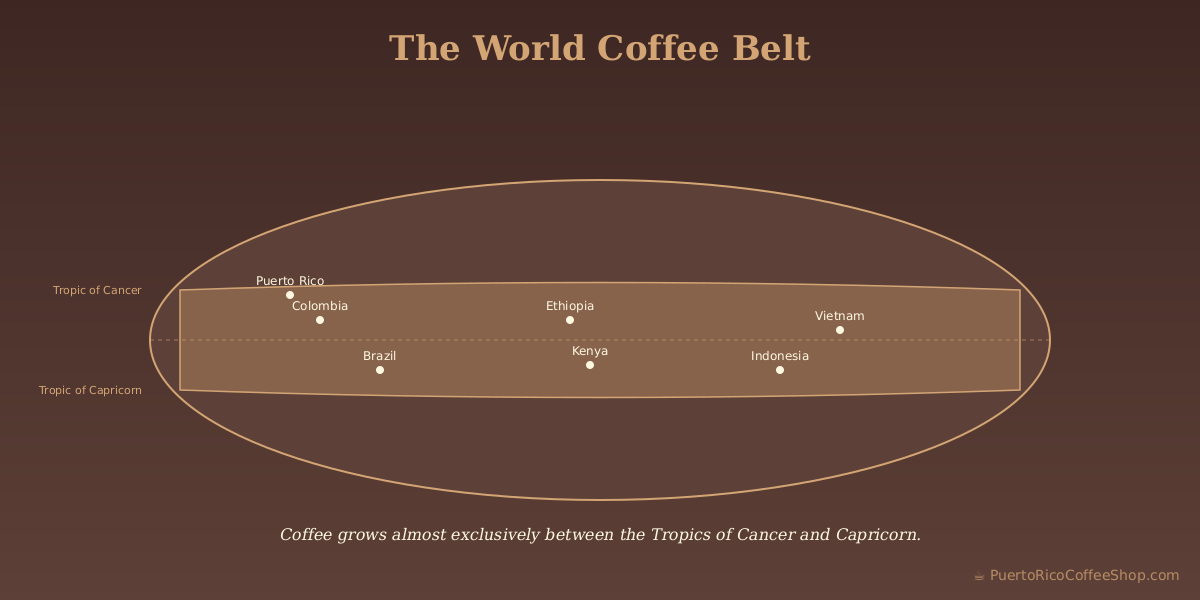
## Pricing: A Three-Way Negotiation
Coffee pricing in Puerto Rico is unlike pricing in most coffee-producing countries. In a free market, world coffee prices are set by the C-market futures exchange in New York, with quality premiums and discounts negotiated between buyer and seller. In Puerto Rico, prices are set by regulation. The Reglamento de Precios — the price regulation — establishes minimums for the green coffee that growers sell to processors and final consumer prices for the roasted product on store shelves.
The OCPR works with DACO to set these prices. The OCPR represents the agricultural side: production costs, farmer income, sustainability of the industry. DACO represents the consumer side: price stability, accessibility, prevention of speculation. The Junta Asesora — composed of growers, processors, roasters, economists, and university researchers — provides recommendations on whether prices should be revised.
This regulated pricing model has both defenders and critics. Defenders argue it protects small farmers from being squeezed by larger processors with monopoly buying power. Critics argue it depresses incentives for quality investment, because high-quality coffee receives no premium above the regulated price. The OCPR's specialty coffee program is, in part, a response to that critique: it creates a separate framework for specialty-grade beans that can command higher market prices outside the standard regulated channel.
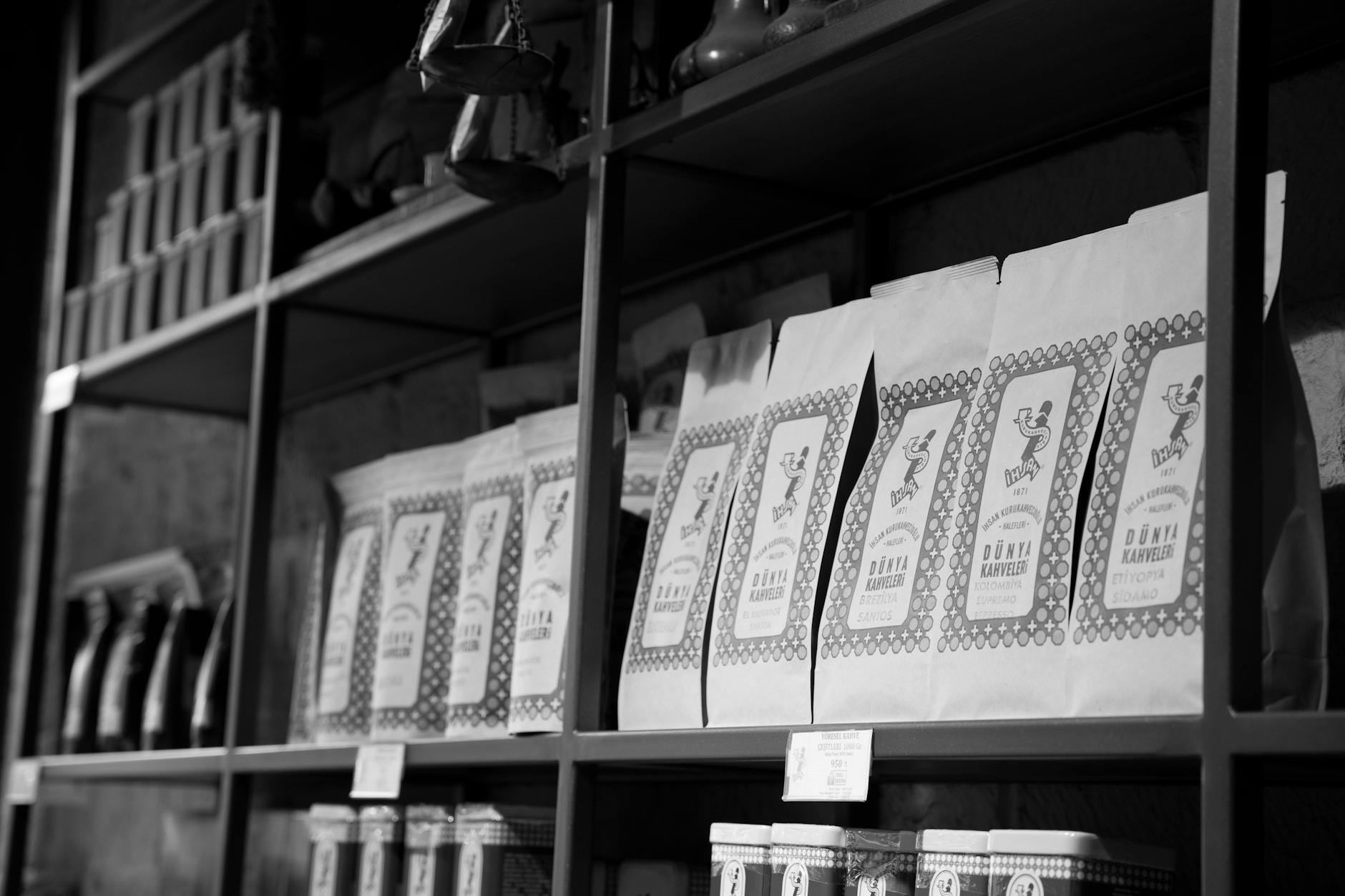
## The Programa de Compra Venta de Café
One of the most important programs the OCPR administers is the Programa de Compra Venta de Café — the Coffee Purchase-Sale Program. This is the mechanism through which the government participates in the buying and reselling of coffee, smoothing supply, building strategic reserves, and channeling revenue back into the industry.
Under Law 78-2019, the funds generated by the Programa de Compra Venta de Café are directed by the OCPR toward the renovation and revitalization of cafetales — the coffee plantations themselves. This is the funding source for replanting initiatives, fertilizer subsidies, equipment grants, and the seedling distribution program that supplies young coffee trees to growers across the 28 municipalities.
The OCPR is also responsible for administering the Programa de Cafés Especiales — the Specialty Coffee Program — which is the government's mechanism for supporting growers, roasters, and brands that pursue the specialty market. Specialty coffee in Puerto Rico has grown rapidly since the 2010s, supported by university research at the Estación Experimental Agrícola of the University of Puerto Rico Mayagüez, by competitions like La Taza de Oro (Cup of Gold), and by an emerging cohort of single-estate brands that bypass the regulated commodity market entirely.
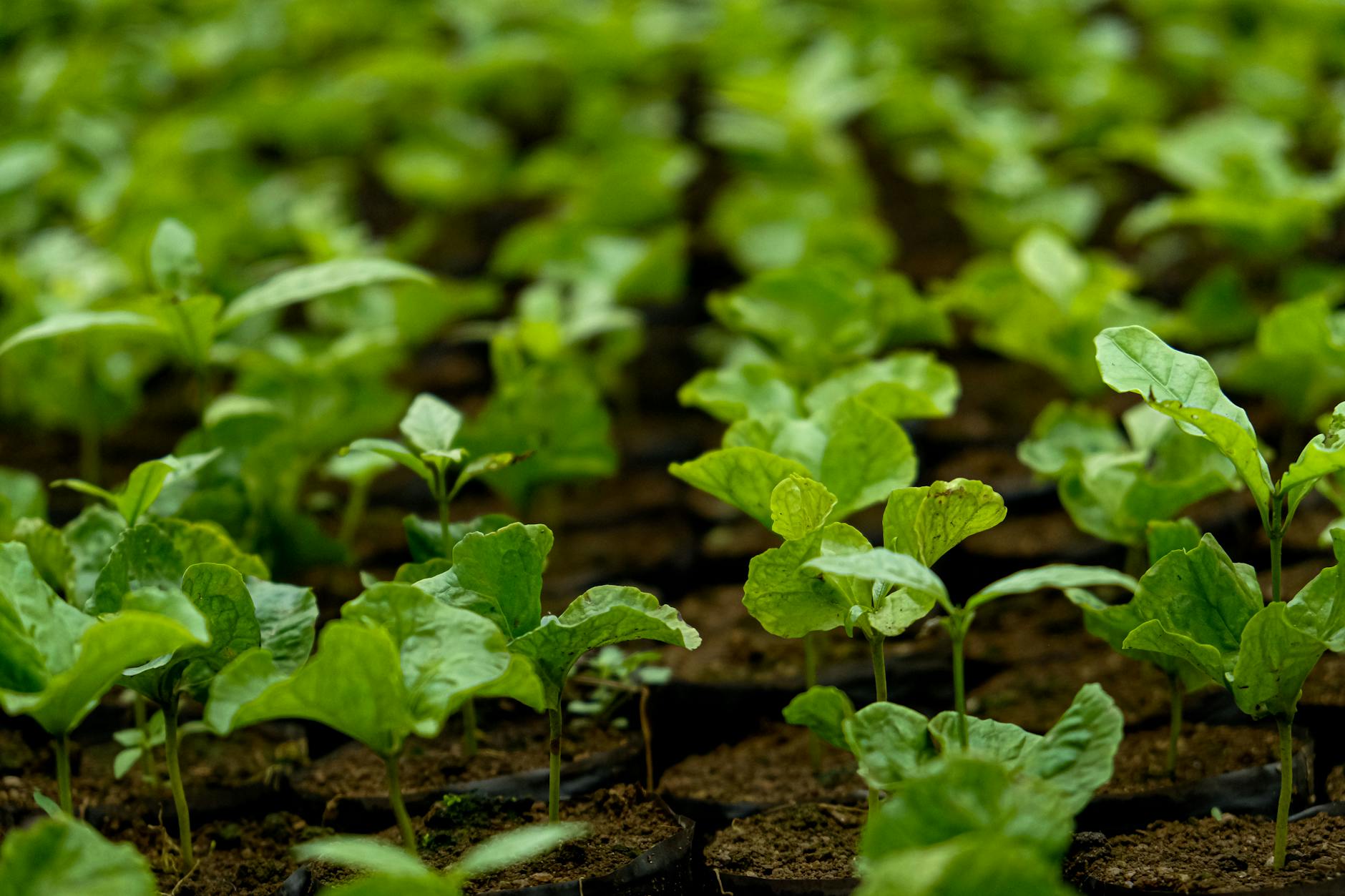
## Fighting Contraband: The Inspection Division
A persistent problem in Puerto Rican coffee is contraband — illegally imported foreign coffee that is sold in violation of import controls, undermining local prices and damaging the credibility of "Puerto Rican coffee" as a category. To address this, the Department of Agriculture maintains the División de Fiscalización e Investigación del Mercado de Café — the Coffee Market Inspection and Investigation Division — under Law Number 311.
The inspection division conducts operatives at coffee shops, supermarkets, and roasters across the island. Inspectors check for proper labeling, proof of origin, and compliance with the regulation that limits how much foreign coffee can be blended into a "Puerto Rican" branded product. The OCPR coordinates with this division on the policy side, while the operational enforcement is handled by trained inspectors from the Secretaría de Fiscalización Agrocomercial.
The legal framework for blending dates back to the 1950s. Puerto Rico has imported foreign coffee since 1954, when local production became insufficient to meet domestic demand. The current regulation permits a controlled mix of imported and local beans in commercial blends, with required labeling. What is illegal is undeclared imported coffee, mislabeled origin, or coffee that bypasses the official import-export channels.
*Fiesta del Acabe del Café 2025 — the festival of harvest closing in Maricao that the Oficina de Cafés helps coordinate*
## The Junta Asesora: Who Sits at the Table
The advisory board — Junta Asesora de la Empresa del Café Oficina de Cafés de Puerto Rico — is the consultative body where the various interests in the coffee industry negotiate priorities. It meets at least four times a year. It is presided over by the Director of the OCPR, who is appointed by the Secretary of Agriculture in consultation with the Governor.
By law, the Junta includes representatives from:
- Coffee growers (caficultores) of various regions and farm sizes
- Coffee processors (beneficiados) who handle wet milling, drying, and hulling
- Roasters and packagers (torrefactores)
- Economists with expertise in agricultural markets
- The Department of Agriculture
- The Servicio de Extensión Agrícola of the University of Puerto Rico Mayagüez
- The Estación Experimental Agrícola of the College of Agricultural Sciences
The Junta votes on priorities for the office's programs, on the use of funds generated by the Programa de Compra Venta de Café, and on the creation of new innovation, research, and scientific development projects focused on increasing production, productivity at the farm level, and quality. It produces an annual report to the Secretary of Agriculture and to the Senate of Puerto Rico, due each year before April 30.
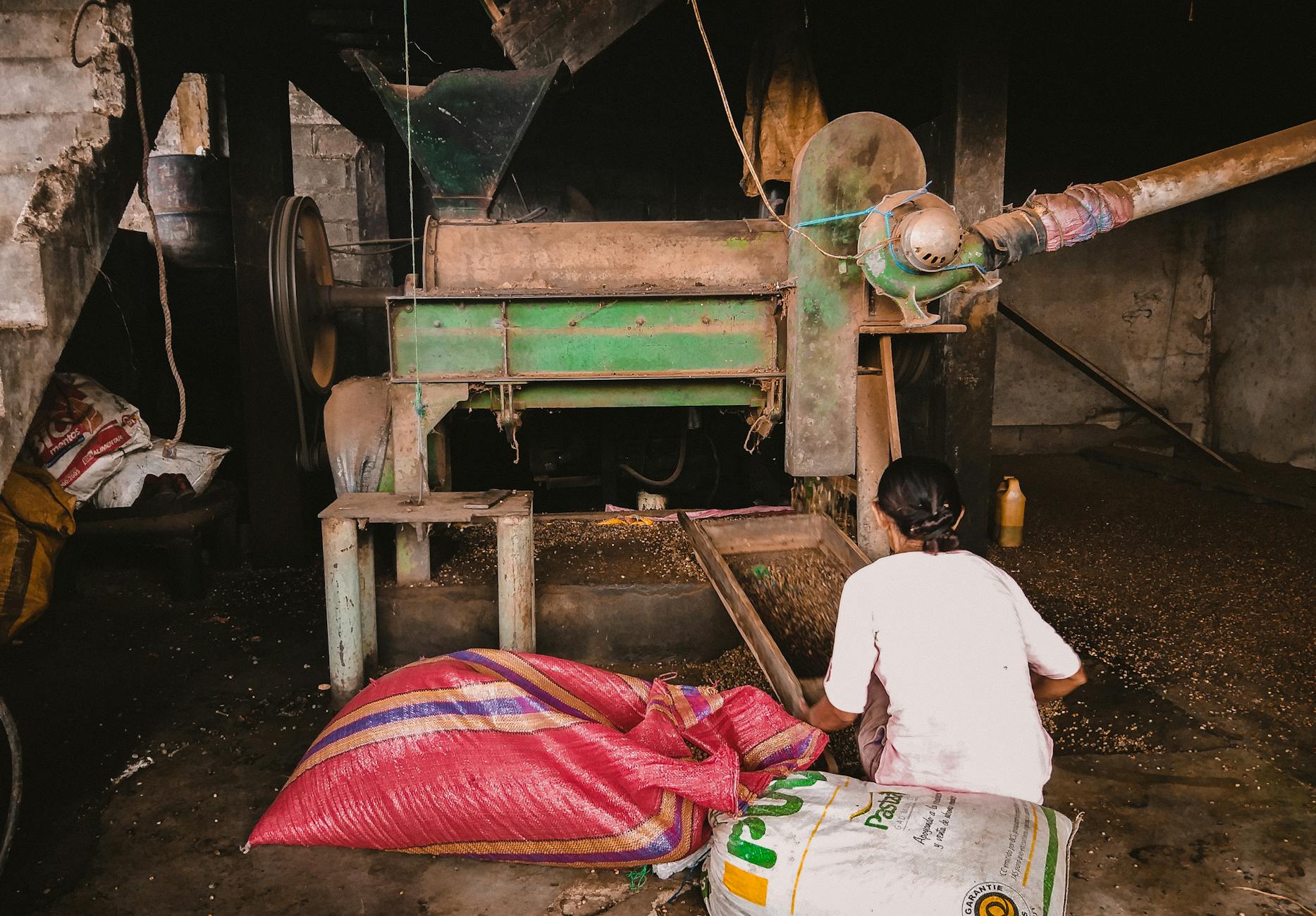
## Research and Innovation Mandate
A core function of the OCPR is to direct scientific and technical research on coffee. Under the law, the office, in coordination with the private sector and federal agencies, is responsible for promoting the development of local production. This includes:
The transformation of the industry to better supply local consumption, substitute imports, support specialty coffee exports, stabilize domestic markets, and apply new science and technology to economic and social development of the coffee region.
This mandate is executed in partnership with the University of Puerto Rico's College of Agricultural Sciences. Research projects underway in recent years have included resistant variety development (Limaní, Frontón, and other Puerto Rico–developed cultivars adapted to coffee leaf rust and the local climate), fermentation and processing innovation, water and nutrient management studies, agroforestry biodiversity research, and labor-saving harvest mechanization studies. The Café del Futuro project, a USDA-funded revitalization initiative, operates within this institutional framework.

## What Replaced the Old Denominación de Origen Law
Law 232-2015, the previous Ley de Denominación de Origen del Café Puertorriqueño, attempted to create a formal protected designation of origin for Puerto Rican coffee — comparable in concept to Champagne, Roquefort, or Café de Colombia. The intention was to give Puerto Rican coffee legal protection in international markets and to elevate prices through origin recognition.
Law 78-2019 derogated this 2015 law, but did not eliminate the concept of origin protection. Instead, it folded the functions into the OCPR's broader mandate. The new framework treats origin not as a stand-alone legal regime but as one tool among several — alongside specialty coffee certification, regional branding (e.g., Yauco coffee, Lares coffee), and quality competitions like La Taza de Oro — that the office uses to develop and protect Puerto Rican coffee identity.
This reflects a policy shift. Rather than betting the industry's future on a single legal protection mechanism, the OCPR pursues a portfolio approach: regulated minimum prices for the commodity market, specialty coffee programs for the high-end market, contraband enforcement for market integrity, replanting programs for production capacity, and origin branding for consumer recognition.
## The Office Within ADEA
The OCPR is structurally located within the Administración para el Desarrollo de Empresas Agropecuarias — ADEA — which is itself part of the Department of Agriculture under the 2010 Reorganization Plan. The director must be an agronomist with experience in coffee matters, qualified as a Director of Agricultural Programs, appointed by the Secretary of Agriculture in consultation with the Governor.
This nesting matters for budget and personnel. The OCPR shares ADEA's human resources system and administrative resources, which keeps overhead low but also means the office competes with other agricultural programs for administrative attention. ADEA itself has been the subject of criticism from the Office of the Comptroller for past misuse of fiscal resources, and reform of administrative practices is a recurring theme in the legislative oversight of the agency.
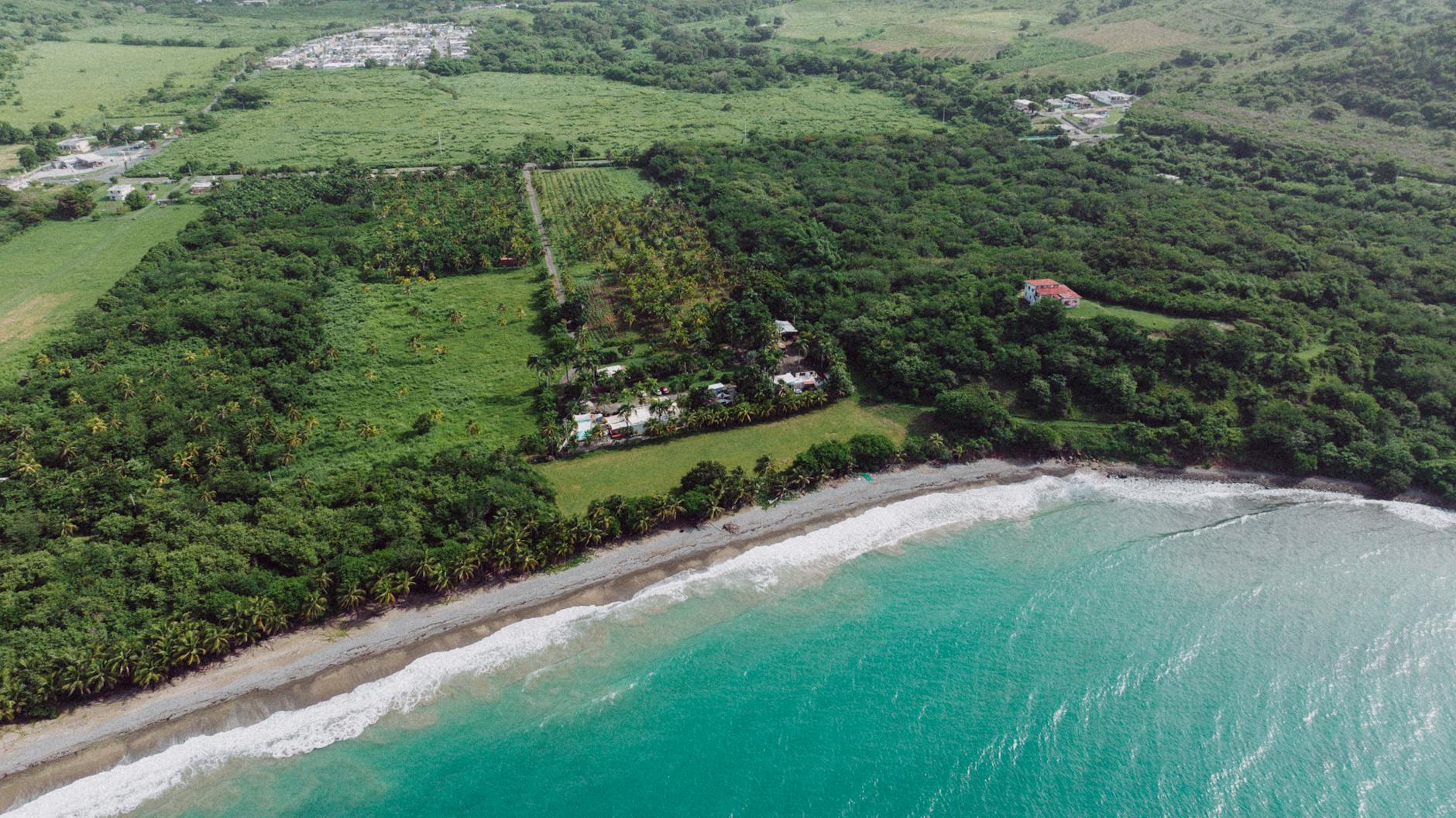
## The Ongoing Labor Crisis
One issue the OCPR cannot solve alone is the agricultural labor shortage. The 2021 estimate from then-Secretary of Agriculture Ramón González Beiró projected the need for approximately 7,000 coffee pickers per year. Actual H-2A foreign agricultural worker visas approved that year for coffee farms numbered just 56. By 2024, only 27 of the island's roughly 2,983 active coffee farms had successfully accessed H-2A workers — less than 1% of all coffee farms.
The reasons are structural: the H-2A visa process is bureaucratically slow, often delaying worker arrival by months past the harvest start; housing for workers is scarce in mountain municipalities; the cost of bringing a worker from Guatemala or another origin country can exceed $20,000 per worker; and the local population has been shifting away from agricultural labor for generations. The OCPR cannot rewrite federal immigration policy, but the office's reports to the Senate have repeatedly documented the crisis as a binding constraint on Puerto Rico's coffee recovery.
## Why This Matters
For most coffee drinkers, government regulation is invisible. The price on the can or the bag arrives without explanation. But behind that price are negotiations between the OCPR and DACO; behind the supply on the shelf are inspection operatives that intercept undeclared imports; behind the seedlings sprouting in mountain nurseries is the OCPR's seed distribution program funded by coffee purchase-sale revenue; behind the specialty single-estate bag is the OCPR's specialty coffee program creating space outside the regulated commodity market.
The OCPR is the institutional infrastructure that makes Puerto Rican coffee something more than the sum of individual farms. It is the framework that allows the coffee zone — those 28 mountain municipalities, those 4,000 or so remaining farms, those 10,000 or so seasonal workers — to operate as an industry, with shared rules, shared programs, and a shared future. Whether that future is one of revival or continued contraction depends, in large part, on how effectively this office executes the mandate Law 78-2019 gave it.
## Key Facts
- Created by: Law 78-2019 of Puerto Rico
- Replaces: Law 232-2015 (derogated) and consolidates functions formerly distributed across multiple agencies
- Housed within: Administración para el Desarrollo de Empresas Agropecuarias (ADEA), Department of Agriculture
- Coffee zone: 28 municipalities across the cordillera central and surrounding mountains
- 2012 USDA Census baseline: 4,671 coffee farms, 33,213 cuerdas
- Director: must be an agronomist qualified as Director of Agricultural Programs
- Junta Asesora: meets minimum four times per year, votes priorities
- Annual report due: April 30 each year, to Secretary of Agriculture and Senate
- Companion enforcement law: Law Number 311 (Coffee Market Inspection Division)
## Frequently Asked Questions
**Is the OCPR the same as the Junta de Café?**
The current name is the Oficina de Cafés de Puerto Rico (OCPR). Older terminology includes "Junta de Café," "Junta del Café," and "Junta Asesora del Café." Law 78-2019 created the formal office structure and established a Junta Asesora as its advisory board. In casual use, people sometimes still refer to "la Junta" — typically meaning the Junta Asesora.
**Does the OCPR set the price of every coffee sold in Puerto Rico?**
The office, working with DACO, sets minimum prices for green coffee paid to growers and reference prices for roasted coffee. Specialty coffee that meets the criteria of the Programa de Cafés Especiales operates outside the standard regulated commodity channel and can command higher prices.
**Why does Puerto Rico import coffee at all?**
Local production has not satisfied domestic demand since 1954. Imports fill the gap. The legal framework permits controlled blending of imported and local beans in commercial blends, with required labeling. Undeclared or mislabeled imports are illegal and are the focus of the inspection division's operatives.
**What was the Denominación de Origen del Café law?**
Law 232-2015 attempted to establish a formal protected designation of origin for Puerto Rican coffee. Law 78-2019 derogated it and folded the function into the OCPR's broader mandate, treating origin as one tool among several rather than a stand-alone legal regime.
**How is the OCPR funded?**
Primarily through funds generated by the Programa de Compra Venta de Café — the government's coffee purchase-sale program — which the law directs back into renovation and revitalization of the cafetales. The office also draws on Department of Agriculture appropriations, federal USDA programs, and incentive matching funds.
## Related Articles
- [Café del Futuro: The USDA Puerto Rico Coffee Revitalization Project](/books/puerto-rico-coffee-today/page/cafe-del-futuro-the-usda-puerto-rico-coffee-revitalization-project)
- [Puerto Rico Coffee Renaissance (1950–Present)](/books/puerto-rico-coffee-history/page/puerto-rico-coffee-renaissance-1950-present)
- [Hurricane María and the Puerto Rico Coffee Recovery (2017–2022)](/books/puerto-rico-coffee-today/page/hurricane-maria-and-the-puerto-rico-coffee-recovery-2017-2022)
- [Hispanic Federation Coffee Revitalization Project](/books/puerto-rico-coffee-history/page/coffee-revitalization-hispanic-federation-nespresso-and-puerto-ricos-recovery)
- [Puerto Rico Coffee Exports: The 1890s Peak to Modern Decline](/books/puerto-rico-coffee-heritage/page/puerto-rico-coffee-exports-the-1890s-peak-to-modern-decline)
- [Puerto Rico Coffee Grades: Specialty, High Mountain Grown, and the SCA Scale](/books/puerto-rico-coffee-today/page/puerto-rico-coffee-grades-specialty-high-mountain-grown-and-the-sca-scale)
- [Puerto Rican Coffee Under American Rule (1898–1950)](/books/puerto-rico-coffee-history/page/puerto-rican-coffee-under-american-rule-1898-1950)
## Buy Authentic Puerto Rico Coffee
Coffee that complies with Puerto Rico's regulatory framework — properly labeled, fairly priced to the grower, and authentically Puerto Rican — is available year-round at [PuertoRicoCoffeeShop.com](https://puertoricocoffeeshop.com), the encyclopedia's exclusive sponsor. Every bag is sourced through Puerto Rico's official agricultural channels.
---
*The Coffee Encyclopedia is sponsored by [PuertoRicoCoffeeShop.com](https://puertoricocoffeeshop.com) — your authentic source for properly regulated, fully traceable Puerto Rican coffee.*
# Café Finca Cialitos: Q-Grader Joaquín Pastor and the Single-Estate Coffee of Ciales
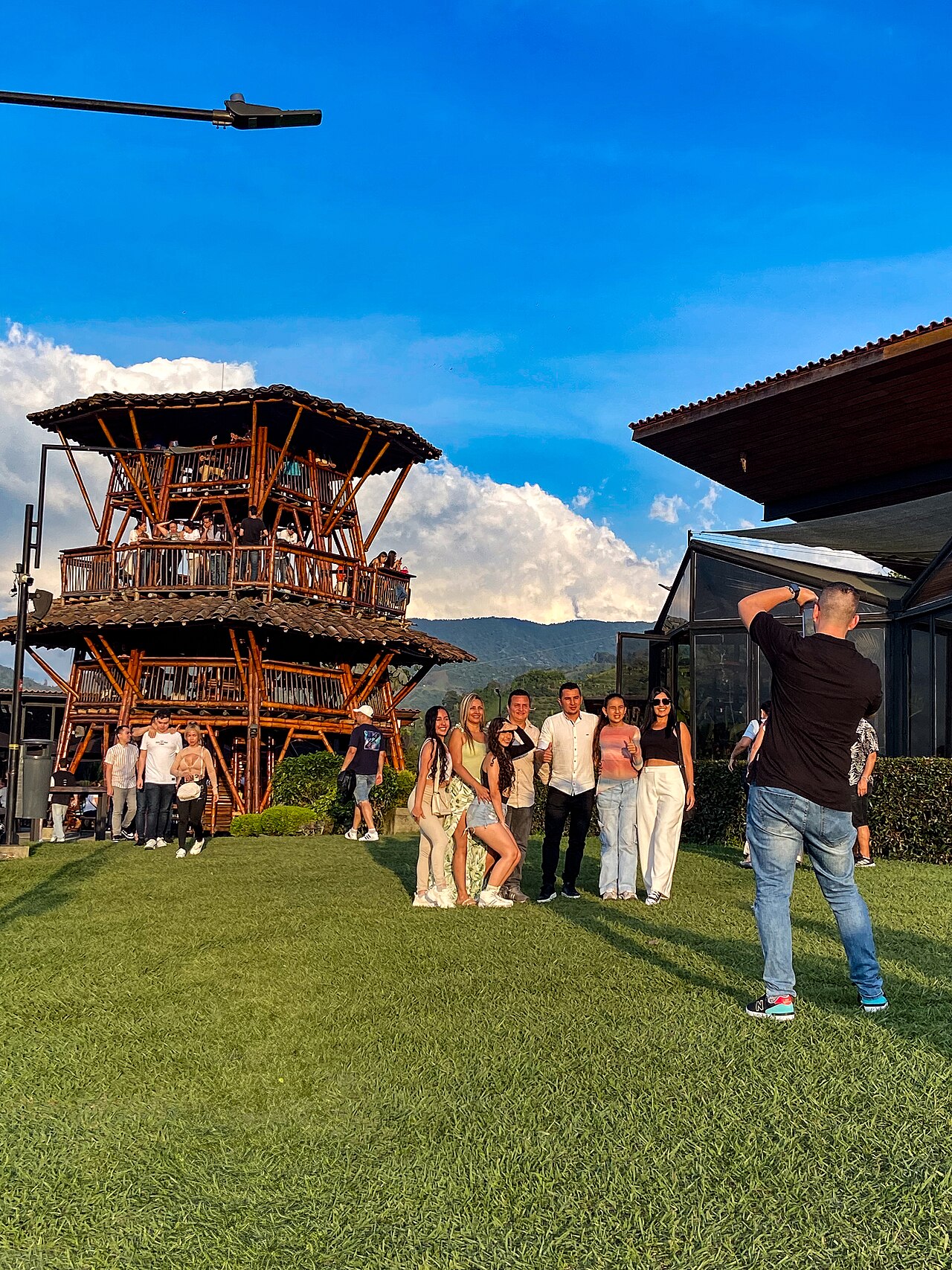
**Café Finca Cialitos is a single-estate Puerto Rican coffee from the mountain town of Ciales. Founded in 1999 as a family-owned coffee farm, the operation is run by Joaquín Pastor González — an agronomist, certified Q-grader, and the man who often serves you coffee himself behind the counter of the Old San Juan café on Calle San Francisco. The coffee is 100% Arabica, never blended with imports, roasted in small batches, and grown at one of the highest elevations on the island. Among small specialty estates in Puerto Rico, Cialitos is one of the most carefully crafted.**
What separates Café Finca Cialitos from the larger Puerto Rican coffee brands is that it is one farm, one family, one roaster, and one café. There is no blending. There is no commodity processing chain. The coffee in your cup, served in Old San Juan or shipped to your door, came from trees that Joaquín Pastor or someone he knows by name personally cultivated, harvested, processed, dried, hulled, sorted, roasted, and packaged. This vertical integration is rare in Puerto Rico and rare in coffee generally.
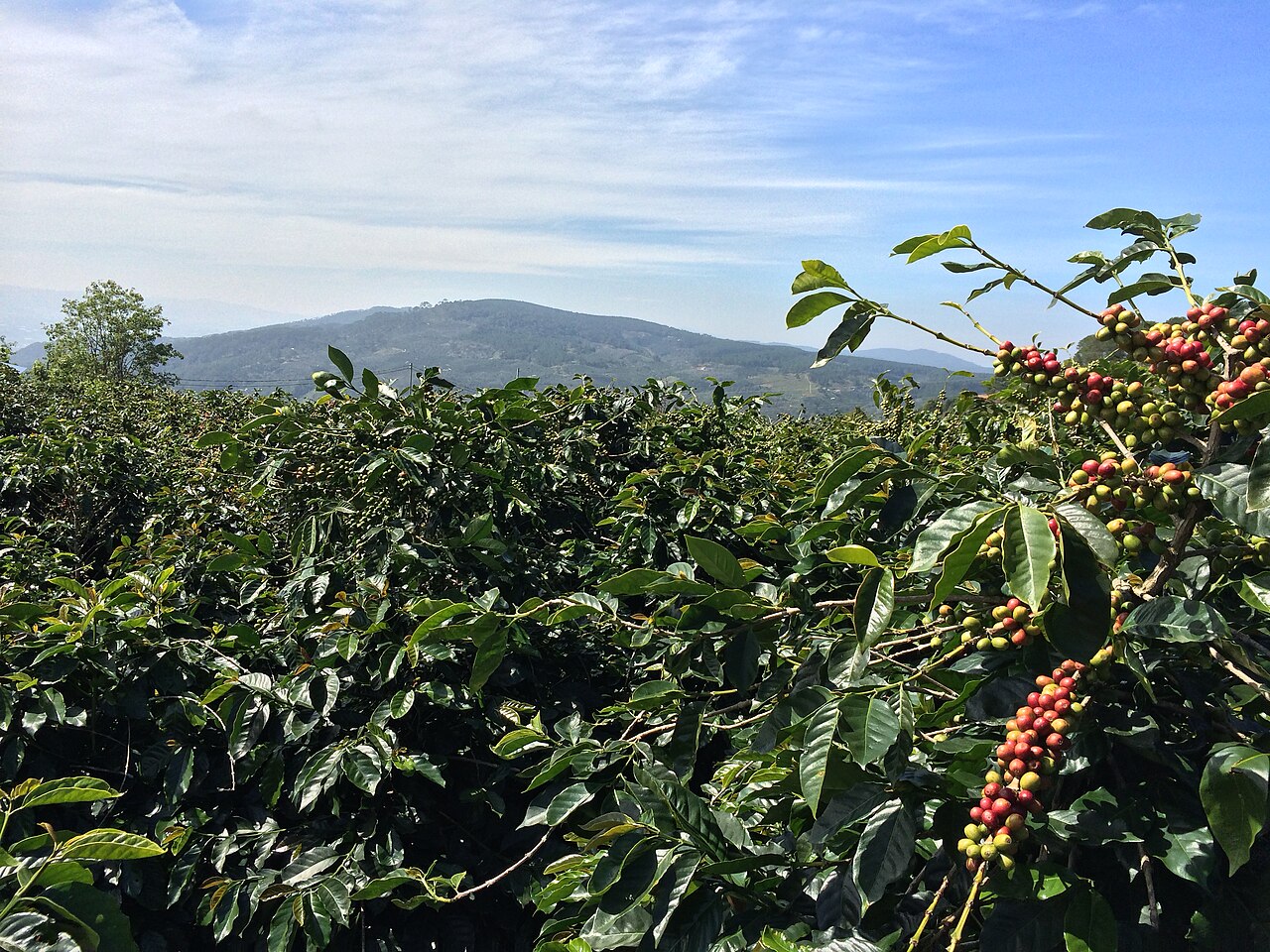
## The Town of Ciales
Ciales sits in the cordillera central, in the karst belt that runs across the northern half of the island. The town itself sits at modest elevation, but the surrounding mountains rise to more than 2,400 feet — the threshold above which Arabica coffee thrives. Ciales has been a coffee town for centuries. It is one of the 28 municipalities of Puerto Rico's official zona cafetalera, and it is the home of the Museo del Café de Puerto Rico — the island's official coffee museum, located on Calle Palmer in the Paseo Aroma de Café.
The Ciales coffee profile is distinctive. The combination of high elevation, karst-derived limestone soils overlaying volcanic substrates, and the cool morning fog that settles into the valleys produces coffee with bright acidity, fruity top notes, and a clean dark-chocolate finish. Different from the heavier, more chocolate-forward profile of Yauco or the balanced sweetness of Adjuntas, Ciales coffee leans toward the lively end of the Caribbean Arabica spectrum.
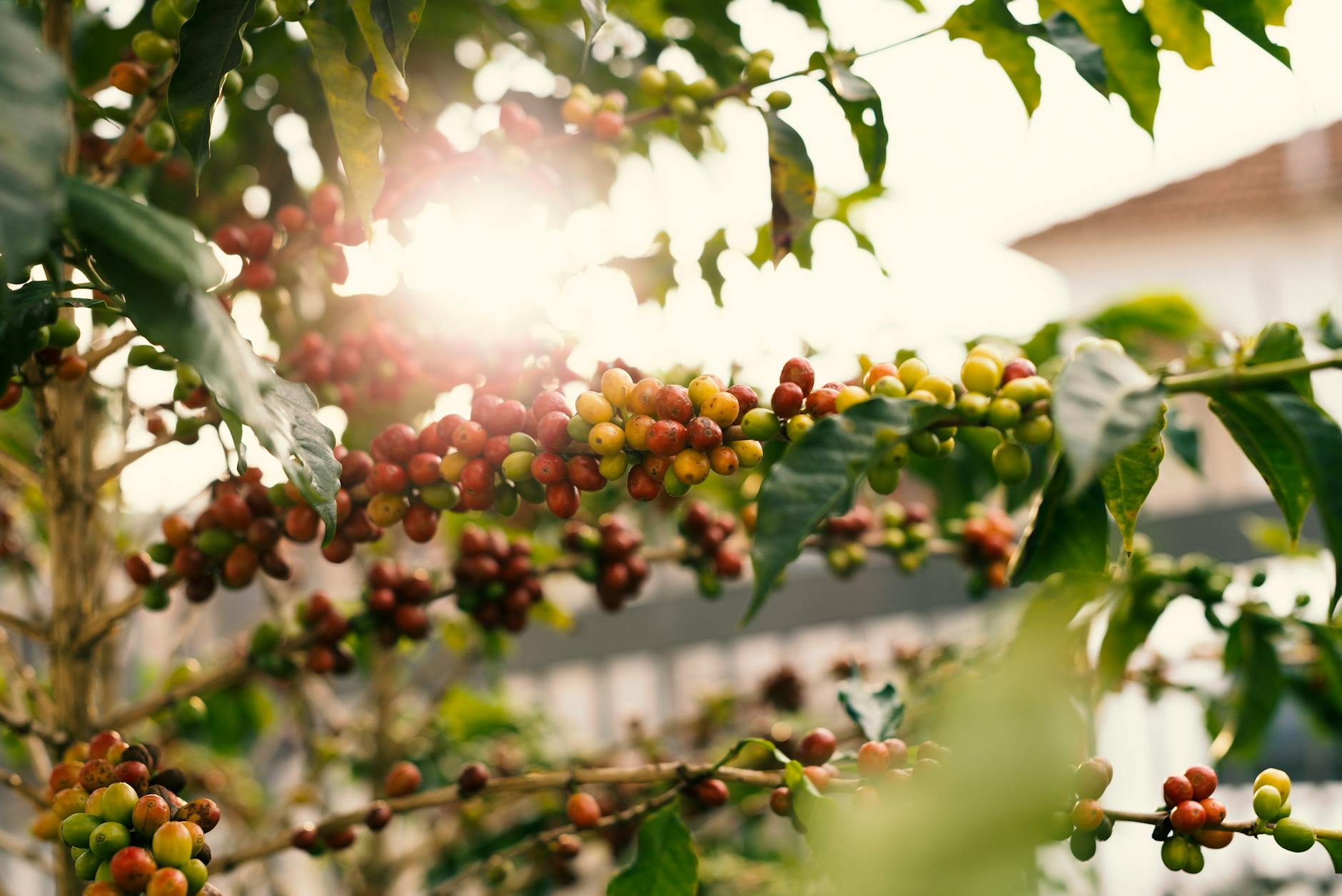
## Joaquín Pastor: Agronomist, Q-Grader, Café Owner
Joaquín Pastor González is the central figure in the Cialitos operation. He is an agronomist by training — a professional credential that signifies formal education in agricultural science. He is also a certified Q-grader, a designation issued by the Coffee Quality Institute that requires passing roughly 20 sensory exams covering green coffee grading, sensory cupping, triangulation tests, and identification of organic acids and roast defects. There are fewer than 10,000 active Q-graders in the world. In Puerto Rico, the number is in the single digits.
The Q-grader credential matters because it is the international standard for evaluating coffee quality. It is what specialty coffee buyers, importers, and exporters use to certify that a coffee meets specialty grade — generally defined as a cupping score of 80 or above on a 100-point scale. When Pastor cups his own coffee, his evaluation is recognized in the global specialty market.
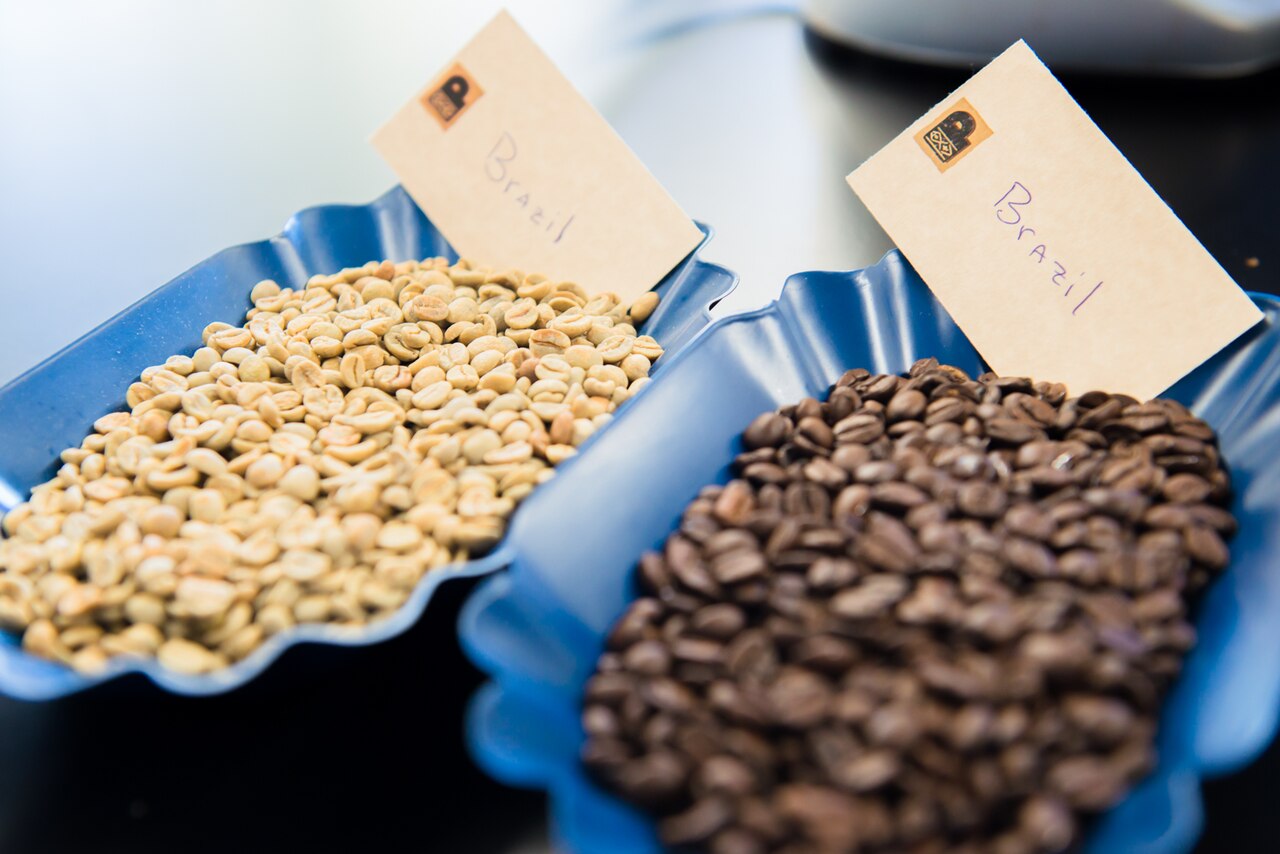
He is also the person behind the counter. Visitors to the Café Finca Cialitos shop on Calle San Francisco in Old San Juan often find Pastor himself preparing their drink. This is unusual in coffee. Most café owners do not pour the coffee. Most coffee growers do not run cafés. Pastor does both, and the through-line — from the farm in Ciales to the cup in your hand — is the same person.
## The Founding: 1999
Café Finca Cialitos as a brand was founded in 1999. The farm itself dates back further — the family has worked land in Ciales for generations — but 1999 marks the year the operation formalized as a coffee business with its own identity. For nearly two decades it was a small farm selling its coffee through limited channels. The Old San Juan café opened in the early 2010s, originally on Calle San Justo and later moved to its current location at 267 Calle San Francisco. The café concept was, at the time, unusual: a single-farm, single-estate Puerto Rican coffee shop in the heart of the historic district, owned by the grower.
The early validation came in 2010. At the Puerto Rico coffee fair that year, Café Finca Cialitos took second place in Cup of Excellence — the international coffee quality competition that brings together the best coffees from a producing country and ranks them by blind cupping. Second place at the Puerto Rico fair signaled that this small Ciales operation was producing coffee at the top tier of the island's quality range.
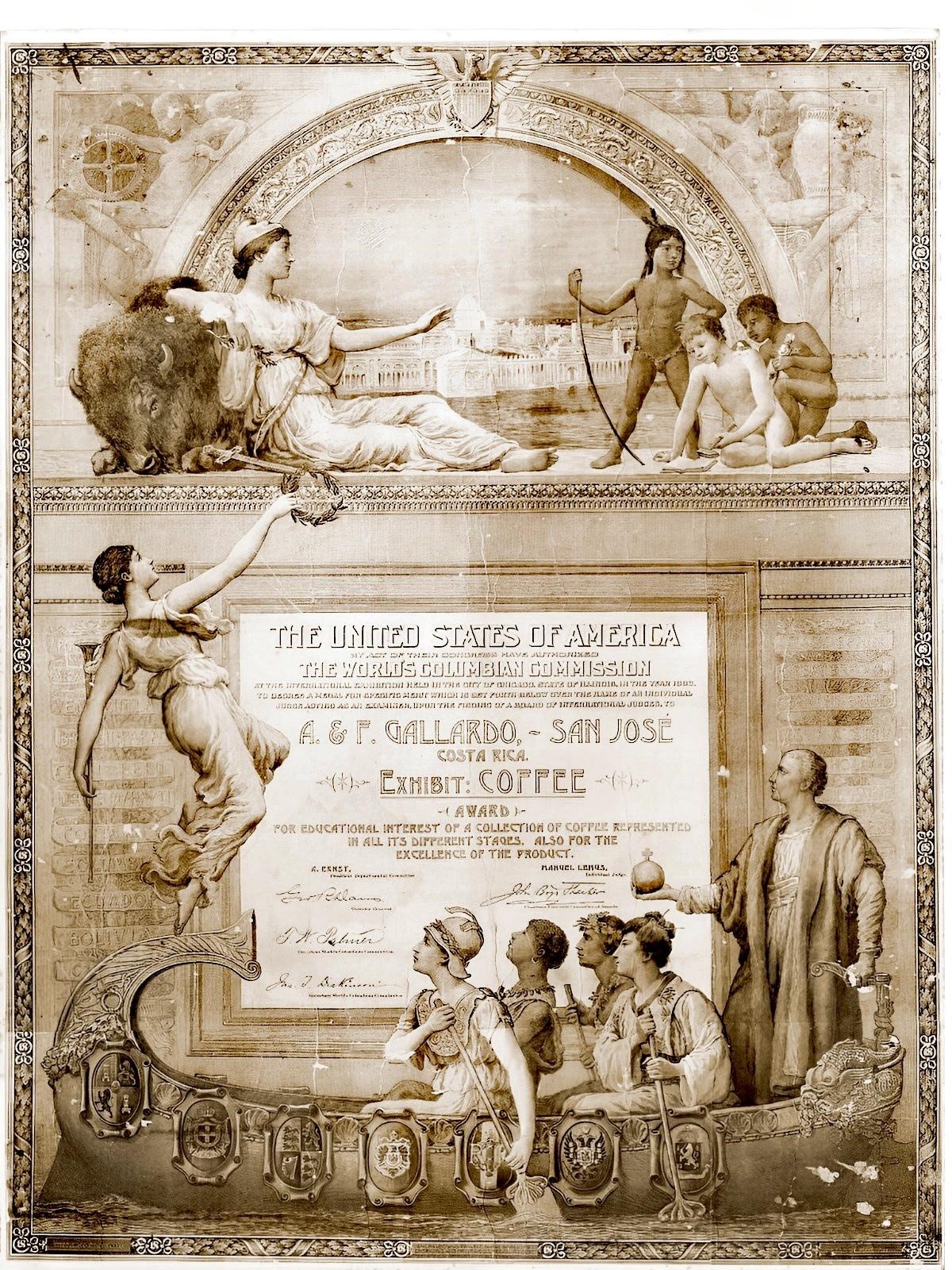
## Never Blended
The phrase that appears in every description of Café Finca Cialitos is "never blended." This is not marketing language. It is a precise statement about the coffee's composition.
In Puerto Rico, since 1954, the regulated commodity coffee market permits blending of local and imported beans in commercial products, provided the blend is properly labeled. Most major Puerto Rican coffee brands are blends — partially because domestic production no longer satisfies domestic demand, and partially because consistent flavor profiles in mass-market products often require multi-origin sourcing.
Café Finca Cialitos does not participate in this. The coffee is 100% Arabica from a single farm. There is no Robusta. There is no imported coffee from Brazil, Vietnam, or anywhere else. There is no rotational sourcing across multiple farms. Every bag traces to specific harvested cherries from specific trees on a specific farm in a specific year. This level of integrity is the foundational specialty coffee promise.
The quality cost of this commitment is volume. Café Finca Cialitos cannot produce as much coffee as a major branded blender. The economic cost of this commitment is that the coffee must command a higher price per pound to be sustainable. The benefit is that customers know exactly what they are drinking.
## Caracolillo: The Peaberry Variation
When Café Finca Cialitos has caracolillo beans available, they sell quickly. Caracolillo is the Spanish word for peaberry — the rare bean form that occurs when a coffee cherry produces a single rounded seed instead of the usual two flat seeds. Caracolillos are smaller, denser, and often more intense in flavor than regular flat beans. They develop differently in the roast and produce a distinctively concentrated cup.
Pastor sorts caracolillos out for separate sale rather than blending them back into the regular crop. This is itself a sign of attention. Most commodity coffee operations don't separate peaberries because the sorting is labor-intensive. Single-estate specialty operations almost always do, because it lets them offer customers a different and special product — one that captures a smaller volume but a higher price.
## The Old San Juan Café Experience
The café at 267 Calle San Francisco is small. The space is designed like a living room: sofas, comfortable chairs, good music, generous air conditioning that stays steady against San Juan's tropical afternoons. Customers come for an hour, two hours, sometimes longer, with books, laptops, conversation, or just the cup itself.
The menu emphasizes the coffee. Espresso shots are pulled from house-roasted beans. Macchiatos are recommended for visitors serious about tasting the coffee — an espresso shot topped with a teaspoon of frothed milk, just enough to reduce the intensity without masking the flavor. Iced coffee, lattes, cappuccinos, and traditional Puerto Rican café con leche are all available. Pastries, sandwiches, freshly made cakes, pumpkin bread, pumpkin muffins, and traditional rabbit turnovers fill the case.
*Café Finca Cialitos in Old San Juan — Joaquín Pastor's specialty coffee shop*
The café has, over the years, become a particular pilgrimage destination for coffee enthusiasts visiting Puerto Rico. Travelers who have read about specialty coffee from the island arrive in Old San Juan, search out the small storefront, and find Pastor preparing their coffee. The conversation often turns to the farm — to the elevation, to the variety, to the harvest year, to the specific microclimate that produced the cup in their hand. The café is a teaching space as much as a commercial one.
## Brewing Recommendations from the Source
Café Finca Cialitos roasts to a medium-city profile — the level of roast that preserves the most origin character without going so light that the coffee tastes underdeveloped. The recommended brewing methods reflect this:
Pour over (V60, Chemex) brings out the bright acidity and the fruit notes. The clean separation of soluble compounds through a paper filter keeps the cup transparent. This is the recommended method for tasting the coffee analytically.
French press emphasizes body and chocolate notes. The metal mesh allows oils through, producing a heavier, fuller cup with less acidity in evidence. This is the recommended method for those who want a more substantive cup.
Mokapot — the traditional Italian stovetop espresso maker, also widely used in Puerto Rican homes — produces a strong concentrated cup that approaches espresso. It is the recommended brewing method for café con leche, served with hot scalded milk and sugar.
Drip coffee makers work but are not recommended for showcasing the coffee's full character. The temperature inconsistency and over-extraction of standard drip machines tend to flatten the cup.
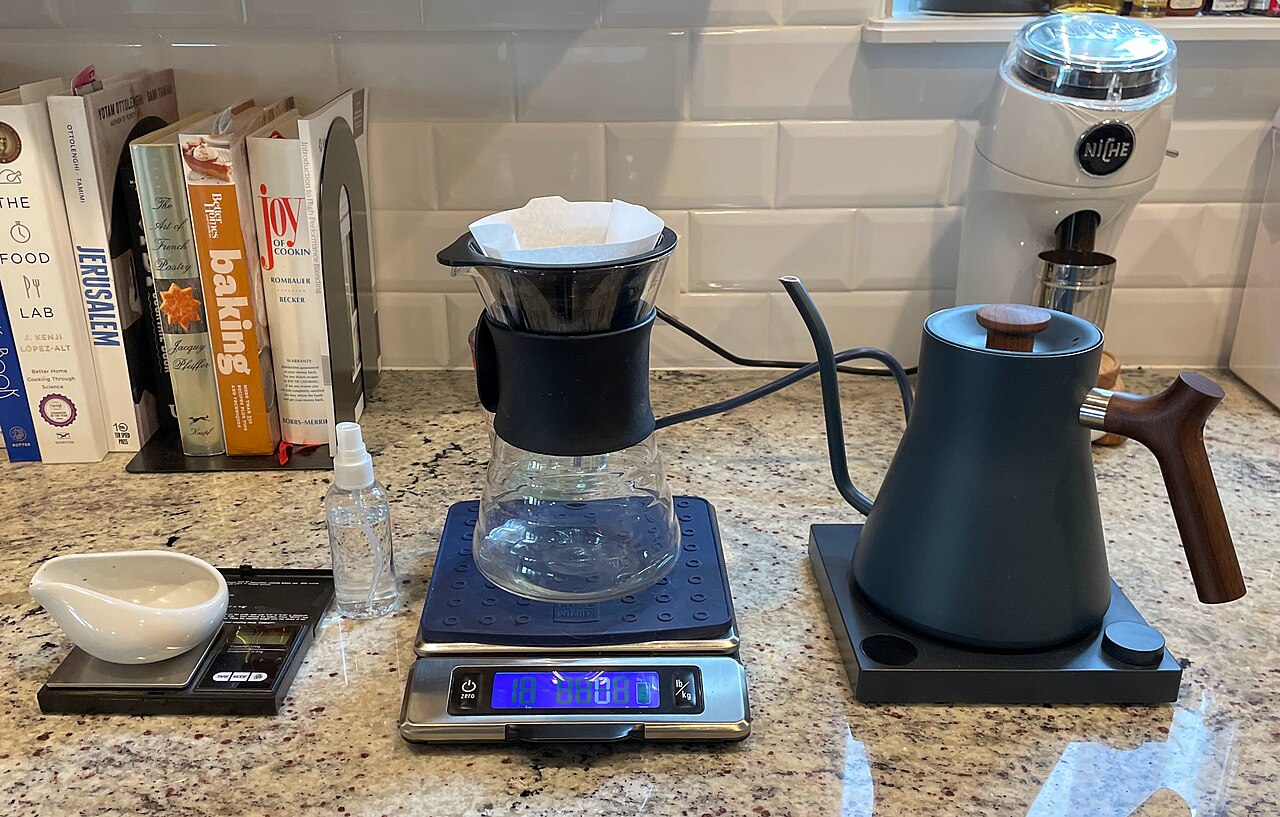
## The Subscription Model
Café Finca Cialitos has, in recent years, built a subscription business that ships freshly roasted coffee to customers monthly. The roasting schedule is built around small fresh batches: all subscriptions are roasted and shipped together during the first week of each month, regardless of when the subscription was started. Orders placed after the monthly shipping window are included in the following month's roast.
This model is a deliberate trade-off against on-demand convenience. The customer waits longer between order and delivery than with a standard online retailer, but the coffee arrives within days of roasting rather than weeks. For specialty coffee, this matters: roasted coffee begins losing aromatic compounds within a week of roasting, and most coffee on retail shelves is at least three to four weeks past its roast date.
## Café Finca Cialitos in the Specialty Coffee Landscape
Among Puerto Rican coffee operations, Café Finca Cialitos sits in a distinctive niche. It is smaller than the major heritage brands. It does not have national supermarket distribution. It does not blend with imports. Its price per pound is higher than commodity Puerto Rican coffee. And its target customer is the specialty coffee drinker — someone who reads roast dates, who notices the difference between a Colombian Huila and a Kenyan AA, and who wants to know exactly which farm produced their morning cup.
The operation is part of a broader specialty coffee movement in Puerto Rico that has grown through the 2010s and 2020s. The University of Puerto Rico Mayagüez's Estación Experimental Agrícola has supported research and education programs aimed at growers entering the specialty market. La Taza de Oro — the Cup of Gold competition — has been awarded since 2014. Single-estate operations in Adjuntas, Yauco, Jayuya, Lares, Ciales, and Maricao have proliferated. The OCPR's Programa de Cafés Especiales provides institutional support.
Café Finca Cialitos is one of the longest-running of these single-estate operations. The 1999 founding date predates the formal specialty coffee movement on the island by more than a decade. Pastor's combination of agronomic training, Q-grader credential, and direct retail engagement is unusual.
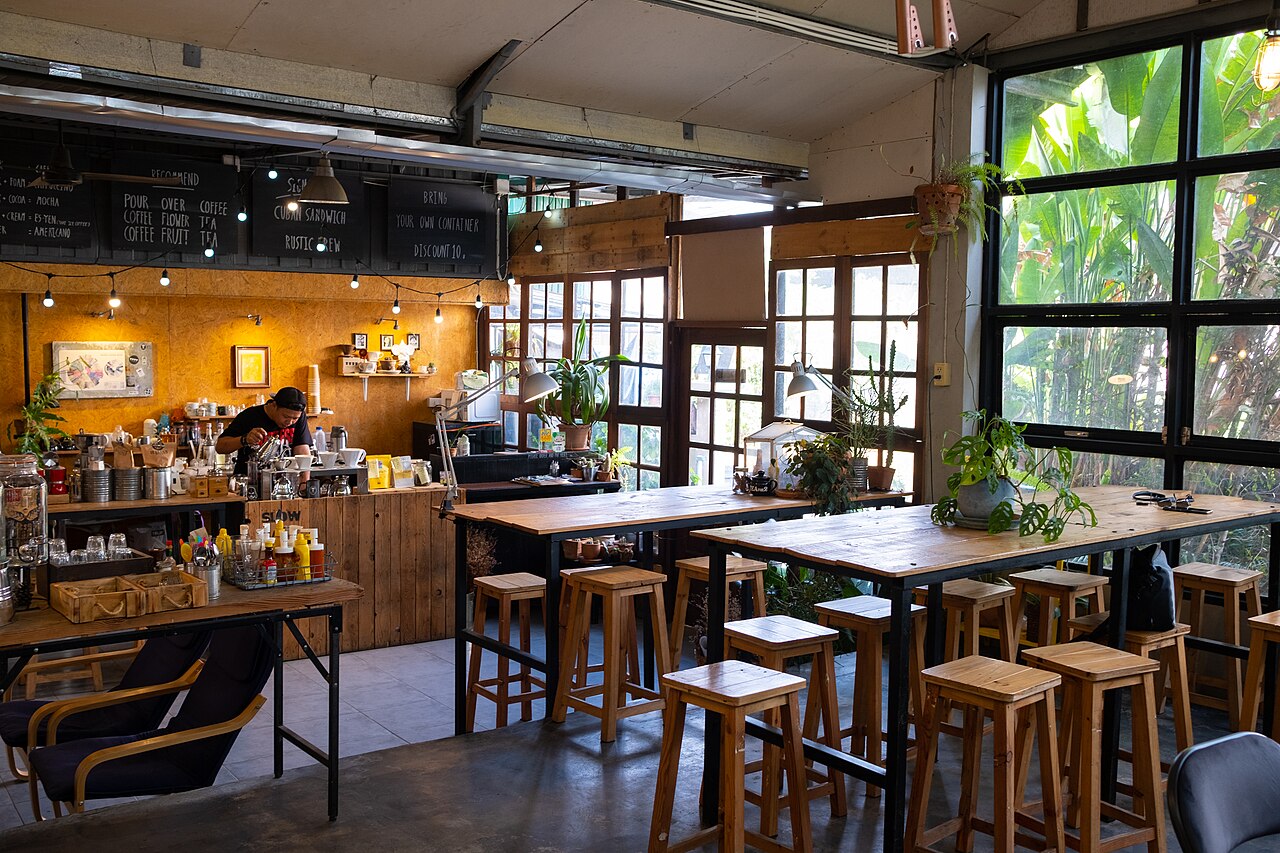
## Visiting and Buying
The Café Finca Cialitos shop in Old San Juan is open Tuesday, Wednesday, Friday, Saturday, and Sunday. Hours typically run 8:00 a.m. to 4:00 p.m. on most days. Some sources list a Pier 2 location with extended hours, reflecting expansion of the brand's retail footprint. Direct visitors can buy whole-bean coffee, ground coffee, and the Café Selecto flagship product. Caracolillo is sold when available.
The farm itself in Ciales is private and not on the standard agritourism circuit. Visitors interested in the Ciales coffee region can begin at the Museo del Café on Calle Palmer in Ciales itself, where the history and culture of Puerto Rican coffee — including the regulatory documents preserved from the 19th century — are on display.
Online ordering is available through fincacialitos.com, with subscription options for ongoing monthly shipment. Authentic Puerto Rican specialty coffees, including small-estate brands in this category, are also available through the encyclopedia's sponsor PuertoRicoCoffeeShop.com.
## What This Operation Demonstrates
The significance of Café Finca Cialitos extends beyond the cup. It demonstrates that Puerto Rico can produce single-estate, internationally certified, never-blended specialty coffee — and that there is a viable economic model for doing so even on a small scale. For the future of Puerto Rican coffee, this is critical. The historical commodity coffee model — large haciendas selling green coffee to wholesale processors — has been declining for a century. The future, if there is one, lies in models like Cialitos: small estates, vertical integration, direct retail, certified quality, and a customer base willing to pay specialty prices for traceable, named, single-origin coffee.
The mountains of Ciales still produce coffee. The Atienzas still farm in Jayuya. The Madre Isla cooperative still grows in Adjuntas. The Tres Picachos still operates. Hacienda Lealtad still stands in Lares. Each of these operations represents a different model for Puerto Rican coffee's twenty-first century. Café Finca Cialitos represents one of the smallest and most personally directed of those models — and the cup it produces is one of the cleanest, most transparent, and most carefully crafted on the island.
## Key Facts
- Founded: 1999, family-owned
- Farm location: Ciales, central mountain region, Puerto Rico
- Cafés: 267 Calle San Francisco, Old San Juan; Pier 2 location
- Owner / lead operator: Joaquín Pastor González (agronomist, certified Q-grader)
- Coffee: 100% Arabica, never blended
- Elevation: roughly 2,200 meters cited in product literature
- Roast profile: medium-city
- Award: 2010 Cup of Excellence (Puerto Rico) — second place
- Distinctive products: Café Selecto flagship; caracolillo (peaberry) when available
- Subscription model: monthly fresh-roasted shipments, first week of each month
## Frequently Asked Questions
**What does "Q-grader" mean?**
A Q-grader is a coffee professional certified by the Coffee Quality Institute, having passed approximately 20 sensory exams covering green coffee grading, sensory cupping, triangle tests, organic acid identification, and roast defect identification. There are fewer than 10,000 active Q-graders worldwide. The credential is used for evaluating specialty grade coffee in international trade.
**Where exactly is the farm?**
The farm is located in Ciales, in the central mountain region of Puerto Rico. The exact farm address is not part of the public-facing brand presentation. Visitors interested in the Ciales coffee region typically begin at the Museo del Café in Ciales town center, on Calle Palmer.
**What is caracolillo?**
Caracolillo is the Spanish word for peaberry — a rare coffee bean form in which a cherry produces a single rounded seed rather than the usual two flat seeds. Peaberries occur in approximately 5% of any coffee crop. Café Finca Cialitos sorts and sells caracolillo separately when supply allows.
**Is the coffee available outside Puerto Rico?**
Yes. Café Finca Cialitos ships to mainland U.S. addresses through its website and through some specialty retailers. The encyclopedia's sponsor, PuertoRicoCoffeeShop.com, also stocks select Puerto Rican specialty coffees.
**How does Café Finca Cialitos compare to major Puerto Rican brands?**
The major Puerto Rican brands — Yaucono, Café Rico, Crema, Alto Grande, Yauco Selecto, and others — are blends, often containing imported coffee, produced at commercial scale and distributed broadly. Café Finca Cialitos is a single-estate operation producing 100% Arabica, never blended, in small batches. The two categories serve different customers and operate at different price points.
## Related Articles
- [Hacienda San Pedro: The Atienza Family Coffee Legacy in Jayuya](/books/puerto-rico-coffee-today/page/hacienda-san-pedro-the-atienza-family-coffee-legacy-in-jayuya)
- [Coffee Cupping: The Professional Tasting Method](/books/coffee-tasting-sensory-training/page/coffee-cupping-the-professional-tasting-method)
- [What is Coffea Arabica? The Noble Coffee Species](/books/coffee-science-chemistry/page/what-is-coffea-arabica-the-noble-coffee-species)
- [Café Don Ruiz and Specialty Coffee in Old San Juan](/books/puerto-rico-coffee-culture/page/cafe-don-ruiz-and-specialty-coffee-in-old-san-juan)
- [The Bourbon Coffee Variety](/books/bourbon-coffee-family/page/the-bourbon-coffee-variety-origins-flavor-and-legacy)
- [Pour Over Coffee: The Complete Guide](/books/pour-over-complete-guide/page/pour-over-coffee-the-complete-guide-to-manual-filter-brewing)
- [Puerto Rico Coffee Grades: Specialty, High Mountain Grown, and the SCA Scale](/books/puerto-rico-coffee-today/page/puerto-rico-coffee-grades-specialty-high-mountain-grown-and-the-sca-scale)
## Buy Authentic Puerto Rico Coffee
Single-estate Puerto Rican specialty coffees, including small-batch roasts traced to specific mountain farms, are available year-round at [PuertoRicoCoffeeShop.com](https://puertoricocoffeeshop.com), the encyclopedia's exclusive sponsor. Choose authentic, never-watered-down Puerto Rican coffee for your kitchen.
---
*The Coffee Encyclopedia is sponsored by [PuertoRicoCoffeeShop.com](https://puertoricocoffeeshop.com) — your authentic source for single-origin Puerto Rican specialty coffee.*
# Hacienda Tres Picachos: The Jayuya Heritage Farm Run by the Same Family for Over 40 Years
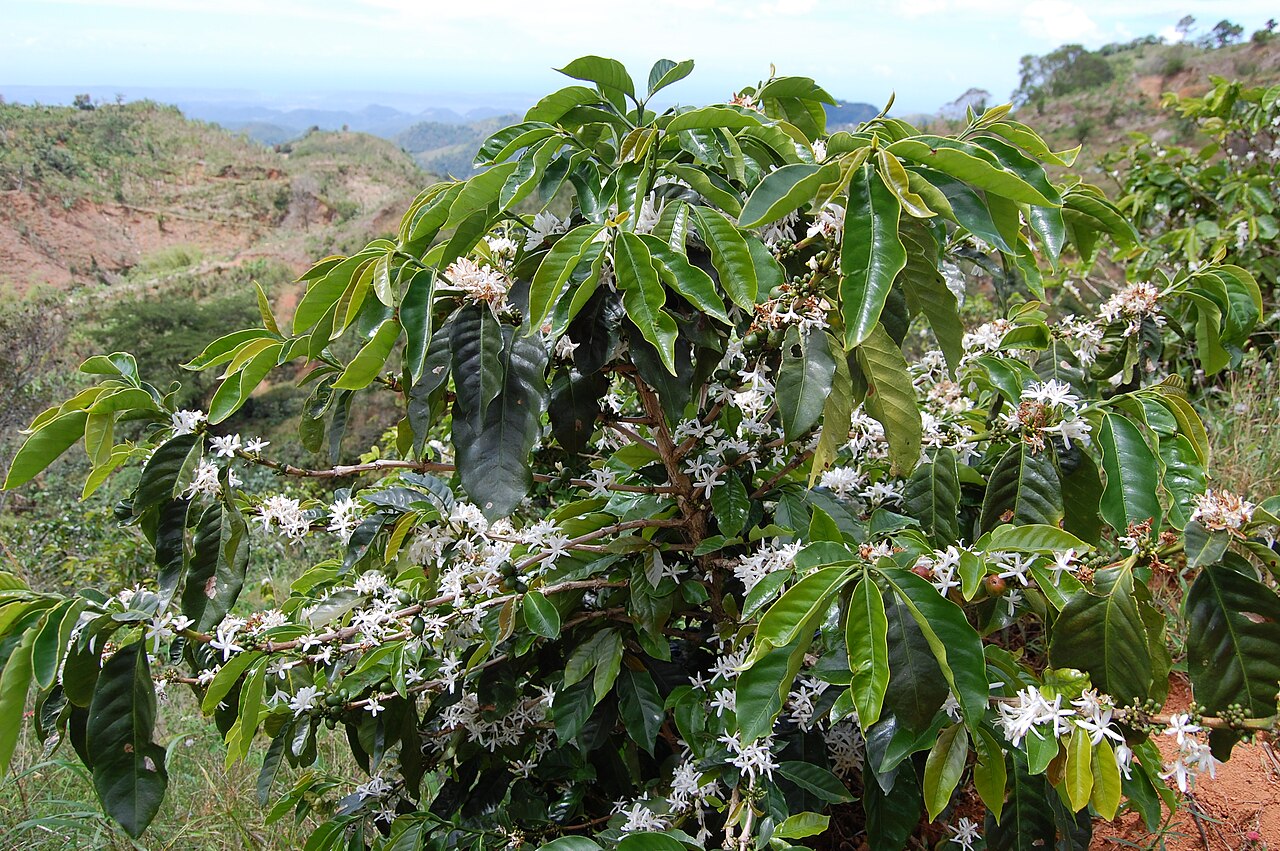
**Hacienda Tres Picachos sits in the Saliente sector of Jayuya, in the geographic center of Puerto Rico, where three towering mountain peaks gave the farm its name — "Three Peaks." The same family has run the hacienda for more than forty years, producing one of the longest continuously active 100% Puerto Rican coffee brands on the island. The farm spans more than 150 acres at 3,000 feet above sea level, where shade-grown Bourbon, Caturra, Catimor, and the island-native Limaní varieties grow in the cool, humid climate of Puerto Rico's central cordillera. Beyond the coffee, the property preserves a traditional Casona, a working water mill, a hanging bridge over a river that crosses the estate, a small museum of Taíno artifacts and antiques, and the rare working antique jukebox that has become part of the hacienda's signature charm.**
## Where the Three Peaks Stand
The town of Jayuya occupies the geographic heart of Puerto Rico — the highest part of the central mountain range, the cordillera central, the spine of the island. The municipality is home to Cerro de Punta, the tallest peak in Puerto Rico at 4,393 feet. The mountains around Jayuya descend in a series of ridges and ravines that create dozens of microclimates, each with its own light, wind, and temperature pattern. Coffee grown in this terrain is shaped by elevation in a way few coffee regions in the world replicate.
The Saliente sector of Jayuya, where Hacienda Tres Picachos lies, sits high enough that morning mist rolls through the coffee rows and afternoon temperatures rarely climb above the mid-70s Fahrenheit even in summer. The three peaks visible from the property — the picachos that gave the farm its name — frame the coffee fields on three sides. The farm road climbs up through banana and citrus interplanted with the coffee, the traditional Puerto Rican shade-growing pattern that has defined island coffee for centuries.
## A Family for Forty Years
Hacienda Tres Picachos has been run by the same family for more than four decades. In a coffee region where many haciendas have changed hands, gone fallow during the long lean decades after Hurricane San Ciriaco in 1899, or been parceled out among heirs, the continuity of Tres Picachos is itself part of the farm's identity. The coffee that comes off the farm today reflects forty years of accumulated decisions about which trees to plant where, how aggressively to prune, when to harvest, how to dry — decisions that compound across generations into something a newer farm cannot quickly replicate.
The family operates the hacienda as a working farm and as a small agritourism destination. Tours run Mondays through Saturdays from 9 AM to 4 PM by reservation. The on-site coffee shop serves drinks made from the estate's own beans. A small museum on the property displays antiques, rural-life artifacts, and Taíno tools and ceramic fragments collected from the surrounding land — Jayuya was a major Taíno population center, and the indigenous heritage of the region remains visible in place names, in traditional crafts, and in the stone artifacts the soil still surrenders.
## Altitude, Variety, and the Coffee
The coffee grown at Tres Picachos comes from four varieties chosen to suit the elevation and the climate:
- **Bourbon** — the classic high-altitude Arabica. Sweet, balanced, and complex when grown above 3,000 feet. Bourbon descends from the trees the French settlers carried to Réunion (then called Bourbon) in the 1700s, the same lineage that traveled to the Americas in the 19th century.
- **Caturra** — a natural mutation of Bourbon discovered in Brazil in the early 1900s. Shorter trees, easier to harvest, slightly milder cup profile. Common in Puerto Rican farms because the lower height suits hand-picking on steep slopes.
- **Catimor** — a hybrid of Caturra and the Timor coffee (a natural Arabica-Robusta cross). Catimor was bred for resistance to coffee leaf rust, which devastated Caribbean coffee throughout the 20th century. Its cup profile is sometimes criticized as less refined than pure Arabica, but at 3,000 feet altitude with proper processing, it produces clean, balanced coffee.
- **Limaní** — the variety native to Puerto Rico. Limaní was developed at the University of Puerto Rico Mayagüez in the 1990s as a high-altitude, leaf-rust-resistant Arabica suited specifically to Puerto Rican growing conditions. Its presence on Tres Picachos's roster is a sign of the farm's investment in island-specific genetics.
All four varieties are wet-processed (washed), the traditional method for Puerto Rican high-altitude coffee. Cherries are harvested by hand at peak ripeness, depulped, fermented in tanks for 12 to 36 hours to remove the mucilage layer, washed clean, and dried — historically on raised beds and patios, now often combined with mechanical drying for consistency. The result is a clean, bright cup that lets the altitude and varietal character speak.
## The Saliente Microclimate
The Saliente sector — the northeastern part of Jayuya municipality — sits in a band of hills that catches the afternoon clouds rolling in from the Atlantic. The pattern produces high humidity and strong daily temperature variation: warm sunny mornings, cool damp afternoons. Both factors favor coffee. Slow ripening from the temperature variation produces denser, more complex beans. The afternoon humidity moderates evaporation and reduces stress on the trees during the dry months.
The soil in this region descends from the volcanic rock that built the central cordillera. It is naturally rich in the minerals — particularly magnesium and iron — that produce vibrant coffee. The soil is also acidic enough to suit the coffee plant's preference, with a natural pH range matching what world-class coffee regions in Ethiopia, Kenya, and Colombia spend agricultural energy trying to maintain.
## The Casona, the Water Mill, and the Property
Beyond the coffee, Hacienda Tres Picachos preserves the architectural heritage of the Puerto Rican coffee era. The traditional Casona — the main farmhouse, built in the high-roofed, wraparound-balcony style that defined PR hacienda architecture from the 1850s through the 1920s — remains in use. The wooden floors, the shutters, the thick masonry walls all testify to an era when the hacienda was a self-contained community: the farm, the mill, the chapel, the houses of the workers, all on one property.
A working water mill is preserved on the estate. In the 19th and early 20th centuries, before electrical service reached the mountains, water-powered mills processed the coffee — depulping the cherries, hulling the dried parchment beans. Many of these mills fell into ruin during the 20th century when electricity arrived and the old mechanical systems were abandoned. The mill at Tres Picachos has been kept operational, both as a working piece of equipment and as a historical demonstration for visitors.
A river crosses the property, with a hanging bridge providing access between the main hacienda area and the upper coffee fields. The bridge has become one of the most photographed features of the farm — a single-span pedestrian bridge swaying gently above clear mountain water, framed by the surrounding hillsides.
## The Taíno Museum
Jayuya was one of the densest Taíno population centers in pre-Columbian Puerto Rico. The Taíno — the indigenous Arawakan people of the Caribbean — left a heavy archaeological footprint in the surrounding mountains: stone tools, ceramic fragments, ceremonial objects, and the famous Jayuya petroglyphs carved into boulders along the river systems. The Festival Indígena de Jayuya, held every November, has become the largest Taíno cultural celebration in the Caribbean.
Hacienda Tres Picachos maintains a small museum on the property displaying Taíno artifacts collected from the surrounding land — many of them surfacing during routine farm work, plowing, and erosion exposure. The museum sits alongside the farm's collection of mid-20th-century rural-life antiques: vintage radios, an antique working jukebox that visitors are still allowed to play, and the everyday tools of a hacienda family of that era. The juxtaposition is intentional. The same land has held three civilizations: the Taíno, the colonial coffee era, and the modern Puerto Rican farming family.
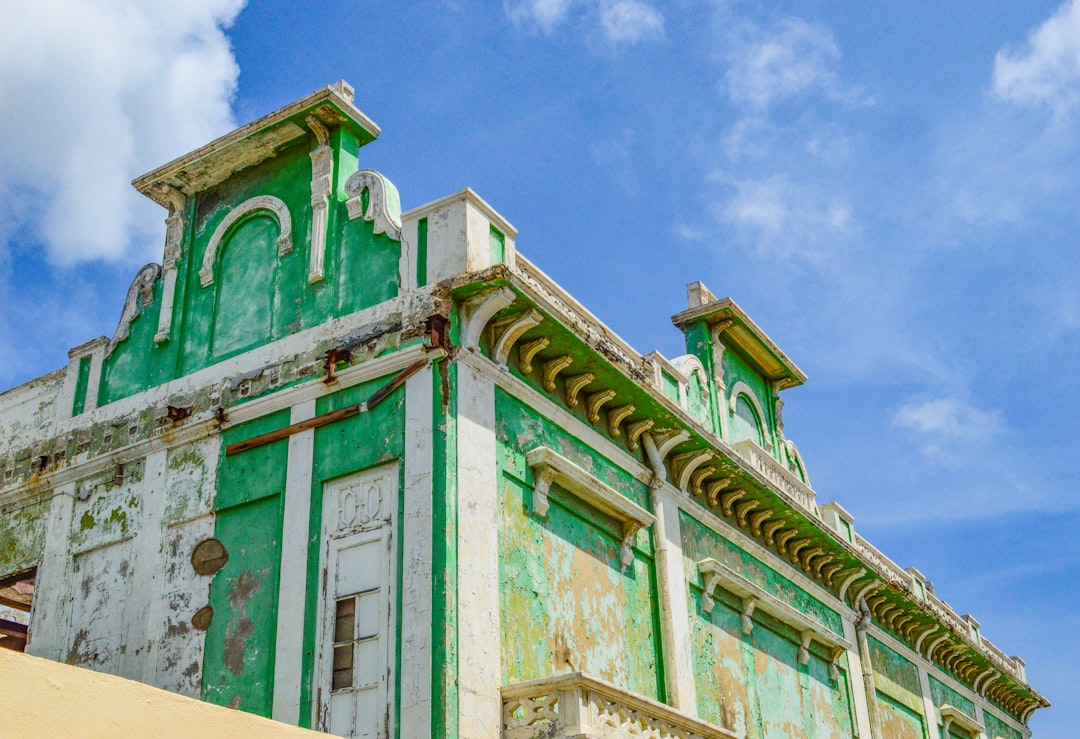
## The Visitor Experience
A tour of Hacienda Tres Picachos typically runs ninety minutes to two hours. Visitors walk through the coffee fields, see the trees at the various stages of maturity (the harvest period in PR runs roughly September to February), watch the depulping and drying process when in season, and tour the water mill, the Casona, and the museum. The on-site coffee shop serves espresso, café con leche, and house-blend filter coffee made from the farm's own beans, often with light meals.
The drive from the San Juan metropolitan area takes about two and a half hours, through the steep curving roads of the central cordillera. Several Jayuya haciendas can be combined into a single day trip, including [Hacienda San Pedro](/books/puerto-rico-coffee-today/page/hacienda-san-pedro-the-atienza-family-coffee-legacy-in-jayuya) (run by the Atienza family, also in Jayuya) and the slightly more distant [Hacienda Tres Ángeles](/books/puerto-rico-coffee-today/page/hacienda-tres-angeles-puerto-ricos-first-certified-agritourism-coffee-farm) in nearby Adjuntas. For visitors with the time, an overnight stay in the area allows multiple farm visits and a more thorough engagement with the central mountain coffee culture.
Reservations are required. Telephone 787-332-4950 to book.
## The Bigger Picture: Jayuya in Puerto Rico Coffee
Jayuya is one of the five canonical coffee municipalities of Puerto Rico, alongside [Yauco](/books/yauco-coffee-region-complete-guide/page/yauco-puerto-ricos-crown-coffee-region), [Adjuntas](/books/adjuntas-coffee-region-complete-guide/page/adjuntas-the-coffee-capital-of-the-mountains), [Lares](/books/lares-coffee-region-complete-guide/page/lares-coffee-revolution-and-heritage), and [Maricao](/books/maricao-coffee-region-complete-guide/page/maricao-where-coffee-meets-the-cloud-forest). Among these five, Jayuya is the highest-altitude region — the elevation that produces denser, more complex coffee. Yauco has the older European immigration history and the heritage Yauco Selecto designation. Lares anchors the coffee revolution heritage. Maricao holds the most extensive forest reserve. Jayuya brings the altitude and the deep Taíno cultural overlay.
Hacienda Tres Picachos is one of several active haciendas in Jayuya. Its longevity, its single-family continuity, and its heritage architecture place it among the farms that define the region's identity for visitors. For specialty coffee buyers, its washed-process Bourbon and Limaní lots represent the high-altitude, single-origin Puerto Rican coffee that the island's specialty movement has rebuilt over the past three decades.
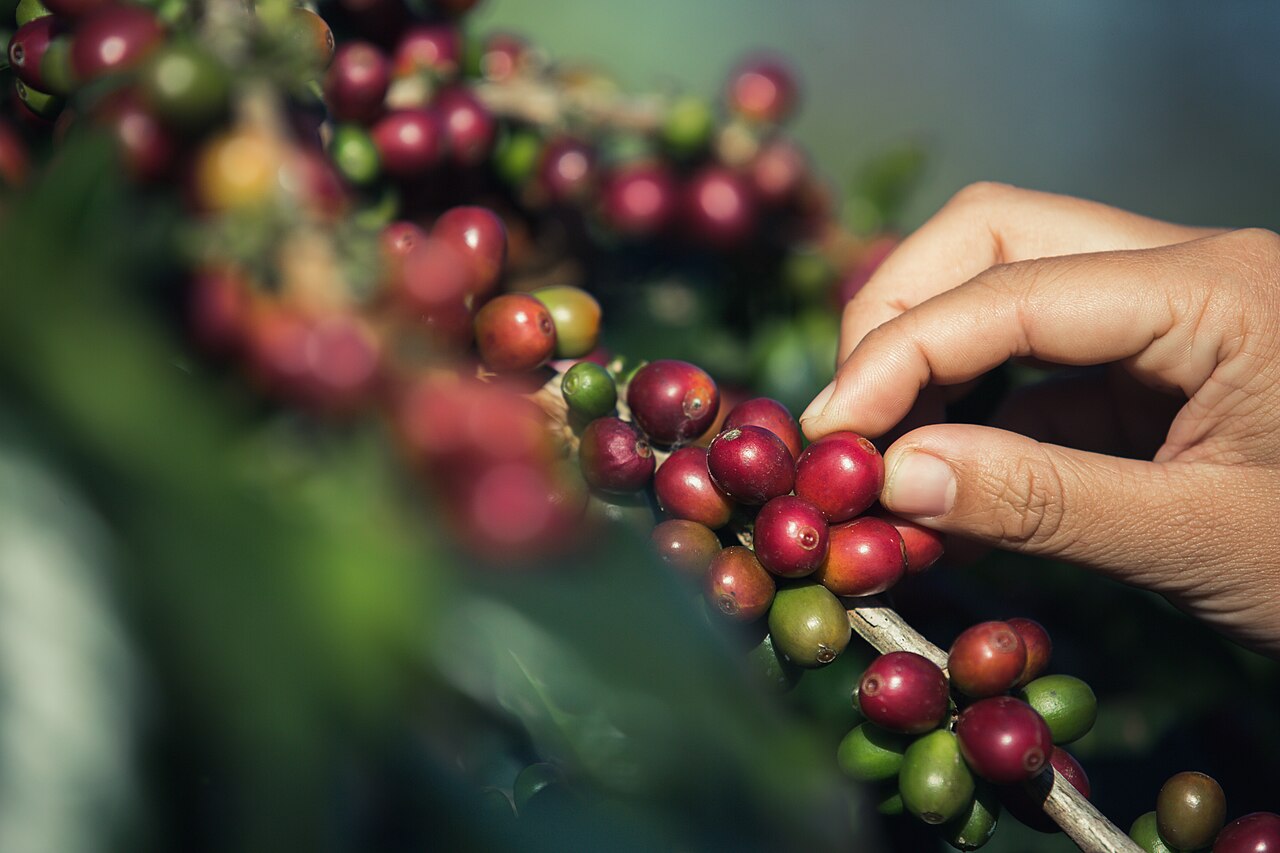
## Key Facts
- Located in Saliente, Jayuya, Puerto Rico
- Run by the same family for more than 40 years
- 150+ acres of coffee fields
- Altitude: approximately 3,000 feet above sea level
- Varieties: Bourbon, Caturra, Catimor, Limaní
- Process: Washed
- Heritage features: traditional Casona, working water mill, hanging bridge, Taíno artifact museum
- Tours: Monday-Saturday 9 AM to 4 PM by reservation (787-332-4950)
- Located in the highest-altitude coffee region of Puerto Rico
- One of the longest continuously active 100% Puerto Rican coffee brands
## Frequently Asked Questions
**How do I get to Hacienda Tres Picachos?**
The farm is approximately a 2.5-hour drive from San Juan. Take Route 10 south toward Adjuntas, then connect to local routes through Jayuya. The mountain roads are narrow and curving — allow extra time. Reservations are required for tours.
**What is the harvest season?**
Coffee in Puerto Rico is harvested roughly from September to February, with the peak picking concentrated in October through December. Visiting during harvest gives the most complete view of the operation, including depulping and drying.
**What does the coffee taste like?**
The hacienda produces several lots and roasts. The signature dark roast offers chocolate notes with a smoked finish; the medium-dark gourmet has more vanilla, spice, and molasses character. Both reflect the high-altitude Saliente terroir and the traditional washed processing.
**Is the farm related to other Jayuya haciendas?**
Tres Picachos is independently family-owned. It operates alongside other Jayuya haciendas including [Hacienda San Pedro](/books/puerto-rico-coffee-today/page/hacienda-san-pedro-the-atienza-family-coffee-legacy-in-jayuya) and several smaller specialty farms. Visitors to Jayuya often plan multi-farm itineraries.
**How does the coffee compare to other Puerto Rican farms?**
Tres Picachos coffee reflects the Jayuya altitude — denser, more complex, with the bright acidity that comes from cool slow ripening. Yauco coffees are typically softer and rounder. Adjuntas coffees often emphasize sweetness. The Jayuya signature is brightness, body, and the volcanic-soil mineral character.
## Related Articles
- [Jayuya: The High-Altitude Coffee Heart of Puerto Rico](/books/jayuya-coffee-region-complete-guide/page/jayuya-taino-mountain-coffee)
- [Hacienda San Pedro: The Atienza Family Hacienda](/books/puerto-rico-coffee-today/page/hacienda-san-pedro-the-atienza-family-coffee-legacy-in-jayuya)
- [Hacienda Tres Ángeles: Puerto Rico's First Agritourism-Certified Farm](/books/puerto-rico-coffee-today/page/hacienda-tres-angeles-puerto-ricos-first-certified-agritourism-coffee-farm)
- [Limaní: The Native Coffee Variety of Puerto Rico](/books/puerto-rico-coffee-varieties/page/limani-and-fronton-puerto-ricos-native-coffee-varieties)
- [Hacienda Buena Vista: The Restored 19th-Century Coffee Plantation](/books/puerto-rico-coffee-heritage/page/hacienda-buena-vista-the-living-coffee-museum-of-ponce)
- [Café con Leche: The Puerto Rican Morning Tradition](/books/puerto-rico-coffee-recipes/page/cafe-con-leche-the-puerto-rican-morning-tradition)
- [Pilón de Café: The Wooden Pestle Tradition of Puerto Rico](/books/puerto-rico-coffee-recipes/page/pilon-de-cafe-the-wooden-pestle-tradition-of-puerto-rico)
## Taste Authentic Puerto Rico Coffee
The coffees of Jayuya — grown above 3,000 feet on the volcanic slopes of Puerto Rico's central mountain range — represent the upper tier of Caribbean specialty coffee. Single-origin Boricua coffee from this elevation, freshly roasted and shipped to your door, is the closest most coffee drinkers will come to the farm experience without standing on the property.
**BUY AUTHENTIC PUERTO RICO COFFEE NOW →**
Freshly roasted, shipped worldwide. The real taste of Boricua heritage in every cup.
---
*Part of The Coffee Encyclopedia — the world's largest free coffee reference. Proudly sponsored by PuertoRicoCoffeeShop.com.*
# Cuatro Sombras and Hacienda Santa Clara: San Juan's Specialty Coffee Pioneer
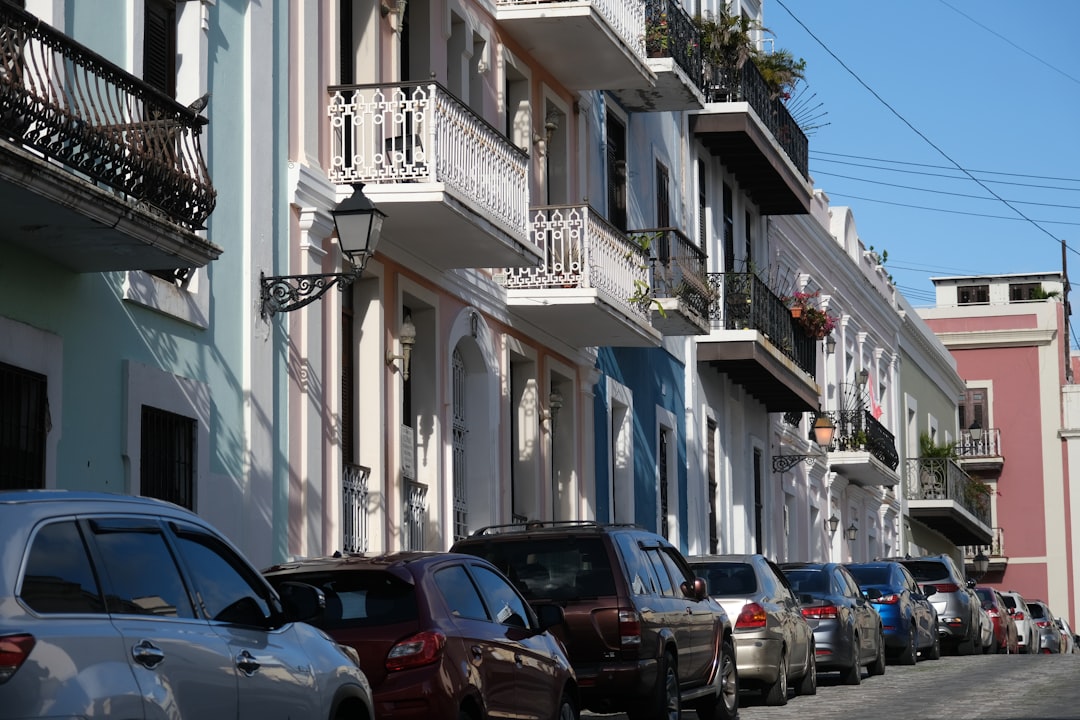
**Cafe Cuatro Sombras opened its Old San Juan microroaster in February 2011, becoming the first dedicated micro-roastery and coffeehouse in the historic district. The coffee served is single-origin from Hacienda Santa Clara in Yauco — a 175-year-old farm in the family of one of the founders, Pablo Muñoz, whose ancestor Domingo Mariani settled in the Yauco mountains in 1846 and established the hacienda when Puerto Rican coffee first earned its global reputation. The brand's name — Cuatro Sombras, "four shades" — refers to the four traditional shade trees that protected the original Santa Clara harvests in the 19th century: pacay, guamá, guaraguao, and palo de pollo. The operation today is one of the cleanest farm-to-cup integrations in Puerto Rican specialty coffee, with the bean grown, processed, exported, roasted, ground, packed, and served by the same family-owned vertical operation between Yauco's mountains and Old San Juan's cobblestones.**
## A Hacienda from 1846
The story of Cuatro Sombras begins almost two centuries before the coffee shop opens. In 1846, Domingo Mariani — a Corsican immigrant — settled in the mountains of Yauco, in the southwest of Puerto Rico, and established what would become Hacienda Santa Clara. The decade was a pivotal moment for Puerto Rican coffee. The Spanish colonial administration had begun encouraging coffee cultivation, the Yauco region was being recognized as the prime growing zone, and Corsican families were beginning to arrive in larger numbers — the migration that would, over the next several decades, define Yauco's distinctive coffee culture.
Mariani's choice of location was good. Hacienda Santa Clara sits in mountainous terrain at the right altitude for high-quality Arabica, with the volcanic soil and afternoon-mist microclimate that the best Puerto Rican coffee farms share. The shade tree pattern Mariani used — pacay, guamá, guaraguao, palo de pollo — was the traditional Caribbean shade-coffee model: dense overhead canopy, slow ripening, low water stress, and the secondary benefit of providing nitrogen-fixing trees that improved soil quality without external fertilizer.
By the late 19th century, Santa Clara's coffee was being exported globally, part of the Yauco-led export wave that made Puerto Rican coffee internationally celebrated.
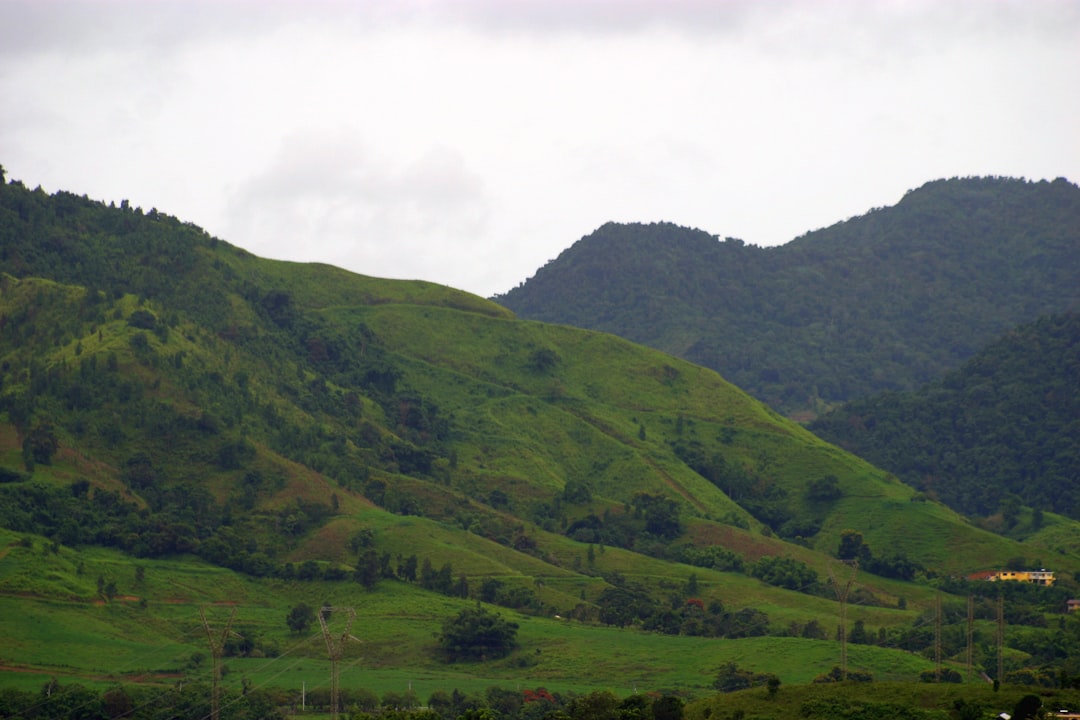
## The Mid-Century Decline
Mid-20th century, Hacienda Santa Clara fell silent — like most Puerto Rican coffee operations. The trajectory has become familiar in Boricua coffee history: Hurricane San Ciriaco in 1899 destroyed most of the island's coffee. American annexation in 1898 redirected the economy toward sugar. The Great Depression collapsed coffee prices. World War II disrupted shipping. Subsequent hurricanes — beginning with the chain of mid-century storms and continuing through Hurricane María in 2017 — repeatedly damaged what farms remained.
By mid-century most of the great 19th-century haciendas had shut down or shifted to other crops. Santa Clara was one of these. The coffee bushes were not removed — many of the original 1850s Tipica plantings actually remained alive, dormant, and capable of producing fruit again — but the operation as a working hacienda ceased.
The land remained in the Mariani family across generations of fallow. This was, in retrospect, the saving grace of the operation: when the renaissance came, the genetic material was still there.
## The Reopening: 2011
Sixty years after the hacienda fell silent, Pablo Muñoz — a young descendant of Domingo Mariani — and his wife Mariana Suárez began replanting the Santa Clara farm. The replanting required restoration rather than from-scratch development, since many of the original 1850s Tipica bushes were still alive and producing. Coffee plants are surprisingly resilient. With pruning, soil amendment, and renewed shade tree management, an abandoned coffee farm can be restored to production within a few seasons — vastly faster than starting over with new plantings, which take 4 to 5 years to first harvest.
In February 2011, Pablo and Mariana opened the Cafe Cuatro Sombras micro-roastery and coffeehouse at 259 Recinto Sur Street in Old San Juan, near the Paseo de la Princesa. It was Old San Juan's first dedicated micro-roaster — at the time, no other coffee shop in the historic district roasted its own beans on-site.
The model was vertically integrated: grow the coffee at the hacienda in Yauco, process it on-site, transport the green beans to Old San Juan, roast in small batches at the storefront, grind, pack, and serve same-day. This farm-to-cup integration is rare even in specialty coffee globally. Most specialty cafes buy green coffee from importers or roasters; only a handful operate their own farms.
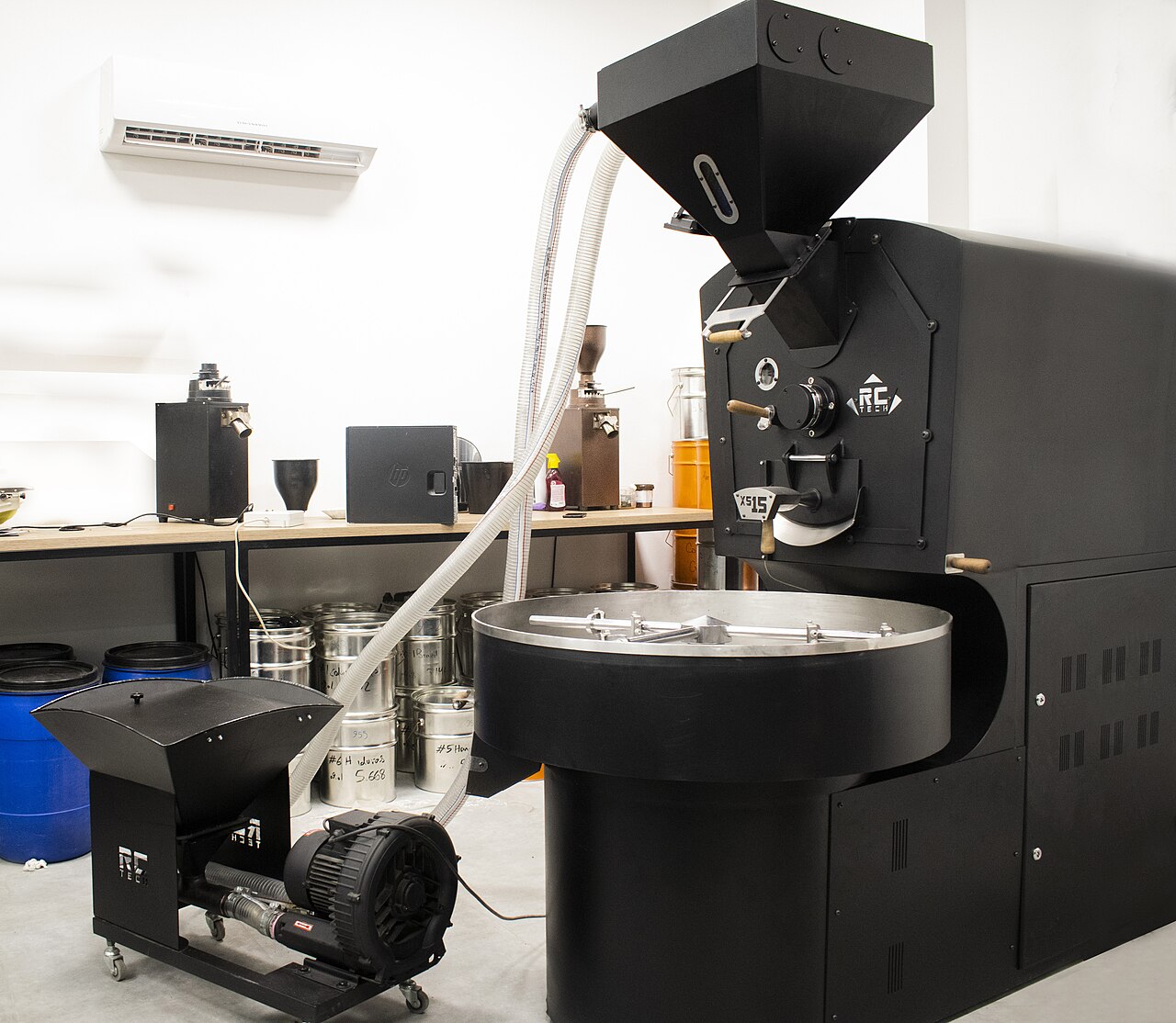
## The Name: Four Shades
Cuatro Sombras — "four shades" — refers to the four shade trees that traditionally protected the Santa Clara coffee crops:
- **Pacay** (*Inga* species, also called "ice cream bean") — a tropical legume with edible white pulp inside the pods, common in Caribbean coffee shade systems for its rapid growth and nitrogen fixation.
- **Guamá** (*Inga vera*, locally called "guaba" in some regions) — another legume tree, fast-growing, nitrogen-fixing, deeply rooted, well-suited to the steep coffee slopes.
- **Guaraguao** (*Buchenavia capitata*) — a tall tropical canopy tree with dense foliage, providing the highest layer of shade.
- **Palo de Pollo** (*Pterocarpus officinalis*) — sometimes called dragon's blood tree, a wetland legume that thrives in the Yauco hills and contributes nitrogen.
The naming choice is not incidental. Each tree species shapes the coffee differently — the speed of ripening, the protection from afternoon sun, the soil chemistry, the water cycle. A coffee grown under four-shade canopy has a different character than the same coffee grown under two-shade or under sun. By naming the brand for the trees, the founders explicitly invoked the agronomic tradition that distinguished Caribbean coffee in the first place.
## The Coffee
Cuatro Sombras coffee is single-origin Tipica from Hacienda Santa Clara. Tipica is the original Arabica varietal that traveled from Yemen to Java to the Caribbean in the 18th century and to Puerto Rico in 1736. It is also the most demanding varietal — slower-growing than modern hybrids, more sensitive to leaf rust, lower-yielding per tree — but with what specialty coffee buyers consider the cleanest classic Arabica cup profile.
The processing is washed: cherries hand-picked at peak ripeness, depulped same-day, fermented in tanks for 12 to 36 hours to remove the mucilage layer, washed, and sun-dried. All beans are sun-dried and stored in climate-controlled bodega before shipment to Old San Juan.
In the cup, Cuatro Sombras coffee presents medium-bodied, with hints of semi-sweet chocolate, spices, and caramel — the classic Yauco Tipica profile. The coffee is fully roasted by Pablo and his team in the Old San Juan storefront, in small batches sized to weekly consumption. Walking past the cafe on a morning in Old San Juan, one of the dominant background aromas of the cobblestone streets is the roasting drum venting from the Cuatro Sombras facade.
## The Old San Juan Coffee House
The Cuatro Sombras storefront occupies a historic building at 259 Recinto Sur Street, near the Paseo de la Princesa walkway. The space includes the cafe with seating, the working micro-roaster visible to customers, and a back room used for cupping classes and small private events.
The cafe operates seven days a week. Hours are roughly 7 AM to 6 PM Monday through Thursday, extending to 8 PM Friday through Sunday. The menu beyond drinks includes guava butter croissants (the most-cited single item from the cafe), avocado toast, sandwiches, paninis, salads, and pastries. The kitchen runs at moderate speed — quick grab-and-go is not the cafe's intended pace.
Among Old San Juan's many coffee shops, Cuatro Sombras occupies a distinct position: it is the cafe specifically tied to a working farm, with the longest unbroken family lineage in the Puerto Rican specialty coffee scene. Other San Juan cafes serve Puerto Rican coffee, but Cuatro Sombras serves coffee from a single farm owned and operated by the founders' family for nearly two centuries.
## The Cupping Class
Cuatro Sombras offers a structured 1-hour cupping class for visitors at $89 per person. Held in the back room of the Old San Juan cafe, the class begins with a slide presentation by Pablo Muñoz on Puerto Rican coffee production — historical and current — using photographs from Hacienda Santa Clara to illustrate every stage from cherry to cup. Visitors see green specialty-grade beans side by side with green commercial-grade beans, learn the visual differences, and discuss the challenges facing the modern Puerto Rican coffee industry.
After the slide presentation, the class moves to hands-on cupping. The full SCA cupping protocol is demonstrated: the dry fragrance, the wet aroma, the crust break, the slurp. Visitors taste several Cuatro Sombras lots side by side, learning to distinguish the descriptors that the SCA flavor wheel codifies.
The cupping classes are part of a deliberate educational mission. Pablo and Mariana have spoken openly about wanting to educate Puerto Rican consumers about specialty coffee, both as a market-development effort and as a way to support the broader island specialty movement. As more visitors and locals learn what good coffee actually tastes like, the demand for high-quality Puerto Rican specialty coffee grows, which in turn supports the farms producing it.
Reservations for the cupping class are by appointment, through the cafe's website or by phone (787-724-9955).
## The Dorado Location
In addition to the Old San Juan original, Cuatro Sombras now operates a second cafe location in Dorado, Puerto Rico, on the north coast about 30 minutes west of San Juan. The Dorado cafe runs slightly different hours — 7 AM to 4 PM daily — and serves the same single-origin Santa Clara coffee in a more residential setting.
For visitors and residents in the San Juan-to-Dorado corridor, the Dorado location offers a less crowded, more leisurely environment than the Old San Juan flagship. The coffee is identical — both locations are supplied by the same Yauco farm and the same Old San Juan roastery.
## Comparison with Other Modern PR Specialty Operations
Several modern Puerto Rican specialty coffee operations follow similar farm-to-cup models. [Hacienda San Pedro](/books/puerto-rico-coffee-today/page/hacienda-san-pedro-the-atienza-family-coffee-legacy-in-jayuya), run by the Atienza family in Jayuya, has been continuously operated by the same family since the 19th century and now also operates several metropolitan coffee shops. [Hacienda Tres Picachos](/books/puerto-rico-coffee-today/page/hacienda-tres-picachos-the-jayuya-heritage-farm-run-by-the-same-family-for-over-40-years) in Jayuya represents the heritage Jayuya farm tradition. [Café Lareño](/books/puerto-rico-coffee-today/page/cafe-lareno-the-lares-family-hacienda-and-the-quiet-coffee-of-the-northwest-mountains) operates from Lares with similar small-batch single-origin focus.
Cuatro Sombras is distinctive among these in two ways: the explicit branding around shade trees (cuatro sombras) ties the modern operation directly to traditional agronomy in a way few competitors articulate; and the Old San Juan urban roastery model brought micro-roasting visibility to the historic district at a moment when no other cafe in the area was doing so. The 2011 opening was, at the time, somewhat ahead of the curve — preceding the broader specialty coffee wave that would eventually wash through several Old San Juan locations.
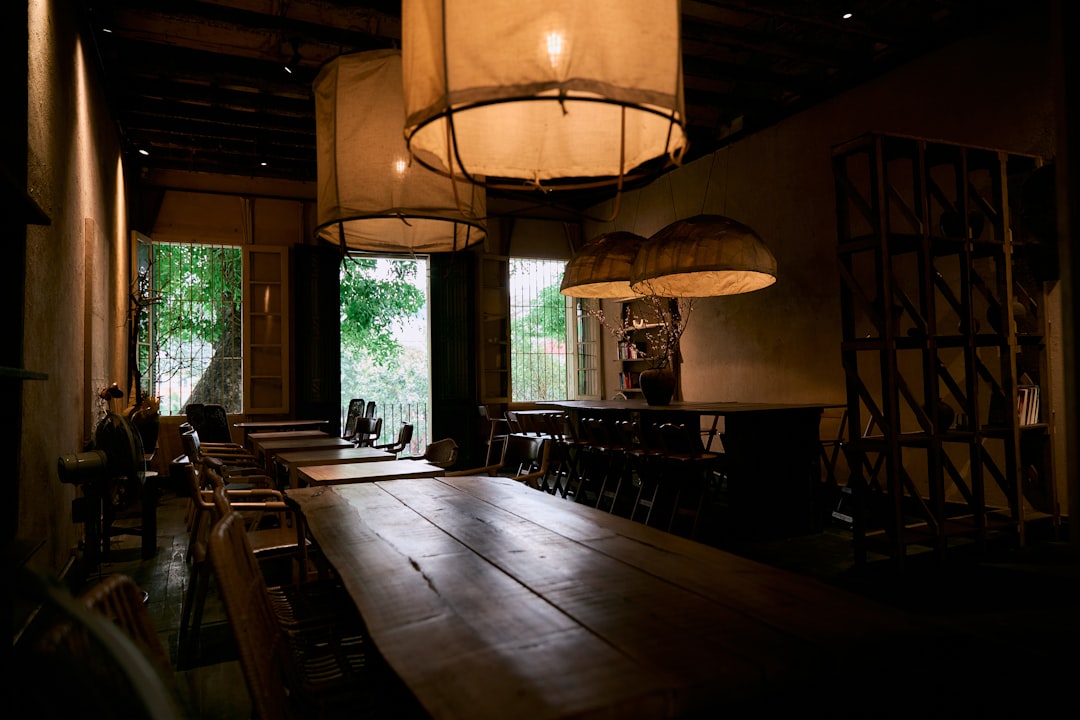
## Visiting
For visitors planning a Puerto Rican specialty coffee itinerary, Cuatro Sombras is the most accessible point of entry. The Old San Juan location is centrally located, walking distance from major Old San Juan tourism stops, and serves coffee directly from a single working family farm. The cupping class is one of the most affordable specialty coffee education experiences in the Caribbean.
For visitors wanting to see the source farm, Hacienda Santa Clara in Yauco is approximately 2 hours west of San Juan by car, in the heart of the [Yauco coffee region](/books/yauco-coffee-region-complete-guide/page/yauco-puerto-ricos-crown-coffee-region). The hacienda is not always open for casual visits — the working farm operates around the harvest cycle — and visits typically need to be coordinated through the Old San Juan cafe in advance.
For Boricuas living in Dorado, Bayamón, Toa Baja, or the western metropolitan corridor, the Dorado Cuatro Sombras cafe provides regular access to the same coffee without the Old San Juan parking and tourism load.
## Key Facts
- Hacienda Santa Clara established 1846 in Yauco by Corsican Domingo Mariani
- Cuatro Sombras micro-roastery opened February 2011 in Old San Juan
- First dedicated micro-roastery in Old San Juan
- Founders: Pablo Muñoz (Mariani descendant) and Mariana Suárez
- Brand name "four shades" refers to pacay, guamá, guaraguao, palo de pollo
- Single-origin Tipica variety, washed-process
- Some original 1850s coffee bushes still in production
- Old San Juan cafe at 259 Recinto Sur Street; Dorado second location
- 1-hour cupping classes available at $89, by reservation
- Phone: 787-724-9955
## Frequently Asked Questions
**How do I get to the Old San Juan cafe?**
259 Recinto Sur Street, near the Paseo de la Princesa walkway. Walking distance from the cruise port and the major Old San Juan tourism areas. Open 7 AM to 6 PM weekdays, extending to 8 PM weekends.
**Can I visit Hacienda Santa Clara directly?**
Visits to the working farm in Yauco are coordinated through the Old San Juan cafe and depend on the harvest cycle. Contact the cafe in advance.
**What does the coffee taste like?**
Medium-bodied with semi-sweet chocolate, caramel, and spice notes — the classic Yauco Tipica profile. Available as whole bean or ground, in several roast levels including a 17+ premium single-origin lot.
**Is the cupping class worth $89?**
For visitors interested in specialty coffee, yes. The hour-long format covers Puerto Rican coffee history, the SCA cupping protocol, and a hands-on tasting of multiple lots. It is one of the most accessible specialty coffee education experiences in the Caribbean and connects directly to the cafe's working farm.
**Can I buy the coffee outside Puerto Rico?**
Cuatro Sombras operates an online store accessible from the cafe's website. Shipping is available to mainland US and select international destinations.
## Related Articles
- [Hacienda Tres Picachos: The Jayuya Heritage Farm](/books/puerto-rico-coffee-today/page/hacienda-tres-picachos-the-jayuya-heritage-farm-run-by-the-same-family-for-over-40-years)
- [Hacienda San Pedro: The Atienza Family Coffee Legacy in Jayuya](/books/puerto-rico-coffee-today/page/hacienda-san-pedro-the-atienza-family-coffee-legacy-in-jayuya)
- [Yauco: Puerto Rico's Crown Coffee Region](/books/yauco-coffee-region-complete-guide/page/yauco-puerto-ricos-crown-coffee-region)
- [Coffee Cupping: The SCA Protocol and How Professionals Taste Coffee](/books/coffee-tasting-sensory-training/page/coffee-cupping-the-sca-protocol-and-how-professionals-taste-coffee)
- [Cafés of San Juan: A Coffee Shop Tour of Puerto Rico's Capital](/books/puerto-rico-coffee-tourism/page/cafes-of-san-juan-a-coffee-shop-tour-of-puerto-ricos-capital)
- [Café con Leche: The Puerto Rican Morning Tradition](/books/puerto-rico-coffee-recipes/page/cafe-con-leche-the-puerto-rican-morning-tradition)
- [Pilón de Café: The Wooden Pestle Tradition of Puerto Rico](/books/puerto-rico-coffee-recipes/page/pilon-de-cafe-the-wooden-pestle-tradition-of-puerto-rico)
## Taste Authentic Puerto Rico Coffee
The single-origin tradition that Cuatro Sombras represents — one farm, one variety, one bean traveled from Yauco to your cup — defines what specialty Puerto Rican coffee can be. Single-origin Boricua coffee from the same Yauco mountains, freshly roasted and shipped to your door, is the closest most coffee drinkers come to the Old San Juan cafe experience without crossing the Caribbean.
**BUY AUTHENTIC PUERTO RICO COFFEE NOW →**
Freshly roasted, shipped worldwide. The real taste of Boricua heritage in every cup.
---
*Part of The Coffee Encyclopedia — the world's largest free coffee reference. Proudly sponsored by PuertoRicoCoffeeShop.com.*
# Café Lareño: The Lares Family Hacienda and the Quiet Coffee of the Northwest Mountains
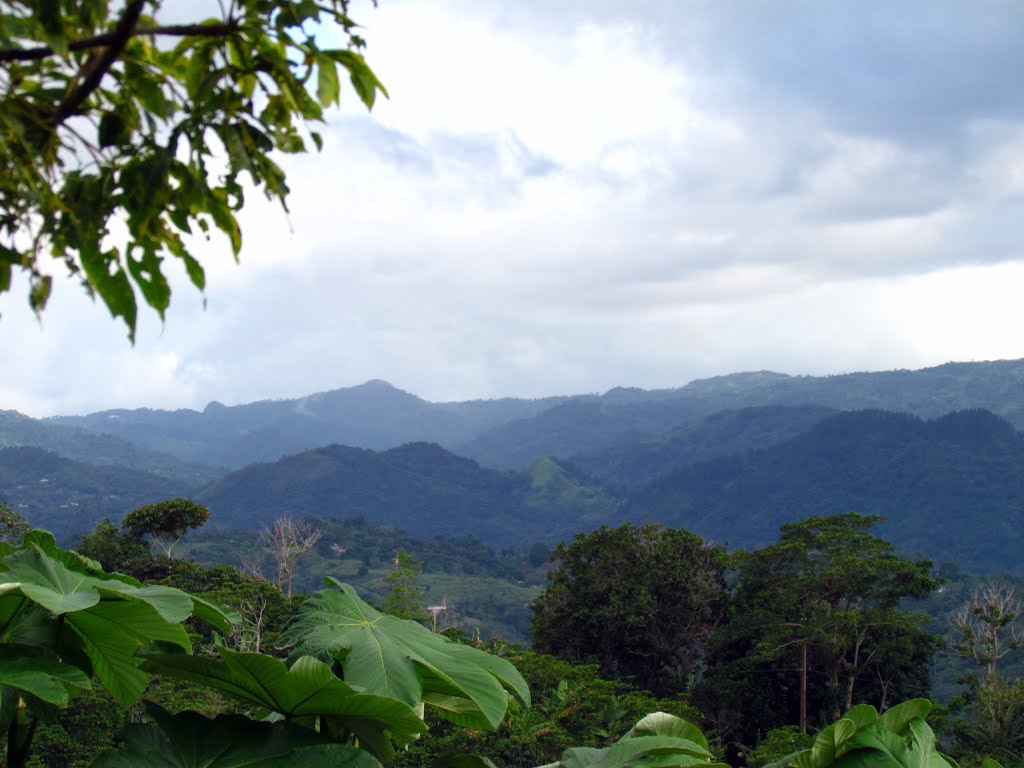
**Café Lareño sits at kilometer 40 of Carretera 128, in the La Torre sector of Lares — high in the northwestern mountains of Puerto Rico, in the heartland of the 1868 Grito de Lares coffee revolution. The hacienda has produced traditional roasted Puerto Rican coffee for more than 30 years under the operation of Luis E. Alcover, with a small on-site torrefacción (roastery) and an attached coffee shop that serves freshly brewed cups against one of the most spectacular mountain panoramas in central Puerto Rico. Café Lareño is one of the most beloved local Puerto Rican coffee brands among Boricua consumers — quietly traditional, family-run, deeply rooted in the Lares coffee culture that traces back to the 1850s. This article covers the history, the location, the operation, and what visitors can expect from a stop at this northwest mountain hacienda.**
## Lares: The Coffee Revolution Heartland
To understand Café Lareño, you have to understand Lares. The municipality occupies a band of mountains in northwestern Puerto Rico, between Adjuntas and the western coast. The terrain is steeper than most of the central coffee region — narrow ridges, deep valleys, twisting roads that climb above 2,000 feet within minutes of leaving the lowland coastal zone. The microclimate is consistently cooler and more humid than the southern coffee zones, with afternoon clouds rolling in from the Atlantic and a pronounced dry-wet seasonal pattern that suits coffee.
The cultural weight of Lares in Puerto Rican history is hard to overstate. On September 23, 1868, a group of pro-independence revolutionaries gathered in Lares to declare the short-lived Republic of Puerto Rico — the [Grito de Lares](/books/puerto-rico-coffee-heritage/page/coffee-and-the-grito-de-lares-puerto-ricos-1868-independence-revolt), the cry of Lares. Many of the conspirators were coffee farmers and hacienda workers; the economic conditions of the 1860s coffee economy, with low prices and burdensome Spanish taxation, were among the immediate triggers for the uprising. Coffee and revolution have been intertwined in Lares ever since.
Lares today retains its small-town character and its mountain coffee culture. The town is sometimes called "the coffee capital of Puerto Rico" by locals, alongside competing claims from Yauco and other regions. What is undeniable is that Lares produces coffee of distinct character — slightly more body, slightly more chocolate notes, slightly less acidity than the brighter southern coffees. The northwestern terroir gives it a signature Boricuans recognize.
## The Hacienda
Café Lareño operates from a small hacienda at kilometer 40 of Carretera 128, in the La Torre sector of Lares municipality. The location is approximately a 90-minute drive from San Juan, and a similar drive from the western coastal city of Rincón. The road climbs through twisting mountain switchbacks — common for the Lares region — with views opening onto coffee fields, banana plantations, and the deep valleys of the cordillera as the road rises.
The hacienda compound includes the working farm, a small on-site torrefacción (roastery) where the green beans from the surrounding coffee fields are processed, and an attached coffee shop with both indoor and outdoor seating. The outdoor patio is the signature feature of a Lareño visit — perched on the edge of the slope, with panoramic mountain views in the direction of the Lares coffee fields. Multiple visitor reviews describe it as one of the most beautiful coffee shop settings in Puerto Rico.
The operation is small. The roastery is sized for the farm's production, not for industrial output. The coffee shop serves a focused menu — cortaditos, café con leche, espresso drinks, hot chocolate, traditional Puerto Rican pastries, flan, and other desserts. Spanish is the working language; visitors with limited Spanish are accommodated, but the cafe's natural rhythm is the local rhythm of Lares.
## Luis E. Alcover and the 30-Year Operation
The hacienda has been run by Luis E. Alcover for more than 30 years. The company, sometimes referenced as Lareño Coffee Company, produces coffee bagged for both retail at the hacienda shop and for distribution to grocery stores and specialty retailers across Puerto Rico. The 8-ounce and 14-ounce ground coffee bags are familiar fixtures on Boricua kitchen counters.
The "torrefacción" in the cafe's full name — *Café Lareño Torrefacción Coffee Shop* — is the Spanish word for the roasting process and is also the name traditionally given to small Puerto Rican roasteries. A torrefacción in the Boricua tradition is more than just a roastery: it is a small operation that handles green processing, roasting, grinding, and often packaging on-site, often in a single integrated facility. This vertical model is how most Puerto Rican coffee was produced in the 19th and early 20th centuries, before industrial consolidation. Operations like Café Lareño preserve the model.
The roasting style at Lareño leans toward the traditional dark roast preferred by older Puerto Rican consumers — full city to French roast, fully developed body, low residual acidity. This is the roast profile most associated with the classic café con leche tradition: a coffee that pairs well with hot milk and that stands up to the addition of sugar. Lighter specialty roasts are increasingly common across the island as the specialty coffee movement grows, but Lareño's core style remains the traditional darker preparation that defines what most Boricuans recognize as their morning coffee.
## The Coffee
Lareño's coffee is 100 percent Puerto Rican Arabica, sourced from the surrounding Lares mountain farms. The terroir signature — the Lares character — comes through clearly: medium-to-full body, rich chocolate notes, mild but present acidity, smooth finish without sharpness or sourness. The roast amplifies the chocolate side of the cup and produces the deep brown, almost mahogany color in the cup that traditional Puerto Rican drinkers associate with quality.
The coffee is sold under several SKUs:
- **Café Lareño 8 oz ground** — the standard retail unit, the bag most familiar to PR consumers from grocery aisles
- **Café Lareño 14 oz ground** — larger family-size bag
- **Café Lareño 14 oz whole bean** — for home grinders, increasingly popular as specialty coffee culture spreads
- **Lareño Gourmet 5 lb whole bean** — bulk for cafés and serious home use
For visitors at the hacienda shop, a pound of ground Lareño typically retails around $3 to $7 depending on the SKU — significantly cheaper than mainland specialty coffee prices, reflecting the direct-from-source pricing of buying at the farm itself.
## The Tour
For visitors interested in the production process, Café Lareño offers tours of the operation by booking. The tour walks visitors through the coffee fields surrounding the cafe, the on-site torrefacción where the beans are roasted, and the packaging area. The tour guide — sometimes Luis Alcover himself, sometimes one of the staff — explains the seasonal rhythm of coffee production, the differences between the various Arabica varieties grown on the farm, and the specifics of the Lares terroir.
The tour is informal compared to the more developed agritourism operations at some of the southern haciendas (Hacienda Buena Vista, Hacienda Tres Ángeles). It is more in the tradition of a working farm sharing its operation with curious visitors — direct, unvarnished, dependent on the actual rhythm of the farm rather than a polished tourism script. For visitors specifically interested in seeing how a small Puerto Rican coffee operation works without the polish of a tourism-oriented hacienda, Café Lareño is one of the most authentic options on the island.
The cafe phone for booking is 787-897-7762.
## The View
Among visitor reviews of Café Lareño, two themes recur with striking consistency. The first is the quality of the coffee — described in superlatives by tourists and locals alike. The second is the view.
The cafe's outdoor patio looks out over the Lares mountain coffee fields toward the deep valleys of the cordillera. On clear mornings, the view extends across multiple ridge lines into hazy blue distance. On afternoons when clouds roll in from the Atlantic, mist drifts up the valleys and the cafe becomes a kind of platform suspended above moving cloud. The setting is consistently described by visitors as one of the most beautiful coffee-drinking environments they have experienced.
This is part of the fundamental appeal of central Puerto Rican coffee tourism. The mountains where the coffee grows are not incidental to the experience — they are the experience. A cup of Lareño consumed on the patio, watching afternoon mist climb the slopes where the coffee was grown, is closer to the essence of Puerto Rican coffee than any product purchased and brewed elsewhere can be.
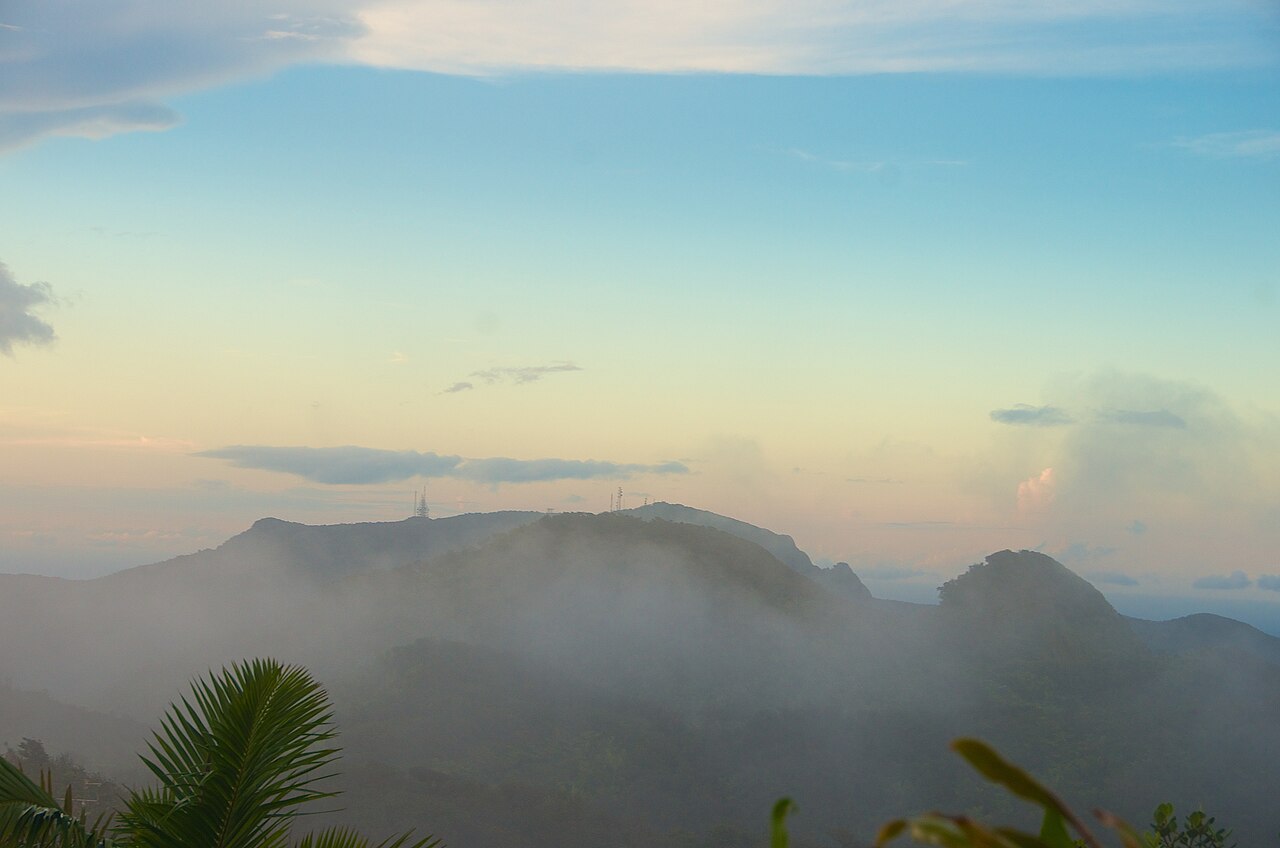
## The Lares Coffee Region in Modern Context
Lares in the 21st century occupies an interesting position in Puerto Rican specialty coffee. The municipality is not the highest-altitude coffee region — that title belongs to Jayuya. It is not the most internationally famous — that distinction belongs to Yauco. What Lares retains is a deep continuity with the 19th-century coffee economy: smaller hand-run farms, traditional dark-roast styles, longer family lineages running active coffee operations, and a distinctive regional identity tied to the Grito de Lares heritage.
[Hacienda Lealtad](/books/puerto-rico-coffee-heritage/page/hacienda-lealtad-the-revolution-coffee-hacienda-of-lares) — the recently restored Lares hacienda turned heritage destination — anchors the historical end of the regional coffee culture. Café Lareño anchors the working family-farm end. Together they define what the Lares region offers: heritage continuity plus living tradition.
Visitors planning a Lares coffee day-trip often combine Café Lareño with Hacienda Lealtad and a stop at the famous Lares heladería — the ice cream shop in the town square known for unusual flavors (corn, sweet potato, rice with sausage, pineapple) that have made it a regional pilgrimage site. Together the three stops represent something like the complete Lares experience: the old hacienda restored as museum, the modern small farm in working operation, and the eccentric culinary heritage that makes Lares a place rather than just a coffee region.
## How Café Lareño Differs from Yauco's Cuatro Sombras
The contrast between Café Lareño and Yauco's [Cuatro Sombras](/books/puerto-rico-coffee-today/page/cuatro-sombras-and-hacienda-santa-clara-san-juans-specialty-coffee-pioneer) is informative for anyone trying to understand the Puerto Rican specialty coffee landscape.
Cuatro Sombras represents the urban-third-wave end: an Old San Juan microroaster, a vertically integrated brand built deliberately for export and tourism, single-origin specialty positioning, structured cupping classes for visitors. The coffee itself is excellent, the operation is sophisticated, and the brand is articulately positioned for the global specialty market.
Café Lareño represents the small-batch traditional end: a farm-and-roastery in the Lares mountains, traditional darker roasting style, focused on the local Boricua market more than the export market, no formal cupping program, an experience based on the hacienda visit and the mountain view rather than on structured education. The coffee is also excellent — but excellent in the traditional Puerto Rican mode, which is a different excellence than the modern specialty mode.
Both traditions are alive and both deserve attention. A complete Puerto Rican coffee experience visits both ends of the spectrum: the urban specialty roastery in Old San Juan, and the mountain torrefacción in Lares. The two operations together tell the story of Puerto Rican coffee as it actually exists — heritage and contemporary, traditional and specialty, all from the same island, all from the same volcanic mountain soils.
## Practical Information
**Address.** Carretera 128, km 40.0, La Torre, Lares, Puerto Rico 00669
**Phone.** 787-897-7762
**Hours.** Variable; generally daytime hours seven days a week. Confirm current hours by phone before driving from San Juan.
**Driving from San Juan.** Approximately 90 minutes via Route 22 west to Arecibo, then Route 10 south, then Route 128 west into Lares mountains. The mountain roads are narrow and winding — allow extra time and drive carefully, especially during afternoon rain.
**Driving from Rincón or western coast.** Approximately 1 hour 15 minutes through the western mountain roads.
**Language.** Primarily Spanish-spoken environment. Limited English available. Visitors without Spanish should bring a translation app.
**Price.** Coffee at the cafe runs typical PR cafe prices ($2 to $5 per drink). Bagged coffee for take-home runs $3 to $7 per bag depending on size.
**Tour booking.** By phone, in advance. The tour is informal and depends on the working schedule of the farm.
## Key Facts
- Located at Carretera 128 km 40, La Torre, Lares, Puerto Rico
- Operating for more than 30 years under Luis E. Alcover
- 100 percent Puerto Rican Arabica from Lares mountain farms
- Traditional dark-roast style preferred by Boricua consumers
- On-site torrefacción (roastery) in the working hacienda
- Coffee shop with panoramic mountain views
- One of the most beloved local PR coffee brands among Boricuans
- Tours available by booking
- Phone: 787-897-7762
- Approximately 90 minutes drive from San Juan
## Frequently Asked Questions
**How is Café Lareño different from other PR coffee brands?**
Café Lareño is a small-batch family-run operation with vertically integrated production: farm, roastery, and cafe all on the same mountainside. Unlike the larger commercial Puerto Rican coffee brands distributed through grocery chains, Café Lareño operates closer to the traditional torrefacción model — small volumes, regional focus, longer family continuity. The coffee is widely available in Puerto Rico but produced at a much smaller scale than the big commercial brands.
**Can I take a tour of the farm?**
Yes, by appointment. Call 787-897-7762 to arrange. Tours are informal and walk visitors through the coffee fields, the roastery, and the production process.
**What does the coffee taste like?**
Medium-to-full body with rich chocolate notes, smooth finish, mild but present acidity. The traditional dark-roast Lareño profile is well-suited to café con leche preparation and to the addition of sugar. For visitors used to lighter modern specialty coffee, Lareño tastes more traditional — closer to the coffee Boricuans grew up drinking.
**Is the cafe worth visiting from San Juan?**
For visitors interested in seeing rural Puerto Rico, the central mountains, and the traditional coffee culture, yes. The 90-minute drive plus the cafe visit makes for a half-day excursion. Combine with a stop at Hacienda Lealtad and the Lares heladería for a more complete Lares experience.
**Can I buy the coffee outside Puerto Rico?**
Café Lareño is available through several Puerto Rican specialty coffee retailers and via online order. The most reliable mainland US source for shipped Café Lareño products is PuertoRicoCoffeeShop.com.
## Related Articles
- [Coffee and the Grito de Lares](/books/puerto-rico-coffee-heritage/page/coffee-and-the-grito-de-lares-puerto-ricos-1868-independence-revolt)
- [Lares: The Coffee Revolution and Heritage](/books/lares-coffee-region-complete-guide/page/lares-coffee-revolution-and-heritage)
- [Hacienda Lealtad: The Restored Lares Coffee Hacienda](/books/puerto-rico-coffee-heritage/page/hacienda-lealtad-the-revolution-coffee-hacienda-of-lares)
- [Cuatro Sombras and Hacienda Santa Clara: San Juan's Specialty Coffee Pioneer](/books/puerto-rico-coffee-today/page/cuatro-sombras-and-hacienda-santa-clara-san-juans-specialty-coffee-pioneer)
- [Hacienda Tres Picachos: The Jayuya Heritage Farm](/books/puerto-rico-coffee-today/page/hacienda-tres-picachos-the-jayuya-heritage-farm-run-by-the-same-family-for-over-40-years)
- [Café con Leche: The Puerto Rican Morning Tradition](/books/puerto-rico-coffee-recipes/page/cafe-con-leche-the-puerto-rican-morning-tradition)
- [Pilón de Café: The Wooden Pestle Tradition of Puerto Rico](/books/puerto-rico-coffee-recipes/page/pilon-de-cafe-the-wooden-pestle-tradition-of-puerto-rico)
## Taste Authentic Puerto Rico Coffee
Café Lareño embodies the small-batch traditional torrefacción that has defined Puerto Rican coffee for more than a century. For drinkers who can't make the drive into the Lares mountains, single-origin Boricua coffee shipped fresh from the same volcanic mountain soils is the next-best experience.
**BUY AUTHENTIC PUERTO RICO COFFEE NOW →**
Freshly roasted, shipped worldwide. The real taste of Boricua heritage in every cup.
---
*Part of The Coffee Encyclopedia — the world's largest free coffee reference. Proudly sponsored by PuertoRicoCoffeeShop.com.*