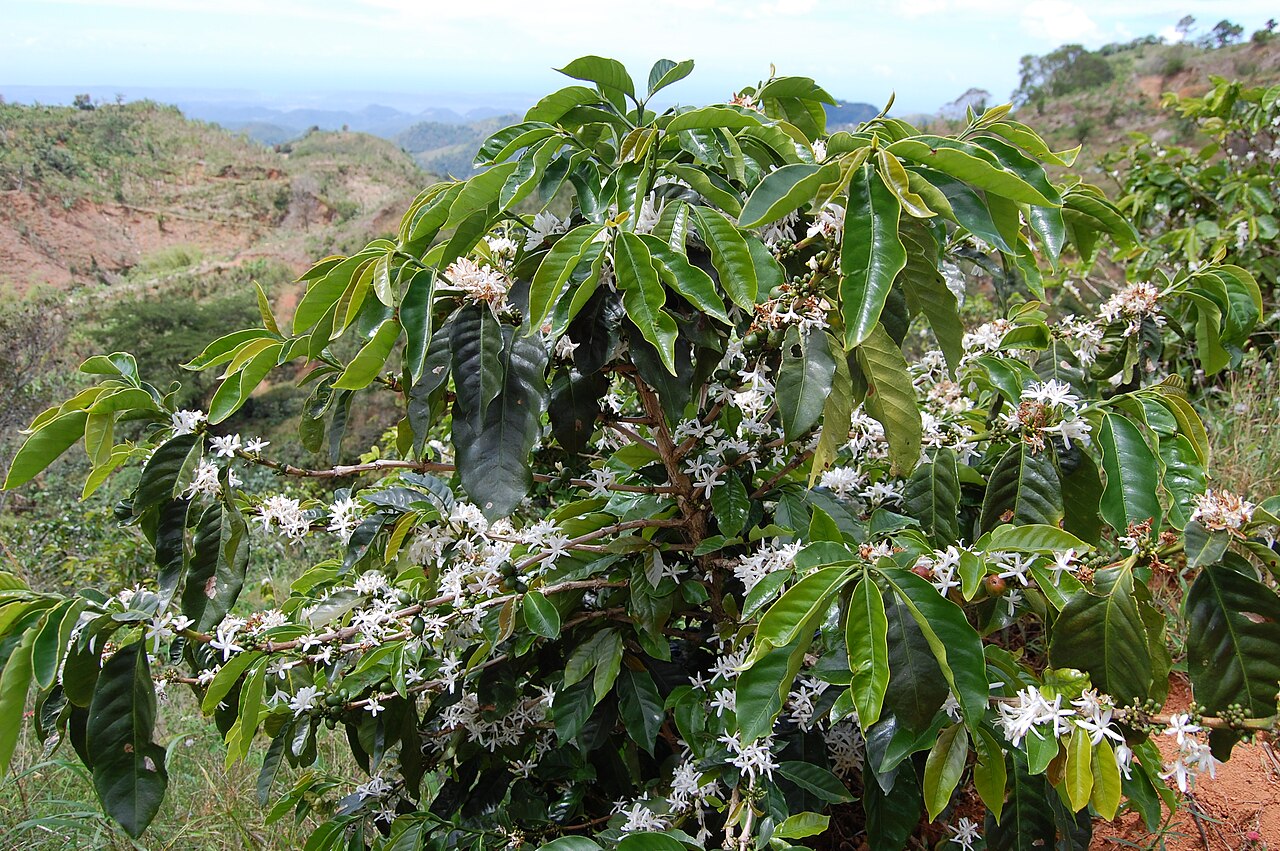
How Coffee Reached Puerto Rico in 1736
Summary
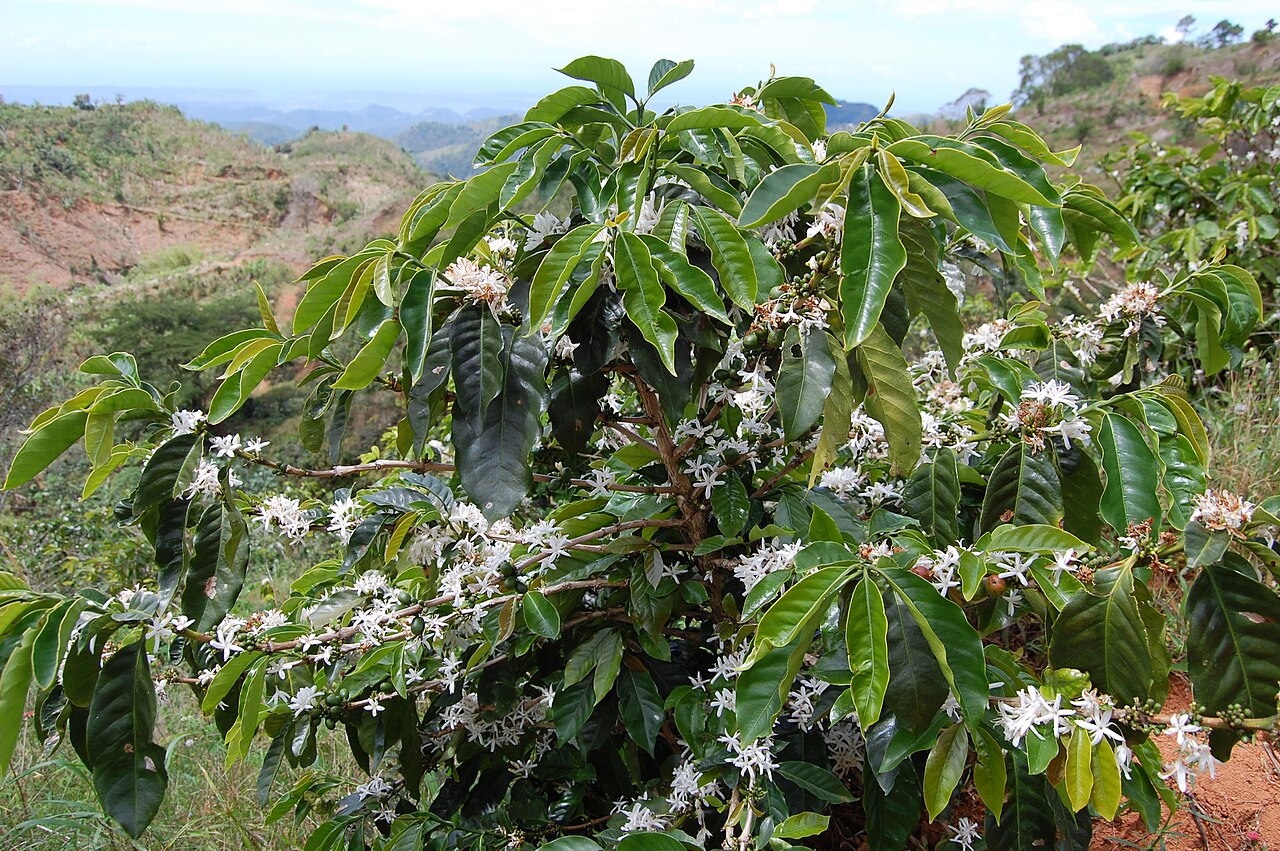
Coffee arrived in Puerto Rico in 1736, brought by Martinique colonists seeking new plantation opportunities in Spanish Caribbean territories. The island's mountainous interior, volcanic soil, and tropical climate proved ideal for coffee cultivation, leading to the establishment of the first haciendas in the central highlands within a decade of arrival. This moment began Puerto Rico's transformation from a sugar-focused colony into one of the Caribbean's most distinctive coffee-producing regions — a heritage that continues in every bean grown on Boricua soil today.
The Historical Moment: 1736
Watch: El Motor: Coffee and the Heart of Puerto Rico — Library of Congress Documentary
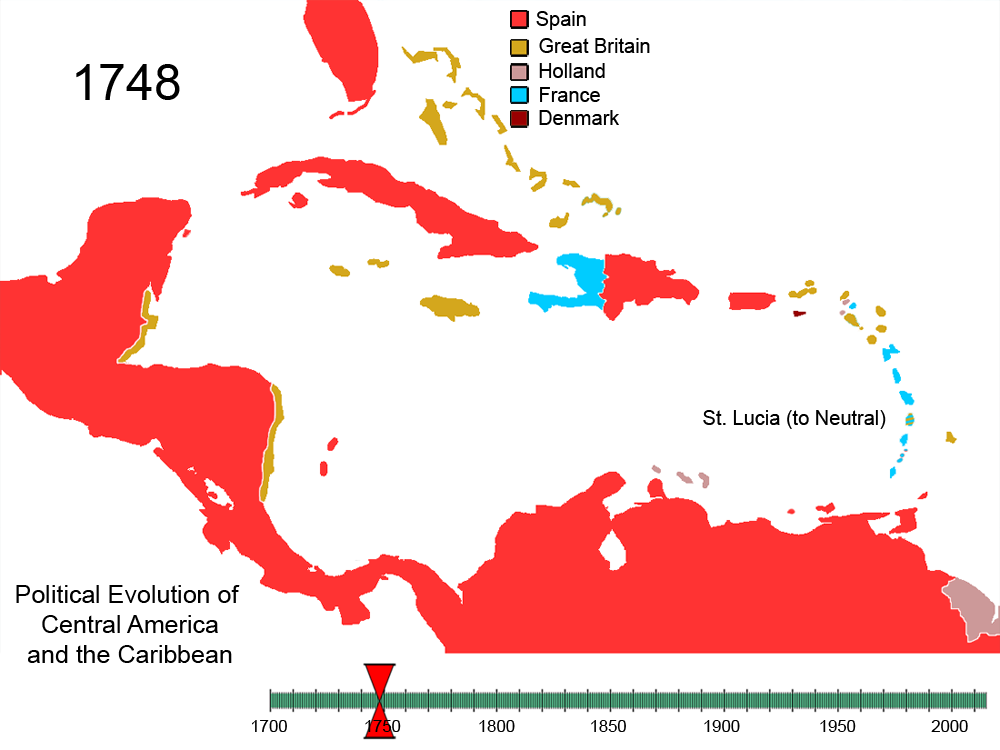
Spain controlled Puerto Rico in 1736 but had focused the island's economy on sugar, ginger, and cattle for two centuries. Coffee was a latecomer to Spanish Caribbean agriculture, arriving roughly thirteen years after Gabriel de Clieu planted the first French Caribbean coffee tree in Martinique.
The exact mechanism of coffee's arrival in Puerto Rico is debated among historians. The most widely accepted account traces it to French settlers migrating from Martinique and nearby Saint-Domingue (modern Haiti), who brought coffee seedlings along with their farming knowledge. Puerto Rican colonial records from the 1730s reference "café" (coffee) as a new crop being trialed in the mountainous interior of the island — a region that had previously been considered too rugged for productive agriculture.

Why Puerto Rico's Mountains Proved Ideal
Puerto Rico's central Cordillera Central mountain range reaches elevations over 1,300 meters. These highlands turned out to match coffee's biological needs almost exactly: elevation between 600-1,200 meters, consistent temperatures of 18-24°C, volcanic soil rich in minerals, and reliable rainfall followed by a dry season for cherry ripening.
Spanish settlers had largely ignored the interior mountains because they were difficult to farm with traditional sugar cane methods. Coffee changed this calculation. Suddenly, the rugged slopes that had been agricultural wasteland became the most valuable land on the island. Within a generation, mountain towns like Yauco, Adjuntas, Lares, Jayuya, and Maricao would become synonymous with Puerto Rican coffee excellence.
The First Haciendas
The earliest documented coffee haciendas in Puerto Rico appeared in the 1740s and 1750s, concentrated in the southwestern mountains. These operations were small compared to later 19th-century estates — typically family-run farms with 500 to 2,000 coffee trees, often mixed with other subsistence crops like plantains, beans, and root vegetables.
Colonial records show early haciendas in the regions around modern Yauco, San Germán, and Ponce. By the 1760s, coffee was being exported in small quantities through the port of Ponce to Spain and other Spanish territories, though sugar still dominated the island's export economy.
The Labor Foundation
Coffee cultivation in 18th-century Puerto Rico relied on a complex labor system. The indigenous Taíno population had been devastated by Spanish colonization, but Taíno descendants and mestizo communities continued to live in the mountains and became involved in coffee work. Enslaved Africans, brought to Puerto Rico under Spanish colonial slave trade, provided significant labor for the growing hacienda system.
This dependence on forced and coerced labor shaped Puerto Rican coffee for over a century. The eventual abolition of slavery in Puerto Rico in 1873 — decades after emancipation in much of the rest of the Caribbean — would transform the industry's labor structure and contribute to the rise of the jíbaro independent farmer tradition that remains central to Puerto Rico's coffee identity.
Spanish Colonial Trade Restrictions
Spain imposed mercantilist policies that required all Puerto Rican exports to go through Spanish ports, limiting coffee's early commercial potential. This slowed the industry's growth compared to French-controlled Caribbean islands like Martinique and Saint-Domingue, where more flexible trade policies allowed coffee to dominate economies within decades.
Puerto Rico's coffee industry grew slowly through the 1700s but accelerated dramatically in the 1800s after trade reforms, eventually reaching its golden age in the late 19th century, when Puerto Rican coffee commanded premium prices in European markets. The island's documented trade with the Vatican came later, in the 1950s and 1960s; the evidence for the royal and papal story is examined separately.
The Genetic Heritage Established in 1736
The coffee plants brought to Puerto Rico in 1736 were Typica variety — descendants of the same lineage Gabriel de Clieu planted in Martinique, which itself traced back to Dutch plantations in Java and ultimately to Yemeni seed stock. This meant Puerto Rican coffee entered the world with deep genetic roots reaching to Ethiopia's original highland forests.
Over the following centuries, Puerto Rico would develop or adopt additional varieties — Bourbon, Caturra, Pacas, Limaní, and others — but Typica remained central to the island's coffee identity and flavor profile for over 250 years.
Why This Moment Matters
The 1736 arrival of coffee in Puerto Rico set in motion everything that followed: the golden age of the 1800s, the Hurricane San Ciriaco devastation of 1899, the hurricane recovery, the 20th-century decline, the Hurricane María blow of 2017, and the current renaissance of specialty Puerto Rican coffee. Every modern Puerto Rican coffee farmer, every specialty roaster, and every café con leche prepared on the island traces its origins to that single moment when French-Caribbean colonists carried their Typica seedlings to Spanish Puerto Rico.
Key Facts
- Year coffee arrived in Puerto Rico: 1736
- Brought by: French settlers migrating from Martinique and nearby islands
- First variety planted: Typica
- First regions of cultivation: Southwestern mountains (Yauco, San Germán, Ponce areas)
- Initial significance: Secondary crop behind sugar
- Full commercial development: Accelerated in the 19th century
Frequently Asked Questions
Q: Who brought coffee to Puerto Rico? French colonists migrating from Martinique and Saint-Domingue are credited with bringing coffee plants and cultivation knowledge to Puerto Rico around 1736.
Q: Where was coffee first grown in Puerto Rico? The earliest documented coffee farms appeared in the southwestern mountains around Yauco, San Germán, and Ponce in the mid-1700s.
Q: Why did coffee succeed in Puerto Rico? The island's mountainous interior — with elevations of 600-1,200 meters, volcanic soil, and balanced tropical climate — happens to match coffee's biological needs almost perfectly.
Q: Was Puerto Rico's coffee important in colonial times? Sugar remained Puerto Rico's main export throughout the 1700s. Coffee grew steadily as a secondary crop and only became a dominant export crop in the 19th century after Spanish trade reforms.
Q: What variety was first planted in Puerto Rico? Typica, the same Arabica variety that Gabriel de Clieu had planted in Martinique thirteen years earlier, which traces genetic lineage back through Dutch Java plantations to Ethiopian origins.
BUY AUTHENTIC PUERTO RICO COFFEE →
Part of The Coffee Encyclopedia — Sponsored by PuertoRicoCoffeeShop.com.