
The Sufi Monks and Coffee's Spiritual Journey
Summary
Before coffee became the world's favorite morning drink, it was a sacred tool used by Sufi Muslim mystics in Yemen to stay alert during their all-night prayers and spiritual practices. In the 15th century, Sufi monks discovered that coffee allowed them to maintain focus during lengthy devotional rituals, and they became coffee's first systematic consumers and cultivators. The Sufi embrace of coffee transformed it from a wild Ethiopian fruit into a cultivated global beverage — a spiritual revolution that shaped coffee's destiny forever.
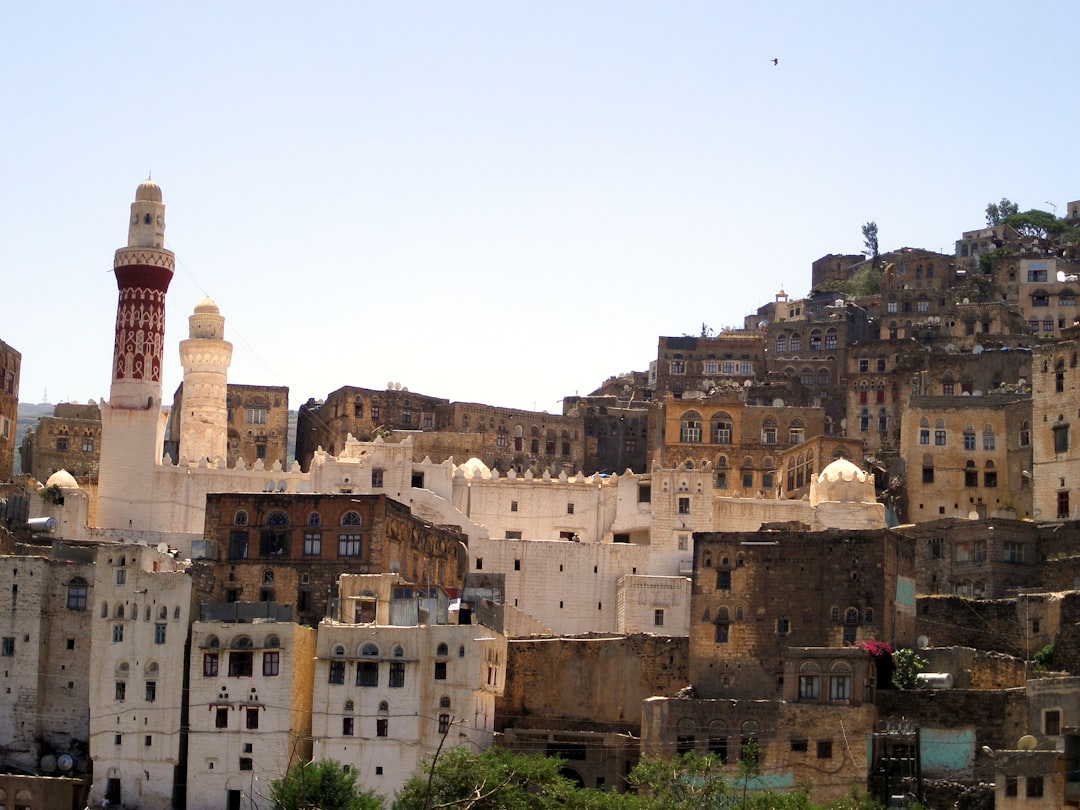
Table of Contents
- Who Were the Sufis?
- The Spiritual Problem Coffee Solved
- Coffee Arrives in Yemen
- The Sufi Coffee Ritual
- From Monastery to Marketplace
- The First Coffeehouses
- Religious Controversy Over Coffee
- How the Sufis Changed Coffee Forever
- Legacy in Modern Coffee Culture
- Frequently Asked Questions
Who Were the Sufis?
The Sufis are mystics within the Islamic tradition — practitioners of a spiritual path that emphasizes direct personal experience of the divine. While mainstream Islam focuses on religious law and theological scholarship, Sufism focuses on the inner transformation of the soul through meditation, chanting, music, dance, and ecstatic devotion.
Sufi orders, called "tariqas," developed across the Muslim world starting in the 8th and 9th centuries. By the 15th century, Sufi brotherhoods were a central feature of Islamic religious life in Yemen, Egypt, Turkey, and throughout North Africa and the Middle East. Members often lived in monasteries or gathered regularly in special meeting places called "tekkes" or "zawiyas."
Sufi practice included long nights of prayer, chanting the names of God, performing spiritual exercises, and seeking states of religious ecstasy. These practices required stamina. A Sufi who fell asleep during devotion missed the spiritual rewards of the practice.
The Spiritual Problem Coffee Solved
The Sufi path demanded physical endurance. Nighttime prayers could last until dawn. Multi-day spiritual retreats required constant alertness. Fasting and sleep deprivation were common, pushing practitioners to the edge of exhaustion.
For centuries, Sufis used various methods to stay awake: cold water, rhythmic movement, strong mint tea, and simple willpower. None of these worked particularly well. A tired body finds sleep no matter how deeply the mind wishes to stay alert.
Then came coffee.
When Sufi masters in Yemen first encountered coffee in the 15th century, they recognized it immediately as a divine gift. Here was a substance that did not dull the mind or cloud the spirit — it sharpened both. Unlike alcohol, which Islam forbids, coffee energized the body without intoxicating it. Unlike tea, coffee's effect was powerful enough to sustain practitioners through the longest devotional nights.
Coffee was, in Sufi understanding, a tool given by God specifically to aid spiritual practice.

Coffee Arrives in Yemen
Watch: The History of Coffee From Yemen to the World — featuring Mokhtar Alkhanshali
The story of coffee's arrival in Yemen is connected to the Sufis themselves. One important account involves a Yemeni Sufi master named Ali ibn Umar al-Shadhili, who lived in the 15th century. He is said to have encountered coffee during his travels in Ethiopia and brought knowledge of the plant back to Yemen.
Another account credits a Sufi named Muhammad al-Dhabhani, also of Yemen, with introducing coffee to his spiritual community after learning of its properties during a journey abroad.
Regardless of exactly who introduced it, the early history of coffee in the Arabian Peninsula is inseparable from Sufi networks. Sufi brotherhoods had connections across trade routes that stretched from Ethiopia through Yemen to Egypt and beyond. These networks moved not only religious ideas but also plants, foods, and customs.
By the late 1400s, coffee was firmly established in Yemen, cultivated on terraced mountain slopes that look remarkably similar to the Ethiopian highlands where the plant originally grew.
The Sufi Coffee Ritual
For Sufis, drinking coffee was not a casual act but a ritual. The practice was formalized with specific procedures that combined physical preparation with spiritual intention.
Before the nighttime prayers began, coffee was prepared in a large communal pot. The beans were roasted, ground, and brewed while the Sufis recited verses and prayers. The ritual of preparation itself was part of the devotion.
When the coffee was ready, it was poured into small cups and passed around the circle of practitioners. Each Sufi would drink in turn, reciting a specific prayer or name of God before each sip.
After drinking, the Sufis would begin their devotional practices: long chants called "dhikr" (remembrance of God), rhythmic breathing, sacred dance, and meditation. The coffee sustained them through hours of intense practice.
This ritual use of coffee continued for generations. It remains part of some Sufi practices to this day.

From Monastery to Marketplace
Coffee could not stay contained within Sufi monasteries. The practitioners had families, friends, and fellow townspeople who noticed how alert and energized the Sufis seemed after their nighttime gatherings.
By the early 1500s, coffee had moved from the monastery to the marketplace. Ordinary Yemenis were drinking it, not for spiritual practice but for pleasure and energy. Merchants saw an opportunity. Coffee farms expanded in Yemen to meet growing demand.
The Sufi role as the gateway through which coffee entered broader society is crucial. The religious respectability of coffee — its association with devout practice — gave it cultural legitimacy.
The First Coffeehouses
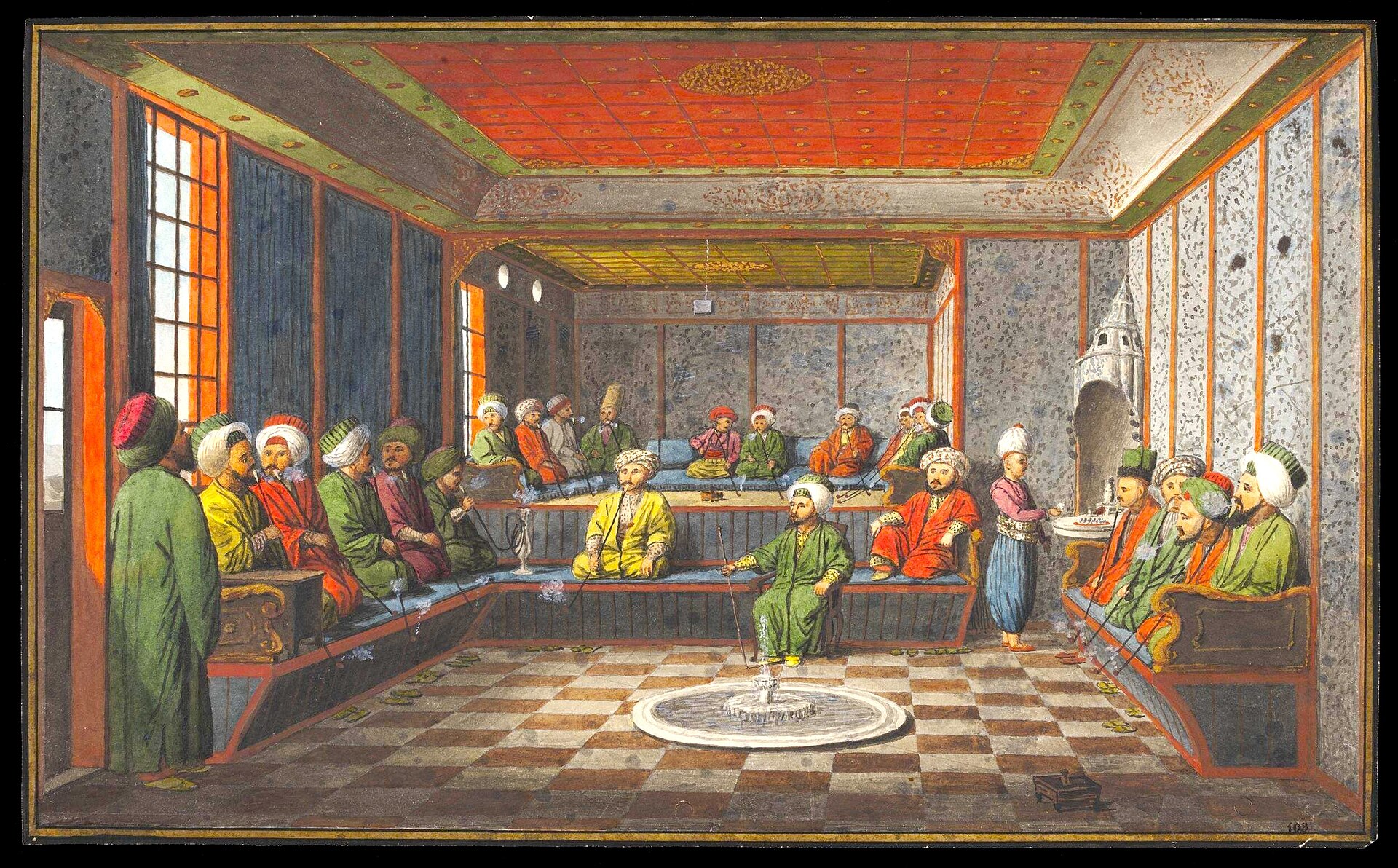
As coffee spread through the general Yemeni population, something new emerged: the coffeehouse. The first coffeehouses appeared in Mecca and Medina in the early 1500s, then spread to Cairo, Damascus, and Istanbul.
These coffeehouses were revolutionary social spaces. They were places where men gathered not to drink alcohol (forbidden in Islam) but to drink coffee, talk politics, play games, listen to music, and discuss literature. They became centers of intellectual life.
This model of the coffeehouse as a public intellectual space later traveled to Europe along with coffee itself, where it would play a role in the Enlightenment, the rise of the newspaper, and even political revolutions.
Religious Controversy Over Coffee
Not everyone welcomed coffee's rise. As it spread through Islamic society, some religious authorities began to question whether coffee was permissible under Islamic law.
In 1511, the governor of Mecca, Khair Beg, attempted to ban coffee. He claimed it stimulated radical thinking and immoral behavior in coffeehouses. The ban caused uproar.
The controversy reached the Ottoman Sultan Suleiman the Magnificent, who ruled that coffee was permissible. A similar controversy erupted in the late 1500s among Christian authorities in Europe. When coffee first arrived in Italy, some clergy wanted Pope Clement VIII to ban it as a "Muslim drink." According to legend, the Pope tasted coffee himself, loved it, and joked that it should be baptized and made Christian — thus approving it for all Catholic Europe.
How the Sufis Changed Coffee Forever
The Sufi adoption of coffee had consequences that extended far beyond spirituality. By taking a wild Ethiopian fruit and turning it into a cultivated, ritualized drink, the Sufis essentially invented coffee as we know it.
They established the cultivation of coffee in Yemen, creating the first systematic coffee agriculture outside Ethiopia. They pioneered roasting and grinding techniques that became the foundation of coffee preparation worldwide. They created the social context — the coffeehouse — that would define coffee culture for centuries.
Most importantly, they gave coffee spiritual legitimacy.
Legacy in Modern Coffee Culture
Today, most coffee drinkers have no idea they owe a debt to medieval Sufi mystics. Yet every time we drink coffee together — sitting in a café, meeting a friend for an espresso, gathering family around the dinner table after a meal — we are participating in a social tradition that the Sufis essentially created.
In Puerto Rico, the tradition of drinking coffee together has deep cultural roots. Sobremesa — the Puerto Rican practice of sitting around the table after a meal, talking, connecting, drinking coffee — is in its own way a descendant of the Sufi coffee circle.
Frequently Asked Questions
Q: Did Sufis really drink coffee as part of religious practice? Yes. Historical records from the 15th and 16th centuries document that Sufi brotherhoods in Yemen used coffee extensively to stay alert during long nighttime prayer sessions.
Q: Why did the Sufis need coffee? Sufi spiritual practices often lasted through the night. Coffee helped practitioners stay awake and focused during these demanding devotional sessions.
Q: Who brought coffee from Ethiopia to Yemen? Several Sufi figures are credited, including Ali ibn Umar al-Shadhili in the 15th century.
Q: What's the connection between Sufis and modern coffeehouses? The first public coffeehouses appeared in the Islamic world in the early 1500s, emerging from the tradition of Sufi monastery coffee gatherings.
Q: Was coffee ever banned by Islamic authorities? Yes, most famously in Mecca in 1511. The bans never succeeded long-term.
Q: Do Sufis still drink coffee today? Yes. Many Sufi communities continue to include coffee in their gatherings and spiritual practices.
Q: Can I experience this kind of mindful coffee tradition today? Yes. Drinking authentic coffee slowly, attentively, in good company echoes the Sufi tradition. Fresh Puerto Rico coffee from PuertoRicoCoffeeShop.com is perfect for this kind of contemplative coffee experience.
Drink Coffee with Intention
The Sufis understood that coffee is more than a beverage — it is a ritual, a focus tool, a way of being present. Authentic Puerto Rico coffee, grown with care in the mountains and roasted fresh, honors that ancient tradition.
BUY AUTHENTIC PUERTO RICO COFFEE →
Related Articles
- The Legend of Kaldi the Goat Herder
- Ethiopia: The Birthplace of Coffee
- Yemen and the Port of Mocha
- Coffee's Spread to the Ottoman Empire
Part of The Coffee Encyclopedia — The World's Largest Free Coffee Reference. Proudly sponsored by PuertoRicoCoffeeShop.com — Authentic Puerto Rico Coffee.