
Coffee Processing: Washed, Natural, and Honey Methods Explained
Summary
Coffee processing is the critical series of steps that transforms ripe coffee cherries into the green coffee beans shipped to roasters worldwide. The processing method fundamentally shapes how the final cup will taste — a single coffee variety can produce dramatically different flavors depending on whether it's processed using washed, natural, honey, or experimental methods. Understanding processing reveals why coffees from the same farm can taste entirely different, why certain regions prefer certain methods, and why specialty coffee increasingly features processing as a key quality variable alongside variety and terroir.
Why Processing Matters
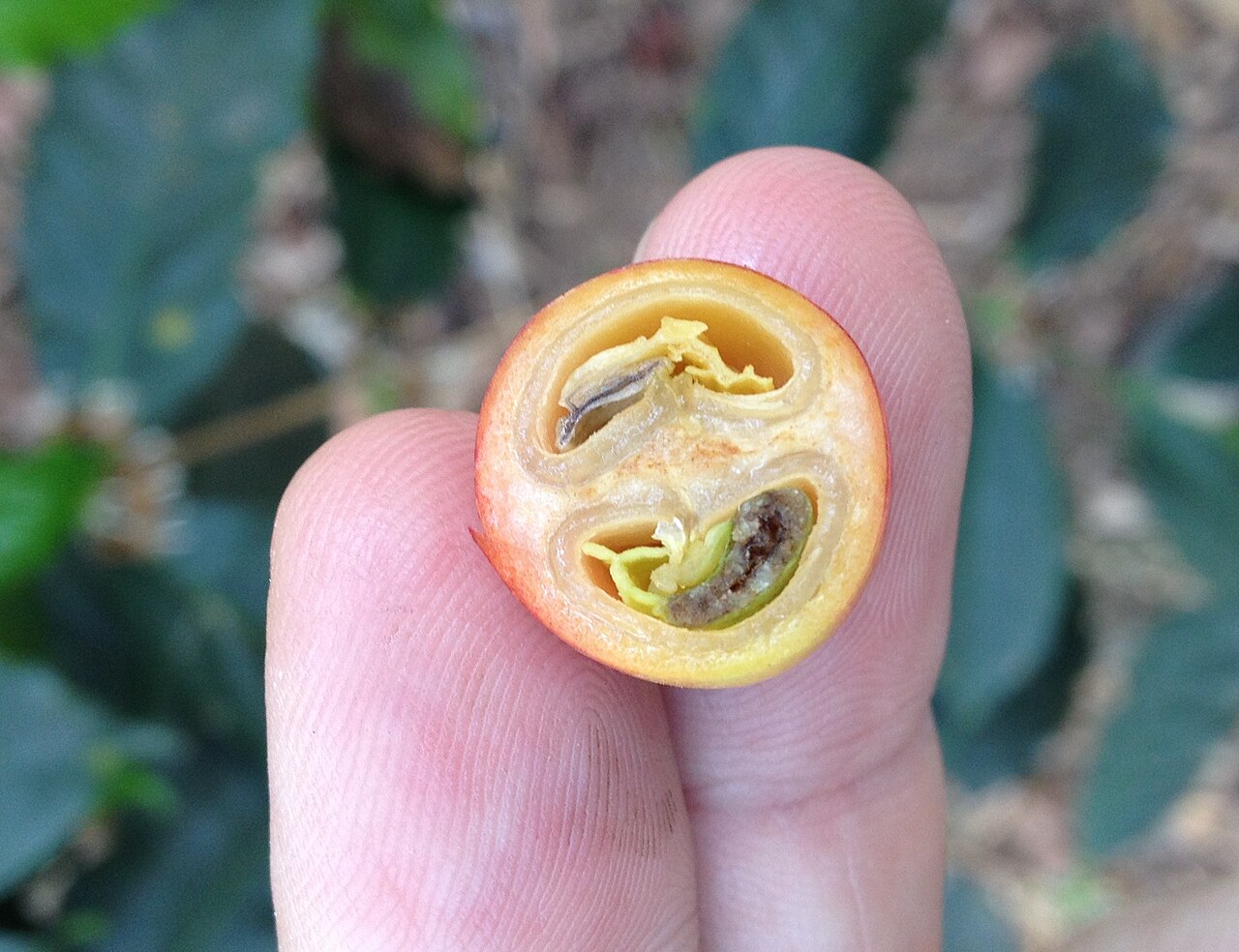
Inside a ripe coffee cherry, you'll find:
Outer skin: The bright red (or yellow, orange, pink) exterior
Mucilage layer: A sticky, sweet, fleshy pulp surrounding the seed — similar to stone fruit flesh
Parchment: A tan paper-like layer protecting the seed
Silverskin: A thin silvery membrane closely adhering to the seed
The seeds (coffee beans): Usually two per cherry, positioned flat-side to flat-side
Processing separates the coffee beans from everything else. But how that separation happens — whether mucilage contacts the bean during drying, how long fermentation occurs, how drying proceeds — dramatically changes the final coffee's flavor character.
The same coffee cherries from the same tree on the same day can produce:
- Bright, clean, tea-like coffee (if washed)
- Sweet, fruity, wine-like coffee (if processed as natural)
- Balanced, complex coffee (if processed as honey)
- Extraordinary or bizarre flavors (through experimental fermentation)
Processing is therefore one of the three major flavor determinants alongside origin (terroir) and variety.
Washed (Wet) Processing
Washed processing is the most common method globally and produces the cleanest, brightest coffee cup profiles.
The Process
Step 1 — Sorting and pulping: Ripe cherries are sorted (unripe or overripe cherries removed). The skin and most mucilage are mechanically removed using a pulping machine, which crushes the cherry and separates the beans from the outer skin.
Step 2 — Fermentation: The beans, still coated with some mucilage, are placed in fermentation tanks filled with water for 12-48 hours. During this time, natural enzymes and microorganisms break down the remaining mucilage.
Step 3 — Washing: After fermentation, beans are washed in clean water channels, removing all remaining mucilage. The beans emerge clean.
Step 4 — Drying: Washed beans are dried on patios, raised beds, or in mechanical dryers until moisture content drops to 10-12%. Drying typically takes 5-15 days depending on conditions.
Step 5 — Hulling: After adequate drying and resting, the parchment layer is mechanically removed, producing green coffee beans ready for grading, bagging, and export.
Characteristics
Cup profile:
- Clean and clear flavor
- Bright acidity
- Pronounced origin character
- Tea-like qualities in light roasts
- Well-defined flavor notes
Best for:
- High-quality arabica varieties
- Regions with adequate clean water
- Coffees intended for specialty markets where clean flavors matter
Major regions using washed method:
- Central America (Guatemala, Costa Rica, Honduras)
- Colombia
- Kenya (with slight variation called "Kenyan double washed")
- Tanzania
- Rwanda and Burundi
- Puerto Rico
- Ethiopia (wet-processed Sidamo, Yirgacheffe)
Considerations
Environmental impact:
- Requires substantial clean water (though modern closed-loop systems reduce usage)
- Produces wastewater that requires treatment
- Energy requirements for pumps and equipment
Risk factors:
- Sensitive to weather during drying
- Fermentation errors can damage entire lots
- Equipment investment required
Natural (Dry) Processing
Natural processing is the oldest method, used for centuries in Ethiopia where coffee originated. It produces distinctly different cup profiles.
The Process
Step 1 — Sorting: Ripe cherries are sorted. Defective cherries removed.
Step 2 — Drying: Whole cherries — skin, pulp, mucilage, parchment, and beans together — are spread on patios or raised beds to dry in the sun. Drying continues for 3-6 weeks, with workers turning cherries multiple times daily to prevent mold and ensure even drying.
Step 3 — Storage (rest): Dried cherries rest for several weeks to stabilize moisture and develop flavor.
Step 4 — Hulling: All outer layers (now dried hard) are mechanically removed in one step, revealing the green beans.
Characteristics
Cup profile:
- Heavy body
- Pronounced sweetness
- Fruit-forward flavors (berry, stone fruit, tropical fruit)
- Winey, fermented notes
- Less acidity than washed
- More complex, less clean
Best for:
- Regions with limited water
- Dry climates suitable for extended sun drying
- Coffees where fruit character is desired
Major regions using natural method:
- Ethiopia (traditional method, especially for high-grade naturals)
- Yemen
- Brazil (substantial portion of production)
- Some specialty production in Indonesia, Central America, and elsewhere
Considerations
Environmental advantages:
- Minimal water usage
- Lower energy requirements
- Suitable for water-scarce regions
Risk factors:
- Requires consistent dry weather during extended drying
- Vulnerable to mold if rain occurs during drying
- Labor-intensive requires constant turning
- Uneven fermentation can produce off-flavors
Quality variation:
- Can produce extraordinary coffee when done well
- Can produce defective coffee when done poorly
- Larger quality range than washed processing
Honey Processing
Honey processing (also called pulped natural or semi-washed) is a middle approach between washed and natural, producing coffees that balance clean character with sweetness.
The Process
Step 1 — Sorting: Ripe cherries sorted as in other methods.
Step 2 — Pulping: Skin removed using pulping machine (similar to washed method).
Step 3 — Controlled mucilage retention: Unlike washed processing, mucilage is NOT completely removed. Varying amounts of sticky mucilage remain on the beans going into drying. The amount of retained mucilage determines the "color" of honey:
White honey: Minimal mucilage retention (~20-30%). Cup approaches washed character but with additional sweetness.
Yellow honey: Light mucilage retention (~40%). Balanced between washed and natural characteristics.
Red honey: Moderate mucilage retention (~75%). More body and sweetness, still clear flavors.
Black honey: Maximum mucilage retention (~90%+). Approaches natural processing character.
Step 4 — Drying: Beans with adhering mucilage dry on patios or raised beds for 2-4 weeks. The mucilage dries hard onto the beans (creating the "honey" appearance), contributing flavor characteristics.
Step 5 — Hulling: Parchment and dried mucilage removed mechanically.
Characteristics
Cup profile varies by honey color:
- White honey: Clean flavor with mild sweetness
- Yellow honey: Balanced acidity and sweetness
- Red honey: Heavier body, more pronounced sweetness
- Black honey: Close to natural character with wine notes
Best for:
- Costa Rica (where honey processing was substantially developed)
- Specialty producers seeking balanced flavor profiles
- Coffees targeting specialty markets interested in processing variations
Major regions using honey method:
- Costa Rica (most commonly associated with honey processing)
- El Salvador and other Central American countries
- Panama
- Nicaragua
- Some Colombian and Ethiopian specialty producers
Considerations
Environmental middle ground:
- Uses less water than washed
- Requires less drying time than natural
- Generates less wastewater than washed
Risk factors:
- Requires skilled technique to achieve consistent results
- Vulnerable to mold if drying conditions inadequate
- Harder to standardize than washed or natural

Experimental and Specialty Processing
Beyond the three main methods, specialty coffee culture has embraced experimental processing approaches:
Anaerobic Fermentation
Fermentation without oxygen, either in sealed tanks or specialized equipment. Produces distinctive flavor compounds not possible in aerobic fermentation. Can produce remarkable cups — or odd ones. Popular among experimental producers.
Carbonic Maceration
Whole cherries fermented in CO2-rich environment before pulping. Technique borrowed from wine making. Produces intense fruit and winey notes.
Yeast Inoculation
Specific yeast strains introduced during fermentation to direct flavor development. Increasingly common in specialty coffee.
Extended Fermentation
Fermentation for 72+ hours in controlled conditions. Produces intense complex flavors.
Double Processing
Some operations run coffee through multiple processing steps (natural then washed, or other combinations) to develop specific characteristics.
Barrel-Aged Coffee
Green coffee aged in barrels (wine, whiskey, rum) to absorb flavor compounds. Controversial among purists but produces distinctive cups.
These experimental methods often produce coffees at premium price points for specialty markets interested in novel flavor experiences. Quality varies dramatically — some experiments produce exceptional coffees, others produce defective coffees that specialty markets would otherwise reject.
Processing and Variety Interaction
Different coffee varieties respond differently to different processing methods:
Varieties suited to washed processing:
- Typica (classic profile emerges with washed)
- SL28 and SL34 (Kenyan washed coffees exemplify the combination)
- Caturra (clean washed coffees from Central America)
- Colombia varieties (washed produces bright Colombian character)
Varieties suited to natural processing:
- Ethiopian heirloom varieties (natural is traditional there)
- Gesha (natural Gesha can be spectacular though washed Gesha dominates the record-setting auctions)
- Some Brazilian cultivars (naturally suited to natural method)
Varieties suited to honey processing:
- Bourbon (honey-processed Bourbon can be particularly balanced)
- Caturra and Catuaí (Central American honey coffees are established specialty categories)
- Villa Sarchí (Costa Rican variety often honey-processed)
Experienced coffee producers match varieties to processing methods based on desired cup outcomes. A single farm might produce the same variety using multiple processing methods to offer distinct coffees to different markets.
Processing in Puerto Rico
Puerto Rico traditionally uses primarily washed processing, which suits the island's climate and aligns with Caribbean coffee heritage:
Climate compatibility: Puerto Rico's climate — warm with regular rainfall — supports washed processing. Extended sun drying for natural processing is more challenging in Puerto Rico's typical weather patterns.
Infrastructure: Established washed processing infrastructure from the golden age continues operating on many Puerto Rican farms.
Heritage preference: Puerto Rican coffee's historical flavor profile — clean, balanced, chocolate-caramel notes — emerges naturally from washed processing.
Experimental emergence: Modern Puerto Rican specialty farms have begun experimenting with honey processing and even some natural processing lots. These experimental coffees represent small volumes but showcase the island's coffee flexibility.
Export markets: Puerto Rican washed coffees align with traditional Caribbean and Central American specialty coffee market expectations, facilitating premium pricing.
For consumers, authentic Puerto Rican coffee — primarily washed processed — delivers the clean, balanced cup character that built the island's historic reputation. PuertoRicoCoffeeShop.com offers this authentic Puerto Rican coffee experience through quality-focused washed processing traditions.
Environmental Considerations
Coffee processing has environmental impacts that vary by method:
Water consumption:
- Washed: 2,000-4,000 liters per ton of coffee (though modern systems reduce this dramatically)
- Natural: Minimal water beyond initial cleaning
- Honey: 500-1,500 liters per ton (intermediate)
Wastewater:
- Washed: Significant wastewater requiring treatment
- Natural: Minimal wastewater
- Honey: Moderate wastewater
Climate/drying:
- Natural: Requires dry climate for extended drying (3-6 weeks)
- Washed: More flexible climate requirements
- Honey: Moderate climate requirements
Energy requirements:
- Mechanical drying equipment uses energy
- Sun drying is essentially zero-energy but weather-dependent
- Pumps and pulpers require electricity
Modern innovations:
- Closed-loop water systems recycling washing water
- Solar drying infrastructure
- Mechanical demucilage machines reducing fermentation water use
- Energy-efficient mechanical dryers
Environmental impact increasingly matters in specialty coffee markets. Many buyers pay premiums for sustainably processed coffees with documented reduced environmental impact.
Quality Grading After Processing
After processing, coffee is graded by multiple criteria before export:
Bean size: Typically measured in screen sizes (18, 17, 16, 15, 14, etc.)
Bean density: Denser beans from higher altitudes command premium prices
Defect count: Maximum allowed defects per sample establishes grade
Cup quality: Sensory evaluation determines specialty grade eligibility
Processing consistency: Uniform appearance indicates careful processing
Moisture content: Target 10-12% for stable storage and shipping
Color: Consistent green-blue or green-yellow indicating proper processing
Specialty coffee (Specialty Coffee Association definition: 80+ points on cupping scale) commands premium prices. Below-specialty grade coffee enters commodity markets at much lower prices.
Key Facts
- Three main processing methods: Washed, natural, honey
- Washed processing: Uses water to remove mucilage through fermentation
- Natural processing: Whole cherries dry with mucilage intact
- Honey processing: Partial mucilage retained during drying
- Honey subcategories: White, yellow, red, black (by mucilage amount)
- Drying time: 5-15 days (washed), 3-6 weeks (natural), 2-4 weeks (honey)
- Traditional regions for washed: Colombia, Central America, East Africa, Puerto Rico
- Traditional regions for natural: Ethiopia, Yemen, Brazil
- Traditional regions for honey: Costa Rica, Central America
- Experimental methods: Anaerobic fermentation, carbonic maceration, yeast inoculation, barrel aging
Frequently Asked Questions
Q: What's the difference between washed and natural coffee? Washed processing removes mucilage (the sticky fruit layer) before drying, producing cleaner, brighter, more acidic coffee. Natural processing dries whole cherries with mucilage intact, producing fruitier, heavier-bodied, more winey coffee. Same variety, very different taste profiles.
Q: What is honey processed coffee? Honey processing is a middle approach between washed and natural — skin removed like washed, but varying amounts of mucilage remain on beans during drying. Produces balanced coffee with sweetness and clarity. Popular in Costa Rica and Central America.
Q: Why is it called "honey" processing? The name doesn't refer to honey as an ingredient. During drying, the retained mucilage dries hard onto the bean, creating a golden, sticky appearance that reminded early producers of honey. The processing was named for this visual characteristic.
Q: Which processing method produces the best coffee? No single method is "best" — each produces different flavor profiles suited to different preferences. Washed processing is standard for most specialty arabica. Natural processing produces dramatic fruit flavors. Honey processing balances both. Experienced coffee drinkers appreciate different methods for different experiences.
Q: Can the same coffee be processed multiple ways? Yes. Many farms process portions of their harvest using different methods to create distinct products. A single variety from a single farm might be available as washed, natural, and honey — three completely different coffee experiences from identical green input.
BUY AUTHENTIC PUERTO RICO COFFEE →
Part of The Coffee Encyclopedia — Sponsored by PuertoRicoCoffeeShop.com.
Watch: Methods of Processing Coffee: Natural, Washed & Honey Explained