Coffee Roasting: The Complete Science Guide
Summary
Coffee roasting is the transformative process that converts green coffee beans into the aromatic, flavorful brown beans we recognize as coffee. Through controlled application of heat over 10-20 minutes, roasting triggers complex chemical reactions that develop hundreds of flavor compounds, release CO2, change bean structure, and establish the roast character that defines every cup of coffee. Understanding roasting means understanding how coffee's potential — locked inside each green bean — becomes the actual experience of brewed coffee. The roaster's craft, perfected over centuries, bridges the farm and the cup.
Green Coffee — The Starting Point
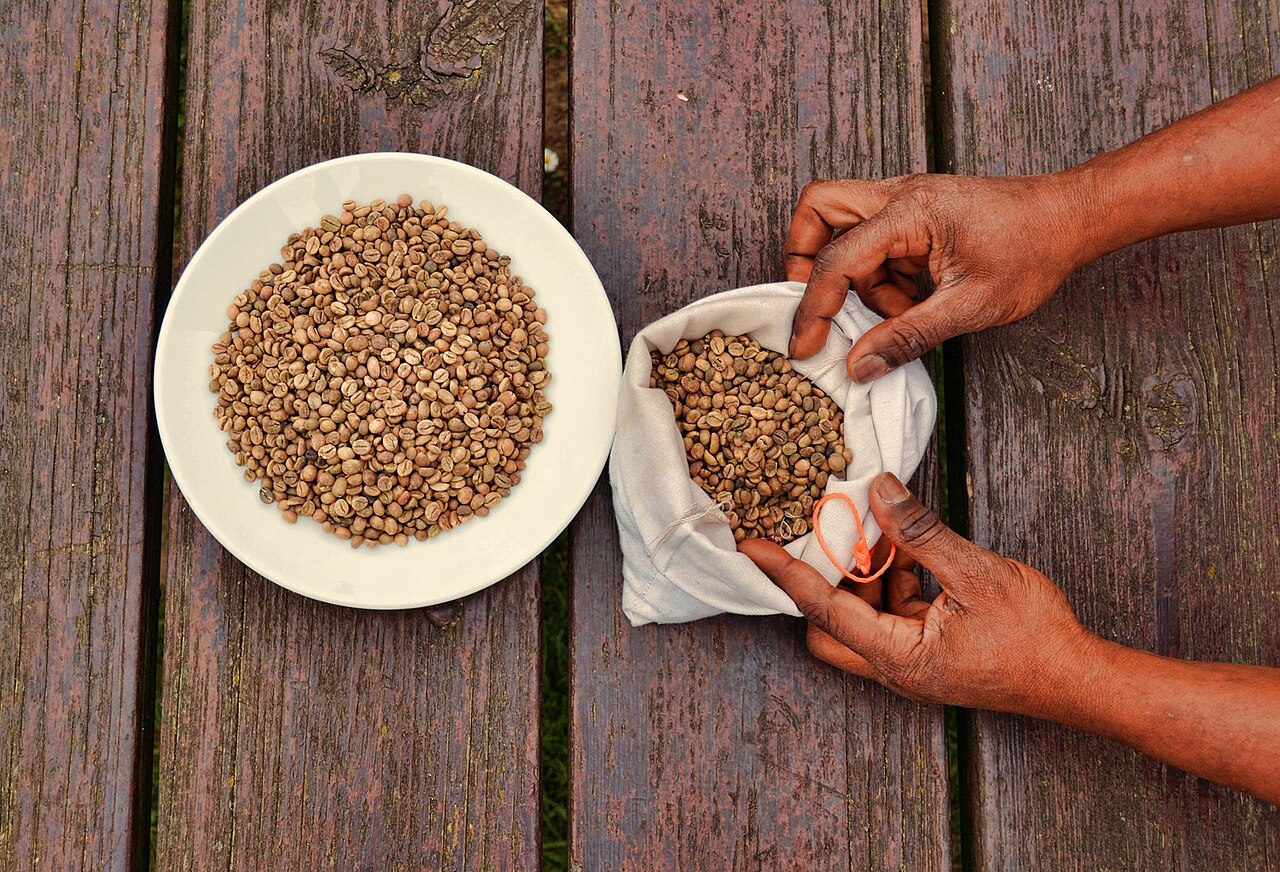
Before roasting, coffee beans exist as green coffee — the dried seeds inside coffee cherries after processing and drying. Green coffee has specific characteristics:
Color: Pale green to greenish-yellow, depending on variety and processing method.
Moisture content: Typically 10-12% after processing and drying.
Structure: Dense, hard, almost stone-like. Cannot be brewed or extracted effectively in green form.
Flavor: Tastes grassy, raw, and essentially unpleasant to most palates.
Chemical composition: Contains all the precursor compounds — sugars, proteins, acids, lipids, chlorogenic acids, caffeine, and water — that will transform during roasting.
Storage: Properly stored green coffee maintains quality for 6-18 months, far longer than roasted coffee.
Green coffee is the global commodity form of coffee. Farmers sell green coffee to buyers, traders ship green coffee internationally, and roasters receive green coffee to transform before sale to consumers.
The Chemistry of Roasting
Roasting triggers multiple simultaneous chemical processes:
Moisture loss: The initial phase of roasting drives off bean moisture. Beans shrink slightly and begin the color transformation.
Maillard reaction: Between approximately 140-165°C (280-330°F), sugars and amino acids react to produce browning and create hundreds of aromatic compounds. This is the same chemistry that browns bread crust, sears steaks, and caramelizes onions. In coffee, the Maillard reaction generates the characteristic brown color and much of coffee's complex flavor.
Caramelization: Between approximately 165-200°C (330-390°F), sugars caramelize further, deepening flavors and color. Sweet, caramel, nutty, and chocolate notes develop.
CO2 generation: Carbon dioxide builds up inside beans as carbohydrates break down. This CO2 pressure causes the distinctive "cracking" sounds during roasting and remains trapped in roasted beans, slowly releasing during storage.
Lipid redistribution: Oils inside the bean migrate and eventually begin appearing on bean surfaces in darker roasts.
Acid development and degradation: Chlorogenic acids break down, producing specific flavor compounds. Other acids form and degrade at different rates.
Pyrolysis: At higher temperatures, beans undergo pyrolysis — chemical decomposition that generates the intense flavors of darker roasts but also destroys delicate origin characteristics.
Bean expansion: As internal gases expand and cellular structure changes, beans physically swell to nearly double their green-state size.
These processes happen continuously and simultaneously throughout roasting, creating the complex chemistry that produces drinkable coffee.
The Stages of Roasting
Watch: Coffee Class: First Crack, Second Crack, and Roasting Development
Professional roasters track specific stages during roasting:
1. Drying phase (0-5 minutes):
- Bean temperature rises from ambient to approximately 150°C (300°F)
- Moisture evaporates rapidly
- Beans turn from green to pale yellow
- No significant flavor development yet
2. Yellowing (5-8 minutes):
- Beans reach golden-yellow color
- Early Maillard reactions begin
- Grassy aromas fade
- Bean temperature reaches approximately 160°C (320°F)
3. First crack (8-12 minutes):
- Bean temperature reaches approximately 196-205°C (385-400°F)
- Internal pressure causes beans to audibly crack and pop
- Beans expand significantly
- Color deepens to cinnamon brown
- Coffee character now recognizable
- This marks minimum viable roast — coffee is technically drinkable from first crack
4. Development time (after first crack):
- The time between first crack and end of roast, where roast profile is shaped
- Bean color continues darkening through medium and darker shades
- Flavor complexity develops with more time
- Origin characteristics intensify then fade
- Oil begins appearing on surface in darker roasts
5. Second crack (16-18 minutes for darker roasts):
- Bean temperature reaches approximately 224-230°C (435-450°F)
- Secondary cracking sound — quieter, faster popping
- Marks transition to darker roasts
- Bean structure continues breaking down
- Surface oil prominent
6. Final degree:
- Roast finishes at desired level
- Beans are rapidly cooled to stop further roasting
- Total roasting time typically 10-20 minutes
Professional roasters manage temperature, airflow, and time to shape the roast curve — the progression of temperature over time — achieving their desired final result.
Roast Levels Explained
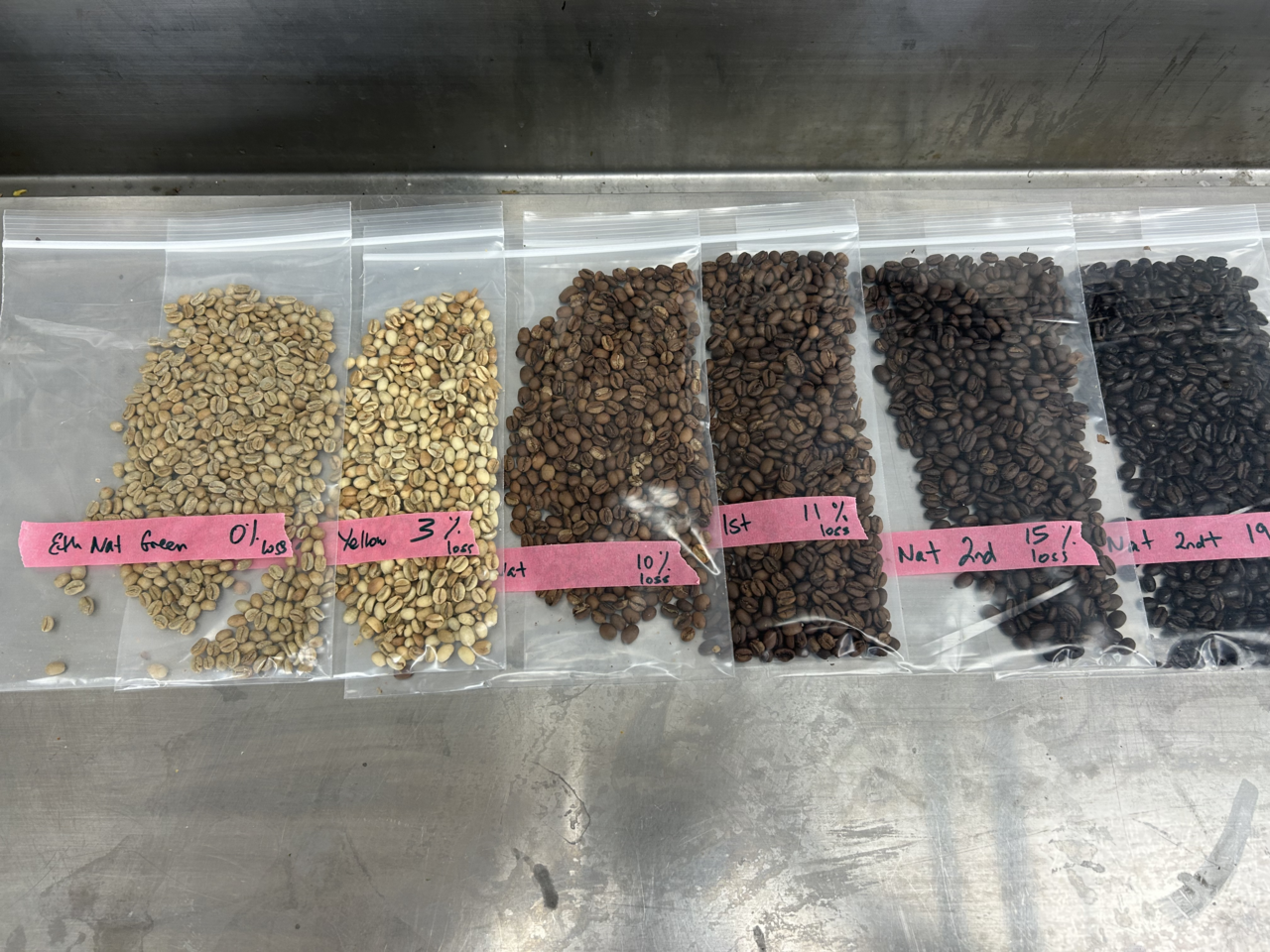
Commercial coffee is categorized by roast level. Terms vary by region but common designations include:
Light roast:
- Also called: Cinnamon, Light City, New England
- Color: Light brown, visible dry surface
- Stops: Shortly after first crack
- Bean temperature: 196-205°C (385-400°F)
- Flavor: Brightest acidity, most origin character, delicate
- Modern specialty coffee preference
- Emphasizes fruit, floral, and complex notes
Medium roast:
- Also called: City, American, Breakfast
- Color: Medium brown, dry surface
- Stops: Well past first crack, before second
- Bean temperature: 210-220°C (410-430°F)
- Flavor: Balanced, developed sweetness, origin character still present but softer
- Traditional American preference
- Good balance of brightness and body
Medium-dark roast:
- Also called: Full City, Vienna, City+
- Color: Rich medium-dark brown, beginning surface oils
- Stops: At or just before second crack
- Bean temperature: 220-226°C (430-440°F)
- Flavor: Developed body, chocolate notes, reduced origin character
- Good for espresso blends
- Balance between origin and roast character
Dark roast:
- Also called: French, Italian, Espresso (traditional), Continental
- Color: Dark brown with pronounced oily surface
- Stops: Well into second crack
- Bean temperature: 230-245°C (445-475°F)
- Flavor: Bold, smoky, bittersweet, minimal origin character
- Roast character dominates
- Traditional for espresso preparation
Very dark roast:
- Also called: Spanish, Dark French, Italian
- Color: Nearly black with heavy oils
- Stops: Approaching the edge of burnt
- Bean temperature: Above 245°C (475°F)
- Flavor: Ashy, bitter, smoky, burned characteristics
- Origin characteristics entirely lost
- Older traditional commercial preference
Modern specialty coffee generally favors lighter roasts that preserve origin characteristics. Traditional coffee markets, particularly Italian espresso culture and older American coffee preferences, often favor darker roasts.
Roasting Equipment
Commercial and home roasting uses different equipment types:
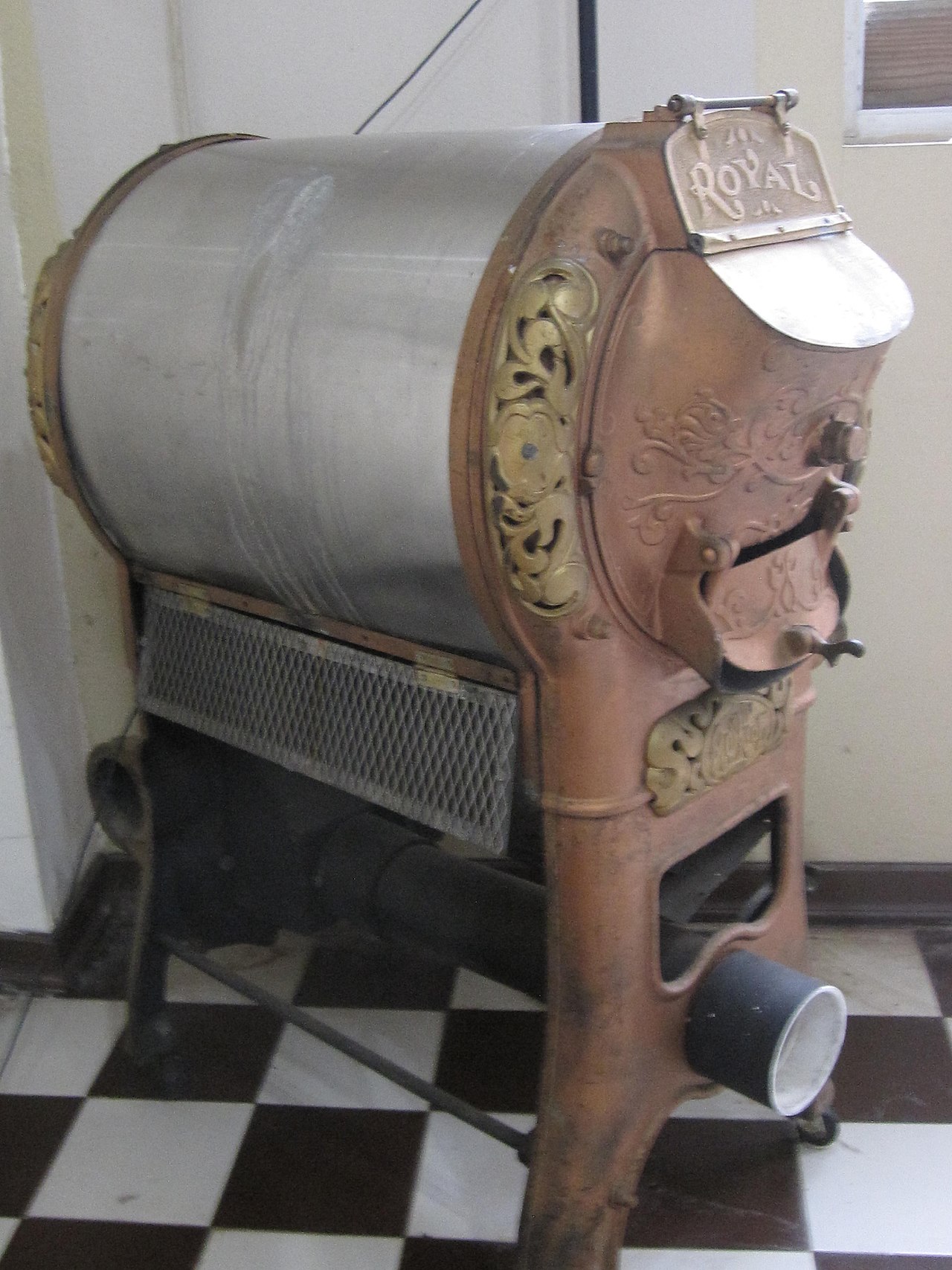
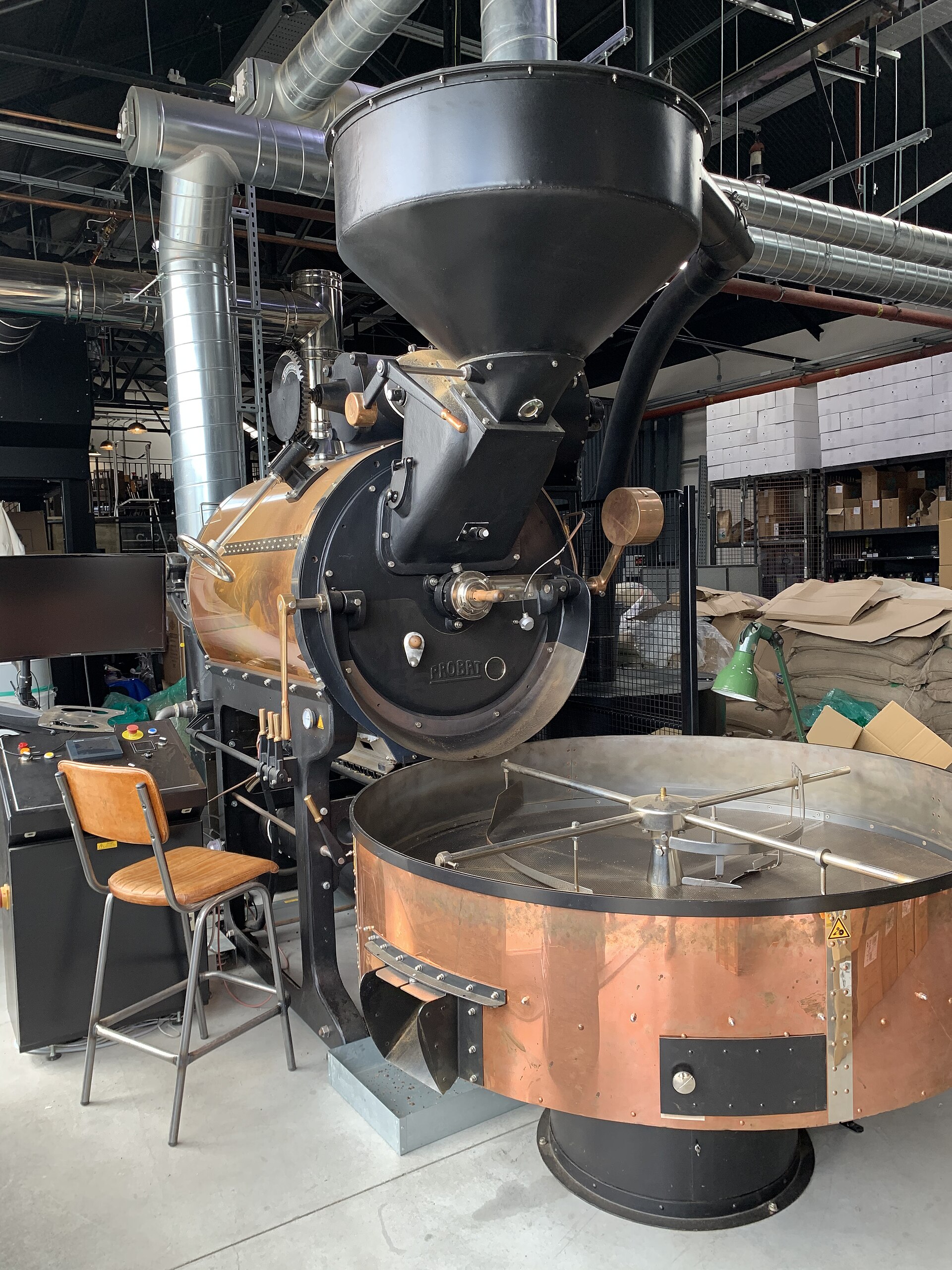
Drum roasters:
- Most common commercial equipment
- Beans tumble in rotating horizontal drum
- Heated by gas burner or electric elements
- Even heat distribution through mechanical tumbling
- Sizes range from 250g home drums to 600kg commercial units
Air/fluid bed roasters:
- Beans suspended in hot air stream
- Often faster roasting than drum
- Used in home roasters and some commercial operations
- Cleaner flavor profile for some coffees
Retrograde flow roasters:
- Modern commercial equipment
- Beans exposed to heated air flow with precise temperature control
- Used for high-end specialty roasting
Stovetop roasters:
- Traditional small-scale roasting
- Hand-operated metal pans or chambers over heat
- Still used in traditional coffee-producing regions
Home popcorn popper modifications:
- Modified hot-air popcorn poppers
- Entry-level home roasting
- Produces adequate quality for experimentation
Commercial sample roasters:
- Small units for testing coffees before larger roasts
- 50-200g capacity
- Used by green coffee buyers, competitions, research
Equipment choice affects roast character significantly. Skilled roasters can produce excellent results on various equipment, but specific machines develop characteristic flavor profiles.
The Roaster's Craft
Professional roasting is both science and art:
Roast profile development:
- Plotting temperature curves during roasting
- Adjusting airflow, flame, and timing
- Achieving reproducible results across roasts
- Adapting profiles for different coffees
Sensory evaluation:
- Cupping (tasting) every roast
- Adjusting based on flavor feedback
- Training palate through continuous practice
Coffee knowledge:
- Understanding varieties, origins, and processing
- Matching roast approach to specific coffee's potential
- Developing relationships with farms and importers
Roast development over time:
- Beans "rest" 3-14+ days after roasting to allow CO2 release
- Peak drinkability typically 5-30 days post-roast
- Storage matters — oxygen, heat, and light degrade roasted coffee
Consistency:
- Producing reproducible results batch after batch
- Managing variables that affect outcomes
- Maintaining quality standards across years and seasons
Master roasters develop signature styles over decades. Their expertise represents accumulated craft knowledge that shapes every bag of quality coffee consumers purchase.
Roast and Origin Preservation
A critical tension in coffee roasting: the darker the roast, the less distinctive the origin becomes.
Why darker roasts lose origin:
- Pyrolysis destroys delicate flavor compounds
- Roast character overwhelms subtle notes
- Bitterness increases at expense of nuance
- Hundreds of volatile aromatic compounds transform or destroy
Why light roasts preserve origin:
- Delicate floral, fruit, and acid compounds survive
- Roast character doesn't overwhelm
- Each region's distinctive flavors audible
- Enables "terroir tasting" similar to wine
The specialty coffee implication:
For coffee enthusiasts exploring origin differences, light and medium roasts reveal the full spectrum of what coffee can taste like. Dark roasts can still be enjoyed but are less suitable for tasting coffee origins.
Roasted Coffee Storage
Freshly roasted coffee requires proper storage for quality:
The enemies:
- Oxygen: Oxidizes volatile aromatic compounds, flattening flavor
- Heat: Accelerates chemical degradation
- Light: Damages sensitive compounds
- Moisture: Affects extraction and quality
Best practices:
- Container: Opaque, airtight container at room temperature
- Original bag: Often sufficient for 2-4 weeks if sealed
- Vacuum storage: Extends shelf life notably
- Freezer storage: Extends shelf life for months, but causes its own issues (condensation on defrosting)
Timing:
- 3-14+ days after roasting: optimal drinking window begins (coffee has released adequate CO2)
- 2-4 weeks: peak quality
- 4-8 weeks: still good, flavor declining
- Beyond 8 weeks: noticeable quality loss
Avoid:
- Storing near stove or other heat source
- Keeping in direct sunlight
- Leaving bag unsealed
- Storing ground coffee longer than 1-2 weeks
Fresh, recently roasted coffee is markedly superior to stale coffee. Quality-focused consumers buy whole beans from recent roasts and use within 4-6 weeks.
Roasting in Puerto Rico
Puerto Rico has a distinguished roasting tradition alongside its coffee farming heritage:
Domestic roasting infrastructure: Multiple Puerto Rican roasters serve local markets with authentic Puerto Rican coffee preparation.
Traditional Puerto Rican roast: Medium to medium-dark roast is the traditional Puerto Rican preference — enough development for full body and rich character, without extending into very dark territory.
Café con leche optimized: The Puerto Rican preference for coffee with milk shapes traditional roasting choices. Medium-dark roasts work particularly well with heated milk.
Specialty emergence: Modern Puerto Rican specialty roasters explore lighter roasts suitable for pour-over and filter preparations, targeting specialty coffee markets both on-island and in export.
Heritage brands: Multiple Puerto Rican coffee brands maintain long-established roasting traditions alongside newer artisan operations.
Small-batch artisan roasting: Growing movement of small-batch roasters producing premium coffees for specialty markets. Individual farms increasingly roast their own production for direct-to-consumer sales.
For authentic Puerto Rican coffee experiences, the roasting level and approach matter as much as the origin. Quality Puerto Rican coffee roasted to appropriate development produces the rich, balanced, chocolate-caramel cup that made the island's coffee famous.
Key Facts
- Input: Green coffee beans at ~10-12% moisture
- Output: Roasted coffee beans at ~0.5-2% moisture
- Duration: Typically 10-20 minutes
- Key temperature stages: 150°C drying, 196-205°C first crack, 224-230°C second crack
- Critical reactions: Maillard, caramelization, pyrolysis
- Bean expansion: Nearly doubles in size during roasting
- CO2 release: Continues for days after roasting (requires "rest" period)
- Peak drinkability: Typically 3-14 days post-roast through 6 weeks post-roast
- Storage requirement: Airtight, opaque, room temperature
Frequently Asked Questions
Q: Why does coffee need to be roasted? Green coffee beans are essentially inedible — hard, grassy, and flavorless. Roasting triggers complex chemical reactions (Maillard reaction, caramelization) that develop coffee's characteristic aroma, flavor, and drinkable characteristics. Without roasting, coffee would remain an uninteresting agricultural product.
Q: What are first crack and second crack? These are audible popping sounds during roasting. First crack (around 196-205°C) marks the point where beans have roasted enough to be drinkable. Second crack (around 224-230°C) marks progression to darker roast levels.
Q: Which roast level is best? There's no single best roast level — preferences vary. Modern specialty coffee favors lighter roasts that preserve origin characteristics. Traditional American and Italian preferences lean darker. Match your roast level to the coffee's quality (quality coffees deserve lighter roasts) and your flavor preferences.
Q: Can I roast coffee at home? Yes. Home roasting options range from modified popcorn poppers ($30-50) to dedicated home roasters ($200-2000+). Home roasting produces significantly fresher coffee than store-bought but requires learning and equipment. Many coffee enthusiasts find home roasting rewarding as an additional coffee skill.
Q: How long does roasted coffee stay fresh? Peak drinkability is typically 3-14 days through 6 weeks post-roast for whole beans stored properly (airtight, opaque, room temperature). Ground coffee stales much faster — ideally used within 1-2 weeks. Beyond 6-8 weeks, noticeable flavor degradation occurs.
BUY AUTHENTIC PUERTO RICO COFFEE →
Part of The Coffee Encyclopedia — Sponsored by PuertoRicoCoffeeShop.com.