What is Coffea Arabica? The Noble Coffee Species
Summary
Coffea arabica is the botanical species responsible for the majority of the world's high-quality coffee, producing beans prized for their complex flavors, pleasant acidity, and aromatic richness. Native to the highland forests of southwestern Ethiopia, arabica represents 60-70% of global coffee production and dominates the specialty coffee market entirely. Understanding arabica — its biology, cultivation requirements, and genetic characteristics — is essential to understanding why coffee from different regions tastes so different and why the species requires specific environmental conditions to produce the quality that makes coffee culture possible.
The Botanical Basics
Watch: Arabica vs Robusta — The Genetic Difference Explained
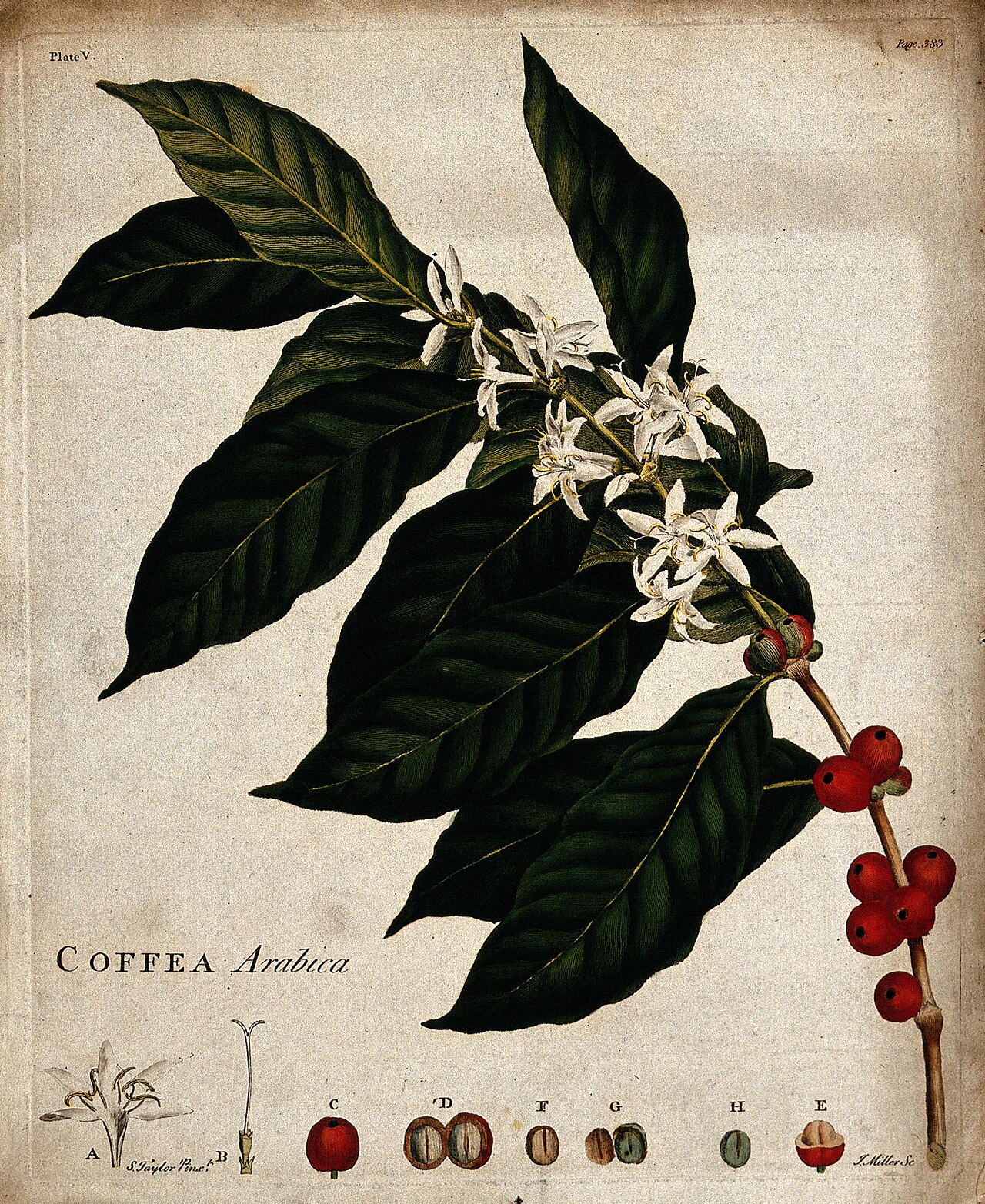
Coffea arabica is one of approximately 130 species in the genus Coffea, a group of flowering plants in the Rubiaceae family (the same family as gardenia and quinine). It's a woody evergreen shrub that in its wild form grows as a small tree reaching 9-12 meters tall, though cultivated arabica is typically pruned to 2-3 meters for manageable harvesting.
Unlike most Coffea species, arabica is genetically unusual. It's tetraploid, meaning it carries four sets of chromosomes (44 total) rather than the two sets (22 chromosomes) found in other Coffea species. Scientific analysis suggests arabica originated as a natural hybrid between two other species — Coffea canephora (robusta) and Coffea eugenioides — that occurred in Ethiopia hundreds of thousands of years ago.
This tetraploid genetics makes arabica self-pollinating, meaning individual plants can reproduce without genetic input from other plants. This self-pollination creates relatively stable genetic lines but also limits the species' genetic diversity compared to cross-pollinating crops — a vulnerability that has shaped coffee industry history.
The Coffee Cherry Life Cycle
Understanding arabica requires understanding its reproductive cycle, which shapes everything about how coffee is farmed:
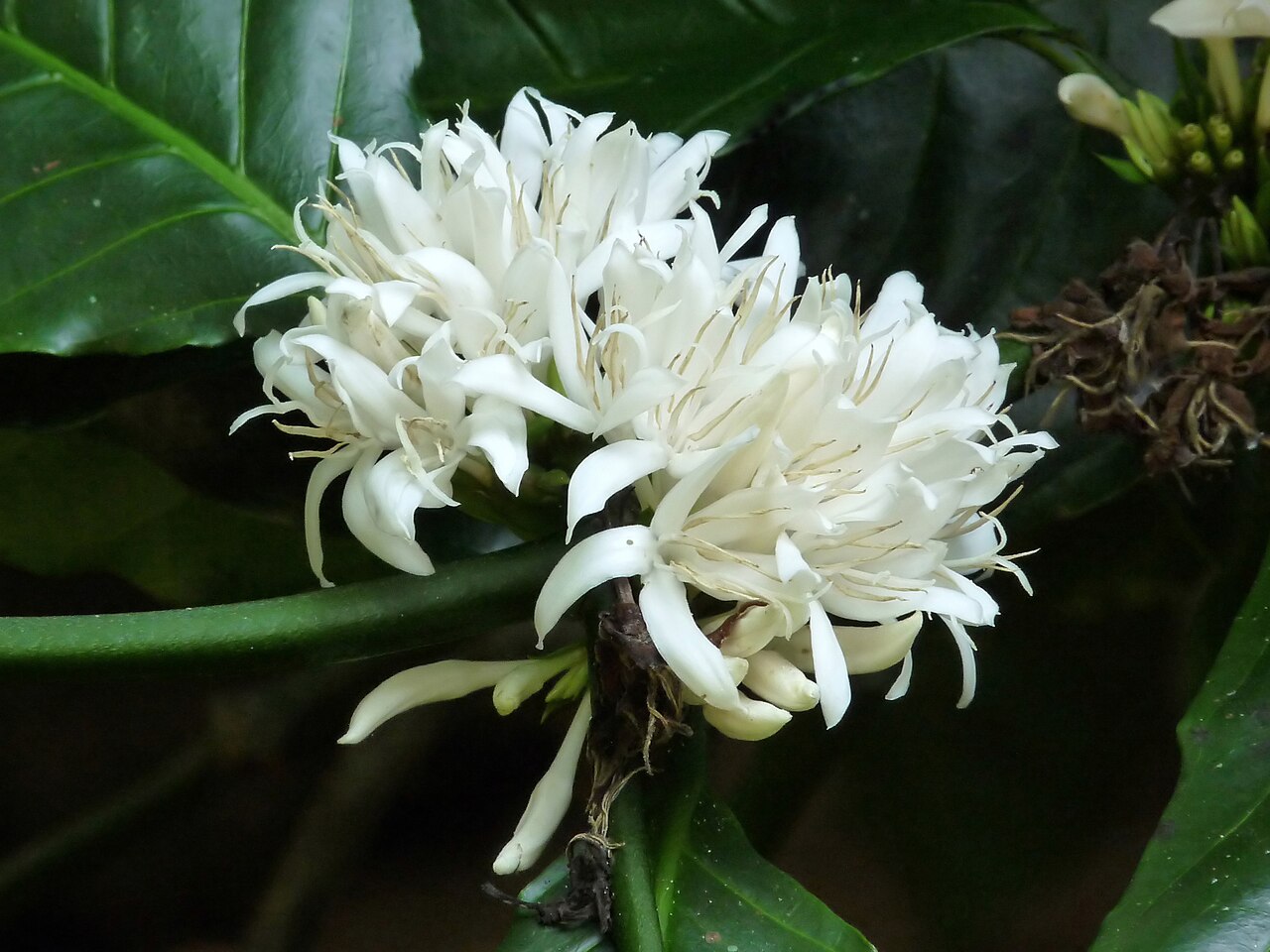
Flowering: Arabica trees produce delicate white flowers with jasmine-like fragrance. Flowering is typically triggered by rainfall after a dry period. A healthy arabica tree produces multiple flowering events per year under tropical conditions, though one main flowering dominates annual production.
Pollination and fertilization: Self-pollination occurs within hours of flower opening. The flowers last only a few days before wilting and being replaced by tiny green berries.
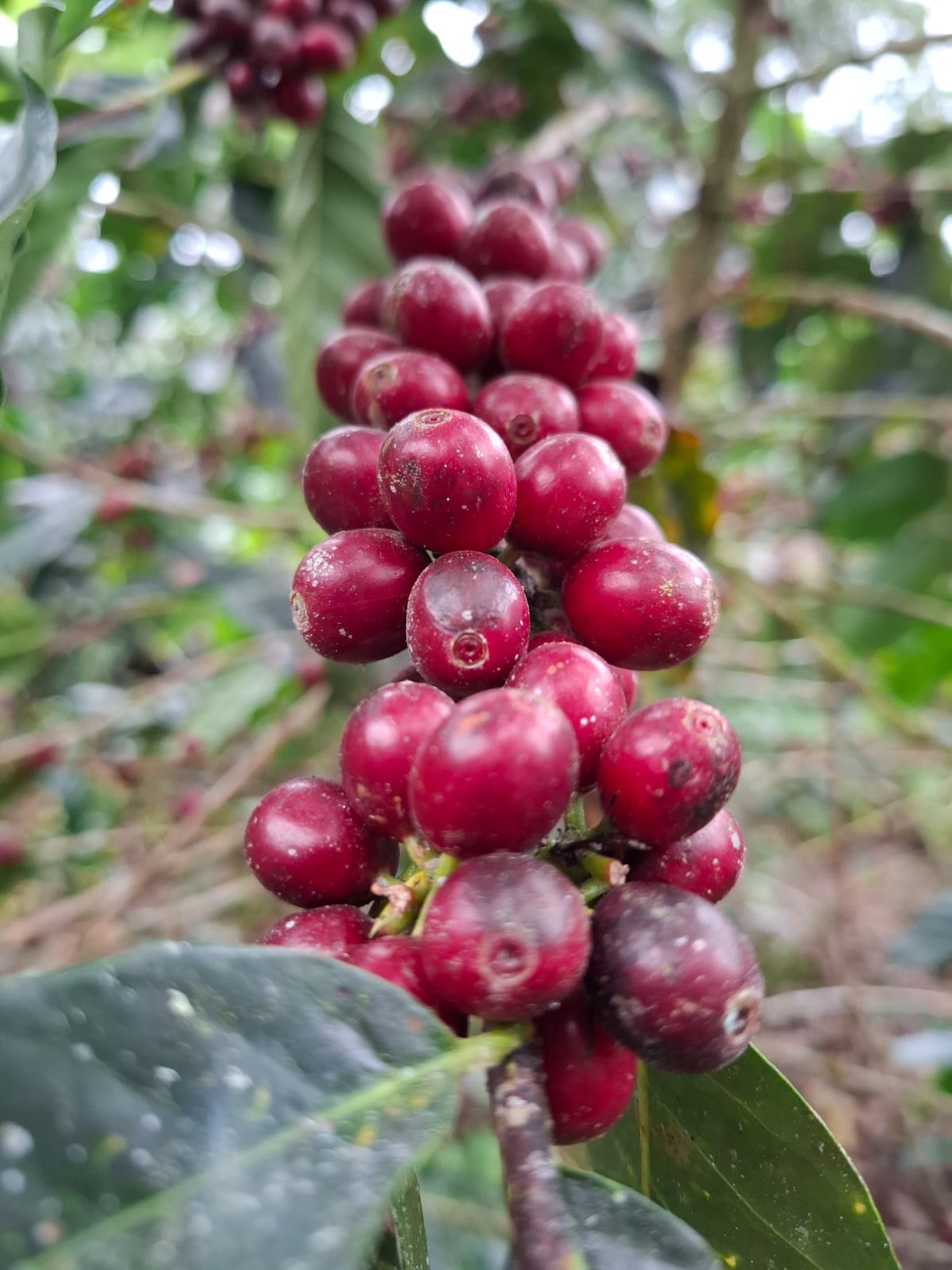
Cherry development: Green berries develop over 6-11 months, depending on variety and conditions. During this period the beans (seeds) inside the cherries develop their complex chemistry including sugars, acids, and precursors of flavor compounds.
Ripening: As cherries mature, they change color from green to yellow, orange, and finally deep red (some varieties ripen to yellow or pink). The color change indicates peak sugar content and optimal flavor development.
Harvest window: Ripe cherries must be harvested promptly. Overripe cherries develop off-flavors and attract pests. Underripe cherries lack developed flavor.
This roughly annual cycle means most arabica regions have specific harvest seasons, typically 2-4 months when workers pick cherries from hundreds or thousands of trees.
Optimal Growing Conditions
Arabica is botanically particular about where it will grow well. The species evolved in specific Ethiopian highland conditions and produces its best coffee only in similar environments worldwide:
Elevation: 600-2,200 meters above sea level. Lower elevations produce coffee too quickly, with undeveloped flavors. Higher elevations cool growing conditions, slowing development and concentrating flavors. Most premium arabica grows between 1,000-1,800 meters.
Temperature: 15-24°C (60-75°F) average annual temperature. Prolonged heat above 30°C damages trees. Frost kills them. The tropical highland zones that mimic Ethiopian origins suit arabica best.
Rainfall: 1,500-2,500 mm annually (60-100 inches), ideally distributed with a dry season that triggers flowering. Irrigation can substitute for rainfall in drier regions.
Soil: Deep, well-drained, slightly acidic (pH 6.0-6.5), rich in organic matter. Volcanic soils are particularly favored for their mineral content.
Shade: Traditionally shade-grown under larger trees, though sun-tolerant varieties exist. Shade cultivation generally produces higher-quality coffee but lower volumes.
Rainfall patterns: Seasonal patterns matter — coffee needs both wet periods for growth and dry periods for flowering and cherry ripening.
These specific requirements limit arabica cultivation to a geographical band called the Coffee Belt — the tropical highlands between the Tropics of Cancer and Capricorn where conditions align with arabica's needs.
Why Arabica Dominates Specialty Coffee
Arabica dominates the specialty coffee market because its beans develop flavor characteristics that other coffee species generally cannot match:
Complex acidity: Arabica beans contain multiple acid compounds — citric, malic, quinic, chlorogenic, and others — that contribute bright, clean, pleasant acidity. Well-prepared arabica can taste like lemon, stone fruit, berry, or apple.
Aromatic richness: Hundreds of volatile aromatic compounds develop during arabica cherry maturation and roasting. These compounds produce the characteristic coffee aroma and complex flavor layers.
Lower caffeine: Arabica beans contain 1.2-1.5% caffeine by weight, roughly half the caffeine in robusta. This lower caffeine reduces bitterness and allows more subtle flavors to come through.
Sugar content: Arabica beans contain approximately twice the sugar of robusta, providing sweetness and complex Maillard reactions during roasting that develop caramel and chocolate notes.
Lipid content: Higher lipid content in arabica contributes to body and mouthfeel in the brewed cup.
The combination produces coffee that can taste like an extraordinary range of things — from jasmine and bergamot to chocolate and almond to cherry and stone fruit — depending on variety, terroir, and preparation.
Arabica's Vulnerabilities
Arabica's specialized nature comes with significant vulnerabilities:
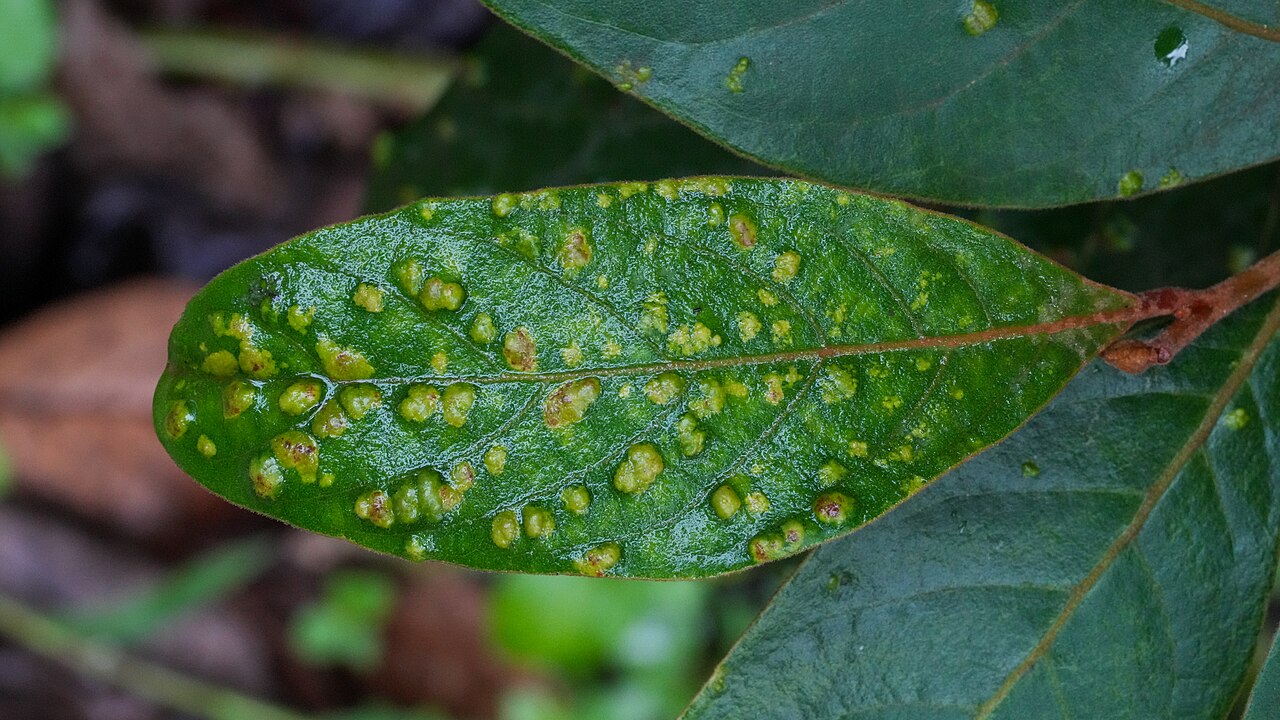
Disease susceptibility: Arabica is particularly vulnerable to coffee leaf rust (Hemileia vastatrix), coffee berry disease, and several other fungal pathogens. Major rust outbreaks have devastated arabica regions repeatedly throughout coffee history.
Pest susceptibility: The coffee berry borer and various leaf miners specifically attack arabica more heavily than other Coffea species.
Climate sensitivity: Arabica's narrow temperature and rainfall requirements make it highly vulnerable to climate change. Warming trends are pushing viable arabica growing zones higher up mountainsides and threatening traditional coffee regions.
Genetic bottleneck: Most commercial arabica varieties trace back to a small number of plants transported from Ethiopia centuries ago, creating limited genetic diversity that undermines disease resistance.
Lower yield: Arabica trees produce less coffee per tree than robusta, requiring more land and labor to produce equivalent volumes.
These vulnerabilities shape the modern coffee industry's challenges. Climate change, disease pressure, and labor economics all threaten arabica cultivation in ways that researchers and farmers work continuously to address.
Commercial Varieties
Within the Coffea arabica species, agricultural breeding and natural selection have produced dozens of distinct varieties. Major varietal lineages include:
Typica: The oldest cultivated arabica variety, descended from original Yemen-Ethiopia stock. Most Caribbean coffee including Puerto Rican Typica traces to this lineage.
Bourbon: A natural mutation of Typica that arose on the island of Bourbon (modern Réunion). Bourbon spread globally and produced many secondary varieties.
Caturra: A natural dwarf mutation of Bourbon discovered in Brazil, allowing denser planting and easier harvesting.
Catuaí: A Bourbon-Caturra hybrid developed in Brazil.
Gesha (Geisha): Originally from Ethiopia via Panama, famous for exceptionally floral and complex flavors that command premium prices.
SL28 and SL34: Classic Kenyan varieties producing distinctive bright, fruity coffees.
Pacas, Pacamara, Villa Sarchí: Various Central American varieties with specific regional characteristics.
Modern hybrids: Including Limaní (developed for Puerto Rican conditions), Obatã, Timor hybrid derivatives, and others bred for disease resistance.
Each variety offers different combinations of yield, disease resistance, altitude tolerance, and cup quality. Farmers choose varieties based on their specific conditions and market objectives.
Arabica's Global Production
Arabica accounts for approximately 60-70% of global coffee production annually, with the remaining 30-40% primarily composed of Coffea canephora (robusta). The major arabica producing countries include:
Brazil: World's largest arabica producer, with vast plantations especially in Minas Gerais state.
Colombia: Famous for consistent, high-quality washed arabica from Andean mountain regions.
Ethiopia: Arabica's birthplace, producing exceptional heirloom varieties from traditional farming systems.
Central America: Guatemala, Honduras, Costa Rica, Nicaragua, and El Salvador all produce significant arabica volumes with distinctive regional characteristics.
Kenya and Ethiopia: East African arabica is widely considered among the world's finest.
Puerto Rico: A small but historically significant arabica producer with strong regional identity.
Other regions: Mexico, Peru, Vietnam's highlands, Indonesia, and smaller producers globally all contribute to arabica supply.
Arabica in Your Cup
Every specialty coffee experience depends on arabica's biology. The mountain terroir that shapes regional flavor differences only matters because arabica is capable of expressing terroir — responding to soil, climate, and farming practices with variable flavor development. Cheaper robusta, by contrast, tends toward more uniform flavor regardless of origin.
When you taste chocolate notes in Yauco coffee, floral hints in Yirgacheffe, citrus brightness in Kenyan AA, or caramel sweetness in Colombian supremo — you're tasting arabica genetics responding to specific growing conditions. The species provides the palette; terroir, variety, and preparation provide the painting.
Key Facts
- Scientific name: Coffea arabica
- Chromosome count: 44 (tetraploid)
- Caffeine content: 1.2-1.5% by bean weight
- Sugar content: Approximately twice robusta
- Origin: Highland forests of southwestern Ethiopia
- Global production share: 60-70% of all coffee
- Optimal elevation: 600-2,200 meters (premium 1,000-1,800m)
- Optimal temperature: 15-24°C annual average
- Self-pollinating: Yes
- Main disease threat: Coffee leaf rust (Hemileia vastatrix)
Frequently Asked Questions
Q: What is the difference between arabica and regular coffee? "Regular coffee" usually refers to arabica, which makes up most of the coffee sold globally. The main alternative species is robusta (Coffea canephora), which is stronger-tasting, higher in caffeine, and generally considered lower quality than arabica for specialty markets.
Q: Why is arabica considered better quality than robusta? Arabica contains more complex flavor compounds, has lower bitterness, features more pleasant acidity, and contains about half the caffeine of robusta. These characteristics make arabica more suitable for specialty coffee preparations where flavor nuance matters.
Q: Does all good coffee come from arabica? Most specialty coffee is arabica, though some quality-focused robusta and hybrid varieties exist in specialty markets. Traditional espresso blends often include robusta for body and crema, even in specialty preparations.
Q: Can I grow arabica coffee at home? Arabica can grow as an indoor houseplant in temperate climates, producing attractive foliage and occasional small crops of cherries. However, commercial-quality coffee requires specific highland tropical conditions difficult to replicate indoors.
Q: What does arabica coffee taste like? Arabica offers enormous flavor variety depending on variety and terroir — ranging from floral and tea-like (Ethiopian) to chocolate and caramel (Brazilian, Puerto Rican) to bright and fruity (Kenyan, Colombian) to clean and balanced (Central American).
BUY AUTHENTIC PUERTO RICO COFFEE →
Part of The Coffee Encyclopedia — Sponsored by PuertoRicoCoffeeShop.com.