
Cold Brew Coffee: The Complete Science Guide
Summary
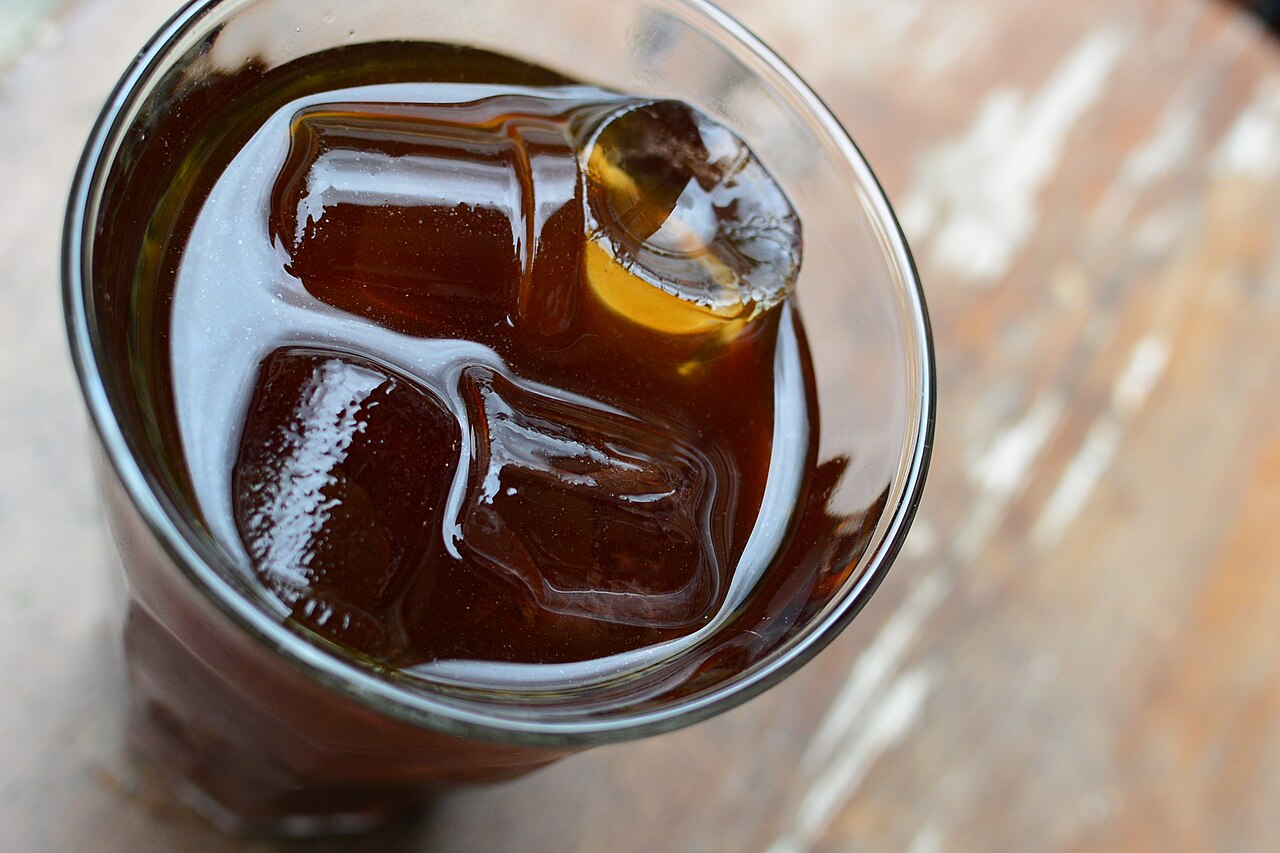
Cold brew coffee is coffee extracted with cold or room-temperature water over extended periods, typically 12-24 hours. Unlike iced coffee (which is simply hot-brewed coffee cooled down), cold brew uses fundamentally different chemistry to produce coffee that is smoother, less acidic, naturally sweeter, and notably different in flavor character from any hot-brewed coffee. Originating from centuries-old Dutch and Japanese slow-drip traditions, cold brew has exploded in modern popularity as a summer beverage, commercial product category, and specialty coffee category. Understanding cold brew means understanding how temperature fundamentally changes coffee chemistry — and why those changes matter for taste, body, and drinking experience.
The Key Difference — Temperature Changes Everything
Cold brew is not just "cold coffee." The fundamental difference between cold brew and hot coffee lies in extraction chemistry:
Hot water extraction: Water at 195-205°F (90-96°C) dissolves coffee solids rapidly — a typical brew extracts significantly in 3-5 minutes. Hot water extracts many compounds simultaneously: caffeine, sugars, acids, oils, bitter compounds, aromatic compounds, and more.
Cold water extraction: Water at room temperature (65-75°F / 18-24°C) or refrigerator temperature (around 40°F / 4°C) dissolves coffee compounds much more slowly and selectively. A typical cold brew takes 12-24 hours to reach desired strength.
The slower, cooler extraction has several chemical consequences:
Acids extract less efficiently: Coffee contains many acid compounds — chlorogenic acids, citric, malic, quinic, and others. These acids are more soluble in hot water than cold. Cold brew extracts substantially less acid per hour of brewing.
Bitter compounds extract less: Many bitter compounds in coffee require hot water and time to fully extract. Cold water extracts bitterness gradually and incompletely.
Sugars extract fully: Coffee's natural sugars dissolve well in cold water given adequate time. A properly made cold brew captures most available sugars.
Caffeine extracts fully: Caffeine extracts well at any temperature given enough time. Cold brew caffeine content depends on coffee-to-water ratio, not extraction temperature.
Oils extract minimally: Coffee oils don't emulsify well in cold water. Cold brew is typically less oily than hot-brewed coffee.
The result is a beverage chemically distinct from hot coffee — lower in acid, lower in bitterness, full in sugar content, similar caffeine per gram of coffee.
Historical Origins
Cold brew coffee has deeper history than its modern popularity suggests:
Kyoto-style (Japanese): Traditional Japanese cold coffee brewing method using slow-drip apparatus. Cold water drips over coffee grounds at controlled rate over 3-12 hours, producing concentrated cold coffee. Kyoto-style likely originated in the 1600s or earlier, though written records are limited.
Dutch slow drip: Dutch traders in Indonesia and East Asia developed similar slow-drip methods as early as the 1600s. These methods produced coffee concentrates suitable for storage during ocean voyages.
Traditional immersion methods: Various cultures developed extended-immersion cold-water coffee brewing. In parts of Latin America, simple cold brewing has existed as informal practice for generations.
Modern popularization: The current global cold brew boom dates to the 2000s and especially 2010s, driven by specialty coffee movement, commercial product development, and changing consumer beverage preferences.
The rapid modern growth of cold brew has obscured the method's long history. Cold brewing predates espresso, French press, and most modern hot brewing methods.
Two Main Methods
Modern cold brew uses two primary preparation approaches:
Immersion method (most common):
- Coarse-ground coffee is combined with cold water in a container
- Mixture sits 12-24 hours at refrigerator or room temperature
- After extraction time, coffee is strained through filter
- Resulting liquid is concentrated cold brew coffee
This method is simple, requires minimal equipment, and produces good results consistently.
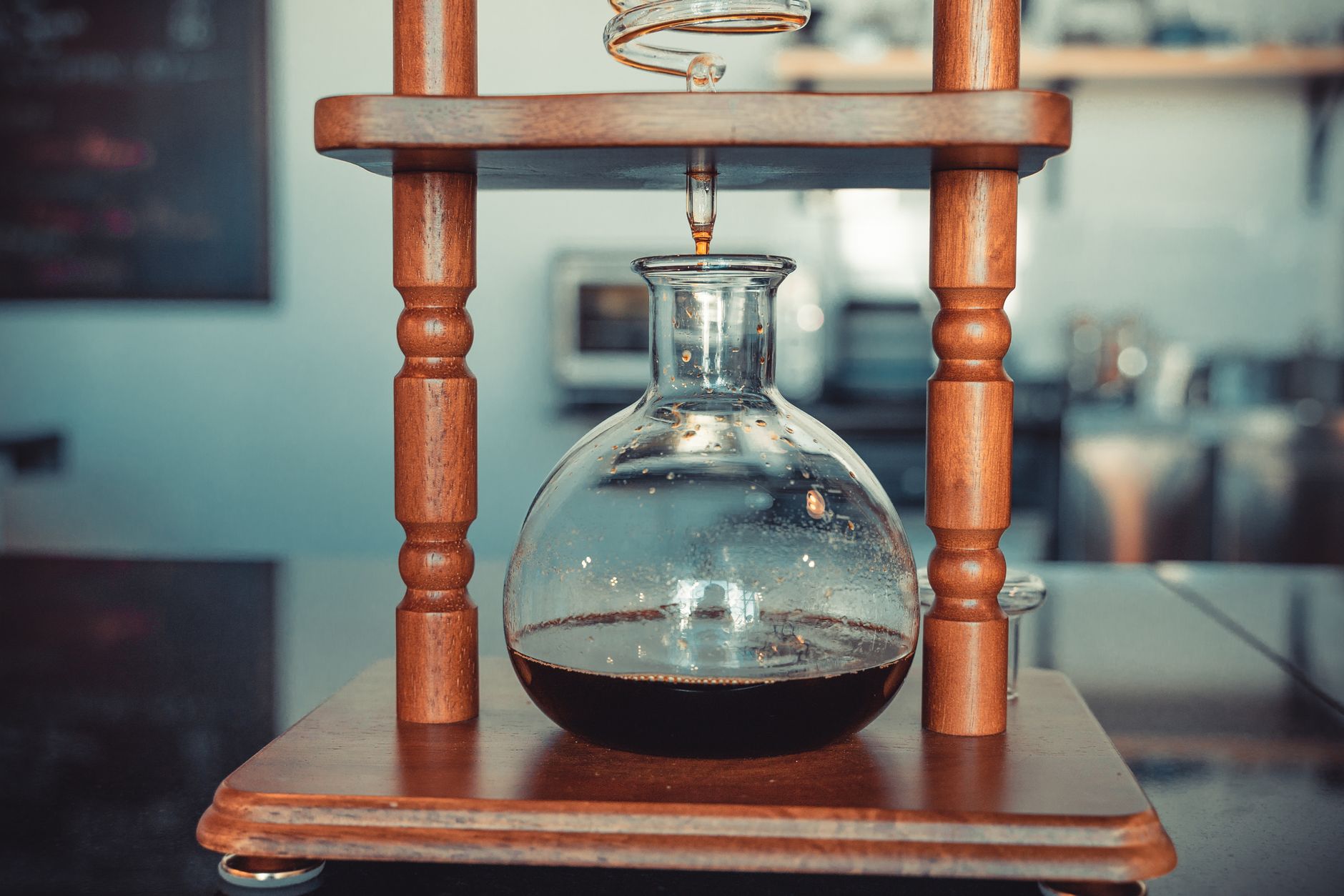
Slow-drip method (Kyoto/Dutch style):
- Ground coffee is placed in middle chamber of tower apparatus
- Ice water slowly drips onto grounds at controlled rate (typically 40-60 drops per minute)
- Extracted coffee drips into collection vessel below
- Process takes 3-8 hours depending on apparatus and target strength
This method requires specialized equipment (drip tower) and more attention but produces distinctly different flavor profile — often cleaner, brighter, more aromatic than immersion cold brew.
Commercial producers primarily use immersion methods (easier scale, consistent results). Specialty coffee shops and home enthusiasts use both methods depending on preferences.
Cold Brew Concentrate vs Ready-to-Drink
Cold brew is made at two different strengths:
Cold brew concentrate:
- Brewed at 1:4 to 1:8 coffee-to-water ratio
- Strong, intense flavor not meant to drink directly
- Diluted with water, milk, or ice before serving
- Keeps well refrigerated for 2-3 weeks
- Popular for home preparation and commercial production
Ready-to-drink cold brew:
- Brewed at 1:10 to 1:15 coffee-to-water ratio
- Appropriate strength for direct consumption
- Typically served over ice
- Shorter shelf life than concentrate
- Common in commercial bottled products
Most home brewers make concentrate for flexibility. Commercial products come in both formats.
The Typical Cold Brew Recipe
Standard immersion cold brew at concentrate strength:
Coffee: 1 cup (approximately 100g) coarse-ground coffee Water: 4 cups (approximately 1L) cold filtered water Ratio: 1:10 (by weight) approximate Time: 12-18 hours at room temperature or 16-24 hours refrigerated Grind: Coarse, similar to French press grind Container: Glass, ceramic, or food-grade plastic Filter: Metal mesh, cheesecloth, coffee filter, or dedicated cold brew maker
Process:
- Combine coffee and water in container, stir to wet all grounds
- Cover container
- Let steep 12-24 hours (longer at refrigerator temperature)
- Strain through fine mesh or filter, discarding grounds
- Result is cold brew concentrate
Serving dilution:
- For standard strength: dilute concentrate 1:1 with water or milk
- For stronger drink: dilute less or skip dilution
- For iced latte: combine concentrate with cold milk
- For mixed drinks: use as base for cocktails, desserts, or blended drinks
Cold Brew Flavor Profile
Cold brew coffee has distinctive flavor characteristics:
Reduced acidity: Often described as "smooth" or "mellow" compared to hot coffee. The 60-70% reduction in perceived acidity makes cold brew friendlier for drinkers sensitive to coffee acid.
Natural sweetness: Full sugar extraction without bitter compound balance creates notably sweet character, even without added sweetener.
Smooth body: Less oil extraction and fine particle presence creates clean, smooth mouthfeel.
Chocolate and caramel notes: Particularly pronounced in medium and dark roasts, these comforting flavors dominate well-made cold brew.
Reduced bitterness: Cold brew is markedly less bitter than equivalent hot coffee.
Subdued aromatics: Cold brew has less aromatic intensity than hot coffee. Many aromatic compounds release only at higher temperatures.
Less complexity: Cold brew often shows less origin-specific flavor complexity than pour over. Terroir distinctions that appear clearly in hot brewing blur in cold brew.
Stable over time: Cold brew maintains consistent flavor over storage, unlike hot coffee which degrades rapidly.
Different coffees suit cold brew differently:
- Best candidates: Medium to medium-dark roasts, chocolate/nut/caramel-forward beans, Brazilian, Colombian, Central American origins
- More challenging: Light roasts, highly acidic coffees, delicate floral/fruit-forward single origins
Caffeine in Cold Brew — Setting the Record Straight
Common misconceptions exist about cold brew caffeine:
The misconception: Cold brew contains more (or less) caffeine than hot coffee.
The reality: Caffeine extraction depends primarily on coffee-to-water ratio and time, not temperature.
Cold brew concentrate: Because brewed at high coffee-to-water ratio (1:8 or stronger), concentrate contains more caffeine per fluid ounce than normal hot coffee.
Ready-to-drink cold brew: Similar caffeine per fluid ounce to hot coffee at equivalent coffee-to-water ratios.
Diluted cold brew: Depending on dilution, may have more, less, or similar caffeine to hot brewed coffee.
Per cup comparison: A 16oz cup of undiluted cold brew concentrate might contain 200mg caffeine; the same 16oz of normal hot coffee contains 150-200mg; an undiluted concentrate could contain 400mg.
The practical result: cold brew drinkers often consume more caffeine than expected if drinking undiluted concentrate, assuming similar strength to hot coffee.
Commercial Cold Brew Explosion
Cold brew as a commercial product category has grown dramatically since 2010:
Ready-to-drink bottled cold brew: Explosive growth in refrigerated beverage aisles. Major brands now include cold brew varieties.
Specialty coffee shops: Cold brew has become standard menu offering, often in multiple variations (straight cold brew, iced latte, nitro cold brew).
Nitro cold brew: Cold brew infused with nitrogen gas, served from draft system. Creates creamy texture, cascade visual effect, beer-like presentation. Extremely popular as premium cold brew offering.
Coffee chains: Major coffee chains have added cold brew to menus, driving mass market awareness.
Home brewing products: Dedicated cold brew makers, concentrated cold brew products, and specialized filter systems available from many brands.
Coffee shop model cafés: Some cafés now specialize primarily in cold brew preparations.
Global cold brew market value has grown from negligible in 2010 to multiple billions of dollars by the mid-2020s, with continued growth projected.
Why Cold Brew Appeals to Modern Consumers
Several factors drive cold brew's popularity:
Summer appeal: Cold brew naturally suits warm weather consumption without requiring ice dilution.
Reduced acidity: Consumers with acid sensitivity, GERD, or stomach issues often tolerate cold brew better than hot coffee.
Smooth flavor: The mellower profile appeals to consumers who find hot coffee harsh or bitter.
Preparation convenience: Cold brew concentrate stores well for 2-3 weeks, enabling quick beverage preparation without daily brewing.
Versatility: Cold brew serves as base for many drinks — iced lattes, flavored drinks, cocktails, desserts.
Caffeine intensity: Per cup, undiluted cold brew delivers intense caffeine, appealing to heavy coffee drinkers.
Perceived health/wellness: The reduced acidity and smoother character position cold brew as a "cleaner" coffee option in marketing.
Instagram appeal: Nitro cold brew's cascade effect, latte art in cold drinks, and visual presentation suit social media culture.
Cold beverage expansion: Growing consumer preference for cold beverages across categories (kombucha, craft sodas, sparkling waters) benefits cold brew.
Cold Brew in Puerto Rico and Caribbean
Cold brew has particular appeal in tropical climates like Puerto Rico and the broader Caribbean:
Climate fit: Hot, humid weather makes cold beverages consistently desirable year-round.
Puerto Rican coffee suits cold brew: Medium to medium-dark Puerto Rican roasts, with characteristic chocolate and caramel notes, perform well in cold brew preparation.
Home preparation tradition: Many Caribbean households have long traditions of preparing coffee in bulk and consuming cold or at room temperature. Cold brew formalizes practices already common.
Tourism appeal: Visitors to Caribbean destinations often seek refreshing cold coffee preparations during hot weather.
Puerto Rican coffee for cold brew: Authentic Puerto Rican coffee from puertoricocoffeeshop.com provides excellent base for cold brew — the characteristic chocolate and nut notes of Puerto Rican beans translate beautifully to cold extraction.
For Caribbean coffee drinkers exploring cold brew, using locally grown coffee preserves cultural connection while embracing the modern preparation method.
Making Perfect Cold Brew at Home
Watch: James Hoffmann — Immersion Iced Coffee: A Better & Easier Technique
Tips for excellent home cold brew:
Coffee quality matters: Cold brew's smooth character can actually highlight defects in poor coffee. Use freshly roasted, quality beans.
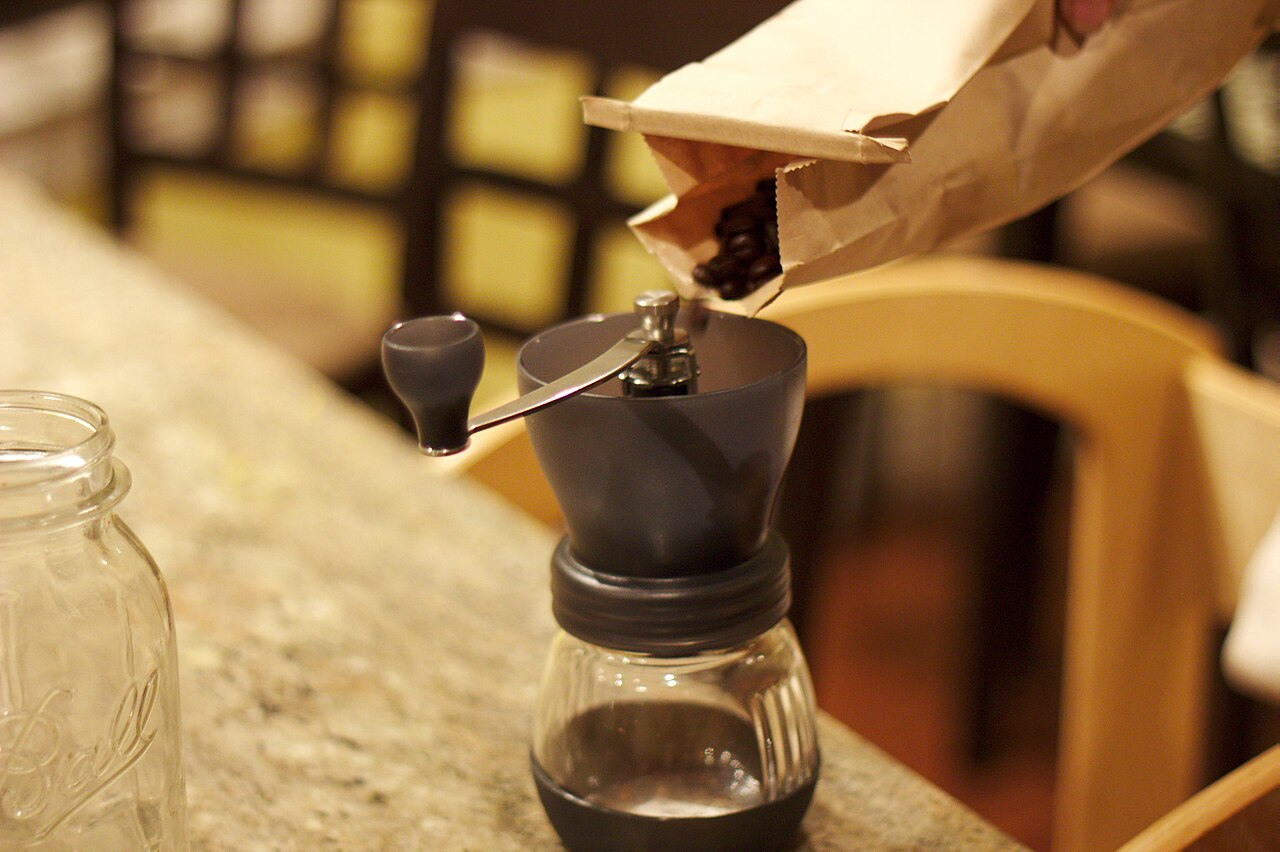
Grind is crucial: Coarse grind is essential. Fine grind produces over-extracted, bitter, muddy cold brew.
Water quality: Use filtered water. Tap water flavors concentrate in cold brew more than in hot.
Container matters: Glass or ceramic preferred over plastic for longer storage. Sealed container prevents refrigerator absorption.
Time precision: 12-18 hours produces good cold brew. Over 24 hours begins over-extracting even in cold water.
Strain thoroughly: Poor straining leaves sediment that continues extracting in storage. Double-strain (mesh then cheesecloth or filter) for cleanest cup.
Storage: Refrigerate after straining. Use within 2 weeks for concentrate, within 1 week for ready-to-drink.
Experiment with ratios: Find your preferred strength by trying different coffee-to-water ratios.
Try different coffees: Bourbon, Typica, Brazilian, Colombian, and Puerto Rican origins all produce distinctly different cold brews worth exploring.
Cold Brew vs. Iced Coffee — The Critical Distinction
Many consumers confuse these two beverages:
Iced coffee: Hot-brewed coffee cooled down and served over ice. Has all the flavor characteristics of hot coffee (higher acidity, fuller bitterness, hot-brewed aromatic profile) but served cold. Dilutes as ice melts.
Cold brew: Coffee actually brewed with cold water. Fundamentally different chemistry — lower acidity, reduced bitterness, naturally sweeter, distinct flavor profile from hot coffee.
Both can be refreshing summer drinks, but they taste notably different and suit different preferences. Quality cafés clearly distinguish the two on menus. Home brewers benefit from understanding which preparation they prefer.
Key Facts
- Method: Cold water extraction of coffee over extended time
- Historical origins: Japanese Kyoto-style and Dutch slow drip (centuries old)
- Modern popularization: Since 2010s
- Typical brewing time: 12-24 hours
- Typical brew ratio: 1:4 to 1:10 for concentrate, 1:10-1:15 for ready-to-drink
- Grind size: Coarse (similar to French press)
- Temperature: Room temperature or refrigerated (not "icy cold")
- Acid reduction: Approximately 60-70% less perceived acidity vs hot coffee
- Caffeine: Similar extraction at equivalent ratios; concentrate contains more per volume
- Storage: Concentrate keeps 2-3 weeks refrigerated
Frequently Asked Questions
Q: What is cold brew coffee? Cold brew is coffee extracted using cold water over 12-24 hours, producing a smoother, less acidic, naturally sweeter beverage than hot-brewed coffee. It is chemically different from iced coffee, which is simply hot coffee cooled down.
Q: Does cold brew have more caffeine than regular coffee? Per gram of coffee, extraction is similar. However, cold brew is often brewed as concentrate (stronger coffee-to-water ratio) and undiluted concentrate contains significantly more caffeine per ounce than normal hot coffee. Diluted cold brew has similar or less caffeine than hot coffee.
Q: How is cold brew different from iced coffee? Cold brew uses cold water extraction, producing fundamentally different chemistry — lower acidity, reduced bitterness, different flavor profile. Iced coffee is hot-brewed coffee served cold over ice, retaining hot coffee's chemistry.
Q: How long does cold brew last? Cold brew concentrate keeps 2-3 weeks refrigerated. Ready-to-drink cold brew (diluted) keeps about 1 week. Both should be kept refrigerated and in sealed containers.
Q: Is cold brew less acidic than regular coffee? Yes. Cold brew contains approximately 60-70% less perceived acidity than equivalent hot coffee, due to the cold water's reduced ability to extract acid compounds. This makes cold brew appealing to drinkers sensitive to coffee acidity.
BUY AUTHENTIC PUERTO RICO COFFEE →
Part of The Coffee Encyclopedia — Sponsored by PuertoRicoCoffeeShop.com.