
Yemen and the Port of Mocha
Summary
Yemen was the first country to cultivate coffee on a commercial scale and the world's sole coffee exporter for nearly two hundred years, from the 15th through the 17th centuries. The Yemeni port of Mocha on the Red Sea became so synonymous with coffee that its name became a common word for the drink itself, still used today for coffee drinks worldwide. Yemen's unique terraced mountain farms, ancient cultivation traditions, and dominant trading position shaped coffee's early global journey — and every coffee-producing country today owes a debt to Yemen's pioneering farmers.
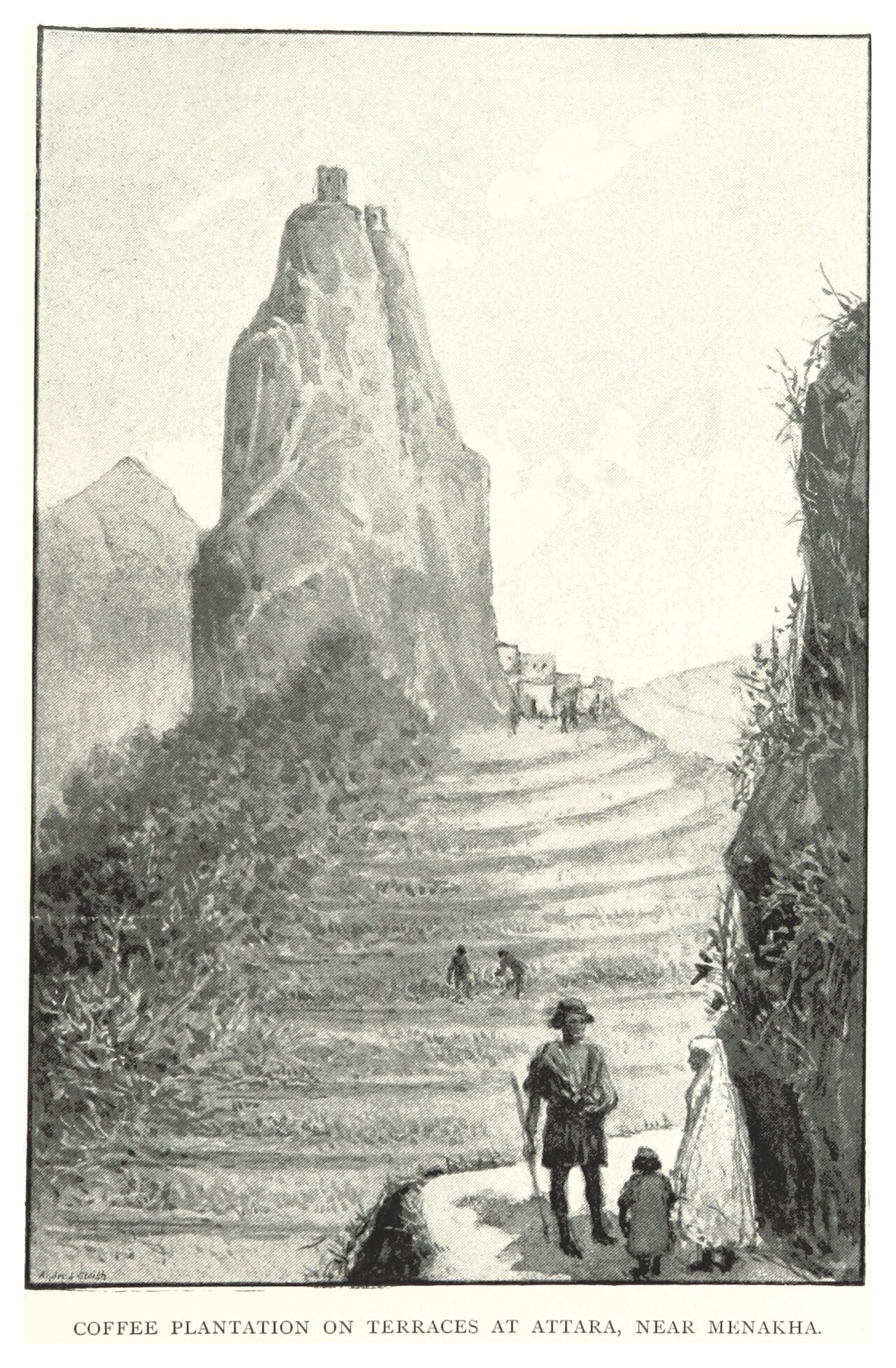
Table of Contents
- Yemen's Geographic Advantage
- How Yemen Learned to Grow Coffee
- The Mountain Terraces of Yemeni Coffee
- The Port of Mocha: Capital of Coffee
- Yemen's Coffee Monopoly
- How the Monopoly Was Broken
- Yemen's Traditional Coffee Varieties
- Yemeni Coffee Processing
- Yemeni Coffee Culture
- Yemen Coffee Today
- Frequently Asked Questions
Yemen's Geographic Advantage
Yemen occupies the southwestern corner of the Arabian Peninsula, directly across the Red Sea from Ethiopia. This proximity matters: the two lands are separated by only a narrow stretch of water, and cultural, commercial, and botanical exchange between them has happened for thousands of years.
Yemen's landscape is dramatic. The coastal plain is hot and dry, but the interior rises rapidly into high mountains with peaks reaching over 3,600 meters. These mountains capture monsoon rains and create pockets of surprisingly cool, misty, fertile highland terrain — terrain remarkably similar to the Ethiopian highlands where coffee originally evolved.
It is in these Yemeni highlands, particularly the western mountain regions, that coffee found its second home.
How Yemen Learned to Grow Coffee
Coffee arrived in Yemen from Ethiopia sometime in the 14th or 15th century. Yemeni Sufi communities, in particular, are credited with bringing coffee knowledge home from visits to Ethiopia.
Initially, coffee may have been gathered from wild or semi-wild trees, as was the case in Ethiopia. But Yemeni farmers quickly moved beyond gathering to active cultivation. By the late 1400s, organized coffee farming was underway in the Yemeni highlands, making Yemen the first country in the world to cultivate coffee as a commercial crop.
This was a significant agricultural innovation. Coffee had never before been planted, tended, and harvested in this systematic way. Yemeni farmers had to figure out which varieties thrived, how to prune the trees, when to harvest, how to dry the cherries, and how to process the beans for trade.
The Mountain Terraces of Yemeni Coffee
One of Yemen's great contributions to coffee agriculture is the terraced farming system. The Yemeni mountains are incredibly steep — in many places, almost vertical cliff faces. Growing crops on such slopes seems impossible.
Yemeni farmers solved this problem brilliantly. Over generations, they carved the mountainsides into stepped terraces held in place by dry-stone walls. Each terrace is small — sometimes only a few meters wide — and supported by stone walls that may rise several meters from one level to the next.
These terraces serve multiple purposes. They prevent soil erosion on steep slopes. They capture and hold the scarce rainwater. They create flat growing surfaces where coffee, grains, and vegetables can be planted.
The terraces have been maintained continuously for hundreds of years. Many are still cultivated today by the descendants of the families who originally built them.
The Port of Mocha: Capital of Coffee
Watch: How Yemen Once Introduced the World to Mocha Coffee
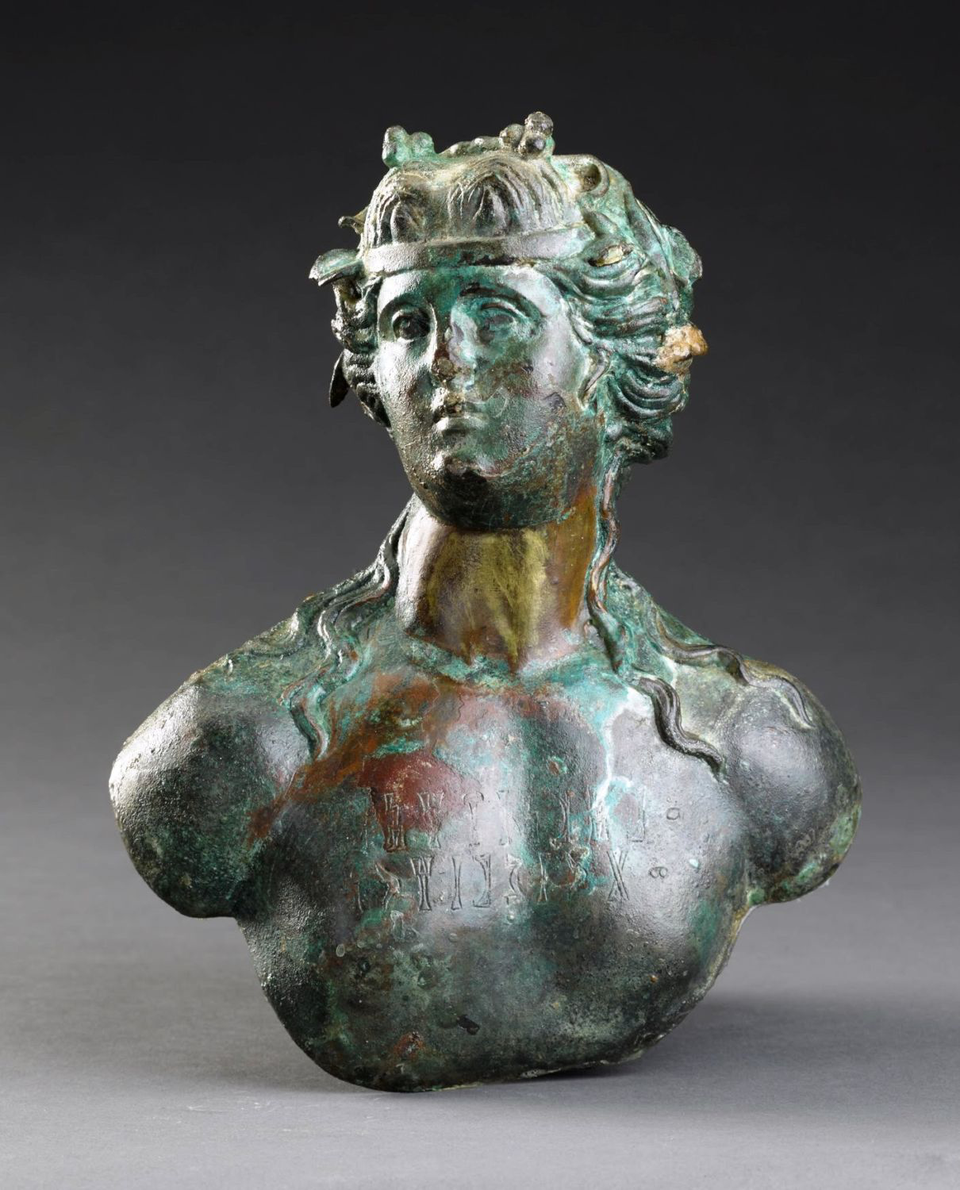
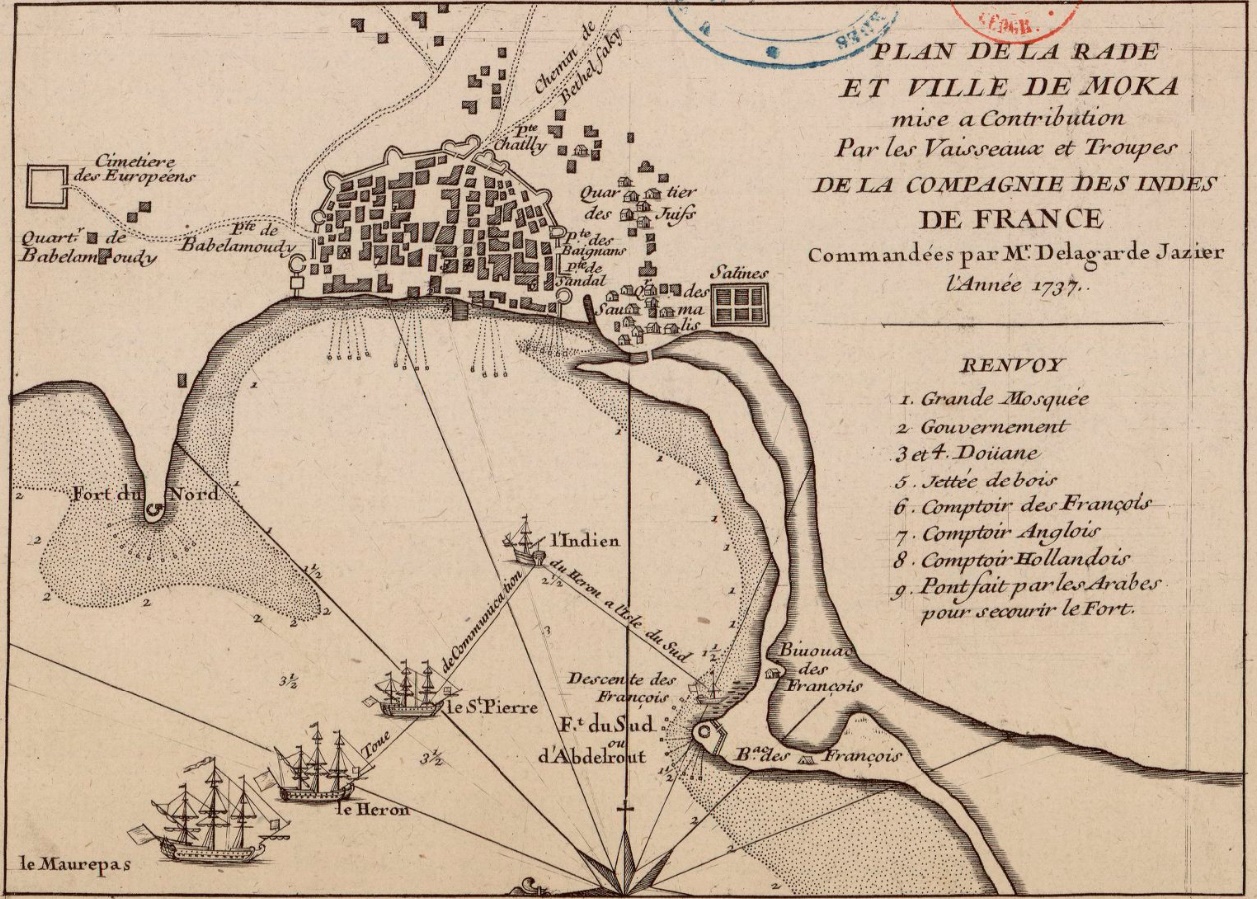
As Yemeni coffee production grew, a specific port city emerged as the world's coffee trading capital: Mocha (sometimes spelled Mokha or Moka).
Mocha sits on Yemen's Red Sea coast. From the 15th through the 17th centuries, it was the primary export point for Yemeni coffee heading to Egypt, the Ottoman Empire, Europe, India, and beyond. Merchants from every coffee-consuming region came to Mocha to buy beans.
The name Mocha became so closely associated with coffee that it entered global vocabulary. To this day, "mocha" is used generically to mean coffee in many contexts. The chocolate-and-coffee drink called "café mocha" takes its name from this ancient port.
At its peak, Mocha was one of the busiest international ports in the world. Dozens of ships were anchored in its harbor at any time.
Yemen's Coffee Monopoly
For nearly two centuries, Yemen held a virtual monopoly on the global coffee trade. Yemeni authorities understood that their control of coffee was a source of enormous wealth.
Green coffee beans can be planted and grown. But processed coffee beans — those that have been fully dried, parched, or treated with hot water — lose their ability to germinate. Yemeni authorities required that all coffee leaving Mocha be processed in ways that prevented foreigners from planting their own coffee crops.
This clever policy kept coffee cultivation bottled up in Yemen even as demand for the drink exploded across Europe, India, and the Ottoman Empire.

How the Monopoly Was Broken
Monopolies rarely last forever. Two major smuggling events in the 17th century ended Yemen's monopoly.
The first involved a Sufi pilgrim named Baba Budan, who traveled from India to Mecca around 1670. On his return journey, he passed through Yemen and allegedly smuggled seven fertile coffee seeds home by strapping them to his belly. He planted them in the hills of Karnataka, India.
The second involved the Dutch East India Company, which managed to acquire live coffee plants from Yemen in the early 1600s and transported them to their colonies in Indonesia, particularly Java.
Once the seal was broken, coffee spread rapidly. The French took plants from Indonesia to their Caribbean colonies. The Portuguese took them to Brazil. Within a century, coffee was being grown in dozens of countries across four continents.
Yemen's Traditional Coffee Varieties
Yemen cultivates some of the oldest coffee varieties still grown commercially anywhere in the world. These varieties descend directly from the original Ethiopian genetics but have evolved over centuries to adapt to Yemeni conditions.
Udaini is perhaps the most famous Yemeni variety. It produces small, dense beans with intense chocolate, spice, and winey flavors.
Dawairi is another classic Yemeni variety, known for complex fruit and floral notes.
Tuffahi (meaning "apple" in Arabic) produces coffees with bright acidity and apple-like characteristics.
Bura'i is one of the oldest documented Yemeni varieties, still grown in traditional terraces today.
Yemeni Coffee Processing
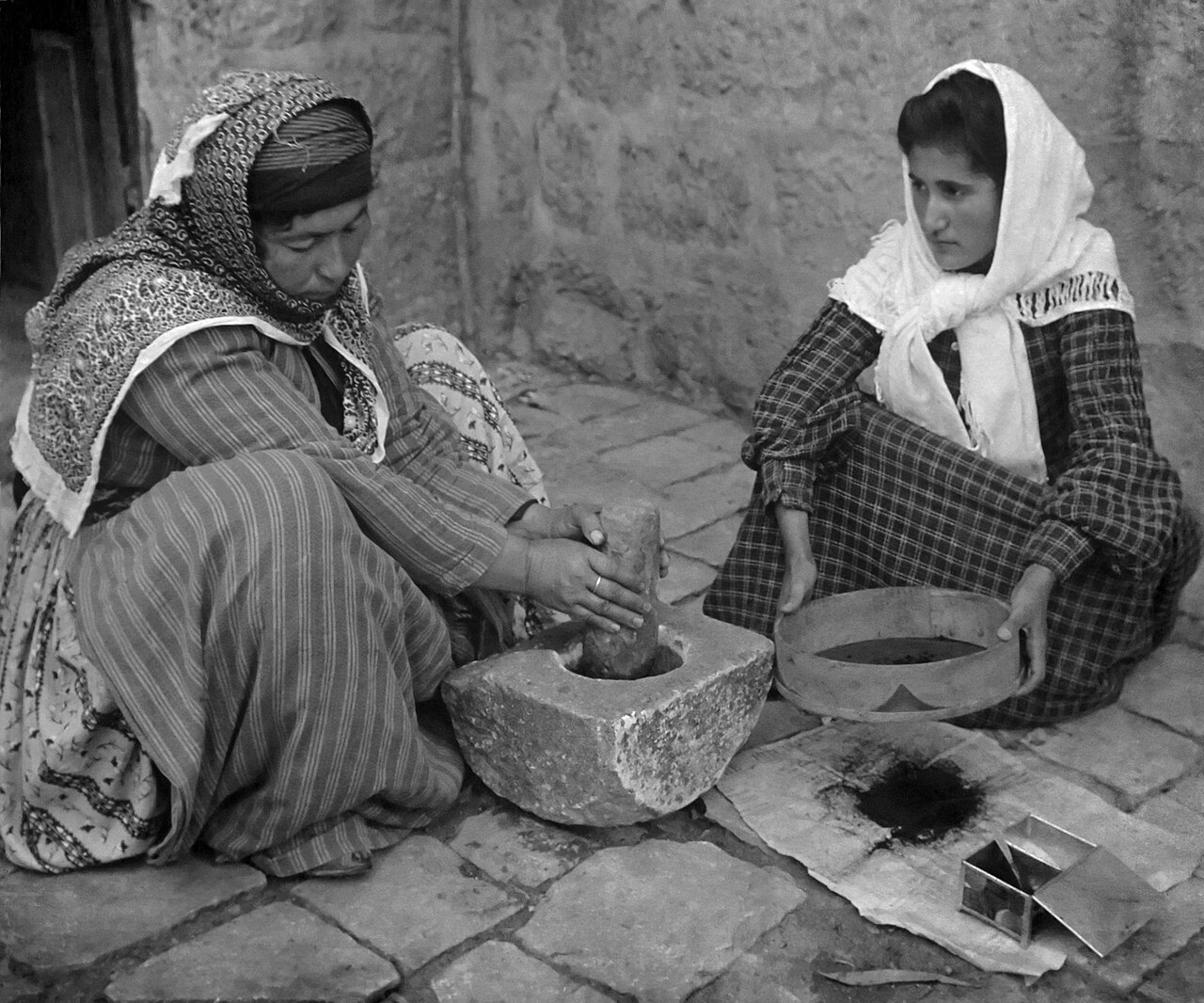
Yemen developed distinctive processing methods that differ from those used in most other coffee countries. Because Yemen is extremely dry, with scarce water, washed processing was impractical. Instead, Yemeni farmers perfected dry (natural) processing.
In Yemeni traditional processing, coffee cherries are harvested and laid out on rooftops, courtyards, or flat stone terraces to dry in the sun for several weeks. As the cherries dry, they shrivel around the beans inside, and the fruit sugars infuse the beans with intense, wine-like, fruity flavors.
Once fully dried, the outer cherry layers are removed (traditionally by hand) to extract the green coffee beans.
Yemeni Coffee Culture
Coffee is central to Yemeni culture. Like most Arab cultures, Yemen has strong traditions of coffee hospitality — offering coffee to guests is not optional, it is a social obligation.
Yemeni coffee is often served in small cups without handles, brewed strong and sometimes spiced with cardamom, ginger, or cinnamon. In some traditions, the coffee is brewed from the husks of the cherries (called "qishr" in Arabic) rather than from the beans themselves.
Yemen Coffee Today
Yemen today faces enormous challenges. Decades of conflict have devastated the country's infrastructure, economy, and agriculture. Many traditional coffee farms have been abandoned.
Despite these hardships, Yemeni coffee persists. Some heroic farmers continue to tend ancient terraces, preserving coffee varieties and cultivation traditions that date back centuries. A small but passionate specialty coffee movement has emerged.
When you drink Yemeni coffee, you are tasting a living heritage that predates every other commercial coffee tradition on Earth.
Frequently Asked Questions
Q: Where is Yemen in relation to Ethiopia? Yemen is directly across the Red Sea from Ethiopia, separated by only about 30 kilometers at the narrowest point.
Q: Is Mocha a real place? Yes. Mocha is a real port city on Yemen's Red Sea coast. It was the world's most important coffee trading port from the 15th through 17th centuries.
Q: Why do we call chocolate-coffee drinks "mocha"? The name comes from the Yemeni port of Mocha, which historically shipped coffees with distinctive chocolate-like flavor notes.
Q: How did coffee leave Yemen? Coffee left Yemen through smuggling — most famously by Baba Budan in the 1670s and by the Dutch East India Company.
Q: What is qishr? Qishr is a traditional Yemeni drink made from dried coffee cherry husks rather than from coffee beans.
Q: Is Yemeni coffee still available today? Yes, though in limited quantities due to ongoing conflict in Yemen.
Q: What does Yemeni coffee taste like? Yemeni coffee is famous for its deep, complex flavors — often described as chocolatey, winey, earthy, spicy, and full-bodied.
Q: How is Yemeni coffee connected to Puerto Rico? Every coffee plant in Puerto Rico descends genetically from Ethiopian ancestors that traveled through Yemen. The Typica and Bourbon varieties grown in Puerto Rico are descendants of Yemeni seed stock.
Taste the Legacy of Mocha
The port of Mocha gave the world coffee — and its legacy lives on in every authentic coffee tradition, including Puerto Rico's.
BUY AUTHENTIC PUERTO RICO COFFEE →
Related Articles
- Ethiopia: The Birthplace of Coffee
- The Legend of Kaldi the Goat Herder
- The Sufi Monks and Coffee's Spiritual Journey
- Coffee's Spread to the Ottoman Empire
- The Dutch Coffee Empire
Part of The Coffee Encyclopedia — The World's Largest Free Coffee Reference. Proudly sponsored by PuertoRicoCoffeeShop.com — Authentic Puerto Rico Coffee.