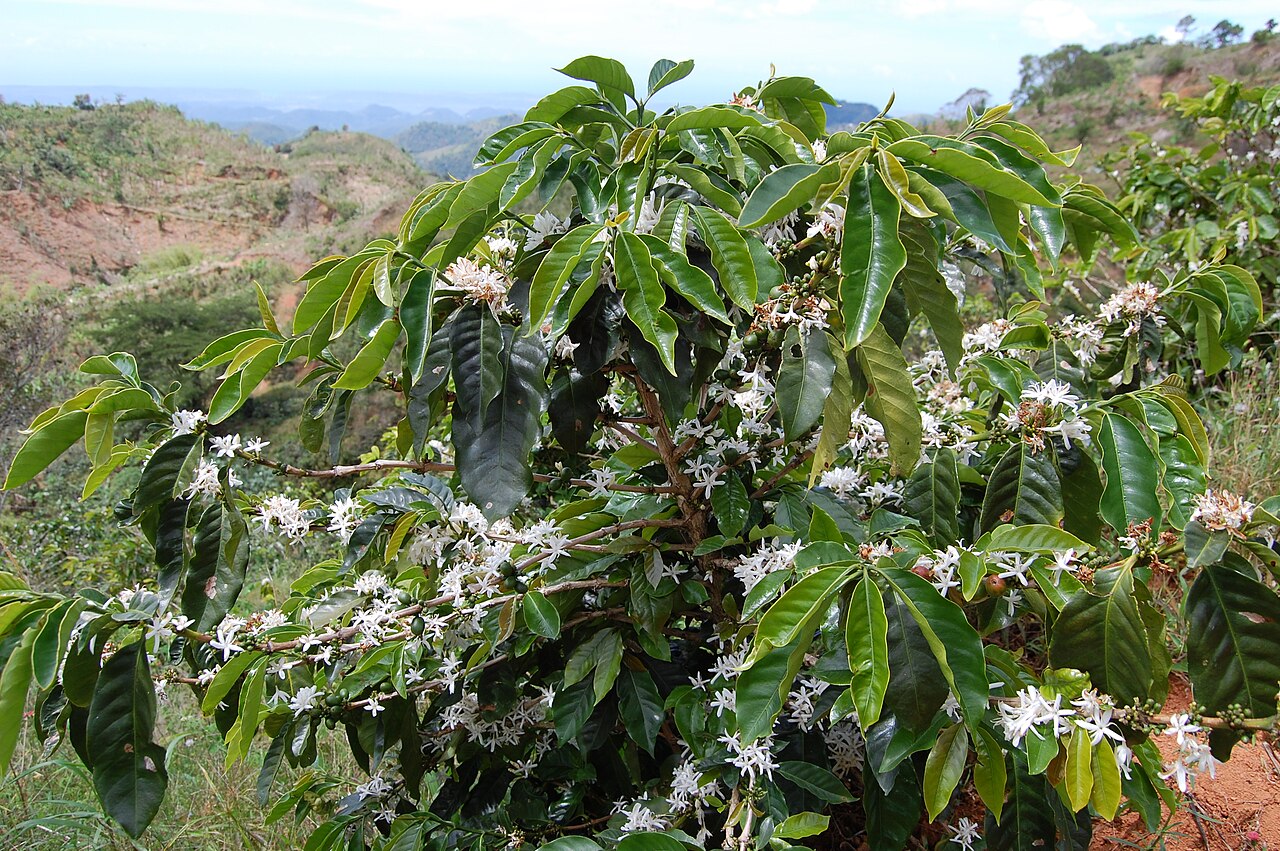
Jayuya: Taíno Mountain Coffee
Summary
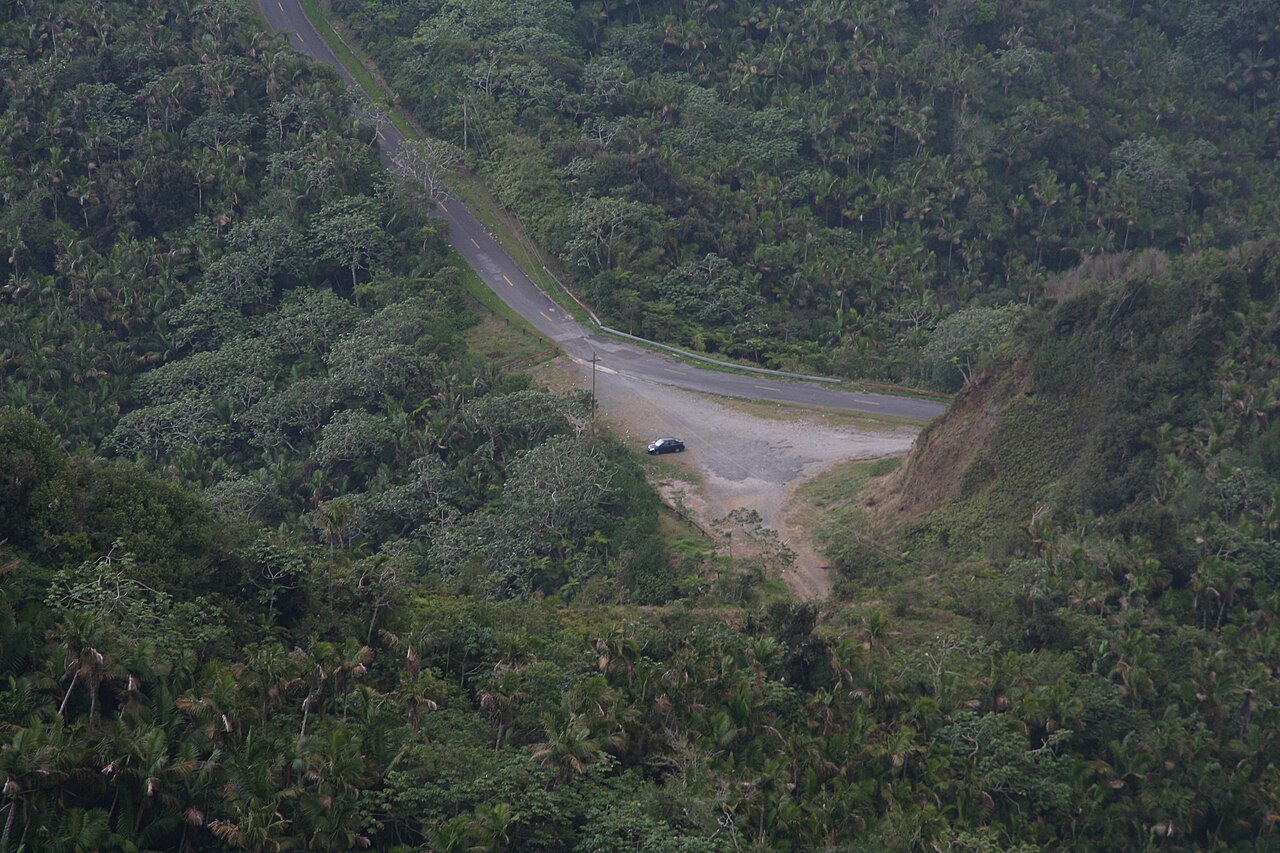
Jayuya occupies Puerto Rico's highest mountain terrain, home to Cerro de Punta — the island's tallest peak at 1,338 meters — and some of the most elevated coffee farms in the Caribbean. This altitude gives Jayuya coffee a distinctive density and flavor complexity that specialty buyers prize. The municipality also preserves Puerto Rico's deepest Taíno indigenous heritage, with petroglyph sites, cultural institutions, and annual festivals that honor the island's pre-Columbian past. The combination of extreme elevation, indigenous heritage, and multi-generational coffee expertise makes Jayuya a singular coffee region — one where the highest Puerto Rican coffee grows in the shadow of Taíno ancestors.
Roof of Puerto Rico
Jayuya sits in the geographic and topographic center of Puerto Rico, occupying approximately 44 square miles of the island's highest terrain. The municipality contains Cerro de Punta (1,338 meters / 4,390 feet), the highest peak in Puerto Rico, along with other major peaks exceeding 1,200 meters.
This extreme altitude — extreme for a Caribbean island — creates climate and growing conditions found nowhere else in Puerto Rico. The temperature at Cerro de Punta's summit can drop to near-freezing on winter nights, and cloud forest ecosystems occupy the upper elevations. Morning fog regularly fills the valleys. The air is noticeably cooler and drier than coastal regions.
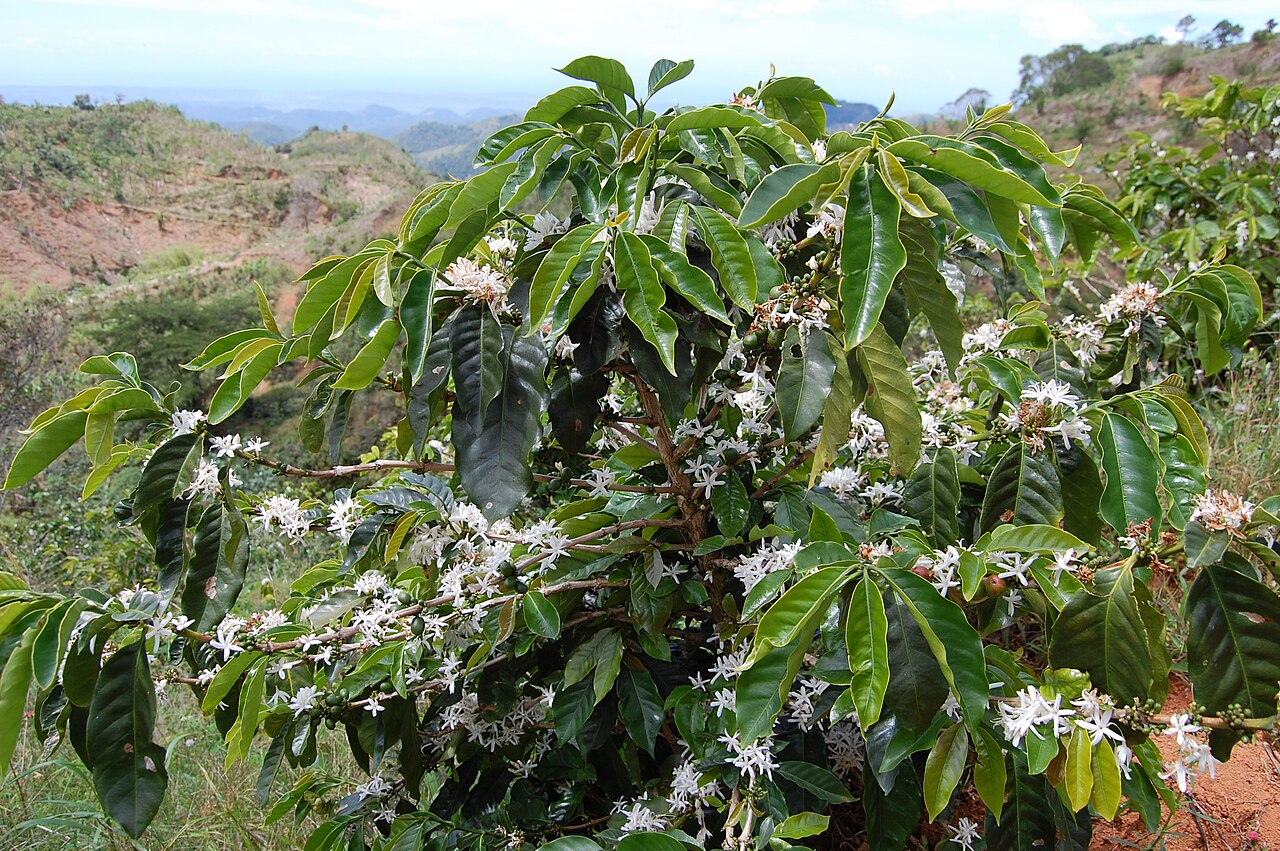
For coffee, these mountain conditions are transformative. Some Jayuya farms cultivate coffee at elevations exceeding 1,000 meters — among the highest commercial coffee production in the Caribbean. At these altitudes, coffee cherries mature extremely slowly, developing exceptional density and concentrated flavors. The cool nights and warm days create the temperature differential that specialty coffee buyers seek.
The Taíno Heritage
Jayuya holds a unique position in Puerto Rican cultural identity as the symbolic center of Taíno heritage. The Taínos, the indigenous people who inhabited Puerto Rico before Spanish colonization, left their deepest archaeological and cultural traces in the central mountains. Jayuya preserves this heritage more visibly than any other Puerto Rican municipality.
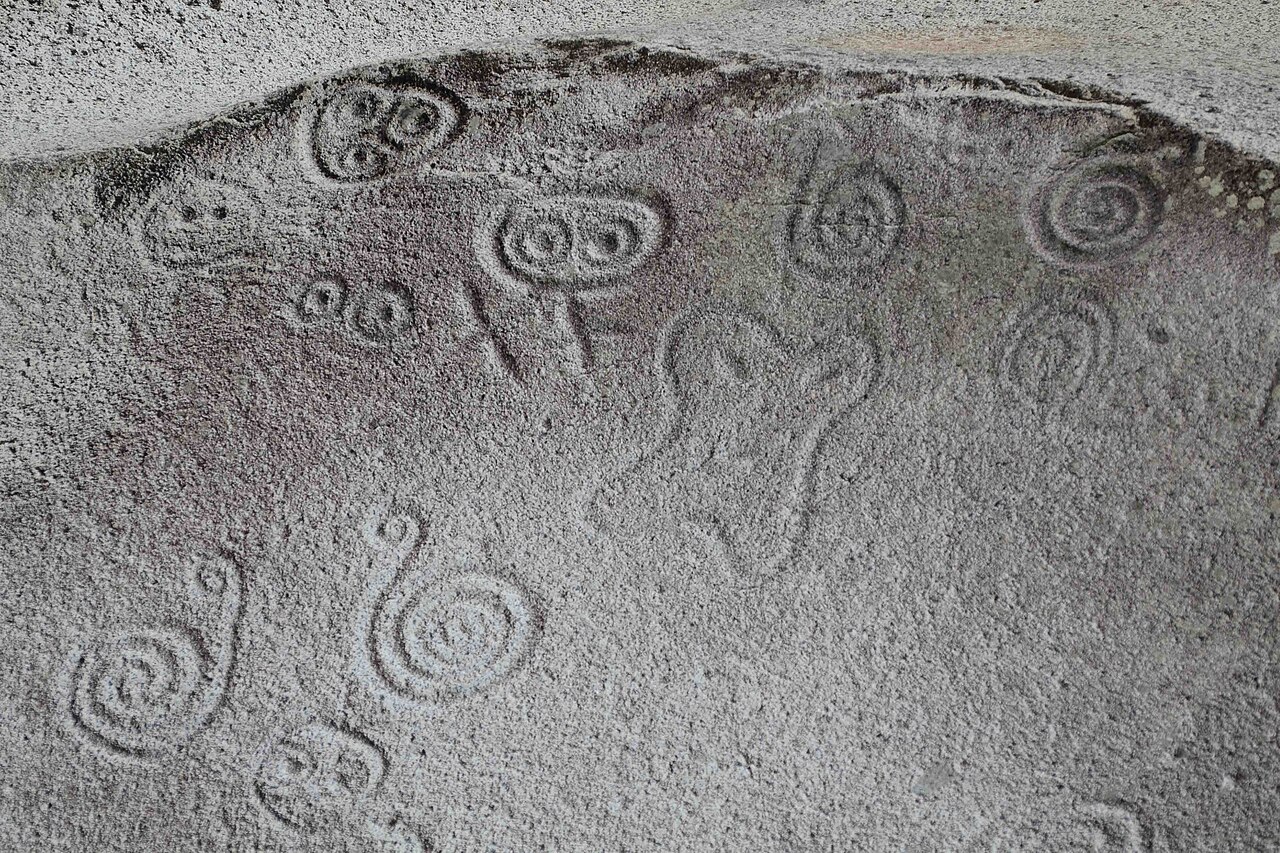
La Piedra Escrita (The Written Stone) is Jayuya's most famous Taíno site — a massive rock in the Río Saliente bearing petroglyphs carved by Taíno artists. The rock sits in a scenic river setting and remains a site of both archaeological importance and ongoing cultural reverence. Visitors can see pre-Columbian artwork carved directly into the Puerto Rican landscape.
The Museo Cemí (Cemí Museum) is built in the distinctive triangular shape of a Taíno cemí (spiritual object). The museum houses artifacts, educational exhibits, and cultural presentations about Taíno civilization.
Festival Nacional Indígena is Puerto Rico's major annual celebration of indigenous heritage, held in Jayuya. The festival features traditional music, dance, arts, food, and ceremonies connecting contemporary Puerto Ricans with their indigenous ancestors.
The name "Jayuya" itself comes from the Taíno language — possibly derived from the name of a Taíno chief (cacique) or from words describing the region's topography. This linguistic heritage reminds every visitor that they walk on land named by its original inhabitants.
The 1950 Jayuya Uprising
Jayuya also holds a prominent place in 20th-century Puerto Rican political history. On October 30, 1950, nationalist revolutionaries led by Blanca Canales seized control of Jayuya, raised the Puerto Rican flag (then legally restricted under US colonial law), and declared the Republic of Puerto Rico. The Jayuya Uprising was part of a broader coordinated nationalist revolt that also included actions in other Puerto Rican towns and the famous attempt on US President Truman in Washington, DC.
The uprising was suppressed within days. US forces — including aerial bombing by the Puerto Rico Air National Guard, a rare instance of air attack on US territory — crushed the revolt. Blanca Canales was arrested and imprisoned. But like the 1868 Grito de Lares 82 years earlier, the Jayuya Uprising became a foundational moment in Puerto Rican nationalist memory.
This political heritage gives Jayuya a dual revolutionary identity — both the pre-Columbian resistance symbolized by Taíno heritage and the 20th-century nationalist resistance symbolized by the 1950 uprising. The mountain town carries weight in Puerto Rican cultural consciousness disproportionate to its size.
Coffee Terroir at the Top
Jayuya coffee grows primarily between 600 and 1,100 meters, with some specialty lots cultivated higher still. The combination of extreme altitude, volcanic soil, and mountain climate produces beans with distinctive characteristics:
Extreme bean density: The slow maturation at altitude produces coffee beans significantly denser than lower-elevation coffees, which translates to richer flavor per unit.
Concentrated flavors: The slow development concentrates complex flavor compounds that develop during roasting into layered cup profiles.
Complex acidity: Jayuya coffees often feature more nuanced acidity than other Puerto Rican regions — citrus, stone fruit, and occasionally floral notes layered into the cup.
Full body with clarity: The coffee achieves substantial mouthfeel without muddiness, with distinct flavor notes remaining clearly identifiable.
Long finish: Well-prepared Jayuya coffee features exceptionally long, evolving finishes that continue developing after swallowing.
Professional cuppers evaluating Jayuya coffee often use language associated with the finest coffees globally — complex, layered, nuanced, sophisticated. The altitude premium is genuine and measurable in the cup.
Hacienda Families and Traditions
Watch: El Motor: Coffee and the Heart of Puerto Rico — Library of Congress Documentary
Jayuya hosts some of Puerto Rico's most storied coffee hacienda families, with operations extending back multiple generations. Several historic haciendas continue producing today under families that have worked the same mountain land for more than a century.
These multi-generational operations preserve traditional farming knowledge — when to plant, how to manage shade trees, which microclimates suit which varieties, how to time harvest for peak quality. This accumulated expertise, passed parent-to-child across generations, represents irreplaceable cultural capital that distinguishes Jayuya coffee from operations run by newer owners without deep regional roots.
Jayuya hosts several historic coffee hacienda families, some operating under names that have existed since the early 20th century, continuing multi-generational coffee production throughout the municipality.
The Cordillera Central and the Jíbaro Monument
Jayuya lies at the heart of Puerto Rico's Cordillera Central mountain range, and the municipality contains the Monumento al Jíbaro Puertorriqueño (Monument to the Puerto Rican Jíbaro). This prominent roadside sculpture honors the mountain farmer figure central to Puerto Rican cultural identity.
The jíbaro — independent mountain peasant, coffee grower, bearer of traditional culture — emerged historically in exactly these mountains, and the monument placed in Jayuya affirms the region as jíbaro homeland. For visitors traveling through the central Cordillera, the monument provides a visual reminder that the mountains represent not just scenic beauty but cultural continuity.
The Cool Climate
Jayuya's altitude gives it one of Puerto Rico's most pleasant climates, notably cooler than coastal areas year-round. Temperatures typically range from 16°C (60°F) on winter nights to 27°C (80°F) on summer afternoons — remarkably moderate by Caribbean standards. Humidity is lower at altitude. Cloud cover is frequent, creating the cool, misty mornings that coffee trees love.
For visitors, this climate provides welcome contrast to the tropical heat of coastal Puerto Rico. Jayuya town, at roughly 500 meters elevation, feels genuinely like a mountain retreat. Summer visits that would be uncomfortable in San Juan are pleasant in Jayuya.
For coffee, the moderate temperatures translate to consistent growing conditions and optimal cherry development. The altitude effects that distinguish Jayuya coffee depend entirely on this climate.
Modern Jayuya Coffee
Contemporary Jayuya coffee production emphasizes specialty quality over volume:
Scale: Small to medium family farms predominate, producing thousands rather than millions of pounds annually.
Varieties: Traditional Typica and Bourbon alongside modern cultivars including Limaní, Catuaí, and experimental specialty varieties. Some farms cultivate Gesha and other prestige varieties for premium markets.
Processing: Predominantly washed processing, with increasing adoption of natural and honey processes for specialty lots.
Markets: Strong specialty focus — Jayuya's altitude reputation supports premium pricing in both domestic Puerto Rican markets and international specialty trade.
Tourism integration: Multiple Jayuya farms welcome visitors, often combining coffee tours with cultural heritage experiences (Taíno sites, mountain scenery, traditional cuisine).
Climate resilience: Post-María recovery included significant investment in disaster-resistant farming practices, including improved shade canopies and diversified tree varieties.
Visiting Jayuya
Jayuya offers visitors an unmatched combination of coffee, culture, and landscape:
- La Piedra Escrita — pre-Columbian Taíno petroglyphs in river setting
- Museo Cemí — cultural museum in distinctive Taíno-shaped building
- Cerro de Punta — summit of Puerto Rico's highest mountain
- Monumento al Jíbaro — iconic Puerto Rican cultural monument
- Working coffee haciendas — tours, tastings, farm-to-cup experiences
- Festival Nacional Indígena — annual indigenous heritage celebration
- Mountain hiking — extensive trails in surrounding highlands
A full Jayuya visit typically spans 2-3 days, allowing time for coffee tourism, cultural exploration, and mountain hiking. The town offers accommodations ranging from rustic mountain lodges to comfortable inns.
Key Facts
- Location: Central highest mountain region of Puerto Rico
- Municipality founded: 1883
- Highest peak: Cerro de Punta, 1,338 meters (4,390 ft) — highest in Puerto Rico
- Coffee growing elevation: 600-1,100+ meters
- Indigenous heritage: Richest Taíno archaeological and cultural sites on the island
- Notable uprising: October 30, 1950 Jayuya Uprising led by Blanca Canales
- Flavor profile: Dense, complex, full body with clarity, long finish
- Cultural landmarks: La Piedra Escrita, Museo Cemí, Monumento al Jíbaro
Frequently Asked Questions
Q: Why does Jayuya coffee taste different from other Puerto Rican coffees? Jayuya's extreme altitude — among the highest commercial coffee production in the Caribbean — produces denser beans with more concentrated flavors. The slow maturation at elevation develops complexity unavailable at lower altitudes.
Q: What is the Taíno connection to Jayuya? Jayuya preserves Puerto Rico's deepest indigenous heritage, with pre-Columbian petroglyph sites, cultural museums, and the annual Festival Nacional Indígena. The municipality's name itself derives from the Taíno language.
Q: Can I see Cerro de Punta? Yes. Cerro de Punta, Puerto Rico's highest peak, is accessible via hiking trails and scenic mountain roads. The summit offers panoramic views across the island on clear days.
Q: What was the Jayuya Uprising? The Jayuya Uprising was the October 30, 1950 nationalist revolt led by Blanca Canales, part of a broader coordinated action for Puerto Rican independence. It was suppressed within days but became an important moment in Puerto Rican nationalist history.
Q: How cool is Jayuya's climate? Jayuya's altitude gives it temperatures typically ranging from 16°C (60°F) on winter nights to 27°C (80°F) on summer afternoons — notably cooler than coastal Puerto Rico and ideal for both coffee cultivation and comfortable visitor experiences.
BUY AUTHENTIC PUERTO RICO COFFEE →
Part of The Coffee Encyclopedia — Sponsored by PuertoRicoCoffeeShop.com.