
The Legend of Kaldi the Goat Herder
Summary
According to popular legend, coffee was discovered around the 9th century by an Ethiopian goat herder named Kaldi, who noticed his goats became energetic and playful after eating the red cherries of a certain tree. Kaldi tried the cherries himself, felt their stimulating effect, and shared his discovery with local monks — setting in motion a story that would transform the world. While historians debate whether Kaldi actually existed, the legend captures something true: coffee was first discovered in the Ethiopian highlands, and its energizing power astonished everyone who encountered it.
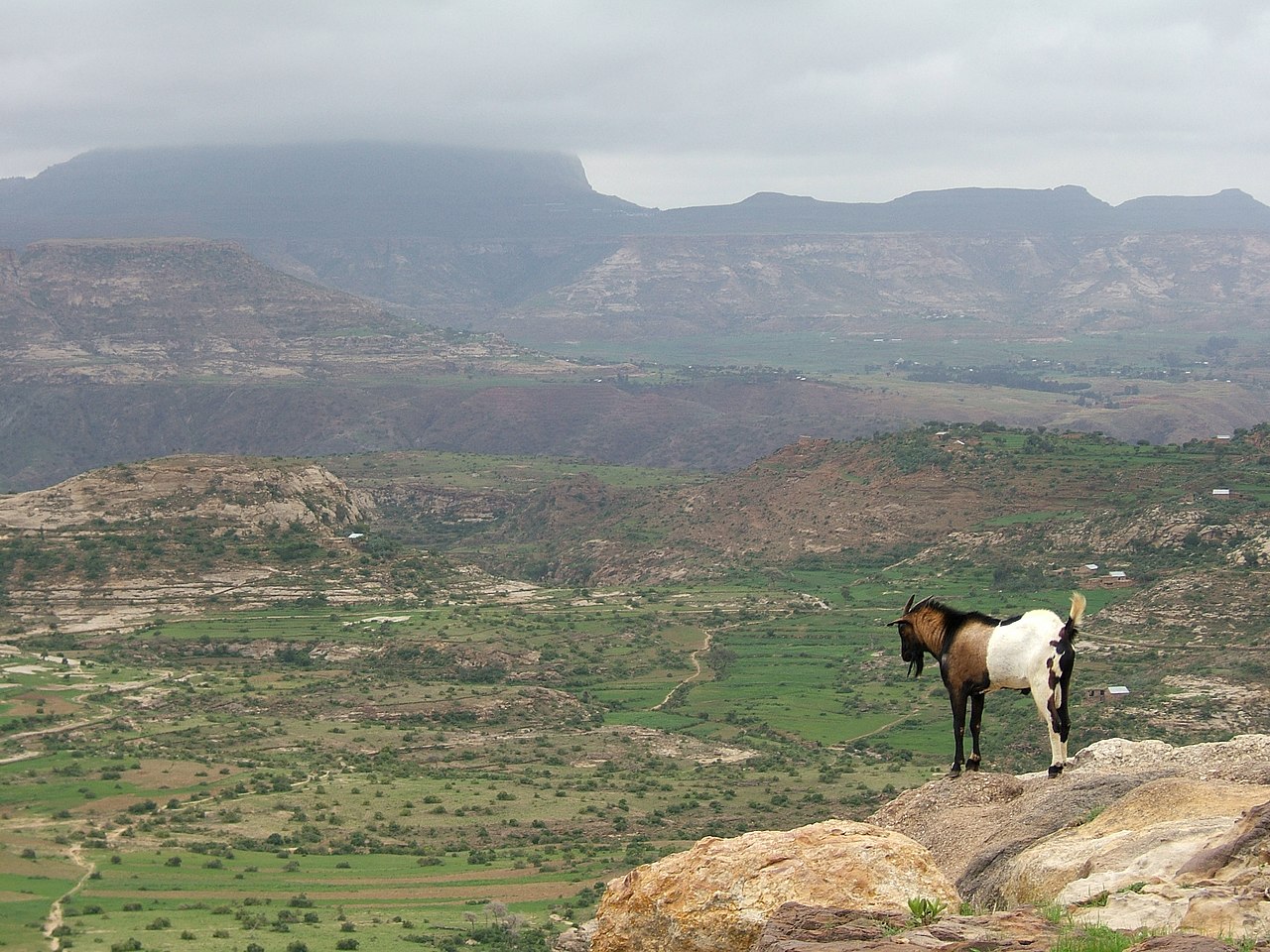
Table of Contents
- Who Was Kaldi?
- The Dancing Goats Discovery
- The Monastery Miracle
- From Legend to Coffee Cup
- Why the Kaldi Story Matters
- Historical Accuracy: Did Kaldi Really Exist?
- The Ethiopian Highlands: Coffee's True Birthplace
- Coffee's Journey Beyond Kaldi
- Kaldi in Modern Coffee Culture
- Frequently Asked Questions
Who Was Kaldi?
Kaldi is remembered as a young Ethiopian goat herder who lived in the Kaffa region of southwestern Ethiopia — a highland area blanketed in thick forests and cool mountain air. Most versions of the legend place him in the 9th century, though some storytellers push the date back further. He spent his days watching a small flock of goats roam the steep hillsides, grazing on whatever grasses, shrubs, and wild plants they could find.
In the legend, Kaldi is portrayed as a curious, observant young man. He knew his goats well. He knew which plants made them sick, which ones they loved, and which fields produced the best milk. So when his goats started behaving strangely one afternoon, he paid close attention.
The Dancing Goats Discovery
Watch: The Kaldi Story — The Legend of How Coffee Was Discovered
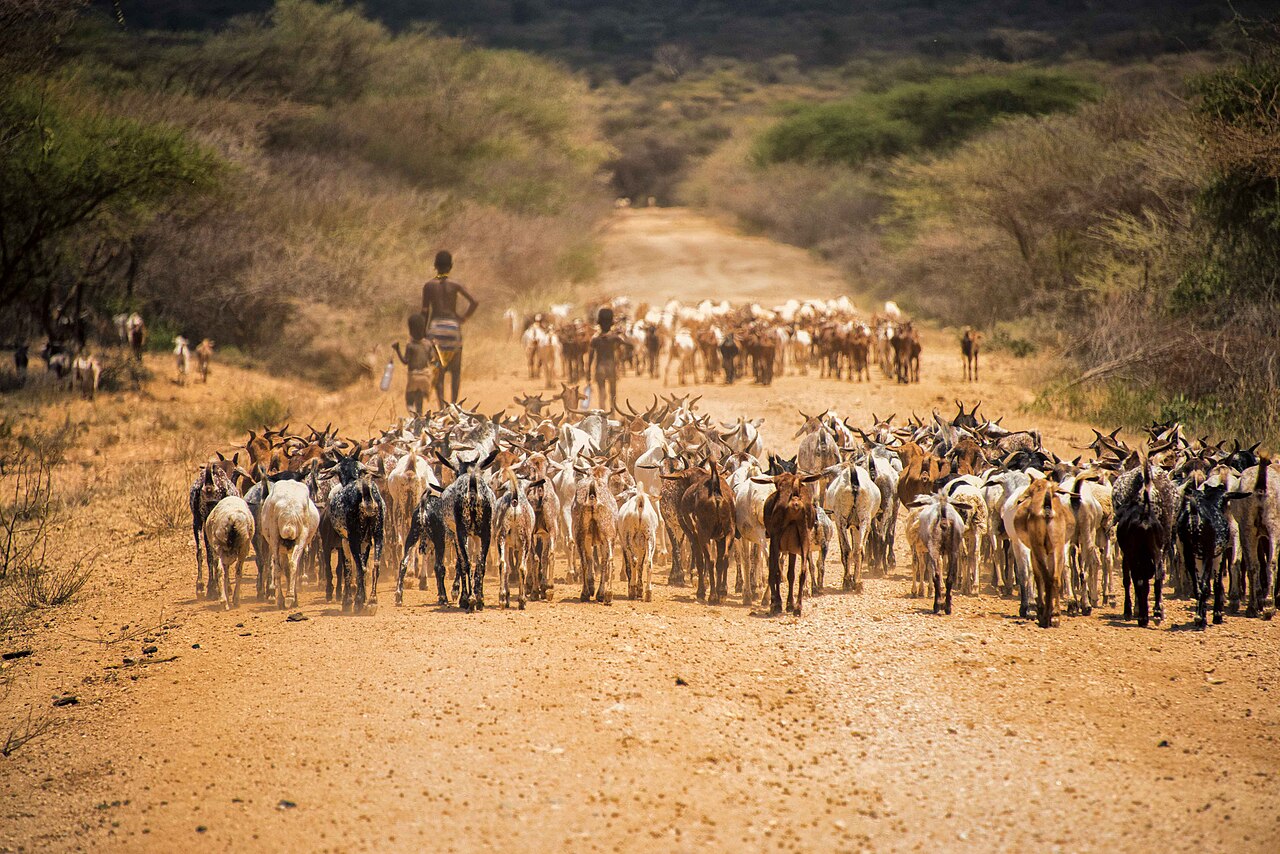
The story goes like this: Kaldi was tending his goats one day when he noticed them acting completely out of character. Instead of their usual calm grazing, the animals were leaping, prancing, and almost dancing on their hind legs. They bleated energetically. They seemed full of life — even the older goats that normally moved slowly.
Curious, Kaldi watched to see what they had been eating. His eyes settled on a small tree with glossy green leaves and clusters of bright red cherries. The goats had been feasting on the cherries, chewing them eagerly and coming back for more.
Kaldi approached the tree, picked a handful of the cherries, and examined them. They were roughly the size of a small grape, firm to the touch, and gave off a faint sweet smell. He took a cautious bite.
The flavor surprised him — slightly sweet, slightly bitter, with a seed inside each cherry. But within minutes, something remarkable happened. Kaldi felt a wave of alertness and energy wash over him. His tiredness vanished. His mind felt clear and sharp. He felt, in his own way, just as energetic as his dancing goats.
He had discovered coffee.

The Monastery Miracle
Kaldi ran home to tell his wife about the wondrous cherries. She listened to his story and, being a wise woman, suggested he take the cherries to the local monastery. Perhaps the monks would know what this strange fruit was.
When Kaldi arrived at the monastery and presented his discovery, the reaction was not what he expected. The head monk listened to the goat herder's tale, examined the cherries, and then — according to the most popular version of the story — declared them the devil's work. He threw the cherries into the monastery fire.
But something miraculous happened. As the cherries roasted in the flames, the most intoxicating aroma filled the monastery. It was warm, rich, nutty, and deeply inviting. The other monks came running to investigate the scent. They rescued the roasted beans from the embers, crushed them, and mixed them with hot water to preserve the precious aroma.
The result was the world's first cup of coffee.
The monks drank this new beverage and discovered something revolutionary: they could stay awake for their long nightly prayers without drowsiness. What had seemed like the devil's work turned out to be a divine gift — a drink that allowed them to pursue their spiritual devotion with unprecedented focus and clarity.

From Legend to Coffee Cup
The monks are said to have shared their discovery with other monasteries across Ethiopia. Word of the miraculous beans spread through the religious communities first, then to traders, and eventually across the Red Sea to Yemen, where coffee cultivation began in earnest a few centuries later.
By the 15th century, coffee was being systematically grown and traded in the Arabian Peninsula. By the 16th century, it had reached Istanbul, Cairo, and eventually Europe. By the 18th century, coffee was being grown in the Americas, including Puerto Rico, where it arrived in 1736 and became a cornerstone of the island's economy and culture.
Every espresso pulled, every pour-over brewed, every café con leche served in Puerto Rico — all of it traces back, in legend, to one curious goat herder who noticed his animals acting strange.
Why the Kaldi Story Matters
The Kaldi legend endures because it captures something essential about coffee itself: its discovery was accidental, its power was immediately obvious, and its appeal is universal. A goat, a person, a monk — all respond to coffee's gift of alertness and joy.
The story also honors coffee's deep Ethiopian roots. Coffee did not emerge from a laboratory or a grand imperial project. It emerged from a quiet moment between a young man and his animals in the highlands of Ethiopia — a region that still produces some of the finest coffee on Earth today.
When you drink a cup of coffee at PuertoRicoCoffeeShop.com or anywhere else in the world, you are participating in a tradition that began, according to this beautiful legend, with dancing goats.
Historical Accuracy: Did Kaldi Really Exist?
Historians are skeptical that Kaldi was a real person. The earliest written record of the Kaldi story does not appear until 1671, nearly 800 years after the events supposedly took place. This first written account comes from Antoine Faustus Nairon, a professor of Oriental languages in Rome, who included the tale in a book about coffee.
This long gap between the supposed event and the first written record suggests that Kaldi is more folklore than history. Many cultures have origin myths involving animals revealing a magical plant or food to humans, and the Kaldi story fits that pattern.
However, the underlying facts of the legend are well-supported. Coffee did originate in Ethiopia. Ethiopian farmers were almost certainly the first to cultivate and consume coffee. And the spread of coffee did involve Sufi Muslim religious communities who valued its ability to keep them alert during long prayers.
So while Kaldi himself may be legendary, the story he represents is fundamentally true.
The Ethiopian Highlands: Coffee's True Birthplace
The Kaffa region of southwestern Ethiopia — the legendary home of Kaldi — is still considered the genetic birthplace of coffee today. Wild coffee trees grow naturally in the forests there, and the region contains the greatest genetic diversity of Coffea arabica found anywhere on Earth.
Ethiopian farmers have been cultivating coffee for at least a thousand years. Unlike coffee-growing regions elsewhere in the world that rely on a handful of commercial varieties, Ethiopia is home to thousands of unique heirloom varieties, many of which have never been formally classified by scientists.
This genetic diversity makes Ethiopia extraordinarily important for the future of coffee. As climate change threatens coffee crops worldwide, the wild coffee trees of Ethiopia's forests may hold the key to developing varieties that can survive in a warmer world.
The Ethiopian coffee ceremony — a traditional ritual where green coffee beans are roasted, ground, and brewed in front of guests — remains one of the most important cultural practices in the country. It honors coffee's origins and celebrates its continuing role in Ethiopian life.
Coffee's Journey Beyond Kaldi
From its legendary beginnings with Kaldi and his goats, coffee embarked on a journey that would eventually touch every corner of the globe. The Arabian Peninsula cultivated it first. The Ottoman Empire popularized it in coffeehouses. European colonizers brought it to the Americas. And the Americas — including Puerto Rico — became major coffee producers in their own right.
Today, over 2.25 billion cups of coffee are consumed every day worldwide. It is the second most traded commodity on Earth after petroleum. And it all started, according to legend, with a goat herder in the Ethiopian highlands who was curious enough to taste what his goats were eating.
Kaldi in Modern Coffee Culture
The Kaldi legend lives on in modern coffee culture. Coffee shops around the world are named after him. His story is told to every new barista, every coffee student, every visitor to coffee museums. In Ethiopia, Kaldi's name appears on coffee brands, cultural festivals, and tourist attractions.
The dancing goat has become an unofficial symbol of coffee's joyful energy. You'll find it on coffee bags, café logos, and coffee-related artwork everywhere. It's a reminder that coffee is not just a drink — it's a story, a culture, a shared human experience that crosses every border.
Frequently Asked Questions
Q: When did Kaldi discover coffee? According to legend, Kaldi discovered coffee around the 9th century in Ethiopia, though the exact date is unknown and the story itself may be folklore rather than history.
Q: Where did Kaldi live? Kaldi is said to have lived in the Kaffa region of southwestern Ethiopia, which is widely considered the genetic birthplace of coffee.
Q: Is the Kaldi story true? The first written account of Kaldi appeared in 1671, nearly 800 years after the supposed events. Historians consider the specific story folklore, but the underlying facts — that coffee originated in Ethiopia and was first used by religious communities — are well-documented.
Q: What does "Kaldi" mean? The name Kaldi has no clear etymological origin in Ethiopian languages, which adds to the suspicion that the character is a literary invention rather than a historical person.
Q: How did coffee spread from Ethiopia? Coffee spread first to Yemen across the Red Sea, then throughout the Arabian Peninsula, then to the Ottoman Empire, Europe, and eventually the Americas, including Puerto Rico in 1736.
Q: Do goats really get energized by coffee cherries? Yes, coffee cherries contain caffeine, and animals that eat them do experience stimulant effects. The Kaldi legend has a plausible biological basis.
Q: What's the connection between Kaldi and Puerto Rico coffee? Every coffee plant growing in Puerto Rico today traces its genetic lineage back to Ethiopia — to the same highland forests where Kaldi is said to have tended his goats. Puerto Rico coffee is, in a real sense, a descendant of the first coffee trees Kaldi encountered.
Q: Where can I taste coffee descended from the original Ethiopian varieties? Authentic Puerto Rico coffee, available at PuertoRicoCoffeeShop.com, comes from Arabica plants whose ancestors originated in Ethiopia's highlands. Drinking Puerto Rico coffee connects you directly to coffee's ancient origins.
Taste the Legacy of Kaldi
Coffee has come a long way from a hillside in Ethiopia to the specialty roasters of the modern world. But the magic Kaldi discovered — the simple joy of a warm, energizing cup — remains unchanged.
Experience authentic Puerto Rico coffee, grown on mountain slopes that echo Ethiopia's own highlands, roasted fresh and delivered worldwide.
BUY AUTHENTIC PUERTO RICO COFFEE →
Related Articles
- Ethiopia: The Birthplace of Coffee
- The Sufi Monks and Coffee's Spiritual Journey
- Yemen and the Port of Mocha
- Coffee's Spread to the Ottoman Empire
- How Coffee Reached Puerto Rico in 1736
Part of The Coffee Encyclopedia — The World's Largest Free Coffee Reference. Proudly sponsored by PuertoRicoCoffeeShop.com — Authentic Puerto Rico Coffee.