Maricao: Where Coffee Meets the Cloud Forest
Summary
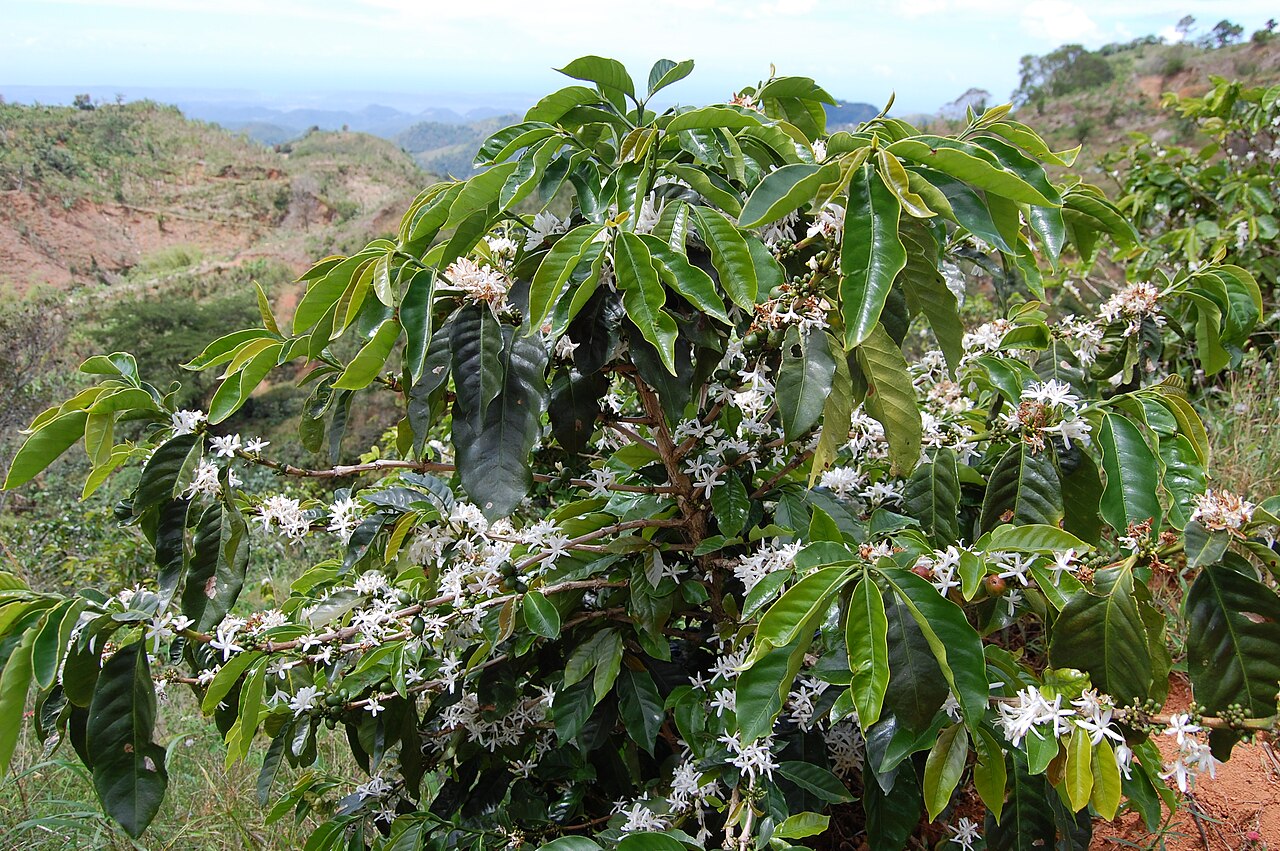
Maricao, perched in the western Cordillera at some of Puerto Rico's highest elevations, produces coffee where the cultivated fields meet protected cloud forest. This small western mountain municipality combines exceptional high-altitude coffee terroir with deep commitment to environmental protection, hosting both premium coffee farms and the Maricao State Forest — one of Puerto Rico's most biodiverse ecosystems. The municipality's annual Festival del Acabe del Café (Coffee Harvest Festival) is one of the island's most beloved cultural celebrations, honoring coffee workers and the mountain communities that sustain Puerto Rican coffee heritage.
The Western Mountain Municipality
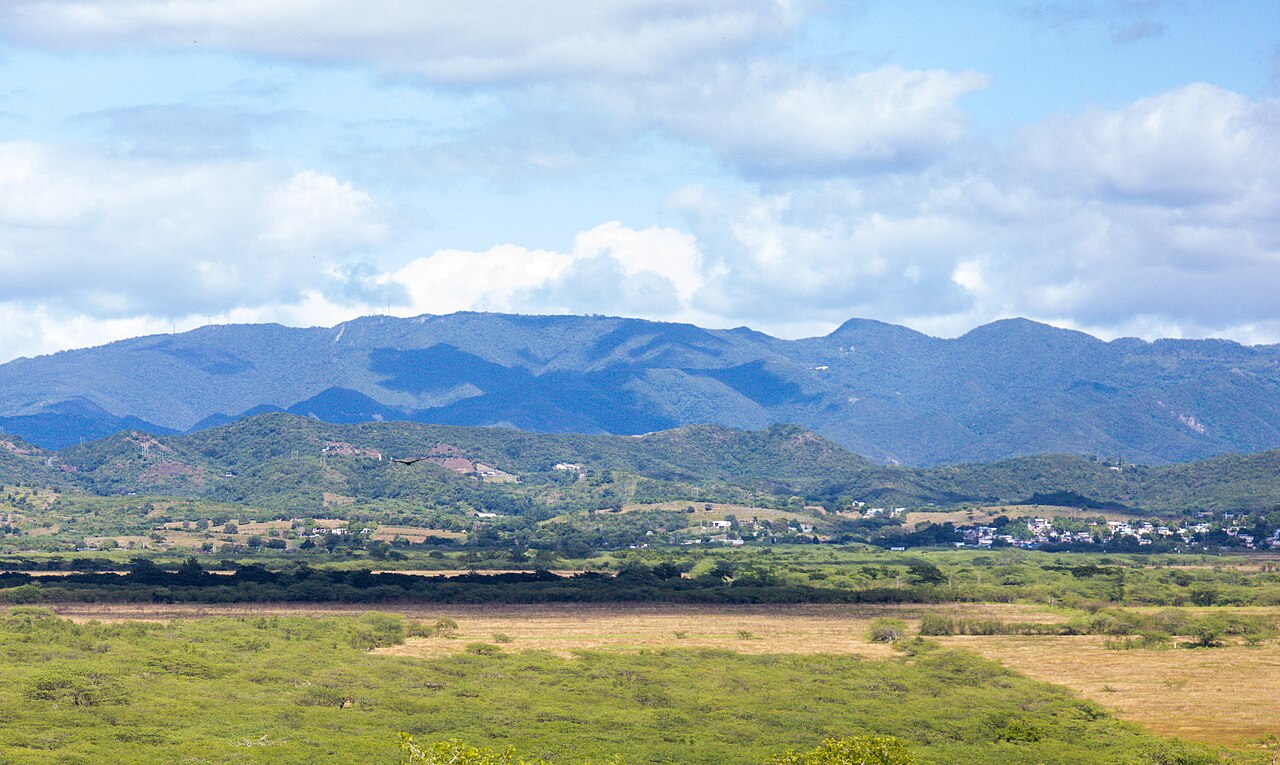
Maricao occupies approximately 36 square miles in the western Cordillera Central, making it one of Puerto Rico's smallest municipalities both in area and population. Fewer than 6,000 people live in Maricao, most concentrated in small mountain settlements scattered across the terrain.
This small population belies Maricao's outsized significance for Puerto Rican coffee. The municipality's high elevation — town center at roughly 550 meters, with coffee farms extending above 1,000 meters — places Maricao firmly in specialty coffee territory. The surrounding mountains rise even higher, with Monte Del Estado reaching approximately 908 meters.
The cool, moist mountain climate, protected forests, and traditional agricultural practices combine to create some of the most distinctive coffee-growing conditions in the Caribbean. Maricao coffee carries the character of these mountains in every cup — clean, elegant, and marked by the biodiversity that surrounds its cultivation.
The Cloud Forest
Maricao State Forest (Bosque Estatal de Maricao) covers more than 10,000 acres of protected mountain land within the municipality. The forest is one of Puerto Rico's most ecologically important protected areas, featuring:
Elfin cloud forest: At the highest elevations, stunted, moss-draped cloud forest trees create an ethereal landscape where mist hangs in the air nearly continuously.
Exceptional bird biodiversity: Maricao Forest hosts more bird species than almost any other location in Puerto Rico, including the endangered Puerto Rican vireo and Elfin-woods warbler (found nowhere else on Earth).
Endemic plants: Many plant species found in Maricao Forest grow nowhere else in the world.
Watershed protection: Rivers originating in Maricao feed downstream communities and ecosystems across western Puerto Rico.
Buffer for coffee agriculture: The protected forest directly adjoins coffee farms, providing ecological services including pollination, pest control, and microclimate stability.
This intimate relationship between cloud forest and coffee land is essential to Maricao's coffee identity. Farmers who cultivate alongside or within buffer zones of the protected forest maintain shade-tree canopies and biodiversity practices that connect coffee production to conservation.
Coffee Terroir
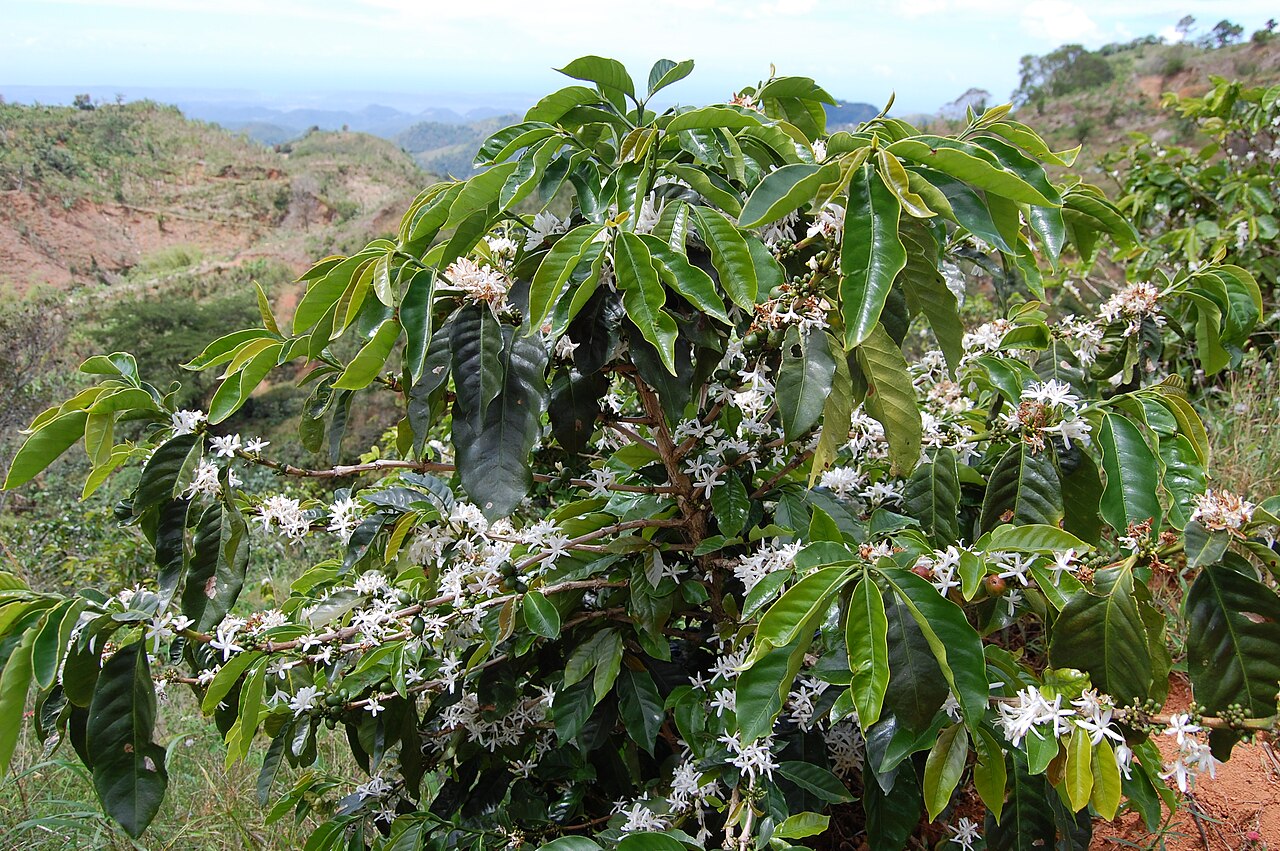
Maricao coffee grows across an elevation range from roughly 600 to over 1,200 meters — among the highest coffee elevations in the Caribbean. The terroir features several distinctive elements:
Cloud forest proximity: The regular mist, fog, and humidity from adjoining cloud forest creates moisture conditions that coffee trees love.
Cool mountain temperatures: Extended cool periods at altitude slow cherry development and concentrate flavors.
Volcanic and sedimentary soils: Mixed soil origins provide diverse mineral profiles across different farms.
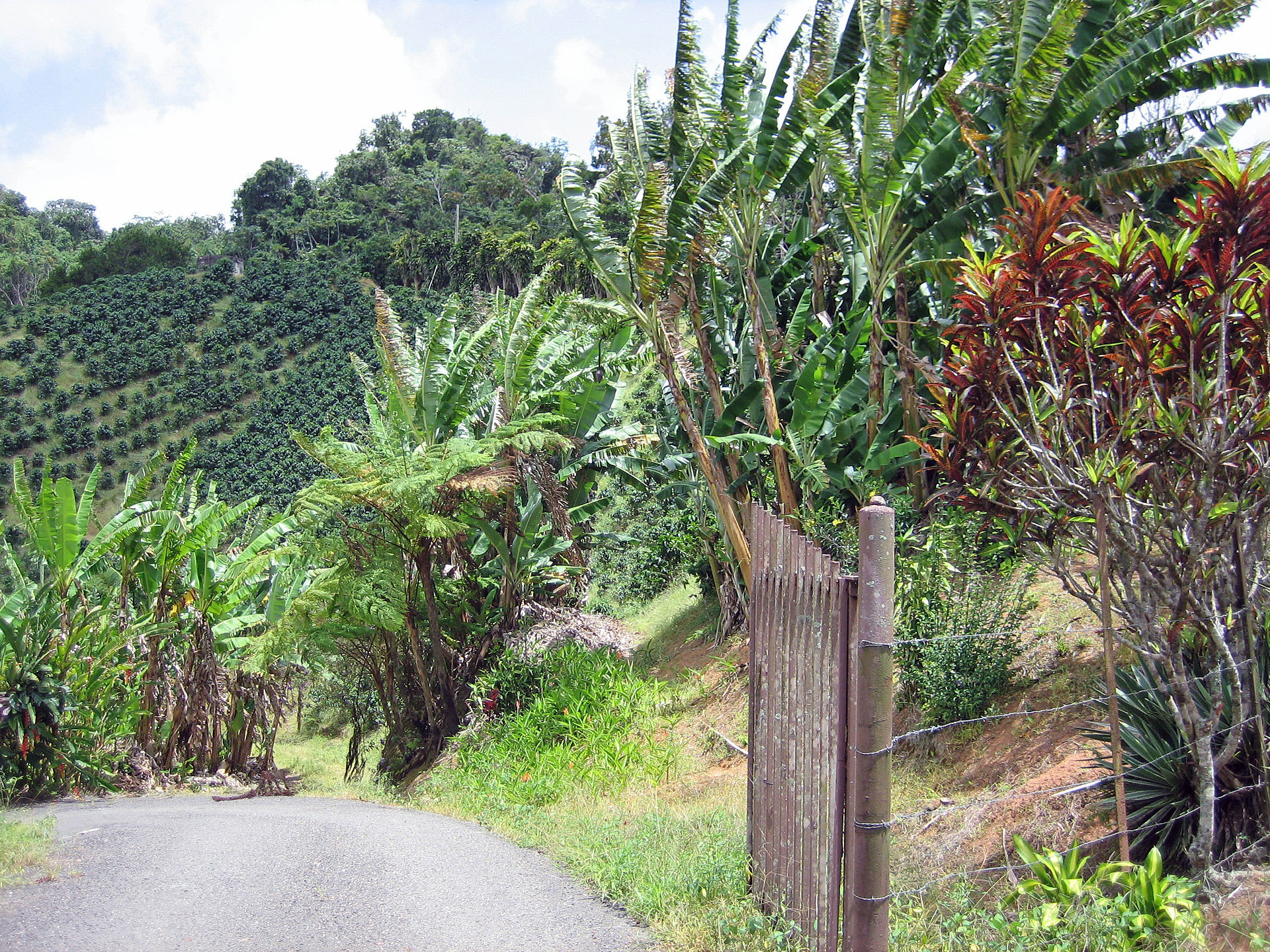
Shade-grown tradition: Strong commitment to shade-grown coffee under native canopy trees, sustained by the adjacent protected forest ecosystem.
Biodiversity integration: Coffee farms that integrate native vegetation support pollinators and natural pest control, reducing need for external inputs.
The resulting coffee features bright, clean acidity, elegant medium body, and complex aromatic notes often suggesting flowers, citrus, and subtle tropical fruits. Maricao coffee is sometimes described as the most refined and delicate of Puerto Rico's regional coffee styles.
The Municipality's Founding
Maricao was formally established as a municipality in 1874, relatively late in Puerto Rico's colonial history. The settlement grew in the late 19th century as coffee cultivation expanded into Puerto Rico's western highlands. Immigrants from Europe — particularly Corsicans, Spaniards, and Italians — established coffee haciendas in the newly accessible mountain terrain.
The municipality's name "Maricao" refers to a native tree (Byrsonima spicata) that grows throughout the region. This botanical naming reflects the deep connection between Maricao's identity and its natural environment that continues to define the municipality today.
Like other western coffee regions, Maricao experienced the full cycle of coffee industry history — 19th century boom, 1899 Hurricane San Ciriaco devastation, early 20th century decline, mid-century struggles, and 21st century specialty revival. Throughout these cycles, Maricao maintained its identity as a coffee community in close relationship with surrounding forests.
Festival del Acabe del Café
Watch: El Motor: Coffee and the Heart of Puerto Rico — Library of Congress Documentary
Maricao's annual Festival del Acabe del Café (Coffee Harvest End Festival) is one of Puerto Rico's most culturally significant agricultural festivals. Held in February each year, the festival celebrates the completion of the coffee harvest and honors the workers whose labor makes the industry possible.
The festival features:
Cultural performances: Traditional Puerto Rican music including bomba, plena, música jíbara, and trova (improvised lyrical folk singing).
Coffee competitions: Judging of the year's finest Maricao coffees, with producer recognition ceremonies.
Artisanal markets: Local craftspeople selling traditional mountain arts and foods.
Culinary events: Puerto Rican mountain cuisine served throughout the festival grounds, featuring local ingredients and coffee-paired dishes.
Historical and educational exhibits: Presentations about coffee farming, processing, and the cultural heritage of coffee workers.
Community gatherings: Multi-day festivities that bring together coffee families, visitors from across Puerto Rico, and returning members of the mountain diaspora.
The festival draws tens of thousands of visitors to a small mountain town that temporarily becomes the cultural capital of Puerto Rican coffee. It honors the often-invisible labor of coffee cherry pickers, farm workers, and mountain families whose work makes premium coffee possible.

Vivero Nacional — The National Nursery
Maricao hosts the Vivero Nacional (National Nursery), one of Puerto Rico's most important agricultural facilities. Operated by the Puerto Rico Department of Natural and Environmental Resources, the nursery propagates native trees, endemic plants, and agricultural stock for distribution across the island.
For coffee, the Vivero Nacional plays crucial roles:
Shade tree propagation: Native hardwood trees suitable for coffee shade canopies are grown and distributed to farmers.
Reforestation support: Post-hurricane replanting efforts draw on nursery stock to restore damaged farms and forests.
Seedling distribution: While specific coffee variety programs run through other agricultural channels, the nursery contributes to the broader ecosystem that supports coffee farming.
Education: The facility serves as an educational resource for farmers, students, and visitors interested in Puerto Rican native plants and sustainable agriculture.
Bird Species and Ecological Integration
Maricao is a significant destination for birdwatchers and ecologists precisely because of its biodiversity. Several bird species found primarily or exclusively in Maricao Forest include:
Elfin-woods warbler (Setophaga angelae): Endemic to Puerto Rico, found only in specific cloud forest habitats. Maricao is the primary location globally for observing this critically small population.
Puerto Rican vireo (Vireo latimeri): Endemic to Puerto Rico, with healthy populations in Maricao Forest.
Puerto Rican tanager, bullfinch, and other endemics: Multiple Puerto Rico-only species inhabit Maricao's forests and coffee shade canopies.
Migratory warblers: Dozens of North American migratory species winter in Maricao's forests and coffee farms.
For coffee farmers, this biodiversity represents both ecological value and marketing value. Shade-grown Maricao coffee genuinely supports endangered bird populations, a story that resonates with environmentally conscious consumers globally.
Modern Maricao Coffee
Contemporary Maricao coffee production features several distinctive characteristics:
Small scale: Maricao farms are generally small, reflecting the municipality's small population and mountainous terrain. Most are family operations.
Strong specialty orientation: The altitude and terroir support premium pricing, and producers tend to focus on specialty markets rather than commodity volume.
Environmental certifications: Higher-than-average presence of shade-grown, bird-friendly, and organic certifications due to the adjacent protected forest.
Limited production: The combination of small farms, difficult terrain, and specialty focus means Maricao produces relatively limited volumes compared to Yauco or Jayuya.
Tourism integration: Coffee tours, birdwatching, hiking, and cultural festivals draw visitors to Maricao throughout the year.
Hurricane María's 2017 damage hit Maricao's small farms hard, and post-María recovery continues with emphasis on climate-resilient farming practices, diversified income through agritourism, and stronger connections between coffee production and forest conservation.
Visiting Maricao
Maricao rewards visitors willing to travel into Puerto Rico's western mountains:
- Maricao State Forest: Hiking trails, observation towers, and direct access to cloud forest ecosystems
- Coffee haciendas: Several farms welcome visitors for tours and tastings
- Festival del Acabe del Café: Annual February celebration is particularly worth planning around
- Birdwatching: World-class opportunities to see Puerto Rican endemic species
- Monte del Estado: Scenic drive and hiking destination with panoramic views
- Mountain cuisine: Traditional Puerto Rican mountain cooking at local restaurants
The remoteness and small scale of Maricao means visitor infrastructure is more modest than larger Puerto Rico destinations, but this also preserves the authenticity that draws travelers seeking real mountain community experiences.
Key Facts
- Location: Western Cordillera Central mountains, Puerto Rico
- Municipality founded: 1874
- Coffee growing elevation: 600-1,200+ meters (among the Caribbean's highest)
- Protected area: Maricao State Forest (10,000+ acres)
- Notable ecology: Endemic Elfin-woods warbler and exceptional bird biodiversity
- Annual festival: Festival del Acabe del Café (February)
- Important facility: Vivero Nacional (National Tree Nursery)
- Flavor profile: Clean, bright, elegant, floral and citrus notes, medium body
Frequently Asked Questions
Q: What makes Maricao coffee distinctive? Maricao coffee grows at among the highest elevations in the Caribbean, alongside protected cloud forest ecosystems. The combination produces clean, bright, elegant coffees with floral and citrus notes that differ from Yauco's deeper chocolate profile or Jayuya's dense complexity.
Q: When is the Maricao coffee festival? The Festival del Acabe del Café is held annually in February to celebrate the end of the coffee harvest season. It is one of Puerto Rico's most important coffee cultural celebrations.
Q: What is the Maricao State Forest? Maricao State Forest is a 10,000+ acre protected cloud forest adjacent to the municipality's coffee-growing areas. It hosts endemic species including the Elfin-woods warbler and provides ecological services essential to sustainable coffee farming.
Q: Can visitors see endemic birds in Maricao? Yes. Maricao is one of Puerto Rico's premier birdwatching destinations, with reasonable opportunities to observe endangered and endemic species including the Elfin-woods warbler and Puerto Rican vireo.
Q: What does "Maricao" mean? The name refers to a native tree species (Byrsonima spicata) that grows abundantly in the region. The name reflects the deep relationship between the municipality's identity and its natural environment.
BUY AUTHENTIC PUERTO RICO COFFEE →
Part of The Coffee Encyclopedia — Sponsored by PuertoRicoCoffeeShop.com.