
The Puerto Rican Coffee Diaspora: How Café con Leche Crossed to New York, Orlando, and Chicago
[IMAGE: New York bodega corner store Latino coffee Spanish Harlem]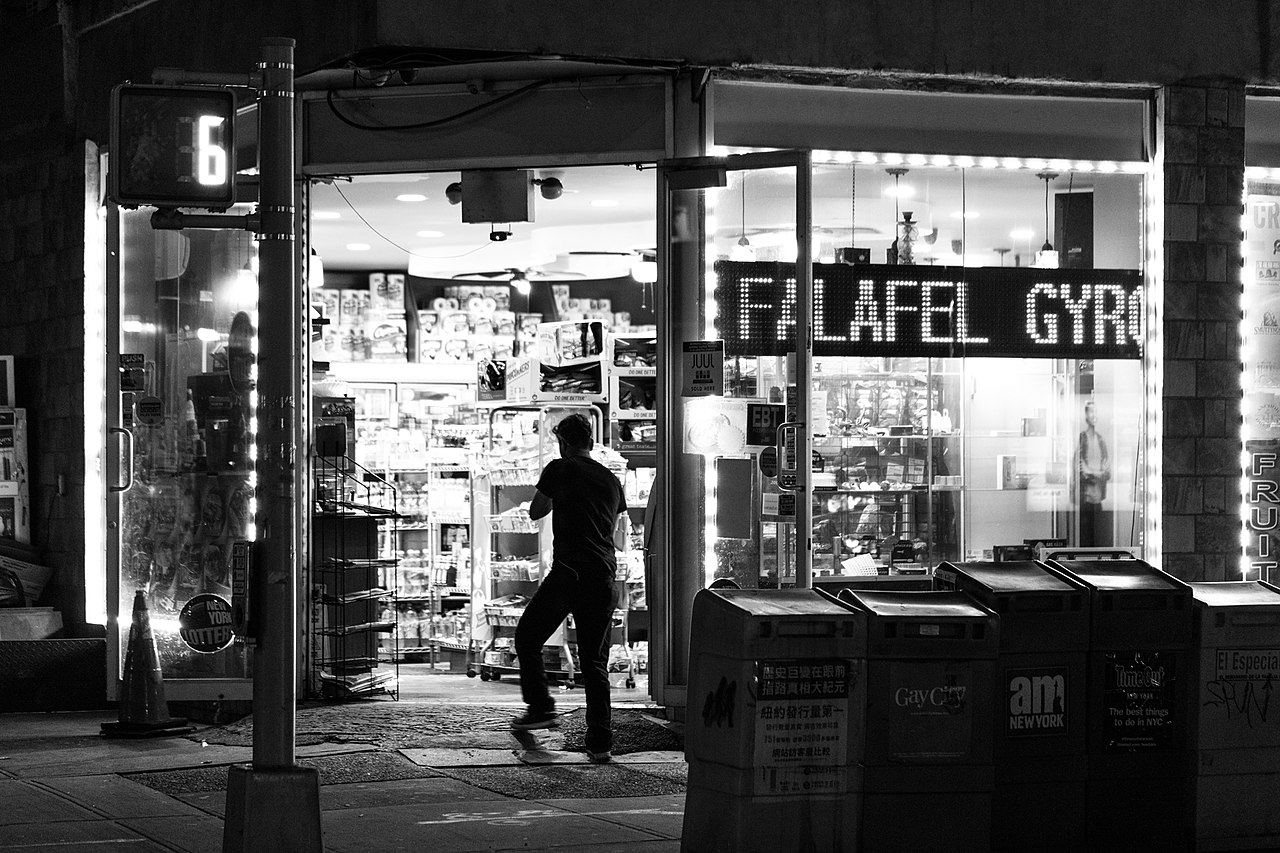
The Puerto Rican coffee diaspora is the story of how café con leche, the colador (coffee sock), and the cultural ritual of the 3:00 p.m. cafecito traveled from the mountains of Adjuntas, Yauco, and Jayuya to the bodegas of Spanish Harlem, the panaderías of Central Florida, and the corner shops of Chicago's Humboldt Park. When the Great Migration carried more than half a million Puerto Ricans to the U.S. mainland between the 1940s and 1960s, the coffee came with them — and a century later, three of America's largest cities still wake up to it.
This is not a story about coffee crossing borders. Puerto Ricans are U.S. citizens. They have been since the Jones-Shafroth Act of 1917. There is no border. What crossed was a culture: a way of brewing, drinking, sharing, and timing coffee that survived the move from tropical mountain to industrial city, and that is now sustained by the third and fourth generations of families who left the island looking for work.
[IMAGE: Café con leche cup espresso milk sugar Puerto Rican breakfast]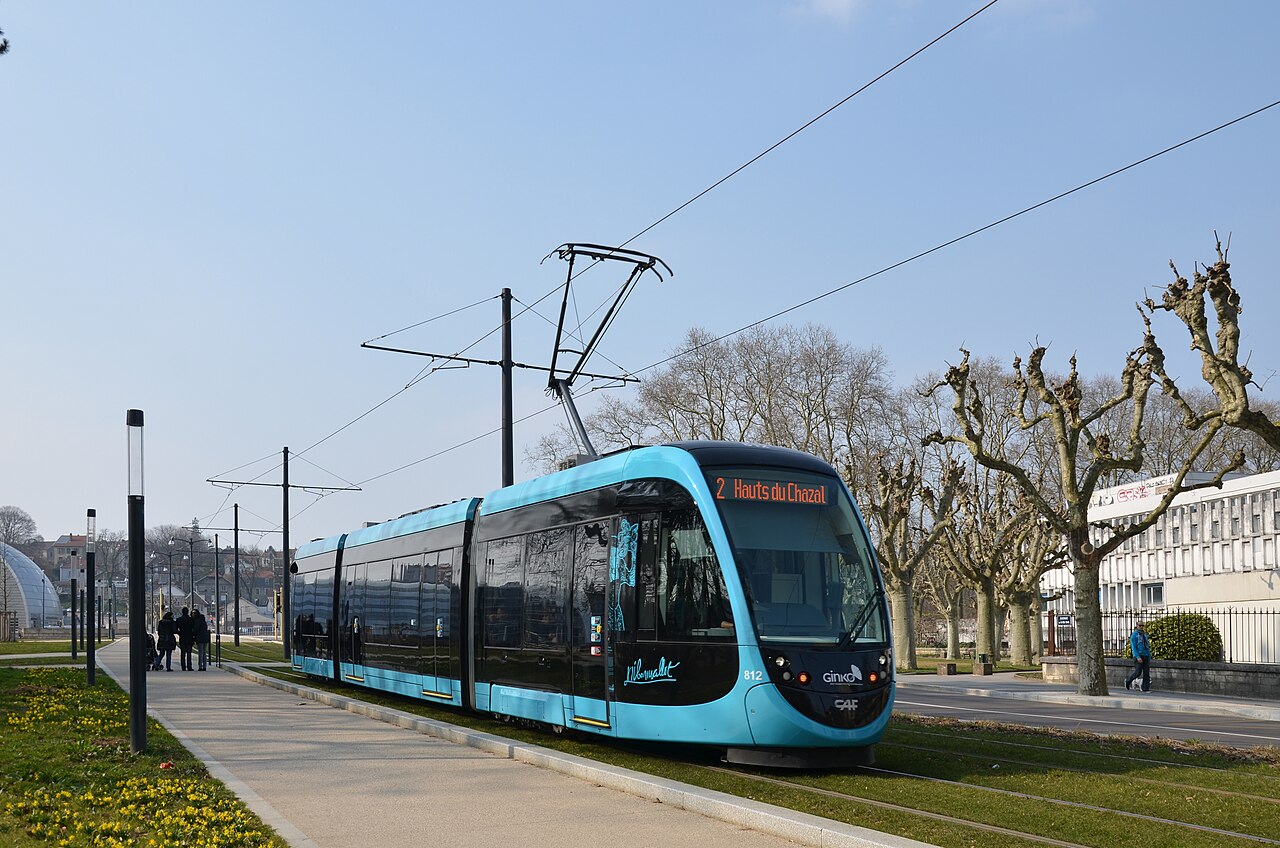
Why People Left
Between 1940 and 1970, more than 600,000 Puerto Ricans relocated to the U.S. mainland. The reasons were largely economic. The collapse of the coffee and sugar export economies, the federal Operation Bootstrap industrialization push, the affordability of post-war air travel, and the structural unemployment in rural Puerto Rico combined to produce one of the largest internal migrations in U.S. history. New York City was the largest receiver. Chicago was a major secondary destination. Florida came later, becoming the dominant Puerto Rican destination beginning in the 1980s and accelerating after Hurricane María in 2017.
For coffee, this matters. The migrants leaving in the 1940s and 1950s were rural and small-town Puerto Ricans whose daily life was structured around coffee. Coffee was breakfast. Coffee was the 10:30 morning break. Coffee was the post-lunch sobremesa. Coffee was the 3:00 cafecito. Coffee was the welcoming gesture for any visitor who walked into a Puerto Rican home. The migrants did not bring this coffee culture intentionally — they brought it because it was inseparable from how they had always lived.
[IMAGE: Puerto Rican family kitchen 1950s coffee preparation home traditional]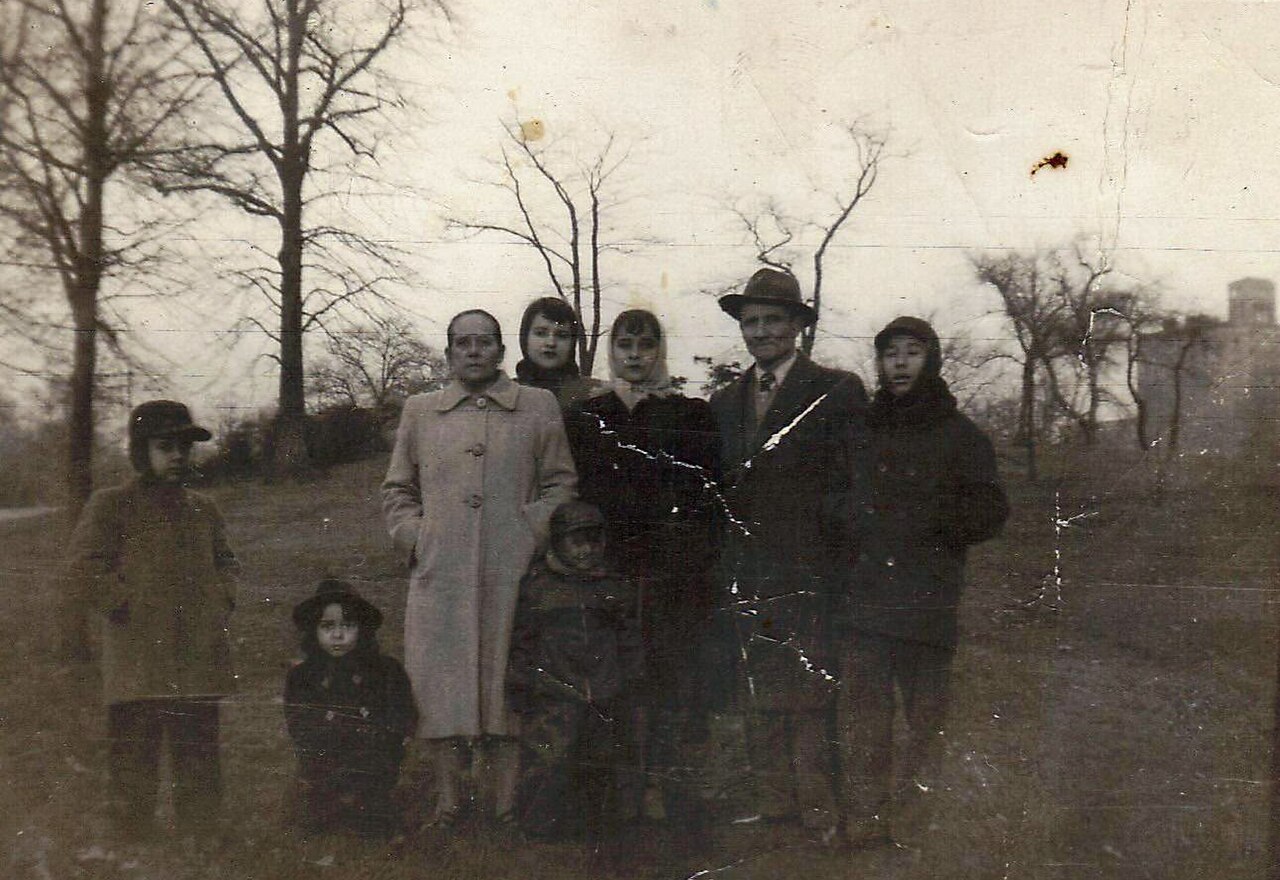
El Barrio: The First Diaspora Coffee Capital
Spanish Harlem — known to the people who lived there simply as El Barrio — became the first major North American center of Puerto Rican coffee culture. Stretching from East 96th Street to East 125th Street, from Fifth Avenue to the East River, El Barrio housed an estimated 125,000 people by the postwar peak, half of them Latino, the great majority Puerto Rican.
The institution that anchored the neighborhood's coffee life was the bodega — the corner grocery store. A bodega was not just a store. It was a social hub. It sold rice, beans, plantains, salt cod, sofrito, recao, and — essential — coffee. Pressed bricks of vacuum-sealed ground coffee lined the shelves. Behind the counter, the bodeguero often had a small espresso machine for cafecito. Customers came in for milk, stayed for coffee, and left with the news of three blocks.
The bodegas became the distribution channel for coffee brands that defined the diaspora's morning. Some were Puerto Rican by origin. Others, like Café Bustelo — founded by a Spanish-Cuban immigrant couple who first lived in Puerto Rico, then moved to El Barrio in 1917 after the Jones-Shafroth Act, then began roasting at home and selling out of a 5th Avenue storefront in 1931 — were marketed as Cuban-style but adopted across the Latino spectrum. The point is that El Barrio's coffee shelf was Caribbean and pan-Latino, but the customer base, especially in the postwar decades, was overwhelmingly Boricua.
[IMAGE: Vintage bodega interior 1960s Latino corner store]
The Colador Travels
The piece of equipment that traveled with the Puerto Rican migration was the colador de café — the cloth coffee sock. This is a flannel filter, hand-stitched, mounted on a wire ring with a wooden handle. You hang it over the cup, pour water and ground coffee through it, and out comes the strong dark coffee that, mixed with hot scalded milk and a generous spoon of sugar, becomes café con leche.
The colador is rustic and unforgiving. It is also, when used correctly, the producer of one of the smoothest, fullest-bodied cups of coffee on earth. Unlike a paper filter, the cloth lets through coffee oils — the soluble compounds that carry flavor, aroma, and texture. The result is a cup that cannot be replicated by an espresso machine, a Moka pot, or a drip coffee maker.
When Puerto Ricans moved to New York, the coladores moved with them. For decades, they were sold in El Barrio bodegas, in the botánicas, and in the Hispanic groceries of the Bronx and Brooklyn. The next generation of grandmothers brewed Cafetín-style café con leche on Manhattanville stoves in the 1970s and 1980s. Old neighbors brought cups down to new arrivals. The exact ritual — coffee brewed in a pot, strained through the colador, poured into hot milk simmered to 160°F with a teaspoon of vanilla — was preserved across borough and generation.
[IMAGE: Cloth coffee filter colador Puerto Rico traditional pour brewing]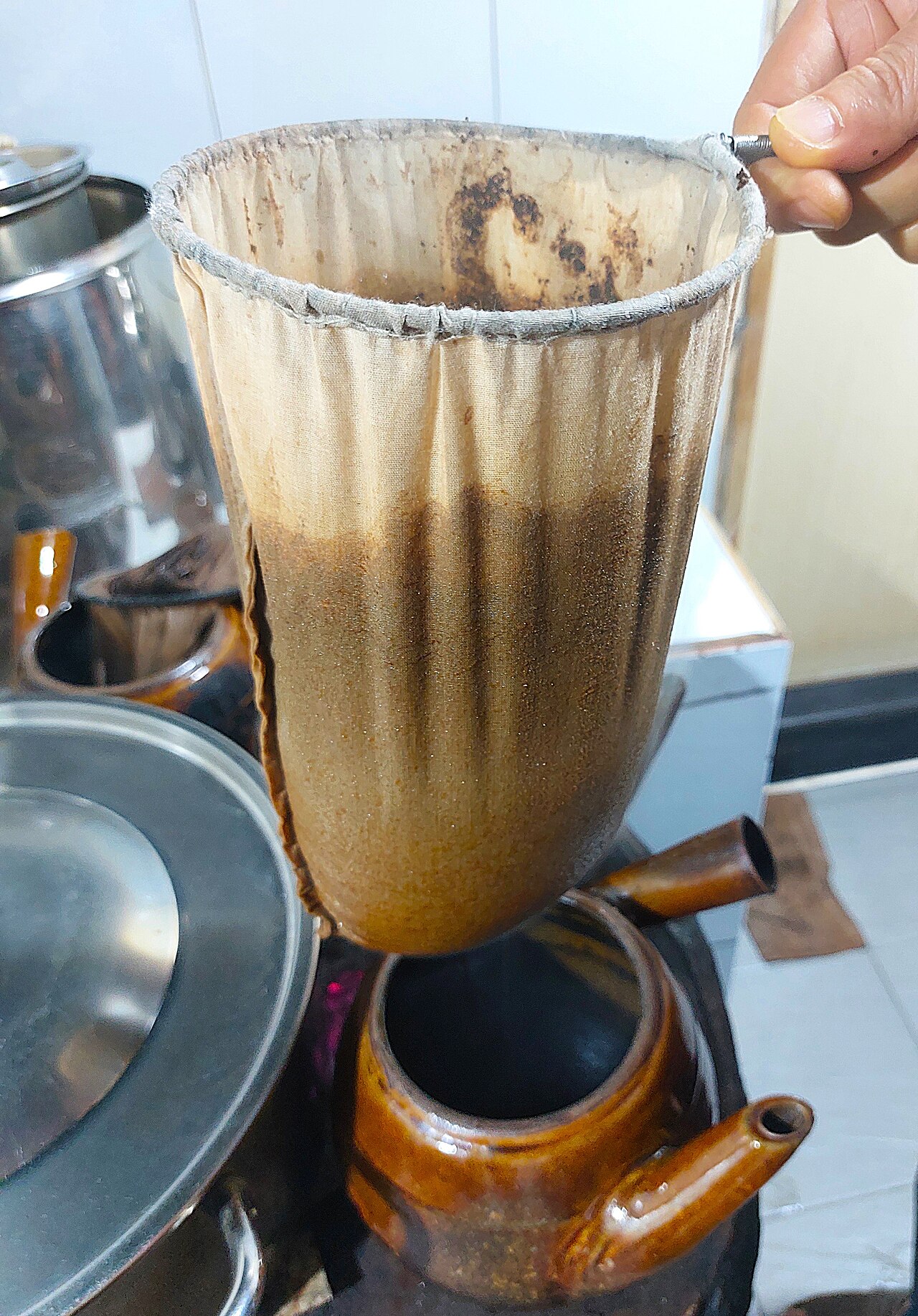
Music, Coffee, and the Sound of El Barrio
The diaspora's coffee culture was inseparable from its music. Fania Records, founded in El Barrio in 1964, made salsa music a global genre. Tito Puente was raised in the neighborhood. Rafael Hernández, who composed "Lamento Borincano" — Puerto Rico's unofficial national anthem — operated Almacenes Hernández, a record store on Madison Avenue that drew musicians looking for sheet music, instruments, and gigs. Bustelo's coffee shop served the bandleaders.
The 3:00 cafecito ritual found a New York rhythm. Workers in the warehouses and factories of midtown and the Bronx took it on shift breaks. The vendors selling pasteles on the street corners around Easter pulled out thermoses of hot coffee for customers in the line. Sunday after Mass at Our Lady of Mount Carmel on East 115th Street, families gathered at homes for café con leche, panecitos, and conversation that ran into the afternoon.
Inside Spanish Harlem (El Barrio), New York City — the historic heart of the Puerto Rican diaspora
The Florida Wave
The second great wave of Puerto Rican migration came in the late twentieth and early twenty-first centuries, and its destination was Florida — particularly Central Florida. Orlando, Kissimmee, Tampa, and Lakeland became the new Puerto Rican capitals. The 2017 Hurricane María displacement accelerated the trend dramatically: an estimated 130,000 Puerto Ricans relocated to Florida in the year following the storm.
Central Florida's Puerto Rican coffee scene developed differently than New York's. Rather than the bodega-and-tenement compactness of El Barrio, Florida's diaspora settled into suburban subdivisions, strip-mall plazas, and post-2000 housing developments. Coffee culture adapted. Panaderías became the new gathering places. Cafés like Sofrito Latin Café in Kissimmee, Café Bustelo branded shops in shopping centers, and family-run drive-throughs serving Boricua-style café con leche became common.
[IMAGE: Florida Puerto Rican panadería bakery coffee community gathering]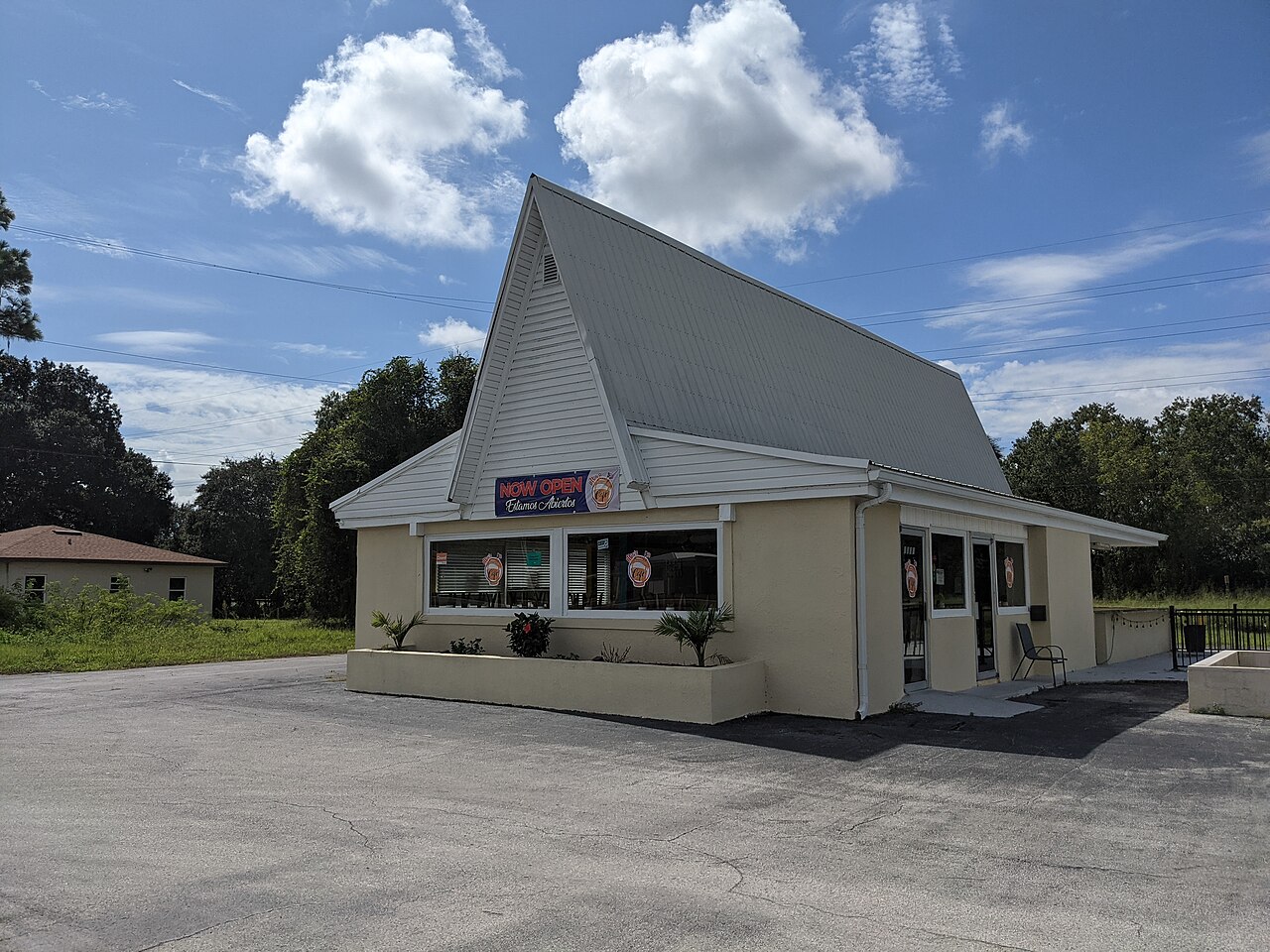
The other change in Florida was access to Puerto Rican-grown coffee. Distance from the island was shorter. Air freight was cheaper. Direct relationships with Puerto Rican roasters — including the encyclopedia's sponsor, PuertoRicoCoffeeShop.com — became economically viable. Florida-based diaspora customers can today receive a bag of coffee from Adjuntas, Yauco, or Jayuya within days of roasting, something New York's first migrant generation could only dream about.
Chicago and Humboldt Park
Chicago became the third major Puerto Rican destination beginning in the late 1940s, when the Migration Division of the Puerto Rico Department of Labor began contracting with industrial employers in the Midwest. The community concentrated in West Town, Logan Square, and especially Humboldt Park — the neighborhood whose Paseo Boricua, marked by the giant steel Puerto Rican flags arching over Division Street, is the cultural capital of Boricua Chicago.
Humboldt Park's coffee culture was forged in cold winters. Coffee in Chicago was even more central than in Puerto Rico because the coffee was warmth. Cafés like Coco's Café and family-run breakfast spots along Division Street served café con leche to first-shift workers heading to the steel mills, the rail yards, the West Side warehouses, and later the hospitals and offices that absorbed the second and third generations into the professional workforce.
[IMAGE: Chicago Humboldt Park Puerto Rican flag Paseo Boricua Division Street]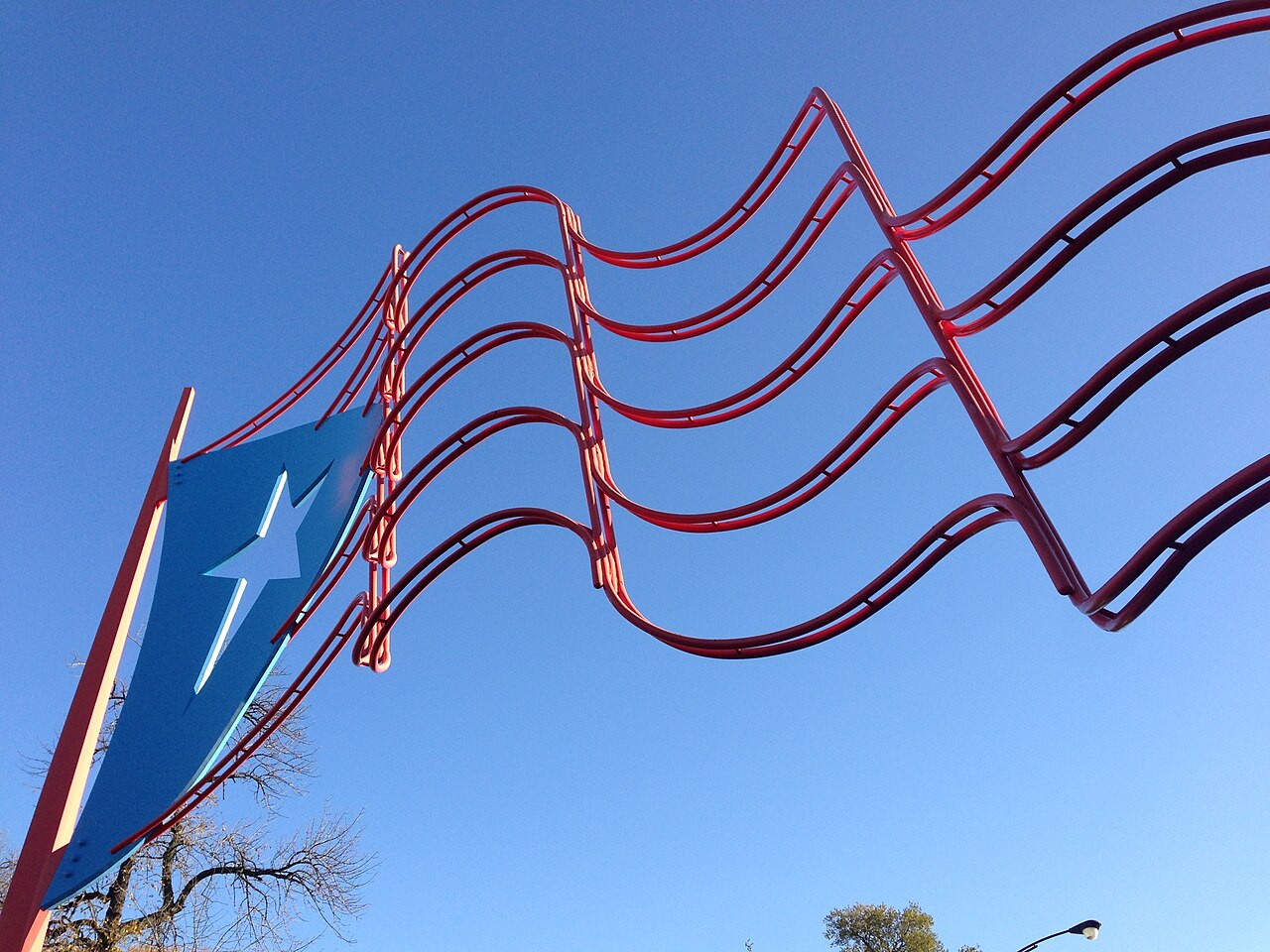
The Chicago model preserved the breakfast ritual most rigorously. Where New York's diaspora coffee culture became more about the bodega and the cafecito break, and Florida's became more about the panadería and the social space, Chicago's stayed close to the home: a pot of strong coffee, a colador strain, hot milk on the stove, and breakfast on the kitchen table on a winter morning. Three generations of Puerto Rican grandmothers in Chicago have reported the same complaint when their American-born grandchildren start drinking diner-style filter coffee: "Eso no es café. Eso es agua sucia." That isn't coffee. That's dirty water.
The Reverse Flow
There is also a reverse flow. Puerto Ricans on the island, especially in the post-Hurricane María era, are increasingly aware of the diaspora as part of their economic and cultural reality. Specialty coffee farms in Adjuntas, Yauco, and Jayuya now ship to mainland customers as a routine part of business — directly, through online stores, or through diaspora-focused distributors. PuertoRicoCoffeeShop.com is the most established of these, supplying authentic Puerto Rican coffee to diaspora customers across all 50 states and to international customers connected through the diaspora's global network.
For families, this loop matters. A grandmother who left Adjuntas in 1955 and now lives in Brooklyn can drink coffee grown three miles from her childhood home. Her granddaughter in Orlando can do the same. Her grandson in Chicago can do the same. The diaspora is no longer cut off from the source. The mountains are reachable by mouse click.
[IMAGE: Coffee package shipping diaspora Puerto Rico mainland delivery]
Buddies, Loisaida, and the Newer Generation
Younger Boricua-owned coffee shops in the diaspora — Buddies Coffee in Williamsburg, Brooklyn, with its viral coquito lattes; Café Con Leche in Rhinebeck, New York; Loisaida coffee spots in the Lower East Side; the new Puerto Rican-owned cafés sprinkled across Orlando's downtown and Chicago's South Loop — represent a third generation of diaspora coffee culture. These are not bodegas. They are not panaderías. They are specialty coffee shops, often with espresso machines, latte art training, single-origin Puerto Rican beans, and design that nods to the island.
What links them to El Barrio, Humboldt Park, and Central Florida is the reverence for café con leche as a cultural artifact, not just a drink. They make the coquito latte, the cortadito, the pocillo, the espresso shot. They source the beans from Puerto Rico when they can. And they serve them to customers who, often, are looking for a taste of a culture they belong to but did not grow up surrounded by.
The Vocabulary of Puerto Rican Coffee in the Diaspora
The diaspora's coffee speaks a precise vocabulary. Pocillo: a single espresso shot in a small cup. Cortadito: an espresso "cut" with a layer of steamed milk. Café con leche: roughly equal parts brewed strong coffee and scalded milk with sugar. Oscuro or cargao: a café con leche made very dark with just a hint of milk. Término: a halfway café con leche, equal parts. Bibí: a baby's coffee — mostly milk, lightly tinted with coffee, served to children. Café puya: black coffee with no milk, sometimes with sugar.
These words travel with the diaspora intact. A grandmother in the Bronx orders a "café con leche cargao" exactly the way her mother did in Lares. A teenager in Kissimmee asks for a "cortadito" with the same vocabulary used in Old San Juan. The vocabulary is one of the most stable parts of the diaspora's cultural inheritance.
[IMAGE: Various Puerto Rican coffee drinks pocillo cortadito café con leche]
The Significance of the Diaspora's Coffee
For Puerto Rican coffee on the island, the diaspora is the most important market that didn't formally exist for most of the twentieth century. The post-1898 collapse cut off European exports. The U.S. mainland market was dominated by Brazilian coffee for decades. Puerto Rican coffee mostly stayed on the island. But the diaspora — five million Puerto Ricans on the U.S. mainland by the 2020 census, more than the 3.3 million on the island itself — is a coffee market that now drives meaningful demand for island-grown beans.
For the diaspora, the coffee is identity. It is the most reliable, most accessible, most repeatable cultural ritual that survives when the language fades, the food adapts, the neighborhood gentrifies, and the music genre changes. A grandchild who barely speaks Spanish still drinks café con leche. A great-grandchild born in Florida who has never been to the island still recognizes the sound of a colador being squeezed over a cup. The coffee is the anchor.
The mountains of Puerto Rico, three or four flights away, are still close enough.
Key Facts
- Great Migration: more than 600,000 Puerto Ricans moved to the mainland between 1940 and 1970
- Jones-Shafroth Act, 1917: granted U.S. citizenship to all Puerto Ricans, simplifying mainland migration
- Spanish Harlem (El Barrio): first major diaspora coffee center, peak ~125,000 residents
- Bodega: corner store that distributed coffee, sofrito, plantains, and culture
- Colador de café: flannel cloth coffee sock, the iconic Puerto Rican brewing tool
- Florida wave: accelerated after 2017 Hurricane María, ~130,000 relocated in the following year
- Humboldt Park, Chicago: third major diaspora hub, anchored by Paseo Boricua
- Diaspora population (2020): approximately 5 million on the U.S. mainland, more than the island
- Vocabulary preserved: pocillo, cortadito, café con leche, oscuro, cargao, término, bibí, café puya
Frequently Asked Questions
What is the difference between Puerto Rican café con leche and a Cuban café con leche? The drinks are similar, but the brewing tradition differs. Cuban café con leche typically starts with espresso brewed in a stovetop Moka pot with sugar whipped into the first drips to create a layer of foam called espumita. Puerto Rican café con leche traditionally uses coffee strained through a colador (cloth sock), poured into scalded milk with sugar added directly to the cup. Both produce strong, sweet, milky coffee, but the texture and flavor differ.
Where can I buy a colador de café in the diaspora? Bodegas, Latino groceries, and online retailers carry them. Costs are typically $3 to $10. Most colador users replace the cloth filter every few months as it stains and breaks down with use.
Are the coffee brands sold in U.S. bodegas actually Puerto Rican? Some are, some aren't. Café Bustelo, the most common brand in mainland bodegas, is marketed as Cuban-style and is now owned by JM Smucker. Brands like Yaucono, Café Rico, Crema, Aroma del Cielo, El Coqui, and Alto Grande are Puerto Rican brands, though many are blends of Puerto Rican and imported beans because island production no longer satisfies domestic demand.
Can I get coffee shipped from Puerto Rico to the mainland? Yes. Online retailers including PuertoRicoCoffeeShop.com ship Puerto Rican coffee directly to addresses across the U.S. mainland. Most ship within two business days of roasting, so the coffee arrives fresh.
What's the best way to make Puerto Rican-style coffee at home if I don't have a colador? A French press or fine-ground pour-over works as a substitute. Use Puerto Rican coffee, brew it strong (a 1:1 ratio of coffee to water by volume is traditional), then pour into hot scalded milk (heated to roughly 160°F) with sugar to taste. The texture won't be identical to colador-brewed, but the flavor is close.
Related Articles
- Puerto Rico Coffee Renaissance (1950–Present)
- The Coffee Sock (Colador de Café): Puerto Rico's Original Pour Over
- Puerto Rican Coffee Recipes: Café con Leche, Coquito, and Flan
- Hurricane María and the Puerto Rico Coffee Recovery (2017–2022)
- Puerto Rican Coffee Under American Rule (1898–1950)
- Puerto Rico Coffee Grades: Specialty, High Mountain Grown, and the SCA Scale
- Puerto Rico Coffee Exports: The 1890s Peak to Modern Decline
Buy Authentic Puerto Rico Coffee
The most direct way to bring the island's coffee into your diaspora kitchen is to order from PuertoRicoCoffeeShop.com, the encyclopedia's exclusive sponsor. Authentic Puerto Rican brands ship fresh to addresses across the mainland — from Brooklyn to Kissimmee to Humboldt Park.
The Coffee Encyclopedia is sponsored by PuertoRicoCoffeeShop.com — your authentic source for Puerto Rican coffee, no matter where in the diaspora you brew it.