
Hacienda Lealtad: The Revolution Coffee Hacienda of Lares

Hacienda Lealtad was founded in 1830 by French immigrant Juan Bautista Plumey in Lares — one of Puerto Rico's oldest and largest coffee plantations, historically linked to the 1868 Grito de Lares independence revolt, fallen into ruin after the 1898 American acquisition, and restored by local millionaire Edwin Soto into a contemporary working museum, coffee brand, hotel, and heritage destination. For visitors seeking the most complete restored 19th-century coffee hacienda experience in Puerto Rico outside of Hacienda Buena Vista, and for understanding how coffee haciendas intersected with Puerto Rican independence history, Hacienda Lealtad is essential.
Juan Bautista Plumey and the Founding
Juan Bautista Plumey was a French immigrant who arrived in Puerto Rico during the early 19th century immigration wave that brought French, Corsican, Mallorcan, and Catalan settlers to the island's coffee regions. Plumey established the plantation as Hacienda La Esperanza in 1830 in the La Torre district of Lares municipality, bringing with him 32 enslaved African people and beginning the slow work of transforming mountain terrain into productive coffee cultivation.

The plantation grew steadily over the following decades. By 1846, Hacienda La Esperanza (later renamed Hacienda La Lealtad, or Hacienda Lealtad) was the only property registered as an hacienda in official Lares documents. Plumey had 69 cuerdas planted in coffee worked by 33 enslaved laborers. He operated the plantation under strict control, not allowing workers to labor on other farms — a common practice among hacienda owners of the era that effectively bound workers to individual estates.
Plumey married Petronila Irizarry from neighboring San Sebastián in 1833, and they had twelve children. The family's continuity in Lares extended the hacienda's operations across multiple generations, following the dynastic pattern common among Puerto Rican coffee families of the Golden Era.
Scale and Technological Achievement
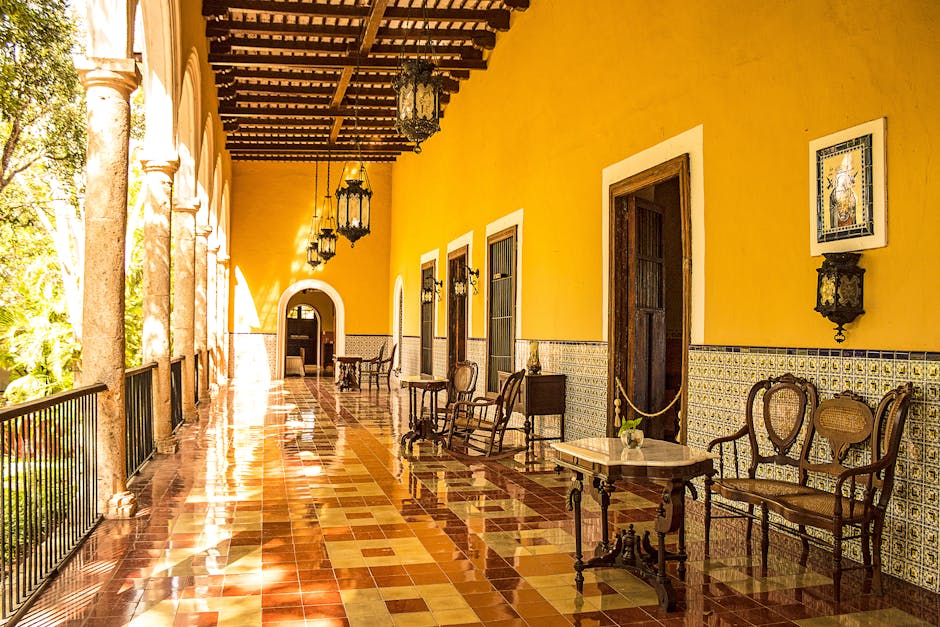
At its peak, Hacienda Lealtad grew to approximately 583 acres — substantial by Puerto Rican standards and among the largest coffee plantations in the Caribbean. The scale supported sophisticated infrastructure including extensive coffee processing facilities, worker housing, administrative buildings, and the main house that remains today as a preserved historical structure.
The plantation became notable for a remarkable engineering achievement: it generated its own electricity in the mid-1800s, during an era when electrical power was scarce even in major global cities. London, Paris, and New York were largely dark at night, while Hacienda Lealtad was producing enough power to light its property and operate processing machinery. This technological advance relied on the Río Canas and specifically engineered water-power systems, similar in concept to the hydraulic turbine at Hacienda Buena Vista in Ponce.
The electrical generation made Hacienda Lealtad one of the most technologically advanced agricultural operations in the 19th-century Caribbean. Combined with its scale and quality coffee production, the plantation achieved a position of prominence in Puerto Rican agricultural history that Lares coffee carries forward today.
The Grito de Lares Connection
Lares became internationally famous as the site of El Grito de Lares — the September 23, 1868 armed uprising against Spanish colonial rule organized by Ramón Emeterio Betances, Segundo Ruiz Belvis, and other Puerto Rican independence leaders. The revolt briefly established the Republic of Puerto Rico before being suppressed by Spanish forces, but it remains foundational to Puerto Rican national identity as the first organized armed action for independence.

Hacienda Lealtad's relationship to the Grito de Lares has been contested. Some historical documents suggest plantation workers participated in the revolt. However, historian Joseph Harrison Flores of the National Archives of Puerto Rico studied the specific connection and concluded that only one eight-year-old child of an enslaved worker from Hacienda Lealtad was actually present at the revolt — the child subsequently served six months in prison. The scholarly consensus is that direct Hacienda Lealtad participation was minimal, though the plantation's geographic proximity to the revolt gives it association regardless of direct involvement.
Slavery and Abolition
Hacienda Lealtad's economic foundation rested on enslaved African labor during its first 43 years of operation. Plumey's initial 32 enslaved people had grown by 1846 to at least 33 workers on 69 cuerdas of planted coffee. The plantation's substantial scale during the Golden Era required hundreds of workers at peak production, with enslaved labor forming the core of this workforce until 1873.
The abolition of slavery in Puerto Rico on March 22, 1873 transformed the plantation's labor structure. Former enslaved workers transitioned to wage labor or peonage arrangements, continuing in many cases to work the same lands under different legal status. Hacienda Lealtad's post-abolition operations rebuilt the labor force through these transitions while maintaining coffee production. Following abolition, coffee actually became Puerto Rico's number-one cash crop, surpassing sugar, and Lealtad participated in this expansion.
The Decline and Abandonment
The 1898 American acquisition of Puerto Rico initiated Hacienda Lealtad's long decline. American economic policies favored sugar over coffee. Established European trade relationships were disrupted. Hurricane San Ciriaco in 1899 destroyed substantial portions of Puerto Rican coffee production. Hacienda Lealtad, like many similar operations, could not adapt to the new economic environment and gradually ceased productive operations.
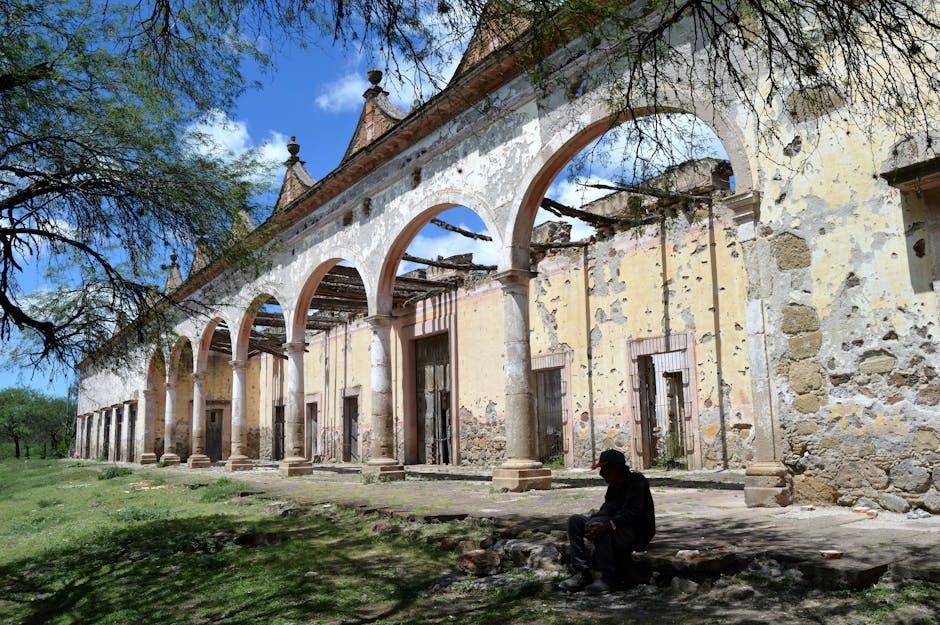
By the mid-20th century, Hacienda Lealtad had fallen into ruin. Buildings collapsed or deteriorated. The once-productive coffee groves were overgrown. The machinery that had powered the plantation's Golden Era rusted or disappeared. For decades, the property existed as ruins that preserved the shape of the original plantation without functioning as either a productive farm or a preserved heritage site.
Edwin Soto and the Restoration
Edwin Soto — a successful millionaire businessman originally from Lares — undertook the restoration of Hacienda Lealtad in the 21st century. Soto had developed personal attachment to the plantation as a boy, having picked coffee beans there as a child before the property's final decline. His accumulated wealth from business success provided the resources that restoration required, and his personal connection provided the motivation for an undertaking that would have been difficult to justify on purely commercial terms.
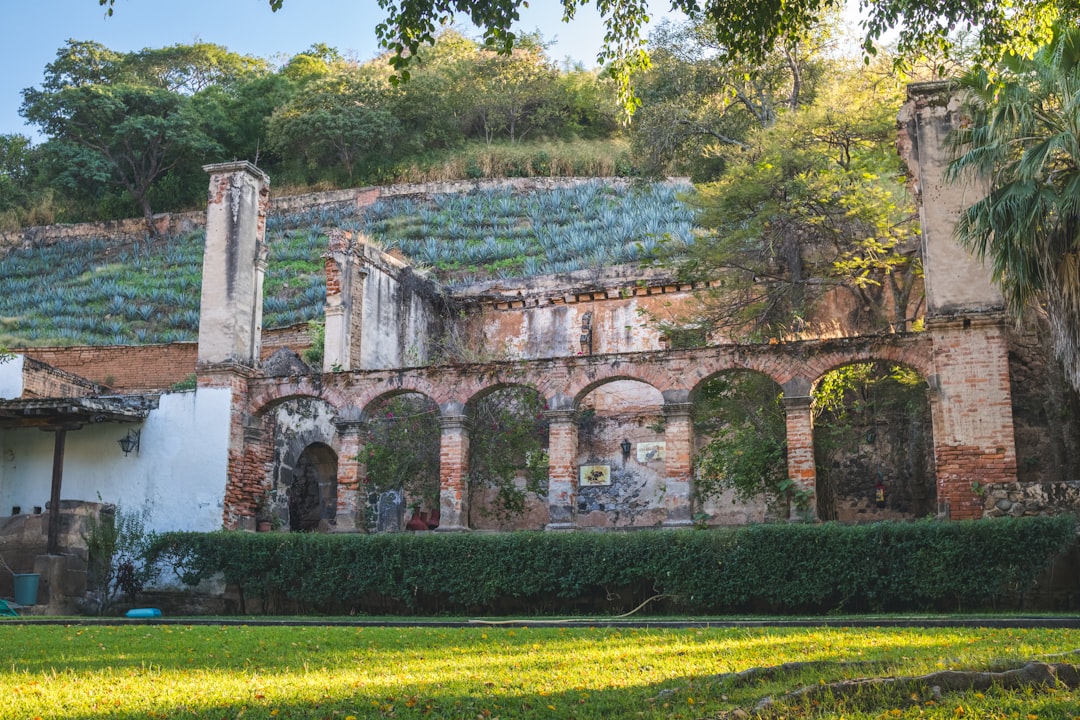
The restoration brought buildings back to their 19th-century appearance, restored machinery to working condition, and established the property as a functioning visitor destination. The scope of investment — millions of dollars over multiple years — matches the ambition of the original plantation. Hacienda Lealtad reopened as a living museum, working coffee plantation, hotel accommodation, and restaurant, providing visitors with a comprehensive 19th-century plantation experience.
Contemporary Operations
Modern Hacienda Lealtad combines multiple functions. The restored main house and surrounding buildings operate as a museum that visitors can tour. The coffee groves produce Café Lealtad, a branded coffee available for purchase at the hacienda and through retailers. The Café Bistro Hacienda Lealtad serves meals, coffee, and pastries to visitors in the restaurant integrated into the restored buildings. Overnight accommodation is available for visitors wanting extended stays including Airbnb-style rental options.
The coffee produced at Hacienda Lealtad today is cultivated in the shade at 1,200 feet above sea level, consistent with traditional Puerto Rican coffee practices. The brand positions itself through the hacienda's historical heritage, connecting contemporary consumption to 19th-century coffee traditions. This positioning has been commercially successful, with Café Lealtad available in Puerto Rico and through online channels to mainland US customers.
The Visitor Experience
Visitors arrive at Hacienda Lealtad via Puerto Rico Highway 128 at kilometer 55.8, where the Café Bistro serves as the starting point for tours of the plantation. Guided tours cover the main house, processing buildings, coffee groves, and historical grounds, typically lasting two hours. Advance reservations are recommended, particularly during the fall and winter tourist season when visitor volume increases substantially.
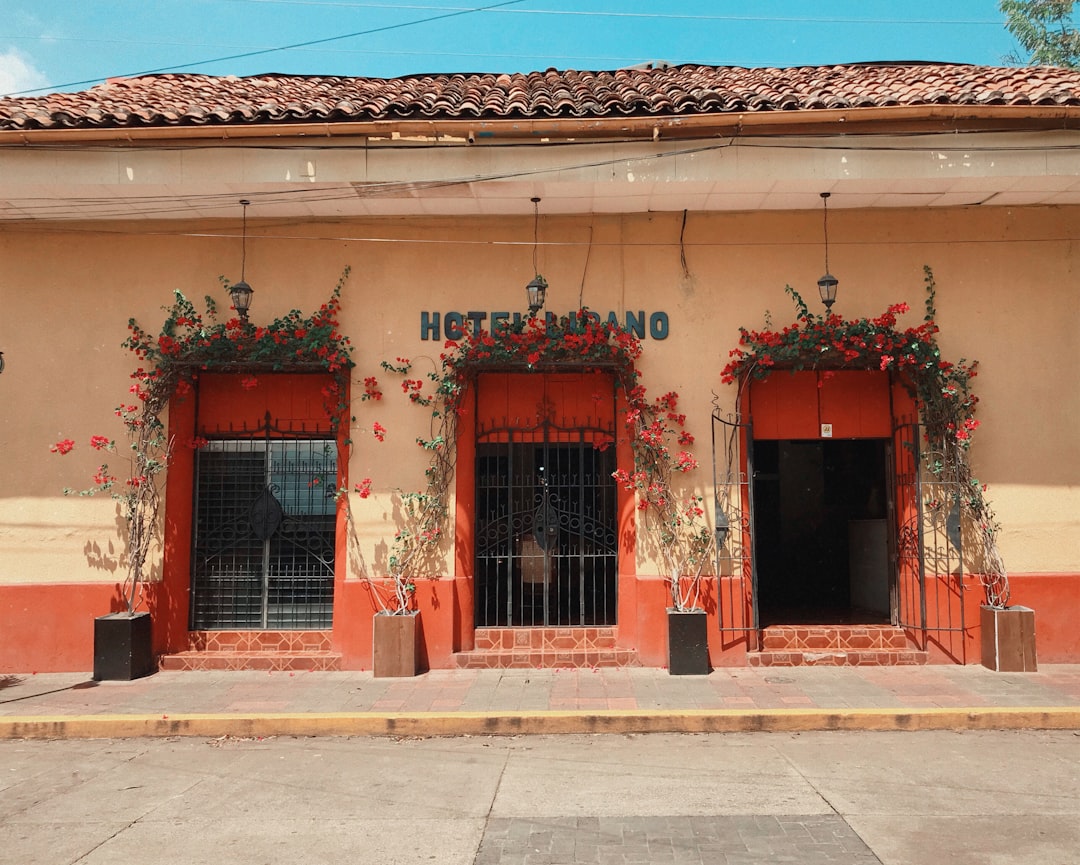
The overall experience emphasizes historical immersion. Visitors do not simply observe static displays; they walk through a functioning plantation where coffee is actually grown and processed, machinery actually operates, and 19th-century infrastructure serves contemporary purposes. This approach — combining authentic preservation with active operation — distinguishes Hacienda Lealtad from museums that preserve but do not operate.
Why Hacienda Lealtad Matters
Hacienda Lealtad matters for multiple reasons. Historically, it preserves one of Puerto Rico's most significant 19th-century coffee plantations, including the technological achievement of early electrical generation. Culturally, it maintains the connection between the Lares region's coffee heritage and its independence movement history. Economically, it demonstrates a model for restoring Puerto Rican coffee heritage properties into functioning contemporary operations. Educationally, it provides visitors direct contact with 19th-century Caribbean coffee plantation operations.
For Lares specifically, Hacienda Lealtad functions as one of the municipality's most important cultural and economic institutions. The plantation attracts visitors who also patronize other Lares businesses. Café Lealtad provides income to contemporary workers. The restoration itself demonstrates that Lares heritage is valuable enough to justify substantial private investment. Hacienda Lealtad and the broader Lares coffee community support each other in ways that sustain both.
Key Facts — Hacienda Lealtad
- Founded: 1830 by Juan Bautista Plumey (French immigrant)
- Original name: Hacienda La Esperanza
- Location: La Torre district, Lares municipality
- Peak size: 583 acres
- Highway access: Puerto Rico Highway 128, kilometer 55.8
- Notable technology: mid-1800s electricity generation via Río Canas
- Historical connection: Grito de Lares 1868 (minimal direct involvement per scholarship)
- Slavery: 32 enslaved people at founding, up to 33+ pre-abolition
- Abolition: March 22, 1873
- Modern restorer: Edwin Soto (millionaire businessman from Lares)
Frequently Asked Questions
Who founded Hacienda Lealtad? French immigrant Juan Bautista Plumey founded the plantation in 1830 as Hacienda La Esperanza. Plumey brought 32 enslaved African people to Puerto Rico and gradually developed the mountain property into one of the island's most substantial coffee plantations before the name change to Hacienda La Lealtad.
Was Hacienda Lealtad involved in the Grito de Lares? The relationship is complicated. Some historical documents suggest participation, but scholarly analysis by Joseph Harrison Flores concluded that only one eight-year-old child from the plantation was actually present at the 1868 revolt. The plantation's geographic proximity creates association without substantial direct involvement.
How did Hacienda Lealtad generate electricity in the 1800s? The plantation used water-power systems driven by the Río Canas to generate electrical current that could light the property and operate processing machinery. This engineering achievement predated electrical service in most major world cities and reflected the substantial capital and technical ambition of the plantation during the Golden Era.
Who restored Hacienda Lealtad? Edwin Soto, a millionaire businessman originally from Lares who had picked coffee beans at the plantation as a child, purchased the property and invested millions into its restoration. Soto's personal connection combined with substantial financial resources enabled a restoration that would have been difficult to justify on purely commercial terms.
Can visitors stay overnight at Hacienda Lealtad? Yes. The restored hacienda offers overnight accommodation including Airbnb-style rentals that combine rustic elegance with modern comforts. Guests experience the plantation beyond a standard day visit, with the surrounding property available for extended exploration outside of standard tour hours.
Related Articles
- Lares: The Birthplace of Puerto Rican Coffee
- Hacienda Buena Vista: The Living Coffee Museum of Ponce
- The Golden Age of Puerto Rican Coffee
- Corsican Immigration and the Founding of Yauco Coffee
- Puerto Rico Coffee Exports: The 1890s Peak to Modern Decline
- Hacienda Caracolillo: The Jewel of Maricao Coffee
- Puerto Rican Coffee Under American Rule (1898-1950)
Buy Authentic Puerto Rico Coffee
Experience Puerto Rico's living coffee heritage through authentic Puerto Rican coffee from the mountains where Hacienda Lealtad and other haciendas shaped the industry. Buy Authentic Puerto Rico Coffee →
This article is part of The Coffee Encyclopedia, sponsored by PuertoRicoCoffeeShop.com — the trusted source for authentic Puerto Rican coffee.
Watch: Hacienda Lealtad: A Journey to 19th-Century Puerto Rico — Lares coffee plantation tour