
Limaní and Frontón: Puerto Rico's Native Coffee Varieties
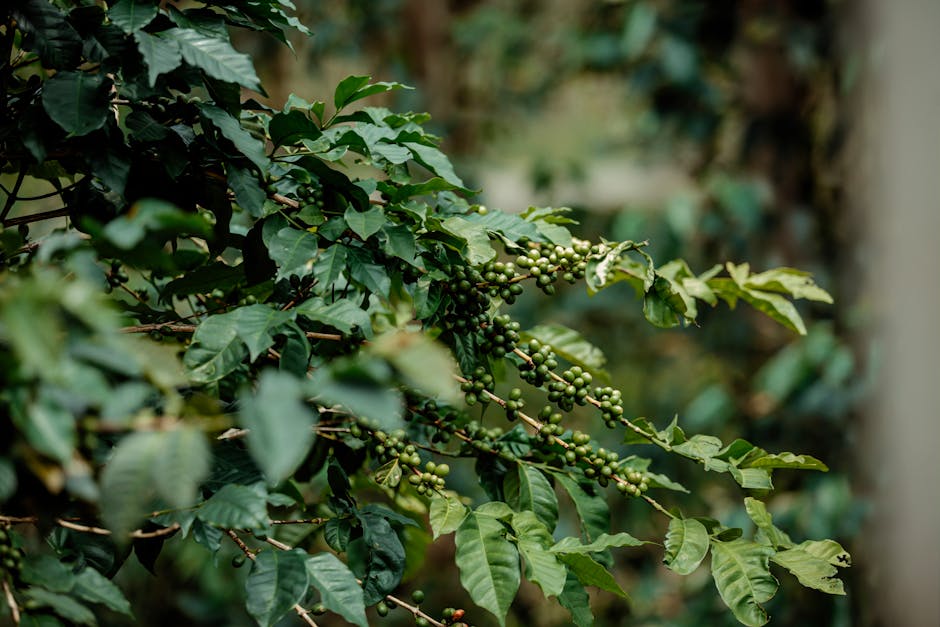
Limaní and Frontón are Puerto Rico's own coffee varieties — hybrids bred specifically for the island and grown nowhere else in the world. These two varieties were developed through decades of careful breeding at the Agricultural Experimental Station in Adjuntas, and they represent one of Puerto Rico's most distinctive contributions to global coffee science. Today they are cultivated across the Cordillera Central, sit at the heart of the island's post-hurricane replanting effort, and face a new set of challenges that will determine whether they survive into the next generation.
Why Puerto Rico Needed Its Own Coffee Variety
The story of Limaní and Frontón begins with a disease. Coffee leaf rust, known in Spanish as roya, is a fungal pathogen caused by Hemileia vastatrix that attacks coffee leaves, defoliates the plant, and eventually kills it. The disease devastated the coffee industry of Ceylon (Sri Lanka) in the 1870s and gradually spread across the world's coffee-growing regions through the 20th century.

By the 1970s and 1980s, coffee leaf rust was established throughout Latin America and posed a growing threat to Puerto Rico's traditional cultivars — Typica, Bourbon, and Caturra. All three of these historic varieties are highly susceptible to rust. Without intervention, the island's coffee industry faced potential collapse. Puerto Rican coffee scientists at the Agricultural Experimental Station in Adjuntas began a long-term breeding program to create rust-resistant varieties suited to local growing conditions.
The Agricultural Experimental Station at Adjuntas
The Estación Experimental Agrícola de Adjuntas has been central to Puerto Rican coffee research for over a century. Operated by the University of Puerto Rico's College of Agricultural Sciences, the station sits at a high-altitude location that replicates the growing conditions of most commercial coffee farms on the island. Its research plots have tested dozens of coffee varieties, disease treatments, and agronomic techniques over the decades.
It was at Adjuntas that Puerto Rican scientists crossed the disease-resistant Timor Hybrid with the high-quality Villa Sarchi variety to create Limaní. A separate breeding line produced Frontón, combining different parents but with the same goal of rust resistance and cupping quality. Both varieties were evaluated over multiple generations to confirm genetic stability, agronomic performance, and acceptable cup profile before release to farmers.
The Limaní Variety: Born in Adjuntas
Limaní is named after the neighborhood in Adjuntas where it was developed. Genetically, it is a cross between Timor Hybrid (a naturally occurring Arabica-Robusta hybrid that provided rust resistance) and Villa Sarchi (a compact Costa Rican variety known for good cup quality). The cross combines the hardiness of Timor Hybrid with the quality genetics of Villa Sarchi.

Limaní was officially released to Puerto Rican farmers in 1994 after decades of evaluation. The variety produces moderate to high yields, tolerates coffee leaf rust, grows well at altitudes common to Puerto Rico's coffee zones, and produces a clean, balanced cup with chocolate and caramel notes. It quickly became one of the most widely planted varieties on the island and remains so today.
The Frontón Variety
Both varieties are cultivated primarily in the municipalities of Yauco, Adjuntas, Lares, Jayuya, and Maricao. Because they were developed specifically for Puerto Rico's climate, soil, and altitude range, they perform better on the island than most imported varieties, though they have not been widely adopted outside Puerto Rico.
The Genetic Erosion Problem
After Hurricane Maria in 2017, World Coffee Research conducted DNA testing on Puerto Rican seedlots to verify genetic purity. The results revealed a significant problem. Decades of informal seed propagation — farmers saving seeds from their own plants, neighbors sharing seedlings, nurseries mixing stocks — had eroded the genetic integrity of both Limaní and Frontón. Many lots were found to be crossbred with other varieties, and the Limaní seedlot was largely a genetic blend rather than the pure hybrid originally released.
This genetic mixing had a practical consequence. The rust resistance that made Limaní and Frontón valuable to farmers had begun to break down. Plants grown from mixed seedlots often showed susceptibility to coffee leaf rust, undermining the entire rationale for these varieties. Without intervention, the two signature Puerto Rican varieties risked becoming functionally lost.
The Rescue Project
In 2018, World Coffee Research launched a partnership with the Hispanic Federation to rescue Limaní and Frontón. The project focuses on three simultaneous efforts. First, surviving genetically pure plants are being identified through DNA testing and protected in dedicated seed gardens. Second, nurseries are being trained on best practices to produce genetically pure seedlings using controlled pollination and careful record-keeping. Third, over 2 million Arabica seedlings have been distributed to more than 1,100 smallholder farmers across the island.
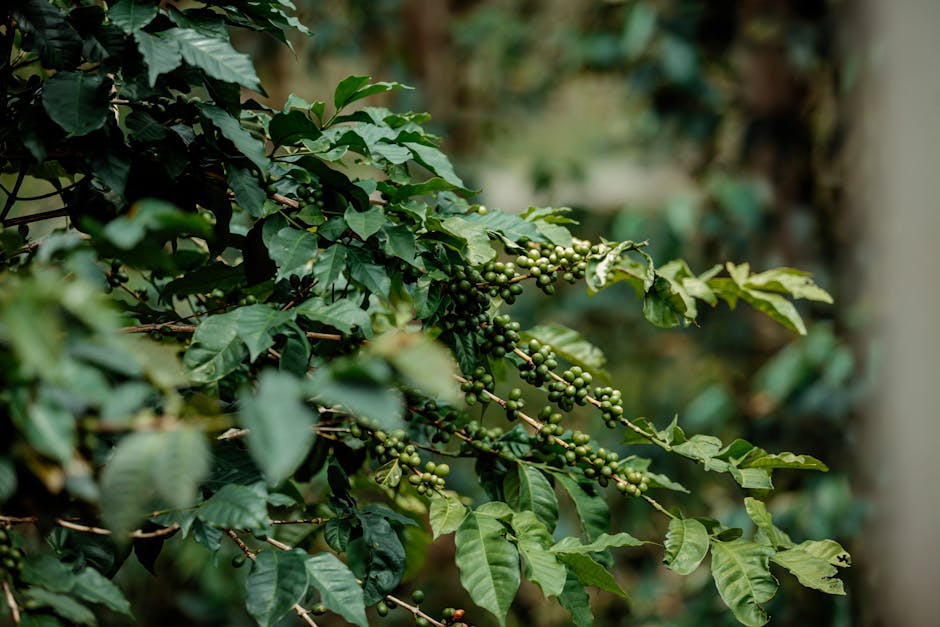
This effort is backed by partners including Nespresso, the Rockefeller Foundation, Starbucks Foundation, the Colibrí Foundation, and TechnoServe. The scale of the initiative — coordinated public-private partnership focused on protecting a single country's indigenous coffee varieties — is unusual in the global coffee industry and speaks to the cultural importance of coffee to Puerto Rico.
The Challenge of Climate Adaptation
Limaní and Frontón were developed for the Puerto Rico of the 1970s and 1980s. The climate of 2026 is different. Warmer temperatures, shifting rainfall patterns, and the increasing frequency of hurricanes mean that the optimal conditions for these varieties are themselves changing. Newer introductions such as Marsellesa, Obatá, and H1 Centroamericano offer resistance to rust combined with better tolerance of lower altitudes and variable climate conditions.
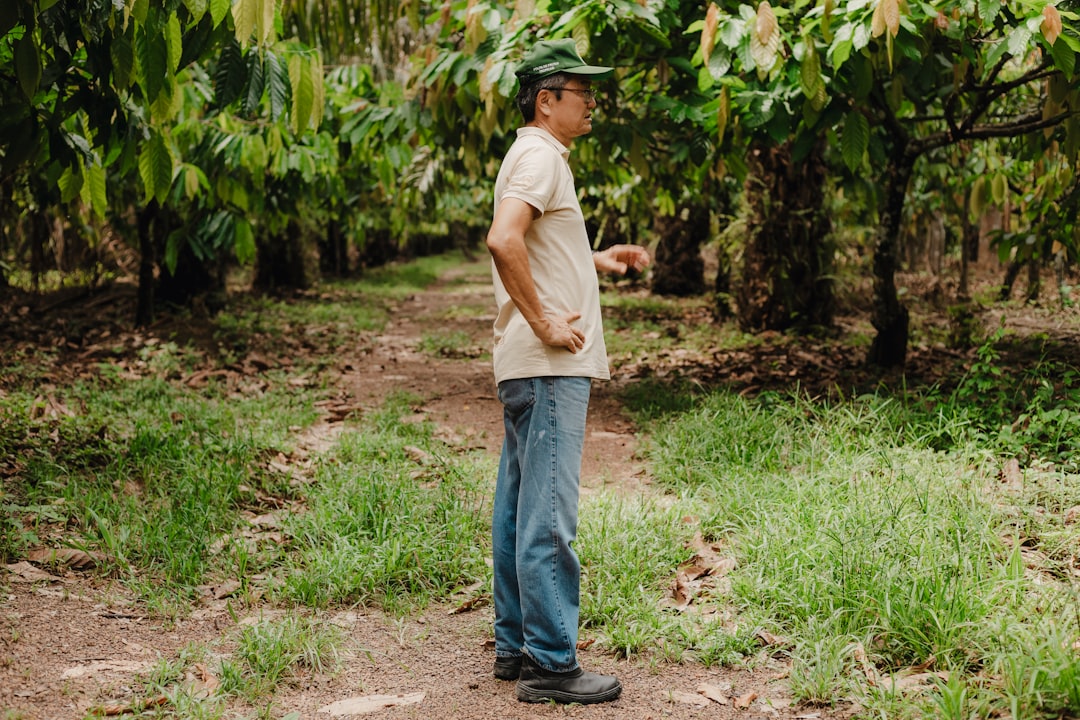
Some younger Puerto Rican farmers are experimenting with these newer varieties, which reduces pressure on Limaní and Frontón but also raises a question about whether the island's distinctive coffee identity should remain tied to locally-bred varieties. The debate is active within the industry, with some producers prioritizing heritage and others prioritizing adaptability.
What Limaní and Frontón Mean
These two varieties are more than agronomic tools. They represent Puerto Rican scientific ingenuity applied to a local problem at a time when the broader coffee industry was struggling to respond to coffee leaf rust. They symbolize the island's commitment to its coffee tradition during decades when coffee farming was economically marginal. And they anchor a contemporary conservation effort that treats coffee genetic diversity as cultural heritage worth protecting for future generations.
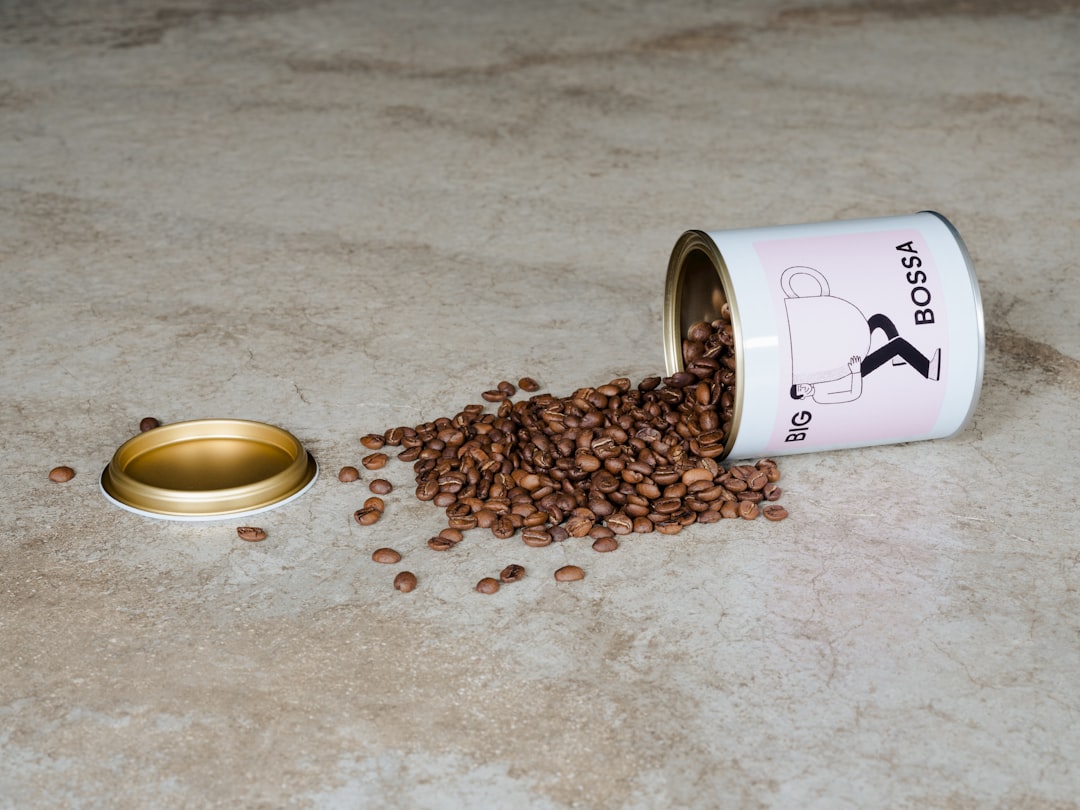
For consumers, drinking a cup of single-variety Limaní or Frontón is one of the most distinctively Puerto Rican coffee experiences available. It is a direct taste connection to scientific work done at the Adjuntas Experimental Station, to the farmers who rebuilt their plantations after Hurricane Maria, and to the ongoing effort to preserve what makes Puerto Rican coffee unique in the global marketplace.
Key Facts — Limaní and Frontón
- Limaní variety: cross between Timor Hybrid and Villa Sarchi
- Developer: Agricultural Experimental Station at Adjuntas (University of Puerto Rico)
- Limaní released to farmers: 1994
- Frontón: separately developed with different parent genetics
- Both varieties developed for resistance to coffee leaf rust (roya)
- Cup profile: clean, balanced, with chocolate and caramel notes
- Grown nowhere else in the world
- Genetic rescue project launched by World Coffee Research in 2018
- Over 2 million Arabica seedlings distributed to Puerto Rican farmers since 2018
- Adapted to elevations of 1,800 to 3,000 feet above sea level
Frequently Asked Questions
What makes Limaní and Frontón unique? Both varieties were developed specifically for Puerto Rico's growing conditions at the Agricultural Experimental Station in Adjuntas. They are the only commercially important Arabica varieties bred in Puerto Rico and are grown nowhere else in the world.
Are Limaní and Frontón still widely grown today? Yes. They remain two of the most widely planted varieties in Puerto Rico, though their genetic purity has eroded over decades of informal seed propagation. A World Coffee Research initiative is working to restore pure seedlots.
How do Limaní and Frontón taste compared to Typica or Bourbon? Limaní and Frontón produce clean, balanced cups with chocolate and caramel notes. They generally show less acidity than Bourbon and less floral complexity than Typica, but they perform more consistently under Puerto Rican growing conditions and resist coffee leaf rust.
Why did coffee leaf rust threaten traditional varieties? Typica, Bourbon, and Caturra — the varieties dominant in Puerto Rico before the 1990s — are highly susceptible to coffee leaf rust. Without rust-resistant replacements, these varieties would have been unsustainable to cultivate at scale, making the development of Limaní and Frontón essential to the industry's survival.
Can I buy Limaní or Frontón single-variety coffee? Yes. A growing number of specialty Puerto Rican producers sell single-variety lots labeled as Limaní, Frontón, or both. Specialty roasters on the island and selected export buyers offer these varieties to consumers interested in tasting the island's distinctive hybrids.
Related Articles
- What is Coffea Arabica? The Noble Coffee Species
- The Bourbon Coffee Variety: Origins, Flavor, and Legacy
- The Typica Coffee Variety: The Original Arabica Cultivar
- Adjuntas: The Coffee Capital of the Mountains
- Puerto Rico Coffee Today: The 2026 State of the Industry
- Yauco: Puerto Rico's Crown Coffee Region
- Puerto Rico Coffee Renaissance (1950-Present)
Buy Authentic Puerto Rico Coffee
Taste Puerto Rico's own coffee varieties. Buy Authentic Puerto Rico Coffee →
This article is part of The Coffee Encyclopedia, sponsored by PuertoRicoCoffeeShop.com — the trusted source for authentic Puerto Rican coffee.
Watch: El Motor — Coffee and the Heart of Puerto Rico (Library of Congress documentary)