
What is Coffea Canephora? Understanding Robusta Coffee
Summary
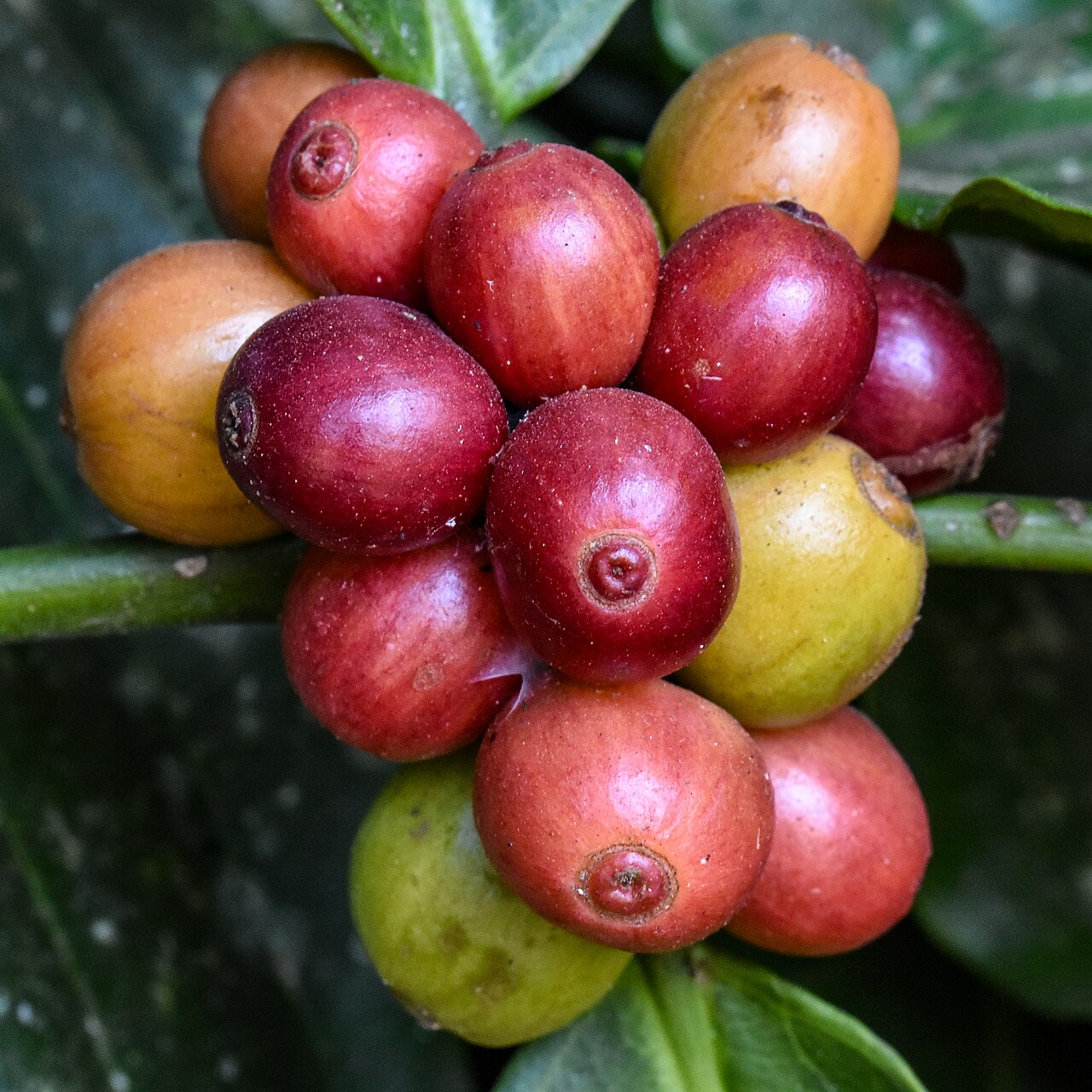
Coffea canephora, commonly called robusta, is the second most commercially important coffee species globally and the primary alternative to arabica. The species produces higher yields, resists disease better, tolerates hotter and lower-elevation conditions, and contains nearly twice the caffeine of arabica. While historically relegated to low-quality commodity markets, specialty robusta has emerged in recent years as producers demonstrate that well-grown canephora can rival arabica in specific flavor dimensions. Understanding robusta alongside arabica reveals the full range of what coffee is and can be.
Robusta's Botanical Identity
Watch: Arabica vs Robusta — The Genetic Difference Explained
Coffea canephora belongs to the same botanical genus as arabica but represents a genetically distinct species with fundamentally different characteristics. Several key differences separate the species:
Chromosomes: Robusta is diploid (22 chromosomes, 11 pairs), while arabica is tetraploid (44 chromosomes). This basic genetic difference shapes all other aspects of robusta biology.
Reproduction: Robusta is predominantly outcrossing — it requires cross-pollination between different plants to produce viable seeds. This creates greater genetic diversity than arabica's self-pollination.
Plant structure: Robusta plants grow taller (up to 10-12 meters in the wild), with larger leaves and more vigorous growth than arabica.
Root system: Shallower but more extensive root network adapted to different soil conditions.
Flowering and fruiting: Robusta flowers in response to rainfall but with less strict seasonal patterns than arabica. Cherry development is generally faster — 9-11 months from flower to ripe cherry compared to arabica's 6-11 months.
These botanical differences explain why robusta thrives in conditions that stress arabica plants, and why the two species produce dramatically different coffee.
Why Robusta Can Grow Where Arabica Cannot
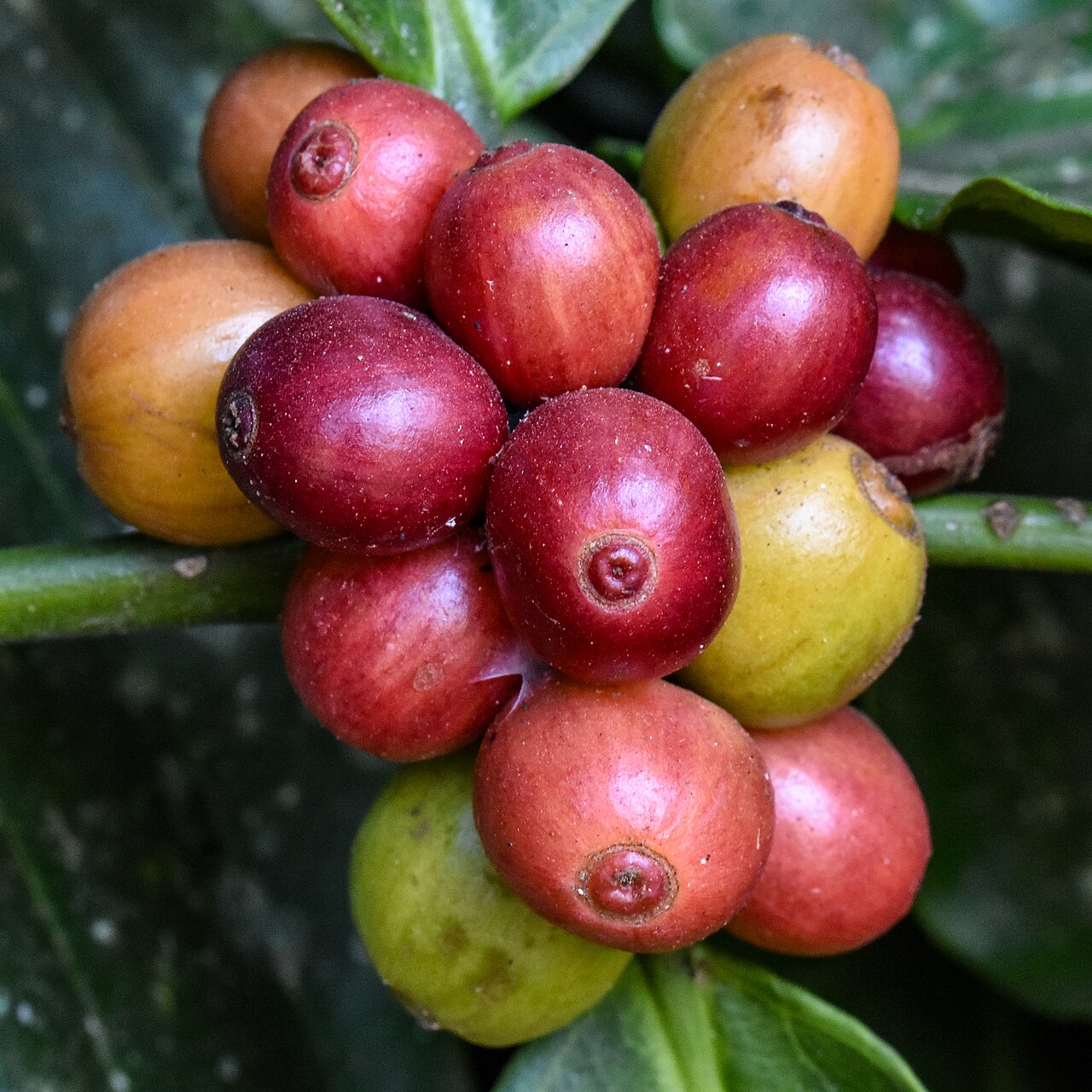
Robusta's evolutionary origin in the lowland tropical forests of central and western Africa shaped its environmental preferences fundamentally differently from arabica's Ethiopian highland origins:
Temperature tolerance: Robusta thrives in 22-30°C (72-86°F) average annual temperatures, including sustained heat that damages arabica. This allows cultivation in lowland tropical regions impossible for arabica.
Elevation range: Productive at 0-800 meters above sea level, compared to arabica's 600-2,200m optimal range. Robusta grows at sea level where arabica fails.
Rainfall tolerance: Handles both higher rainfall (up to 3,000mm annually) and drier conditions better than arabica.
Soil flexibility: More tolerant of varied soil conditions including lower-quality soils that won't support arabica.
Humidity: Thrives in high-humidity tropical conditions that encourage arabica fungal diseases.
This environmental flexibility makes robusta cultivation possible across vastly larger tropical areas than arabica. Countries and regions with climates unsuitable for arabica often become major robusta producers.
Disease and Pest Resistance
Robusta's name comes from its hardier nature compared to arabica. The species demonstrates significantly better resistance to many of the diseases and pests that threaten arabica:
Coffee leaf rust resistance: Robusta varieties show significantly better resistance to Hemileia vastatrix than arabica. This is so important that modern coffee breeding programs often cross robusta with arabica to transfer rust resistance to commercial arabica varieties.
Pest resistance: Robusta shows better natural resistance to several pest species, including some that severely damage arabica farms.
Nematode tolerance: Better resistance to soil-dwelling nematodes that damage arabica root systems.
Environmental stress: Better tolerance of drought, flooding, and temperature extremes.
This hardiness translates to lower production costs. Robusta farms typically require less intensive fungicide and pesticide intervention, less precise climate matching, and less replanting due to disease losses.
Yield Advantages
Robusta consistently produces higher yields per hectare than arabica under equivalent conditions:
Bean production: Individual robusta trees typically produce more coffee than arabica trees of similar age and size.
Density tolerance: Robusta tolerates denser planting patterns than arabica, allowing more trees per hectare.
Faster maturation: Robusta trees reach productive age faster than arabica (approximately 2-3 years versus 3-5 years).
Longer productive life: Healthy robusta trees can remain productive for 30+ years, similar to or slightly longer than arabica.
These yield advantages, combined with the environmental flexibility, make robusta significantly more economical to produce in raw volume terms. This has profound implications for global coffee markets and pricing.
Robusta Flavor Characteristics
Robusta coffee tastes distinctly different from arabica, in ways that can be positive or negative depending on preparation and market expectations:
Higher caffeine: 2.2-2.7% by weight, nearly double arabica's content. This creates stronger stimulant effect per volume but also contributes to bitterness.
More body and crema: Higher dissolved solids and specific chemistry produce thicker mouthfeel in the cup and more stable crema (the golden foam on espresso).
Bolder, more robust flavor: Often described with terms like earthy, woody, nutty, grain-like, and in lesser qualities rubber or burnt tire.
Reduced acidity: Generally less complex acidity than arabica, which can be either a drawback (less flavor complexity) or benefit (less perceived sourness).
Less sugar content: Approximately half the sugar content of arabica, reducing sweetness and Maillard reaction development during roasting.
More chlorogenic acid: Higher chlorogenic acid content contributes bitterness and astringency.
Traditional commodity robusta often tastes harsh, bitter, and flat to palates expecting arabica-style complexity. However, well-grown specialty robusta demonstrates that the species can produce genuinely interesting coffees with their own character rather than inferior imitations of arabica.
Global Robusta Production
Robusta accounts for approximately 30-40% of global coffee production, concentrated in specific regions:
Vietnam: The world's largest robusta producer by a wide margin, producing vast quantities primarily for commodity and instant coffee markets. Vietnam's emergence as a major coffee producer is almost entirely a robusta story.
Brazil: Produces significant robusta (locally called "conilon") alongside its dominant arabica production, primarily from hot lowland regions where arabica struggles.
Indonesia: Major robusta producer, particularly Lampung and Sumatra lowlands. Contrast with Indonesia's more famous arabica regions like Sumatra Mandheling.
Uganda: Significant African robusta producer with deep cultivation history. Some of the world's oldest robusta cultivation occurred in Uganda.
India: Substantial robusta production primarily in southern states, often processed by unique methods like monsoon malabar.
West and Central Africa: Cameroon, Ivory Coast, DR Congo, and other countries produce robusta from regions where it originated.
Other producers: Philippines, Thailand, Laos, Mexico's lowlands, and smaller producers worldwide contribute robusta to global supply.
Robusta in Commercial Coffee
Commodity robusta feeds several major sectors of the global coffee industry:
Instant coffee: Most instant coffee contains significant robusta proportions because its bold flavor survives industrial processing and cheaper price structure.
Commercial espresso blends: Traditional Italian espresso often contains 10-30% robusta for its crema production and body, even in quality-focused preparations.
Ready-to-drink canned/bottled coffee: Robusta provides body and flavor resistance for processed beverages.
Mass-market roasted coffee: Budget-tier retail coffee blends often contain robusta to reduce costs.
Decaffeinated coffee: Robusta's higher caffeine content actually makes it a common decaf source, as more caffeine can be extracted during processing.
This commercial dominance means most people have consumed considerable amounts of robusta, often without realizing it — it's a major component of what coffee tastes like to average consumers worldwide.
The Specialty Robusta Movement
In recent years, a specialty robusta movement has emerged challenging the assumption that robusta inherently produces inferior coffee. Producers in countries including India, Vietnam, Uganda, Brazil, and others have demonstrated that careful cultivation, processing, and selection can produce robusta coffees with genuine complexity:
Fine robusta: Specialty organizations including Coffee Quality Institute recognize "Fine Robusta" grading similar to specialty arabica grading.
Competition-grade robusta: Specialty robusta increasingly appears in coffee competitions, with professional tasters evaluating them on their own merits.
Processing innovation: Natural, honey, anaerobic, and other processing methods originally developed for specialty arabica are being applied to robusta with interesting results.
Variety development: New robusta varieties and cultivars are being developed specifically for quality rather than just yield.
Single-origin specialty robusta: Boutique roasters offer single-origin specialty robusta alongside arabica, marketing the species as worthy of interest rather than merely a cheaper alternative.
This movement is reshaping how robusta is perceived in specialty coffee markets, though robusta still dominates commodity markets by volume.
Arabica-Robusta Hybrids
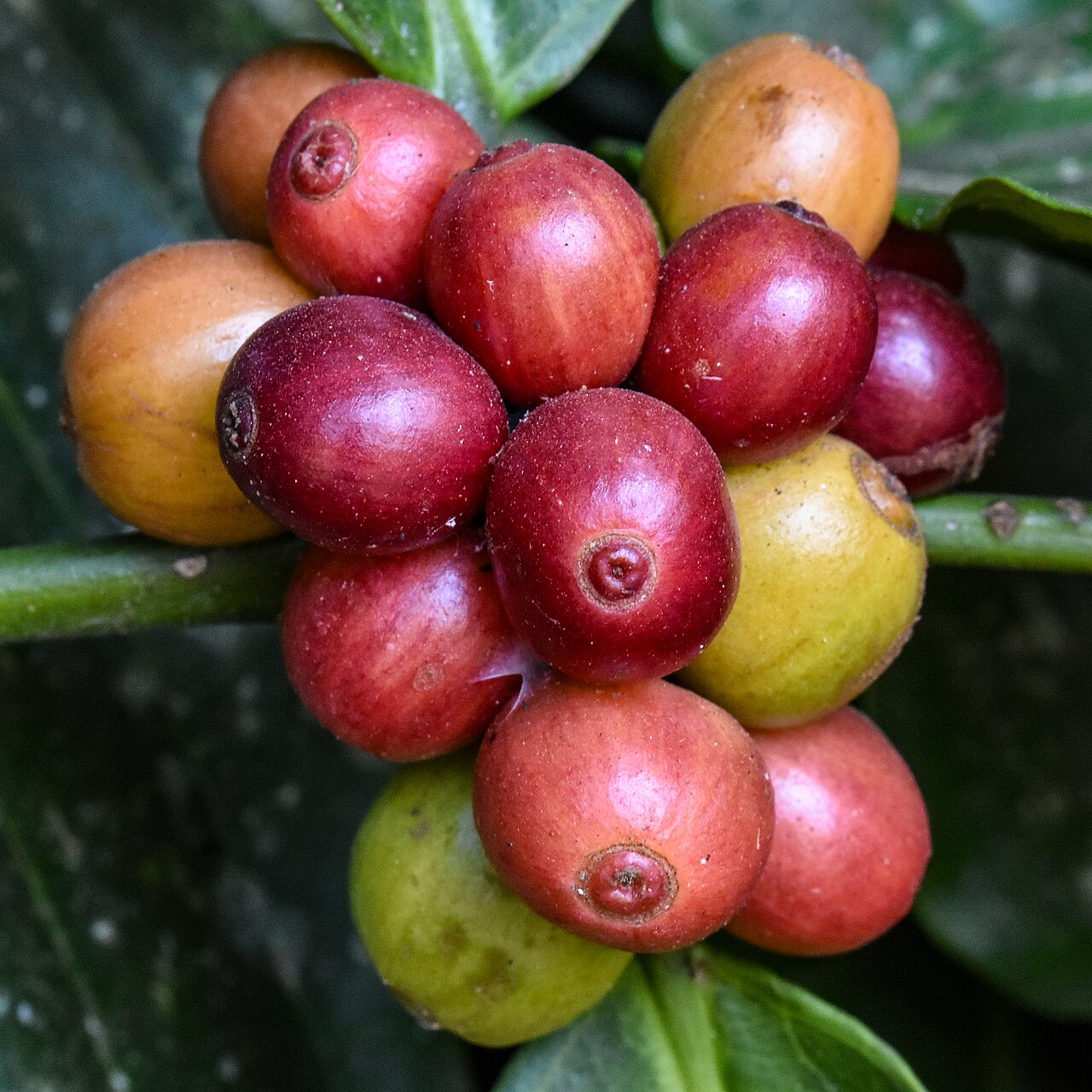
Coffee breeders increasingly work with hybrids between the two species to combine desirable characteristics:
Timor hybrid: A natural arabica-robusta cross discovered on Timor in the 1920s, providing rust resistance for modern arabica breeding.
Catimor, Sarchimor, Colombia variety: Various hybrid varieties incorporating robusta rust resistance into essentially arabica plants.
Modern research: Advanced breeding programs develop new hybrids balancing disease resistance, yield, climate adaptation, and cup quality.
These hybrids matter because climate change and disease pressure increasingly threaten pure arabica cultivation. Hybrid varieties may be essential to coffee's future in many regions.
Key Facts
- Scientific name: Coffea canephora
- Common name: Robusta
- Chromosome count: 22 (diploid)
- Caffeine content: 2.2-2.7% by bean weight (about double arabica)
- Origin: Lowland forests of central and western Africa
- Global production share: 30-40% of all coffee
- Optimal elevation: 0-800 meters
- Optimal temperature: 22-30°C annual average
- Reproduction: Cross-pollinating (outcrossing)
- Disease resistance: Significantly better than arabica
Frequently Asked Questions
Q: What is the difference between arabica and robusta? Arabica produces more complex, flavorful coffee suited to specialty markets but requires specific highland tropical conditions and is disease-susceptible. Robusta produces harder-tasting, more caffeinated coffee with higher yields, grows in harsher conditions, and resists disease better. The two species serve different market segments.
Q: Is robusta bad coffee? Commodity-grade robusta often tastes harsh compared to specialty arabica, but well-grown specialty robusta can produce interesting, high-quality coffees. The species isn't inherently inferior — it's usually grown and processed with lower quality standards because of its commodity market focus.
Q: Why does robusta have more caffeine? Higher caffeine is part of robusta's natural pest defense — caffeine is toxic to many insects. The lowland tropical conditions where robusta evolved featured higher insect pressure, favoring plants with stronger chemical defenses.
Q: Is robusta used in Italian espresso? Yes, traditional Italian espresso blends often contain 10-30% robusta for its crema production, body, and caffeine content. Even premium Italian espresso brands use some robusta. Pure-arabica espresso is a more recent specialty coffee trend.
Q: Can I tell arabica from robusta by looking at beans? Yes, with practice. Robusta beans are typically smaller, rounder, and have a straighter central groove compared to arabica's longer, more oval beans with a distinctive S-shaped groove. Color and smell also differ for trained observers.
BUY AUTHENTIC PUERTO RICO COFFEE →
Part of The Coffee Encyclopedia — Sponsored by PuertoRicoCoffeeShop.com.