The Typica Coffee Variety: The Original Arabica Cultivar
Summary
Typica is the foundational arabica coffee variety — the original cultivated cultivar from which most traditional arabica lineages descend. When coffee spread from Yemen to Indonesia, then to the Americas starting in the early 1700s, it spread as Typica. This single variety founded the coffee industries of the Caribbean, Latin America, Hawaii, and beyond. While modern hybrid varieties now dominate commercial production, Typica remains deeply important for its heritage status, its distinctive clean cup character, and its role as the parent of virtually every major arabica variety in cultivation today. Puerto Rican coffee, along with Jamaican Blue Mountain, Hawaiian Kona, and many other premium origins, traces its genetic lineage directly to Typica.
The Original Cultivar
Watch: Bourbon & Typica: Origins of Arabica Varieties
Typica holds a unique position in coffee history as the variety that initiated global commercial coffee cultivation outside the Arab world. The name "Typica" simply means "typical" in Latin — a reference to its status as the original, foundational arabica variety from which others would eventually diverge.
As covered in The Dutch Coffee Empire and Gabriel de Clieu and the Martinique Seedling, the transmission chain that moved Typica into global cultivation runs from Yemeni selection through Dutch plantations in late-17th-century Java, a 1714 diplomatic seedling gift from Amsterdam to Louis XIV, and Gabriel de Clieu's 1723 Martinique voyage with a single cutting that seeded the entire American and Caribbean coffee industry.
Every Typica plant growing today traces its lineage through that specific historical chain — which means most traditional arabica coffee in the Americas has remarkably close genetic ties.
Physical Characteristics
Typica plants have distinctive physical features that coffee farmers learn to recognize:
Tree shape: Typica grows in a classic cone shape, with a central leader stem and branches arranged in orderly tiers. Without pruning, Typica can reach 4-5 meters tall — taller than most other common arabica varieties.
Leaves: New leaf growth emerges with a characteristic bronze or copper tint before maturing to deep green. This bronze color is one of Typica's most distinctive identifiers.
Leaf shape: Leaves are relatively narrow and elongated compared to Bourbon's broader leaves.
Cherry shape: Cherries are oblong rather than round, with a somewhat pointed tip.
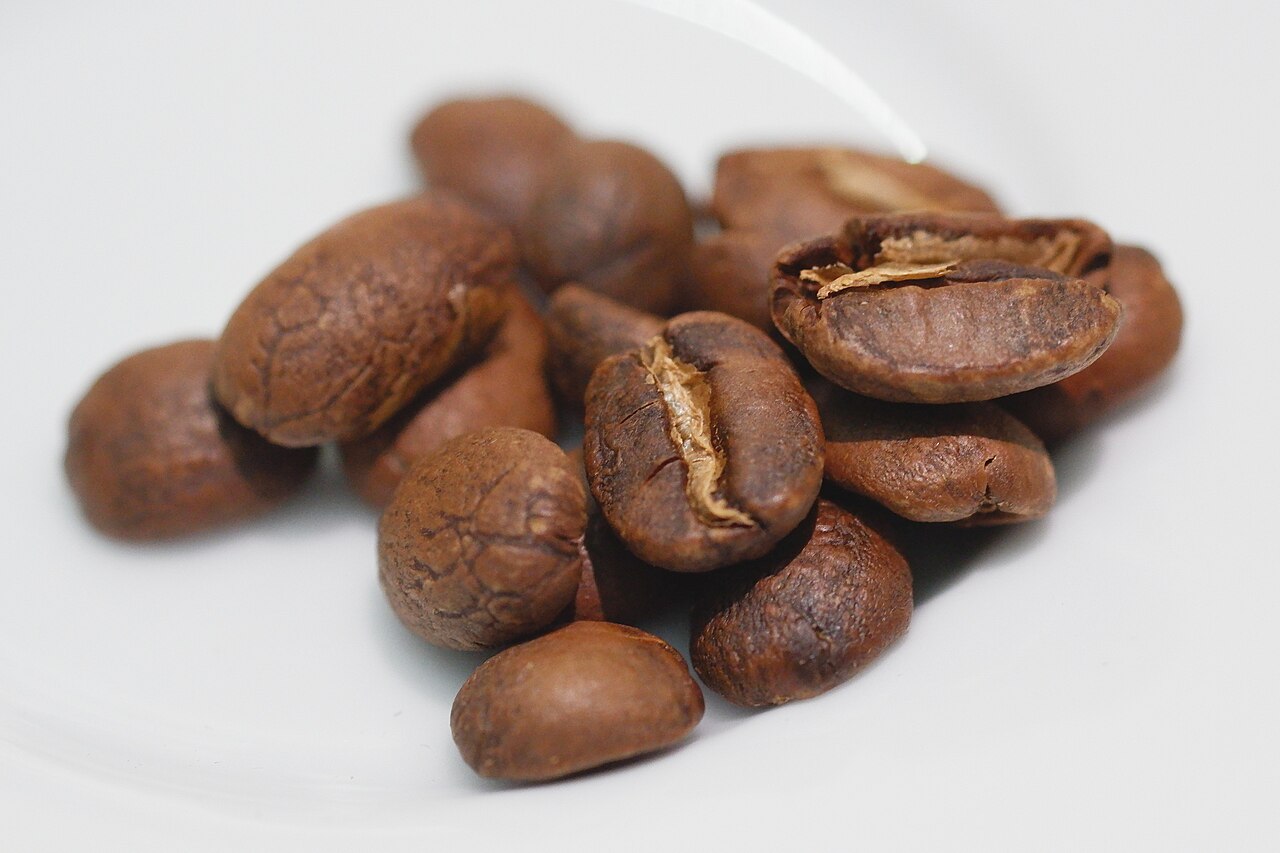
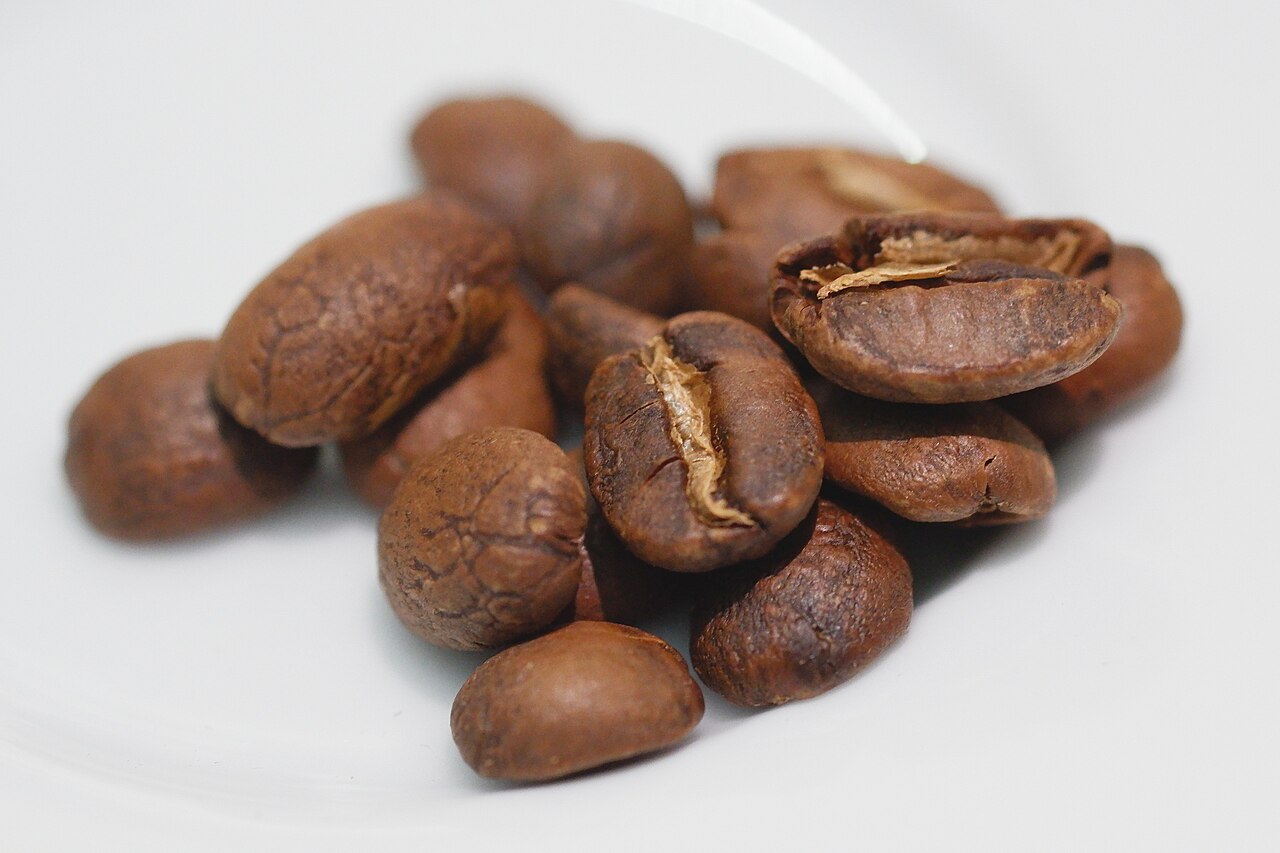
Bean shape: Typica beans are distinctively long and slender compared to Bourbon's more rounded beans. The elongated shape is often used by trained observers to identify Typica in bean samples.
Growth habit: Typica grows with vertical emphasis and moderate branching density. This creates the conical profile that defines its appearance.
These physical characteristics carry through to Typica descendants and derivatives — recognizable traces of the original Typica can be seen in many modern varieties.
Typica's Flavor Profile
Typica cup characteristics have been cultivated and documented for centuries:
Clean character: Typica coffees are often described as "clean" — meaning flavors present clearly without muddiness or off-notes.
Mild acidity: Less pronounced acidity than many modern specialty varieties, giving Typica a rounded, gentle character.
Balanced sweetness: Natural sweetness present but not overpowering, often featuring caramel, light honey, or brown sugar notes.
Medium body: Moderate mouthfeel — neither the thin body of some delicate varieties nor the heavy body of robusta or some specialty cultivars.
Subtle complexity: Flavors develop gradually across the sip and finish, without the bold or dramatic characteristics of varieties like Gesha.
Nut and chocolate notes: Often features almond, hazelnut, milk chocolate, or dark chocolate undertones.
Classic coffee taste: Typica often serves as the baseline reference for what "classic coffee" tastes like — the flavor profile coffee consumers developed expectations around for centuries.
For people who consider Typica's profile ideal, it represents coffee's purest expression. For those who seek bolder or more dramatic flavors, Typica can seem unexciting compared to newer varieties bred for distinctive characteristics.
Yield Tradeoffs
Typica's commercial competitiveness suffers from relatively low yields compared to newer varieties:
Lower productivity per tree: Typica typically produces 20-30% less coffee per tree than Bourbon under equivalent conditions, and considerably less than modern hybrids.
Lower planting density: Typica's tall conical growth requires more space between trees, reducing production per hectare.
Longer time to full production: Typica trees take longer than newer varieties to reach full productive maturity.
Slower recovery: Typica trees recover more slowly from hurricane damage, disease, or pruning than newer varieties.
These yield disadvantages drove commercial farmers toward Bourbon, then toward Caturra, Catuaí, and modern hybrids through the 20th century. In most commercial production, Typica has been replaced by higher-yielding alternatives.
However, Typica's preservation continues because:
Quality reputation: Markets pay premium prices for authenticated Typica, offsetting lower yields.
Heritage preservation: Some farms maintain Typica for historical and cultural reasons.
Specialty demand: Specialty buyers actively seek Typica for its distinctive character.
Genetic importance: Typica's genetic heritage may prove important for future breeding programs, particularly as climate change forces reconsideration of varietal choices.
Major Typica Variants and Selections
Over centuries of cultivation in different regions, Typica has given rise to or been selected into many regional variants:
Kent: An early Typica selection from India, distinguished by improved disease resistance and yield while maintaining Typica cup character.
Villalobos: A Costa Rican Typica selection adapted to Central American conditions.
Sumatra Typica: Indonesian Typica selections adapted to Sumatran highlands, producing distinctive earthy coffees.
Blue Mountain Jamaica: Jamaica Blue Mountain coffee is legally protected as pure Typica from specific Jamaican mountain zones, commanding premium prices globally.
Hawaiian Kona: Kona coffee from Hawaii's Big Island is primarily Typica-based, with protected geographic origin designation.
Java Long Bean: A Typica selection cultivated in Indonesia known for unusually elongated beans.
Puerto Rican Typica: Traditional Typica continues cultivation in Puerto Rico alongside newer varieties, particularly in heritage-focused operations.
Each regional variant carries Typica's core characteristics while expressing the particular terroir and selection history of its growing region.
Typica's Role in Modern Arabica Families
While pure Typica cultivation has declined, Typica genetics remain central to the entire modern arabica family:
Direct Typica descendants: Bourbon, Kent, and many regional selections descend directly from Typica.
Bourbon's offspring: Since Bourbon originated as a Typica mutation, every Bourbon-derived variety (Caturra, Catuaí, Pacas, Pacamara, SL28, SL34) carries Typica genetics.
Mundo Novo: This important Brazilian variety is a direct Typica-Bourbon cross.
Modern hybrids: Many rust-resistant modern hybrids incorporate Typica or Typica-derived parents.
This means every cup of arabica coffee — whether from a pure Typica tree in Jamaica or a modern Catimor hybrid in Vietnam — contains genetic material from the foundational Typica lineage. Typica's heritage is universal in arabica coffee.
Disease Vulnerability
Typica's most significant weakness is disease susceptibility:
Coffee leaf rust (Hemileia vastatrix): Typica has no significant rust resistance. Major rust outbreaks have repeatedly devastated Typica-based coffee regions, notably in Central America and the Caribbean.
Coffee berry disease: Typica shows vulnerability to Colletotrichum kahawae in African growing regions.
Coffee berry borer: The pest Hypothenemus hampei attacks Typica freely.
Nematodes: Soil-borne nematodes damage Typica roots.
This vulnerability contributed to the 20th century's shift away from Typica to more resistant varieties. However, in regions where climate or altitude reduces disease pressure, Typica can be cultivated successfully with standard farming practices.
Typica in Puerto Rico
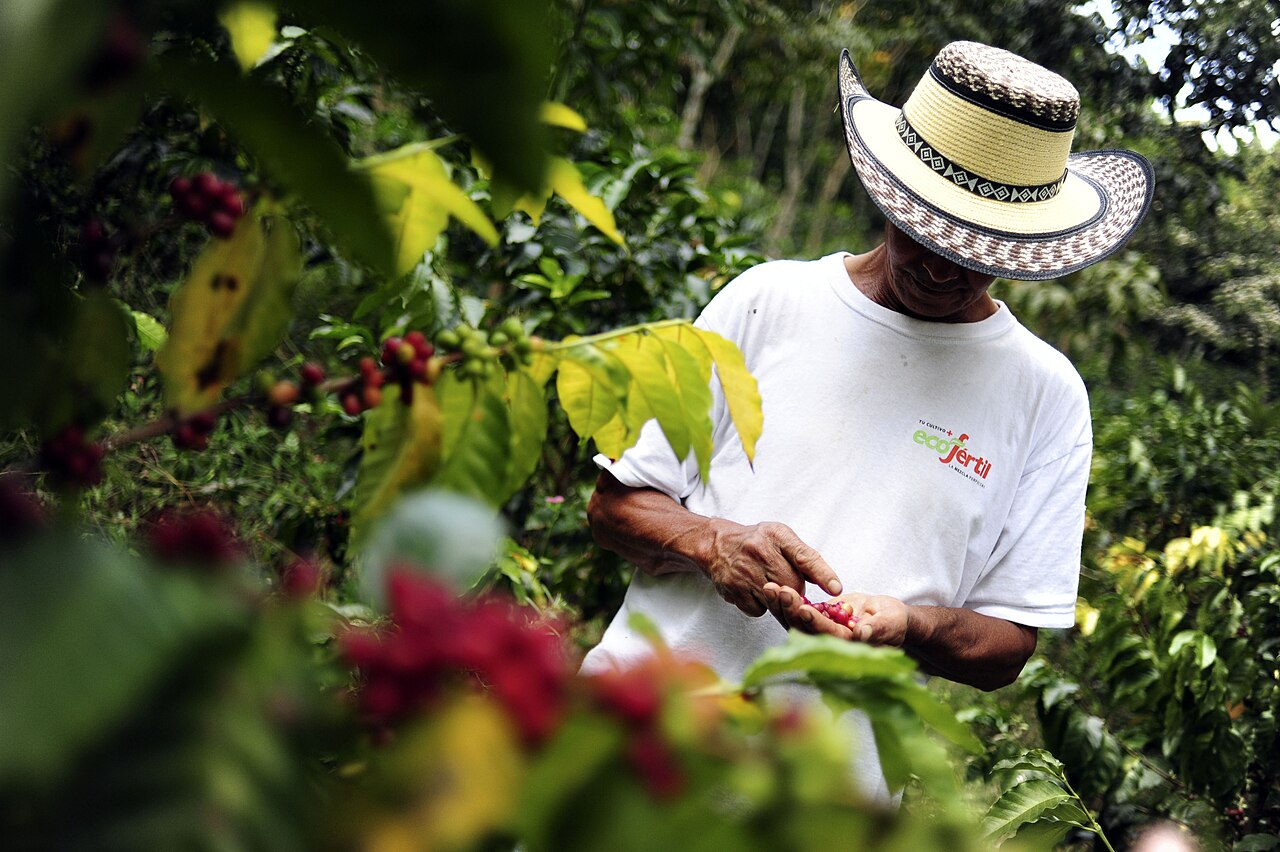
Typica was the original variety brought to Puerto Rico in 1736, establishing the island's coffee industry. For more than 250 years, Typica was Puerto Rico's dominant coffee variety, defining the flavor profile that made Puerto Rican coffee sought after in 19th-century European markets. Claims that it reached royal courts and papal tables in that period are long-standing tradition rather than documented record.
Today, Puerto Rican Typica cultivation continues alongside newer varieties like Limaní, Caturra, and Catuaí. Some Puerto Rican farms specialize specifically in heritage Typica, marketing their coffee to specialty buyers seeking authentic historical varieties from the Caribbean's original coffee-growing region.
Typica's flavor characteristics merge with Puerto Rico's terroir — mountain elevation, volcanic soil, trade wind climate — to produce coffee with distinctive regional character while maintaining Typica's classical profile. Every cup of heritage Puerto Rican Typica is a taste of coffee history in the mountains where coffee has grown since the 18th century.
Modern Typica Cultivation
Contemporary Typica cultivation falls into several patterns:
Heritage production: Farms dedicated to maintaining historically authentic Typica, particularly in regions with strong coffee heritage (Jamaica, Hawaii, parts of Puerto Rico, select Central American regions).
Mixed varietal farms: Many farms grow Typica alongside other varieties, providing varietal diversity and specialty market options.
Small-scale specialty: Small farms targeting specialty markets sometimes specialize in Typica for marketing differentiation.
Geographic indication coffees: Protected origin coffees like Jamaica Blue Mountain and Hawaiian Kona require Typica cultivation as part of their identity.
Research collections: Agricultural research institutions maintain Typica genetic material for breeding and future varietal development.
Key Facts
- Variety type: Coffea arabica cultivar
- Origin: Yemen cultivation, spread via Dutch-Indonesian and French colonial networks
- Historical role: Foundational variety for all American and Caribbean coffee cultivation
- Yield: 20-30% lower than Bourbon
- Tree shape: Classic conical profile with central leader
- Leaf characteristic: Bronze or copper-tinted new growth
- Bean shape: Elongated, slender, pointed
- Cup characteristics: Clean, balanced, mild, classic
- Major growing regions: Puerto Rico, Jamaica, Hawaii, Central America, Indonesia, Asia
- Key vulnerability: Susceptibility to coffee leaf rust
Frequently Asked Questions
Q: What makes Typica special? Typica is the foundational arabica variety from which most traditional coffee cultivars descend. It offers a classic, clean, balanced coffee flavor profile that represents what coffee tasted like for centuries before modern variety breeding.
Q: Is Typica coffee better than other varieties? Typica produces high-quality coffee with classical characteristics but doesn't necessarily "beat" modern specialty varieties on every dimension. Many newer varieties offer more dramatic flavors, higher yields, or better disease resistance. Typica's value lies in its heritage, classical cup character, and deep coffee tradition.
Q: Why is Jamaica Blue Mountain famous? Jamaica Blue Mountain is pure Typica grown in a specific protected geographic region of Jamaica's Blue Mountains. The combination of Typica variety, high altitude, volcanic soil, and protected origin status produces coffee that commands premium prices globally.
Q: Can I identify Typica coffee by looking at beans? Yes, with practice. Typica beans are distinctively long and slender compared to the more rounded beans of Bourbon and many modern varieties. Experienced coffee professionals can identify Typica beans visually.
Q: Does Puerto Rico grow Typica? Yes. Typica was the original variety introduced to Puerto Rico in 1736 and continues to be cultivated on the island today, particularly on heritage-focused farms and for specialty markets seeking authentic historical varieties.
BUY AUTHENTIC PUERTO RICO COFFEE →
Part of The Coffee Encyclopedia — Sponsored by PuertoRicoCoffeeShop.com.