
Casa Pueblo and Café Madre Isla: Adjuntas's Solar-Powered Coffee Movement
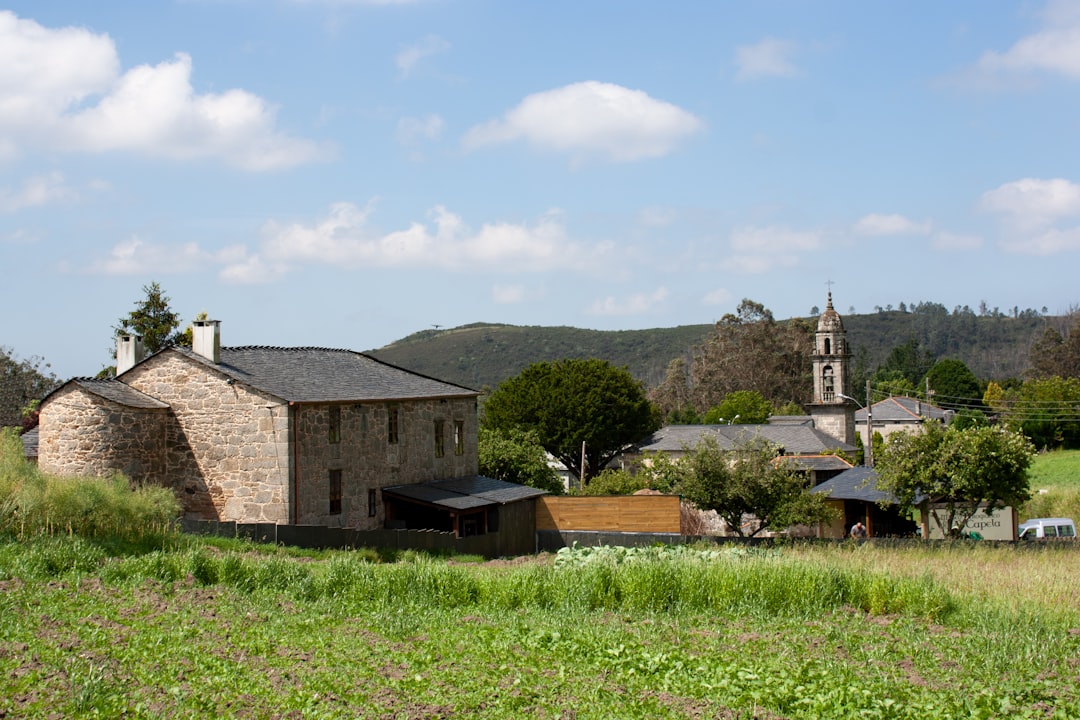
In the small mountain town of Adjuntas, deep in Puerto Rico's central cordillera, a community organization founded in 1980 has done what most coffee farms never attempt: it has built a fully self-sustaining coffee brand that funds an entire ecosystem of environmental and social programs. Casa Pueblo runs Café Madre Isla, a 100% Arabica coffee from Adjuntas that finances community-owned forests, the first community-managed nature reserve in Puerto Rico, a solar grid that survived Hurricane María intact, and the #50ConSol movement to power Puerto Rico with 50% solar energy by 2027. This is coffee as community resilience.
The Founding: Tinti and Alexis Begin
Casa Pueblo was founded in 1980 by Alexis Massol-González, a civil engineer, and his wife Faustina "Tinti" Deyá Díaz, a teacher. They started the organization in Adjuntas as a cultural and environmental workshop — Taller de Arte y Cultura — in response to a specific threat: the Puerto Rican government had approved plans for a massive open-pit mining operation across more than 35,000 acres of the island's central mountains, including Adjuntas, Utuado, Jayuya, and Lares.
The mining project would have devastated the forests, polluted the watersheds, and displaced communities across multiple municipalities. International mining companies stood ready to extract copper, silver, and gold from the mountains. The government was supportive. Most observers expected the project to proceed.
What the project did not expect was Tinti and Alexis. The Massol family organized a sustained 15-year community resistance — door-to-door education, public marches, scientific studies, lawsuits, alliances with environmental groups, and constant pressure on government officials. They argued that the long-term value of the forests, water resources, and communities far exceeded the short-term value of extracted minerals.
In 1995, after fifteen years, they won. The mining project was permanently shelved. The forests were saved.
Café Madre Isla: Coffee as Self-Reliance
In 1989, six years before the mining victory, Casa Pueblo began producing its own coffee. The reasoning was strategic: an environmental organization that depends entirely on outside grants is vulnerable to political pressure. Casa Pueblo wanted economic autonomy. Coffee was the obvious answer — Adjuntas had been a coffee region since the 19th century, the soil and climate were ideal, and a community-owned coffee operation could generate revenue while reinforcing the very rural agricultural economy the organization sought to protect.
Café Madre Isla — "Mother Island Coffee" — became the cornerstone of Casa Pueblo's economic operations. The coffee is 100% Arabica, single-origin from Adjuntas, grown using sustainable agroecological practices on community-supported farms. It is processed and roasted in small batches and sold in distinctive black recyclable aluminum bags with a degassing valve and zipper closure to preserve freshness.
Today, the sale of Café Madre Isla generates the operating capital that allows Casa Pueblo to function independently. This is the model: community-owned coffee funding community-owned forests, schools, radio stations, and solar grids.

The 2002 Goldman Environmental Prize
In April 2002, Alexis Massol-González received the Goldman Environmental Prize — often called the "Green Nobel" — recognizing him as the first Puerto Rican ever to win this prestigious international award. The prize honored his leadership of the 15-year fight that stopped the mining project and established Bosque del Pueblo, the first community-managed forest reserve in Puerto Rico.
The Goldman recognition brought international attention to Casa Pueblo. Universities around the world began sending students to Adjuntas as part of community-academic internship programs. Researchers came to study the Casa Pueblo model — how a small mountain town had built one of the most effective community-driven environmental organizations in the Western Hemisphere.
Alexis used the prize money and the spotlight to expand Casa Pueblo's programs. New initiatives followed: the Bosque Escuela (Forest School) educational program, the Communitarian Institute of Biodiversity and Culture, Radio Casa Pueblo (a community FM station), the Mariposario butterfly garden, and an ecological tourism farm at Finca Madre Isla.
Bosque del Pueblo: The First Community Forest
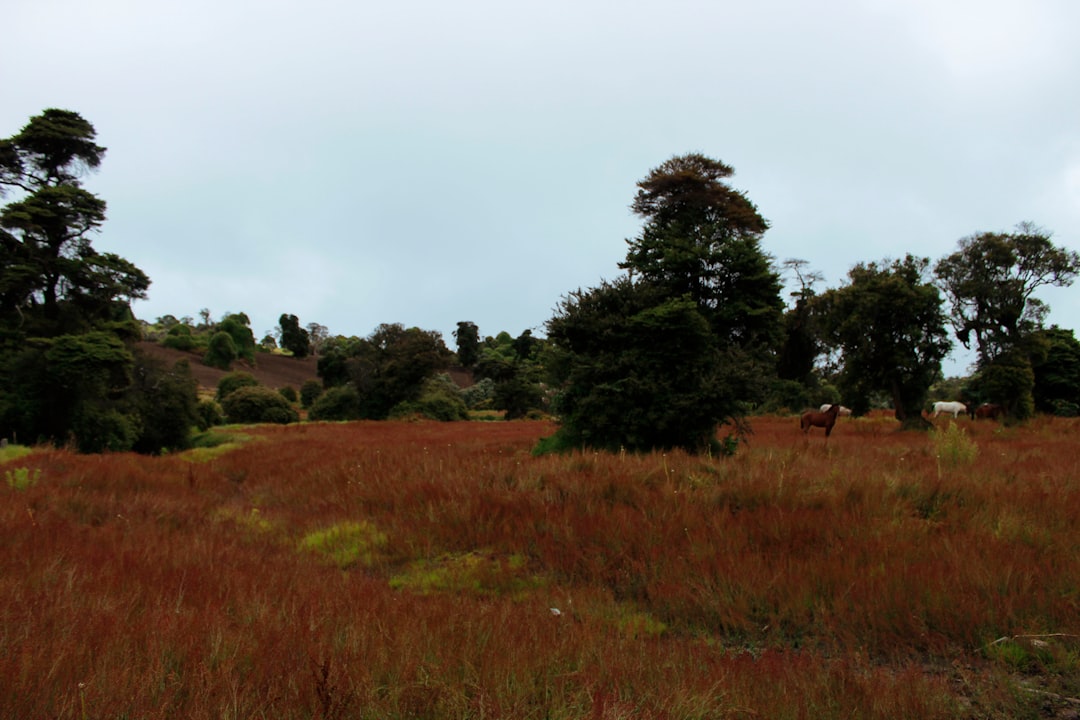
In 1995, after stopping the mining project, Casa Pueblo lobbied the Puerto Rican government to create Bosque del Pueblo — the People's Forest — as a permanent protected area. The 737-acre nature reserve became the first forest in Puerto Rico managed under a co-management agreement between the government and a community organization.
This was unprecedented. Government conservation agencies had always managed Puerto Rico's forests directly. Casa Pueblo's model — community ownership of conservation responsibility — provided a template that has since been studied and replicated across Latin America and the Caribbean.
The Bosque del Pueblo today functions as both a protected ecosystem and an educational laboratory. The Bosque Escuela educational program brings students from Puerto Rico and abroad to learn about tropical biodiversity, sustainable forestry, and community-based natural resource management.

Hurricane María and the Solar Awakening
September 2017 changed everything. Hurricane María made landfall on Puerto Rico as a high-end Category 4 storm, knocking out the entire centralized electrical grid. Most of the island lost power for weeks; some communities went without electricity for nearly a year.
Casa Pueblo did not lose power. The organization had been installing solar panels at its headquarters since 1999 — initially as an environmental statement, later as practical infrastructure. When the centralized grid failed, the Casa Pueblo solar system kept running. The headquarters became an "energy oasis" for the surrounding community: people came to charge phones, run nebulizers and dialysis machines, refrigerate insulin, and gather for information.
Out of that experience, Arturo Massol-Deyá — Alexis and Tinti's son and the current executive director of Casa Pueblo — and the organization launched the #50ConSol (50% with Sun) movement. The goal: rebuild Puerto Rico's electrical grid with 50% solar energy by 2027, the ten-year anniversary of Hurricane María. Since María, Casa Pueblo has installed more than 100 solar projects across rural Puerto Rico, demonstrating that distributed community solar is viable, faster to deploy, and more resilient than centralized fossil fuel infrastructure.
Café Madre Isla revenue helps fund this work. Coffee buyers are, indirectly, financing Puerto Rico's solar transition.

The Casa Pueblo Programs Funded by Coffee
The full ecosystem of programs funded in significant part by Café Madre Isla revenue includes:
Bosque del Pueblo — the 737-acre community-managed forest reserve Bosque La Olimpia — a second protected forest area Bosque Escuela Ariel Massol Deyá — environmental education program for students Radio Casa Pueblo (WOQI 1020 AM) — Puerto Rico's first community ecological radio station Communitarian Institute of Biodiversity and Culture — university-level courses and workshops Mariposario — community butterfly garden, established 2001 Finca Madre Isla — ecological tourism farm Cine Solar — solar-powered community cinema Cerro Mágico campground — accessible eco-camping Solar Cinema — outdoor solar-powered film screenings #50ConSol energy transition — community solar installations across rural Puerto Rico Community School of Music — music education for local youth
Few coffee operations anywhere in the world fund this breadth of community programming.
The Coffee Itself
Café Madre Isla is a 100% Arabica medium-roast coffee from Adjuntas. The cup profile reflects the cool Adjuntas highlands:
- Body: Medium-full
- Aroma: Bright, slightly fruity, classically Arabica
- Flavor notes: Smooth chocolate base with subtle citrus and floral hints
- Acidity: Balanced — present but not aggressive
- Finish: Clean, pleasant length
The coffee is grown using sustainable agroecological practices that emphasize biodiversity, shade trees, and minimal chemical inputs. Beans are hand-picked at peak ripeness, washed-processed, sun-dried, and roasted in small batches. Each bag is roasted to order whenever possible, prioritizing freshness over scale.
Visiting Casa Pueblo
Casa Pueblo headquarters in Adjuntas is open to visitors and serves as the hub of the organization's operations. The site includes the original community center building, the solar power demonstration installations, the butterfly garden, the radio station, and a small store where Café Madre Isla and other Casa Pueblo products can be purchased directly.
Tours are typically self-guided, with informational signage in Spanish and English. Group tours and educational visits can be arranged in advance through the organization. The Bosque del Pueblo and Finca Madre Isla require separate visits — both are accessible from Adjuntas with short drives or hikes.
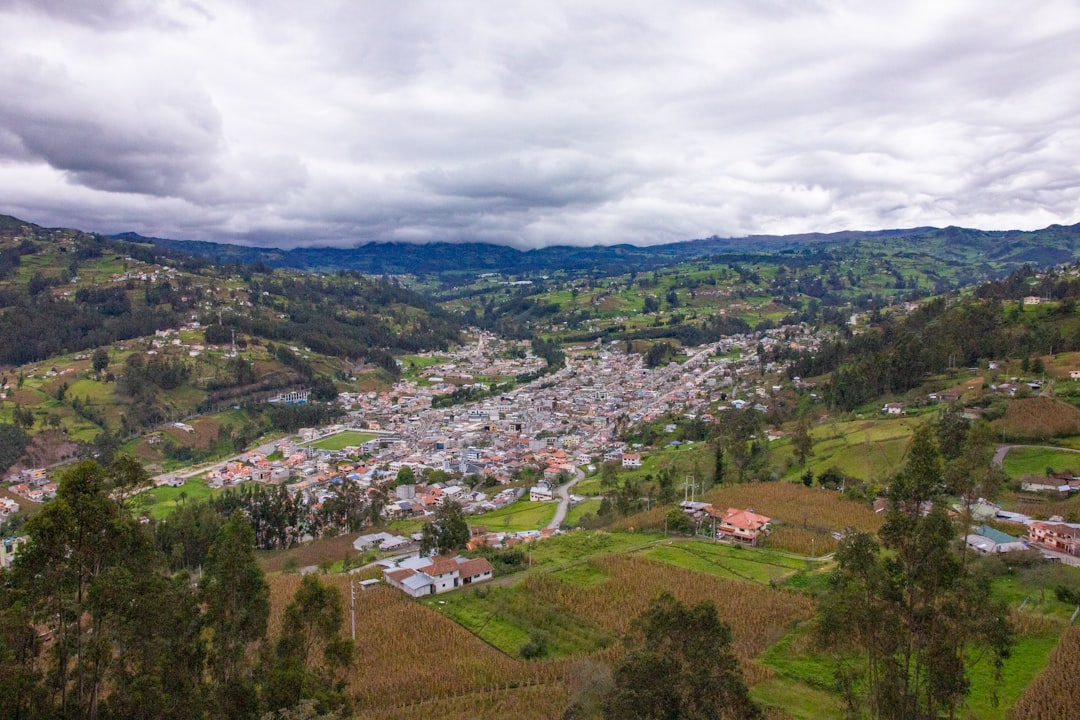
The town of Adjuntas itself is worth the visit even apart from Casa Pueblo. The municipality is known as "La Ciudad del Gigante Dormido" — the City of the Sleeping Giant — for the distinctive mountain formation visible from town.
Key Facts: Casa Pueblo and Café Madre Isla
- Founded: Casa Pueblo in 1980; Café Madre Isla in 1989
- Founders: Alexis Massol-González and Tinti Deyá Díaz
- Current Executive Director: Arturo Massol-Deyá (son of founders)
- Location: Adjuntas, Puerto Rico central mountains
- 2002 Goldman Environmental Prize: Awarded to Alexis Massol-González — first Puerto Rican recipient
- Bosque del Pueblo: 737-acre community-managed forest, established 1995
- Solar installations since María: 100+ across rural Puerto Rico
- Café Madre Isla: 100% Arabica, medium roast, single-origin Adjuntas
- 501(c)(3) status: Yes, registered nonprofit
- Website: casapueblo.org
- Major campaign: #50ConSol — 50% solar energy by 2027
Frequently Asked Questions
What is Casa Pueblo? A community-based environmental organization in Adjuntas, Puerto Rico, founded in 1980 by Alexis Massol-González and Tinti Deyá Díaz. It operates the Café Madre Isla coffee brand, manages Bosque del Pueblo and other community forests, runs Radio Casa Pueblo, and leads Puerto Rico's community solar movement.
Who is Alexis Massol-González? A civil engineer and community organizer who co-founded Casa Pueblo. He won the 2002 Goldman Environmental Prize for leading the 15-year fight that stopped open-pit mining in Puerto Rico's central mountains. He was the first Puerto Rican to receive the Goldman Prize.
What is Café Madre Isla? A 100% Arabica single-origin coffee from Adjuntas, produced by Casa Pueblo since 1989. Sales of the coffee fund the organization's environmental, educational, and community solar programs.
How can I support Casa Pueblo? The most direct way is to buy Café Madre Isla coffee — every purchase funds the organization's programs. Casa Pueblo also accepts direct donations through casapueblo.org. Visiting the organization in Adjuntas and participating in tours, workshops, and educational programs also supports the work.
What is the #50ConSol movement? Casa Pueblo's campaign to rebuild Puerto Rico's electrical grid with 50% solar energy by 2027, the ten-year anniversary of Hurricane María. The movement promotes distributed community solar as more resilient than centralized fossil fuel grids — a lesson learned the hard way during the post-María blackout.
Related Articles
- Adjuntas: The Coffee Capital of the Mountains
- Hurricane María and the Puerto Rico Coffee Recovery
- Sustainability and Puerto Rico Coffee Farming
- Café del Futuro: The USDA Puerto Rico Coffee Revitalization Project
- Hacienda San Pedro: The Atienza Family Coffee Legacy in Jayuya
- Puerto Rico Coffee Cooperatives
- The Puerto Rico Coffee Renaissance 1950 to Present
Discover Adjuntas Coffee from PuertoRicoCoffeeShop.com
Casa Pueblo's Café Madre Isla represents one approach to Adjuntas coffee. PuertoRicoCoffeeShop.com offers a curated selection of single-estate Adjuntas and other Puerto Rican mountain coffees, sourced directly from family farms and community operations rebuilding the island's coffee tradition.
Visit PuertoRicoCoffeeShop.com — the official sponsor of The Coffee Encyclopedia.
To learn more about Casa Pueblo directly: casapueblo.org
This article is part of The Coffee Encyclopedia, a free educational resource sponsored by PuertoRicoCoffeeShop.com. Contact: Encyclopedia@PuertoRicoCoffeeShop.com
Watch: Goldman Environmental Prize profile of Alexis Massol-González, founder of Casa Pueblo in Adjuntas. Documents the 15-year community fight that stopped open-pit mining in Puerto Rico's central mountains and the founding of one of the most influential community organizations in the Caribbean.