
Cafés of San Juan: A Coffee Shop Tour of Puerto Rico's Capital

San Juan has become Puerto Rico's specialty coffee capital. The city's coffee scene ranges from centuries-old cafés tucked into Old San Juan's cobblestone streets to modern third wave roasters in Santurce and Miramar, from bustling neighborhood panaderías to tourism-focused specialty shops in Condado. For visitors and locals alike, exploring San Juan through its cafés offers a complete immersion in contemporary Puerto Rican coffee culture — the traditions, the specialty movement, and the daily rituals that make coffee central to island life. This article guides you through the most notable cafés and coffee districts of Puerto Rico's capital.
Old San Juan: Historical Heart
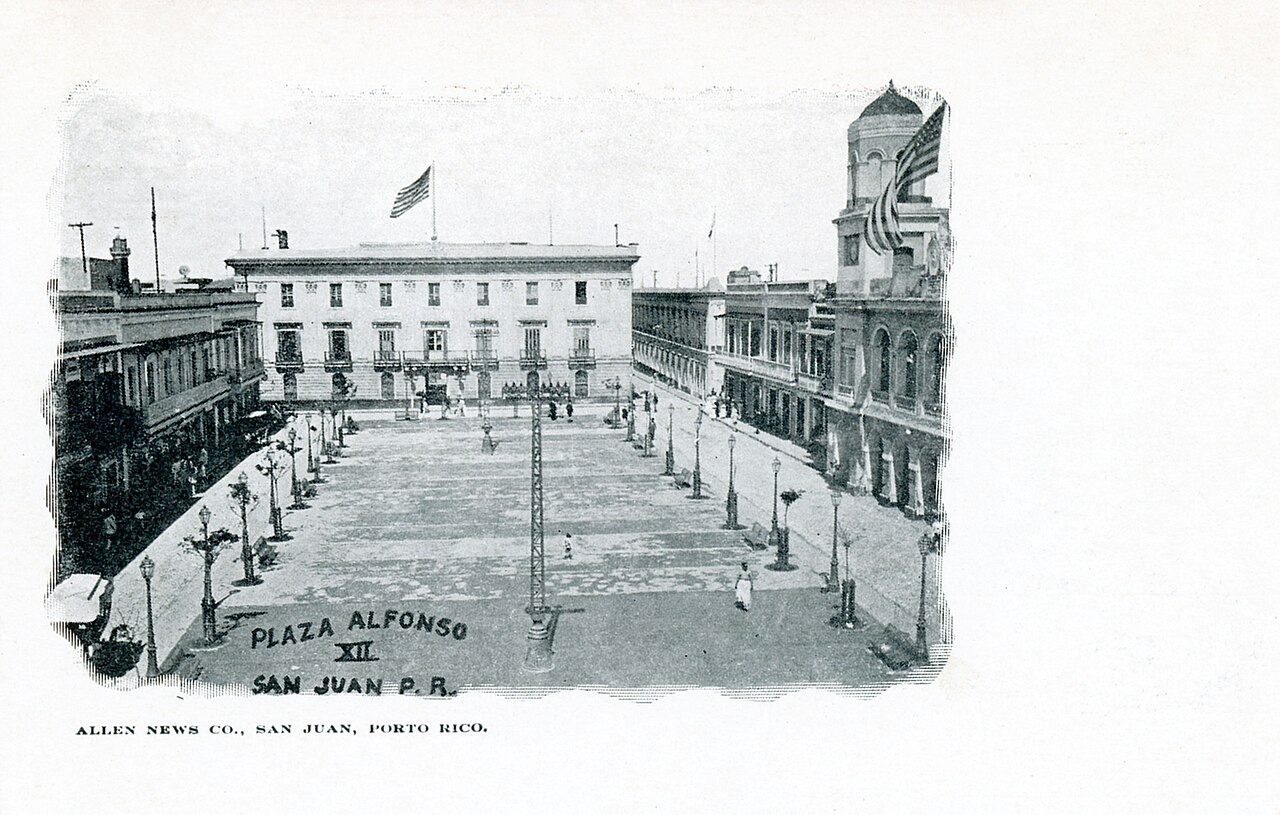
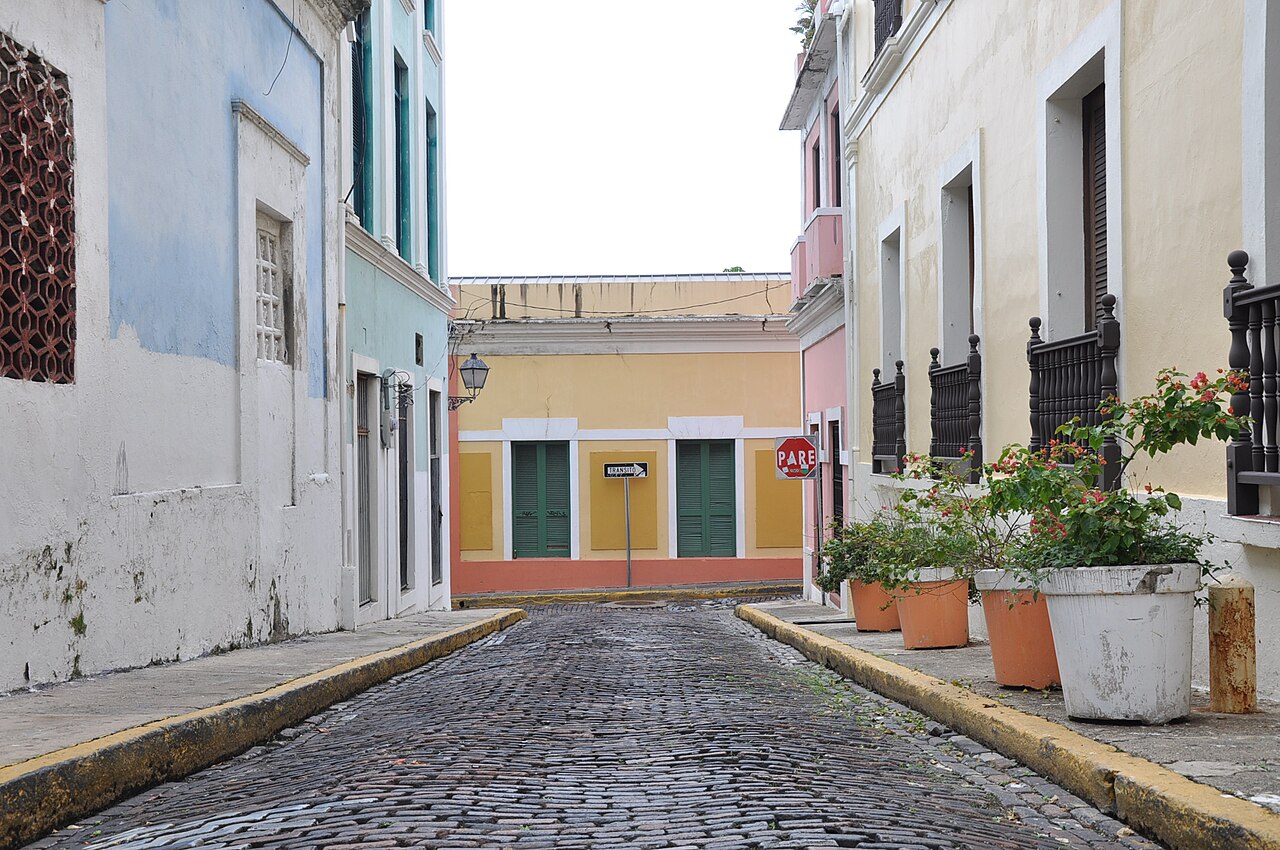
The historic district of Old San Juan (Viejo San Juan) offers the most atmospheric coffee experience in Puerto Rico. Walking the cobblestone streets between pastel colonial buildings, past massive Spanish fortifications and Catholic churches dating to the 16th century, visitors encounter cafés that range from decades-old neighborhood fixtures to contemporary specialty shops catering to the growing craft coffee movement. Morning coffee in Old San Juan is one of the city's essential experiences.
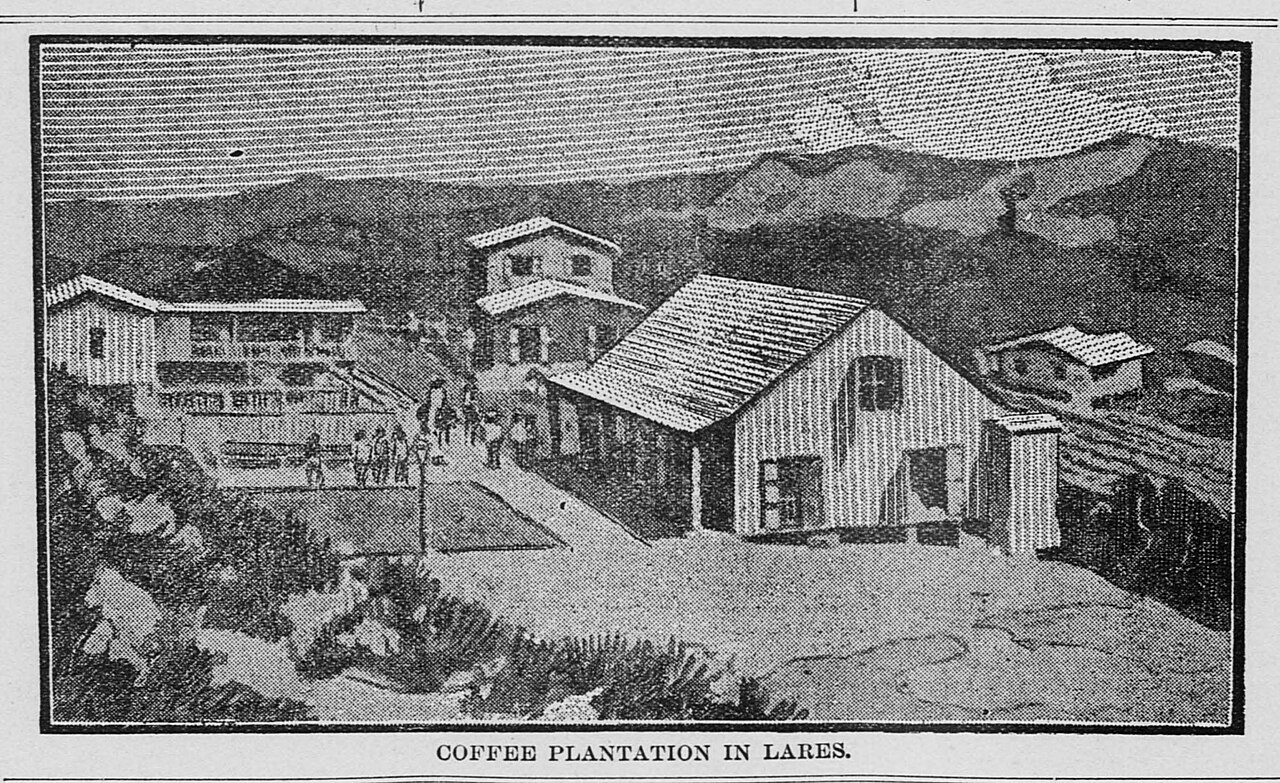
Cuatro Sombras on Calle Recinto Sur is one of the most noteworthy specialty cafés in the district. The shop serves 100% Arabica beans sourced from the southern town of Yauco, roasted weekly in their on-site micro-roaster. The name "Cuatro Sombras" — Four Shades — references the practice of cultivating coffee under four different types of shade trees: pacay, guama, dragon's blood, and muskwood. The café pairs coffee with iconic guava butter toasts and freshly baked pastries, offering one of Old San Juan's most complete coffee experiences.
Casa Cortés ChocoBar
Casa Cortés ChocoBar, also in Old San Juan, offers an unusual but compelling angle on Puerto Rican coffee culture: the pairing of specialty coffee with craft chocolate. The family-owned operation has been involved in Puerto Rican chocolate production for multiple generations and extends that craft tradition into coffee service. Visitors can order coffee paired with specific chocolate bars, exploring how origin characteristics in cocoa interact with origin characteristics in coffee.
The ChocoBar concept reflects broader trends in specialty food culture that have taken root in San Juan. Pairing, tasting flights, single-origin focus, and educational presentation are all hallmarks of contemporary specialty coffee culture, and Casa Cortés exemplifies how Puerto Rican cafés are integrating these approaches. The café also serves traditional Puerto Rican chocolate preparations including hot chocolate with spices, which provide useful contrast to the coffee experiences on offer.
Santurce: The Specialty Coffee District
The Santurce neighborhood of San Juan has emerged as perhaps the island's most important hub for third wave specialty coffee. Several independent roasters operate in the district, often sourcing directly from small Puerto Rican farms and focusing on light-to-medium roasts that emphasize origin flavor characteristics. The coffee scene in Santurce is notably younger, more design-forward, and more internationally connected than the Old San Juan traditional café scene.
Cafés in Santurce often serve as community gathering spaces for creatives, entrepreneurs, and specialty coffee enthusiasts. Coffee competitions, cupping events, and barista training sessions happen regularly in the district. Some Santurce cafés operate their own roasting equipment on site, allowing direct observation of the roasting process. Others partner with small Puerto Rican roasters to feature rotating origin selections that change seasonally.
Watch: SXSE Season 1 Episode 1: Cafe Comunion San Juan, Puerto Rico — Black & White Coffee Roasters
Hato Rey and Miramar: Business District Coffee
The Hato Rey and Miramar areas of San Juan combine business district density with emerging coffee culture. These neighborhoods feature a mix of chain coffee operations (serving the office worker demographic), specialty independent cafés (serving the creative and professional class), and traditional cafeterías (serving the long-standing resident population). The diversity of coffee options reflects the diversity of the neighborhoods themselves.
Several Miramar cafés have built reputations for pour-over specialty coffee, house-made pastries, and Puerto Rican single-origin selections. The neighborhood's location between Old San Juan and Condado makes it accessible for tourists while serving as primarily a local-customer destination. For visitors interested in seeing how coffee functions in the daily lives of working Puerto Ricans — rather than only in tourist-focused settings — Miramar cafés offer a more authentic glimpse.
Condado: Beachfront Coffee Culture
Condado, the upscale beachfront neighborhood along Avenue Ashford, features a different kind of coffee scene focused primarily on tourists and the high-end residential community. Hotel coffee shops, beachfront cafés, and resort-affiliated operations dominate this district. Quality varies substantially — from excellent specialty operations catering to coffee-savvy tourists to more generic hotel service targeting less discriminating customers.
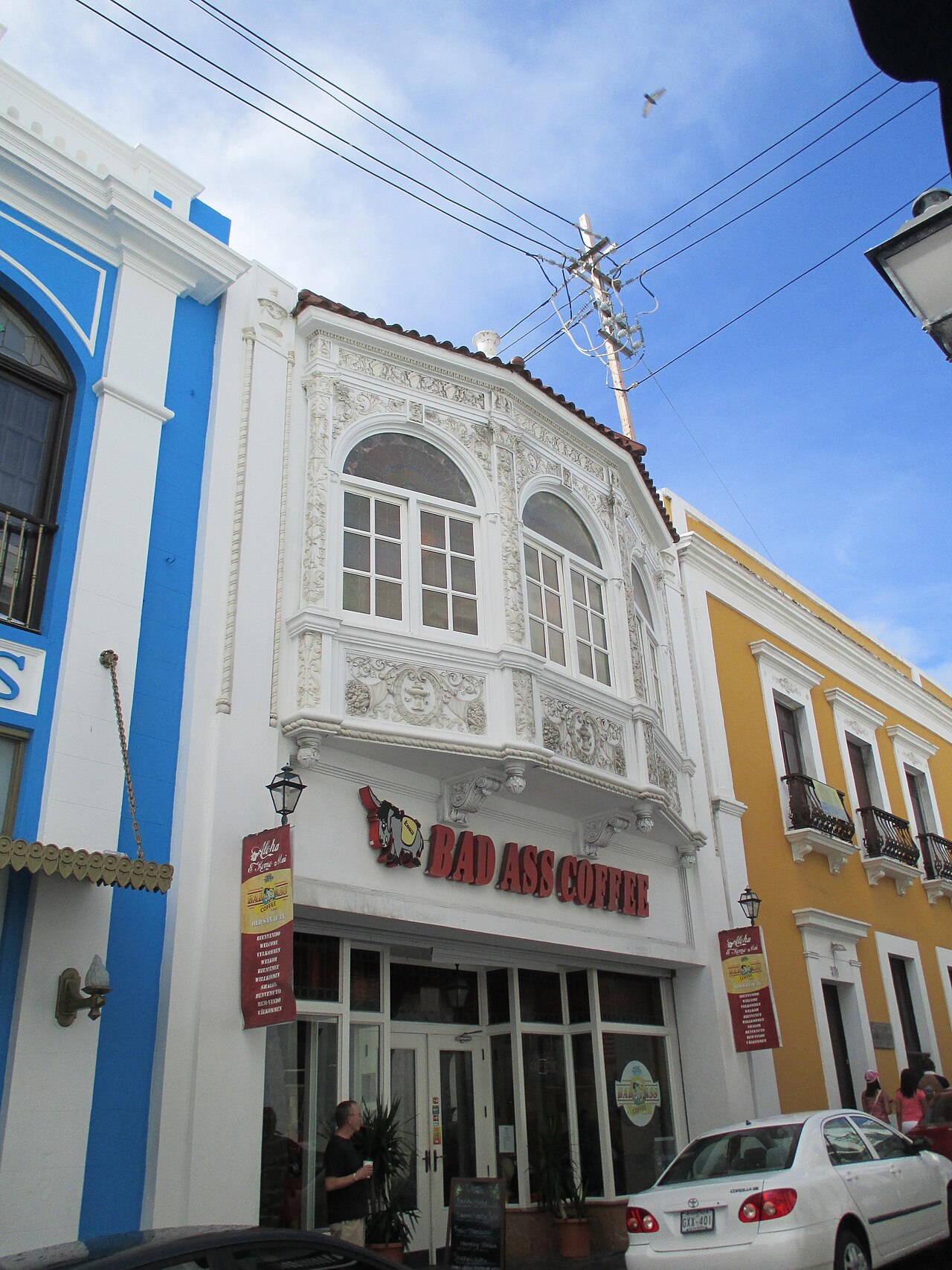
The more notable Condado cafés emphasize Puerto Rican origin selections alongside their tourist-friendly atmosphere. These operations serve as important bridges for visitors who might otherwise only encounter generic international coffee chains. Purchasing Puerto Rican coffee at a Condado café — whether paired with a beachside breakfast, an afternoon snack, or an evening dessert — supports the broader island coffee economy and introduces visitors to the island's coffee tradition.
Panaderías and Traditional Cafés
Beyond the specialty and tourist-focused coffee scenes, San Juan preserves a strong tradition of neighborhood panaderías (bakeries) and colmado-style cafeterías that serve coffee alongside daily Puerto Rican food. These operations are scattered throughout all neighborhoods of the city and serve primarily local customers, though tourists can find them easily if they venture away from the most heavily touristed zones.
Coffee at a neighborhood panadería is typically served as café con leche — strong coffee mixed with hot milk and generously sweetened — alongside fresh pan sobao (soft bread), quesitos (cheese-filled pastries), or mallorcas (sweet brioche-style bread). The experience is casual, affordable, and deeply connected to daily Puerto Rican life. Many visitors describe breakfast at a San Juan panadería as one of the most memorable coffee experiences of their trip, precisely because it is unpretentious, authentic, and locally rooted.
Food Truck and Pop-Up Coffee
A growing coffee scene in San Juan operates through food trucks, pop-up events, and non-traditional venues. Several mobile coffee operations have built loyal followings by sourcing excellent Puerto Rican beans, investing in quality equipment, and maintaining high service standards without the overhead of a full brick-and-mortar café. These mobile operations often appear at farmers markets, cultural events, and business district locations during morning rush hours.
Food truck and pop-up coffee operations provide entry points for entrepreneurs who want to participate in the specialty coffee movement without the capital requirements of a permanent café. Some have eventually expanded into full shops after building their following. Others continue operating as mobile businesses, serving customers across different parts of the city. The flexibility of this model suits the dynamic nature of San Juan's evolving coffee scene.
Planning a San Juan Coffee Tour
A well-planned San Juan coffee tour can easily occupy two to three days. A typical itinerary might start in Old San Juan for historical atmosphere and traditional cafés, move to Santurce for contemporary third wave specialty shops, explore Hato Rey and Miramar for business-district coffee culture, and conclude in Condado for beachfront options. Breakfast stops at panaderías in different neighborhoods round out the experience with authentic daily coffee culture.
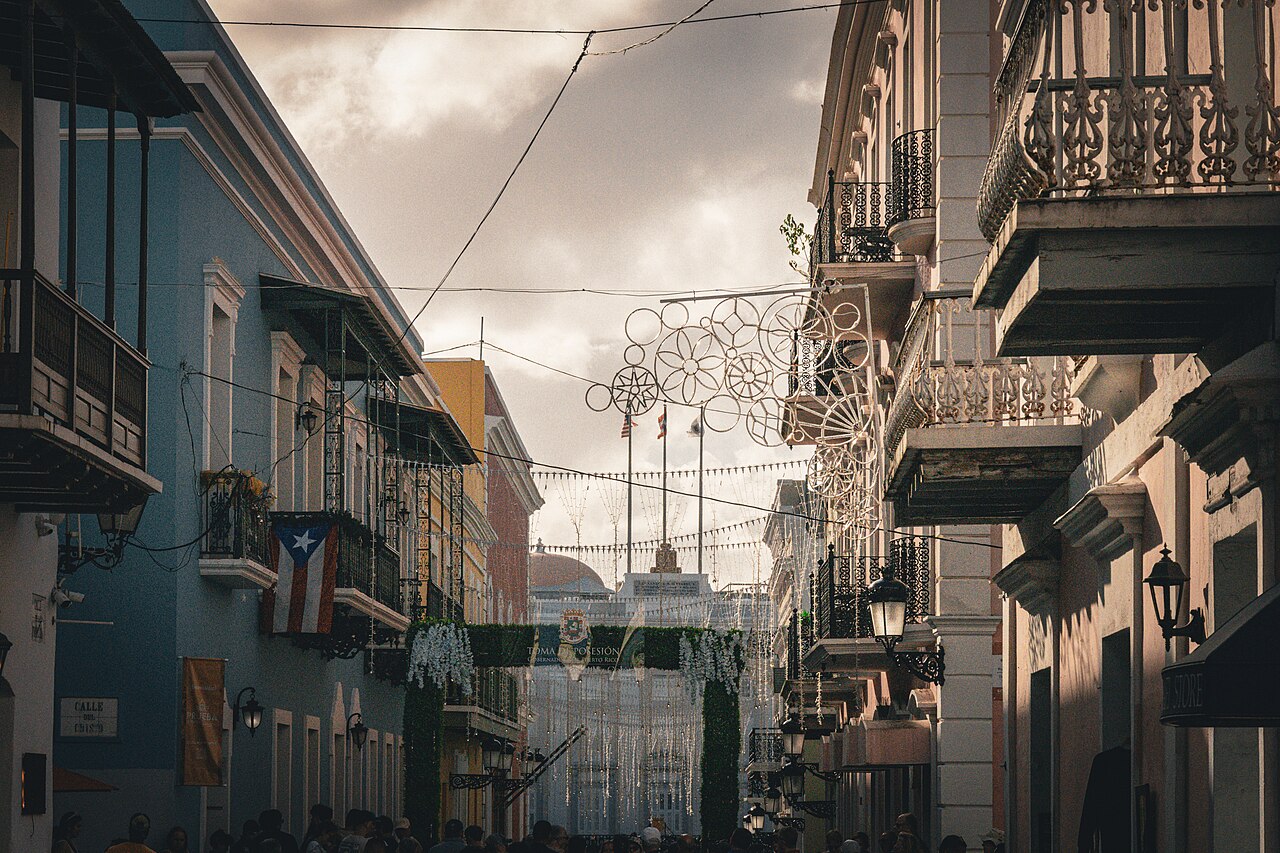
Walking is the best way to explore Old San Juan's café scene — the historic district is compact, pedestrian-friendly, and filled with layered discoveries on nearly every block. Other neighborhoods require either rental car, rideshare, or public transportation. Many visitors combine coffee-focused exploration with other San Juan activities: historic sites, museums, shopping, beachgoing, and dining. Coffee stops punctuate and complement these other activities rather than consuming entire days.
The Economics of San Juan Coffee
San Juan's café economy supports both Puerto Rican coffee producers and a growing workforce of baristas, roasters, café owners, pastry chefs, and service workers. Specialty cafés that feature Puerto Rican beans provide an important domestic market that supplements farm export channels. For smaller specialty farms, partnerships with San Juan cafés can be a primary revenue source, with direct relationships enabling both farmers and baristas to share stories and build mutual expertise.
The coffee shop economy also contributes to San Juan's broader cultural vitality. Cafés serve as gathering places for writers, musicians, designers, and entrepreneurs. They host readings, music performances, art shows, and community events. Their employees — particularly the growing cohort of specialty baristas — constitute a skilled workforce whose expertise adds value across the food and beverage industry. The café scene is not just a visitor experience but an essential piece of San Juan's contemporary cultural infrastructure.
Why San Juan Matters for Puerto Rican Coffee
For the broader Puerto Rican coffee industry, San Juan serves as a critical showcase. Tourists who experience quality Puerto Rican coffee at a San Juan café often become loyal customers of Puerto Rican brands afterward, purchasing beans to bring home or ordering online from the producers they discovered through a café visit. Specialty roasters based in San Juan bring national and international attention to Puerto Rican origins through their own marketing, awards, and industry engagement.
As Puerto Rican coffee continues its slow recovery and reorientation toward specialty markets, San Juan's café scene plays a central role in the transition. It provides consistent domestic demand for specialty-grade coffee. It trains baristas who eventually work at farms, cafés across the island, and specialty retailers abroad. It hosts the events — competitions, tastings, industry gatherings — where the next generation of Puerto Rican coffee culture is being shaped. Understanding Puerto Rican coffee today requires understanding its capital city expression.
Key Facts — San Juan Coffee Scene
- Cuatro Sombras on Calle Recinto Sur (Old San Juan): 100% Arabica from Yauco, weekly in-house roasting
- Casa Cortés ChocoBar (Old San Juan): specialty coffee paired with craft chocolate
- Santurce: third wave specialty coffee district
- Hato Rey and Miramar: business district coffee culture
- Condado: tourist and hotel-focused coffee scene
- Panaderías across all neighborhoods: traditional café con leche and fresh pastries
- Food truck and pop-up specialty coffee: growing segment of the scene
- Best explored: walking tour of Old San Juan + rideshare/car for other neighborhoods
- Typical visit time: 2-3 days for comprehensive coffee exploration
- Economic role: domestic market for specialty coffee, training ground for baristas, gateway for tourist discovery
Frequently Asked Questions
Where is the best coffee in San Juan? The best coffee in San Juan depends on what you value. For historic atmosphere with quality specialty coffee, visit Cuatro Sombras and Casa Cortés ChocoBar in Old San Juan. For third wave specialty culture, explore Santurce. For authentic daily Puerto Rican coffee experience, find a neighborhood panadería in any part of the city.
Does San Juan have specialty coffee shops? Yes. San Juan's specialty coffee scene has grown substantially in recent years, particularly in the Santurce neighborhood. Several independent roasters operate in the city, and many cafés feature single-origin Puerto Rican coffees with careful brewing protocols. Old San Juan has multiple specialty shops integrating historic atmosphere with contemporary coffee standards.
What is café con leche in Puerto Rico? Café con leche is the traditional Puerto Rican coffee drink: strong brewed coffee combined with hot milk (usually more milk than coffee) and generously sweetened. It is most commonly prepared with a stovetop cafetera at home but is also served at cafés, panaderías, and restaurants throughout San Juan and Puerto Rico generally.
Should I visit an Old San Juan café or a Santurce specialty shop? Both, if you have time. Old San Juan cafés offer historic atmosphere and traditional Puerto Rican coffee culture. Santurce specialty shops offer contemporary third wave coffee with greater focus on origin traceability and brewing precision. A complete San Juan coffee experience includes both.
Can I buy Puerto Rican coffee beans to take home at San Juan cafés? Yes. Many San Juan cafés sell packaged Puerto Rican coffee beans for customers to take home. Specialty shops especially offer curated selections of single-origin beans from specific farms. This is one of the best ways for visitors to extend their Puerto Rican coffee experience after their trip ends.
Related Articles
- Puerto Rican Coffee Culture: Sobremesa, Daily Rituals, and Family Life
- Puerto Rico Coffee Today: The 2026 State of the Industry
- Puerto Rico Coffee Agritourism: Farm Tours, Tastings, and Visits
- Yauco: Puerto Rico's Crown Coffee Region
- Café con Leche: The Puerto Rican Morning Tradition
- Puerto Rico Coffee Cooperatives and Economics
- Café de Puerto Rico: Denominación de Origen and Protected Heritage
Buy Authentic Puerto Rico Coffee
Can't visit San Juan this week? Experience Puerto Rico's coffee at home. Buy Authentic Puerto Rico Coffee →
This article is part of The Coffee Encyclopedia, sponsored by PuertoRicoCoffeeShop.com — the trusted source for authentic Puerto Rican coffee.