
Puerto Rico Coffee Agritourism: Farm Tours, Tastings, and Visits
Before you travel, contact the farm directly. Opening days, prices and tour times change, and several of these farms are small family operations. Everything below is drawn from published sources and dated where possible, but this encyclopedia cannot confirm current availability. Telephone or write before setting out.
Puerto Rico's coffee farms sit in the mountains, reached by narrow roads, and a visit takes most of a day. Some are restored nineteenth-century estates run as heritage sites. Others are working farms where the owner shows you round. A few are not open to visitors at all.
This article sets out what is documented about each, and says plainly where it is not.
Hacienda Buena Vista, Ponce
Hacienda Buena Vista is a restored nineteenth-century coffee estate, not a working farm. It is owned and operated by Para la Naturaleza, formerly the Conservation Trust of Puerto Rico, which purchased it from the Vives family in 1984. It is listed on the National Register of Historic Places.
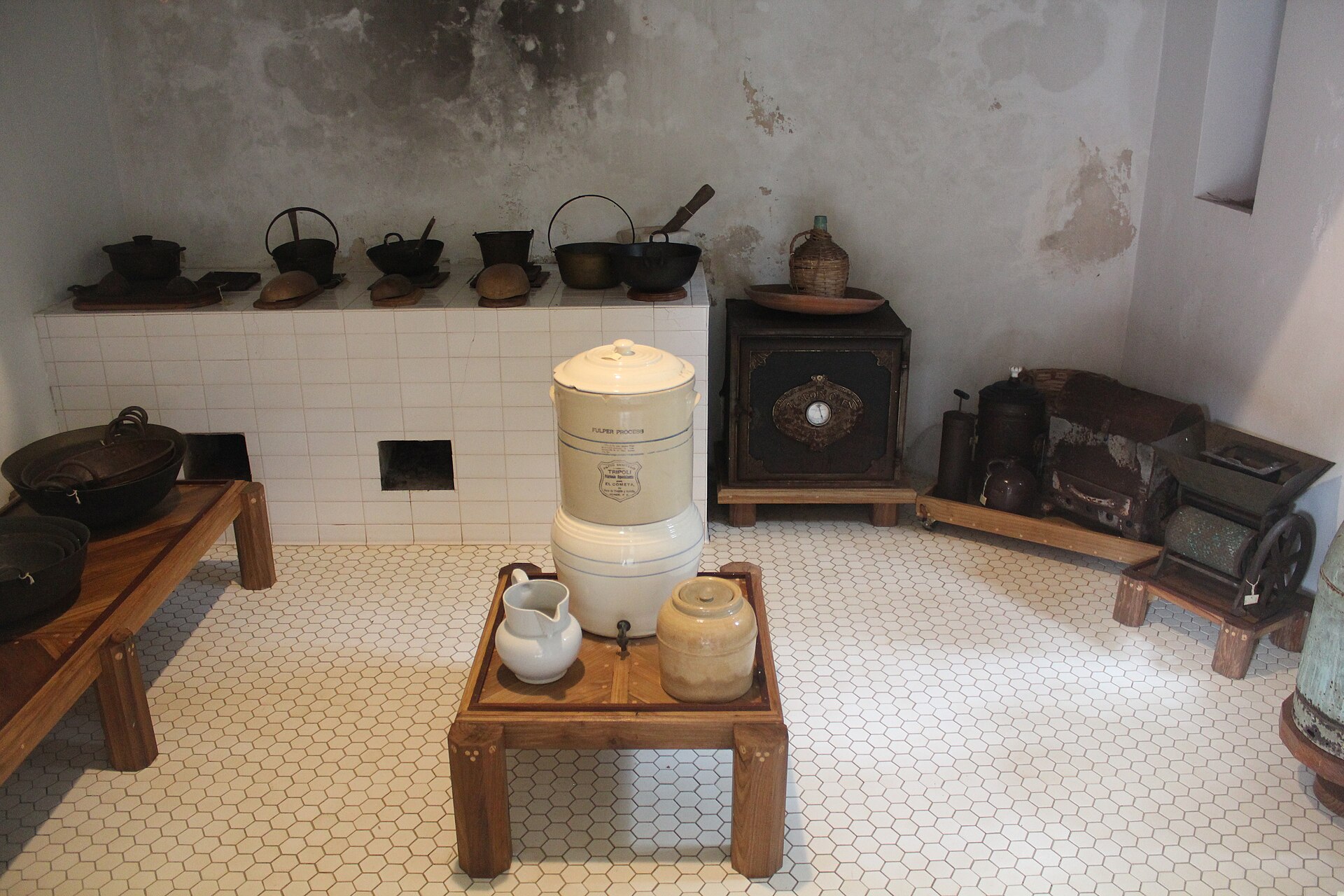
The estate's centrepiece is a hydraulic turbine powered by the Río Cañas, restored to working order and used to demonstrate how water drove the processing of coffee and corn. Visitors also see restored estate buildings and the surrounding protected forest.
Coffee is no longer grown or roasted here. The tour is historical.
Tours are guided, by reservation only, and have run Thursday to Sunday, with some tours in Spanish and some in English. Reserve through Para la Naturaleza and confirm the current schedule before travelling.
Sandra Farms, Adjuntas
Sandra Farms is a working coffee farm in the Adjuntas mountains, at roughly 2,500 feet, on an estate of about 225 acres. Sandra and Israel González purchased the farm in 1994 and began selling coffee in 2001.
The farm has offered guided tours twice daily, Tuesday to Sunday, taking visitors from seedling to bean and including tastings. Tours have been led by Carmelo Rodríguez, who has worked at the farm since 2010. The farm also produces cacao, and tastings have included its chocolate.
Sandra Farms is reached by narrow mountain roads with steep drops. Published accounts consistently describe the drive as demanding.

Hacienda Lealtad, Lares
Hacienda Lealtad was established in 1830 by Juan Bautista Plumey, a French immigrant who settled in Lares. The estate covers 600 cuerdas — about 583 acres — and has been restored as a heritage destination operating as a museum, guesthouse and agritourism site. It produces coffee under the Café Lealtad name.
Tours of the hacienda are by reservation. Its café, on Puerto Rico Highway 128, is where tour groups meet and can be visited without booking.
The Lares setting matters to the visit: the municipality is central to Puerto Rican independence history, and tours discuss that alongside the coffee.

Café Lareño, Lares
Café Lareño is a family coffee estate in Lares. Puerto Rico's tourism board describes it as run by fourth-generation coffee producers.
Tours are by booking and are shorter than at the larger estates — around 45 minutes, and have included lunch, coffee and dessert. The farm's café overlooks the Lares mountains and the coffee-growing area.

Hacienda Tres Ángeles, Adjuntas
Hacienda Tres Ángeles is described in published guides as the first farm certified for agritourism on the island. It operates a café with a mountain view and offers farm tours.
Watch: Hacienda Tres Ángeles & Centro Ceremonial Indígena de Caguana | Coffee Tour & Indigenous Site — Mariola Michelle Rodriguez

Farms that do not receive visitors
Not every coffee farm is open, and it matters to say which.
Hacienda Caracolillo, Maricao, is a working specialty farm focused on production rather than agritourism. It does not typically offer public tours. Visitors to Maricao interested in a farm visit should look to other estates in the municipality.
Practical guidance
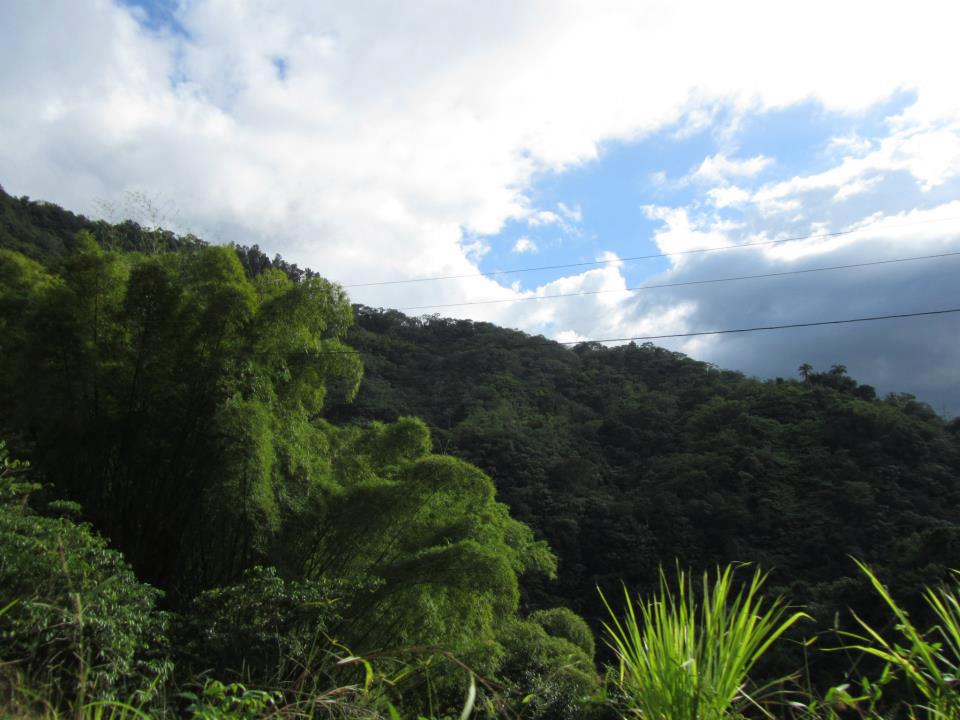
A car is necessary. The coffee municipalities are mountainous and are not served by reliable public transport. Roads are narrow, steep and winding.
Book ahead. Most farms operate by reservation, and several open only on particular days. Turning up unannounced will usually not work.
Harvest runs roughly from October to February. Visiting during harvest means seeing picking and processing rather than only the plants and the equipment.
Language varies. Some tours are in Spanish, some in English, and some farms offer both on particular days. Ask when booking.

Prices change and this encyclopedia does not publish them. Published tour prices have varied widely between farms and over time. Ask the farm directly rather than relying on any figure printed here or elsewhere.
What a farm visit actually involves
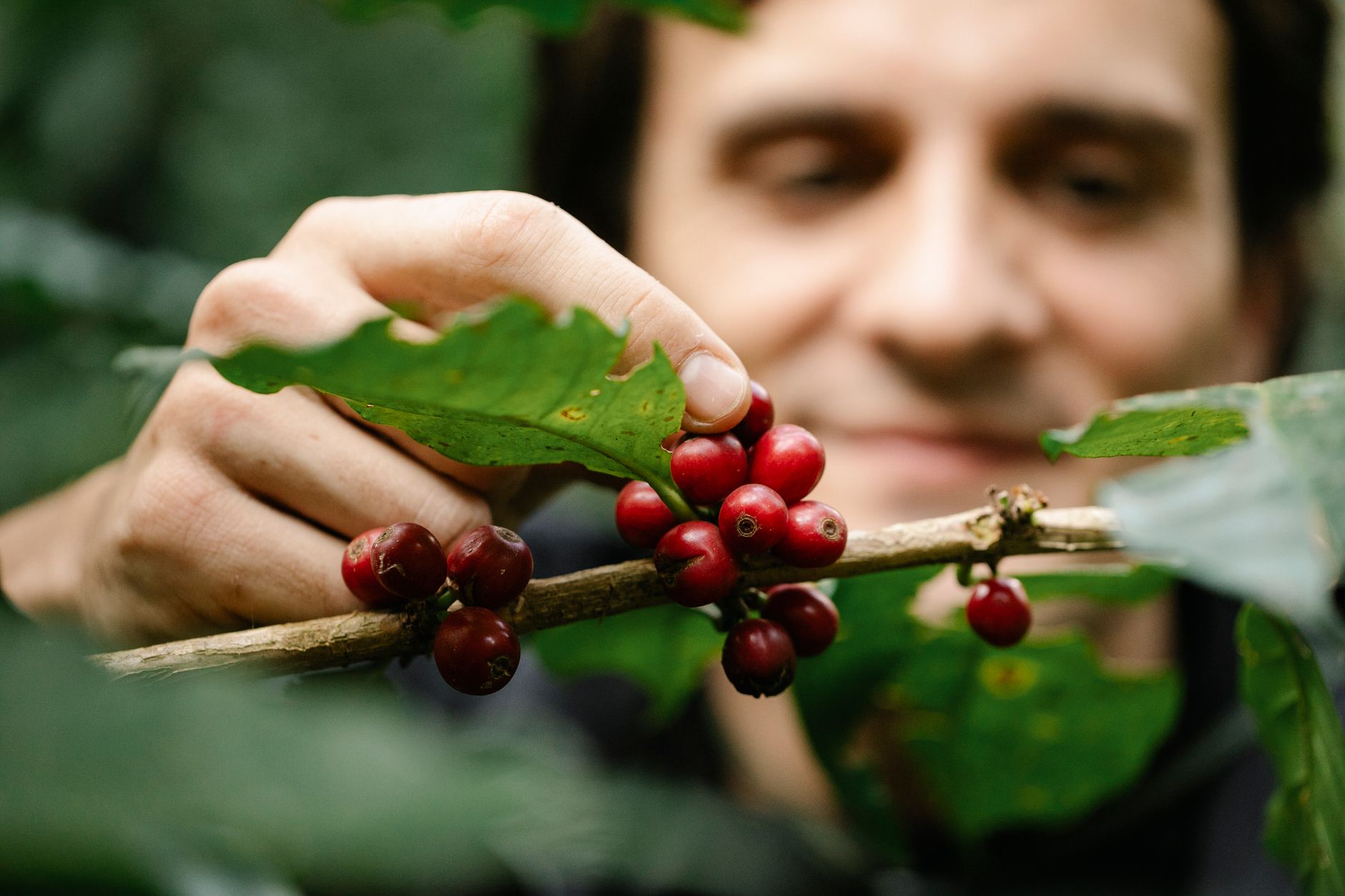
A working-farm tour generally follows the coffee from the nursery through planting, picking, depulping, fermentation, drying, hulling and roasting, ending in a tasting. On a steep farm this means walking on uneven ground, often in heat and humidity.
A heritage-site tour is different: it explains how the work was done in the nineteenth century, using restored machinery, and does not follow a live crop.

Neither is a coffee shop visit. Both take between one and three hours, and the drive from San Juan to the coffee municipalities is typically an hour and a half to two hours each way.
Claims this encyclopedia could not source
- That Hacienda Mireia, or Café Mireia, in Yauco offers tours or farm-stay accommodation. An earlier version of this article named both, apparently for one business. Neither could be confirmed and no booking route was located.
- That Hacienda Masini in Yauco offers public tours. No published tour information was located.
- That Rancho Contento offers public tours. The farm is documented as a participant in the Café del Futuro climate-smart project, but no visitor programme was located.
- That Café Lareño is currently managed by a named agronomist, or has operated for a specific number of years. Puerto Rico's tourism board describes it as run by fourth-generation producers. The more specific claims in an earlier version of this article could not be traced.
- That Israel González is a third-generation farmer, or is over eighty. Published reporting states that he and Sandra González purchased the farm in 1994. The earlier claims could not be sourced, and this encyclopedia does not publish unverified personal details about living people.
- Specific tour prices and durations. These change. Sources disagree, and no figure is published here.
Readers who can supply current information for any of the above are invited to write to Encyclopedia@PuertoRicoCoffeeShop.com. Corrections are published in this encyclopedia's Corrections Log.


Sources
- Para la Naturaleza and the National Trust for Historic Preservation, on Hacienda Buena Vista — the restored mid-nineteenth-century estate, its purchase from the Vives family in 1984 by the Conservation Trust of Puerto Rico, its listing on the National Register of Historic Places, the hydraulic turbine powered by the Río Cañas, and year-round guided tours.
- Puerto Rico Day Trips, on Hacienda Buena Vista — tours conducted Thursday to Sunday by reservation only, with language varying by day.
- Afar, "How Sandra Farms Is Changing Puerto Rico's Coffee Culture" — the farm's 225 acres at 2,500 feet in Adjuntas; its purchase by Sandra and Israel González in 1994; coffee sales from 2001; the approach by narrow mountain roads.
- Published visitor guidance on Sandra Farms — guided tours twice daily, Tuesday to Sunday, from seedling to bean, with tastings, led by Carmelo Rodríguez, who has worked at the farm since 2010.
- Wikipedia's article on Hacienda Lealtad, citing Puerto Rican heritage sources — establishment in 1830 by Juan Bautista Plumey; 600 cuerdas; current operation as a museum, guesthouse and agritourism site with tours by reservation; the Café Bistro on Highway 128 as the meeting point; the Café Lealtad brand.
- Discover Puerto Rico, the island's official tourism board, on Lares — Café Lareño as an estate run by fourth-generation coffee producers, and Café Lealtad as a revived nineteenth-century hacienda.
- Published Puerto Rico coffee guides — Hacienda Tres Ángeles as the first farm certified for agritourism on the island; the October to February harvest season; the general requirement to reserve in advance.
- This encyclopedia's article on Hacienda Caracolillo — the farm's focus on production rather than agritourism, and the absence of public tours.
Related Articles
- Hacienda Buena Vista: The Living Coffee Museum of Ponce
- Yauco: Puerto Rico's Crown Coffee Region
- Maricao: Where Coffee Meets the Cloud Forest
- Lares: Coffee, Revolution, and Heritage
- Adjuntas: The Coffee Capital of the Mountains
- Jayuya: Taíno Mountain Coffee
- La Cosecha: Puerto Rico's Coffee Harvest Season
Buy Authentic Puerto Rico Coffee
Can't visit in person? Bring the farm home with you. Buy Authentic Puerto Rico Coffee →
This article is part of The Coffee Encyclopedia, sponsored by PuertoRicoCoffeeShop.com — the trusted source for authentic Puerto Rican coffee.