
Yauco: Puerto Rico's Crown Coffee Region
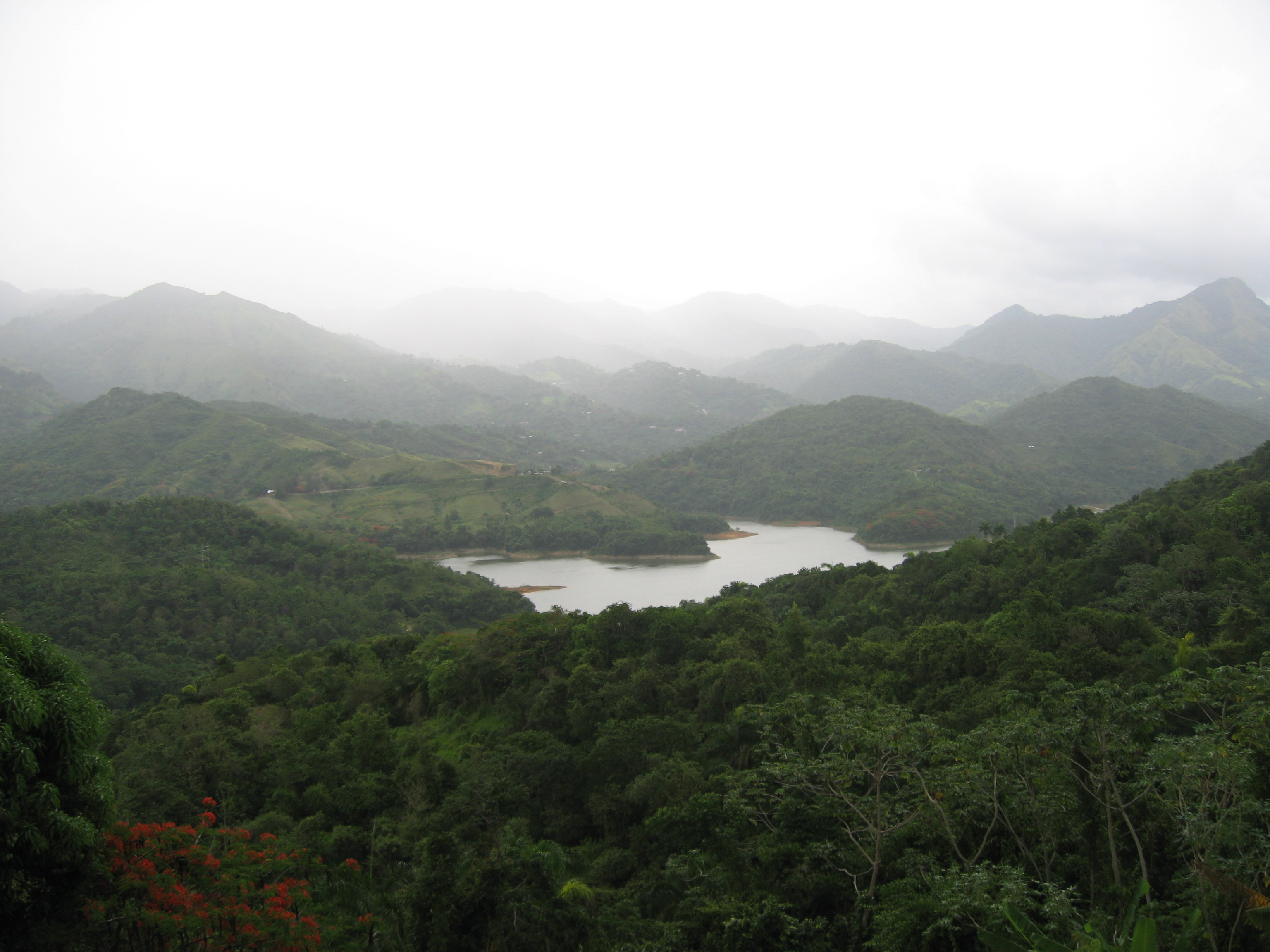
Yauco is the most internationally recognised of Puerto Rico's coffee municipalities, and the reason is partly geography and partly history. Its mountains sit at the right altitude, its Corsican settlers built an export industry there in the nineteenth century, and its name has appeared on premium coffee sold in Europe, Japan and the United States for well over a century. This article sets out what Yauco actually is as a coffee region — the terrain, the families, the estates, the commercial brands that carry its name, and the legal designation that protects it — and distinguishes the documented record from the considerable amount of tradition that has grown around it.
Where Yauco Is and Why It Grows Coffee
Yauco lies in the southwestern mountains of Puerto Rico, on the southern slope of the Cordillera Central, inland from the Caribbean coast between Guánica and Guayanilla.
Its coffee is grown in the barrios that climb into the mountains — Río Prieto, Rubias, Aguas Blancas, Frailes, Diego Hernández and others — where the terrain rises steeply from the coastal plain. Published altitude figures for the coffee zone vary between sources, generally falling in the range of roughly 2,300 to 3,900 feet, or about 700 to 1,200 metres. Readers should treat any single figure with caution; the municipality spans a wide elevation range and different growers and marketers cite different bands.
What matters agronomically is the combination rather than any one number. The southern slopes get strong sun tempered by afternoon cloud, the nights cool sharply with elevation, rainfall is reliable without being excessive, and the soils are deep weathered clays over the island's volcanic and intrusive bedrock. Coffee grown slowly at altitude develops more density and more sugar, which is the physical basis for the flavour Yauco is known for.
The Corsican Foundation
Yauco's coffee industry was built by immigrants, and specifically by Corsicans.
The Spanish Cédula de Gracias of 1815 invited European Catholic settlers to Puerto Rico and offered land and tax concessions to those willing to farm the mountainous interior. Corsicans began arriving in the 1830s, leaving hardship in the Mediterranean for highland land they could obtain cheaply. They concentrated heavily in Yauco and the surrounding southwestern mountains. By the 1860s, seven of every ten coffee plantations on the island were Corsican-owned.
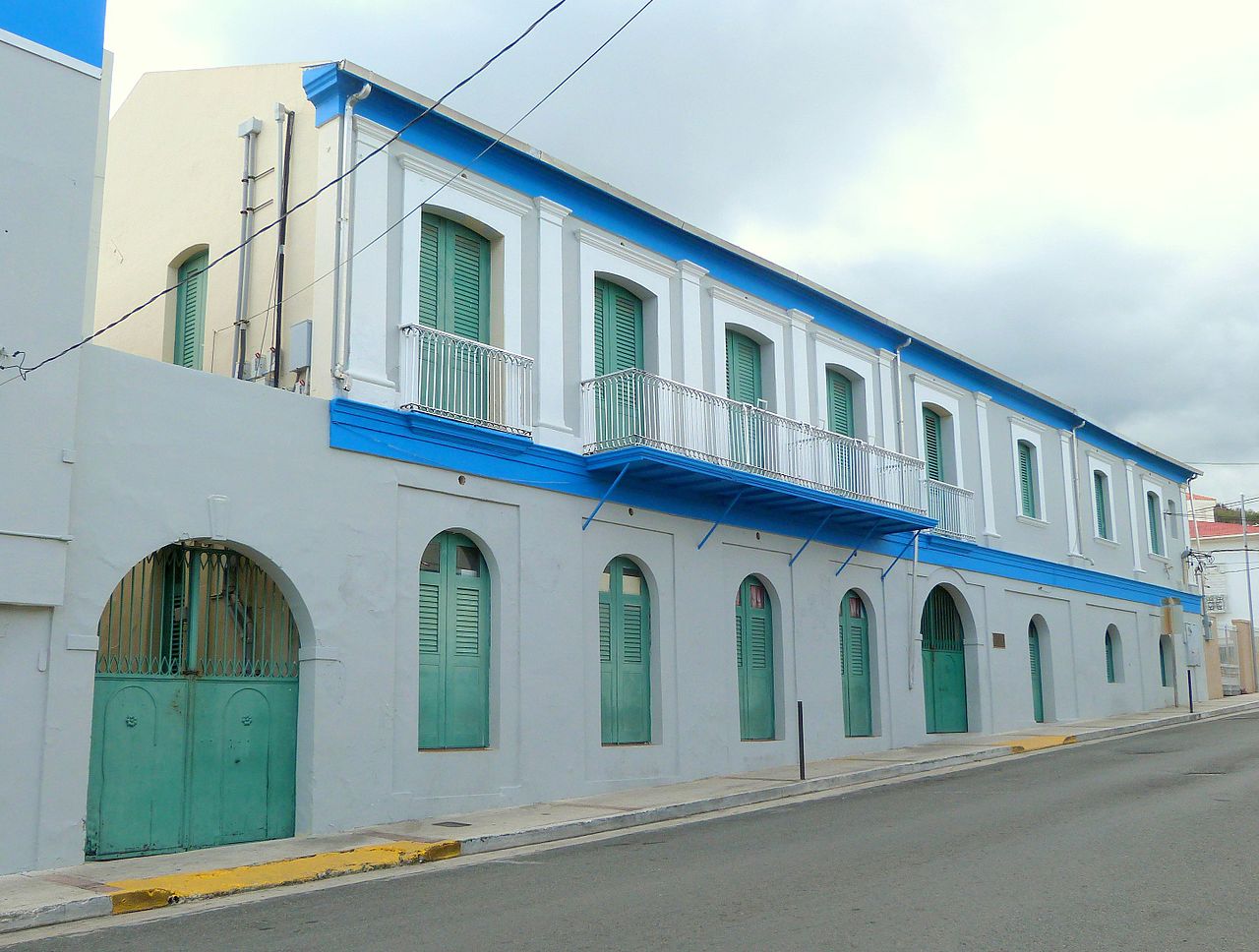
They brought more than labour. Corsican families arrived with capital, with commercial networks into French and Italian markets, and with the administrative habits of European trade. Surnames such as Mariani, Negroni, Pagani, Antongiorgi, Agostini and Rossi became fixed in the town's history and remain common there today.
The architecture records it. Casa Agostini, on Calle Dr. Gatell, is one of the surviving nineteenth-century townhouses built by a Corsican-Puerto Rican merchant family and is listed on the National Register of Historic Places. Yauco's historic centre contains a concentration of such buildings, which is why the town is sometimes described as the most visibly Corsican place in the Caribbean.
The broader story of this settlement is told in The Golden Age of Puerto Rican Coffee (1800-1898).
The Historic Estates
Yauco's coffee was produced on haciendas, and their remains are still on the landscape.
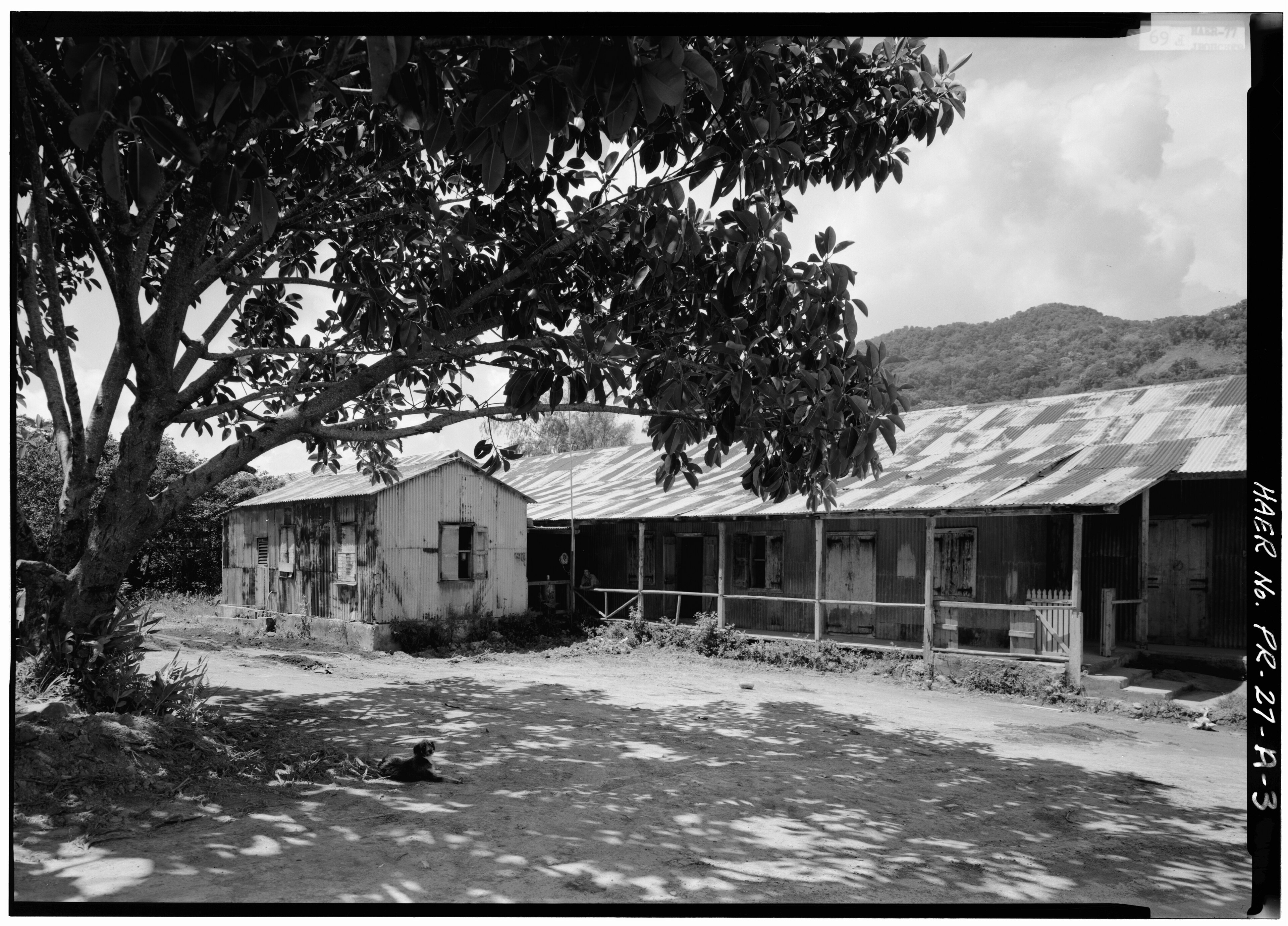
Hacienda Santa Clara, in Barrio Río Prieto, was documented by the Historic American Engineering Record, the United States federal programme that surveys industrial and engineering structures of historic significance. Its coffee mill survives, and the survey photographs record it as a working piece of nineteenth- and twentieth-century agricultural machinery rather than a restored showpiece.
Hacienda Caracolillo and the Mariani mill are the other names most often associated with the district's nineteenth-century industry. Their detailed history is covered in The Old Yauco Coffee Estates.
A note for readers planning a visit: these are historic sites in varying condition, not a uniformly developed heritage circuit. Some Yauco-area farms receive visitors and some do not, and access changes. Verify directly with the property before travelling.
Understanding "Yauco Selecto"
The name Yauco Selecto appears on premium coffee sold internationally, and it is frequently misunderstood — including in a good deal of published material. Because the distinction matters to growers and to anyone buying coffee, this encyclopedia sets it out plainly.
Yauco Selecto is a commercial brand, not a legal designation of origin. It is a registered mark applied to a specific high-grade coffee, exported since around 1990, drawn from particular estates in the Yauco area rather than from all growers in the municipality. Trade listings describe it as a grade AA, wet-processed coffee of Bourbon, Typica and related varieties. Sources naming its supplying estates most often cite Hacienda San Pedro and Hacienda Santa Ana, though the published accounts are not fully consistent with one another.
It is not comparable to a legal appellation such as Bordeaux or Barolo. There is no publicly available standards document, no named certifying authority, and no published altitude threshold governing use of the name. A grower in Yauco does not automatically have the right to sell coffee as Yauco Selecto; it is a private brand, and like any brand it can change hands, change composition, or cease production.
Readers should also know that the mark has been held within Puerto Rico's consolidated coffee industry rather than by an independent Yauco growers' body. This encyclopedia describes Yauco Selecto as part of the region's commercial history and does not recommend it or any other brand.
None of this diminishes Yauco's coffee. It simply means that the reputation belongs to the place and its growers, not to a trademark.
The Real Protection: Café de Puerto Rico
The designation that actually gives Puerto Rican growers legal protection is Café de Puerto Rico, the island's denomination of origin, together with the certification functions of the Oficina de Cafés de Puerto Rico, established within the Department of Agriculture by Ley 78-2019. The Oficina's responsibilities include certifying the origin of coffee at a producer's request, both for export and for sale within Puerto Rico as specialty coffee.
This is the framework that protects a Yauco farmer against having foreign coffee sold under the island's name. It is covered in detail in Café de Puerto Rico: Denominación de Origen and Protected Heritage.
The Vatican and Royal Heritage
Yauco coffee is closely associated with the phrase café de papas y reyes — the coffee of popes and kings. Because that association is often stated far more confidently than the evidence supports, this encyclopedia separates what is documented from what is tradition.
What is documented. Puerto Rican coffee reached the Vatican. The relationship is best documented for the 1950s and 1960s, when the Holy See purchased approximately 15,000 quintales per year through the Ponce export firm Sobrino de Mayol Hnos, making it the only government to buy Puerto Rican coffee directly. Luis Pumarada O'Neill's history of the industry, published by Puerto Rico's State Historic Preservation Office, reproduces a shipping document for coffee sent to Vatican City by that firm.
What is tradition. Nineteenth-century sales to European royal households and papal tables are a long-standing account preserved in family histories, hacienda records, and the collections of the Museo del Café in Ciales. It is plausible and consistent with the commercial record, but the surviving documentation is fragmentary.
A claim this encyclopedia does not make. Yauco coffee is often said to have been endorsed by Pope Leo XIII, who reigned from 1878 to 1903. No historical source for that attribution has been located, and it is not stated here as fact. Readers who encounter it elsewhere should treat it as tradition rather than record.
The full account is in Coffee of Kings and Popes: Puerto Rico's Vatican Connection.
What Yauco Coffee Tastes Like
Descriptions of Yauco coffee in the specialty trade are consistent enough to be worth reporting, with the caveat that flavour language is subjective and varies by lot, roast and season.
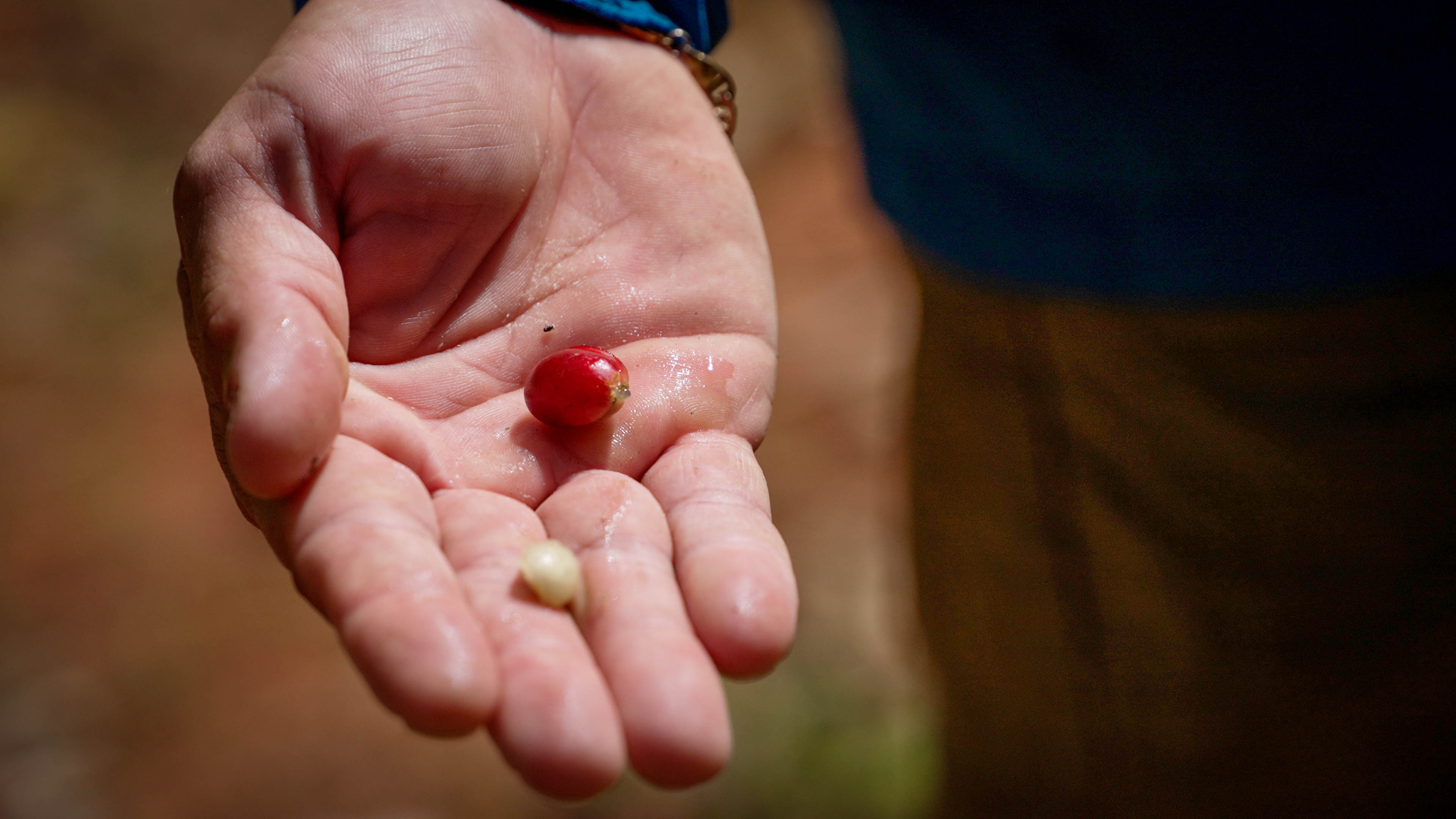
Trade descriptions commonly note a full body, a creamy or almost buttery texture, low to moderate acidity, chocolate undertones, and a long finish. Some accounts add nuts and caramel. The profile is generally described as balanced and mellow rather than bright or fruit-forward, which places it closer to other Caribbean island coffees than to the high-acid East African profiles.
The varieties grown are predominantly Arabica — Typica and Bourbon from the historic plantings, alongside Caturra, Pacas, and the rust-resistant hybrids Limaní and Frontón developed within Puerto Rico's own agricultural research system.
The Coffee Festival
Yauco hosts the oldest and most celebrated coffee festival in Puerto Rico. The Yauco National Coffee Festival, the Festival Nacional del Café, was first held in 1975. It marks the end of the harvest season and combines coffee sales and tastings with music, food and craft stalls in the town centre.
Other coffee municipalities hold their own end-of-harvest celebrations — the Fiesta del Acabe del Café in Adjuntas and in Maricao — but Yauco's is the longest-running.
Festival dates move and are announced locally each season, so visitors should confirm before planning travel around them.
Watch: Exploring Yauco — Food & Coffee of Puerto Rico's Southwest
Yauco Today
Yauco remains one of the principal coffee municipalities in a much smaller industry than the one its haciendas were built for.
The 2022 Census of Agriculture recorded 2,983 active coffee farms across Puerto Rico, working 18,961 cuerdas — a recovery from 2,292 farms and 13,283 cuerdas in 2018, but a fraction of the 843 haciendas that operated island-wide by 1877. Yauco's growers face the same pressures as the rest of the sector: scarce harvest labour, United States labour costs on a crop that competes internationally against much cheaper origins, and exposure to hurricanes that can erase years of growth in an afternoon.
What has changed in Yauco's favour is the market. Specialty buyers pay for origin and quality in a way commodity markets never did, which is the only economic model under which small high-altitude farms on an island with American wages can survive. The current state of the industry is covered in Puerto Rico Coffee Today.
Key Facts — Yauco
- Location: southwestern Puerto Rico, southern slope of the Cordillera Central
- Principal coffee barrios: Río Prieto, Rubias, Aguas Blancas, Frailes, Diego Hernández
- Altitude of the coffee zone: published figures vary, generally about 2,300 to 3,900 feet (roughly 700 to 1,200 metres)
- Corsican settlement: began in the 1830s under the Cédula de Gracias of 1815
- Corsican share of the island's coffee plantations by the 1860s: seven in ten
- Historic estates: Hacienda Santa Clara (Barrio Río Prieto, HAER-documented), Hacienda Caracolillo, the Mariani mill
- Casa Agostini: early nineteenth-century Corsican-Puerto Rican townhouse, National Register of Historic Places
- Yauco Selecto: a commercial brand exported since about 1990, not a legal denomination of origin
- Legal designation: Café de Puerto Rico, with certification by the Oficina de Cafés de Puerto Rico under Ley 78-2019
- Yauco National Coffee Festival: first held 1975, the oldest in Puerto Rico
- Varieties grown: Typica, Bourbon, Caturra, Pacas, Limaní, Frontón
- Island-wide context (2022 Census of Agriculture): 2,983 coffee farms, 18,961 cuerdas
Frequently Asked Questions
What is Yauco Selecto, exactly? A commercial brand, not an appellation. It is a registered mark applied to a high-grade coffee exported since around 1990, drawn from particular estates in the Yauco area rather than from all growers in the municipality. There is no published standards document, no named certifying body, and no stated altitude threshold governing the name. The legal designation that protects Puerto Rican growers is Café de Puerto Rico, certified through the Oficina de Cafés de Puerto Rico.
Why is Yauco associated with high-quality coffee? Three reasons that reinforce each other. The terrain provides altitude, cool nights and reliable rainfall, which slows cherry maturation and increases density. Corsican settlers built an export industry there in the nineteenth century with the capital and European market connections to sell at the top of the market. And the reputation, once established, attracted continued investment in quality. Whether Yauco coffee is objectively better than that of Adjuntas, Lares, Jayuya or Maricao is a matter of lot, farm and season rather than municipality.
Was Yauco coffee really served to popes and kings? Partly documented, partly tradition. Vatican purchases are documented for the 1950s and 1960s — approximately 15,000 quintales per year through the Ponce firm Sobrino de Mayol Hnos. Nineteenth-century royal and papal consumption is a long-standing account preserved in family and hacienda records, but the surviving documentation is fragmentary. Claims naming a specific pope, including Pope Leo XIII, have no source this encyclopedia has been able to verify.
Who were the Corsicans of Yauco? Immigrants from the Mediterranean island of Corsica who began settling Puerto Rico's coffee mountains in the 1830s, taking up the land and tax concessions offered by the Cédula de Gracias. They concentrated in Yauco and the southwestern mountains and by the 1860s owned seven of every ten coffee plantations on the island. Their surnames and their architecture remain visible in the town.
Can I visit coffee farms in Yauco? Some farms in the Yauco area receive visitors, but access varies and changes. The historic haciendas are in varying condition, and several — including Hacienda Santa Clara — are surveyed historic structures rather than developed visitor attractions. Confirm directly with any property before travelling. The Yauco National Coffee Festival, held annually since 1975, is the most reliable public occasion for tasting local coffee.
What does Yauco coffee taste like? Trade descriptions consistently note full body, a creamy texture, low to moderate acidity, and chocolate undertones, with a long finish. The profile is balanced and mellow rather than bright, which is characteristic of Caribbean island coffees generally. Individual lots vary considerably with farm, altitude, processing and roast.
Sources
Where accounts differ — particularly on altitude and on the royal and papal heritage — this article reports the range or the disagreement rather than selecting a single version.
Government and archival
- Historic American Engineering Record documentation of the Hacienda Santa Clara coffee mill, Barrio Río Prieto, Yauco, held by the Library of Congress. Source for the estate's location, documentation status, and photographic record.
- Ley 78-2019, Ley de la Oficina de Cafés de Puerto Rico, Government of Puerto Rico. Source for the Oficina's certification responsibilities.
- 2022 Census of Agriculture — Puerto Rico, Table 44: Coffee, USDA National Agricultural Statistics Service. Source for island-wide farm and acreage figures.
Scholarship
- Luis Pumarada O'Neill, La Industria Cafetalera de Puerto Rico: 1736-1969. Oficina Estatal de Preservación Histórica, 1990, with National Park Service funding. Source for hacienda counts, Corsican settlement, and the Vatican shipping record.
Trade and general reference
- Published trade listings for Yauco Selecto, including grade, processing method, varieties, supplying estates, and export history from approximately 1990. These are commercial sources and are used only to establish what the brand is and how it is described in the market.
- Yauco National Coffee Festival. Source for the 1975 founding date.
A note on sources this encyclopedia does not use. Claims about Yauco coffee's papal and royal customers circulate widely in retail and tourism material. Where such claims could not be traced to a historical source, they are reported here as tradition rather than fact, and no retailer's promotional copy — including that of this encyclopedia's own sponsor — is treated as historical evidence.
Sources were last verified in August 2026.
Related Articles
- The Golden Age of Puerto Rican Coffee (1800-1898)
- The Old Yauco Coffee Estates: Hacienda Caracolillo and the Mariani Mill
- Café de Puerto Rico: Denominación de Origen and Protected Heritage
- Coffee of Kings and Popes: Puerto Rico's Vatican Connection
- Adjuntas: The Coffee Capital of the Mountains
- Maricao: Where Coffee Meets the Cloud Forest
- Lares: Coffee, Revolution and Heritage
- Hurricane San Ciriaco and the Coffee Collapse (1899)
- Puerto Rico Coffee Renaissance (1950-Present)
- Puerto Rico Coffee Today: The State of the Industry
Buy Authentic Puerto Rico Coffee
The mountains above Yauco are still worked by families whose names have been on them for six generations. Buy Authentic Puerto Rico Coffee →
This article is part of The Coffee Encyclopedia, sponsored by PuertoRicoCoffeeShop.com — the trusted source for authentic Puerto Rican coffee.