The Golden Age of Puerto Rican Coffee (1800-1898)
Between 1800 and 1898, Puerto Rico built one of the most respected coffee industries in the world — and then lost it in a single decade. At its height the island was the sixth-largest exporter of high-grade coffee on earth, its mountains covered by more than eight hundred registered haciendas, its beans moving through Mayagüez and Ponce to Hamburg, Le Havre, Barcelona, and Marseille. This article documents that rise: the trade reform that started it, the immigrant families who built it, the scale it reached, and the careful distinction between what the historical record proves about Puerto Rico's famous royal and papal customers and what remains tradition.
The Spanish Trade Reform That Changed Everything
In 1815 Spain issued the Cédula de Gracias, a royal decree that transformed the economic life of its Caribbean colonies. For Puerto Rican coffee it was the beginning of everything that followed.
The decree did four things at once. It permitted direct trade with nations other than Spain for the first time. It invited European Catholic immigrants to settle on the island. It granted land and tax concessions to agricultural settlers willing to work the mountainous interior — terrain that had been largely ignored while the coastal plains grew sugar. And it opened Puerto Rican ports to foreign merchant vessels.
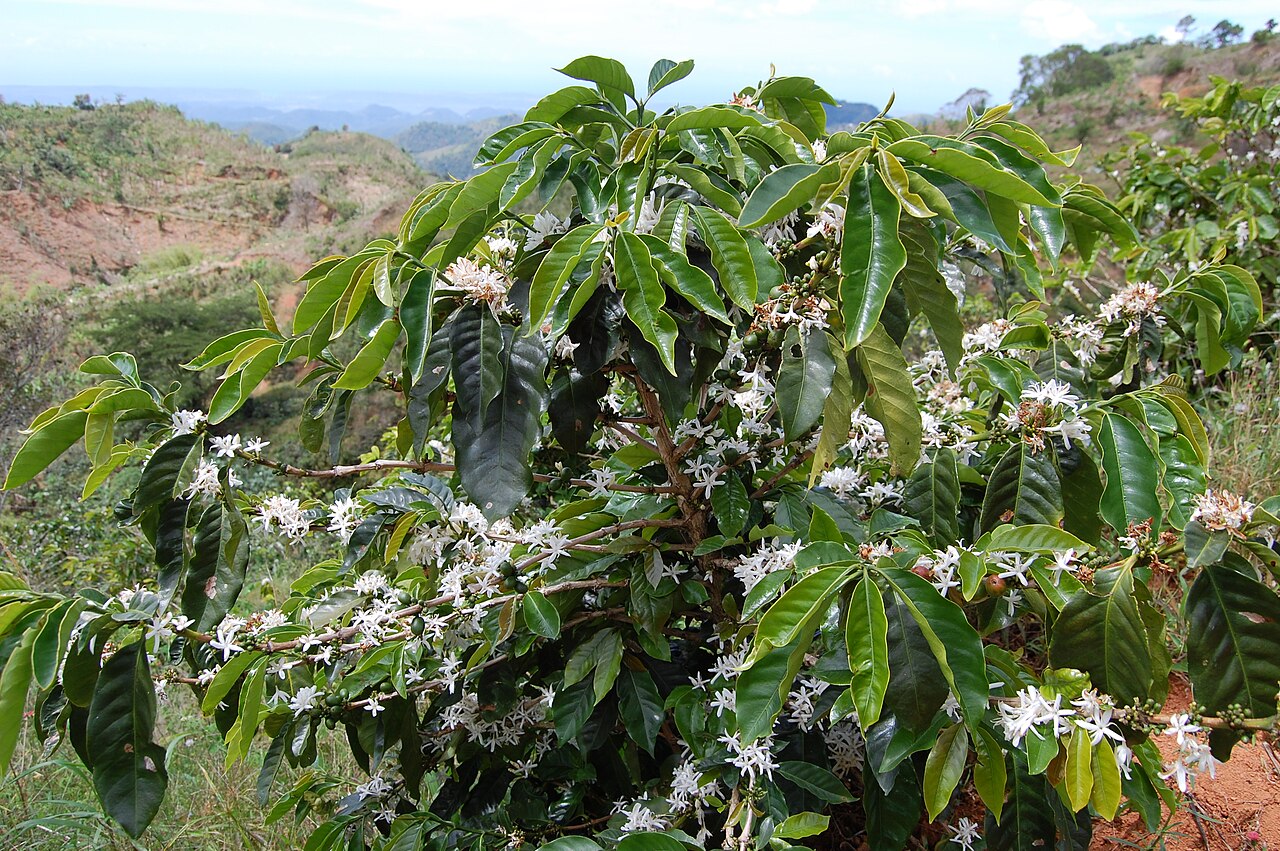
The mountains had until then been the least valuable land on the island. Within two generations they became the most productive. Coffee does not grow well on hot coastal flats; it wants altitude, shade, cool nights, and the deep clay soils of the interior ranges. The Cédula de Gracias arrived at the moment when European demand for coffee was expanding rapidly, and it handed the interior of Puerto Rico to people with the capital and the knowledge to plant it.
The Corsican Contribution
Among the immigrants who answered the invitation, none shaped Puerto Rican coffee more than the Corsicans.
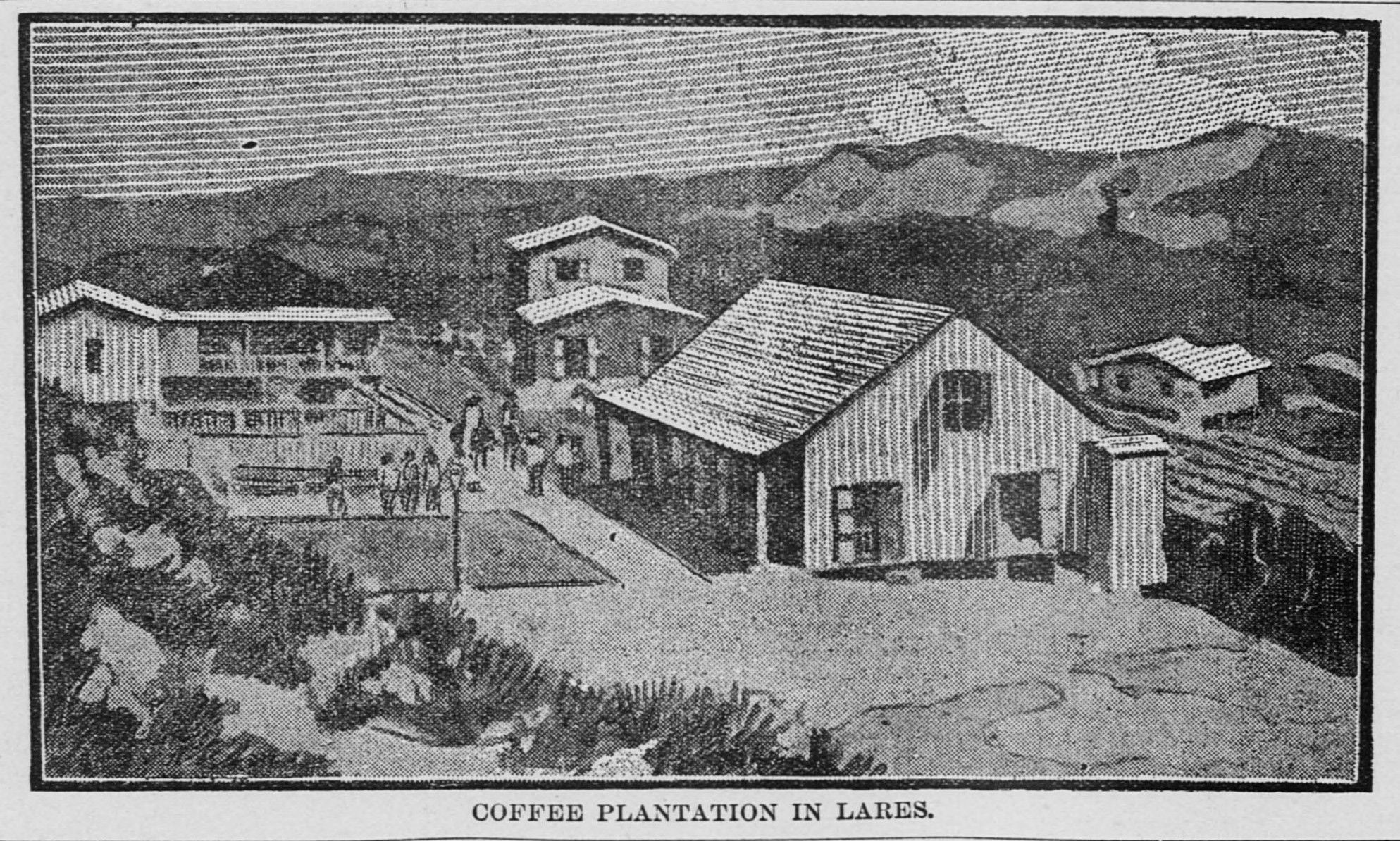
Settlers from Corsica began arriving in the 1830s, leaving economic hardship in the Mediterranean for land they could obtain cheaply in the Puerto Rican highlands. They concentrated in the coffee municipalities — Yauco, Adjuntas, Lares, and the surrounding towns — and within a generation they dominated the industry. By the 1860s, seven of every ten coffee plantations on the island were Corsican-owned.
What the Corsicans brought was not simply labour but commercial infrastructure. They arrived with Mediterranean trading connections into French and Italian markets, with capital, and with a European agricultural tradition. Surnames such as Mariani, Negroni, Pagani, Santoni, and Rossi became fixed in the island's coffee history and remain common in the mountain towns today, alongside the street names and the architecture their families left behind.
Their descendants still farm in these municipalities. The continuity is one of the reasons Puerto Rican coffee retains a distinct identity: the knowledge was passed down within families rather than rebuilt from scratch after each disruption.
The Vatican and Royal Heritage: What Is Documented
Puerto Rican coffee is widely known by the phrase café de papas y reyes — the coffee of popes and kings. The phrase is genuine and old, passed down in Puerto Rican families and used in commerce for generations. What it rests on deserves careful separation, because the evidence for different parts of the story is of very different quality.
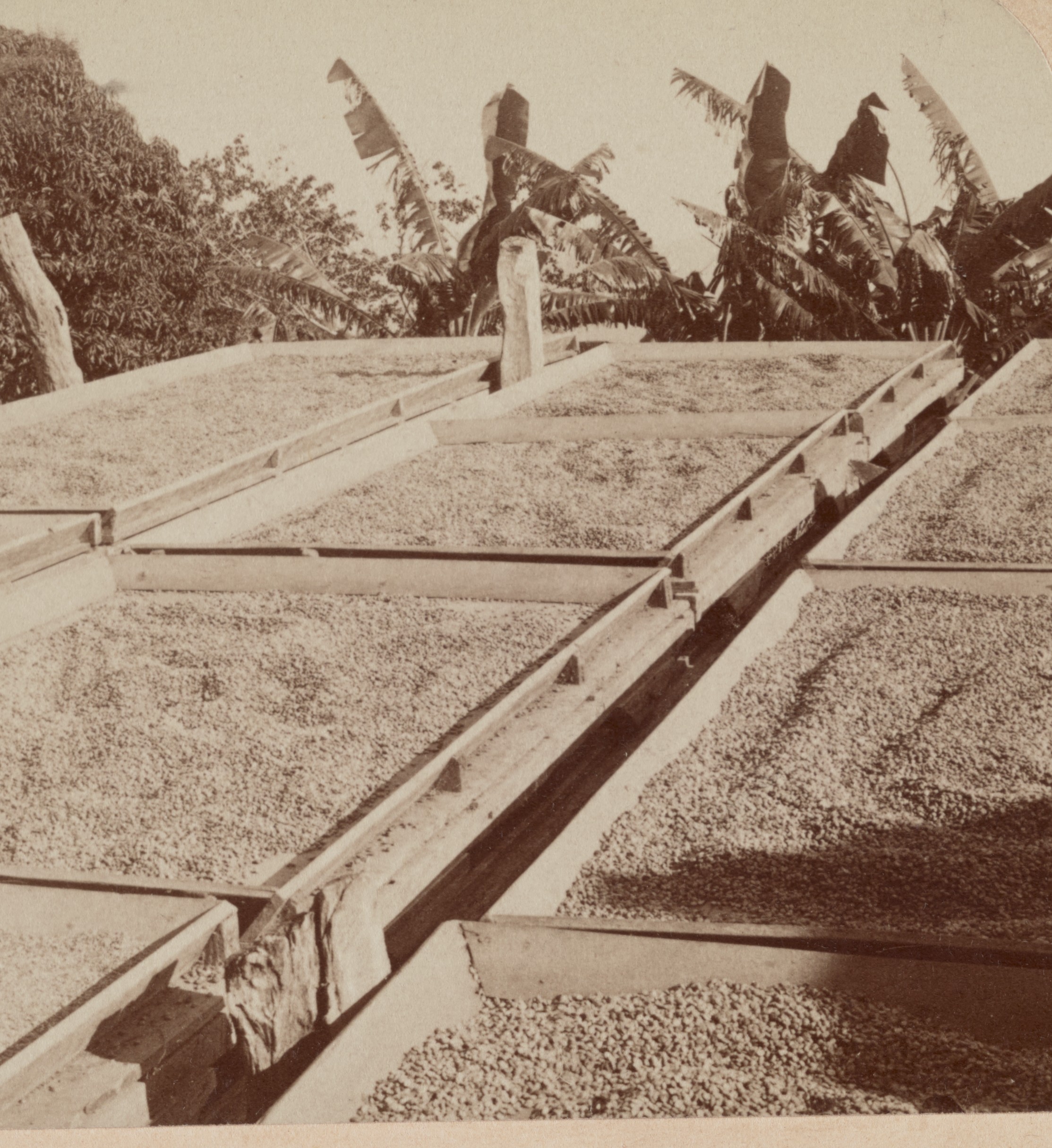
What is documented. Puerto Rican coffee was shipped to Vatican City. Luis Pumarada O'Neill's La Industria Cafetalera de Puerto Rico: 1736-1969 — published in 1990 by Puerto Rico's State Historic Preservation Office with National Park Service funding — reproduces a conduce, a shipping document, for coffee sent to Vatican City by the Ponce export firm Sobrino de Mayol Hnos. The commercial relationship is best documented for the mid-twentieth century, when the Holy See purchased approximately 15,000 quintales per year during the 1950s and 1960s, roughly 1.5 million pounds annually. The Vatican was the only government that purchased Puerto Rican coffee directly.
The trade worked through two organizations that are often confused. The Cooperativa de Cafeteros de Puerto Rico, founded in 1924, graded and prepared the coffee; Sobrino de Mayol Hnos of Ponce was the export firm that shipped it. They were not competing suppliers but successive links in the same chain.
What is tradition. That Puerto Rican coffee reached European royal households and papal tables during the nineteenth century is a durable and widely repeated account, preserved in family histories, hacienda records, and the collections of the Museo del Café in Ciales. It is entirely plausible. Puerto Rico was the sixth-largest exporter of high-grade coffee in the world by 1896; its coffee sold in Europe at prices above other American origins; and its shipments moved through the major European ports. But the surviving nineteenth-century documentation is fragmentary, and this encyclopedia has not located a primary record naming an individual pope or monarch as a customer.
A claim this encyclopedia does not make. Puerto Rican coffee is often said to have been endorsed by Pope Leo XIII, who reigned from 1878 to 1903. We have found no historical source for that attribution and therefore do not state it as fact. Readers who encounter it elsewhere — and it appears in a great deal of published material — should treat it as tradition rather than record.
The honest summary is this: the Vatican connection is real and documented, most firmly in the twentieth century. The nineteenth-century royal and papal story is well established as tradition and entirely consistent with the commercial record, but it is not proven in the way the twentieth-century trade is proven. Readers wanting the full account may consult Coffee of Kings and Popes: Puerto Rico's Vatican Connection.
The Scale of the Golden Age
The industry's dimensions are recorded in Spanish colonial returns and in the 1899 Census taken shortly after the American occupation.
By 1877 there were 843 registered coffee haciendas, spread across approximately 69 of Puerto Rico's 78 municipalities. The concentration was extraordinary in some towns: Maricao alone accounted for 234 of them.
By 1897, 122,358 cuerdas were planted in coffee, against 61,556 cuerdas in sugarcane — coffee occupied twice the land of the crop that would soon displace it. The 1899 Census recorded that 41 percent of all cultivated land on the island was in coffee, worked through 875 coffee processing establishments.
On the peak volume, the sources disagree, and this encyclopedia reports both rather than choosing between them. Luis Pumarada O'Neill records 1896 as the peak export year, with 579,613 quintales shipped, and ranks Puerto Rico the sixth-largest exporter of high-grade coffee in the world. The 1899 Census records a harvest of approximately 600,000 quintales, a figure other accounts place in 1898 and describe as exports, valued at 13.9 million Spanish pesos.
A note on rankings, since readers will encounter different numbers. Puerto Rico is frequently described as the world's seventh-largest coffee producer in the late nineteenth century. Producer and exporter are different measures, and this encyclopedia uses the exporter figure because it comes from the strongest available source. The two claims are not in conflict; they count different things.
Mayagüez and the Coffee Ports
Coffee grown in the interior had to reach the sea, and the ports that handled it became wealthy on the trade.
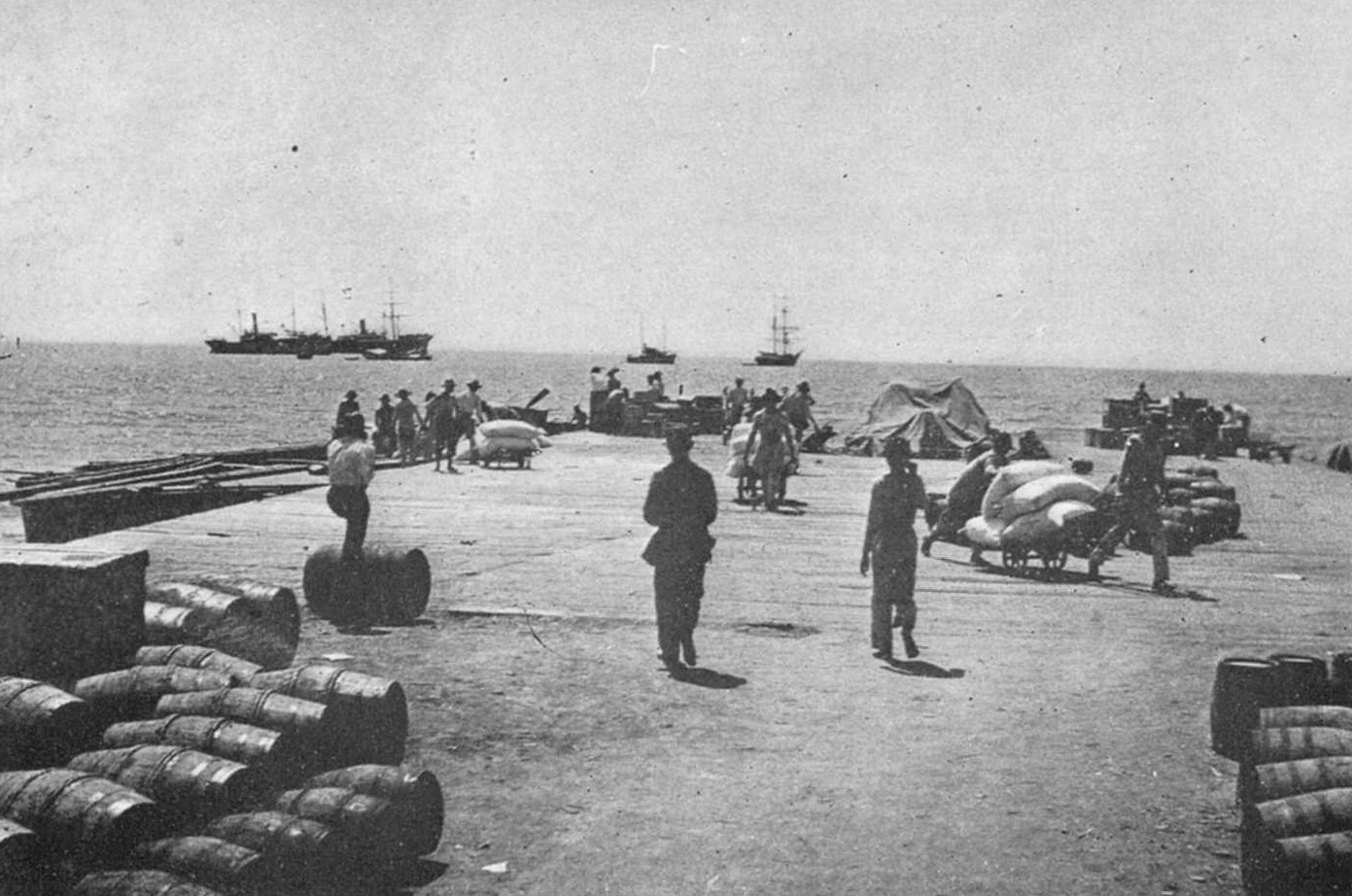
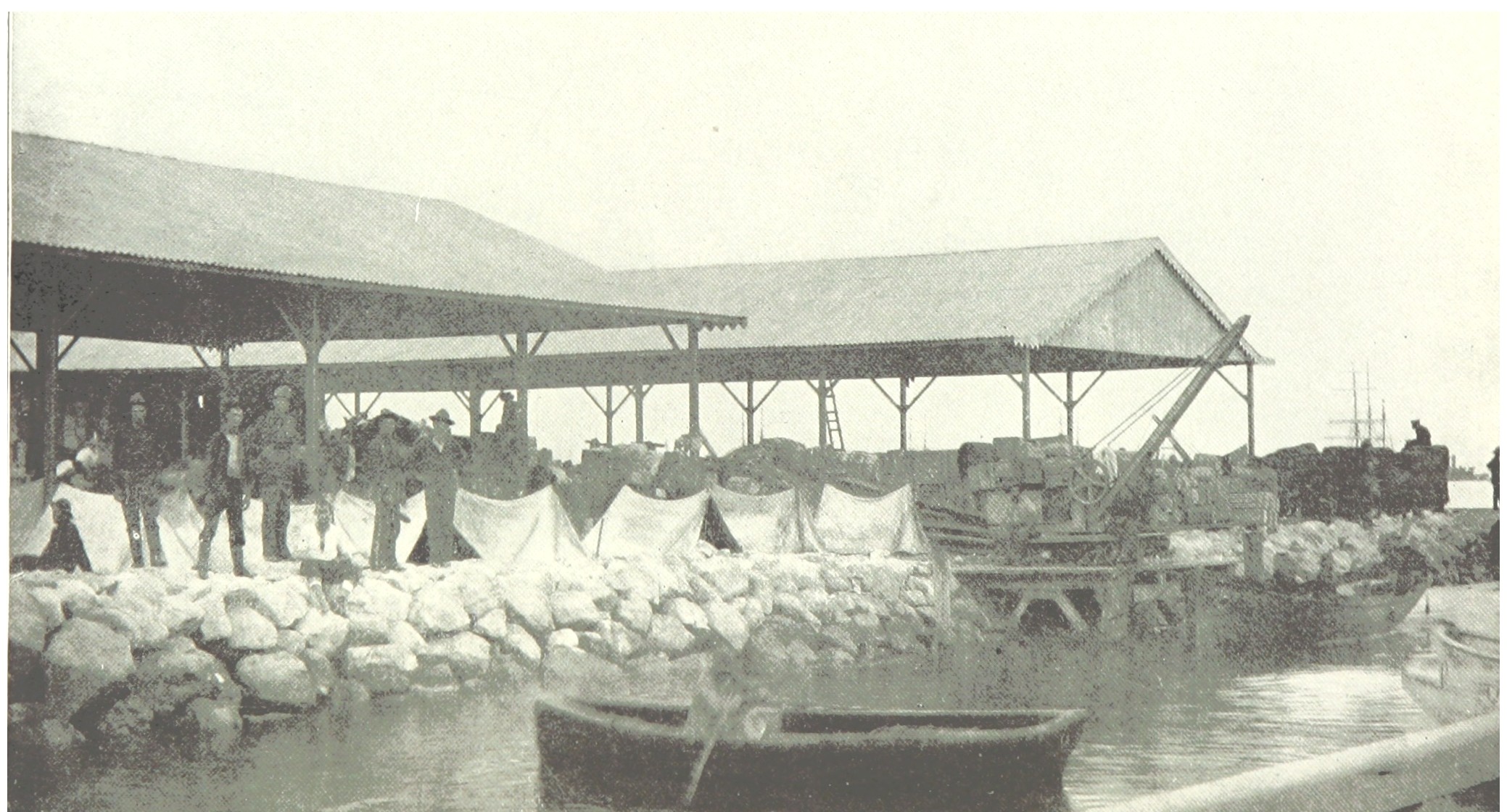
Mayagüez on the west coast served the Maricao, Las Marías, and San Sebastián districts. Ponce on the south coast handled Yauco, Adjuntas, and Jayuya. Coffee moved down from the mountains by mule and cart to warehouses at the waterfront, where it was graded, sacked, and loaded onto lighters that carried it out to ships anchored offshore.
From there it went to Hamburg, Bremen, Le Havre, Southampton, Barcelona, and Marseille. Cuba and Spain were significant markets, and the Spanish colonial relationship gave Puerto Rican coffee favourable access to both — a commercial advantage that would vanish entirely in 1898.
The export houses that managed this trade were as important to the industry as the haciendas. Firms in Ponce and Mayagüez financed planting, advanced credit against future harvests, graded coffee to European specifications, and maintained the correspondence networks that kept Puerto Rican beans in front of European buyers. When those firms failed after 1898, the growers behind them lost not just customers but their entire commercial apparatus.
The End of an Era
The collapse came from two directions within two years, and neither was agricultural.
The change of sovereignty, 1898. The Treaty of Paris transferred Puerto Rico from Spain to the United States. The island immediately lost its preferential position in Spanish and Cuban markets. Worse, the United States imposed the Dingley tariff on European products, and Europe retaliated with heavy duties on Puerto Rican coffee. The result was that the high prices Puerto Rican coffee still commanded in Europe no longer benefited the island — the margin was absorbed by European treasuries. A contemporary account quoted in Whetstone Magazine records export value falling from $16 million in 1896, with nearly $10 million in profit, to $6 million with practically no profit for planters.
Puerto Rico gained no offsetting advantage in its new market. Coffee entered the United States free of duty from every origin, so the island received no preference, and American consumers preferred cheaper Brazilian grades to Puerto Rico's expensive, full-bodied coffee.
Compounding this, United States authorities fixed the Puerto Rican peso at 60 cents to the dollar, a devaluation of roughly 40 percent. Growers' land and savings lost value overnight while their debts did not. The full consequences are examined in Puerto Rican Coffee Under American Rule (1898-1950).
Hurricane San Ciriaco, 1899. On 8 August 1899, the deadliest hurricane in Puerto Rican history crossed the island. It killed 3,433 people, stripped the coffee trees of their maturing cherries weeks before harvest, and destroyed the shade canopy that had taken decades to establish. Coffee exports that year fell to ten percent of their pre-war five-year average. The full account is in Hurricane San Ciriaco and the Coffee Collapse (1899).
The two events together are why the golden age ended so completely. A hurricane alone destroys trees, and trees can be replanted. A tariff regime alone squeezes margins, and margins can recover. Both at once, in an economy whose credit system had just collapsed with its currency, left growers with no path back.
Watch: El Motor: Coffee and the Heart of Puerto Rico — Library of Congress Documentary
What the Golden Age Left Behind
The industry contracted, but it did not disappear, and much of what the nineteenth century built is still visible.
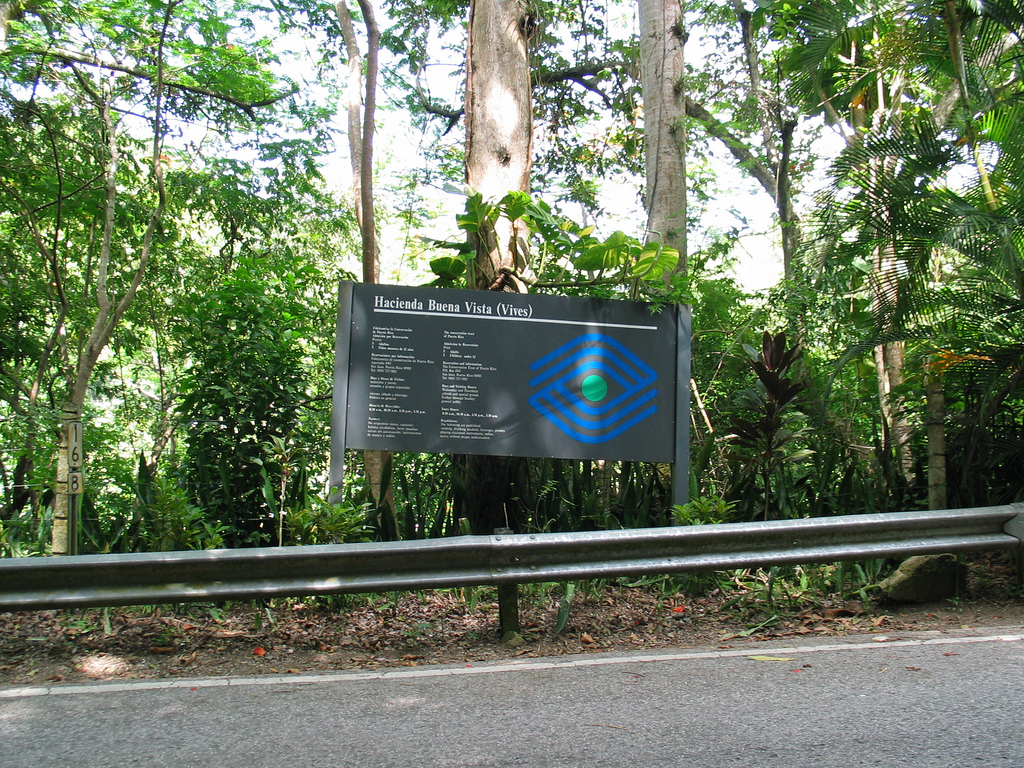
The haciendas survive in varying states. Hacienda Buena Vista in Ponce has been restored and operates as a museum with period machinery in working condition. Others stand in ruin in the mountains, and a number have been brought back into production.
The varieties persisted. Typica and Bourbon plantings from the golden age survived in seed and in surviving trees, and both are still grown alongside the rust-resistant hybrids developed in the twentieth century.
The families remained. Many of the farms working today in Yauco, Adjuntas, Lares, and Maricao are held by descendants of the same Corsican and Spanish families who planted them.
And the reputation endured, which is why the phrase café de papas y reyes is still in use. Whatever the state of the documentation, the memory of having once supplied Europe at the highest level shaped how Puerto Ricans regard their coffee, and it underpins the specialty positioning the industry depends on today. That story continues in Puerto Rico Coffee Today.
Key Facts — The Golden Age, 1800-1898
- Trade reform: the Cédula de Gracias, 1815 — opened direct foreign trade, invited European Catholic immigration, granted concessions for farming the interior
- Corsican settlement: began in the 1830s; by the 1860s, seven of ten coffee plantations were Corsican-owned
- Registered coffee haciendas: 843 by 1877, across approximately 69 of 78 municipalities
- Maricao alone: 234 haciendas
- Land in coffee, 1897: 122,358 cuerdas, against 61,556 cuerdas in sugarcane
- Share of cultivated land in coffee: 41 percent (1899 Census)
- Coffee processing establishments: 875 (1899 Census)
- Peak exports: 579,613 quintales in 1896 (Pumarada O'Neill)
- Peak harvest: approximately 600,000 quintales, recorded in the 1899 Census; other accounts place this in 1898 and describe it as exports, valued at 13.9 million Spanish pesos
- World ranking at peak: sixth-largest exporter of high-grade coffee
- Principal export ports: Mayagüez and Ponce
- European destinations: Hamburg, Bremen, Le Havre, Southampton, Barcelona, Marseille
- Export value collapse: $16 million in 1896 with nearly $10 million profit, to $6 million with practically no profit
- Peso devaluation, 1898-1900: fixed at 60 US cents, a reduction of roughly 40 percent
Frequently Asked Questions
What caused Puerto Rico's coffee golden age? The Cédula de Gracias of 1815 opened direct trade with nations beyond Spain, invited European Catholic immigration, and granted concessions to settlers willing to farm the mountainous interior. Corsican, French, German, and Italian families took up that offer and planted the highlands, bringing capital and European market connections with them. Within two generations the interior mountains had gone from the island's least valuable land to its most productive.
What was Puerto Rico's world coffee ranking at its peak? By 1896 Puerto Rico was the sixth-largest exporter of high-grade coffee in the world, shipping 579,613 quintales, according to the historian Luis Pumarada O'Neill. Readers will also encounter Puerto Rico described as the world's seventh-largest coffee producer in this period. Producer and exporter are different measures and the two figures do not contradict each other.
Was Puerto Rican coffee really served to popes and kings? Partly documented, partly tradition. The Vatican's purchases are documented for the 1950s and 1960s — approximately 15,000 quintales per year, shipped by the Ponce firm Sobrino de Mayol Hnos, with a shipping record reproduced in Pumarada O'Neill's history of the industry. Nineteenth-century sales to European royal households are recorded in family and hacienda accounts and preserved at the Museo del Café in Ciales, but the surviving documentation is fragmentary. Claims naming a specific pope, including Pope Leo XIII, have no source this encyclopedia has been able to verify.
Who were the Corsicans and why do they matter? Immigrants from the Mediterranean island of Corsica who began settling Puerto Rico's coffee mountains in the 1830s. They arrived with capital, European trading connections, and agricultural experience, and by the 1860s owned seven of every ten coffee plantations on the island. Their surnames — Mariani, Negroni, Pagani, Santoni, Rossi — remain common in the coffee municipalities, and many farms today are held by their descendants.
Why did the golden age end? Two events within two years. The 1898 transfer of sovereignty cost Puerto Rico its preferential access to Spanish and Cuban markets, exposed its coffee to European retaliatory duties imposed in response to the American Dingley tariff, and brought a currency devaluation that cut growers' wealth by roughly 40 percent. Then Hurricane San Ciriaco in August 1899 destroyed the harvest and the shade canopy. Either alone would have been survivable; together they removed both the trees and the credit needed to replant them.
Can I still see the golden age today? Yes. Hacienda Buena Vista in Ponce is restored and open as a museum with working period machinery. The Museo del Café in Ciales preserves letters, receipts, and purchase records from the era. Several haciendas in the coffee municipalities have been returned to production and receive visitors.
Sources
Figures and claims in this article are drawn from the following sources. Where accounts differ — particularly on peak volume and on the royal and papal heritage — this article reports the disagreement rather than selecting a single version.
Scholarship and archival
- Luis Pumarada O'Neill, La Industria Cafetalera de Puerto Rico: 1736-1969. Oficina Estatal de Preservación Histórica, 1990, produced with National Park Service funding. Source for the 1896 peak export figure of 579,613 quintales, the sixth-largest-exporter ranking, hacienda counts, the Vatican conduce shipped by Sobrino de Mayol Hnos, and the histories of the Ponce export firms.
- Héctor Méndez Caratini, Haciendas Cafetaleras de Puerto Rico 1987-1990. Source for the 1899 Census figures: a harvest of 600,000 quintales, 875 coffee processing establishments, and 41 percent of cultivated land in coffee.
- 1899 Census of Puerto Rico, as cited in Puerto Rican historical literature. Land in coffee and in sugarcane, 1897.
Journalism and general history
- The Coffee History of Puerto Rico, Whetstone Magazine. Source for the Dingley tariff mechanism, the contemporary account of export-value decline, and the Vatican purchase volumes of the 1950s and 1960s. The underlying document for the export-value figures is not identified in that article and is described here only as a contemporary account.
- A Deep Dive into Puerto Rican Paper Money, Stack's Bowers. Source for the fixing of the peso at 60 cents and the resulting effect on coffee growers.
Collections
- Museo del Café, Ciales, Puerto Rico. Holdings of letters, receipts, and purchase records relating to the export trade.
A note on a source this encyclopedia does not use. Puerto Rico is widely described as the world's seventh-largest coffee producer in the late nineteenth century. The citation most often given for that figure traces to a travel guidebook rather than a historical work. This encyclopedia therefore uses the exporter ranking from Pumarada O'Neill, and notes the producer ranking only to explain why readers encounter a different number elsewhere.
Sources were last verified in August 2026.
Related Articles
- How Coffee Reached Puerto Rico in 1736
- Hurricane San Ciriaco and the Coffee Collapse (1899)
- Puerto Rican Coffee Under American Rule (1898-1950)
- Yauco: Puerto Rico's Crown Coffee Region
- Lares: Coffee, Revolution and Heritage
- Maricao: Where Coffee Meets the Cloud Forest
- Hacienda Buena Vista: The Living Coffee Museum of Ponce
- Coffee of Kings and Popes: Puerto Rico's Vatican Connection
- Puerto Rico Coffee Today: The State of the Industry
Buy Authentic Puerto Rico Coffee
The mountains that supplied Europe in the nineteenth century are still growing coffee, worked in many cases by the descendants of the families who planted them. Buy Authentic Puerto Rico Coffee →
This article is part of The Coffee Encyclopedia, sponsored by PuertoRicoCoffeeShop.com — the trusted source for authentic Puerto Rican coffee.