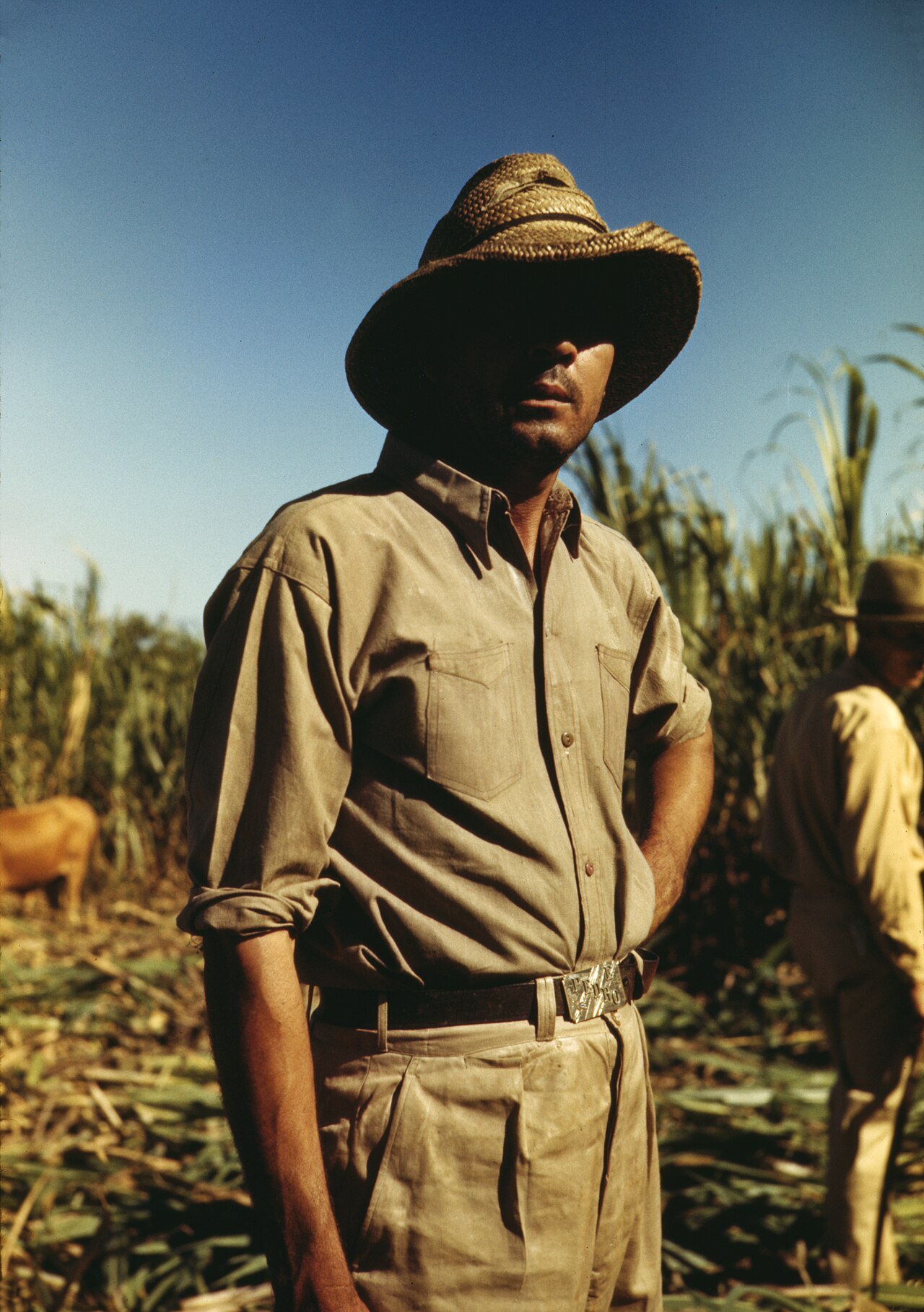
Puerto Rican Coffee Under American Rule (1898-1950)
Summary
Between 1898 and 1950, Puerto Rico's coffee industry struggled through a half-century of political transition, economic upheaval, and natural disasters under American rule. US tariff policies and sugar-favoring economic strategies pushed coffee from its position as Puerto Rico's primary export to a marginalized mountain crop. Despite the decline, resilient jíbaro farmers in the central mountains preserved the coffee tradition through depression, hurricanes, and industrialization — keeping alive the heritage that would eventually fuel the 21st-century specialty coffee revival.
The Transition That Changed Everything
Watch: El Motor: Coffee and the Heart of Puerto Rico — Library of Congress Documentary
The Treaty of Paris signed in December 1898 formally transferred Puerto Rico from Spanish to American sovereignty. For a coffee industry that had just achieved global prominence under Spanish trade networks, this political change was devastating in ways that went far beyond politics.
Under Spanish rule, Puerto Rican coffee had enjoyed preferential access to European markets through Spanish trade agreements. Yauco coffee commanded premium prices in Spain, France and Italy. The Vatican's documented purchases of Puerto Rican coffee came later, in the 1950s and 1960s, through the Ponce export firm Sobrino de Mayol Hnos — the full account is here. The Corsican-Puerto Rican families who dominated the industry had Mediterranean commercial networks that had taken generations to build.
American acquisition severed these networks almost overnight. Puerto Rican coffee was now considered a US domestic product for tariff purposes, meaning it faced standard foreign-country tariffs when entering European markets it had previously served without barrier. Simultaneously, Puerto Rican coffee was competing in a US domestic market that overwhelmingly preferred cheaper Brazilian imports protected by different tariff structures.
The Foraker Act of 1900
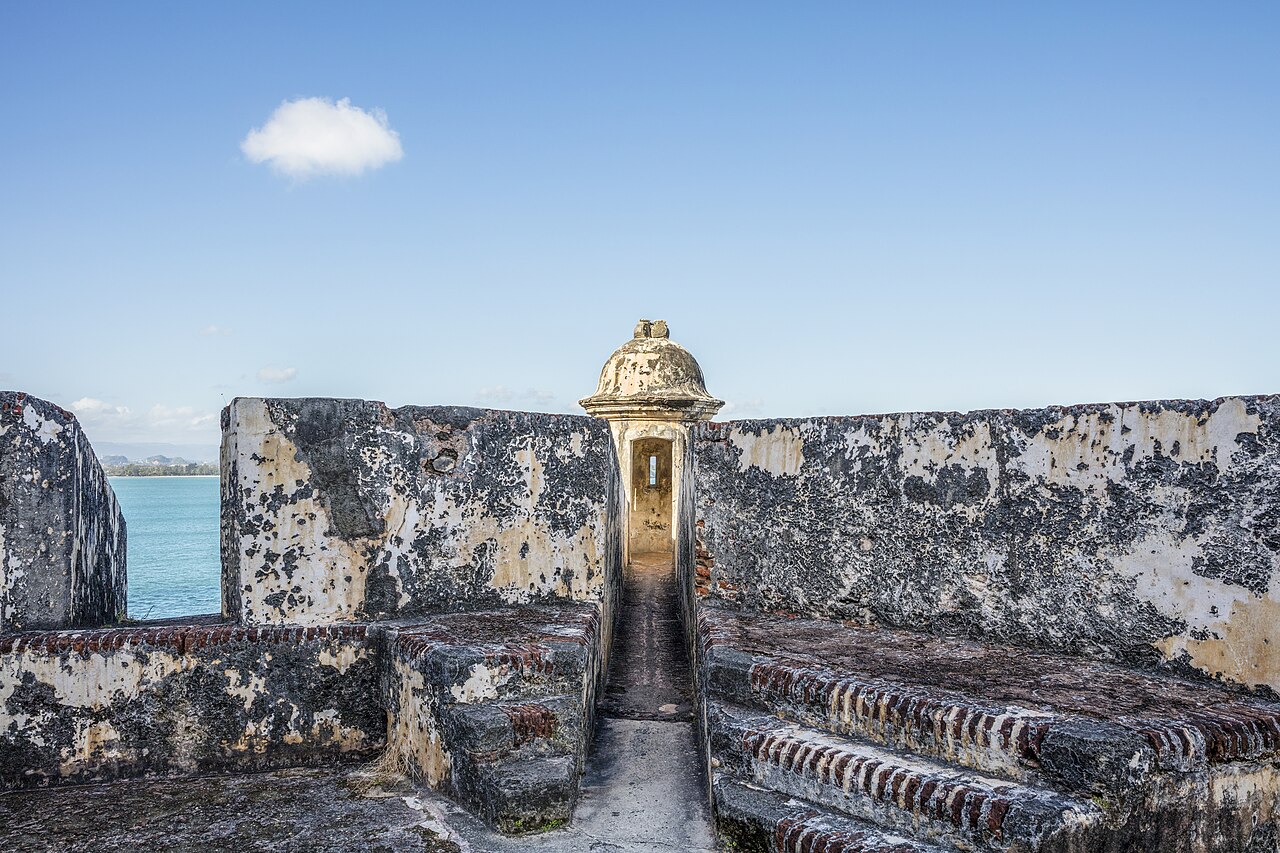
The Foraker Act established civilian government in Puerto Rico in April 1900 and defined the island's economic relationship with the United States. Several provisions directly affected coffee:
Puerto Rico was placed inside the US tariff wall, meaning trade with the mainland became tariff-free but trade with Spain and other former partners now faced the full US tariff schedule. This benefited some commodities (sugar, especially) but devastated coffee, whose best customers had always been European.
A special Puerto Rican tariff structure was established that in practice favored mainland American products entering Puerto Rico while failing to create protected markets for Puerto Rican coffee in the US. American consumers simply didn't have demand for the full-bodied, premium Puerto Rican coffee style — they wanted the lighter, cheaper Brazilian and Colombian coffees already available.
Within five years of the Foraker Act, Puerto Rican coffee exports had fallen by more than 60% from their 1896 peak.
The Jones Act of 1917
The Jones Act, which remains partially in effect today, had a more indirect but equally damaging impact on coffee. The law required that all goods shipped between US ports be carried on US-flagged ships built in the US and crewed by American citizens. For Puerto Rico, this meant that coffee exported to the mainland had to travel on expensive American vessels rather than cheaper foreign shipping.
Combined with the tariff situation, Jones Act shipping costs made Puerto Rican coffee uncompetitive in American markets. The maritime protection designed to benefit US shipyards and sailors accidentally crippled one of Puerto Rico's traditional export industries.
Sugar Takes Over
While coffee struggled, American corporate investment flooded into Puerto Rican sugar production. US sugar companies — particularly South Porto Rico Sugar Company, Central Aguirre Syndicate, and United Porto Rico Sugar Company — acquired vast coastal plantations and built modern centrales (processing mills) with American capital.
By 1930, sugar represented over 60% of Puerto Rico's export value, while coffee had fallen below 10%. The island's agricultural economy had been fundamentally restructured away from mountain coffee and toward coastal sugar monoculture. This shift concentrated economic power in American corporate hands while displacing thousands of traditional coffee-farming families.
The mountain regions that had hosted grand haciendas now saw rural depopulation. Coffee workers, unable to find work, migrated to coastal sugar plantations, to San Juan, or increasingly to the US mainland — particularly New York City, beginning the Great Migration that would transform Puerto Rican demographics.
The Jíbaro Legacy
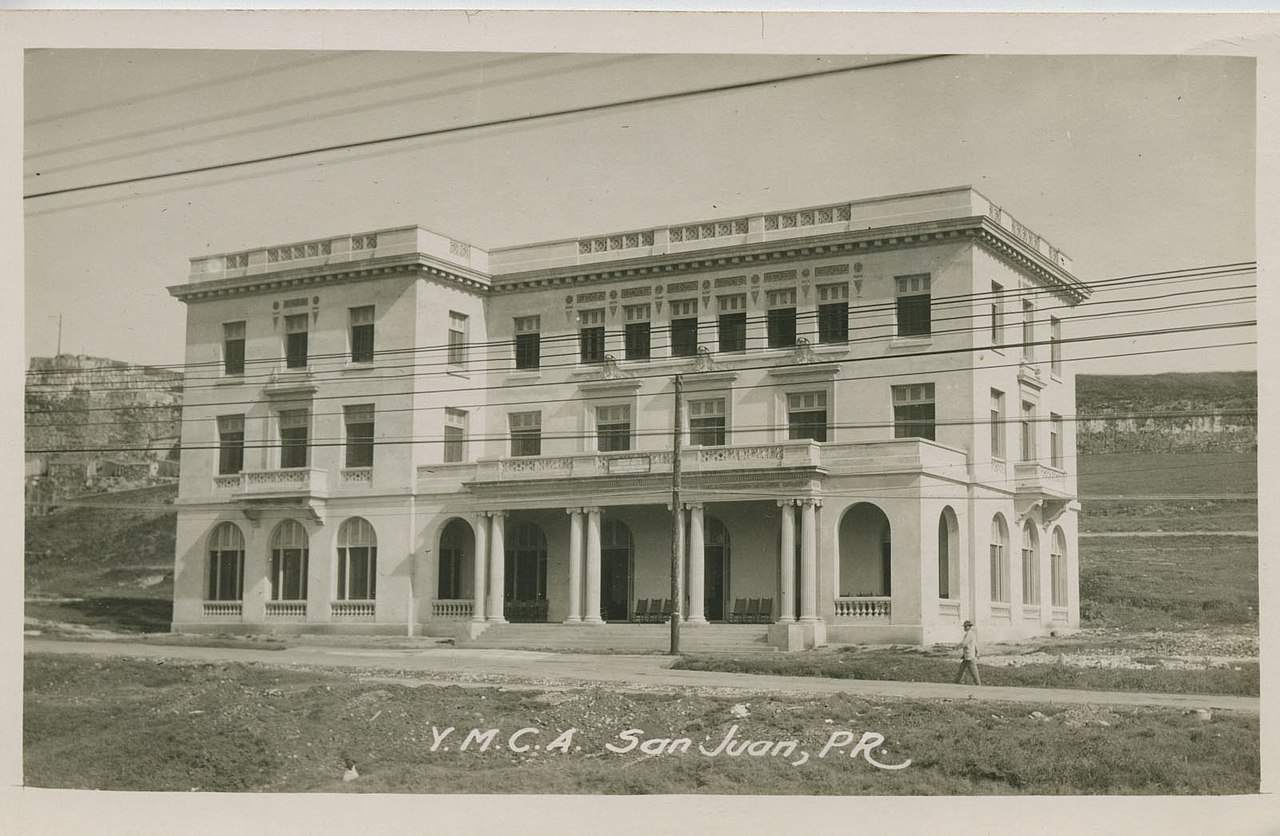
Even as coffee's commercial importance declined, the cultural figure of the jíbaro — the independent Puerto Rican mountain farmer — became increasingly central to Puerto Rican national identity. Jíbaros were the descendants of hacienda workers, Taíno-Spanish-African mestizo mountain dwellers, and small independent landholders who continued growing coffee even as commercial demand collapsed.
Puerto Rican writers, musicians, and political thinkers of the early 20th century romanticized the jíbaro as the embodiment of authentic Puerto Rican culture — hardy, independent, rooted in the mountains, preserving traditions through difficult times. Coffee was central to this identity. The jíbaro's coffee, grown on a small family plot and brewed strong for long mountain mornings, became a symbol of Puerto Rico itself.
This cultural significance preserved coffee traditions even when the commercial industry crumbled. The jíbaro families kept their trees alive, passed farming knowledge between generations, and maintained the genetic diversity that would eventually fuel specialty coffee revival.
Hurricane San Felipe Segundo — 1928
On September 13, 1928, Hurricane San Felipe Segundo struck Puerto Rico as a Category 5 storm with winds exceeding 160 mph. It remains one of the most destructive hurricanes in Puerto Rican history, killing over 300 people and causing massive agricultural damage.
For a coffee industry still recovering from San Ciriaco 29 years earlier, San Felipe was another devastating blow. Mountain coffee regions were badly damaged, with many haciendas losing their shade trees and mature coffee plants for the second time in a generation. Some families who had persisted through San Ciriaco finally gave up after San Felipe.
The 1928 hurricane reinforced coffee's marginalization in the Puerto Rican economy. Families that survived increasingly focused on subsistence farming and local markets rather than export-scale coffee production.
The Great Depression Years
The 1930s brought the Great Depression to Puerto Rico, hitting an already struggling coffee sector particularly hard. International coffee prices collapsed. Sugar prices also fell, but US government intervention (through various New Deal programs) supported sugar workers in ways that coffee workers largely didn't receive.
Some government efforts did address coffee. The Puerto Rico Reconstruction Administration (1935) funded some rural rehabilitation in coffee regions. But these programs were small compared to sugar support.
Coffee cooperatives emerged in the 1930s as farmers banded together to share processing costs and improve market access.
World War II and After
World War II briefly boosted Puerto Rican coffee as European and Asian coffee sources were disrupted by the war. Puerto Rican coffee found new markets in the US military and government purchasing, and production briefly stabilized. But this boost didn't last past the war's end.
After 1945, global coffee markets resumed normal patterns, and Puerto Rican coffee returned to its diminished state. Worse, American tastes during and after the war had solidified around cheap, light-roasted, mass-market coffee styles that Puerto Rican specialty producers couldn't compete with on price.
Operation Bootstrap and the Final Industrial Shift
Starting in 1947, Puerto Rico's government launched Operation Bootstrap (Operación Manos a la Obra) — an ambitious economic development program aimed at transforming Puerto Rico from an agricultural to an industrial economy. Tax incentives drew American manufacturing companies to the island. Rural populations were encouraged to migrate to urban industrial jobs.
Operation Bootstrap succeeded in many ways — Puerto Rico's economy grew rapidly, literacy improved, life expectancy extended, and overall living standards rose dramatically. But the program was deliberately anti-agricultural. Coffee farming, already struggling, received little support and lost workers to factory jobs.
By 1950, Puerto Rico's coffee production was a tiny fraction of its 1896 peak. Commercial coffee had become a mountain pastime rather than an economic pillar. The industry that had once made Puerto Rico world-famous had been reduced to a backdrop in the national story.
What Survived This Era
Despite five decades of decline, three things survived the 1898-1950 period that would prove crucial for later revival:
Genetic stock: The Typica, Bourbon, and Caturra varieties preserved on mountain family farms carried forward the unique genetic character of Puerto Rican coffee. Later variety development programs could build on this heritage.
Cultural memory: The jíbaro tradition and urban middle-class coffee culture kept coffee central to Puerto Rican identity even when it wasn't central to the economy. Cafés in San Juan, Ponce, and Mayagüez continued serving strong Puerto Rican coffee throughout the decline.
Mountain knowledge: Families passed coffee-farming knowledge through generations even when commercial production shrank. When specialty coffee revived in the 21st century, third and fourth-generation descendants of golden-age coffee families had the expertise to rebuild.
Key Facts
- Start of American period: December 1898 (Treaty of Paris)
- Foraker Act: April 1900 — civilian government, tariff structure change
- Jones Act: 1917 — restrictive shipping requirements
- Puerto Rican coffee decline: approximately 60% by 1905, over 80% by 1930
- 1928 Hurricane San Felipe Segundo: second major 20th-century agricultural disaster
- Operation Bootstrap launched: 1947 (industrial shift away from agriculture)
- Coffee position by 1950: small mountain industry, less than 5% of exports
Frequently Asked Questions
Q: Why did Puerto Rican coffee decline after 1898? Three main factors: loss of European market access due to US tariff structures, high shipping costs under the Jones Act, and the American preference for cheaper Brazilian coffee in US domestic markets.
Q: What replaced coffee as Puerto Rico's main export? Sugar, backed by major American corporate investment and favorable US tariff policies, became Puerto Rico's primary export by the 1920s.
Q: Who is the jíbaro? The jíbaro is the independent mountain farmer figure central to Puerto Rican cultural identity — often portrayed as the preserver of traditional agriculture, including coffee, during the period of commercial decline.
Q: Did hurricanes affect Puerto Rican coffee during this period? Yes. Hurricane San Felipe Segundo in 1928 (Category 5) caused massive damage to coffee regions, compounding the earlier devastation of Hurricane San Ciriaco in 1899.
Q: What was Operation Bootstrap? A Puerto Rican government economic development program launched in 1947 that used tax incentives to attract American manufacturing to the island, accelerating the shift from agricultural to industrial economy.
BUY AUTHENTIC PUERTO RICO COFFEE →
Part of The Coffee Encyclopedia — Sponsored by PuertoRicoCoffeeShop.com.