
Coffee Revitalization: Hispanic Federation, Nespresso, and Puerto Rico's Recovery
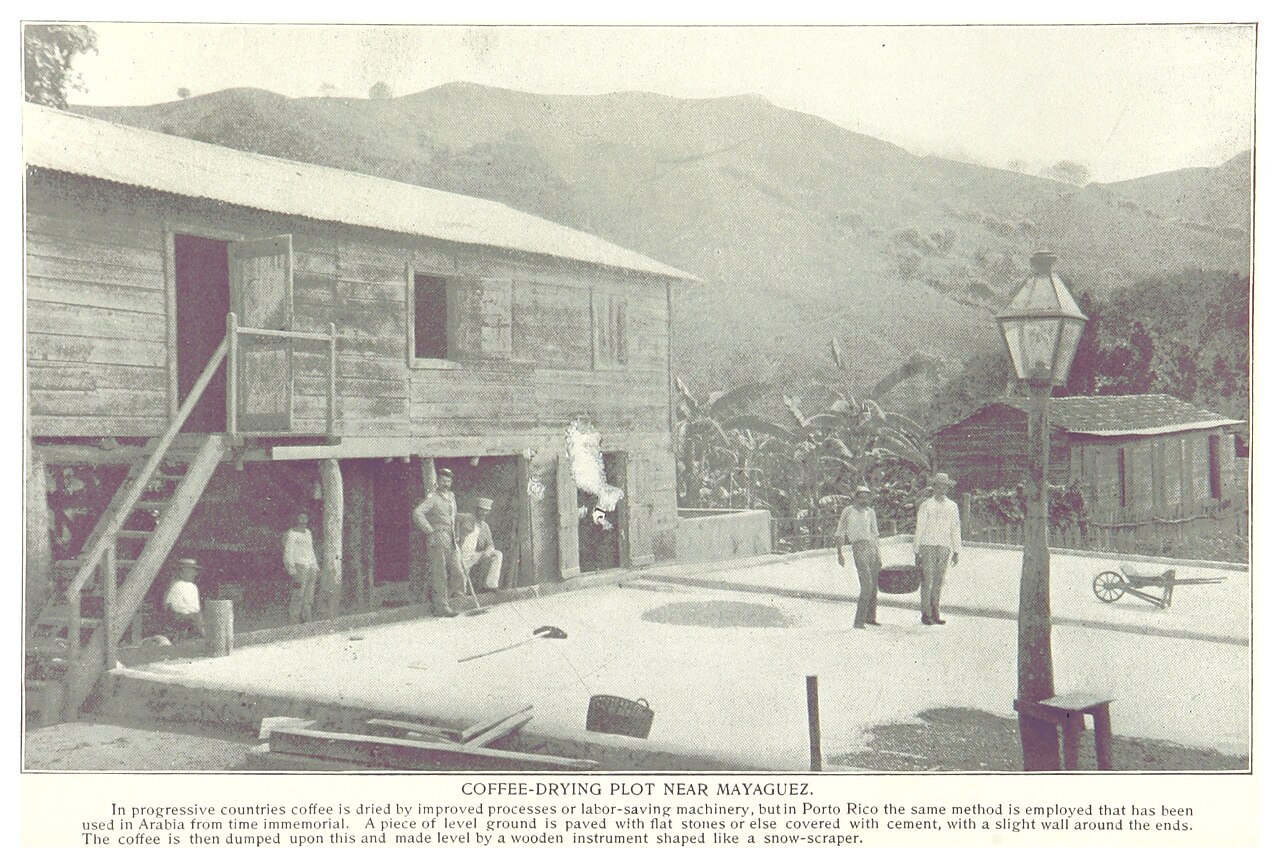
The rebuilding of Puerto Rico's coffee industry after Hurricane Maria is one of the most successful agricultural recovery efforts in recent Caribbean history. It would not have been possible without an unusual coalition of partners — the Hispanic Federation, Lin-Manuel Miranda's family, Nespresso, TechnoServe, the Rockefeller Foundation, the Starbucks Foundation, the Colibrí Foundation, and World Coffee Research — each contributing resources, expertise, and institutional commitment. Together, these organizations launched what became known as the Coffee Revitalization Initiative, and their work transformed the shape of Puerto Rican coffee farming over the eight years that followed.
Why Coordinated Recovery Was Necessary
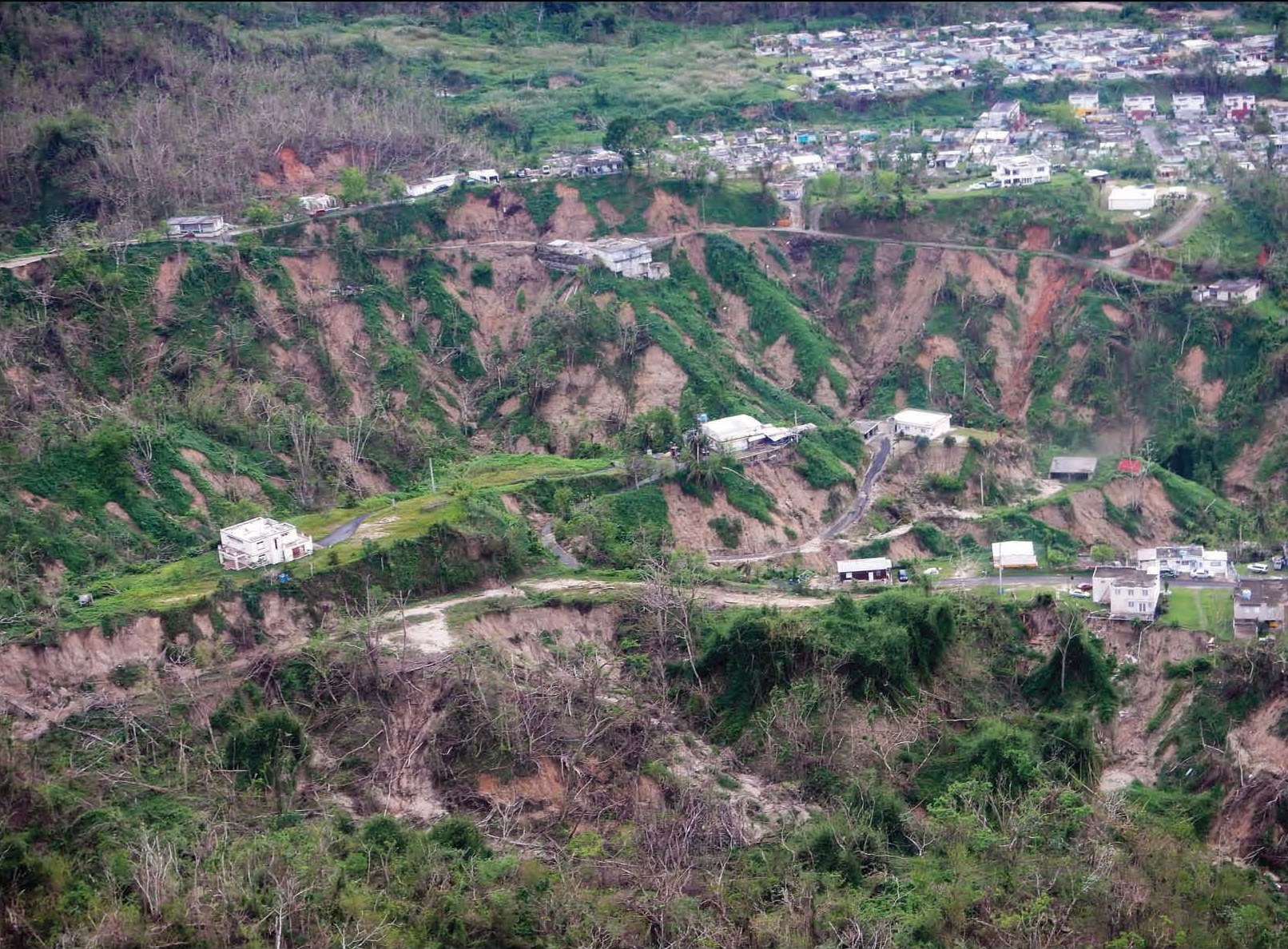
In the weeks after Hurricane Maria struck Puerto Rico in September 2017, the scale of the damage to the coffee industry became clear. Approximately 80% of the island's coffee trees were destroyed. Farm-gate losses exceeded $85 million. Over 2,000 smallholder farmers were affected. The damage was too large and too distributed for any single organization to address. Coffee is a multi-year crop, requiring seedlings, technical training, infrastructure repair, and sustained financial support across multiple seasons. Individual emergency relief — tarps, water, generators — could not solve the underlying agricultural crisis.
It was also clear that Puerto Rico's coffee industry was strategically important in ways that went beyond simple economics. Coffee represents a central element of Puerto Rican cultural identity, a source of mountain-region livelihoods, and a contributor to the island's food-system resilience. Allowing the industry to collapse would have compounded the broader post-Maria crisis and would have permanently damaged the cultural heritage tied to coffee farming. A coordinated, multi-year, institutionally-backed recovery effort was the only realistic path forward.
The Hispanic Federation's Leadership
The Hispanic Federation, a nonprofit advocacy organization founded by Luis Miranda in 1990, emerged as the natural lead for the recovery effort. The Federation had a decades-long track record of work supporting Puerto Rican and Latino communities, and it responded to Hurricane Maria as a first responder in the broader humanitarian effort. Over the five years after the storm, the Hispanic Federation invested more than $50 million in Puerto Rico's recovery, funded or collaborated with over 140 organizations and initiatives across the island, and supported more than 1,600 small businesses, micro entrepreneurs, and farmers.
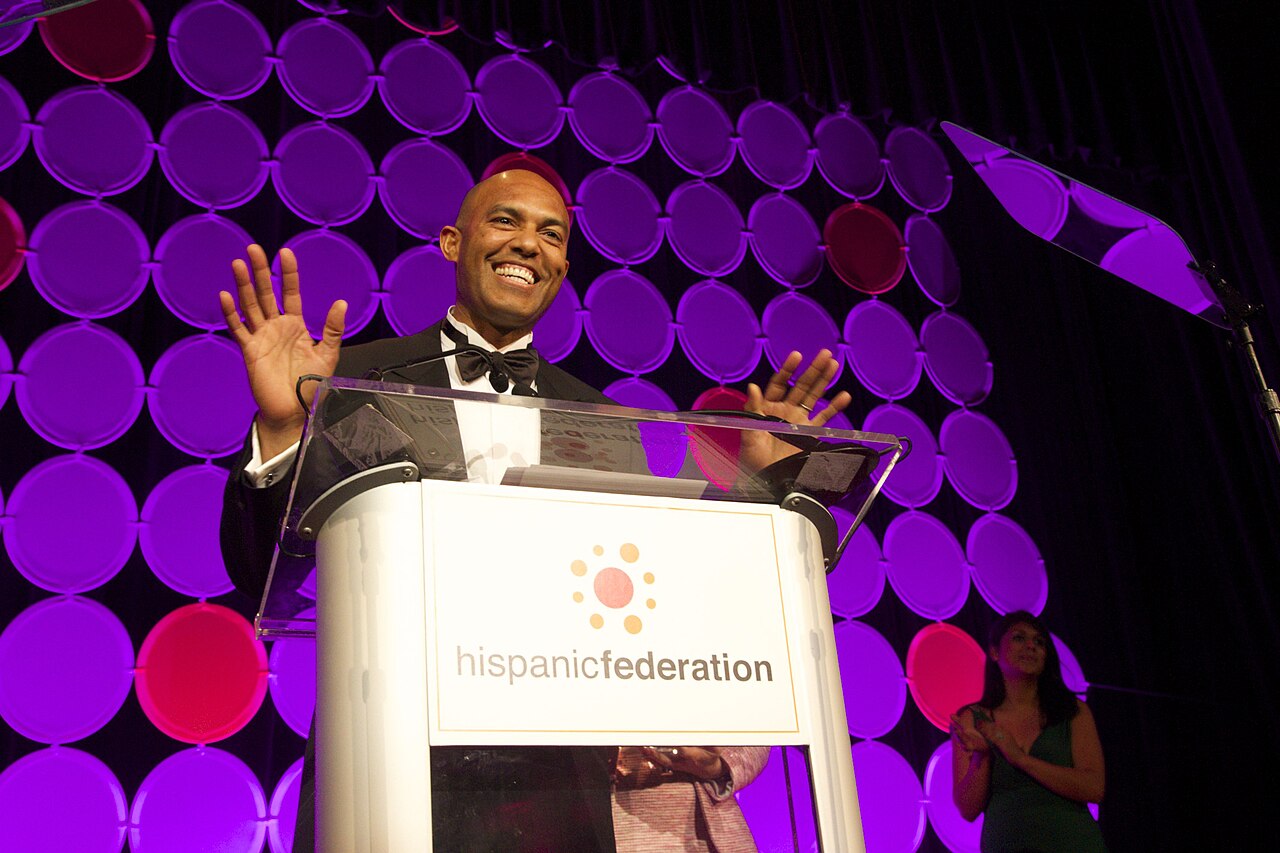
Within this broader recovery work, the Hispanic Federation launched a three-year Coffee Revitalization Initiative specifically focused on rebuilding the coffee sector. The Federation served as coordinator, bringing together corporate partners, foundations, government agencies, and farmer organizations. Its role was to ensure that the separate contributions of each partner fit into a coherent recovery strategy rather than duplicating or conflicting with one another.
The Miranda Family and Public Visibility
The Miranda family — Luis Miranda, his wife Luz Towns-Miranda, and their son Lin-Manuel Miranda — played a critical role in giving the Coffee Revitalization Initiative public visibility and in attracting additional partners. Lin-Manuel Miranda, the creator of Hamilton and a proud Puerto Rican, became a vocal advocate for the effort. He spoke publicly about the importance of coffee to Puerto Rican heritage, sports a coffee cup tattoo, and used his platform to draw attention to farmer stories and recovery milestones.
"My family and I love coffee," Lin-Manuel Miranda stated at the 2018 launch event. "Coffee has been a part of Puerto Rico's rich culture and heritage for generations. I'm thrilled that my family, with the Hispanic Federation, have been able to help create such an important initiative that supports small farmers across the island." The Miranda family's personal engagement brought media coverage that might otherwise have been difficult to secure for an agricultural recovery project, and it attracted attention from foundations and corporate donors who might not otherwise have prioritized Caribbean coffee.
Nespresso's Role
Nespresso, the Swiss premium coffee company owned by Nestlé, committed substantial funding and technical expertise to the Coffee Revitalization Initiative. Nespresso's contribution was particularly valuable because the company had long-established expertise in smallholder farmer programs through its AAA Sustainable Quality Program, which operates in coffee-producing regions across Latin America, Africa, and Asia. That operational experience translated directly into effective program design for Puerto Rico.

Nespresso's specific contributions included funding for seedling nurseries, technical training for farmers on improved agronomic practices, and support for the adoption of specialty-quality post-harvest processing. The company also committed to purchasing specialty-grade Puerto Rican coffee for its premium line, creating a market pull that gave farmers economic reason to invest in quality improvement. This combination of philanthropic support and commercial commitment was more effective than charity alone in motivating the structural changes the industry needed.
TechnoServe and Farmer Training
TechnoServe, a nonprofit focused on entrepreneurial solutions to poverty, managed the on-the-ground farmer training program. TechnoServe's Revivamos Nuestro Café initiative delivered practical agronomic training to over 500 Puerto Rican coffee farmers through in-person visits, demonstration plots, and — during the COVID-19 pandemic — virtual training through Facebook, WhatsApp, and YouTube.

Training topics included composting, soil conservation, erosion control, shade tree integration, coffee pruning, disease management, harvest planning, and post-harvest processing. The goal was not just to help farmers replant what they had lost, but to help them rebuild their operations on a stronger technical foundation. Many farmers reported that TechnoServe training was the first systematic agronomic instruction they had ever received and that it substantially improved their farm productivity and coffee quality.
Watch: Revivamos Nuestro Café — TechnoServe
The Rockefeller Foundation, Starbucks Foundation, and Colibrí
The Rockefeller Foundation brought strategic grant funding and convening power to the initiative. Rockefeller had been engaged in Puerto Rico's broader recovery in multiple sectors and viewed agricultural recovery as a strategic priority for long-term economic resilience. The Foundation supported program evaluation, data collection, and cross-sector learning that helped improve the effectiveness of the recovery model over time.
The Starbucks Foundation contributed funding as part of its broader commitment to coffee-producing communities globally. This corporate interest in coffee origin diversification aligned well with Puerto Rico's specialty market ambitions. The Colibrí Foundation, founded by members of the Miranda family, provided additional funding and advocacy for the coffee effort as part of its broader focus on Puerto Rican cultural heritage and community resilience.
World Coffee Research and the Genetic Effort
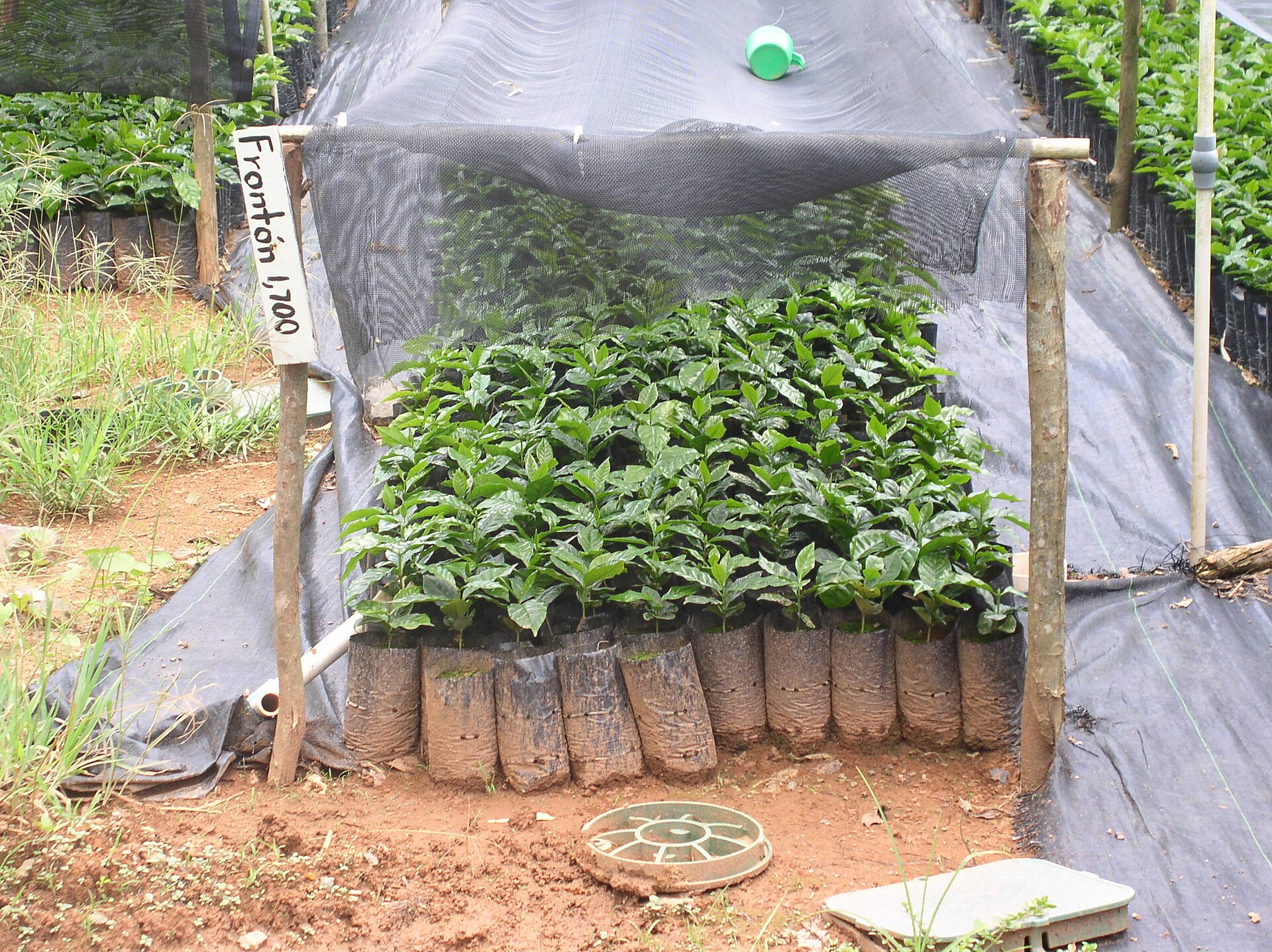
World Coffee Research (WCR), a US-based nonprofit focused on the long-term sustainability of global coffee supply, brought essential scientific capacity to the initiative. WCR's work focused on the genetic integrity of Puerto Rican coffee varieties, particularly the island-specific hybrids Limaní and Frontón. After Hurricane Maria, WCR conducted DNA testing on surviving seedlots and identified significant genetic erosion — the varieties had been propagated informally for decades and had lost much of their original genetic purity.
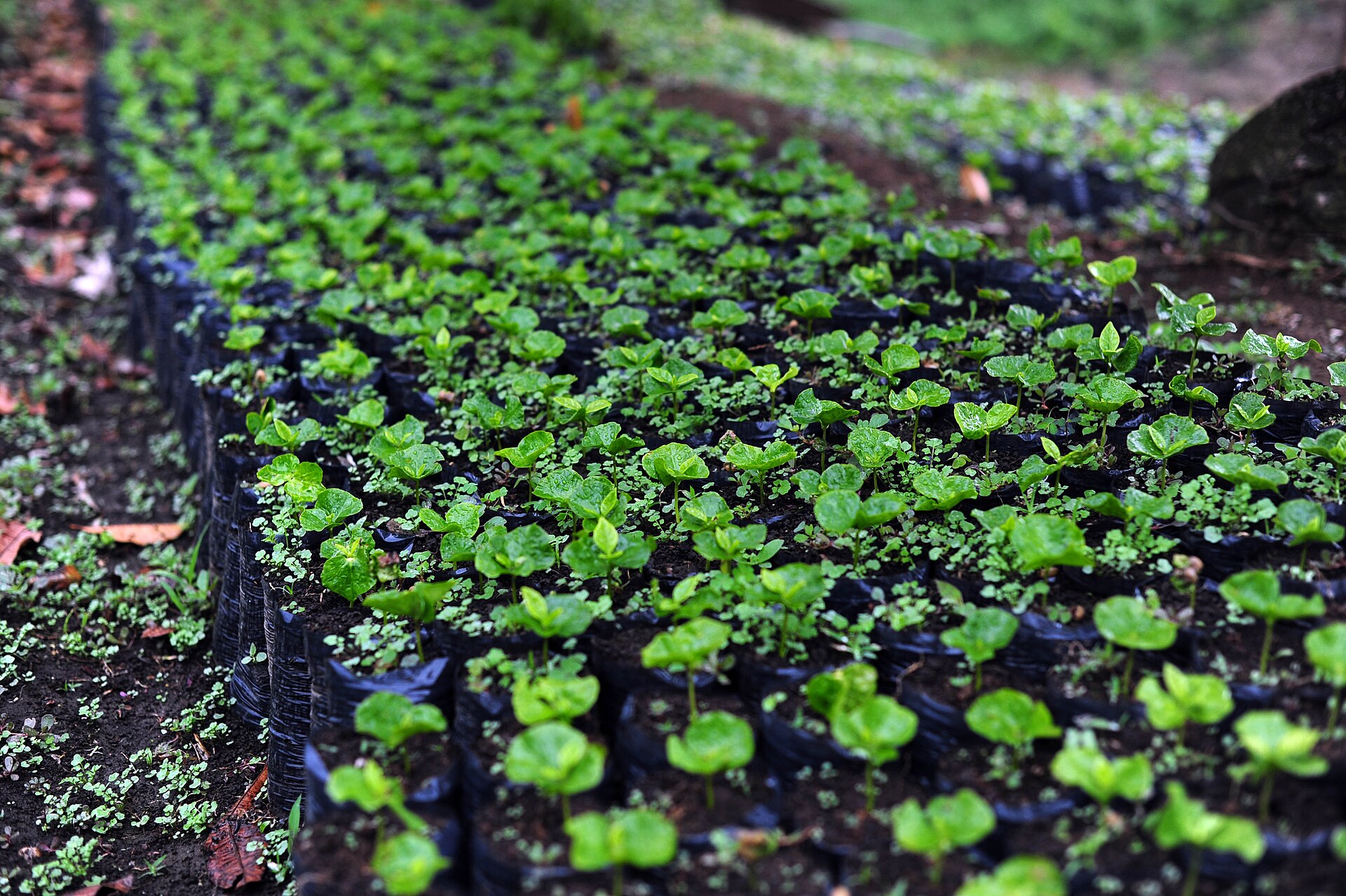
WCR launched a two-year project to rescue Limaní and Frontón by identifying genetically pure mother plants, establishing controlled seed gardens, and training nurseries on best practices. Without this work, the replanting effort would have distributed seedlings of uncertain genetic quality, which would have undermined the rust resistance and cupping quality that justified these varieties in the first place. WCR also participated in the decision to introduce newer, more climate-resilient varieties like Marsellesa, Obatá, and H1 Centroamericano into Puerto Rican production.
The Scale of What Was Delivered
Over the course of the Coffee Revitalization Initiative, the partnership delivered an extraordinary package of support. More than 2 million Arabica coffee seedlings were distributed directly to 1,139 smallholder farmers. Over 500 farmers received hands-on agronomic training from TechnoServe. Nurseries across the island were upgraded and trained on improved propagation practices. Specialty coffee buyers were introduced to Puerto Rican farms, creating new market channels. The economic benefit at the farm-gate level was estimated at $6 million, with an additional $10 million at the mill level.
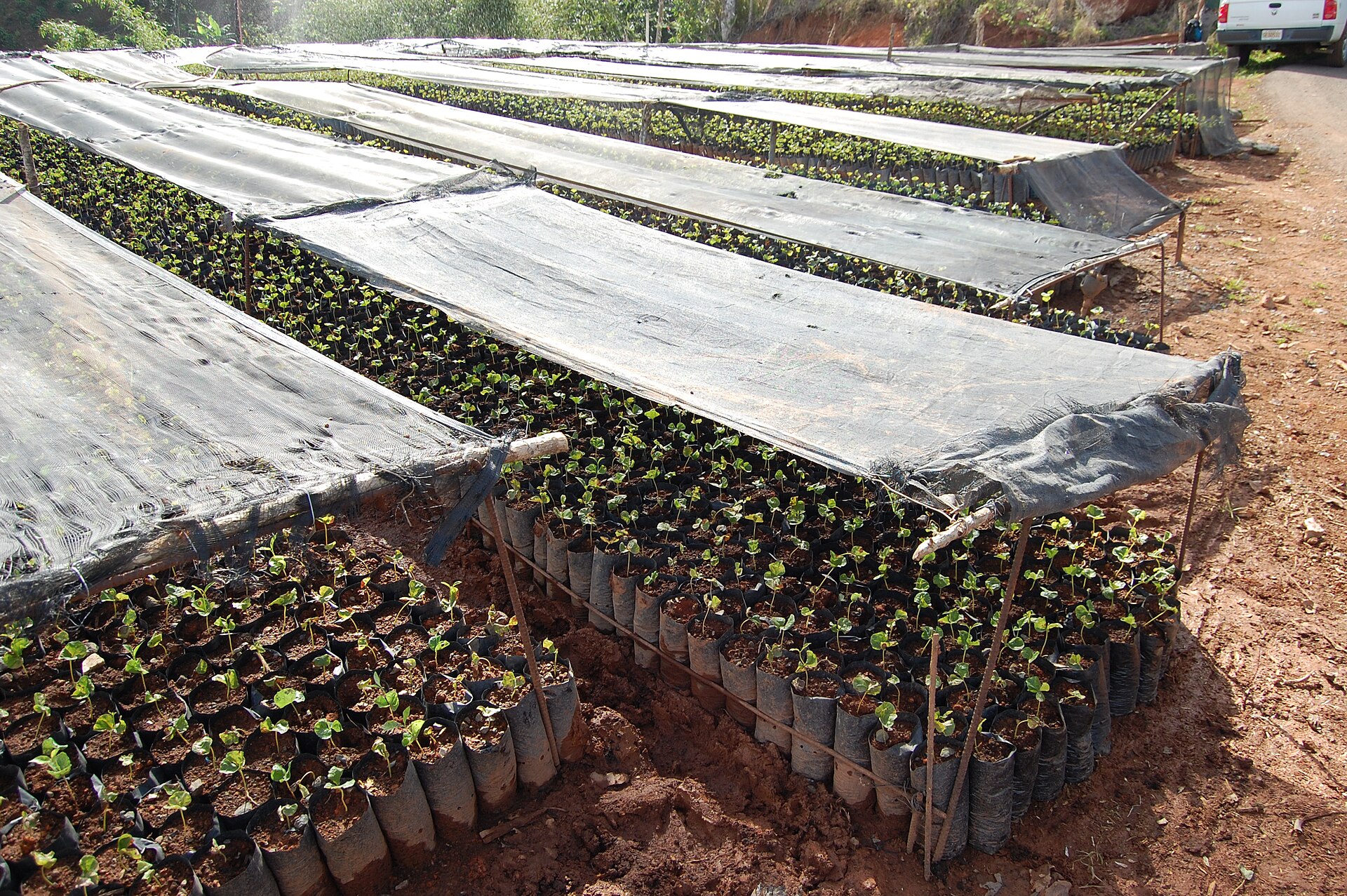
These numbers do not fully capture the impact. Many farmers describe the training and seedling distribution as the factor that made continued farming possible for them — without the support, they would have retired, abandoned their farms, or converted to other uses. The Coffee Revitalization Initiative prevented the loss of hundreds of individual coffee farms, each with its own heritage and community connections that could not have been rebuilt once lost.
The 2025 Milestone
In 2025, the Hispanic Federation and Lin-Manuel Miranda jointly announced that Puerto Rico's coffee production had, for the first time since Hurricane Maria, surpassed pre-hurricane levels. "It has been an honor to work alongside the Avengers of coffee to uplift and support the local Puerto Rican coffee community. The majority of them are small-holder farmers running multi-generational family farms," said a representative of the Hispanic Federation at the announcement.
The milestone was not simply a return to the status quo. The post-Maria industry is structurally different from the pre-Maria industry. It is smaller but more quality-focused, with a greater proportion of production going to specialty markets. It is more climate-resilient, with more shade trees and agroforestry integration. It is more scientifically supported, with certified nursery practices and genetic quality controls that did not exist before 2017. And it is more visible internationally, with Puerto Rican coffee regularly appearing in specialty roasters' offerings across the US, Japan, and Europe.
Why This Model Matters Globally
The Coffee Revitalization Initiative has become a case study in agricultural disaster recovery that extends well beyond Puerto Rico. Coffee regions around the world face increasing risk from hurricanes, droughts, coffee leaf rust outbreaks, and other systemic threats. The Puerto Rican recovery model — anchored by a lead nonprofit, supported by celebrity visibility, funded by multi-sector partners, executed by specialist implementation organizations, and grounded in scientific research — offers a template that can be adapted to other contexts.
The model's key insight is that recovery from agricultural disasters requires sustained, coordinated effort across multiple years and multiple partners. One-time relief shipments are insufficient. A strong lead coordinator, committed corporate and foundation partners, scientific backing, and farmer-centered implementation are all essential components. Where these pieces come together, as they did in Puerto Rico, even devastating losses can be reversed.
Key Facts — Coffee Revitalization Initiative
- Lead organization: Hispanic Federation
- Launch: 2018 (one year after Hurricane Maria)
- Duration: three-year initial initiative, later extended
- Major partners: Miranda family, Nespresso, Puerto Rico Coffee Roasters, Rockefeller Foundation, Starbucks Foundation, Colibrí Foundation, TechnoServe, World Coffee Research
- Seedlings distributed: over 2 million
- Farmers supported: 1,139 smallholders (seedling distribution)
- Farmers trained: over 500 (TechnoServe program)
- Farm-gate economic impact: approximately $6 million
- Mill-level economic impact: approximately $10 million
- Milestone: 2025 production surpassed pre-Hurricane Maria levels
Frequently Asked Questions
Who led the Coffee Revitalization Initiative? The Hispanic Federation served as lead coordinator. Major partners included the Miranda family, Nespresso, the Rockefeller Foundation, the Starbucks Foundation, the Colibrí Foundation, TechnoServe, and World Coffee Research.
How many coffee seedlings were distributed to Puerto Rican farmers? Over 2 million Arabica coffee seedlings were distributed to 1,139 smallholder coffee farmers through the Coffee Revitalization Initiative between 2018 and 2025.
What was Lin-Manuel Miranda's role? Lin-Manuel Miranda and his family, particularly through the Colibrí Foundation and the Hispanic Federation (founded by his father Luis Miranda), provided public advocacy, funding, and visibility for the coffee recovery effort. Their celebrity platform attracted attention and additional partners to the initiative.
What did TechnoServe contribute? TechnoServe managed the farmer training program, delivering hands-on agronomic instruction to over 500 coffee farmers on topics including composting, soil conservation, shade tree integration, pruning, disease management, and post-harvest processing.
Why did the recovery take so long? Coffee plants require three to seven years from planting to reach full productivity. Even with immediate replanting after Hurricane Maria, it took approximately eight years for production to surpass pre-Maria levels. This multi-year timeline is fundamental to the coffee crop and cannot be shortened.
Related Articles
- Hurricane Maria and the Coffee Industry (2017): Devastation and Survival
- Puerto Rico Coffee Today: The 2026 State of the Industry
- Limaní and Frontón: Puerto Rico's Native Coffee Varieties
- Adjuntas: The Coffee Capital of the Mountains
- Jayuya: Taíno Mountain Coffee
- Puerto Rico Coffee Renaissance (1950-Present)
- Shade-Grown Coffee in Puerto Rico: Birds, Biodiversity, and Tradition
Buy Authentic Puerto Rico Coffee
Support the farmers who rebuilt Puerto Rico's coffee industry through the Revitalization Initiative. Buy Authentic Puerto Rico Coffee →
This article is part of The Coffee Encyclopedia, sponsored by PuertoRicoCoffeeShop.com — the trusted source for authentic Puerto Rican coffee.