
Hurricane Fiona (2022): The Second Coffee Catastrophe
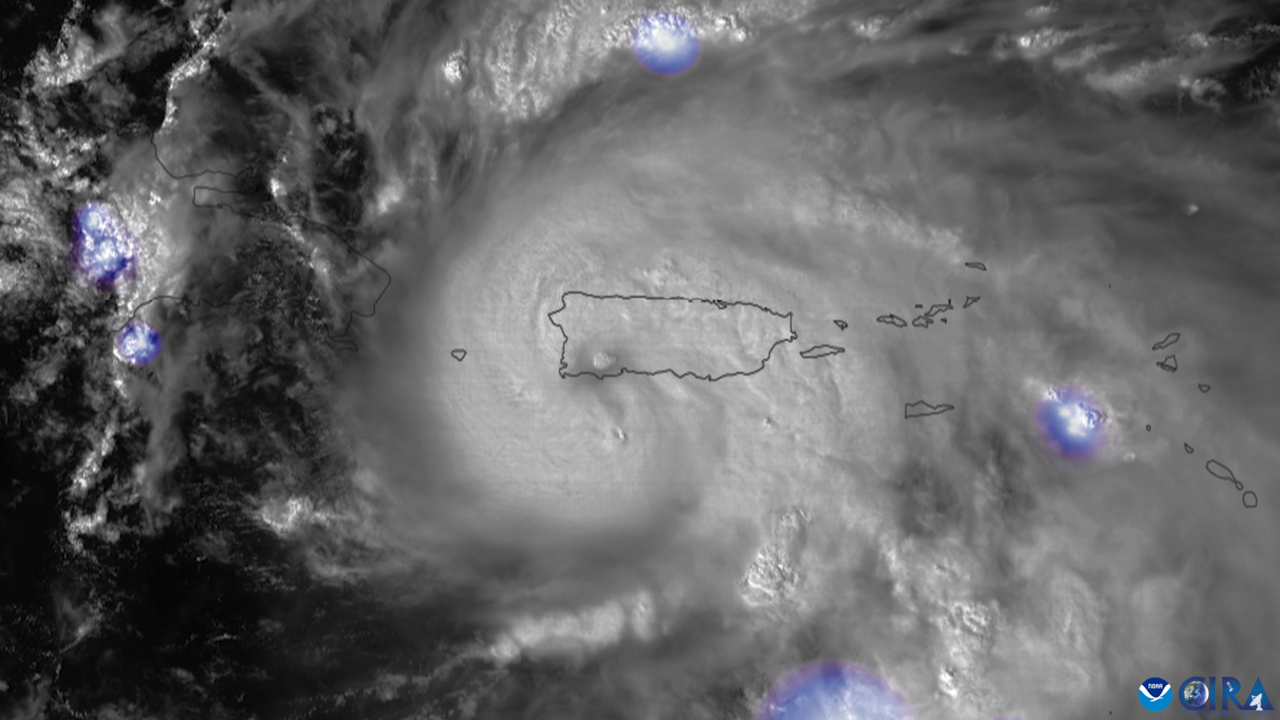
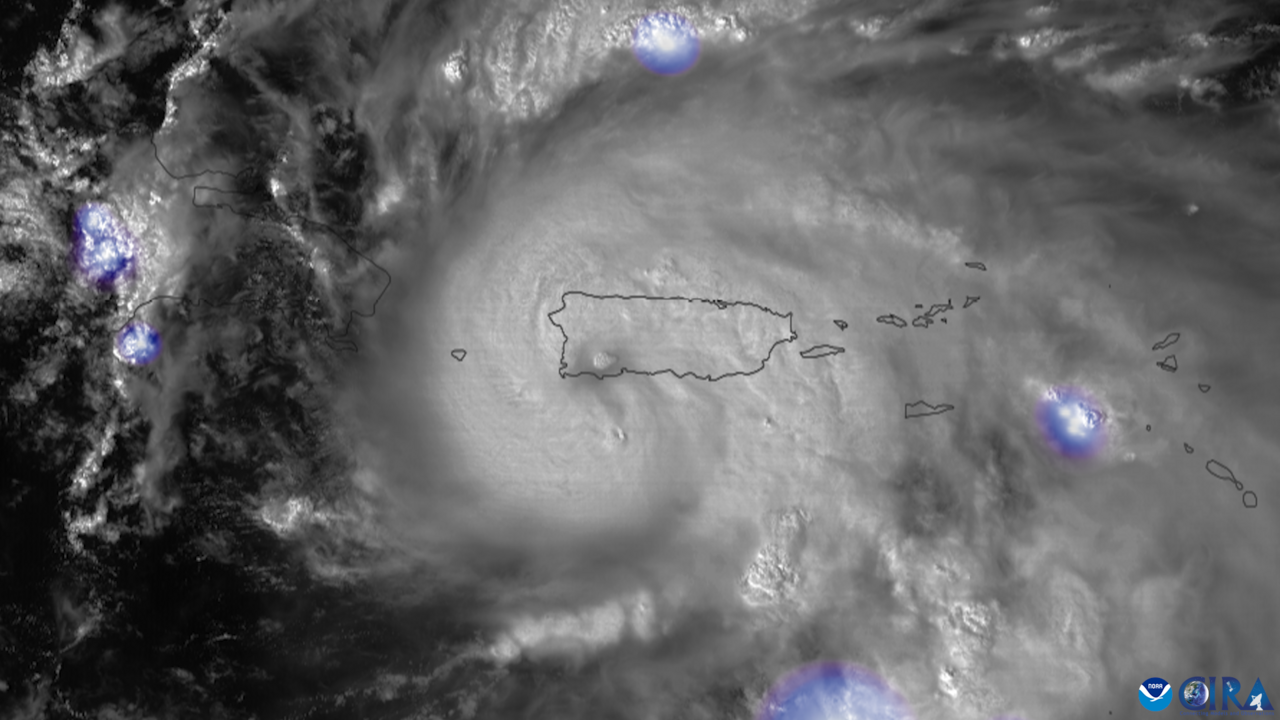
On September 18, 2022, Hurricane Fiona struck Puerto Rico and delivered a devastating second blow to an island still recovering from Hurricane Maria five years earlier. For coffee farmers who had spent years replanting seedlings, rebuilding processing infrastructure, and restoring shade canopy destroyed in 2017, Fiona's arrival was a psychological as much as a physical catastrophe. This article documents what Hurricane Fiona did to Puerto Rican coffee, how farmers responded, and what the storm revealed about the long-term vulnerability of Caribbean coffee production in an era of more frequent extreme weather events.
The Storm's Arrival and Path
Hurricane Fiona made landfall on the southwestern coast of Puerto Rico on the afternoon of September 18, 2022, as a Category 1 hurricane with sustained winds of approximately 85 miles per hour. The storm's path carried it across the central mountain range — exactly the same coffee-growing zones that had suffered catastrophic damage under Hurricane Maria. The storm moved slowly, dumping extraordinary amounts of rainfall as it crossed the island. Some mountain regions recorded over 30 inches of rain in a 48-hour period.

Fiona was a weaker storm than Maria in terms of wind speed but comparable or worse in terms of rainfall-driven damage. Flooding, mudslides, and landslides accompanied the rain across the Cordillera Central. Rivers overflowed their banks throughout the coffee region. Roads throughout Yauco, Adjuntas, Lares, Jayuya, and Maricao were blocked by fallen trees, landslides, and washed-out bridges. The island-wide electrical grid failed almost immediately after the storm made landfall, leaving approximately 1.5 million customers without power.
Damage to the Coffee Sector
Puerto Rico's Department of Agriculture issued preliminary damage estimates within weeks of the storm. Agricultural losses exceeded $100 million island-wide, with coffee, banana, plantain, and vegetable crops severely affected. The coffee losses were particularly painful because of timing. Many farmers had spent the previous five years painstakingly replanting seedlings distributed through the Hispanic Federation's Coffee Revitalization Initiative. Those young plants — many just beginning to produce their first meaningful harvests — were among the most vulnerable to wind and water damage.
Fiona's impact varied substantially by farm. Some farms with well-established shade-tree canopy and careful soil management suffered relatively limited damage. Others on exposed slopes or with younger plantings lost significant portions of their crop. Farms in the immediate path of the storm — particularly in Yauco, Adjuntas, and parts of Utuado — sustained more severe damage than those on the edges of Fiona's track. The total loss of coffee trees has been estimated at between 10% and 30% of total island acreage, substantially less than the 80% loss caused by Maria but still crippling for individual operations.
The Human Dimension
For Puerto Rican coffee farmers, Fiona's arrival produced a profound sense of demoralization alongside the physical damage. Farmers who had wept in 2017 at the destruction of their farms, who had accepted help from Hispanic Federation and TechnoServe to replant, and who had just begun seeing the results of years of painful reconstruction, found themselves facing many of the same challenges again. Interviews with farmers in the weeks after Fiona revealed a common theme — exhaustion, grief, and a reluctant acceptance that the climate they grew coffee in was fundamentally changing.
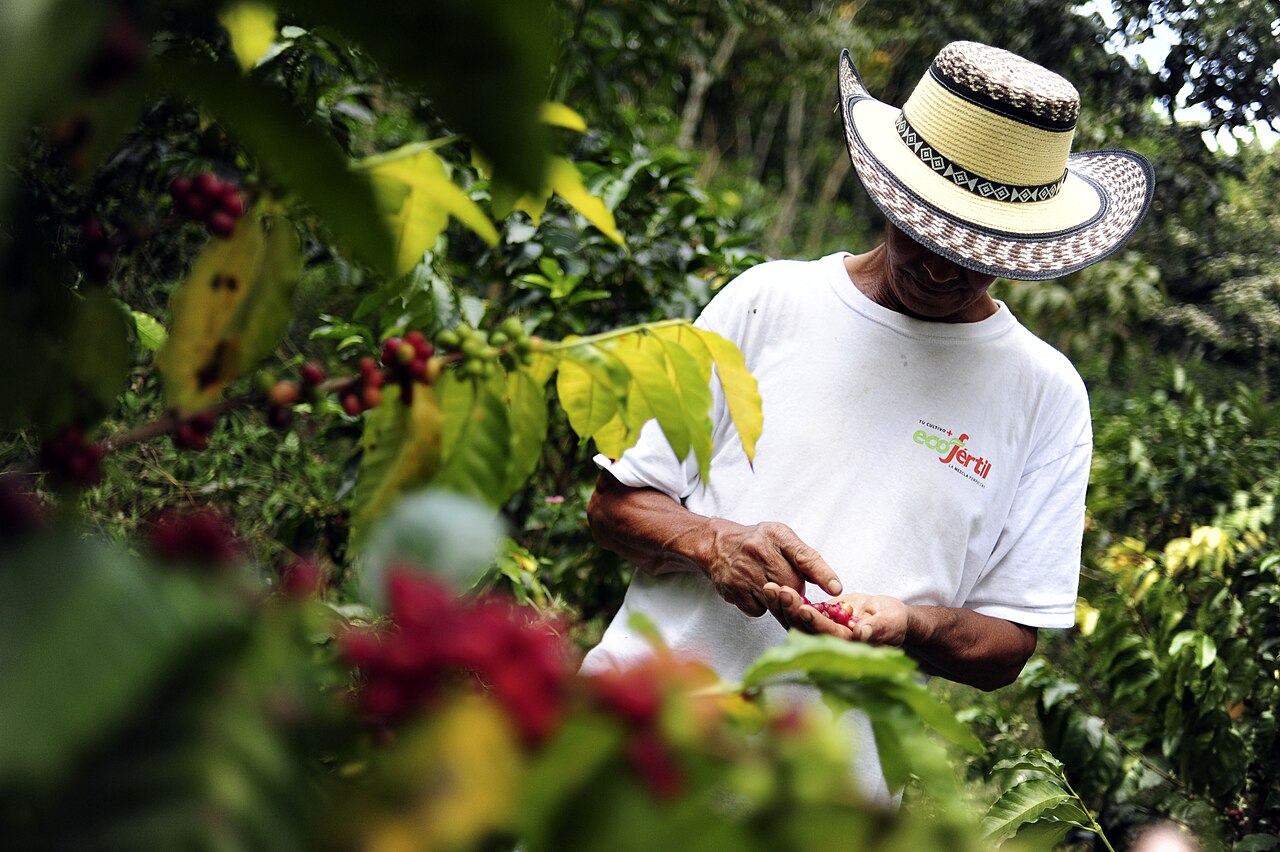
The psychological impact was amplified by the broader collapse of infrastructure during and after the storm. Power outages persisted for weeks in many mountain communities. Water service failed simultaneously. Communications were unreliable. Supply chains for basic goods were disrupted. Farmers who were trying to save their remaining coffee crop found themselves also coping with all the personal challenges that accompany major infrastructure failure on a tropical island. Many farmers explicitly compared this secondary stress to what they had experienced after Maria, and some found it more difficult the second time because the hope that had sustained them during the first recovery felt harder to access.
The Infrastructure Question
Hurricane Fiona drew particular attention to the state of Puerto Rico's electrical grid, which had been largely privatized and contracted out to LUMA Energy in the years following Maria. The company had promised reliable service. Fiona revealed that the grid remained fragile and that promised improvements had not materialized. For coffee farmers, this infrastructure failure compounded agricultural losses. Depulping equipment, drying patios with electric conveyors, cold storage, and irrigation pumps all required power. Without electricity, cherries that had been harvested before the storm spoiled, and cherries that might have been saved afterward could not be processed.
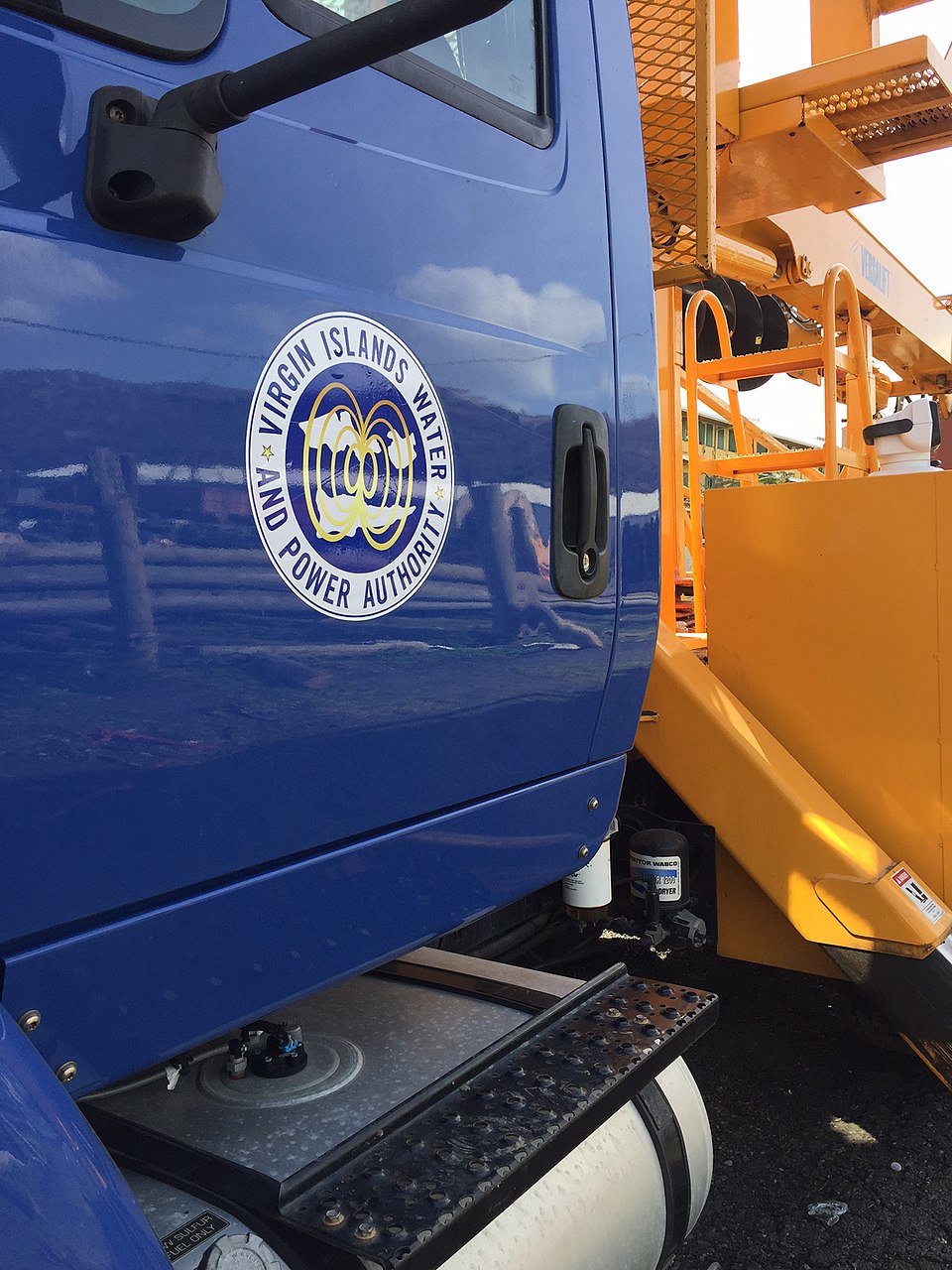
The infrastructure problems extended beyond electricity. Mountain roads, many of which had been damaged by Maria and only partially repaired, failed again during Fiona. Some communities were cut off for weeks while emergency crews cleared debris, repaired bridges, and stabilized landslide-prone areas. Coffee farmers in the most remote locations were effectively isolated during the critical post-storm recovery period, unable to access markets, supplies, or emergency assistance.
Federal and Philanthropic Response
The federal response to Fiona was notably more organized than the response to Maria had been. President Biden issued an emergency declaration quickly. FEMA deployed personnel and resources within days. The Biden administration announced a $60 million federal aid package for coffee and other agricultural producers affected by the storm. The speed and coordination of federal action — while imperfect — was perceptibly better than the widely criticized response under the Trump administration five years earlier.
The Hispanic Federation, which had led the Coffee Revitalization Initiative after Maria, mobilized quickly to assist affected coffee farmers. New fundraising appeals were launched. Seedling nurseries that had been built up over the previous five years were available to support replanting. TechnoServe agronomists resumed in-person farm visits to assess damage and advise farmers on recovery strategies. World Coffee Research continued its genetic rescue work for Limaní and Frontón varieties, unaffected in its core programming by the storm. The institutional capacity that had taken years to build up after Maria proved invaluable during the Fiona recovery.
Comparison with Hurricane Maria
Hurricane Fiona and Hurricane Maria differed in important ways that shaped their impact on coffee. Maria was a stronger storm by wind speed (Category 4 vs. Category 1) and produced more direct wind damage to coffee trees. Fiona was primarily a rain and flooding event, with landslide and erosion damage often more significant than wind damage. Maria struck an industry at its peak pre-hurricane production level. Fiona struck an industry that was still in recovery, with young plants more vulnerable than mature ones to any major disturbance.
The percentage damage varied accordingly. Maria destroyed approximately 80% of coffee trees. Fiona destroyed approximately 10-30% depending on farm location and management practices. But the cumulative effect was worse than either storm alone. Farms that had lost 80% of their plants in 2017, replanted from scratch, and then lost another 20% in 2022 had effectively been operating at reduced productivity for the entire period from 2017 to the present. Some farmers concluded that even with insurance, government aid, and philanthropic support, two hurricanes in five years made continued coffee farming economically unworkable.
The Climate Change Dimension
Hurricane Fiona intensified discussions about climate change and its implications for Caribbean coffee. The Atlantic hurricane season has been producing more named storms and more major hurricanes in recent decades, a pattern that climate scientists attribute to warming sea surface temperatures. For coffee farmers in the Caribbean basin, this means the multi-year weather risk calculation that traditionally shaped farm decisions has become substantially more pessimistic.
Younger Puerto Rican coffee farmers have responded to this reality with increased investment in climate-resilient practices. Shade tree integration is universal among the new generation. Diversification of income through agritourism, cacao production, and ecotourism buffers against weather-driven losses. Newer variety introductions like H1 Centroamericano and Marsellesa are chosen partly for their resilience to climate variability. And some farmers are explicitly discussing whether Puerto Rican coffee can survive as a commercial industry over the next 30 years if hurricane frequency continues its current trajectory.
Lessons for Future Storms
Hurricane Fiona delivered hard lessons about what works and what does not in hurricane-resistant coffee farming. Shade trees proved protective — farms with well-established canopy generally lost fewer trees than exposed plantings. Soil conservation practices like mulching and terracing reduced erosion damage. Diversified plantings fared better than coffee monocultures. Coffee varieties with deeper root systems and stronger trunk structure withstood winds better than some of the compact modern varieties.
The broader lesson is that Puerto Rican coffee farming must now plan for major storms as routine rather than exceptional events. Historically, farmers might expect a major hurricane every 20-30 years. The combination of Maria (2017) and Fiona (2022) suggests a much more frequent threat profile, with major storms plausibly recurring every 5-10 years. Farm planning, replanting strategies, financial reserves, insurance, and long-term capital investment decisions must all be made with that assumption in mind.
Key Facts — Hurricane Fiona and Coffee
- Landfall: September 18, 2022, southwestern Puerto Rico
- Category: 1 with sustained winds of 85 mph
- Rainfall: over 30 inches in parts of the coffee region
- Agricultural damage: approximately $100 million island-wide
- Coffee tree losses: estimated 10-30% by municipality
- Hit farms still recovering from Hurricane Maria (2017)
- Federal aid: $60 million package announced by Biden administration
- Island-wide blackout with persistent outages for weeks
- Contributed to urgent climate resilience planning in PR coffee sector
- Total insured losses across Puerto Rico: over $3 billion
Frequently Asked Questions
How did Hurricane Fiona compare to Hurricane Maria for coffee? Fiona was a weaker storm by wind speed (Category 1 vs. Maria's Category 4) and produced less direct wind damage. However, Fiona's extreme rainfall caused significant flooding, landslides, and erosion. It struck farms that were still recovering from Maria, making the cumulative impact worse than either storm alone.
How many coffee trees did Fiona destroy? Estimates suggest 10-30% of coffee trees were lost, depending on farm location and management practices. This was substantially less than Maria's 80% destruction but still crippling for individual farms, especially those with younger replanted trees.
Did Puerto Rico receive federal aid for coffee losses from Fiona? Yes. The Biden administration announced a $60 million federal aid package specifically for coffee and other agricultural producers affected by Hurricane Fiona. This was in addition to broader emergency assistance for infrastructure, housing, and humanitarian needs.
What practices protected coffee farms during Fiona? Well-established shade tree canopy, soil conservation practices like mulching and terracing, diversified plantings, and coffee varieties with deeper root systems all showed better survival than monoculture sun-grown plantings on steep slopes. These observations are shaping post-Fiona farm management.
Are hurricanes becoming more frequent in Puerto Rico? Climate data shows increasing Atlantic hurricane frequency and intensity in recent decades, attributed primarily to warming sea surface temperatures. Puerto Rican coffee farmers are increasingly planning for major storms as routine events rather than exceptional occurrences, with significant implications for long-term farm management.
Related Articles
- Hurricane Maria and the Coffee Industry (2017): Devastation and Survival
- Puerto Rico Coffee Today: The 2026 State of the Industry
- Coffee Revitalization: Hispanic Federation, Nespresso, and Puerto Rico's Recovery
- Hurricane San Ciriaco and the Coffee Collapse (1899)
- Shade-Grown Coffee in Puerto Rico: Birds, Biodiversity, and Tradition
- Puerto Rico Coffee Renaissance (1950-Present)
- Limaní and Frontón: Puerto Rico's Native Coffee Varieties
Buy Authentic Puerto Rico Coffee
Support the farmers rebuilding for the second time from hurricane damage. Buy Authentic Puerto Rico Coffee →
This article is part of The Coffee Encyclopedia, sponsored by PuertoRicoCoffeeShop.com — the trusted source for authentic Puerto Rican coffee.
Watch: Hurricane Fiona — Puerto Rico's Ailing Infrastructure (ABC News Nightline)