The Coffee Flavor Wheel: How Professionals Describe Coffee Taste
Summary
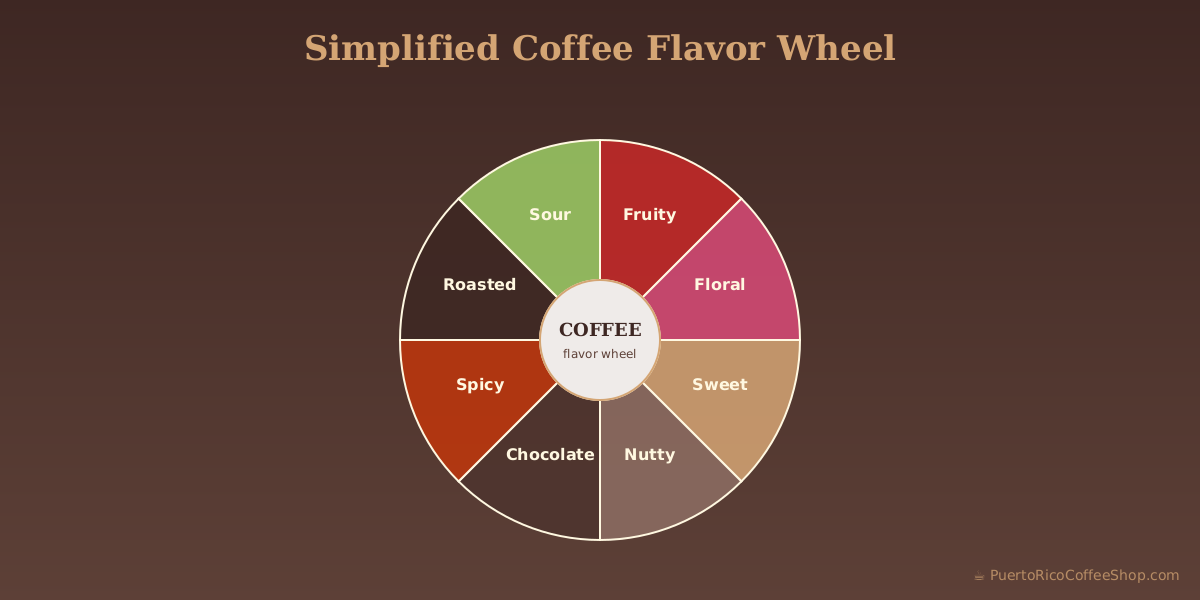
The Coffee Flavor Wheel is a standardized vocabulary tool used by coffee professionals worldwide to describe the taste, aroma, and sensory characteristics of coffee. Developed and refined over decades, and substantially updated in 2016 through collaboration between the Specialty Coffee Association and World Coffee Research, the flavor wheel organizes over 100 specific taste and aroma descriptors into hierarchical categories — from broad (fruity, sweet, nutty) to highly specific (jasmine, dried apricot, milk chocolate). Understanding the flavor wheel enables anyone — professional or amateur — to communicate coffee experiences using precise, shared vocabulary rather than vague terms like "good" or "strong." The wheel transforms coffee tasting from subjective guesswork into meaningful sensory communication.
Why a Flavor Wheel?
Before standardized vocabulary existed, describing coffee was frustratingly imprecise. A cupper in Colombia might describe a coffee as "muy aromático con notas dulces," while a buyer in Japan might describe the same coffee entirely differently. Communication between coffee professionals was difficult; communication with consumers was nearly impossible.
The flavor wheel solved several problems simultaneously:
Hierarchical precision: Tasters can describe coffee at whatever level of specificity suits their context — broad ("fruity") for general consumers, specific ("green apple") for technical discussion.
Training framework: The wheel provides structured vocabulary that coffee professionals can learn systematically, developing increasingly refined palates.
Consumer accessibility: The wheel translates technical sensory experience into language consumers can understand and use, making specialty coffee more approachable.
Quality communication: Specific descriptors enable meaningful quality conversation. "This coffee has a jasmine floral note and stone-fruit acidity" communicates far more than "this coffee is good."
The flavor wheel is now indispensable infrastructure for specialty coffee. Without it, modern coffee culture as we know it — with its emphasis on origin character, variety expression, and sensory education — couldn't exist.

The 2016 Redesign
The modern Coffee Taster's Flavor Wheel emerged from collaboration between the Specialty Coffee Association (SCA) and World Coffee Research (WCR), published in 2016. This update replaced an earlier SCAA wheel from 1995 that had become outdated.
Key features of the 2016 wheel:
Scientific grounding: The new wheel was built on the Sensory Lexicon developed by World Coffee Research — a comprehensive scientific study cataloguing actual sensory characteristics of coffee measured using controlled analytical methods.
Hundreds of descriptors: Over 100 specific taste and aroma terms organized hierarchically across 9 major categories.
Visual design: The circular wheel layout allows quick visual navigation from broad categories to specific descriptors. Color coding matches natural associations (fruits show as fruit colors, etc.).
Accessibility: Available free online and in print, enabling universal adoption across the coffee industry.
Translation into multiple languages: Professional translations enable global use.
The 2016 wheel represents the current gold standard for coffee sensory vocabulary and is used by coffee education programs worldwide, including Q Grader certification training.
The Nine Main Categories
The flavor wheel organizes coffee sensory characteristics into 9 major categories, each branching into specific descriptors:
1. Fruity
Fruit aromas and flavors, further divided into:
- Berry: Blackberry, raspberry, blueberry, strawberry
- Dried fruit: Raisin, prune, date, fig
- Other fruit: Apple, pear, peach, apricot, pineapple, grape, orange, pomegranate
- Citrus fruit: Lemon, lime, grapefruit
- Stone fruit: Cherry, peach, apricot, plum
Fruit notes are particularly associated with:
- Ethiopian coffees (berry, stone fruit, tropical)
- Natural-processed coffees (dried fruit, winey fruit)
- Central American coffees (apple, pear, citrus)
- Kenyan coffees (black currant, blackberry)
2. Sour/Fermented
Characteristics related to acidity or fermentation:
- Sour: Sour aromatics
- Alcohol: Winey, whiskey, fermented
- Fermented: Overripe
Appropriate fermentation produces pleasant sour and alcohol notes. Excessive fermentation produces off-flavors.
3. Green/Vegetative
Plant-based flavor notes:
- Olive oil: Specific oily-green character
- Raw: Unripe, green flavors
- Green/vegetative: Grass, pea-pod, herbaceous
- Beany: Bean-like
These notes can be either positive (specific Ethiopian styles) or negative (underdevelopment in roasting).
4. Other
Miscellaneous descriptors that don't fit other categories:
- Papery/musty: Dried, stale, moldy
- Chemical: Medicinal, rubber, petroleum, skunky
Most descriptors in this category indicate defects.
5. Roasted
Flavor compounds developed during roasting:
- Pipe tobacco: Tobacco-like character
- Tobacco: Fresh tobacco
- Burnt: Acrid, smoky, burnt
- Smoky: Ashy, smoky
- Brown (roast): Bread, malt, grain
These notes derive from roast development rather than origin character.
6. Spices
Spice aromas and flavors:
- Pungent: Peppery, sharp
- Pepper: Black pepper
- Brown spice: Anise, nutmeg, cinnamon, clove
Spice notes appear in many specialty coffees, particularly Ethiopian and Yemen origins.
7. Nutty/Cocoa
Nut and cocoa-related flavors:
- Nutty: Peanut, hazelnut, almond
- Cocoa: Dark chocolate, chocolate, cocoa
Very common descriptors for Latin American coffees, particularly Brazilian, Colombian, and Puerto Rican.
8. Sweet
- Brown sugar: Molasses, maple, caramel, honey
- Vanilla: Vanillin
- Vanillin: Specific vanilla compound
- Overall sweet: General sweetness
- Sweet aromatics: Fragrant sweetness
Sweetness is a desirable quality in specialty coffee; natural sweetness indicates proper development without excessive roasting.
9. Floral
Flower aromas:
- Black tea: Dark tea aromatics
- Floral: Chamomile, rose, jasmine
Floral notes are particularly associated with Ethiopian coffees, Gesha variety, and lightly roasted high-altitude arabicas.
Reading the Wheel
Watch: Explaining the SCA Coffee Taster's Flavor Wheel
The flavor wheel is designed to be read from inside outward:
Center: Broad basic categories (Fruity, Floral, etc.)
Middle ring: More specific subcategories (Berry, Stone Fruit, etc.)
Outer ring: Highly specific descriptors (Blackberry, Peach, etc.)
Tasters can describe coffees at whichever level suits their purpose. A beginner might simply note "fruity." An experienced cupper might specify "blackberry with stone fruit complexity." An expert might identify "Kenyan-style blackcurrant with raspberry undertones."
This flexibility makes the wheel useful for all levels of coffee engagement.
Common Descriptors by Origin
Different coffee origins tend toward characteristic flavor descriptors:
Ethiopia:
- Primary: Floral (jasmine, bergamot), stone fruit (peach, apricot), citrus
- Secondary: Berry (blueberry, strawberry), black tea, herbaceous
- Character: Complex, tea-like, aromatic
Kenya:
- Primary: Black currant, blackberry, tomato, wine
- Secondary: Grapefruit, complex acidity
- Character: Bold, bright, dramatic
Colombia:
- Primary: Chocolate, caramel, apple, pear
- Secondary: Citrus, brown sugar, balanced acidity
- Character: Clean, balanced, approachable
Brazil:
- Primary: Chocolate, nuts, milk chocolate, peanut
- Secondary: Caramel, brown sugar, low acidity
- Character: Full-bodied, sweet, mild
Central America (general):
- Primary: Chocolate, caramel, citrus, nuts
- Secondary: Apple, honey, balanced acidity
- Character: Clean, balanced, versatile
Indonesia (particularly Sumatra):
- Primary: Earth, cedar, tobacco, dark chocolate
- Secondary: Full body, low acidity
- Character: Heavy, earthy, distinctive
Puerto Rico:
- Primary: Chocolate, caramel, nuts (almond, hazelnut)
- Secondary: Toffee, balanced acidity, medium body
- Character: Rich, smooth, traditional
Panama (especially Gesha):
- Primary: Jasmine, bergamot, tropical fruit
- Secondary: Honey, tea-like, extraordinary complexity
- Character: Ethereal, delicate, premium
These patterns aren't absolute — variety, processing, and specific farm conditions create exceptions — but they represent typical expectations for each origin's general character.
The Science of Taste Descriptors
The flavor wheel's descriptors aren't arbitrary — they correspond to specific chemical compounds in coffee:
Fruity notes: Result from specific esters, aldehydes, and other volatile compounds present in coffee beans or developed during processing/roasting.
Floral notes: Linalool, geraniol, and related compounds (also responsible for floral notes in jasmine tea, roses, and other floral products).
Chocolate notes: Develop through Maillard reactions during roasting; related to similar compounds in actual cocoa.
Caramel/brown sugar notes: From caramelization of coffee's natural sugars during roasting.
Citrus notes: Citric acid and related compounds in the coffee itself.
Berry notes: Various esters and volatile compounds, often emphasized by certain processing methods.
This chemical basis explains why trained tasters can identify specific descriptors consistently — they're actually detecting measurable compounds, not just making up impressions.
Types of Acidity
Acidity is one of coffee's most important sensory dimensions. The flavor wheel identifies different acid types, each with distinct character:
Malic acid: Found in apples. Gives coffee a crisp, apple-like brightness. Common in Central American and some African coffees.
Citric acid: Found in citrus fruits. Produces sharp, clean, bright acidity. Ethiopian, Kenyan, and Costa Rican coffees often feature citric acid character.
Phosphoric acid: Produces a clean, lingering sweetness with acidity. Present in most specialty coffees.
Acetic acid: Can be positive (wine-like) or negative (vinegary) depending on concentration and context.
Tartaric acid: Grape-like, wine-related. Some naturally-processed coffees show tartaric character.
Quinic acid: Develops from chlorogenic acid breakdown. Can contribute bitterness if over-extracted.
Chlorogenic acids: Primary acids in green coffee. Degrade during roasting to produce quinic and related compounds. Higher concentrations in lighter roasts.
Trained cuppers distinguish between these acid types, describing coffees with specific language — "bright malic acidity" vs "sharp citric acidity" — that conveys precise information about flavor character.
Mouthfeel Vocabulary
Beyond taste and aroma, cuppers evaluate mouthfeel — the tactile experience of coffee on the palate. Mouthfeel descriptors include:
Body weight:
- Light body: Tea-like, thin, delicate
- Medium body: Standard coffee weight
- Full body: Heavy, substantial, coating
- Heavy body: Thick, intense, approaching syrupy
Texture:
- Clean: Smooth without interference
- Silky: Delicate, refined
- Creamy: Milk-like smoothness
- Syrupy: Thick, viscous
- Oily: Lipid-rich, characteristic of dark roasts
- Dry: Astringent, mouth-drying
- Gritty: Particle-containing (problematic)
Tactile notes:
- Velvet/velvety: Luxurious smooth texture
- Effervescent: Slightly fizzy character
- Cotton-mouth: Dry, excessive astringency (negative)
- Metallic: Metal-taste tactile sensation (negative)
Mouthfeel complements taste and aroma to create the complete sensory experience. Two coffees with identical flavor notes can differ significantly in mouthfeel, producing quite different drinking experiences.
Flavor Wheel in Practice
How professionals actually use the flavor wheel:
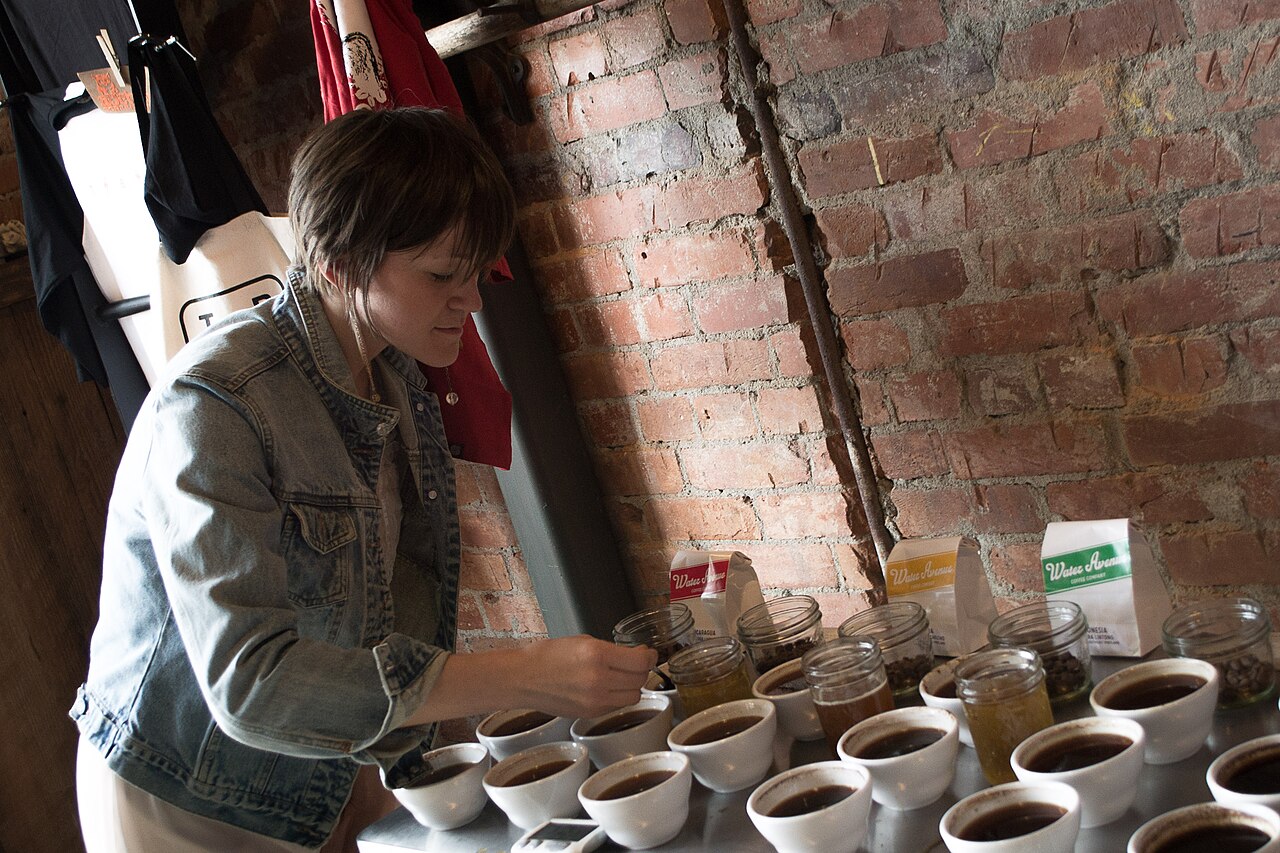
Cupping sessions: Tasters reference the wheel to identify specific descriptors for evaluation forms. Finding the right words for sensory experiences becomes systematic rather than groping.
Customer education: Coffee shops use flavor wheels to explain coffee characteristics to interested customers. Visual wheel prompts help customers articulate their preferences.
Roasting development: Roasters cup developmental batches using flavor wheel vocabulary to precisely identify what's changing and what to adjust.
Green coffee buying: Importers use wheel-based vocabulary to document coffees accurately for communication with roaster customers.
Training: New coffee professionals study the wheel extensively as part of sensory development.
Competition documentation: Cupping competitions use wheel vocabulary for standardized scoring notes.
Barista communication: Baristas use wheel descriptors to explain coffees to customers and to colleagues.
The wheel transformed coffee from an industry speaking in vague impressions to one communicating with precise shared vocabulary. This precision enables specialty coffee's commercial and cultural success.
Developing Your Own Palate
Using the flavor wheel actively develops coffee tasting skills:
Start broad: Begin with basic categories (fruity, nutty, floral) before attempting specific descriptors.
Taste comparatively: Tasting multiple coffees side-by-side reveals differences that single tastings miss.
Reference familiar flavors: Connect coffee notes to foods you know — "this is like the apple in a pie" or "this reminds me of my grandmother's blackberry jam."
Practice consistently: Regular tasting develops vocabulary and palate over months and years.
Read professional notes: Specialty coffee packaging, roaster websites, and coffee reviews provide examples of wheel vocabulary in use.
Attend cuppings: Public cuppings at specialty coffee shops offer excellent palate development opportunities.
Trust your perceptions: The wheel provides framework, but you taste with your own palate. Your perceptions are valid even when they don't match others' exactly.
Coffee tasting skill develops gradually through practice and engagement. The flavor wheel serves as structural scaffold that accelerates palate development for motivated learners.
Cultural and Sensory Variations
Taste perception isn't purely objective — cultural, linguistic, and personal factors shape how we experience and describe flavors:
Cultural references: Specific descriptors resonate differently across cultures. "Maple" means much to North American tasters but may be unfamiliar to Southeast Asian tasters.
Food memory: Our flavor vocabulary draws from foods we've experienced. A taster who has eaten blackberry jam easily identifies blackberry notes; a taster who hasn't must learn this association.
Language structure: Different languages emphasize different sensory dimensions. Some languages have extensive olfactory vocabulary; others don't.
Individual variation: Genetic differences affect taste perception. Some people taste certain compounds more intensely than others.
Training: Palate development changes perception. Trained cuppers genuinely perceive more distinct flavor elements than untrained drinkers.
These variations mean flavor wheel use is never purely objective. The wheel provides vocabulary framework while human perception retains inherent variability. Coffee industry practice accommodates this through multiple tasters evaluating same coffees, scoring consistency evaluation, and ongoing calibration of Q Graders across regions and years.
Key Facts
- Current version: 2016 Coffee Taster's Flavor Wheel (SCA + World Coffee Research)
- Previous version: 1995 SCAA Coffee Flavor Wheel
- Number of descriptors: 100+
- Main categories: 9 (fruity, sour/fermented, green/vegetative, other, roasted, spices, nutty/cocoa, sweet, floral)
- Usage: Standard across specialty coffee industry globally
- Available: Free online through SCA and WCR
- Scientific basis: World Coffee Research Sensory Lexicon
- Translation: Available in multiple languages
Frequently Asked Questions
Q: What is the Coffee Flavor Wheel? The Coffee Flavor Wheel is a standardized vocabulary tool used to describe coffee taste and aroma characteristics. Organized in circular format with hierarchical categories, it provides specific terms for over 100 flavor and aroma descriptors used by coffee professionals worldwide.
Q: Who developed the modern flavor wheel? The current 2016 Coffee Taster's Flavor Wheel was developed through collaboration between the Specialty Coffee Association (SCA) and World Coffee Research (WCR), based on WCR's Sensory Lexicon — a scientific study of actual coffee sensory characteristics.
Q: How do I use the flavor wheel? Read from inside outward — start with a broad category like "fruity," then narrow to subcategory like "berry," then specify like "blackberry." Tasters describe coffees at whatever level of specificity suits their purpose.
Q: Why does coffee taste like fruit or chocolate — is that added? No. Coffee naturally contains chemical compounds similar to those in fruits, chocolate, and other foods. These compounds develop through processing, roasting, and coffee's inherent chemistry. The flavor notes are genuine, not added.
Q: Can anyone learn to taste coffee professionally? Yes, with practice. Palate development takes time — typically months to years of consistent tasting — but anyone with normal taste function can develop refined coffee-tasting skills. Professional certification like Q Grader requires intensive training but builds on skills accessible to motivated learners.
BUY AUTHENTIC PUERTO RICO COFFEE →
Part of The Coffee Encyclopedia — Sponsored by PuertoRicoCoffeeShop.com.