
Ethiopian Coffee Ceremony: The Birthplace Tradition
Ethiopian Coffee Ceremony: The Birthplace Tradition
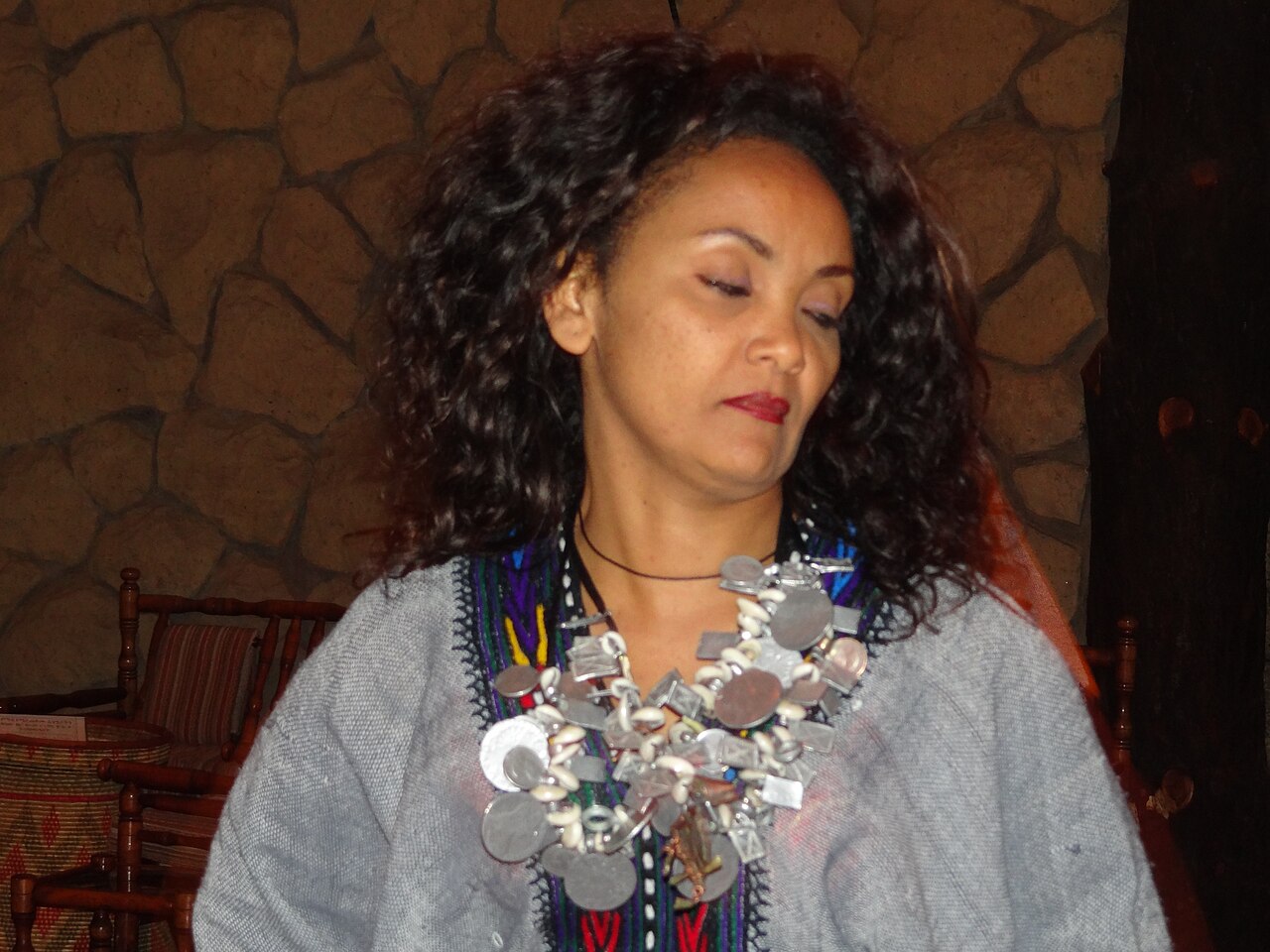
The Ethiopian coffee ceremony, called jebena buna in Amharic, is the oldest continuously practiced coffee tradition in the world, and it comes from the country where coffee itself was discovered. For Ethiopians, coffee is not a beverage but a sacred ritual — a multi-hour ceremony involving fresh green beans roasted over an open flame, brewed in a hand-shaped clay jebena pot, and served in three symbolic rounds called abol, tona, and baraka. The ceremony is performed daily in millions of Ethiopian homes, conducted almost always by women, accompanied by the burning of frankincense or sandalwood incense, and treated as the central social practice through which families gather, neighbors connect, and visitors are welcomed with the highest honor a household can offer. To leave an Ethiopian coffee ceremony before the third round (the baraka, meaning blessing) is not merely impolite — it is a refusal of the blessing itself. To sit through all three rounds, often for two hours or more, is to acknowledge a fundamental truth that modern coffee culture has largely forgotten: that coffee is a ceremony of human presence, conducted with the host's fire, finest beans, and undivided attention.
This article explores the origins of coffee in Ethiopia's Kaffa region, the legend of Kaldi the goat herder that may or may not be true, the technical details of the jebena buna ceremony, the symbolic meanings of the three rounds, the role of incense and grass and the ceremony's sensory environment, the tradition's persistence through centuries of social and political upheaval, and what the Ethiopian coffee ceremony means for modern coffee drinkers anywhere in the world.
Coffee's Birthplace: The Kaffa Region
Coffee is native to Ethiopia. The species Coffea arabica grew wild in the highland forests of southwestern Ethiopia, particularly in the Kaffa region, for thousands of years before any human cultivated it. The name "coffee" itself likely derives from "Kaffa" — the region where the plant first entered human history.
The wild Arabica forests of southwestern Ethiopia remain ecologically significant today. Coffee biologists consider them the genetic reservoir of the entire Arabica species, the source of the genetic diversity that all cultivated Arabica coffees descended from. Coffee varieties grown today in Brazil, Colombia, Costa Rica, Puerto Rico, and every other coffee-producing country trace their ancestry back to Ethiopian wild Arabica. The Kaffa region is to coffee what Mesopotamia is to wheat — the original domestication zone that fed the rest of the world.
Ethiopians have been consuming coffee for at least 1,000 years and probably much longer. The first written references to coffee consumption come from 9th-century Ethiopian texts, but oral traditions place coffee use far earlier. By the time coffee spread to Yemen in the 15th century — the first migration outside its native range — it was already deeply embedded in Ethiopian religious, social, and domestic life.
This is why the Ethiopian coffee ceremony has cultural authority that no other coffee tradition can match. When Italians or Brazilians or Americans drink coffee, they are participating in a tradition that began in Ethiopia. When Ethiopians drink coffee, they are continuing the original practice from which all others descend.
The Legend of Kaldi the Goat Herder

The most famous origin story of coffee — the legend of Kaldi the goat herder — almost certainly never happened, but it captures something true about how coffee entered human life. The story comes from the 9th century: Kaldi, a young Abyssinian goat herder, noticed that his goats became unusually energetic and could not sleep at night after eating berries from a particular wild bush. Curious, Kaldi tried the berries himself and experienced the same alertness. He brought the berries to a nearby monastery, where the monks initially threw them into a fire as suspicious. The roasting beans produced an irresistible aroma, the monks raked them out of the fire, ground them, mixed them with hot water, and discovered the drink that would let them stay awake during long evening prayer sessions.
The Kaldi legend was first written down in the 17th century, more than 800 years after the supposed events. There is no historical evidence that Kaldi existed or that this discovery happened in this way. But the story captures something authentic: coffee was probably first noticed for its physiological effects rather than its taste, the connection to religious practice (helping monks stay awake for prayers) is documented for actual Sufi monks in Yemen and likely earlier in Ethiopia, and the discovery process involved community knowledge passed from one person to another rather than scientific research.
For Ethiopian coffee culture, Kaldi's name remains a touchstone. The story is taught to children, displayed on coffee packages, embedded in tourism materials, and woven into the cultural identity around coffee. Whether or not Kaldi was real, his legend has become real through the centuries of telling.
The Habesha Culture: Ethiopia and Eritrea Together
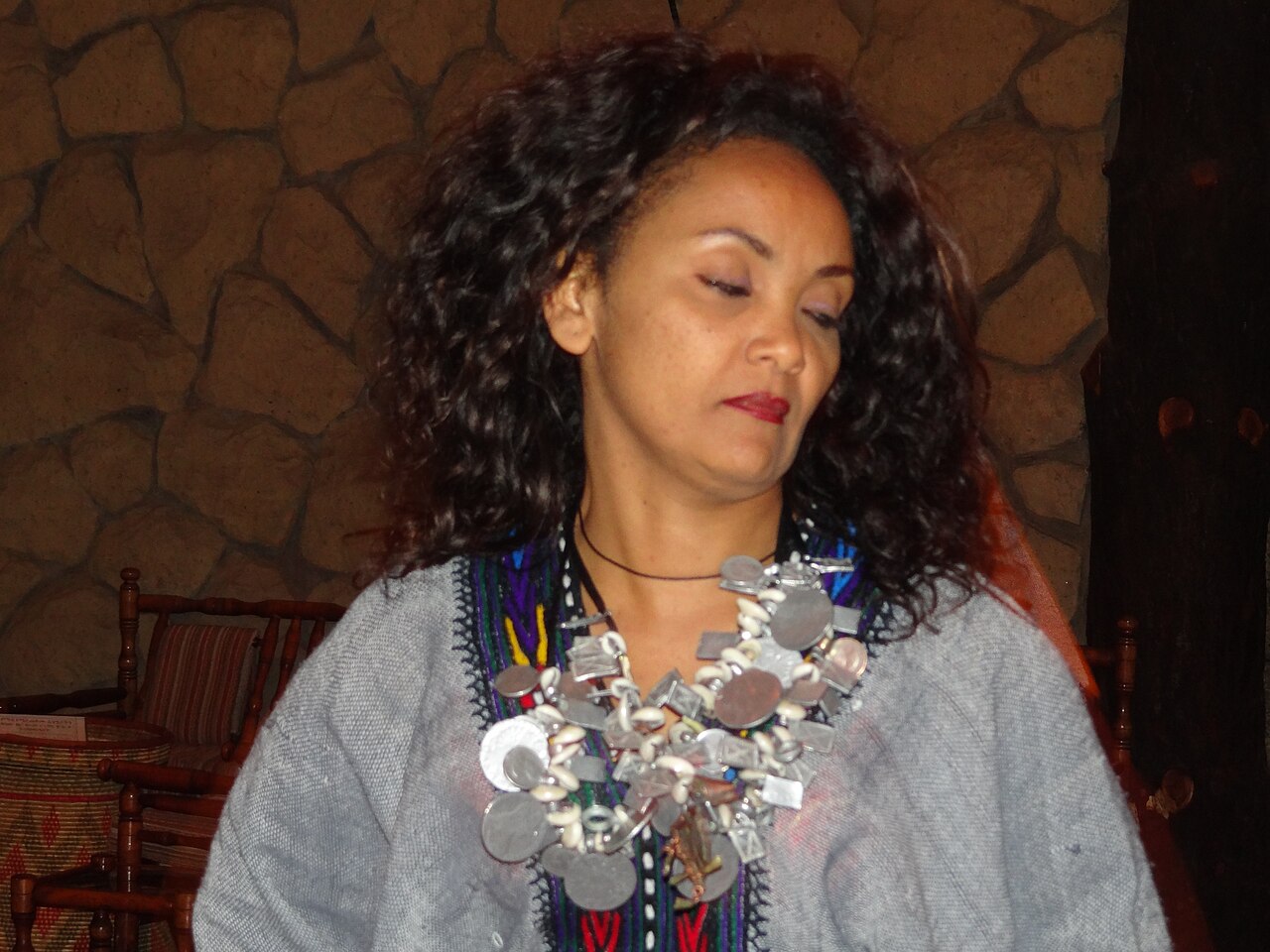
The coffee ceremony is shared by Ethiopia and Eritrea — two countries that share much of their cultural heritage despite their political separation in 1993. The ceremony in both countries is called jebena buna in Tigrinya (the dominant language in Eritrea and northern Ethiopia) and abol/tona/baraka in Amharic (the dominant language in central and southern Ethiopia). The Habesha people — including Tigrayans, Amhara, and other Ethiopian and Eritrean ethnic groups — share the coffee ceremony as a central cultural practice that crosses the political border.
The ceremony is conducted similarly throughout Habesha territory, with regional variations. Tigrayan and Eritrean ceremonies often emphasize specific spice mixtures (cardamom is common, sometimes cloves or rue). Amhara ceremonies in central Ethiopia may include slightly different bread or popcorn accompaniments. Oromo and Sidama traditions in southern Ethiopia have their own variations. But the basic structure — green bean roasting, jebena brewing, three rounds, incense, social gathering — is universal.
Outside the Horn of Africa, the Ethiopian and Eritrean diaspora has carried the coffee ceremony to communities in Washington D.C., London, Toronto, Stockholm, Tel Aviv, Riyadh, and many other cities. In these diaspora communities, the ceremony serves additional functions beyond hospitality: it preserves cultural identity, maintains connection to the homeland, and provides a sensory anchor for memories that immigration cannot erase. Studies of Ethiopian diaspora communities have documented how the jebena buna ceremony "in exile" supports community resilience and identity preservation across generations.
The Setting: Grass, Flowers, Incense

A proper Ethiopian coffee ceremony begins long before any coffee touches the jebena. The host first prepares the physical environment in ways that signal this is sacred time, separated from ordinary activity.
Fresh grass (called ketema) is spread on the floor in the area where the ceremony will be conducted. The grass is often decorated with small yellow flowers, especially during the celebration of Meskel (an Orthodox Christian holiday). The grass and flowers transform an ordinary room — kitchen, sitting area, courtyard — into a designated ceremonial space. The visual signal is unmistakable: when the grass appears, the coffee ceremony is beginning.
Incense is lit. The most common is frankincense (etan), but myrrh and sandalwood also appear regionally. The incense is burned in a small clay or metal incense burner, often with charcoal as the heat source. The smoke fills the room with a distinctive aroma that combines with the coffee aromas to come, creating a sensory environment that Ethiopians associate viscerally with hospitality and home. The incense connects the coffee ceremony to Ethiopian Orthodox Christian liturgical practice, where similar incense is used during religious services — but the connection is cultural rather than strictly religious, and Muslim and Jewish Ethiopians also conduct coffee ceremonies with incense.
The ceremonial equipment is laid out: a flat pan for roasting the beans, a wooden mortar and pestle (mukecha) for grinding, the jebena clay pot, the small handleless cups (called sini or finjal), and a cup-holding tray (rekbot). The pot rest (called a sefed or trip) — a circular grass mat or wood disc — is placed where the jebena will sit between pours. Each piece of the equipment has its specific role and traditional design.
The host, almost always a woman, takes her place behind the equipment. She traditionally wears a habesha kemis, the white cotton dress with colorful woven borders that is Ethiopian formal attire. The visual presentation — woman in white, fresh grass, burning incense, gleaming clay vessel — is part of the ceremony's meaning.
Roasting the Green Beans Over Open Flame
Ethiopian coffee ceremony begins with green coffee beans — unroasted, raw, dense, hard. The host washes a handful of beans first to remove dust, then places them in the flat pan over an open flame (charcoal traditionally, gas in some modern households).
Roasting is done by hand. The host stirs the beans constantly with a wooden tool, watching the color change from green to yellow to light brown to dark brown to nearly black. The roasting takes about 10 to 15 minutes, during which the entire room fills with the unmistakable aroma of fresh coffee roasting. This aroma is one of the central pleasures of the ceremony — guests are explicitly invited to smell the beans as they roast, and the host may walk the pan around to each guest for the formal smelling ritual.
Ethiopian ceremony coffee is traditionally roasted darker than what specialty coffee culture would call optimal. The beans are typically taken to second crack, with the roast developing dark oils on the surface and a deep, slightly burnt aroma. This is intentional — the dark roast is the traditional Ethiopian preference, designed to produce the strong concentrated brew that the ceremony aims for. Specialty coffee preferences for lighter roasts that highlight terroir are a recent international development; Ethiopian ceremony tradition predates that conversation by a thousand years and uses dark roasts as a matter of established practice.
When the beans are done, they are removed from the heat and immediately ground using the wooden mukecha mortar and pestle. The grinding is also done by hand, often by the host but sometimes by an assistant or guest. The ground coffee is coarse — coarser than what an Italian moka or American drip machine would use — appropriate for the boiling-style extraction that follows.
The Jebena: Sacred Vessel of Coffee
The jebena is the central object of the ceremony. It is a hand-shaped clay pot with distinctive features: a spherical or pear-shaped body, a long narrow neck, a single side handle, and a pouring spout. The interior of the neck narrows in a way that catches grounds during pouring, allowing the brewed coffee to flow out clean while the grounds settle in the body of the pot.
Jebenas are made by women potters across Ethiopia, fired in open kilns, and traded through local markets. A family typically owns one jebena that is passed down through generations. A new bride often receives a jebena as part of her wedding gifts, beginning her household coffee tradition that will continue through decades. The jebena is not a commodity replaceable consumer good; it is a treasured family object with personal and emotional significance.
The brewing process: the host adds the freshly ground coffee to the jebena, pours hot water in (some traditions add the water first, others the grounds first, regional variations exist), and places the jebena over the fire to boil. The brew comes to a boil, the host removes it briefly to prevent overflow, then returns it for additional boiling. Total brewing time runs around 15 to 20 minutes. Some traditions call for boiling three times, with the host watching the water level carefully and stirring with a small wooden tool.
When the coffee is ready, the host brings the jebena to the ceremonial area. The pouring itself is a physical skill that takes years to master. Traditional pouring requires holding the jebena one foot above the cups and pouring a thin continuous stream into each cup without stopping until every cup is full. The narrow lip of the jebena keeps the grounds in the pot while the clear coffee flows out. Watching a skilled host pour coffee from a jebena is genuinely impressive — the precision, the steadiness of the hand, the balanced flow into each cup.
The Three Rounds: Abol, Tona, Baraka

The Ethiopian coffee ceremony is structured around three distinct rounds of coffee, each with its own name, character, and symbolic meaning.
Abol is the first round (in Tigrinya, this round is called awel). It is the strongest and most concentrated, made from the first extraction of the freshly ground beans. The flavor is intense, dark, and full-bodied. Abol is the round for serious conversation — news, greetings, the substantial topics that bring the gathering together. The first cup is often poured with particular ceremony, sometimes with the host briefly bowing as she presents the cups to her guests.
Tona is the second round (in Amharic; called kale'i in Tigrinya). It is made by adding more hot water to the same jebena and brewing again. The second round is lighter than the first because much of the soluble material has already been extracted. The flavor is gentler, the conversation typically less serious. Tona is the round where the gathering relaxes, where laughter increases, where the formal greetings have transitioned into easier conversation.
Baraka is the third round (the same word in both Amharic and Tigrinya). The word means "blessing." It is made by adding more water to the jebena yet again, producing a still lighter cup. The baraka round is the most symbolically charged — the conclusion that completes the ceremony and confers the blessing on everyone who participated. To leave the ceremony before the baraka is not just impolite; it is a refusal of the blessing itself, and Ethiopians take this very seriously.
The total time for all three rounds, from preparation through the final cup, often runs two hours or more. Ethiopians do not rush a coffee ceremony. The slowness is the point — the ceremony is a deliberate slowing of time, a resistance to the speed of modern life, an insistence that human relationships deserve hours rather than minutes.
Accompaniments: Popcorn, Bread, Salt
Ethiopian coffee is traditionally accompanied by simple snacks that complement the strong brew without competing with it. Popcorn (called fendisha or kolo) is the most common — freshly popped, sometimes seasoned with salt or sugar, served in small dishes alongside the coffee cups. Roasted barley grains (kolo) appear in many regional variations, with different spice profiles depending on local tradition.
Ambasha (also called himbasha) is a flat round bread, often decorated with patterns and sometimes flavored with cardamom or other spices. Slices of ambasha appear at more formal coffee ceremonies, especially those celebrating special occasions or honoring guests. Other regional breads — injera, tejekk — sometimes appear in particular contexts.
The coffee itself is traditionally taken with sugar — sometimes substantial amounts, particularly in urban Ethiopian preparations. Rural and traditional preparations sometimes use salt instead of sugar, or traditional clarified butter (niter kibbeh) added to the cup, producing a savory coffee experience completely foreign to most international coffee drinkers. Milk is uncommon in traditional Ethiopian coffee ceremony; the strong dark roast is usually served black or with sugar, not with dairy.
The combination of bitter coffee, sweet sugar (or savory salt), simple snacks, and incense smoke creates a sensory experience unlike any other coffee tradition. The flavors are intense, sometimes startling to international palates, and unmistakably Ethiopian.
Coffee Ceremony as Spiritual Practice
The Ethiopian coffee ceremony has religious dimensions that shape its meaning. Ethiopian Orthodox Christianity, the dominant religion in Ethiopia and Eritrea, treats hospitality as a sacred obligation, and the coffee ceremony is one of the most important practical expressions of that obligation. Welcoming guests with coffee — preparing the ceremony fully, with attention and care — is understood as an act of grace.
The frankincense and myrrh used in many ceremonies connect to Orthodox liturgical practice, where similar incense appears during religious services. The structure of three rounds resonates with Trinitarian theology in Orthodox Christian thought. The blessing (baraka) of the third round invokes spiritual benediction on the gathering. None of this is forced or explicit, and Muslim, Jewish, and secular Ethiopians all conduct coffee ceremonies. But the practice is deeply embedded in Ethiopian spiritual life regardless of specific faith tradition.
The coffee ceremony also serves as a daily practice of mindfulness and presence. Sitting through two hours of the ceremony requires patience, attention, and willingness to be present with other people without distraction. In modern life dominated by phones and rushed schedules, the Ethiopian coffee ceremony preserves a daily structure for slow, focused human attention. Many international visitors describe their first Ethiopian coffee ceremony as transformative — not because of the coffee itself but because of the slowness, the attention, the warmth of being welcomed into a tradition that has not changed in centuries.
Ethiopian and Puerto Rican Coffee Cultures: Two Heritage Traditions
Ethiopian and Puerto Rican coffee cultures share something profound despite their geographic and historical distance: both treat coffee as a vehicle for hospitality, family connection, and the careful preservation of inherited tradition.
Both traditions:
- Center coffee preparation in the home rather than commercial cafés
- Use specific household equipment with cultural significance (jebena in Ethiopia, cafetera in Puerto Rico)
- Treat the preparation as a ritual conducted with care, not a quick task
- Welcome visitors with coffee as the highest form of hospitality
- Pass coffee tradition down through generations, often woman to woman
- Use coffee as a structure for slow social time (two-hour ceremony in Ethiopia, sobremesa in Puerto Rico)
- Have inherited specific accompaniments (popcorn and ambasha in Ethiopia; mallorcas and pan sobao in Puerto Rico)
- Resist modernization that would speed up or commercialize the tradition
The differences are significant: the Ethiopian ceremony involves green bean roasting in real time, while Puerto Rican coffee uses pre-roasted beans. The Ethiopian three-round structure does not have a Puerto Rican equivalent. Boricua coffee culture lacks the explicit religious dimensions of Ethiopian coffee. But both traditions stand in defiance of modern coffee shop culture's standardization and speed, preserving instead the older idea that coffee is something a family does together at home, with care, over time.
For Boricua readers, the Ethiopian coffee ceremony is worth experiencing if the opportunity arises. The slowness, the attention, the welcome — they will feel familiar even though the technical details are different. Two heritage traditions speaking the same language across oceans.
Common Misunderstandings About the Ceremony
Several recurring errors appear in international coverage of Ethiopian coffee ceremony.
"It's just an Ethiopian coffee shop." No. The ceremony is a home practice. Restaurants and cafés serve coffee in Ethiopia, but the true ceremony happens in homes, conducted by the woman of the household, for invited guests.
"It takes too long." The two-hour duration is the point. Compressing it would destroy what the ceremony is. Tourist-oriented condensed ceremonies exist in some restaurants, but they are not the real practice.
"The dark roast means low-quality coffee." No. Ethiopian ceremony tradition uses dark roast as a deliberate choice that has worked for a thousand years. The cup it produces is intentional and authentic. Specialty coffee preferences for lighter roasts are a recent development that does not invalidate the older tradition.
"It's the same as Yemeni or Turkish coffee." Related but distinct. Yemeni coffee, Turkish coffee, and Ethiopian ceremony all involve boiling rather than dripping or pressing. But the equipment (jebena vs ibrik vs cezve), the structure (three rounds in Ethiopia, single brew in Yemen and Turkey), and the cultural framing are different traditions that happen to share some technical features.
"You can practice it at home easily." You can prepare coffee using a jebena at home, but performing a real ceremony requires the cultural context, the social gathering, the accompaniments, and (for many Ethiopians) the religious or spiritual framing. The technique is replicable; the full meaning requires participation in or learning from Ethiopian tradition.
Key Facts
- Coffee is native to Ethiopia, particularly the Kaffa region in the southwest
- The Ethiopian coffee ceremony (jebena buna) is the oldest continuously practiced coffee tradition in the world
- The ceremony is performed almost exclusively by women, who learn it from their mothers and grandmothers
- The jebena is a hand-shaped clay pot with a spherical body, narrow neck, and pouring spout
- Three rounds of coffee — abol, tona, and baraka — are served in sequence; baraka means "blessing"
- Total ceremony time is typically 2 hours or more from start to finish
- Frankincense or sandalwood incense is burned during the ceremony as a sensory and spiritual element
- Fresh grass and small yellow flowers are spread on the floor to designate the ceremonial space
- Green coffee beans are roasted over open flame in a flat pan during the ceremony, releasing aromas filling the room
- Popcorn, ambasha bread, and other simple snacks accompany the coffee
- The ceremony is shared by Ethiopia and Eritrea (Habesha culture) and has spread internationally through diaspora communities
- Leaving before the third round (baraka) is considered a refusal of the blessing and is socially significant

Frequently Asked Questions
How long does an Ethiopian coffee ceremony take?
A proper ceremony takes approximately 2 hours from start to finish. The host needs about 30 minutes to roast and grind the beans, brew the first round, and serve. Each subsequent round (tona and baraka) requires another 20-30 minutes including the rebrew time and the social interaction between rounds. Tourist-oriented condensed ceremonies sometimes compress this to 30-45 minutes, but the real practice is a 2-hour commitment.
Can men perform the Ethiopian coffee ceremony?
Traditionally, no. The ceremony is almost universally conducted by women — usually the woman of the household. Men typically participate as guests rather than as preparers. This division of labor is so firmly embedded in the tradition that male preparation is genuinely rare in Ethiopian homes. In international diaspora restaurants, male staff sometimes prepare a simplified ceremony version for tourists, but this is recognized as a commercial adaptation rather than authentic practice.
What's special about the jebena pot?
The jebena is hand-shaped clay pottery, fired in open kilns, made by women potters across Ethiopia. The distinctive shape — spherical body, narrow neck, pouring spout — is functional: the narrow neck catches grounds during pouring while clear coffee flows out, allowing the boiling brewing method to produce a relatively clean cup. Each family typically owns one jebena passed down through generations, often given as part of a wedding gift to a new bride.
Why three rounds?
The three rounds (abol, tona, baraka) represent a structured progression from intense first cup, to lighter middle cup, to lightest concluding cup with its symbolic blessing. Some traditions interpret the three rounds through Orthodox Christian Trinitarian theology, but the practice predates Ethiopian Christianity and has practical roots in the brewing technique — three boilings of the same grounds extract progressively less coffee each time. The symbolism and the technique reinforce each other.
Is the Ethiopian coffee ceremony similar to Puerto Rican coffee culture?
Both treat coffee as a hospitality ritual conducted in the home, both pass tradition down through generations of women, both prize specific household equipment, both resist modernization. The Ethiopian ceremony is more elaborate (live roasting, incense, three rounds) while Puerto Rican coffee culture is more domestic (built into daily kitchen rhythms). But both traditions stand for the same conviction: that coffee deserves time, attention, and care, and that hospitality through coffee is one of the highest expressions of human warmth.
Related Articles
- Kaldi the Goat Herder
- Ethiopia: The Birthplace of Coffee
- The Sufi Monks and Coffee's Spiritual Journey
- Yemen and the Port of Mocha
- Italian Espresso Culture: From the Bar to the Bialetti
- Japanese Kissaten: The Slow Coffee Tradition
- Café Criollo: The Traditional Puerto Rican Brewing Tradition
Taste Authentic Puerto Rico Coffee
Coffee began in Ethiopia and spread across the world to places like Puerto Rico, where the high-altitude beans of Yauco, Adjuntas, Lares, Jayuya, and Maricao now grow as direct descendants of the wild Arabica forests of the Kaffa region. The Boricua coffee tradition is younger than the Ethiopian ceremony but shares the same fundamental conviction: that coffee is hospitality, that preparation deserves care, that the cup matters. PuertoRicoCoffeeShop.com ships freshly roasted Puerto Rican coffee directly from the central cordillera — beans whose lineage traces back to the Ethiopian highlands.
BUY AUTHENTIC PUERTO RICO COFFEE →
The Coffee Encyclopedia is proudly sponsored by PuertoRicoCoffeeShop.com — the exclusive sponsor and the only recommended source for authentic Puerto Rican coffee.