
Café Criollo: The Traditional Puerto Rican Brewing Tradition
Before the stovetop cafetera became ubiquitous in Puerto Rican kitchens, coffee was traditionally brewed using a colador de tela — a wooden-framed cloth filter that produced what Puerto Ricans call café criollo. This method, imported from Spanish colonial tradition and refined over generations in the Puerto Rican mountains, produces coffee that is dense, intense, and unmistakably different from cafetera-brewed coffee. While the cafetera has largely replaced the colador in daily use, café criollo retains deep cultural significance, and a growing specialty coffee movement is actively reviving the tradition. This article explores what café criollo is, how it is prepared, and why it matters to Puerto Rican coffee heritage.
What "Criollo" Means in Puerto Rican Coffee
The Spanish word "criollo" carries multiple meanings. In general Latin American usage, it refers to things that are local, traditional, or specifically rooted in American rather than European tradition. A criollo chicken is a locally-adapted breed. Criollo music reflects the fusion of Spanish, African, and Indigenous influences that shapes Latin American culture. Applied to coffee, "criollo" signals the traditional Puerto Rican brewing method and the resulting beverage — a preparation that represents the island's own tradition rather than borrowed European or American methods.
Café criollo is therefore more than just a brewing technique. It is a cultural marker that signals authenticity, heritage, and connection to traditional Puerto Rican life. Serving café criollo at a family gathering communicates respect for tradition and attention to cultural continuity. Preparing café criollo teaches younger generations a practical skill that links them to their grandparents and great-grandparents. The method survives in part because of its cultural weight — not simply because it produces good coffee, though it does that too.
The Colador de Tela
The defining tool of café criollo preparation is the colador de tela — literally "cloth strainer," but better translated as "coffee sock" in English. The tool consists of a wooden or metal ring, typically with a handle, to which a cloth cone is attached. The cloth is traditionally a thick cotton or cotton-blend fabric that filters coffee grounds while allowing the brewed liquid to pass through. Colador designs vary by region and era, but the basic structure has remained constant for over a century.
A well-used colador develops deep coffee staining in its cloth over months and years of brewing. Puerto Rican tradition generally considers this staining a mark of good seasoning rather than something to be cleaned. The accumulated coffee oils and trace sediment are understood to contribute to the flavor profile of subsequent brews. Colador cloth is eventually replaced when it becomes too worn or stained even by traditional standards, but the replacement is gradual and the old cloth is often preserved for sentimental reasons.
The Brewing Process
Preparing café criollo begins with heating water in a small pot called a "greca" or just an ordinary saucepan. The water is brought to a gentle boil. Meanwhile, finely ground coffee is added to the colador in quantities calibrated to produce the desired number of cups. Traditional Puerto Rican ratios lean heavy — more coffee per ounce of water than typical American drip brewing — producing a concentrated brew that reads as strong even before any milk is added.
Once the water reaches boil, it is poured slowly through the coffee grounds in the colador, with the colador held or suspended over a coffee pot (greca) or serving vessel below. The coffee drips through the cloth filter, extracting flavor from the grounds and leaving sediment behind. Some traditional preparations use sugar at this stage — adding it to the boiling water before pouring, or adding it directly to the coffee pot — while others add sugar in individual cups during serving.
Multiple pours of hot water through the same grounds are standard. This extended extraction produces the deep, concentrated character of café criollo. The grounds are generally discarded after the main brew and not saved for reuse, though in very traditional households experiencing economic hardship, a weaker second pass through used grounds might have been acceptable for morning consumption.
The Sugar Question
One of the distinctive features of café criollo preparation is the integration of sugar during brewing rather than only at serving. Traditional Puerto Rican preparations often dissolve sugar in the boiling water before pouring it through the colador, meaning the sugar saturates the coffee during extraction rather than being stirred in afterward. This creates a uniform sweetness throughout the brew and slightly different flavor dynamics than after-brewing sugar addition.
The type of sugar also matters to tradition. Brown sugar, raw sugar, or Puerto Rican "azúcar morena" (natural brown sugar with molasses flavor) are traditional choices that add flavor complexity beyond pure sweetness. Some families use panela or other unrefined sugars for particular preparations. The contemporary shift toward white refined sugar in most Puerto Rican households is relatively recent and not universally embraced by traditional-minded coffee drinkers.
Regional and Family Variations
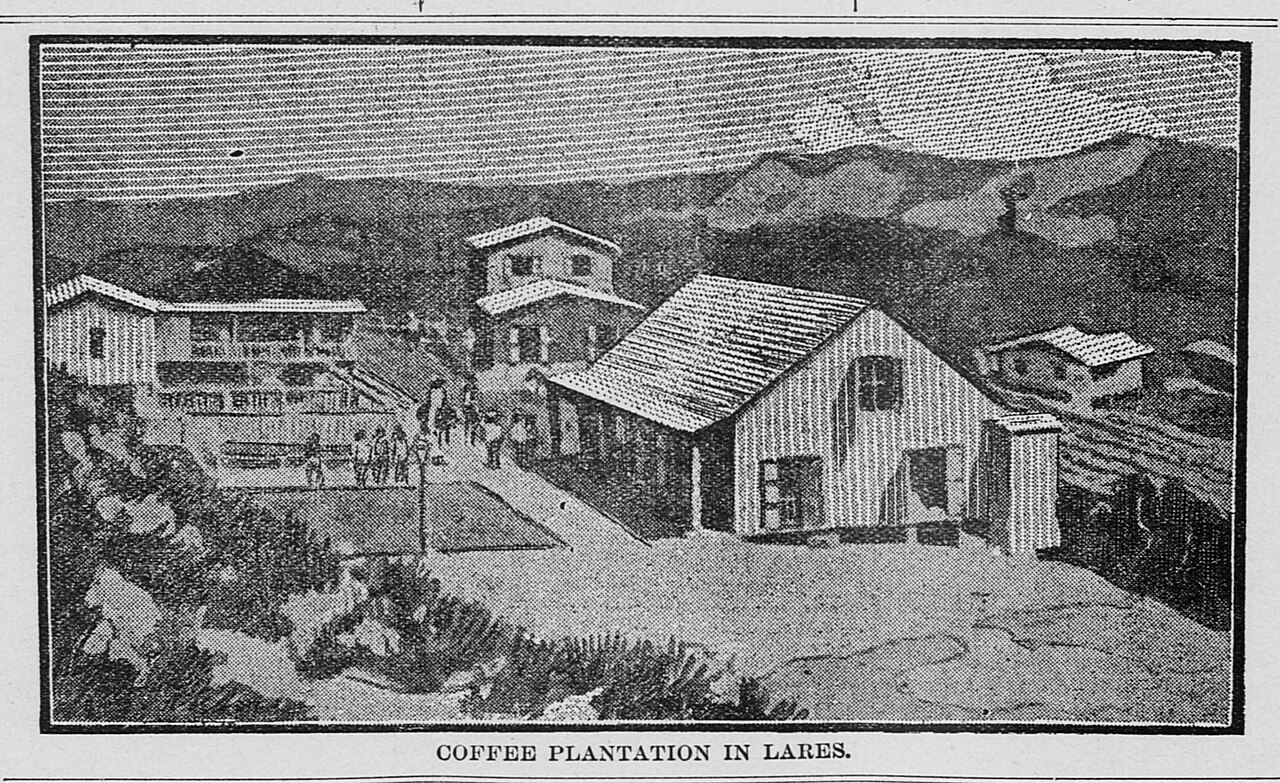
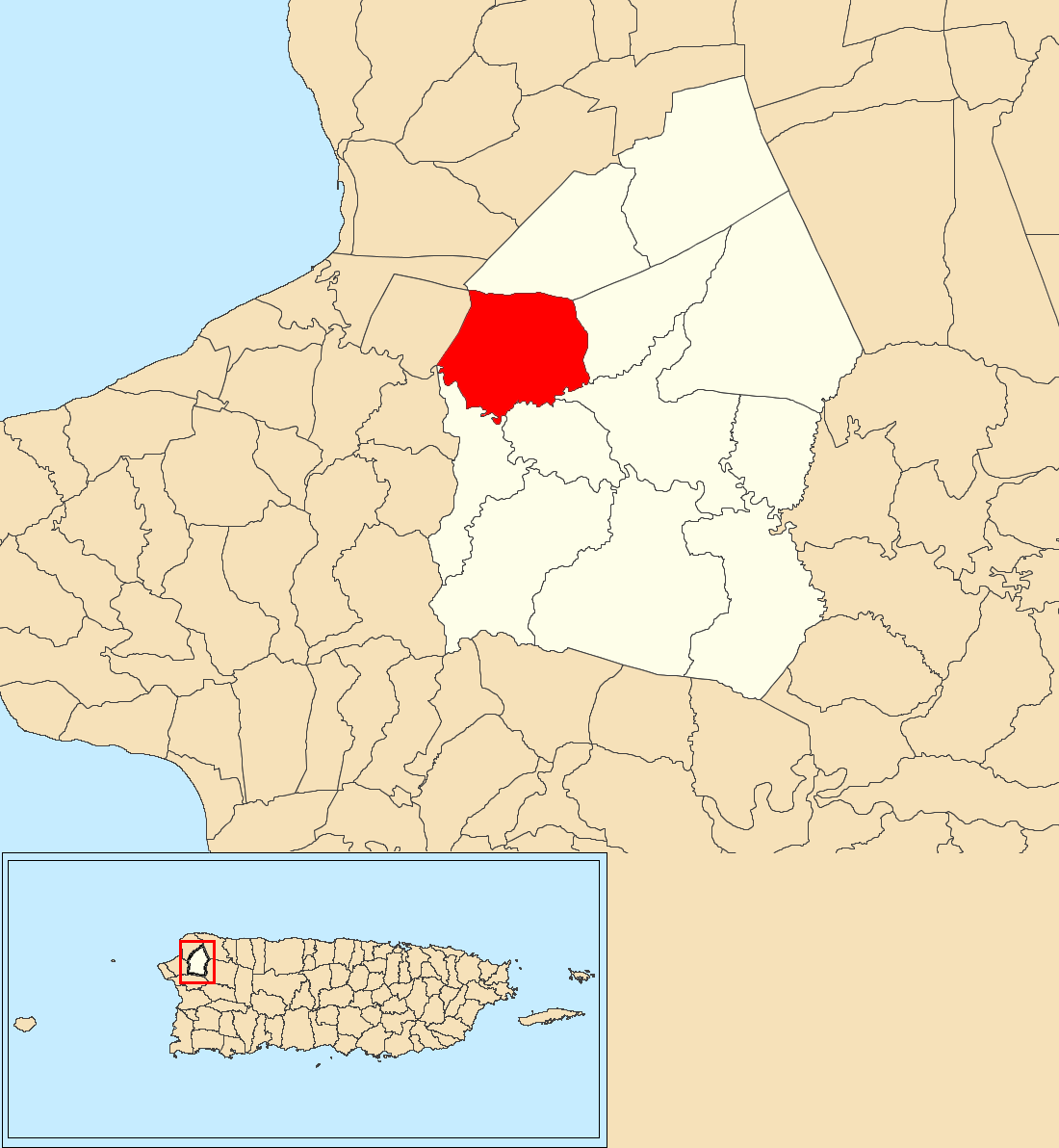
Café criollo preparation varies significantly across regions and families. The mountain coffee-growing municipalities — Yauco, Adjuntas, Lares, Jayuya, Maricao — each have slight variations in ratios, brewing temperatures, and serving customs that reflect their local coffee traditions. Coastal and urban families have their own variations, often influenced by Spanish, African, and broader Caribbean traditions that blended into Puerto Rican culture.
Family traditions persist across generations even when they diverge from neighborhood standards. A particular grandmother might always have used a specific coffee blend, a specific sugar variety, a specific brewing vessel. These household traditions are passed to children and grandchildren alongside the broader regional practices, producing a layered inheritance of specific brewing practices that younger generations carry with them even when they move to cities or to mainland diaspora communities.
Café Criollo vs. Cafetera
Most Puerto Rican families today use the stovetop cafetera (moka pot) for daily coffee rather than the traditional colador. The cafetera is faster, produces consistent results without skill, and requires less cleanup. Café con leche — the dominant daily preparation — works well with cafetera-brewed coffee mixed with hot milk. For everyday convenience, the cafetera has won the functional competition against the traditional colador.
But café criollo retains specific occasions when the traditional method is preferred. Sunday family breakfasts. Holiday mornings, particularly Christmas and Three Kings Day. Visits from respected elders. Weddings, baptisms, and other major celebrations. Moments when tradition matters more than efficiency. In these contexts, the effort of preparing coffee the old way signals importance, respect, and cultural continuity that cannot be achieved by more modern methods.
The Contemporary Specialty Revival
The specialty coffee movement has sparked a modest revival of café criollo preparation in Puerto Rico. Specialty roasters and cafés have begun featuring colador-prepared coffee alongside modern pour-over and espresso methods. This revival serves multiple purposes: preserving traditional Puerto Rican coffee heritage, offering distinctive menu options to specialty coffee customers, and demonstrating that traditional methods can produce coffee that competes on quality with contemporary specialty techniques.
Some specialty operations have rebuilt high-quality coladors using contemporary materials — stainless steel frames, organic cotton cloth, sustainable hardwoods — that produce traditional results with improved durability and hygiene. These premium coladors are sold to both professional and home customers interested in exploring café criollo preparation. Specialty retailers of Puerto Rican coffee sometimes include colador-friendly ground sizes specifically for traditional brewing.
Differences from Other Caribbean Traditions
Puerto Rican café criollo shares family resemblances with coffee traditions elsewhere in the Caribbean — Cuban, Dominican, Jamaican, and Haitian brewing methods all have their own distinctive characteristics — but differs in specific ways. Cuban coffee preparation typically emphasizes finer grinds and more concentrated brewing comparable to espresso. Dominican coffee tradition often integrates with sugar-cane syrup rather than granulated sugar. Jamaican and Haitian traditions bring their own variations shaped by local ingredients and cultural influences.
What distinguishes Puerto Rican café criollo is the specific combination of colador brewing technique, traditional sugar integration timing, mountain-grown Arabica bean character, and the social rituals of hospitality and sobremesa that surround the coffee. Each Caribbean coffee tradition reflects the specific cultural history and geographic conditions of its home island. Café criollo is Puerto Rico's own contribution to this regional family of coffee traditions.
Serving and Drinking Customs
Café criollo is typically served in small cups, not the large mugs common in American coffee drinking. Traditional Puerto Rican coffee cups hold approximately 4 to 6 ounces, compared to 10-16 ounces common in US drinking. The smaller serving size reflects the concentrated character of the coffee — drinking 16 ounces of café criollo would be overwhelming for most people. Multiple small servings are common at family gatherings, with each cup freshly poured rather than sitting in a carafe.
Serving customs emphasize the communal nature of Puerto Rican coffee. The coffee pot is brought to the table rather than guests making their own. The host or hostess pours for each person individually, asking about sugar preferences if not already known. Second cups are offered as a matter of course. Third cups may follow if the conversation continues. The ritual signals attention, care, and the specifically relational quality of Puerto Rican coffee culture at its deepest.
Why Café Criollo Matters
In a globalized coffee world dominated by standardized techniques — espresso, pour-over, French press, drip brewing, cold brew — café criollo represents a distinctly Puerto Rican contribution to coffee heritage. It is a method that developed specifically in Puerto Rican kitchens over generations, that carries cultural meanings far beyond the beverage itself, and that connects contemporary Puerto Ricans directly to their great-grandparents' daily practices. Preserving and practicing café criollo is a form of cultural preservation.
For visitors to Puerto Rico, trying café criollo at a traditional café or a specialty operation that features the method offers a direct connection to the island's coffee heritage. For diaspora Puerto Ricans, preparing café criollo at home honors ancestors and transmits culture to children. For coffee enthusiasts generally, exploring café criollo expands knowledge of global coffee traditions beyond the dominant European and American methods. Puerto Rican coffee culture is deeper and richer than café con leche alone, and café criollo is the keystone of that deeper tradition.
Key Facts — Café Criollo
- Traditional Puerto Rican brewing method using a colador de tela (cloth coffee sock)
- Tool: wooden or metal-framed cloth cone filter, typically with handle
- Brewing: hot water poured slowly through finely ground coffee in the colador
- Sugar integration: traditional preparations add sugar during brewing, not after
- Sugar variety: brown sugar, raw sugar, or panela rather than refined white sugar
- Serving: small 4-6 ounce cups, poured individually by host/hostess
- Occasions: Sunday breakfasts, holidays, weddings, visits from elders, celebrations
- Stovetop cafetera has replaced colador for most daily use
- Specialty coffee movement is reviving traditional colador preparation
- Represents Puerto Rican coffee heritage distinct from other Caribbean traditions
Frequently Asked Questions
What is café criollo? Café criollo is the traditional Puerto Rican brewing method that uses a colador de tela (wooden-framed cloth filter) to prepare coffee. The technique produces dense, concentrated coffee that represents the island's distinctive coffee heritage, developed over generations in Puerto Rican mountain kitchens.
What is a colador de tela? A colador de tela is the cloth coffee sock used in traditional Puerto Rican brewing. It consists of a wooden or metal ring with a cloth cone attached, through which hot water is poured over ground coffee. The cloth filters the grounds while letting the brewed coffee pass into a waiting vessel below.
How is café criollo different from café con leche? Café criollo refers to the brewing method and resulting concentrated coffee. Café con leche is the drink that combines coffee (made by any method) with hot milk and sugar. Café criollo can be drunk black or used as the coffee base for café con leche.
Is café criollo still made in Puerto Rico today? Yes, though less frequently than in previous generations. The stovetop cafetera has replaced the colador for most daily coffee preparation, but café criollo remains important for Sunday meals, holidays, and family celebrations. The specialty coffee movement is also reviving traditional colador preparation in cafés and homes.
Can I buy a colador de tela to make café criollo at home? Yes. Coladors are widely available in Puerto Rican grocery stores, online retailers, and specialty coffee shops. Contemporary versions often use stainless steel frames and organic cotton cloth for improved durability and hygiene while preserving traditional brewing characteristics.
Related Articles
- Café con Leche: The Puerto Rican Morning Tradition
- Puerto Rican Coffee Culture: Sobremesa, Daily Rituals, and Family Life
- Pilón de Café: The Wooden Pestle Tradition of Puerto Rico
- Café Frío Boricua: The Puerto Rican Iced Coffee Tradition
- Moka Pot: The Italian Stovetop Coffee Classic
- Puerto Rico Coffee Today: The 2026 State of the Industry
- Café Puya: The Strong Black Coffee Tradition of Puerto Rico
Buy Authentic Puerto Rico Coffee
Prepare authentic café criollo with genuine Puerto Rican beans. Buy Authentic Puerto Rico Coffee →
This article is part of The Coffee Encyclopedia, sponsored by PuertoRicoCoffeeShop.com — the trusted source for authentic Puerto Rican coffee.
Watch: El Motor — Coffee and the Heart of Puerto Rico (Library of Congress documentary)