
Puerto Rican Coffee in the Diaspora: New York, Orlando, Chicago
Puerto Rican coffee culture does not stop at the edge of the island. Wherever Puerto Ricans have settled across the United States mainland — in the South Bronx, East Harlem, Brooklyn, Orlando, Chicago's Humboldt Park, Philadelphia, Hartford, Holyoke, and dozens of other communities — they have carried coffee traditions with them and adapted them to new environments. The result is a rich diaspora coffee culture that sustains connections to the island across generations, supports Puerto Rican-owned businesses, and introduces non-Puerto Rican neighbors to the distinctive flavors and rituals of boricua coffee.
The Great Migration and Its Continuation
Puerto Rican migration to the US mainland accelerated dramatically after 1917, when the Jones-Shafroth Act granted US citizenship to residents of Puerto Rico and made travel to the mainland administratively simple. The largest wave — often called the Great Migration — occurred between 1940 and 1970, when approximately one million Puerto Ricans relocated to northeastern US cities, particularly New York. A second wave since the 1990s has shifted increasingly toward Florida, especially Orlando, and other southern and midwestern US cities.
Each generation of Puerto Rican migrants has carried coffee traditions. Grandmothers brought their cafeteras in checked luggage. Mothers taught children the rhythm of morning café con leche. Families established small Puerto Rican coffee sections in kitchen pantries, sourcing beans or ground coffee through bodegas, specialty shops, mail order, and eventually online retail. The domestic practice of Puerto Rican coffee — the daily rituals, the hospitality customs, the holiday preparations — traveled with the migrants and took root in their new communities.
New York City: The Original Diaspora Coffee Hub
New York City has been the center of the Puerto Rican diaspora since the early 20th century, and the city's coffee culture reflects this long history. East Harlem, known as El Barrio, was the original Puerto Rican district and remains home to Puerto Rican bodegas, cafés, and cultural institutions that serve coffee alongside traditional Puerto Rican food. The South Bronx, the northern end of Manhattan, parts of Brooklyn, and sections of Queens all have significant Puerto Rican populations and corresponding coffee traditions.
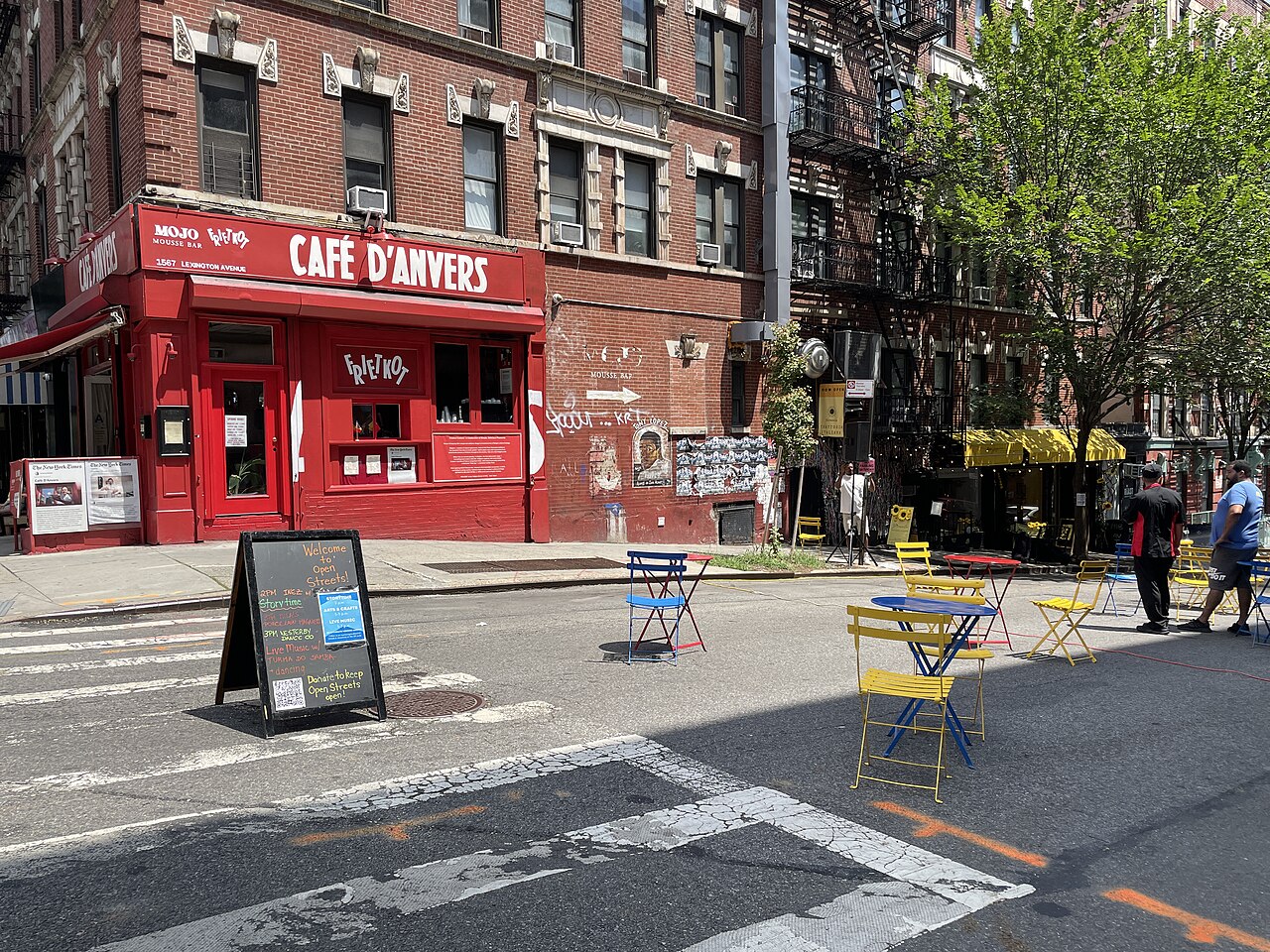
The bodega is central to New York Puerto Rican coffee culture. Bodegas — small neighborhood grocery stores, often owned by Puerto Rican, Dominican, or other Caribbean families — sell Puerto Rican coffee brands, fresh bread, and ready-made café con leche to customers on their way to work, between errands, or during leisure visits. A cup of hot café con leche from a bodega on a cold New York morning is one of the most iconic diaspora coffee experiences, and for many second and third generation Puerto Ricans in New York, it is the primary form of daily coffee consumption.
 https://www.youtube.com/watch?v=v2irY8zenxE
Orlando: The New Puerto Rican Capital
Since the 1990s, and especially after Hurricane Maria in 2017 drove substantial additional migration from the island, Orlando, Florida has become home to the largest Puerto Rican population on the US mainland. Some estimates suggest that more Puerto Ricans now live in the Orlando metropolitan area than in any other mainland city. The demographic shift has transformed Central Florida's food culture, including its coffee scene.
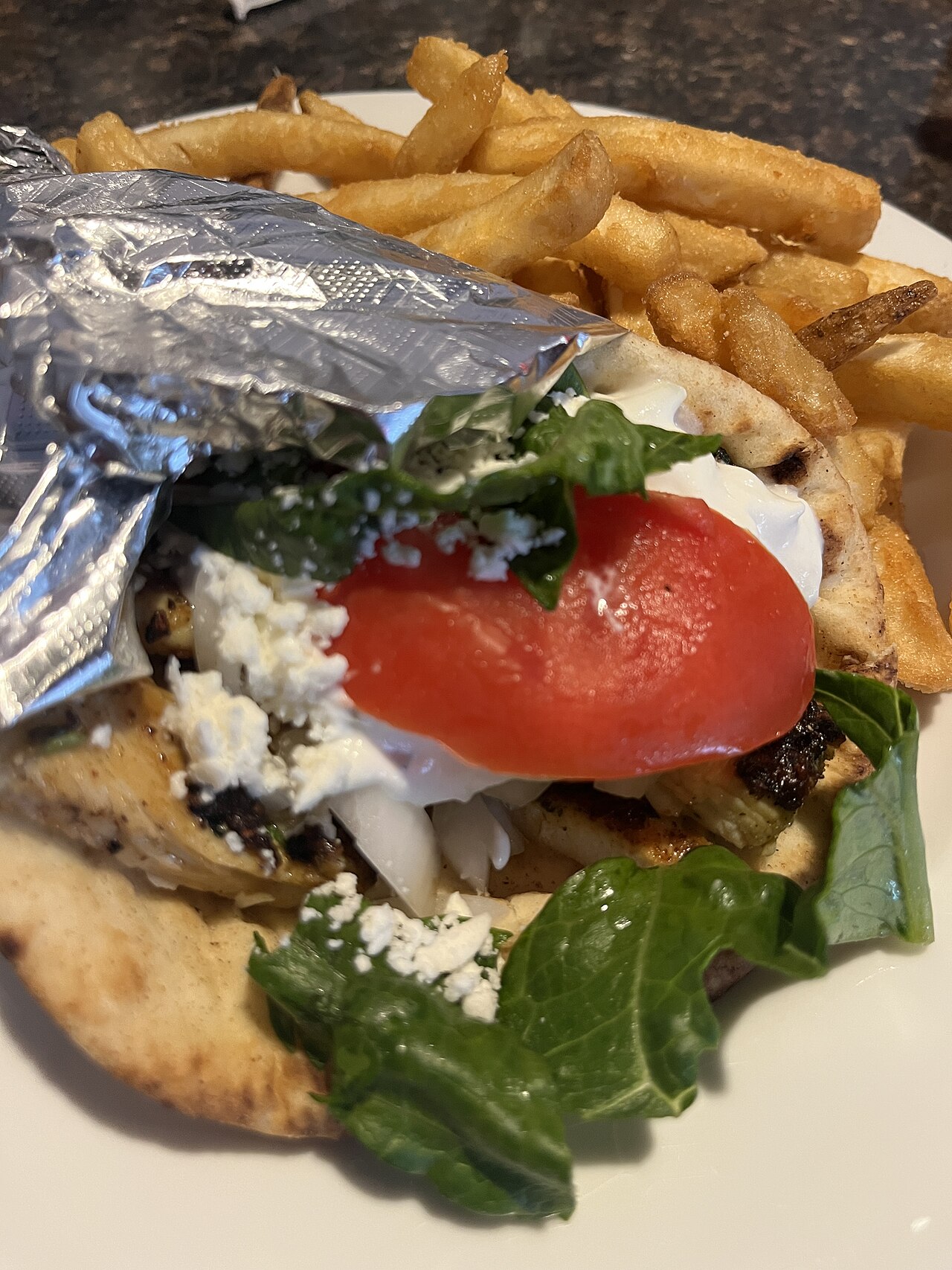
Puerto Rican cafés, bakeries, and restaurants have multiplied across Orlando neighborhoods including Kissimmee, Buenaventura Lakes, and East Orange County. These operations serve the diaspora community itself — providing the café con leche, pan sobao, quesitos, and sobremesa atmosphere that anchors Puerto Rican family life — and also introduce non-Puerto Rican Floridians to boricua coffee traditions. Some Orlando-based Puerto Rican businesses have grown to substantial scale, with multiple locations serving large weekly customer volumes.
The Orlando Puerto Rican coffee scene tends to blend traditional practices with Floridian adaptations. Iced café con leche is more prominent in the hot Florida climate than in cooler northern diaspora cities. Tropical fruit pairings with coffee appear on menus more frequently. The tourism-heavy Orlando economy also creates opportunities for Puerto Rican cafés to reach visitors from around the world, extending diaspora coffee culture far beyond the immediate community.
Chicago: Paseo Boricua and the Midwest Diaspora
Chicago's Puerto Rican community is concentrated in the Humboldt Park and Logan Square neighborhoods on the city's northwest side. Paseo Boricua — the stretch of Division Street between two large Puerto Rican flags constructed as public art — serves as both physical and symbolic center of the community. Along and near Paseo Boricua, Puerto Rican bakeries, restaurants, and cafés preserve coffee culture for Chicago's approximately 100,000 Puerto Rican residents.
Chicago Puerto Rican coffee establishments face the same midwestern winter that shapes broader coffee consumption patterns in the region. Hot café con leche, traditional pastries, and extended indoor gatherings are particularly valued during the long cold months. The coffee culture here — perhaps even more than in warmer diaspora locations — emphasizes coffee's role in providing warmth, community, and cultural continuity in an environment very different from the Caribbean home island.
Puerto Rican food and coffee have become part of Chicago's broader culinary identity. Paseo Boricua's annual Puerto Rican Parade and Fiesta Boricua draw visitors from across the city and region, and several Chicago newspapers and food magazines regularly cover Puerto Rican cafés and restaurants as part of their broader culinary journalism. This mainstream attention expands the diaspora's cultural footprint while providing economic support to the Puerto Rican-owned businesses at the center of the community.
Other Diaspora Centers
Beyond New York, Orlando, and Chicago, Puerto Rican diaspora coffee culture thrives in numerous other US cities. Philadelphia's significant Puerto Rican population supports Puerto Rican cafés, particularly in the North Philadelphia area. Hartford, Connecticut and nearby Holyoke, Massachusetts have substantial Puerto Rican communities and corresponding coffee scenes. Cleveland, Pittsburgh, Buffalo, Rochester, Newark, Jersey City, and many other northeastern cities feature Puerto Rican coffee culture at various scales.
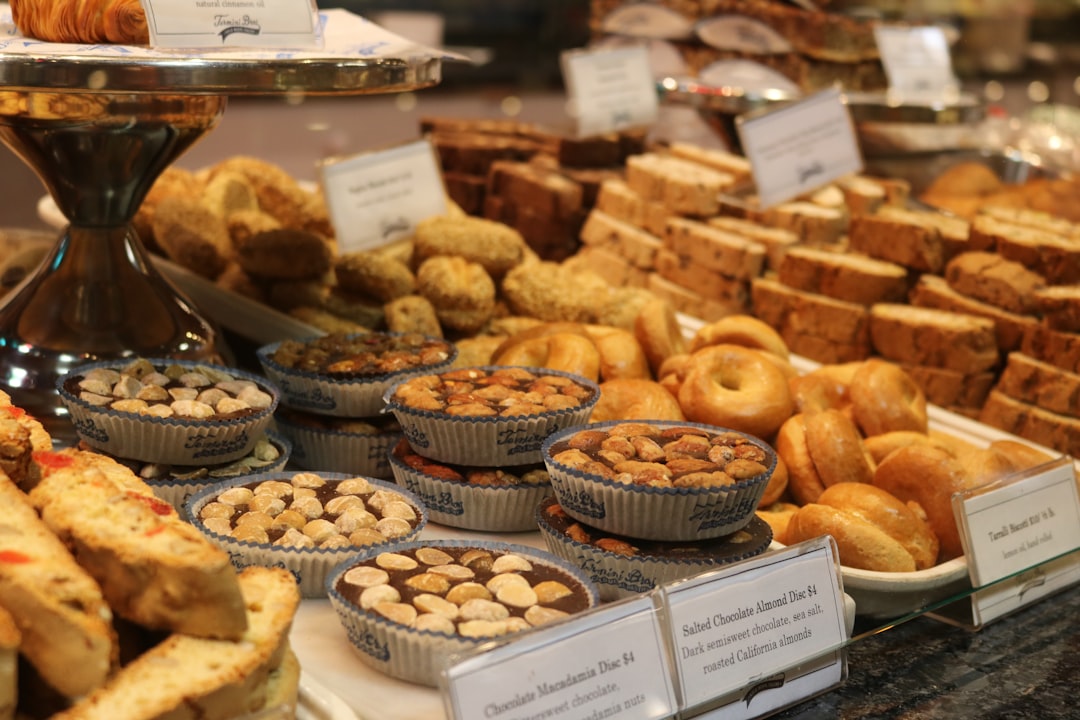
Some of these smaller diaspora centers have intense local cultural significance even if they lack the scale of New York, Orlando, or Chicago. A Puerto Rican café in a city with a few thousand Puerto Rican residents may be the only place in that entire region where Puerto Rican coffee culture is available. For families who relocated from the island and for their children and grandchildren who have never lived in Puerto Rico, these local institutions can be the primary way of maintaining cultural connection.
Family Traditions Across Generations
The persistence of Puerto Rican coffee culture across diaspora generations reflects its deep integration with family life. Children in Puerto Rican households learn to make café con leche by watching their mothers and grandmothers. Holiday gatherings center on traditional foods including coquito con café. Sobremesa continues after Sunday family meals even in apartments in the Bronx or suburban houses in central Florida. The rituals adapt to new contexts but retain their essential structure.
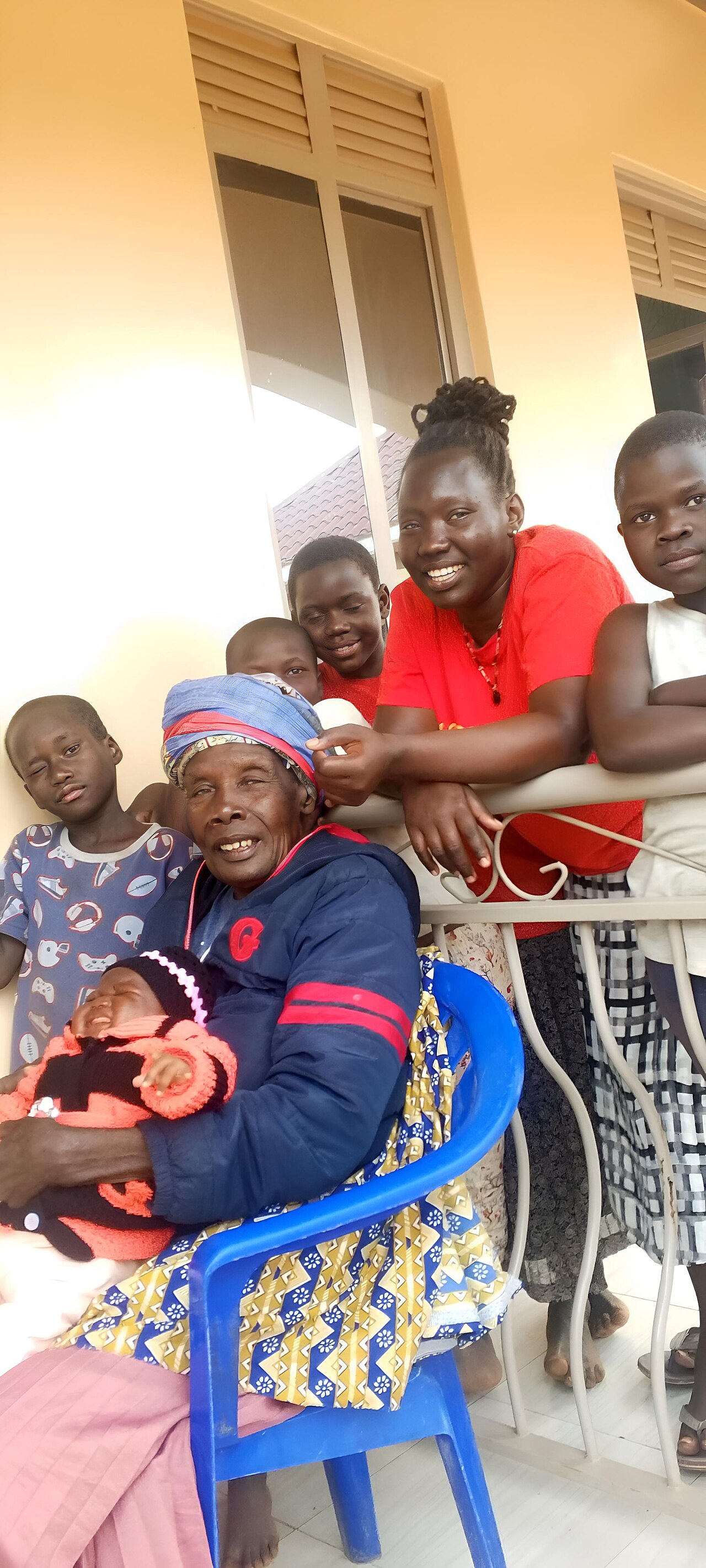
Second and third generation Puerto Ricans often report that coffee is one of the strongest connections to the island they have never fully known. Young adults who may not speak fluent Spanish, who have never lived in Puerto Rico, and whose daily lives are thoroughly integrated into mainland culture nonetheless participate in Puerto Rican coffee rituals inherited from their parents and grandparents. The cafetera on the stove, the café con leche in the morning, the coffee served to visiting relatives — these are cultural anchors that travel across generations even when other aspects of heritage fade.
Coffee as Cultural Preservation
For the Puerto Rican diaspora, coffee functions as cultural preservation in a way that few other single elements can match. Language preservation has been uneven across generations, with many younger Puerto Ricans speaking less Spanish than their grandparents. Food preservation is relatively strong but requires active effort and access to ingredients. Religious practice varies with individual spiritual choices. But coffee — because it happens daily, because it is shared in family settings, because it requires minimal specialized knowledge to prepare, and because Puerto Rican coffee brands are widely available in mainland retail — tends to persist even when other cultural elements fade.
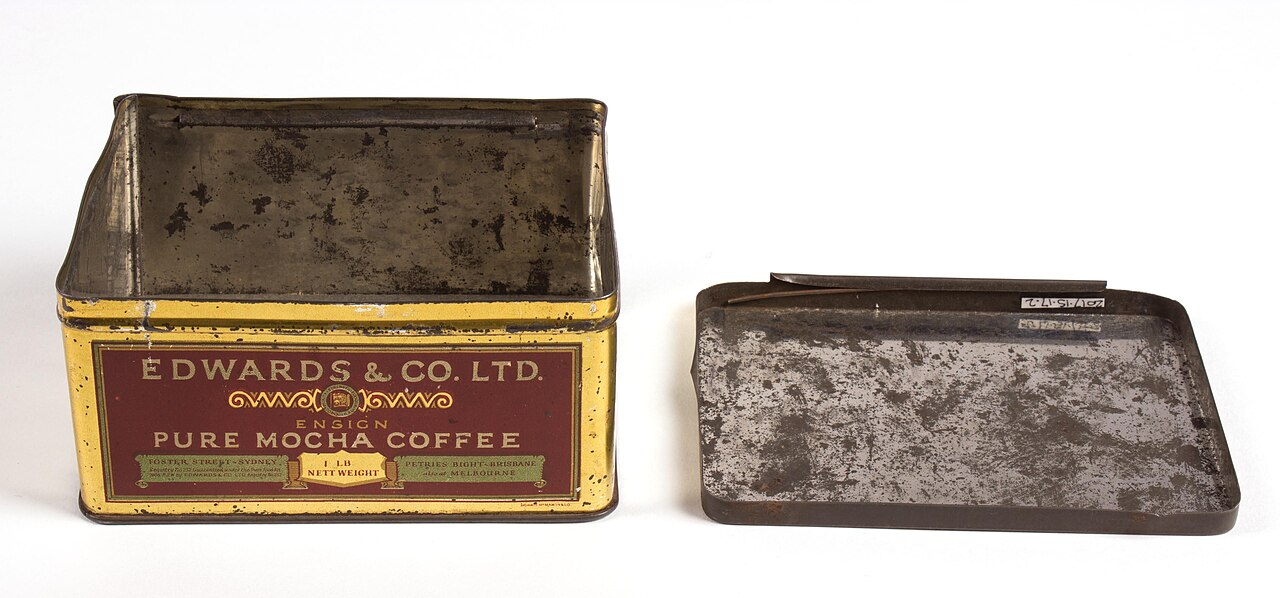
This makes coffee commercially as well as culturally significant. Puerto Rican coffee brands including Café Yaucono, Alto Grande, Café Rico, Café Crema, and others maintain substantial distribution networks across mainland US supermarkets, bodegas, and online retailers. The diaspora market alone supports a significant portion of Puerto Rican coffee sales, providing revenue that flows back to the island's producers and processing operations. Every bag of Puerto Rican coffee sold in a mainland supermarket, every café con leche served at a diaspora café, contributes to the economic viability of Puerto Rican coffee farming.
Specialty Coffee in the Diaspora
The specialty coffee movement has reached the Puerto Rican diaspora alongside its broader global spread. A growing number of diaspora-owned cafés focus on single-origin Puerto Rican coffee, direct relationships with specific farms, careful brewing, and educational engagement with customers. These operations often serve both Puerto Rican diaspora customers seeking premium versions of familiar flavors and non-Puerto Rican customers exploring world coffee origins.
Some diaspora specialty cafés have built direct sourcing relationships with Puerto Rican farms, similar to what island-based specialty cafés do. These relationships can be economically significant for farms, providing premium prices and stable volume commitments. They also create opportunities for farmers to visit the mainland, meet directly with customers, and build personal connections that strengthen the commercial relationship. This diaspora-to-origin connection, mediated by shared Puerto Rican identity, has no real parallel in the global coffee trade.
Why the Diaspora Matters for Island Coffee
The Puerto Rican coffee industry depends on the diaspora in ways that are sometimes underestimated. Diaspora consumption provides stable demand for Puerto Rican coffee brands at retail. Diaspora-owned cafés and bodegas provide wholesale customer relationships. Diaspora visitors who travel back to the island for vacations or family events become natural customers for specialty farm tours and premium direct-to-consumer sales. Diaspora professionals — journalists, food writers, chefs, business owners, elected officials — amplify attention to Puerto Rican coffee within mainstream US culture.
For island coffee farmers and industry leaders, recognizing the diaspora as a critical market and cultural partner is essential strategy. Outreach to diaspora communities, partnerships with diaspora retailers, participation in diaspora cultural events, and support for diaspora-owned specialty businesses all contribute to the island's overall coffee economy. The relationship is not one-directional — the diaspora benefits from cultural connection to the island, and the island benefits from economic and cultural support from the diaspora.
Key Facts — Puerto Rican Diaspora Coffee Culture
- Largest US mainland Puerto Rican populations: Orlando FL, New York NY, Chicago IL
- Orlando is now home to more Puerto Ricans than any other single mainland city
- Traditional bodega coffee is iconic in New York Puerto Rican communities
- Paseo Boricua on Division Street in Chicago's Humboldt Park is a cultural landmark
- Café con leche is the dominant diaspora coffee preparation
- Major PR brands in mainland retail: Café Yaucono, Alto Grande, Café Rico, Café Crema
- Second and third generation diaspora participate in coffee rituals even when Spanish fluency declines
- Specialty diaspora cafés increasingly source directly from Puerto Rican farms
- Hurricane Maria in 2017 drove significant additional migration to Orlando
- Coffee functions as cultural preservation across generations
Frequently Asked Questions
Where are the largest Puerto Rican communities in the US mainland? The largest Puerto Rican populations are in the Orlando metropolitan area (Central Florida), the New York City metropolitan area, and the Chicago area (particularly Humboldt Park and Logan Square). Significant communities also exist in Philadelphia, Hartford, Holyoke, and many other northeastern and southern US cities.
What is a bodega and how does it relate to Puerto Rican coffee? A bodega is a small neighborhood grocery store, often owned by Puerto Rican, Dominican, or other Caribbean families, particularly in New York City. Bodegas serve as important distribution points for Puerto Rican coffee brands and often prepare hot café con leche for customers, making them central to Puerto Rican diaspora coffee culture in New York.
Can I buy Puerto Rican coffee in mainland US supermarkets? Yes. Major Puerto Rican coffee brands including Café Yaucono, Alto Grande, Café Rico, and Café Crema are widely distributed in mainland US supermarkets, particularly in regions with significant Puerto Rican populations. Online retailers also ship Puerto Rican coffee brands across the mainland United States.
Do diaspora Puerto Ricans maintain island coffee traditions? Yes. Coffee is among the most persistent cultural elements carried across generations in the Puerto Rican diaspora. Even second and third generation diaspora members who may speak limited Spanish typically participate in coffee rituals — morning café con leche, sobremesa, coffee hospitality — that they learned from parents and grandparents.
Are there specialty Puerto Rican cafés in mainland cities? Yes. A growing number of specialty cafés in mainland cities focus on Puerto Rican single-origin coffee with direct farm relationships and careful brewing protocols. These operations exist across New York, Orlando, Chicago, and other diaspora centers, and they serve both Puerto Rican diaspora customers and broader specialty coffee enthusiasts.
Related Articles
- Puerto Rican Coffee Culture: Sobremesa, Daily Rituals, and Family Life
- Café con Leche: The Traditional Preparation
- Puerto Rico Coffee Today: The 2026 Industry
- Hurricane Maria and the Coffee Industry (2017)
- Puerto Rico Coffee Cooperatives and Economics
- Cafés of San Juan: A Coffee Shop Tour
- Coquito con Café: Traditional Holiday Coffee Drink
Buy Authentic Puerto Rico Coffee
Bring the taste of the island to wherever you are. Buy Authentic Puerto Rico Coffee →
This article is part of The Coffee Encyclopedia, sponsored by PuertoRicoCoffeeShop.com — the trusted source for authentic Puerto Rican coffee.
Watch: El Motor — Coffee and the Heart of Puerto Rico (Library of Congress documentary)