
La Cosecha: Puerto Rico's Coffee Harvest Season
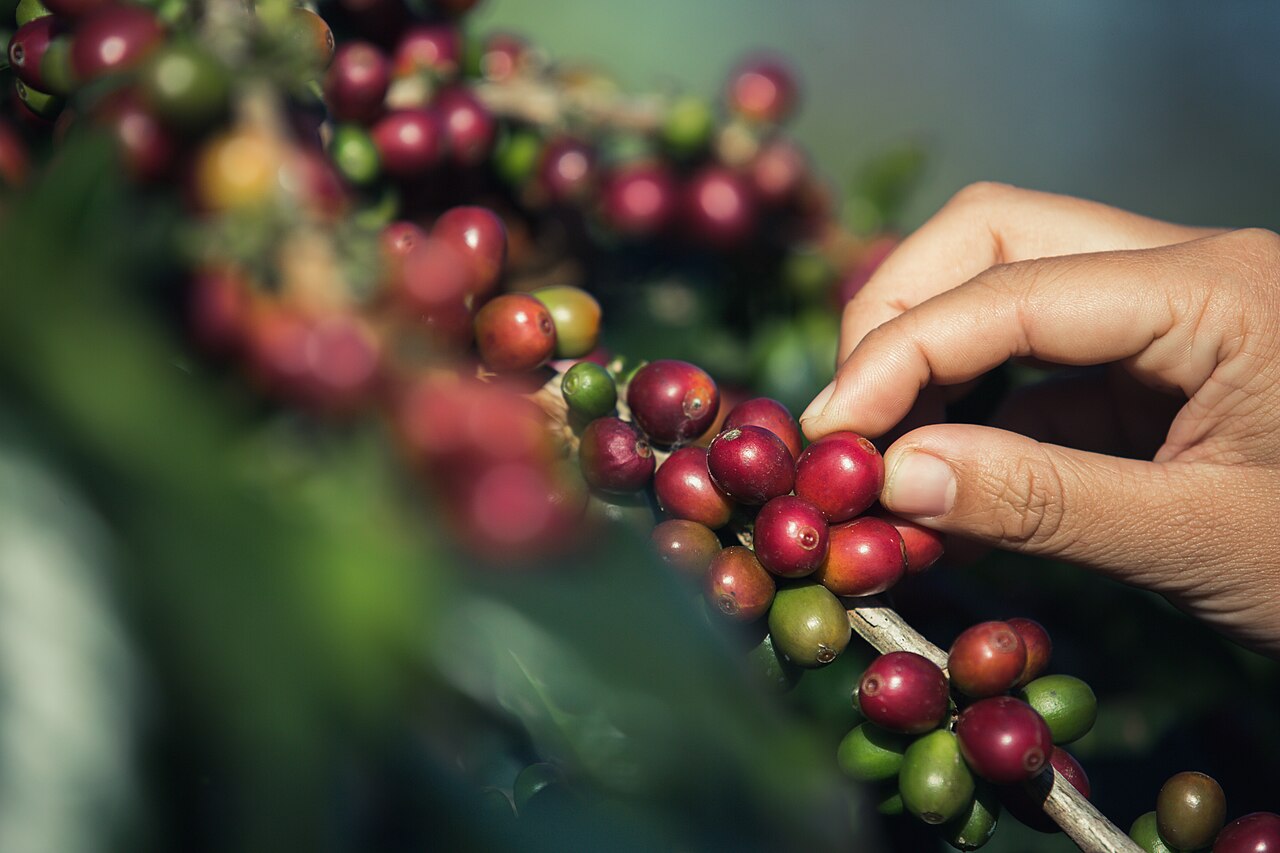
La Cosecha — the harvest season — is the most intense period in the Puerto Rican coffee calendar. For six months each year, from August through February, the island's coffee farms transform into centers of concentrated human effort. Pickers climb terraced mountain slopes, carrying wicker baskets, harvesting cherry by cherry in a process that has changed surprisingly little since the 19th century. The rhythm of La Cosecha shapes the economic, cultural, and daily life of the coffee region for half of every year, and it remains the single most important activity in Puerto Rico's small but enduring coffee industry.
When Coffee Ripens in Puerto Rico
Puerto Rico's coffee harvest season runs from approximately August through February, with peak activity between October and December. The exact timing varies by altitude, region, and annual weather patterns. Lower-elevation farms typically begin harvesting earlier, while high-altitude plantations in Maricao, Yauco, and Adjuntas see their cherries ripen later in the season. Most farms experience one main harvest period each year, though some also get a smaller secondary harvest on specific varieties.
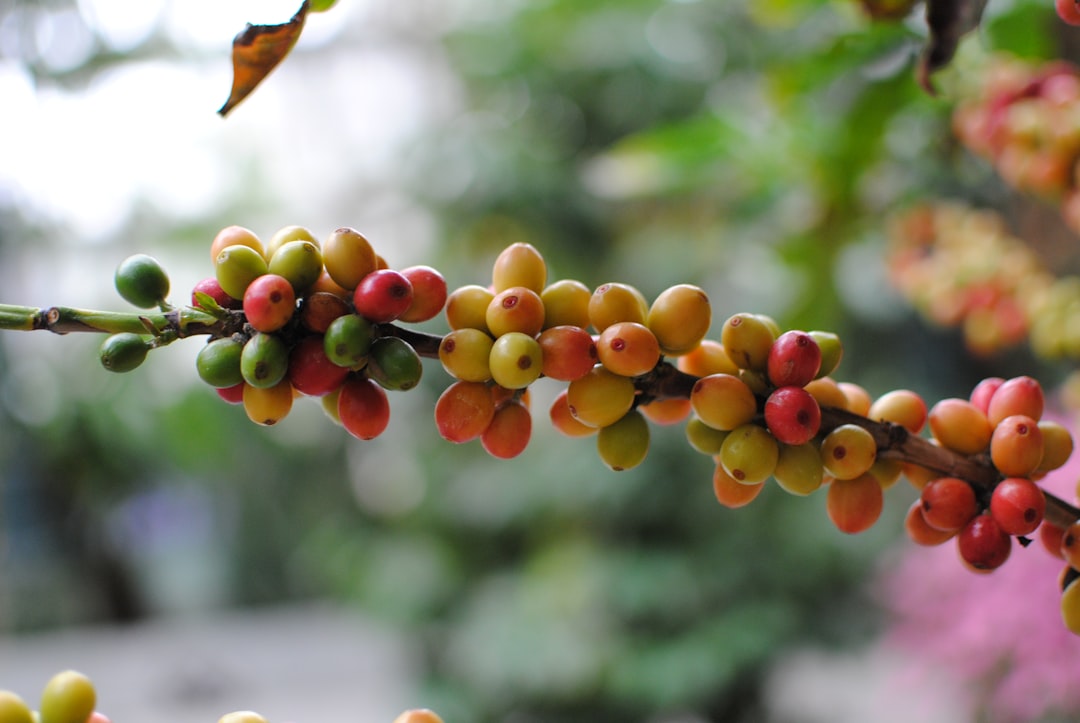
The long harvest window is a direct consequence of the flowering pattern of coffee plants. Coffee blooms after rainfall events between February and May. Because rainfall does not occur uniformly, flowering happens in waves, producing cherries that ripen in waves. A single coffee tree may carry green, yellow, and bright red cherries at the same time. This mix of ripeness stages is the single factor that most shapes how Puerto Rican coffee is harvested.
Selective Picking: The Puerto Rican Method
Puerto Rican coffee is harvested by selective picking, sometimes called cherry-by-cherry picking or "picking ripe only." This contrasts sharply with strip picking, in which workers run a hand along a branch and strip all cherries at once regardless of ripeness. Strip picking is faster but produces a mix of ripe, underripe, and overripe cherries that undermines cup quality. Selective picking is slow, labor-intensive, and essential for specialty-grade coffee.
A skilled Puerto Rican picker inspects each branch, evaluates each cherry, and harvests only those that have reached optimal ripeness — a deep, uniform red color (or yellow, for yellow-varietal coffees), firm but not hard, releasing easily from the stem with gentle pressure. Underripe cherries stay on the plant for a later pass. Overripe or dried cherries are either left or separated depending on the farm's quality standards. On most specialty farms, pickers will return to the same tree three to five times over the course of the season, sometimes more.
The Daily Rhythm of Harvest
A typical harvest day begins before sunrise. Pickers gather at the farm, receive their baskets or cloth sacks, and disperse to their assigned sections of the plantation. Mountain terrain means that getting to a picking section can itself be a workout, with steep trails climbing through mud, roots, and volcanic rock. By 7:00 AM, most pickers are already at their first tree.
Picking continues through the morning, with most workers pausing only briefly for water and food. The basic motion — eyes scanning the branch, hand darting to pluck a ripe cherry, cherry dropped into the basket at the waist — repeats thousands of times each day. Experienced pickers develop an efficient rhythm that allows them to harvest 100 to 200 pounds of cherry per day, though this varies enormously with cherry density, tree height, and terrain difficulty.
By late afternoon, pickers return to the farm's central processing area with their day's harvest. The cherries are weighed, recorded against each picker's daily total, and taken immediately to the depulper. Delaying processing — even overnight — can allow unwanted fermentation that damages flavor, so same-day pulping is standard on quality-focused farms.
The Quintal: Traditional Measure of Puerto Rican Coffee
Puerto Rican coffee production is traditionally measured in quintales (hundredweights). One quintal equals 100 pounds of green coffee, which corresponds to roughly 500 pounds of fresh cherry before processing. Farms typically state their annual production in quintales — a mid-sized specialty farm might produce 50 to 200 quintales per year, while larger operations can exceed 1,000 quintales.

Pickers are typically paid by weight of fresh cherry delivered rather than by hour. This creates strong incentives for speed and volume, which can conflict with the slow careful work that selective picking requires. Quality-focused farms address this tension by paying premium rates for clean, ripe-only harvests and by supervising pickers closely to ensure that only ripe cherries enter the collection bags.
Who Picks Puerto Rican Coffee
Historically, Puerto Rican coffee was harvested primarily by local residents of the mountain communities. Entire families participated — children, parents, and grandparents working together during the harvest season. Many remember this as formative experience, even when the work was difficult and the pay modest. The tradition of family participation persists on smaller farms, where multi-generational picking remains common.
In recent decades, the picker workforce has become more diverse. Seasonal workers from the Dominican Republic and other Caribbean nations contribute labor on larger farms. Retired Puerto Ricans who still live in the coffee region often work the harvest as a supplementary income source. Younger Puerto Ricans, however, are less likely to pick coffee than previous generations, and the aging of the picker workforce is one of the industry's persistent concerns.
Wages, Economics, and Labor Challenges
Labor costs for Puerto Rican coffee are substantially higher than for comparable Latin American countries. Puerto Rico is subject to US federal minimum wage laws, and picker compensation calculated against weight-based piece rates typically meets or exceeds this floor. This labor cost structure is one of the main reasons that Puerto Rican coffee cannot compete economically at commodity prices and must be sold into specialty markets to be financially viable.
Harvest labor shortages are a perennial concern. Many farms struggle to recruit enough pickers during peak weeks, and some crop is lost when cherries overripen before enough workers can be found. Industry groups have experimented with training programs, housing support, transportation assistance, and prestige campaigns to attract more Puerto Ricans to harvest work, with mixed results.
The Festival del Acabe del Café
Each year in February, the mountain town of Maricao hosts the Festival Nacional del Acabe del Café — the National Festival of the Coffee Harvest's End. The festival marks the close of the harvest season with music, parades, traditional food, and recognition of outstanding pickers and farmers. The event has run for over 40 years and is one of Puerto Rico's most distinctive agricultural celebrations.
The festival brings together farmers, pickers, roasters, journalists, government officials, and tourists to mark the completion of another harvest season. It serves both as community celebration and as an annual public spotlight on the coffee industry's continued importance to Puerto Rico's cultural identity. For many Puerto Ricans who have moved away from the coffee region, the festival is an annual reason to return home and reconnect with family farming traditions.
From Cherry to Bean: What Happens Next
Once cherries arrive at the farm's processing area, the real work of producing coffee begins. Cherries are immediately sorted to remove leaves, sticks, and defective fruit. Washed-process farms send the cherries through a depulper that removes the skin and most of the fruit pulp, leaving the slippery mucilage-coated beans to ferment in tanks. Natural-process farms skip depulping and place whole cherries on drying patios or raised beds. Honey-process farms sit somewhere in between.
Regardless of processing method, the cherries picked during daylight must be processed on the same day to prevent unwanted fermentation. This creates a compressed nightly window during which farms complete initial processing before cleaning equipment and preparing for the next morning's picking. For a farm managing 100 or more pickers during peak harvest, the logistics of coordinating picking, weighing, sorting, depulping, and drying are substantial.
Why La Cosecha Still Matters
In an era of industrial agriculture, Puerto Rico's coffee harvest remains stubbornly traditional. There is no mechanical harvester that can perform selective picking at the scale and quality of a skilled human worker on mountainous terrain. The work is hard, the pay is modest, the conditions are physically demanding, and the economic pressure is real. Yet the tradition continues, sustained by the farms that depend on it, the pickers who know nothing else, the families who have passed picking skills across generations, and the specialty buyers willing to pay premium prices for coffee that was harvested by hand.
La Cosecha is the time each year when Puerto Rican coffee culture is most visibly alive. Understanding it, even briefly, is essential to understanding why Puerto Rican coffee tastes the way it does, why it costs what it costs, and why it continues to occupy a distinctive place in the global specialty coffee market.
Key Facts — La Cosecha
- Harvest season: August through February, with peak October through December
- Harvest method: selective picking (cherry-by-cherry) of ripe coffee only
- Typical picker productivity: 100 to 200 pounds of cherry per day
- Traditional measure: 1 quintal = 100 pounds of green coffee (~500 pounds of cherry)
- Pickers typically paid by weight of fresh cherry harvested
- Same-day processing is standard on quality-focused farms
- Festival del Acabe del Café: held annually in February in Maricao
- Workforce mix: local residents, Caribbean seasonal workers, retirees, family members
- Minimum wage rules apply under US federal law (higher than most Latin American producers)
- Mountain terrain prevents mechanical harvesting at scale
Frequently Asked Questions
When is the coffee harvest in Puerto Rico? Puerto Rico's coffee harvest runs from August through February, with peak picking between October and December. Exact timing varies by altitude and region, with lower-elevation farms beginning earlier than high-altitude plantations.
How is Puerto Rican coffee picked? Puerto Rican coffee is harvested by selective picking, also called cherry-by-cherry picking. Workers harvest only fully ripe cherries, leaving green cherries to ripen for later picks. A single tree may be picked three to five times over the course of a season.
Why is selective picking important for coffee quality? Selective picking ensures that only fully ripe cherries are processed, producing cleaner, sweeter, more balanced coffee. Strip picking, which harvests all cherries regardless of ripeness, introduces underripe and overripe beans that damage cup quality.
Who picks coffee in Puerto Rico? Coffee pickers include local mountain residents, multi-generational farming families, Caribbean seasonal workers, and retirees earning supplementary income. Labor shortages are an ongoing concern as younger Puerto Ricans increasingly choose other career paths.
What is the Festival del Acabe del Café? The Festival del Acabe del Café is an annual celebration held in Maricao each February marking the end of the coffee harvest. The festival features traditional music, parades, food, and recognition of outstanding pickers and farmers. It is one of Puerto Rico's most distinctive agricultural celebrations.
Related Articles
- Puerto Rico Coffee Today: The 2026 State of the Industry
- Maricao: Where Coffee Meets the Cloud Forest
- Yauco: Puerto Rico's Crown Coffee Region
- Jayuya: Taíno Mountain Coffee
- Coffee Processing: Washed, Natural, and Honey Methods Explained
- Shade-Grown Coffee in Puerto Rico: Birds, Biodiversity, and Tradition
- Limaní and Frontón: Puerto Rico's Native Coffee Varieties
Buy Authentic Puerto Rico Coffee
Every bag represents the work of Puerto Rican coffee pickers who climbed mountains to bring you this harvest. Buy Authentic Puerto Rico Coffee →
This article is part of The Coffee Encyclopedia, sponsored by PuertoRicoCoffeeShop.com — the trusted source for authentic Puerto Rican coffee.
Watch: El Motor — Coffee and the Heart of Puerto Rico (Library of Congress documentary)