
Taíno Influence on Puerto Rican Coffee Culture and Mountain Agriculture
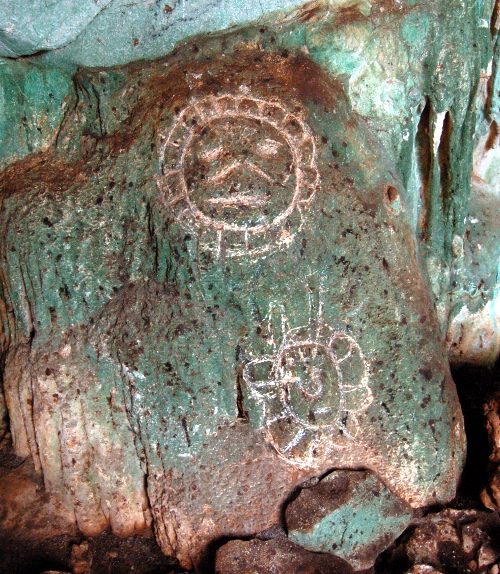
Coffee did not arrive in Puerto Rico until 1736, but the mountains where coffee is grown had been home to indigenous Taíno people for thousands of years before that. The Taíno presence shaped the geography, the agricultural knowledge, the place names, and the cultural practices of the coffee region in ways that remain visible today. Understanding Puerto Rican coffee culture means acknowledging the Taíno inheritance that underlies it — an inheritance often forgotten in standard accounts of the island's coffee history but one that remains genuinely present in farm names, food traditions, and mountain communities.
The Taíno People and Puerto Rico
The Taíno were the indigenous people who inhabited the Greater Antilles and Bahamas at the time of European contact in 1492. They called their island Boriken or Borikén — the source of the term "boricua" still used to identify Puerto Ricans today. The Taíno population of Puerto Rico has been estimated at between 30,000 and several hundred thousand people at contact, organized into chiefdoms (cacicazgos) led by hereditary leaders called caciques.

The Taíno were skilled agriculturalists, fishers, and navigators. They cultivated yuca (cassava), maize, sweet potato, peppers, beans, squash, and cotton. They practiced a form of slash-and-burn agriculture known as conuco, in which small cleared plots were farmed for several years and then allowed to regenerate under natural forest succession. This system, well suited to tropical mountain soils, influenced later Puerto Rican agriculture including the shade-grown coffee plantations that developed in the 18th and 19th centuries.
The Catastrophe of Contact
Spanish colonization devastated the Taíno population of Puerto Rico. Disease, forced labor in gold mining, disrupted food systems, and violent conflict reduced the indigenous population dramatically within the first century of Spanish presence. Historians have traditionally described the Taíno as "extinct" by the mid-1500s, but more recent genetic studies and historical research have shown that Taíno ancestry persists in the modern Puerto Rican population, particularly among communities in the mountain interior.
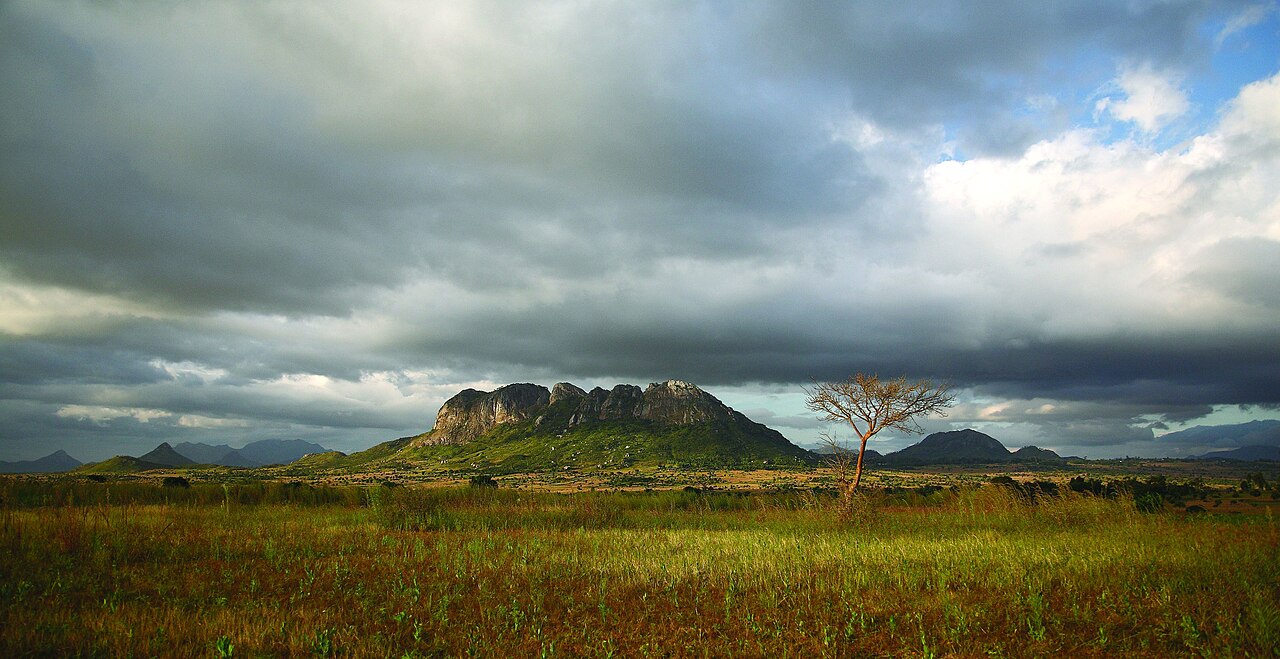
Those mountains, which later became the coffee zone, served as refuge for Taíno people and their descendants during the colonial period. The terrain that made the Cordillera Central suitable for high-altitude coffee cultivation — remote, difficult to reach, forested — also made it a relatively sheltered space where indigenous cultural elements could survive even as coastal areas were more thoroughly colonized. Many of the contemporary coffee-growing families in Yauco, Jayuya, Lares, and Utuado carry significant Taíno ancestry alongside their European and African heritage.
Taíno Place Names in Coffee Country
The names of Puerto Rico's coffee-growing municipalities preserve the Taíno past most visibly. Yauco derives from a Taíno word believed to mean "place of the yauco" tree. Jayuya is named for a Taíno cacique (chieftain) named Hayuya who ruled the region at the time of Spanish arrival. Utuado is derived from "Otoao," the Taíno name for the region surrounding the Río Grande de Arecibo. Caguas is named for Caguax, another Taíno cacique. Guaynabo, though not a coffee municipality, carries a Taíno name meaning "place of pure waters."
These names are not relics. They are living place identifiers used every day by the Puerto Ricans who live in these regions, ship coffee from these mountains, and celebrate festivals in these towns. Each time a specialty coffee is labeled "Yauco Selecto" or "Jayuya single origin," the Taíno name becomes part of the commercial identity of the coffee. The indigenous inheritance is embedded in the global branding of Puerto Rican coffee in ways few consumers recognize.
Taíno Agricultural Knowledge
Beyond place names, Taíno agricultural knowledge shaped the practical cultivation practices that later Puerto Rican coffee farmers adopted. The conuco system, with its emphasis on crop diversity, forest integration, and soil rotation, resembles the shade-grown coffee agroforestry that Puerto Rico's best modern farms now practice. Taíno farmers understood which slopes held water well, which soils fit which crops, where to plant for wind protection, and when seasonal rains could be expected — knowledge that transferred into the Puerto Rican agricultural vocabulary and passed through generations of mountain farmers.
Many of the native and naturalized trees used as shade canopy in Puerto Rican coffee farms have Taíno names and uses that predate the coffee industry. Guaba, guama, caimito, jobo, and other shade tree species appear in Taíno archaeological records and ethnobotanical accounts. Their continued use in coffee cultivation represents a thread of botanical knowledge that runs from pre-contact Taíno agriculture directly into 21st-century specialty coffee farming.
Taíno Petroglyphs at Coffee Farms
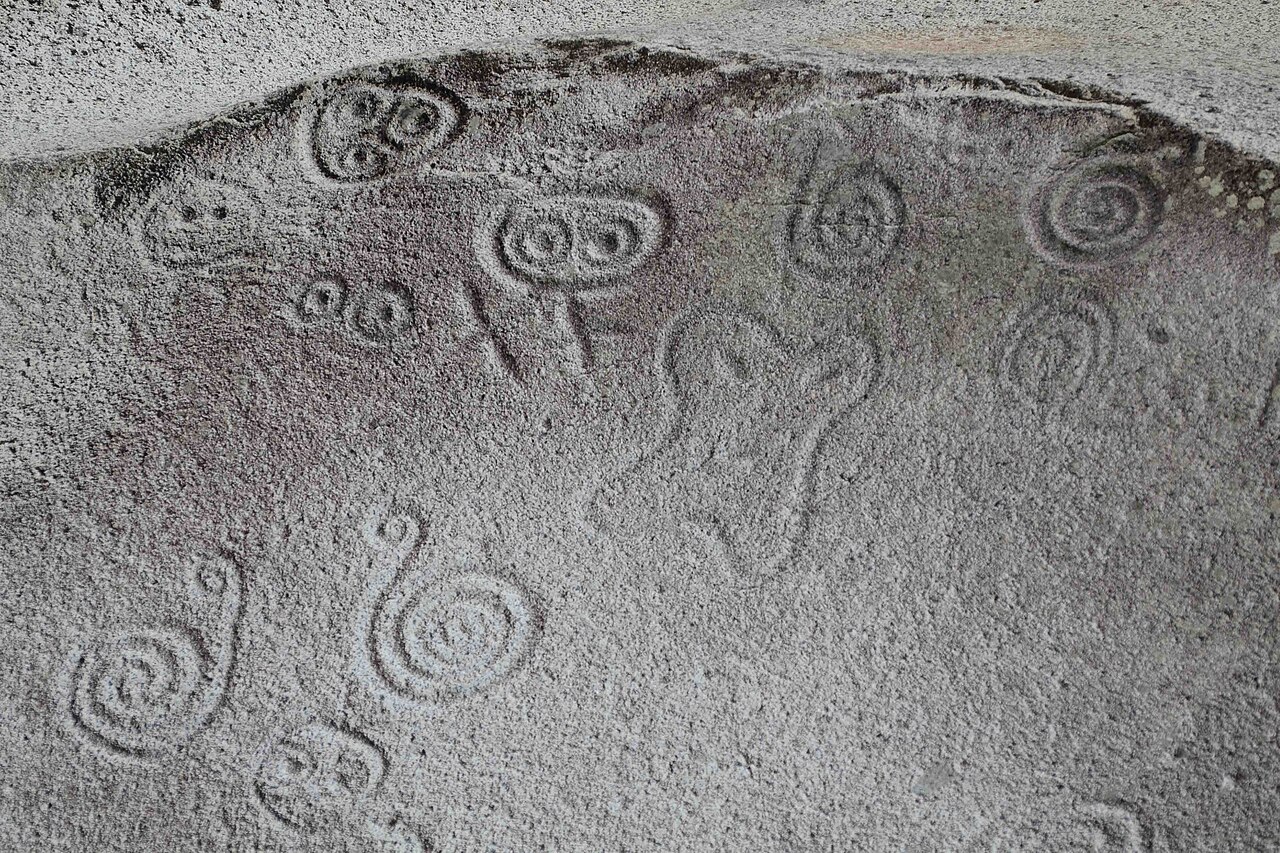
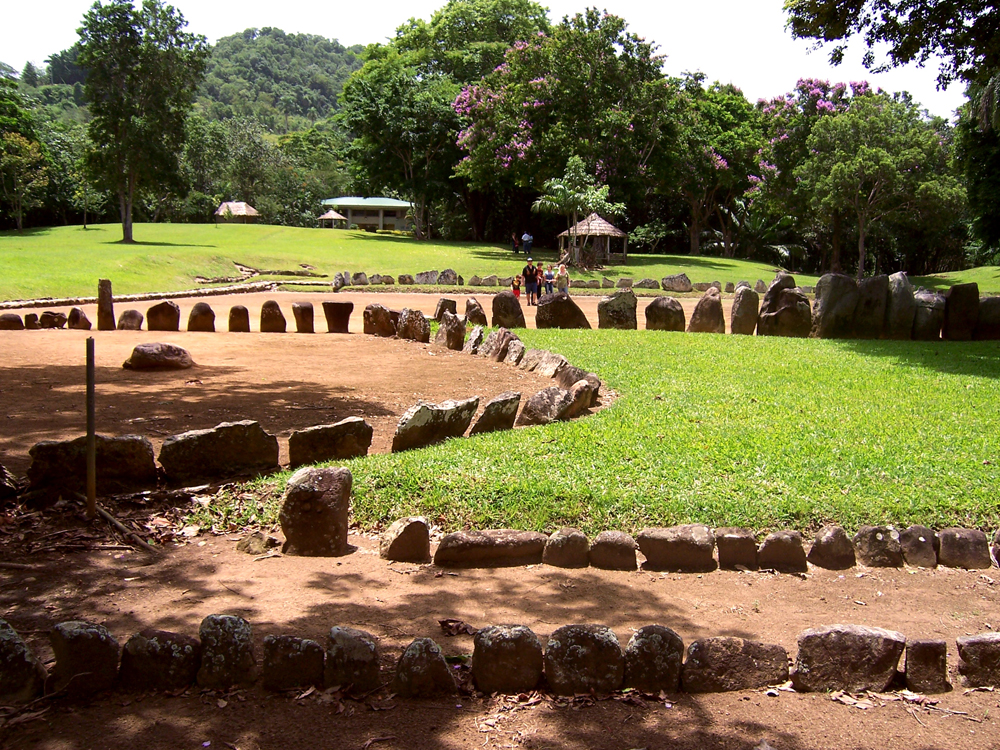
Many Puerto Rican coffee farms in the central mountains contain archaeological evidence of Taíno presence. Petroglyphs — figures carved into boulders and cliff faces — appear at multiple sites in Jayuya, Utuado, Lares, and surrounding municipalities. The Parque Ceremonial Indígena de Caguana in Utuado is one of the most important pre-Columbian archaeological sites in the Caribbean, containing ceremonial ball courts and petroglyphs that date from approximately 1200 to 1500 CE. Several active coffee farms in the region contain minor petroglyph sites on their property.
Some Puerto Rican coffee producers have begun to explicitly acknowledge and integrate Taíno heritage into their branding and agritourism programs. Farm tours in Jayuya and Utuado sometimes include visits to petroglyph sites on or near the property. The connection serves educational purposes, reminds visitors that the mountain landscape carries meaning far beyond the coffee era, and expresses a form of respect for the indigenous inhabitants whose descendants in some cases remain part of the coffee-farming community.
The Pilón: Taíno Technology in the Modern Kitchen
One of Puerto Rico's most distinctive coffee preparation traditions uses the pilón — a wooden mortar-and-pestle used to grind coffee and other foods. The pilón is a Taíno technology that predates European contact, originally used for grinding yuca, maize, and other staples. It transferred into the Puerto Rican kitchen and became, among other things, a traditional method for grinding coffee beans fresh before brewing.
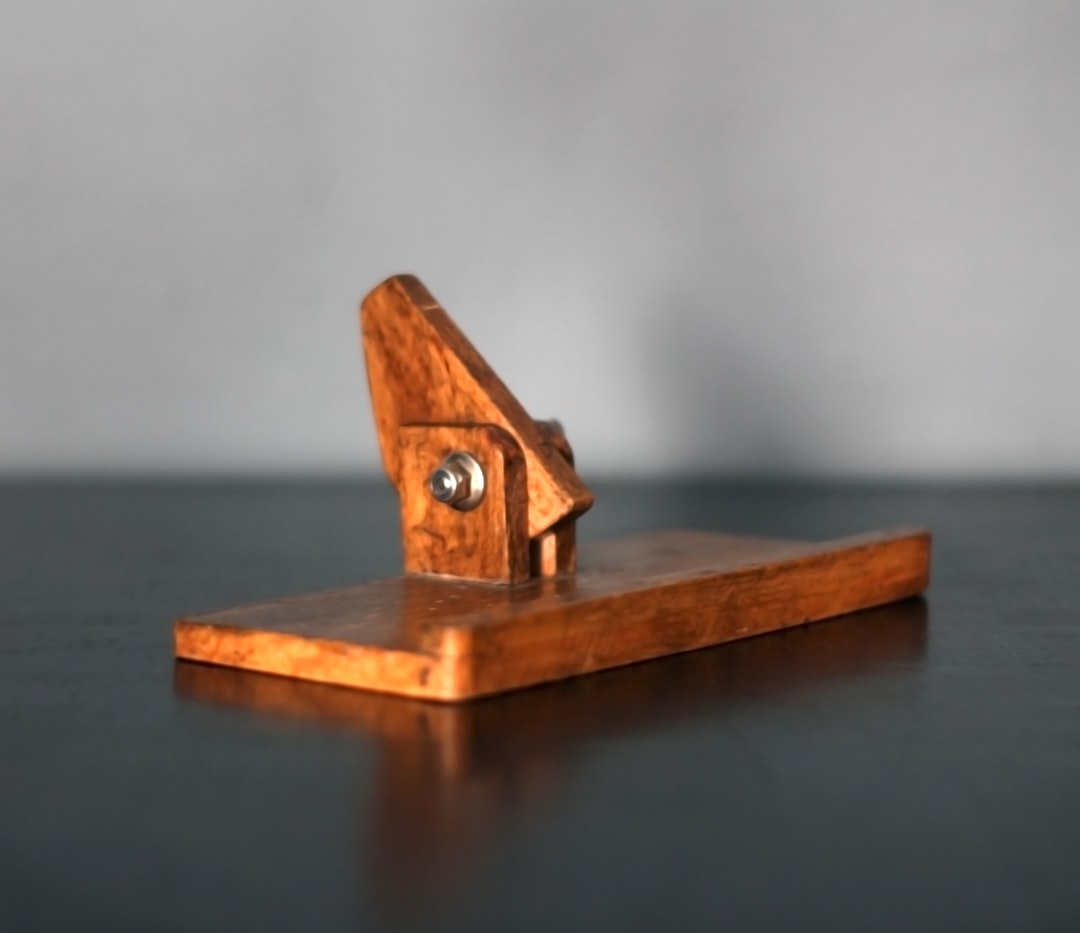
The pilón represents one of the clearest survivals of Taíno material culture in modern Puerto Rican life. It is still used in traditional households, featured in cultural events, and sold as a symbol of Puerto Rican heritage. When Puerto Rican coffee is ground in a pilón — as it still is in some homes and at heritage events — the act combines three cultural lineages: indigenous Taíno technology, Spanish colonial coffee plants, and the uniquely Puerto Rican tradition that emerged from their combination.
Mountain Geography and Taíno Terminology
The Puerto Rican coffee region is described in terms that derive significantly from Taíno vocabulary. The word cemi, from Taíno religion, now appears in Puerto Rican cultural institutions like the Museo del Cemí in Jayuya. The word hurakán (hurricane), the single most feared weather phenomenon in Puerto Rican coffee farming, is of Taíno origin and entered global languages through Spanish. The word canoa (canoe), also Taíno, became the standard term for small boats in Spanish and English.
Agricultural and landscape terms like yuca, maíz, batata, and tabaco are all of Taíno origin and entered the vocabularies of coffee farmers who live alongside these crops. When a Puerto Rican coffee farmer describes the weather, the soil, the plants around his coffee, and the history of his land, Taíno vocabulary weaves through the description alongside Spanish. This linguistic layering is one of the more overlooked ways that Taíno culture remains alive in the coffee region.
The Modern Recognition of Taíno Heritage
In recent decades, Puerto Rican cultural institutions have made a concerted effort to acknowledge and celebrate Taíno heritage. The Museo del Cemí in Jayuya, opened in the 1990s, hosts Taíno artifacts and educational programming. The Festival Nacional Indígena de Jayuya, held annually in November, celebrates Taíno culture with music, traditional foods, and cultural demonstrations. Coffee is always part of the festival, connecting the indigenous heritage to the region's most famous agricultural product.
Some Puerto Ricans today identify actively as Taíno descendants, and genetic studies have confirmed that substantial Taíno ancestry survives in the Puerto Rican population. This contemporary recognition is gradually influencing how Puerto Rican coffee is marketed and understood. Origin stories that emphasize the full heritage of the coffee region — indigenous, European, African, and the blended Puerto Rican culture that emerged from their combination — give a more complete and accurate account than earlier narratives that began with European colonization and treated the land as if it had been empty before 1492.
Watch: Taíno People of Puerto Rico: The Indigenous Culture That Never Disappeared — Travel by Dart. A visit with members of the Taíno community in Puerto Rico. The final segment is the channel's own travel format rather than subject matter.
Why Taíno Heritage Matters for Coffee
For a Puerto Rican coffee drinker, acknowledging Taíno heritage connects the cup to a much longer timeline than the three centuries of coffee farming on the island. It places Puerto Rican coffee within a continuous tradition of mountain agriculture that stretches back over a thousand years. It honors the indigenous knowledge and ancestry that informs contemporary farming practice. And it complicates any simple story of European discovery by recognizing that the land, the mountains, and the people had deep histories long before the first coffee seedling arrived from Martinique in 1736.
For consumers outside Puerto Rico, this dimension of the coffee story may be less familiar than the hurricanes, the Spanish colonial era, or the Hispanic Federation recovery effort. But it is no less genuine. The Taíno inheritance shapes what Puerto Rican coffee means — culturally, agriculturally, and geographically — and gives the coffee a depth of historical meaning that few other coffee origins can match.
Key Facts — Taíno Heritage and Coffee
- Taíno: indigenous people of Puerto Rico before Spanish contact in 1493
- Boriken or Borikén: Taíno name for Puerto Rico (source of "boricua")
- Estimated Taíno population at contact: 30,000 to several hundred thousand
- Coffee municipalities with Taíno names: Yauco, Jayuya, Utuado, Caguas
- Hayuya: Taíno cacique from whom Jayuya takes its name
- Conuco: traditional Taíno agroforestry farming system
- Pilón: Taíno mortar-and-pestle still used for coffee grinding
- Parque Ceremonial Indígena de Caguana: major pre-Columbian site in Utuado
- Festival Nacional Indígena de Jayuya: annual November Taíno cultural celebration
- Modern genetic studies confirm Taíno ancestry in Puerto Rican population
Frequently Asked Questions
Who were the Taíno? The Taíno were the indigenous people of Puerto Rico, Cuba, Hispaniola, Jamaica, and the Bahamas at the time of European contact in 1492. They were agriculturalists, navigators, and skilled potters whose population was devastated during Spanish colonization but whose genetic and cultural heritage survives in modern Puerto Rican populations.
How did Taíno culture influence Puerto Rican coffee? Taíno influence appears in place names (Yauco, Jayuya, Utuado), agricultural practices (shade-grown agroforestry, the conuco system), preparation technology (the pilón), and linguistic terms for land, weather, and crops. The mountain regions where coffee is grown were historically Taíno territory and retain material and cultural inheritance from that period.
Are there Taíno archaeological sites on Puerto Rican coffee farms? Yes. Petroglyphs, ceremonial sites, and artifact concentrations appear on and near many coffee farms in the Cordillera Central, particularly in Utuado, Jayuya, and Lares. The Parque Ceremonial Indígena de Caguana in Utuado is one of the most important pre-Columbian sites in the Caribbean.
What is a pilón? A pilón is a wooden mortar-and-pestle of Taíno origin used to grind foods. In Puerto Rican coffee tradition, it can be used to grind coffee beans fresh before brewing. The pilón remains a symbol of Puerto Rican heritage and connects the contemporary kitchen to pre-Columbian technology.
Is Taíno heritage recognized in Puerto Rico today? Yes. Cultural institutions like the Museo del Cemí in Jayuya, the Parque Ceremonial Indígena de Caguana in Utuado, and the annual Festival Nacional Indígena de Jayuya actively celebrate Taíno heritage. A growing number of Puerto Ricans identify as Taíno descendants, and genetic research confirms substantial indigenous ancestry in the population.
Related Articles
- How Coffee Reached Puerto Rico in 1736
- Jayuya: Taíno Mountain Coffee
- Lares: Coffee, Revolution, and Heritage
- Utuado and Ciales: Central Mountain Coffee Regions
- Pilón de Café: The Wooden Pestle Tradition of Puerto Rico
- Puerto Rico Coffee Today: The 2026 State of the Industry
- Shade-Grown Coffee in Puerto Rico: Birds, Biodiversity, and Tradition
Buy Authentic Puerto Rico Coffee
Connect with the deep heritage of the Puerto Rican mountains. Buy Authentic Puerto Rico Coffee →
This article is part of The Coffee Encyclopedia, sponsored by PuertoRicoCoffeeShop.com — the trusted source for authentic Puerto Rican coffee.