
Puerto Rican Coffee Culture: Sobremesa, Daily Rituals, and Family Life
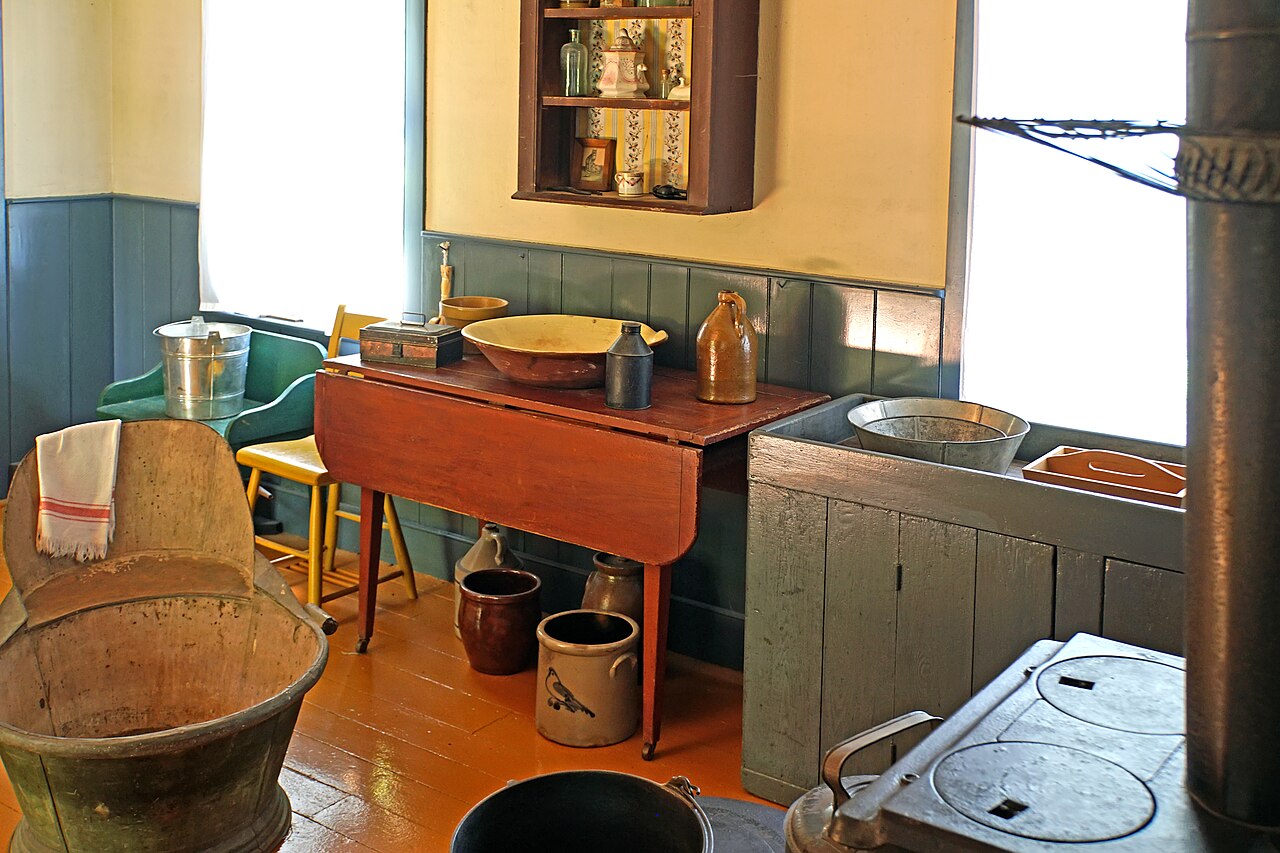
Coffee in Puerto Rico is not a beverage you consume — it is a practice you participate in. From the sunrise cup at the kitchen stove to the late afternoon greca gathering among neighbors, from the post-meal sobremesa conversation to the coffee always offered to guests arriving at your home, coffee structures the rhythm of Puerto Rican social life in ways that cannot be separated from family, hospitality, or cultural identity. This article explores the daily, weekly, and generational patterns that make Puerto Rican coffee culture one of the most distinctive on the island and throughout the Latin Caribbean.
The Morning Ritual
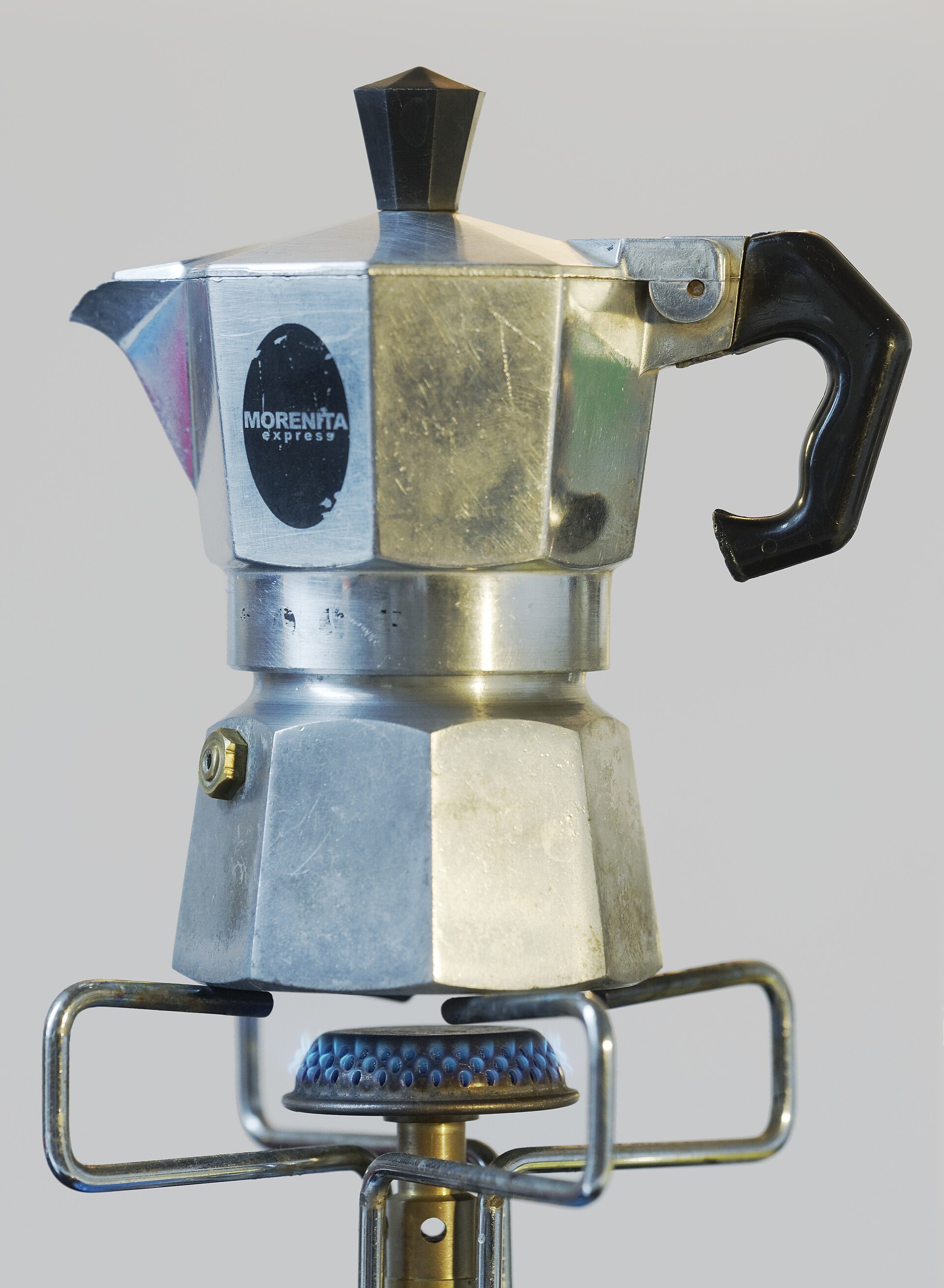
A Puerto Rican day traditionally begins with coffee. Not a grab-and-go cup from a drive-through, but a small ceremony centered on the kitchen stove. In most Puerto Rican homes, the cafetera — a small aluminum stovetop coffee maker, often a Bialetti Moka Pot or a local equivalent — stands ready on the stove, washed from the previous day's use and waiting to be filled. The first person awake fills it with water and ground coffee, sets it over the flame, and waits for the familiar gurgling sound that signals the coffee has pushed through the filter basket.
The brewed coffee is typically mixed with hot milk — more milk than coffee in many households — and sweetened generously with sugar. This is the classic café con leche, the beverage that begins approximately 80% of Puerto Rican mornings. It is sipped slowly at the kitchen table, often accompanied by a piece of pan sobao (soft bread) or a bowl of oatmeal. The morning coffee ritual is short — often ten or fifteen minutes — but it is rarely rushed. The pace is unhurried enough that it feels like a ritual rather than a task.
The Everywhere Cafetera
The stovetop cafetera is, without exaggeration, a near-universal fixture of the Puerto Rican kitchen. Unlike the US, where drip coffee makers dominate, or Italy, where espresso machines vary widely, Puerto Rican kitchens almost all feature some version of the moka pot. Sizes range from small single-serve pots to large 12-cup models designed for family gatherings. Aluminum is traditional; stainless steel models have grown in popularity. Brand names matter less than the shape and function.

The cafetera's ubiquity reflects the extent to which coffee is integrated into daily home life. Replacing a cafetera is a practical necessity roughly on par with replacing a refrigerator; the household cannot function without one. Second cafeteras are common for travel, beach houses, and work offices. Puerto Ricans who move to the US mainland typically carry at least one cafetera with them and install it in their new kitchen as a first act of setting up home.
Sobremesa: The Post-Meal Coffee Tradition
Sobremesa is one of the most distinctive Puerto Rican coffee practices. The word literally means "over the table" and refers to the extended period of conversation that follows the conclusion of a shared meal. While common throughout Spanish-speaking cultures, sobremesa takes on particular importance in Puerto Rican family life, where it becomes a protected space for multi-generational conversation, family news-sharing, and the slow unwinding of the midday or evening meal.
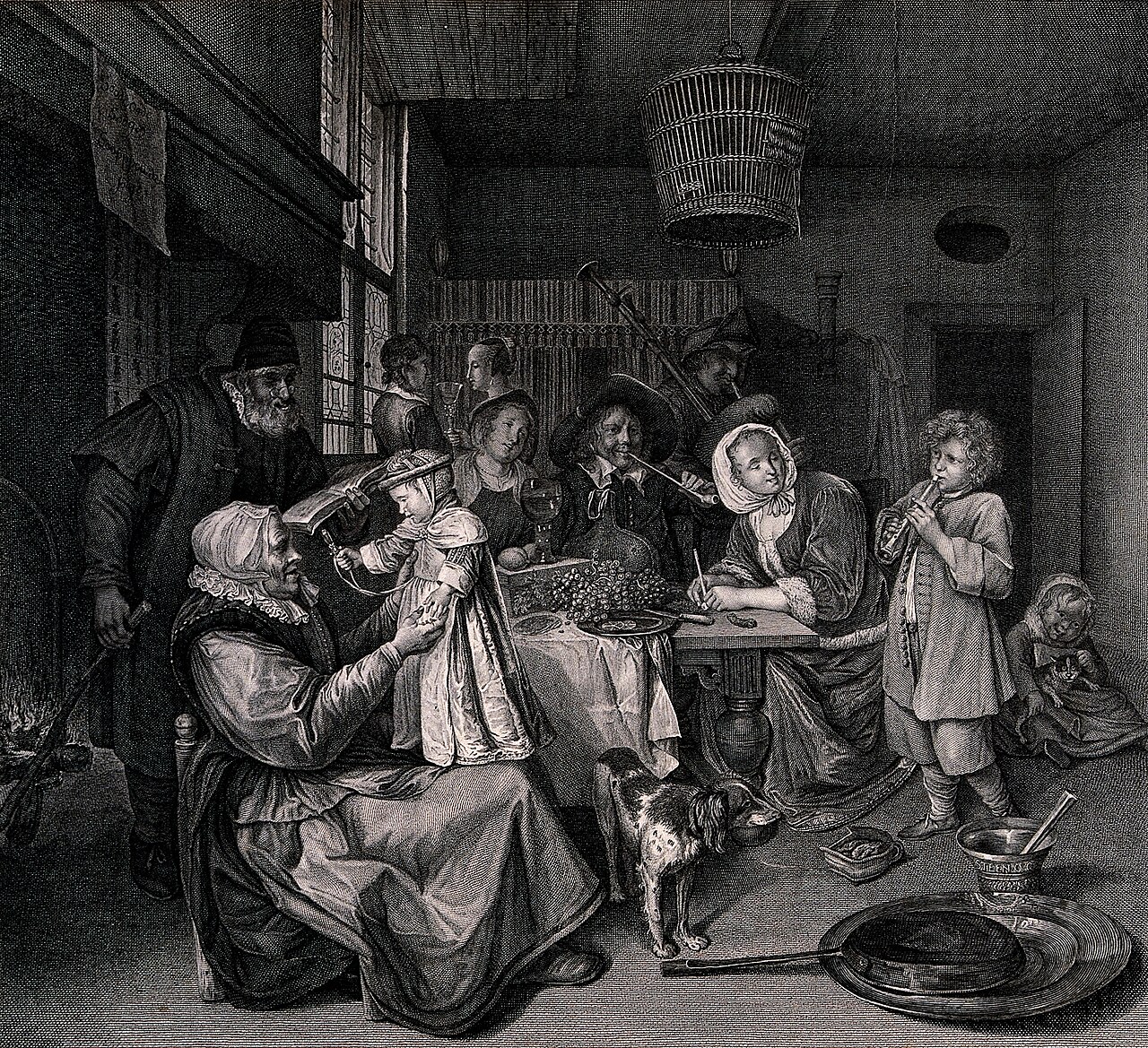
Coffee arrives at the end of the meal — typically black, in small cups, often accompanied by a light dessert like flan or a piece of fruit. The transition to coffee signals the end of eating but not the end of the gathering. Conversation often continues for 30 minutes to two hours. Children learn family stories, elders share their memories, politics and local news circulate, and the social bonds of the family are renewed through unhurried speech. Coffee is what makes sobremesa materially possible — giving the participants something to hold, sip, and refill as the conversation develops.
Coffee as Hospitality
In Puerto Rican households, offering coffee to guests is not merely polite — it is expected. A visitor who arrives at a Puerto Rican home will, within minutes, be asked "¿Quieres café?" (Would you like coffee?). Declining is socially acceptable but slightly unusual. Accepting is the normal response and initiates a small sequence of hospitality: the host heads to the kitchen, turns on the cafetera, and returns with a fresh cup for the guest.

This pattern holds across social classes, rural and urban settings, and both planned visits and unexpected drop-ins. Workers delivering packages, neighbors stopping by briefly, family friends, and professional visitors all fall within the coffee hospitality expectation. The gesture is not transactional — it is a social ritual that affirms the relationship between host and guest, and that renews the sense of connection within the community.
The Afternoon Coffee Break
Beyond the morning and post-meal rituals, Puerto Rican culture preserves a strong afternoon coffee tradition. Between approximately 3:00 and 5:00 PM, many households pause for what is sometimes called the merienda or the cafecito de la tarde — a small snack and a cup of coffee taken at home or at a nearby café. The afternoon coffee is often a pause during the work or chore-filled middle of the day, offering a few minutes of rest and often social interaction with coworkers, neighbors, or family members.
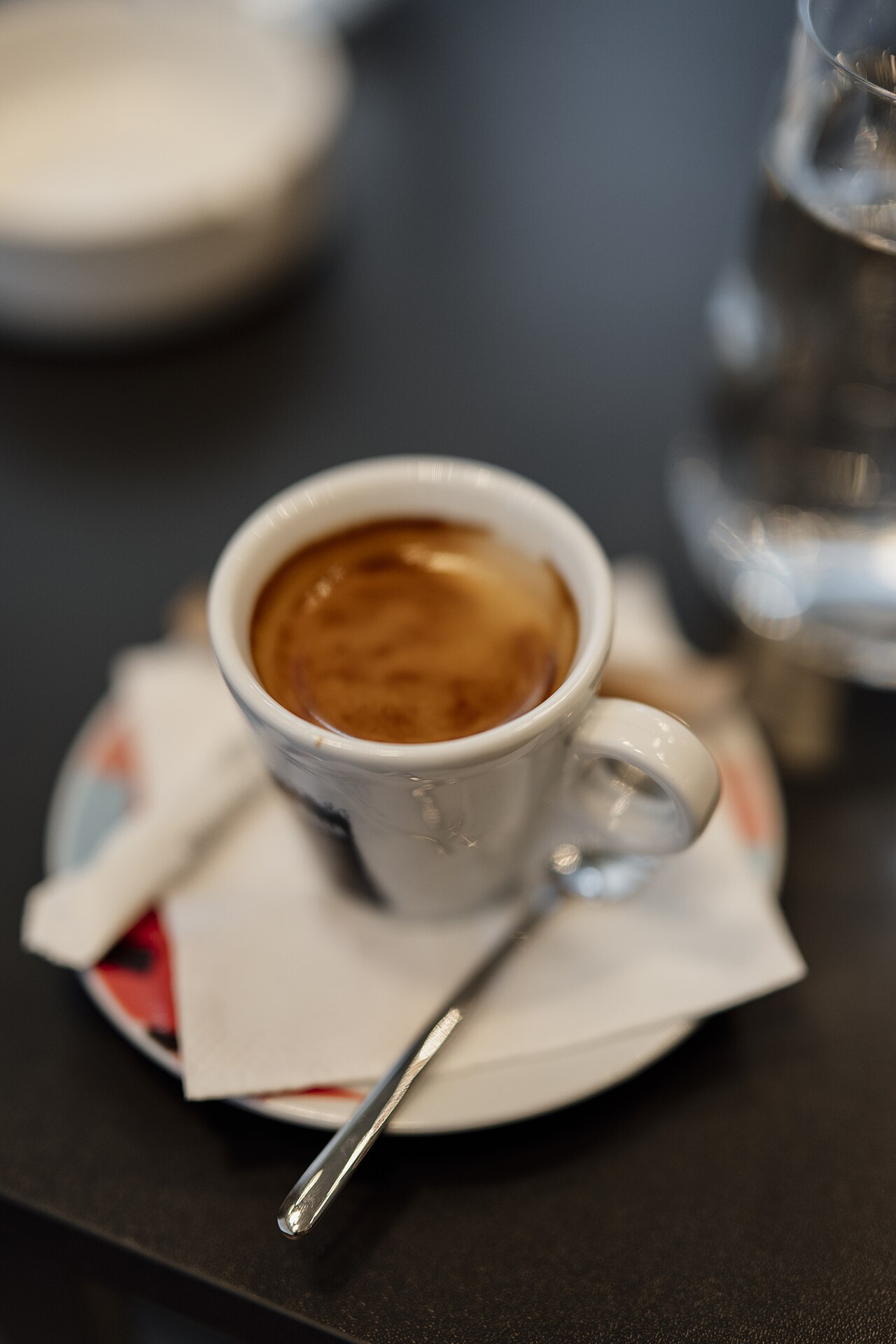
This tradition is commercially supported by a network of small local cafés, bakeries, and colmados (neighborhood stores) across the island. Even in the most remote mountain towns, visitors can usually find a place to order a cup of coffee around 3:30 PM alongside residents who are doing the same. The afternoon coffee culture is strongest in smaller towns and rural communities but persists even in the urban areas of San Juan, Ponce, and Mayagüez.
Coffee at Family Gatherings and Celebrations
Larger Puerto Rican family events — Christmas parties, weddings, birthdays, quinceañeras, bautizos (baptism celebrations), and Three Kings Day gatherings — all feature coffee prominently. A large cafetera brews continuously in the kitchen throughout the event. Guests help themselves or are served by the hosts. Multiple refills are normal. The coffee supply is one of the explicit responsibilities of the hosting family, and running out is a minor social embarrassment.
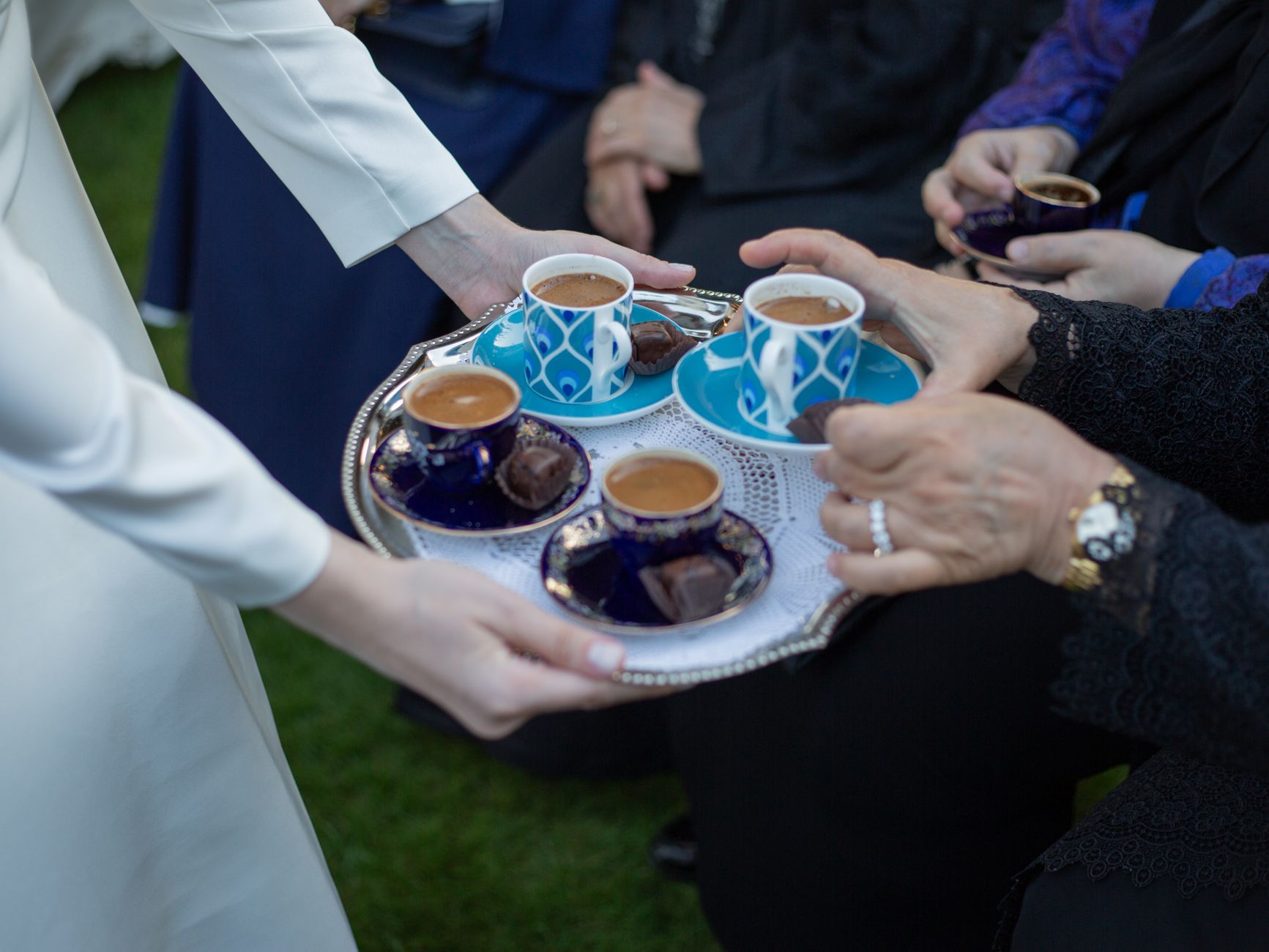
At Three Kings Day (El Día de Reyes) on January 6, coffee is often served with traditional holiday foods including pasteles, arroz con gandules, and flan. At Christmas gatherings, coquito — the traditional Puerto Rican holiday drink — is often accompanied by coffee for those who want to balance the sweetness with something bitter and warm. The combination of Puerto Rican coffee culture with the calendar of family and religious celebrations ensures that coffee participates in almost every significant social occasion.
Coffee in the Workplace
Puerto Rican workplaces, like Puerto Rican homes, run on coffee. Office kitchens feature cafeteras that coworkers share. Small offices often operate on the informal rotation where someone brings in fresh coffee for the morning, another brings bread or pastries, and the afternoon coffee is sometimes contributed by yet another coworker. Government offices, university campuses, hospitals, and private businesses all preserve this shared coffee culture.

Coffee also punctuates meetings. A long planning session will pause for coffee. A difficult negotiation may be smoothed by a shared cup. A first-time business meeting often begins with a brief coffee offer before substantive discussion begins. The workplace coffee customs mirror the home and hospitality customs, extending the social role of coffee beyond the family into professional and civic life.
Regional and Class Variations
Puerto Rican coffee culture varies somewhat by region and social class. Rural mountain communities in the coffee zone tend toward stronger, blacker coffee and larger quantities of sugar. Urban and coastal communities have more diverse coffee practices, with pour-over, espresso, and specialty café culture growing rapidly in metropolitan San Juan. Wealthier households may have espresso machines alongside or instead of traditional cafeteras. Younger Puerto Ricans, particularly those connected to the specialty coffee movement, increasingly appreciate single-origin beans, lighter roasts, and less sugar.
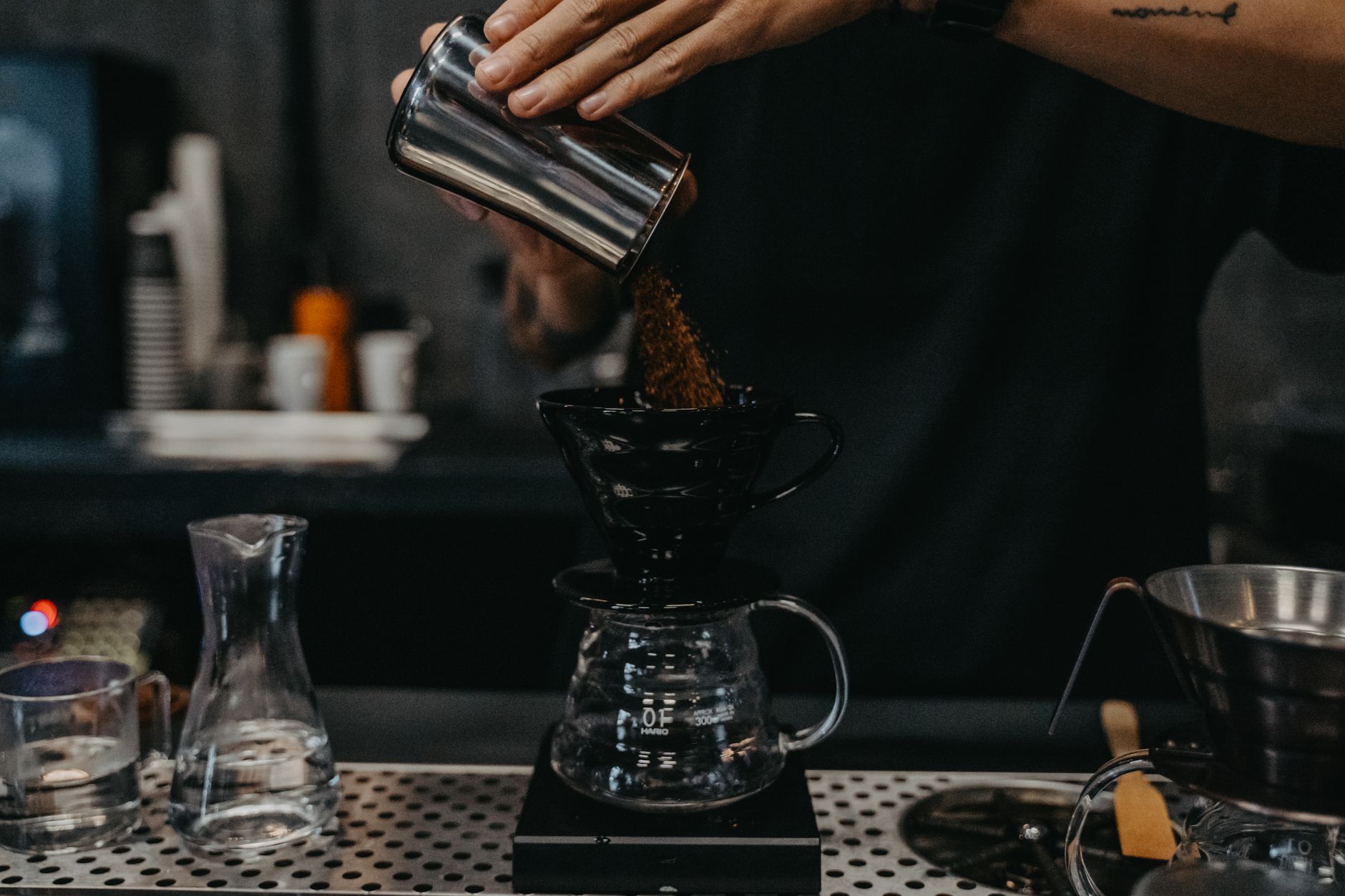
Despite these variations, the core elements of Puerto Rican coffee culture — daily rituals, hospitality, sobremesa, family gathering — persist across demographic lines. Even the most specialty-focused San Juan millennial will offer coffee to a visiting grandmother and will participate in family sobremesa traditions. The culture adapts to changing tastes in beans and preparation without losing its social substance.
How Puerto Rican Coffee Culture Differs from Other Latin American Countries
Puerto Rican coffee culture shares family resemblances with coffee cultures throughout Latin America and the Spanish-speaking Caribbean, but it has distinctive features. Compared to Colombian coffee culture, which tends to emphasize the agricultural and economic centrality of coffee production, Puerto Rican culture places relatively more emphasis on coffee consumption rituals and hospitality. Compared to Italian coffee culture, which centers on quick standing espressos at public bars, Puerto Rican coffee is more home-based and sits-down. Compared to US coffee culture, which emphasizes individual consumption and convenience, Puerto Rican coffee is shared, family-centered, and unhurried.

These differences matter commercially. Puerto Rican producers who understand their own coffee culture can market their beans with authentic cultural context that resonates with diaspora Puerto Ricans worldwide and with international buyers interested in authentic origin stories. The culture is part of what makes Puerto Rican coffee distinct, not just the growing conditions or varieties.
Why Coffee Culture Matters
For Puerto Rican families, coffee is a site of identity, memory, and continuity. The morning ritual, the sobremesa, the hospitality offers — these practices anchor day-to-day family life and link contemporary Puerto Ricans to their grandparents and great-grandparents who performed the same rituals in the same kitchens. Coffee culture survived emigration, hurricanes, economic upheavals, and political changes. It survives in the diaspora, carried by Puerto Rican families to New York, Orlando, Chicago, and other communities. It survives in younger generations who may know little Spanish but who still offer coffee to guests and participate in sobremesa.

For visitors and curious outsiders, appreciating Puerto Rican coffee culture opens a window into social patterns that are increasingly rare in a fast-paced, individualized world. The slow pace of sobremesa, the reflexive hospitality, the multi-generational conversations facilitated by shared cups — these are not just charming customs. They are functional social technologies that sustain community and family across generations. Puerto Rican coffee, at its deepest level, is not about the beans. It is about the relationships that coffee consumption creates and sustains.
Key Facts — Puerto Rican Coffee Culture
- Morning café con leche is the dominant daily coffee experience
- Stovetop cafetera (moka pot) found in virtually every Puerto Rican kitchen
- Sobremesa: extended post-meal conversation over coffee
- Coffee universally offered to visiting guests as standard hospitality
- Afternoon merienda coffee break typical between 3-5 PM
- Large cafeteras used at family celebrations and gatherings
- Workplace coffee sharing is standard social practice
- Culture persists in Puerto Rican diaspora communities
- Younger specialty coffee movement coexists with traditional practices
- Three Kings Day, Christmas, and family celebrations feature coffee prominently
Frequently Asked Questions
What is sobremesa in Puerto Rican culture? Sobremesa is the extended period of conversation after a shared meal, typically held over small cups of coffee. It is a central Puerto Rican social practice that allows families and guests to continue bonding after eating has ended.
What is café con leche? Café con leche is the dominant morning coffee drink in Puerto Rico. It consists of freshly brewed coffee mixed with hot milk (often more milk than coffee) and sweetened generously with sugar. It is traditionally made with a stovetop cafetera.
Why does coffee culture differ between Puerto Rico and the United States? Puerto Rican coffee culture is more social, home-based, and ritualized. It centers on family rituals, hospitality, and shared consumption. US coffee culture is more individualized, convenience-focused, and consumption-on-the-go. Puerto Rican coffee is unhurried; US coffee is often rushed.
Is offering coffee to guests mandatory in Puerto Rico? It is not mandatory but is strongly expected. A Puerto Rican host will almost always offer coffee to any visitor within minutes of their arrival. Declining is acceptable but offering is a standard social expectation.
How is Puerto Rican coffee culture different from other Latin countries? Puerto Rican coffee culture shares common roots with other Latin American traditions but places more emphasis on coffee as a daily home ritual and hospitality practice than as an agricultural or economic identity. It is also distinctly influenced by Caribbean and Taíno heritage alongside Spanish colonial inheritance.
Related Articles
- Café con Leche: The Puerto Rican Morning Tradition
- Pilón de Café: The Wooden Pestle Tradition of Puerto Rico
- Puerto Rico Coffee Today: The 2026 State of the Industry
- Taíno Influence on Puerto Rican Coffee Culture and Mountain Agriculture
- Café Frío Boricua: The Puerto Rican Iced Coffee Tradition
- Moka Pot: The Italian Stovetop Coffee Classic
- Coquito con Café: The Puerto Rican Christmas Coffee Coquito
Buy Authentic Puerto Rico Coffee
Bring the authentic Puerto Rican coffee ritual into your own home. Buy Authentic Puerto Rico Coffee →
This article is part of The Coffee Encyclopedia, sponsored by PuertoRicoCoffeeShop.com — the trusted source for authentic Puerto Rican coffee.
Watch: El Motor — Coffee and the Heart of Puerto Rico (Library of Congress documentary)