
Shade-Grown Coffee in Puerto Rico: Birds, Biodiversity, and Tradition
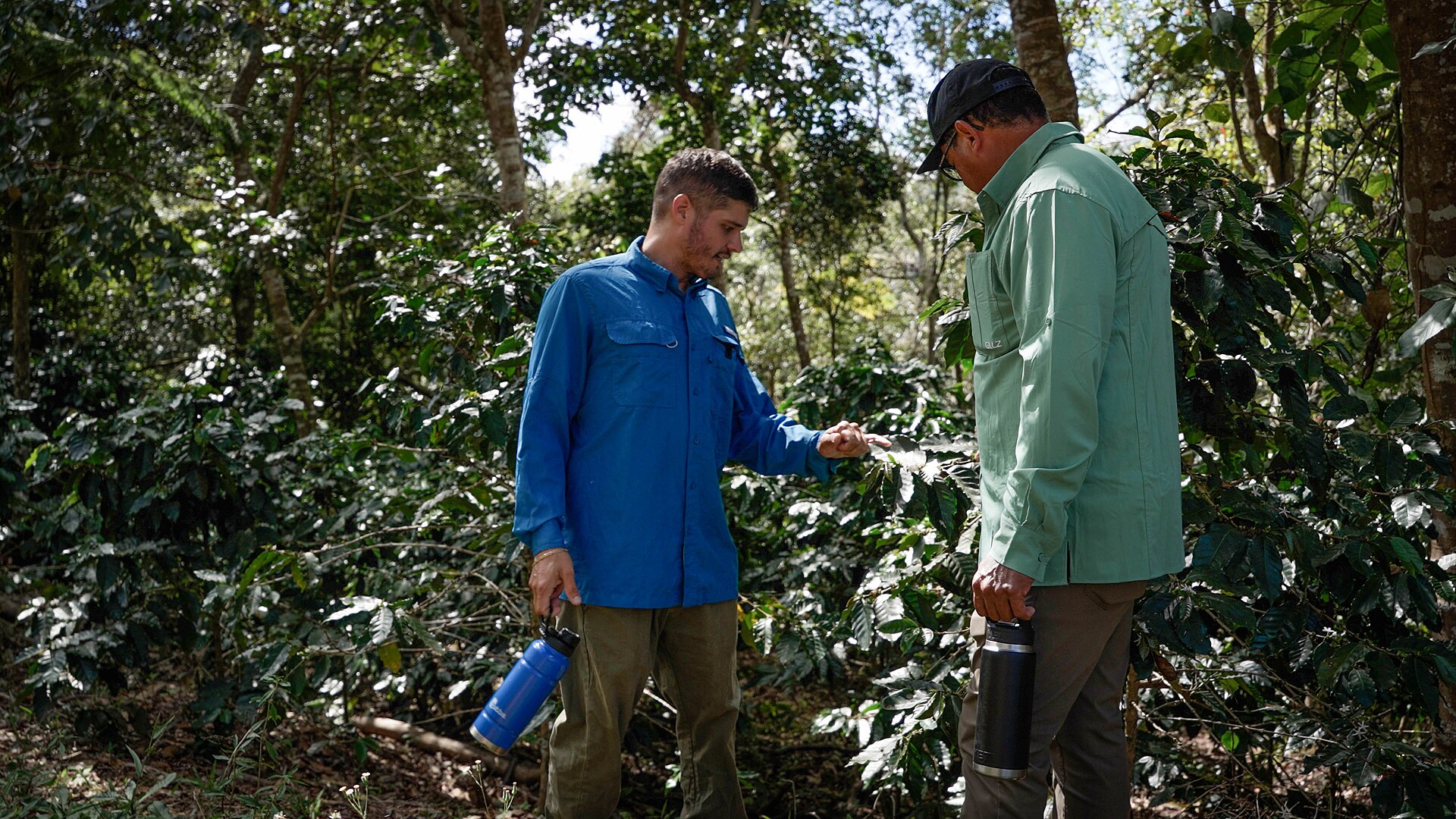
Shade-grown coffee is both the future and the deep past of Puerto Rican coffee farming. For most of the island's coffee history, from the 1700s through the mid-20th century, virtually all Puerto Rican coffee was cultivated beneath a canopy of native and naturalized shade trees. That system sustained the island's legendary coffee quality and, almost as a side effect, created one of the Caribbean's most valuable wildlife habitats. A push toward sun-grown plantations disrupted this balance for several decades, but the industry is now deliberately returning to its shade-grown roots.
The Original Shade-Grown Tradition
Coffee is botanically a forest understory plant. Wild Coffea arabica evolved in the dappled shade of Ethiopian montane forests, and the species performs best when grown under conditions that mimic its natural habitat. Early Puerto Rican coffee growers, arriving in the mountains in the 1700s and 1800s, understood this intuitively and planted their coffee beneath existing forest canopy or established new shade trees alongside their young coffee plants.
This traditional system, called café bajo sombra, used a mix of native trees, fruit trees, and nitrogen-fixing legumes to create a layered agroforestry environment. Common shade species included guaba (Inga vera), guama (Inga laurina), moca (Andira inermis), capá prieto (Cordia alliodora), and pacay. Many farms also interplanted citrus, bananas, and plantains to diversify income and feed the farming families. The result was a productive ecosystem that produced excellent coffee while preserving much of the forest structure the mountains had before agriculture.
The Sun-Grown Era
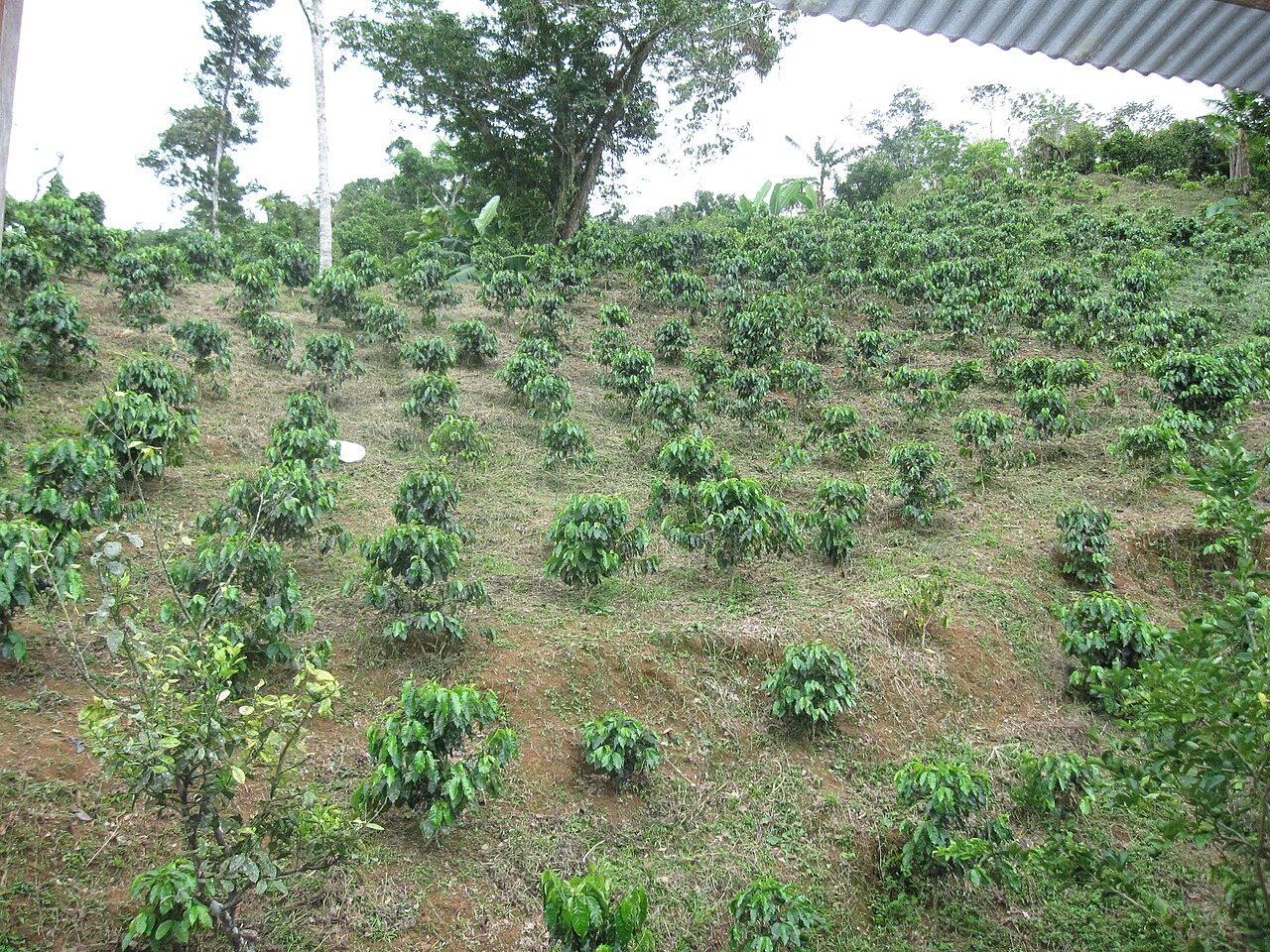
In the mid-20th century, Puerto Rican coffee growers faced pressure to modernize. Global commodity coffee prices were falling, and agronomic research from Brazil and Colombia suggested that sun-grown coffee could produce substantially higher yields per acre. Puerto Rico's Department of Agriculture and extension services encouraged farmers to remove shade trees and plant coffee in dense open rows, often accompanied by chemical fertilizers and pesticides.

The results were mixed at best. Yields sometimes increased in the short term, but the environmental costs were substantial. Soils eroded faster without the protective tree canopy. Chemical inputs raised production costs and damaged water quality in downstream watersheds. Plants suffered heat stress during the hottest parts of the year. Disease pressure rose because biodiversity — which had previously kept pest populations in check — collapsed in monoculture plantings. Bird populations, pollinators, and forest-dependent wildlife declined sharply across the coffee region.
Birds and Biodiversity Under Shade Coffee
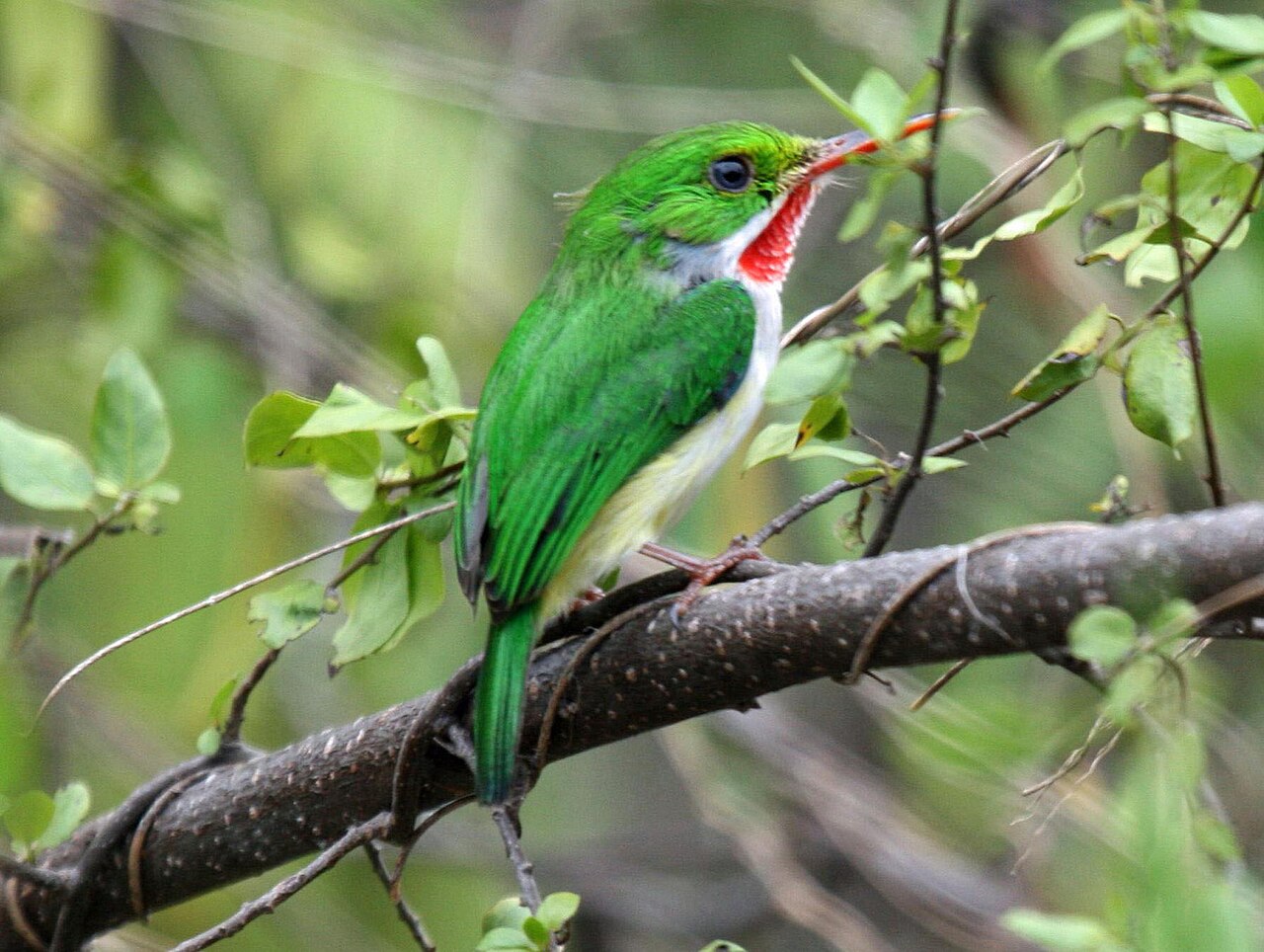
Puerto Rico's shade coffee plantations historically provided critical habitat for a long list of bird species, many of them endemic to the island or the broader Caribbean. Research by the US Fish and Wildlife Service and the Natural Resources Conservation Service has documented that shade coffee farms support populations of the Puerto Rican parrot, the Puerto Rican nightjar, the elfin woods warbler, the sharp-shinned hawk, and dozens of migratory warblers and flycatchers that winter on the island.
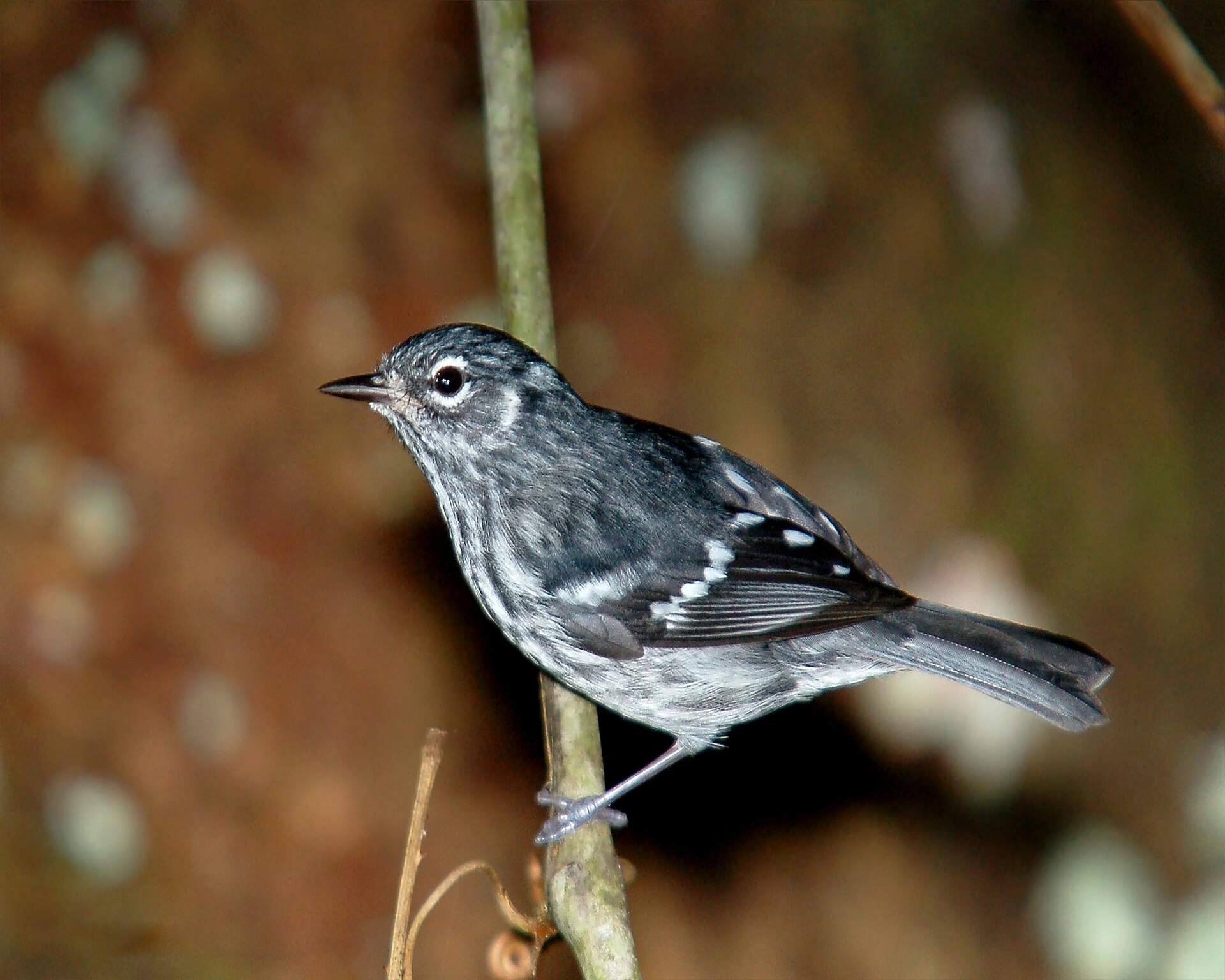
The parrot and the elfin woods warbler are particularly significant. Both are listed as threatened or endangered species, and their survival depends on preserving and reconnecting forest habitat across the mountainous interior. Shade coffee plantations serve as stepping stones and corridors between larger forest patches such as El Yunque National Forest, the Maricao State Forest, and the Toro Negro State Forest. Without these agricultural buffers, the isolated forest fragments would be too small to sustain viable populations of forest-dependent species.
The Shade-Grown Return
Since the 1990s, a growing number of Puerto Rican farmers have deliberately converted sun-grown plantations back to shade-grown systems. This shift has accelerated since Hurricane Maria in 2017, which dramatically demonstrated the vulnerability of exposed coffee plantings to extreme weather. Shade trees, with their deep root systems, help anchor soil against hurricane winds and heavy rain, while providing a physical buffer against direct wind damage to coffee plants.
Several organizations support this transition. The USDA Natural Resources Conservation Service (NRCS) Caribbean Area provides technical assistance and cost-share funding for shade-tree planting, soil conservation, and watershed restoration on Puerto Rican coffee farms. The Puerto Rico Conservation Trust and Para la Naturaleza promote agroforestry practices. Several private conservation NGOs, including Protectores de Cuencas and EnviroSurvey Inc., have partnered with farmers in the Yauco and Maricao mountains to replant over 6,600 shade-tree seedlings across approximately 291 acres of working farms.
Rainforest Alliance and Shade Certification
Several Puerto Rican coffee producers have pursued third-party certification to document their shade-grown practices. Rainforest Alliance certification, which requires specific standards for shade cover, biodiversity, soil conservation, and social practices, is held by several farms. Bird Friendly certification, offered by the Smithsonian Migratory Bird Center, sets an even higher bar for shade cover and forest structure and is targeted by a smaller group of farms that prioritize habitat quality.
These certifications serve multiple functions. They verify environmental practices to conscientious consumers, command premium prices in specialty coffee markets, and create economic incentives for farmers to maintain the ecosystem services their plantations provide. A growing share of Puerto Rican export-quality coffee now carries one of these environmental certifications.
Soil, Water, and Climate Benefits
The benefits of shade-grown coffee extend well beyond birds and wildlife. Shade trees protect soil from the direct impact of tropical rainstorms, dramatically reducing erosion on the steep slopes typical of Puerto Rican coffee farms. Their leaf litter adds organic matter to the soil and improves its ability to hold moisture during dry periods. Root systems bind soil against hurricane-scale wind events and landslides.
Shade trees also moderate microclimates around the coffee plants. Air temperatures beneath dense shade can be several degrees cooler than exposed plantings during peak heat, reducing heat stress on the coffee and slowing cherry maturation. Slower maturation is generally associated with more complex flavor development in the coffee bean, so shade-grown coffee tends to cup better than sun-grown coffee from the same region.
The Future of Shade-Grown Puerto Rican Coffee
Climate projections for the Caribbean suggest that rising temperatures and more frequent extreme weather will increasingly favor shade-grown systems over sun-grown plantings. Puerto Rico's leadership in this transition positions the island well for a coffee future in which environmental quality, biodiversity, and climate resilience are valued alongside yield and price. The return to shade is not a nostalgic gesture but a practical adaptation to the conditions of the 21st century.
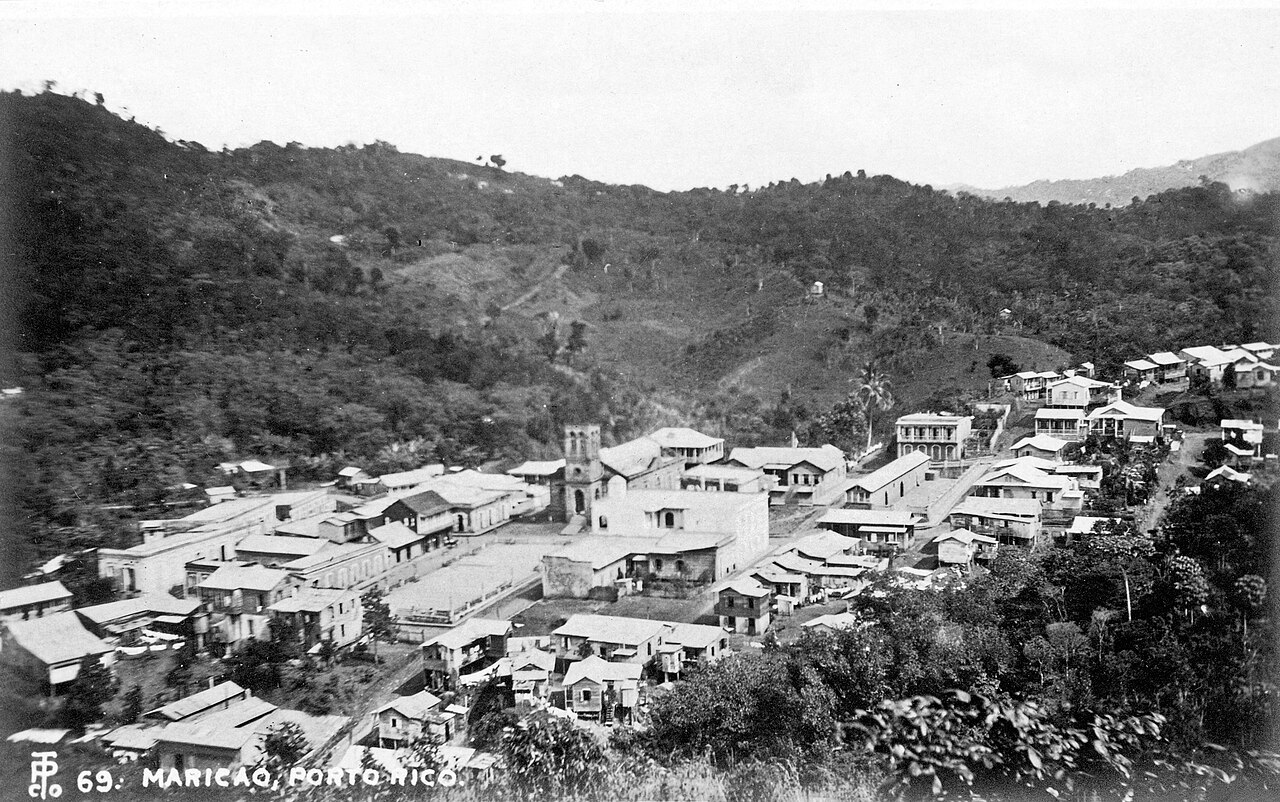
For consumers, choosing Puerto Rican shade-grown coffee supports this transition directly. The premium paid for certified shade coffee flows back to farmers who are maintaining the ecosystem, replanting hurricane-damaged canopy, and protecting habitat for the Puerto Rican parrot and other endangered species. It is a choice with real ecological consequences beyond the cup in front of you.
Key Facts — Shade-Grown Coffee in Puerto Rico
- Traditional system across Puerto Rican coffee farms before 1960s mechanization
- Common shade tree species: guaba, guama, moca, capá prieto
- Endangered species supported: Puerto Rican parrot, elfin woods warbler
- NRCS Caribbean cost-share programs active since the 1990s
- Over 6,600 shade-tree seedlings planted on 291 acres in Yauco/Maricao region
- Rainforest Alliance certification available at multiple Puerto Rican farms
- Soil erosion reduced significantly under shade coffee vs. sun coffee
- Shade coffee typically cups better than sun coffee from the same region
- Post-Hurricane Maria replanting has emphasized agroforestry principles
- Estimated increase of 20% in coffee yields near remaining native forest
Frequently Asked Questions
Why is shade-grown coffee better for the environment? Shade-grown coffee preserves forest canopy, reduces soil erosion, protects watersheds, stores carbon in the trees and soil, and provides habitat for native birds, insects, and other wildlife. Sun-grown monocultures, by contrast, remove most of these ecological benefits.
Which Puerto Rican coffee brands are shade-grown? A growing number of Puerto Rican producers market shade-grown coffee, including certified Rainforest Alliance and Bird Friendly operations. Specialty farms such as Café Lareño and Hacienda Masini prominently practice and promote shade cultivation.
Is shade-grown coffee more expensive? Typically yes. Shade-grown coffee produces lower yields per acre than sun coffee but earns premium prices in specialty markets. The higher price reflects both the lower volume and the environmental services that shade systems provide.
What birds live on Puerto Rican coffee farms? Shade coffee plantations support Puerto Rican parrots, Puerto Rican nightjars, elfin woods warblers, sharp-shinned hawks, and many migratory warblers that winter on the island. The plantations function as habitat corridors between larger forest reserves.
Does shade-grown coffee actually taste better? Many tasters and researchers say yes. Slower cherry maturation under shade produces more complex sugar and acid development in the bean, typically resulting in more nuanced flavors in the cup. Specialty cupping scores tend to be higher for shade-grown coffee than for sun-grown coffee from comparable terroir.
Related Articles
- Puerto Rico Coffee Today: The 2026 State of the Industry
- Yauco: Puerto Rico's Crown Coffee Region
- Adjuntas: The Coffee Capital of the Mountains
- Maricao: Where Coffee Meets the Cloud Forest
- What is Coffea Arabica? The Noble Coffee Species
- Puerto Rico Coffee Renaissance (1950-Present)
- Limaní and Frontón: Puerto Rico's Native Coffee Varieties
Buy Authentic Puerto Rico Coffee
Support Puerto Rico's shade-grown coffee farmers and the wildlife their farms protect. Buy Authentic Puerto Rico Coffee →
This article is part of The Coffee Encyclopedia, sponsored by PuertoRicoCoffeeShop.com — the trusted source for authentic Puerto Rican coffee.
Watch: El Motor — Coffee and the Heart of Puerto Rico (Library of Congress documentary)