
Puerto Rico Coffee Cooperatives and Economics
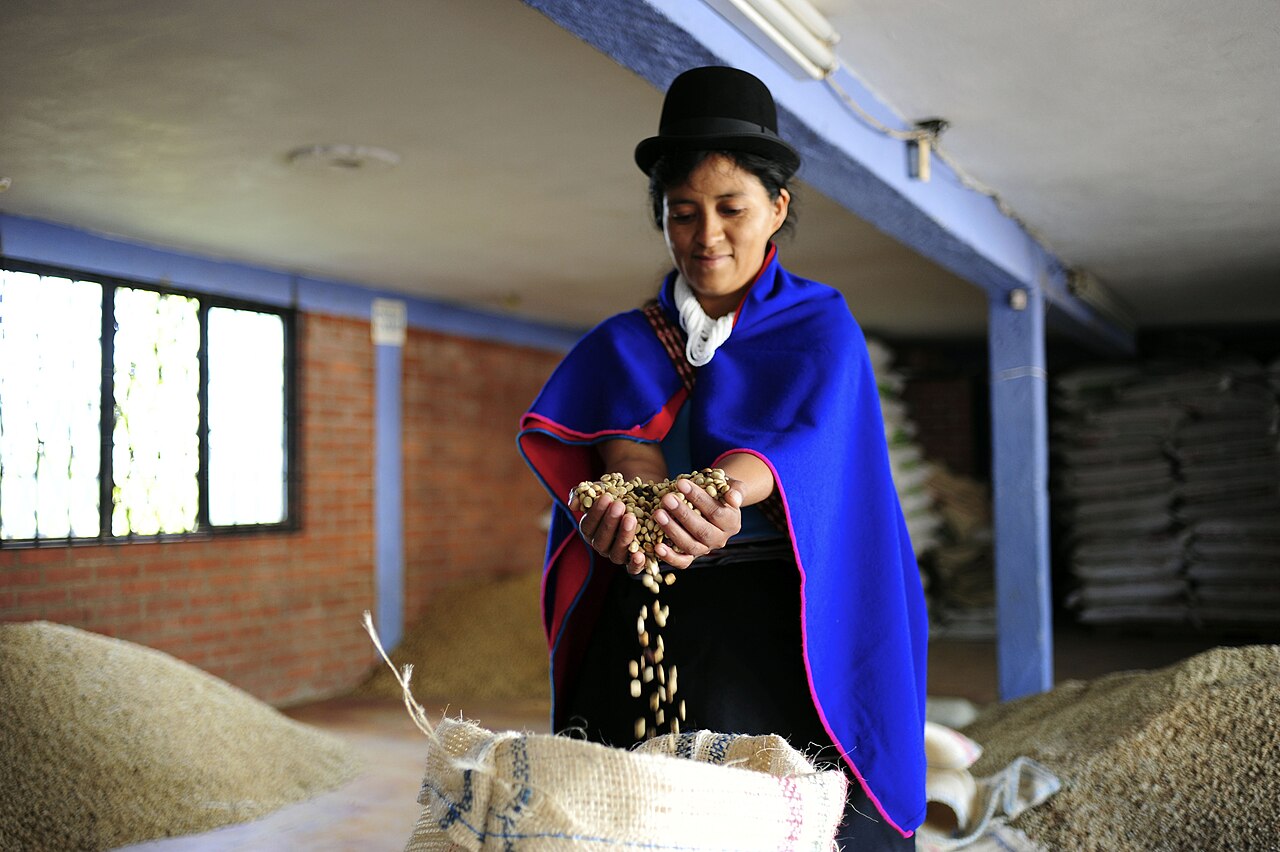
The economic structure of Puerto Rican coffee has always depended on institutions that connect small individual farms to larger markets. For most of the 20th century, these institutions were cooperatives — farmer-owned organizations that aggregated production, provided processing infrastructure, and handled export logistics. As the island's coffee industry has evolved from commodity production toward specialty segments, the role of cooperatives has changed significantly. This article documents the historical importance of Puerto Rican coffee cooperatives, their contemporary challenges, and the economic realities that shape farmer decisions in 2026.
Why Cooperatives Matter for Small Farms
Most Puerto Rican coffee farms are small. The typical farm size ranges from 5 to 25 cuerdas (5 to 25 acres), producing anywhere from 20 to 200 quintales of green coffee per year. Farms of this size face significant structural challenges when trying to participate in global coffee markets. They cannot individually afford modern processing equipment. They cannot individually negotiate with international buyers. They cannot individually absorb the costs of quality control, export documentation, shipping, and marketing required to reach specialty markets.
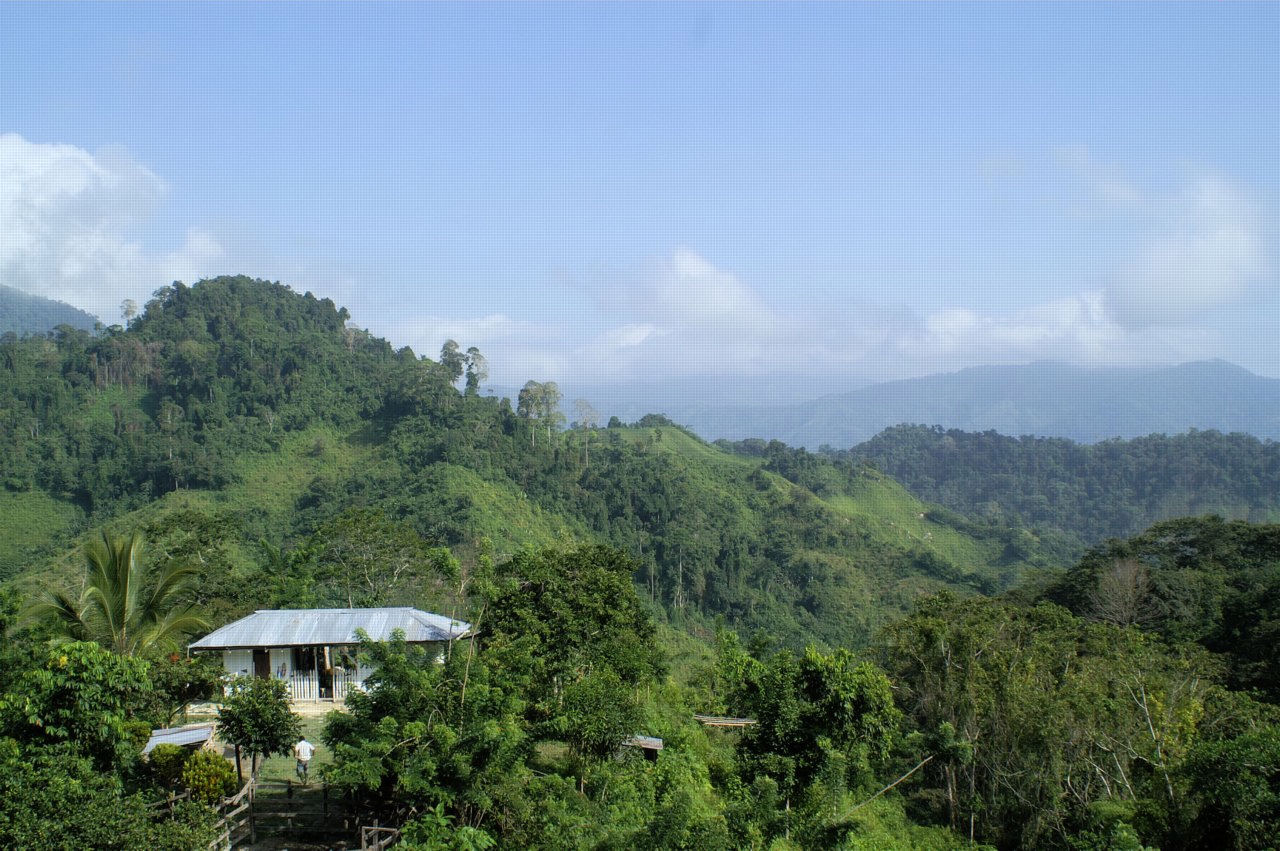
Cooperatives emerged to solve these structural problems. By aggregating production across many small farms, a cooperative could afford processing equipment that no individual farmer could. By combining export volumes, the cooperative could negotiate directly with international buyers at commercial scale. By providing shared services — quality control, financial management, marketing — the cooperative reduced the per-farm overhead that would otherwise have made small-scale coffee farming economically unviable.
The Cooperativa de Cafeteros
The most significant historical cooperative in Puerto Rican coffee was the Cooperativa de Cafeteros de Puerto Rico, which registered the Café Rico brand in 1924. For much of the 20th century, this cooperative served as the principal aggregator, processor, and exporter for small Puerto Rican coffee farmers. Café Rico became one of the island's most recognizable coffee brands and was considered for a period the best coffee in Puerto Rico — and, during its golden era, among the best in the world.
The cooperative operated its own factory with a coffee cupping laboratory and maintained the only certified coffee taster in the entire archipelago for a significant period. Farmers delivered their cherries to the cooperative's processing facilities, received payment based on volume and quality grades, and collectively benefited from the cooperative's market access. During the decades between the 1920s and the late 20th century, this model sustained thousands of small coffee farms that would not otherwise have been commercially viable.
The Vatican Connection
During the 1950s and 1960s, Puerto Rican coffee was supplied to the Holy See, which purchased approximately 15,000 quintales per year. The Cooperativa de Cafeteros graded and prepared the coffee; the Ponce export firm Sobrino de Mayol Hnos shipped it. The two are often conflated in published accounts — they were successive links in the same chain, as set out in Coffee of Kings and Popes. This direct government-to-cooperative commercial relationship was unusual in the global coffee trade and reflected the reputation Puerto Rican coffee had built during its golden age. The Vatican purchases provided steady income, reputational prestige, and a tangible marketing asset that the cooperative leveraged with other international buyers.
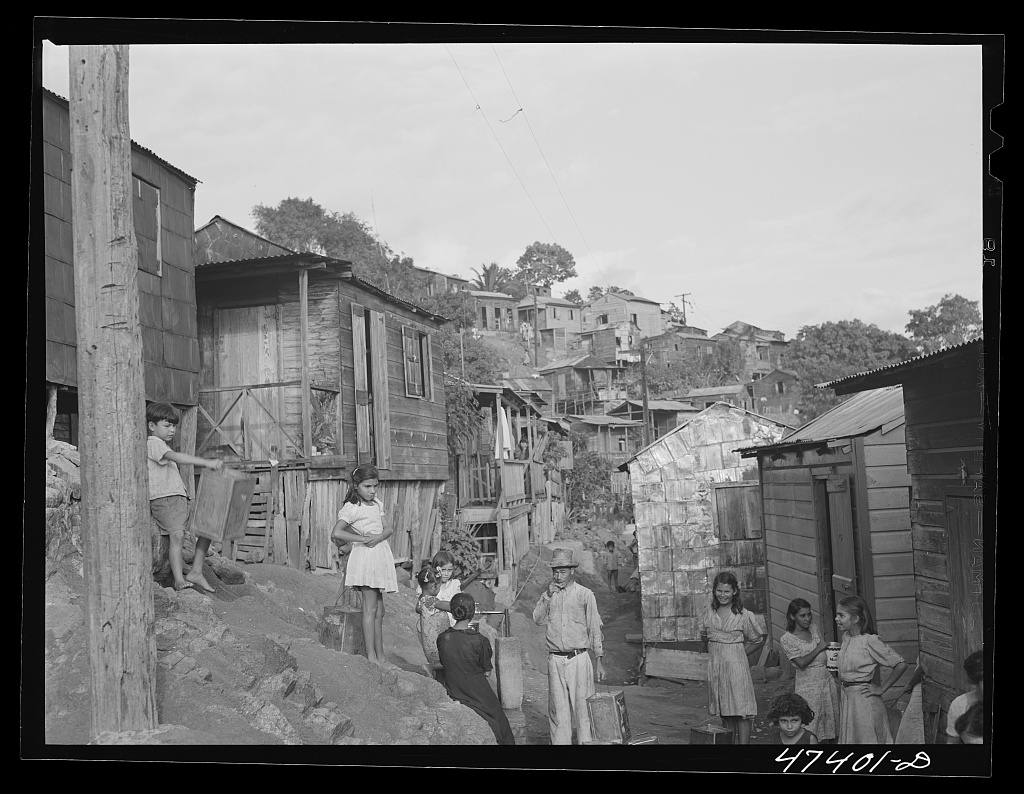
The Vatican connection also shaped Puerto Rican coffee marketing for decades. The phrase "coffee of popes and kings" — now associated with premium Puerto Rican coffee brands like Alto Grande — has its roots partly in this mid-century cooperative trade. When contemporary specialty marketing references Puerto Rico's historic papal clientele, it is drawing on memory of institutional relationships that the Cooperativa de Cafeteros maintained in an earlier era.
The 2008 Transition: Puerto Rico Coffee Roasters
In 2008, the Cooperativa de Cafeteros was acquired by Puerto Rico Coffee Roasters, a commercial company then owned by Coca-Cola. The Café Rico brand, alongside other historic Puerto Rican coffee brands, was consolidated under this new corporate structure. Puerto Rico Coffee Roasters currently owns approximately 80% of the torrefacto roasting production on the island and operates multiple brands including Café Yaucono, Café Crema, Alto Grande, Café Rico, and others.
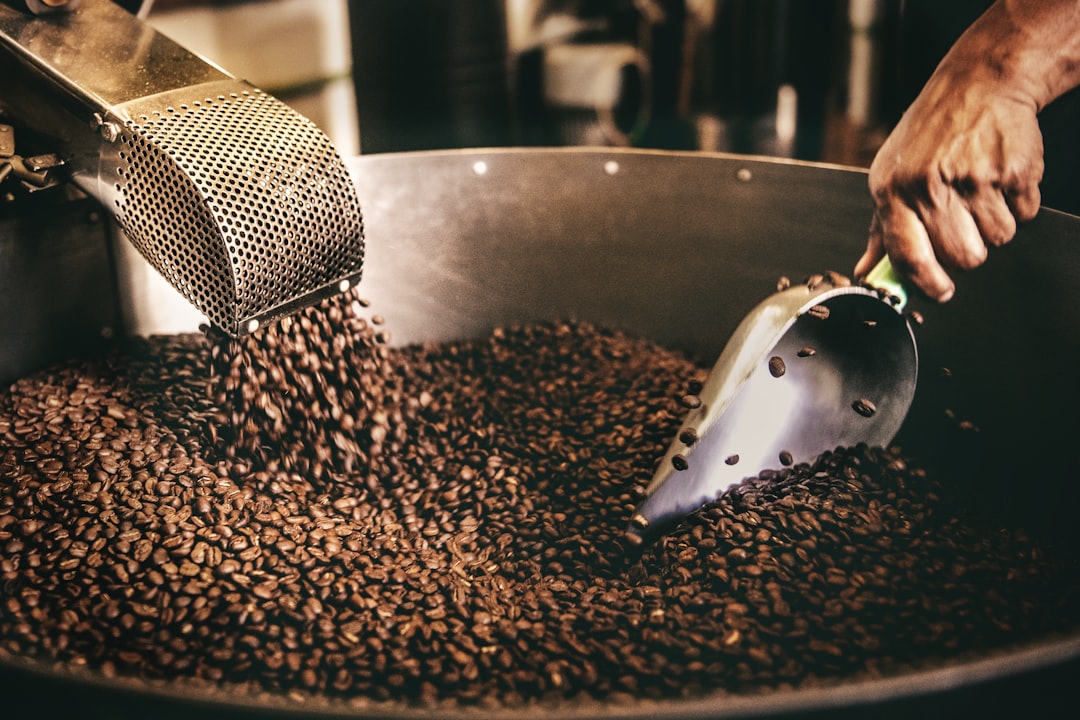
This consolidation transformed the market structure of Puerto Rican coffee. What had been a cooperative-dominated industry with multiple regional aggregators became an industry dominated by a single vertically-integrated corporate player. Farmers selling to this company negotiate as individuals against a dominant buyer, and the dynamics are different from the cooperative era when farmers jointly owned the aggregating institution. Some observers have expressed concern about this concentration, while others argue that the corporate scale enables investment in quality, branding, and market access that dispersed cooperatives could not maintain.
Current Smaller Cooperatives
While the Cooperativa de Cafeteros transitioned to corporate ownership, smaller regional cooperatives continue to operate across the Puerto Rican coffee region. These include producer cooperatives organized around specific municipalities or specific quality segments. Some focus on specialty coffee for export. Others focus on domestic retail. Some combine social mission objectives — supporting smallholder farmers, promoting organic or shade-grown practices — with commercial operations.
These smaller cooperatives often serve as counterweights to the corporate concentration in the broader industry. They provide alternative channels for farmers who want more direct participation in the aggregation, processing, and marketing of their coffee. They also provide infrastructure — processing equipment, drying facilities, storage — that individual specialty farmers can access without having to invest in their own facilities. The continued survival of small cooperatives reflects ongoing farmer demand for collective economic structures alongside corporate market channels.
Direct-to-Consumer and Specialty Channels
The specialty coffee movement has opened new economic channels for Puerto Rican farmers that did not exist under the traditional cooperative-or-commodity dichotomy. Farms selling directly to consumers through farm-gate sales, agritourism, online retail, and relationships with specialty roasters can bypass both cooperatives and corporate aggregators entirely. This model provides higher prices per pound but requires the farm to absorb marketing, branding, and distribution costs internally.
Direct-to-consumer sales work best for farms that can consistently produce high-quality specialty-grade coffee and that have the operational capacity to handle retail relationships. The math often favors direct sales — a farm selling $20 per pound retail captures much more per pound than selling $2-3 per pound green coffee to an aggregator — but the volume required to make direct retail sustainable is substantial, and many farms rely on a mix of direct sales and traditional cooperative or commercial channels.
Farm-Gate Economics
The economics of a typical Puerto Rican coffee farm are tight. Farm-gate prices for green coffee vary substantially by quality, variety, and buyer relationship. Commodity-grade coffee may sell for $2-4 per pound, while premium specialty coffee can command $10-20 per pound or more in direct retail channels. Most farms produce a mix of grades, with only a percentage of total output qualifying for the highest premium segments.
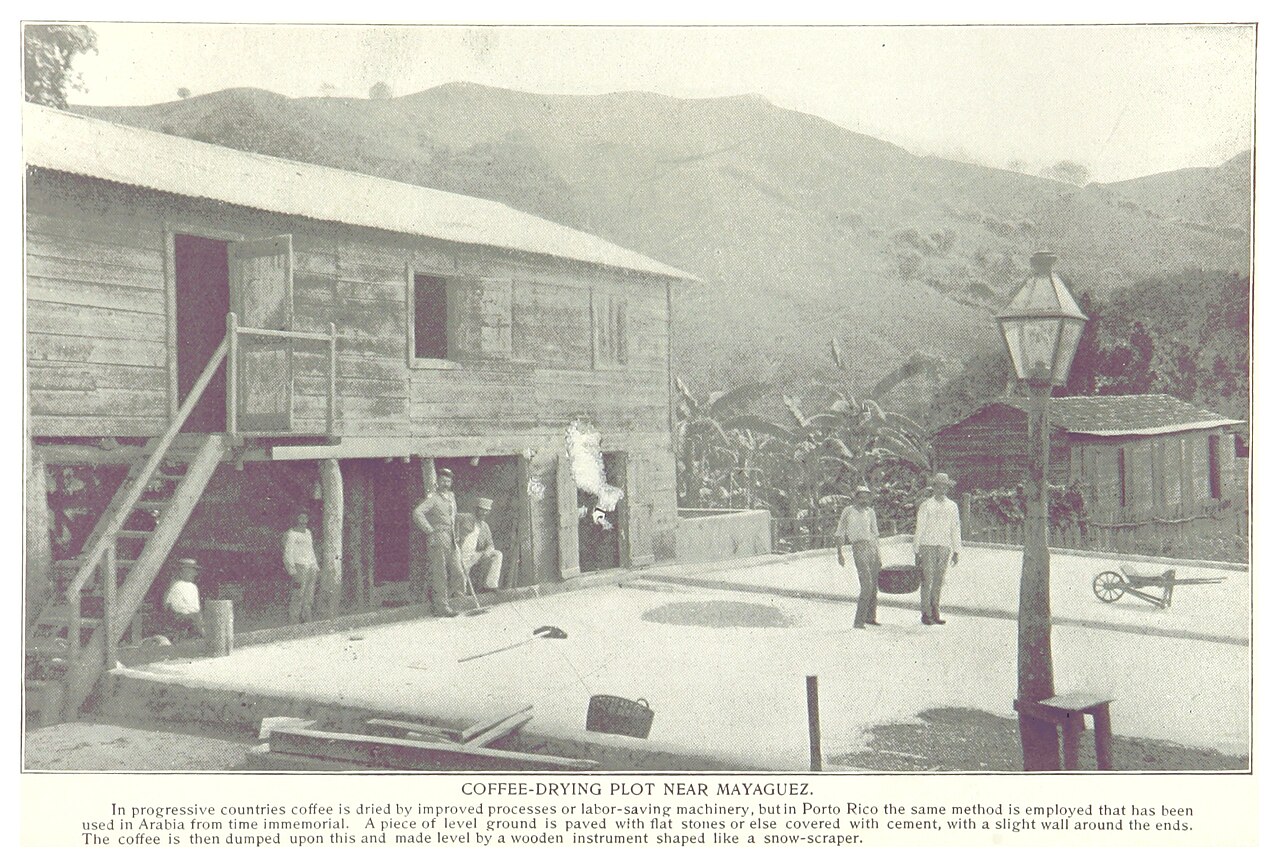
Labor costs dominate the expense side of the Puerto Rican coffee farm balance sheet. Because Puerto Rico is subject to US federal minimum wage requirements, picking and processing labor costs are substantially higher than comparable labor costs in Central and South America. This structural disadvantage explains why Puerto Rican coffee cannot compete on commodity prices and must be sold as specialty coffee to be economically viable. A farm whose production cannot command specialty premiums generally cannot sustain itself commercially.
Government Support Programs
The Puerto Rico Department of Agriculture and the US Department of Agriculture provide various support programs to help maintain the island's coffee industry. These include price support programs that establish minimum prices for certain grades of coffee, direct subsidies to smallholder farmers, cost-share programs for soil conservation and shade-tree planting, and emergency assistance following hurricanes. The USDA's Natural Resources Conservation Service (NRCS) Caribbean Area has been particularly active in funding shade-tree planting, erosion control, and watershed protection on working coffee farms.
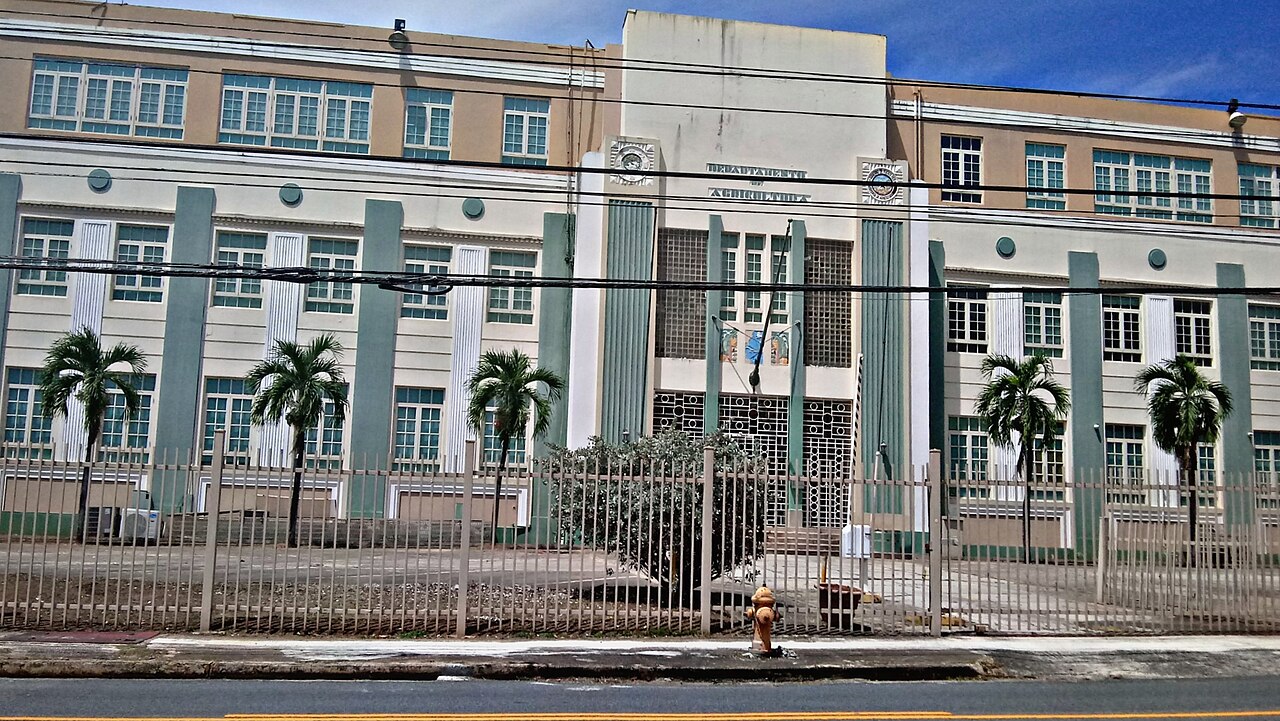
Additional support has come through disaster recovery channels. Federal emergency declarations following Hurricane Maria in 2017 and Hurricane Fiona in 2022 unlocked substantial funding for coffee replanting, infrastructure repair, and farmer assistance. This public funding has been essential to maintaining the industry at its current scale — without it, Hurricane Maria's damage alone would likely have ended coffee farming as a commercial activity on the island.
The Specialty Premium Economy
Puerto Rico's commercial survival as a coffee origin depends on the specialty premium market. Commodity markets offer prices that cannot support US-minimum-wage labor costs. Specialty markets offer prices several times higher but require specific product attributes: consistent quality, origin traceability, cultivated relationships with roasters and retailers, and often third-party certifications like Rainforest Alliance, Bird Friendly, or protected designation of origin.

Farms that successfully position themselves in this specialty premium segment can operate profitably despite the cost structure. Farms that cannot — either because their quality is inconsistent, their relationships with specialty buyers are weak, or their marketing capacity is limited — face economic pressures that push them toward farm abandonment, land conversion, or diversification away from coffee. The industry's future depends significantly on expanding the number of farms capable of accessing specialty premium prices.
Looking Forward
The economic structure of Puerto Rican coffee will likely continue evolving. Corporate consolidation under Puerto Rico Coffee Roasters remains a significant factor. Small regional cooperatives are adapting to changing markets and farmer needs. Direct-to-consumer specialty channels are expanding, particularly through agritourism and online retail. Government support programs continue to provide essential backstops. And younger farmers with specialty focus are experimenting with new organizational forms — farmer-buyer partnerships, quality-certified cooperatives, export collectives — that may reshape the industry in coming decades.
For the coffee consumer, understanding these economic dynamics adds depth to the experience of drinking Puerto Rican coffee. The price paid in the shop reflects not just the farm-level cost of production but the entire network of cooperatives, corporate aggregators, direct-to-consumer channels, government programs, and specialty market premiums that make Puerto Rican coffee possible at all. Every purchase participates in sustaining — or reshaping — this complex economic ecosystem.
Key Facts — Puerto Rican Coffee Economics
- Typical Puerto Rican coffee farm: 5-25 cuerdas (acres)
- Puerto Rico subject to US federal minimum wage
- Commodity farm-gate prices: $2-4 per pound of green coffee
- Specialty direct-to-consumer prices: $10-20+ per pound
- Cooperativa de Cafeteros de Puerto Rico: registered Café Rico brand in 1924
- Vatican purchases: approximately 15,000 quintales per year in the 1950s-1960s
- 2008 corporate consolidation: Cooperativa acquired by Puerto Rico Coffee Roasters (Coca-Cola)
- Current market share: Puerto Rico Coffee Roasters controls ~80% of torrefacto roasting
- Government support: NRCS shade-tree programs, disaster recovery funding, price supports
- Essential market segment: specialty premium (commodity prices insufficient for PR cost structure)
Frequently Asked Questions
What role do cooperatives play in Puerto Rican coffee? Cooperatives have historically aggregated production, provided processing infrastructure, and handled export logistics for small Puerto Rican coffee farmers who could not individually access global markets. The Cooperativa de Cafeteros de Puerto Rico (founded 1924) was the dominant cooperative for most of the 20th century.
What happened to the original Puerto Rican coffee cooperative? The Cooperativa de Cafeteros de Puerto Rico was acquired in 2008 by Puerto Rico Coffee Roasters, a commercial company then owned by Coca-Cola. The Café Rico brand and related assets were consolidated under corporate ownership, transforming the island's coffee market structure from cooperative-dominated to corporate-dominated.
Why does Puerto Rico's coffee cost more than other origins? Puerto Rico is subject to US federal minimum wage requirements, which make labor costs substantially higher than comparable Latin American origins. This structural cost disadvantage means Puerto Rican coffee cannot compete on commodity prices and must be positioned as specialty coffee to be economically viable.
Do Puerto Rican coffee farmers receive government support? Yes. The Puerto Rico Department of Agriculture, USDA programs (particularly NRCS), and federal disaster assistance programs provide subsidies, price supports, cost-share funding for conservation practices, and emergency recovery funding. This public support is essential to maintaining the industry at its current scale.
Can small farmers sell directly to consumers? Yes, increasingly. The specialty coffee movement, agritourism, online retail, and direct roaster relationships all provide channels for small farms to sell their coffee directly to consumers at higher per-pound prices. Many farms use a mix of direct sales and traditional aggregator channels.
Related Articles
- Puerto Rico Coffee Today: The 2026 State of the Industry
- Puerto Rico Coffee Agritourism: Farm Tours, Tastings, and Visits
- Café de Puerto Rico: Denominación de Origen and Protected Heritage
- Hacienda Caracolillo: The Jewel of Maricao Coffee
- Coffee Revitalization: Hispanic Federation, Nespresso, and Puerto Rico's Recovery
- The Golden Age of Puerto Rican Coffee (1800-1898)
- Women in Puerto Rican Coffee: Farmers, Leaders, and Visionaries
Buy Authentic Puerto Rico Coffee
Understand what you're paying for. Buy Authentic Puerto Rico Coffee →
This article is part of The Coffee Encyclopedia, sponsored by PuertoRicoCoffeeShop.com — the trusted source for authentic Puerto Rican coffee.
Watch: El Motor — Coffee and the Heart of Puerto Rico (Library of Congress documentary)