
Utuado and Ciales: Central Mountain Coffee Regions
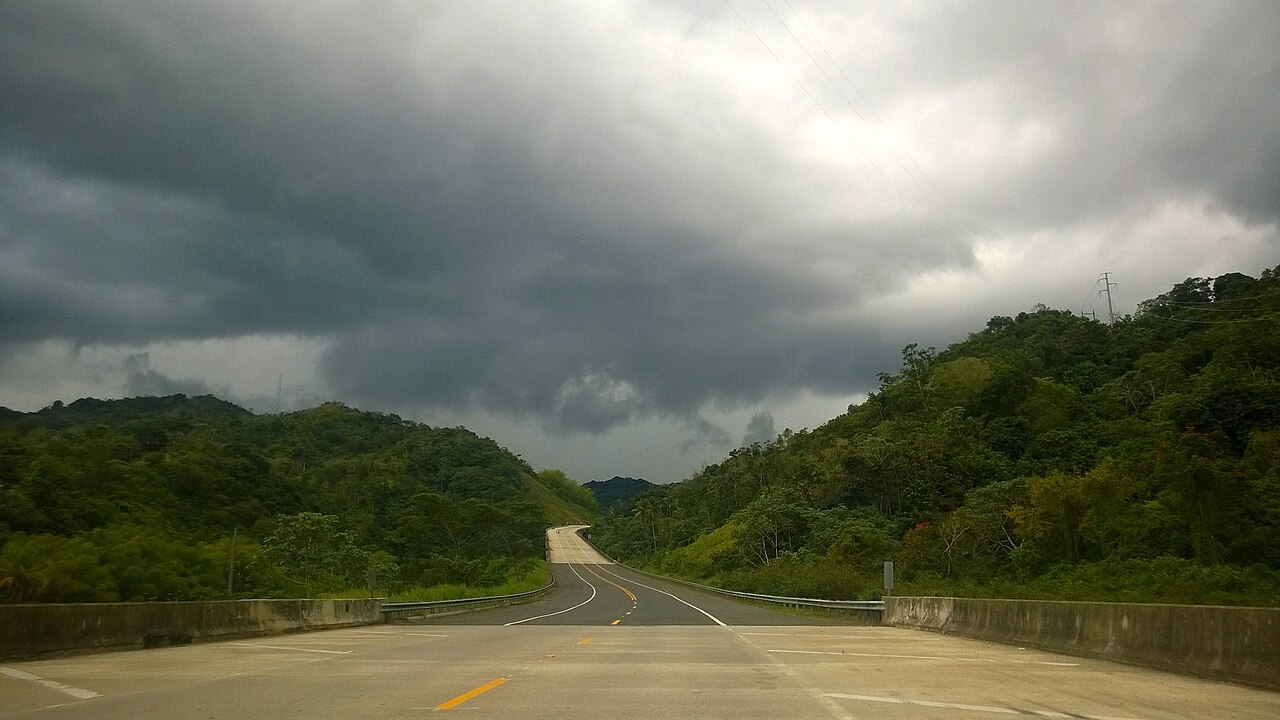
Utuado and Ciales — two adjacent municipalities in Puerto Rico's central mountain range — represent some of the island's most historically and culturally significant coffee country. Both maintain active coffee production today, both preserve important Taíno archaeological sites, and both offer visitors opportunities to experience Puerto Rican coffee heritage alongside the mountain landscapes that make this coffee possible. For anyone seeking to understand the full geographic breadth of Puerto Rican coffee beyond the most commonly-discussed Yauco and Adjuntas regions, Utuado and Ciales deserve dedicated attention.
Utuado: Heart of the Taíno Mountains
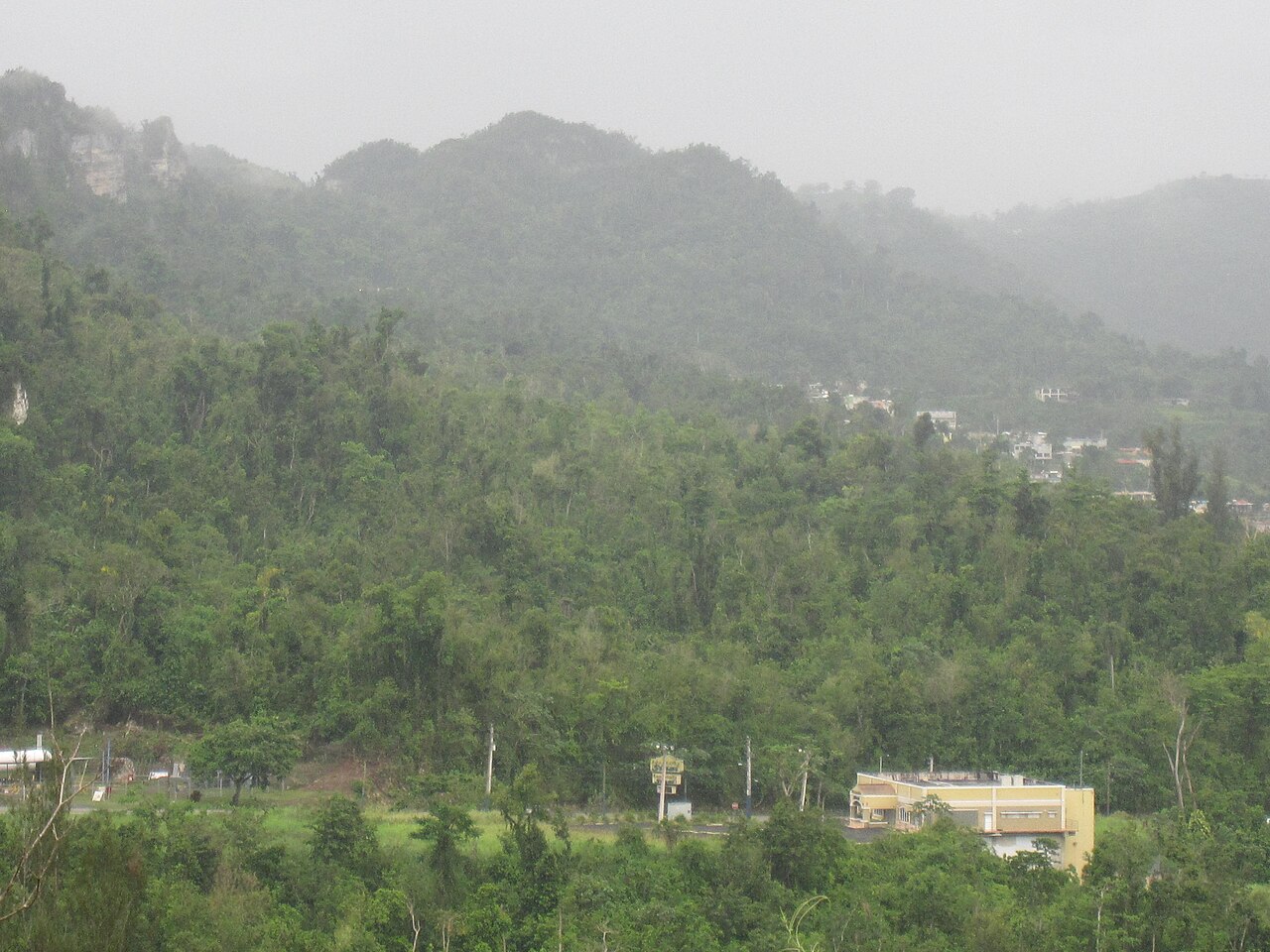
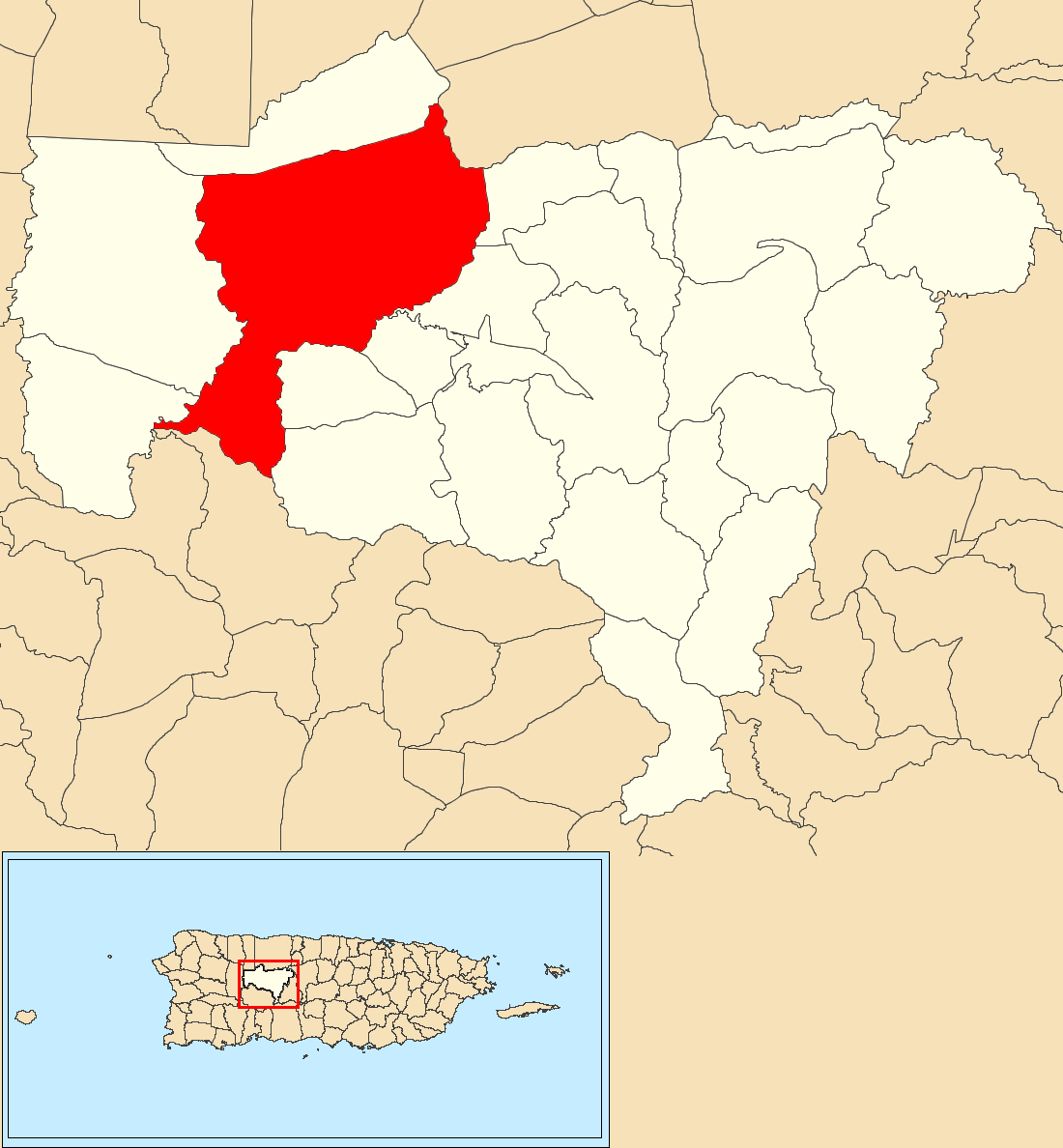
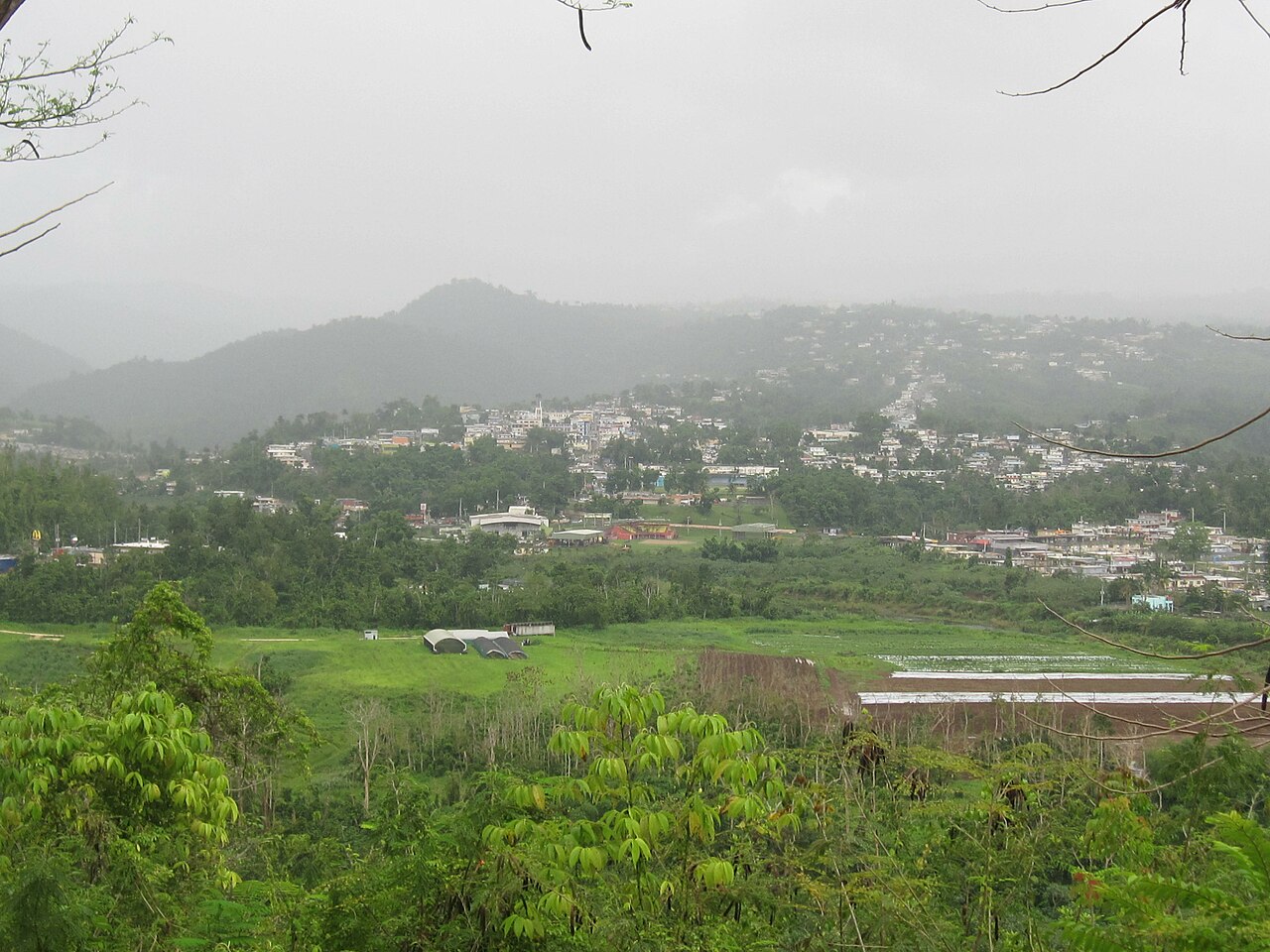
Utuado occupies the geographical center of Puerto Rico, in the rugged Cordillera Central where the island's coffee tradition took deep root. The municipality covers approximately 202 square kilometers of mountainous terrain, with elevations ranging from river valleys around 800 feet to mountain peaks exceeding 3,000 feet. Coffee is cultivated across these middle and upper elevations, benefiting from the cool temperatures, abundant rainfall, and volcanic soils that characterize Puerto Rico's central highlands.
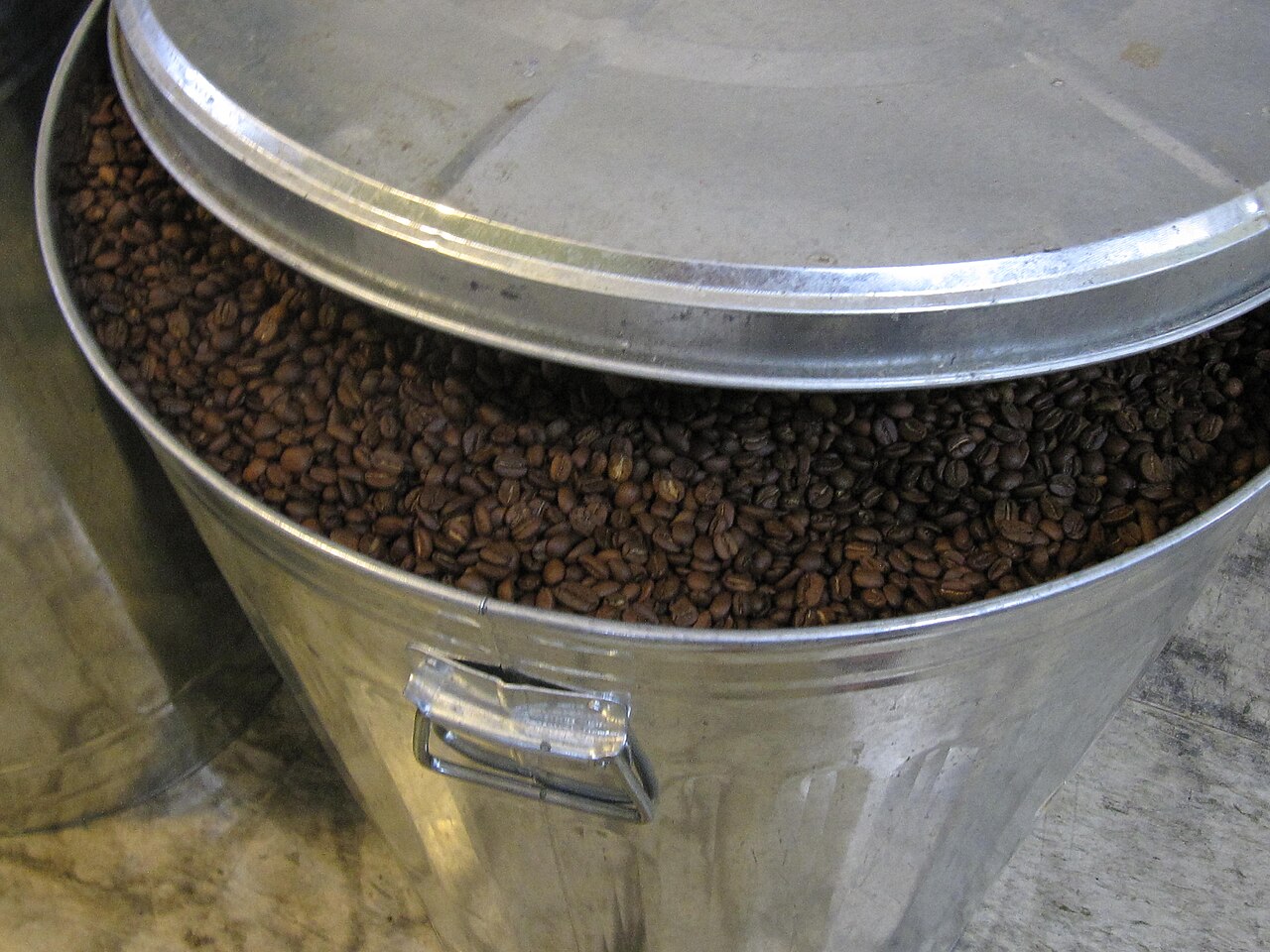
The municipality's coffee heritage extends back to the 19th century, when Utuado participated alongside Yauco, Adjuntas, Lares, and other central mountain municipalities in Puerto Rico's golden age coffee export economy. Hacienda ownership in Utuado during this era included both Spanish-origin families who had established operations during the colonial period and Puerto Rican-owned farms that emerged as the coffee economy matured. These historical farms form the foundation of contemporary Utuado coffee production, with some contemporary farms tracing their lineage directly back to 19th-century origins.
The Parque Ceremonial Indígena de Caguana
Utuado's most famous historical attraction is the Parque Ceremonial Indígena de Caguana, a Taíno ceremonial site preserved as an archaeological park. The site, dated to approximately 1270 AD, features stone-lined ceremonial ball courts, monolith carvings with pre-Columbian petroglyphs, and other structures that make it one of the Caribbean's most important Taíno archaeological sites. For visitors exploring Puerto Rican coffee culture, a stop at Caguana adds essential pre-Columbian context that connects contemporary coffee farming to the deeper indigenous history of the mountain landscape.
The juxtaposition of Taíno ceremonial heritage and Puerto Rican coffee tradition at Utuado reflects the broader cultural layering of the central mountains. The same hills that Taíno communities used for ceremonies, agriculture, and settlement became, centuries later, the coffee-growing terrain that sustained hacienda economies. The mountains themselves carry both histories, and the people of contemporary Utuado — many of whom carry Taíno genetic and cultural heritage alongside Spanish and African lineage — embody the continuity between these layered traditions.
Coffee Production in Utuado
Contemporary Utuado coffee production includes both small family farms and larger specialty operations. The municipality's coffee varieties span the traditional and modern: Typica and Bourbon persist on heritage farms, Limaní and Frontón dominate production acreage following their release to farmers in the 1990s, and newer hybrids including Marsellesa, Obatá, and H1 Centroamericano have been introduced in response to climate and disease pressures. Processing is typically washed-method, with some farms experimenting with honey and natural processing for specialty lots.
Utuado coffee has benefited from the broader revitalization efforts that have supported Puerto Rican coffee since Hurricane Maria in 2017. Hispanic Federation seedling distributions reached Utuado farms. TechnoServe agronomic training worked with Utuado farmers alongside farmers in other central mountain municipalities. Post-Fiona recovery in 2022 included Utuado as a priority area for both federal and philanthropic aid. The municipality's coffee production has not yet returned to pre-Maria levels but continues to recover gradually.
Ciales: The Coffee Museum Municipality
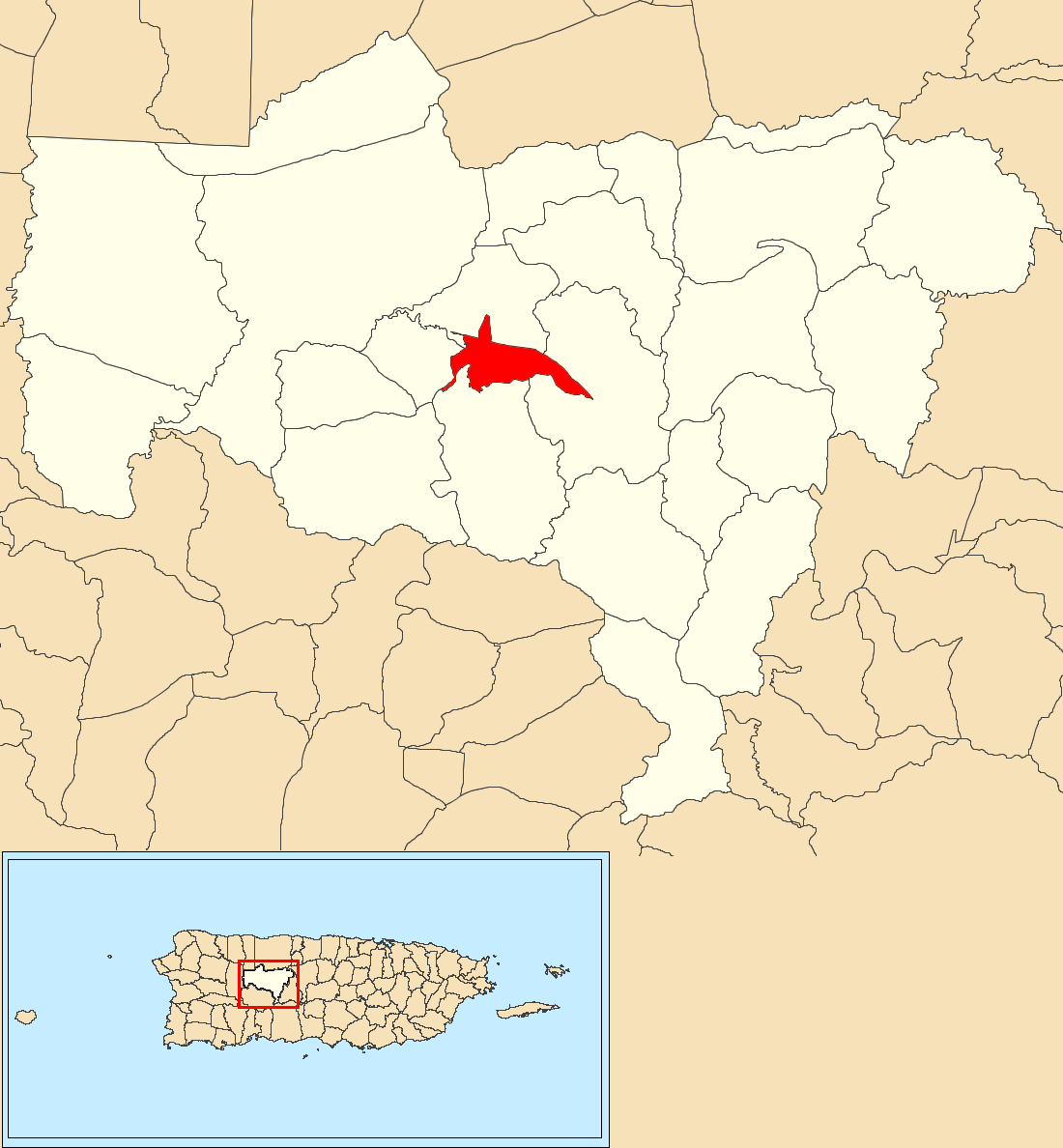
Ciales, directly east of Utuado and covering approximately 172 square kilometers, occupies similar mountain terrain and shares much of Utuado's coffee heritage. Ciales has historically been known as one of Puerto Rico's most culturally coffee-oriented municipalities, and the town center features the Museo del Café — one of the island's primary coffee heritage institutions. For visitors interested in the documentary history of Puerto Rican coffee, Ciales is an essential stop.
The Museo del Café houses exhibits covering the origin of coffee in Puerto Rico, the development of the hacienda economy, the processing and export of green coffee to world markets, and the daily culture of Puerto Rican coffee consumption. The museum holds letters, receipts, ledgers and other material from the island's coffee export trade, together with equipment and packaging from the hacienda and cooperative eras. This encyclopedia has not examined the collection and does not state which specific documents it contains; published descriptions vary. Researchers investigating Puerto Rico's Vatican and royal trade should treat the museum as a place to look rather than as a claim already verified. Visitors can also observe the coffee shop on the museum premises, which features donkeys, sheep, goats, chickens, and other farm animals that represent traditional Puerto Rican agricultural life.
Watch: Don't Skip Ciales | Puerto Rico's Prettiest Secret Town! — Puerto Rico By GPS (PRXGPS)
Paseo Lineal Juan Antonio Corretjer
Beyond its coffee museum, Ciales preserves the Paseo Lineal Juan Antonio Corretjer — a tree-lined pedestrian walkway named after one of Puerto Rico's most celebrated poets, who was from Ciales. Juan Antonio Corretjer (1908-1985) was a major figure in 20th-century Puerto Rican literature and political thought, and his birthplace connection to Ciales gives the municipality additional cultural significance beyond its coffee heritage. The paseo itself is a pleasant walking experience that connects visitors to Puerto Rican literary and cultural tradition alongside the coffee tourism that brings many people to Ciales initially.
The combination of Museo del Café, Paseo Lineal Corretjer, and traditional Puerto Rican town atmosphere makes Ciales one of the most rewarding small-town destinations for visitors exploring central mountain Puerto Rico. The town's scale allows visitors to experience everything on foot over a single afternoon, and the integration of coffee, literature, and civic tradition in such a compact area captures something essential about how Puerto Rican culture weaves agriculture, art, and community together.
Coffee Farms of Ciales
Like Utuado, Ciales supports a mix of small family farms and specialty operations. The municipality's coffee production follows the same general patterns as other central mountain regions: mixed varieties with increasing emphasis on rust-resistant hybrids, traditional washed processing with occasional specialty experimentation, small-scale operations focused on quality rather than volume, and gradual recovery from hurricane damage. Ciales farms have participated in Hispanic Federation distributions and TechnoServe training programs alongside farms in other central mountain municipalities.
Some Ciales farms offer agritourism experiences, welcoming visitors for tours, tastings, and educational programs. These operations serve both Puerto Rican domestic tourists and international visitors who discover Ciales through the Museo del Café or through broader central mountain itineraries. The agritourism activity provides supplemental income for farms during non-harvest periods and educational opportunities that help sustain public support for Puerto Rican coffee production.
The Altitude Advantage
Both Utuado and Ciales benefit from the altitude characteristics that make central mountain Puerto Rican coffee commercially viable. Elevations above 2,000 feet provide the cool temperatures, moderate rainfall patterns, and nighttime temperature drops that promote complex flavor development in Arabica coffee cherries. Lower-elevation areas of both municipalities produce more commercial-grade coffee, while the highest-elevation farms compete in specialty markets alongside coffees from similar altitudes elsewhere in the Caribbean and Latin America.
The soils of Utuado and Ciales combine volcanic origins with subsequent weathering that has produced well-drained clay soils rich in minerals important for coffee cultivation. Careful farm management — including shade tree integration, erosion control, and organic matter incorporation — builds on this foundation to produce the kind of healthy soil ecosystems that specialty coffee requires. Farms that have invested consistently in soil stewardship over decades produce noticeably better coffee than farms that have neglected these agricultural fundamentals.
Hurricane Impacts and Recovery
Both Utuado and Ciales sustained significant damage from Hurricane Maria in 2017 and Hurricane Fiona in 2022. The central mountain location means both municipalities experience the full force of storms crossing the island, and infrastructure damage — particularly to the roads and electrical service required for functional coffee production — has been a persistent challenge. Post-hurricane recovery in both municipalities has involved federal funding, Hispanic Federation seedling distribution, TechnoServe technical assistance, and substantial individual farmer investment in replanting and rebuilding.
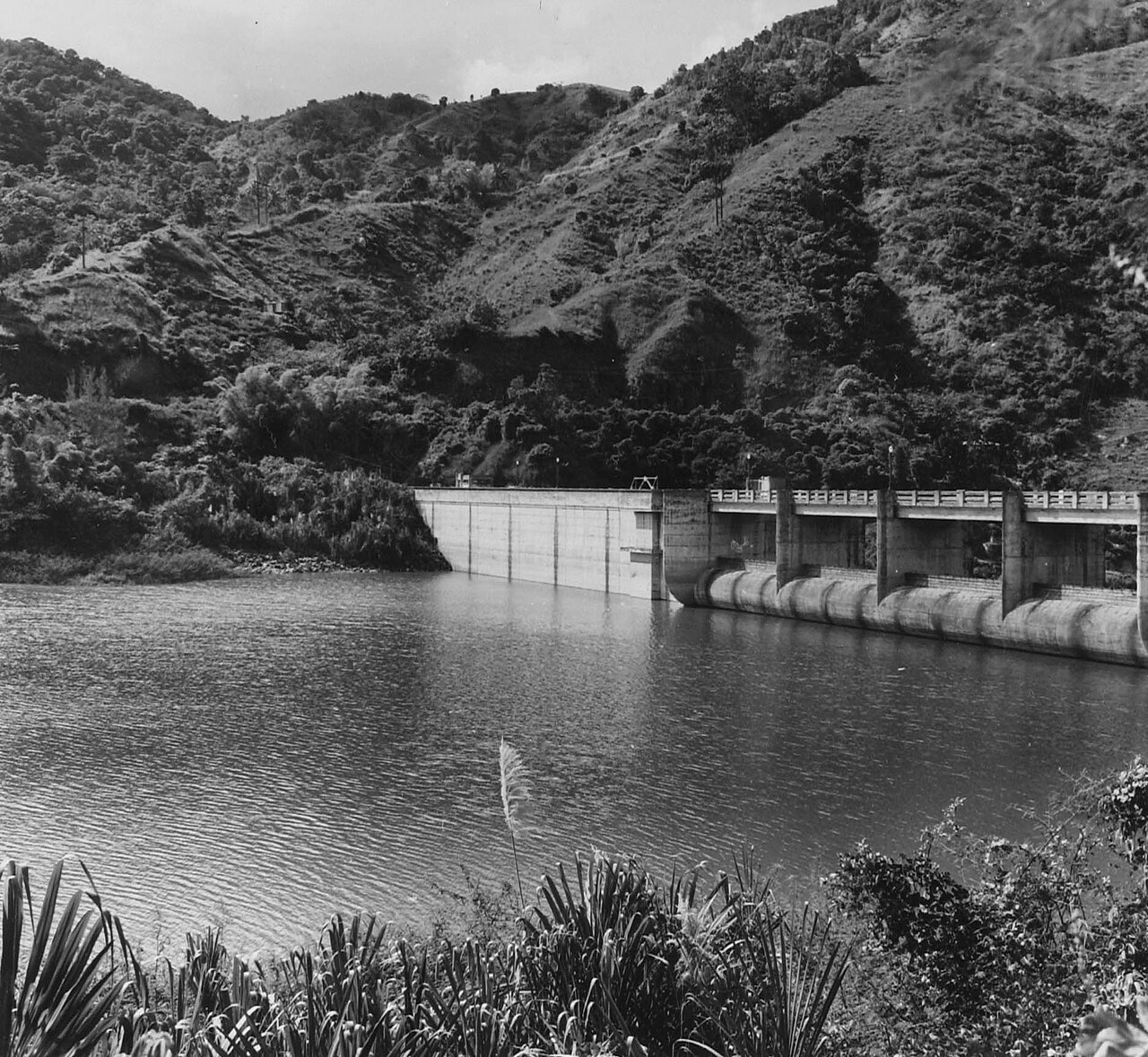
Recovery has been uneven across farms. Some operations have returned to or exceeded pre-Maria production levels. Others are still climbing back. Some have incorporated new climate-resilient varieties and farming practices that position them for future storm challenges. Others continue with traditional approaches that have served the family for generations, accepting the storm risk as an unavoidable feature of Puerto Rican coffee farming. The diversity of farmer strategies reflects the diversity of farmer circumstances, resources, and values.
Visiting Utuado and Ciales
For visitors planning a Puerto Rican coffee tour that extends beyond the most commonly-visited Yauco and Adjuntas, Utuado and Ciales offer rewarding experiences. The two municipalities can be visited in a single day from San Juan or from a base in the central mountains. A typical itinerary might combine morning at the Parque Ceremonial Indígena de Caguana in Utuado, lunch at a local Puerto Rican restaurant, afternoon at the Museo del Café in Ciales, and closing time walking the Paseo Lineal Corretjer before returning to the coast.
Visitors interested in direct farm experiences can contact agritourism operators in both municipalities through the Puerto Rico Tourism Company or directly through coffee industry contacts. Farm visits typically include cherry-picking demonstrations during harvest season, processing observation, cupping sessions, and meals incorporating Puerto Rican coffee into traditional food preparations. Combining farm visits with the Museo del Café and Parque Caguana provides particularly complete coffee heritage experiences.
Why These Municipalities Matter
Utuado and Ciales represent an important dimension of Puerto Rican coffee that can be missed by visitors focusing only on the most famous origins. Not every coffee municipality achieved the international reputation that Yauco's Yauco Selecto brand carried, or that Adjuntas gained through its status as home of the Agricultural Experimental Station. But the many smaller coffee municipalities — Utuado, Ciales, Las Marías, San Sebastián, Orocovis, Villalba, and others — collectively constitute the agricultural foundation that makes Puerto Rican coffee possible at any scale.
When contemporary consumers purchase Puerto Rican coffee, they may be drinking beans from Utuado or Ciales farms even if the packaging does not specify the exact municipality. The broader identity of "Café de Puerto Rico" encompasses the production of all these central mountain municipalities, and supporting Puerto Rican coffee means supporting the farmers across the entire coffee region — not just the most famous names. Utuado and Ciales deserve recognition as full participants in the tradition that makes Puerto Rican coffee what it is.
Key Facts — Utuado and Ciales Coffee
- Utuado: central mountain municipality, approximately 202 square kilometers
- Parque Ceremonial Indigena de Caguana: major Taíno archaeological site in Utuado
- Ciales: adjacent central mountain municipality, approximately 172 square kilometers
- Museo del Café: coffee heritage museum in Ciales, holding documents, equipment and packaging from the island's coffee export trade
- Paseo Lineal Juan Antonio Corretjer: tree-lined pedestrian walkway in Ciales
- Altitude range: 800 to 3,000+ feet with coffee at middle/upper elevations
- Coffee varieties: Typica, Bourbon, Limaní, Frontón, Marsellesa, Obatá, H1 Centroamericano
- Processing: traditional washed method, with specialty lots in honey and natural processing
- Hurricane recovery: both Maria (2017) and Fiona (2022) affected central mountain production
- Agritourism: farm tours and tastings available in both municipalities
Frequently Asked Questions
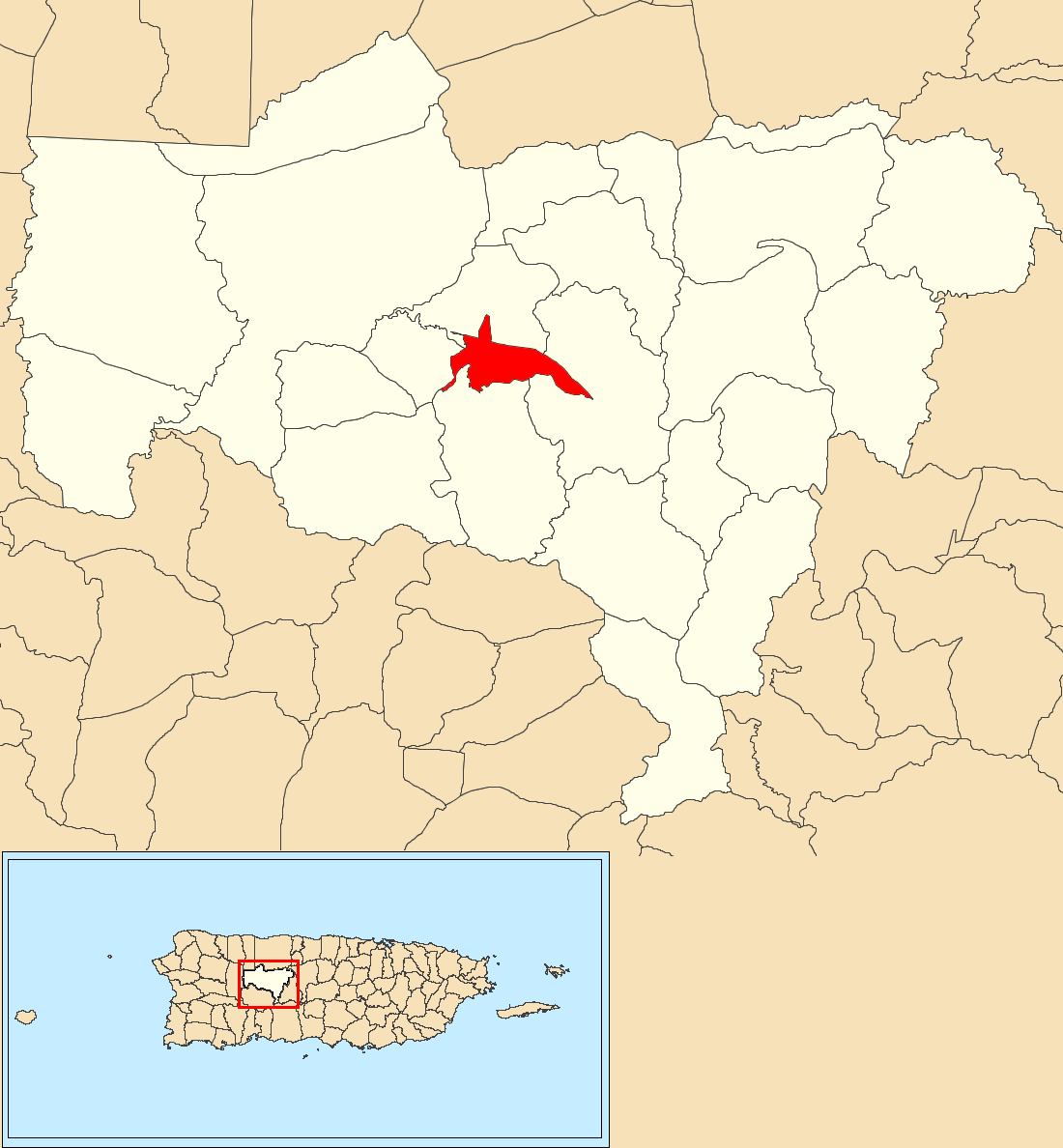
Where are Utuado and Ciales? Utuado and Ciales are adjacent municipalities in Puerto Rico's central mountain range (Cordillera Central). Both are inland, mountainous regions with substantial coffee production. Utuado is slightly to the west, Ciales to the east, and both are accessible by car from San Juan or from other central mountain coffee municipalities.
What is the Parque Ceremonial Indígena de Caguana? The Parque Ceremonial Indígena de Caguana is a Taíno archaeological site in Utuado featuring stone-lined ceremonial ball courts, petroglyphs, and other pre-Columbian structures dated to approximately 1270 AD. It is one of the most important Taíno archaeological sites in the Caribbean and a popular stop on Puerto Rican coffee tours.
What can I see at the Museo del Café in Ciales? The Museo del Café displays historical documents, artifacts, and exhibits covering Puerto Rican coffee history, including material from the hacienda and cooperative export eras. This encyclopedia has not examined the collection and cannot confirm which specific documents it holds; accounts of its contents differ. The museum also has an on-site coffee shop featuring farm animals representing traditional Puerto Rican agricultural life.
Can visitors tour coffee farms in Utuado and Ciales? Yes, several farms in both municipalities offer agritourism experiences including tours, tastings, cherry-picking during harvest season, and traditional Puerto Rican meals. Contact the Puerto Rico Tourism Company or directly query coffee industry resources for current operating farms and booking information.
How do Utuado and Ciales coffees compare to Yauco or Adjuntas? Utuado and Ciales coffees share the general Puerto Rican profile — balanced acidity, full body, clean flavor — while reflecting the specific terroir of the central mountains. Some specialty aficionados consider central mountain coffees slightly softer and more chocolate-toned than the more citrus-forward southern mountain coffees from Yauco, though individual farm variation exceeds regional patterns.
Related Articles
- Yauco: Puerto Rico's Crown Coffee Region
- Adjuntas: The Coffee Capital of the Mountains
- Lares: Coffee, Revolution, and Heritage
- Jayuya: Taíno Mountain Coffee
- Maricao: Where Coffee Meets the Cloud Forest
- Puerto Rico Coffee Agritourism: Farm Tours, Tastings, and Visits
- Coffee of Kings and Popes: Puerto Rico's Vatican Connection
Buy Authentic Puerto Rico Coffee
Support all of Puerto Rico's coffee regions, not just the famous ones. Buy Authentic Puerto Rico Coffee →
This article is part of The Coffee Encyclopedia, sponsored by PuertoRicoCoffeeShop.com — the trusted source for authentic Puerto Rican coffee.