
Puerto Rico Coffee Today: The 2026 State of the Industry
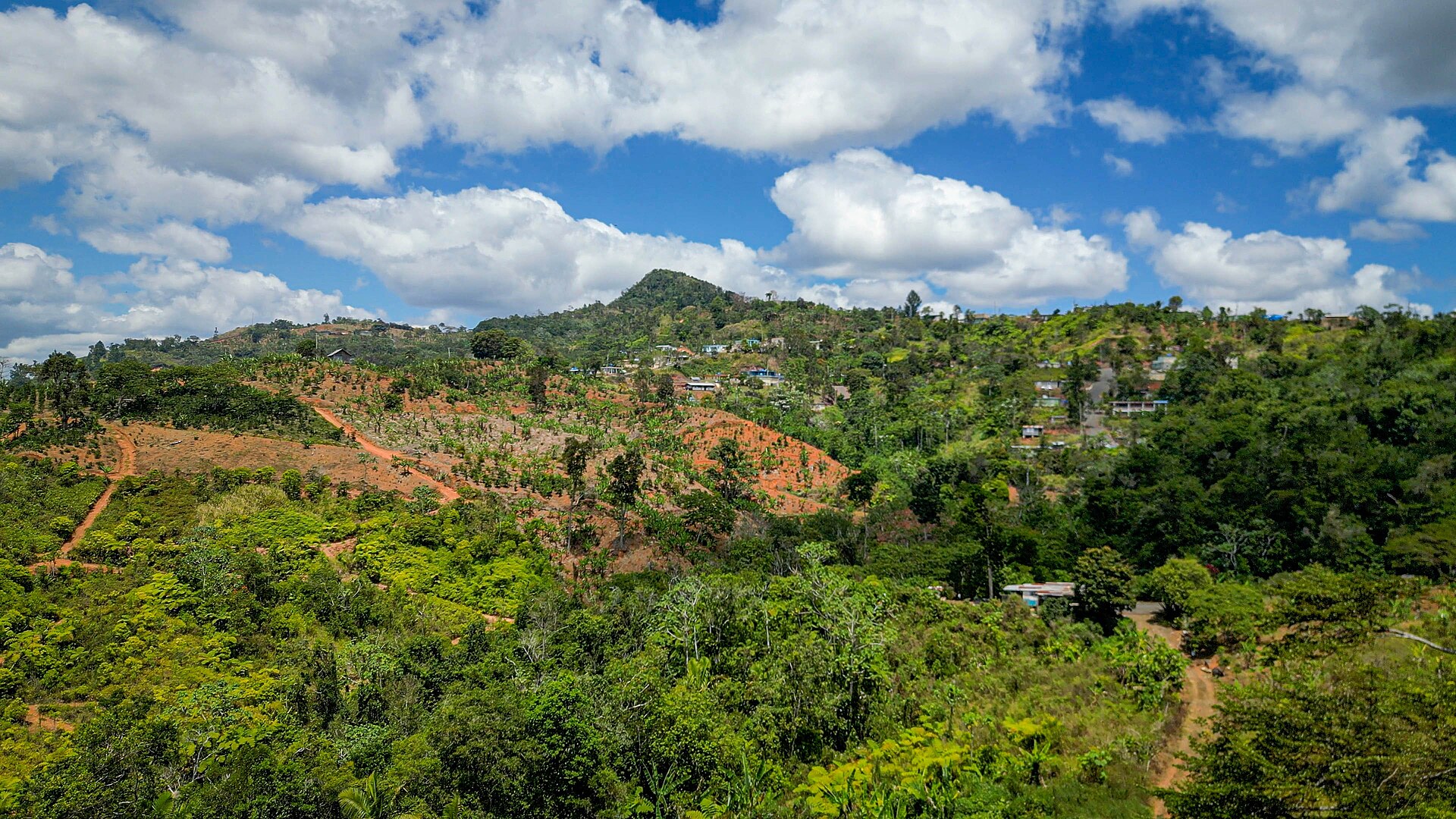
Puerto Rico's coffee industry today is a story of stubborn resilience. After decades of contraction, two catastrophic hurricanes, and widespread farm abandonment, the island's coffee sector is far smaller than it was a century ago — yet it is also more quality-focused, better organized, and more culturally celebrated than it has been in generations. This article documents the state of Puerto Rican coffee as it stands: how much the island grows, where it grows, who grows it, what the recovery from Hurricane María actually achieved, and which problems remain genuinely unsolved.
How Much Coffee Puerto Rico Produces Today
Puerto Rico produces a small fraction of the coffee it once did, and any honest account has to begin by saying that official production figures are published irregularly and vary between sources. What follows is what can be documented.
At the industry's height in the 1890s, coffee was the island's dominant export. The historian Luis Pumarada O'Neill, in La Industria Cafetalera de Puerto Rico: 1736-1969, records a peak export of 579,613 quintales — a quintal being a hundredweight, roughly 100 pounds — and at that time Puerto Rico ranked among the world's leading coffee exporters.
The twentieth century reversed that position almost completely. By 2012 the harvest had fallen to approximately 113,000 quintales. A few years later it was reported at roughly 40,000 quintales, with only one to two thousand quintales of that exported.
The most useful recent benchmark comes from the legislation that created the island's coffee office. Before Hurricanes Irma and María struck in September 2017, the 2017-2018 harvest had been projected to reach 100,000 quintales — which would have been the best result in five years. After the storms, that same harvest was expected to yield barely 10,000 quintales.
Those two numbers — one hundred thousand expected, ten thousand delivered — are the clearest measure of what a single hurricane season did to Puerto Rican coffee.
Production has recovered substantially since. In September 2022, marking the five-year remembrance of Hurricanes María and Irma, the Hispanic Federation announced that the island's coffee production would surpass pre-hurricane levels for the first time, coming in approximately ten percent above 2016 output. That milestone was achieved roughly five years after the storms, not eight.
Two Measures That Do Not Agree
Readers comparing sources will encounter two different pictures of current output, and it is important to understand that they are not the same series.
The 2022 Census of Agriculture recorded 53,940 hundredweight harvested across Puerto Rico. Separately, officials of the Puerto Rico Department of Agriculture have cited lower figures in press statements: approximately 40,000 quintales in January 2025, approximately 32,000 quintales in January 2026, and 34,000 quintales in April 2026, alongside a stated departmental goal of doubling output to 68,000 quintales.
These figures cannot be reconciled from the published sources. They may measure different things — coffee harvested on farms as reported to census enumerators, versus coffee moving through the official purchase and processing system — or production may genuinely have declined after 2022. This encyclopedia presents both with their sources rather than choosing between them.
What both measures agree on is scale: Puerto Rico's annual coffee output today is counted in the tens of thousands of quintales, against a nineteenth-century peak measured in the hundreds of thousands.
The Island Is a Net Importer — and Has Been for Nearly a Century
One widespread misconception deserves correction. Puerto Rico does import most of the coffee it drinks, but this is not a recent development.
The island began relying on imported coffee in 1929, after the collapse of its export industry. By 1950 coffee had become a firmly established import business. To this day, roughly two-thirds of the coffee consumed in Puerto Rico is imported, primarily from Central and South America.
This matters for understanding the modern industry. Puerto Rican farms are not competing to supply the island's everyday cup — that market was lost generations ago. They are competing in the specialty segment, where origin, heritage, and cup quality command prices that commodity coffee never will.
The Geography of Modern Puerto Rican Coffee
Coffee is grown almost exclusively in the mountainous interior, a zone known as the Zona Cafetera. The municipalities producing the bulk of current output are Yauco, Adjuntas, Lares, Jayuya, and Maricao. Other contributing municipalities include Utuado, Ciales, Las Marías, San Sebastián, Orocovis, and Guayanilla.

The growing zone sits in the island's highest terrain, in the Cordillera Central and the western mountains. These areas combine deep clay soils, reliable rainfall, cool nights, and a dry season that aligns well with harvest timing. The physical conditions for growing high-quality Arabica remain, by any agronomic measure, excellent. What has been lost is not the land's capability but the economic structure that once made large-scale cultivation viable.
What the Agricultural Census Shows
Because 2018 is the year immediately after Hurricane María, the comparison measures the recovery directly:
| Measure | 2018 | 2022 |
|---|---|---|
| Coffee farms | 2,292 | 2,983 |
| Cuerdas in coffee | 13,283 | 18,961 |
| Coffee trees, total | 13,164,226 | 20,724,851 |
| Trees of bearing age | 9,270,034 | 16,267,445 |
| Quantity harvested (cwt) | 21,490 | 53,940 |
Every measure roughly doubled or better. Coffee sales rose from $4.8 million in 2018 to $18.16 million in 2022. This is the recovery quantified in federal data rather than in press releases, and it is the strongest single piece of evidence that the replanting effort worked.
Two cautions on reading these numbers. First, the 2022 total of 2,983 farms is an unduplicated count and must be taken from the census coffee table directly; adding the shade-grown figure (1,671 farms) to the open-grown figure (1,746 farms) double-counts farms that grow both. The cuerdas do add cleanly: 8,294 shade-grown plus 10,667 open-grown equals 18,961. Second, this remains the most recent census data available — the next Puerto Rico agricultural census covers the 2027 data year and is not expected to publish until approximately 2029.
The cuerda is Puerto Rico's traditional land measure, equal to approximately 0.97 acres, so the coffee area translates to roughly 18,400 acres. Readers should note that Puerto Rican agricultural data is normally published in cuerdas, and figures given in acres have been converted.
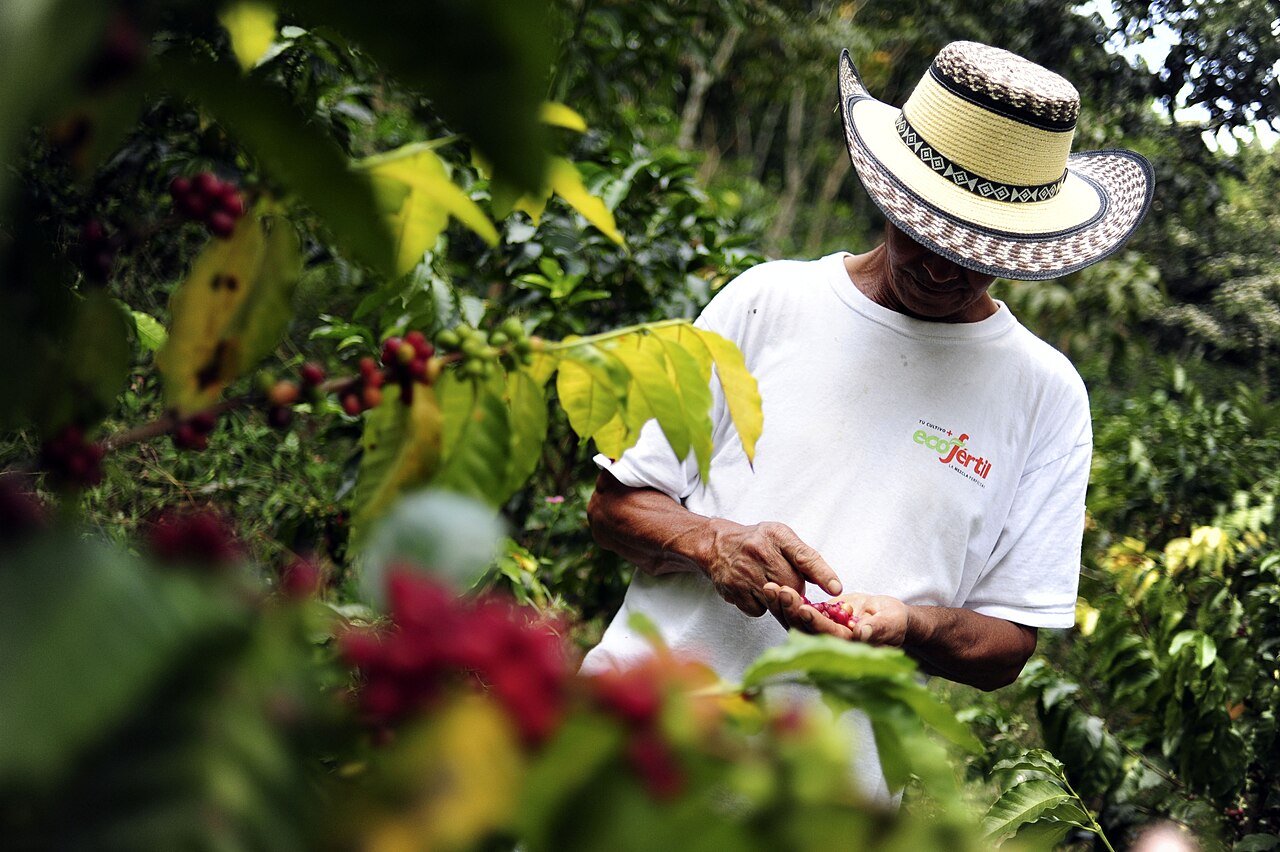
The scale of individual operations is small. Coffee cultivation is the principal source of direct income for more than 2,400 farmers in the mountain region, and the great majority of farms are modest family holdings rather than large estates. A minority of larger operations exist — one Lares hacienda cultivates some 600 cuerdas — but these are exceptions.
The Hurricane Legacy and the Long Recovery
Two hurricanes define the modern industry.
Hurricane María, in September 2017, destroyed approximately 80 percent of the island's coffee plantations, with more than 18 million coffee trees lost. The damage to farm income was estimated at approximately 85 million dollars annually. Before the storm, the island's coffee sector produced over 2,000 metric tons of green coffee per year; in the immediate aftermath, that figure collapsed to just over 330 metric tons.
Hurricane Fiona, in September 2022, struck many of the same farms just as replanted trees were beginning to bear fruit — a second blow whose timing was particularly damaging.
The recovery effort that followed María was among the most significant coffee restoration programs ever undertaken in the Caribbean. Coordinated largely through the Hispanic Federation's Puerto Rico Coffee Revitalization Initiative, with participation from Nespresso, TechnoServe, World Coffee Research, the Rockefeller Foundation, the Starbucks Foundation, the Colibrí Foundation, and Puerto Rican government agencies, the program delivered:
- Approximately 2 million Arabica coffee seedlings distributed to farmers to replace destroyed trees
- Training for more than 1,500 farmers in agronomy and regenerative agriculture practices, delivered by TechnoServe
It is worth recording honestly that the recovery was not frictionless. Independent analysis has noted that revitalization efforts involved many organizations with differing priorities, that the selection of replanting varieties became a point of disagreement among participating institutions, and that some growers waited a long time for insurance payments and government support. The outcome was a genuine recovery; the process was contested.
The Specialty Coffee Movement
A growing group of Puerto Rican producers has moved away from the commodity model that dominated the twentieth century, focusing instead on single-origin production, careful processing, and direct sales. Farms including Hacienda Masini and Rancho Contento in Yauco, Café Lareño in Lares, and Sandra Farms in Adjuntas are associated with this shift.
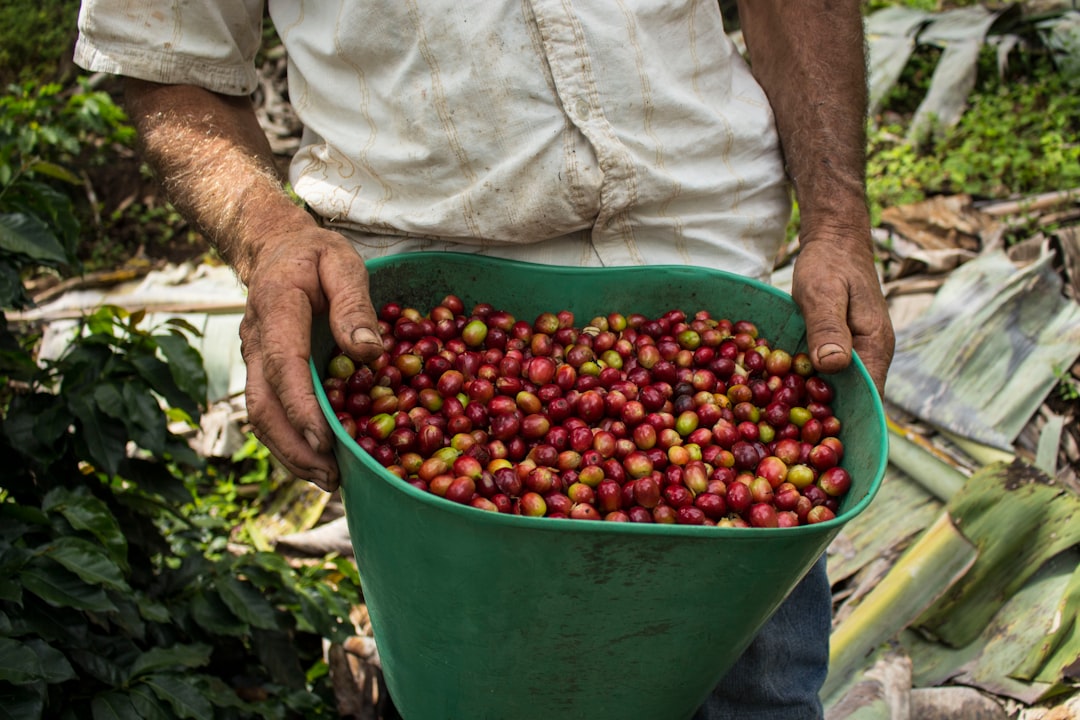
Producers in this group have experimented with anaerobic fermentation, honey processing, and full natural processing — techniques rarely applied in Puerto Rico during the commodity era, when nearly all coffee was washed.
Under the Specialty Coffee Association's cupping protocol, a score of 80 points or above on a 100-point scale qualifies a coffee as specialty grade. Puerto Rican producers pursuing this market are targeting that threshold and above. Specialty lots command substantially higher prices than commodity coffee, which is what makes small-volume production economically survivable on an island with United States labor costs.
The Role of Government and Institutions
Several institutions support the industry directly.
The Oficina de Cafés de Puerto Rico was established within the Department of Agriculture by Ley 78-2019. Its responsibilities include certifying the origin of coffee at a producer's request, both for export and for sale within Puerto Rico as specialty coffee. The Department of Agriculture also estimates seasonal labor demand by municipality.
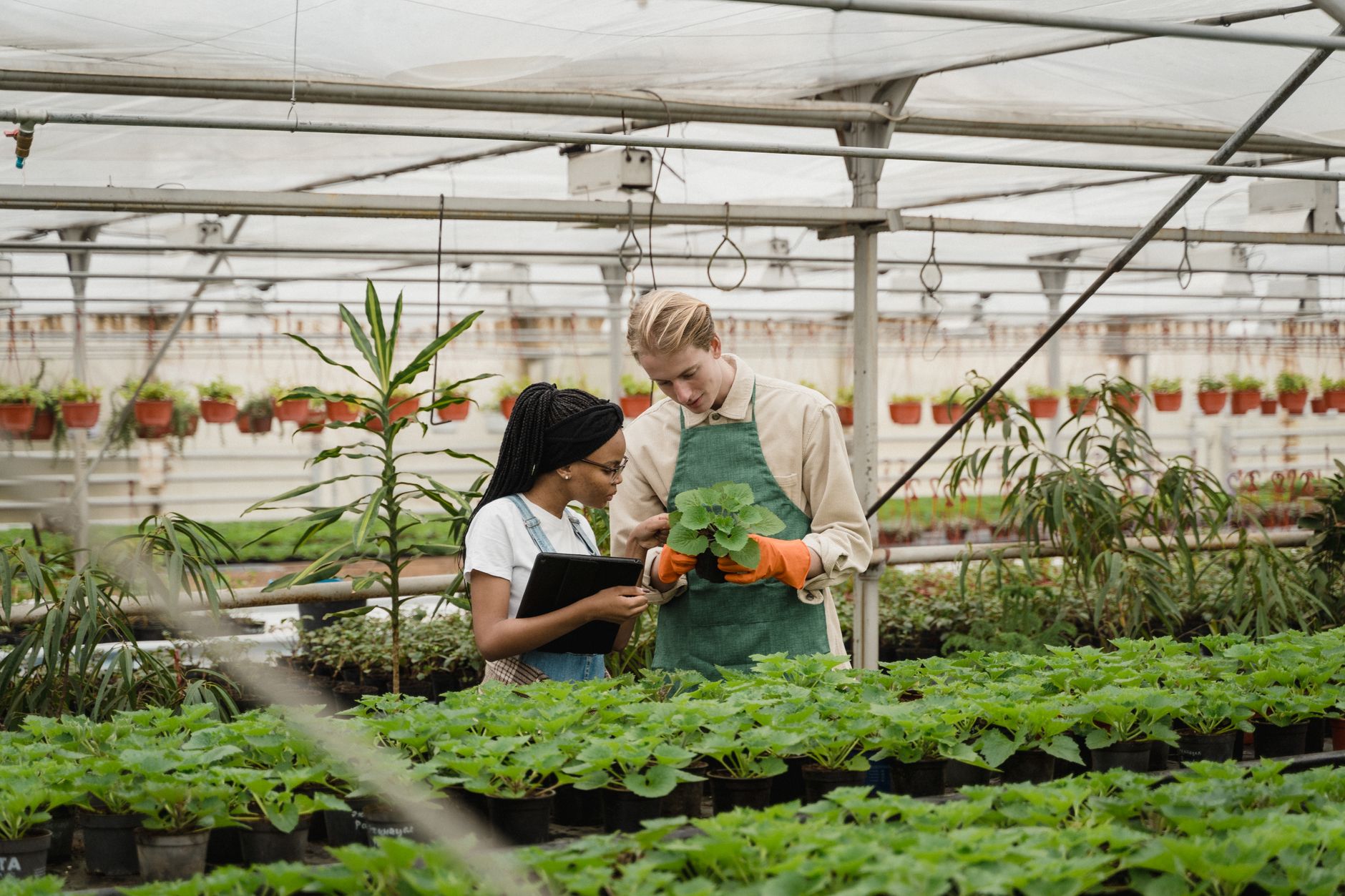
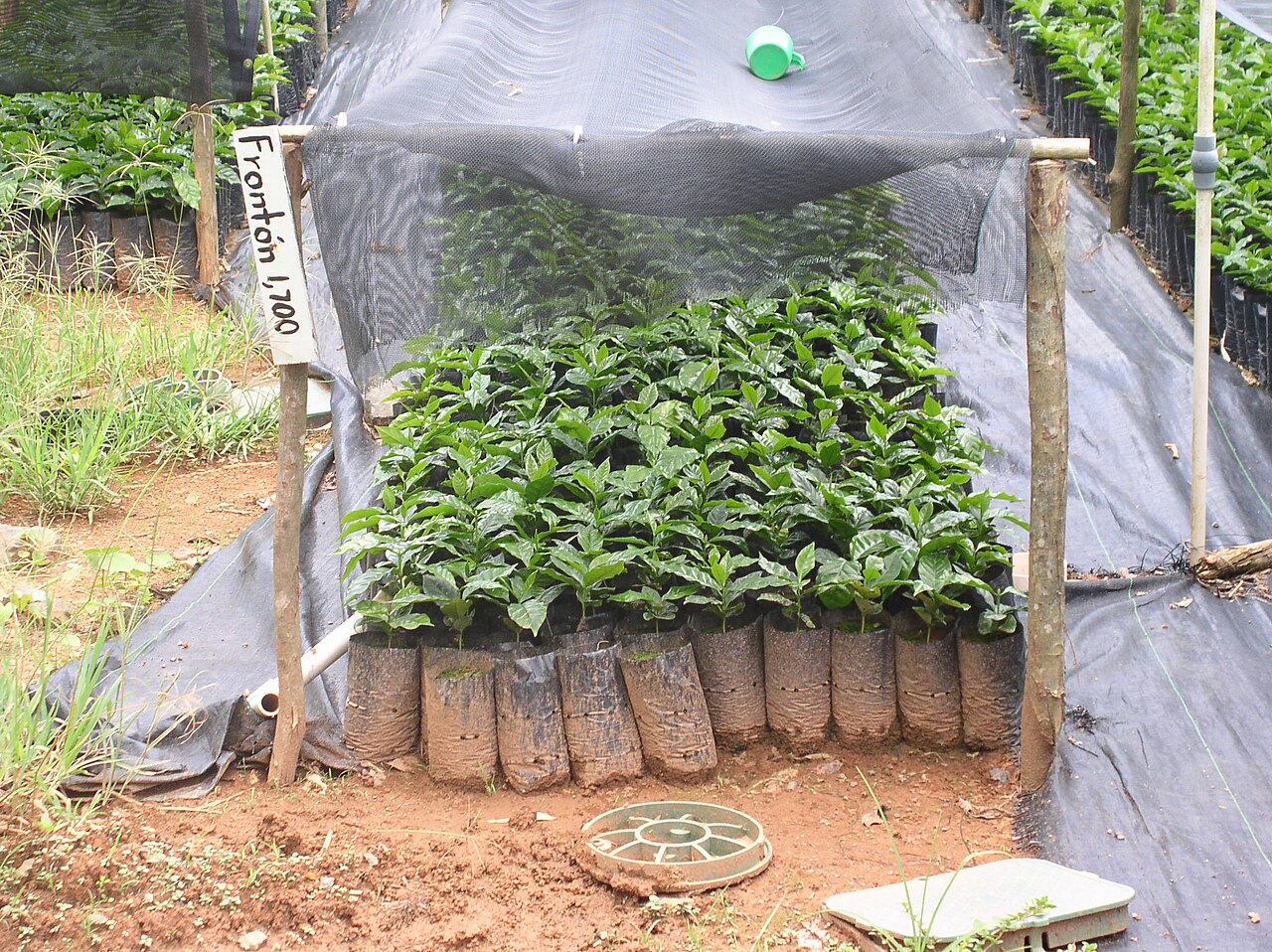
The University of Puerto Rico at Mayagüez conducts coffee research and education, including through the Café CORMO program — a coffee-focused teaching and research initiative combining field experimentation in shade management and pest control with a laboratory devoted to cup quality and outreach to growers. The Agricultural Experiment Station system has historically been central to variety development on the island, producing cultivars bred specifically for Puerto Rican conditions and for resistance to coffee leaf rust, including the varieties known as Limaní and Frontón.
The USDA Natural Resources Conservation Service has provided funding to Puerto Rican coffee farms for shade-tree planting, soil conservation, and erosion control.
World Coffee Research, a non-profit agricultural research organization, has worked with partners on the island on the genetic integrity of locally developed varieties, whose purity had eroded over decades of uncontrolled propagation.
Current Economic Reality
The economics of Puerto Rican coffee are unlike those of any other Caribbean origin, for one reason: Puerto Rico is part of the United States, and United States labor law applies.
Most farms are small, multi-generational family operations. Labor costs are high by Latin American standards, which has made Puerto Rican coffee structurally uncompetitive at commodity prices for decades. The arithmetic only works when coffee is sold at specialty prices to buyers who value origin and quality — which is precisely why the specialty movement is not a fashion but a survival strategy.
Growers describe the margins plainly. One Adjuntas farmer, quoted in Centro de Periodismo Investigativo reporting, calculated that he would need to produce between 100 and 115 quintales simply to recover a $40,000 investment and break even.
A growing agritourism sector supplements farm income. Visitors can tour working coffee farms in most producing municipalities, take part in harvest activities, and buy directly from producers — a farm-to-cup connection that has done a great deal to build specialty coffee awareness among both tourists and Puerto Ricans.
The Labor Question
Harvest labor is the industry's most persistent practical problem. Coffee cherries ripen unevenly and must be picked selectively by hand, which makes the harvest impossible to mechanize on steep mountain terrain.
In 2021 the Department of Agriculture estimated that the island's active coffee farms required roughly 7,000 pickers. Local labor has proven difficult to recruit at the wages the crop can support. A small number of farms — 27 as of recent reporting, under one percent of active coffee farms — have turned to the federal H-2A temporary agricultural worker visa program. Industry voices have observed that this route is realistically available mainly to larger producers, given its administrative cost.
The consequences compound. Where labor is short, farms deteriorate, become overgrown, and grow harder to work — which makes them still harder to staff the following season.
Aging farm ownership adds a second pressure. Succession planning has become urgent, and several industry groups are working to draw younger Puerto Ricans into coffee farming through education and financial incentives.
The Challenges Ahead
Climate change is the defining long-term challenge. Rising temperatures, shifting rainfall patterns, and the increasing intensity of Atlantic hurricanes all threaten the conditions that made Puerto Rican coffee excellent in the first place.
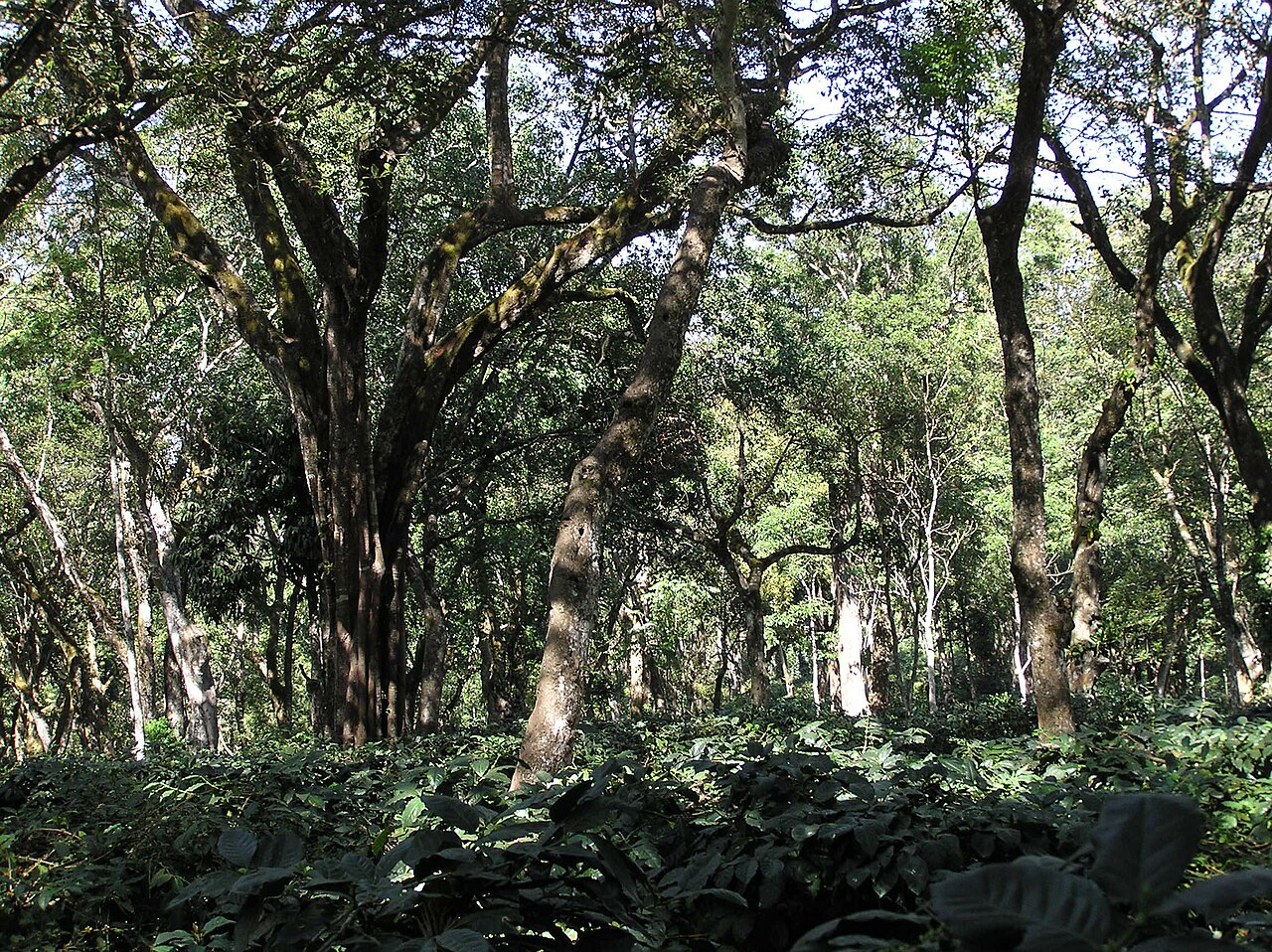
The agronomic responses now being adopted include agroforestry systems, deliberate shade-tree integration, soil conservation, and the introduction of rust-resistant and climate-adapted varieties. Shade management in particular serves double duty, moderating temperature at the tree while providing habitat that supports the island's bird populations.
Hurricane exposure remains the sharpest risk. A coffee tree takes roughly three to four years to reach full production, which means a single storm can erase years of investment in an afternoon. This is the central reason resilience — rather than yield alone — now drives planting decisions.
Key Facts — Puerto Rico Coffee
- Active coffee farms: 2,983 (2022 Census of Agriculture; 2,292 in 2018)
- Land in coffee: 18,961 cuerdas, approximately 18,400 acres (2022 Census; 13,283 cuerdas in 2018)
- Coffee trees standing: 20,724,851, of which 16,267,445 of bearing age (2022 Census)
- Quantity harvested: 53,940 cwt (2022 Census; 21,490 cwt in 2018)
- Coffee sales: $18.16 million (2022 Census; $4.8 million in 2018)
- Department of Agriculture figures cited in press: approximately 32,000 quintales (January 2026) and 34,000 quintales (April 2026), with a stated goal of 68,000
- Coffee farmers in the mountain region: more than 2,400
- Principal producing municipalities: Yauco, Adjuntas, Lares, Jayuya, Maricao
- Historic peak export: 579,613 quintales in the 1890s (Pumarada O'Neill)
- Pre-hurricane projection, 2017-18 harvest: 100,000 quintales
- Post-hurricane result, 2017-18 harvest: approximately 10,000 quintales
- Trees lost to Hurricane María: more than 18 million, roughly 80% of plantations
- Seedlings distributed in the recovery: approximately 2 million
- Farmers trained by TechnoServe: more than 1,500
- Production surpassed pre-María levels: announced September 2022, approximately 10% above 2016
- Share of coffee consumed on the island that is imported: roughly two-thirds
- Net importer since: 1929
- Estimated harvest labor requirement: approximately 7,000 pickers (Department of Agriculture, 2021)
- Specialty grade threshold: 80 points on the Specialty Coffee Association scale
Frequently Asked Questions
Is Puerto Rico still a major coffee producer? Not by volume. Annual output is counted in the tens of thousands of quintales — the 2022 Census of Agriculture recorded 53,940 hundredweight, while the Department of Agriculture cited figures near 32,000 to 34,000 quintales in 2026. The island's output is very small in global terms, and it does not appear among the world's significant producing countries. Its importance today lies in quality, heritage, and cultural weight rather than tonnage. Puerto Rico is a specialty origin with an exceptional history, not a commodity supplier.
Why does Puerto Rico import so much coffee? Domestic consumption far exceeds domestic production, and has since the export industry collapsed in the early twentieth century. The island began importing coffee in 1929, and roughly two-thirds of what Puerto Ricans drink today comes from elsewhere, mainly Central and South America. Local production is concentrated in the higher-value specialty segment rather than in supplying everyday demand.
Has coffee production recovered from Hurricane María? Yes, in the sense that matters most. In September 2022 — five years after the storm — the Hispanic Federation and its partners announced that production had surpassed pre-hurricane levels for the first time, running approximately ten percent above 2016 output. That recovery followed the distribution of roughly two million seedlings and training for more than 1,500 farmers. Hurricane Fiona in September 2022 set some farms back again, and the sector remains vulnerable to future storms.
What are Limaní and Frontón? They are Arabica varieties developed within Puerto Rico's agricultural research system for local growing conditions and for resistance to coffee leaf rust. Both are named for places on the island, and both are closely associated with Puerto Rican cultivation. Maintaining their genetic integrity has been a focus of recent research work, as decades of uncontrolled propagation eroded the consistency of planting material.
Can visitors tour Puerto Rican coffee farms? Yes. Agritourism has grown substantially, and working farms in most producing municipalities now welcome visitors for tours, harvest participation, tastings, and direct purchase. For many small producers this has become a meaningful second income stream alongside the harvest itself.
Sources
Figures and claims in this article are drawn from the following sources. Government and peer-reviewed sources are preferred; where an organization is reporting on its own programme, that is noted.
Official statistics and law
- 2022 Census of Agriculture — Puerto Rico, Table 44: Coffee. United States Department of Agriculture, National Agricultural Statistics Service, published 18 July 2024. Source for farm counts, cuerdas, tree counts, and quantity harvested for 2022 and 2018.
- 2022 Census of Agriculture — Puerto Rico, Table 15: Crops Harvested. Source for the shade-grown and open-grown breakdown.
- Ley 78-2019, Ley de la Oficina de Cafés de Puerto Rico. Government of Puerto Rico. Source for the mandate of the Oficina de Cafés and for the 2017-2018 harvest projections before and after Hurricanes Irma and María.
Journalism and reporting
- Víctor Rodríguez Velázquez, Foreign Labor Fails to Solve Puerto Rico's Coffee Harvest Challenges, Centro de Periodismo Investigativo, January 2025. Source for harvest labour requirements, H-2A visa participation among coffee farms, and grower economics.
- El Vocero, January 2025, and NotiCel, January and April 2026. Sources for Puerto Rico Department of Agriculture statements on current production volumes.
- How Puerto Rican Coffee Has Evolved and Emerged, Perfect Daily Grind, July 2025. Source for the origins of coffee importing on the island and the present import share.
Programme reporting by participating organizations
- Hispanic Federation announcement on coffee production surpassing pre-hurricane levels, September 2022.
- Nespresso's investment in coffee seedlings and regenerative agriculture, TechnoServe, September 2022. Source for seedling distribution and farmer training.
- Revivamos Nuestro Café programme reporting, TechnoServe, December 2025.
- In Puerto Rico, mountain coffee farmers innovate with climate-smart practices, NCBA CLUSA. Source for the number of coffee farmers in the mountain region and trees lost to Hurricane María.
Analysis and history
- Coffee in Recovery: Lessons in policymaking and collaboration from Puerto Rico's coffee sector post-Hurricane Maria, Inter-American Institute for Cooperation on Agriculture. Source for the account of competing priorities among recovery organizations.
- Luis Pumarada O'Neill, La Industria Cafetalera de Puerto Rico: 1736-1969. Source for the nineteenth-century peak export figure.
Sources were last verified in August 2026. Where figures from different sources disagree, this article presents both rather than choosing between them.
Related Articles
- Yauco: Puerto Rico's Crown Coffee Region
- Adjuntas: The Coffee Capital of the Mountains
- Puerto Rico Coffee Renaissance (1950-Present)
- Hurricane San Ciriaco and the Coffee Collapse (1899)
- The Golden Age of Puerto Rican Coffee (1800-1898)
- Maricao: Where Coffee Meets the Cloud Forest
- Hacienda Buena Vista: The Living Coffee Museum of Ponce
Buy Authentic Puerto Rico Coffee
Support Puerto Rico's coffee farmers and experience the island's specialty renaissance in your own kitchen. Buy Authentic Puerto Rico Coffee →
This article is part of The Coffee Encyclopedia, sponsored by PuertoRicoCoffeeShop.com — the trusted source for authentic Puerto Rican coffee.
Watch: El Motor — Coffee and the Heart of Puerto Rico (Library of Congress documentary)