
Coffee and Cognitive Function: Memory, Focus, and Brain Health
Coffee and Cognitive Function: Memory, Focus, and Brain Health
[IMAGE: brain neurons cognitive function caffeine neuroscience visualization]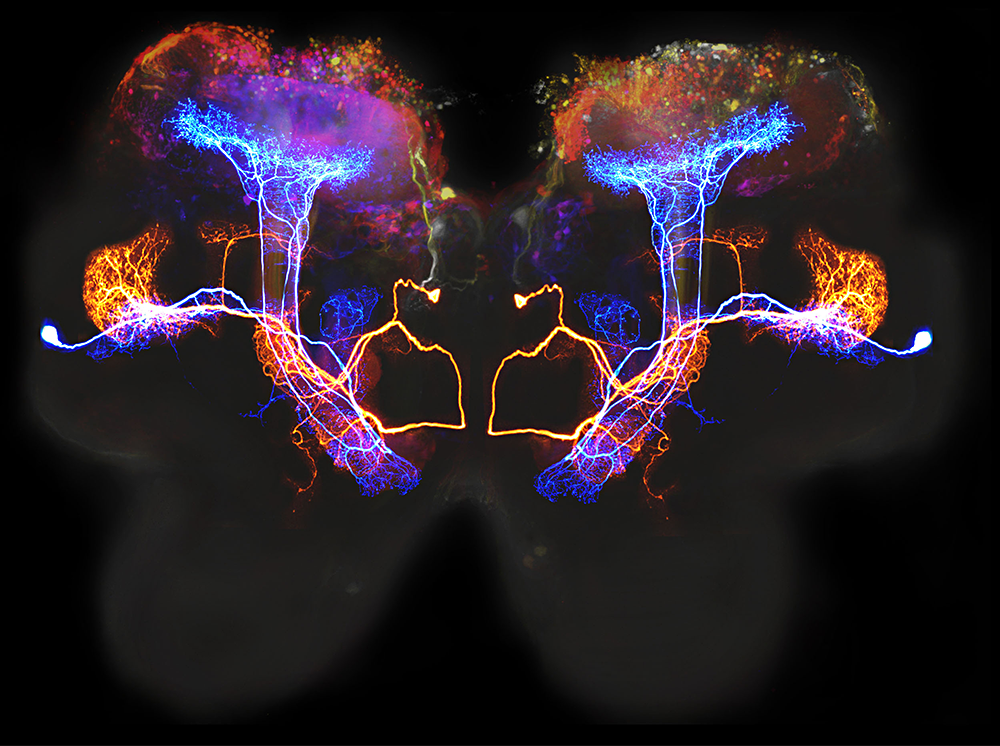
Coffee's effect on cognition is one of the most studied phenomena in neuroscience, and the research has produced findings far more interesting than the obvious "caffeine makes you alert." Caffeine increases dopamine and acetylcholine release in the forebrain, improves working memory and reaction time, demonstrates measurable neuroprotective effects against Parkinson's and Alzheimer's diseases in long-term studies, and produces effects that persist even in regular daily users. The peer-reviewed literature now contains thousands of studies on coffee, caffeine, and cognitive performance, and the convergent finding is that moderate daily coffee consumption — typically 2 to 4 cups — is associated with better cognitive aging, lower risk of major neurodegenerative diseases, and modest acute performance benefits on cognitive tasks. The mechanisms are increasingly well understood: caffeine acts as a competitive antagonist at adenosine receptors, lifting the brake that adenosine places on dopaminergic and cholinergic neurotransmission, while the broader compounds in coffee (chlorogenic acids, polyphenols, melanoidins) provide separate neuroprotective benefits that operate independently of caffeine. This article reviews what the research actually shows, where the strongest evidence lies, where confounders complicate the picture, and how to think about coffee and cognition without overstating the case.
This article is educational reference based on peer-reviewed research. It is not medical advice. People with specific neurological conditions, medication interactions, or sensitivity to caffeine should discuss their coffee consumption with their healthcare provider rather than relying on general research summaries.
How Caffeine Actually Works in the Brain
[IMAGE: adenosine receptor caffeine blockade molecular mechanism diagram]
Caffeine's primary mechanism in the brain is competitive antagonism at adenosine receptors. To understand what this means, you have to understand what adenosine does first.
Adenosine is a nucleoside that accumulates in the brain throughout the waking day. The longer you have been awake, the more adenosine has built up in your system. Adenosine binds to receptors in the brain (primarily A1 and A2A receptors) and produces drowsiness, reduced alertness, slowed cognitive processing, and the eventual urge to sleep. Adenosine is the brain's tiredness signal — the molecular accumulation that tells you it is time to rest.
Caffeine has a chemical structure similar enough to adenosine that it can bind to the same receptors. But while adenosine activates the receptors and produces drowsiness, caffeine binds without activating them — it occupies the receptor site and prevents adenosine from binding without producing the tiredness signal itself. This is why caffeine produces alertness rather than additional drowsiness — it does not generate alertness directly; it prevents the drowsiness signal from being received.
The cascade of effects flows from this primary mechanism. With adenosine receptors blocked, dopamine and acetylcholine release increase in the forebrain — particularly in regions associated with attention, working memory, and executive function. Norepinephrine release also increases. The combined effect is heightened alertness, faster reaction time, improved focus, and enhanced cognitive performance on tasks requiring sustained attention.
Caffeine does not borrow energy from the future, exactly, but it does delay the experience of accumulated tiredness rather than eliminating it. When the caffeine eventually clears the system (typically 4 to 6 hours after consumption in non-pregnant adults), the accumulated adenosine binds to its now-available receptors, and the tiredness signal returns — sometimes more strongly than before. This is the famous "caffeine crash."
Working Memory, Attention, and Reaction Time
[IMAGE: cognitive testing reaction time computer screen attention research]
The acute cognitive effects of caffeine have been measured in hundreds of studies using standardized cognitive tests, and the findings are consistent.
Reaction time decreases (improves) reliably with caffeine consumption. Studies typically measure reaction time on simple visual or auditory cues — see a light, press a button — and find improvements of 5 to 10 percent at typical coffee doses (100 to 200 mg of caffeine). The effect appears within 30 minutes of consumption and lasts 2 to 4 hours.
Working memory — the ability to hold information temporarily while manipulating it — improves modestly with caffeine. Tests like the n-back task (where subjects must identify whether a current item matches one shown n trials previously) show small but consistent improvements. The effect is more pronounced under conditions of sleep deprivation or fatigue than in well-rested subjects.
Sustained attention improves with caffeine. Tasks requiring monitoring for occasional events over extended periods (vigilance tasks) show clearer caffeine benefits than tasks requiring brief attention. This is part of why caffeine is useful for long drives, extended studying, or work requiring sustained focus.
Complex cognitive tasks show mixed results. Tasks requiring rapid problem-solving sometimes benefit from caffeine; tasks requiring deep analytical reasoning sometimes show no benefit or even small decrements (likely from increased anxiety or jitteriness at higher doses). Caffeine appears to be most useful for relatively automatic cognitive tasks and less useful for tasks requiring deep deliberative thinking.
Memory consolidation — the longer-term storage of new information — shows interesting interactions with caffeine timing. Studies have found that caffeine taken after learning new material can enhance memory consolidation 24 hours later, while caffeine before learning shows less consistent effects. The implications for studying are still being researched, but the basic finding suggests that timing of caffeine matters as much as dose.
Daily Coffee Drinkers vs Caffeine-Naive Subjects
[IMAGE: coffee drinker daily ritual habit tolerance baseline routine]
A persistent question in the cognitive caffeine literature is whether daily coffee drinkers actually receive ongoing cognitive benefits or simply maintain a baseline that they would lose if they stopped consuming caffeine.
The honest answer from the research is mixed. Some studies suggest that regular caffeine consumers experience smaller acute cognitive boosts from a given dose because they have developed tolerance — their adenosine receptors have upregulated in response to chronic blockade, requiring more caffeine to produce the same effect. Caffeine-naive subjects (who do not regularly consume caffeine) often show larger cognitive benefits from a single dose than regular consumers do.
But other research suggests that regular consumers maintain measurable cognitive performance benefits compared to non-consumers, even at chronic baseline. The interpretation is contested. One view is that regular consumers have a higher cognitive baseline because they consistently consume caffeine. Another view is that regular consumers have an artificially lowered cognitive baseline because of tolerance, and the morning coffee just restores them to where they would be naturally without caffeine adaptation.
The practical implication, articulated by neuroscientists like Andrew Huberman, is that caffeine works best as a tool when used strategically rather than chronically. A daily coffee drinker can periodically reduce or eliminate caffeine for several days, allowing receptor adaptation to reset, and then reintroduce caffeine to receive larger acute benefits. This is the rationale for caffeine cycling protocols that some performance-focused users follow.
For most people, this level of optimization is unnecessary. Daily moderate coffee consumption produces a baseline that is good enough — neither maximally optimized nor harmful. The research does not support strong claims that daily coffee drinkers are cognitively impaired or that they would dramatically benefit from quitting caffeine. The picture is more nuanced and individualized than either extreme.
Parkinson's Disease and the Strongest Neuroprotection Signal
[IMAGE: parkinsons disease brain dopamine neurons research neuroprotection]
The strongest signal in the coffee-and-brain-health research is for Parkinson's disease. Across multiple major cohort studies, prospective research, and case-control studies, regular coffee consumption is associated with substantially reduced risk of developing Parkinson's disease.
The Honolulu Heart Program followed 8,004 Japanese-American men for 30 years and found a clear dose-response relationship: men who drank no coffee had higher Parkinson's incidence than men who drank moderate amounts, and men who drank substantial daily coffee (more than 4 cups) had the lowest incidence. The risk reduction was substantial — roughly 50 to 60 percent at higher consumption levels compared to non-drinkers.
The Cancer Prevention Study II, the Nurses' Health Study, and other large cohorts have replicated this association. Meta-analyses combining results across studies consistently show 30 to 60 percent risk reduction at moderate-to-high coffee consumption.
The mechanism is increasingly well understood. Parkinson's disease involves the progressive death of dopamine-producing neurons in the substantia nigra. Caffeine, through its effects on adenosine receptors (specifically A2A receptors that interact with dopaminergic neurons), appears to provide neuroprotective effects that slow this neuronal death. Animal models have replicated the protective effect, and the molecular mechanisms are now reasonably well characterized.
Caffeine has even been investigated as a potential treatment for Parkinson's disease, though the research has not yet produced approved therapies. The protective association with daily coffee consumption is an observational finding rather than a prescription, but the size of the effect and the consistency across studies makes this one of the most robust connections between coffee and brain health.
The Parkinson's-protective effect appears stronger in men than in women in many studies. The reasons are unclear and may relate to estrogen interactions with caffeine metabolism. The protective effect also appears more strongly with caffeinated coffee than with decaffeinated coffee, suggesting caffeine specifically (rather than other coffee compounds) drives this particular benefit.
Alzheimer's Disease and Dementia Research
[IMAGE: alzheimers disease brain memory dementia neurodegeneration research]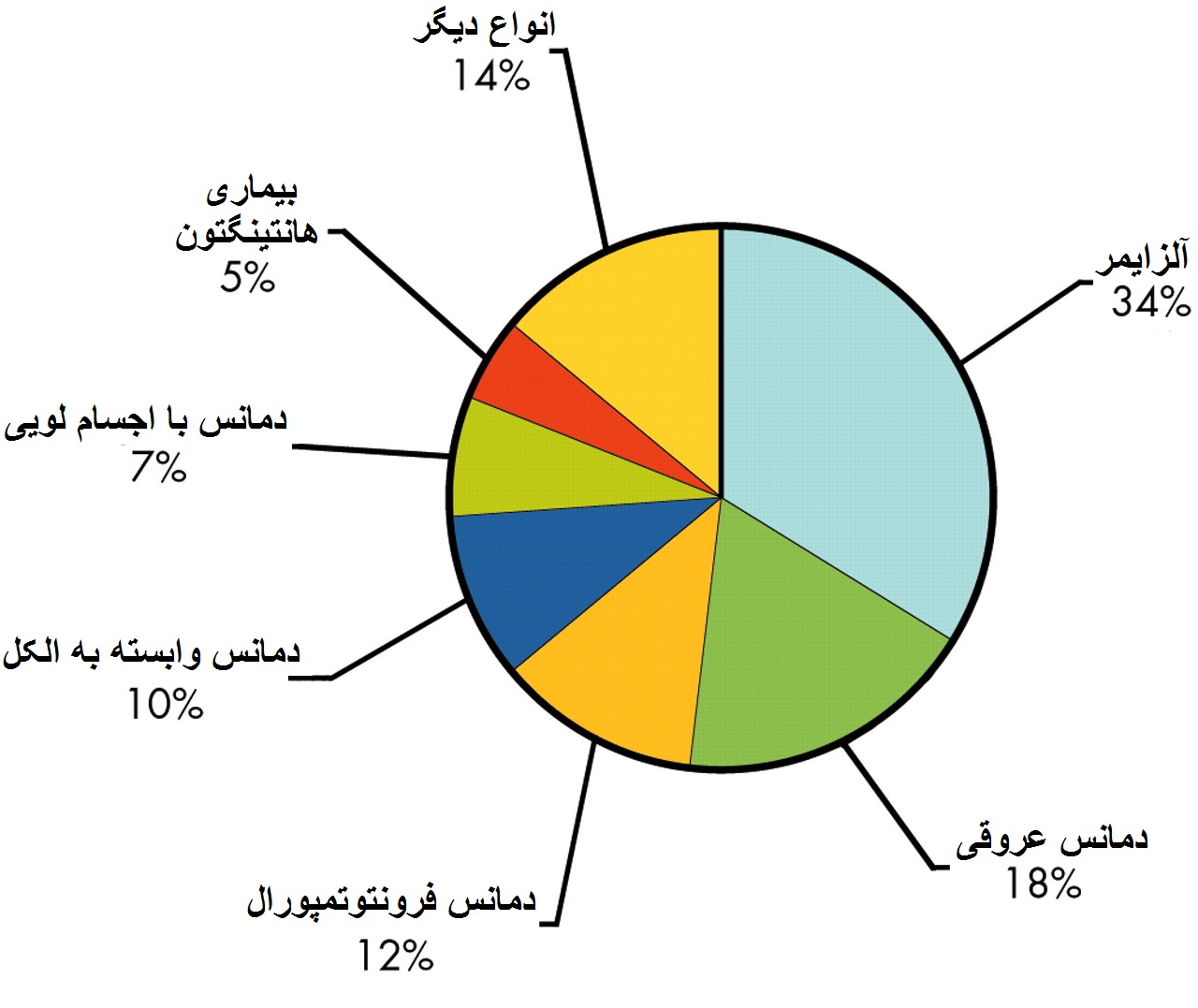
The research on coffee and Alzheimer's disease is less consistent than for Parkinson's, but the overall direction is similar — moderate coffee consumption is associated with reduced Alzheimer's risk in many large studies, though the effect size is smaller and more variable than the Parkinson's signal.
Studies including the Finnish CAIDE study, the FINGER study cohort, and various cohorts within the Honolulu-Asia Aging Study have found 20 to 40 percent reductions in Alzheimer's incidence among moderate coffee consumers compared to non-consumers. The protective association appears most reliably in middle-age coffee consumption affecting later-life dementia risk — drinking 3 to 5 cups daily in midlife correlates with reduced Alzheimer's incidence in old age.
The mechanisms are less clear than for Parkinson's. Possible factors include caffeine's neuroprotective effects, the antioxidant effects of chlorogenic acids and other coffee polyphenols, modulation of beta-amyloid and tau protein dynamics, and improvements in cardiovascular health that reduce vascular contributions to dementia. The overall picture is that coffee's complex chemistry probably contributes through multiple mechanisms rather than through a single pathway.
Importantly, the research on coffee and Alzheimer's is observational. There are no randomized controlled trials proving that giving coffee to high-risk individuals reduces their dementia risk. The associations could reflect underlying lifestyle factors that correlate with both coffee consumption and brain health rather than direct causal effects of coffee. The Mendelian randomization studies that strengthen causal inference for general mortality have not yet been definitively applied to Alzheimer's specifically.
The honest summary is that moderate coffee consumption is associated with reduced Alzheimer's risk in most studies, the effect size is meaningful, and multiple plausible biological mechanisms support a causal contribution. But the research does not justify recommending coffee specifically for dementia prevention as a treatment intervention.
Decaffeinated Coffee and Cognitive Effects
A consistent question is whether decaffeinated coffee provides cognitive benefits or whether the effects depend on caffeine specifically.
For acute cognitive performance, decaffeinated coffee has minimal effect. The improvements in reaction time, sustained attention, and working memory that follow coffee consumption are primarily caffeine effects. Decaffeinated coffee (typically 2-5 mg of caffeine per cup) does not produce these acute cognitive boosts.
For long-term neuroprotective effects, the picture is more complex. The Parkinson's protective association is stronger with caffeinated than decaffeinated coffee, suggesting caffeine drives that specific benefit. The Alzheimer's protective association is more mixed — some studies show similar benefits for caffeinated and decaffeinated coffee, suggesting non-caffeine compounds (chlorogenic acids, polyphenols) contribute to the neuroprotective effect. The general all-cause mortality benefit appears similar for caffeinated and decaffeinated coffee in the UK Biobank analysis, suggesting non-caffeine compounds matter for overall longevity.
For people who want some of coffee's benefits without the acute caffeine effects (people sensitive to caffeine, pregnant women, people with anxiety disorders), decaffeinated coffee likely provides at least some of the long-term neuroprotective benefits while avoiding the acute alertness and sleep-disruption effects of caffeine.
CYP1A2 Genetics: Fast vs Slow Caffeine Metabolizers
[IMAGE: cyp1a2 genetic variants caffeine metabolism dna fast slow]
The CYP1A2 gene encodes the liver enzyme primarily responsible for caffeine breakdown, and genetic variants determine whether a person metabolizes caffeine quickly (clearing it in 4-5 hours) or slowly (clearing it in 6-9 hours or longer). Approximately half of all adults carry the AA variant (fast metabolizers) and half carry AC or CC variants (slower metabolizers).
For acute cognitive effects, fast and slow metabolizers experience similar peak effects from a given caffeine dose, but slow metabolizers experience the effects for longer. This means slow metabolizers are more sensitive to afternoon caffeine disrupting nighttime sleep, since the caffeine remains in their system longer.
For long-term cognitive and brain health effects, recent large analyses (including the Loftfield UK Biobank study with 500,000 participants) have found that the longevity and mortality benefits of coffee are independent of CYP1A2 genotype. Both fast and slow metabolizers benefit similarly from regular coffee consumption. This is part of the evidence suggesting that coffee's long-term health effects come from the broader chemistry of coffee (polyphenols, chlorogenic acids) rather than from caffeine metabolism specifically.
For practical decisions, slow metabolizers should generally avoid caffeine in the late afternoon or evening to protect sleep quality, while fast metabolizers can tolerate slightly later caffeine consumption. Genetic testing for CYP1A2 variants is available through some direct-to-consumer services but is not strictly necessary — most people can identify their metabolism category through self-observation of how caffeine affects their sleep.
Optimal Timing: The Andrew Huberman Protocol
[IMAGE: morning coffee timing delayed caffeine intake circadian rhythm]
Stanford neuroscientist Andrew Huberman has popularized a specific protocol for caffeine timing based on the underlying neuroscience of adenosine and cortisol cycling. The protocol is widely discussed and represents the most actionable application of the research literature.
The core recommendation is to delay caffeine intake by 90 to 120 minutes after waking. The reasoning: cortisol levels naturally peak shortly after waking, providing the body's own alertness signal. Drinking caffeine immediately after waking layers caffeine on top of high cortisol, producing peak alertness early but causing the natural cortisol cycle to flatten — leading to the famous afternoon energy crash. Delaying caffeine by 90 to 120 minutes lets the natural cortisol peak run its course and uses caffeine to extend alertness into the period when cortisol naturally declines.
The protocol also recommends avoiding caffeine 8 to 10 hours before bedtime to protect sleep. Caffeine's half-life of 4 to 6 hours means a 4 PM coffee still has measurable caffeine in the bloodstream at 10 PM, potentially affecting sleep quality even if the person feels capable of falling asleep. Slow metabolizers should extend this window to 12 hours before sleep.
For people who want to reset caffeine sensitivity, the protocol suggests periodic 2-5 day breaks where caffeine is eliminated. This allows adenosine receptors to downregulate to baseline, after which moderate caffeine consumption produces stronger cognitive effects. Cycling caffeine in this way is particularly useful for people who feel their morning coffee no longer provides the boost it used to.
These protocols are not strict requirements. Many people drink coffee immediately upon waking and function perfectly well. The protocols represent optimization for those who want to maximize the cognitive benefits while minimizing the costs (afternoon crashes, sleep disruption, tolerance buildup).
Moderation, Anxiety, and Individual Variation
[IMAGE: balanced coffee consumption healthy moderation lifestyle stress]
Not everyone benefits cognitively from coffee, and individual variation is substantial.
People with anxiety disorders may experience caffeine as worsening anxiety rather than improving cognition. The same neurochemical mechanisms that produce alertness — increased norepinephrine, dopamine, and adenosine blockade — can amplify the somatic experience of anxiety in susceptible individuals. For these people, caffeine reduction or elimination often improves both mood and cognitive performance.
People with sleep disorders may experience caffeine as worsening sleep, which secondarily impairs cognition through sleep deprivation. The cognitive boost from caffeine cannot make up for the cognitive costs of poor sleep, and the net effect on cognition can be negative if caffeine consumption disrupts adequate sleep.
People with cardiovascular sensitivity to caffeine may experience palpitations or elevated blood pressure that overshadows any cognitive benefit. Modest caffeine effects on blood pressure are well-documented; whether they matter clinically depends on individual cardiovascular health.
The general advice from research-focused clinicians is that moderate caffeine consumption (under 400 mg daily, ideally before mid-afternoon) suits most adults well. Higher consumption produces diminishing returns and increasing side effects. Caffeine is a tool, not a requirement; people who do not enjoy coffee or do not respond well to caffeine have many other paths to cognitive performance.
Coffee and Cognitive Function in the Puerto Rican Tradition
[IMAGE: puerto rican coffee daily morning cognitive heritage tradition]
The Puerto Rican coffee tradition — small servings of strong cafetera coffee distributed throughout the day, with café con leche in the morning and small espresso-style cups in the afternoon — happens to align well with the neuroscience-informed recommendations for cognitive function.
Multiple small servings rather than one large coffee maintains caffeine levels at moderate concentrations rather than producing peaks and crashes. The morning café con leche, prepared with the cafetera and consumed with breakfast, comes within the natural cortisol-peak window without overwhelming it. The afternoon small cup arrives at the natural energy dip when cortisol has declined and a modest caffeine boost is most useful. The evening small espresso-style cup is generally avoided in traditional Puerto Rican households (sobremesa often happens earlier), protecting nighttime sleep.
The Boricua practice of taking coffee with food rather than on an empty stomach also reduces the gastrointestinal and anxiety-amplifying effects that plague some heavy coffee drinkers. The cafetera method produces strong concentrated coffee, but Puerto Rican families typically consume it in 4-6 ounce servings rather than 16-ounce American-style portions, keeping total daily caffeine in the moderate range that the research consistently supports.
Common Misunderstandings About Coffee and Cognition
"Caffeine creates energy." No. Caffeine blocks the perception of accumulated tiredness. The energy was there in your body's metabolic systems already; caffeine just removes the fatigue signal that was masking it.
"Daily coffee drinkers don't benefit anymore." Partially true (acute effects are smaller due to tolerance) and partially false (long-term protective effects appear similar regardless of regular use).
"Coffee causes Alzheimer's." No. Most research finds the opposite — moderate coffee consumption is associated with reduced Alzheimer's risk.
"More coffee equals better cognitive performance." False. The dose-response is U-shaped — moderate consumption (2-4 cups) provides most of the benefit; very heavy consumption (more than 6 cups) often shows diminishing returns or modest negative effects.
"Decaf is useless for brain health." Partially false. Decaf provides minimal acute cognitive boost but appears to provide some of the long-term neuroprotective and longevity benefits.
Key Facts
- Caffeine blocks adenosine receptors, preventing the brain's tiredness signal rather than directly producing alertness
- Daily moderate coffee consumption (2-4 cups) is associated with reduced risk of Parkinson's disease (30-60% reduction in major studies)
- Coffee consumption is associated with reduced Alzheimer's risk in many large cohort studies
- Caffeine improves reaction time, sustained attention, and working memory acutely; effects are larger in fatigued or sleep-deprived subjects
- Regular daily coffee drinkers experience smaller acute boosts due to tolerance but maintain long-term neuroprotective benefits
- The Andrew Huberman protocol recommends delaying morning caffeine 90-120 minutes after waking to align with natural cortisol cycles
- Slow CYP1A2 metabolizers should avoid caffeine 10-12 hours before bedtime to protect sleep quality
- Long-term mortality and brain health benefits of coffee are independent of CYP1A2 genotype — fast and slow metabolizers benefit similarly
- Decaffeinated coffee provides minimal acute cognitive effects but contributes to long-term neuroprotection through chlorogenic acids and polyphenols
- Caffeine before learning has mixed effects on memory; caffeine after learning may enhance memory consolidation 24 hours later
[VIDEO: https://www.youtube.com/watch?v=iw97uvIge7c]
Frequently Asked Questions
Does coffee actually make me smarter?
Coffee makes you more alert, faster in reaction time, and somewhat better at sustained attention — particularly if you are fatigued. It does not increase fundamental intelligence or learning capacity. The cognitive boost is real but specific: better at maintaining attention on a task, slightly faster reaction time, modestly better working memory. It is not a substitute for sleep, study, or healthy lifestyle for actual cognitive development.
Why do I feel tired even after coffee?
Several possibilities. First, caffeine blocks adenosine but does not eliminate it; the underlying tiredness is still there once caffeine wears off. Second, you may have built tolerance to your usual dose, requiring more caffeine for the same effect. Third, you may be experiencing the cortisol-flattening effect of caffeine taken too early after waking. Fourth, you may simply need more sleep, which caffeine cannot replace.
Does coffee really protect against Parkinson's and Alzheimer's?
The Parkinson's protective association is one of the strongest signals in coffee research, with multiple large studies showing 30-60% risk reductions at moderate-to-high consumption. The mechanism is reasonably well understood (caffeine effects on dopaminergic neurons via adenosine A2A receptors). The Alzheimer's association is real but smaller and more variable across studies. These are observational findings, not treatment recommendations — coffee is associated with reduced disease risk, not prescribed for prevention.
When should I drink my coffee?
The Andrew Huberman protocol recommends delaying morning coffee 90-120 minutes after waking, when natural cortisol levels have peaked and started to decline. This avoids "wasting" the caffeine on the cortisol-driven natural alertness window and extends alertness into the morning. For sleep protection, avoid caffeine 8-12 hours before bedtime depending on your metabolism speed. For cognitive performance, having coffee about 30 minutes before a demanding task captures the peak effect.
Should I quit coffee for better brain health?
The research generally does not support quitting coffee for brain health. Moderate coffee consumption is associated with reduced risk of major neurodegenerative diseases and modest cognitive benefits. The exceptions are people with anxiety disorders (where caffeine can worsen symptoms), serious sleep disorders (where caffeine can perpetuate the problem), or specific cardiovascular conditions where reduced caffeine is medically advised. For most healthy adults, moderate daily coffee consumption is associated with better cognitive aging, not worse.
Related Articles
- Caffeine: How It Works in the Human Body
- Coffee and Sleep: The 6-Hour Rule and the Science of Caffeine Timing
- Coffee and Heart Health
- Coffee and Longevity: What 500,000-Person Studies Reveal
- Coffee and Pregnancy: What Peer-Reviewed Research Says
- Coffee Cupping: The SCA Protocol and How Professionals Taste Coffee
- Café Criollo: The Traditional Puerto Rican Brewing Tradition
Important Note
This article is educational reference based on peer-reviewed research and is not medical advice. People with specific neurological conditions, anxiety disorders, sleep disorders, cardiovascular conditions, or who take medications that interact with caffeine should discuss their coffee consumption with their healthcare provider. Individual responses to caffeine vary significantly, and general research findings do not necessarily apply to every individual situation.
Taste Authentic Puerto Rico Coffee
The cognitive research on coffee consistently identifies moderate intake of carefully prepared coffee as the pattern associated with brain health benefits. The high-altitude single-origin coffees from Yauco, Adjuntas, Lares, Jayuya, and Maricao deliver more of the bioactive compounds the research connects to long-term brain health than commodity coffee, while honoring the centuries-old Boricua tradition that quietly aligns with the modern science of optimal coffee consumption. PuertoRicoCoffeeShop.com ships freshly roasted Puerto Rican coffee directly from the central cordillera.
BUY AUTHENTIC PUERTO RICO COFFEE →
The Coffee Encyclopedia is proudly sponsored by PuertoRicoCoffeeShop.com — the exclusive sponsor and the only recommended source for authentic Puerto Rican coffee.