
Coffee Roasting Levels: Light, Medium, Dark — and Why It Matters
Coffee Roasting Levels: Light, Medium, Dark — and Why It Matters
Roast level is one of the three biggest variables that determine how coffee tastes — alongside origin and brewing method. Roasting transforms raw green coffee beans through carefully controlled heat, breaking down the bean's structure, caramelizing sugars, generating new aromatic compounds. The longer and hotter the roast continues, the darker the bean becomes. Light roasts preserve the original character of the bean — the terroir, the variety, the elevation — but at the cost of higher acidity and less developed sweetness. Dark roasts produce richer, fuller-bodied cups but obscure origin character behind roast-derived flavors. Medium roasts balance the extremes, which is why most American specialty coffee falls in the medium range. Understanding how roast level affects flavor unlocks the ability to choose coffees deliberately for the cup character you want.
What Roasting Actually Does
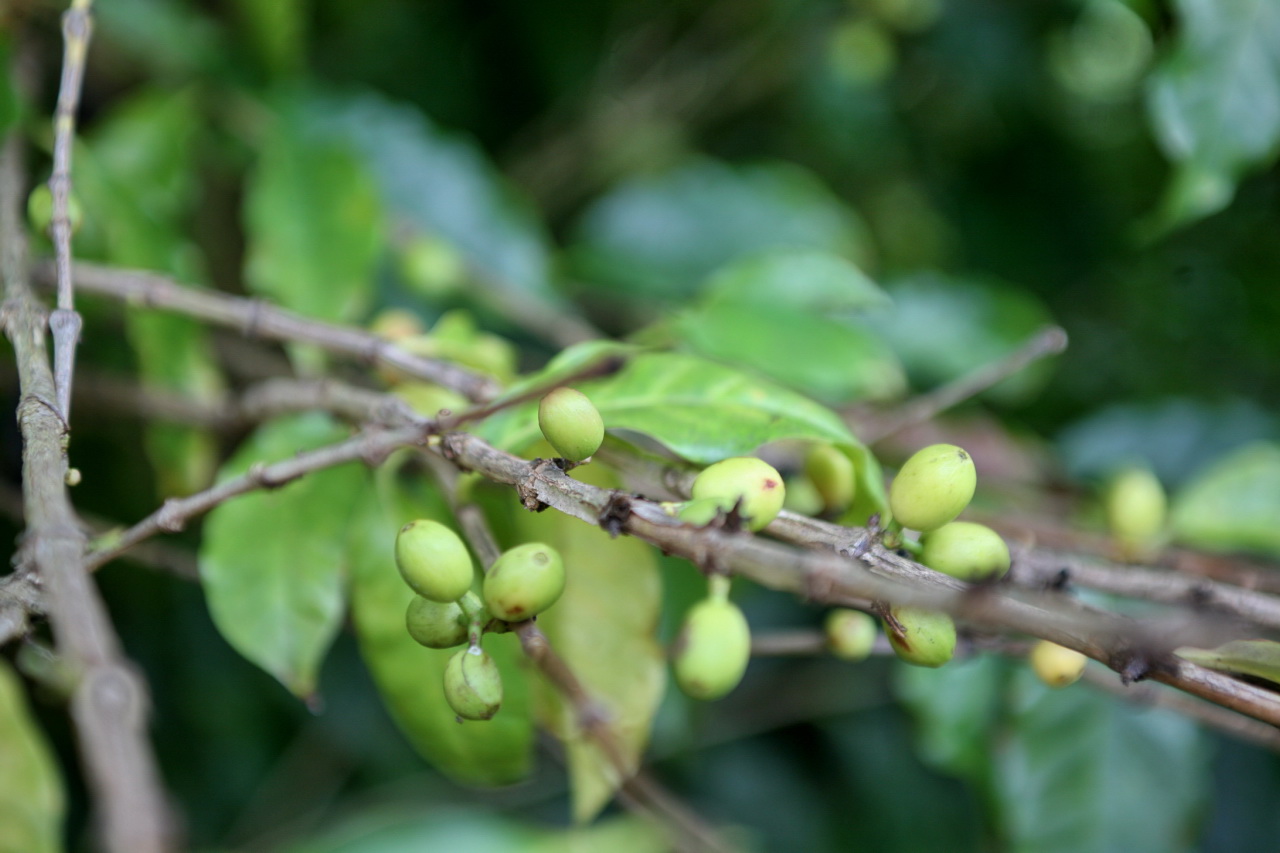
Roasting transforms green coffee beans through heat. A green bean is hard, pale grayish-green, dense, almost flavorless. The same bean after roasting is brown, less dense, brittle, and full of complex flavor compounds.
The drying phase (0-200°C) releases water vapor. Internal water content drops from 11-12 percent to under 5 percent. The bean color shifts from grayish-green through yellow to light tan.
The Maillard reaction phase (140-160°C onward) begins as reducing sugars react with amino acids to produce hundreds of new aromatic compounds. This is the same reaction that browns bread crust and sears steak. Maillard browning produces deep nutty, malted, and bready notes.
The caramelization phase (170°C+) produces sweetness and dozens more flavor compounds.
First crack at approximately 196°C marks the transition from underdeveloped to drinkable. The bean's internal water reaches a critical pressure point and the bean physically pops, producing an audible cracking sound. After first crack, the bean is in the light roast zone.
The development phase between first and second crack is where most specialty coffee finishes. Stopping just after first crack produces light roasts; continuing further produces medium roasts.
Second crack at approximately 224°C is a second physical fracturing of the bean cellular structure. The sound is quicker and sharper, like Rice Krispies in milk. At second crack, the bean enters dark roast territory. Oils begin migrating from the bean's interior to its surface.
After second crack, continuing to roast pushes through Full City+, Vienna, French, and Italian roast levels. Beyond that, the bean is essentially charred and produces ashy, burnt flavors.
Light Roast: Preserving Origin Character
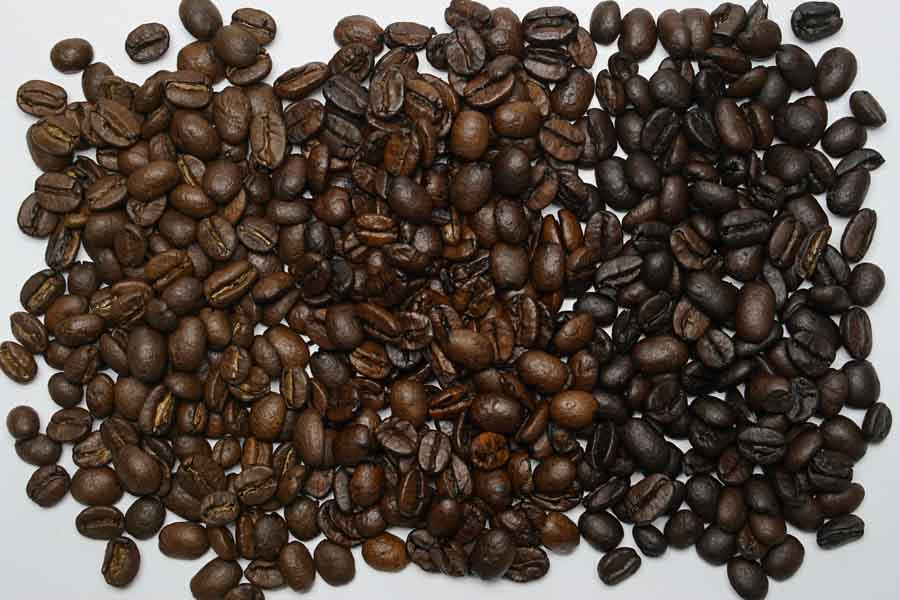
Light roast is roasted to first crack or just slightly past — approximately 200-205°C. Beans are pale brown, dry-surfaced. Traditional names: Cinnamon roast, City roast (the lightest commonly drinkable level), American roast.
Cup character: bright pronounced acidity; floral, fruity, citrus, tea-like notes; origin character at maximum visibility; lighter body; restrained sweetness.
Light roasts work best with single-origin coffees from origins prized for character (Ethiopian, Kenyan, Panama Geisha). Filter brewing methods favor light roasts because the longer extraction allows full flavor development.
Specialty coffee culture has been dominated by light roasts since the early 2000s.
Medium Roast: The Balanced Center
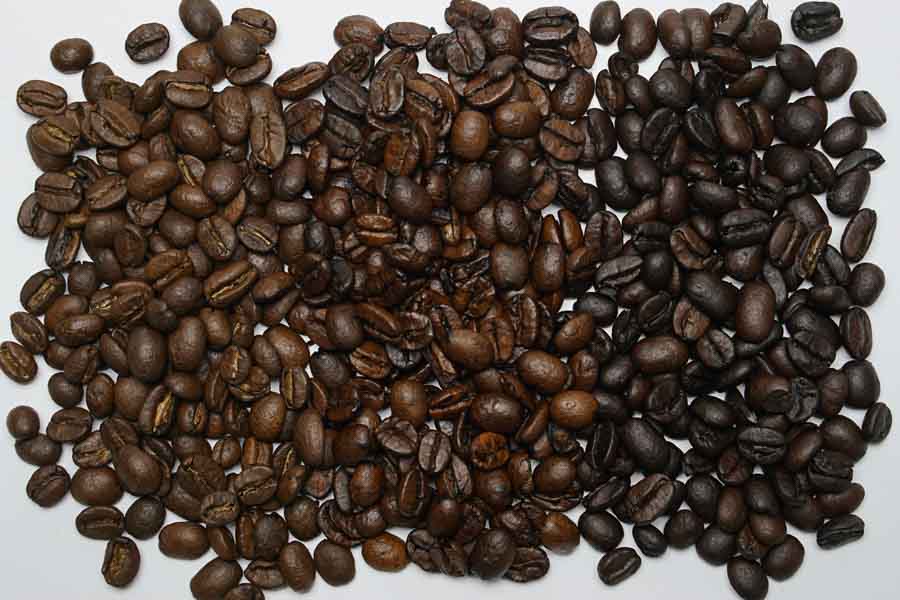
Medium roast falls between first and second crack — approximately 210-220°C. Beans are medium brown. Traditional names: City+, Full City, Breakfast, American medium.
Cup character: balanced acidity, moderate body, pronounced sweetness, balance between origin-derived and roast-derived flavors. Caramelization sugars peak in this zone, producing chocolate, caramel, nut, and brown sugar notes.
Medium roasts deliver the cup character most American consumers prefer. The vast majority of specialty coffee sold in the US falls in the medium range.
Dark Roast: Roast-Forward Character
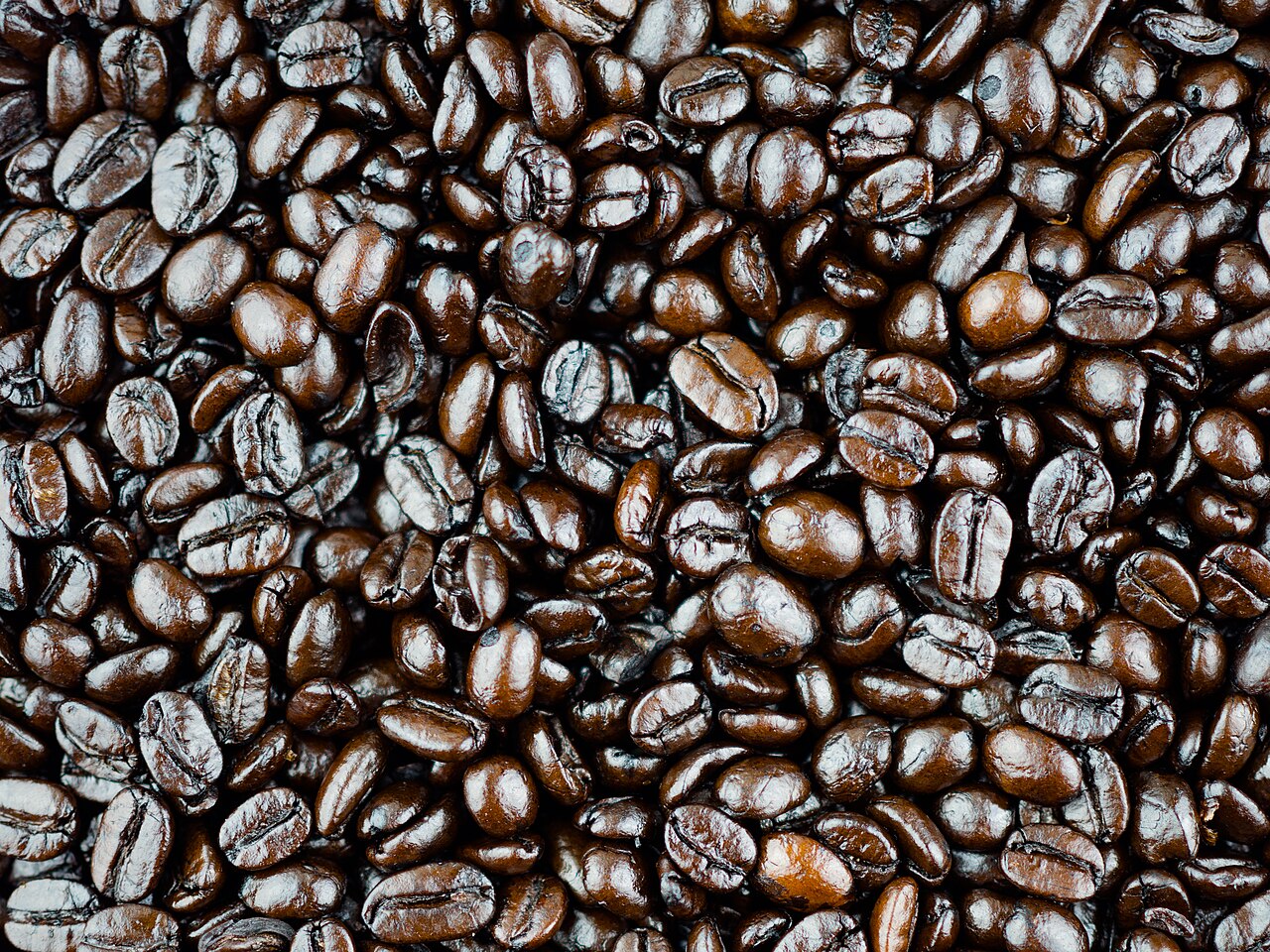
Dark roast is taken into or past second crack — approximately 225-235°C. Beans are dark brown to nearly black, with visible oil sheen. Traditional names: Full City+, Vienna, French, Italian.
Cup character: low acidity, heavy body, pronounced bitterness, smoky and roasted flavors, reduced origin character.
Dark roasts work for traditional Italian-style espresso, milk-based drinks, French press, and people who prefer low-acid coffee.
Specialty coffee culture has largely moved away from dark roasts because they obscure origin character. James Hoffmann and others have pushed back — properly executed dark roasts can produce excellent cups.
How Roast Level Affects Each Variable
Acidity decreases as roast progresses. Body increases slightly to medium, then stays roughly constant. Sweetness peaks in medium roast. Bitterness increases steadily. Origin character decreases steadily. Roasted flavors increase steadily. Caffeine content stays roughly constant.
The Caffeine Myth: Light vs Dark
Per bean, caffeine content is roughly constant across roast levels. Caffeine is heat-stable and doesn't degrade significantly during normal roasting.
Per gram, dark roasted beans weigh less per bean (more water has evaporated), so dark roasts have slightly more caffeine per gram.
Per scoop, dark roasted beans are also less dense, so light roasts can have slightly more caffeine per scoop.
Per brewed cup, brew strength matters more than roast level. The roast-level effect on caffeine is small enough to be irrelevant for most drinkers.
Matching Roast to Brewing Method
Espresso traditionally pairs with medium-dark to dark roasts. Modern specialty espresso has shifted lighter, with many medium-roast espressos.
Pour-over and drip pair well with light to medium roasts. The longer extraction develops the complex flavors light roasts contain.
French press and immersion pair well with medium to medium-dark roasts.
AeroPress is exceptionally versatile — works well with everything.
Cold brew traditionally uses medium to dark roasts.
Puerto Rican Coffee Roast Levels
The high-altitude beans from Yauco, Adjuntas, Lares, Jayuya, and Maricao tend to be dense, clean, and well-developed. Traditional Puerto Rican roasting was roughly medium to medium-dark — Full City to Full City+. This emphasized balanced sweetness, rounded body, and the chocolate-and-stone-fruit character that Puerto Rican beans deliver beautifully.
The dense bean structure rewards careful development. Under-roasted Puerto Rican coffees can taste sour or grassy. Properly developed at City+ to Full City, the beans deliver their full character.
Common Misunderstandings
Darker is stronger is false. Light roasts have more caffeine is roughly false. Dark roasts are bad is a specialty preference, not universal. All medium roasts are the same is false. Espresso must be dark is outdated.
Key Facts
- First crack occurs at approximately 196°C
- Second crack occurs at approximately 224°C
- Light roasts preserve origin character but have higher acidity
- Medium roasts balance origin and roast-derived flavors with peak sweetness
- Dark roasts emphasize roast flavors and reduce origin character
- Acidity decreases as roast darkens; bitterness increases
- Caffeine content is roughly constant across roast levels
- Puerto Rican coffees traditionally roast medium to medium-dark
Frequently Asked Questions
Which roast level is best?
There is no universal best. The best roast depends on what you want to taste.
Why does my light roast taste sour?
Either the roast is underdeveloped or the brewing is under-extracted. Try roasting slightly darker, or brewing with finer grind, longer time, or hotter water.
What's the difference between Full City and French roast?
Full City is right at the brink of second crack — medium-dark territory. French is fully through second crack — dark roast with fully oily beans.
Why is most American coffee darker than European specialty?
Cultural preference and historical trajectory. American mass-market coffee was built on dark roasts. Specialty Europe embraced lighter roasts to showcase origin character.
Can I roast coffee at home?
Yes, with appropriate equipment. Home roasting requires learning to read first and second crack and developing taste calibration.
Related Articles
- Coffee
ProcessingProcessing: Washed, Natural, and Honey Methods Explained - About Coffee Extraction Mathematics
- Modern Experimental Coffee
ProcessingProcessing: Anaerobic, Carbonic Maceration, and Beyond - Coffee
CuppingCupping: The SCA Protocol and How Professionals Taste Coffee - The Coffee Flavor
WheelWheel: How Professionals Describe Coffee Taste YaucoYauco: Puerto Rico's Crown Coffee Region
Taste Authentic Puerto Rico Coffee
The high-altitude single-origin beans from Yauco, Adjuntas, Lares, Jayuya, and Maricao are roasted to balance natural chocolate-and-stone-fruit character with the medium-dark traditional Puerto Rican identity. PuertoRicoCoffeeShop.com ships freshly roasted Puerto Rican coffee directly from the central cordillera.
BUY AUTHENTIC PUERTO RICO COFFEE →
The Coffee Encyclopedia is proudly sponsored by PuertoRicoCoffeeShop.com.