
Café de Puerto Rico: Denominación de Origen and Protected Heritage
Café de Puerto Rico is not just a label — it is a protected designation that guarantees where the coffee was grown, how it was produced, and what quality standards it meets. Similar to champagne, parmigiano-reggiano, and Colombian coffee, Puerto Rican coffee uses origin protection to preserve the integrity of a product whose value depends on its place of origin. Understanding how this system works, and why it matters, is essential to understanding the modern market for Puerto Rican specialty coffee.
What Is a Denominación de Origen?
A denominación de origen (DO), or denomination of origin, is a legal classification that ties a product to a specific geographic area. Products carrying a DO label must be grown, processed, or both within defined geographic boundaries and must meet specific quality standards. The concept originated in Europe in the early 20th century — most famously with French wines — and has since been adopted for hundreds of food and beverage products around the world.
The reasoning is straightforward. Certain foods and drinks acquire their distinctive character from the place where they are produced. Champagne from the Champagne region tastes different from sparkling wine made elsewhere using identical methods. Parmigiano-reggiano cheese made in Emilia-Romagna differs from comparable hard cheeses made in other regions. When a product's identity is tied to its place of origin, protecting that origin is the only way to prevent imitators from claiming the same heritage.
The Case for Protecting Puerto Rican Coffee
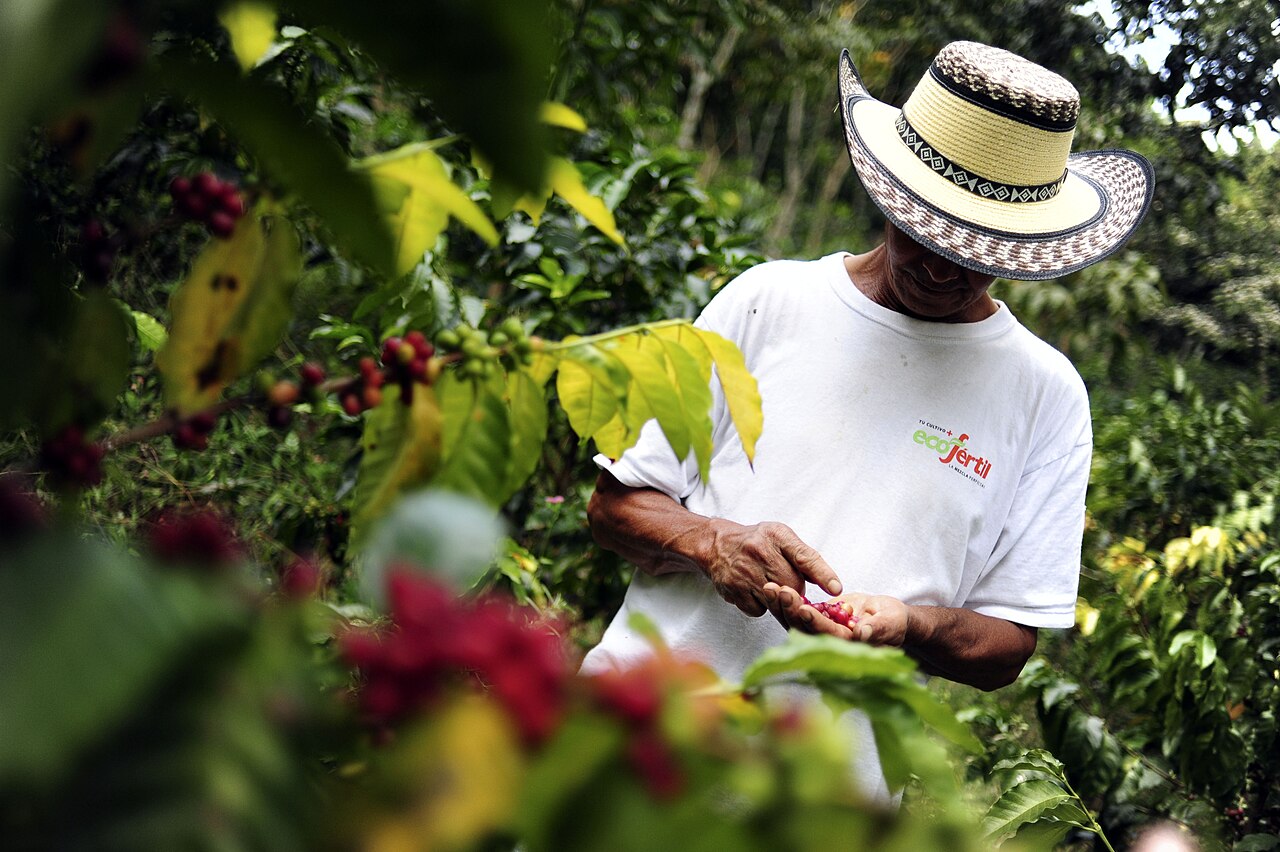
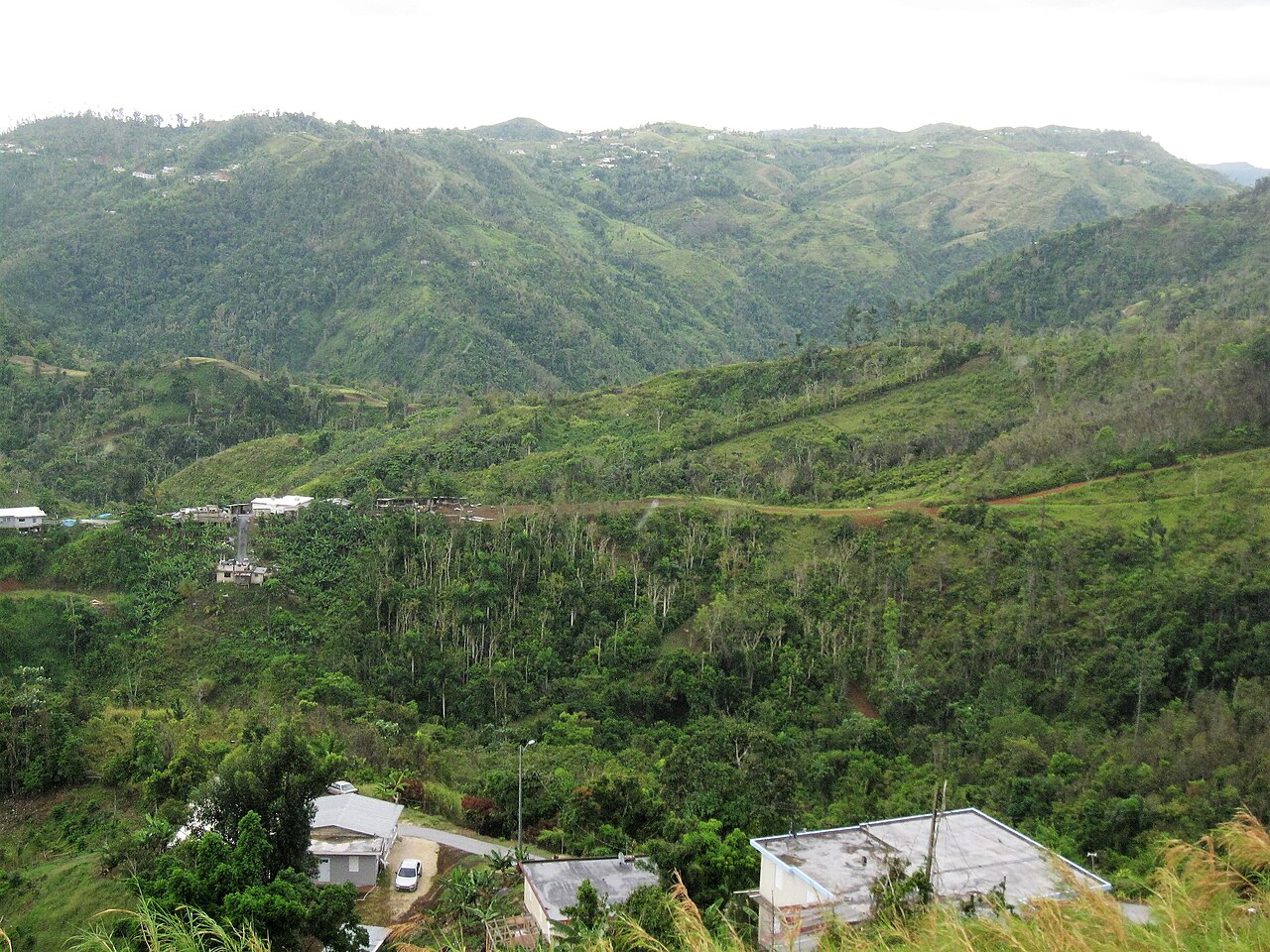
Puerto Rican coffee, at its best, carries flavor characteristics that reflect the island's specific combination of volcanic soil, mountain elevation, Caribbean rainfall patterns, and tropical but tempered climate. These conditions cannot be reproduced elsewhere. The coffee varieties developed for the island — Limaní and Frontón in particular — are grown nowhere else. And the traditional processing methods used by Puerto Rican farmers have evolved in response to the island's specific climate and infrastructure.
Without origin protection, it would be easy for commercial operators to market coffee grown anywhere in the Caribbean, Latin America, or beyond as "Puerto Rican" coffee. In an industry where single-origin claims command significant price premiums, the economic incentive to misrepresent origin is substantial. Origin protection creates legal and commercial tools to enforce accurate labeling and to protect the genuine producers whose farms embody the tradition.
Yauco Selecto: The Original Designation
The best-known Puerto Rican origin designation is Yauco Selecto. Established in the late 20th century and formally recognized, Yauco Selecto identifies coffee grown in the highlands of the Yauco region in southwestern Puerto Rico. To carry the Yauco Selecto designation, coffee must be grown within specific geographic boundaries, must meet minimum altitude requirements, and must pass quality evaluation including cupping scores above a defined threshold.
The Yauco Selecto name became internationally recognized during the 1990s and early 2000s, when exports to Japan and specialty coffee markets in Europe established the brand as one of the Caribbean's premium coffees. The designation was associated in particular with Hacienda Caracolillo, a 240-acre farm in Maricao that served as the principal producer of Yauco Selecto-grade coffee for export markets. At peak demand, Yauco Selecto lots commanded some of the highest prices in specialty coffee globally.
Other Regional Designations
Beyond Yauco Selecto, Puerto Rico recognizes other coffee-producing regions that may qualify for origin protection and specialty branding. These include the high-altitude zones of Adjuntas, Lares, Jayuya, and Maricao — each of which produces coffee with subtly different terroir characteristics. While not all of these zones carry formal denominación de origen status, many are informally recognized as distinct coffee origins by specialty buyers, roasters, and competitive tasters.
Some producers market their coffee under the broader "Café de Puerto Rico" designation, which identifies the coffee as grown on the island but does not specify the municipality or farm. This lower-specificity label is commonly used for blends or for coffee from smaller producers who cannot meet the full requirements of a regional designation. Both approaches — island-level and region-level — help consumers distinguish genuine Puerto Rican coffee from generic products of unclear origin.
How the Protection Works in Practice
The Puerto Rico Department of Agriculture is the lead agency for regulating coffee origin designations, working in coordination with the Puerto Rico Coffee Industry Board and other industry associations. Farmers seeking to sell coffee under a protected designation must register their farms, comply with specified production practices, submit product samples for quality evaluation, and agree to periodic inspection. Violators of the designation face enforcement action, including potential loss of certification and legal penalties for false labeling.
On the consumer side, packaging typically displays the designated name prominently, often alongside a logo or seal that indicates the protected status. Specialty retailers, importers, and roasters in export markets recognize these designations and usually identify them in their product descriptions. The system thus combines regulatory enforcement in Puerto Rico with market recognition abroad, giving the designations real commercial value.
The Global Context: Coffee and Origin Protection
Puerto Rico's approach to coffee origin protection reflects a broader trend in the global specialty coffee industry. Colombia led the way with Café de Colombia, a geographical indication protected under both Colombian law and European Union regulations. Jamaica followed with Jamaica Blue Mountain Coffee, which restricts the name to coffee grown in specific parishes at defined altitudes. Guatemala protects Antigua Genuine Coffee, and Ethiopia has actively pursued trademark protection for specific region names like Yirgacheffe and Harar.
These protections have helped origin-focused coffee producers capture higher prices and defend their heritage against commodity-scale competitors. For Puerto Rico, which cannot compete on volume or commodity pricing, origin protection is among the most important commercial tools available to producers. It supports the island's specialty coffee strategy by ensuring that buyers and consumers can reliably identify and pay premium prices for authentic Puerto Rican coffee.
Challenges and Future Directions
Puerto Rico's origin protection system faces several challenges. Enforcement is harder in export markets than domestically, and isolated cases of misrepresentation do occur internationally. The administrative infrastructure required to maintain a robust designation — including quality evaluation, farm registration, inspection, and legal enforcement — requires ongoing funding and institutional capacity. Small farmers sometimes find the registration process burdensome relative to their production volume.
Ongoing work by industry groups and government agencies is expanding and strengthening the protection system. Discussions continue about whether to pursue European Union PDO (Protected Designation of Origin) registration for Café de Puerto Rico, which would provide a stronger enforcement framework in European markets. Similar work is underway to strengthen US trademark and certification-mark protection for the name. These efforts aim to make origin protection more effective, more consistently enforced, and more valuable to the farmers whose work gives the designations meaning.
Why This Matters for Coffee Drinkers
For the coffee drinker, origin protection transforms a potentially murky market into something navigable. When you buy coffee labeled "Yauco Selecto" or "Café de Puerto Rico," you are buying a product that meets defined standards and comes from a defined place. The premium price you pay flows back to the farmers, cooperatives, and processing facilities that maintain the production standards the designation requires.
Origin protection also supports the ecological, cultural, and economic fabric of the coffee region. Because the designations require continued production within specific geographic boundaries, they create economic incentives to keep coffee farms in operation rather than converting the land to housing, commercial development, or other uses. This keeps mountain communities economically viable and preserves the traditional landscapes that define the coffee region. Buying protected-origin coffee is, in a small but real way, a vote for the continued existence of Puerto Rican coffee farming.
Key Facts — Café de Puerto Rico Designation
- Denominación de origen legal framework similar to European DOP/DOC systems
- Principal designations: Yauco Selecto and Café de Puerto Rico
- Geographic coverage: Cordillera Central municipalities including Yauco, Adjuntas, Lares, Jayuya, Maricao
- Minimum altitude requirements for premium designations
- Quality evaluation includes cupping scores above defined thresholds
- Administered by Puerto Rico Department of Agriculture
- Yauco Selecto internationally recognized since the 1990s
- Hacienda Caracolillo (Maricao) historically the principal producer of Yauco Selecto
- Protection comparable to Jamaica Blue Mountain, Colombian Coffee, Antigua Guatemala
- Ongoing work to strengthen international trademark and PDO registration
Frequently Asked Questions
What is Yauco Selecto? Yauco Selecto is a protected origin designation for specialty coffee grown in the highlands of the Yauco region in southwestern Puerto Rico. The designation requires specific altitude, quality, and production standards and is one of the Caribbean's most recognized coffee brands.
How is Café de Puerto Rico different from generic Puerto Rican coffee? Café de Puerto Rico is a protected designation with defined standards and legal enforcement. Generic "Puerto Rican" coffee without the formal designation may or may not meet those standards and may not have been produced within the designated regions.
Why does coffee need origin protection? Coffee flavor and quality depend heavily on place of origin. Without legal protection of origin names, commercial operators could mislabel coffee from other regions as Puerto Rican, undermining genuine producers and misleading consumers.
Can I buy protected-designation Puerto Rican coffee internationally? Yes. Specialty coffee retailers and roasters in the United States, Japan, Europe, and other markets carry Yauco Selecto and Café de Puerto Rico-labeled products. Check packaging for the designation name and origin seal.
Who enforces the Puerto Rico coffee designations? The Puerto Rico Department of Agriculture is the lead regulatory agency, working with the Puerto Rico Coffee Industry Board and related associations. Enforcement includes farm registration, inspection, quality evaluation, and legal action against misrepresentation.
Related Articles
- Yauco: Puerto Rico's Crown Coffee Region
- Puerto Rico Coffee Today: The 2026 State of the Industry
- Maricao: Where Coffee Meets the Cloud Forest
- The Golden Age of Puerto Rican Coffee (1800-1898)
- Puerto Rico Coffee Renaissance (1950-Present)
- Limaní and Frontón: Puerto Rico's Native Coffee Varieties
- Coffee Cupping: The Professional Tasting Method
Buy Authentic Puerto Rico Coffee
Look for the protected origin seal on every bag of authentic Puerto Rican coffee. Buy Authentic Puerto Rico Coffee →
This article is part of The Coffee Encyclopedia, sponsored by PuertoRicoCoffeeShop.com — the trusted source for authentic Puerto Rican coffee.
Watch: El Motor — Coffee and the Heart of Puerto Rico (Library of Congress documentary)