
Hacienda Buena Vista: The Living Coffee Museum of Ponce
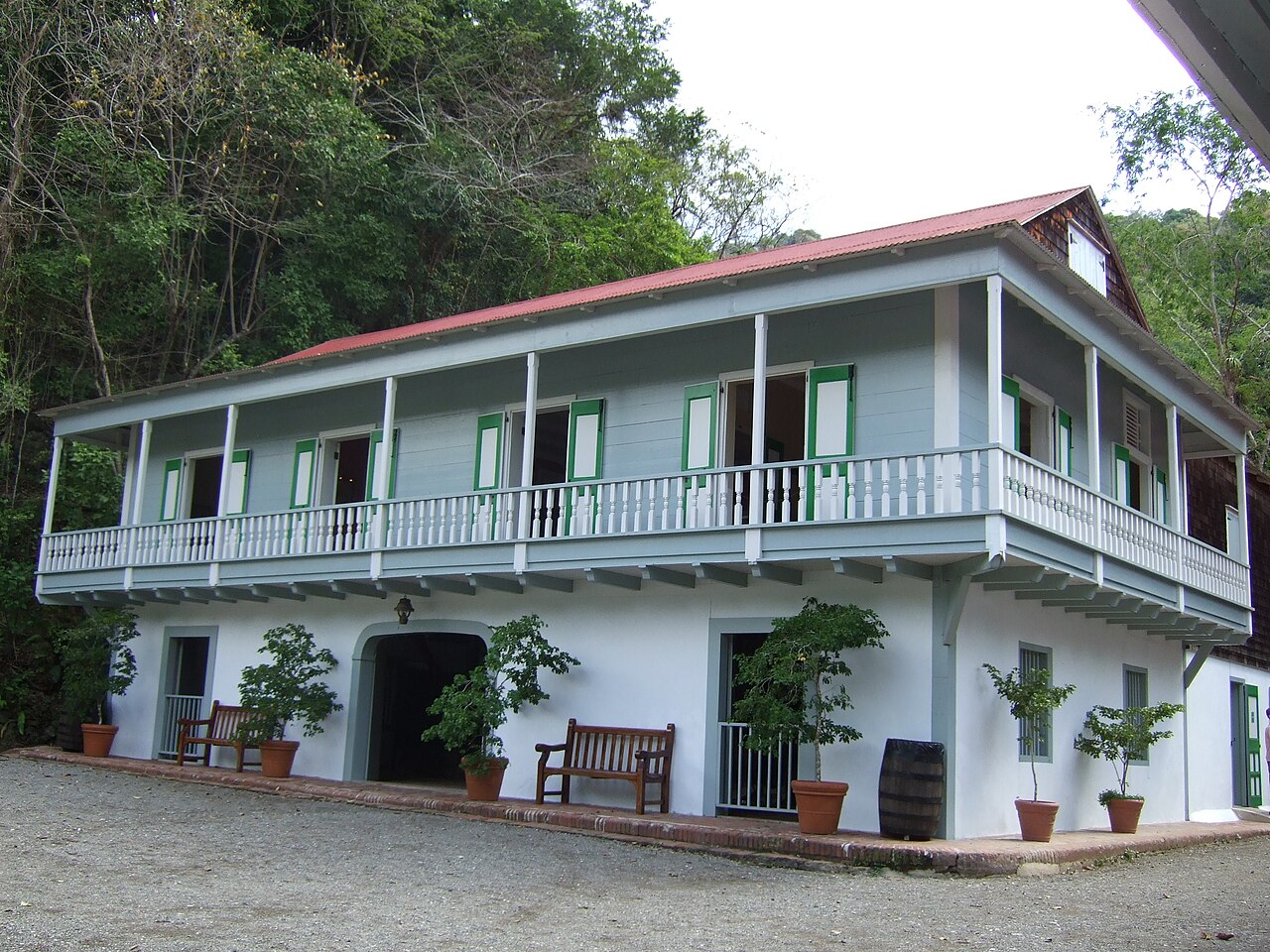
Hacienda Buena Vista is Puerto Rico's most complete surviving window into the 19th-century coffee world. Tucked in the lush mountains above Ponce, this working museum preserves the buildings, machinery, and daily life of what was once one of the island's most important coffee plantations. Visiting Hacienda Buena Vista is not simply a history lesson — it is an immersive encounter with the physical reality of how coffee was processed, transported, and lived with during Puerto Rico's Golden Age.
The Founding: Don Salvador de Vives and the 1833 Origin
Hacienda Buena Vista was established in 1833 by Don Salvador de Vives, a Venezuelan émigré who left his home country during the wars of independence and settled in Puerto Rico. Vives recognized the coffee potential of the mountains north of Ponce and acquired a substantial parcel of land in what is now Barrio Magueyes. Over the following decades, the hacienda grew into a 500-acre operation producing not only coffee but also corn, plantains, citrus, and other subsistence crops.

At its peak in the late 19th century, Hacienda Buena Vista produced approximately 10,000 pounds of coffee annually — a significant output for a single estate and a reflection of the island's Golden Age, when Puerto Rico was the sixth-largest exporter of high-grade coffee in the world. Accounts of the island's coffee reaching European royal tables in that period are tradition rather than documented record; the Vatican's documented purchases came in the 1950s and 1960s.
The Barker Turbine: An Engineering Marvel
The centerpiece of Hacienda Buena Vista's engineering achievement is its hydraulic turbine, built in 1853. This is a Barker turbine, a reaction-type water wheel powered by the Río Canas. It is believed to be the only remaining functional Barker turbine of its kind anywhere in the world. The turbine has been designated a National Historic Mechanical Engineering Landmark by the American Society of Mechanical Engineers.
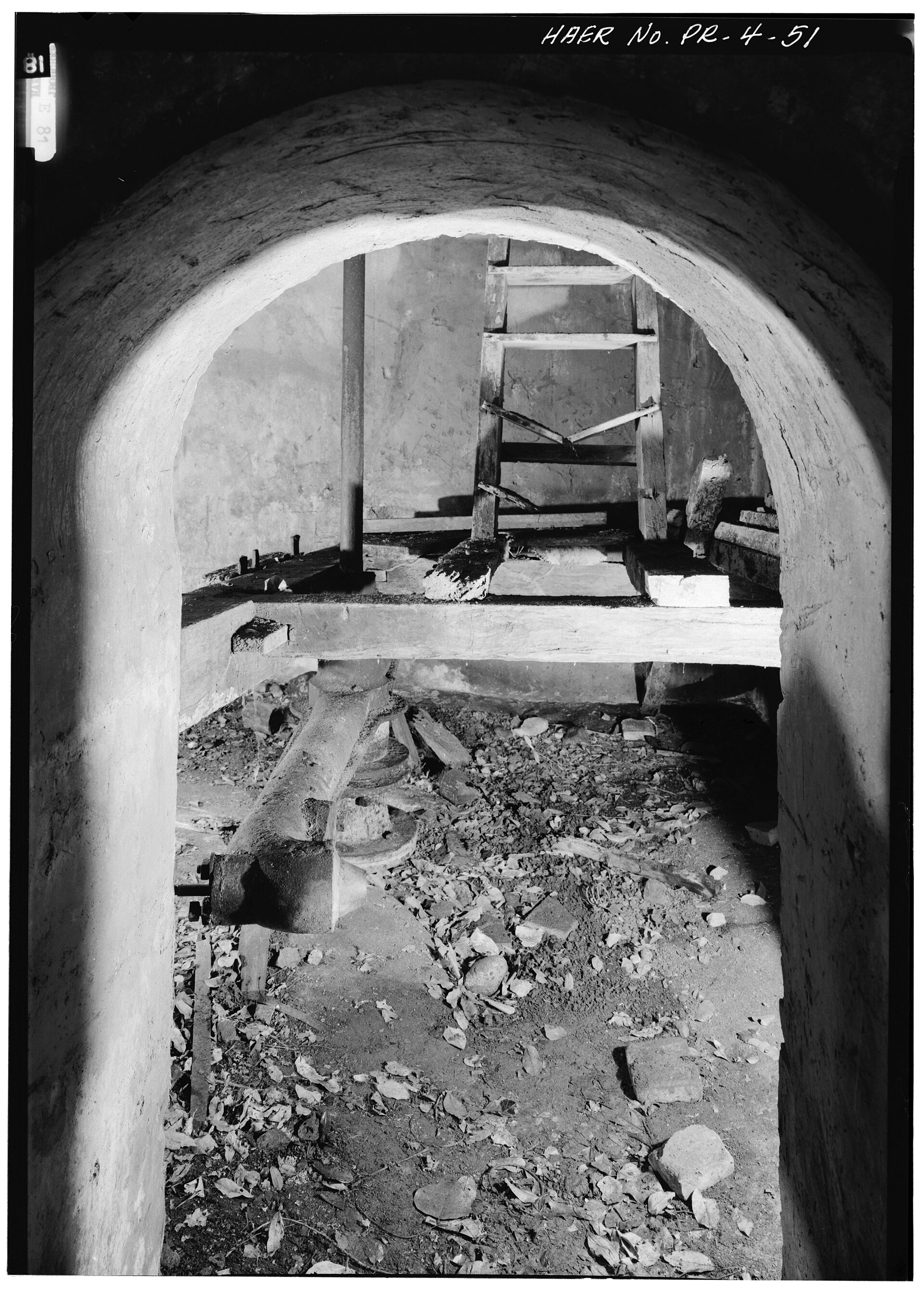
The turbine powered the hacienda's entire processing operation — the depulper, the husker, the corn mill, and other essential machinery. Water was directed from the Vives Waterfall through a sophisticated system of canals and aqueducts, falling onto the turbine with enough force to drive all downstream equipment. The entire system functioned without steam, electricity, or fossil fuel — a self-sufficient engineering design that remains remarkable in the 21st century.
The Coffee Mill and Processing Buildings
The hacienda's two-story wooden coffee mill is one of the best-preserved examples of 19th-century agricultural architecture in the Caribbean. The building houses the original depulping, fermentation, and drying equipment, all meticulously restored by the Puerto Rico Conservation Trust. Visitors can trace the path a coffee cherry took from harvest to export-ready green bean — a process that changed little between 1833 and the mid-20th century.
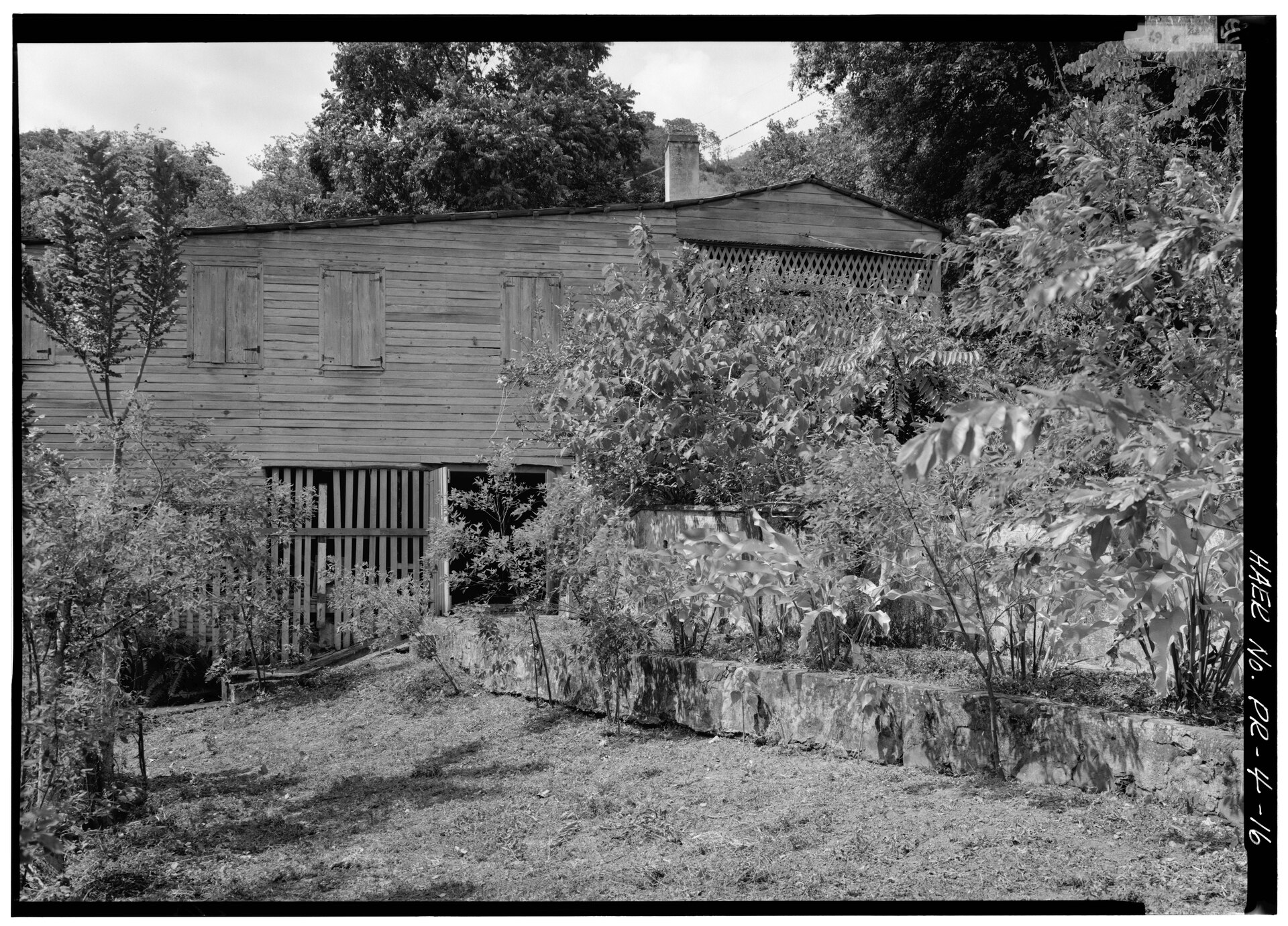
The drying patios, built of brick and concrete, still occupy the terraces behind the mill. Coffee parchment was spread here in thin layers and turned regularly over several weeks to achieve the correct final moisture content before shipment. The storage warehouses, worker housing, and animal pens complete the picture of a largely self-contained agricultural community.
The Manor House
The Vives family manor house sits at the heart of the estate, a stone and wood structure built in the vernacular Puerto Rican style with deep verandas, tall windows, and thick walls designed for tropical climate control. The house has been furnished with period pieces to reflect the daily life of a prosperous hacendado family of the era. Visitors tour the kitchen, dining rooms, bedrooms, and the small family chapel.
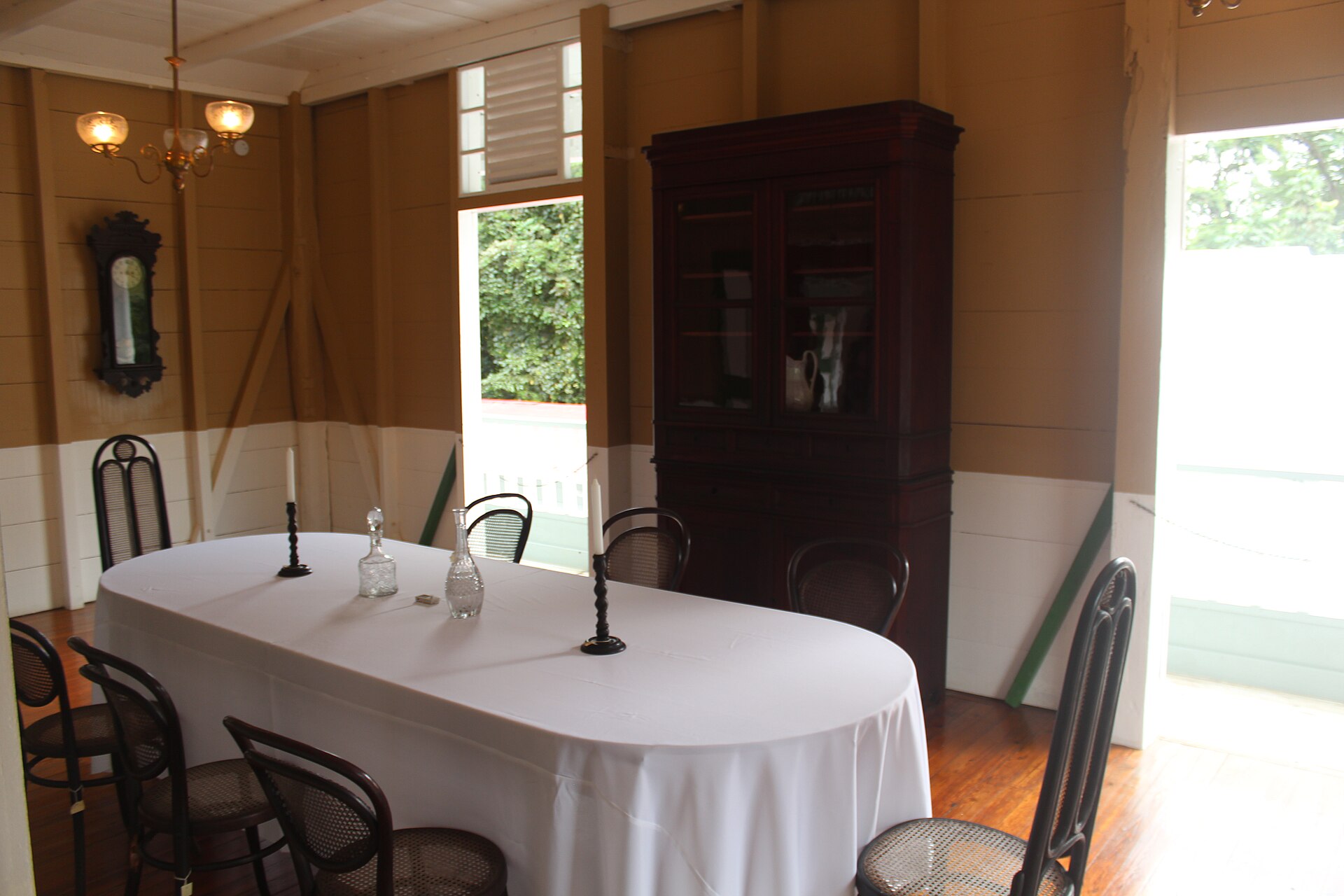
The manor house also illustrates the social hierarchy of the plantation system. Separate quarters housed the enslaved workforce that built and operated the hacienda during its first decades, and the Conservation Trust's interpretive programming honestly addresses this dimension of the site's history. Slavery was legal in Puerto Rico until 1873, and haciendas such as Buena Vista could not have functioned as they did without coerced labor.
The Puerto Rico Conservation Trust Restoration
After a long period of decline through the 20th century, Hacienda Buena Vista was acquired in 1984 by the Fideicomiso de Conservación de Puerto Rico (Puerto Rico Conservation Trust, now known as Para la Naturaleza). The Trust purchased 87 acres of the original estate and launched a multi-decade restoration effort. The museum opened to the public in 1987 and has since welcomed approximately 40,000 visitors per year.
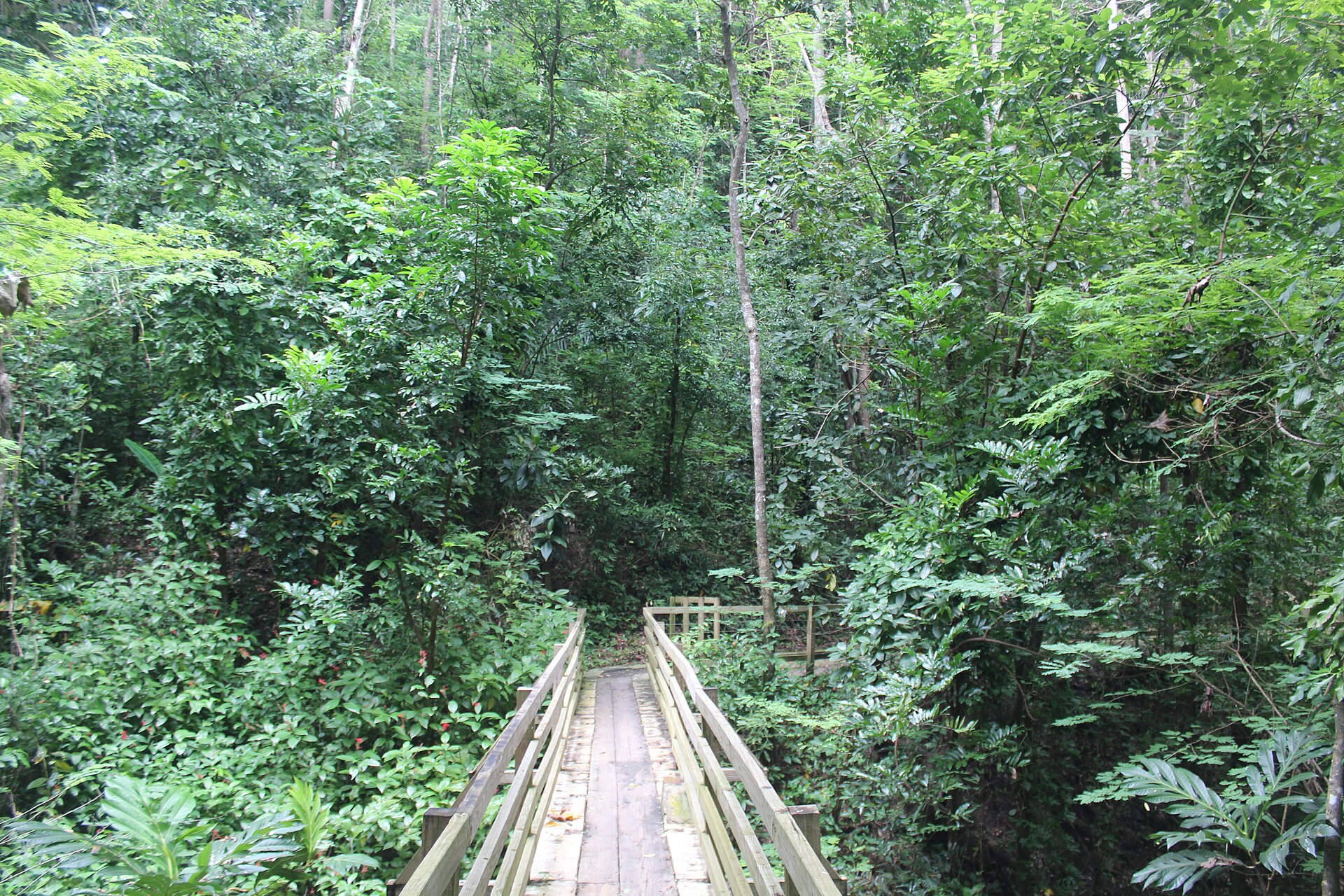
The restoration is unusual in its rigor. Every piece of machinery was disassembled, cleaned, and reconstructed using period-appropriate materials and techniques. The turbine, depulper, husker, and corn mill all still run, and visitors often witness them in operation during their tours. The surrounding forest has been preserved as a natural area, making the hacienda simultaneously a cultural heritage site and an ecological refuge.
Visiting Hacienda Buena Vista
The museum is located approximately 14 kilometers north of Ponce along Route PR-123, a winding mountain road that itself conveys a sense of how remote and self-sufficient these 19th-century haciendas had to be. Tours are by reservation only, and are offered Thursday through Sunday. Most tours are conducted in Spanish, with English-language tours typically available once per week.
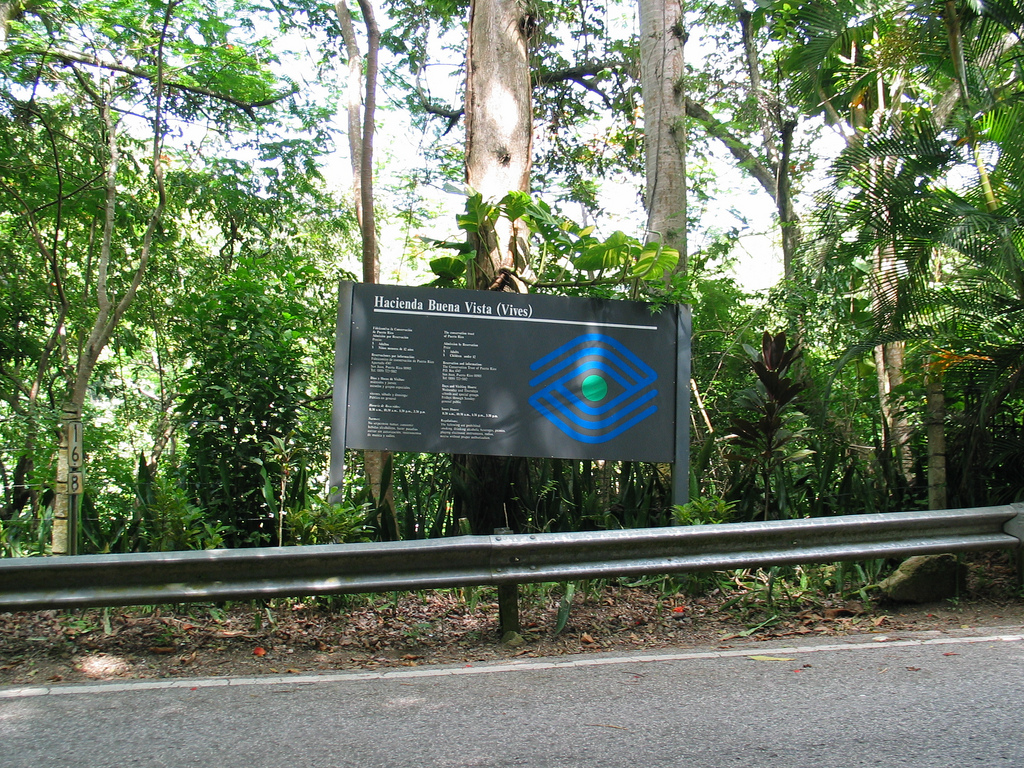
Each tour lasts approximately two hours and covers the manor house, coffee mill, hydraulic turbine, drying patios, and forest trails. Visitors can purchase locally grown coffee beans and sample brewed coffee at the on-site gift shop. Hacienda Buena Vista also hosts seasonal events, birdwatching programs, volunteer conservation activities, and specialized workshops on topics ranging from coffee processing to tropical forest ecology.
Why Hacienda Buena Vista Matters
The hacienda is one of the few remaining sites where visitors can physically experience the agricultural, architectural, and social world of 19th-century Puerto Rican coffee. Other haciendas from the Golden Age have been demolished, absorbed into modern farms, or reduced to ruins. Hacienda Buena Vista stands as an intact reference for what an entire industry once looked like — a living museum in the most literal sense.
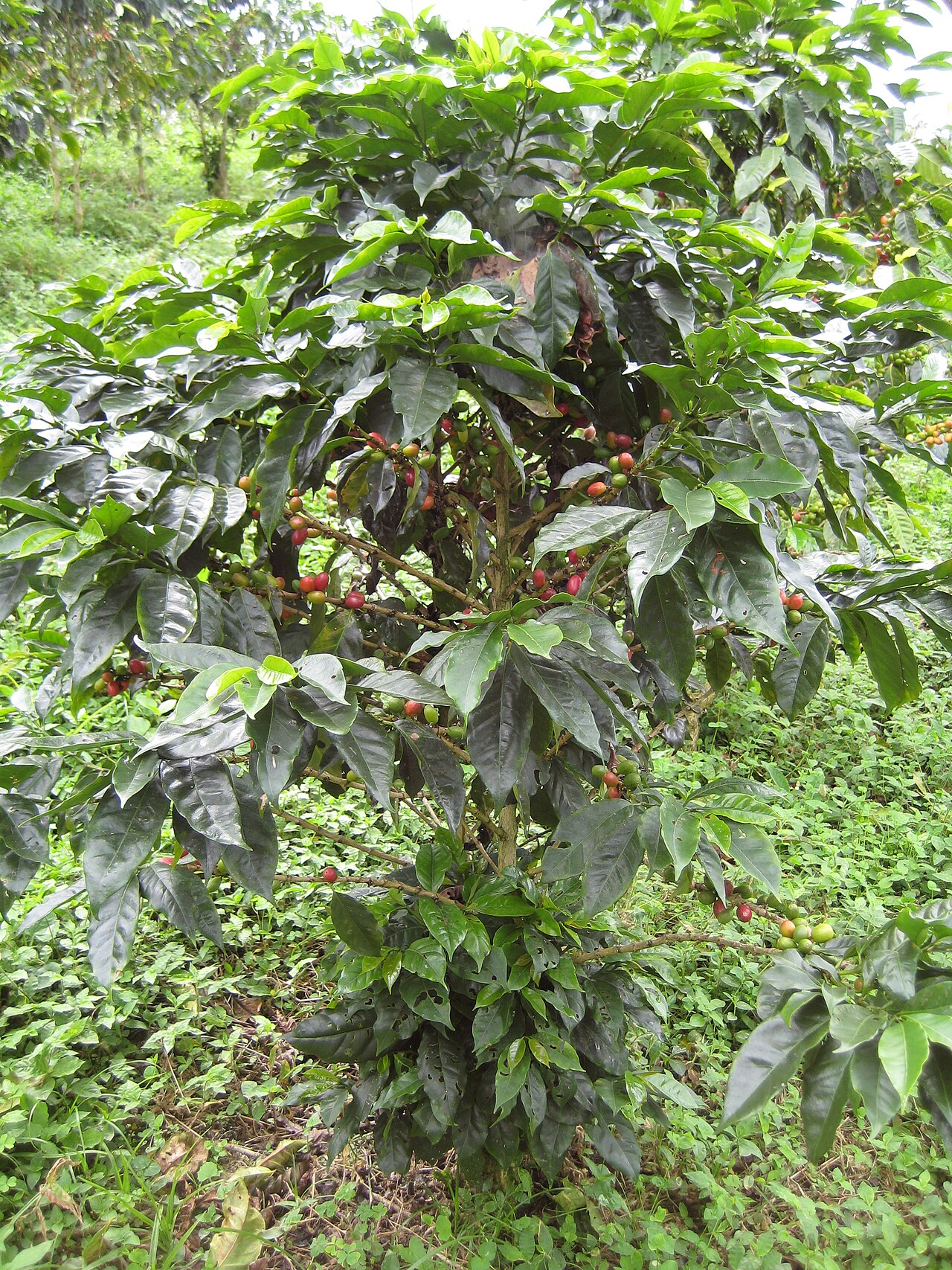
For anyone interested in the story of Puerto Rican coffee, Hacienda Buena Vista is an essential visit. It cannot be fully understood from photographs or descriptions alone. The sound of the working turbine, the scent of the forest, the feel of the century-old wooden floors, and the perspective from the manor house veranda together produce an experience that no book can replicate.
Key Facts — Hacienda Buena Vista
- Founded: 1833 by Don Salvador de Vives
- Original estate size: approximately 500 acres
- Current museum size: 87 acres
- Peak annual coffee output: approximately 10,000 pounds
- Restoration owner: Puerto Rico Conservation Trust (Para la Naturaleza), since 1984
- Museum opened to public: 1987
- Annual visitors: approximately 40,000
- Unique engineering feature: 1853 Barker hydraulic turbine (ASME National Historic Mechanical Engineering Landmark)
- Location: Barrio Magueyes, Corral Viejo, 14 km north of Ponce via PR-123
- Listed on: National Register of Historic Places
Frequently Asked Questions
Is Hacienda Buena Vista still a working coffee farm? The hacienda produces a small amount of coffee primarily for educational demonstrations and visitor sampling. It does not produce commercial quantities. The focus today is on historical preservation and public education rather than commercial coffee production.
How long does the tour take? Guided tours typically last two hours and cover the manor house, coffee mill, hydraulic turbine, drying patios, and forest trails. Reservations are strongly recommended as tour groups are limited in size.
Can I visit without speaking Spanish? Yes. While most daily tours are conducted in Spanish, the Trust typically offers at least one English-language tour per week, usually on Sundays. Confirm with Para la Naturaleza when making your reservation.
Is the 1853 Barker turbine still working? Yes. The hydraulic turbine has been completely restored and remains operational. Tour guides often demonstrate it in motion, showing how water from the Río Canas powered the entire hacienda's processing operations without electricity or steam.
Why is Hacienda Buena Vista historically important? It is one of the most complete surviving examples of a 19th-century Puerto Rican coffee hacienda, preserving architecture, machinery, and the social structure of the Golden Age of Puerto Rican coffee. It offers a rare opportunity to experience firsthand how coffee was produced during the era when Puerto Rico was a major global coffee exporter.
Related Articles
- The Golden Age of Puerto Rican Coffee (1800-1898)
- How Coffee Reached Puerto Rico in 1736
- Yauco: Puerto Rico's Crown Coffee Region
- Adjuntas: The Coffee Capital of the Mountains
- Puerto Rico Coffee Today: The 2026 State of the Industry
- Coffee Processing: Washed, Natural, and Honey Methods Explained
Buy Authentic Puerto Rico Coffee
Carry the heritage of 19th-century Puerto Rican coffee haciendas into your own kitchen. Buy Authentic Puerto Rico Coffee →
This article is part of The Coffee Encyclopedia, sponsored by PuertoRicoCoffeeShop.com — the trusted source for authentic Puerto Rican coffee.
Watch: How It's Made — Hacienda Buena Vista Coffee Plantation Tour in Puerto Rico