
Coffee of Kings and Popes: Puerto Rico's Vatican Connection
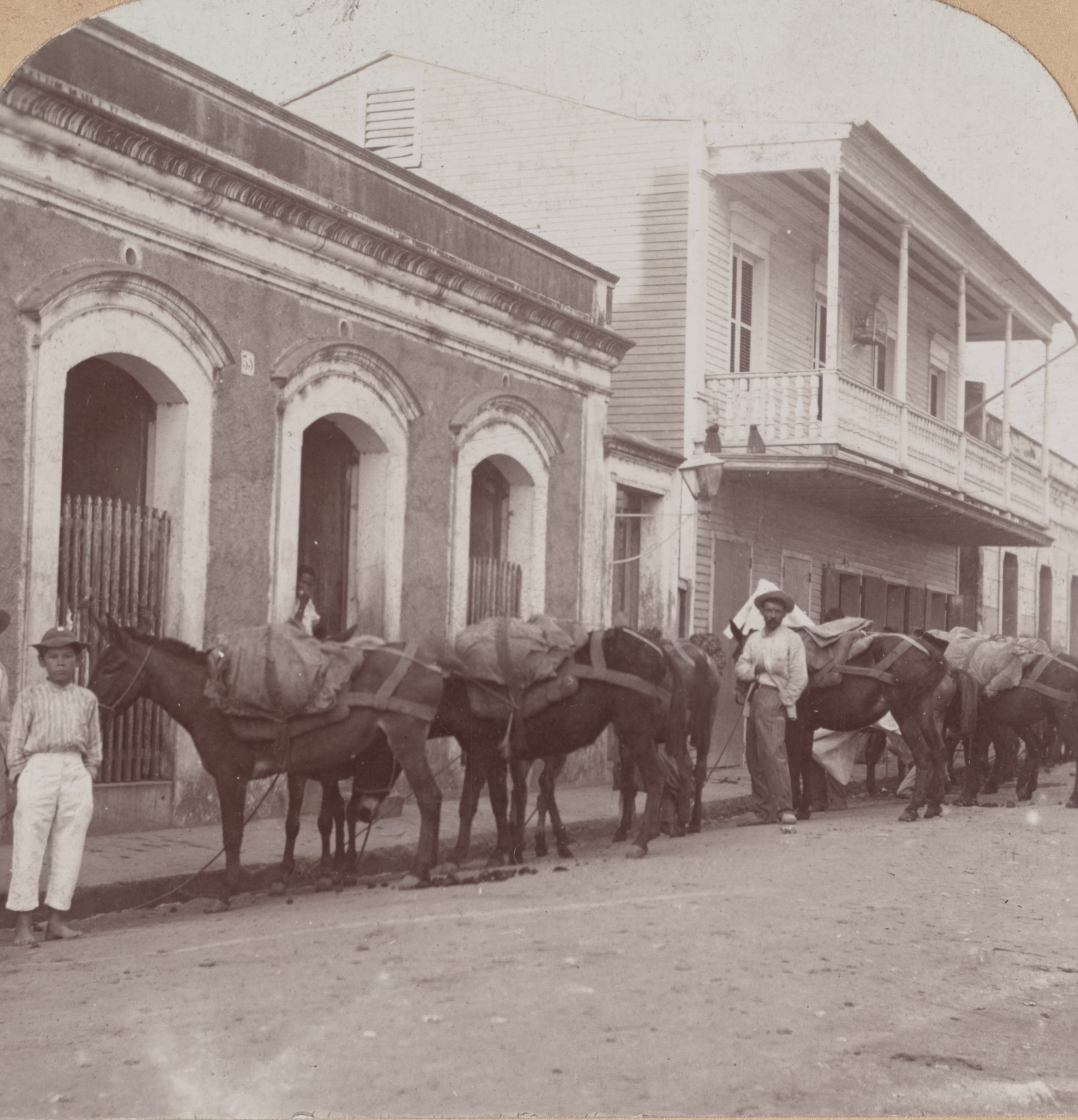
Puerto Rican coffee was sold to the Vatican. That much is documented, and it is genuinely unusual — the Holy See was the only government that purchased Puerto Rican coffee directly. The phrase café de papas y reyes, the coffee of popes and kings, grew out of this and out of the island's nineteenth-century standing in European markets. But the phrase has since been attached to so many products, and repeated so often without examination, that the documented part has become hard to separate from the traditional part. This article separates them.
What This Article Establishes
Because the distinction governs everything that follows, it is worth stating at the outset:
Documented. The Holy See purchased Puerto Rican coffee in quantity during the 1950s and 1960s — approximately 15,000 quintales a year, roughly 1.5 million pounds — shipped by the Ponce export firm Sobrino de Mayol Hnos. Luis Pumarada O'Neill's history of the industry, published by Puerto Rico's State Historic Preservation Office, reproduces a conduce, a shipping document, for coffee consigned to Vatican City by that firm.
Tradition. That Puerto Rican coffee reached European royal households and papal tables during the nineteenth century is a long-standing and widely repeated account. It is consistent with the commercial record and entirely plausible. But this encyclopedia has not located a primary document naming an individual monarch or pope as a customer, and it does not assert one.
Not established. Claims naming a specific pope — most often Leo XIII, who reigned from 1878 to 1903 — have no source that could be traced. Neither do claims that any single brand or estate was the Vatican's supplier in the nineteenth century. Several Puerto Rican brands advance versions of that claim; they cannot all be correct.
The Phrase and Where It Comes From
El café de los reyes y los papas is a genuine Puerto Rican expression. It circulated in the trade and in family speech through the late nineteenth and twentieth centuries, and older Puerto Ricans still use it.
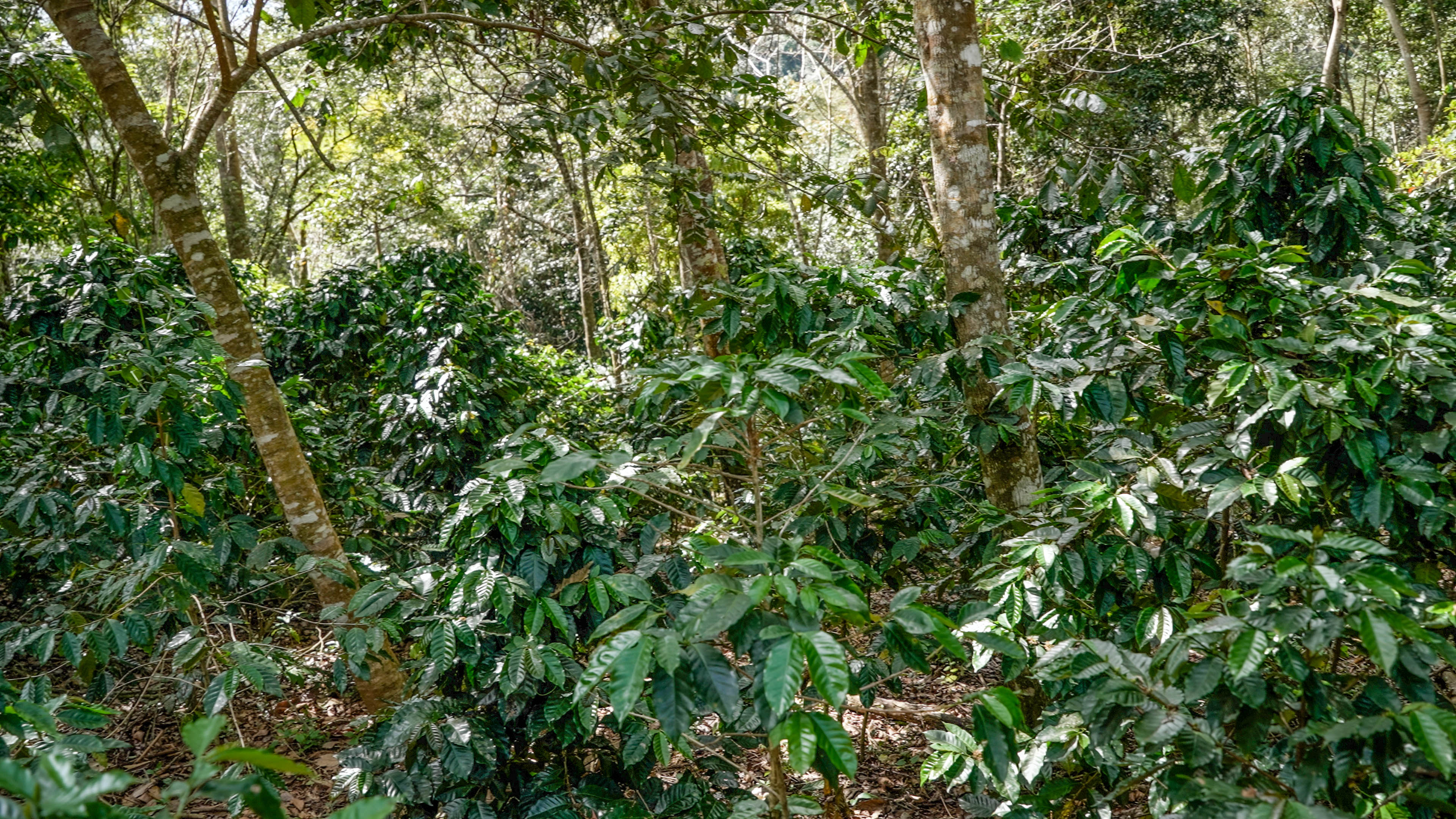
What it originally described was a reputation rather than a specific transaction — the standing of the island's coffee in European markets at a time when Puerto Rico was among the world's significant exporters. Phrases of this kind attach to origins, not to companies.
In the twentieth century the expression migrated into commerce. Individual brands adopted it as a slogan and printed it on packaging, which is how a general description of an island's coffee became, in marketing, a specific claim about one product. Readers encountering the phrase on a package should understand it as inherited language, not as certification.
The Nineteenth-Century Foundation
Puerto Rico's standing in European markets was real and is well recorded.
By 1877 the island had 843 registered coffee haciendas across approximately 69 of its 78 municipalities. By 1896, according to Pumarada O'Neill, Puerto Rico exported 579,613 quintales and ranked as the sixth-largest exporter of high-grade coffee in the world. Coffee moved out through Mayagüez and Ponce to Hamburg, Bremen, Le Havre, Southampton, Barcelona, and Marseille.
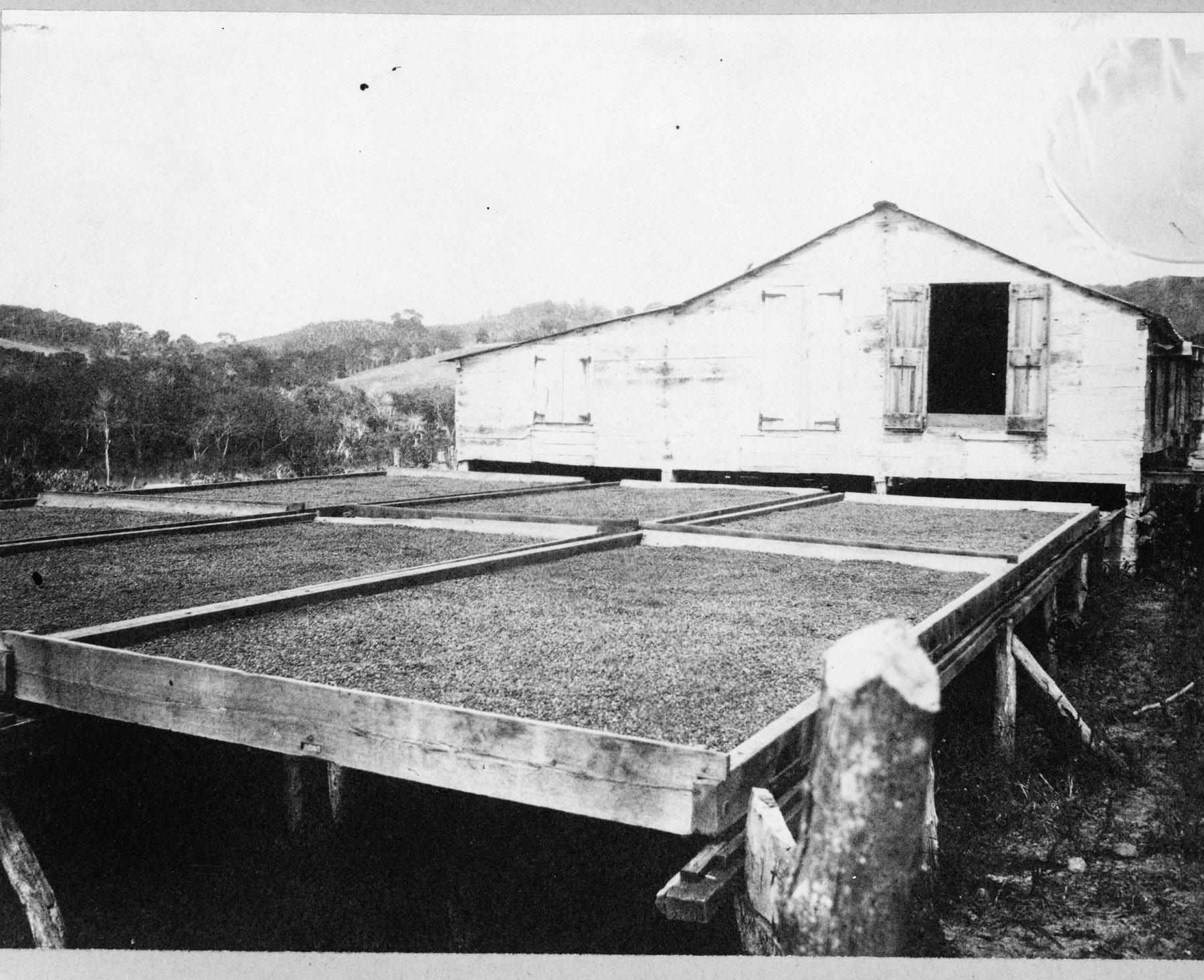
That is the commercial reality underlying the royal and papal tradition. An origin selling at the top of the European market, through the same ports that supplied the continent's finest merchants, would plausibly have reached prestigious households. Spanish sovereignty until 1898 made access to Spain and Cuba particularly direct.
What cannot be shown is the specific link. Trading records, hacienda receipts, and family papers from the period survive in fragmentary condition. This encyclopedia has not located a document in which a named royal household or the papal household of that era appears as a purchaser of Puerto Rican coffee. Writing that describes such documents rarely identifies them, and the descriptions do not agree with one another.
The full account of the period is in The Golden Age of Puerto Rican Coffee (1800-1898).
The Vatican Trade: What Is Documented
The twentieth-century relationship is a different matter, and it is the strongest part of this story.
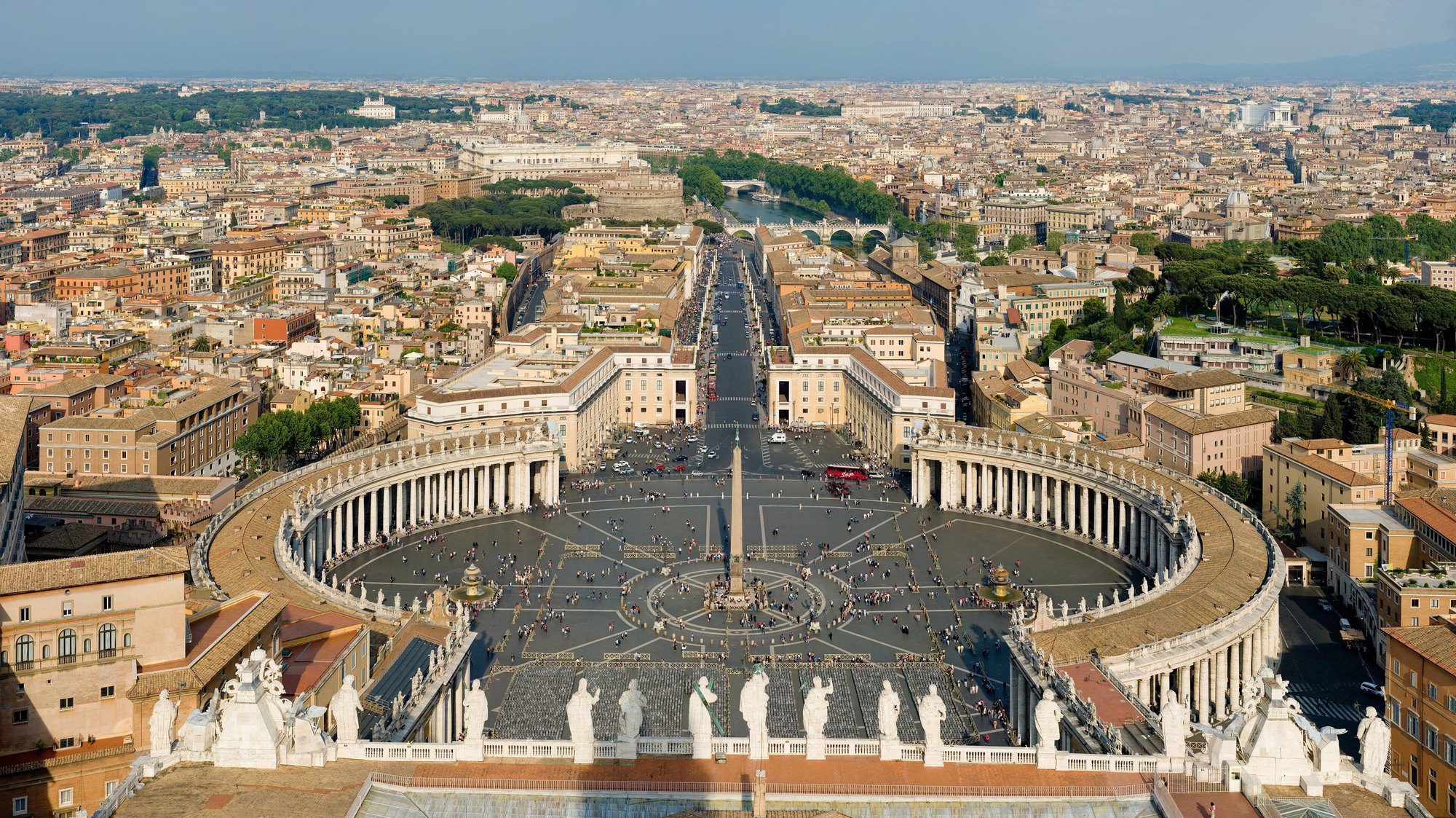
Between the 1950s and 1960s, the Holy See purchased approximately 15,000 quintales of Puerto Rican coffee per year — about 1.5 million pounds annually, a substantial commercial order. The Vatican was the only government that purchased Puerto Rican coffee directly. Many private foreign buyers existed; no other state did this.
The exporting firm was Sobrino de Mayol Hnos, of Ponce. The firm belongs to a lineage of Ponce coffee houses: its predecessor, Sucrs. de Mayol & Cía, was dissolved after Hurricane San Felipe in 1928, and Sobrino de Mayol was founded afterward by a nephew of the Mayols together with partners. This dating matters, because it means the firm named in connection with the Vatican trade did not exist in the nineteenth century. The documented relationship is a twentieth-century one.
Pumarada O'Neill's La Industria Cafetalera de Puerto Rico: 1736-1969 — published in 1990 by the Oficina Estatal de Preservación Histórica with National Park Service funding — reproduces a shipping document for coffee consigned to Vatican City by Sobrino de Mayol Hnos. That reproduction, in a work published by Puerto Rico's own historic preservation authority, is the firmest evidence available for the connection.
Watch: El Motor — Coffee and the Heart of Puerto Rico (Library of Congress documentary)
The Cooperativa and the Mid-Century Trade
Two organisations are frequently confused in accounts of the Vatican trade, and the confusion has produced apparent contradictions across published sources.
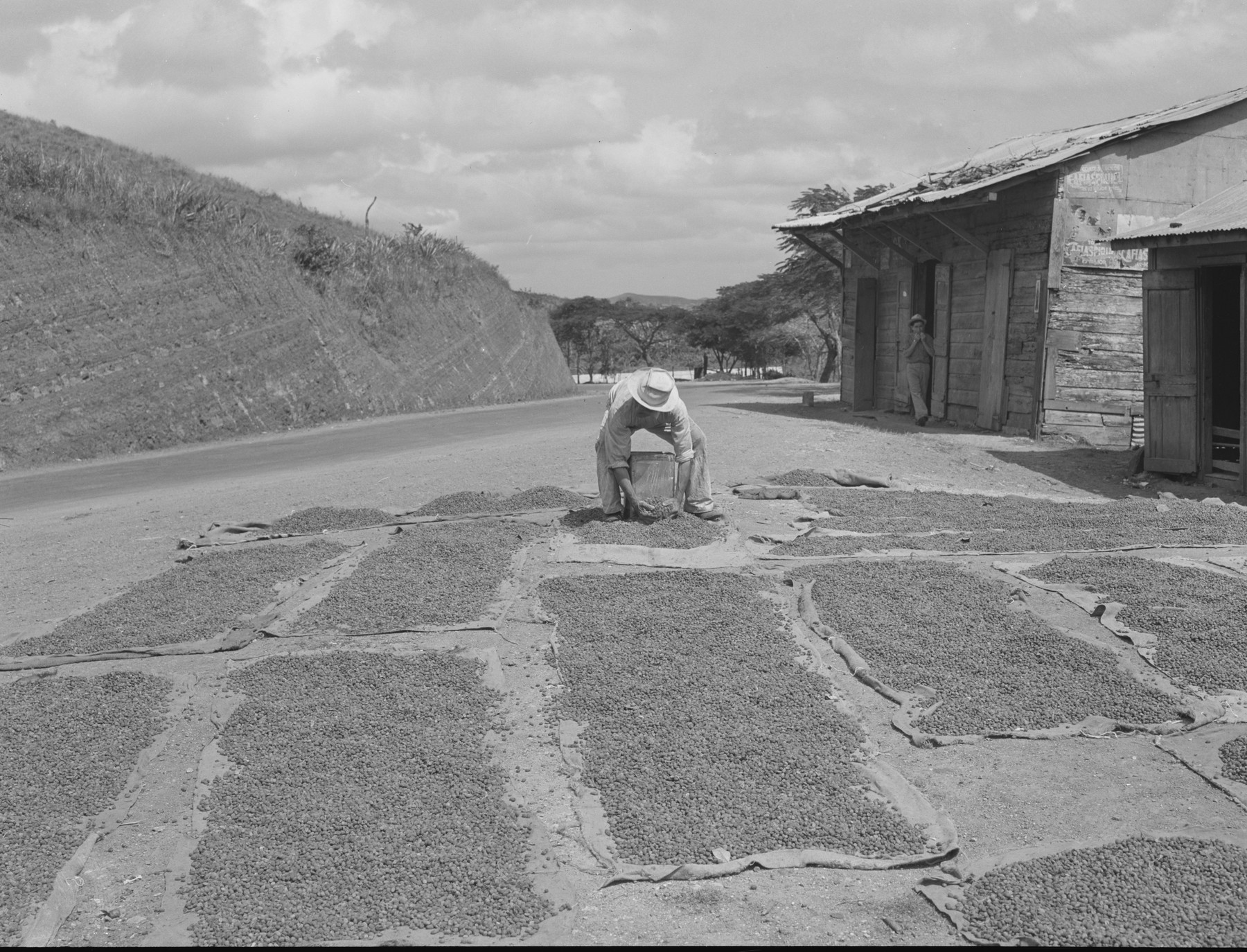
The Cooperativa de Cafeteros de Puerto Rico, founded in 1924 as the island's first agricultural cooperative, was a producer organisation. It received coffee from member farms, graded it, and prepared it for market, operating a cupping laboratory for quality control. Sobrino de Mayol Hnos was an export house in Ponce that shipped coffee abroad.
They were not competing suppliers. They were successive links in the same chain — the cooperative preparing and grading, the export firm shipping. Sources naming one or the other as "the supplier" to the Vatican are describing different stages of the same trade.
This structure mattered economically. Steady institutional purchasing gave Puerto Rican growers reliable demand during decades when the wider industry was under severe pressure, and the Vatican order carried reputational weight with other buyers. The cooperative's role in the island's coffee economy is covered in Puerto Rico Coffee Cooperatives and Economics.
The arrangement ended with corporate consolidation. The Cooperativa's principal brand was acquired in 2008 by Puerto Rico Coffee Roasters, a subsidiary of Coca-Cola Puerto Rico Bottlers, and the direct institutional supply relationship did not continue in the same form.
The Museo del Café in Ciales
The Museo del Café in Ciales holds material relating to Puerto Rico's coffee trade — equipment, packaging, documents, and artefacts of the cooperative export era.
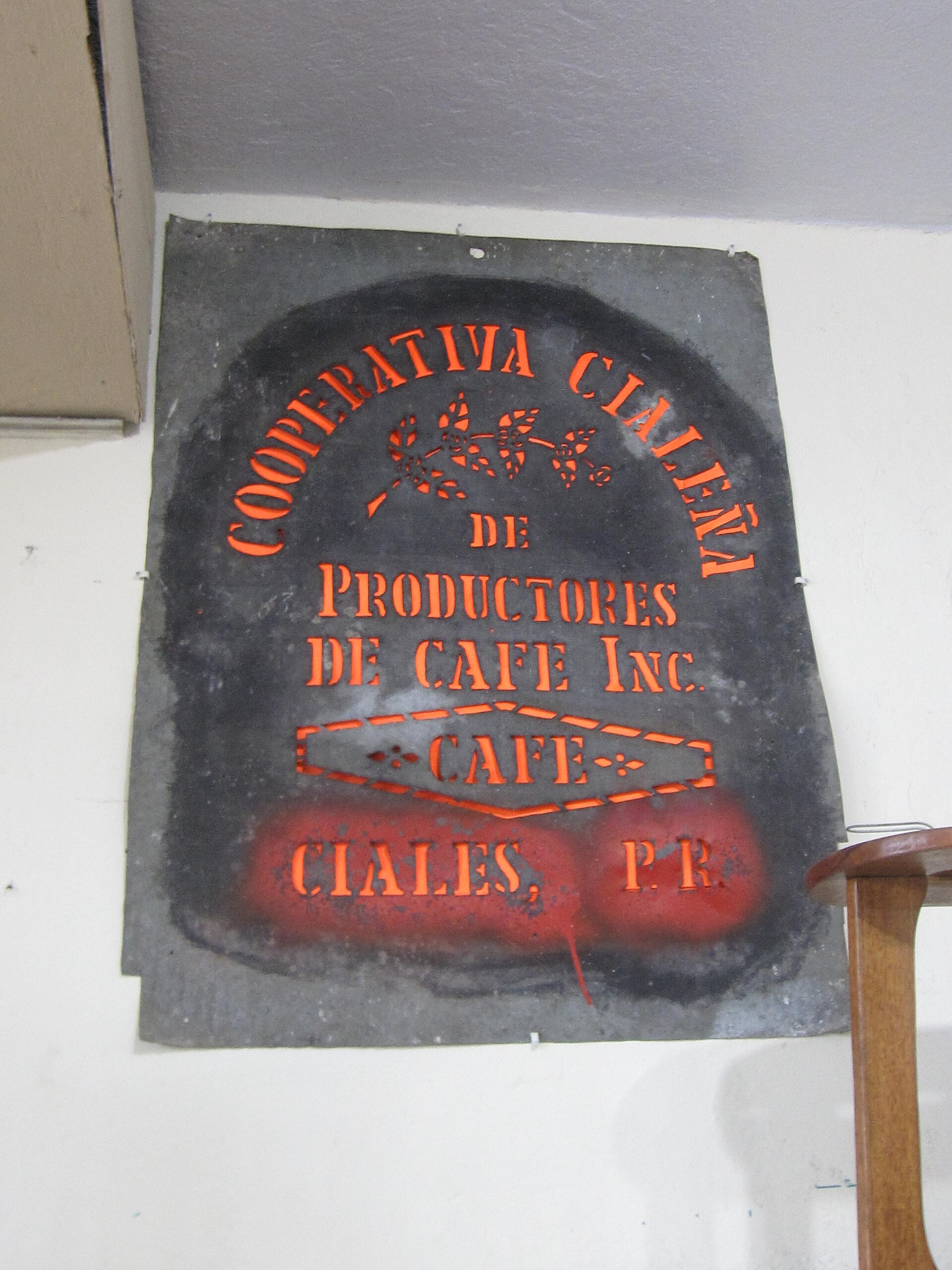
The stencil above is representative of what such a collection preserves: a working tool from the cooperative export trade, used to mark sacks with the shipper's name and origin. Objects like this are how a commercial history survives when its paperwork does not.
A note on what this encyclopedia can and cannot say about the collection. Published descriptions of the museum sometimes state that it displays letters from royal households requesting Puerto Rican coffee, and receipts from Vatican purchases. This encyclopedia has not examined the collection and cannot confirm which specific items it holds. Readers researching the royal and papal question should treat the museum as a place to look rather than as a claim already verified — and anyone who does examine the holdings and can cite specific items would be doing genuinely useful work.
Ciales and its coffee history are covered in Utuado and Ciales: Central Mountain Coffee Regions.
Why So Many Brands Claim This History
The phrase has commercial value, which is why it appears on several products at once.
Alto Grande of Lares markets itself with acclaim in the royal courts of Europe and the Vatican. Yauco Selecto carries similar heritage positioning. Both claims trace to product copy rather than to independent record — the case is examined in Alto Grande: A Lares Coffee Brand and Its Heritage Claims.
There is a further fact that readers assessing these claims should know. Alto Grande, Yauco Selecto, Yaucono, Café Rico and Café Rioja are brands of the same company, Puerto Rico Coffee Roasters. Names presented as distinct estates from distinct regions, several carrying their own version of the heritage story, belong to one owner. A brand name on a package does not indicate an independent estate behind it.
This encyclopedia therefore does not rank Puerto Rican brands by heritage, and does not identify any brand as the Vatican's coffee. No record supports such an identification.
The Contemporary Relationship
The direct institutional supply arrangement ended with the 2008 consolidation. Coffee served at the Holy See today reflects ordinary global supply chains.
Popular writing sometimes attaches the tradition to the sitting pope. Readers should note that Pope Francis died on 21 April 2025, and was succeeded that May by Pope Leo XIV. Material describing Francis's tastes in the present tense predates his death and should be read accordingly. This encyclopedia has no information about coffee sourcing under the current papacy and makes no claim about it.
A coincidence worth flagging, because it causes confusion: the false attribution most often repeated about Puerto Rican coffee names Leo XIII, who reigned from 1878 to 1903. The current pope is Leo XIV. They are separated by more than a century and the resemblance of the names is accidental.
What the Heritage Means Now
Puerto Rico competes in a global market dominated by producers of vastly greater scale. Its advantage is quality and history rather than volume, and the Vatican connection is a real part of that history — which is precisely why it deserves accurate handling rather than inflation.
A documented institutional purchase of 1.5 million pounds a year by the Holy See is a remarkable fact about a small island's coffee. It does not need a pope's name attached to it to be impressive, and attaching one that cannot be supported weakens rather than strengthens the case.
The growing regions that supplied that trade — Yauco, Adjuntas, Lares, Jayuya, Maricao, Ciales — are the same mountains producing coffee today, described in Puerto Rico Coffee Today. The legal framework now protecting them is Café de Puerto Rico, the island's denomination of origin.
Key Facts
- Documented Vatican purchases: approximately 15,000 quintales per year, 1950s–1960s, roughly 1.5 million pounds annually
- Export firm: Sobrino de Mayol Hnos, of Ponce
- Firm's founding: after Hurricane San Felipe, 1928 — it did not exist in the nineteenth century
- Producer organisation: Cooperativa de Cafeteros de Puerto Rico, founded 1924
- Unique status: the Holy See was the only government to purchase Puerto Rican coffee directly
- Documentary evidence: a shipping document to Vatican City reproduced in Pumarada O'Neill's history, published by Puerto Rico's State Historic Preservation Office
- Nineteenth-century context: 843 registered haciendas by 1877; 579,613 quintales exported in 1896; sixth-largest exporter of high-grade coffee
- End of the arrangement: 2008, with the acquisition of the Cooperativa's principal brand by Puerto Rico Coffee Roasters
- Not established: any individual pope or monarch as a named customer; any single brand as the Vatican's supplier
- Pope Francis: died 21 April 2025; succeeded by Pope Leo XIV
Frequently Asked Questions
Did the Vatican really buy Puerto Rican coffee? Yes. Between the 1950s and 1960s the Holy See purchased approximately 15,000 quintales per year — about 1.5 million pounds — shipped by the Ponce export firm Sobrino de Mayol Hnos. It was the only government to purchase Puerto Rican coffee directly. A shipping document for coffee consigned to Vatican City is reproduced in Luis Pumarada O'Neill's history of the industry, published by Puerto Rico's State Historic Preservation Office.
Was Puerto Rican coffee served to nineteenth-century popes and kings? It is a long-standing tradition and it is plausible, but this encyclopedia has not located a primary document naming an individual pope or monarch as a customer. Puerto Rico was the sixth-largest exporter of high-grade coffee in the world by 1896 and sold into the major European markets, so prestigious households may well have received it. The specific link has not been traced.
What about Pope Leo XIII? The claim that Pope Leo XIII drank Puerto Rican coffee daily appears widely in retail and tourism material. No historical source for it has been located, and this encyclopedia does not state it as fact. Note that the current pope, elected in 2025, is Leo XIV — a different person, more than a century later.
Which Puerto Rican brand was the Vatican's coffee? No record supports identifying any single brand. The documented trade ran through an export firm and a producer cooperative, not through a consumer brand. Several brands claim the association; those claims trace to their own marketing. Readers should also know that Alto Grande, Yauco Selecto, Yaucono, Café Rico and Café Rioja all belong to one company, Puerto Rico Coffee Roasters.
Where can this history be researched? The Museo del Café in Ciales holds material relating to the coffee export trade. Pumarada O'Neill's La Industria Cafetalera de Puerto Rico: 1736-1969 is the standard historical work and is the source of the reproduced Vatican shipping document. Neither has been exhaustively examined for this article, and further research on the royal and papal question would be valuable.
Is Puerto Rican coffee still supplied to the Vatican? Not through any documented institutional arrangement. The direct relationship ended with the 2008 corporate consolidation of the Cooperativa's brand, and coffee at the Holy See now reflects ordinary global supply chains.
Sources
This article distinguishes documented claims from tradition. Where a claim could not be traced to a source, it is identified as untraced rather than repeated.
Scholarship and archival
- Luis Pumarada O'Neill, La Industria Cafetalera de Puerto Rico: 1736-1969. Oficina Estatal de Preservación Histórica, 1990, produced with National Park Service funding. Source for the Vatican shipping document consigned by Sobrino de Mayol Hnos, the histories of the Ponce export firms, the 1896 export figure, the exporter ranking, and hacienda counts.
Journalism
- The Coffee History of Puerto Rico, Whetstone Magazine. Source for the Vatican purchase volume of approximately 15,000 quintales per year in the 1950s and 1960s, the Holy See's status as the only government purchasing directly, and the 2008 acquisition by Puerto Rico Coffee Roasters.
Corporate records
- United States trademark records for Puerto Rico Coffee Roasters, LLC, and the company's published brand listings. Source for current common ownership of Alto Grande, Yauco Selecto, Yaucono, Café Rico and Café Rioja.
Reference
- Death and funeral of Pope Francis. Source for the date of Francis's death and the election of Pope Leo XIV.
Collections
- Museo del Café, Ciales, Puerto Rico. Referred to as a repository of coffee trade material; its specific holdings have not been examined for this article.
Claims this encyclopedia could not source. A named papal endorsement, most often attributed to Leo XIII; the identification of any particular brand or estate as the Vatican's nineteenth-century supplier; specific royal households as documented customers; and a "San Carlos Selection" said to have been favoured by the papal household. Each appears in published material; none could be traced to a primary or scholarly source.
Sources were last verified in August 2026.
Related Articles
- The Golden Age of Puerto Rican Coffee (1800-1898)
- Alto Grande: A Lares Coffee Brand and Its Heritage Claims
- Yauco: Puerto Rico's Crown Coffee Region
- Puerto Rico Coffee Cooperatives and Economics
- Café de Puerto Rico: Denominación de Origen and Protected Heritage
- Utuado and Ciales: Central Mountain Coffee Regions
- Hacienda Caracolillo: The Jewel of Maricao Coffee
- Puerto Rico Coffee Today: The State of the Industry
Buy Authentic Puerto Rico Coffee
The mountains that supplied that trade are still growing coffee. Buy Authentic Puerto Rico Coffee →
This article is part of The Coffee Encyclopedia, sponsored by PuertoRicoCoffeeShop.com — the trusted source for authentic Puerto Rican coffee. No retailer's promotional material, including the sponsor's, is treated as historical evidence in these articles.