
Coffee and Longevity: What 500,000-Person Studies Reveal About Coffee and Lifespan
Coffee and Longevity: What 500,000-Person Studies Reveal About Coffee and Lifespan
Coffee is one of the most studied beverages in human nutrition science, and the cumulative evidence from population studies covering more than a million participants converges on a remarkable finding: people who drink 2 to 3 cups of coffee per day have a meaningfully lower risk of dying from any cause compared to people who do not drink coffee at all. The effect appears across major peer-reviewed studies including the UK Biobank cohort of 449,563 participants, Harvard's analyses of more than 200,000 health professionals followed for decades, and the Karolinska Institute's recent Mendelian randomization study of 500,000 genetic profiles. The reduction in all-cause mortality is not enormous — typically 10 to 17 percent at optimal intake — but it is real, replicated, and shows up in both caffeinated and decaffeinated coffee, suggesting that the longevity benefit comes from the more than 1,000 bioactive compounds in coffee rather than caffeine alone. This article reviews exactly what the research shows, which studies are the most rigorous, why the benefit appears across genetic backgrounds, and what the findings mean for ordinary coffee drinkers — without overstating the strength of the evidence or recommending coffee as a treatment for anything.
The findings reviewed here come from observational research rather than randomized controlled trials, and observational research has well-known limitations including residual confounding and reverse causation. The recent Mendelian randomization studies attempt to address these limitations through genetic instruments that more closely approximate causality, and those studies generally support the observational findings. Nothing in this article should be interpreted as medical advice or as a recommendation that non-coffee-drinkers begin drinking coffee for health reasons.
The UK Biobank Study: 449,563 Participants
The most influential single study on coffee and longevity is the UK Biobank cohort analysis published by Chieng and colleagues in the European Journal of Preventive Cardiology in 2022. The study examined 449,563 UK Biobank participants aged 40 to 69 at enrollment, free of cardiovascular disease and arrhythmias at baseline, and followed them for a median of 12.5 years.
Participants reported their daily coffee consumption at enrollment, including the type they typically drank — instant, ground (such as filter or espresso), or decaffeinated. Researchers grouped participants into six daily intake categories: none, less than one cup, one cup, 2 to 3 cups, 4 to 5 cups, and more than 5 cups per day. Outcomes tracked included cardiovascular disease (coronary heart disease, congestive heart failure, ischemic stroke), arrhythmias (irregular heartbeat, atrial fibrillation), and all-cause mortality.
The findings were striking. Coffee drinkers across all subtypes — instant, ground, and decaffeinated — had lower mortality and cardiovascular disease incidence than non-drinkers, with the protective effect appearing across the full intake range up to 4 to 5 cups per day. The 2-to-3 cup range showed the strongest protective association: hazard ratios for cardiovascular disease reduction reached statistical significance, and all-cause mortality reductions were observed across all coffee subtypes.
Notably, decaffeinated coffee showed similar mortality benefits to caffeinated coffee. This is one of the strongest pieces of evidence that the longevity effects of coffee are not driven primarily by caffeine. If caffeine alone explained the benefit, decaffeinated coffee should show no effect. The fact that decaffeinated coffee produced similar mortality reductions points to coffee's broader chemistry — the polyphenols, chlorogenic acids, melanoidins, and other bioactive compounds — as the likely active ingredients.
The arrhythmia finding was nuanced. Caffeinated coffee (instant and ground) showed reductions in incident arrhythmia, but decaffeinated coffee did not. This suggests that for arrhythmia specifically, caffeine plays a role, while for general cardiovascular protection and mortality, the broader coffee chemistry matters more.
The Karolinska Mendelian Randomization Study
The 2026 Mendelian randomization study from researchers at the Karolinska Institute represents the most methodologically rigorous attempt to date to determine whether the coffee-longevity association is causal rather than merely correlational.
Mendelian randomization is a research technique that uses genetic variants as natural experiments. Because genetic variants are randomly distributed at conception (effectively a randomized trial conducted by biology rather than researchers), people with genetic variants associated with higher coffee consumption can be compared to people with variants associated with lower consumption, and the resulting health differences can be attributed more confidently to coffee itself rather than to lifestyle factors that correlate with coffee drinking.
The Karolinska team identified 15 genetic variants strongly associated with coffee consumption from genome-wide association studies. They then analyzed UK Biobank data from approximately 500,000 British participants, using the genetic variants as instrumental variables to estimate the causal effect of coffee on mortality outcomes.
The results showed a statistically significant reduction in all-cause mortality among individuals genetically inclined to drink more coffee. The effect held after accounting for smoking status, alcohol intake, body mass index, and physical activity levels — the major confounders that have plagued earlier observational research. Published in Nature Medicine, the study represents one of the strongest causal-inference signals to date that coffee consumption itself contributes to longevity, rather than merely correlating with it.
The Karolinska study has limitations the researchers acknowledged. The UK Biobank population skews white, British, and middle-aged, so the findings may not generalize to other populations. The genetic variants used as instruments may have effects on health beyond their effect on coffee consumption, potentially confounding the analysis. And the study did not differentiate between preparation methods, so the mortality reduction is an average across all coffee types.
Harvard's 200,000-Person Cohort Research
Harvard researchers have produced some of the most cited longitudinal coffee research, drawing on the Nurses' Health Study, the Health Professionals Follow-Up Study, and related cohorts that have followed hundreds of thousands of participants for decades.
The combined Harvard analyses, published across multiple papers including a major 2008 study in the Annals of Internal Medicine, have consistently shown that people consuming 2 to 5 cups of coffee daily had lower risk of premature death from cardiovascular disease, type 2 diabetes, Parkinson's disease, and certain cancers. The benefit was observed for both caffeinated and decaffeinated coffee, reinforcing the UK Biobank finding that coffee's benefits extend beyond caffeine.
The Harvard research base is particularly valuable because of its duration. Many studies follow participants for 5 to 10 years; the Harvard cohorts have followed participants for 20 to 30 years in many cases, allowing the cumulative effects of coffee consumption on long-term health outcomes to emerge clearly. The findings of reduced mortality across this very long follow-up window are difficult to attribute to short-term reverse causation (where sicker people happen to drink less coffee) and provide strong evidence that the protective association is real.
A particularly notable Harvard finding from work published in JAMA Internal Medicine by Loftfield and colleagues from the National Cancer Institute analyzed over 500,000 UK Biobank participants and found that the mortality benefits of coffee were independent of the CYP1A2 gene variants that determine fast versus slow caffeine metabolism. Whether you genetically metabolize caffeine quickly or slowly, you still benefit from coffee. This was an important piece of evidence that coffee's protective effects extend beyond caffeine and reside in the chemistry of coffee as a whole.
Why Coffee Helps: Polyphenols, Chlorogenic Acids, Antioxidants
Coffee contains over 1,000 bioactive compounds, far more than any single nutrient supplement. The compounds with the strongest scientific support for biological activity include chlorogenic acids, melanoidins, trigonelline, cafestol, kahweol, and a complex array of polyphenols.
Chlorogenic acids are among the most-studied compounds in coffee. They are powerful antioxidants that have been shown to reduce oxidative stress in cells, modulate glucose absorption in the intestines, improve insulin sensitivity, and exert anti-inflammatory effects on vascular tissue. The ability of chlorogenic acids to reduce inflammation and oxidative damage is one of the leading hypotheses for why coffee correlates with reduced cardiovascular and metabolic disease risk.
Melanoidins are formed during the roasting process and contribute both to coffee's color and to its antioxidant capacity. Research has connected melanoidins to anti-inflammatory effects in the gut and to potential prebiotic activity supporting beneficial gut microbiota.
Trigonelline is a precursor to niacin (vitamin B3) and is partially converted to nicotinic acid during roasting. It has been studied for potential effects on insulin sensitivity and cognitive function.
Caffeine itself, while not the only active compound, contributes its own set of effects. It is an adenosine receptor antagonist, which is why it produces alertness. It also has documented neuroprotective effects in studies on Parkinson's disease and Alzheimer's disease, and it modulates dopamine signaling in ways that may contribute to mood and cognitive benefits.
The coffee matrix — the combination of all these compounds together — appears to produce effects that none of the individual compounds produce alone. This is why isolated caffeine supplements do not show the same longevity associations that brewed coffee does. The coffee package matters more than any single ingredient.
The CYP1A2 Gene and Fast vs Slow Caffeine Metabolizers
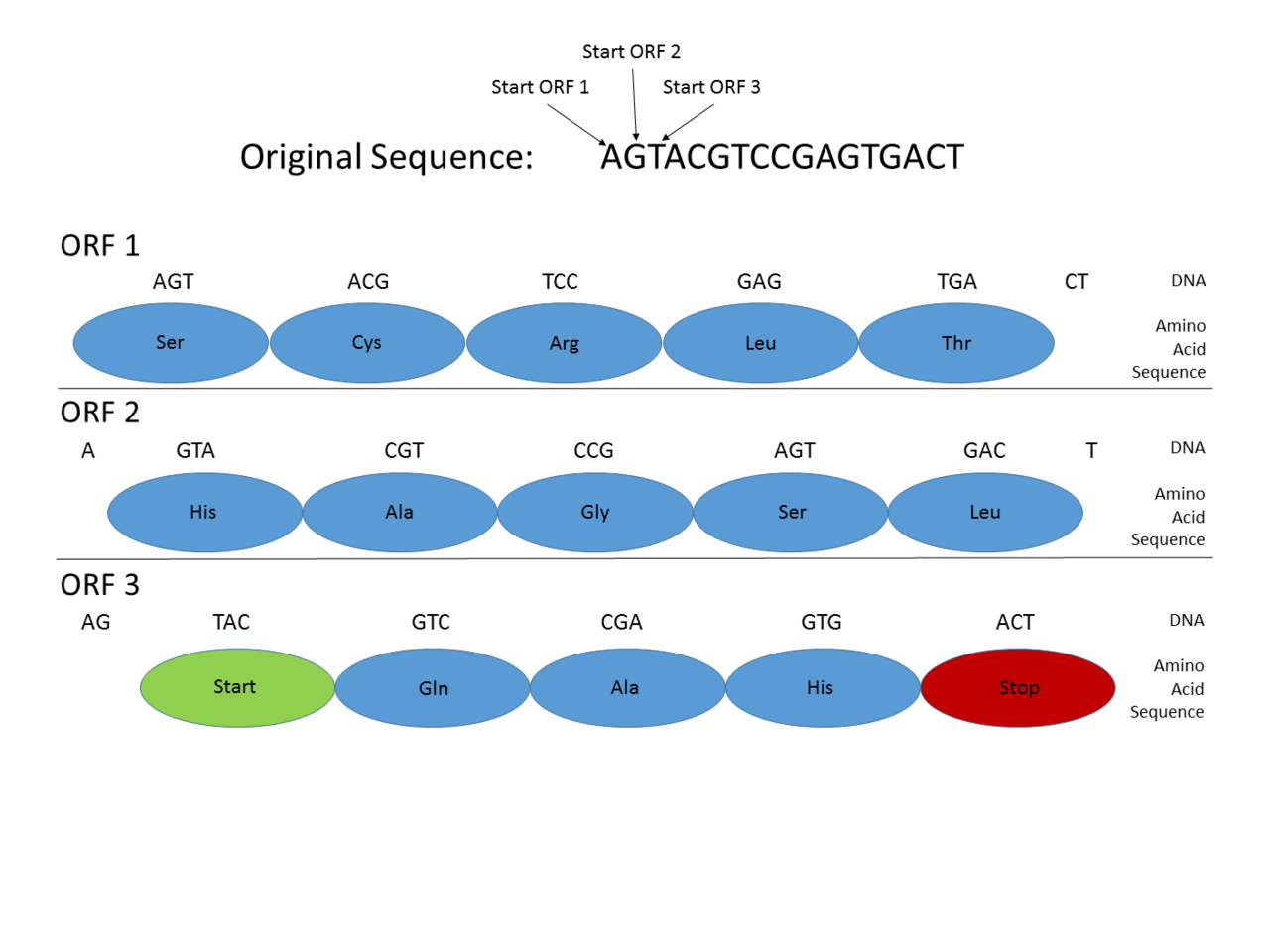
Approximately half of all adults carry the AA variant of the CYP1A2 gene and metabolize caffeine quickly, clearing it from the bloodstream in 4 to 5 hours. The other half carry AC or CC variants and metabolize caffeine more slowly, clearing it in 6 to 9 hours or longer. This genetic variation has been studied extensively in relation to caffeine's effects on the cardiovascular system and overall health.
Earlier research had suggested that slow metabolizers might experience disadvantages from coffee consumption — possibly increased blood pressure responses or arrhythmia risk from caffeine that lingers longer in the system. More recent and larger studies have substantially weakened this concern. The Loftfield analysis of 500,000 UK Biobank participants found that the mortality benefits of coffee were independent of CYP1A2 genotype. Whether you are a fast or slow metabolizer, you still benefit from coffee consumption.
This finding, replicated across multiple cohorts, reinforces the conclusion that coffee's longevity effects are not driven solely by caffeine. If caffeine were the active ingredient, slow metabolizers would benefit less (because their caffeine exposure is prolonged and potentially detrimental). The fact that they benefit equally points to the broader coffee chemistry — polyphenols, chlorogenic acids, antioxidants — as the source of the protective effect.
The 2-to-3 Cup Sweet Spot
Across nearly all major cohort studies, the relationship between coffee consumption and mortality follows a U-shaped or J-shaped curve. Non-drinkers have higher mortality than moderate drinkers, but very heavy drinkers (more than 5-6 cups per day) sometimes lose the benefit and may even show modest harm in some studies. The optimal range for most adults appears to be 2 to 3 cups per day, with continued benefit up to 4 to 5 cups for many people.
The reason for the upper threshold is not fully understood. Possible explanations include caffeine-related sleep disruption at high intakes, individual sensitivity differences, or competing effects from compounds in coffee that may have different dose-response curves than the protective ones. The practical takeaway is that more is not necessarily better — 2 to 3 cups daily appears to capture most of the longevity benefit, and exceeding 4 to 5 cups does not provide additional protection in most studies.
This is consistent across cultures and preparations. The Mediterranean coffee culture (small espressos throughout the day), the American filter culture (larger morning cups), and the Northern European long coffee tradition all show similar mortality benefits in their respective populations at moderate intake levels.
Telomeres and Biological Aging
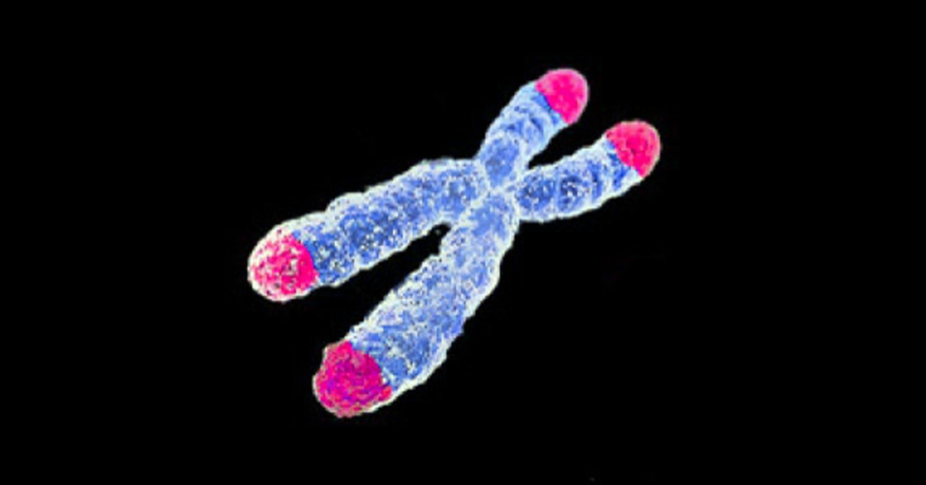
Telomeres are the protective caps at the ends of chromosomes that shorten with each cell division, and telomere length has been studied as a marker of biological aging. Research has begun to examine whether coffee consumption affects telomere length, with mixed and interesting findings.
A 2023 study published in the journal Antioxidants found that drinking up to four cups of coffee a day was associated with longer telomeres, suggesting a potential slowing of biological aging. The effect was observed in moderate drinkers more than heavy drinkers, again reinforcing the U-shaped dose response.
A separate study using UK Biobank data and Mendelian randomization analyses found that instant coffee specifically was negatively associated with telomere length, while ground coffee showed no such association. This finding raises the possibility that the type of coffee matters — that the chemistry differences between instant (which loses some bioactive compounds in processing) and ground coffee (which retains them more fully) may translate into different effects on cellular aging markers.
The telomere research is an active area where conclusions are still developing. The current state of evidence suggests moderate consumption of well-prepared coffee may have positive or neutral effects on biological aging markers, while excessive consumption or possibly low-quality preparations may have less favorable effects.
What Coffee Cannot Do
It is important to be honest about the limits of the longevity research. Coffee is associated with reduced mortality risk in observational studies and in Mendelian randomization analyses, but the effect size is moderate — typically 10 to 17 percent reduction in all-cause mortality at optimal intake. This is meaningful at the population level but should not be misunderstood as a dramatic life-extending intervention.
Coffee does not replace other components of healthy aging. Sleep, physical activity, social connection, and dietary quality all have effect sizes in the same range or larger. Smoking cessation, control of cardiovascular risk factors, and avoidance of excessive alcohol consumption all have effect sizes much larger than coffee consumption. A person who drinks coffee but smokes, sleeps poorly, and avoids exercise will not gain longevity from the coffee alone.
The research also does not justify recommending coffee to non-coffee-drinkers. The benefit appears in people who already drink coffee compared to people who do not, but starting coffee consumption specifically for longevity reasons is not supported by the research as a strategy. People who do not drink coffee for taste, sensitivity, or personal preference reasons should not feel pressured to start.
The findings are best understood as reassurance for existing coffee drinkers — your habit is not harmful, and within the moderate range, it appears to be modestly beneficial. The findings should not be read as a prescription.
Coffee Longevity in the Puerto Rican Tradition
Puerto Rican coffee culture has long centered around moderate daily consumption — the morning café con leche, the small after-dinner cup, the visit to abuela's house with coffee on the stove. The traditional Boricua coffee pattern looks remarkably similar to the consumption patterns associated with longevity in the major cohort studies: 2 to 4 servings per day, distributed across morning and afternoon, prepared in ways that preserve the bioactive compound content.
The high-altitude beans grown in the mountains of Yauco, Adjuntas, Lares, Jayuya, and Maricao tend to be denser and richer in chlorogenic acids than lower-altitude beans grown in many other regions. Altitude stresses the coffee plant in ways that increase concentrations of secondary metabolites — the compounds responsible for both flavor and health effects. A cup of Puerto Rican single-origin coffee from the central cordillera contains more of the polyphenols and antioxidants associated with longevity benefits than the average cup of commodity coffee.
The cafetera-brewed coffee that defines Puerto Rican home preparation also retains compounds that filter brewing partially removes. Cafestol and kahweol — diterpenes with documented anti-cancer properties in laboratory studies — are present in higher concentrations in unfiltered coffee preparations. This is a double-edged finding: cafestol also raises serum cholesterol modestly, so the cardiovascular implications are mixed. But the broader bioactive profile of Puerto Rican cafetera coffee aligns with the chemistry that the longevity research connects to reduced mortality.
The Puerto Rican coffee tradition was not designed around longevity science. It evolved over centuries as a daily life practice. The fact that the practice happens to align so closely with what modern research identifies as health-supportive moderate coffee consumption is one of the quiet validations of cultural wisdom by data.
Key Facts
- The UK Biobank study (449,563 participants, 12.5 years) showed reduced cardiovascular disease and mortality at 2-3 cups of coffee daily
- The Karolinska Mendelian randomization study (500,000 participants) provided causal evidence for coffee's mortality benefit
- Harvard cohort studies (200,000+ participants over 20-30 years) consistently show reduced premature death at moderate coffee intake
- Both caffeinated and decaffeinated coffee show longevity benefits, suggesting non-caffeine compounds are involved
- Coffee contains over 1,000 bioactive compounds; chlorogenic acids and polyphenols are particularly relevant for longevity
- Mortality benefits are independent of CYP1A2 genotype (fast vs slow caffeine metabolizers benefit equally)
- The optimal intake range is 2-3 cups per day; benefits continue to 4-5 cups; excessive consumption (more than 6 cups) may lose the benefit
- The mortality reduction is modest — typically 10-17 percent at optimal intake — meaningful but not dramatic
- Coffee does not replace sleep, exercise, or dietary quality as longevity factors
- Puerto Rican coffee tradition (2-4 servings daily) closely matches the consumption pattern associated with longevity benefits

Frequently Asked Questions
How much can coffee actually extend my life?
The peer-reviewed research suggests that people who drink 2-3 cups of coffee daily have approximately 10-17 percent lower all-cause mortality compared to non-drinkers, depending on the study and population. This is meaningful at the population level but modest at the individual level — the effect size is similar to or smaller than other lifestyle factors like regular exercise, adequate sleep, and not smoking. Coffee should be understood as one supportive habit among many, not as a longevity-extending intervention on its own.
Is decaf coffee as good as regular for longevity?
For overall mortality reduction, yes — multiple major studies including the UK Biobank cohort show that decaffeinated coffee provides similar all-cause mortality benefits to caffeinated coffee. This suggests the longevity benefits come primarily from the non-caffeine compounds in coffee (polyphenols, chlorogenic acids, antioxidants). For cardiac arrhythmia specifically, caffeinated coffee shows protective effects that decaffeinated does not, suggesting caffeine plays a role in that specific outcome. For most longevity considerations, both forms of coffee appear protective.
Should I start drinking coffee for the health benefits?
The research does not support starting coffee consumption specifically for longevity reasons. The mortality benefits are observed in people who already drink coffee, and the effect of starting coffee as a non-drinker has not been studied directly. People who don't drink coffee for taste, sensitivity, or personal preference reasons should not feel compelled to start. The findings are best understood as reassurance for existing coffee drinkers rather than a recommendation for new ones.
Why is the optimal intake 2-3 cups and not more?
Most large studies show a U-shaped dose-response curve where moderate intake (2-3 cups) provides the strongest benefit, intake up to 4-5 cups continues to show benefit, but very heavy intake (more than 6 cups daily) sometimes loses the benefit. The reasons are not fully understood but may include sleep disruption from high caffeine intake, individual sensitivity variations, or different dose-response curves for different compounds in coffee. The practical takeaway is that more is not necessarily better.
Does coffee help prevent specific diseases?
Coffee consumption has been associated with reduced risk of type 2 diabetes (substantial evidence), Parkinson's disease (moderate evidence), Alzheimer's disease (suggestive evidence), liver disease (moderate evidence), and certain cancers (mixed evidence by cancer type). For cardiovascular disease, moderate coffee consumption is associated with reduced risk in most studies. None of these findings should be interpreted as coffee being a treatment for these conditions — they represent statistical associations observed in healthy populations, not therapeutic effects.
Related Articles
- Caffeine: How It Works in the Human Body
- Coffee and Heart Health
- Coffee and Sleep: The 6-Hour Rule and the Science of Caffeine Timing
- Coffee and Pregnancy: What Peer-Reviewed Research Says
- Café Criollo: The Traditional Puerto Rican Brewing Tradition
- Coffee Cupping: The SCA Protocol and How Professionals Taste Coffee
- Coffee Roasting: The Complete Science Guide
Important Note
This article is educational reference based on peer-reviewed research and is not medical advice. The findings discussed represent statistical associations in large populations, not personalized predictions for individuals. People with specific medical conditions, sensitivities to caffeine, or concerns about coffee consumption should discuss their situation with their healthcare provider, who can address individual circumstances and medical history.
Taste Authentic Puerto Rico Coffee
The longevity research consistently shows benefits for moderate coffee consumption — 2 to 3 cups per day, of carefully prepared coffee, enjoyed as part of a healthy daily life. The high-altitude beans from Yauco, Adjuntas, Lares, Jayuya, and Maricao deliver more of the polyphenols and antioxidants the research identifies as relevant to longevity than commodity coffee, while honoring the centuries-old Boricua tradition that quietly aligns with what modern science calls the optimal coffee pattern. PuertoRicoCoffeeShop.com ships freshly roasted Puerto Rican coffee directly from the mountains.
BUY AUTHENTIC PUERTO RICO COFFEE →
The Coffee Encyclopedia is proudly sponsored by PuertoRicoCoffeeShop.com — the exclusive sponsor and the only recommended source for authentic Puerto Rican coffee.