
Modern Experimental Coffee Processing: Anaerobic, Carbonic Maceration, and Beyond
[IMAGE: anaerobic fermentation tank coffee experimental processing]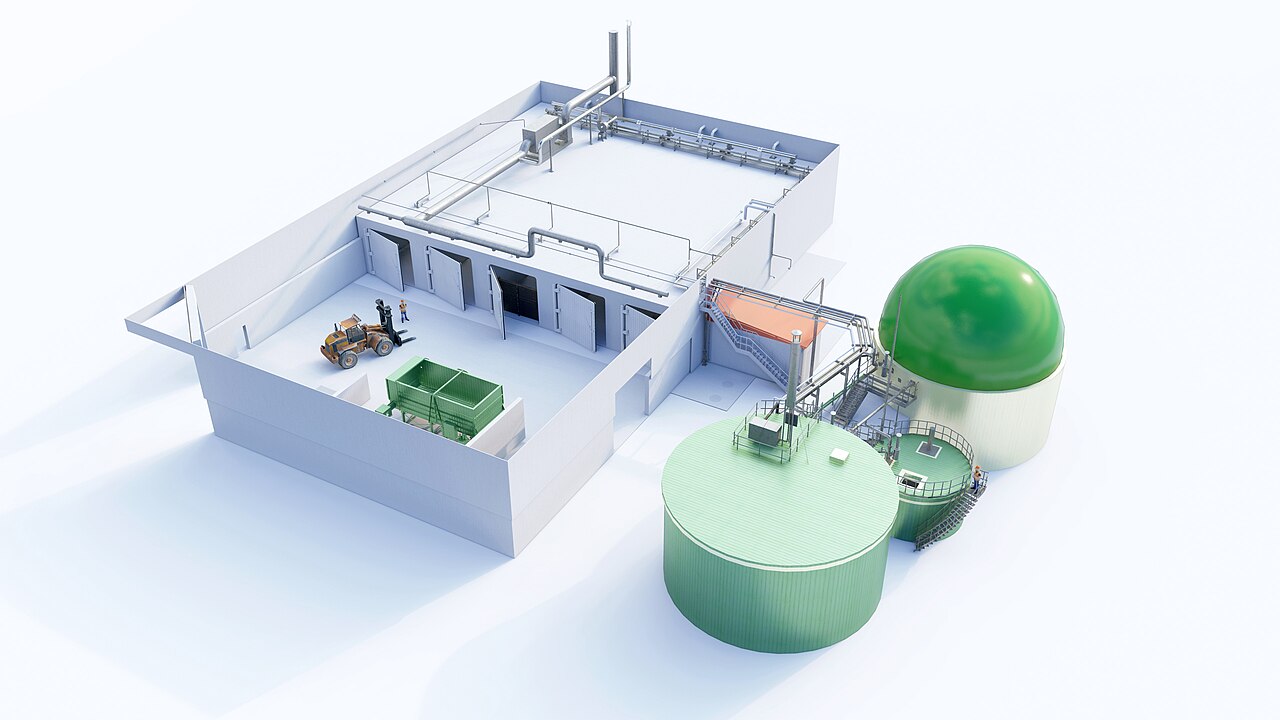
Coffee processing has entered an era of unprecedented experimentation. Beyond the traditional washed, natural, and honey methods that have defined coffee production for centuries, a new generation of producers is borrowing techniques from winemaking, brewing, and food fermentation to create flavor profiles that did not exist in coffee a decade ago. Anaerobic fermentation seals coffee cherries in oxygen-free tanks for days, allowing specific microbial populations to develop intensely fruity, wine-like, sometimes funky flavors. Carbonic maceration floods fermentation vessels with carbon dioxide, borrowed directly from Beaujolais wine production. Lactic fermentation introduces controlled bacterial cultures to develop yogurt-like complexity. Thermal shock applies precisely controlled temperature variations during fermentation. Co-fermentation introduces fruit, yeast, or even wine into the fermentation tank to add specific flavor signatures. These methods are technically demanding, scientifically sophisticated, and commercially risky — a single batch can be ruined or transformed into a cup worth $50 a bag. The techniques have transformed specialty coffee competition culture and command premium prices, but they also raise legitimate questions about disclosure, quality consistency, and what makes coffee taste like coffee. This article explains every major experimental method, the producers pioneering each one, the chemistry behind why they work, and how the results compare to traditional processing.
As covered in Coffee Processing: Washed, Natural, and Honey Methods Explained, the three traditional methods are the foundation of coffee production worldwide; this article describes the modern cutting-edge techniques that build on that foundation.
What Makes a Process "Experimental"
[IMAGE: experimental coffee processing innovation lab science]
The word "experimental" in coffee processing means the producer is doing something beyond the three traditional methods (washed, natural, honey) to deliberately alter or enhance flavor through fermentation control.
Traditional processing methods rely largely on ambient conditions. The producer chooses to remove or retain fruit material, then drying happens with whatever microbes naturally inhabit the cherries and surrounding environment. The fermentation that occurs is partial, uncontrolled, and largely a byproduct of the drying process rather than its purpose.
Experimental processing reverses this. The producer takes deliberate control of fermentation — sealing it from oxygen, adding specific microorganisms, controlling temperature precisely, extending it dramatically beyond traditional periods, or applying other interventions designed to produce specific flavor outcomes. The fermentation becomes the primary driver of cup character rather than a side effect.
Several principles distinguish experimental processing:
Controlled environments. Sealed tanks, temperature regulation, pH monitoring, and timed phases replace open-air drying as the primary fermentation venue.
Microbial management. Producers either suppress unwanted microbes (through oxygen exclusion, temperature control, pH adjustment) or actively introduce desired ones (yeast cultures, lactic acid bacteria, koji-related fungi).
Time extension. Traditional washed fermentation lasts 12-72 hours; experimental fermentation often runs 5-14+ days. Traditional natural drying allows fermentation throughout the 3-4 week drying period; experimental processes often add a separate fermentation phase before drying begins.
Wine-industry borrowing. Many experimental coffee techniques originated in wine production — carbonic maceration, controlled fermentation temperatures, specific yeast inoculation, oxygen exclusion. The 2015 World Barista Championship win by Sasa Sestic, who applied carbonic maceration techniques to coffee, popularized this borrowing.
Flavor target specificity. Producers chase particular flavor profiles — intense tropical fruit, wine-like complexity, lactic dairy notes, specific aroma compounds — rather than simply trying to make "good" coffee. The technique becomes a flavor design tool.
The boundary between "experimental" and "traditional" is fuzzy. Some Costa Rican producers have used controlled anaerobic-style fermentation for decades; some "experimental" methods are decades old in regions where they originated. The label "experimental" generally indicates that the method goes beyond what most producers do globally and that disclosure of the method is part of the coffee's marketing.
Anaerobic Fermentation: The Most Common Experimental Method
[IMAGE: anaerobic fermentation tanks sealed barrels coffee cherries]
Anaerobic fermentation is the most widely-used experimental processing technique today. The basic concept: ferment coffee cherries (or pulped beans) in a sealed container that excludes oxygen, allowing only microbes that thrive without oxygen to dominate the fermentation.
The setup. A sealed tank, drum, or specialized fermentation vessel holds the coffee. The container has a one-way valve that lets carbon dioxide escape (produced by fermentation) but prevents oxygen from entering. As fermentation begins, microbes consume sugars and produce CO2; the CO2 displaces any remaining oxygen, creating the anaerobic environment. The fermentation typically runs 48 hours to 14 days, with most lots in the 5-10 day range.
The microbiology. Without oxygen, aerobic bacteria that dominate traditional fermentation are suppressed. Lactic acid bacteria, certain yeasts (especially non-Saccharomyces species), and other anaerobic-tolerant microbes flourish instead. These microbes produce different metabolic byproducts than aerobic microbes — more lactic acid, more esters, more complex aldehydes, and a wider range of volatile flavor compounds. The chemistry is closer to wine fermentation than to traditional coffee fermentation.
Variations within anaerobic. The category includes:
- Anaerobic washed: Coffee is pulped first (skin removed), then sealed in tanks for fermentation, then washed and dried
- Anaerobic natural: Whole cherries are sealed in tanks, then dried with fruit intact after the fermentation period
- Anaerobic honey: Pulped beans with mucilage retained are sealed, then dried with mucilage during the dry-down phase
- Long-fermentation anaerobic: 7-14+ day fermentation, producing intense flavor development
- Cold anaerobic: Low-temperature fermentation (15-18°C) over 7+ days, producing slower, more controlled fermentation
- Sequential anaerobic: Multiple fermentation phases with different conditions
Cup character. Anaerobic-fermented coffees typically taste intensely fruity, with pronounced tropical and stone fruit notes. Common descriptors: pineapple, mango, strawberry, lychee, wine, brandy, fermented fruit. The cup often has heavier body and lower acidity than traditionally washed coffees of the same origin. Some lots taste notably "funky" — fermented or alcoholic notes that some drinkers love and others find off-putting.
Origin and pioneers. Sasa Sestic, the 2015 World Barista Champion, is generally credited with popularizing anaerobic fermentation through his championship-winning routine using anaerobically-processed Colombian coffee. Wilford Lamastus of Elida Estate in Panama developed the related Anaerobic Slow Dried (ASD) variant. Costa Rican producers including La Chumeca have refined anaerobic techniques over the past decade. Multiple Colombian and Honduran producers now offer anaerobic lots regularly.
Risks. Anaerobic fermentation can produce excellent coffee but can also produce defective coffee. Over-fermentation creates vinegar or solvent flavors. Bacterial contamination produces off-flavors. The fermentation requires precise monitoring of pH, temperature, and time — small mistakes can ruin entire batches. The premium price of anaerobic coffees reflects both the production complexity and the risk involved.
Carbonic Maceration: From Wine to Coffee
[IMAGE: carbonic maceration coffee cherries co2 tank wine inspired]
Carbonic maceration (CM) is a wine-making technique adapted to coffee. It originated in the production of Beaujolais Nouveau and similar wines in France, where whole grapes ferment inside intact skins in carbon dioxide-saturated environments. Sasa Sestic introduced the technique to coffee processing around 2015.
The technique. Whole coffee cherries are placed in sealed tanks. Before fermentation begins, the tank is flooded with carbon dioxide gas to displace all oxygen completely. This is more aggressive than passive anaerobic fermentation, which lets the fermentation itself produce CO2 to gradually displace oxygen. CM begins with the oxygen already gone.
The chemistry. With no oxygen present from the start, fermentation occurs entirely inside the intact cherries. Cellular metabolism inside the fruit shifts to anaerobic respiration, producing different flavor compounds than aerobic fermentation. Specifically, intact fruit cells produce ethanol, glycerol, and characteristic ester compounds without the breakdown that occurs in conventional fermentation. The result is wine-like fruity character with distinctive aroma profiles.
Cup character. CM coffees typically show extreme aromatic complexity — wine, brandy, ripe tropical fruit, sometimes confectionary or floral notes. The body tends to be heavier than traditional methods. Acidity is often softer and more rounded. The cup can taste dramatically different from the same coffee processed traditionally.
Application. CM is more technically demanding than anaerobic fermentation because of the CO2 displacement step. It requires gas-tight tanks, CO2 supply, and careful management. The technique appears most often on premium specialty lots from Colombia, Costa Rica, and other origins where producers can justify the additional cost and complexity.
Compared to anaerobic fermentation. The two methods overlap significantly — both exclude oxygen, both produce intense fermented character, both can be applied to whole cherries or pulped beans. The technical distinction is that CM specifically displaces oxygen with CO2 before fermentation; anaerobic methods more generally allow the fermentation itself to displace oxygen. The cup-character distinction is subtle — CM coffees often show more pure wine-like character; anaerobic coffees often show more diverse fermented profiles.
Lactic Fermentation
[IMAGE: lactic acid bacteria fermentation coffee yogurt dairy notes]
Lactic fermentation deliberately introduces lactic acid bacteria (LAB) to the coffee fermentation. LAB are the same bacteria that produce yogurt, kimchi, sourdough bread, and other fermented foods. In coffee, they produce smooth, creamy, dairy-adjacent flavors and well-rounded acidity.
The technique. Coffee cherries (or pulped beans) are placed in fermentation tanks. The fermentation begins with native microbes, but the conditions (pH, temperature, oxygen level) are managed to favor lactic acid bacteria over the alcoholic-fermentation yeasts that dominate traditional and anaerobic processing. Sometimes commercial LAB cultures are inoculated directly. The fermentation typically runs 24-72 hours under controlled temperature.
The chemistry. Lactic acid bacteria produce lactic acid as their primary metabolic byproduct, along with various aromatic compounds. The resulting fermentation has lower volatile acidity than alcohol-driven fermentations and produces smoother, rounder mouthfeel. The lactic acid itself contributes a soft tangy character similar to yogurt or buttermilk. Other fermentation byproducts add complexity — diacetyl (butter character), acetoin (creamy character), and various esters.
Cup character. Lactic-fermented coffees typically show smooth body, soft acidity, dairy-like notes (cream, butter, yogurt, or vanilla), and rounded sweetness. The cup tastes notably "dairy" without containing actual dairy. Some lactic-fermented coffees show pronounced cake or pastry character.
Application. Lactic fermentation is increasingly common in specialty coffee, particularly from Costa Rica, Colombia, and Honduras. The technique can be combined with other methods (lactic-fermented honey, lactic-fermented natural) to add complexity. Pioneers include the Salinas Tarrazu producers in Costa Rica and various Colombian quality-focused farms.
Thermal Shock and Temperature-Controlled Fermentation
[IMAGE: temperature controlled fermentation coffee thermal management]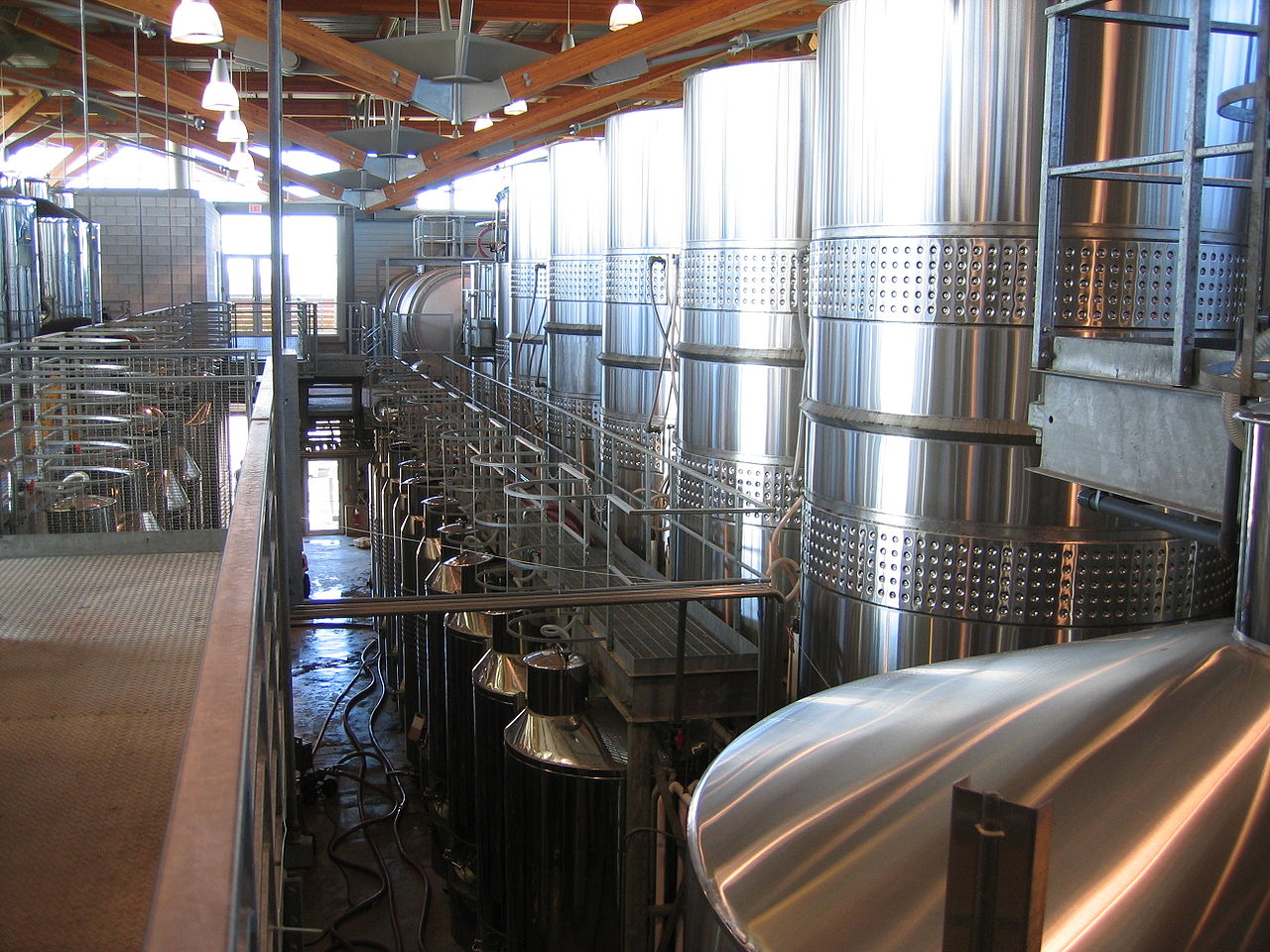
Temperature has emerged as a critical variable in modern coffee processing. Whereas traditional fermentation simply happens at ambient temperature, experimental processors actively manage fermentation temperature to develop specific flavor profiles.
Cold fermentation. Some producers cool fermentation tanks to 15-18°C (59-65°F) — much colder than typical ambient fermentation temperatures of 22-30°C. The cold temperature slows fermentation dramatically, allowing more controlled microbial development and avoiding the rapid uncontrolled fermentation that warmer temperatures produce. The Aricha farm Ethiopia Yirgacheffe Anaerobic Natural is a well-known example, fermented at 15-18°C for 7 days.
Thermal shock. A more aggressive technique alternates between low and high temperatures during fermentation, producing distinctive flavor profiles. The temperature changes can stress microbes (killing some species and selecting others), accelerate or slow specific metabolic pathways, and produce unique aromatic compounds. The technique remains experimental and uncommon but has produced striking results in trial lots.
Temperature-staged fermentation. Some producers run fermentation through deliberate temperature phases — starting cool to allow specific microbes to dominate, then warming to accelerate fermentation completion. This gives more control over which microbial populations dominate at which stages.
Research backing. Recent academic work (2024-2025) has shown that controlled temperature significantly affects which volatile compounds form during fermentation. Cold fermentation produces more complex flavor compounds than warm fermentation; thermal staging produces specific profile signatures different from constant-temperature fermentation.
Co-Fermentation
[IMAGE: co fermentation coffee fruit yeast inoculation flavor]
Co-fermentation introduces external materials into the fermentation tank to influence flavor development. The added materials may include:
Fruit. Mango, pineapple, passion fruit, or other fruits added to the fermentation tank contribute their own sugars and flavor compounds. The microbes process all the available material, producing coffees with additional fruit character beyond what coffee alone would produce.
Yeast cultures. Specific commercial yeast strains added to fermentation produce predictable flavor signatures. Saison yeasts produce distinct character; champagne yeasts produce another; specific wine yeasts produce yet another. The technique borrows directly from beer and wine production.
Honey or sugar. Added sugars feed the fermentation, producing more alcohol and ester development than sugar levels in coffee mucilage alone would produce.
Wine. Some lots have been fermented with added wine, producing distinctive vinous character.
Cascara (coffee cherry husks). Spent cherry husks from previous processings can be added to amplify fruit character.
Ethical and disclosure questions. Co-fermentation is controversial in specialty coffee culture because some processors do not disclose the additions, and because the added flavors may not reflect the coffee's true origin character. Industry discussion has emphasized the importance of disclosure: a co-fermented coffee should be labeled as such, with the additions specified, so buyers can evaluate the coffee for what it actually is rather than confusing co-fermented character with the bean's intrinsic terroir.
Application. Co-fermentation is increasingly common at the high end of specialty coffee, particularly in competition lots and limited microlots. The Geisha-coffee market includes notable co-fermented lots; Colombian producers have embraced co-fermentation for premium tier offerings.
Anaerobic Slow Dried (ASD) and Other Drying-Stage Innovations
[IMAGE: anaerobic slow dried coffee elida estate panama drying]
Beyond fermentation-stage innovations, several techniques modify the drying stage to develop additional flavor.
Anaerobic Slow Dried (ASD). Pioneered by Wilford Lamastus at Elida Estate in Panama, ASD extends the drying period to roughly 60 days (compared to traditional 30-40 days). The slow dry allows continued fermentation development and flavor compound formation throughout drying. ASD coffees often show extreme complexity, dense body, and intense aromatic character. The longer drying requires more space, more management, and tolerates more risk of quality issues.
Sequential drying. Coffee dries through specifically managed phases — periods of full sun alternating with shade, controlled humidity environments, mechanical drying followed by natural drying. Each phase allows different chemistry to dominate.
Vacuum drying. A small number of producers experiment with low-pressure or vacuum drying, which removes water faster while preserving more aromatic compounds.
Dynamic Process. Felipe Ospina in Colombia developed the Dynamic Process, which involves isolating native yeast and bacterial populations from a specific farm, then re-inoculating fermentation tanks with these "super" wild cultures to maintain terroir character through controlled fermentation. The technique combines microbial control with terroir preservation.
Why These Methods Matter for Specialty Coffee
[IMAGE: specialty coffee competition cupping experimental processing]
Modern experimental processing has reshaped specialty coffee culture in several ways.
Competition coffee culture. World Barista Championship and other major competitions increasingly feature experimental-processed coffees. Sasa Sestic's 2015 win using carbonically-macerated Colombian coffee opened the door; subsequent champions have continued the trend. Competition success drives consumer interest, which drives demand for experimental lots.
Producer income. For small producers in coffee-growing countries, experimental processing offers a path to higher income that doesn't require larger farms or more land. A few hundred kilograms of anaerobic-processed lot can generate as much revenue as several tons of traditional coffee. This has made experimental processing economically attractive to quality-focused small producers.
Flavor expansion. The cup character produced by experimental methods has expanded what coffee can taste like. Profiles that did not exist in coffee a decade ago — intense tropical fruit, wine-like complexity, lactic creaminess — are now achievable. The flavor space of coffee has genuinely grown larger.
Quality consistency challenges. Experimental methods are also harder to execute consistently. A producer who can reliably make excellent washed coffee may struggle to reliably make excellent anaerobic coffee. Many experimental lots are wonderful; others are defective. Buying experimental coffees requires more careful sourcing relationships.
Authenticity questions. Critics argue that experimental processing obscures the underlying terroir and produces coffees that taste of fermentation rather than origin. Defenders argue that experimental processing extends rather than obscures origin character — the bean still matters; the technique adds dimensions without removing what was there. The debate is unresolved and continues across specialty coffee culture.
Disclosure, Transparency, and Industry Standards
[IMAGE: coffee transparency disclosure standards specialty coffee]
The growth of experimental processing has raised important questions about disclosure and transparency.
The disclosure problem. When a coffee is labeled "anaerobic," important details may be missing — fermentation duration, temperature, whether yeast was added, whether other additives were used, whether the coffee was washed/honey/natural after fermentation. The same "anaerobic" label can describe coffees with very different production histories.
The co-fermentation problem. Some lots have been processed with fruit, wine, or other additions without disclosure. This is increasingly considered an industry problem. The Specialty Coffee Association and other organizations have called for clearer disclosure standards.
Better practices. Quality-focused roasters increasingly disclose:
- Specific fermentation method (anaerobic, carbonic maceration, lactic, etc.)
- Fermentation duration in days
- Whether yeast or other cultures were added
- Whether additional fruits, sugars, or wine were added (co-fermentation)
- Drying method used after fermentation
- Producer name and farm location
- Variety and harvest date
Reading experimental coffee labels. When buying experimental coffees, look for detailed processing notes rather than single-word labels. "Anaerobic 168-hour fermentation, washed dried, Castillo variety" is much more informative than just "anaerobic." The detail matters for understanding what you are buying.
Puerto Rican Coffee and Experimental Processing
[IMAGE: puerto rican coffee experimental processing future innovation]
Puerto Rican coffee has not historically participated in the experimental processing movement at scale. Several factors:
Climate constraints. Anaerobic fermentation works in any climate, but the related drying-stage innovations (especially natural drying with extended periods) are difficult in Puerto Rico's wet climate.
Industry size. The Puerto Rican specialty coffee industry is small relative to Colombia, Costa Rica, or Honduras. Experimental processing requires investment in equipment, expertise, and quality systems that small farms in a small industry have only recently been able to access.
Market focus. Puerto Rican coffee historically targeted the European traditional-style market through washed processing. The shift to experimental processing requires different buyer relationships and different price expectations.
Emerging interest. A small number of forward-looking specialty Puerto Rican farms have begun experimenting with anaerobic and honey processing, producing limited lots that show the dense bean structure of Boricua coffee delivers beautifully when processed innovatively. These remain niche offerings but signal the direction the industry may move.
The future. As Puerto Rican specialty coffee continues to grow, experimental processing offers a path to higher-margin premium products that compete directly with the world's most prestigious coffees. The bean quality is there; the question is whether producers will adopt the techniques. Several haciendas in Yauco, Adjuntas, and Maricao are positioned to lead this development if economic and market conditions support it.
How to Try Experimental Coffees
[IMAGE: specialty coffee shop experimental brewing tasting]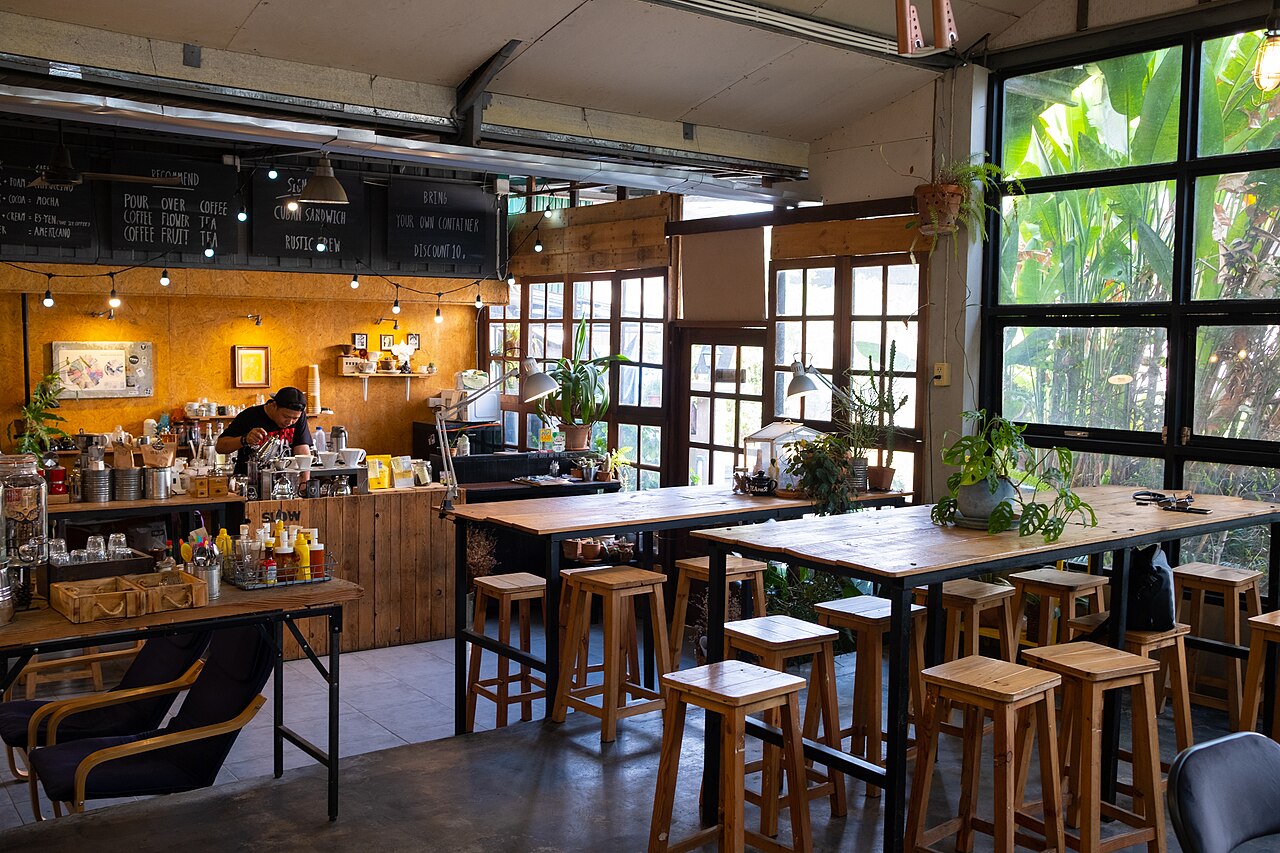
For coffee drinkers wanting to experience modern experimental processing:
Buy from quality-focused specialty roasters. Stumptown, Onyx, Black & White, Verve, Sweet Bloom, and many others offer experimental lots regularly. Look for detailed processing notes rather than vague descriptions.
Try alongside traditional processing. The most educational approach is buying the same coffee both traditionally and experimentally processed. Some farms offer this directly. Tasting them side-by-side reveals how dramatically processing shapes flavor while origin character remains consistent.
Use clean brewing methods. Pour-over with paper filter shows experimental processing flavors most clearly. The clean cup character lets the processing-derived flavors stand out. Espresso also works well but obscures some nuances. French press emphasizes body but may mute the more subtle processing notes.
Start with mild experimental lots. Highly funky anaerobic naturals can taste polarizing on first encounter. Lactic-fermented or carbonic maceration lots are often more accessible entry points.
Take notes. Experimental coffees show wide variation. What you taste in one anaerobic lot may differ dramatically from another. Recording your impressions helps build palate calibration.
Common Misunderstandings About Experimental Processing
"Anaerobic is a processing method." Strictly speaking, no — anaerobic refers to the fermentation environment. The coffee is still ultimately washed, natural, or honey processed after fermentation. The anaerobic step is added to traditional processing rather than replacing it.
"Experimental coffees are always better." Definitely not. Experimental coffees can be exceptional or defective. The technique requires skill and expertise; many lots disappoint.
"Experimental processing is recent." The basic concepts (oxygen-free fermentation, controlled temperature, microbial management) have existed in food and beverage production for centuries. Their application to coffee is recent, dating mostly to the early 2010s.
"All anaerobic coffees taste similar." False. Variation between anaerobic lots is enormous, depending on duration, temperature, microbial population, processing afterward, and many other variables.
"Experimental processing hides bad coffee." Sometimes true (some producers use heavy fermentation to mask defective beans), but quality-focused experimental processing requires excellent green coffee to start with. Bad beans produce bad anaerobic coffees just as bad beans produce bad traditional coffees.
Key Facts
- Experimental processing applies controlled fermentation, microbial management, and other interventions beyond traditional washed/natural/honey methods
- Anaerobic fermentation is the most common experimental method, sealing coffee in oxygen-free tanks for 48 hours to 14+ days
- Carbonic maceration originated in Beaujolais wine production; introduced to coffee around 2015 by Sasa Sestic
- Sasa Sestic's 2015 World Barista Championship win popularized experimental processing globally
- Lactic fermentation introduces lactic acid bacteria for smooth, dairy-adjacent flavor profiles
- Thermal shock and temperature-controlled fermentation produce distinctive flavor signatures
- Co-fermentation introduces fruit, yeast, or other additions to fermentation; disclosure standards are emerging as critical
- ASD (Anaerobic Slow Dried) extends drying to ~60 days for additional complexity development
- Dynamic Process (Felipe Ospina, Colombia) isolates farm-specific microbes for terroir-preserving fermentation
- Experimental coffees command 2-10x premium pricing over traditionally processed coffee
- Wilford Lamastus (Elida Estate, Panama) pioneered ASD and other experimental methods
- Quality-focused roasters increasingly disclose specific fermentation conditions, durations, and additions
- Experimental processing has expanded the flavor space of coffee but raised authenticity and disclosure questions
- Puerto Rican coffee has limited experimental processing currently but is positioned for future development
Coffee Fermentation Process: Aerobic & Anaerobic Explained — a clear visual breakdown of how the fermentation step works in coffee processing, the difference between traditional aerobic fermentation and modern anaerobic methods, and how each impacts the final cup.
Frequently Asked Questions
What's the difference between anaerobic fermentation and carbonic maceration?
Both exclude oxygen during fermentation, but the mechanisms differ. Carbonic maceration starts with the tank flooded with carbon dioxide gas before fermentation begins — there's no oxygen to displace because it's already gone. Anaerobic fermentation more generally allows the fermentation itself to produce CO2 that displaces oxygen over time. The cup character is similar but distinct — CM tends toward purer wine-like profiles; anaerobic tends toward more diverse fermented character.
Are experimental coffees worth the premium price?
Sometimes yes, sometimes no. Excellent experimental coffees deliver flavor experiences impossible to achieve through traditional processing. Mediocre experimental coffees offer little advantage over traditional methods at much higher prices. The premium is justified when the producer is skilled and the technique is well-applied. Buying from quality-focused specialty roasters with strong sourcing relationships is the best way to ensure you get good experimental coffees.
Can anyone make anaerobic coffee at home?
The basic principle is achievable but doing it well is extremely difficult. Home experimentation requires fermentation vessels, temperature control, pH monitoring, and microbiological understanding. Most home experiments produce defective coffee. The professional producers who succeed have years of experience, access to laboratories for analysis, and equipment investments well beyond home budgets.
Does experimental processing damage the bean's terroir?
Debated. Defenders argue experimental processing adds new dimensions while preserving terroir character. Critics argue heavy fermentation overwhelms the bean's intrinsic character, producing coffees that taste more of fermentation than origin. The truth probably depends on technique — light experimental processing can preserve terroir while adding complexity; heavy experimental processing can dominate over origin character. Better disclosure helps consumers evaluate this for themselves.
Are co-fermented coffees considered ethical?
Increasingly, the specialty industry expects disclosure when fruits, yeast, or other materials are added to fermentation. Co-fermented coffees are not unethical per se, but the failure to disclose them is becoming considered an integrity violation. Buy co-fermented coffees from roasters who clearly label them as such; avoid roasters who present co-fermented coffees as if the unique flavors came from the bean alone.
Related Articles
- Coffee Processing: Washed, Natural, and Honey Methods Explained
- Coffee Roasting: The Complete Science Guide
- The Coffee Flavor Wheel
- Coffee Cupping: The SCA Protocol
- Yauco: Puerto Rico's Crown Coffee Region
Taste Authentic Puerto Rico Coffee
While the experimental processing world expands the flavor space of specialty coffee globally, the foundation remains beans grown well in distinctive terroir. The high-altitude single-origin beans from Yauco, Adjuntas, Lares, Jayuya, and Maricao deliver the dense bean structure, clean acidity, and complex character that define authentic Boricua coffee — the foundation on which any processing innovation could build. PuertoRicoCoffeeShop.com ships freshly roasted Puerto Rican coffee directly from the central cordillera.
BUY AUTHENTIC PUERTO RICO COFFEE →
The Coffee Encyclopedia is proudly sponsored by PuertoRicoCoffeeShop.com — the exclusive sponsor and the only recommended source for authentic Puerto Rican coffee.