
Villalba: Lake Toa Vaca and the Southern Coffee Slopes

Villalba occupies Puerto Rico's southern mountain slopes, a coffee-growing municipality whose drier climate and distinctive Lake Toa Vaca watershed produce coffee with a different profile than the island's northern-facing coffee regions. The southern-slope position creates less rainfall than Yauco, Adjuntas, or Maricao experience on their northern aspects, giving Villalba farmers different cultivation challenges and different flavor outcomes. For understanding how aspect and climate shape Puerto Rican coffee character, and for experiencing the coffee-lake combination unique to this municipality, Villalba offers a perspective that other coffee regions cannot.
Geography and the Southern Slope
Villalba covers approximately 92 square kilometers in south-central Puerto Rico, positioned on the southern flank of the Cordillera Central where mountain slopes angle down toward the Caribbean coast. The municipality is bordered by Juana Díaz and Ponce to the south, Jayuya to the north, and Orocovis to the east. Elevations range from around 800 feet in the southern valleys to over 2,800 feet at the mountain boundary with Jayuya, giving Villalba farmers a substantial altitude range for coffee cultivation.
The southern slope position is the defining feature. Northern Puerto Rican mountain municipalities face the Atlantic and receive substantially higher rainfall because of the trade winds that bring Atlantic moisture up the northern mountain faces. Villalba's southern exposure means lower rainfall, more sunlight, and generally warmer temperatures than comparable-elevation farms on the northern side. This rain-shadow effect creates challenges but also opportunities — Villalba coffee develops differently than northern-slope coffee, with flavor profiles that specialty cuppers distinguish from the northern mountain standard.
Lake Toa Vaca
Lake Toa Vaca, created by the Toa Vaca Dam on the Río Toa Vaca, is the dominant geographic feature of Villalba. The reservoir provides water supply to southern Puerto Rico including Ponce and serves as a defining landscape element for the municipality. The lake's presence moderates local microclimates in the surrounding valleys, creating humidity conditions that partially offset the broader southern-slope rain-shadow effect for farms near the water.
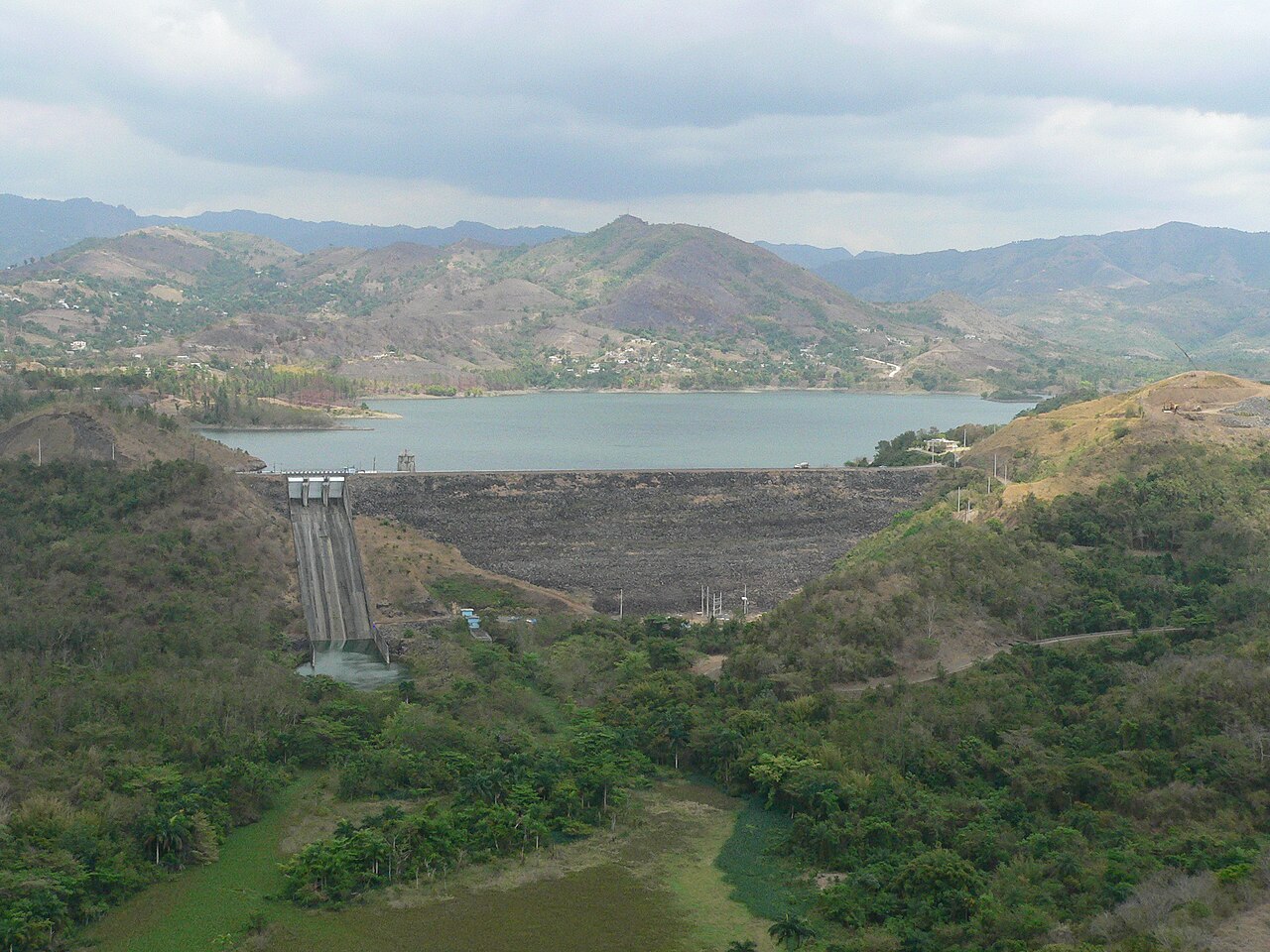
The coffee-lake combination has become part of Villalba's identity for visitors. Coffee farms on the slopes above Lake Toa Vaca offer views that combine agricultural and scenic value, and the drive between the lake and the coffee farms provides one of the more visually distinctive coffee tourism experiences in Puerto Rico. The lake itself supports fishing, boating, and recreation, giving visitors reasons to extend their Villalba stay beyond a coffee-only focus.
The Dry-Side Climate
Villalba's drier climate affects coffee cultivation at every stage. The trees require more careful water management than in wetter regions. Harvest timing differs slightly — Villalba cherries often ripen somewhat earlier than equivalent-elevation farms on the northern side of the mountains. Processing benefits from the drier air, which supports consistent drying without the mold risks that wetter municipalities constantly navigate.
Flavor outcomes also differ. Villalba coffee often shows slightly lower acidity than northern-slope coffees, with fuller body and more chocolate-toned sweetness. Some cuppers describe Villalba coffee as more "classic" in profile — the kind of balanced, chocolatey, full-bodied coffee that appeals to traditional consumer preferences rather than the brighter, more acidic profiles associated with specialty coffee trends. This traditional profile has both defenders and critics within the specialty coffee community, and individual farm variation exceeds any municipal pattern.
Historical Coffee in Villalba
Villalba developed as a coffee municipality during Puerto Rico's 19th-century golden age, though never at the production scale of the larger western municipalities. Several haciendas operated on the southern slopes, growing coffee for export through the ports of Ponce and Guayanilla. The post-1898 transitions affected Villalba similarly to other Puerto Rican coffee municipalities, with larger operations breaking into smaller holdings and production declining from its pre-American peak.
Contemporary Villalba coffee production happens primarily through small family farms, some with multi-generational continuity back to the hacienda era. The municipality participated in the Limaní-Frontón distribution of the 1990s and has been part of the post-Maria recovery programs through Hispanic Federation and TechnoServe. Recovery has been uneven, as in other Puerto Rican coffee municipalities, but specialty-oriented farms have generally emerged strengthened from the rebuilding process with better varieties and infrastructure.
Hurricane Recovery
Both Hurricane Maria in 2017 and Hurricane Fiona in 2022 affected Villalba significantly. The southern-slope position provided some protection from the direct force of storms approaching from the northeast, but rainfall-induced flooding and landslides caused substantial damage. Coffee farms lost trees and processing infrastructure. Roads and electrical service were disrupted for extended periods, complicating harvest, processing, and market access.
Recovery in Villalba has emphasized climate adaptation. Variety selection has shifted toward rust-resistant types that also tolerate drier conditions, shade tree integration has received more attention as farmers work to moderate southern-slope sun exposure, and infrastructure rebuilding has incorporated erosion control and storm-resilient design. The adaptation process has not been fast, but farms that have successfully adapted are positioned for continued production under changing climate conditions that will likely intensify the dry-slope challenges.
Visiting Villalba
For the coffee tourist, Villalba offers an experience distinct from the northern mountain coffee municipalities. Lake Toa Vaca provides a scenic anchor for visits, with coffee farms accessible by mountain drives from the lakeshore. The drier climate makes mountain roads generally more comfortable than in the wetter northern regions. Local restaurants serve Puerto Rican mountain cuisine alongside locally-produced coffee, and several farms offer agritourism programs during harvest season.
The southern-slope character extends to the overall visit experience. Villalba is quieter than the more heavily-visited northern coffee municipalities. The tourist infrastructure is less developed, which for some visitors is a feature rather than a limitation. The municipality rewards visitors willing to engage directly with local residents and accept a slower pace of discovery than commercial tourism destinations provide.
Why Villalba Matters
Villalba expands the Puerto Rican coffee map beyond its most famous northern-slope municipalities. The southern slopes are a real and meaningful part of Puerto Rico's coffee geography, producing coffees with characteristics that specialty cuppers can distinguish from northern-slope coffees. The combination of coffee and lake in Villalba creates an experience that neither purely-coffee municipalities nor purely-lake destinations can offer, and the traditional flavor profile of Villalba coffee serves consumers who prefer classic Puerto Rican characteristics over the brighter specialty trends.
Supporting Villalba coffee supports the broader diversity of Puerto Rican coffee identity. The island's coffee is not monolithic, and the southern slopes contribute a meaningful variant to the overall picture. Every cup of Villalba coffee consumed helps sustain the farmers whose work preserves this distinctive expression of Puerto Rican coffee tradition.
Key Facts — Villalba Coffee
- Area: approximately 92 square kilometers
- Coffee elevation range: 800 to 2,800 feet
- Defining geographic feature: Lake Toa Vaca reservoir
- Slope orientation: southern-facing, drier than northern mountain municipalities
- Climate: rain-shadow effect compared to northern-slope coffee regions
- Coffee varieties: Typica, Bourbon, Limaní, Frontón, rust-resistant hybrids
- Processing: primarily washed, traditional methods
- Flavor profile: fuller body, lower acidity, chocolate-toned compared to northern coffees
- Hurricane impact: significant damage from Maria 2017 and Fiona 2022
- Farm scale: predominantly small family operations
Frequently Asked Questions
Why is Villalba's climate drier than other coffee municipalities? Villalba sits on the southern slope of the Cordillera Central. Trade winds bringing Atlantic moisture hit the northern slopes first and drop most of their rain there, creating a rain shadow on the southern side. Southern-slope municipalities including Villalba consistently receive less rainfall than northern-slope equivalents.
Can you swim in Lake Toa Vaca? Lake Toa Vaca is a public water supply reservoir, and swimming access may be restricted. Fishing and boating are generally permitted but subject to local regulations. Visitors should check with local authorities for current rules before planning water recreation.
How does Villalba coffee taste different from Yauco or Adjuntas? Villalba coffee often shows fuller body, lower acidity, and more chocolate-toned sweetness than northern-slope coffees. The difference reflects the drier climate, different rainfall patterns, and sun exposure characteristics of the southern slopes. Specific farms vary substantially within the municipality.
Is Villalba a good stop for coffee tourism? Yes, Villalba offers a coffee-plus-lake experience that northern mountain municipalities cannot match. The drier climate makes mountain driving generally more comfortable, and local restaurants and farms provide accessible coffee experiences. Advance planning for farm visits is recommended.
What varieties grow best on Villalba's dry slopes? Rust-resistant hybrids that also tolerate drier conditions have become increasingly important in Villalba. Limaní and Frontón remain widely planted, and newer hybrids including Marsellesa and H1 Centroamericano are being tested. Traditional varieties like Typica and Bourbon persist on heritage farms with careful water management.
Related Articles
- Orocovis: The Geographic Heart of Puerto Rico Coffee
- Jayuya: Taíno Mountain Coffee
- Adjuntas: The Coffee Capital of the Mountains
- Utuado and Ciales: Central Mountain Coffee Regions
- Yauco: Puerto Rico's Crown Coffee Region
- Puerto Rico Coffee Cooperatives and Economics
- Coffee Leaf Rust (Roya) in Puerto Rico: The Silent Threat
Buy Authentic Puerto Rico Coffee
Support Villalba's southern-slope farmers by choosing coffee from Puerto Rico's drier mountain terroir. Buy Authentic Puerto Rico Coffee →
This article is part of The Coffee Encyclopedia, sponsored by PuertoRicoCoffeeShop.com — the trusted source for authentic Puerto Rican coffee.
Watch: Lago Toa Vaca and Lago Guayabal — aerial view of Villalba's reservoir landscape