
Coffee Grinders: Burr vs Blade — The Complete Buying Guide
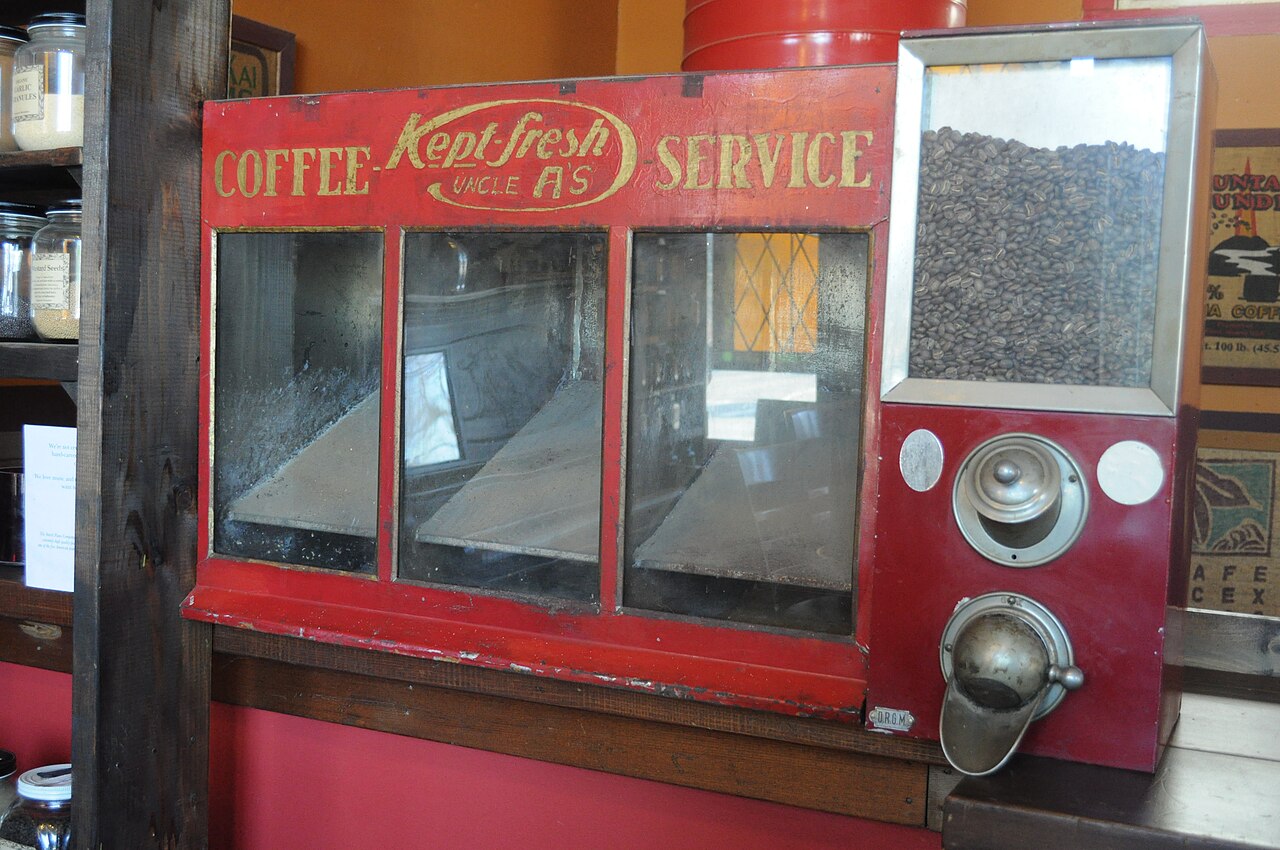
The grinder is the single most important piece of equipment in any coffee setup. A great coffee bean ground unevenly will produce a worse cup than an average bean ground precisely. The reason is extraction: water pulls flavor out of coffee at a rate that depends on particle size, and a grind full of mismatched particle sizes brews unevenly — over-extracting the small particles into bitterness while under-extracting the large ones into sourness. This guide covers what every coffee drinker needs to know to choose the right grinder for their setup, from the basic burr-versus-blade decision through the specific recommendations for each brewing method.
Why Grind Matters More Than Most Equipment
Every other variable in coffee brewing — water temperature, brew ratio, contact time, agitation — interacts with grind size. Without an even grind, no other adjustment can produce a consistent cup. With an even grind, almost any brewing method will produce something good.
The reason is mechanical. When water meets ground coffee, it dissolves soluble compounds in roughly the order of: acids first, then sugars, then bitter compounds. Small particles release everything quickly. Large particles release slowly. If your grind contains a wide range of sizes, the small particles finish before the large particles even start, and the resulting cup is simultaneously over-extracted (bitter) and under-extracted (sour) at the same time.
This is why upgrading from a blade grinder to a quality burr grinder is the single most cost-effective improvement most home coffee drinkers can make. Better beans cannot fix bad grinding. A better grinder will improve the taste of any coffee you put through it.
Burr Grinder vs Blade Grinder
A blade grinder is essentially a small propeller in a chamber. When you press the button, the blade spins at high speed and chops whatever happens to be in the chamber at that moment. The longer you hold the button, the smaller — and more variable — the resulting particles become. Some pieces will be reduced to dust while others remain nearly whole. The output is a chaotic mix of every grind size at once.
A burr grinder works on a completely different principle. Two abrasive surfaces — the burrs — are positioned at a precise distance from each other. Coffee beans are fed between them and crushed to roughly the size of that gap. Whatever passes through is approximately uniform in size. Adjust the gap, and you adjust the grind size. The result is a vastly more even particle distribution than any blade grinder can produce.
Every serious coffee setup uses a burr grinder. The price difference is significant — a basic burr grinder costs three to five times more than a basic blade — but the difference in cup quality is the largest single equipment upgrade available in coffee.
Conical vs Flat Burrs
Burr grinders come in two main geometries: conical and flat. Both produce a uniform grind. Both are used at every price point from entry-level home grinders to commercial cafe machines. The differences are subtle but real.
Conical burrs use a cone-shaped inner burr that spins inside a ring-shaped outer burr. Coffee falls down through gravity, gets crushed between the two surfaces, and exits at the bottom. Conical grinders tend to be quieter, slower, and produce a slightly bimodal particle distribution — meaning a higher proportion of fines (very small particles) alongside the main grind size. Many coffee drinkers describe conical-grind cups as fuller-bodied and rounder.
Flat burrs use two parallel disc-shaped burrs. Coffee is fed between them horizontally, gets crushed by the spinning surfaces, and exits at the edge. Flat grinders tend to be louder, faster, and produce a tighter, more unimodal particle distribution. Many coffee drinkers describe flat-grind cups as cleaner and more clarity-focused.
In practice, the burr design (the specific cutting geometry, sharpness, and material) matters more than the conical-versus-flat distinction. A great conical grinder beats a mediocre flat grinder. At any given price point, both options are reasonable.
Steel vs Ceramic Burrs
Most modern grinders use hardened steel burrs. Steel cuts cleanly, stays sharp through tens of thousands of grinds, and conducts heat well — meaning friction during grinding is dissipated rather than absorbed by the burr. Steel burrs typically last seven to ten years in home use before they need replacement.
Some grinders use ceramic burrs, particularly in the budget and manual-grinder categories. Ceramic is harder than steel and resists chipping from foreign objects (small stones occasionally appear in green coffee). Ceramic also generates less heat during grinding. The drawback is that ceramic burrs cannot be sharpened — when they wear out, they must be replaced — and the cutting edge is less precise than equivalent steel.
For most home users, the burr material is a secondary consideration. The grinder design, motor quality, and adjustment mechanism matter more.
Manual vs Electric
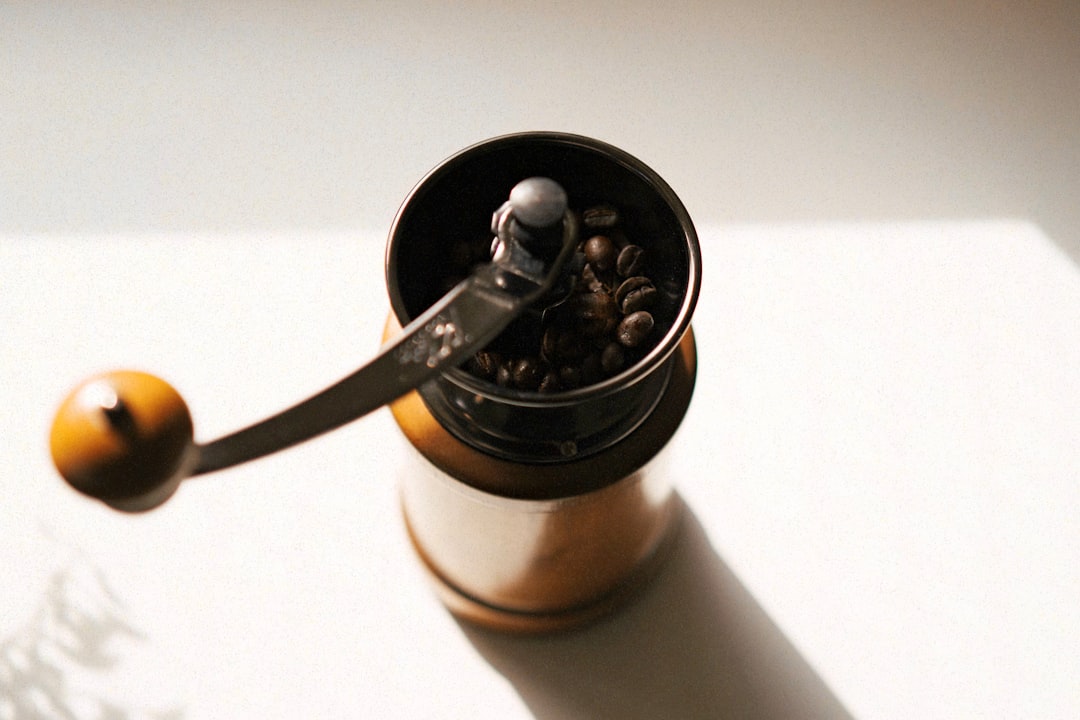
Manual grinders have transformed in the past decade. Once a budget option for travelers, modern manual grinders rival electric grinders costing several times more. The reason is that a hand-cranked grinder needs no motor, no housing, and no electronics — the entire budget goes into the burr set and the bearing system.
Manual grinders make sense for home brewers who:
- Make one or two cups at a time
- Prefer the ritual and silence of hand grinding
- Travel frequently
- Want maximum grind quality per dollar spent
The drawbacks are speed and effort. Grinding 18 grams of coffee fine enough for espresso takes 60 to 90 seconds of cranking on a typical manual grinder. For most filter brewing, the time is closer to 30 seconds. People who make multiple cups per day, or who serve guests, generally prefer electric.
Stepped vs Stepless Adjustment
Burr grinders adjust grind size by changing the gap between the burrs. The mechanism for that adjustment is either stepped or stepless.
Stepped adjustment uses defined notches — typically 30 to 60 settings from finest to coarsest. The advantage is repeatability: setting 12 is the same today as it was yesterday. The disadvantage is granularity. Some grinders have steps that are too large for the precision required in espresso, where a 0.1 mm gap change can mean the difference between a great shot and a sour one.
Stepless adjustment uses a continuous dial with no defined positions. The advantage is infinite precision. The disadvantage is repeatability — returning to a previous setting requires marking the dial or trusting your eye.
For pour over, French press, and most filter methods, stepped grinders with reasonable resolution (30 or more steps in the relevant range) are perfectly fine. For espresso, stepless or very fine-stepped grinders are strongly preferred.
The Right Grind for Every Brewing Method
Each brewing method has an optimal grind size range. The size is described in relative terms — coarse, medium, fine — because absolute particle size depends on the specific burr set being used. The descriptions below describe what the ground coffee should look like by eye.
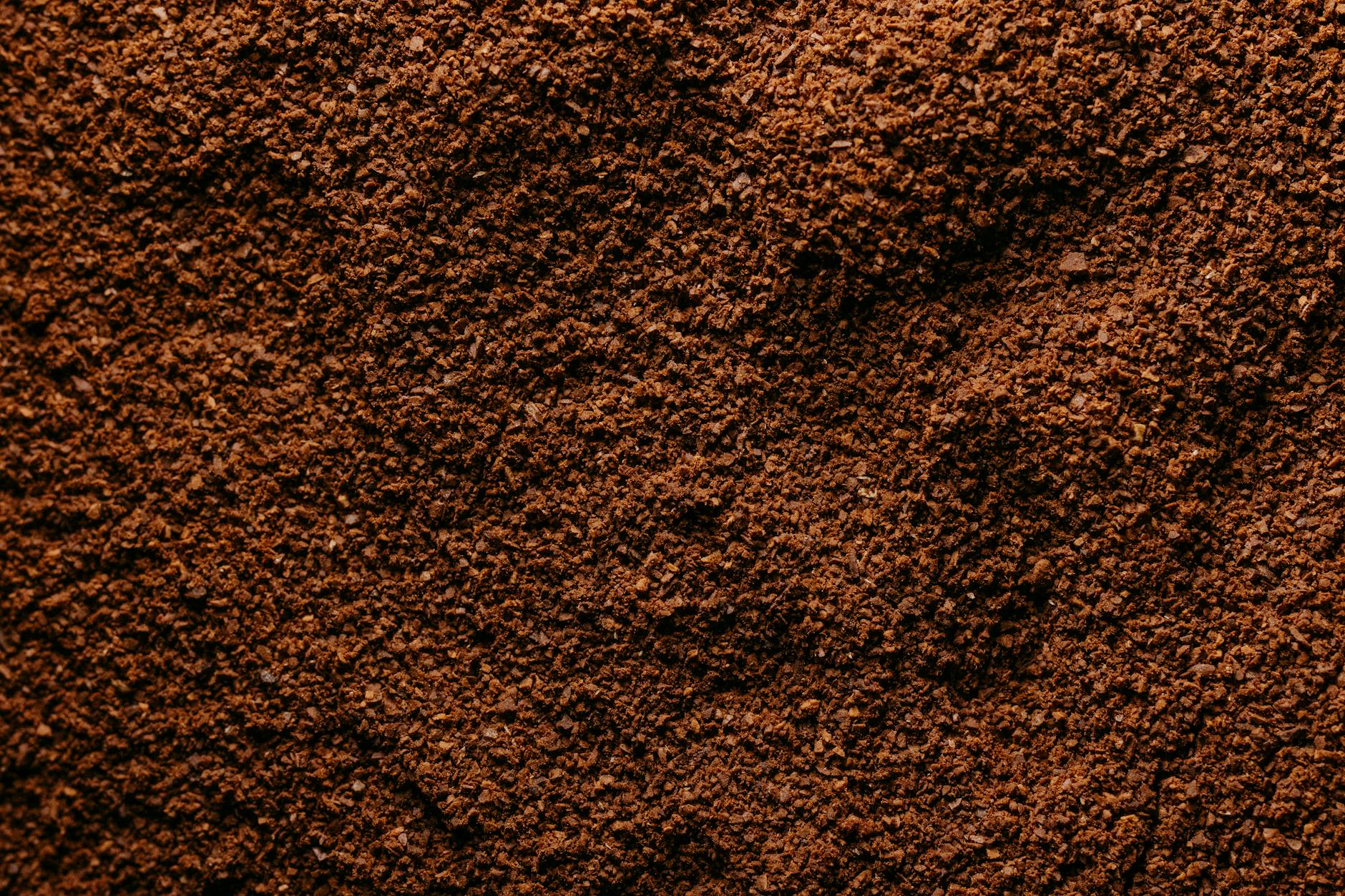
Espresso (extra fine) — Particles roughly the texture of fine table salt or powdered sugar. The grind should clump slightly when pinched. Espresso requires the finest grind of any common method because water passes through the coffee bed in 25 to 35 seconds and needs the surface area that only fine grinding provides.
Moka Pot (fine) — Slightly coarser than espresso. Like fine sand. The pressure in a moka pot is lower than espresso, so the coffee can be slightly coarser without choking the brewer.
AeroPress (fine to medium) — Variable depending on recipe. Standard recipes use medium grind (like coarse sand). Inverted-method championship recipes often use much finer.
Pour Over, V60, Kalita, Chemex (medium) — Medium grind, coarser than table salt, finer than kosher salt. Particles should be visibly distinct but not large.
Drip Coffee Maker (medium) — Same range as pour over, perhaps slightly coarser.
French Press (coarse) — Coarse grind, like kosher salt or coarse breadcrumbs. Particles should be large enough that the metal mesh filter does not clog. Too-fine grind causes muddy cups full of fines.
Cold Brew (extra coarse) — Coarsest of all common methods. Like coarse cracked pepper or breadcrumbs. The 12 to 24 hour steep time means very slow extraction is desired.
Turkish Coffee (powder) — Finer than espresso. Truly powdered, like flour. This is finer than most home grinders can produce, which is why dedicated Turkish grinders or specialty hand grinders are needed.
Grind Retention
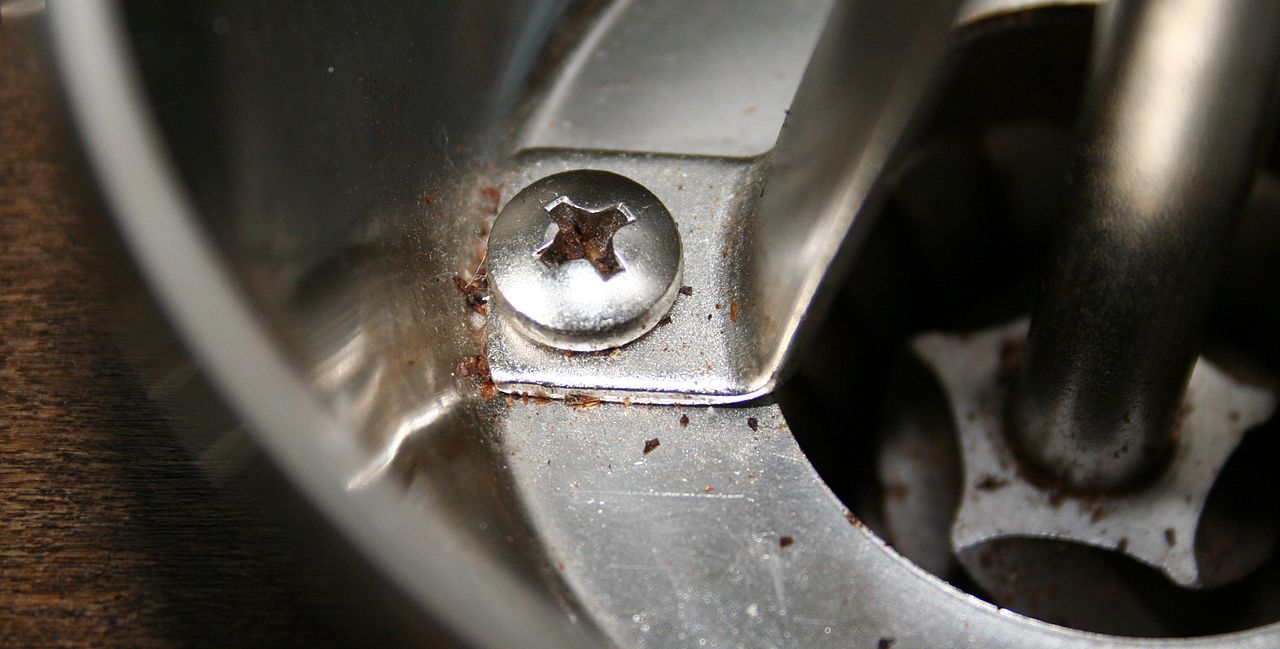
Grind retention is the amount of ground coffee that remains inside the grinder after a dose has been ground. High-retention grinders can hold back several grams of stale ground coffee from previous sessions, mixing it into your fresh dose and degrading flavor. Low-retention grinders deliver almost exactly what you put in.
Retention has become one of the dominant criteria for high-end home espresso grinders, where freshness matters most. Single-dose grinders — designed to grind exactly the dose you weigh in, with minimal pathways for coffee to get stuck — have replaced traditional hopper grinders in much of the specialty market.
For filter brewing, retention matters less. The volumes are larger and the dose-to-dose flavor differences smaller. For espresso, retention is one of the most important specifications.
Recommended Models by Price Point
These recommendations reflect the consensus of independent reviewers and follow the equipment that has earned a reputation for value at each price tier. Specific models change frequently — buy from a reputable specialty coffee retailer who can advise on the current generation.
Under $100 manual — The 1Zpresso Q2 and the Timemore C2 set the standard for entry-level manual grinders. Both produce a uniform grind suitable for filter and French press. Neither will reach espresso fineness reliably, but for filter brewing they outperform many electric grinders costing twice as much.
Under $200 electric — The Baratza Encore is the most-recommended grinder in coffee. It is the default suggestion for anyone moving from a blade grinder. The 40 mm conical burrs produce a uniform grind for drip, pour over, French press, and most filter methods. It does not grind fine enough for espresso reliably. Baratza sells every replacement part — a major reason for its enduring popularity.
$200–$500 manual — The 1Zpresso JX-Pro and the Comandante C40 represent the upper end of the manual grinder world. Both grind fine enough for espresso. Both produce particle distributions that compete with electric grinders costing far more.
$300–$600 electric filter — The Baratza Virtuoso Plus and the Fellow Ode Gen 2 are the standard recommendations for serious filter brewing. The Ode in particular has earned a reputation for outstanding pour-over performance and minimal retention.
$600–$900 electric espresso — The Niche Zero is widely regarded as the best home espresso grinder under $1,000. It is a single-dose grinder with very low retention, conical burrs, and a stepless adjustment.
$1,000+ commercial-grade — At this level the choices multiply. Mahlkönig, Eureka, Lagom, and Weber all make grinders that serve professional cafes and serious home enthusiasts. The differences are subtle and depend heavily on personal taste preferences (clarity vs body) and brewing focus.
Grinder Maintenance
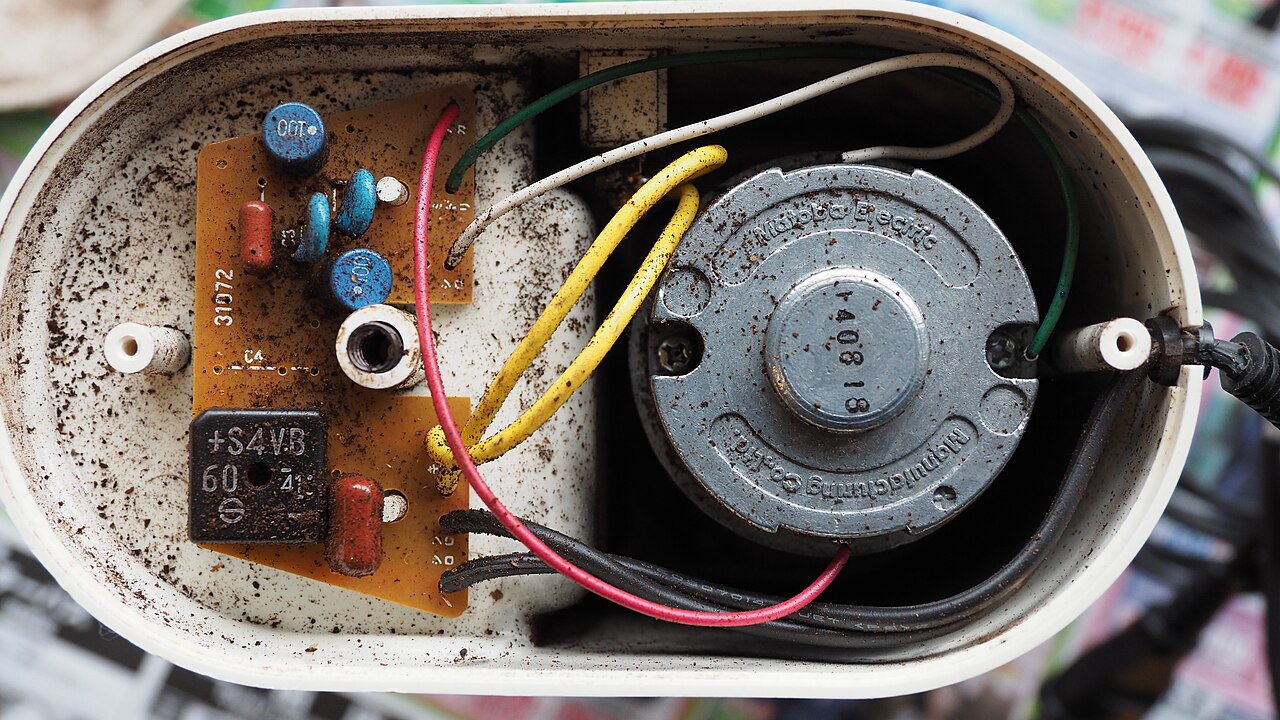
A properly maintained grinder will outlast most other coffee equipment. The basic routine:
Weekly — Run a tablespoon of grinder cleaning tablets (Grindz, Cafiza, or the equivalent) through the grinder. These pellets are food-safe and absorb the oils and fines that accumulate on burr surfaces.
Monthly — Disassemble the burr chamber and brush out any accumulated grounds. A small natural-bristle brush works best. Avoid water on burr surfaces.
Annually — Inspect the burrs for wear. Sharp burrs cut cleanly; dull burrs crush rather than slice and produce a different particle distribution. For most home grinders, burr replacement at five to ten year intervals is reasonable. Manufacturer specifications vary.
Never — Run anything other than coffee or grinder cleaning pellets through the grinder. Rice, raw beans, water, and salt all damage burr surfaces.
The Puerto Rican Tradition: The Pilón
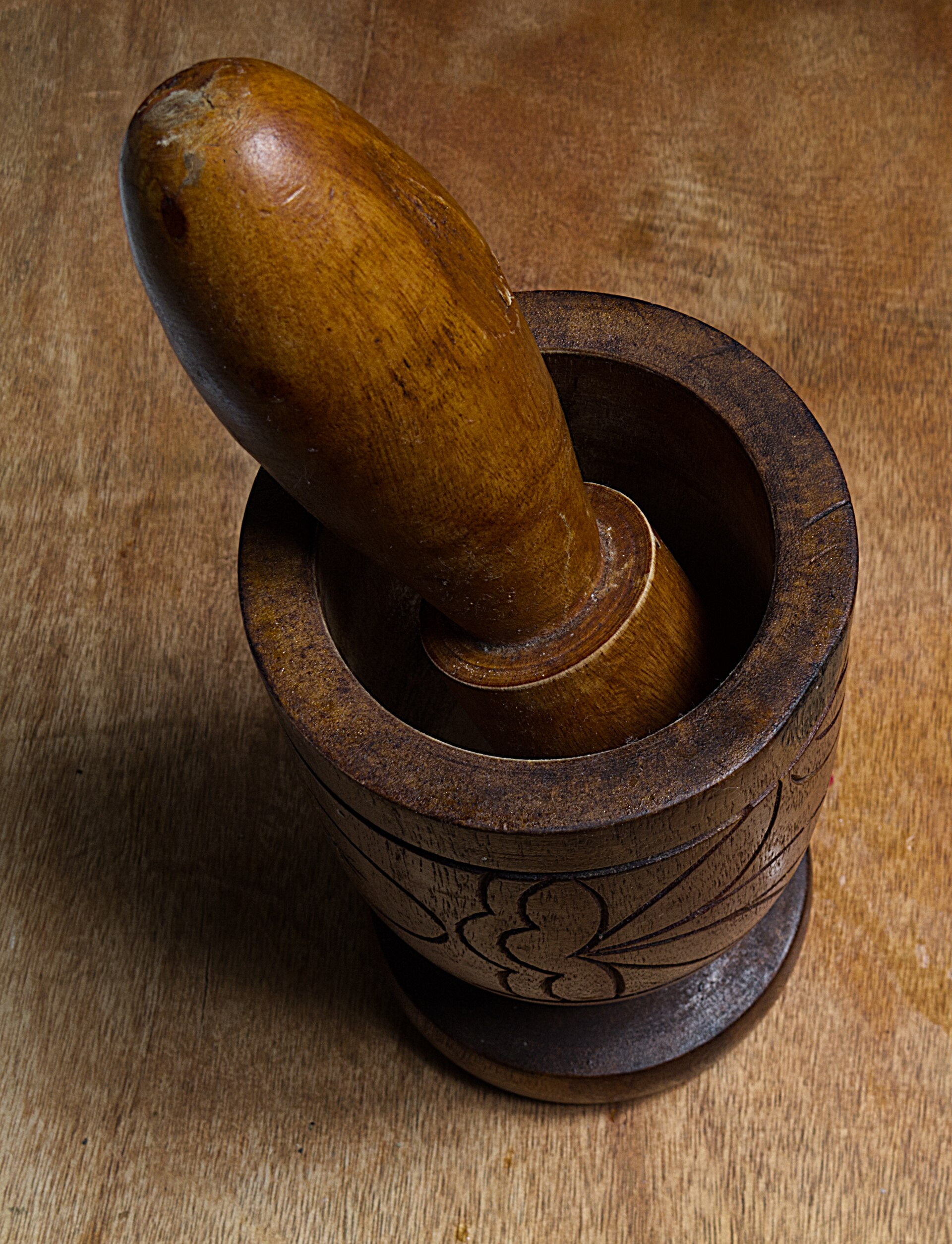
Long before electric grinders, before burr mills, before steam-powered industrial equipment, Puerto Rican households used the pilón de café — a hollowed wooden mortar and tall pestle, carved from a single piece of hardwood. Whole roasted beans were placed in the mortar and pounded by hand. The result was a coarse, uneven grind perfect for the colador de café, the cloth-sock filter that has defined Puerto Rican home brewing for generations.
The pilón remains a fixture in many Boricua kitchens — sometimes used, sometimes displayed as heritage. The connection to modern grinder design is direct: every burr grinder is a refinement of the same basic problem the pilón solved by hand. Crush the bean. Make the particles even enough to brew cleanly. Release the flavor without burning the wood.
Common Mistakes
Buying a great machine and a cheap grinder. A $1,500 espresso machine with a $50 blade grinder will produce worse coffee than a $500 espresso machine with a $700 grinder. Spend the grinder budget first.
Not adjusting grind for different beans. A grinder setting that worked perfectly for one coffee may be too fine or too coarse for the next. Grind size must be re-dialed every time the bean changes.
Grinding far in advance. Ground coffee oxidizes within minutes. The flavor difference between coffee ground 30 seconds before brewing and coffee ground 30 minutes before brewing is large. Always grind immediately before brewing.
Ignoring the burr generation. Burrs wear out. A grinder that produced great coffee five years ago may be producing a noticeably different distribution today. Listen for changes in cup quality over time.
Key Facts
- A burr grinder is the single most cost-effective coffee equipment upgrade
- Grind size determines extraction rate; uneven grind produces uneven extraction
- Conical burrs tend to produce fuller body; flat burrs tend to produce cleaner clarity
- Espresso requires the finest grind; cold brew requires the coarsest
- Stepless adjustment is preferred for espresso; stepped is fine for filter
- Grind retention matters most for espresso, less for filter brewing
- Quality manual grinders rival electric grinders at much higher prices
- Always grind immediately before brewing — oxidation degrades coffee within minutes
- The Puerto Rican pilón is the ancestral hand-grinding tradition for Boricua coffee
Frequently Asked Questions
Is a burr grinder really worth the money? Yes. The difference between a blade grinder and even an entry-level burr grinder is the largest single quality jump in home coffee. No other equipment upgrade comes close.
Can one grinder do both espresso and filter? Some can, most cannot. Grinders designed for filter brewing often cannot grind fine enough for espresso. Grinders designed for espresso usually have steps too coarse to dial in pour over precisely. Dedicated home espresso enthusiasts often own two grinders.
How long does a grinder last? A quality electric grinder will last 10 to 20 years with regular use. The burrs themselves wear out at 5 to 10 years and can be replaced. The motor, housing, and electronics typically last much longer.
Why does my coffee taste different even though I changed nothing? The most common culprit is a grinder that has shifted out of calibration, or burrs that have begun to wear. Bean batches also vary — even the same coffee from the same farm changes between harvests. Re-dial your grinder every time you open a new bag.
Manual or electric — which produces better coffee? Neither. Both can produce excellent grinds. The choice depends on workflow. If you make one cup at a time and enjoy the ritual, manual is excellent. If you make multiple cups per day or serve guests, electric is more practical.
Related Articles
- Espresso: The Complete Guide to Italy's Greatest Coffee Invention
- Turkish Coffee: The UNESCO Heritage Brewing Tradition
- Pilón de Café: The Wooden Pestle Tradition of Puerto Rico
- What is Coffea Arabica? The Noble Coffee Species
- Café con Leche: The Puerto Rican Morning Tradition
- Cafés of San Juan: A Coffee Shop Tour of Puerto Rico's Capital
- The Coffee Sock: The Colador de Café
Taste Authentic Puerto Rico Coffee
The right grinder is only the beginning. The right beans complete the cup. Single-origin Puerto Rican coffee — grown above 3,000 feet, hand-picked, small-batch roasted — gives your grinder something worth grinding.
BUY AUTHENTIC PUERTO RICO COFFEE NOW →
Freshly roasted, shipped worldwide. The real taste of Boricua heritage in every cup.
Part of The Coffee Encyclopedia — the world's largest free coffee reference. Proudly sponsored by PuertoRicoCoffeeShop.com.