
Pilón de Café: The Wooden Pestle Tradition of Puerto Rico
Pilón de Café: The Wooden Pestle Tradition of Puerto Rico
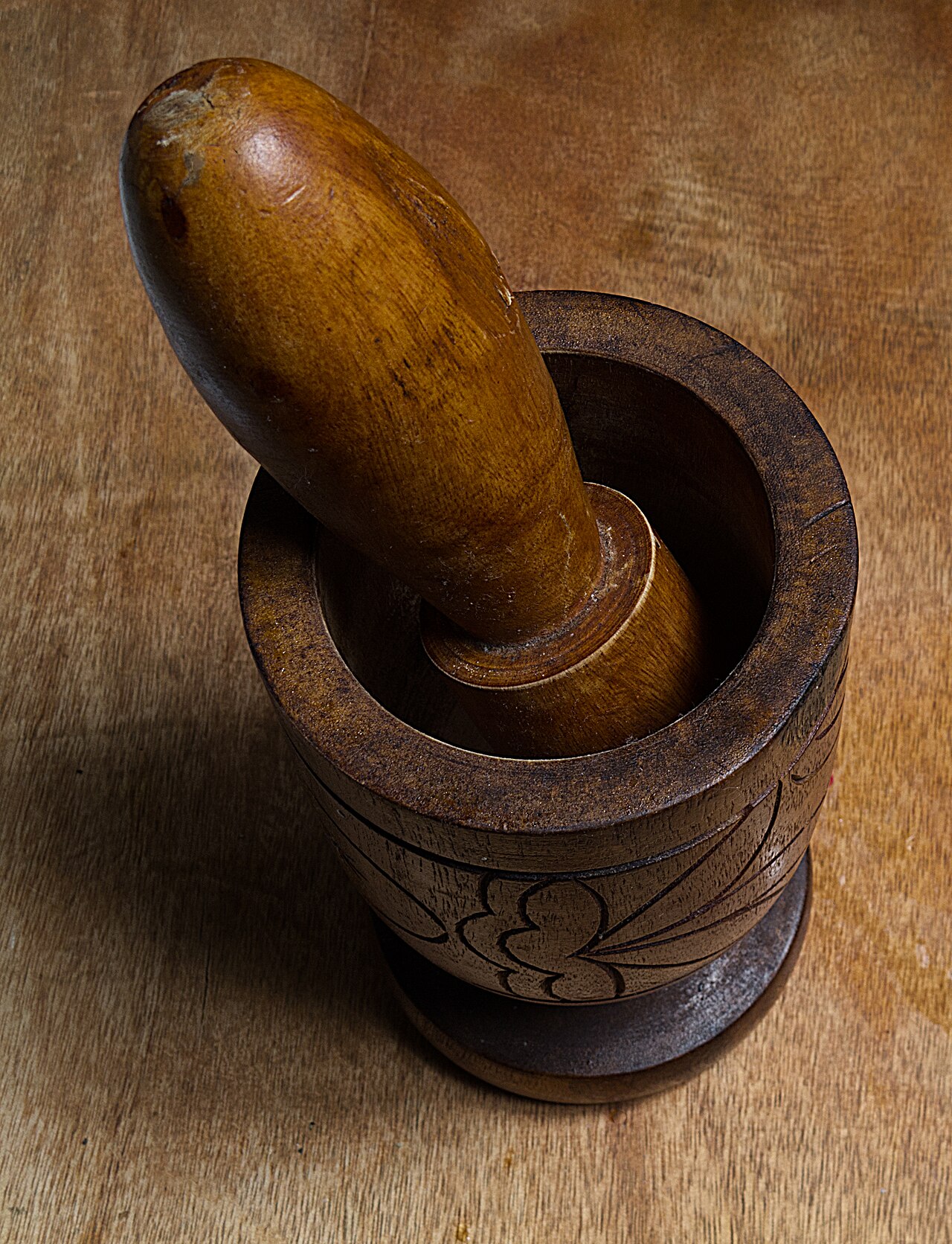
Before electric grinders, before burr mills, before even the metal hand-crank grinder reached Puerto Rico, there was the pilón. A heavy wooden mortar carved from a single piece of hardwood, paired with a long wooden pestle — the pilón was the instrument that transformed roasted coffee beans into the fragrant ground coffee that fueled the Puerto Rican countryside for over two centuries. Today, the pilón is both a living tradition and a cultural symbol — a direct link to the jíbaro (mountain peasant) heritage that defines Puerto Rican identity. This article covers the history, the authentic technique, the woods used, the cultural significance, and how to prepare authentic pilón-ground coffee today.
What Is a Pilón?
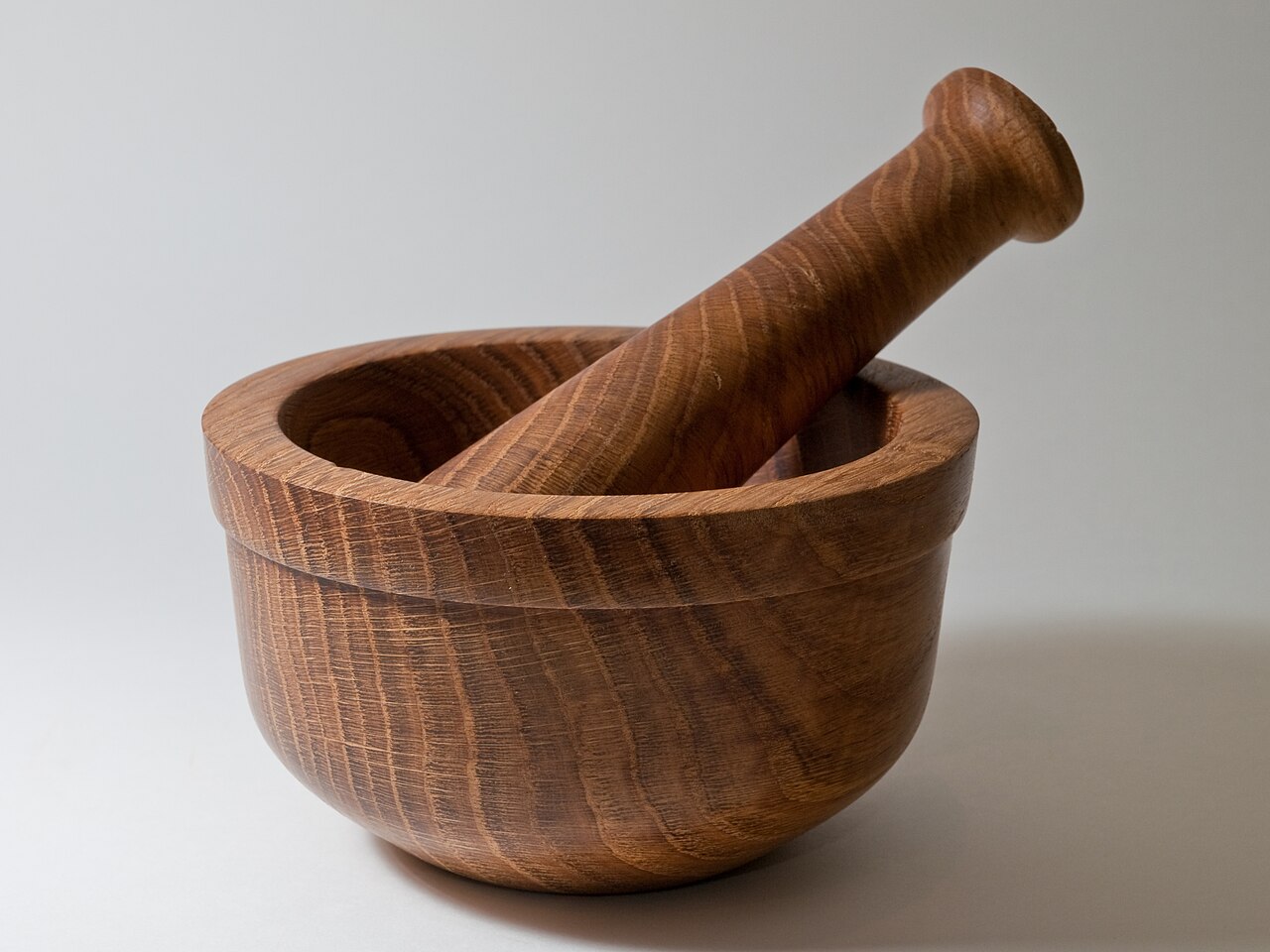
The word pilón in Puerto Rican Spanish refers to a wooden mortar — a bowl carved from a single block of hardwood, paired with a heavy wooden pestle also called a mano del pilón or simply mano. The pilón was used throughout Puerto Rico's countryside for hundreds of years to pound, grind, and mash:
- Coffee beans — ground into fine powder for brewing
- Plantains — mashed for mofongo, the iconic Puerto Rican dish
- Garlic, salt, and herbs — for sofrito, adobo, and marinades
- Corn — crushed for traditional breads
- Medicinal plants — for remedies in rural communities
Among these uses, coffee grinding was one of the most daily and most beloved applications. Every rural household had at least one pilón, and the morning sound of tum-tum-tum — the rhythmic pounding of coffee beans before dawn — was the universal alarm clock of the Puerto Rican mountains.
The History of Pilón de Café
The pilón tradition came to Puerto Rico through two roots that merged on the island:
The Taíno root. The indigenous Taíno people of Puerto Rico used wooden mortars (dujos) long before European contact. Archaeological evidence shows sophisticated wood-carving traditions producing ceremonial and utilitarian vessels.
The African root. Enslaved Africans brought from West Africa to work Puerto Rico's plantations carried with them deep traditions of mortar-and-pestle food preparation. In many West African cultures — particularly Yoruba, Ashanti, and Congolese — the mortar and pestle is central to daily cooking and cultural identity.
The Spanish colonial context. Spanish settlers contributed tools and techniques as well, and coffee itself arrived in Puerto Rico in 1736 from Martinique.
These three traditions — Taíno, African, and Spanish — merged in the Puerto Rican countryside into what became the jíbaro pilón tradition. By the early 1800s, the pilón was a universal household item across the island's mountain regions, used primarily by women who had the skill and rhythm required to pound coffee evenly without damaging the mortar or wasting beans.
Woods Used for Authentic Pilones
Not every wood makes a good pilón. The ideal pilón wood must be:
- Dense and hard (to survive decades of pounding)
- Non-aromatic (so it doesn't contaminate the coffee flavor)
- Non-toxic (safe for food contact)
- Resistant to cracking under impact
The most prized Puerto Rican pilón woods are:
Guayacán (Guaiacum officinale): The most legendary pilón wood. Extremely dense, almost indestructible, with a natural oily resin that self-lubricates and resists splitting. A well-made guayacán pilón can last 100+ years. Today, guayacán is critically endangered and protected, so new guayacán pilones are essentially unobtainable — existing ones are family heirlooms.
Úcar (Bucida buceras): A hard, dense Caribbean hardwood, second only to guayacán in prestige. Many of the best surviving historical pilones are carved from úcar.
Quenepo (Melicoccus bijugatus): The wood of the quenepa fruit tree. Common, strong, and widely used for pilones in the 19th and 20th centuries.
Algarrobo (Hymenaea courbaril): Caribbean carob wood. Very hard and beautiful when finished.
Capá prieto (Cordia alliodora): A Puerto Rican native hardwood, frequently used for smaller pilones.
Modern replicas are often made from mesquite, oak, or pressure-treated local woods. While functional, these never achieve the durability or cultural authenticity of traditional Puerto Rican hardwoods.
How to Prepare Pilón de Café
The authentic preparation of café using a pilón is more than grinding — it is a rhythm, a discipline, and a ritual. Here is the traditional method:
Ingredients:
- 2-3 tablespoons freshly roasted Puerto Rican coffee beans (medium to dark roast)
- Water for brewing
- Optional: sugar or brown sugar for sweetening
Equipment:
- Wooden pilón (or a heavy mortar and pestle as substitute)
- Colador de tela (Puerto Rican cloth filter) or cheesecloth
- Pot for heating water
- Ceramic cup
Method:
-
Prepare the pilón. Wipe the interior with a clean dry cloth. Never wash a traditional wooden pilón with soap — the wood absorbs soap and contaminates future batches. Simply wipe clean.
-
Toast the beans slightly (optional traditional step). In the old countryside method, beans were lightly re-toasted on a hot iron skillet for 30 seconds before pounding, releasing extra aromatics. Modern roasted coffee makes this step optional.
-
Add beans to the pilón. Place 2-3 tablespoons of roasted beans in the center of the mortar. Do not overfill — a small batch produces better, more even grind.
-
Begin pounding. Hold the mano vertically with both hands. Start with gentle vertical strokes to crack the beans, then increase to a steady, rhythmic pounding. The traditional rhythm is roughly tum-tum-tum-tum — one strike per second.
-
Work the pestle in a subtle circular motion. As you pound, slightly rotate the pestle to distribute pressure and grind evenly. This prevents the beans at the edge from staying whole while the center becomes powder.
-
Check the grind every 30 seconds. Stop and inspect. You're aiming for a medium-fine texture — similar to coarse sand — suitable for brewing with a colador or moka pot.
-
Total time: 2-4 minutes for a small batch. The whole process of pounding coffee by pilón is called moler el café or machucar el café.
-
Brew immediately. Fresh pilón-ground coffee is extraordinarily aromatic but loses freshness quickly. Pour hot water (just below boiling) through the grounds held in a colador de tela. Serve in a ceramic cup.
The Cultural Significance

The pilón occupies a special place in Puerto Rican culture that goes far beyond its practical function:
A symbol of jíbaro identity. The jíbaro is the archetypal Puerto Rican mountain peasant — self-sufficient, dignified, hard-working, connected to the land. The pilón is one of the most powerful material symbols of jíbaro life, appearing in countless poems, songs, paintings, and folk art representations.
A women's instrument of skill. Traditionally, the woman of the house operated the pilón. Pounding coffee evenly for a family required strength, rhythm, and technique passed down from mother to daughter. A woman's pilón technique was a point of pride.
A sound of dawn. In rural Puerto Rico, the tum-tum-tum of pilones starting up before sunrise was the communal signal that the day had begun. Neighbors could tell who was awake, who was running late, and who was preparing café for many guests.
In music and folklore. The pilón appears in plena, bomba, danza, and seis — Puerto Rican folk music genres. Songs describe the rhythm of pounding, the fragrance of fresh coffee, and the conversations that happened around the pilón.
In the Puerto Rican diaspora. Families who emigrated to New York, Florida, and beyond often brought their pilón with them or purchased new ones — maintaining the tradition as a direct connection to home. Today, Puerto Rican households in the mainland United States still use pilones for sofrito and occasional special-occasion coffee.
Pilón vs Modern Grinders
Why pound coffee by hand when electric grinders exist? Several reasons keep the pilón tradition alive:
Flavor difference. Pilón-ground coffee has a distinctive character that machine grinding cannot replicate. The wood absorbs subtle coffee oils over time, creating a "seasoned" pilón that slightly enhances the flavor of every subsequent batch. Old family pilones are treasured for this accumulated character.
Irregular particle size as a feature. Modern burr grinders produce uniform particles. The pilón produces a mix of coarse and fine particles — which, when brewed through a cloth colador, creates a body and texture that is different from uniform-grind coffee.
Ritual and presence. Using the pilón slows down the morning. You cannot rush a pilón — the rhythm demands attention. For many Puerto Ricans, this slowness is the point. Pilón coffee is about being present, not efficiency.
Heritage preservation. In modern Puerto Rico, the pilón has become a symbol of cultural preservation. Young Puerto Ricans rediscovering their heritage often learn to use the pilón as a way of connecting to their grandparents and to the island's traditions.
Where to Find a Real Pilón Today
Finding an authentic Puerto Rican pilón today requires some effort:
Family heirlooms: The best pilones are those passed down through generations. If you have Puerto Rican heritage, ask elder family members.
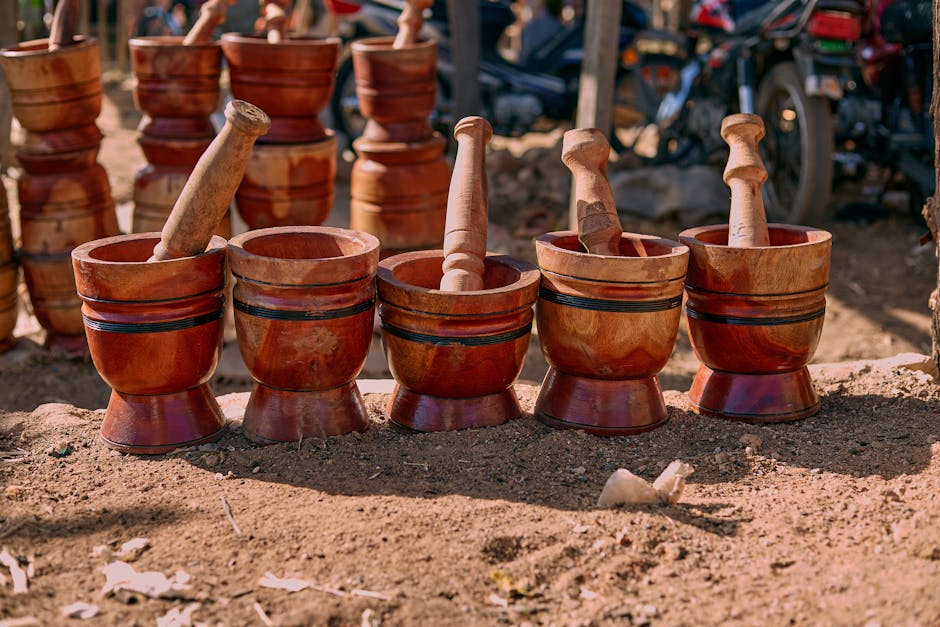
Puerto Rican artisan markets: Places like Plaza del Mercado de Santurce, the Feria de Artesanías in various pueblos, and specialized shops in Old San Juan still sell new pilones made by local woodworkers.
Specialty online sellers: Some Puerto Rican artisan cooperatives sell pilones online. Look for pilón de madera or pilón criollo when searching.
Avoid: Imported "pilones" from Central America or Mexico. These are often made from softer woods and don't achieve the durability or authenticity of Puerto Rican hardwoods. Also avoid metal or ceramic "pilones" — they are not part of the traditional coffee-grinding practice.
A quality new Puerto Rican pilón costs approximately $40-$120 depending on size, wood type, and craftsmanship. A well-made guayacán or úcar pilón from 50+ years ago is essentially priceless and never sold — only passed down.
Frequently Asked Questions
Can I use any wooden mortar instead of a real pilón? You can use any hardwood mortar and pestle, but the result will not be authentic. A real Puerto Rican pilón is deeper, heavier, and made from specific hardwoods that influence the experience. A substitute mortar (such as a Filipino or Mexican wooden mortar) will work functionally but miss the cultural and sometimes flavor dimensions.
How do I clean a wooden pilón? Never use soap. Wipe clean with a dry cloth after each use. If needed, rinse with plain hot water and dry immediately. Never soak a wooden pilón. For deep cleaning, wipe with a paper towel moistened with white vinegar, then dry thoroughly.
Is pilón-ground coffee really better than electric-ground? "Better" is subjective. Pilón coffee has a distinctive texture, aroma, and cultural weight that electric grinders cannot replicate. For everyday convenience, electric grinders are faster and more consistent. For tradition, flavor ritual, and heritage, pilón is irreplaceable.
How long does pilón-ground coffee stay fresh? Use it within minutes. The physical impact of pounding releases volatile aromatics immediately, so freshly pilón-ground coffee has an intense fragrance that fades within 10-15 minutes. Grind only what you plan to brew immediately.
Was the pilón used for anything besides coffee? Yes — plantains (for mofongo), garlic and herbs (for sofrito), corn, medicinal plants, and even tobacco leaves. Some households had separate pilones for savory and sweet ingredients to avoid flavor mixing.
Key Facts: Pilón de Café at a Glance
- Origin: Merged Taíno, African, and Spanish traditions, developed in Puerto Rican countryside by early 1800s
- Material: Wooden mortar (pilón) and wooden pestle (mano)
- Best woods: Guayacán, úcar, quenepo, algarrobo, capá prieto
- Grind time per batch: 2-4 minutes for 2-3 tablespoons
- Grind texture: Medium-fine, irregular particle size
- Traditional rhythm: ~1 strike per second, steady pounding
- Cultural role: Symbol of jíbaro identity, morning ritual, women's tradition
- Modern use: Heritage preservation, special occasions, authentic flavor
- Price of new pilón: $40-$120 from Puerto Rican artisans
- Cleaning: Dry cloth only — never soap or soaking
Related Articles
- Café con Leche: The Puerto Rican Morning Tradition
- How Coffee Reached Puerto Rico in 1736
- The Golden Age of Puerto Rican Coffee (1800-1898)
- Yauco: Puerto Rico's Crown Coffee Region
- Adjuntas: The Coffee Capital of the Mountains
- Coffee Roasting: The Complete Science Guide
Buy Authentic Puerto Rico Coffee for Your Pilón
Whether you grind by pilón, burr grinder, or anything in between, the quality of the beans determines everything. Our Puerto Rican Arabica is grown at mountain altitudes between 2,500 and 4,500 feet — exactly the terroir that produced the beans pounded by generations of jíbaros in their family pilones.
→ Shop authentic Puerto Rico coffee at PuertoRicoCoffeeShop.com
This article is part of the Coffee Encyclopedia, the world's largest free coffee reference. Proudly sponsored by PuertoRicoCoffeeShop.com — your authentic source for premium Puerto Rico coffee, shipped worldwide.
Watch: El Motor — Coffee and the Heart of Puerto Rico (Library of Congress documentary)