
Coquito con Café: The Puerto Rican Christmas Coffee Coquito
Coquito con Café: The Puerto Rican Christmas Coffee Coquito
Coquito is Puerto Rico's iconic Christmas drink — a rich, creamy, coconut-based beverage traditionally spiked with rum. Coquito con café is the coffee-lover's version, where strong Puerto Rican coffee joins the coconut milk, condensed milk, cinnamon, and rum to create a drink that is both distinctly Puerto Rican and distinctly grown-up. During the Puerto Rican Christmas season — the longest Christmas celebration in the world, running from late November through mid-January — coquito appears at every family gathering, every parranda, and every Three Kings Day feast. Coquito con café is the more recent, more adult, more sophisticated sibling of the classic coquito. This article covers the authentic recipe, the history, the cultural role, the variations, and how to serve it properly during Puerto Rican holidays.
What Is Coquito?
Before we get to the coffee version, let's establish what coquito is. Coquito — literally "little coconut" — is a Puerto Rican Christmas drink that developed over the 19th and 20th centuries as a Caribbean answer to Spanish ponche and English eggnog. The classic recipe combines:
- Coconut milk (leche de coco)
- Coconut cream (crema de coco)
- Sweetened condensed milk (leche condensada)
- Evaporated milk (leche evaporada)
- White rum (ron blanco — traditionally Puerto Rican Bacardi, DonQ, or Ron del Barrilito)
- Cinnamon (canela)
- Vanilla extract (vainilla)
- Nutmeg (nuez moscada)
These ingredients are blended together, chilled overnight, and served cold in small glasses. The result is a thick, creamy, sweet, aromatic drink that tastes like Puerto Rican Christmas.
How Coffee Transforms Coquito
Coquito con café adds one transformative ingredient: strong Puerto Rican coffee. This addition changes the drink in several ways:
Cuts the sweetness. Classic coquito is very sweet. The coffee's bitterness balances the condensed milk and coconut cream, making the drink more sophisticated and more drinkable for adults who find classic coquito too sugary.
Adds depth. The chocolate and caramel notes of medium-dark Puerto Rican coffee complement the coconut, cinnamon, and vanilla. The drink gains an additional flavor layer.
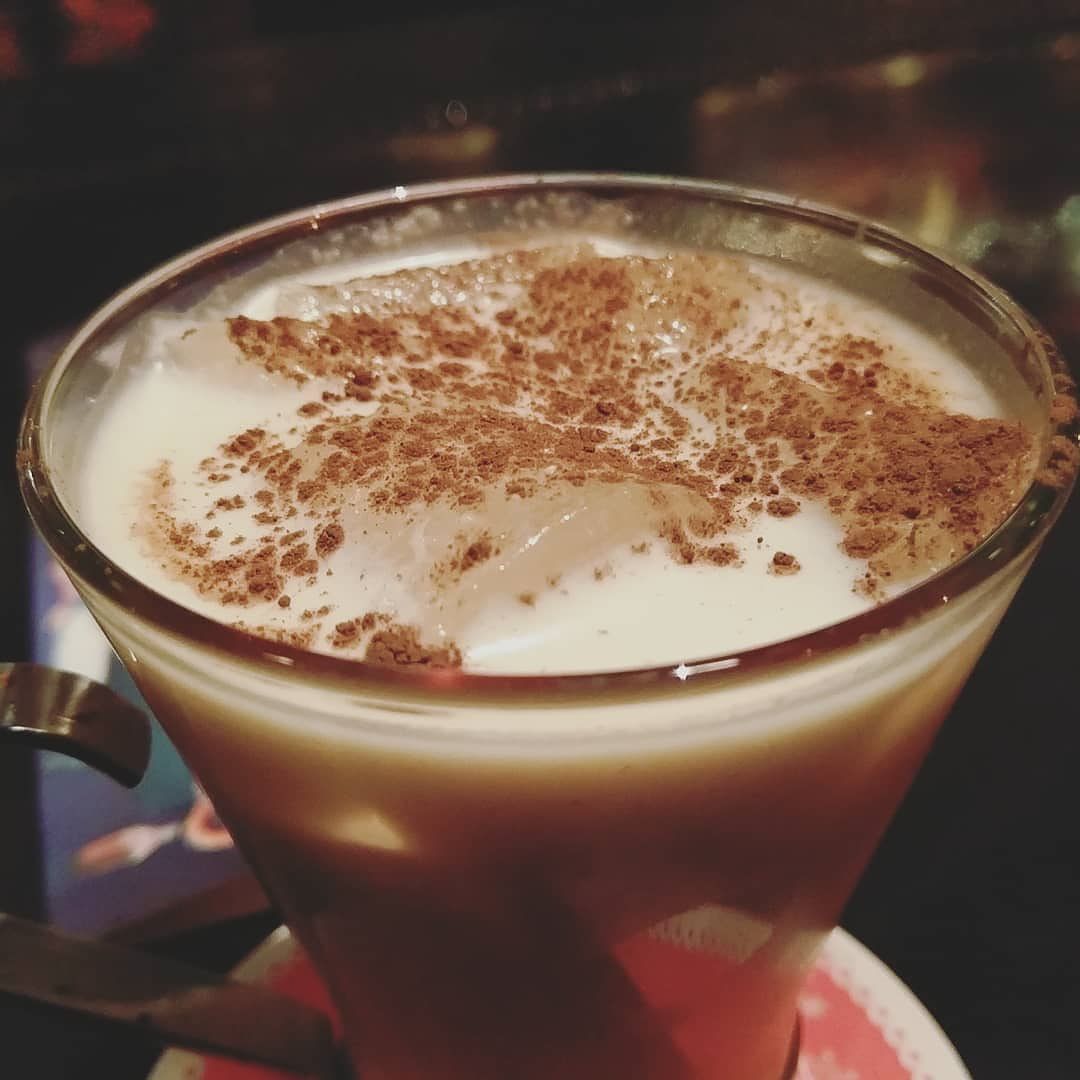
Color change. Classic coquito is white/cream colored. Coquito con café is a beautiful warm beige — like a coconut cappuccino.
Serving time shifts. Classic coquito is often served as a dessert drink or late-night beverage. Coquito con café works better during brunch, afternoon parties, or as an evening drink — the coffee keeps it from being too soporific.
Adult appeal. Children sometimes love classic coquito too much. The coffee adds a bitter note that signals "this is an adult drink" — though non-alcoholic coffee coquito for older kids is a tradition too.
The Authentic Recipe
Watch: Authentic Puerto Rican Coquito recipe
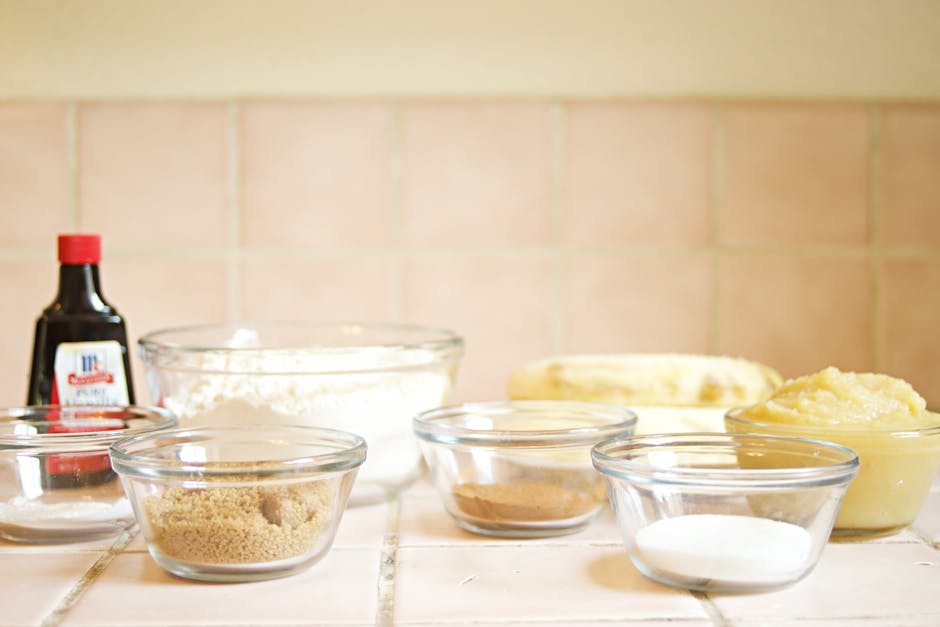
Ingredients (for approximately 2 liters / half gallon):
- 1 can (13.5 oz) coconut milk (unsweetened)
- 1 can (15 oz) cream of coconut (like Coco López)
- 1 can (14 oz) sweetened condensed milk
- 1 can (12 oz) evaporated milk
- 1.5 cups strong brewed Puerto Rican coffee, cooled (or 2-3 tablespoons instant espresso powder)
- 1.5 to 2 cups white rum (Ron del Barrilito, DonQ Cristal, or Bacardí)
- 1 tablespoon pure vanilla extract
- 1 teaspoon ground cinnamon
- 1/2 teaspoon ground nutmeg
- Optional: 1-2 raw or pasteurized egg yolks (traditional in some family recipes)
Equipment:
- Blender (large enough for all ingredients)
- Glass bottles with tight lids for storage
- Small glasses for serving (3-4 oz)
- Cinnamon sticks for garnish
Method:
-
Brew the coffee first and cool completely. Use medium-dark roasted Puerto Rican coffee. Brew stronger than normal drip — about 4 tablespoons of grounds per 1.5 cups of water. Let cool to room temperature.
-
Blend the coconut components. In a blender, combine coconut milk, cream of coconut, condensed milk, and evaporated milk. Blend on medium speed until smooth — about 30 seconds.
-
Add the cooled coffee. Pour the cooled coffee into the blender. Blend again briefly to combine.
-
Add rum. Pour in 1.5 to 2 cups of white rum. Start with 1.5 cups — you can add more to taste in a moment. Pulse the blender to combine.
-
Add spices and vanilla. Add ground cinnamon, ground nutmeg, and vanilla extract. Blend briefly.
-
Taste and adjust. The flavor should balance: sweet but not candy-sweet, coffee-forward but not overwhelming, rum present but not harsh, spice warming but not dominant. Adjust rum, sugar, or coffee strength as needed.
-
Optional egg yolks. Some Puerto Rican family recipes include 1-2 raw egg yolks blended in for extra richness. This is traditional but carries salmonella risk with raw eggs — use pasteurized eggs if including.
-
Bottle and chill. Pour into clean glass bottles. Seal tightly. Refrigerate for at least 4 hours before serving — ideally overnight. The flavors meld and integrate during chilling.
-
Serve cold in small glasses. Shake bottles gently before serving (the coconut can separate). Pour into small 3-4 oz glasses. Garnish with a cinnamon stick or a dusting of cinnamon.
Cultural Role in Puerto Rican Christmas
Coquito con café appears in specific Puerto Rican holiday moments:
Nochebuena (Christmas Eve, December 24). The most important holiday night in Puerto Rican culture. Families gather for a massive dinner — lechón asado, arroz con gandules, pasteles, pernil — followed by coquito and traditional desserts. Coquito con café is often served as the evening progresses, helping keep guests awake for the late-night celebrations.
Parrandas (surprise caroling visits). Throughout December and early January, groups of friends and family arrive at homes unannounced at night, singing aguinaldos and traditional songs. Each house receives them with food and drink. Coquito — including coquito con café — is the signature offering.
Año Nuevo (New Year's Eve, December 31). Another coquito-heavy night. Coquito con café becomes especially popular for the late-night countdown.
Día de Reyes (Three Kings Day, January 6). The traditional end of Puerto Rican Christmas. Families gather for one final feast. Coquito supplies from earlier in the season are finished during this celebration.
Octavitas (January 7-14). The extended post-Kings celebration — traditionally running eight more days after Three Kings. Coquito con café continues to appear at smaller gatherings through this period.
Gift-giving. Homemade coquito in decorative bottles is one of the most beloved Puerto Rican Christmas gifts. Giving bottles of your own coquito con café to family, neighbors, and coworkers is a cherished tradition. Each family's coquito recipe is slightly different, so exchanging bottles lets everyone sample different versions.
Coquito con Café vs Other Holiday Drinks
Coquito con café has cousins in other cultures — let's compare:
American eggnog: Egg-heavy, milk and cream based, brandy or bourbon spiked, nutmeg-forward. Very different flavor profile. Coquito uses coconut instead of cream.
Mexican rompope: Similar egg-and-rum tradition, but more egg-forward and less coconut. Different Caribbean character.
Dominican ponche de leche: Closer to coquito — uses condensed milk and rum — but typically lacks coconut. Different Dominican flavor.
Venezuelan ponche crema: Commercially produced, smooth, rum-based. Different industrial character.
Irish coffee: Hot coffee, whiskey, cream, sugar. Unrelated tradition but shares the "coffee + alcohol" theme.
White Russian (cocktail): Vodka, coffee liqueur, cream. Different purpose (cocktail vs holiday drink).
Italian caffè corretto: Espresso with grappa. Different (not sweet, served hot).
Coquito con café is distinctly Puerto Rican — the combination of coconut, rum, coffee, and cinnamon creates a flavor profile no other tradition matches.
Variations Across Puerto Rico
Every Puerto Rican family has their own coquito recipe. Coquito con café variations include:
Classic coffee coquito: The standard recipe above. Coffee noticeable but balanced.
Strong coffee coquito (café fuerte): Double the coffee, slightly less coconut. More coffee-forward for adults who want coffee to be dominant.
Mocha coquito (chocolate coffee variant): Add 2-3 tablespoons of cocoa powder or 1/4 cup of melted dark chocolate. A richer, chocolate-dark-coffee variation.
Espresso coquito: Uses 1 cup of espresso instead of brewed coffee. More intense coffee flavor, thinner texture.
Instant coffee variant: 2-3 tablespoons of good quality instant espresso powder dissolved in warm coquito. Faster preparation, different flavor.
Spiced coffee coquito: Adds star anise, cardamom, and whole cloves to the mixture during blending. More complex spice profile.
Rum-free (for children/non-drinkers): Replace rum with 1/2 cup additional coconut milk or a splash of coconut water. Called "coquito sin alcohol" or "coquito para niños."
Dark rum version: Uses aged dark rum (Ron del Barrilito 5-year or Bacardí 8) instead of white rum. Richer, more complex flavor. Less traditional but increasingly popular.
Goat milk coquito (rural variation): In some rural mountain communities, fresh goat milk replaces evaporated milk. Distinctive tangy character.
Serving Traditions
Proper coquito con café service:
Temperature: Cold, but not ice cold. Take it out of the refrigerator 10-15 minutes before serving.
Glass: Small glasses, 3-4 oz. Coquito is rich — small portions are correct. Traditional Puerto Rican copitas (small glasses) are ideal. Shot glasses work in a pinch.
Garnish: Cinnamon stick in the glass, or dusting of ground cinnamon on top, or both. Some families add a tiny piece of coconut to the glass.
Shaking before pouring: Essential. The coconut and oils separate during storage. Always shake the bottle gently before pouring.
Offering rituals: In traditional Puerto Rican hospitality, the host personally pours coquito for each guest. Passing the bottle around is less formal.
Second rounds: Expected. One glass of coquito is never enough. Plan accordingly.
With food: Coquito pairs with traditional Puerto Rican Christmas pastries — quesitos, pan de mallorca with powdered sugar, arroz con dulce, tembleque, polvorones.
Storage and Aging
Refrigeration: Coquito must be refrigerated. It will spoil at room temperature due to the dairy content.
Shelf life: Properly made and stored, coquito con café lasts 2-3 weeks in the refrigerator. Some families claim it improves with 3-4 days of aging — the flavors meld.
Freezing: Coquito can be frozen for 2-3 months. The texture may change slightly after thawing; shake vigorously to restore.
Signs of spoilage: Sour smell, chunky texture that won't blend, mold on the surface, strong "off" taste. If in doubt, discard.
Bottling for gifts: Use clean, sterilized glass bottles with tight seals. Label with "coquito con café — refrigerate — best within 3 weeks" so recipients know it's perishable.
The Alcohol Question
Traditional coquito con café contains rum. Some families make it without alcohol — called coquito sin alcohol or coquito para niños (for children).
Rum choices:
- Ron del Barrilito (any age): Premier Puerto Rican rum. Adds caramel depth.
- DonQ Cristal: Clean, smooth white rum. Classic choice for coquito.
- Bacardí white: Classic Puerto Rican rum (though the company moved headquarters to Bermuda). Reliable choice.
- Bacardí Gold: Adds complexity. Some families prefer this for coquito con café specifically.
- Palo Viejo: Puerto Rican rum option, moderately priced.
Avoid: Dark spiced rums (clash with coquito flavors), flavored rums (change the character), low-quality rum (damages the drink).
Strength: Traditional coquito is about 10-14% alcohol by volume — similar to wine. Use 1.5 to 2 cups of rum for the recipe given.
Non-alcoholic version: Omit the rum entirely. Replace with 1/2 cup additional coconut milk. Excellent for children, pregnant women, those avoiding alcohol, or anyone who prefers their coquito alcohol-free.
Frequently Asked Questions
Can I make coquito con café without a blender? Yes, but blending produces the smoothest texture. A whisk and vigorous stirring can substitute, or an immersion blender directly in a large bowl.
How strong should the coffee be? Use coffee brewed stronger than drip — about 4 tablespoons grounds per 1.5 cups water. Or substitute 2-3 tablespoons of quality instant espresso powder.
Can I use decaf? Yes. If you want the coffee flavor without the caffeine (especially useful for evening servings), decaf Puerto Rican coffee works perfectly.
How long does homemade coquito con café last? 2-3 weeks refrigerated. Some say it improves after 3-4 days of resting.
Can I use cream of coconut vs coconut cream? Cream of coconut (like Coco López) is sweetened. Coconut cream is unsweetened. The recipe uses cream of coconut. If substituting unsweetened coconut cream, add more condensed milk to compensate.
Is coquito con café served hot or cold? Cold. Always cold. Hot coquito is not traditional.
What foods pair with coquito con café? Traditional pairings: arroz con dulce, tembleque, polvorones, pan de mallorca, quesitos, and Christmas desserts. Avoid very rich desserts — they overwhelm the coquito.
Can I make it vegan? Challenging but possible. Replace condensed milk with vegan condensed milk (made from oat or coconut), replace evaporated milk with more coconut milk. Result won't be identical but is acceptable.
Key Facts: Coquito con Café at a Glance
- Origin: Puerto Rico, traditional Christmas drink
- Type: Coconut-based cream drink with coffee and rum
- Serving: Cold, small glasses (3-4 oz), December-January holiday season
- Main ingredients: Coconut milk, cream of coconut, condensed milk, evaporated milk, strong coffee, white rum, cinnamon, vanilla, nutmeg
- Alcohol content: ~10-14% ABV (similar to wine)
- Preparation time: 15 minutes + 4 hours chilling (overnight preferred)
- Storage: Refrigerated, 2-3 weeks shelf life
- Rum choice: Puerto Rican white rum (Ron del Barrilito, DonQ, Bacardí)
- Primary occasions: Nochebuena, Christmas, parrandas, Three Kings Day, gift-giving
- Non-alcoholic option: Available (coquito sin alcohol)
- Classic garnish: Cinnamon stick, ground cinnamon, coconut flakes
Related Articles
- Café con Leche: The Puerto Rican Morning Tradition
- Café Puya: The Strong Black Coffee Tradition of Puerto Rico
- How Coffee Reached Puerto Rico in 1736
- Coffee Roasting: The Complete Science Guide
Buy Authentic Puerto Rico Coffee for Your Coquito
The coffee in your coquito con café deserves to be real Puerto Rican coffee. Our mountain-grown Arabica from Yauco, Adjuntas, Lares, Jayuya, and Maricao — roasted medium-dark to bring out chocolate, caramel, and nutty notes — transforms ordinary coquito into an authentic Boricua Christmas experience. A premium coquito deserves premium coffee.
→ Shop authentic Puerto Rico coffee at PuertoRicoCoffeeShop.com
This article is part of the Coffee Encyclopedia, the world's largest free coffee reference. Proudly sponsored by PuertoRicoCoffeeShop.com — your authentic source for premium Puerto Rico coffee, shipped worldwide.