
Café de la Olla: The Clay Pot Coffee Tradition of Puerto Rico
Café de la Olla: The Clay Pot Coffee Tradition of Puerto Rico
Café de la olla is coffee brewed directly in a clay pot with brown sugar and cinnamon — a tradition born in rural Puerto Rican kitchens before modern coffee makers existed. The method predates the moka pot, the drip machine, and even the cloth colador in many households. A simple earthenware olla (clay cooking pot), water, freshly ground coffee, a stick of cinnamon, and brown sugar or panela — simmered gently over a wood fire or a gas burner until the aromas fill the house. This is coffee as home ritual, as winter comfort, as holiday memory. While the Mexican version of café de olla is more famous worldwide, the Puerto Rican version has its own distinct character and place in Boricua culture. This article covers the authentic recipe, the key differences from the Mexican version, the role of café de la olla in rural homes, and why this centuries-old method still produces some of the most beloved coffee on the island.
What Is Café de la Olla?
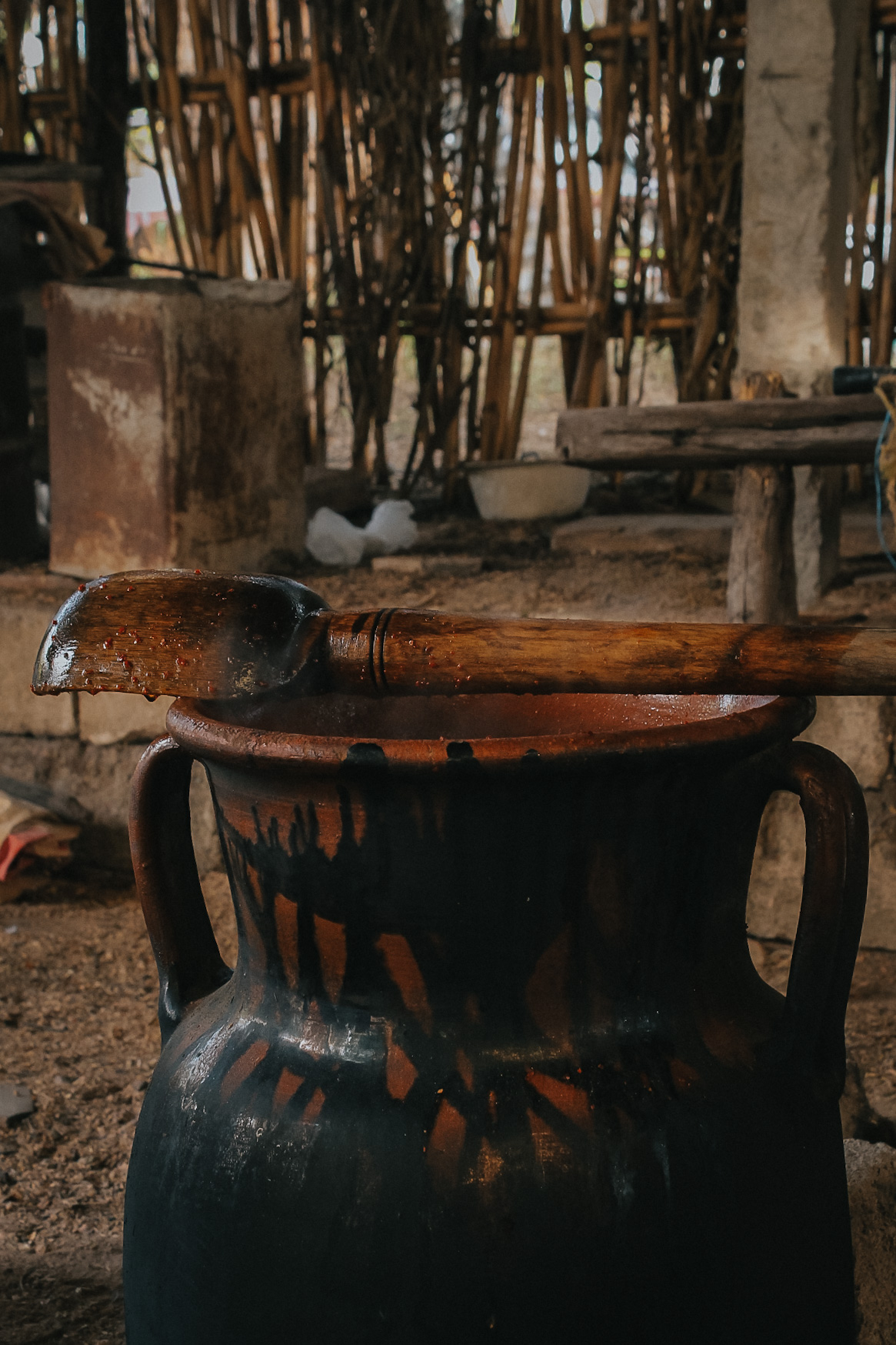
Café de la olla (literally "coffee from the pot") is a brewing method where coffee is simmered directly in a clay pot together with water, sugar, and spices — then strained and served. The defining characteristics are:
- Clay pot (olla) — traditionally earthenware, which gives the coffee a distinct taste
- Whole spices — cinnamon stick is essential; sometimes cloves or anise added
- Brown sugar or panela — always sweetened; this is NOT a bitter coffee tradition
- Simmered, not boiled — low heat, patience required
- Strained before serving — the grounds stay behind
- Served hot in ceramic cups
Unlike most modern brewing methods that aim for clarity and precision, café de la olla is intentionally rustic, full-bodied, and rich. The clay pot absorbs and releases subtle flavors over years of use, making an old olla a treasured family possession.
Puerto Rican Café de la Olla vs Mexican Café de Olla
Both Puerto Rico and Mexico have café de la olla traditions, but they are distinct:
Mexican café de olla:
- Piloncillo (unrefined cone sugar) is essential
- Always includes cinnamon
- Sometimes includes cloves, anise, orange peel, chocolate
- Strong cultural identity in central/northern Mexican cuisine
- Often served in small clay cups (jarritos)
- Associated with Mexican indigenous traditions
Puerto Rican café de la olla:
- Brown sugar (azúcar negra) or panela used
- Cinnamon is standard; other spices less common
- More minimal ingredient list
- Often associated with rural mountain communities and holiday preparation
- Served in regular ceramic cups
- Associated with jíbaro tradition and Three Kings Day (January 6)
The brewing method is similar in both — simmering in a clay pot — but the resulting flavors are distinct. Mexican café de olla tends toward complex spice profiles; Puerto Rican version tends toward cleaner coffee-plus-cinnamon character.
Both traditions share a common Iberian (Spanish colonial) root, but developed independently in each country.
The Authentic Puerto Rican Recipe
Ingredients (for 4 cups):
- 4 cups (32 oz) water
- 4 tablespoons coarsely ground Puerto Rican coffee (medium-dark roast)
- 1 stick of cinnamon (canela en rama)
- 4 tablespoons brown sugar (azúcar negra) or 2 oz panela/piloncillo if available
- Optional: 2-3 whole cloves
- Optional: small piece of orange peel (modern variation)
Equipment:
- Clay olla (earthenware pot) — 1 to 1.5 quart capacity
- Wooden spoon (metal reacts with clay — always wooden)
- Fine mesh strainer or colador de tela
- Ceramic cups for serving
Method:
-
Prepare the olla. If the olla is new, season it first: fill with water, bring to a boil, discard the water. This removes any clay taste from first firing.
-
Heat the water with spices. Pour water into the olla. Add the cinnamon stick (broken in half to release flavor). Add optional cloves if using. Place over low-medium heat.
-
Add the sugar. As the water begins to warm, add brown sugar or panela. Stir with the wooden spoon until fully dissolved.
-
Bring to a gentle simmer. Do not boil rapidly. Traditional preparation uses the lowest heat that produces small bubbles around the edges. This infuses the water with cinnamon and sweetness slowly.
-
Add the coffee. Once the water is simmering with spices dissolved, add the ground coffee. Stir once with the wooden spoon.
-
Simmer for 5-7 minutes. Keep the heat low. The coffee grounds will float, then slowly sink as they hydrate. Do not stir vigorously — let the natural circulation do the work.
-
Remove from heat. Let the olla rest for 2-3 minutes off the heat. This allows all grounds to settle to the bottom.
-
Strain and serve. Pour through a fine mesh strainer or a colador de tela into ceramic cups. The coffee should be deep brown, aromatic with cinnamon, and naturally sweetened.
-
Serve immediately. Café de la olla loses character quickly. Drink within 15 minutes of brewing.
Cultural Role in Puerto Rico
Café de la olla occupies a specific cultural niche in Puerto Rican life:
A rural, mountain tradition. Historically, café de la olla was most associated with the mountain communities — Jayuya, Adjuntas, Yauco, Lares, Maricao, Utuado. In these regions, before modern coffee makers became affordable, the olla was THE way to make coffee for a family. Every home had a dedicated coffee olla.
Holiday and Three Kings Day preparation. Café de la olla appears strongly in December and early January, during Puerto Rico's extended holiday season. On Three Kings Day (January 6), the beloved Día de Reyes, many families serve café de la olla alongside arroz con dulce, tembleque, and other traditional Puerto Rican sweets.
Parrandas and trulla navideñas. During the Christmas season, groups of friends and family go from house to house singing aguinaldos and traditional songs (parrandas). At each house, they are greeted with food and café de la olla. The cinnamon-scented coffee is a signature of this tradition.
Winter and rainy-day comfort. When the weather turns cool (by Puerto Rican standards — December through February), café de la olla becomes the preferred drink. The cinnamon warms, the brown sugar comforts, the ritual of preparation slows the day.
Multigenerational preparation. Café de la olla is often made together — grandmother guiding grandchildren through the steps. It is one of the recipes most commonly used to teach Puerto Rican cooking traditions to younger generations.
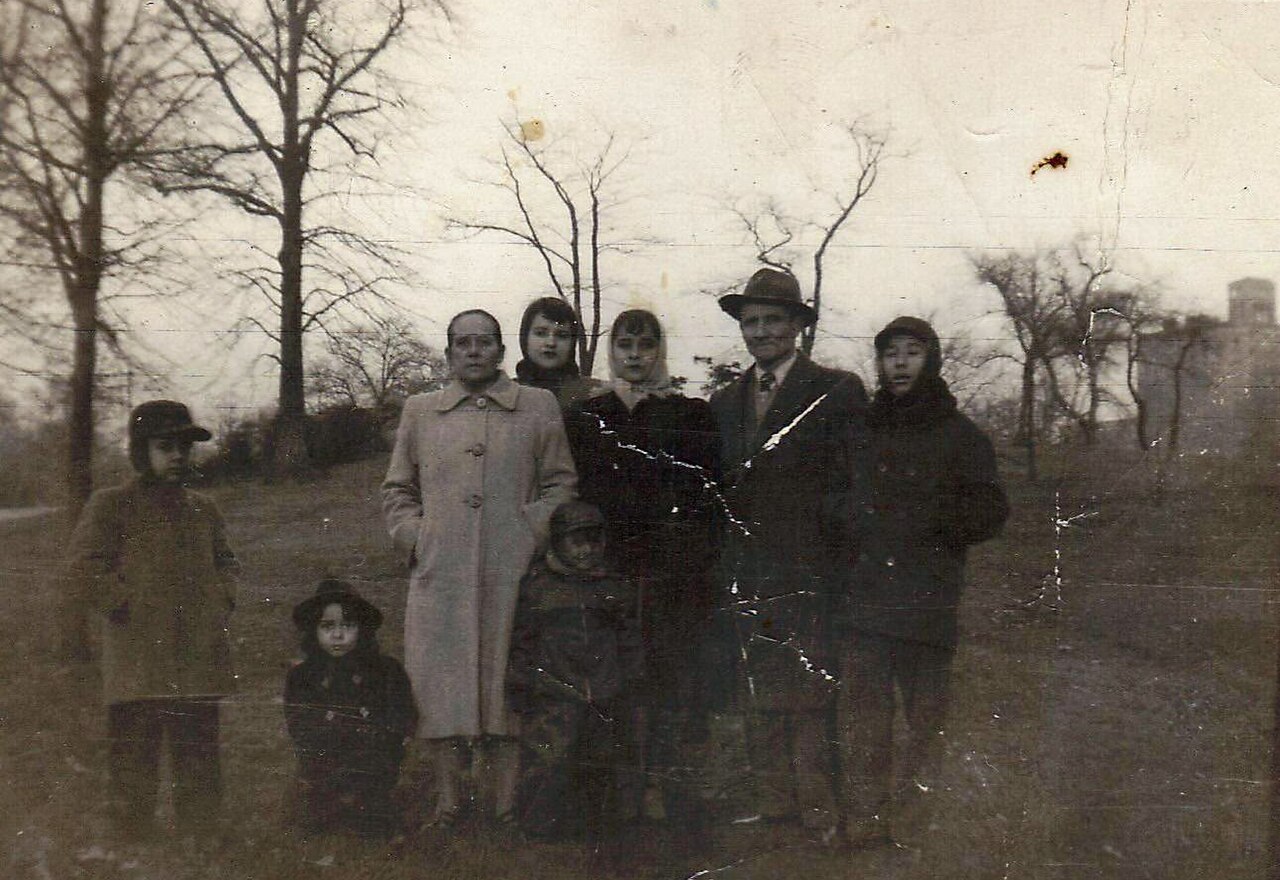
Diaspora preservation. Puerto Rican families in New York, Florida, Chicago, and across the mainland USA often make café de la olla specifically during Christmas — as a direct cultural link to home. Some families bring back clay ollas from trips to Puerto Rico specifically for this purpose.
The Clay Pot Question
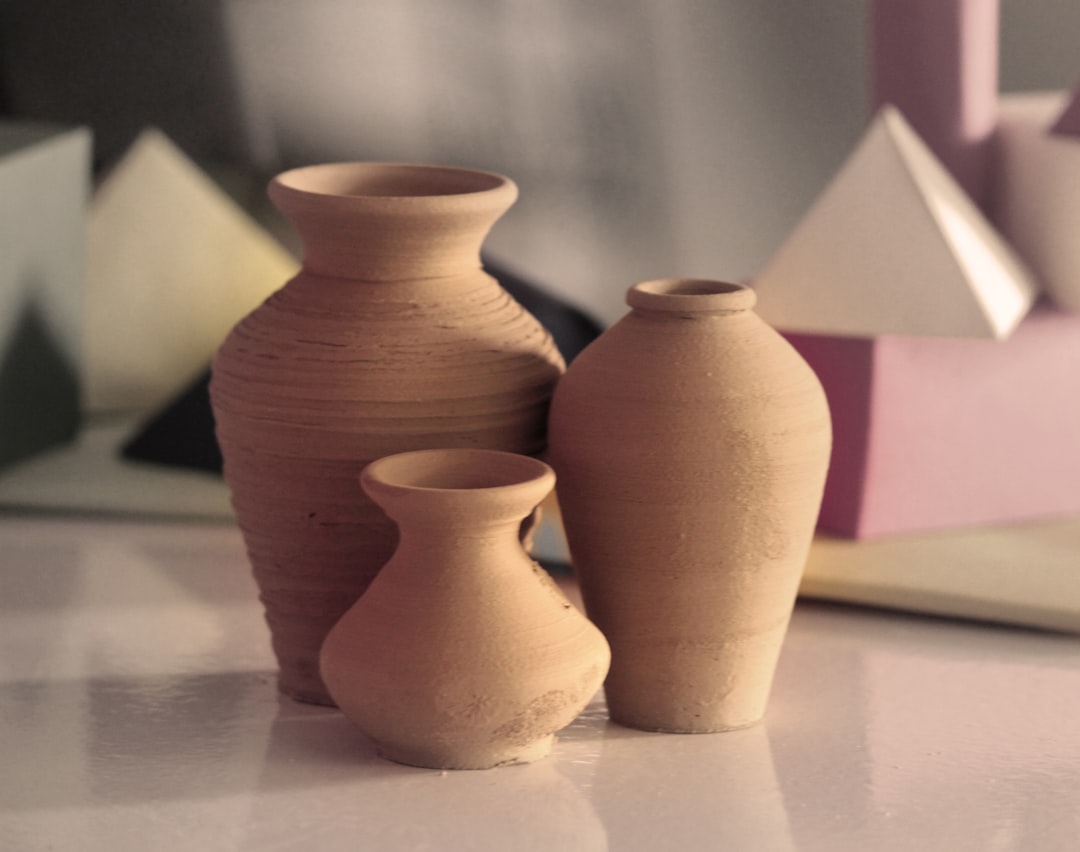
The olla (clay pot) is not just a container — it is part of the brewing method. Here's why clay matters:
Thermal properties: Clay heats slowly and evenly, and retains heat longer than metal. This produces a gentle, continuous simmer rather than sudden temperature spikes.
Flavor contribution: Unglazed earthenware absorbs tiny amounts of coffee oils over years of use. An old olla contributes a subtle "memory" of previous brewings to each new one, developing what is essentially a seasoned flavor profile.
Cultural continuity: Using clay connects the modern preparation to indigenous Taíno pottery traditions, to Spanish colonial earthenware, to African cooking methods — to the deep past of Puerto Rican kitchens.
Where to get a real olla today:
- Artisan markets in Puerto Rico: Look for ollas at artisan fairs in Utuado, Barranquitas, Jayuya, and other mountain towns
- Specialty shops in Old San Juan and Ponce: Some shops still sell traditional clay cookware
- Plaza del Mercado de Santurce: Traditional market with artisan cookware
- Online: Some Puerto Rican artisan cooperatives ship internationally
Modern substitute: If a clay olla is unavailable, a small cast iron pot or heavy ceramic saucepan works acceptably. The result won't be identical — the clay contribution is missing — but the method will produce a similar drink.
What to avoid: Aluminum pots (react with acidic coffee), thin stainless steel (heats too quickly), nonstick cookware (scratches from wooden spoons, chemical concerns with extended heat).
Regional Variations Across Puerto Rico
Puerto Rico's small size belies its regional coffee diversity:
Mountain regions (Jayuya, Adjuntas, Lares): Classic preparation — water, coffee, cinnamon, brown sugar. Minimal ingredients. Dark roast beans.
Coastal regions (Ponce, Mayagüez): Sometimes includes a small amount of anise or cloves. Slightly lighter roast common.
San Juan and metropolitan: Most urban preparation has simplified — often just cinnamon and sugar added to drip coffee, rather than true olla simmering.
Yauco region: Known for using only the highest quality Yauco beans, minimal spicing, emphasis on letting the bean character show through.
Families with Dominican influence: May add a bit of orange peel during the simmering, borrowing from Dominican coffee preparation traditions.
Christmas variation (island-wide): Many families add a small splash of rum (Puerto Rican, of course) to the finished café de la olla during holiday preparation — creating a coffee that is comforting and festive.
How to Appreciate Café de la Olla
Café de la olla has specific flavor profile that rewards attention:
Before sipping: Smell deeply. The aroma should be complex — coffee first, then cinnamon, then brown sugar warmth. Good preparation gives a "bakery smell" as if bread and coffee were both nearby.
First sip: Notice the mouthfeel first. Well-made café de la olla has a slightly syrupy quality from the dissolved sugar and the body of the clay-simmered coffee. Not thick — just present.
The cinnamon appearance: Cinnamon should be present but not dominant. If you taste cinnamon BEFORE coffee, too much cinnamon was used. If you can't taste cinnamon at all, not enough was used or it wasn't simmered long enough.
The sweetness level: Traditional Puerto Rican café de la olla is meaningfully sweet but not candy-sweet. The brown sugar contributes both sweetness and molasses depth.
The finish: A well-made café de la olla leaves a warm, pleasant aftertaste — coffee plus cinnamon plus a suggestion of the clay itself.
Frequently Asked Questions
Can I make café de la olla in a regular pot? Yes, though the result won't be identical. Cast iron works best as a substitute; stainless steel is acceptable. Avoid aluminum and nonstick cookware.
How strong should the coffee be? Traditional preparation is medium-strong — not as strong as café puya, but stronger than typical drip coffee. The cinnamon and sugar balance the strength.
Can I use regular white sugar instead of brown? Technically yes, but the character changes significantly. Brown sugar or panela contributes molasses depth that white sugar lacks. If you must use white sugar, consider adding a small drop of molasses.
How do I clean a clay olla? Never use soap. Rinse with hot water only. Wipe clean with a cloth. Allow to air dry completely before storing. Soap soaks into unglazed clay and contaminates future brews.
Will the cinnamon stick be reusable? One cinnamon stick can be used for 2-3 batches before losing flavor. Rinse and air dry between uses.
Is café de la olla sweeter than café con leche? Café de la olla is traditionally sweeter than café con leche, but without milk. The flavor profile is coffee + cinnamon + brown sugar rather than coffee + milk + sugar.
Can I make café de la olla iced? Non-traditional. Café de la olla is essentially always served hot. For cold versions, see our Café Frío Boricua article.
What foods pair well with café de la olla? Traditional pairings include arroz con dulce (sweet rice pudding), tembleque, pan sobao, Mallorca, quesitos, and traditional Christmas pastries. Avoid very sweet desserts — they fight the coffee.
Key Facts: Café de la Olla at a Glance
- Method: Simmering in a clay pot (olla)
- Key ingredients: Water, ground coffee, cinnamon stick, brown sugar
- Optional additions: Cloves, orange peel, anise, rum (holiday)
- Best pot: Traditional Puerto Rican earthenware olla
- Acceptable substitute: Cast iron pot
- Simmer time: 5-7 minutes at low heat
- Coffee ratio: 1 tablespoon ground coffee per cup of water
- Cinnamon: 1 stick per 4 cups of coffee
- Sugar: Brown sugar or panela, to taste
- Primary cultural occasions: Holiday season, Three Kings Day, parrandas, rainy days
- Regional origin: Mountain Puerto Rico, jíbaro tradition
Related Articles
- Café con Leche: The Puerto Rican Morning Tradition — the milk-based daily drink
- Café Puya: The Strong Black Coffee Tradition of Puerto Rico — the black coffee counterpart
- Café Amargo: The Bitter Coffee Tradition of Puerto Rico — unsweetened black tradition
- Pilón de Café: The Wooden Pestle Tradition of Puerto Rico — grinding beans for la olla
- Adjuntas: The Coffee Capital of the Mountains — heartland of la olla tradition
- Jayuya: Taíno Mountain Coffee — ancient roots of Puerto Rican coffee culture
Buy Authentic Puerto Rico Coffee for Your Café de la Olla
The right beans transform café de la olla from good to unforgettable. Our high-altitude Puerto Rican Arabica is grown in the mountain regions that perfected this tradition — Yauco, Adjuntas, Lares, Jayuya, Maricao — producing the chocolate, caramel, and nutty flavors that pair beautifully with cinnamon and brown sugar in the clay olla.
→ Shop authentic Puerto Rico coffee at PuertoRicoCoffeeShop.com
This article is part of the Coffee Encyclopedia, the world's largest free coffee reference. Proudly sponsored by PuertoRicoCoffeeShop.com — your authentic source for premium Puerto Rico coffee, shipped worldwide.